A peer-reviewed journal probing the history & experience of wartime home fronts, broadly considered. Published by @UnivNebPress. Posts by the editor.
Joined March 2023
- Tweets 232
- Following 727
- Followers 575
- Likes 321
196 Photos and videos


Pinned Tweet

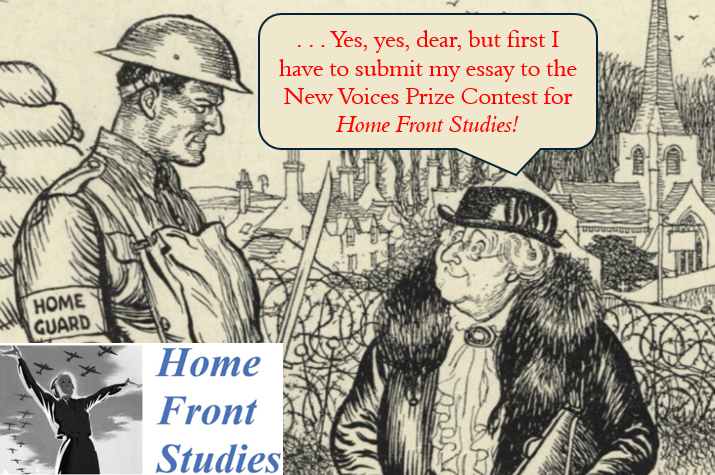
Announcing the New Voices Prize in Home Front Studies! @HomeFrontSt, published by @UnivNebPress, invites submissions from emerging / non-tenured scholars whose work examines the experience of the wartime home front, broadly considered. See details here: networks.h-net.org/system/fi…
2
2
208
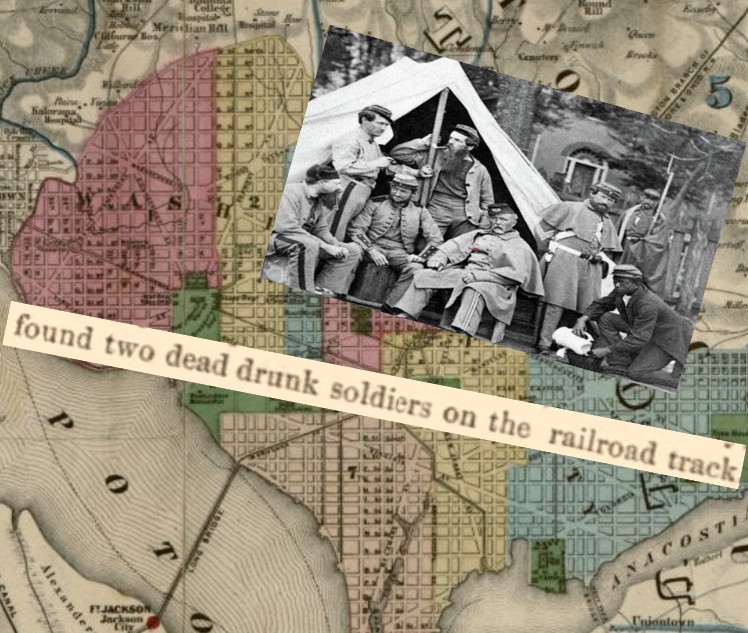
#Homefront article of the week: Nathan Marzoli explores the volatile mix of alcohol, business interests, and thirsty #soldiers in #USCivilWar #WashingtonDC. The carousing proved to be very difficult to prevent--to the frustration of military leaders. doi.org/rbqt
14
#homefront article of the week: Used to thinking of wartime women as mostly riveters & welders? @BPriyanka_KCL counters with a refreshing archival study of the morale contributions of #WWII dancers amid the grueling realities of war. @KingsCollegeLon doi.org/q9qn
2
78
Home Front Studies retweeted

.@HomeFrontSt has launched the New Voices Prize, an annual essay competition recognizing innovative scholarship on civilian life during times of conflict. The winner will be recognized in HOME FRONT STUDIES and invited to submit their manuscript. wp.me/p4J9AE-jrM
3
4
215
#homefront article of the week: If you lack butter, you should try cod-liver oil, right? Gerd Berget revisits #WWII #Norway to examine in detail how #housewives navigated wartime information needs and how they capably adapted their behavior. Fascinating! doi.org/q859
1
1
94
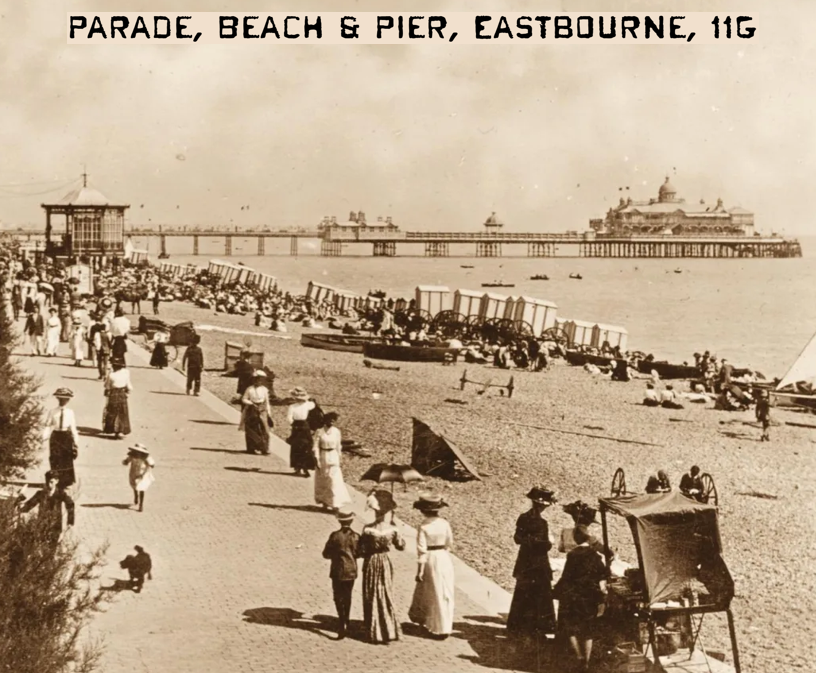
#homefront article of the week: Wartime #tourism!? Stephen Page & Joanne Connell flash back to #WWI to explore the #UK government’s anti-tourist policies, necessary because public demand for leisure travel persisted despite the all-out war effort. doi.org/q7zr
1
141
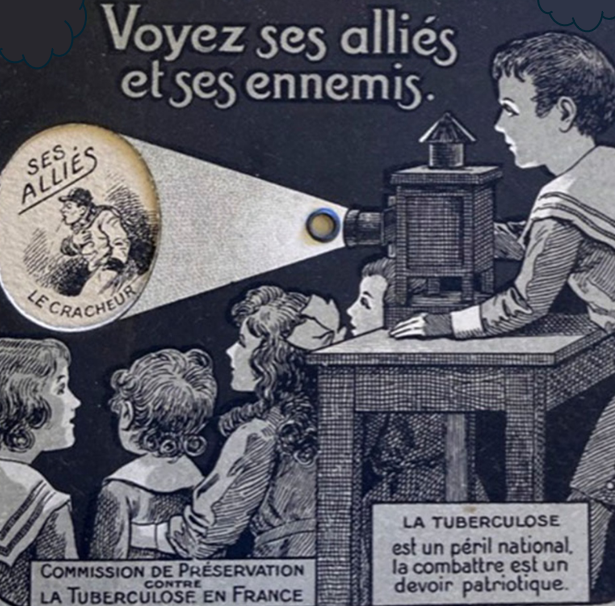
#homefront article of the week: In #WWI #France, officials aimed to protect the nation’s future by prioritizing #children's #health. Sara Elizabeth Black studies the resulting propaganda, here with a heavy emphasis on fighting #tuberculosis. @CNUcaptains doi.org/q6vq
1
102
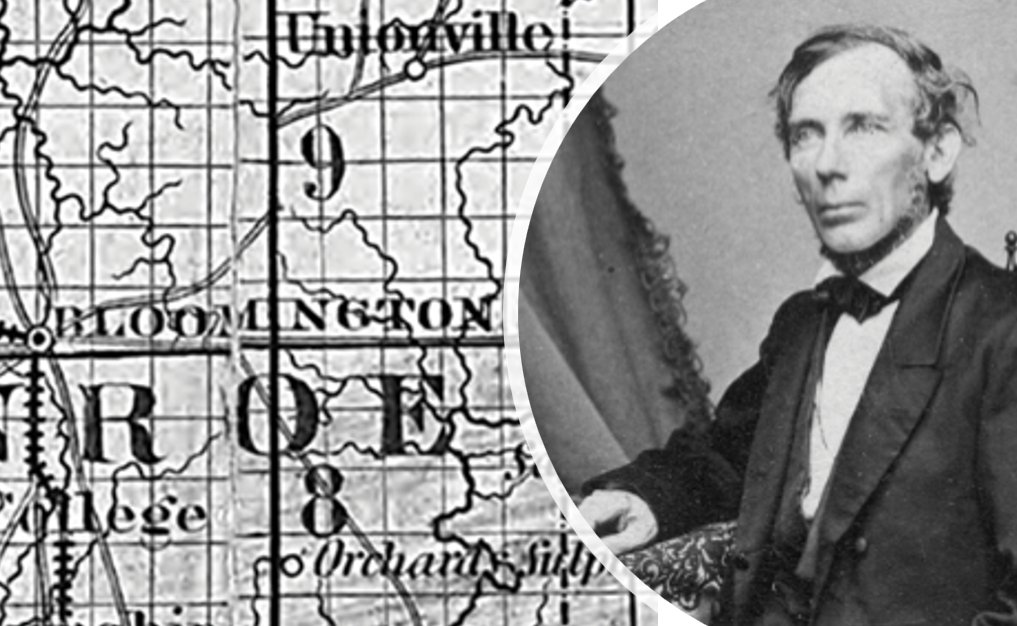
#homefront article of the week: The folks at the _Indiana Magazine of History_ unearth moving excerpts from the #USCivilWar diary of Theophilus A. Wylie, whose pen provides a close-up view of the war’s impact on the city of Bloomington. @IndianaHistory doi.org/q563
3
102
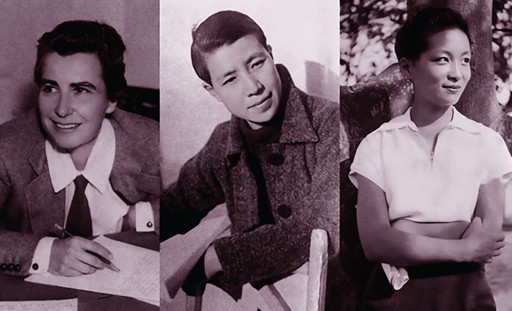
#homefront article of the week: S. Louisa Wei & Yuka Kanno search for common patterns among the careers of three #WWII-era #women—#queer filmmakers who were situated across the world. The wide-ranging analysis is thoughtful & thought-provoking. doi.org/q5db
1
1
139
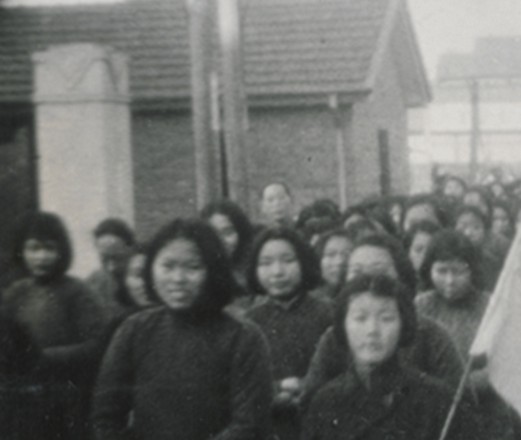
#homefront article of the week: Kavita Gawrinauth offers a compelling study of the resilience of #WWII #Chinese women as seen through missionary perspectives. What emerges is an inspiring image of overcoming adversity through sisterhood. @NYUHistory doi.org/q4hm
1
2
3
194
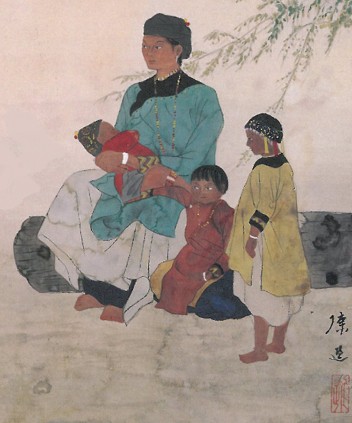
#homefront article of the week: Junghee Moon presents a fascinating study of the roots of imperial #Japan’s conceptualization of #women’s wartime roles via artist Chen Chin’s depictions of #Taiwanese #Indigenous women as the symbolic embodiment of war. doi.org/q3pt
1
132
#homefront article of the week: Sport activities interact with wars in surprising ways. Here, Michael Collins shows how #WWII #English #cricket reached massive crowds & radio audiences, feeding racialized & imperial wartime identities. @UCLSocHistSci
doi.org/q2zn
1
1
157
#homefront article of the week: How we _remember_ wars may matter as much as how they actually happened. Here, Joachim Schiedermair analyzes a #Norwegian #comicbook to show how indexical signs play a key role in processing & remembering wartime experience. doi.org/qzvc
1
156
#homefront article of the week: Fighting against toxic workplaces isn’t new. Here, Robin Dearmon Muhammad highlights the #BayArea’s #WWII #Black #Women, who used every tool at their disposal to fight workplace racism and injustices. Inspiring work! doi.org/qxsg
2
206
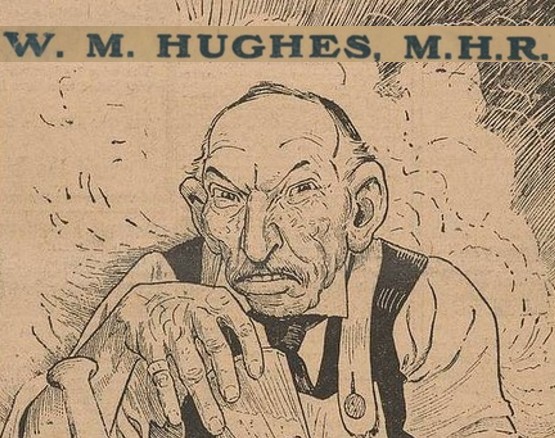
#homefront article of the week: Catherine Bond revisits #WWI #Australia to assess Prime Minister William Hughes’s unusual bids to legalize marriage-by-proxy unions & to enable divorces between Australian combatants and UK women they married while serving. doi.org/qwmh
4
414
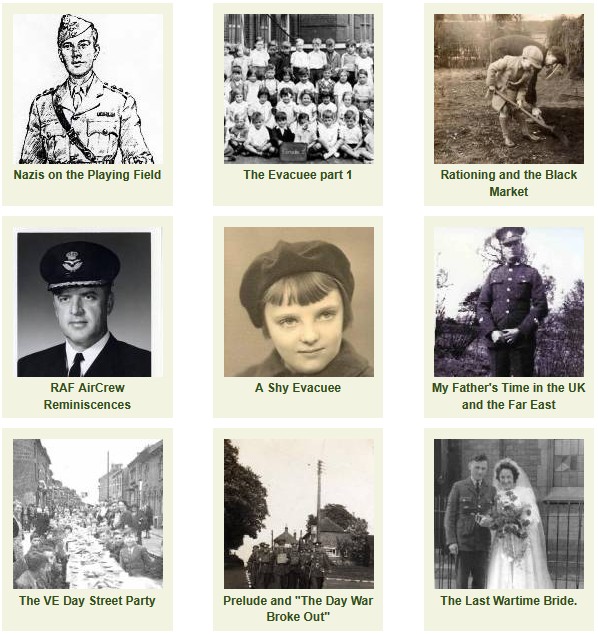
#homefront article of the week: Interested in the local, personal experience of #WWII? Navi Binning reminds us of the ongoing availability of @BBC’s WW2 People’s War archive, an impressively deep site with over 47,000 stories. Super research resource! doi.org/qvt7
4
126
#homefront article of the week: Andreas Åkerlund flashes back to 1933-43 Sweden to study the activities of a secret German-based propaganda arm, using extensive archival work to find links between clandestine operations and published content. Fascinating! doi.org/g9446s
1
2
349
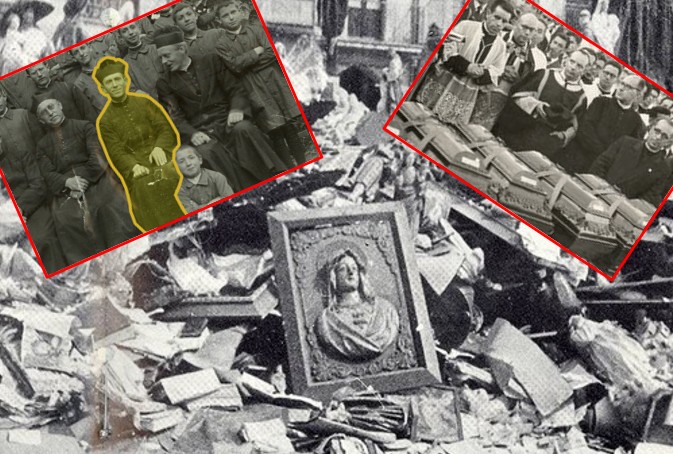
#homefront article of the week: Civilians die in wartime, but not proportionally, as it turns out. Here, 4 Spanish scholars use #SpanishCivilWar data to show that potential leaders—in this case, clerics—were _far more likely_ to be targets of armed actors. doi.org/qtfb
1
117
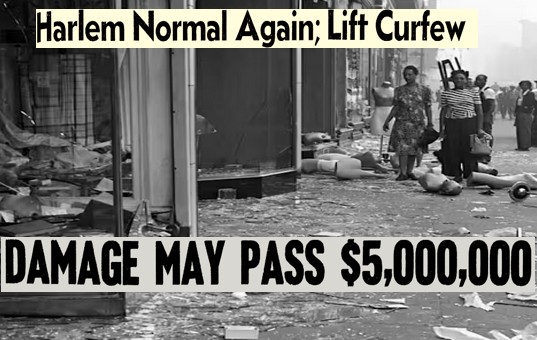
#homefront article of the week: Bridget Laramie Kelly revisits the 1943 #Harlem Uprising, finding that the role of #Black #women in the #WWII episode represented an emerging feminine rage with long-term implications. Super archival work! @WashUHistory doi.org/qr99
2
145
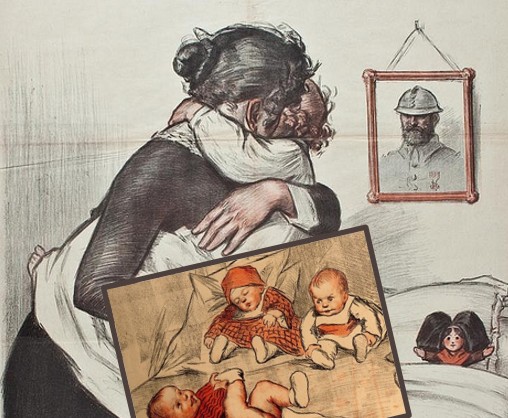
#homefront article of the week: After Gen. Joffre’s 1914 Marne victory, French babies were much more likely to be named Joffre, Joffrette, or Joffrine. In a social scientific piece, Nicolas Todd & Baptiste Coulmont unveil a new approach to naming patterns. doi.org/qrd5
1
2
185