Joined November 2023
- Tweets 1,080
- Following 135
- Followers 164
- Likes 140
772 Photos and videos






Dr Daniel retweeted

May 21
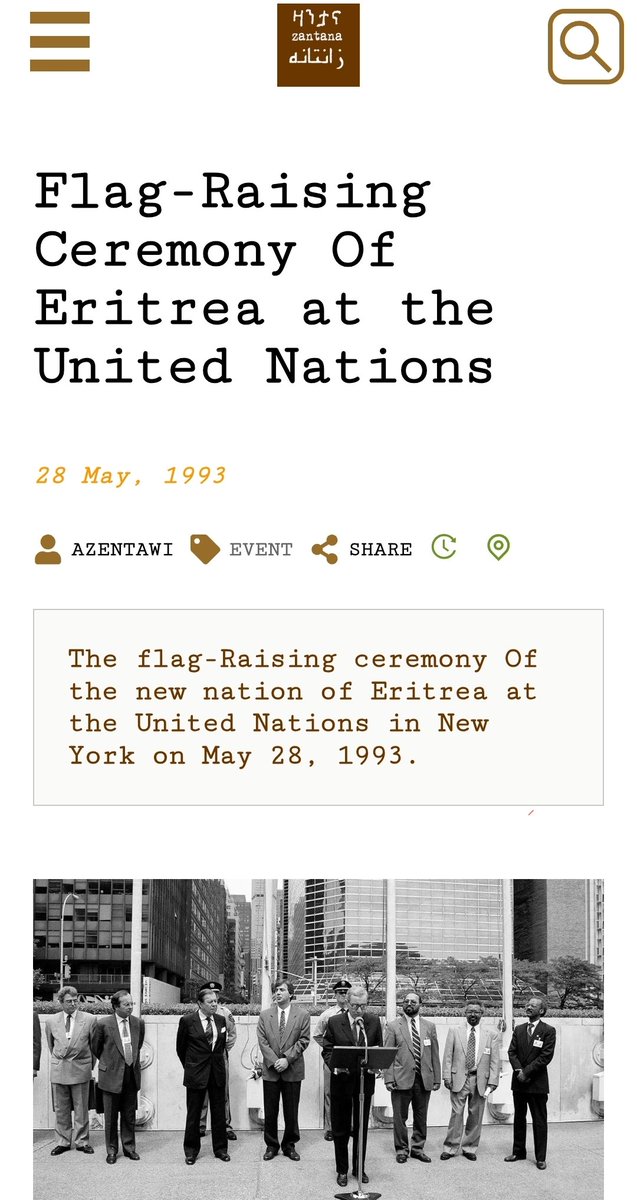
Eritrea’s Permanent Representative at the United Nations celebrated the 35th Independence Day anniversary on 20 May at the United Nations Headquarters in New York.
The celebration was attended by senior #UN officials, Permanent Representatives of various countries, Eritrean professionals working at the UN, and members of the press
#EritreaShineAt35
#Our_Resilience_Our_Guarantee
#ጽንዓትና_ዋሕስና
#ERITREA 🇪🇷 @AmbStesfamariam
4
150
248
3,470

May 22
ERITREA
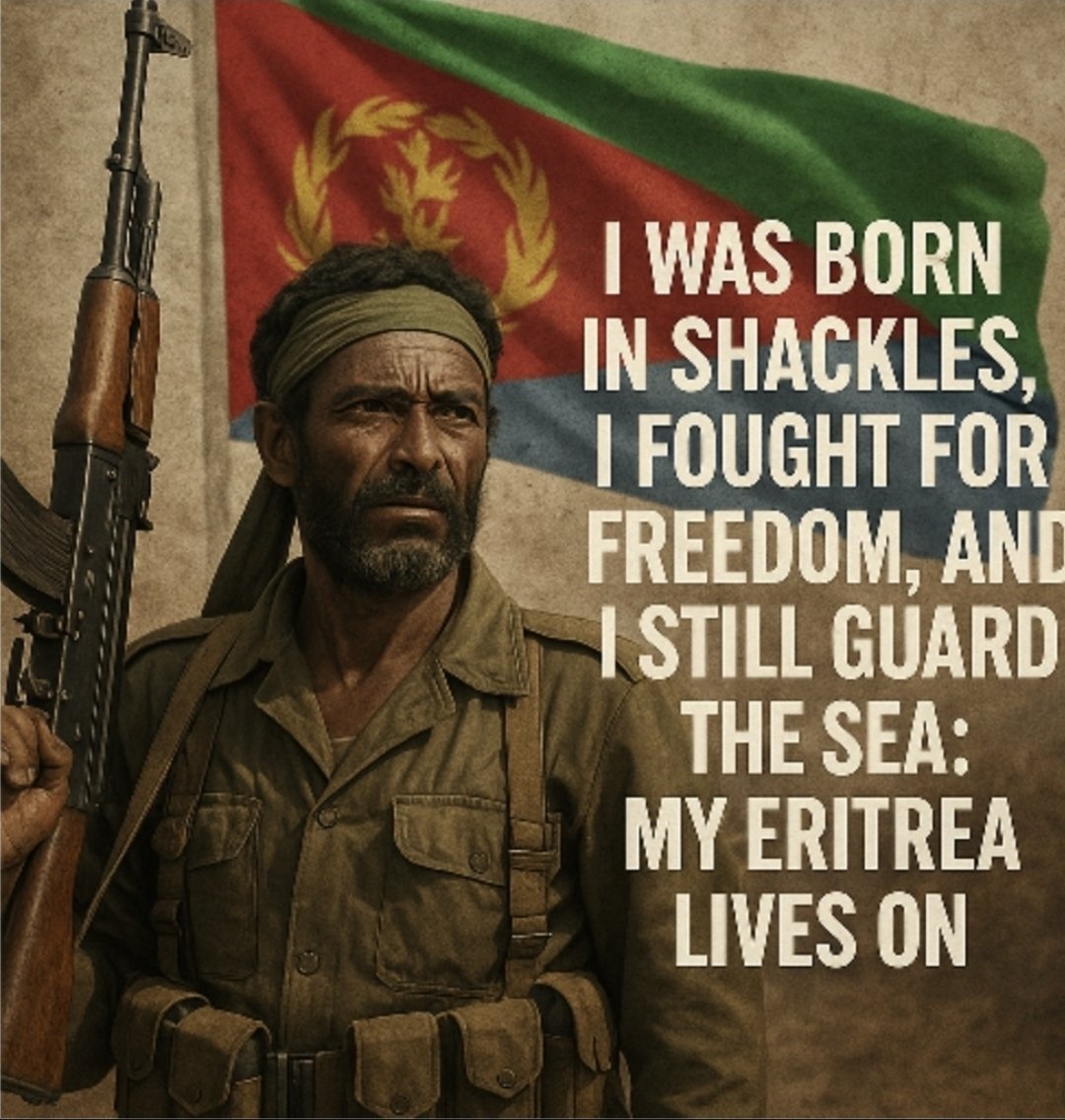
35 years of sacrifice, resilience, and unity. From the mountains of Nakfa to the streets of Asmara and the shores of ASSAB, Eritrea stands proud and unbroken. A legacy written in courage, a future built on hope. 🇪🇷 #Eritrea #IndependenceDay #May24
91
Dr Daniel retweeted

May 17
General Sebhat Efrem is a nation’s living treasury, carrying institutional memory, struggle, and dedication that cannot easily be replaced.
Welcome back, Five-Star ⭐⭐⭐⭐⭐ General. Your experience, resilience, and service remain deeply valued and appreciated by #Eritreans.
🇪🇷

30
202
410
17,234
Apr 23
Strategic Patience vs. Ideological Inconsistency
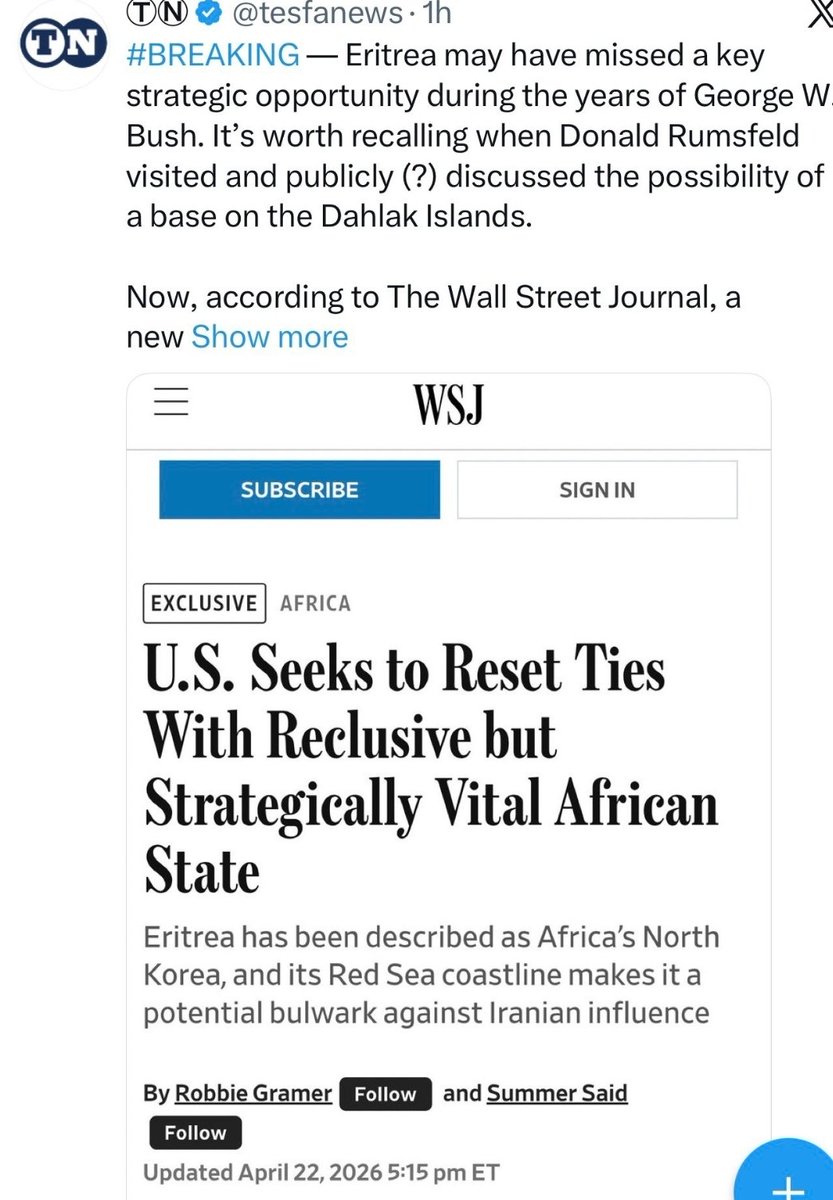
The Wall Street Journal recently reported that the United States is actively seeking to reset and restore diplomatic ties with Eritrea, a strategically vital state on the Red Sea. This potential shift includes steps toward lifting long-standing sanctions, driven by America's strategic need to counter Iranian influence and address escalating maritime threats.
The report highlights Eritrea's 1,100-kilometer coastline as a critical bulwark in the current global power struggle over the Horn of Africa.
It is unsurprising that some observers perceive this major development as a "collapse of principle," yet such a view overlooks the fundamental nature of Realpolitik. Diplomacy is not a static declaration of permanent enmity; rather, it is a fluid response to shifting global security architectures and evolving national interests.
1. Recognition of Strategic Value, Not "Validation"
The excitement observed is not necessarily a "thirst for Western approval," but rather a validation of Eritrea’s long-term strategic positioning. For decades, Eritrea has maintained that its geography—specifically its 1,100-kilometer Red Sea coastline and the Dahlak Archipelago—is a cornerstone of regional stability.
If Washington is now seeking a "reset," it is a tacit admission that the previous policy of isolation failed to achieve U.S. objectives in the Horn of Africa. From a diplomatic perspective, Eritrea hasn't moved; the U.S. has recalculated its interests in light of:
The Houthi threat to global shipping.
Growing Iranian and Russian influence in the Bab el-Mandeb strait.
The limitations of existing partnerships in the region.
2. Self-Reliance as a Survival Strategy, Not a Choice
The "tired mantra" of self-reliance was less a rhetorical choice and more a functional necessity. When a state is placed under a sanctions regime and denied access to international financial systems, "self-reliance" becomes the only viable path to maintaining sovereignty.
Celebrating a potential lift of sanctions is not a betrayal of those principles; it is a recognition that the "fortress" strategy successfully weathered the storm until the international community was forced to return to the negotiating table. In diplomacy, surviving isolation is often the prerequisite for negotiating from a position of strength.
3. Mutual Interest vs. "Lifelines"
To frame a reset as a "lifeline" for Eritrea ignores the asymmetric desperation often present in these overtures. The U.S. is currently facing a "scramble for Africa" where its influence is being actively challenged by the BRICS bloc.
Eritrea’s refusal to "kiss ass" (to use the critic's term) in the past is exactly what makes its potential cooperation valuable now.
Normalization is a two-way street: the U.S. gains a bulwark against Iranian influence and a strategic maritime partner, while Eritrea gains economic decompression. This is a standard transactional diplomatic exchange, not a moral surrender.
4. Sovereignty and Evolution
True sovereignty is the ability to engage with the world on one's own terms. If the Eritrean government engages with the U.S. now, it does so as a state that did not collapse under decades of pressure. To suggest that "true sovereignty doesn't flip with headlines" ignores that sovereign states must evolve. China’s "Ping-Pong Diplomacy" in the 1970s wasn't a betrayal of its revolution; it was a masterclass in using a shift in headlines to change a nation's trajectory.
Conclusion
The shift in tone is not a sign of "emptiness," but a sign of diplomatic maturity. Ideology serves to unify a nation during times of external pressure; diplomacy serves to advance a nation’s interests when the pressure begins to thaw. If a "reset" occurs, it will be because both Asmara and Washington realized that the status quo of the last 20 years served neither party’s long-term security interests in the most volatile corridor of global trade.
1
46
Apr 14
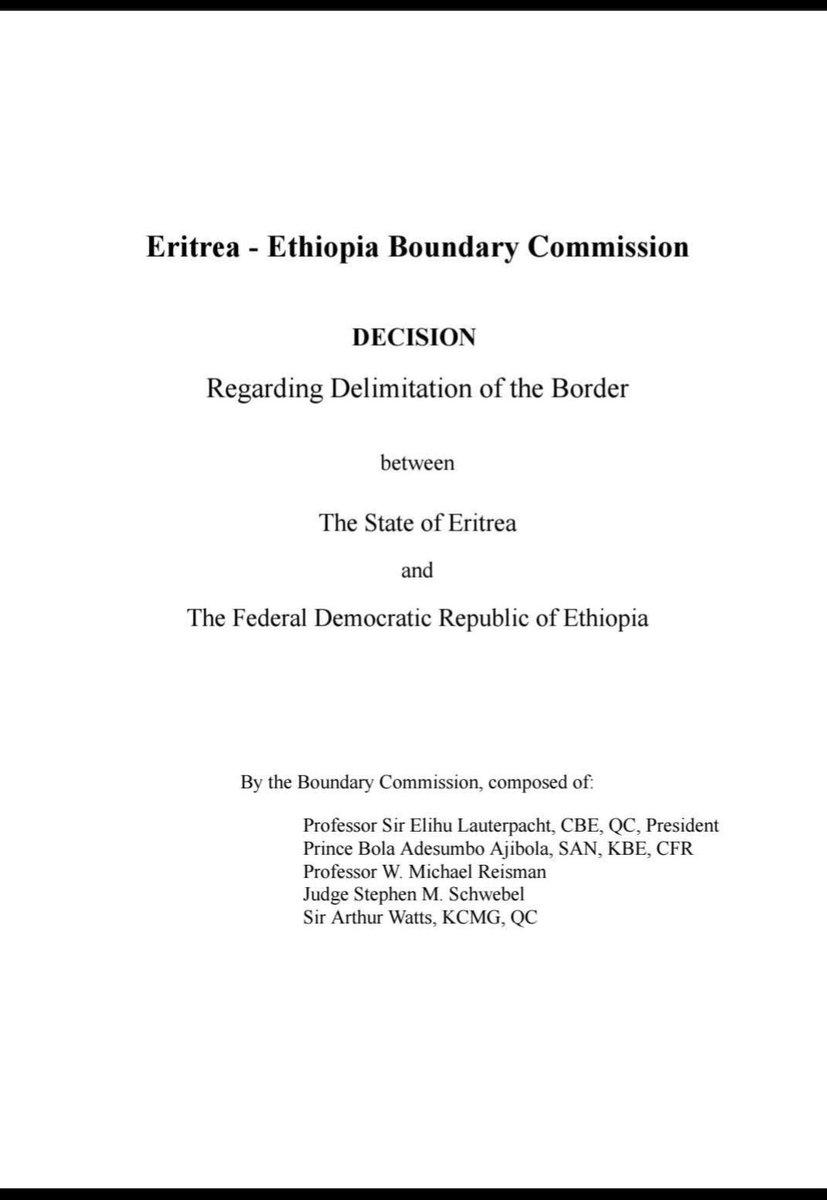
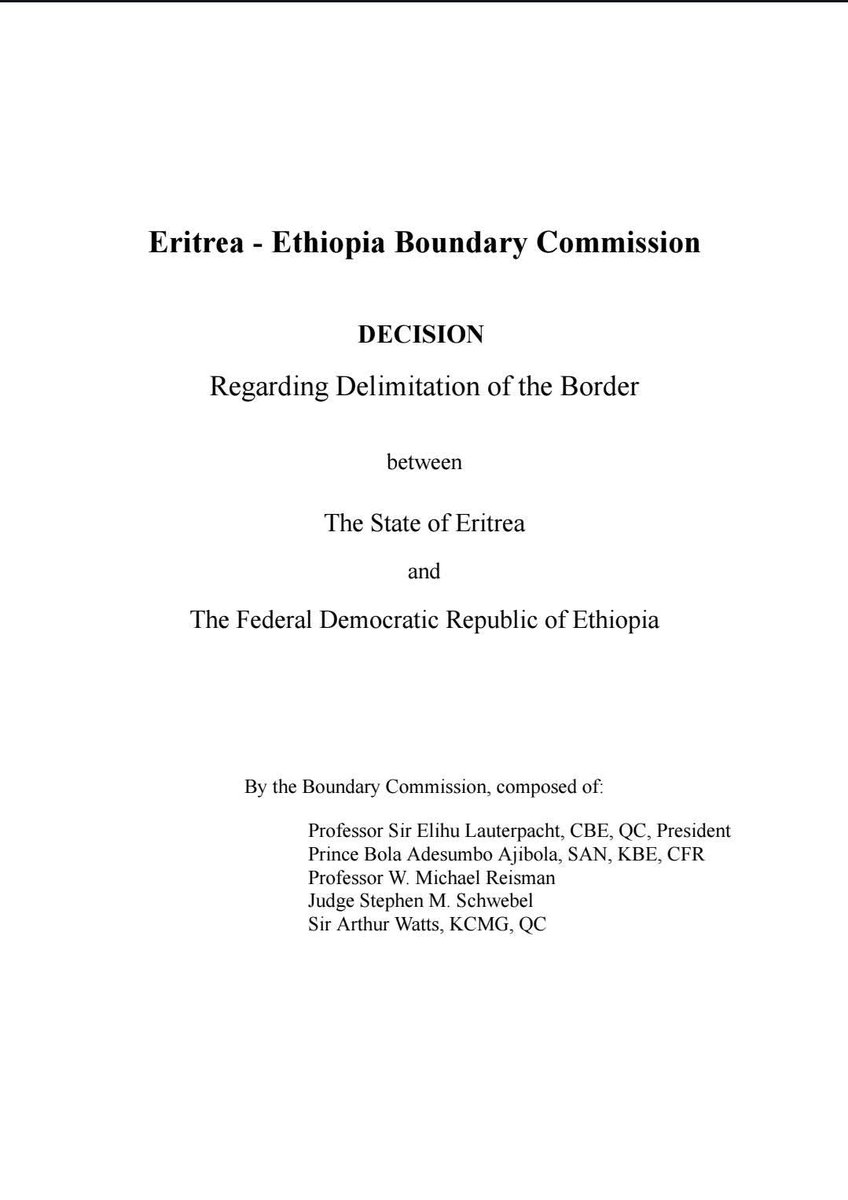
THE PATH OF INTERNATIONAL LAW: REFLECTING ON THE EEBC DELIMITATION DECISION .
The pursuit of lasting peace between nations often rests upon the foundation of definitive legal frameworks and the courage to uphold mutual agreements.
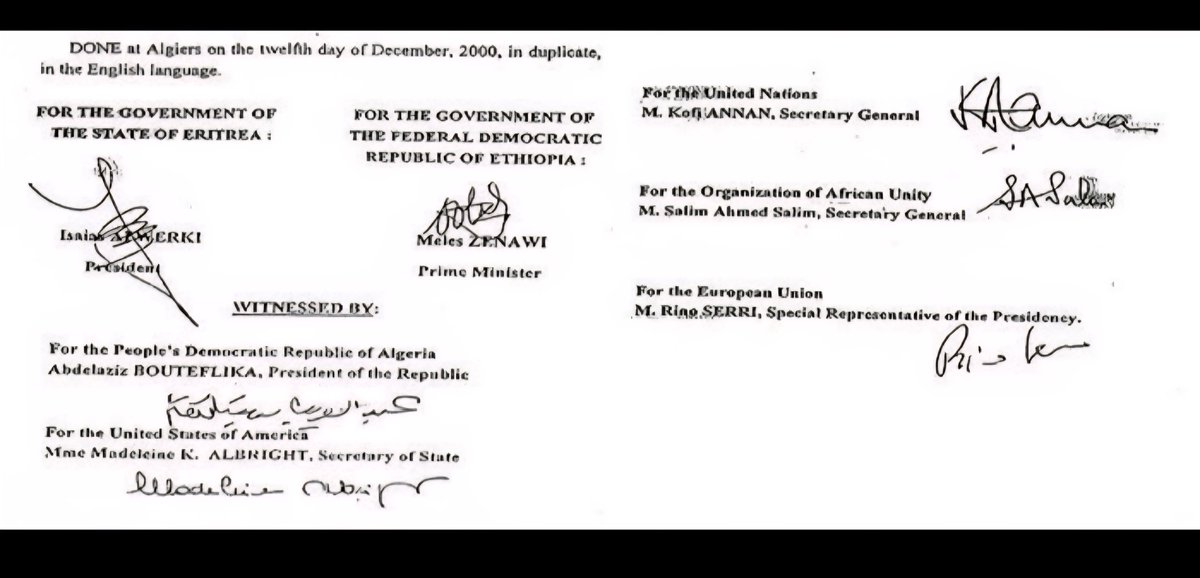
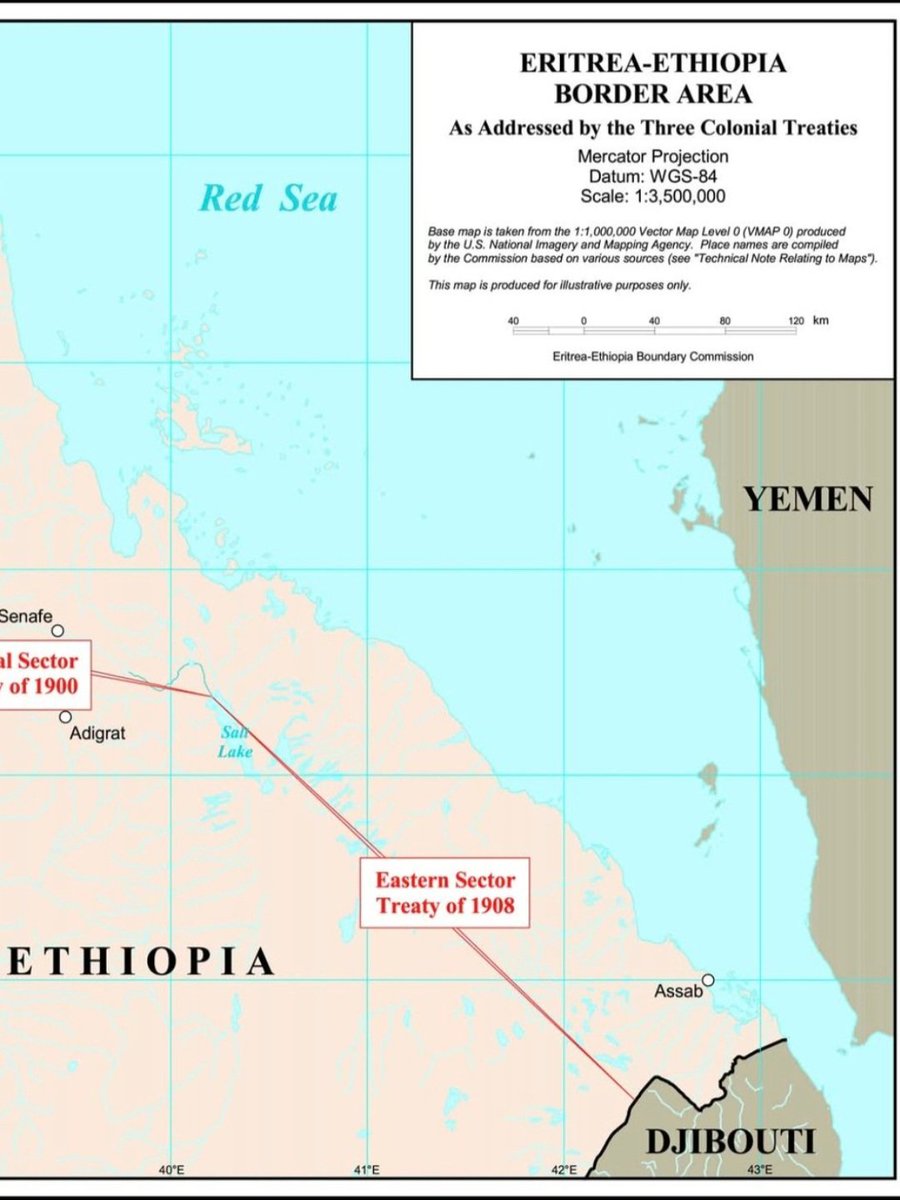
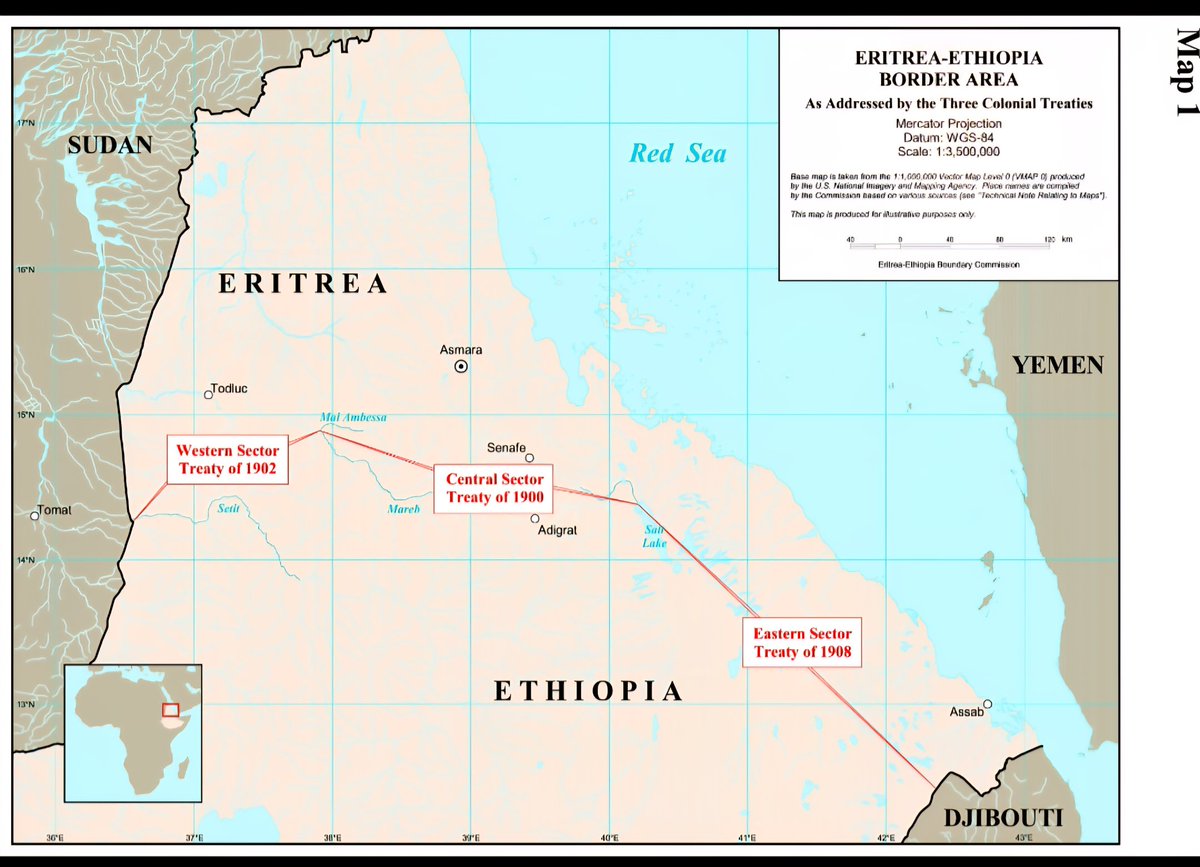
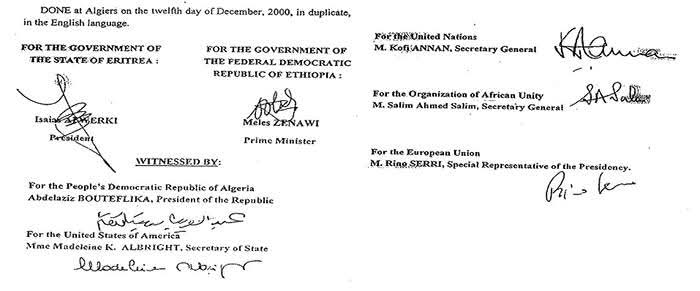
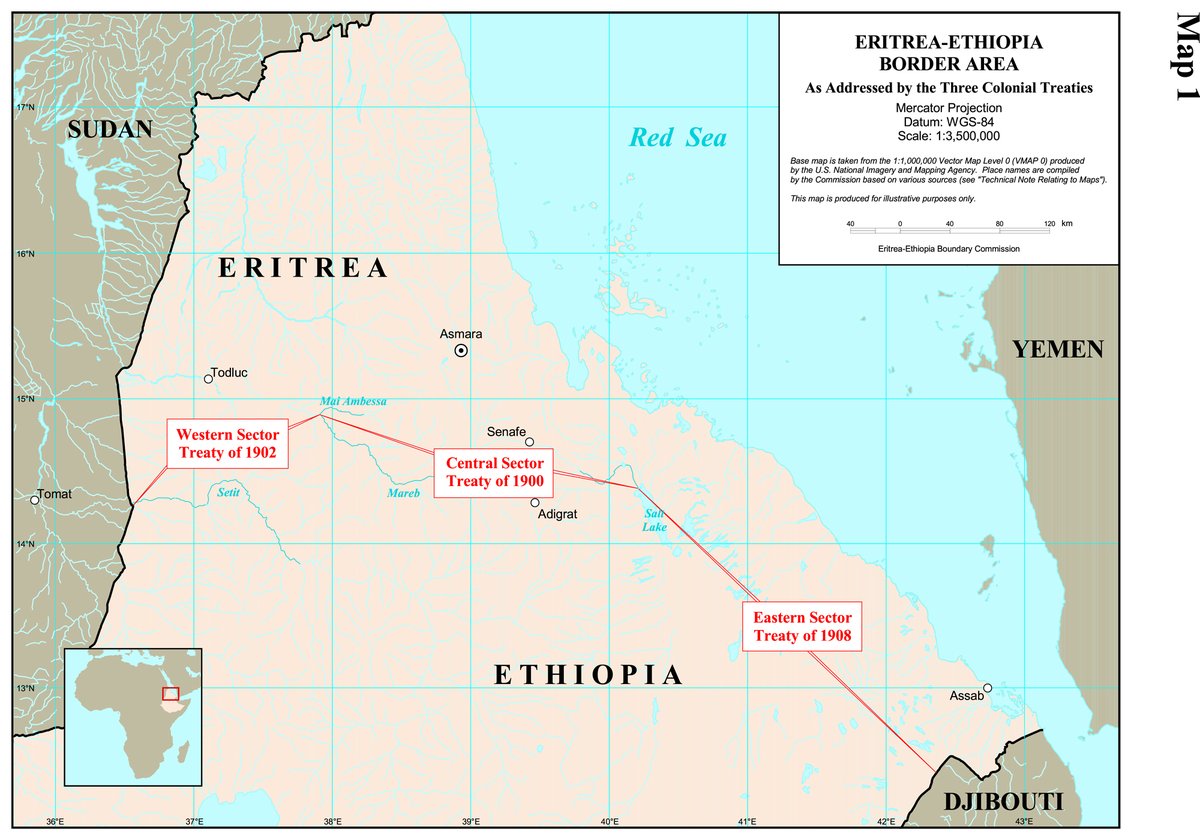
A pivotal moment in this journey occurred on April 13, 2002, when the Eritrea-Ethiopia Boundary Commission (EEBC) delivered its delimitation decision in The Hague. This ruling, rendered as "final and binding" under the terms of the Algiers Agreement, represented a critical step toward resolving one of the most complex territorial disputes in East Africa.
A FRAMRWORK OF STABILITY
By awarding the town of Badme to Eritrea, the Commission adhered to a rigorous interpretation of historical colonial treaties and international legal precedents. While territorial adjustments are inherently sensitive, the commitment to an independent, third-party arbitration mechanism offers a way forward that transcends political cycles. Embracing the EEBC’s findings is not merely about a specific plot of land; it is about affirming the following principles:
● Sanctity of Treaties: Respecting the Algiers Agreement strengthens the integrity of international mediation.
● Predictability: A clearly defined border provides the necessary certainty for cross-border cooperation and regional economic integration.
● Conflict Prevention: Adherence to "final and binding" decisions serves as a safeguard against the
resurgence of cycle-based hostilities.
TOWARDS A SHARED FUTURE
The decision of April 13 remains a cornerstone for those seeking a relationship defined by diplomacy rather than defense. Acknowledging the legal reality of the Badme award allows both nations to pivot toward their most pressing shared challenges:
● regional security,
● sustainable development, and
● the prosperity of their citizens.
True leadership is often found in the quiet adherence to the rule of law. By honoring the EEBC’s delimitation, the international community and the involved parties reinforce the idea that peace is best secured through the consistent application of justice and the shared respect for sovereign boundaries.
Moving forward with the implementation of such decisions is the most viable path toward a stable and harmonious Horn of Africa.
22
Dr Daniel retweeted

Apr 13
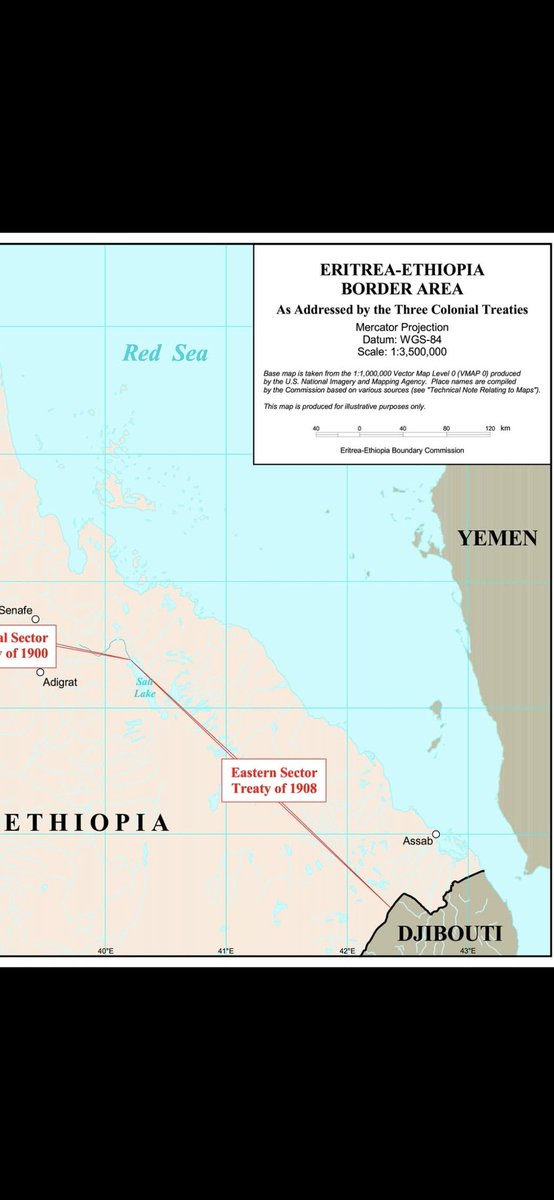
Ethiopia have to accept the EEBC runling.
1
3
5
403
Dr Daniel retweeted

Apr 7
I found this article to be very honest and what Abiy and his predecessors have been hiding from addressing, Ethiopia’s real existential threat and fundamental questions of politics. Instead they create distractions like Red-Sea, corridors, ...
---‐-------------------------------
Fractured Foundations: Ethiopia’s struggle with state legitimacy
Structural fragmentation in #Ethiopia is not solely a product of recent political developments. While contemporary arrangements have amplified divisions, the underlying tensions predate the current political order. They are rooted in competing historical narratives about state formation, identity, and political legitimacy, a dynamic explored in Merera Gudina’s analysis of Ethiopia’s nation-state-building process.
These are not merely differences of interpretation; they reflect fundamentally different understandings of how the Ethiopian state was formed, whose authority it embodies, and on what basis it claims legitimacy.
The divergence generally takes shape within two primary historical frameworks. The Continuity Narrative views the Ethiopian state as an ancient, evolving entity with a long history of statehood, providing a natural foundation for national unity. In contrast, the Expansionist Narrative interprets modern Ethiopia as the product of 19th-century imperial expansion, portraying the state as a structure shaped by late-stage colonial dynamics.
Where internal authority remains fragmented, political representation becomes personalized, and negotiation is conducted by individuals rather than institutions.”
These narratives are not merely historical disagreements; they represent competing claims about the legitimacy of the state itself. As long as these foundational questions remain unresolved, political actors operate from incompatible premises.
addisstandard.com/interregnu…
16
124
143
3,704
Apr 8
The Roommate Who Thinks Your Balcony Is Theirs: AFRICAN UNION EDITION
Addis Ababa | April 8, 2026
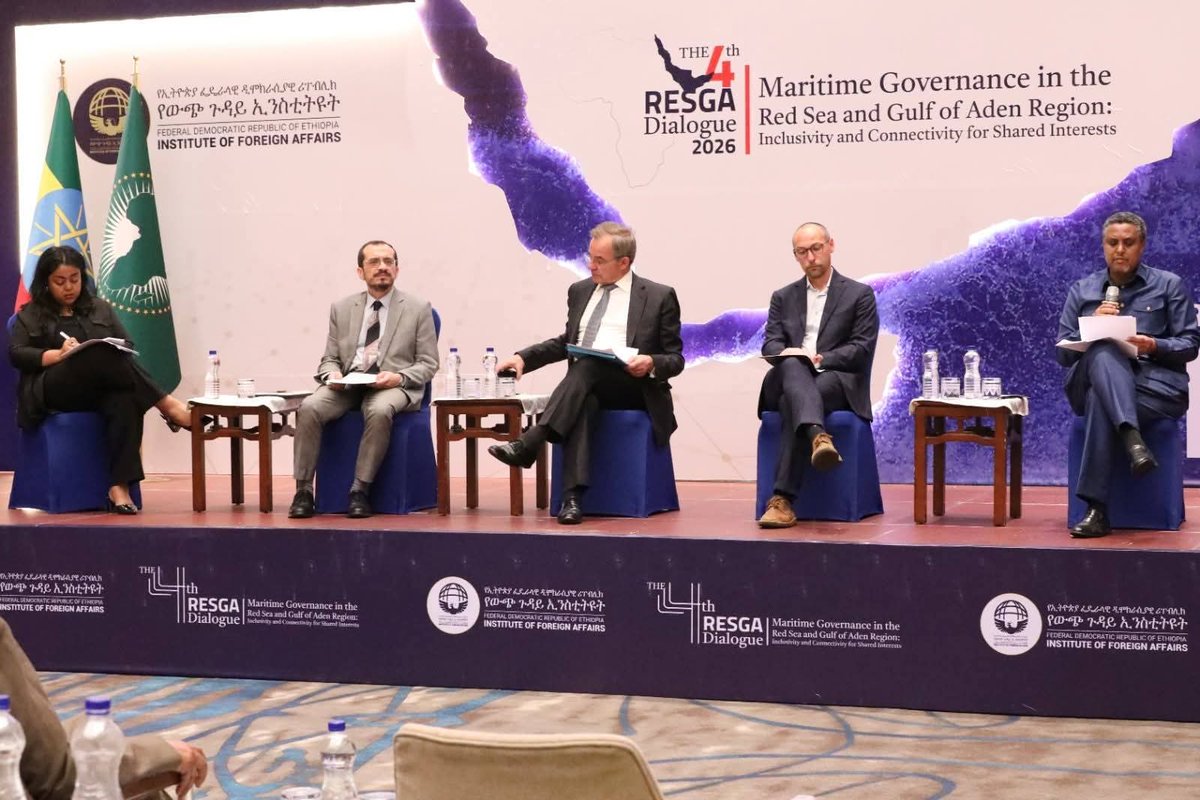
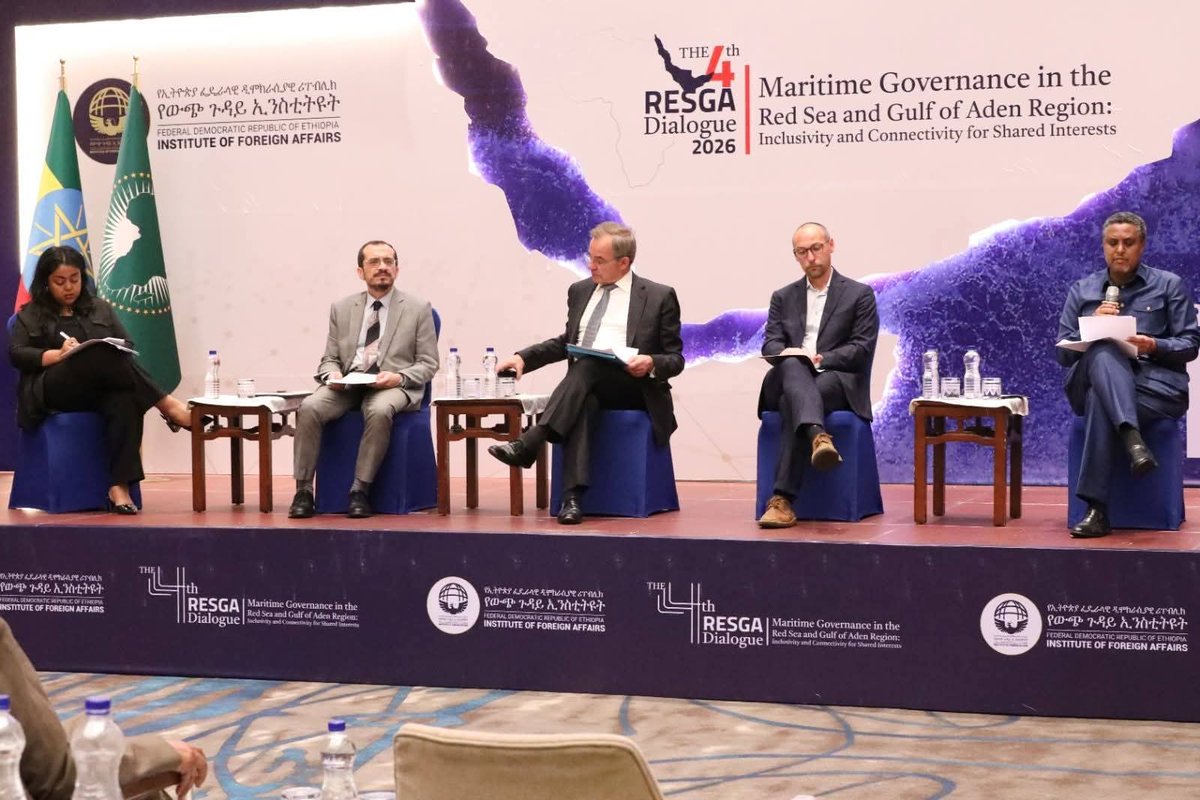
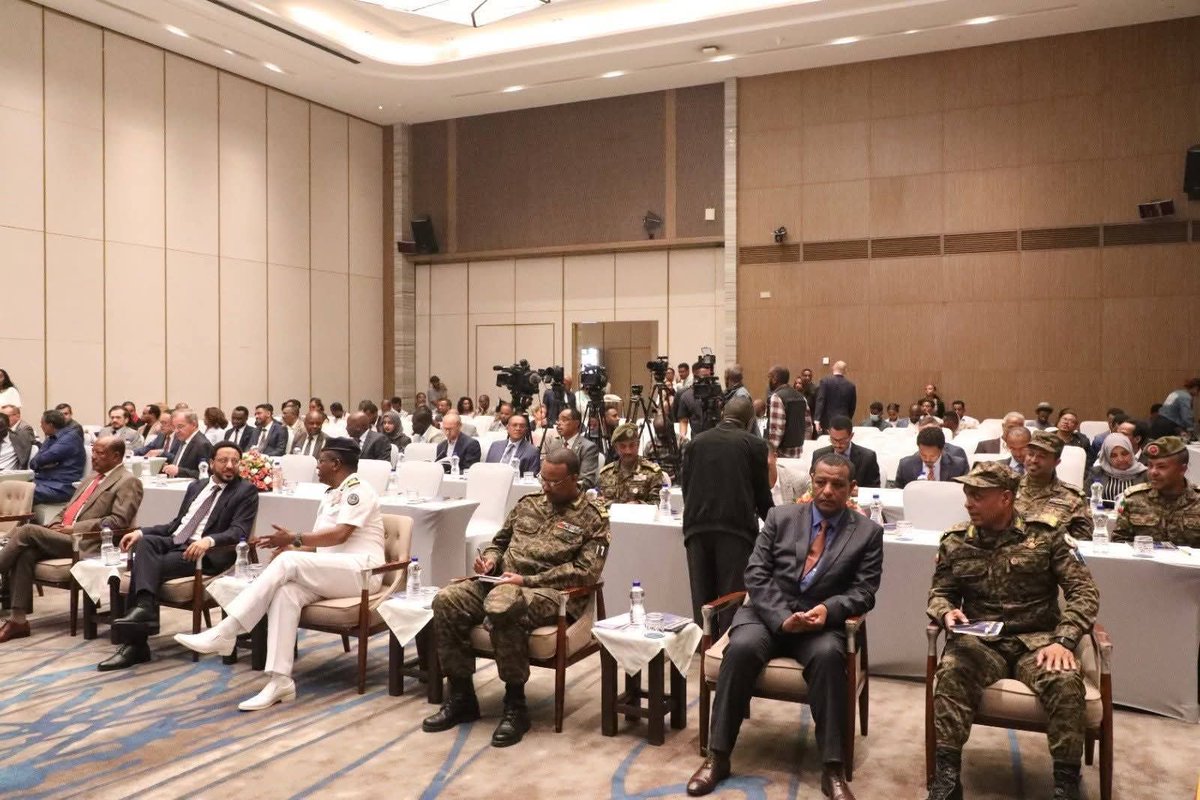
At the Fourth Red Sea and Gulf of Aden Dialogue (RESGA‑IV) in Addis Ababa, Ethiopia once again turned its quest for “sovereign” sea access into a stage production, and the African Union (AU) dutifully showed up as supporting cast. Branded under the theme of “maritime governance” and draped in the language of Agenda 2063, the event showcased a striking spectacle: a landlocked state hosting a Red Sea conference without its key Red Sea neighbors, while its continental organization politely applauded from the front row.
1. The “Agenda 2063” Cloak
For Addis Ababa, the AU’s presence was not incidental; it was instrumental. Ethiopia’s navy chief framed the country’s push for “sovereign access” to the Red Sea as a regional public good aligned with AU Agenda 2063, casting demographic size and economic ambition as reasons why Ethiopia “deserves” a maritime outlet. By invoking integration, security cooperation, and “shared stewardship,” Ethiopian officials attempted to convert a unilateral strategic objective into a continental mandate, with the AU logo effectively serving as a stamp of continental legitimacy.
The AU, for its part, played along as the indulgent guardian, nodding through a narrative in which being landlocked—and home to 120 million people—mutates into a quasi-biological right to somebody else’s coastline.
2. The Seat of Conflict
There is an uncomfortable irony in watching the AU, headquartered in Addis Ababa, sit through a conference whose core logic brushes against its own Constitutive Act, which commits member states to respect borders existing at independence and to resolve disputes by negotiation. The optics are brutal.
To the rest of the continent, the AU’s attendance delivered a set of unintended diplomatic postcards:
● To Somalia: We affirm your sovereignty in communiqués, but we’ll attend the panel on “creative” access routes around it in person.
● To Eritrea: We celebrate regional peace, but we’ll quietly sit in on a discussion about why your ports should be more “inclusive”, a euphemism for “shared.”
This is less “African Solutions for African Problems” and more “African Institutions in Awkward Silence.”
3. Diplomacy by Proximity
RESGA‑IV was marketed as a regional dialogue on Red Sea and Gulf of Aden governance, yet the conspicuous absence of core littoral states, those who actually control the coastline, turned the event into something closer to a policy echo chamber. With Ethiopian officials, friendly think tanks, and international academics filling the room, the AU’s role collapsed into that of an uninterested witness to a carefully curated monologue about other people’s shores.
What Ethiopia needed was a high-level imprimatur for its “navy without a coast” project; what the AU provided, simply by sitting there, was the appearance of continental endorsement.
When you host the headquarters, you don’t just get the rent; you gain a captive audience for your maritime fan fiction.
4. The Bottom Line
If the African Union were a referee, it would currently be sitting in the home team’s locker room, wearing the home team’s jersey, while the away team is still locked outside the stadium. The message from RESGA‑IV is clear: Ethiopia’s maritime ambitions will be dressed up as integration, security, and Agenda 2063, and the AU risks becoming the costume designer. It is “African Solutions for African Problems”, as long as the solution just happens to feature a new Ethiopian flagship sailing past someone else’s coast.

71
Apr 8
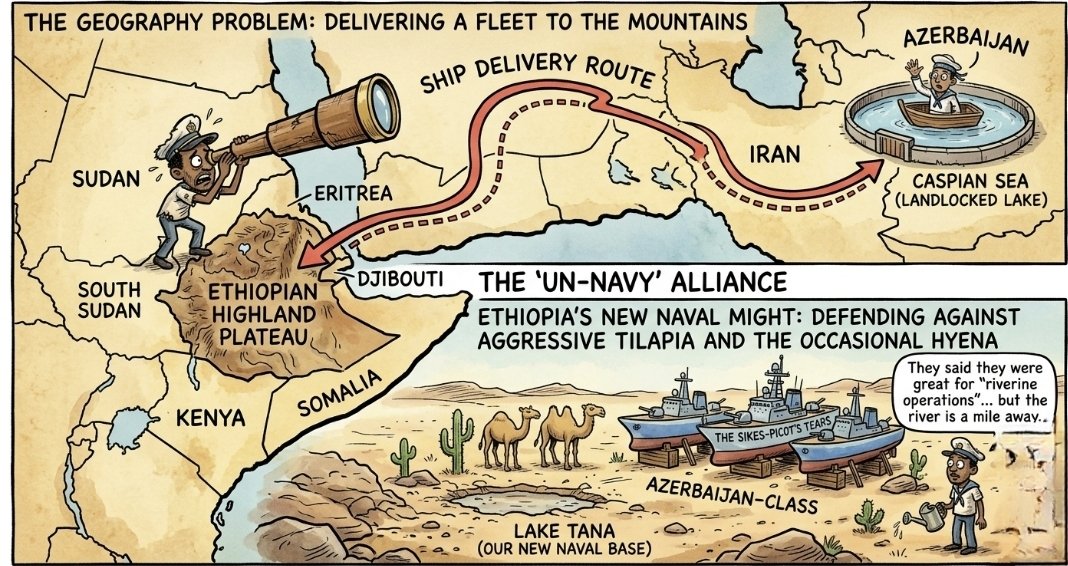
Ethiopia's Quest for a Pool Without a Permit: The Landlocked Lifeguard
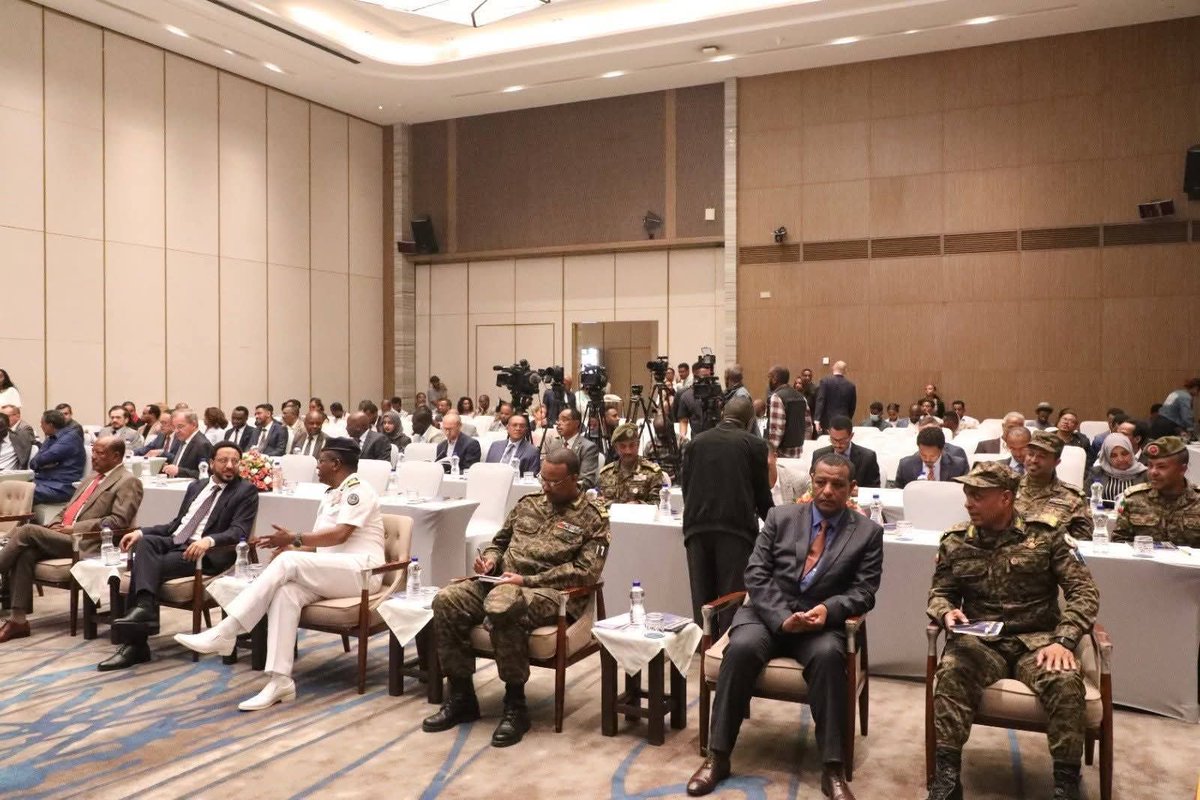
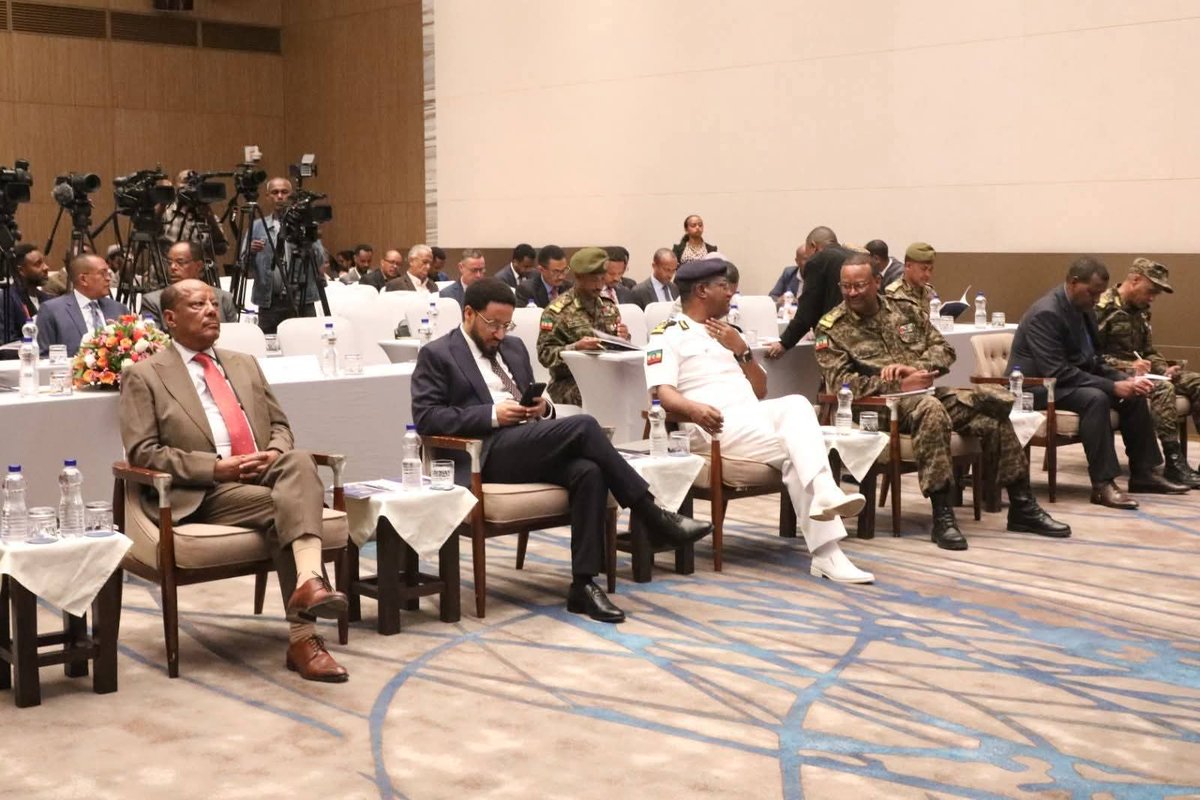
Addis Ababa | April 8, 2026, In a display of what regional critics are calling "peak diplomatic chutzpah," the Ethiopian government yesterday concluded the 4th Annual Red Sea and Gulf of Aden Dialogue (RESGA-IV). Held in the landlocked capital of Addis Ababa, the summit focused on "inclusive maritime governance", a theme that raised eyebrows across the Horn of Africa, given that not a single official representative from the actual Red Sea coastline was in attendance.
The Agenda: Dry Land, High Hopes
Organized by the Institute of Foreign Affairs (IFA), the dialogue sought to frame Ethiopia’s pursuit of a sovereign sea outlet not as a territorial threat, but as a "strategic necessity" for regional stability. Vice Admiral Kindu Gezu, Commander-in-Chief of the Ethiopian Navy, was the star of the show. Standing miles from the nearest saltwater, he argued that Ethiopia’s naval ambitions are a "rightful" vision aligned with the African Union’s Agenda 2063.
The Vice Admiral warned of "overlapping challenges" in the region, piracy, arms trafficking, and geopolitical competition, suggesting that a landlocked nation of 120 million people is the missing piece in the maritime security puzzle.
The Guest List: A Room Full of Echoes
While the banner promised a "Dialogue," the actual participation suggested more of a "Monologue." The conference halls were filled with:
● Ethiopian Military and Policy Brass: Desperate to socialize the idea of a navy without a home port.
● International Academics: Think-tank researchers from Europe and India providing a scholarly veneer to Ethiopia's "Hinterland Rights" theory.
● The "Vanish" List: Notably absent were the actual littoral states, Eritrea, Somalia, Egypt, and Saudi Arabia. These nations, currently forming their own maritime blocs to protect their sovereignty, viewed the Addis gathering from afar with a mixture of skepticism.
The Moral Paradox
The conference comes at a time of peak tension. For many in the region, Ethiopia’s hosting of a maritime "inclusivity" summit feels like being invited to a pool party by a neighbor who is currently trying to seize your backyard to build their own pool.
From the Eritrean and Somalian perspective, Ethiopia’s recent rhetoric, ranging from historical claims over Assab to the controversial MoU with Somaliland, undermines the very "regional cooperation" the IFA claims to champion. Analysts point out the irony:
" Ethiopia is attempting to write the rules of the sea while simultaneously challenging the territorial integrity of the states that own the coast."
The Strategic "Bet"
As the curtains closed on RESGA-IV, the message from Addis was clear: Ethiopia intends to be a maritime power, with or without the consent of its neighbors. By framing "sovereign access" as a regional public good, the Abiy administration is making a data-driven play for international legitimacy.
However, as long as the littoral states remain absent from the table, these dialogues serve less as a bridge to the Red Sea and more as a high-budget rehearsal for a navy that, for now, remains strictly "all terrain."
Suggested Research Note:
For those tracking public expenditure, the mounting costs of maintaining a "ghost navy" and hosting high-level maritime summits while landlocked provides a fascinating study in strategic overreach vs. regional ambition.
Dr. Daniel Araia Zeggai
(Senior Consultant, Horn of Africa Governance and Strategy)

2
2
110
Apr 6
The Myth of “Legal Avenues” to Assab.
The article “Revisiting Assab: Legal and Strategic Realities” by Kuchim Sileshi of the Institute of Foreign Affairs reframes the longstanding debate over Assab’s status, positioning it at the intersection of historical grievance, economic necessity, and international legal doctrine.
However, when assessed against established legal principles and contemporary factual realities, the argument encounters substantial doctrinal and evidentiary constraints.
1. The Primacy of Sovereignty and the 1993 Referendum
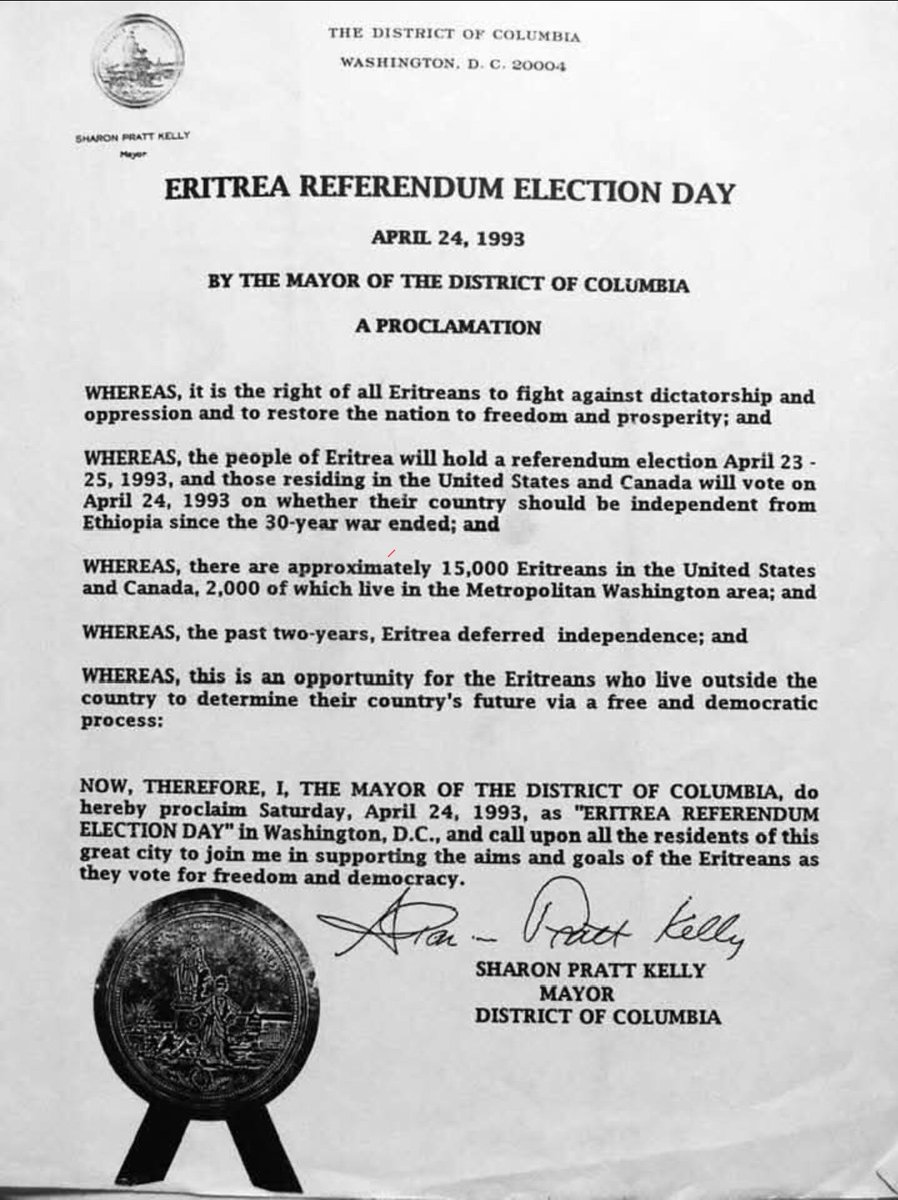
The decisive legal reality is the international recognition of Eritrea’s independence in 1993.
The Act of Recognition: When Ethiopia recognized Eritrea as a sovereign state following the UN-monitored referendum, it effectively accepted the borders defined by the colonial-era treaties it now scrutinizes.
The Algiers Agreement (2000): Following the 1998–2000 border war, both nations submitted to the Eritrea-Ethiopia Boundary Commission (EEBC). This commission was tasked with delimiting and demarcating the border based on the very treaties (1900, 1902, 1908) now being questioned for "ambiguity." By participating in and initially agreeing to the "final and binding" nature of this commission, both parties reinforced the legal validity of those colonial boundaries.
2. Treaties and "Material Breach"The argument that Italy’s 1935 invasion constituted a "material breach" that nullifies prior cessions is a sophisticated legal theory, but it is difficult to apply retroactively to change 21st-century borders.
Stability of Boundaries: International law, particularly the principle of Uti possidetis juris (as you possess under law), prioritizes the stability of frontiers at the moment of independence. The African Union’s 1964 Cairo Declaration explicitly reinforces the sanctity of colonial borders to prevent continental instability.
The 1947 Peace Treaty: While the 1947 treaty addressed Italian colonies, it ultimately led to the UN-mandated federation (Resolution 390), which was later dissolved. Modern legal consensus suggests that subsequent political recognitions (1993) supersede the nuances of the 1869 acquisitions.
3. The Limits of UNCLOS for Landlocked States
The United Nations Convention on the Law of the Sea (UNCLOS) provides landlocked states with the right of access to and from the sea. However, these rights are not absolute:
Terms of Agreement: Under Articles 125 and 127, the specific "terms and modalities" for exercising transit rights must be agreed upon between the landlocked state and the transit state through bilateral agreements.
No Right to Territory: UNCLOS guarantees transit, not ownership or sovereign corridors. It does not grant Ethiopia a legal claim to the port of Assab itself, but rather a framework to negotiate for its use.
4. Precedents: Bolivia v. Chile (ICJ)
The Institute’s reference to Bolivia v. Chile is telling. In 2018, the International Court of Justice (ICJ) ruled that while there may be a long history of dialogue, Chile has no legal obligation to negotiate "sovereign access" to the sea for Bolivia.
This case set a high bar for landlocked states, suggesting that historical investments or "effective control" (effectivités) during a period of federation or occupation do not automatically translate into a contemporary legal right to sovereign territory.
Conclusion: From Ownership to Partnership
The "factual reality" is that any unilateral attempt to legally "pursue Assab" as territory would be viewed by the international community as an infringement on Eritrean sovereignty.
The most viable legal path for Ethiopia is not through a claim of ownership, but through functionalism, negotiating long-term, treaty-bound access agreements that treat Assab as a regional economic hub rather than a point of territorial contention. This aligns with the Institute's suggestion of "cooperative solutions," shifting the focus from the map to the market.

1
8
13
433
Dr Daniel retweeted

Apr 4
Fuel Crisis Today, Economic Collapse Tomorrow
A country that once dreamed of growth is now lining up for fuel like it’s the 1990s. In places like Bahir Dar, people are going back to donkeys just to survive daily life, not by choice, but by failure of leadership.
When a nation is led by someone like Abiy Ahmed, whose policies turn dependence into strategy and crisis into normalcy, this is the result. An economy on the edge, people pushed backwards, and a future being burned faster than the fuel that no one can find.
And the worst part? The real impact hasn’t even started yet what’s coming will hit harder than anything people have seen before.
#Ethiopia #FuelCrisis #EconomicCollapse #HornOfAfrica #Africa
66
106
172
25,674
Dr Daniel retweeted

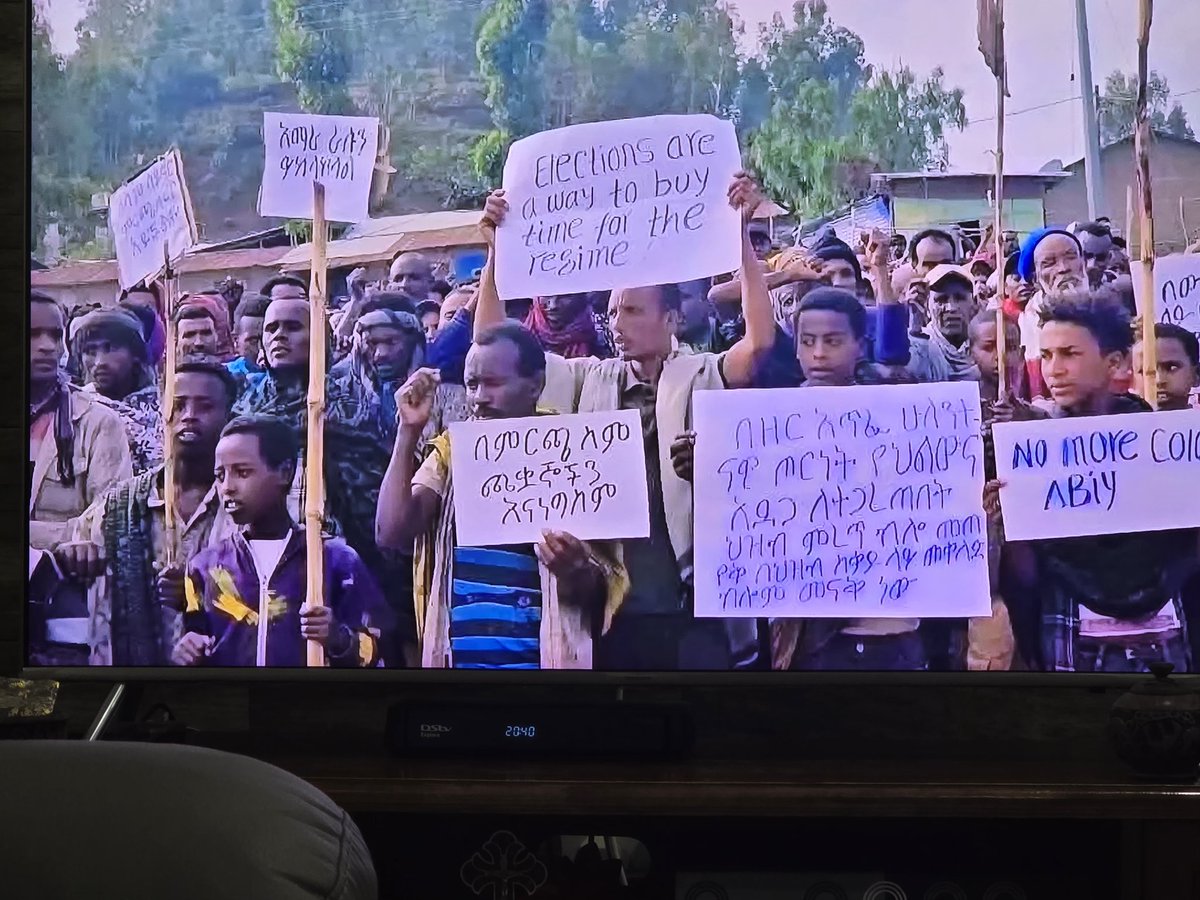
Today, people in various towns across the Amhara region staged protests against the government. The fact that citizens dared to rally in an area ravaged by active civil war and effectively governed under martial law speaks to the depth of their grievances and determination. Many of the slogans denounced the planned election, with one of the most common reading: “We will not enthrone our killers in the name of an election.”
A couple of takeaways:
1.In the Amhara region, the anti-government movement is not limited to so-called “fringe elements” engaged in armed struggle, as the government claims. Rather, it reflects a broader and deeper resentment among the general population.
2.The Fano insurgents’ call to reject the election appears to have significant popular support, making it increasingly impractical to conduct even a nominal or symbolic vote.


59
178
414
27,063
Apr 2
VERY SAD AND ALLARMING DEVELOPEMENT!!! AFRICAN JUGOSLAVIA ON THE MAKING!!!


1
1
60
Apr 2
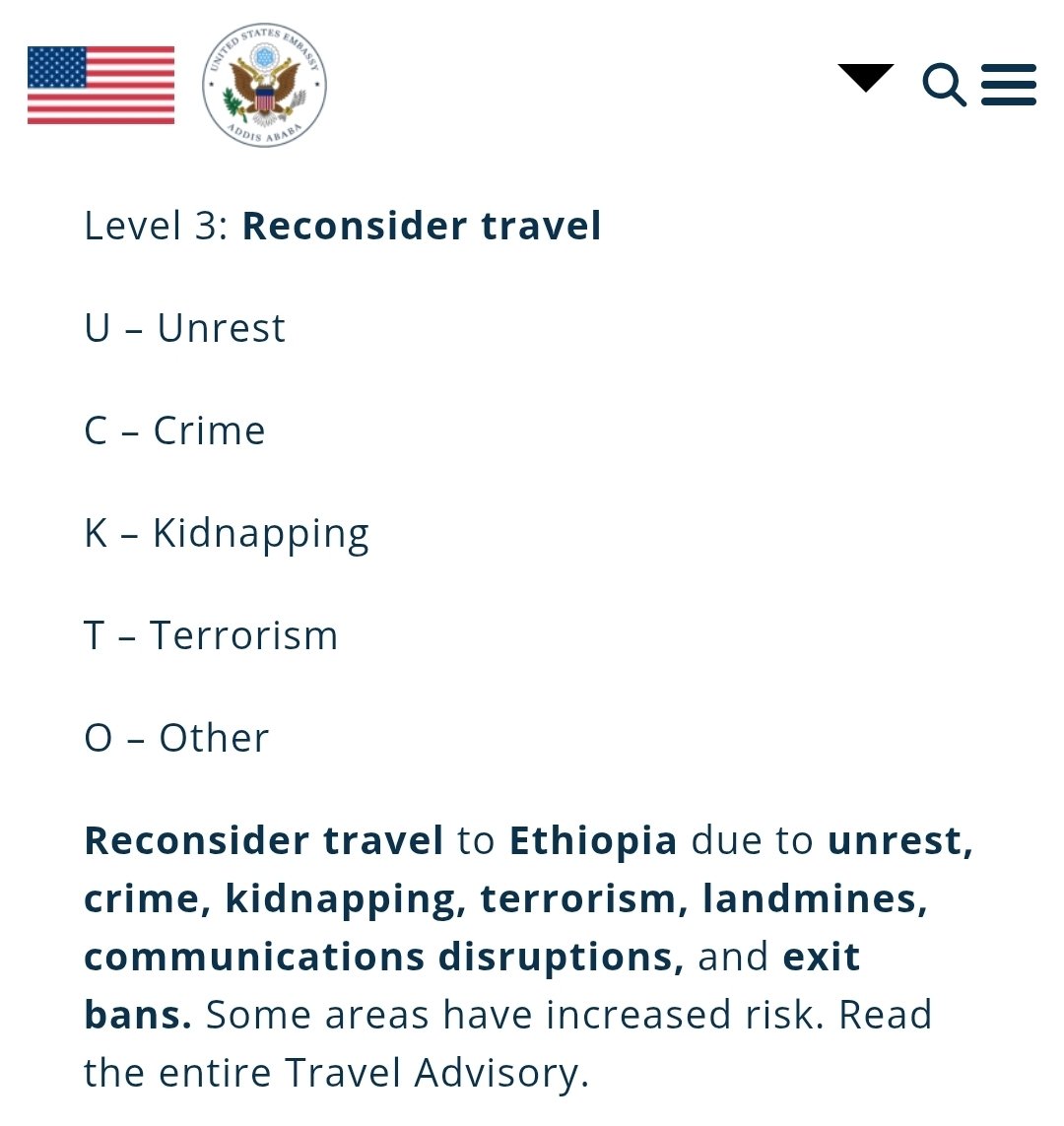
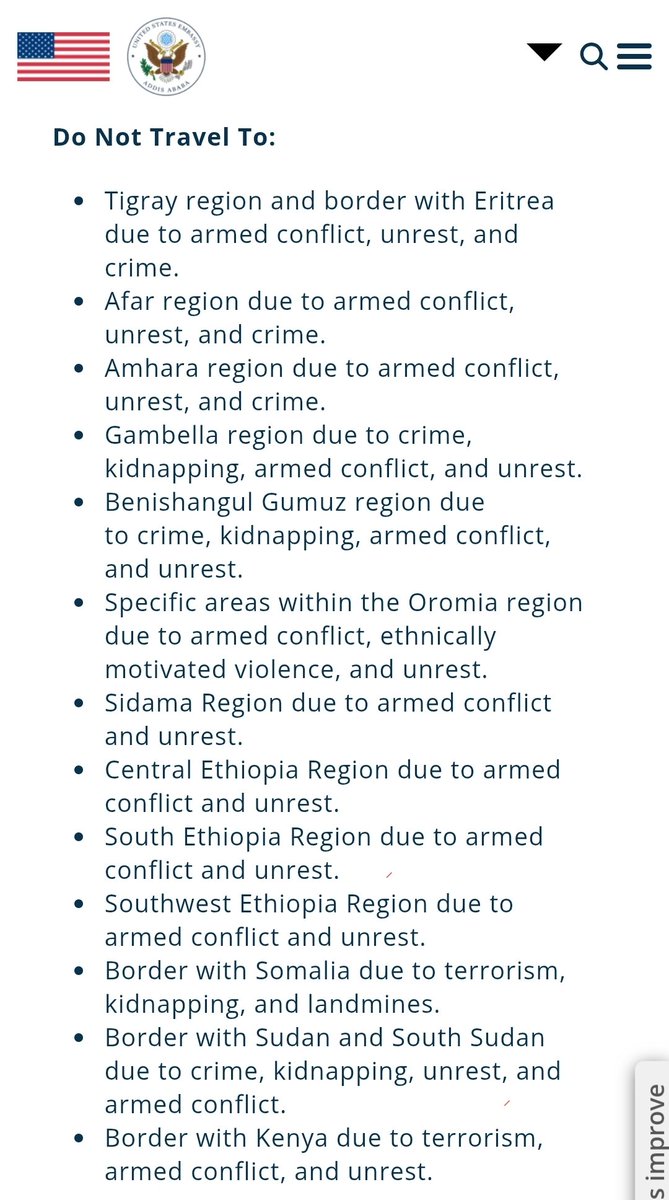
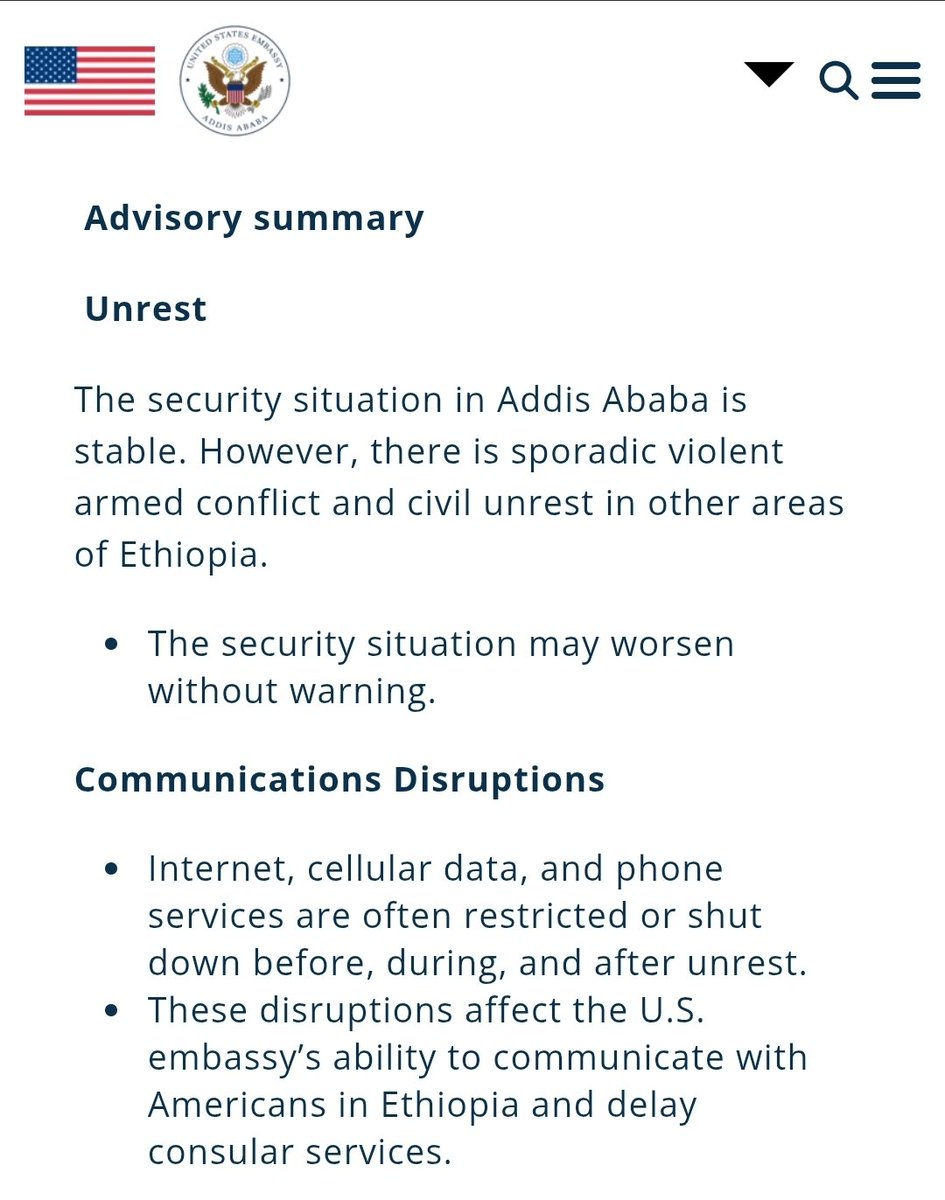
ETHIOPIA'S REAL CURRENT SITUATION ON THE GROUND. NOT THE ONE THAT PP AND ITS CADRES TRY TO MAKE YOU BELIEVE.

24