
Daily Hoops & Entertainment. Peace & Blessings to All. Featured on @ESPN, @ESPNNBA, @SportsCenter. Goal = 900k. @OnyxOdds
Joined April 2014
- Tweets 23,203
- Following 9,020
- Followers 830,266
- Likes 7,795
18,321 Photos and videos















Hoops retweeted

How it feels pretending that I know soccer but my boss is just threatening to fire me if I don’t post about the World Cup
3
7
3,866

Hoops retweeted

Do you think Wemby should have been called for a flagrant here?
13
17
46
14,910






Hoops retweeted
Chuck was way too excited that Sydney Sweeney was at the Knicks game😂😂
3
4
58
10,898
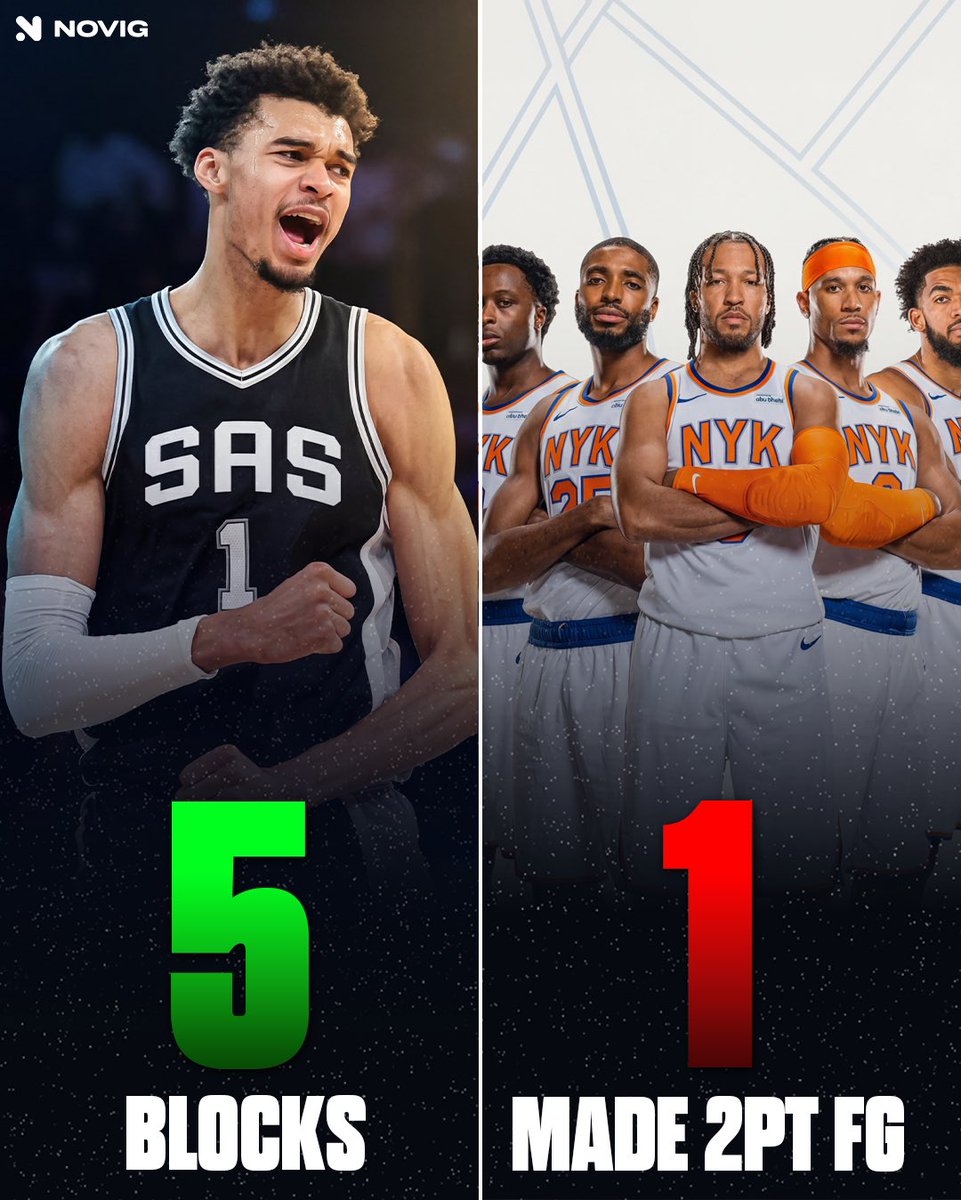

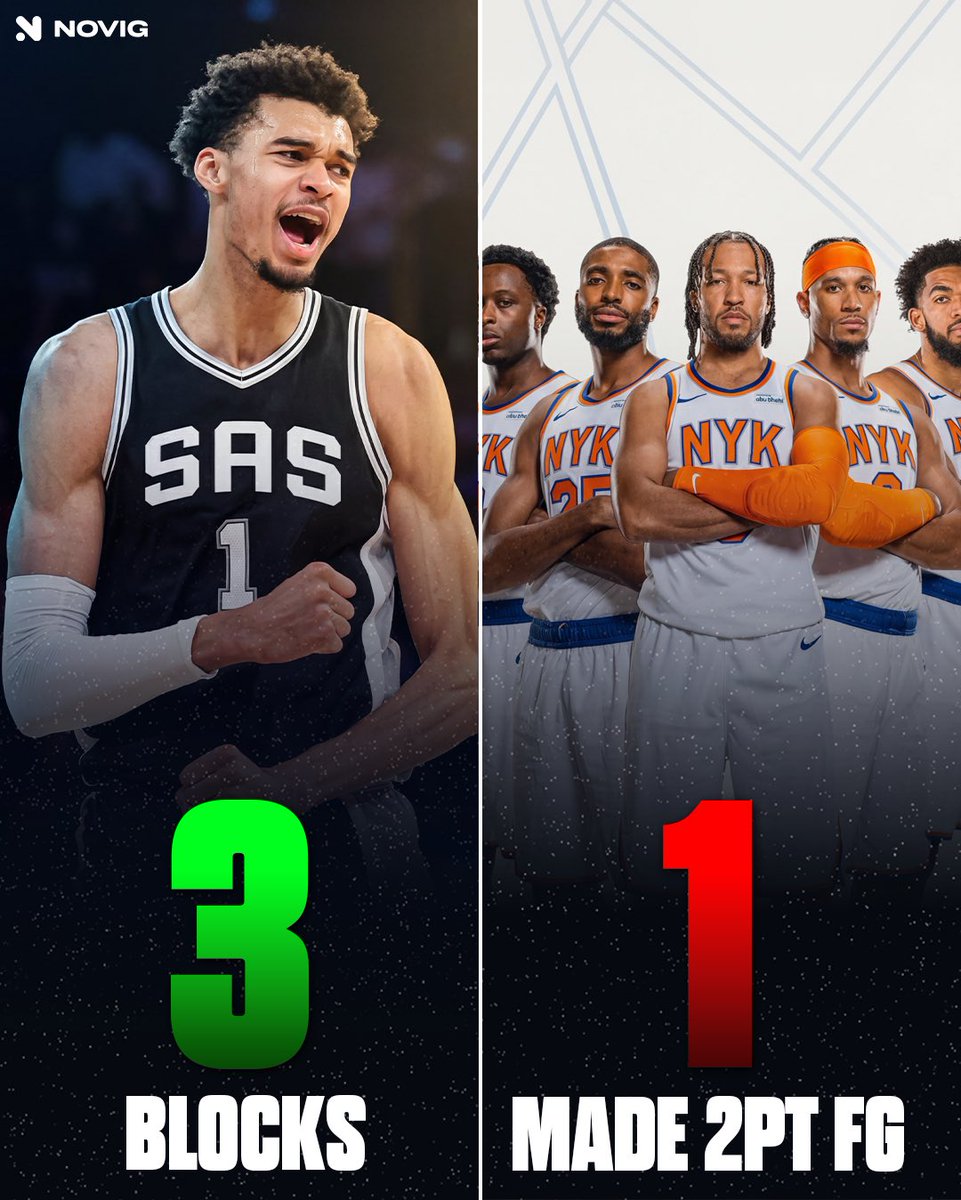



Hoops retweeted

Alan Keating & Martin Kabrhel flip for $960,000 in the last hand of the Million Dollar Game
Is this the biggest flip you’ve ever seen?
Brought to you by @bet_105, where you can boost any World Cup match up to $10,000
1
4
28
11,113
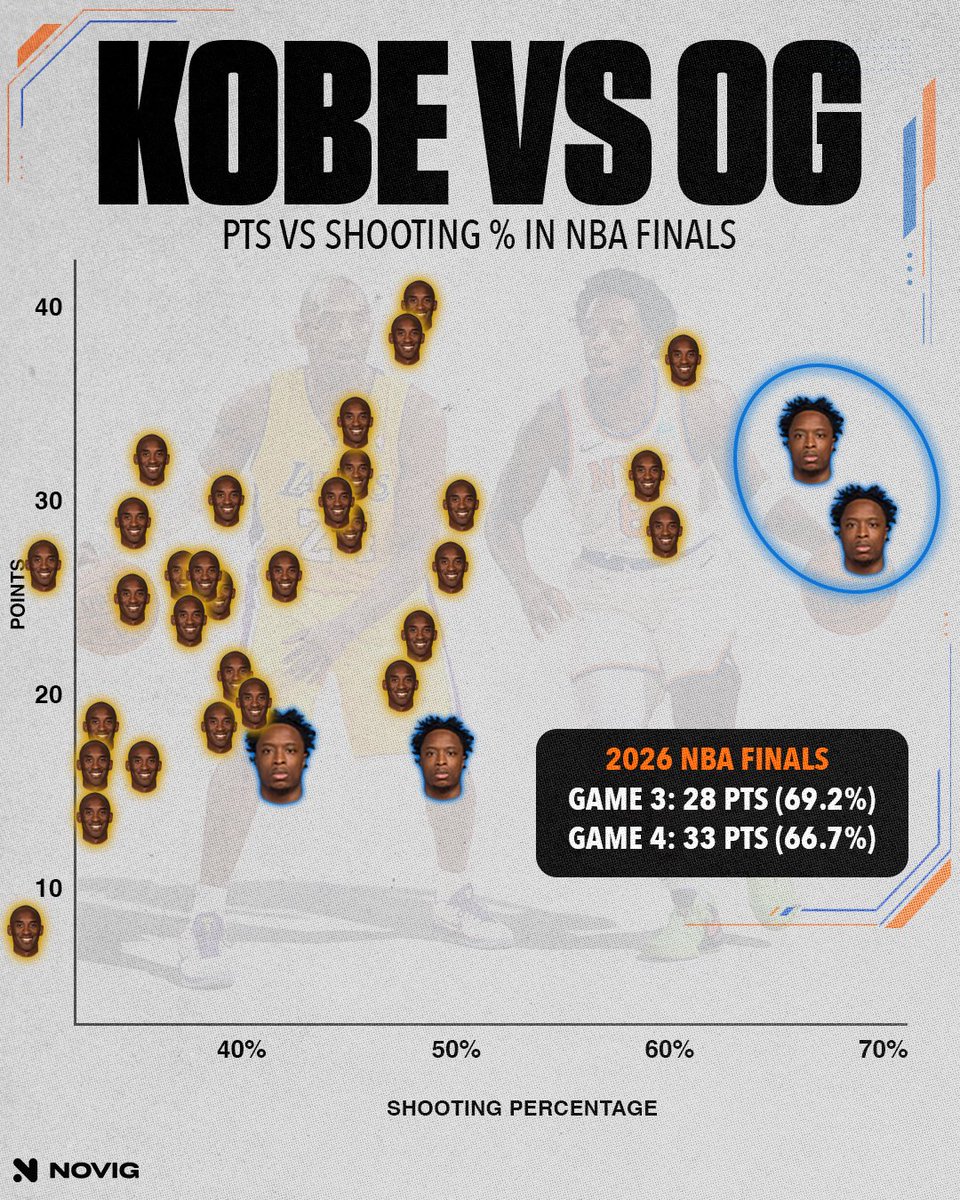
Hoops retweeted
Spurs up 10 in the first quarter AGAIN

1
10
12
3,114



Hoops retweeted

6h
We all know who will be actual MVP…
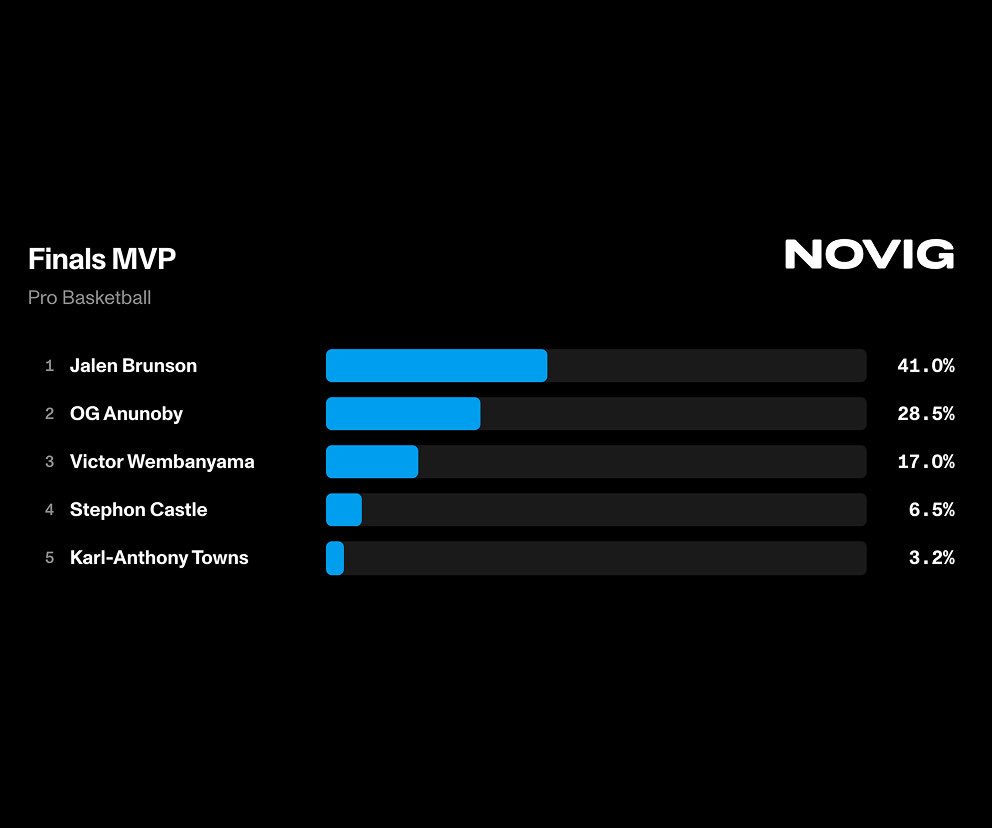
Jalen Brunson could be the first Knicks player in 53 years to win the NBA Finals MVP
Fans on @novig give him a 41% chance to take home the hardware.
Does OG deserve this more than Brunson?
4
3
6
6,996
Hoops retweeted

The best way to get traffic from Google AI is no longer a secret.
A Google AI Mode system prompt was extracted and published recently.
It helps explain why one page targeting one keyword is becoming a weaker way to think about Google visibility.
Google AI Mode can take one customer question, break it into several smaller searches, draw from a wider group of supporting pages and combine the information into one answer.
For businesses, one question can create several separate opportunities to be discovered.
Let’s go through it.
By the way, you can see whether your business is appearing across Google AI, ChatGPT, Claude, Perplexity and Grok here. It’s free:
seo-stuff.com/free-audit
One important caveat.
Google did not publish the extracted prompt as an official ranking guide.
It was published by a public system-prompt archive and appears to represent one captured Google Search AI Mode configuration.
But the key instructions match Google’s own documentation.
The extracted prompt tells AI Mode to:
Verify factual claims through search
Break complex questions into simpler queries
Begin with a useful and diverse set of searches
Google officially calls this “query fan-out.”
Its documentation says AI Mode and AI Overviews can issue multiple related searches across different subtopics and data sources before generating a response.
Google gives this example.
Someone searches:
“How do I fix a lawn that’s full of weeds?”
AI Mode might also search:
Best herbicides for lawns
Remove weeds without chemicals
How to prevent weeds in lawn
One question becomes several searches.
Each search can surface another group of potential sources.
This has major implications for businesses trying to earn traffic, citations and recommendations from Google AI.
Imagine someone asks:
“What is the best payroll software for a construction company with employees and contractors in several states?”
AI Mode may investigate:
Construction payroll software
Multi-state payroll compliance
Contractor payment systems
Time-tracking integrations
Payroll software pricing
Competitor alternatives
These are illustrative examples rather than queries Google disclosed.
But they show how one question can expand into several research paths.
A company may rank well for “payroll software” and still be absent when AI Mode investigates construction, compliance, pricing, integrations and customer results.
A competitor with useful pages across those areas may appear repeatedly while Google builds the answer.
That is why one keyword page may no longer cover the full customer decision.
Your homepage explains what the business does.
An industry page shows who it serves.
A comparison page explains how it differs from alternatives.
A pricing page establishes whether it fits the buyer’s budget.
A case study provides evidence.
A technical guide answers a major concern.
Each page creates another possible entry point.
This is where SEO Stuff’s done-for-you package becomes relevant:
seo-stuff.com/gold-plan-pack…
The package combines 10 AI search optimized pieces of content with three DR50 authority placements.
The content can be mapped across the questions, comparisons, problems and use cases surrounding the customer’s decision.
The authority placements help the business compete across the ranked web sources Google uses for discovery.
The extracted prompt does not mention Domain Rating, backlinks or SEO Stuff.
That connection is my interpretation of how businesses can improve their chances of appearing across the searches created by query fan-out.
The important shift is from keyword targeting to decision coverage.
Consider this question:
“What CRM should a 20-person roofing company use if it needs estimates, automated follow-up and QuickBooks integration?”
That decision may involve:
CRM for roofers
Automated lead follow-up
Roofing estimates
QuickBooks integrations
CRM pricing
Customer reviews
Competitor comparisons
A general CRM page answers only part of the question.
Google can find the remaining pieces elsewhere.
Businesses appearing across more of those subtopics have more opportunities to influence the final response.
This does not mean companies should publish hundreds of thin pages targeting every possible variation.
Google explicitly warns against that.
Its guidance says creating separate content for every possible fan-out query primarily to manipulate rankings or Google’s generative AI responses can violate its scaled content abuse policy.
The better strategy is to identify the meaningful parts of the customer’s decision and create genuinely useful content around them.
That can include:
Core category pages
Audience-specific use cases
Comparisons
Pricing information
Original research
Customer case studies
Implementation guides
Technical documentation
The objective is meaningful category coverage built around real customer questions.
This is why the Premium Content Bundle is built around topic and intent mapping:
seo-stuff.com/premium-conten…
It includes 60 long-form articles planned across the questions, comparisons, use cases and problems surrounding a niche.
For example, a business insurance company may need pages covering:
Insurance for contractors
Coverage for multiple locations
General liability versus professional liability
Typical insurance costs
Coverage limits
Common exclusions
How to compare providers
Each page answers a real question the customer may have before buying.
Together, those pages create a broader information footprint for Google AI Mode to discover.
Query fan-out also changes how businesses should think about authority.
Google may pull information from sources such as:
Industry publications
Review websites
Government pages
Official documentation
Forums
News articles
Comparison pages
Specialized blogs
Your company’s website
These source types are illustrative rather than a fixed list disclosed by Google.
The broader point is that Google can search across different subtopics and data sources while building the response.
Your website can provide:
Product details
Pricing
Use cases
Comparisons
Customer results
Original data
Third-party sources can reinforce:
Your identity
Your category
Your reputation
Your expertise
Your claims
This is where SEO Stuff’s Premium Authority Bundle fits:
seo-stuff.com/premium-backli…
It includes three contextual placements on DR50 domains already appearing in AI search results.
Google does not say that AI Mode directly measures Ahrefs Domain Rating.
My interpretation is that credible third-party placements can improve discovery while reinforcing the company’s identity and category across the wider set of sources Google may encounter.
There is another important point.
Google says AI Mode and AI Overviews are rooted in its core Search ranking and quality systems.
To be eligible as a supporting link, a page must be indexed and eligible to appear in Google Search with a snippet.
Google also recommends making content publicly accessible, crawlable, relevant and genuinely useful.
Traditional SEO remains foundational.
Query fan-out increases the number and variety of searches your content may need to satisfy.
Google’s guidance also emphasizes original and non-commodity content.
Publishing another generic article called “10 Benefits of Payroll Software” gives Google little reason to choose your page.
A stronger page might contain:
Original payroll cost data
A detailed compliance process
A comparison based on actual testing
A customer case study
Industry-specific advice
Clear pricing and integration details
That page contributes something Google cannot easily find everywhere else.
My interpretation is that it may also attract a more qualified visitor.
Someone clicking a guide about multi-state payroll compliance may already be signaling:
A specific problem
Likely product requirements
A relatively focused research intent
Potential interest in a payroll solution
The traffic opportunity extends beyond one broad keyword.
Each useful subtopic can attract a more specific customer.
If I had to reduce the extracted prompt and Google’s official query fan-out documentation to one idea, it would be this:
Google AI Mode researches the full question.
It divides the request into subtopics.
It searches those subtopics separately.
It can discover different supporting pages across the research process.
It combines the information into one response.
For businesses, this creates a new standard for search visibility.
You need to be discoverable for the category.
Relevant to the customer’s use case.
Clear about pricing and features.
Useful in comparisons.
Supported by evidence.
Visible on authoritative third-party websites.
One keyword page can still perform extremely well.
But one page rarely explains every part of a complicated purchase.
The businesses earning the most Google AI visibility will provide useful information across the questions customers ask before making a decision.
This is the system SEO Stuff was built around:
seo-stuff.com
See whether your business is already appearing across Google AI, ChatGPT, Claude, Perplexity and Grok here:
seo-stuff.com/free-audit

Google is now explicitly telling businesses to focus on AI search traffic alongside SEO.
This comes straight from Google’s John Mueller.
Someone asked him a question a lot of businesses are worried about right now:
“Is SEO still enough, or do we need to start thinking about GEO too? Ranking on Google doesn’t guarantee your brand will show up in ChatGPT, Gemini, or Perplexity.”
Mueller’s response speaks for itself.
He said:
“If you have an online business that makes money from referred traffic, it's definitely a good idea to consider the full picture.”
Translation:
Google no longer views old-school Google Search as the only distribution channel that matters.
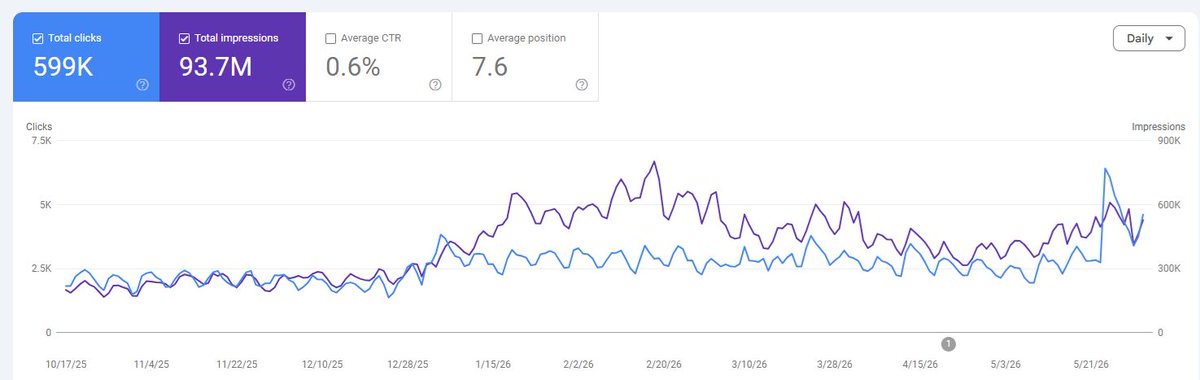
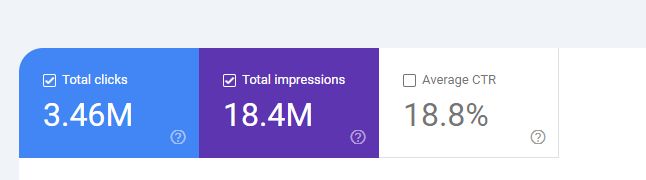
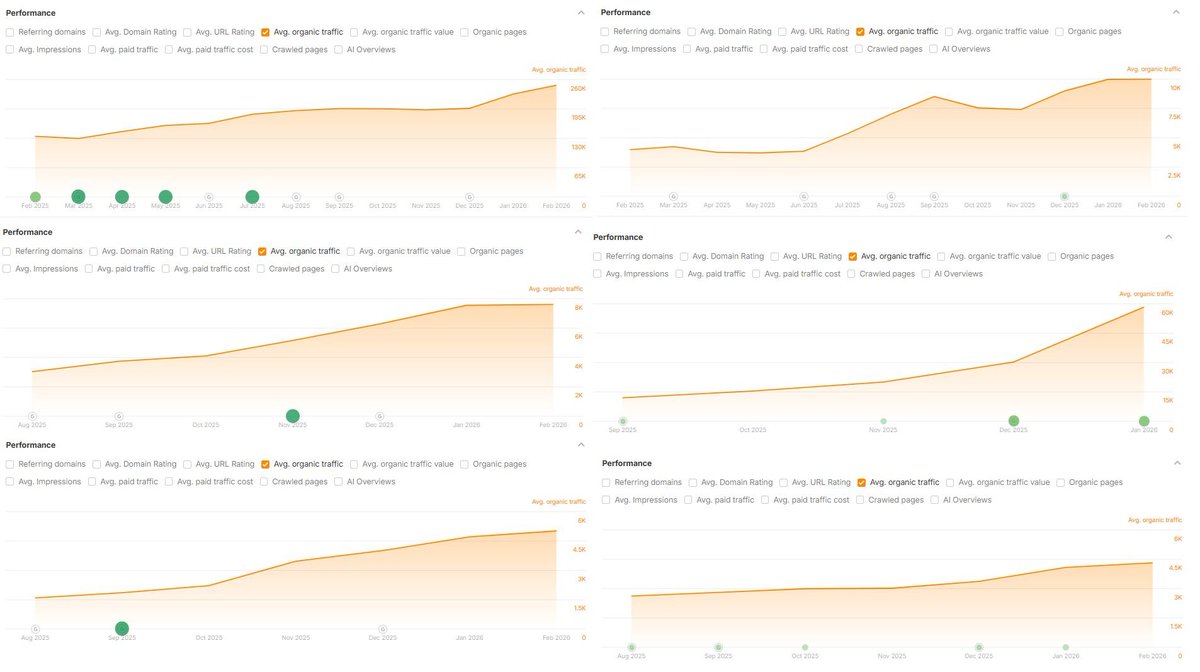
And solving that problem is a big reason why SEO Stuff (seo-stuff.com) is coming off another record month.
Then came the line from Mueller that a lot of people skimmed past:
“Thinking about how your site’s value works in a world where AI is available is worth the time.”
That is an acknowledgment that AI already changes how traffic, visibility and attribution work.
Ranking still determines eligibility, but AI does play an increasingly large role in site amplification.
(If you want to see where your site stands across Google and AI search, start here:
seo-stuff.com/free-audit)
This past week Google laid out what Search will look like from this point going forward.
The new Search box will accept text, images, files, videos, etc. And it'll anticipate your intent before you even finish asking your question.
It is already powered by the most advanced Gemini model ever put into search, and then layered on top of that, agents will now be able to run 24/7 in the background on behalf of the buyer.
The new Search process works like this:
Step 1: The buyer describes their problem, their category, their needs in full.
Step 2: The agent breaks that down into sub-topics and maps out a plan.
Step 3: It determines what intel is needed right now versus later.
Step 4: It monitors blogs, news sites, and social posts continuously for relevant changes.
Step 5: It sends the buyer a synthesized update with links and the ability to take action.
All of which is to say, blue links are not going away in the short-term, but AI's influence over Search isn't magically going to start decreasing.
If your business depends on referred traffic, pretending AI doesn’t exist is no longer realistic.
This all matters because AI systems don’t rank pages from scratch.
They pull from the existing ecosystem and favor:
Pages that already rank well.
Sites with clear entity definitions.
Content that explains and compares
Brands that are consistently referenced and attributable.
Search in 2026 understands the topic and it needs to understand your business too.
And that’s also why SEO Stuff is structured the way it is.
Take the done-for-you plan, for example.
seo-stuff.com/gold-plan-pack…
AI systems summarize and compare.
They repeatedly pull from:
Best X for Y pages.
X vs Y comparisons.
Decision-stage buyer guides.
Clear answers under question-based H2s.
The done-for-you plan optimizes content, builds authority and is engineered to:
Rank in Google first.
Be cleanly summarized by AI systems.
Answer questions directly and extractably.
Tie answers back to a specific brand.
Then there’s the done-for-you content package, which is for sites who have strong authority but aren't capitalizing on it.
seo-stuff.com/premium-conten…
Search in 2026 thinks in categories, entities and relationships.
If your site doesn’t clearly answer:
Who you are.
What category you belong to.
When you should be mentioned.
AI systems won’t include you consistently.
This package patiently builds:
Full topical coverage.
Entity reinforcement across use cases.
Category-level authority.
Freshness through expansion and updates.
This is how you start being a recognized entity.
And finally, the "authority-only" package, for sites that can handle optimizing content on their own but lack the authority necessary to be respected by Google and AI search.
seo-stuff.com/premium-backli…
Every serious study we’ve covered shows the same thing.
AI systems are conservative.
They reuse sources they already trust.
Yes, backlinks from real, authoritative domains help rankings, but they also tell AI systems:
“This source is safe to repeat.”
Look, if your SEO foundation is weak, AI will expose it faster.
If your foundation is strong, AI will amplify it across:
Google Search.
AI Overviews.
Gemini.
ChatGPT.
Perplexity.
And so forth.
Google is literally telling you to understand how visibility actually works now.
You should listen.
And if you want to see where your site stands across Google and AI search, start here (it's free):
seo-stuff.com/free-audit
8
40
71
20,166