
Philosophy, poetry, @UpsPolitics, ELTE RCH, @CBPhull. An Aristotelian Philosophy of Civility. Culture and Politics (Palgrave Macmillan/Springer Nature, 2026)
Joined October 2019
- Tweets 28,963
- Following 3,983
- Followers 6,871
- Likes 24,571
3,634 Photos and videos

Pinned Tweet

Mar 19
Professional update: I won a visiting research fellowship 2026, to the Politics Department of @Princeton University, generously sponsored by the James @MadisonProgram, led by @McCormickProf. My research topic is: Township, Subsidiarity, Oikophilia: In Defence of the Local.
2/1
39
7
265
14,557
E.g. The Face of God.

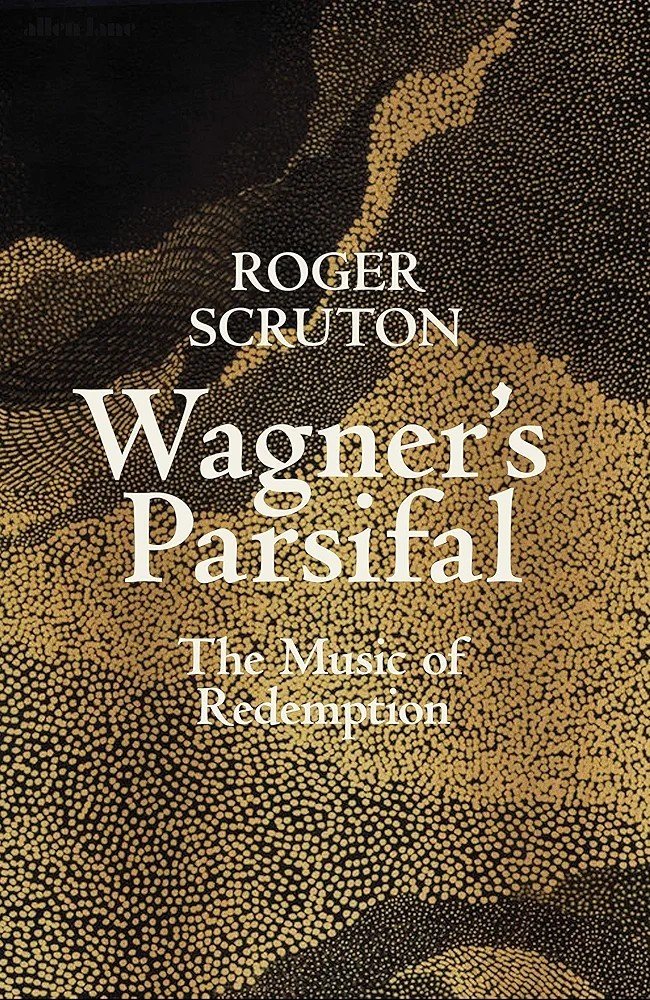
In what book Scruton said about piety?
90
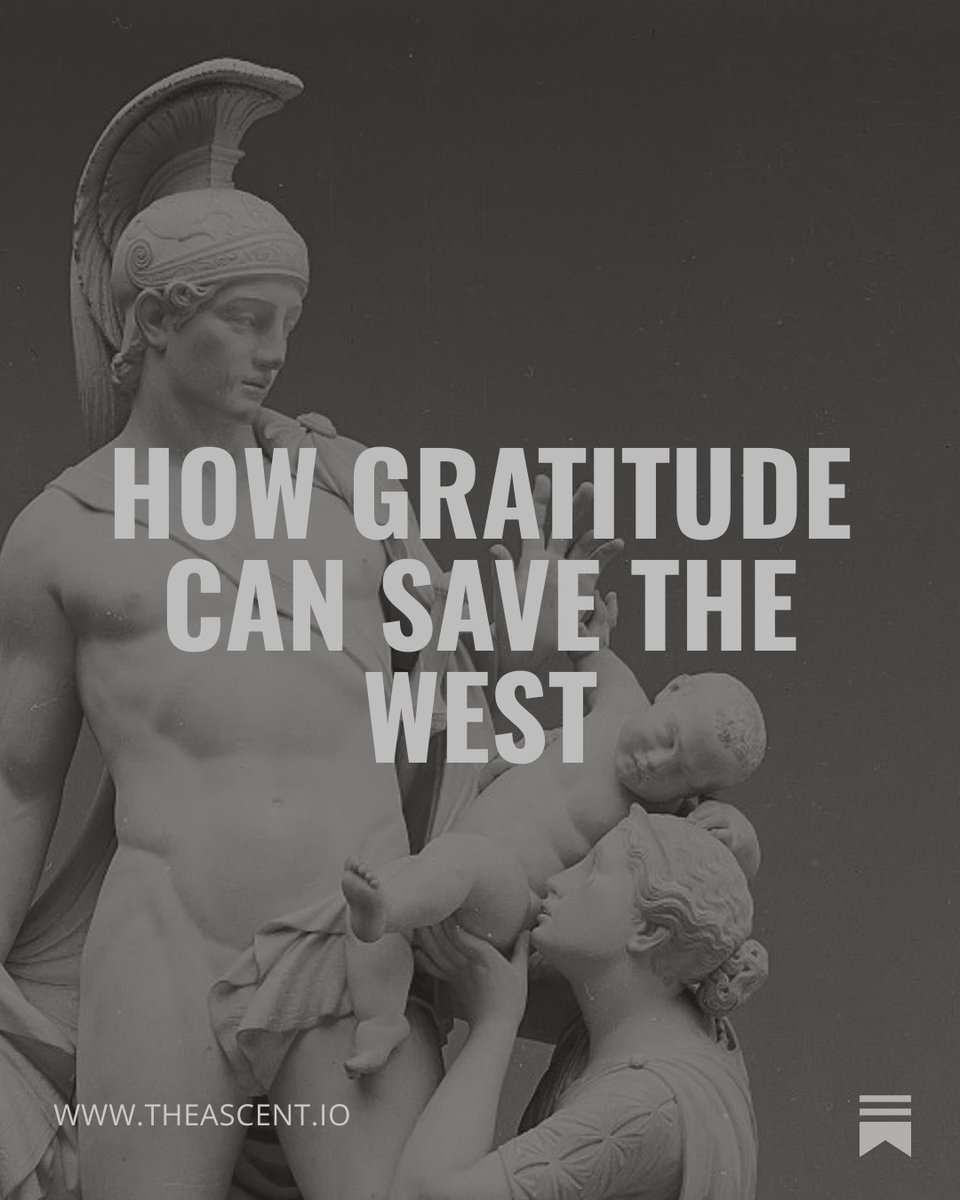
Read Scruton to learn about piety and gratitude.

Piety is rarely understood.
Many think it is superstition, naivety, or zealous belief.
But few understand that the ancients held it to be a force for civilization—a cosmic virtue, a source of gratitude toward the fundamentals of a man’s life. It set his duties and arranged his allegiances.
Homer, Aeschylus, Socrates, Jesus, and others all show you this forgotten virtue.
A pious heart is a grateful heart—and these are the hearts that build civilization.
Let the tradition help you recover this ancient virtue.
1
4
133
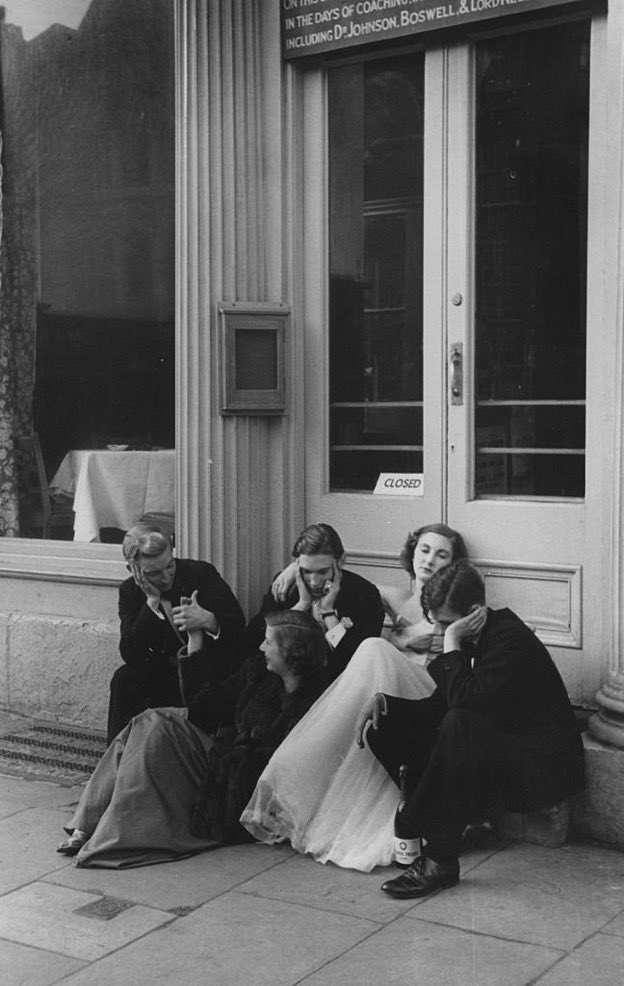
How difficult it js to be young, desperately in love.

77
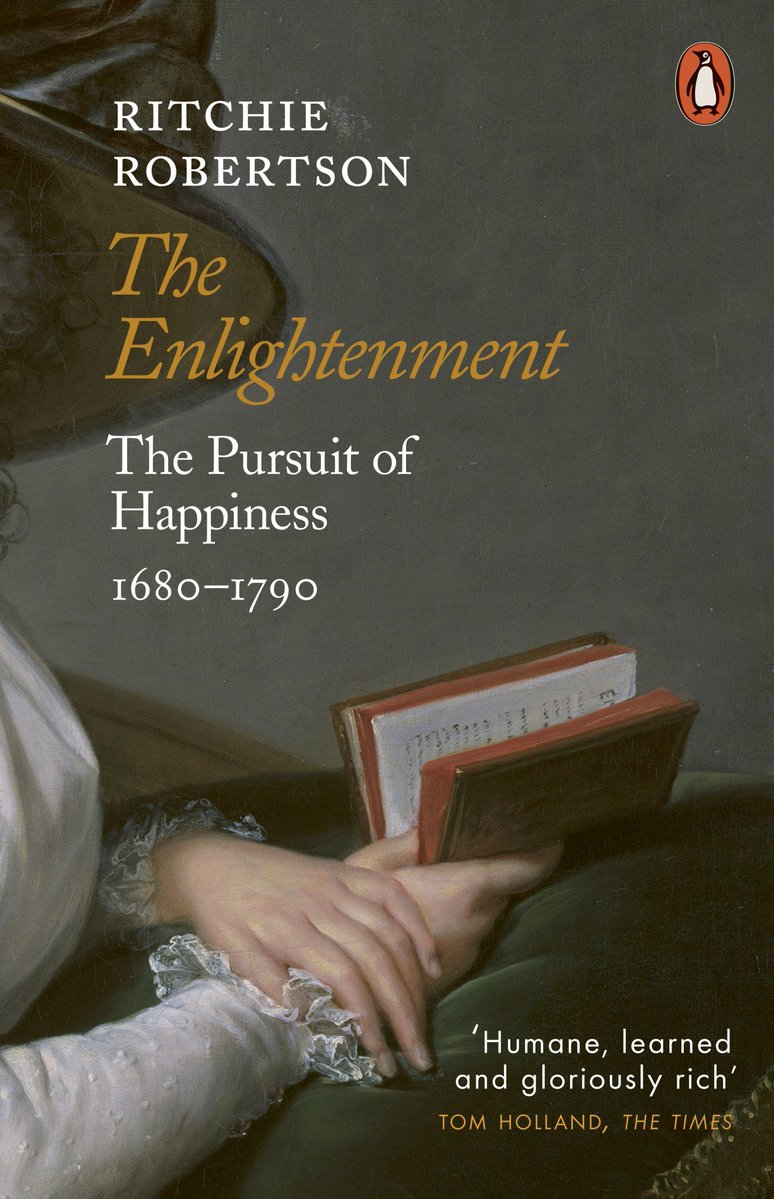
A very useful summary of the intellectual history of the American Founding, with a context of this revisionist account of the Enlightenment.

I'm highly sympathetic to CBT's moral itp of the Revolution, though Locke is polemically over-emphasized, non-conformist religion under-emphasized. Grad students should read it alongside Bailyn and Wood and Eric Nelson's book on the monarchical revoluiton. Deirdre McCloskey is key for the long term moral transformation. Allen Guelzo's account in Golden Thread 2 is judicious. For the Enlightenment I recommend Ritchie Robinson's book for a view that corrects the progressives' over-emphasis on the Radical Enlightenment. lawliberty.org/book-review/t…
1
18
355
Ferenc Hörcher retweeted

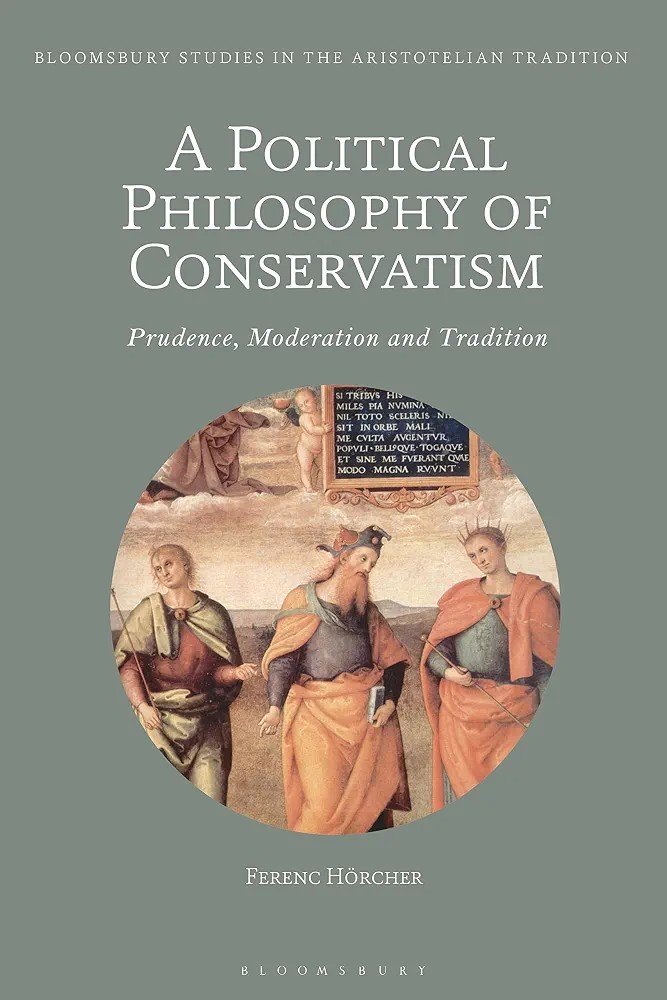
The subtitle of this book is key. ‘Prudence, Moderation and Tradition.’ Virtues, that allow for civilization to blossom and expand.
1
3
88
Ferenc Hörcher retweeted

Yes, and like Montesquieu they were in the tradition of historico-prudential method (as opposed to scholastic method) that goes back to Francesco Patrizi of Siena in the 15th c. and was continued by Bodin, Lipsius Grotius. etc. Disciplined application of prior historical experience. It would be called applied history today. @HorcherF wrote an excellent book some years ago discussing this tradition of political prudence. @ufhamilton

I wonder if this is because many shared Adams’ view that there were very few truly novel developments in the science of politics, a precise separation and balance of powers among them, so ancient philosophical principles were less useful than historical demonstrations of them.
2
5
20
2,033
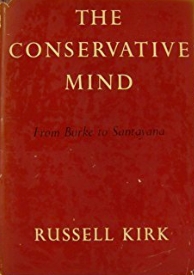
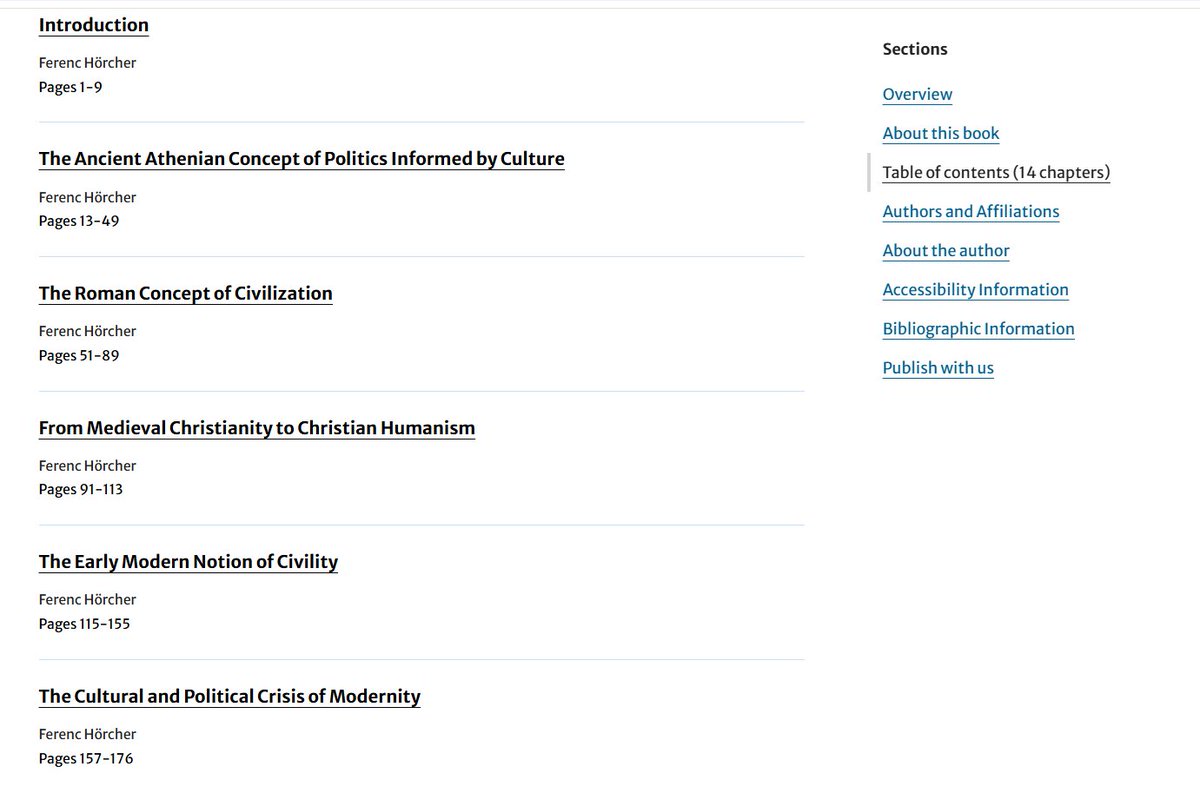
Thanks for @JamesWHankins1 for this reference to my book on conservatism. The first part of that book is an overview of the history of the concept of prudence, from the Greeks a Romans up to the 20th century.
Yes, and like Montesquieu they were in the tradition of historico-prudential method (as opposed to scholastic method) that goes back to Francesco Patrizi of Siena in the 15th c. and was continued by Bodin, Lipsius Grotius. etc. Disciplined application of prior historical experience. It would be called applied history today. @HorcherF wrote an excellent book some years ago discussing this tradition of political prudence. @ufhamilton
1
1
13
494
Ferenc Hörcher retweeted
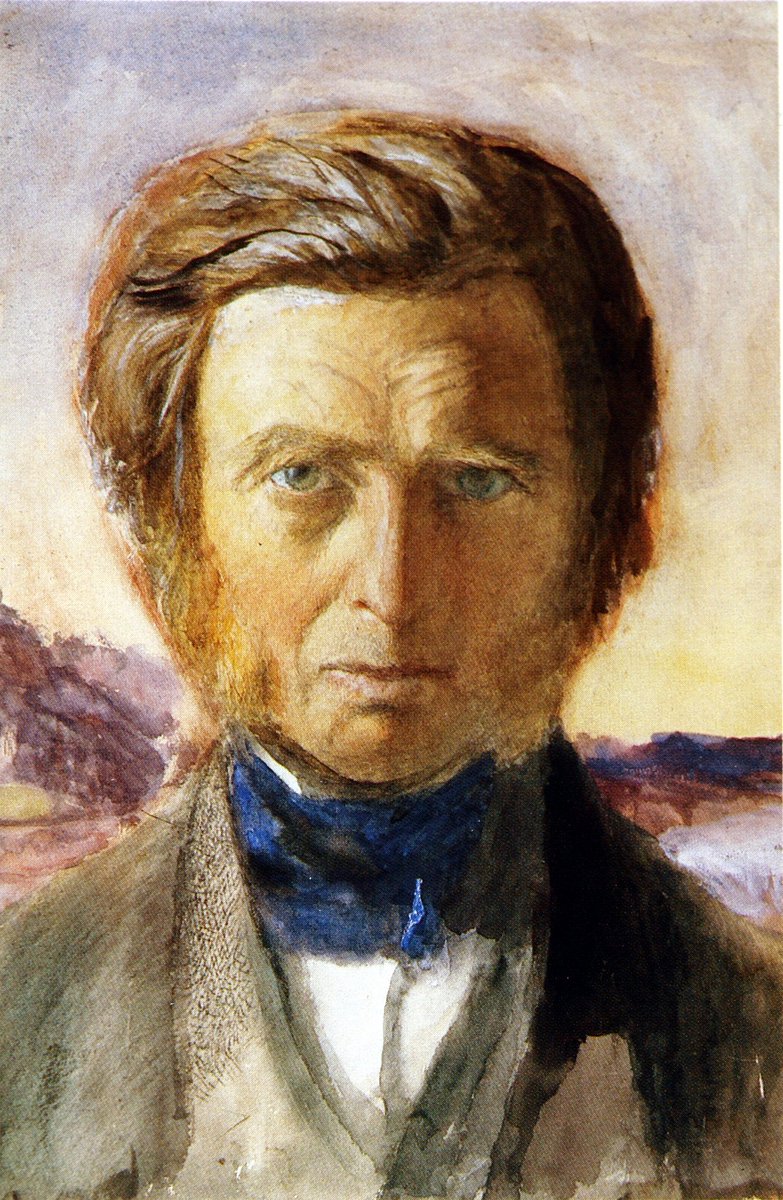
Self Portrait, by John Ruskin. Watercolour with some bodycolour and pencil
Jun 13

A great work of self-reflection, by a troubled, but great mind.
1
2
10
697
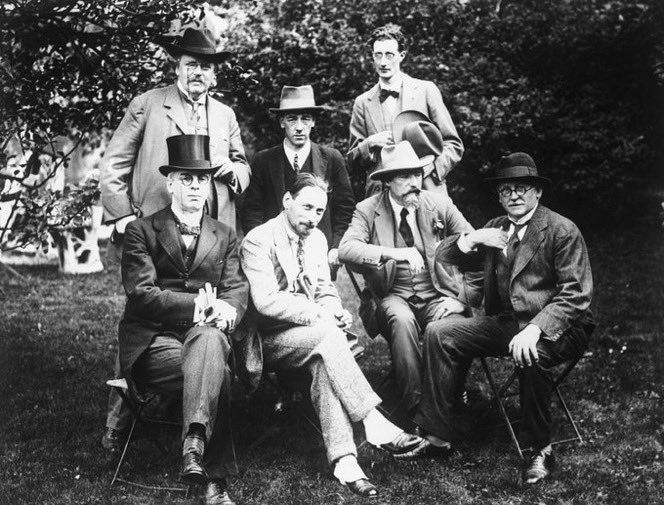
I suspect this is about New Whiggery.
Whether they knew or not
Goldsmith and Burke, Swift and the Bishop of Cloyne
All hated Whiggery; but what is Whiggery?
A levelling, rancorous, rational sort of mind
That never looked out of the eye of a saint
Or out of drunkard's eye.
W.B. Yeats, born 13th June 1865
1
216
Ferenc Hörcher retweeted

Kto czyta, ten nie błądzi. Ani o Piłsudskim, ani o Janie Gwalbercie Pawlikowskim, ani o Chrobrym, ani o ruchu chrześcijańsko-społecznym przełomu XIX/XX w. w zaborze rosyjskim. Zwłaszcza gdy my wydajemy;).


1
4
15
1,260
Ferenc Hörcher retweeted
Jun 11
I wish I was there.

Don’t miss Tracey Rowland’s lecture today at 4pm in @PuseyHouse !
This event is co-organised by the @PuseyCentre for Theology, Law, and Culture, the Aquinas Institute of Blackfriars Hall, and the Canterbury Institute.
1
2
390
Ferenc Hörcher retweeted

Yes. Ruskin measured himself against a terrifying moral & spiritual ideal. But history is kinder. He didn't squander his genius. He spent it, often painfully, on art, nature, labour, education, and justice. His tragedy was that he couldn't see the scale of what he had given.
4
15
495
Ferenc Hörcher retweeted
Jun 13
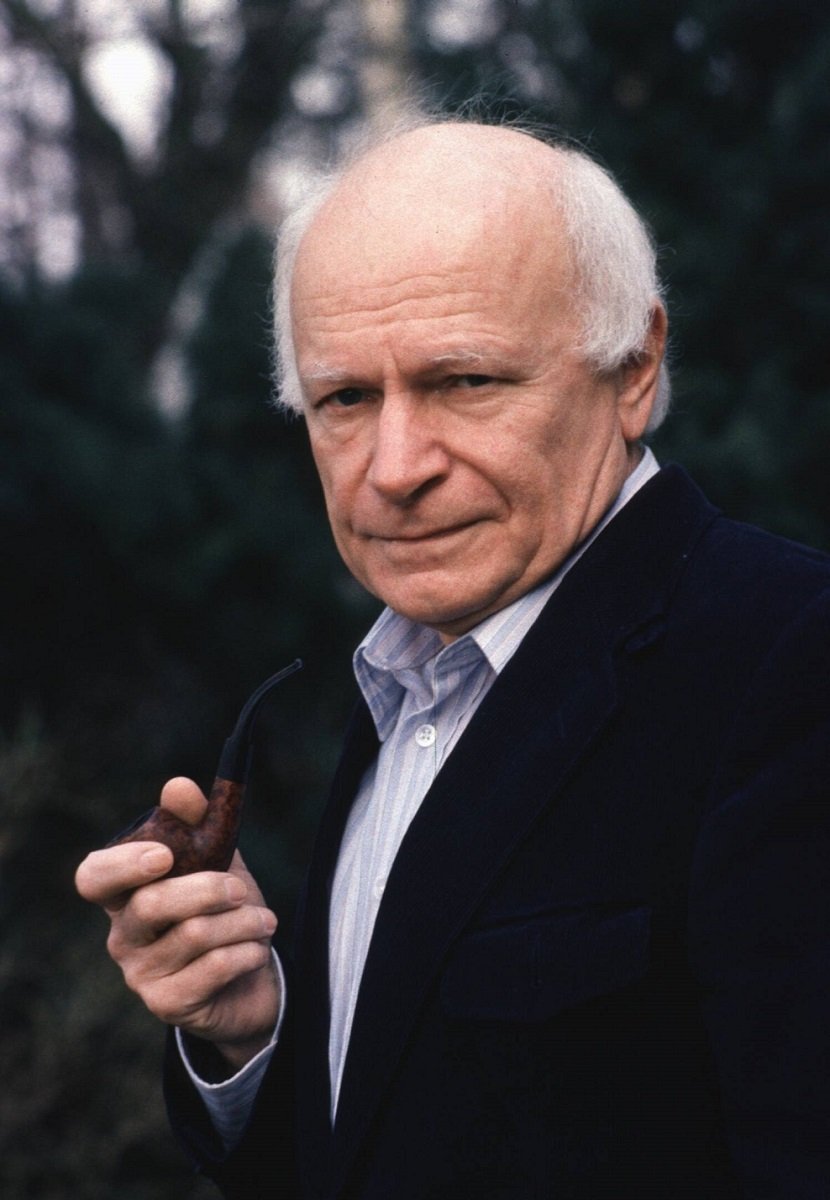
Why is Koselleck not regarded as part of the conservative intellectual canon?
Jun 12

“The modern age is inconceivable without the secularization of eschatology. The final judgment becomes revolution, salvation becomes progress.”
Reinhart Koselleck, Critique and Crisis
1
17
1,351
Ferenc Hörcher retweeted
Jun 13
A great work of self-reflection, by a troubled, but great mind.
Jun 13

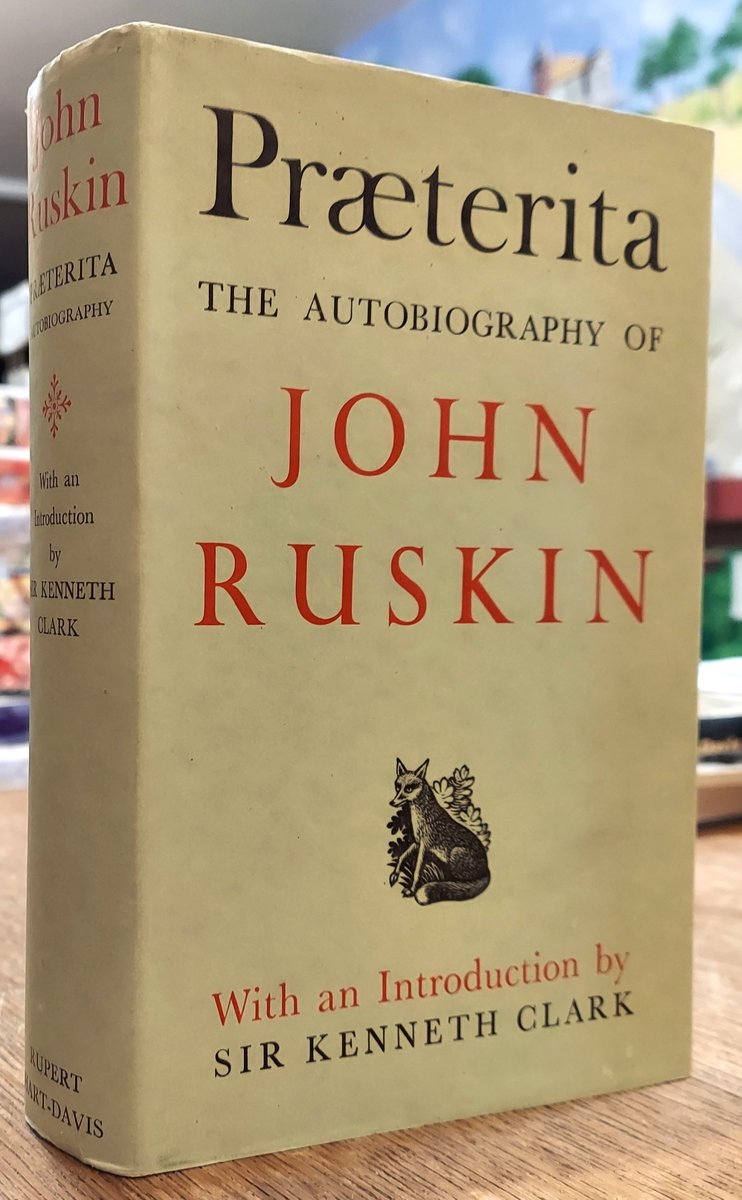
Even as he wrote the most tender pages of #Praeterita, #Ruskin lived with the tormenting belief that he had failed utterly, squandered his genius, and in doing so had disappointed not only his parents, his friends, and his fellow travellers on this earth, but God Himself.
ALT Praeterita by John Ruskin, a book cover
1
3
69
4,506
Jun 12
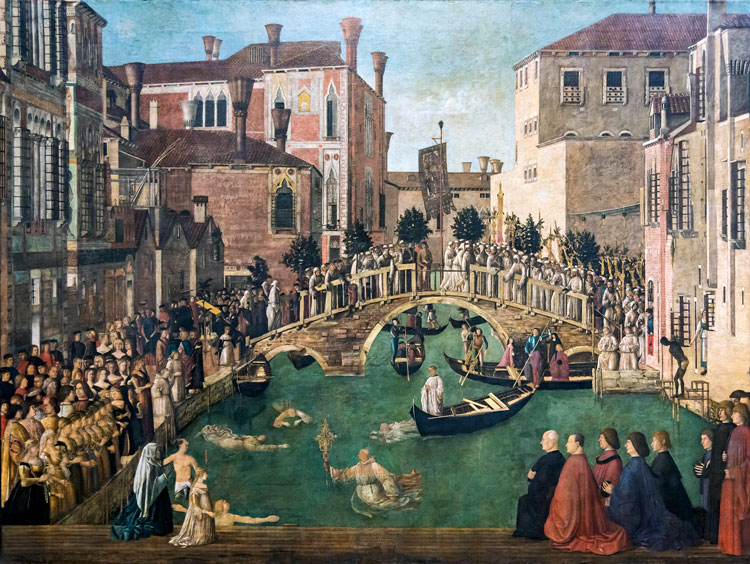
"In a development that closely parallels portraits of humans, the Renaissance city portrait emerged in the fifteenth century out of a transformation in urban representation from medieval depictions of generic cities to portrayals of specific entities" academia.edu/2012733/A_True_…
1
140
Jun 12
I guess the Confessions here is the work of Augustine and not that of Rousseau.
Jun 12

Poetry:
The Divine Comedy
Eliot's Collected Poems
Novels:
The Brothers Karamazov
The Lord of the Rings
Philosophy:
Fear and Trembling
Confessions
Plays:
Hamlet
The Tempest
2
3
592
Ferenc Hörcher retweeted
Jun 11
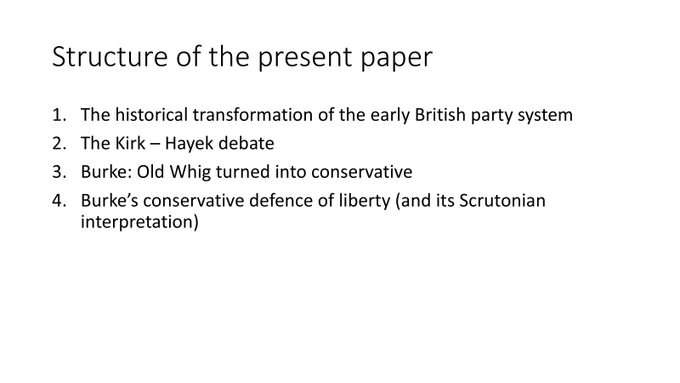
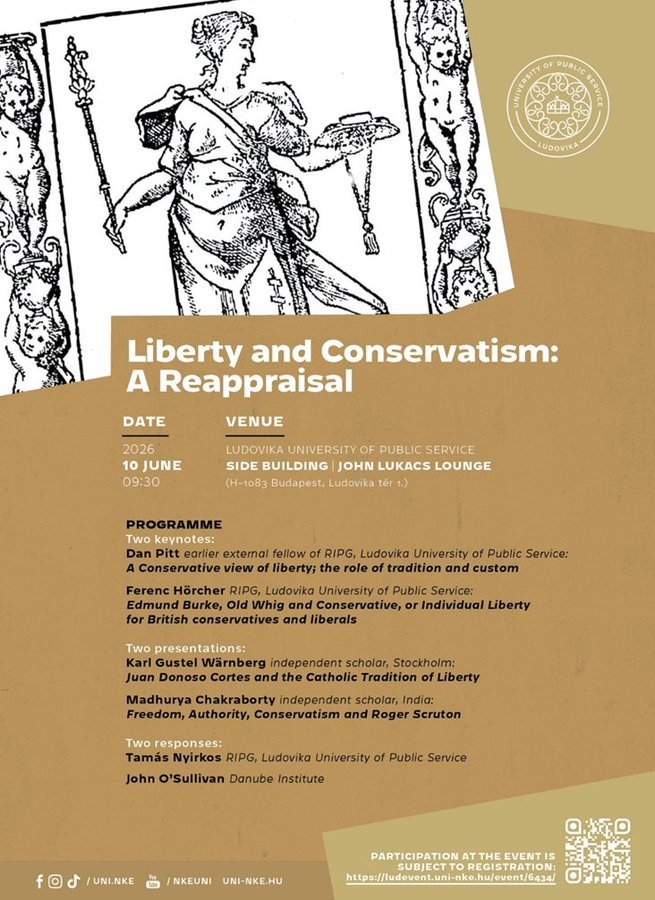
The slides of my talk at our workshop on Liberty and Conservatism. academia.edu/168530795/The_R…
1
8
431