🇸🇦Proud unapologetic Saudi Arabian Nationalist السعودية هي ارض تتنفس كرامة وانا نفس من انفاسها
Joined December 2011
- Tweets 7,112
- Following 647
- Followers 19,158
- Likes 17,474
735 Photos and videos


Pinned Tweet

31 Oct 2025
Jews don’t run the world.
Israel doesn’t control America.
America is the main account and Israel is the alt account.
803
306
1,916
536,674
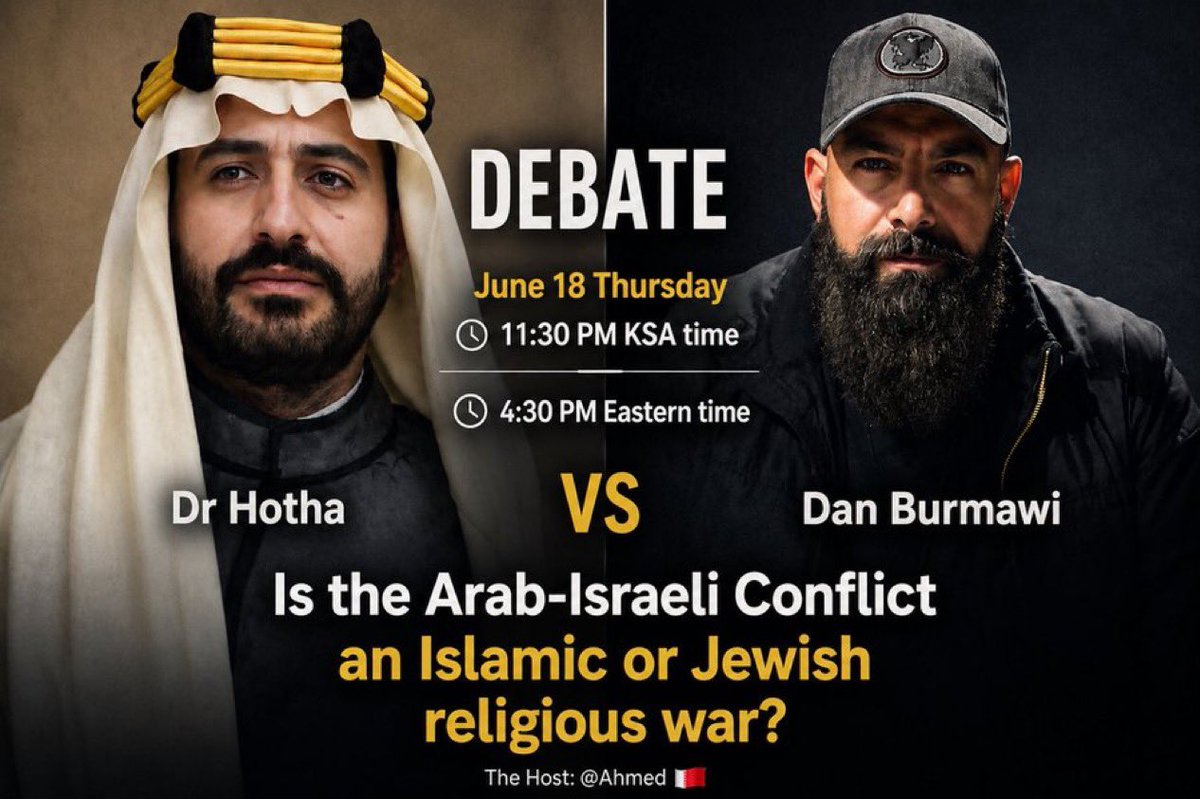
Join me in my debate with @DanBurmawy this upcoming Thursday.

Set a reminder for this upcoming debate Space 🔔
What is the true nature of the Arab-Israeli conflict: an Islamic religious war, a Jewish religious war?🇮🇱🇵🇸
@DanBurmawy and @HothaAli will be debating this topic live on June 18 at 4:30 PM Eastern 🇺🇸
x.com/i/spaces/1yKAPPOWvNOxb
6
7
57
4,710
Joining @mohammed_hijab in his YouTube podcast this next Tuesday.

Let’s talk about it on Tuesday inshallah as agreed.
11
2
32
2,177
Dr.Hotha🇸🇦د.هوذة retweeted
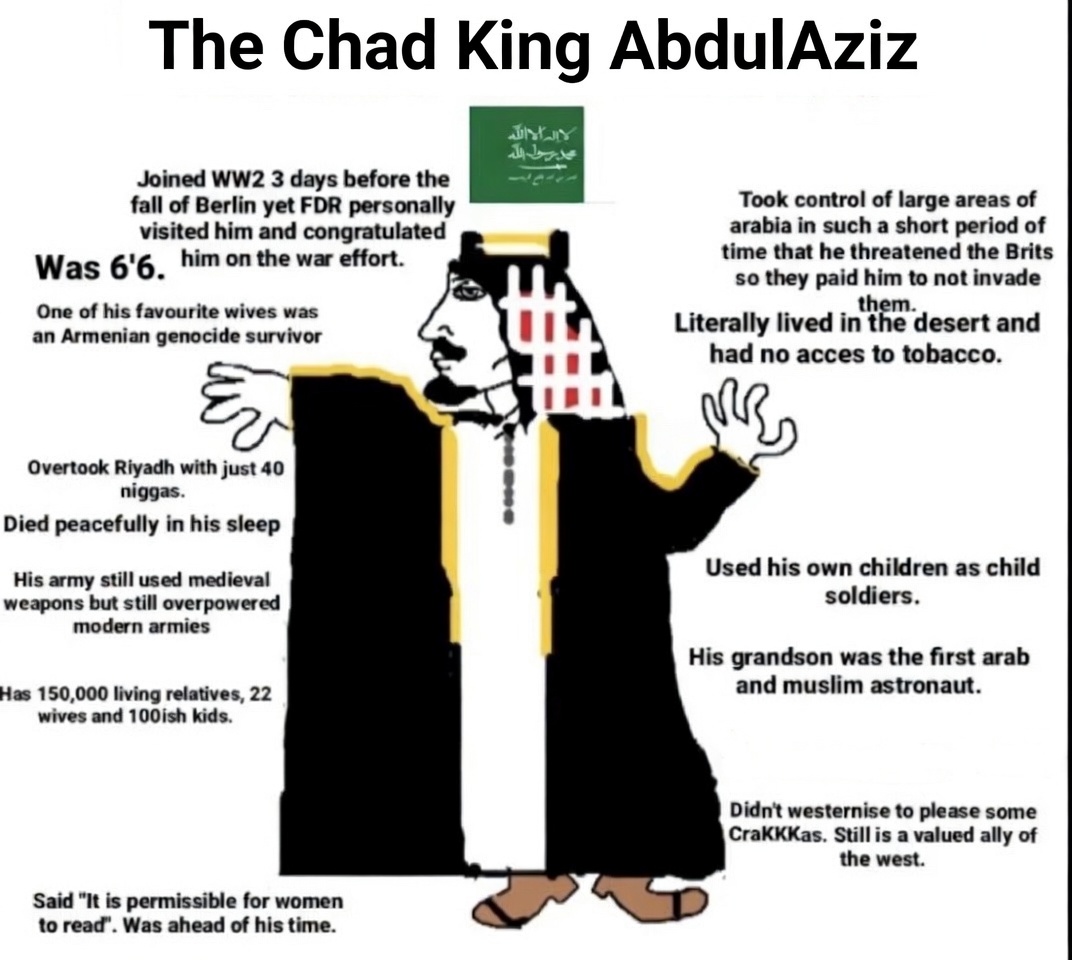
The Chad King AbdulAziz.
Exiled as a child to Kuwait with nothing, he returned to reclaim his ancestors’ rightful throne.
6’6” desert conqueror who seized Riyadh with just 40 men.
Fought the British vassals Lawrence of Arabia and the Hashemites liberating Mecca and Medina from British mandate, commanding a medieval army that mogged every modern force, with 22 wives, 100 children, while deploying his own sons as child soldiers.
He reunited Arabia through blood, iron will, and unapologetic strength. No apologies. No dilution. No begging.
The desert does not negotiate. It conquers
25
36
292
13,466
Jun 11
The claim that Muhammad ibn Abd al-Wahhab “rebelled against the Caliphate” assumes something that first needs to be proven:
When exactly did Najd become an Ottoman province?
Not every Muslim ruler who refuses to submit to another Muslim ruler is a rebel.
Otherwise the Ottomans themselves were rebels against the Mamluks.
45
59
438
31,751
Dr.Hotha🇸🇦د.هوذة retweeted
Jun 11
Why are you making this an ethnic or racial thing.
For someone like yourself that apposes nationalism and supports Muslim unity it's weird that you would address him as Najdi and not Muslim and its odd you would call an emphasis on Tawheed as Najdisim.
If i call you the Egyptian or call what you believe in and what you preach as Egyptian Diasporitis you would call me a racist and consider me an ultranationalist anti Ummah Wahhabi.
4
23
231
8,441
Jun 7
Trump just exposed his burner account on live Interview.
I’ve been saying it for years US is the main, Israel is the alt. Told you 😂🤣
Jun 7

🚨 JUST IN: President Trump says HE CALLS THE SHOTS, not Israel — FT interview
“I decide. I decide everything. He doesn’t decide.”
"Netanyahu will have no choice but to accept an Iran deal. I call the shots. I call all the shots. Bibi does not."
47 is now holding discussions with his team while in New Jersey, per Fox, and originally hoped for a peace deal this week
"The region is now waiting to see if Israel responds to these waves of ballistic missiles."
10
14
56
18,102

368
15
34
10,251
Jun 6
When I asked what replaces the two-state solution, my opponent said: leave, assimilate, or die.
Here is my response.
30
21
196
17,624
Jun 5
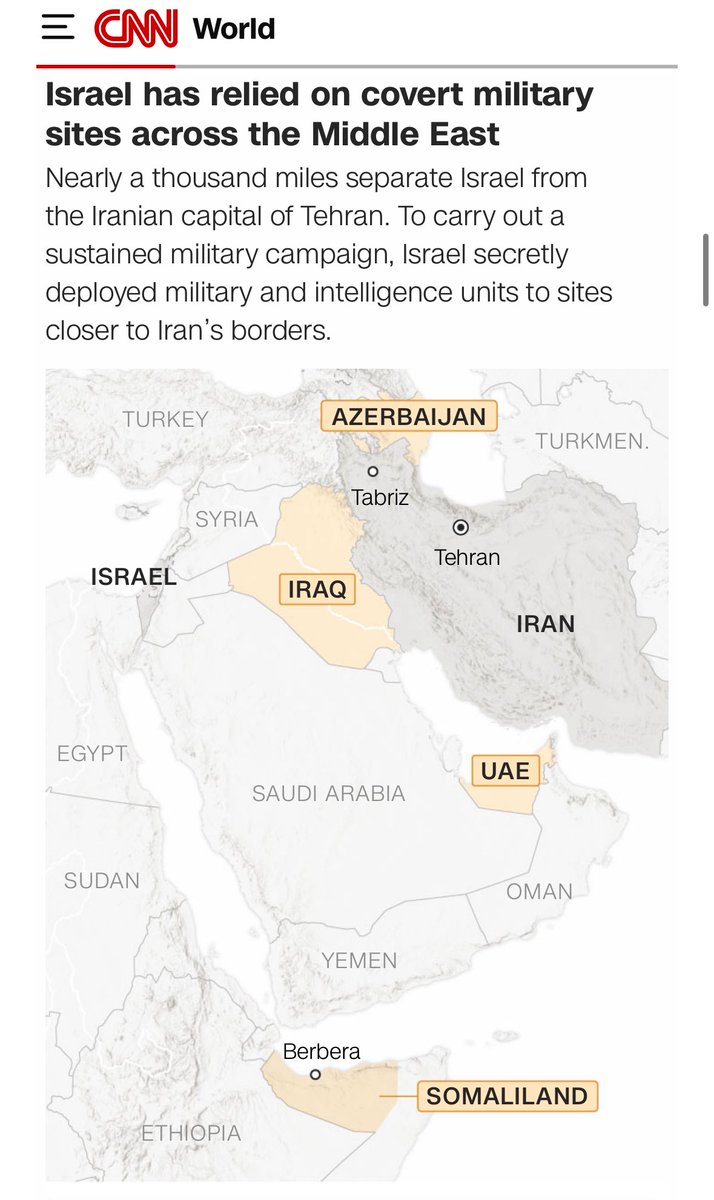
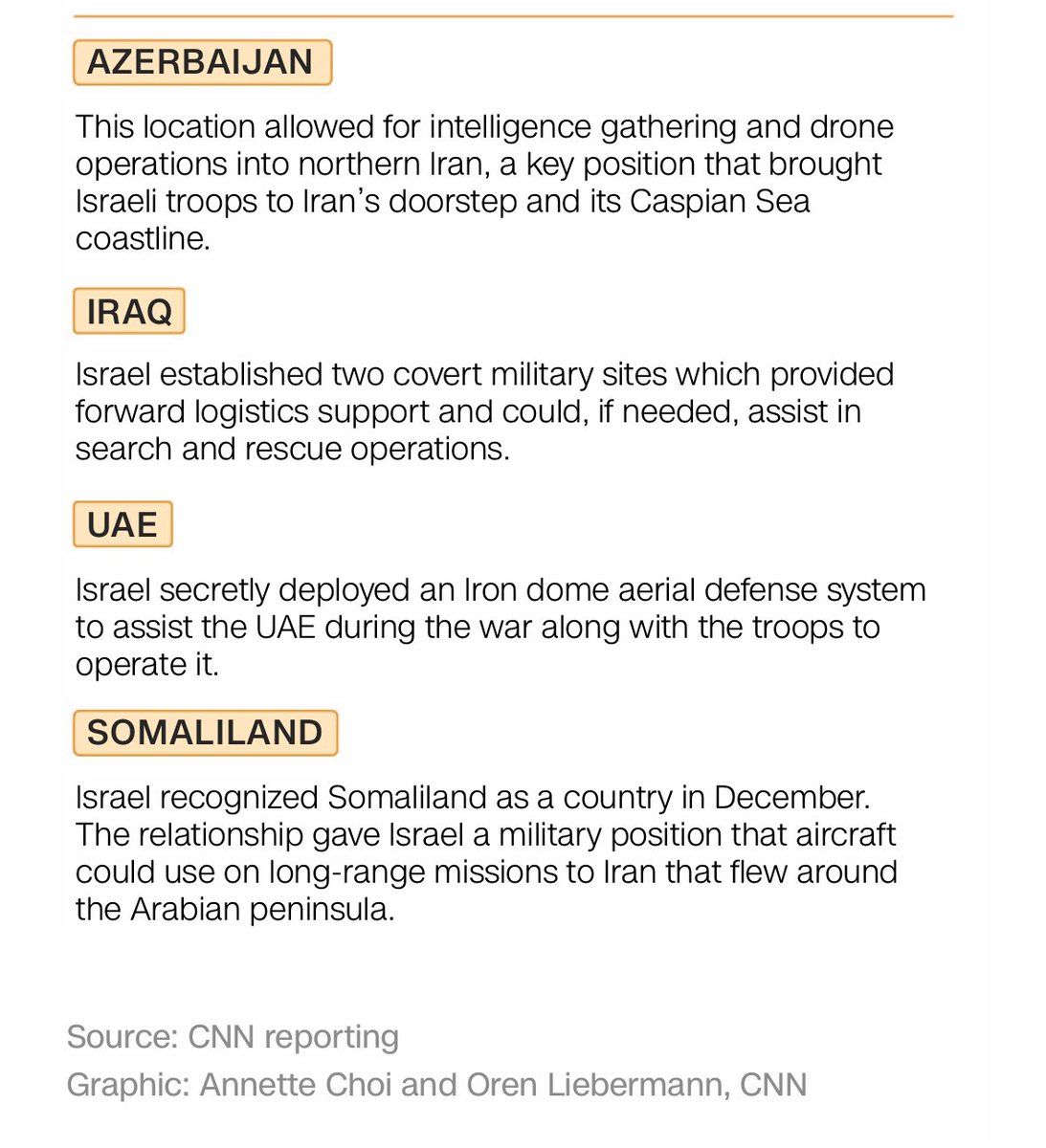
So Iraq has an Israeli base but doesn't get attacked by Iran.
Now Azerbaijan also has an Israeli base and doesn't get attacked by Iran.
Israel itself doesn't get attacked by Iran.
But the civilian Airport in Kuwait gets attacked ?!
Make this make sense please.

❗️BREAKING: A secret that everyone knew, has been exposed and unveiled by CNN.
Israel established a secret base inside of Azerbaijan.
• The secret base includes dozens of Mossad agents, special OP troops, elite heliborne troops, etc.
• The base functioned as both an intelligence base with special hardware and devices & as a drone operations base.
• Israel used Azerbaijan to assassinate Rahman Moghaddam, an IRGC figure within the intelligence division (with drones) — 1 day after the assassination Iran launched drones at Nakhchivan’s airport (which Iran denied responsibility).
• Azerbaijan also hosted secret meetings between ‘Israel’ & Syria
144
92
464
102,268
Jun 5
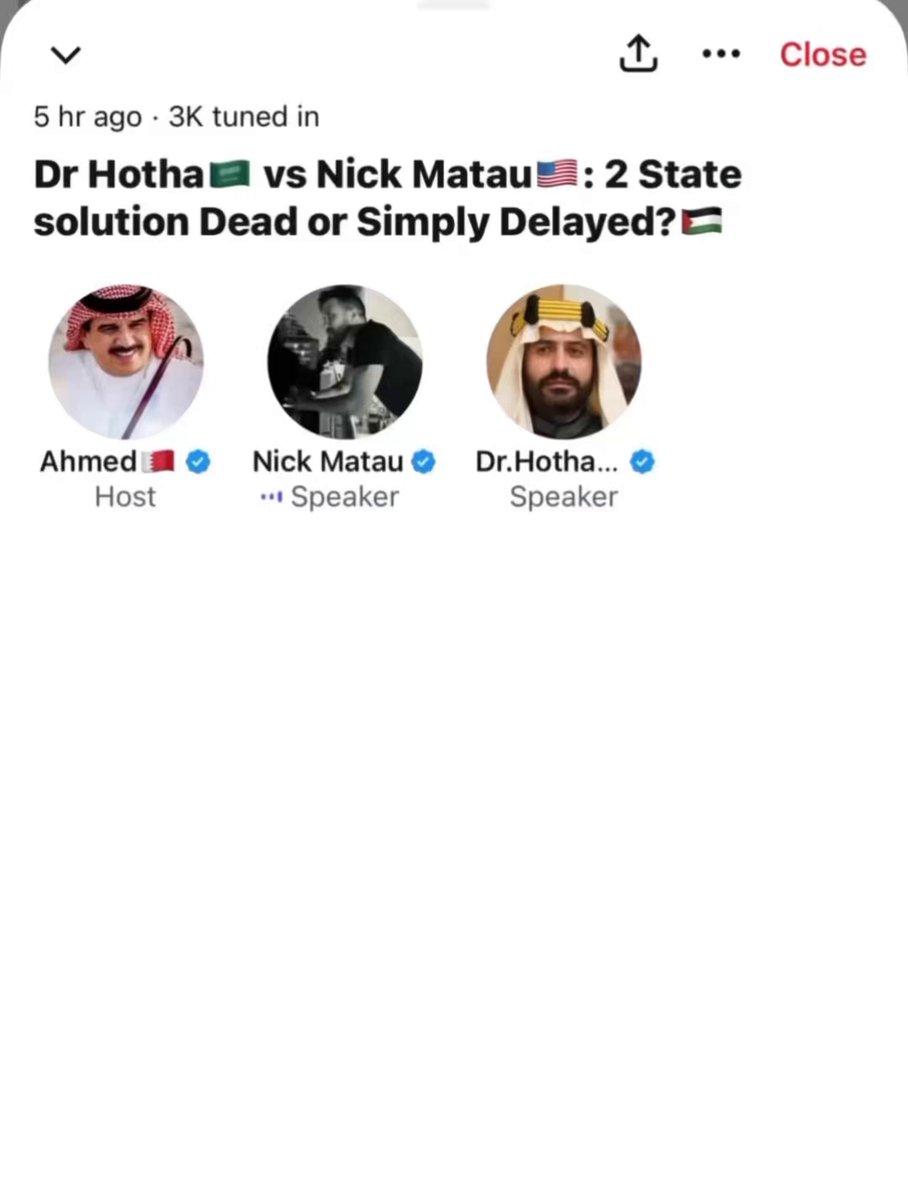
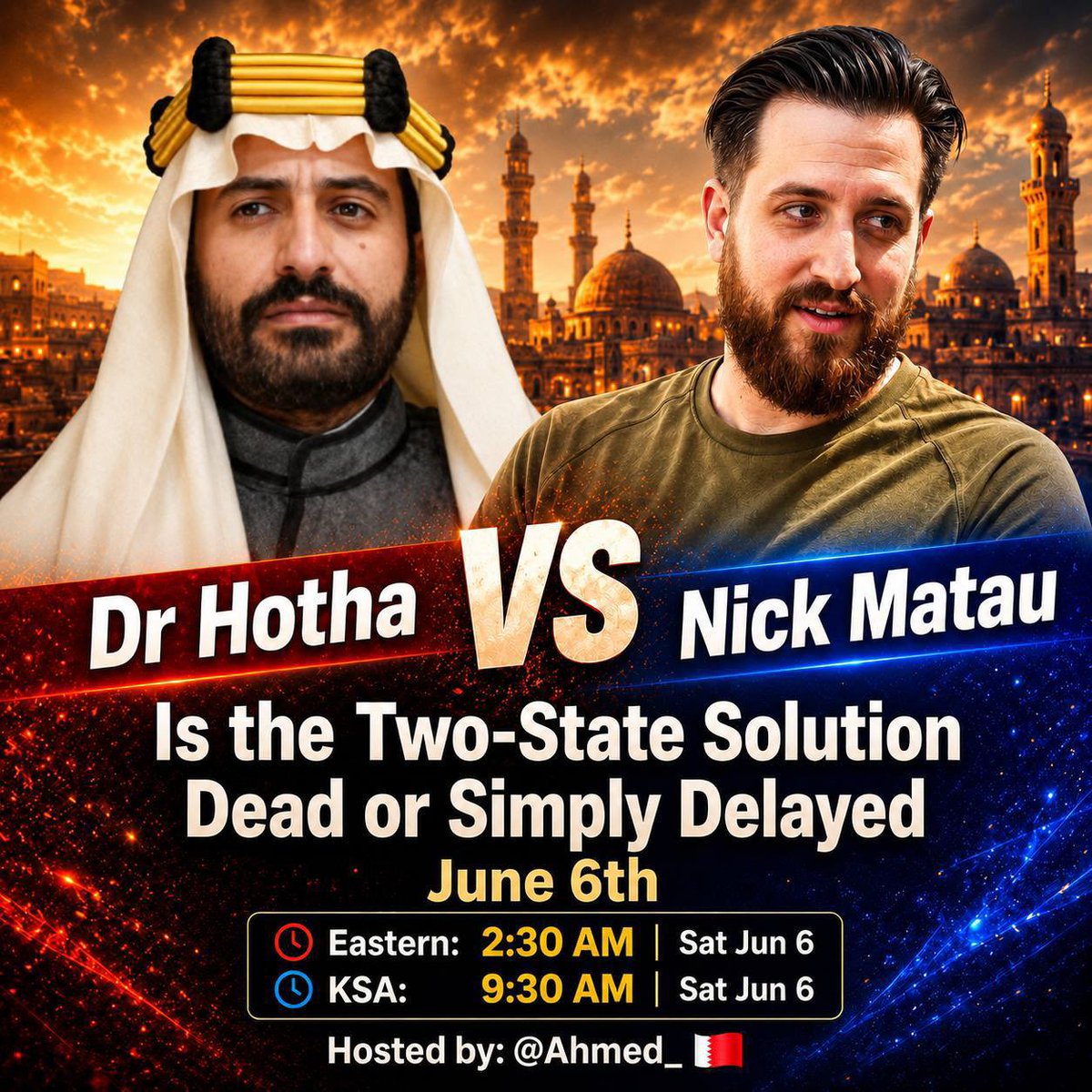
Don't miss my debate with @nick_matau
About the future of the two state solution.
Hosted as always by @Ahmed_ see you there.
23
15
116
17,939
Jun 4
The last time the FIFA World Cup was hosted in the United States 🇺🇸 (1994), Saudi Arabia 🇸🇦 shocked the world by reaching the Round of 16 and producing one of the greatest goals in World Cup history. ⚽🔥
13
61
478
42,309
Jun 1
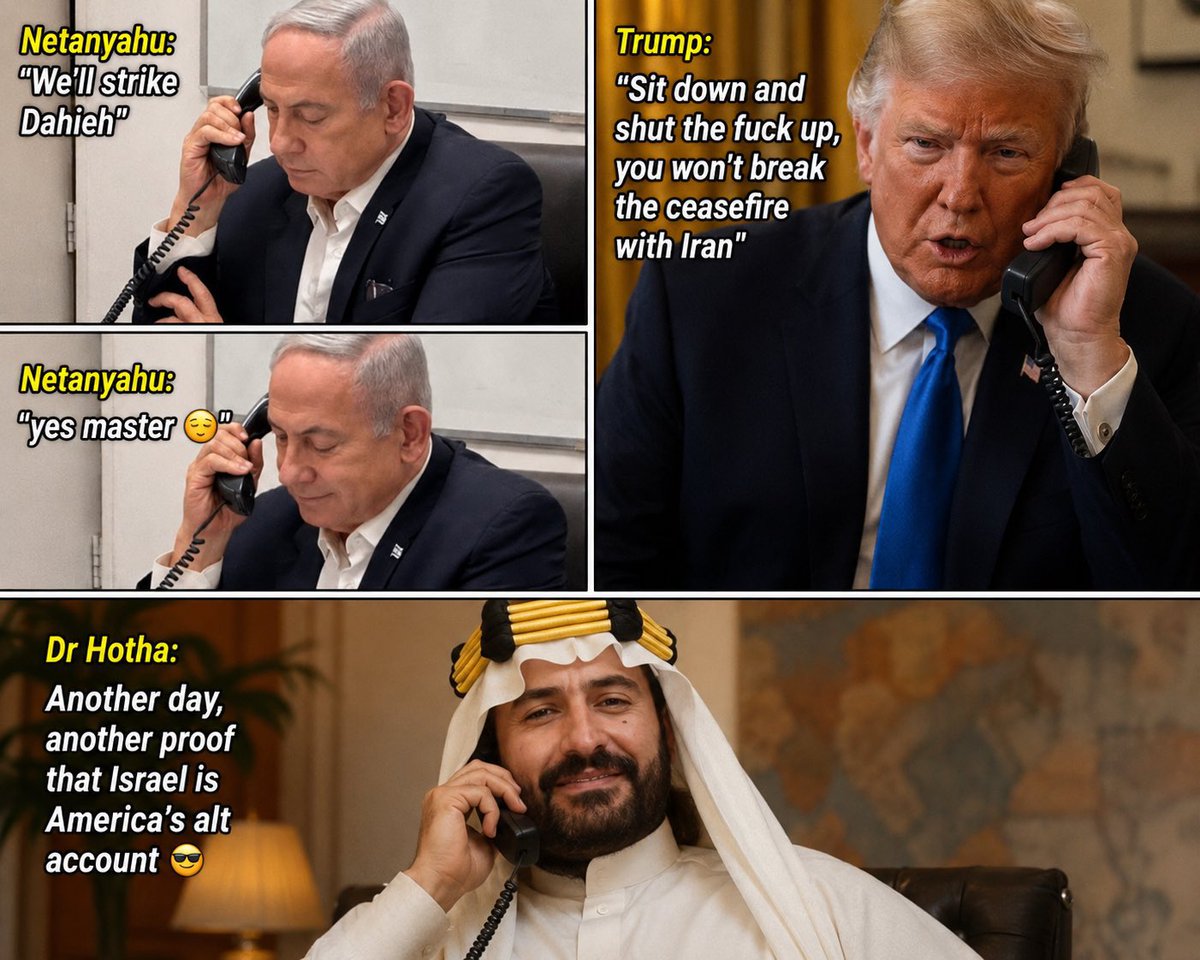
Another day, another reminder that Israel is just America’s alt account in the Middle East.
Thank you for attending my TED Talk 🔥
24
23
193
11,638
Jun 1
Napoleon = French 🇫🇷
Sun Tzu = Chinese 🇨🇳
Plato = Greek 🇬🇷
Mehmed = Turkish 🇹🇷
Cyrus = Persian 🇮🇷
But claiming the Prophet Mohammed ﷺ, Abu Bakr, Umar, Uthman, Ali, Khalid ibn al-Walid & the Arabian conquerors 🇸🇦 who built the greatest empire in record time as part of our 🇸🇦 land and peoples legacy?
Suddenly: “Nooo, that’s nationalism!!” 🤡💀
Arabia birthed giants while your ancestors paid jizya.
History doesn’t bend to your feelings.
102
173
1,418
108,266
May 31
No one manages massive crowds like Saudi Arabia,decades of safely handling millions of Hajj pilgrims every year.
Now powered by our own AI (Baseer & Sawaher) for real-time mastery.
FIFA 2034 & Expo 2030? Walk in the park compared to this annual feat!
May 31

🇸🇦 Saudis are using one of the most advanced AI surveillance systems in the world to monitor millions of pilgrims in Mecca
Tracking crowd movements in real time and analyzing density patterns
Managing crowds at this scale is a security challenge
16
48
388
23,375
May 28
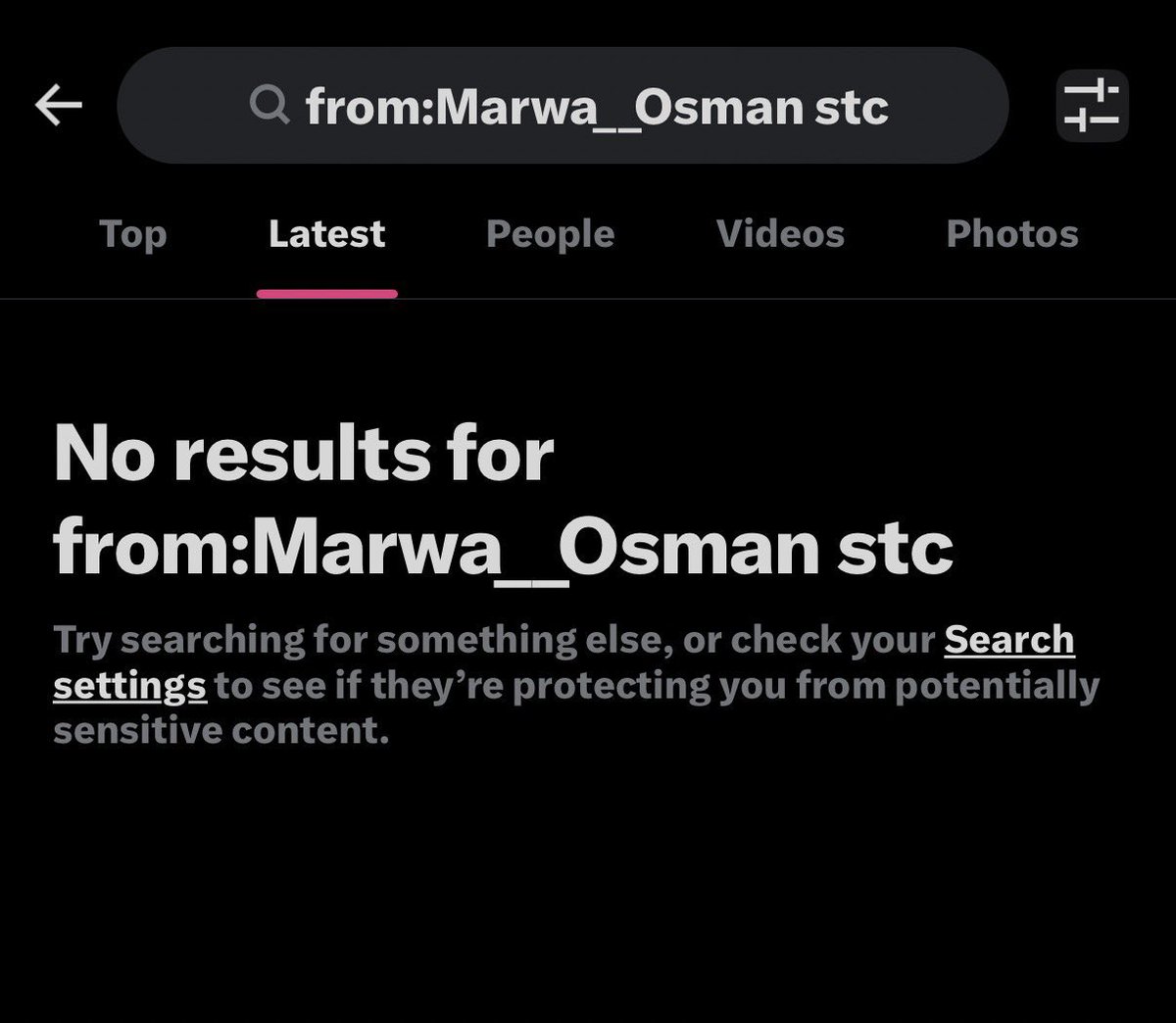
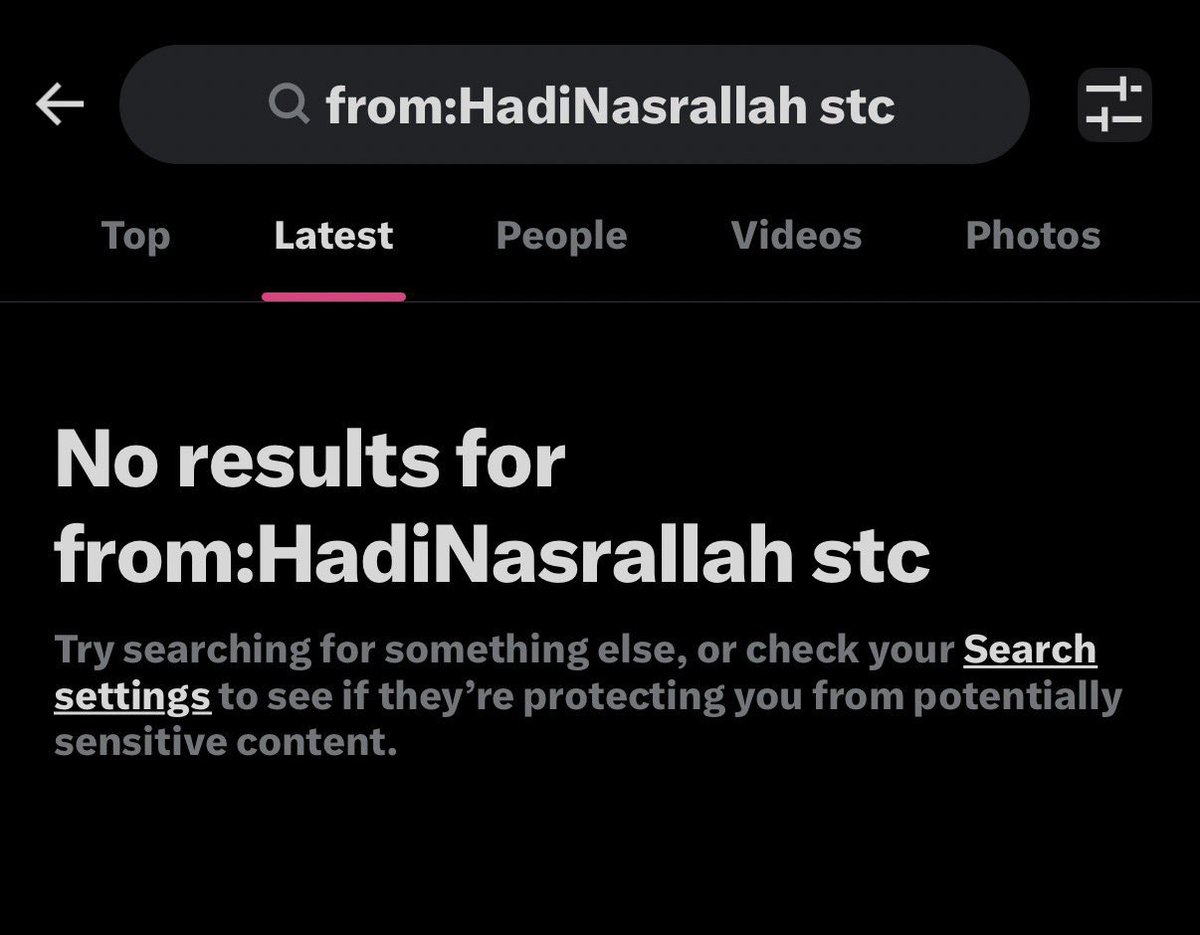
It’s hilarious how these so-called “Yemen experts” still don’t have a clue about the STC.
For the last three months they’ve been hyping up that the Houthis are about to fully blockade the Red Sea and Bab al-Mandab.
Still waiting, “experts.” 🤣


8
12
90
6,525
May 28
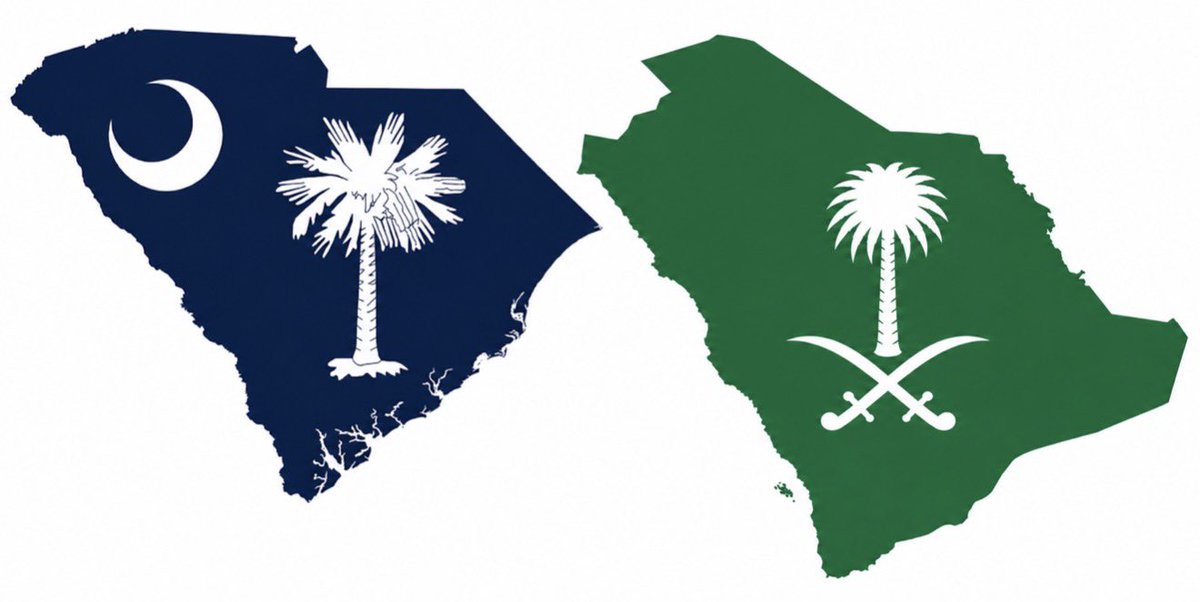
Only explanation for why Lindsey Graham is obsessed with Saudi Arabia 😂
Left = South Carolina with its flag (blue crescent palm tree)
Right = Saudi Arabia with its emblem (green palm tree crossed swords.
Ladybug thinks it's a camel lol.
May 28

Senator Graham:
They should change the Nobel Prize to the Trump Prize if Trump achieves normalization between Israel and Saudi Arabia.
9
33
364
75,875
May 27
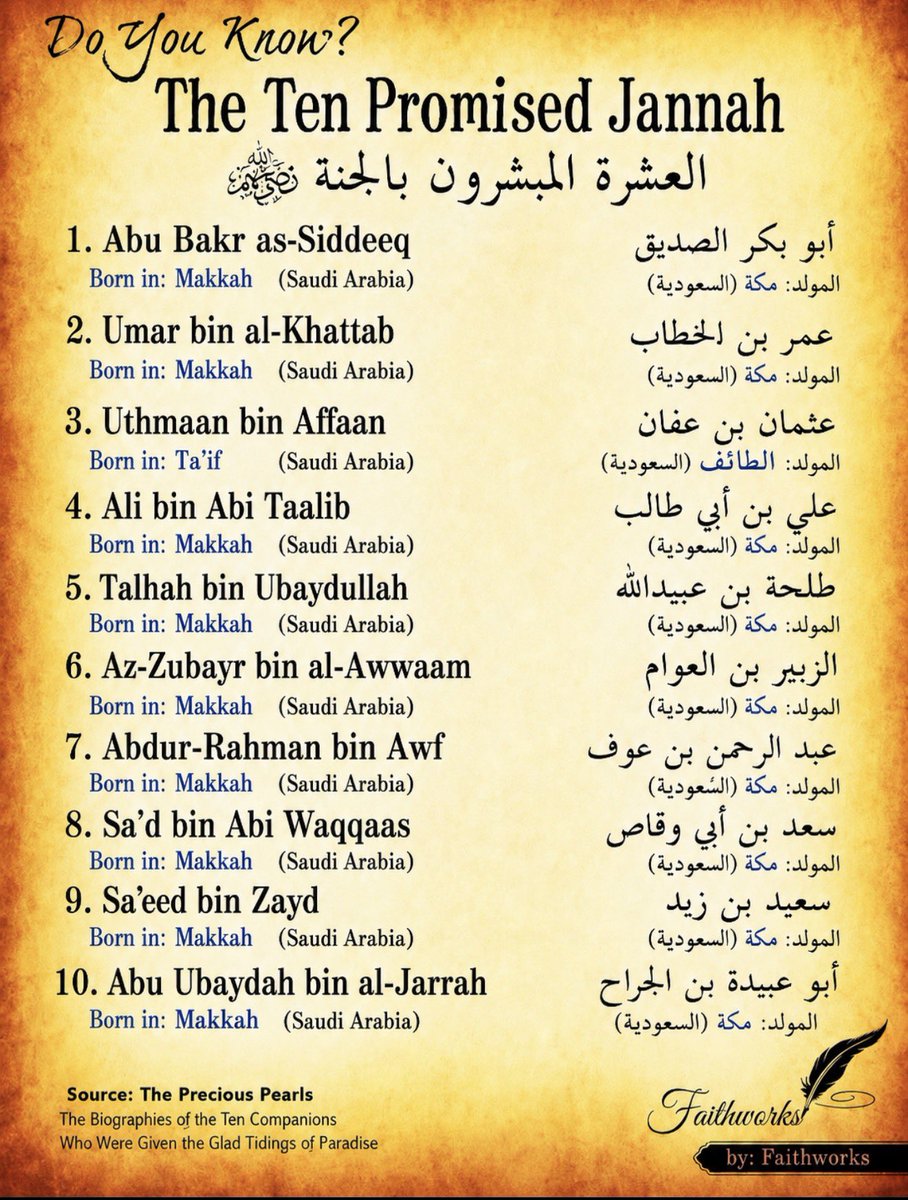
Allah promised only 10 people paradise.
They were all from Saudi Arabia.
Eid Mubarak 🇸🇦
243
50
376
51,147
May 25
The Boogeyman’s End: How America’s Need to Be Needed Sparked the Iran War
America’s strategy in the Middle East has long relied on keeping allies threatened and dependent. For decades, Iran and its sphere of influence, including the Houthis and other proxies, served as the perfect boogeyman: dangerous enough to threaten Saudi Arabia and the GCC into purchasing record-high amounts of American weapons and seeking U.S. cooperation, but never a real existential threat to America itself. The same dynamic plays out in Europe, where Russia functions as the boogeyman that justifies NATO’s existence and keeps Europeans dependent on American leadership. Without such threats, these alliances lose their purpose.
This setup fueled record U.S. arms sales during the Yemen war. Iran backed Houthis attacked Saudi cities with rockets and drones, driving billions into American jets, tanks, Patriots, and more. America wasn’t truly threatened, but its friends were kept buying. The U.S. defense industry profited, and hegemony was maintained.
Then came the revelation. After years of war, Saudi forces pushed the Houthis hard. At that stage, the United States pulled back critical support, including adjustments to Patriot missile deployments that were vital for the war effort. Hilariously framed as humanitarian pressure when it was clearly strategic repositioning, this moment revealed an essential truth to Riyadh: America appeared more comfortable with a managed, perpetual conflict than with a decisive Saudi victory that would eliminate the threat.
Saudi Arabia realized something very important. America doesn’t just want the boogeyman alive it wants perpetual war on its own terms. As Henry Kissinger observed, the United States is not in the business of solving conflicts; its in the business of managing conflicts. Continuing under these constraints meant being trapped in an endless cycle forever. The only solution was to break the dynamic America had created. Instead of playing the game, Saudi Arabia chose to de-boogie the boogeyman and make the boogeyman boogie no more.
In March 2023, the China brokered rapprochement with Iran restored ties. Talks with the Houthis advanced. A truce held. Riyadh decided to end the cycle on its own terms.
That’s exactly when America moved.
Right after these peace moves, escalation followed: the Twelve Day War, with Israel striking Iran in June 2025, followed by direct American attacks in 2026 under Operation Epic Fury, targeting Iranian nuclear sites and regime assets. From this perspective, the moves served clear goals. One was to reignite tensions and potentially drag Saudi Arabia into a full confrontation with Iran something resembling an Iraq Iran War Volume Two where America could eventually step back and leave the two powers locked in perpetual conventional war. The second was simpler: with Iran no longer functioning as a useful boogeyman, its enriched uranium program became a pure threat to America’s security architecture, with no offsetting benefit. It had to be neutralized.
Additionally, the United States does not rely on oil passing through the Strait of Hormuz; that flow goes east, mostly to China. Striking Iran was also an American flex: asserting control over the global oil market and reminding the world that Washington, not Beijing, holds leverage over energy supplies to China.
The geopolitical reality is this: when Saudi Arabia moved toward regional peace and independence, it disrupted the old model America relied on. The attacks that followed were about reasserting hegemony through new means.
27
36
156
9,166
May 25
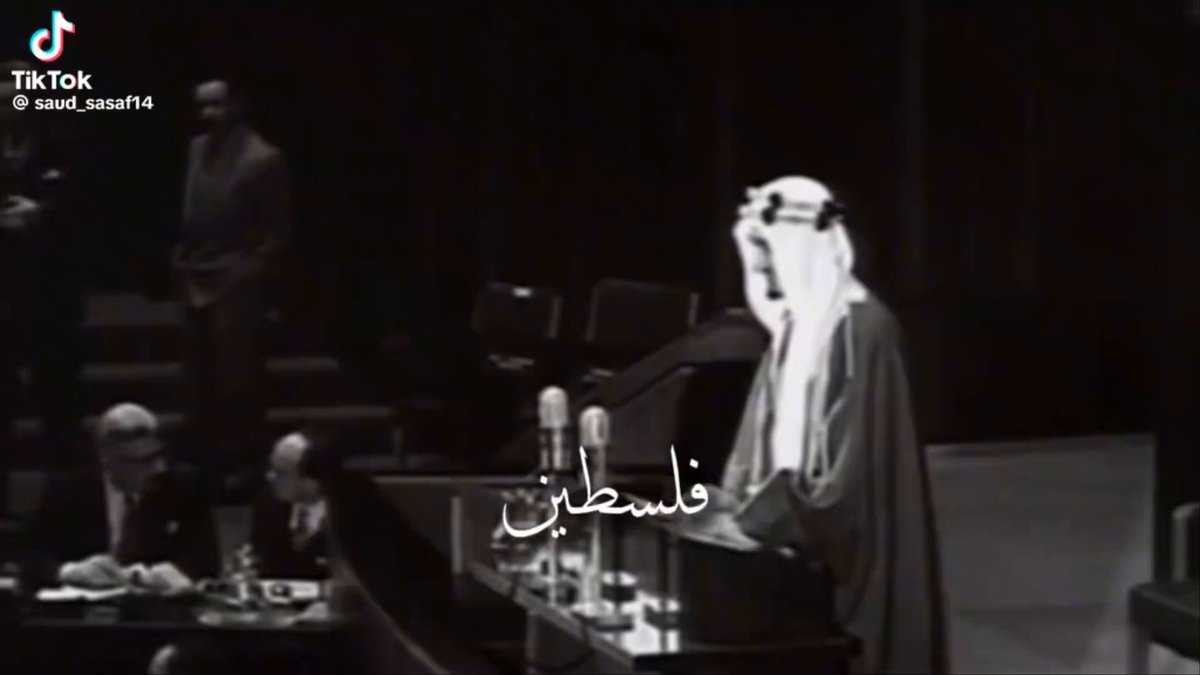
From King Faisal to Fahd, Abdullah, Salman, and now MBS.
The Kingdom has been the vanguard of the Palestinian cause.
No normalization with Israel without an irreversible pathway to a sovereign Palestinian state. Full stop.
May 25
Saudi Arabia says it will only normalize relations with Israel if there is an irreversible pathway to a Palestinian state.
Source: CNN
38
205
998
39,034