
VP, Comms @CIJAinfo; Formerly @BizCouncilofCan, @NATIONALPR & @IsraelinCanada; Husband & Dad; Opinions are my own
Joined August 2015
- Tweets 21,886
- Following 5,330
- Followers 2,209
- Likes 51,151
682 Photos and videos






Not sure which is worse: lobster at Harvey’s or lobster at Saint Hubert?
37
Howard Fremeth retweeted

Jun 13
The Campaign in Ottawa with my friends @shuvmajumdarqnd @CIJAinfo instagram.com/reel/DZfsuKBJi…
1
3
11
1,419

Jun 12
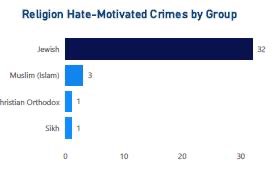
Canada is facing a troubling rise in hate crimes. Left unchecked, it will eat away at the Canadian fabric.
Jun 12

RT @CityNewsTO Pride flag burned at Markham school; two 18‑year‑olds charged in suspected hate-motivated incident: Sepehr Abadar and Mahan Mohammad Radmard.
toronto.citynews.ca/2026/06/…
1
1
2
77
Jun 12
Good decision by the Ontario Superior Court. The Iranian threat must be confronted — abroad and here in Canada.
Jun 12

BREAKING: Court orders Iran to pay B.C. torture victim $560 million, significantly raising amount already awarded. globalnews.ca/news/11901838/…
49

It was a privilege to welcome journalist and producer @kinsellawarren and co-producer Kari Hollend to Parliament Hill for a screening of The Campaign: Disinformation in a Time of War, hosted by MP @shuvmajumdar.
Thank you to Warren and Kari for bringing this important documentary to Ottawa, and to MP Majumdar for his leadership in convening this timely discussion.
The event brought together elected officials, senators, political staff, and engaged members of Ottawa's Jewish and allied communities to explore how, in the aftermath of October 7, coordinated disinformation campaigns have reshaped public understanding, fueled antisemitism, and tested the resilience of democratic societies.
At a time when falsehoods can travel faster than facts, understanding how disinformation works has never been more important.
7
16
49
2,418
Howard Fremeth retweeted

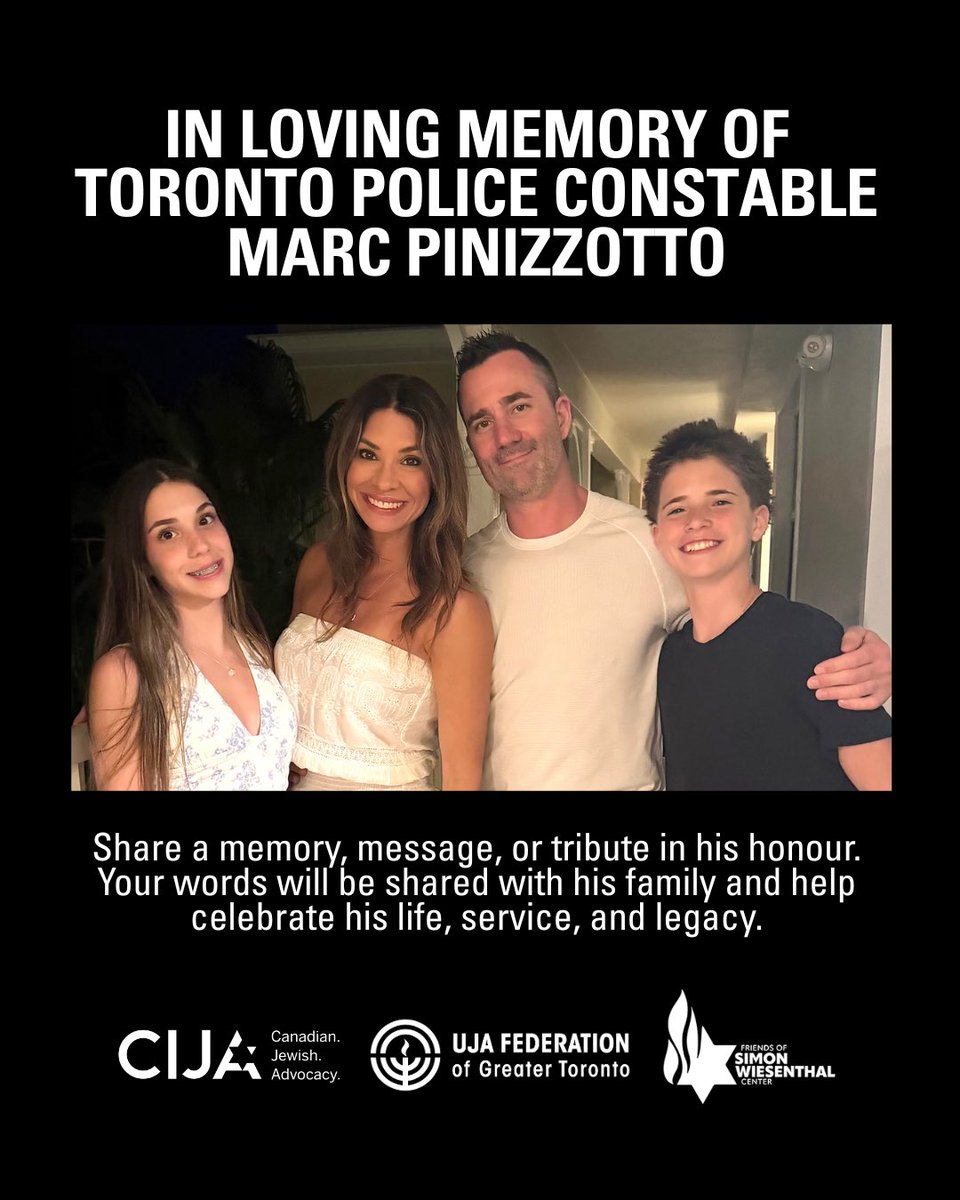
Following the tragic loss of Toronto Police Constable Marc Pinizzotto in the line of duty, UJA Federation of Greater Toronto, the Centre for Israel and Jewish Affairs (CIJA), and Friends of Simon Wiesenthal Center (FSWC) invite you to share a memory, message, or tribute in his honour.
Your words will be shared with Marc’s family and help celebrate the life, service, and legacy of a man who touched so many lives.
Click here to contribute a message: jewishtoronto.com/constmarcp…
1
24
128
3,097
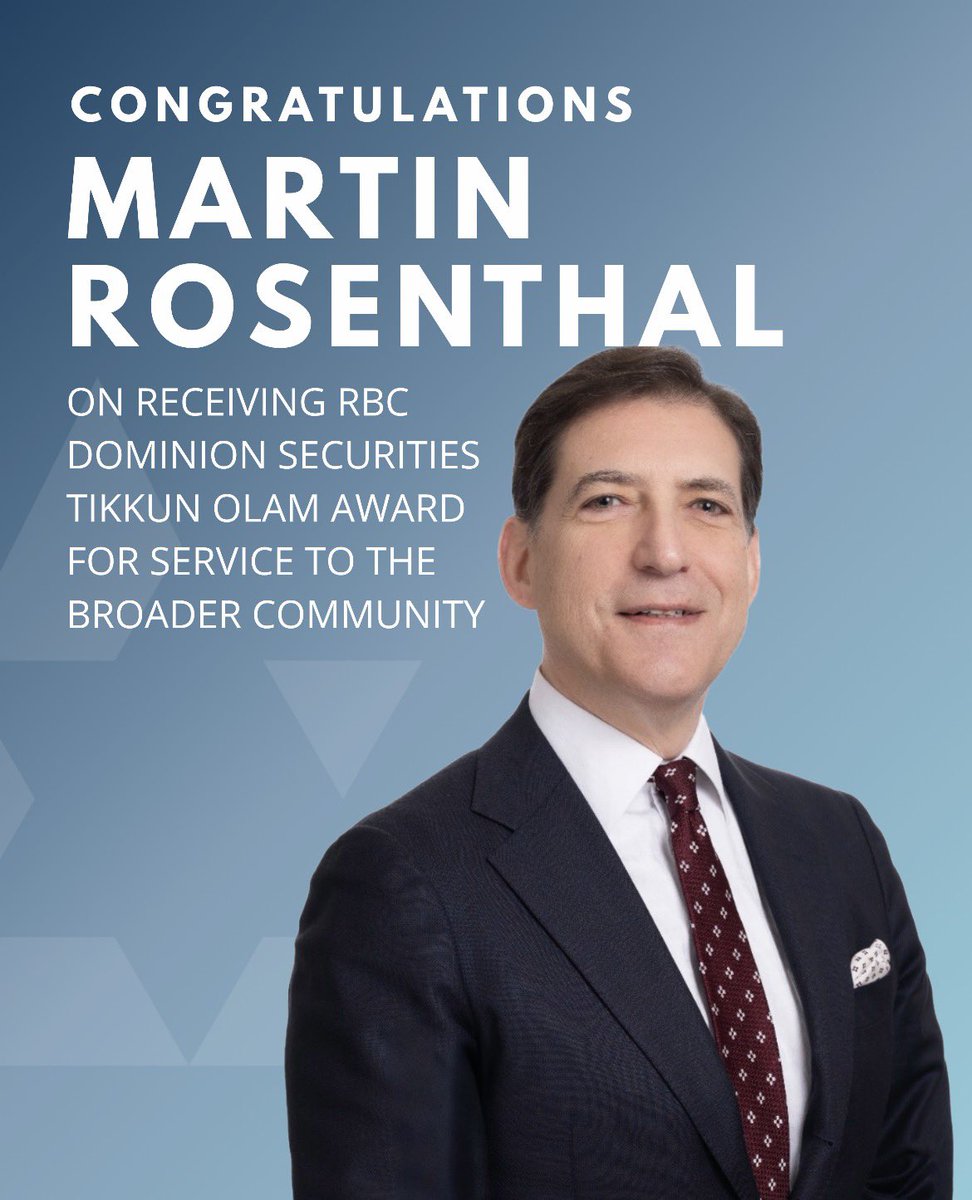
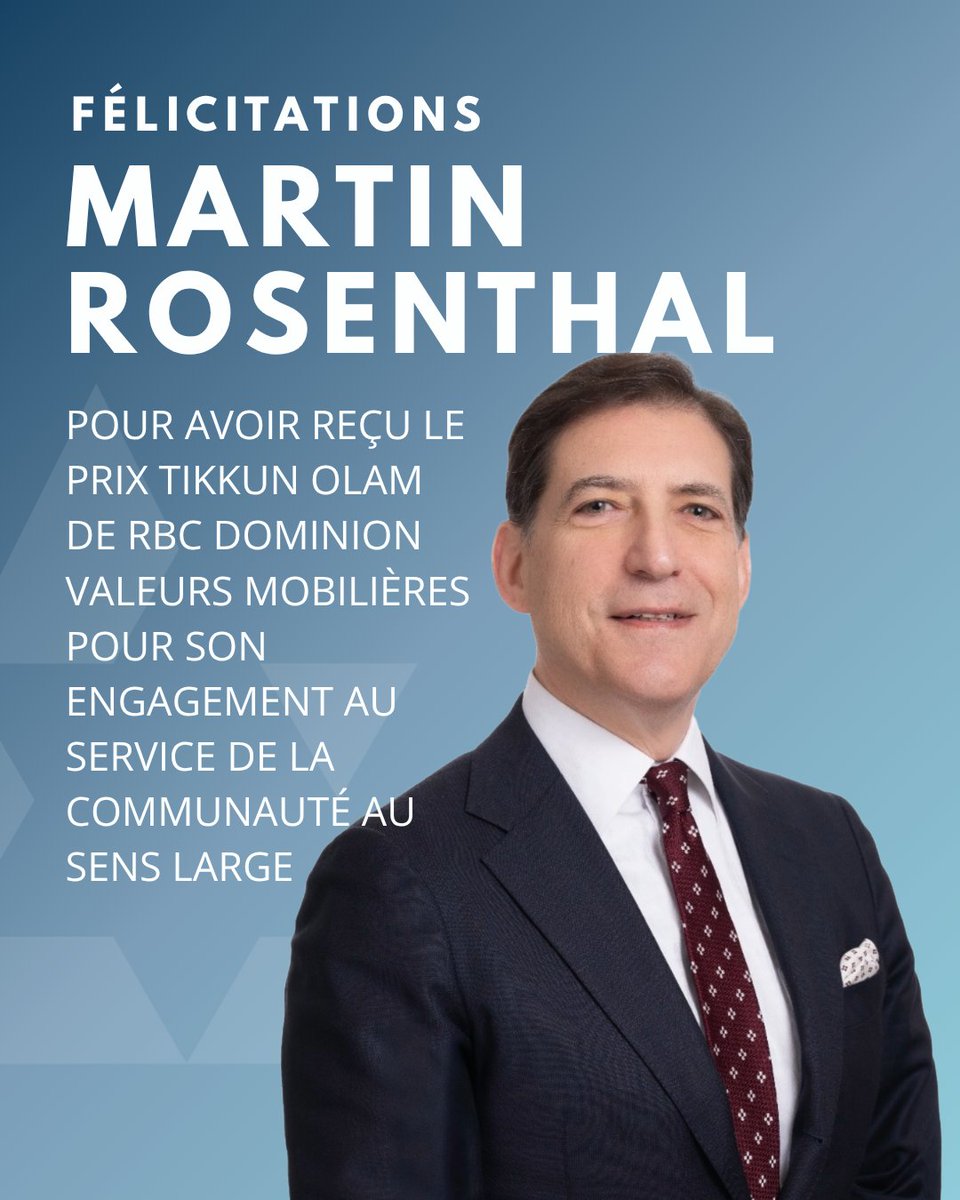
On behalf of CIJA, we would like to congratulate Martin Rosenthal on receiving RBC Dominion Securities Tikkun Olam Award for Service to the Broader Community.
Martin is an exemplar of what it means to serve the community - using his skills in financial and strategic planning to support Jewish life in Montreal.
His contributions to CIJA through his work as Chair of Quebec's Local Partnership Council and Director on our national board have been invaluable, and we are so grateful to have his expertise and experience.
Congratulations Martin! Your work is the essence of what tikkun olam means - repairing the world and making it a better place for everyone.

Au nom du CIJA, nous tenons à féliciter Martin Rosenthal pour avoir reçu le prix Tikkun Olam de RBC Dominion valeurs mobilières pour son engagement au service de la communauté au sens large.
Martin incarne parfaitement ce que signifie servir la communauté : il met ses compétences en planification financière et stratégique au service de la vie juive à Montréal. Ses contributions au CIJA, en tant que président du Conseil de partenariat local du Québec et membre de notre conseil d'administration national, ont été inestimables, et nous sommes très reconnaissants de pouvoir compter sur son expertise et son expérience.
Félicitations Martin ! Ton travail incarne l’essence même de ce que signifie tikkun olam : réparer le monde et en faire un endroit meilleur pour tous.
2
21
1,226
Howard Fremeth retweeted

Jun 10
Excellent from @LordIanAustin on yet ANOTHER debate on the evils of Israel:
As he says: ‘Over the last few years, Parliament has discussed Israel more than any other issue, not just any international issue, more than any domestic issue: more than the economy, unemployment, crime, the NHS.
‘The public out there look at Parliament and think this is utterly mad, utterly, utterly mad.’
Lord Ian blames Parliament for helping fuel antisemitism adding:
‘Does Parliament not understand that singling out the world's only Jewish state, holding its standards not applied to anywhere else, falsely accusing Israel of committing these terrible crimes? ‘This is bound to drive hostility towards people who are identified with Israel, which is the vast majority of the Jewish community, and I have to say this is why I believe Parliament is playing a large role in driving the explosion of anti-Semitism that we've seen on the streets of Britain.’
338
2,075
8,028
240,373
Jun 11
Did we use Iron Dome?
Jun 11

DRONE INTERCEPTED
Niagara St. & Tecumseth St.
7:45pm
-reports of an unauthorized drone detected and intercepted by TPS officers
-individual charged under Canadian Aviation Regulations
-REMINDER: unauthorized drones are not permitted in restricted airspace around stadiums, team sites, FIFA Fan Festival, and other secured areas
#GO 1204622
^ss
#FIFAWorldCup
2
136

Cenovus CEO says proposed pipeline to Canada's west coast currently 'unfinanceable' reut.rs/3PR0KdZ reut.rs/3PR0KdZ
41
70
144
74,883
Howard Fremeth retweeted

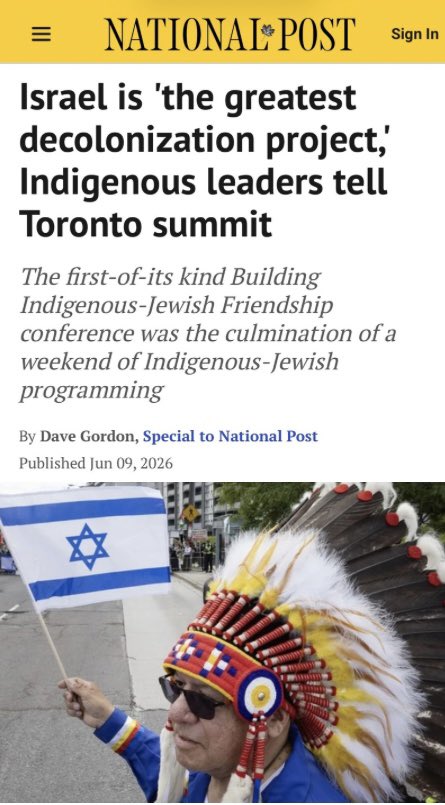
It was thrilling to take part yesterday in a historic gathering of Indigenous and Jewish voices organized by @AlliedVoicesIL. Together, we affirmed our commitment to the right of self-determination for Indigenous peoples - in Canada, in Israel, and around the world.
7
12
38
670
Howard Fremeth retweeted

Jun 9
Human rights museum treating Jewish concerns as an afterthought
My peice in the National Post
nationalpost.com/opinion/hum…
2
5
16
765
Howard Fremeth retweeted

Jun 8
In this clip from the latest episode of The Line Podcast, @MattGurney and @jengerson explain why they, and their Jewish friends, are extremely unimpressed by the government's new plan to fight antisemitism. New episodes are released every Friday. youtube.com/watch?v=XAfOHKvq…
6
2
28
3,906
Howard Fremeth retweeted

“What we witnessed today was an extraordinary expression of solidarity, Jewish pride, and hope,” said Adam Minsky, @UJAFederation president and CEO. ow.ly/PQQJ50Z8SHy
1
4
286
Howard Fremeth retweeted

Flotilla activist Daniela Bonamico initially reported a sprained ankle, fractured tailbone, and leg injuries from a flash grenade while in Israeli custody, and has now added a broken rib to her list of injuries.
When asked about her apparent speedy recovery, she said she had to sit on a donut cushion during her flight back to Canada.
📸 Jun 7, 2026
#Toronto #ProtestMania

COMING SOON:
I ask flotilla activist Daniela Bonamico about injuries allegedly sustained during her mission to Gaza.
📸 Jun 7, 2026
#Toronto #ProtestMania
135
187
945
90,664
Howard Fremeth retweeted

Jun 7
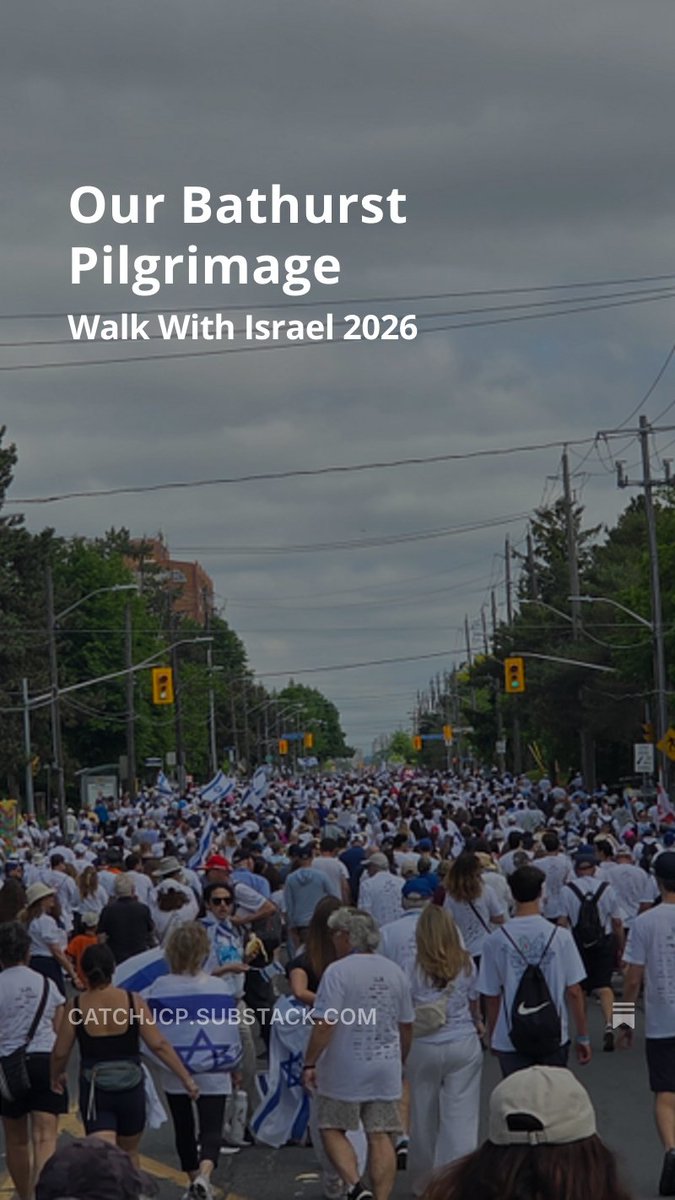
Our Bathurst Pilgrimage is one of a kind
Thanks @UJAFederation @CIJAinfo
There aren't many places, and there haven't been many centuries, where 60,000 Jews could walk through a major city in broad daylight, flags up, and come home safe. We did that today. We should never take it for granted.
catchjcp.substack.com/p/our-…
4
4
32
663

#DEVELOPING: Walk With Israel draws tens of thousands in Toronto amid tight security
cp24.com/local/toronto/2026/…
158
37
334
62,781
Howard Fremeth retweeted

Former top soldier warns against pivot to China amid tensions with the U.S. ctvnews.ca/politics/article/…
Find out more at nationalnewswatch.com
11
5
10
2,037
Canada might be saved after all.
torontolife.com/culture/seth…
42
Thank you @Sean_Speer and @TheHubCanada for so clearly explaining what’s at the root of the antisemitism crisis & why all Canadians should be so concerned.
This is not about one community’s safety, but the type of country we leave behind for future generations of Canadians.
Jun 6

Is Canada safe for Jews? That’s the wrong question
New and exclusive polling for The Hub finds that more than 80 percent of Canadians believe that Canada remains a safe country for Jews.
The finding is striking because it suggests that the rise of the new antisemitism has yet to fully register with much of the public. Canadians may see disturbing incidents in the news, but many still assume that Jewish communities are able to live, worship, gather, and participate in civic life without extraordinary concern for their safety.
Yet the lived reality is often quite different. Across the country, synagogues, schools, community centres, and other Jewish organizations are spending significant sums on private security, surveillance systems, barriers, guards, and other protective measures. These are costs that many institutions scarcely contemplated a decade ago. Today they have become a routine feature of operating budgets.

This should concern all Canadians. The most basic responsibility of the state is to provide public order and security. Before governments regulate markets, redistribute income, or pursue any number of social objectives, they must first ensure that citizens can safely exercise their fundamental freedoms. When religious communities feel compelled to internalize the cost of their own security, it’s a sign that the state is falling short of this core obligation.
The consequences extend beyond the immediate burden imposed on Jewish institutions.
Many synagogues, schools, charities, and community organizations enjoy charitable status because governments recognize that their activities contribute to Canada’s civic life. They educate children, care for seniors, support families, provide social services, foster community, and strengthen the social fabric. The public subsidy implicit in charitable status reflects a judgment that these activities generate benefits that extend well beyond their own members. But every dollar that must be redirected toward security is a dollar that cannot be spent on those missions.
A synagogue that hires additional guards may have fewer resources for educational programming. A community centre that upgrades security infrastructure may have less money available for outreach, charitable work, or support services. A Jewish school facing rising security costs may have fewer resources to devote to teaching and student support.
These are real opportunity costs. They represent a loss not only for Jewish communities but for Canadian society as a whole.
One way to think about the issue is that government failure in one domain is undermining government policy in another. The state grants charitable status to these organizations because it wants them investing in civic life. Yet its inability to provide basic security forces them to divert resources away from precisely those activities. The result is a poorer and weaker civil society.
This is why concerns about antisemitism shouldn’t be viewed as issues affecting only Jews. A country in which one religious minority must increasingly provide for its own safety is a country experiencing a broader failure of public order. And when institutions that strengthen our communities are forced to redirect resources from their missions to their protection, the costs are ultimately borne by all of us.
The question isn’t simply whether Canada remains safe for Jews. It is whether Canadians recognize the growing costs of making Jewish communities responsible for their own security.
3
93