
HBES is an international society for scientists studying the evolution of human behavior 🌎🌍🌏 Journal: @EvolHumBehav 📖 Account managed by Yunsuh “Nike” Wee
Joined May 2015
- Tweets 3,447
- Following 54
- Followers 7,203
- Likes 1,562
486 Photos and videos
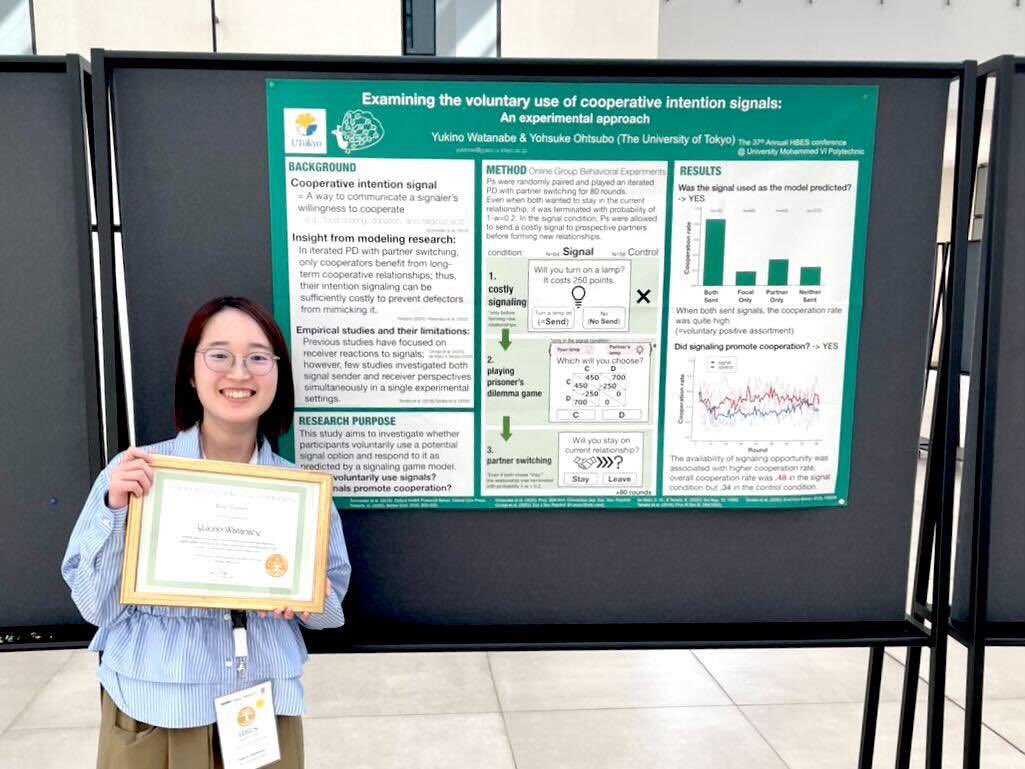
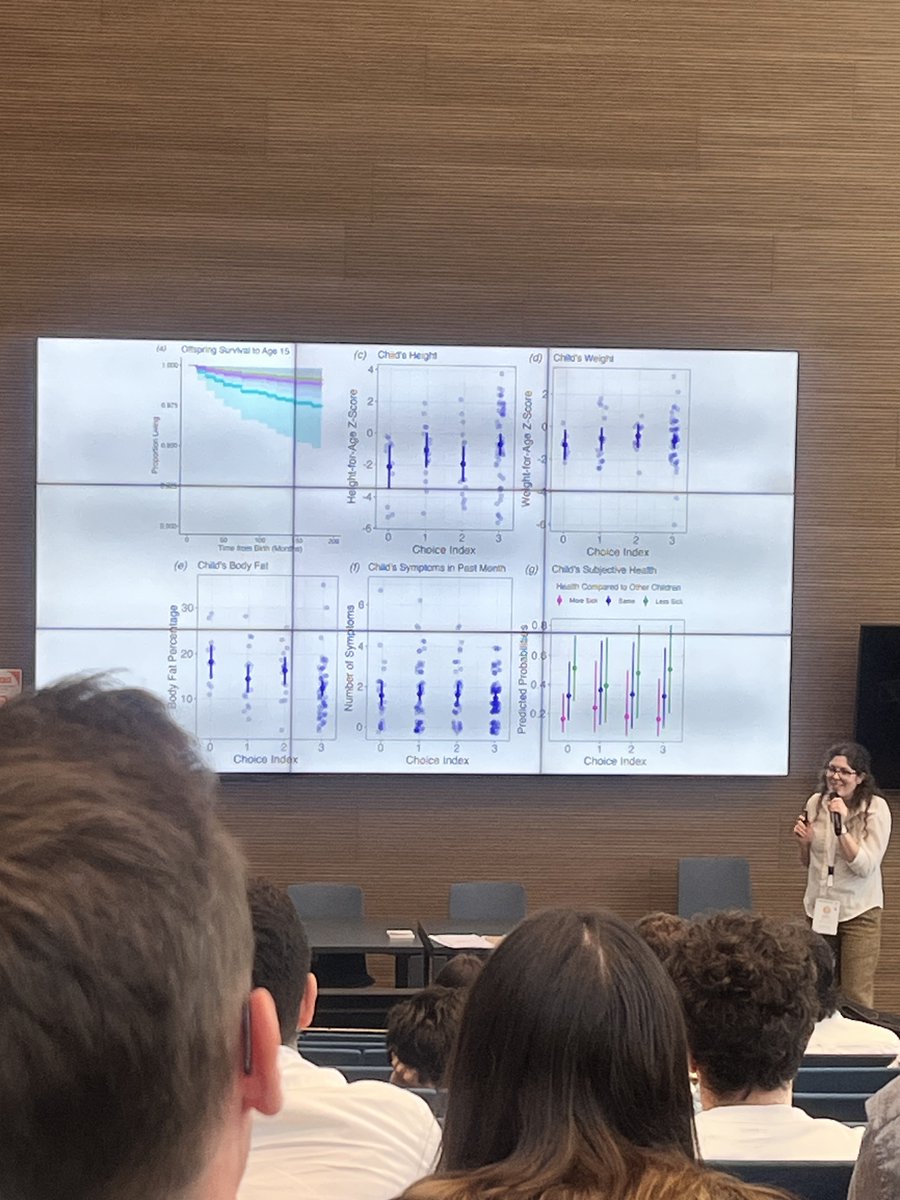
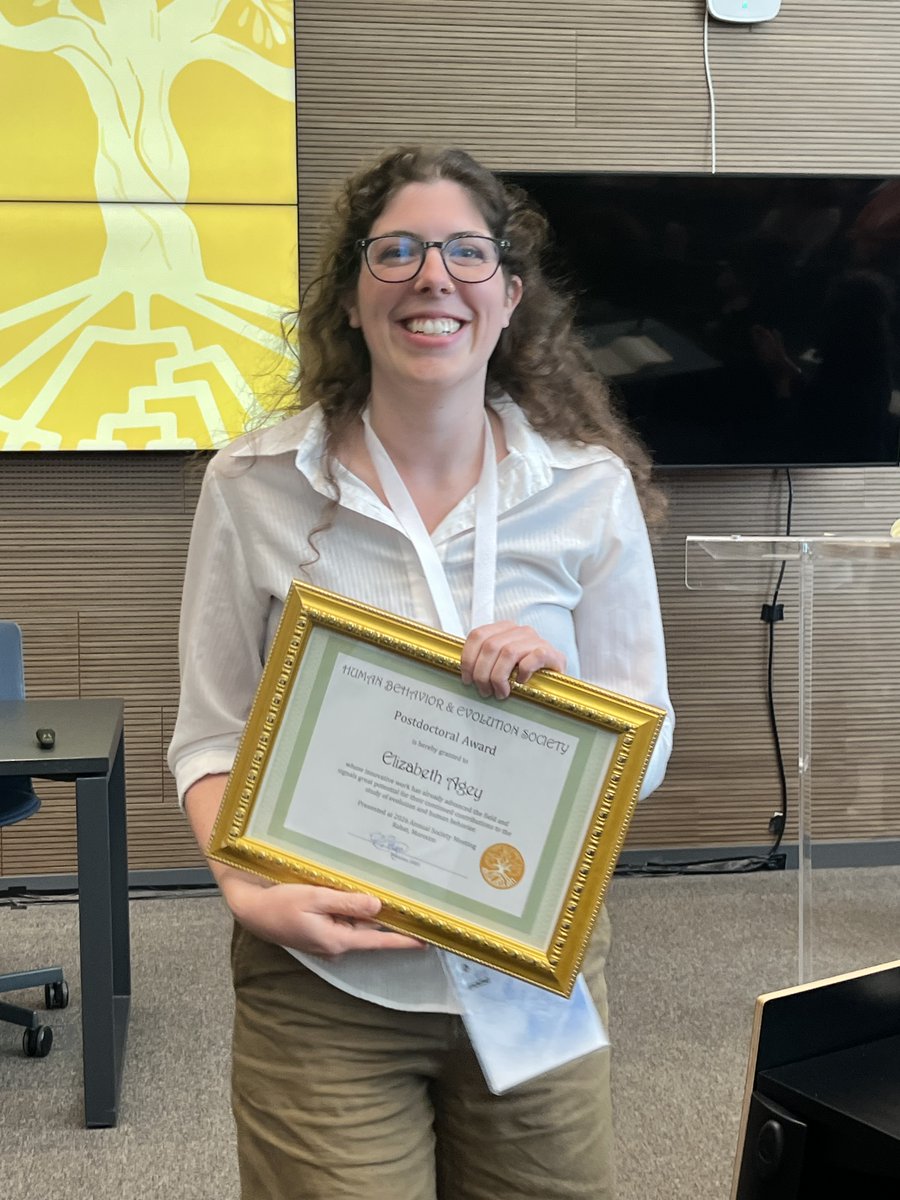
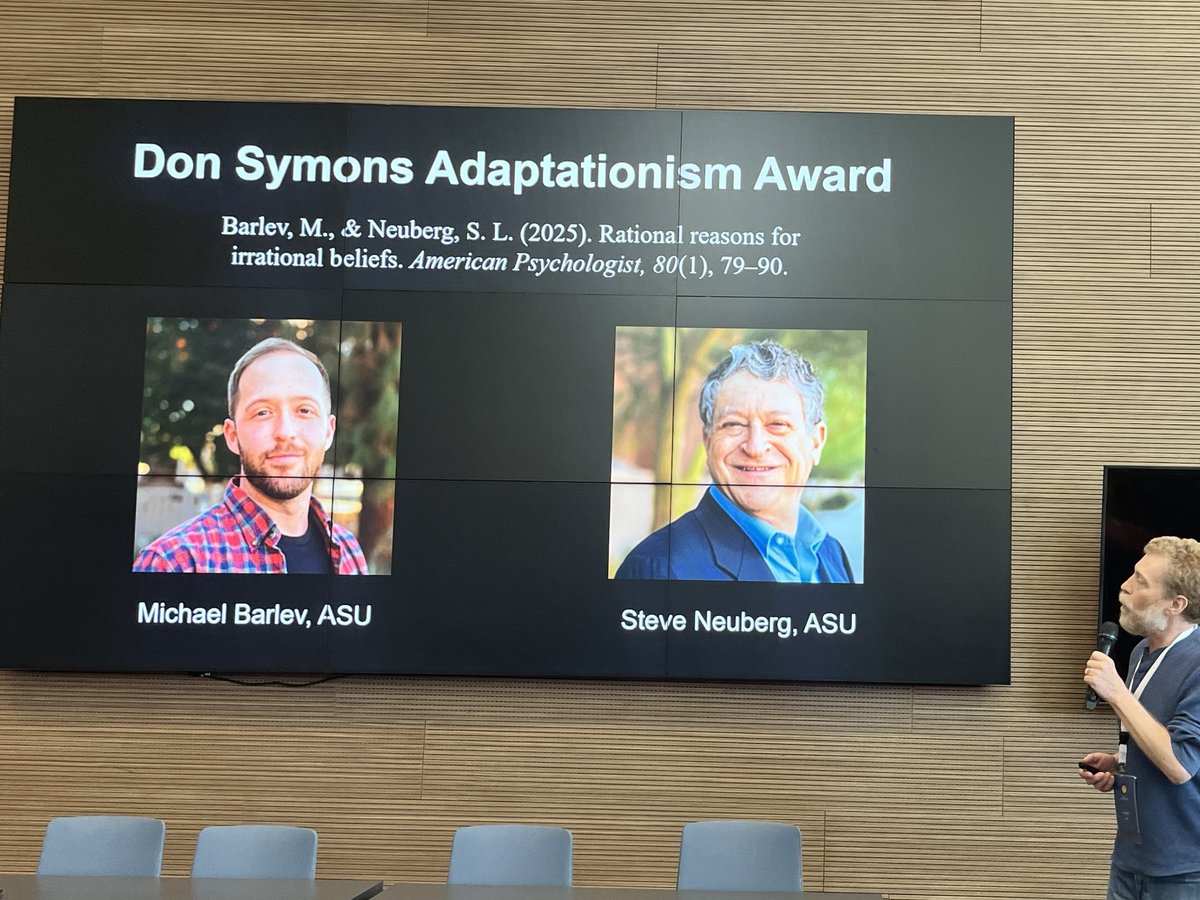
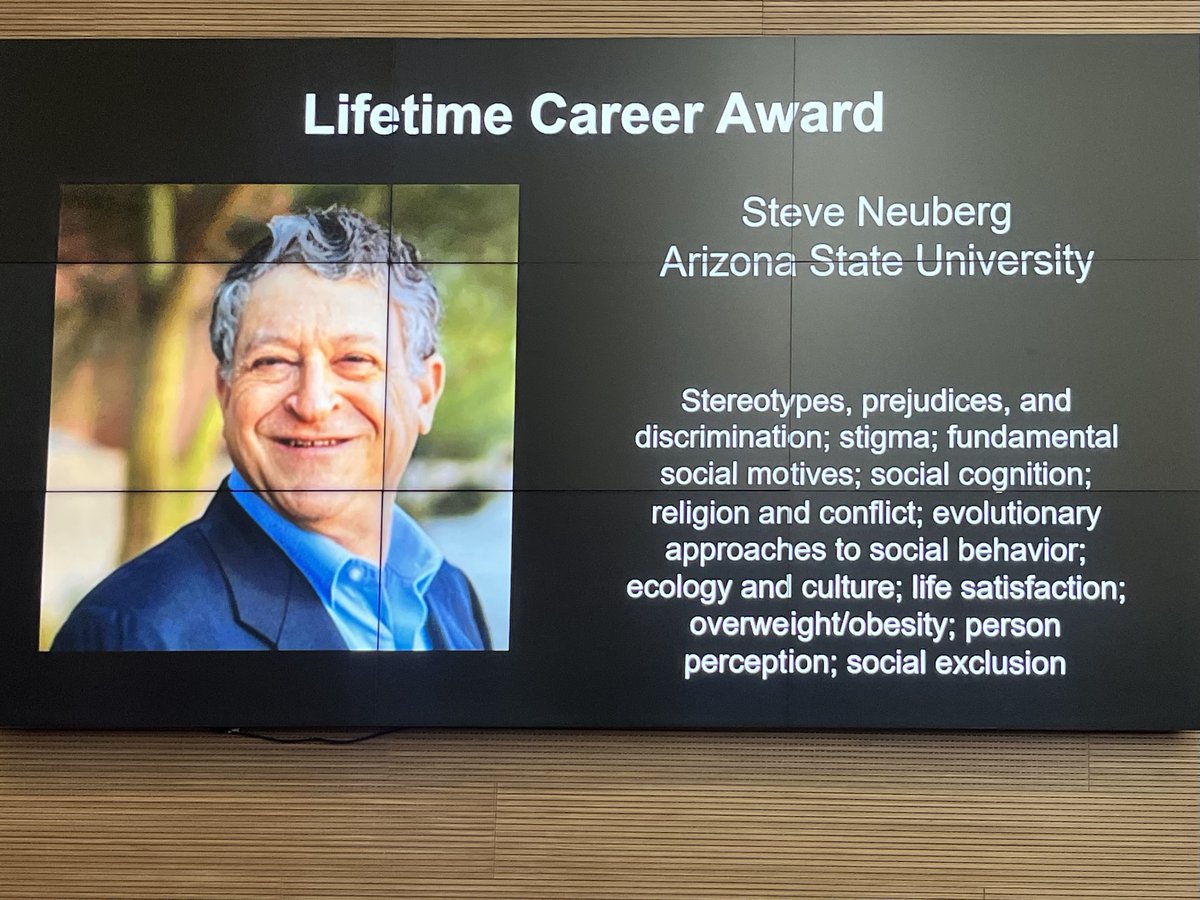
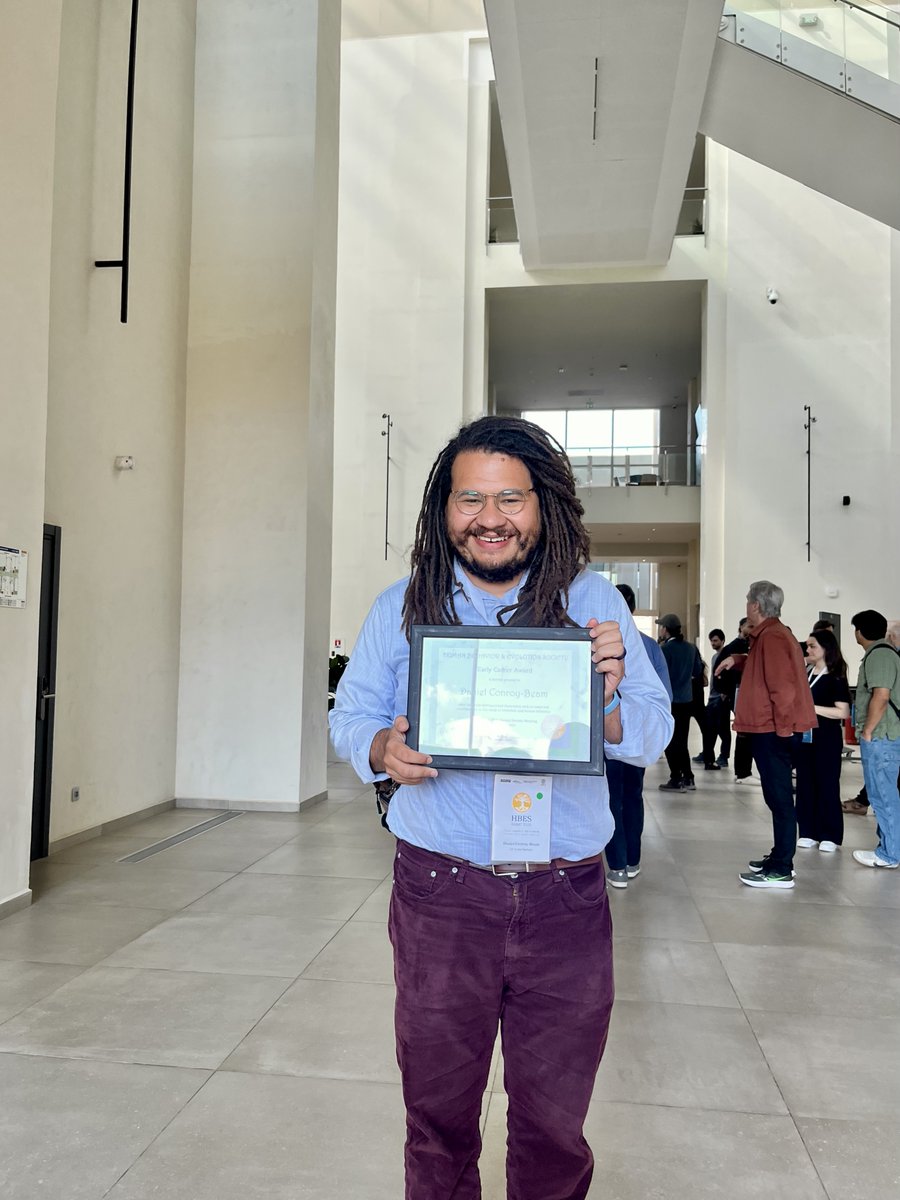
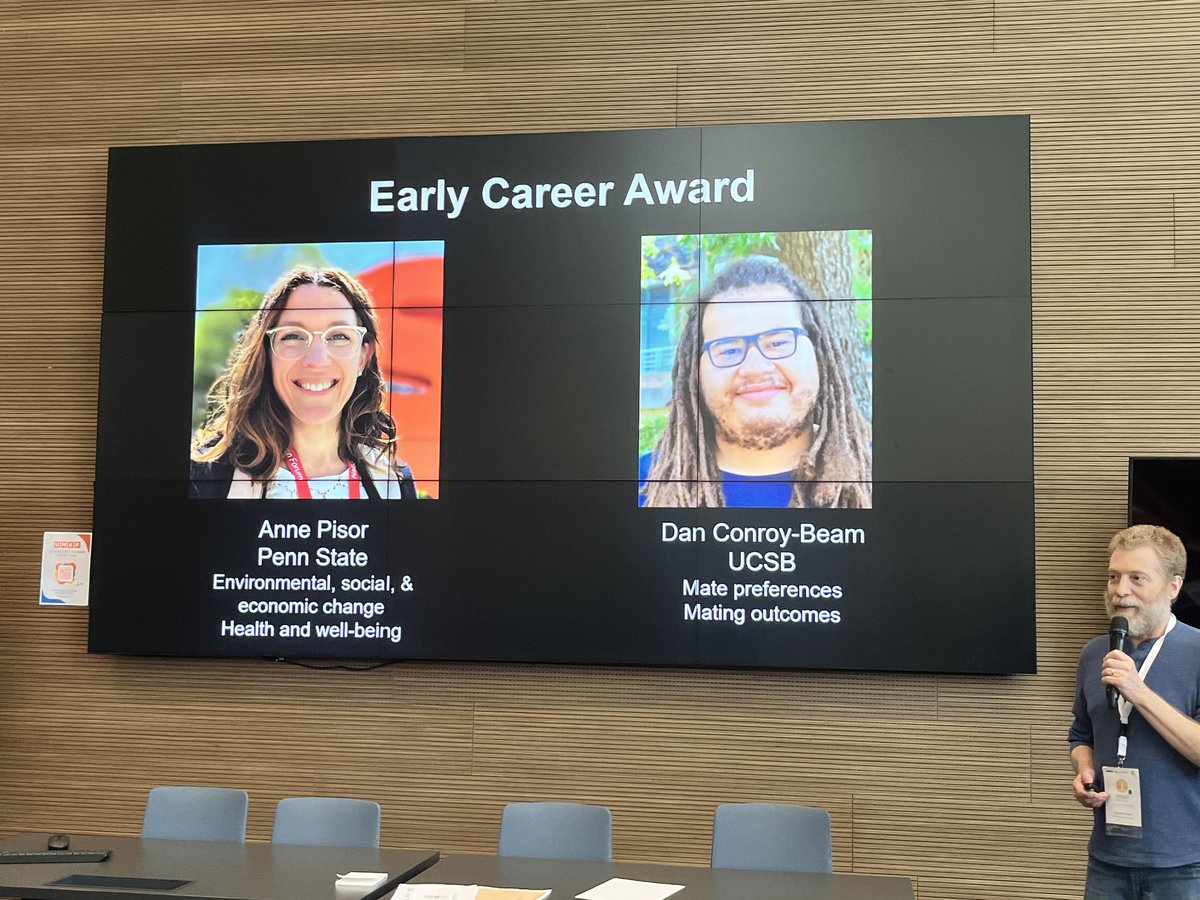
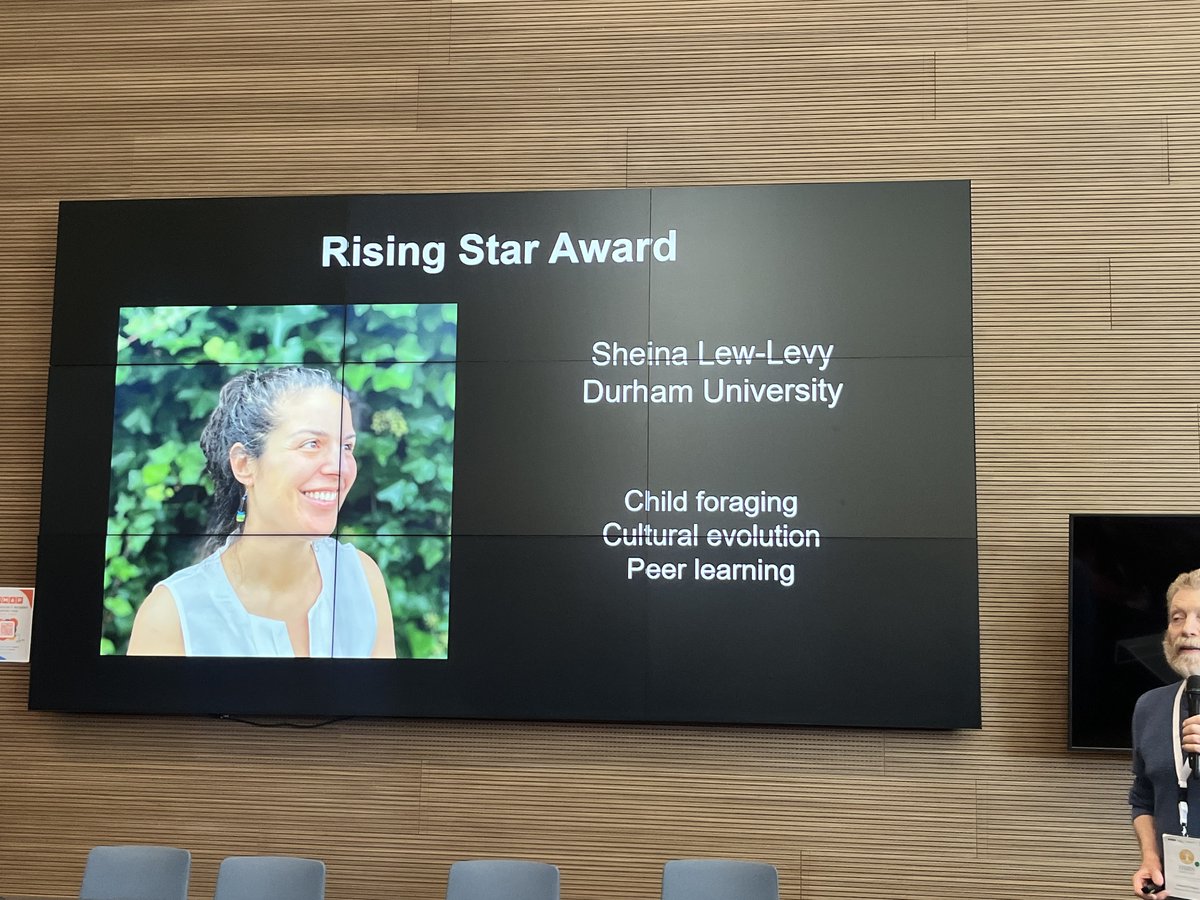





Jun 11
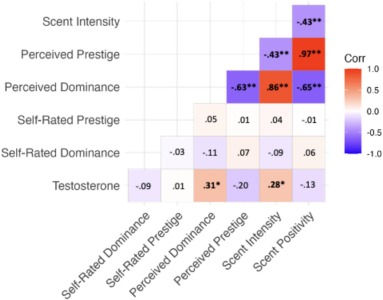
Why is romantic kissing so common yet not Universal. Samani & Thomas argue that it is easy for people to learn because of universal intuitions about close bodily contact and social intimacy, and that it arises when people need to distinguish romantic relationships and other intimacy relationships!
hbes.com/abstract-core-knowl…
2
5
316
Jun 10
📢 Deadline extended! Abstract submissions for the 2026 FOSSIL conference are now due June 30. Join us Aug 7–8 at Oklahoma State University in Stillwater, OK. All career stages & all areas of evolutionary human science welcome—please share widely!
📝 Submit: fossilconference.mystrikingl…
1
8
403
May 23
Plenary 3 at #HBES2026 🎤 Sara Lowes on "Culture, Policy, and Economic Development." Three big ideas: culture shapes policy outcomes, culture persists, and culture responds to policy. A thread 🧵
2
1
6
571
May 23
Working WITH culture: in the DRC, age-set initiation rituals create cohesive cohorts of young men. Committees made up of young men in age-set communities did MORE oversight of chiefs, and chiefs captured fewer distributed health products as a result.
1
191
May 23
Takeaway: culture shapes whether policy works, persists across generations, and responds to interventions. Designing policy that ignores it tends to fail. Designing policy that works WITH local institutions can succeed in ways economists don’t expect. #HBES2026
173
HBES retweeted

May 22
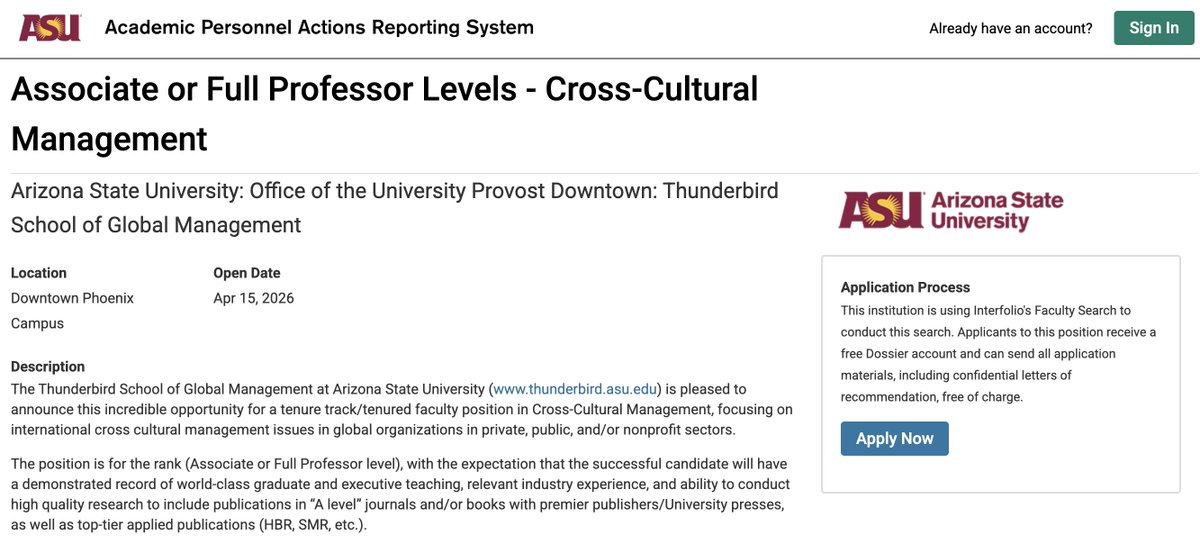
📢 If you know anyone on the job market, Arizona State University's Thunderbird business school is hiring in cross-cultural management! 🚨 App deadline = June 15. Starts this fall. apply.interfolio.com/183830 @ASU @SPSPnews @AOMConnect
4
6
1,363
May 19
Plenary 2 at #HBES2026 🎤 Hanna Kokko on "A long life: how desirable is it, evolutionarily speaking?" A walk through why species vary so dramatically in lifespan, and a deep dive into one classic hypothesis. A thread 🧵
1
2
4
540
May 19
A second (unpublished) thread: the "selection shadow," the age past which selection can’t see late-acting mutations. Using generation time to standardize ages across species, Kokko asked: who actually spends time in the shadow?
1
210
May 19
Counterintuitive answer: short-lived species mostly die before they ever enter the senescence stage. It’s the long-lived species (albatrosses, humans) that have meaningful time in the shadow. Short lives don’t reveal senescence; they end before it shows. #HBES2026
206