
Scientific organization & journal supporting & disseminating innovative research & teaching on human biological variation, worldwide. Diversity is our business.
Joined July 2013
- Tweets 7,969
- Following 1,233
- Followers 2,404
- Likes 3,535
261 Photos and videos
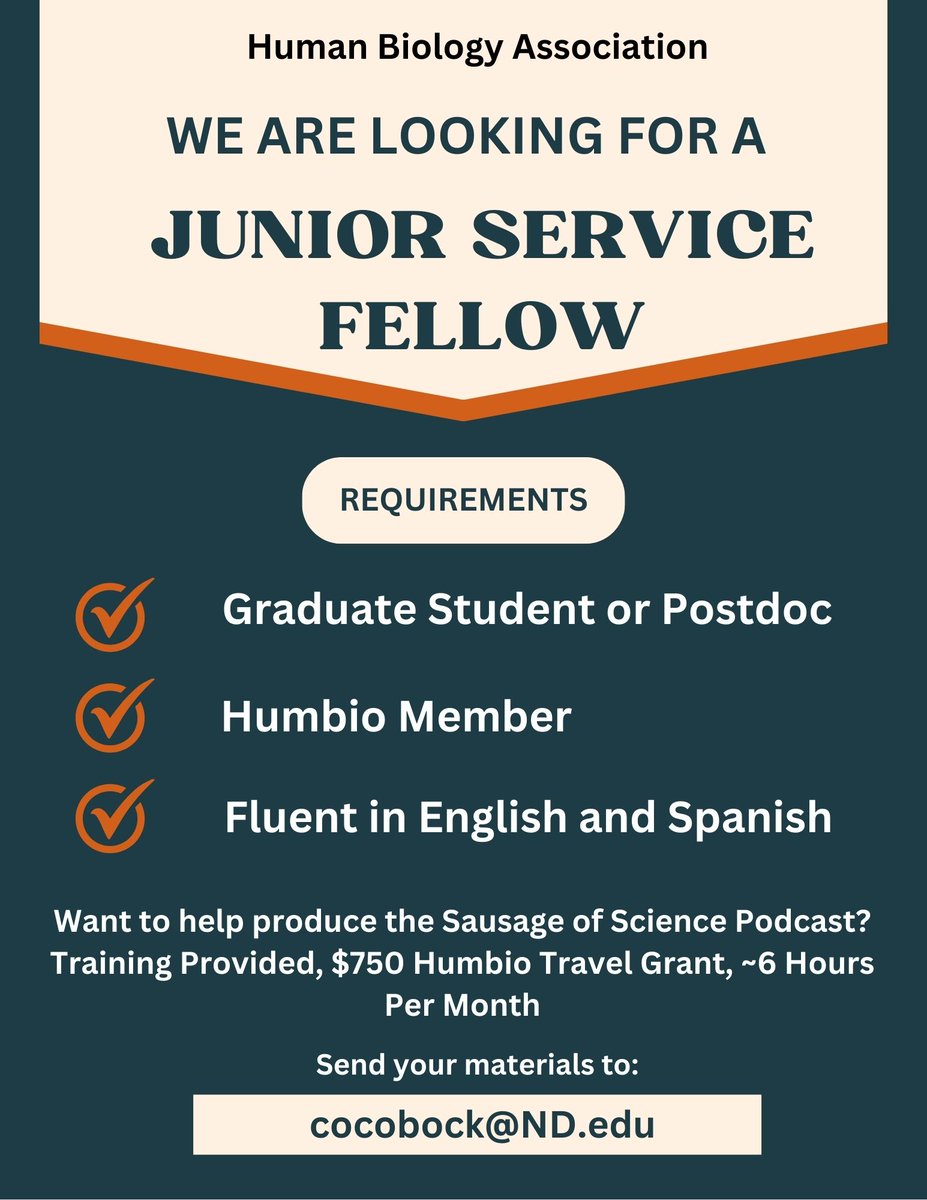

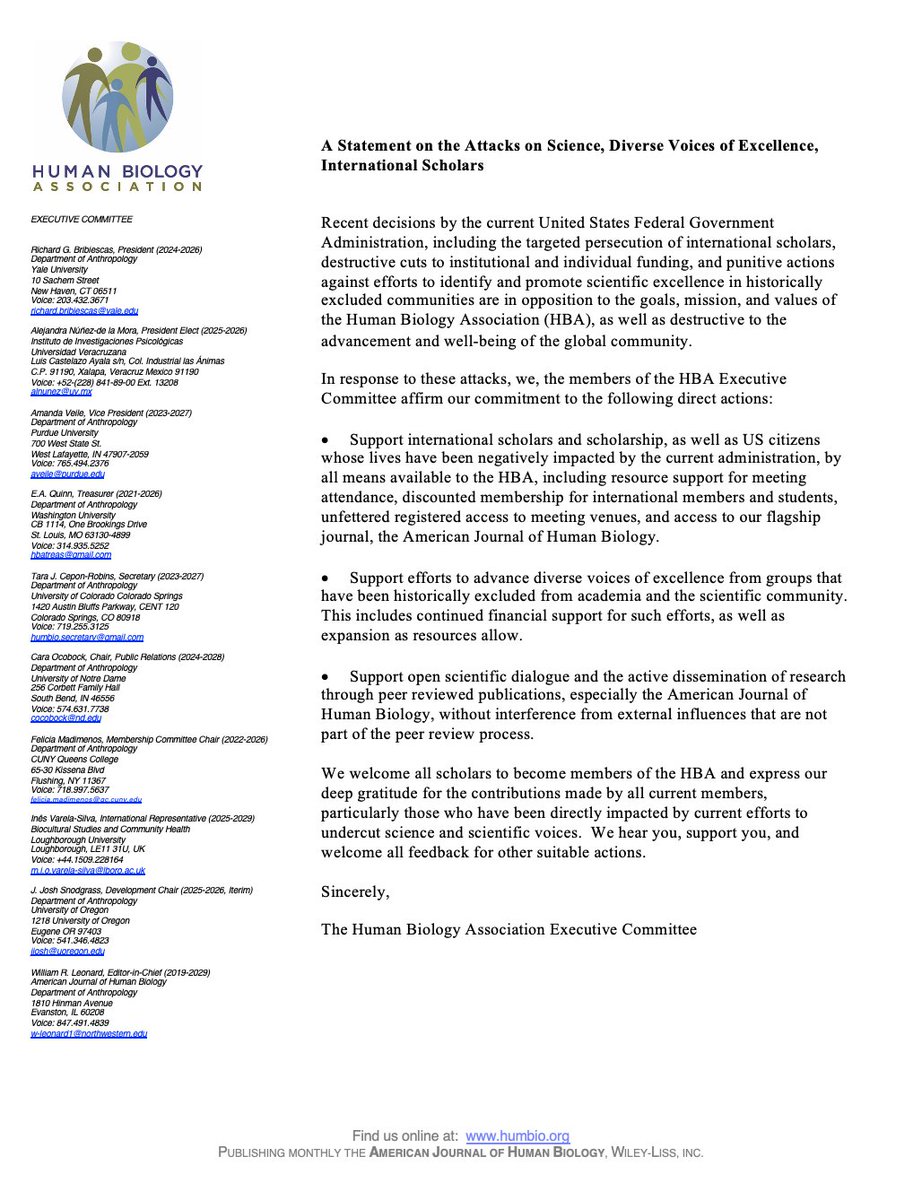
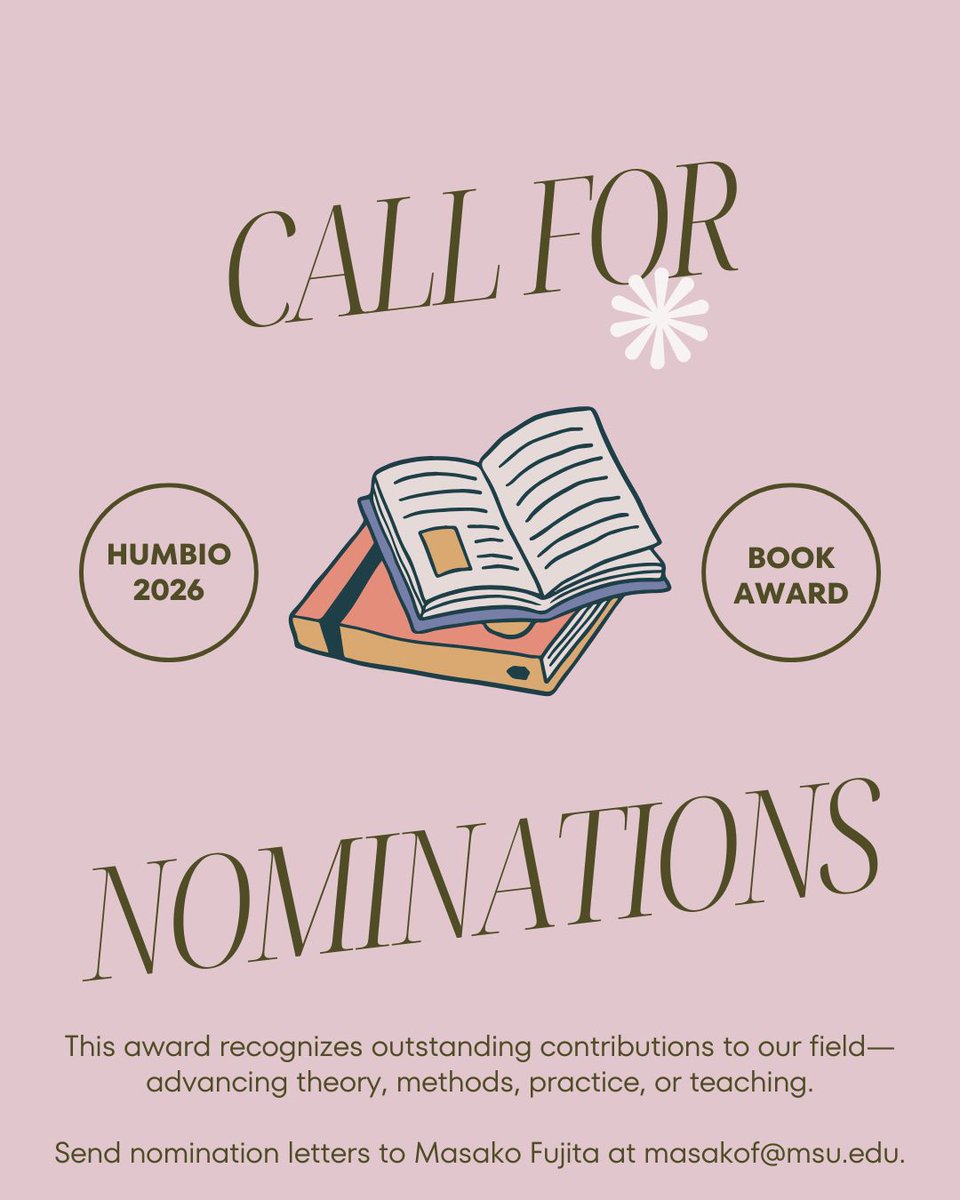
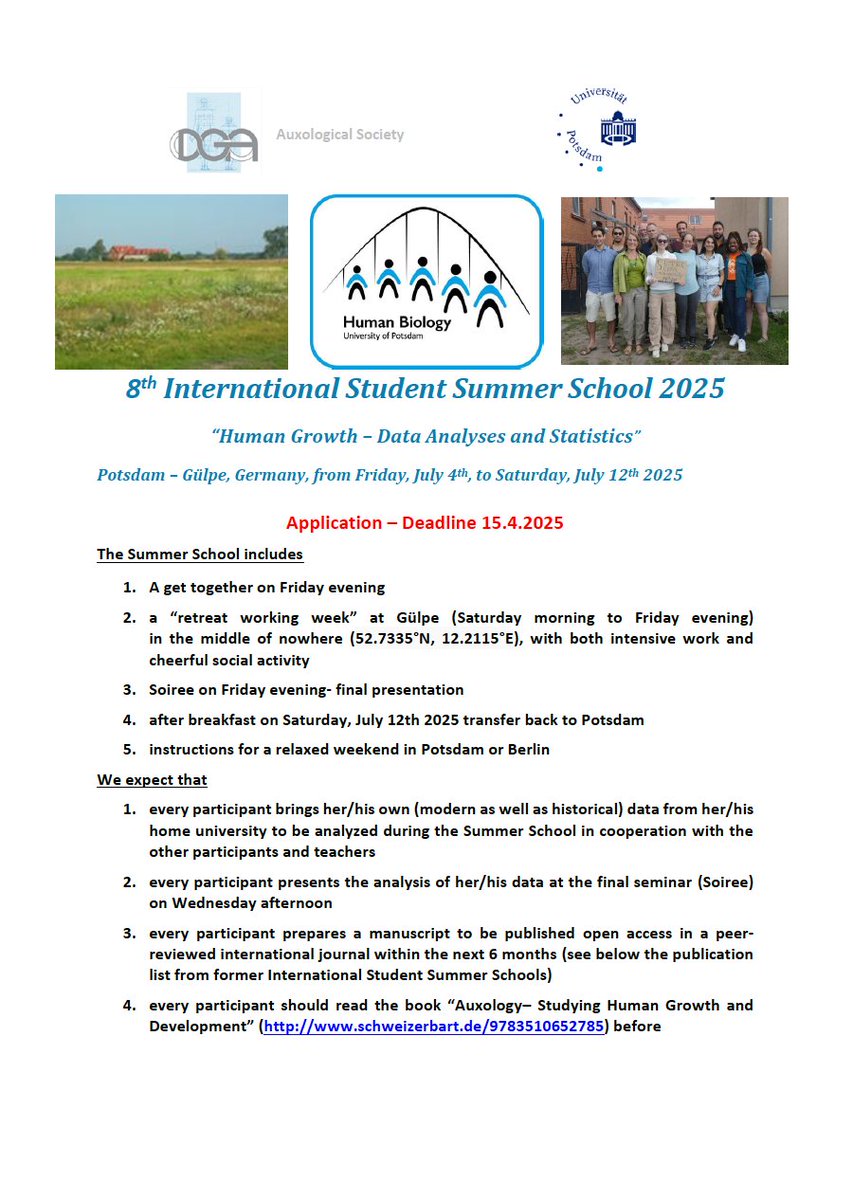
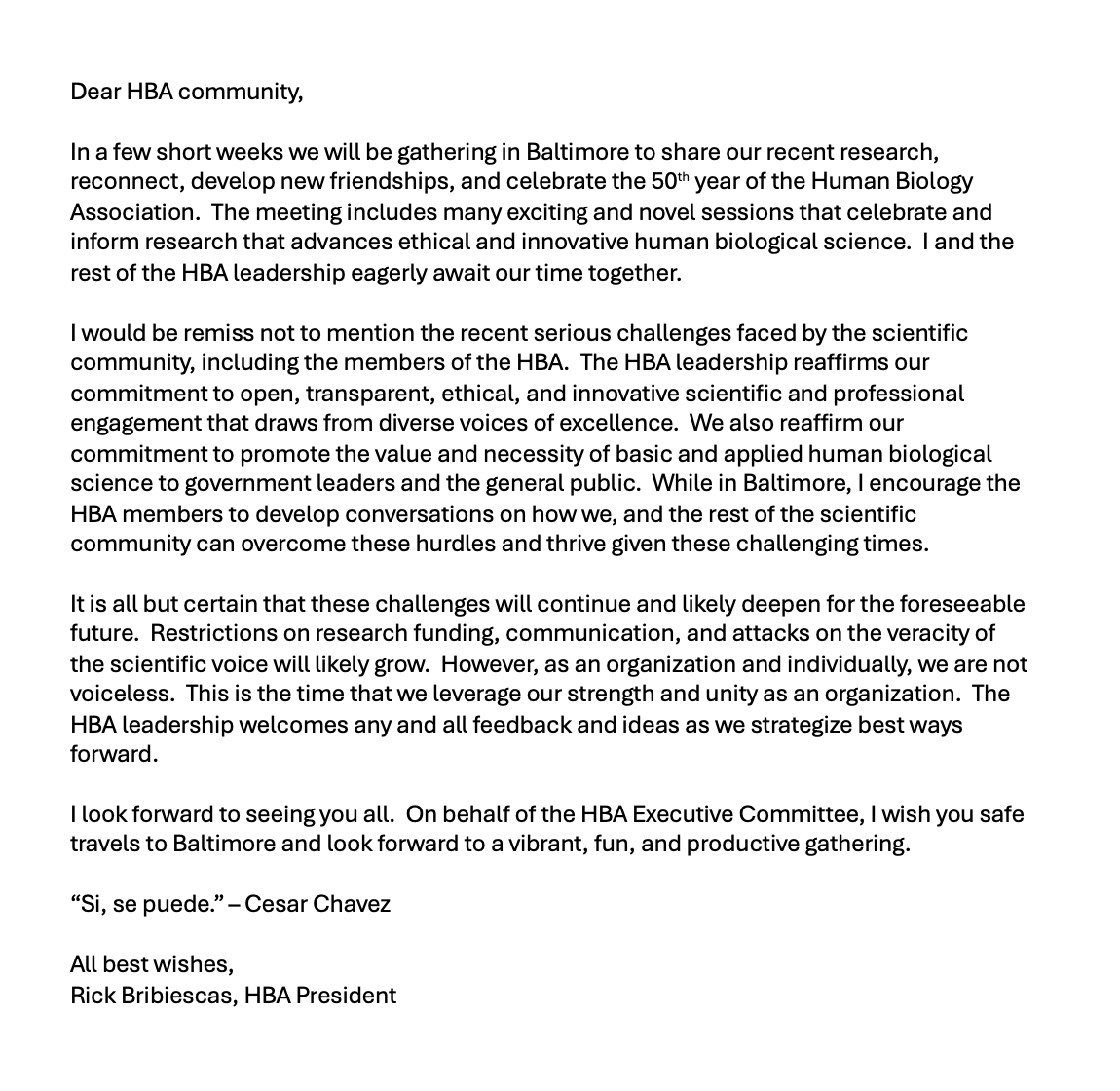

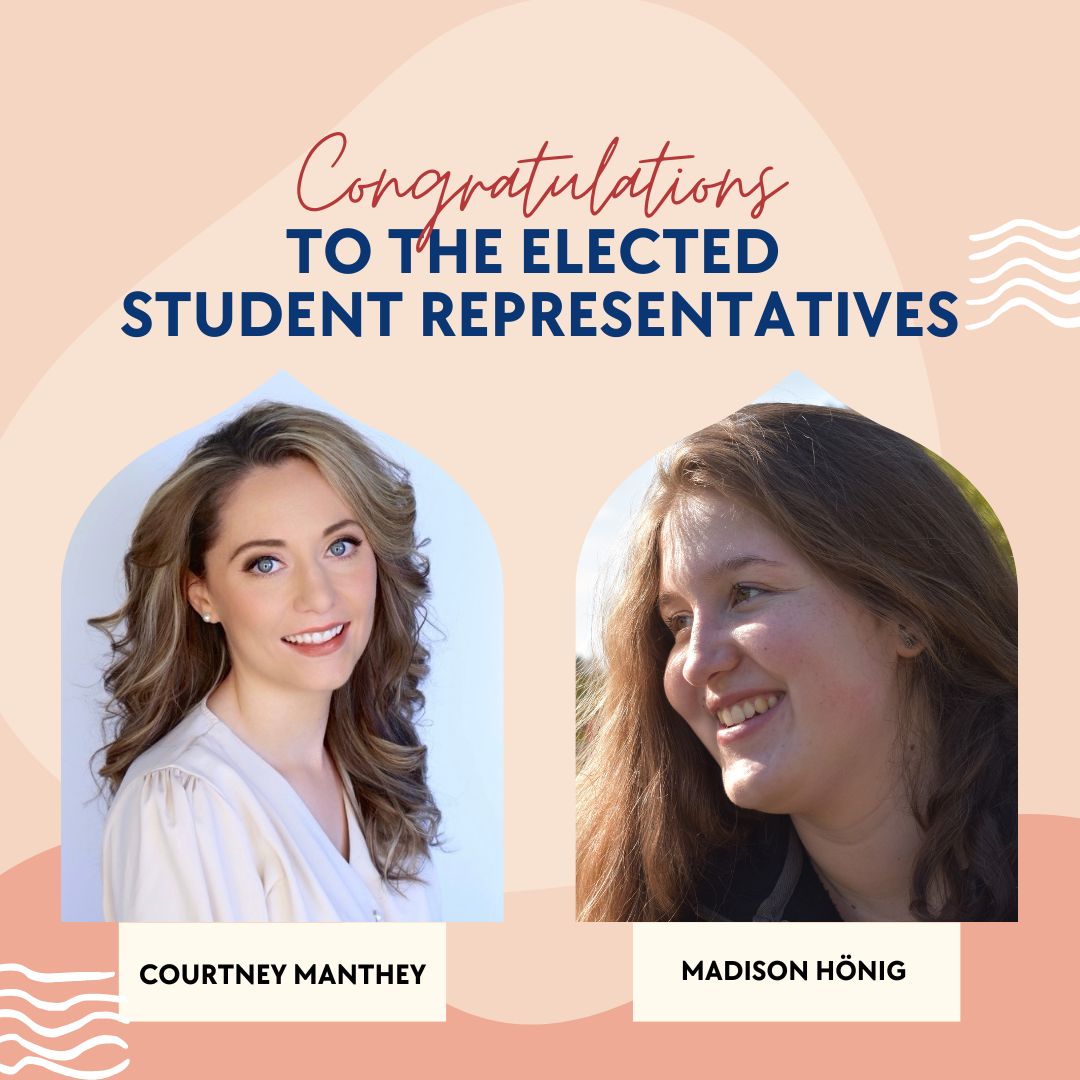



This will be our final post here. Going forward, updates and highlights from the American Journal of Human Biology will be shared on Facebook, Bluesky, Instagram, and Threads. We hope you’ll join us there. Thank you!
1
1
4
168
Childbirth has long been assumed to be the key threat to women’s survival in ancient societies. This study confirms that reproductive women in Tang Dynasty China (618–907 CE) died significantly earlier, but it also shows that biology is only part of the story.
1
133
By comparing bureaucrats’ wives, eunuchs’ wives, and Buddhist/Daoist nuns, the research reveals that social roles within marriage, especially in later life, carried substantial survival costs.
1
109
Women who never married or who entered religious life lived longer, suggesting that the interplay of biological and social factors, including reproductive risks and the social expectations of marriage, shaped women’s mortality in the past. onlinelibrary.wiley.com/doi/…
94
Child development is biocultural, meaning both genetics and environment shape life history outcomes.
1
1
1
263
Middle childhood (ages 5-12) represents an especially unique phase of development, with significant shifts across physical, hormonal, cognitive, and social domains integrally tied to the ecocultural context.
1
82
To understand its evolution and role in shaping life history, we offer a set of recommendations for evaluating onset and progression of middle childhood, with attention to the eco-cultural context of maturation. onlinelibrary.wiley.com/doi/…
66
The study aimed to assess the changes (in the two decades of 21st century), in the skinfold thickness and fat distribution in children and adolescents (aged 8-18) from Kraków, Poland.
1
73
When analyzing the data, it was noted that there was a trend towards central fat allocation, despite a decrease in skinfold thickness in some groups. This is concerning as central adiposity is associated with an increased health risk.
1
50
There were also differences between sexes - perhaps girls more often control their body weight and boys exhibiting less favourable dietary habits. onlinelibrary.wiley.com/doi/…
46
How do genetics, history, and politics shape human variation? 🧬🌍
Cara and Chris talk with Dr. Theodore “Tad” Schurr about genetic prehistory, evolving bioethics, and new approaches to understanding human diversity across time and place. 🎧
soundcloud.com/sausageofscie…
2
3
382
Chris Lynn and Courtney Manthey talk with Dr. Kyle Wiley about how stress and trauma during pregnancy become biologically embedded, shaping maternal and infant health across generations. 🎧 soundcloud.com/sausageofscie…
2
2
388
How does language shape science, identity, and health? 🗣️🧠
Chris and Mecca talk with Dr. Cindi SturtzSreetharan about inclusive language, ethnography, masculinity, and how everyday talk produces stigma around bodies and health. 🎧 soundcloud.com/sausageofscie…
126
We introduce WISDOM: a Worldview Integrating Sociality, Diversity, and Observant Meaning-making — a new biocultural framework for understanding and fostering resilience across generations. #Trauma #Resilience #WISDOM #ScienceForHumanity
1
1
2
209
1
2
173
Our world is marked by deep geopolitical sorrow — from Gaza to Sudan and Ukraine — with trauma that echoes across generations. New research explores how war-related trauma can be transmitted epigenetically, shaping lives long after conflict ends.
1
1
3
161
In this episode, we talk with Dr. Molly Zuckerman about ethics, care, and responsibility in bioarchaeology, from restoring personhood to human remains to navigating ethical challenges in the field. 🎧 soundcloud.com/sausageofscie…
3
4
691
The SCRIBE (SystematiC Reviews In Biocultural rEsearch) Toolkit provides a structured, accessible framework for integrating biocultural perspectives into scoping and systematic reviews.
1
1
1
99
Developed in response to the underrepresentation of biocultural frameworks in review methodologies, SCRIBE offers six clear steps (from defining review type to final synthesis) adaptable for use in Notion, Trello, or Word.
1
2
1
348
SCRIBE promotes methodological rigor, inclusivity, and epistemological breadth, supporting more equitable, context-sensitive evidence synthesis across diverse human populations.
Link to the paper: onlinelibrary.wiley.com/doi/…
repository.lboro.ac.uk/accou…
1
71