
Joined July 2012
- Tweets 7,229
- Following 264
- Followers 119
- Likes 58,549
19 Photos and videos








Maggie Heraty retweeted

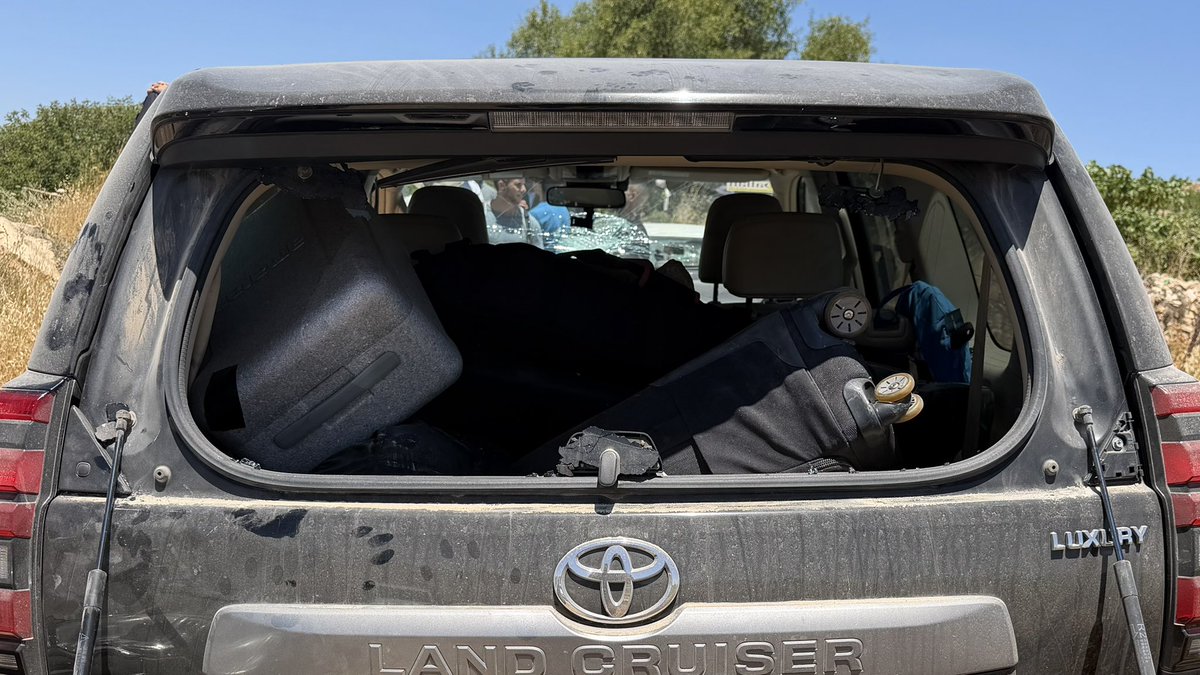
While reporting from Halhul today in the occupied West Bank, Israeli settlers severely damaged our vehicle and those of several Palestinians, smashing windows & puncturing tires. Thankfully, no one was in the vehicles.
We won't be deterred from continuing to report on this story.



38
359
851
44,779
Maggie Heraty retweeted

Pousser un peuple à se soulever, l'abandonner au massacre, puis pactiser avec ses bourreaux : connaît-on escroquerie morale plus achevée dans l'histoire diplomatique ?
154
1,349
4,595
94,027
Maggie Heraty retweeted

Netanyahu acaba de admitir la derrota. Dijo en conferencia de prensa que derrocar al régimen iraní no era uno de sus objetivos al empezar la guerra. No hay dudas que la capacidad militar de Teherán frustró todos sus planes y los de Donald Trump. El terrorista antes de empezar los ataques mandó al pueblo iraní a rebelarse y morir diciendo que ellos se iban a encargar de destituir a los Ayatollahs. Ahora como perdieron y firmaron la rendición no les queda otra que aceptar que no van a poder establecer un nuevo orden en Irán. Subestimaron demasiado al enemigo. La humillación que sufrió Estados Unidos e Israel en esta guerra no tiene precedente en décadas.
73
1,145
2,759
86,183
Maggie Heraty retweeted

NHS SCIENTIST RAISED HUMAN TISSUE ALARM
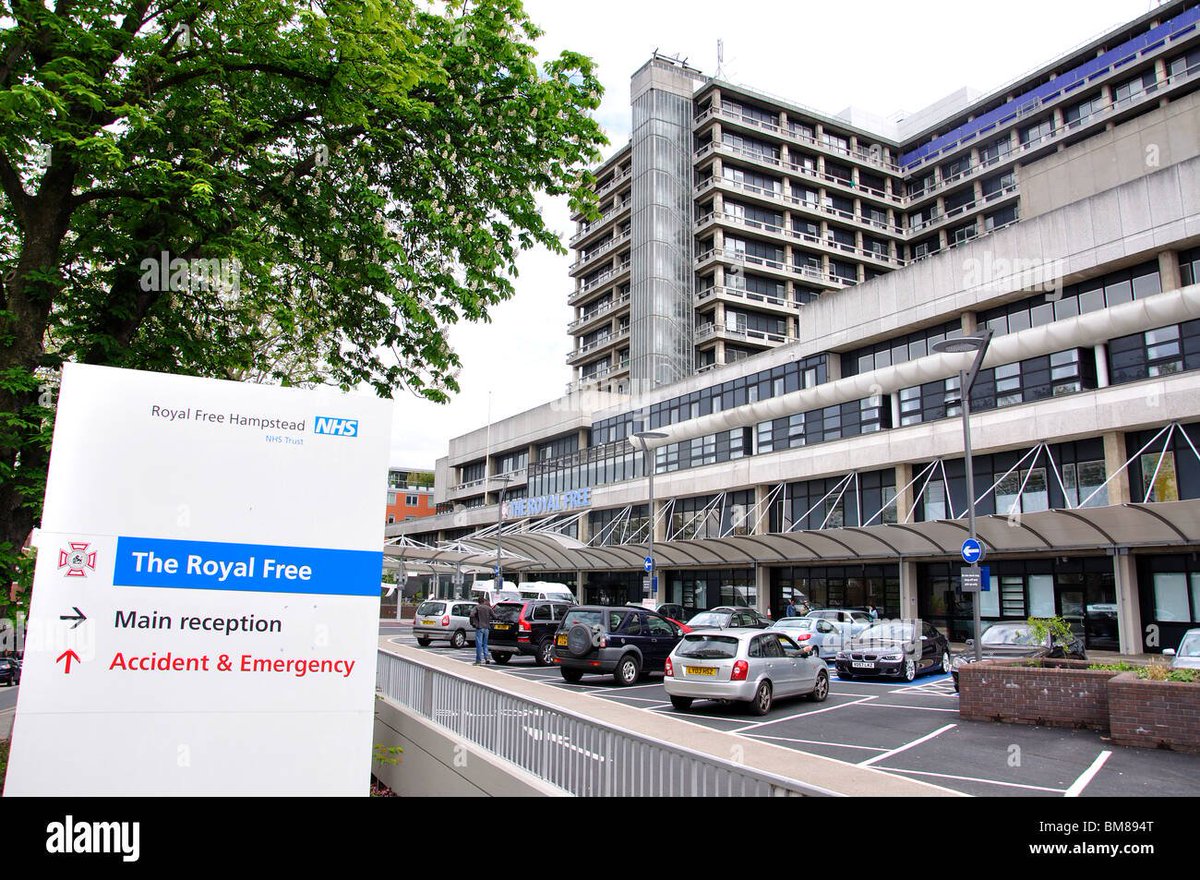
Dr Rajai Al-Jehani was a biomedical scientist at Royal Free London NHS Foundation Trust (@RoyalFreeNHS), also holding an honorary post at University College London (@ucl). She worked inside UCL's Institute for Liver and Digestive Health. From that position she noticed something that made her deeply uncomfortable.
She believed human tissue was being quietly redirected into for-profit commercial activities.
The people she pointed the finger at were not strangers. They were colleagues.
Massimo Pinzani was Director of the Institute and also Chair and second largest shareholder of a company called Engitix.
Giuseppe Mazza was a PhD student in the same building and simultaneously CEO and largest shareholder of that same Engitix. Nothing to see there, obviously.
Dr Al-Jehani did what every NHS speak-up poster tells you to do. She raised concerns. She contacted her union. She spoke to the Freedom To Speak Up Guardian.
The Trust's Freedom To Speak Up Guardian was informed of her disclosures back in November 2017. The investigations were completed. Nobody told her.
She was dismissed.
On 15 August 2022 an Employment Tribunal ruled she had been unfairly dismissed and subjected to a series of detriments by Royal Free NHS Foundation Trust because she had made protected disclosures in the public interest.
@thetimes ran the story under a headline about claims of a human tissue trade. UCL's linked investigations were suppressed.
NHS has posters in every corridor telling staff to speak up. What those posters leave out is the small print: speaking up is fine, keeping your job afterwards is a different matter entirely.
SOURCES
@thetimes @alexander_minh @guardian @HSJnews @BylineTimes
7
83
135
3,836

We’re not experts at playing ⚽. But in 90 countries, 18,000 professionals work to do what we were created for: support people affected by armed conflict and uphold the rules of war.
Rooted in the Geneva Conventions, our mission is simple: even in war, humanity matters.
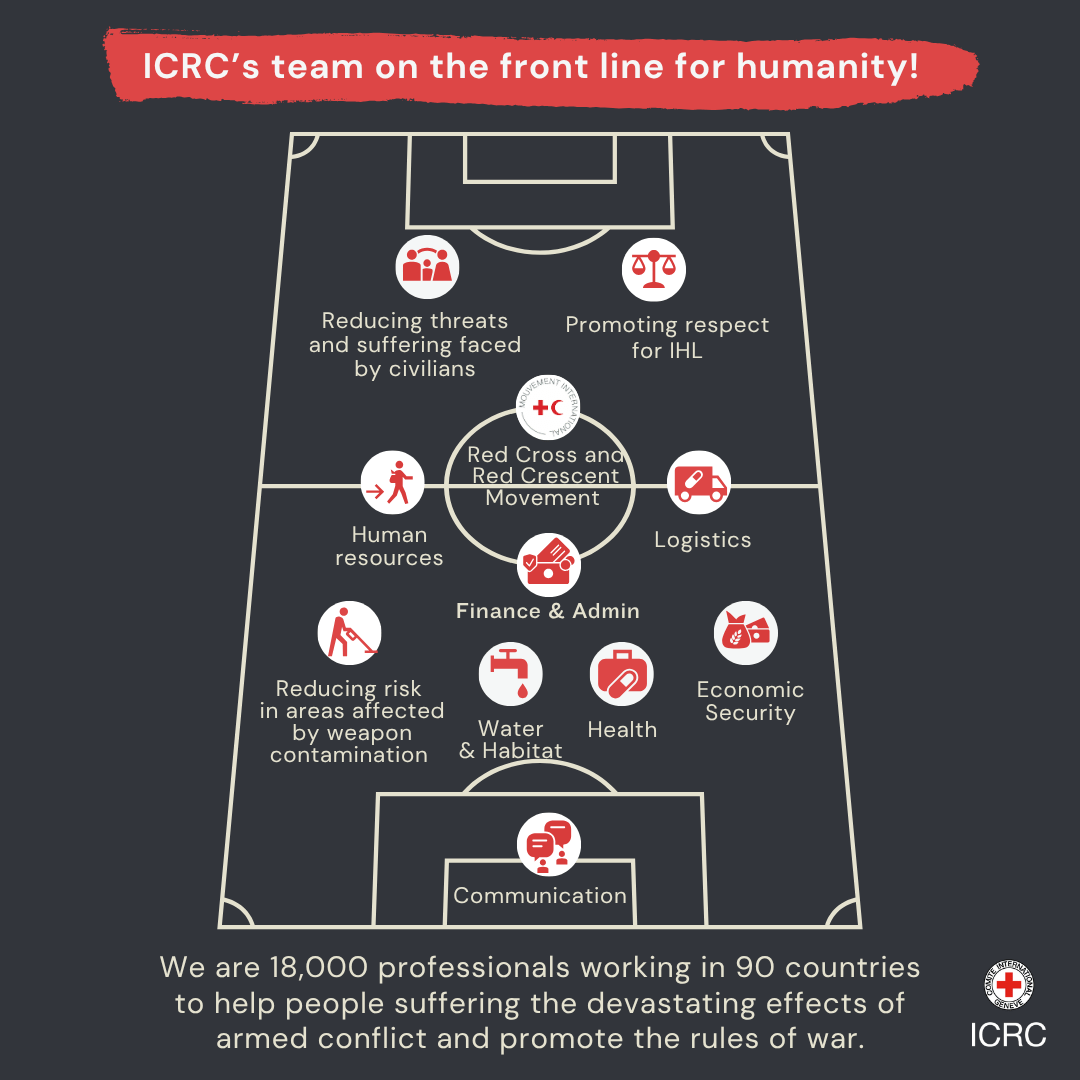
ALT ICRC\u2019s team on the front line for humanity! We are 18,000 professionals working in 90 countries to help people suffering the devastating effects of armed conflict and promote the rules of war.
13
20
878
Maggie Heraty retweeted

The difference between Palestine Action the suffragettes is that the Suffragettes made and used bombs.
Palestine Action sought to disable arms factories producing weapons used by Israel in its genocide of Gaza.
Curiously, the suffragettes described THEMSELVES as terrorists. Pankhurst stated that the suffragettes committed violent acts because they wanted to "terrorise the British public"
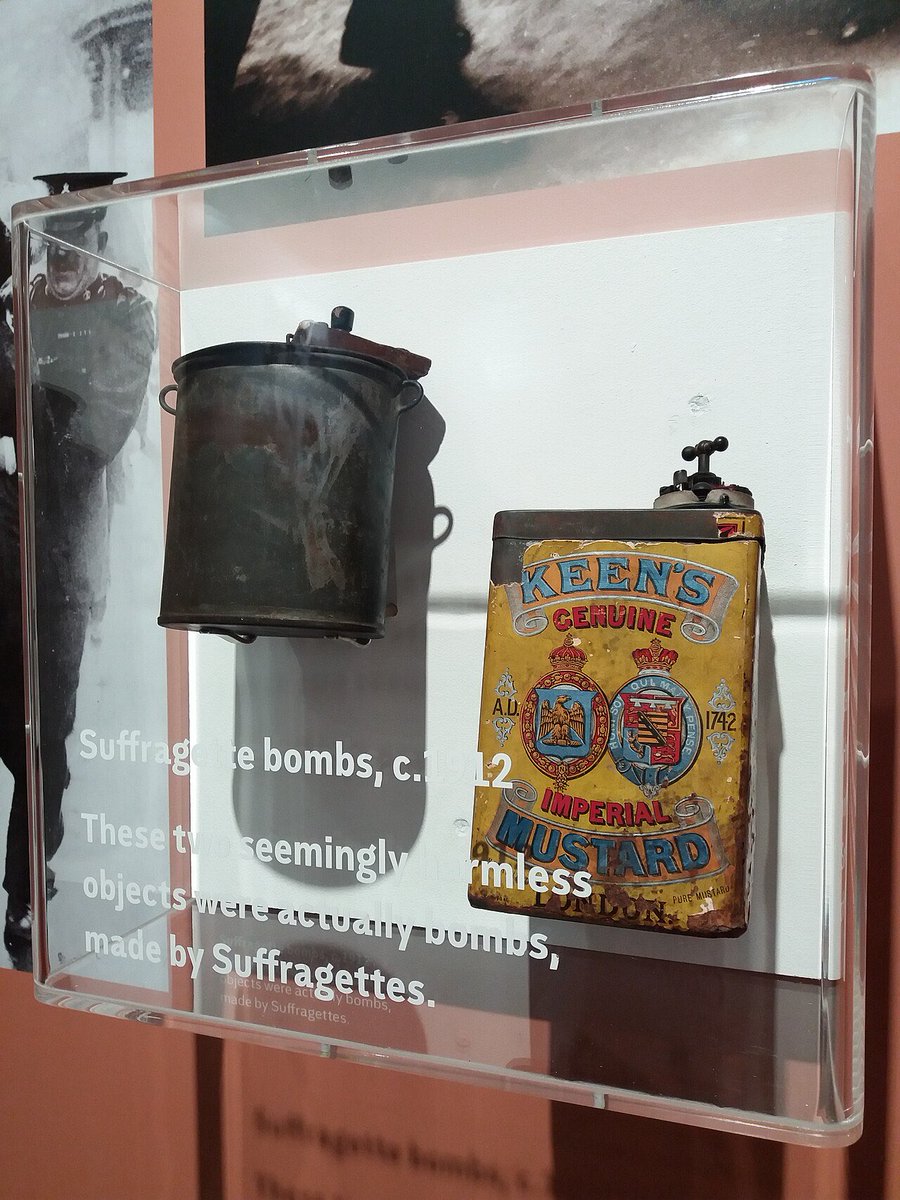

The Lady Chief Justice said proscription of Palestine Action “struck a fair balance” and that PA is not a peaceful civil disobedience group like the Suffragettes
59
675
1,451
24,273
Maggie Heraty retweeted

Levels of forced displacement in the West Bank, including East Jerusalem, are unseen in decades. Between 7 October 2023 and 31 May 2025, @OHCHR_Palestine documented:
💠 Intensifying levels of forced displacement due to settler violence
💠Significant increase in Israeli demolitions of Palestinian homes and forced evictions
💠For the first time, the methodological displacement of densely populated Palestinian urban communities in Area A: Jenin, Tulkarem, and Nur Shams refugee camps in operation “Iron Wall”.
This amounts to the war crime of forcible transfer and raises concerns of ethnic cleansing.
Read the Report: ohchr.org/en/documents/count…
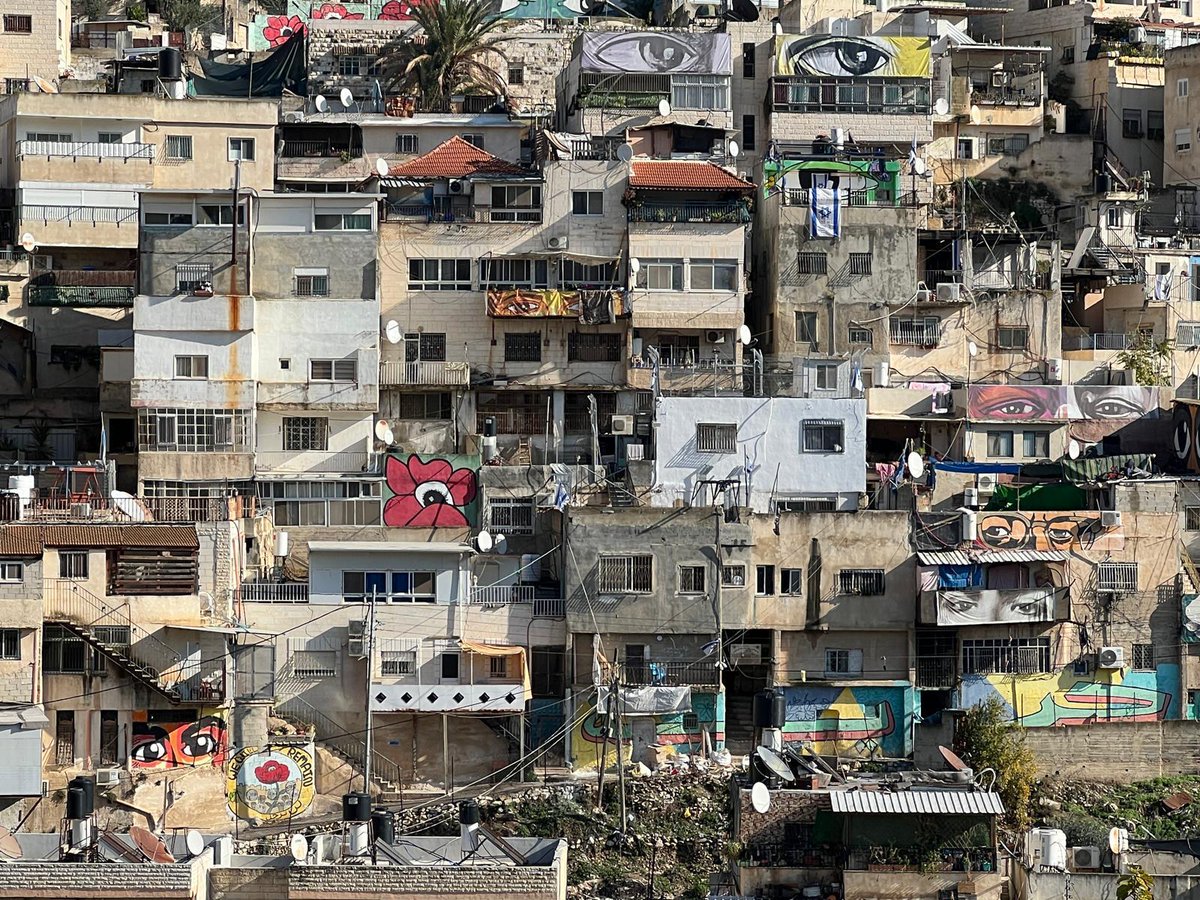
ALT Palestinian houses are being evicted gradually and taken over by Israeli settlers. Batn Al Hawa, East Jerusalem ©OHCHR OPT
5
47
65
3,153
Maggie Heraty retweeted

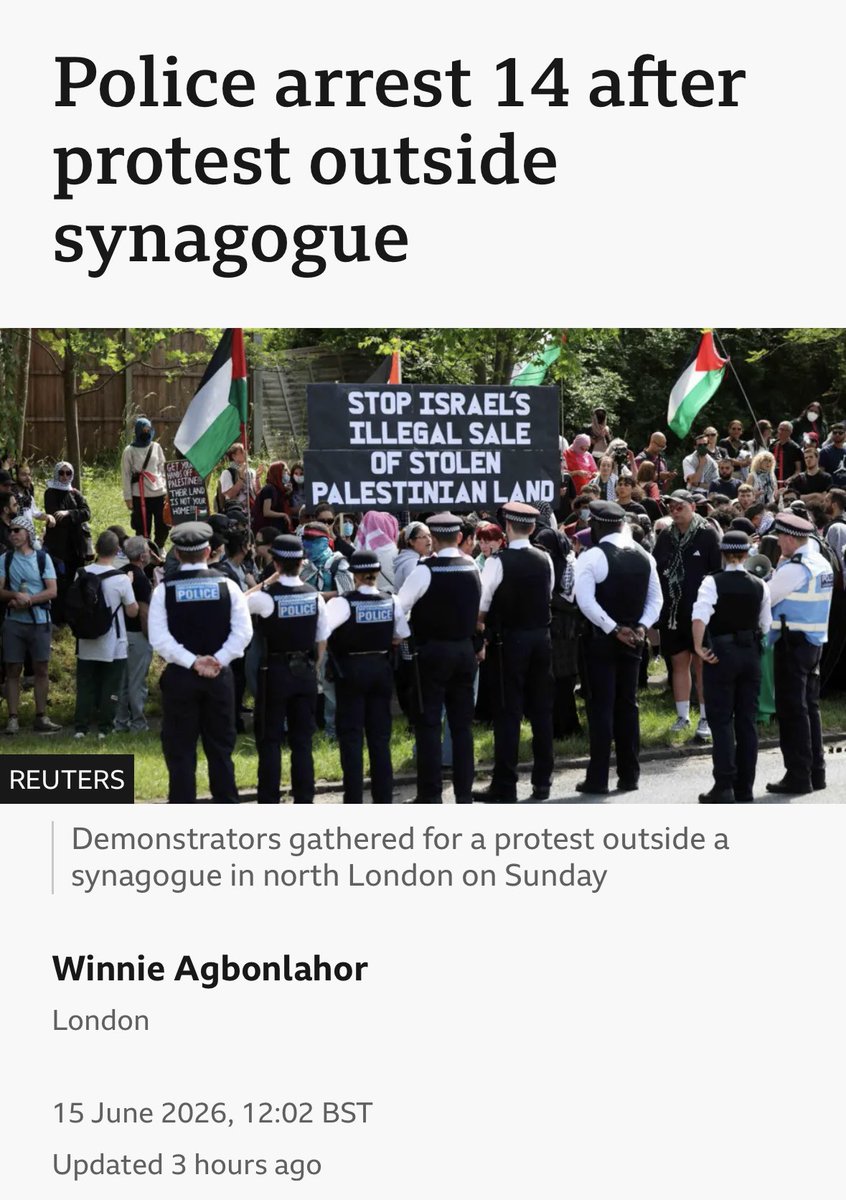
This is misleading framing by the BBC.
Completely omitting from the headline that the synagogue hosted an event that was encouraging and facilitating Palestinian land theft.
Instead it’s worded as though a place of worship itself was the target.
29
466
818
5,919
Maggie Heraty retweeted

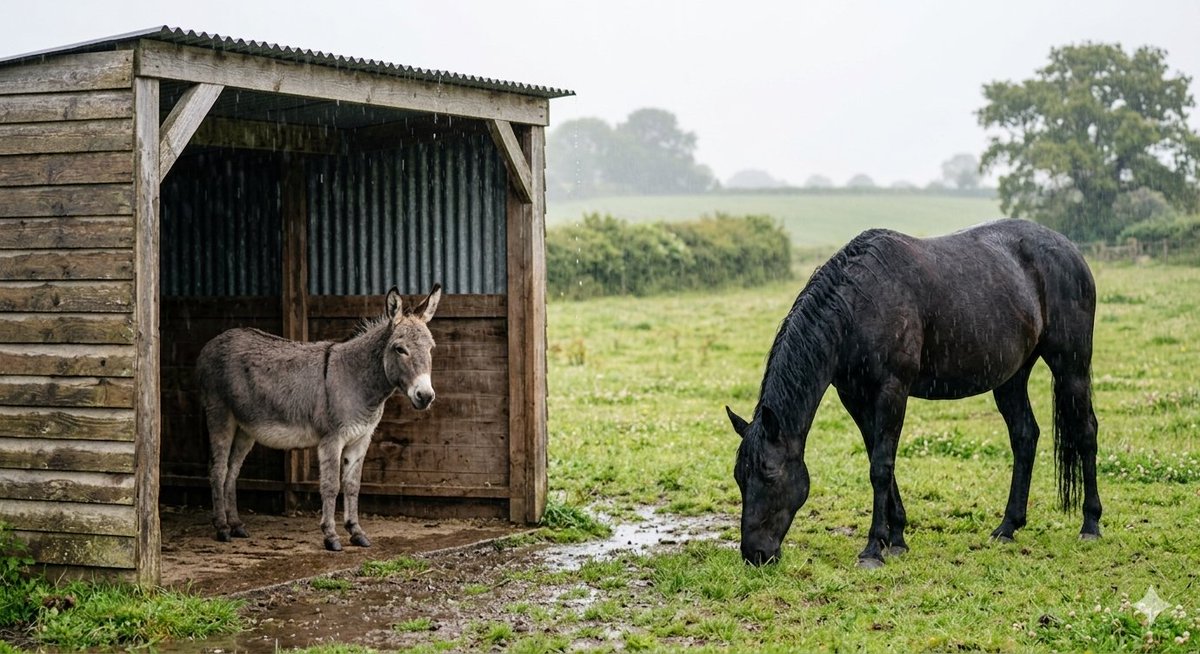
A horse is built to run. A donkey is built to stand and think about it. You have met Hector. This is the other half of his field.
Here is the thing nobody warns you about a parade horse. Hector stood through the King's Troop and the massed bands and a nation's worst day without shifting a hoof, and he will still, in a quiet Welsh field, levitate sideways at a pheasant coming out of a hedge. A carrier bag on the wind is, to a horse, a clear and present danger. The guns were a job, and the job had rules. The hedge has a pheasant in it and no rules at all, and so the flight animal underneath the seventeen years of training remains, on the matter of pheasants, entirely undefeated.
Nelson does not look up.
Nelson has never looked up. A donkey does not flee, it assesses, and it assessed the pheasant long ago and found it beneath comment. People call that stubbornness. It is an animal declining to spend adrenaline it sees no reason to spend.
And here is the domestic arrangement, which anyone who has kept the two together will know on sight. Nelson is a third of Hector's size and entirely in charge. He eats first. He picks the dry spot. He decides when they move. The black charger who carried the weight of the state stands by, with enormous patience, while a small grey donkey finishes the good hay.
The one thing that reliably undoes Hector is Nelson leaving the field. Five minutes, a foot trim, a vet down the lane, and the great composed horse comes apart at the gate, calling and calling, because a horse is herd to its bones and has decided that its herd is one unbothered donkey.
Nelson, for his part, despises rain. A desert animal washed up in Denbighshire, he stands in the shelter looking martyred while Hector grazes out in the wet, waterproof and serene.
Two opposite natures, each propping up the other exactly where it is weak. The horse who fears small things and the donkey who fears nothing at all. It works. It was always going to.
17
130
704
5,833
Maggie Heraty retweeted

11h
A leaked memo shows the European Union has known since 2017 that it had the legal right to freeze Israel's trade deal due to Israel's persistent violations of international law in the occupied West Bank. trib.al/QDiFA7I
53
1,050
1,484
22,024
Maggie Heraty retweeted

Hussam Ebu Safieh, "İsrail'in rehineler için ölüm cezası" ile öldürülecek olan Filistinli doktorlardan biridir (diğer 95 doktor arasında).
Onu öldürmelerine izin verme.
Bunu yeniden yayınlayın.
241
7,120
8,279
69,942
Maggie Heraty retweeted

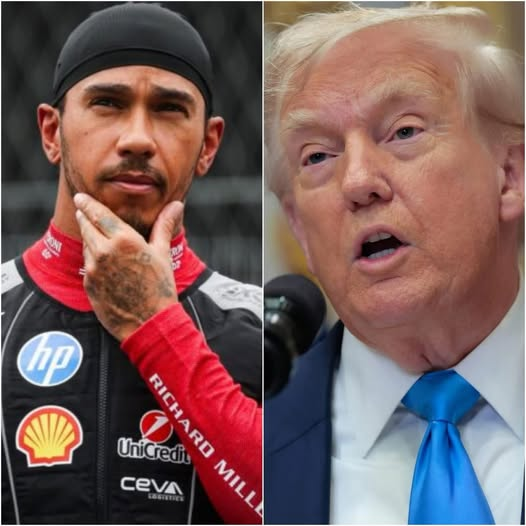
Trump ataca Lewis Hamilton — e recebe uma resposta contundente…. Donald Trump chamou Lewis Hamilton de “um insulto ao esporte” porque o heptacampeão é “extremamente progressista” e acredita que não devemos discriminar com base no gênero…. Infelizmente ele escolheu a pessoa errada…. Em um local histórico, Lewis Hamilton não apenas respondeu com veemência — ele fez um discurso moral…. “O presidente dos Estados Unidos acabou de dizer que eu insultei o espírito da competição”, começou Lewis Hamilton…. “Querem saber o que insulta a humanidade? Tirar o acesso à saúde dos doentes enquanto se cortam impostos para bilionários.”…. “Sabem o que insulta a humanidade?”, continuou ele…. “Deportar estrangeiros e separar bebês de suas mães.”….
“Sabe o que insulta a humanidade? Bombardear crianças inocentes em idade escolar no Irã e enviar nossos bravos homens e mulheres para morrer em mais uma guerra sem fim… Acobertar os arquivos de Epstein e depois se recusar a processar uma única pessoa envolvida.”…. Lewis Hamilton — que foi atacado por Trump por apoiar pessoas transgênero e afirmar que “todas as crianças são uma dádiva para este mundo” — mudou completamente o discurso…. Em vez de recuar, ele fundamentou sua mensagem nos próprios valores que Trump tentou usar como arma…. “Eu não sou uma pessoa perfeita”, disse ele…. “Mas me esforço todos os dias para usar minha plataforma em prol daqueles que não a têm.”…. “Somos ensinados a amar o nosso próximo como a nós mesmos… Conseguimos imaginar a guerra em um mundo perfeito? Conseguimos imaginar o preconceito em um mundo perfeito? Conseguimos imaginar a pobreza em um mundo perfeito? Então por que toleramos essas coisas na Terra?”
Community note
O discurso atribuído a Lewis Hamilton é na verdade de James Talarico, candidato democrata do Texas, em resposta a Trump. tiktok.com/@jamestalarico… yahoo.com/news/politics/…
573
7,564
23,868
565,990
Maggie Heraty retweeted

There has never been a war in history where 80% of the country has been destroyed, 100% of the population displaced, and 50% of the deaths children.
Call it what it is: GENOCIDE.

104
1,360
2,688
18,646
Maggie Heraty retweeted

My friend and colleague @AminSikka was supposed to be in London this week for the One World Media awards, where he’s nominated for journalist of the year.
At the end of last week, the Home Office told us they weren’t letting him into the country
middleeasteye.net/news/sudan…
51
64
2,390
Maggie Heraty retweeted

If Palestinians attacked a synagogue in Israel & set it on fire I have no doubt it'd be reported on UK mainstream news.
But Israelis attacking mosques in the occupied West Bank is a regular occurrence & it rarely (if ever) gets reported here.
8
460
955
8,754
Maggie Heraty retweeted
🔴 Eski Fransa İsrail ve ABD Büyükelçisi Gerard Araud:
“Şu anda Batı Şeria'da olanlar tam bir skandal.”
“Aslında olan, 'yerleşimci' İsrailliler tarafından gerçekleştirilen etnik temizlik.”
“Avrupa'nın bu konudaki sessizliği de bir skandal.”
55
2,411
4,760
47,611
Maggie Heraty retweeted

While proscribing Palestine Action as a terrorist organisation, the UK government has repeatedly granted special immunity to visiting Israeli military officers, protecting them from prosecution for genocide and war crimes.
declassifieduk.org/israeli-a…
9
442
671
11,354
Maggie Heraty retweeted

Today the Court of Appeal upheld the Labour government’s proscription of Palestine Action by saying they aren’t a peaceful civil disobedience group like the suffragettes and that Elbit Systems, Israel’s largest weapons manufacturer, is "a company pursuing a lawful business."
The suffragettes bombed the Chancellor's house, planted a bomb outside the Bank of England, burned down churches and train stations, and smashed up art galleries.
Palestine Action destroyed drones used to kill Palestinians in Gaza because Elbit's “lawful business” is arming a genocide.
The British state is rewriting history and dismantling our legal system to protect Israel, a genocidal apartheid state.
179
528
1,656
30,899
Maggie Heraty retweeted
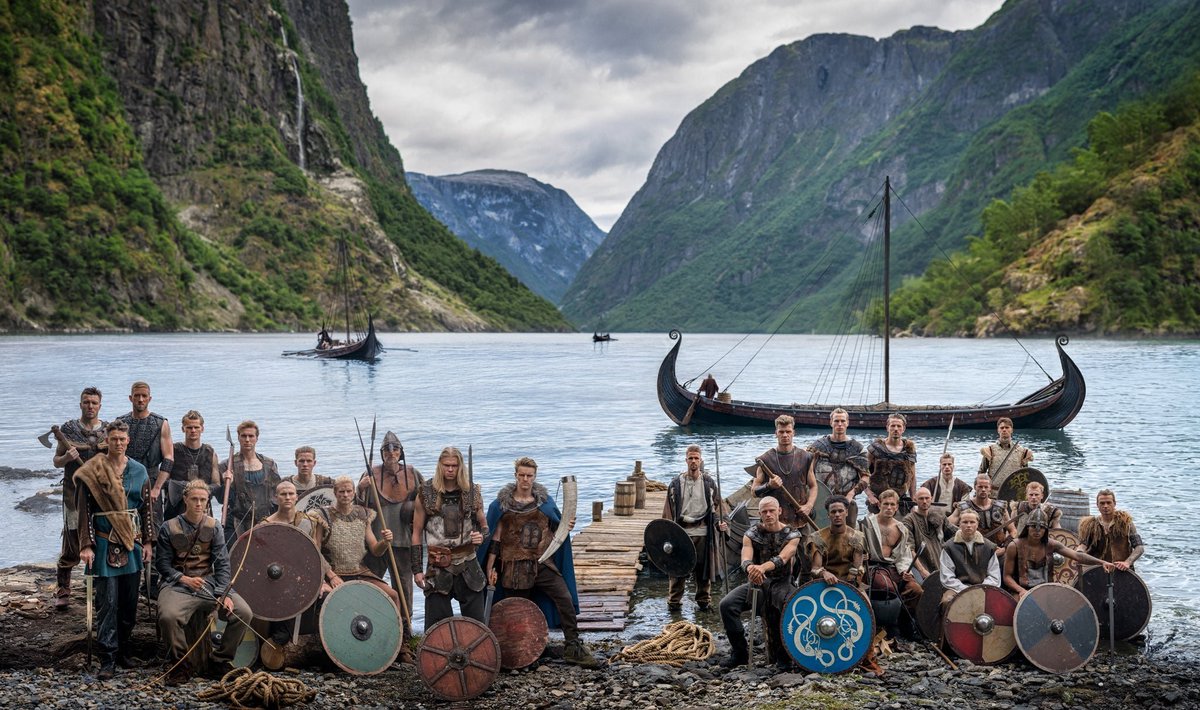
Norway have qualified for their first World Cup since 1998, and the first thing they did was ship in their own cheese, fish and 6,000 oranges. A touching show of faith in the American food supply.
Start with the cheese, since they hauled 116 kilograms of it across the Atlantic. Dairy in the United States can come from cows injected with a growth hormone called rBST, which has been banned across Europe for years and does not even have to appear on the label over here. Norwegian cows never go near it, so the players would sooner bring their own.
The fish follows much the same logic. A good deal of American tuna is treated with carbon monoxide, sold to the trade under the lovely name "tasteless smoke," which fixes that bright red colour and keeps it looking fresh long after it has quietly stopped being so. Europe banned the practice in 2003, while America still permits it.
Then the oranges, all 6,000 of them, because the US happily lets growers spray the skins with Citrus Red 2, a dye the World Health Organisation's cancer agency calls a possible carcinogen, all so a slightly green orange can pass for a ripe one on the shelf. Europe will not let it anywhere near food.
So when a side with one shot at a World Cup takes a long look at the local cheese, fish and fruit and flies in a tonne of their own instead, you can understand how they got there.
A ringing endorsement of American food, obviously.
76
430
1,701
28,723
Maggie Heraty retweeted

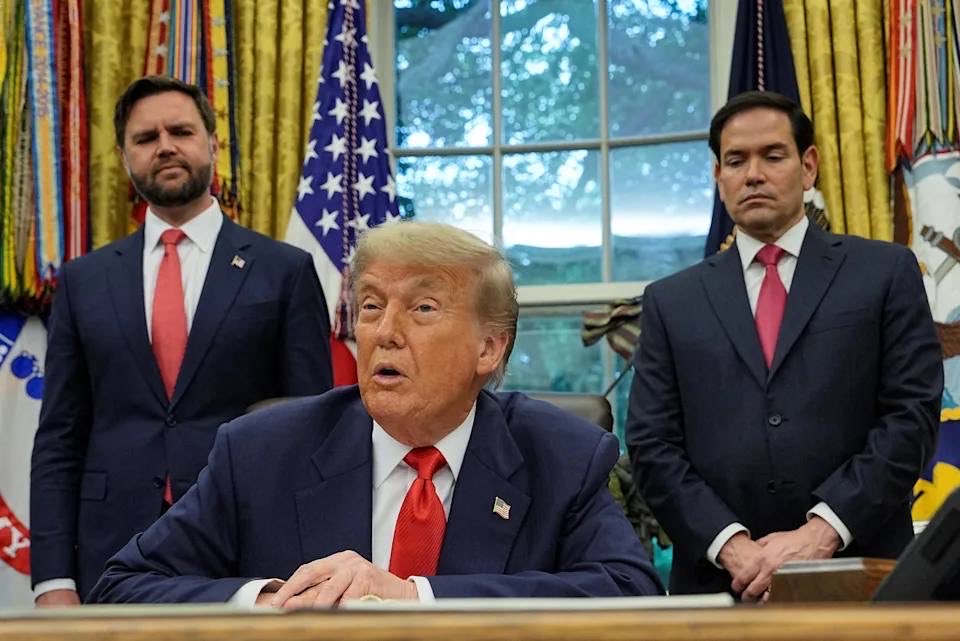
And yet, one of the most shameful incidents of the entire four-year-long major war was the conduct of the USA—which initially pressured Ukraine to submit to a tyrant, only to later wash its hands of the matter entirely and forget the Budapest Memorandum.
In fact, it was one of the most shameful events in the entire 250-year history of the United States—an act that reset its image as a "bastion of democracy and universal human values" to factory settings.
t.me/MirovichMedia/14816
Oh, and by the way, mass murderer Putin wished Trump a happy birthday.
84
1,234
3,147
31,466