The SUNY Oneonta #HuntUnion ….. You Have A Place Here~
Joined August 2009
- Tweets 4,452
- Following 400
- Followers 709
- Likes 2,078
545 Photos and videos

14 Aug 2024
52
16 Oct 2023
The Hunt Union is accepting applications for Student Building Manager positions next semester. Check out our announcement on Handshake and follow the links to the application in Campus Connection. Applications require a cover letter and résumé and due November 1, 2023
108
24 Sep 2023
If you are studying fashion at SUNY Oneonta and not following Derek, knock knock…
23 Sep 2023

One of the interesting things about the Fetterman dress scandal is that the suit itself was once the gym shorts and hoodie of its day.
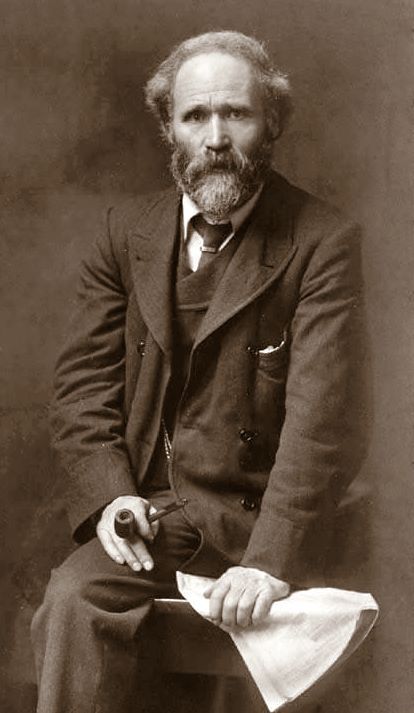
This part got cut from my Politico op-ed (for good reason; it was getting long and tangential). But when Keir Hardie—a Scottish union leader and co-founder of what would later become the Labour Party—was first elected to Parliament in 1892, he wore a tweed suit, a red necktie, and a deerstalking cap to his first day of work.
Today, we think of the suit as a formal garment, the very glass of respectability. But as I've mentioned here before, this was not always so. In the late 19th century, men in high positions—such as those in banking and law—wore the more formal frock coat. Working-class clerks and administrators wore the fustian lounge suit.
When Hardie was elected, the proper Parliamentary uniform was a black frock coat, a starched wing collar, and a black silk top hat. Hardie, who was elected to represent the people of West Ham South—a working-class seat in Essex, now Greater London—rejected this uniform because he felt it was the symbol of capital. Instead, he opted to dress like his constituents.
Polite society was scandalized. The press was so offended that he wore a deerstalking cap—a flat cap style associated with members of the working class, rather than the silk top hat worn by MPs—one paper wrote: "A cloth cap in Parliament!"
I'm not convinced Fetterman is dressing to signal anything (if he was, he would be more vocal about it). As I mentioned in my op-ed, I think he should not only wear a suit in the Senate chamber but even when walking through Congressional halls. Not doing so creates a distraction from more meaningful matters. But being "respectful" of our political system is much more than dressing up. It's about how you serve honorably. You can signal this through your clothes, but someone not wearing those clothes does not necessarily mean they are not fulfilling the more important duties. We should focus more attention on actions, not clothes.
But it's an interesting historical point that the suit was, at one point, causing a very similar controversy.
1
299
10 Oct 2022
Ken Ruiz ‘84 Student Building Manager of HU dropped by on a visit Saturday and shared Hunt Union stories with current student manager Christy Aristhenes @OneontaAlumni
2
3 Oct 2022
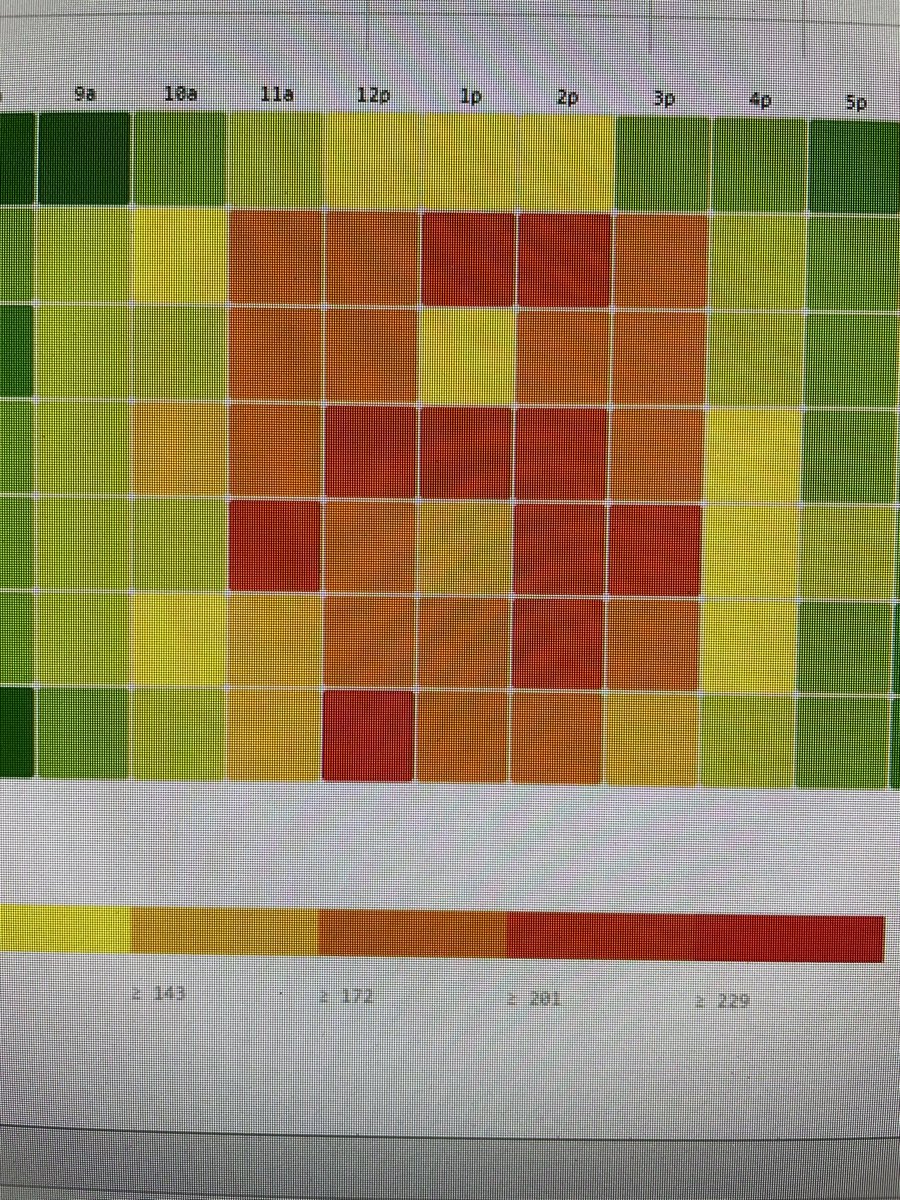
A traffic heat map conveys the peak days and times of people inside the Hunt.
Looking to table or fundraise in the college union? The peak times in the last the six weeks:
Wed 11am-4pm
Thu 11am-4pm
Sat 11am-3pm
Mon 11am-4pm
Fri 12pm-4pm @sunyoneonta @oneontasa
16 Sep 2022
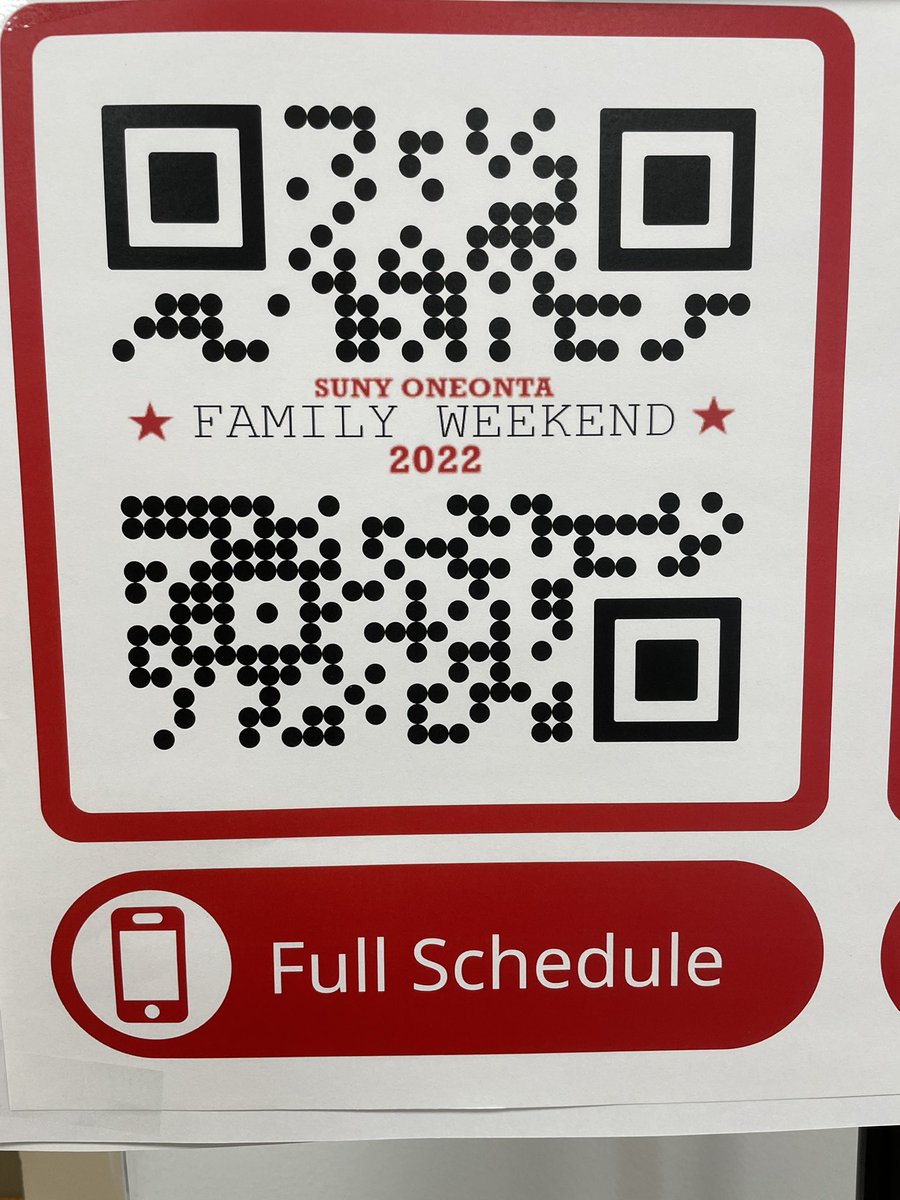
Welcome families and friends. It’s family weekend @SUNY_Oneonta !! For information on the weekends’s schedule use this QR code to access the webpage.
1
4
26 Aug 2022
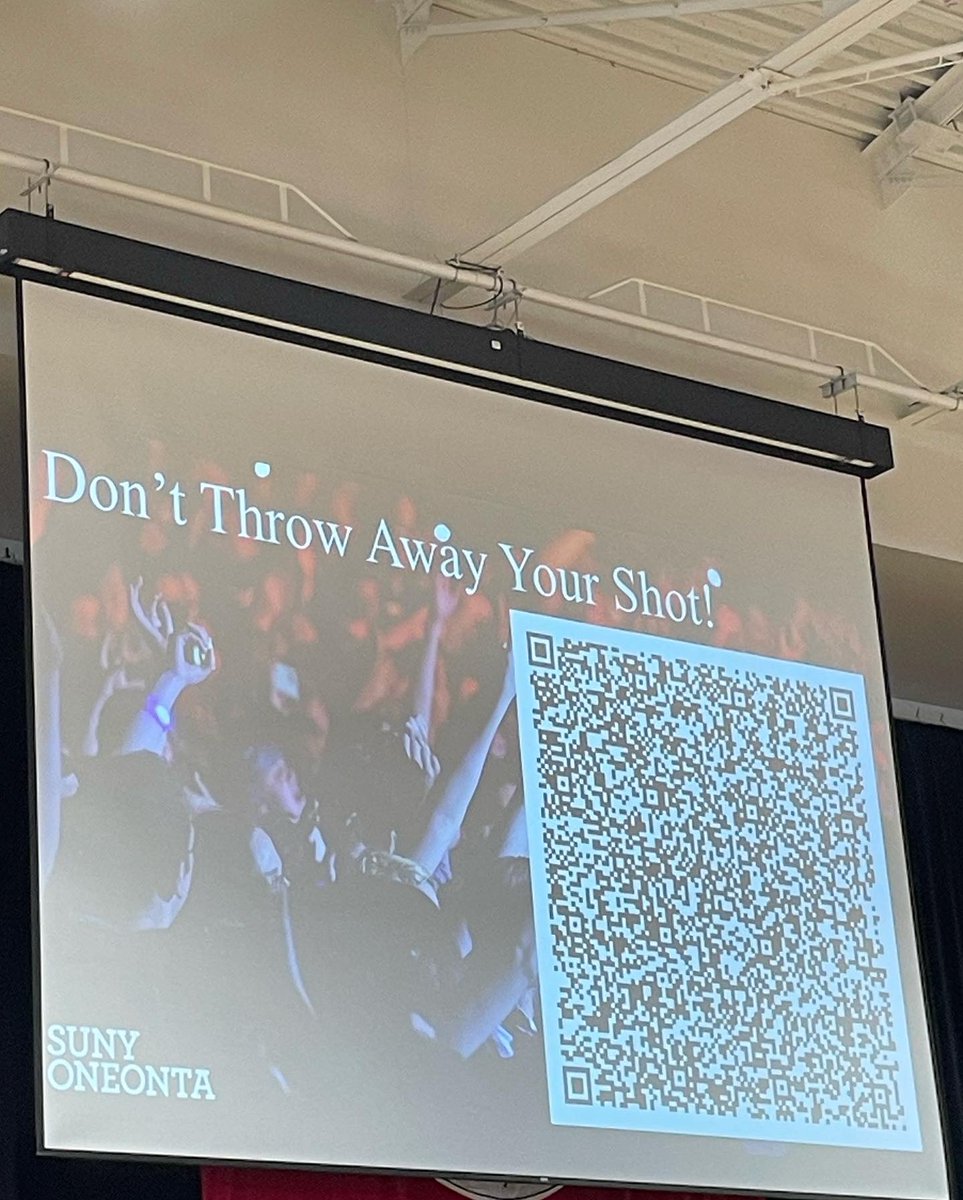
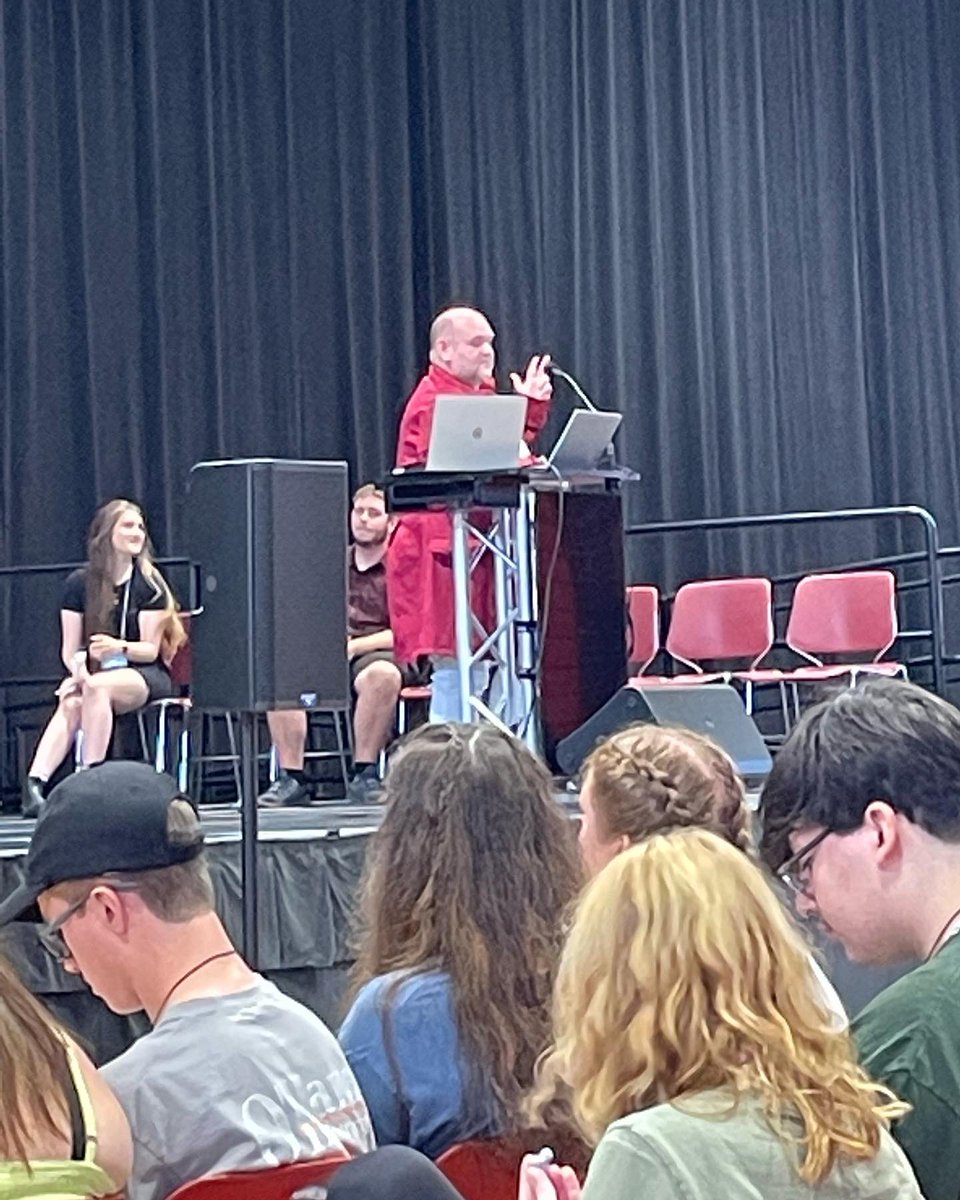
We got our maestro @billharcleroad director of campus activities and leadership leading his troop of extraordinary student leaders in the AFH <> #DontThrowAwayYourShot! @SUNY_Oneonta #OneyUp
17 Aug 2022
Shout out to Bill Harcleroad for his contributions to this article. The red dragon flight school program cited in the article was extraordinary. Investing in student life and campus activities creates vital student connections and belonging ! chronicle.com/article/why-on…
23 Jul 2022
The TEAMS talk show “Three Things I Learned about/from___” returns this fall! We are looking for nominations of students, faculty, staff, and alumni for the topic of “Three Things I Learned from Studying Abroad” @oneontaoss @SUNYOneonta #ThreeThings # <> drop some names here!
21 Jul 2022
The TEAMS talk show “Three Things I Learned about/from___” returns this fall! We are looking for nominations of students, faculty, staff, and alumni for the topic of “Three Things I Learned from being Involved” @oneontaoss @SUNYOneonta #ThreeThings <>drop some names here!
20 Jul 2022
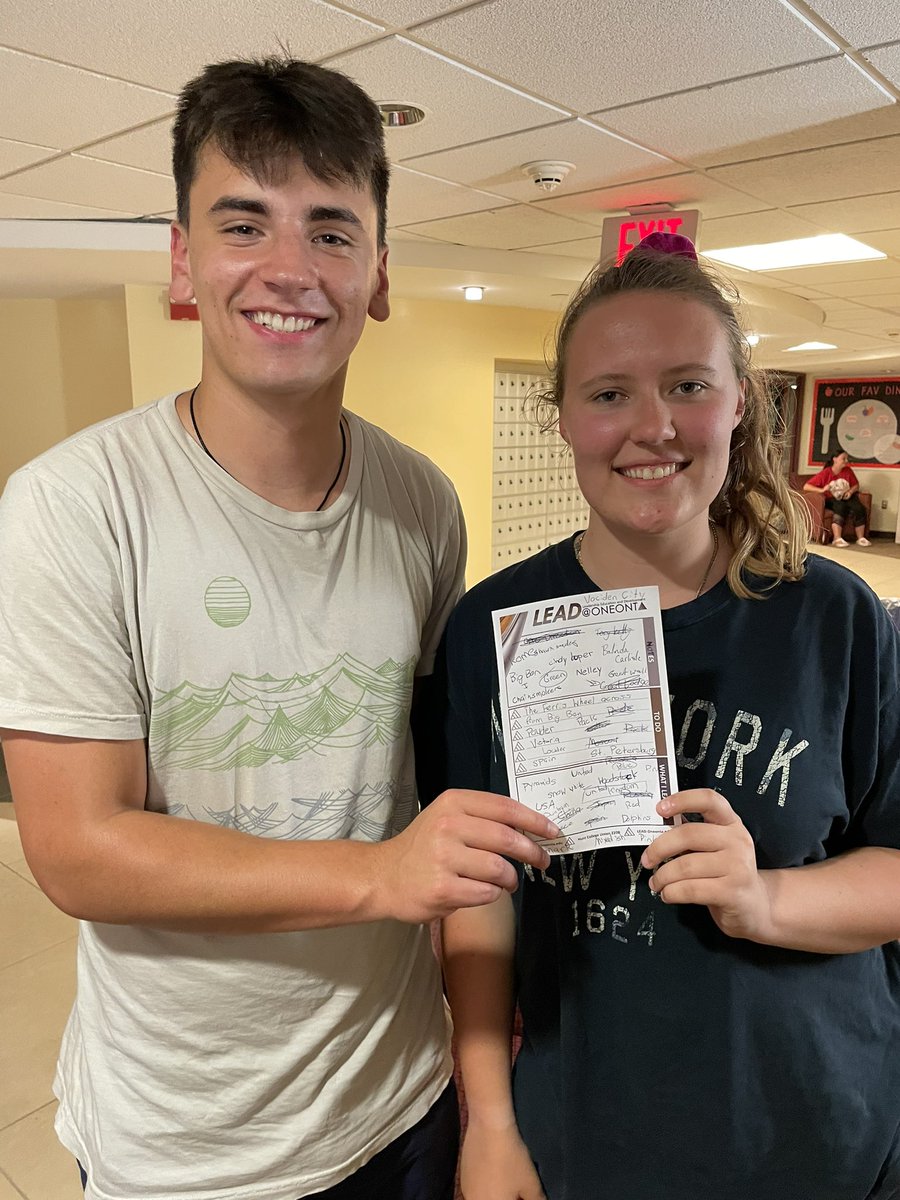
Tonight‘s orientation team trivia winners are Bryce & Laney! So wicked cool having used 1 piece of paper for all of tonight’s trivia answers . #sustainability ! #MVP shout out to Laney for her answer to what do you call a group of pet cats? A #clowder!@OneontaNSS
19 Jul 2022
The TEAMS talk show “Three Things I Learned about/from___” returns this fall! We are looking for nominations of students, faculty, staff, and alumni for the topic of Three Things I Learned about being a Freshman @oneontaoss @SUNYOneonta #ThreeThings <> drop some names here!
17 Jul 2022
The TEAMS talk show “Three Things I Learned about/from___” returns this fall! We are looking for nominations of students, faculty, staff, & /or alumni for “Three Things I Learned about being a Successful Leader” @OneontaNSS @SUNYOneonta #ThreeThings #ONEYevents Drop names ⬇️
8 Jul 2022
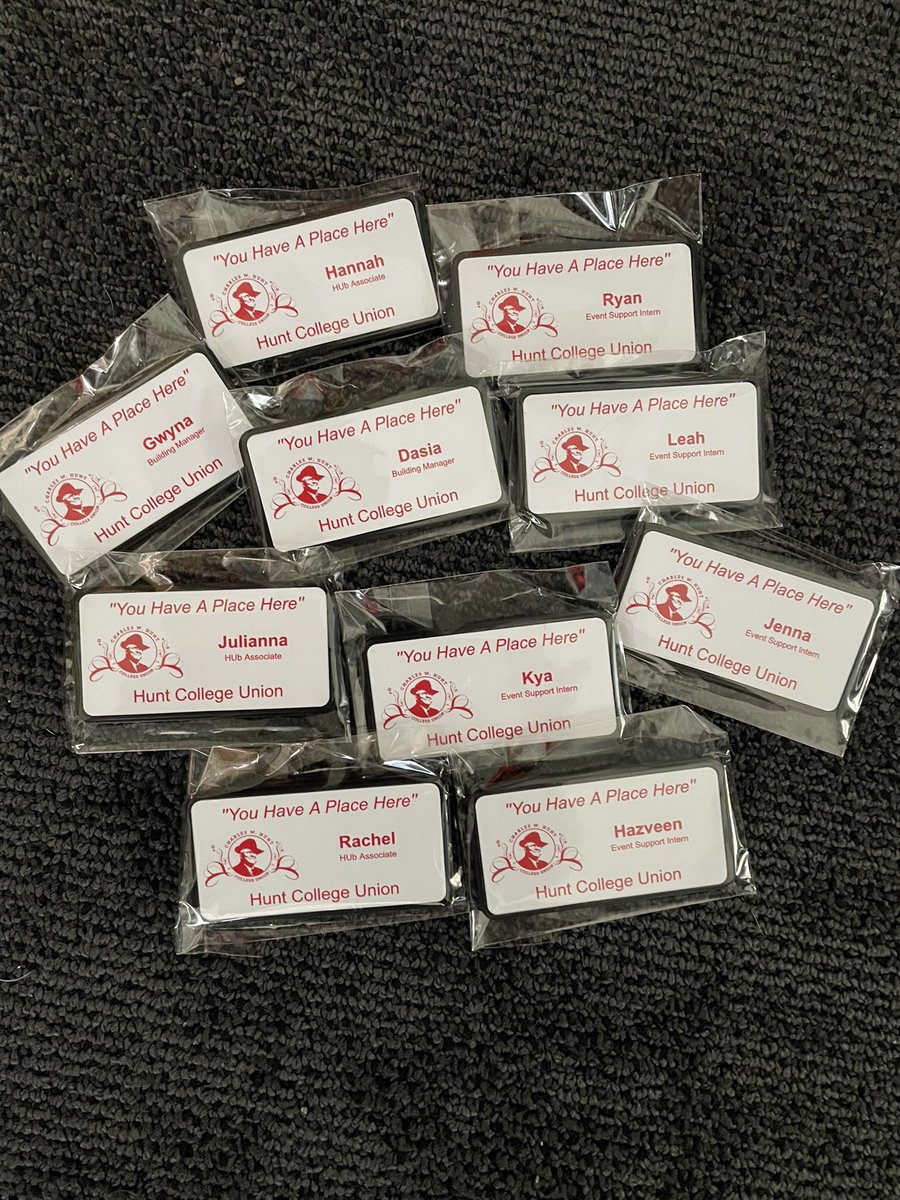
Name badges for our new student operations staff arrives! Eager to convene the new #houseofchuck staff later in August! #ChuckItOutLoud #GetYourChuckOn #YouHaveAPlaceHere @SUNY_Oneonta
1
4
21 May 2022
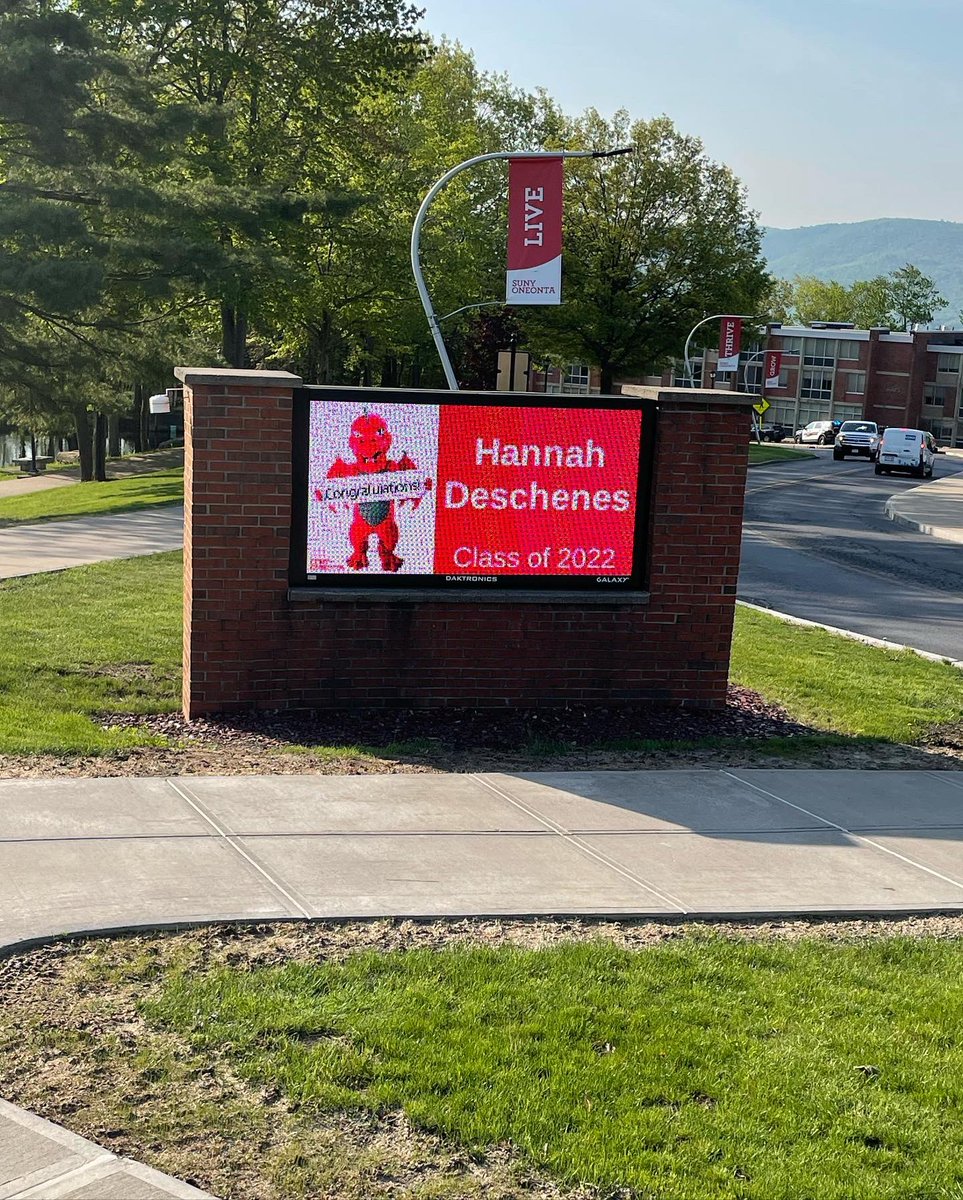
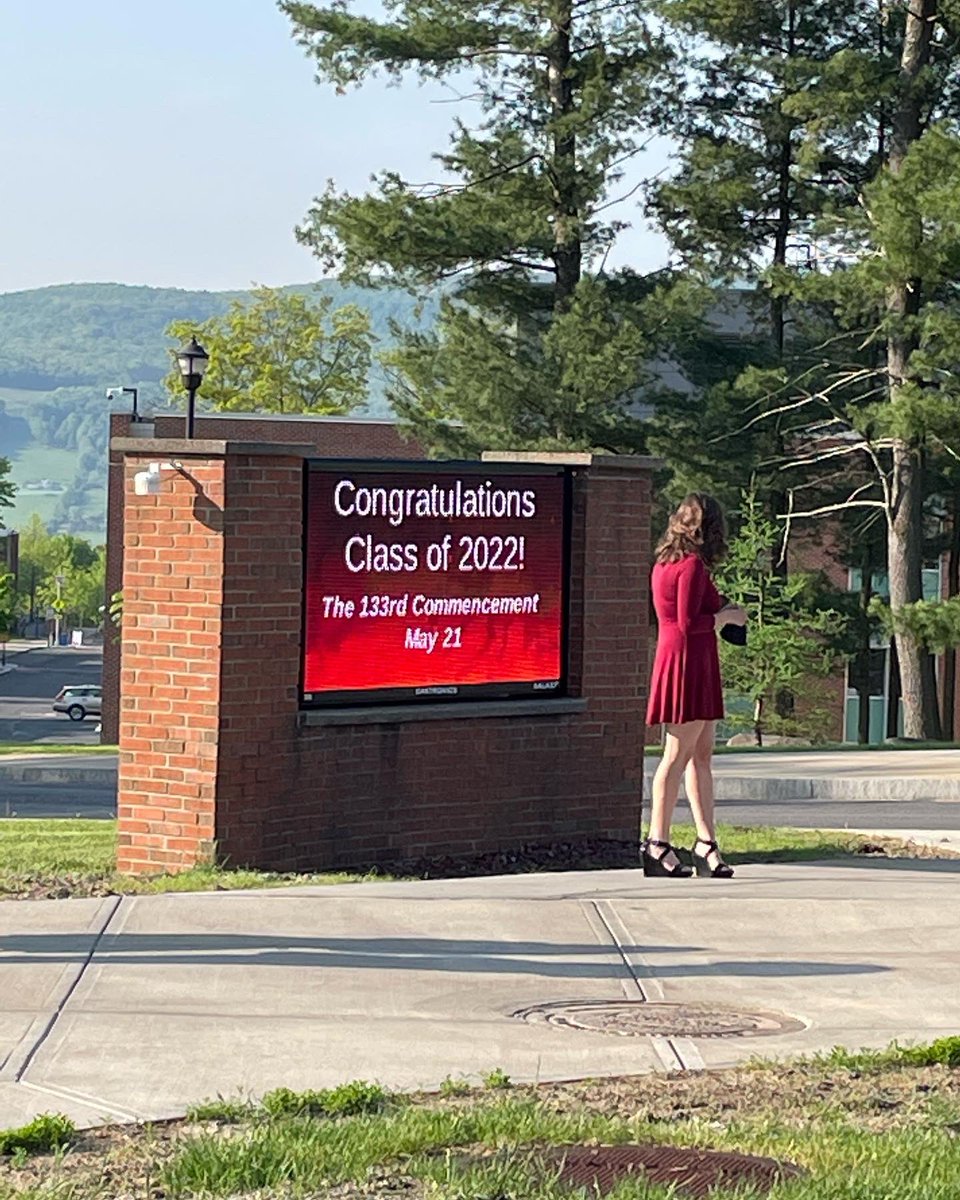
The 133rd Commencement! Stop by the tent in front of Hunt College Union to pick up your Commencement tickets and we can set up your name on the outdoor marquee for a quick photo opportunity! #classof2022 #sunyoneonta @sunyoneonta
1
6
Hunt Union retweeted

20 May 2022
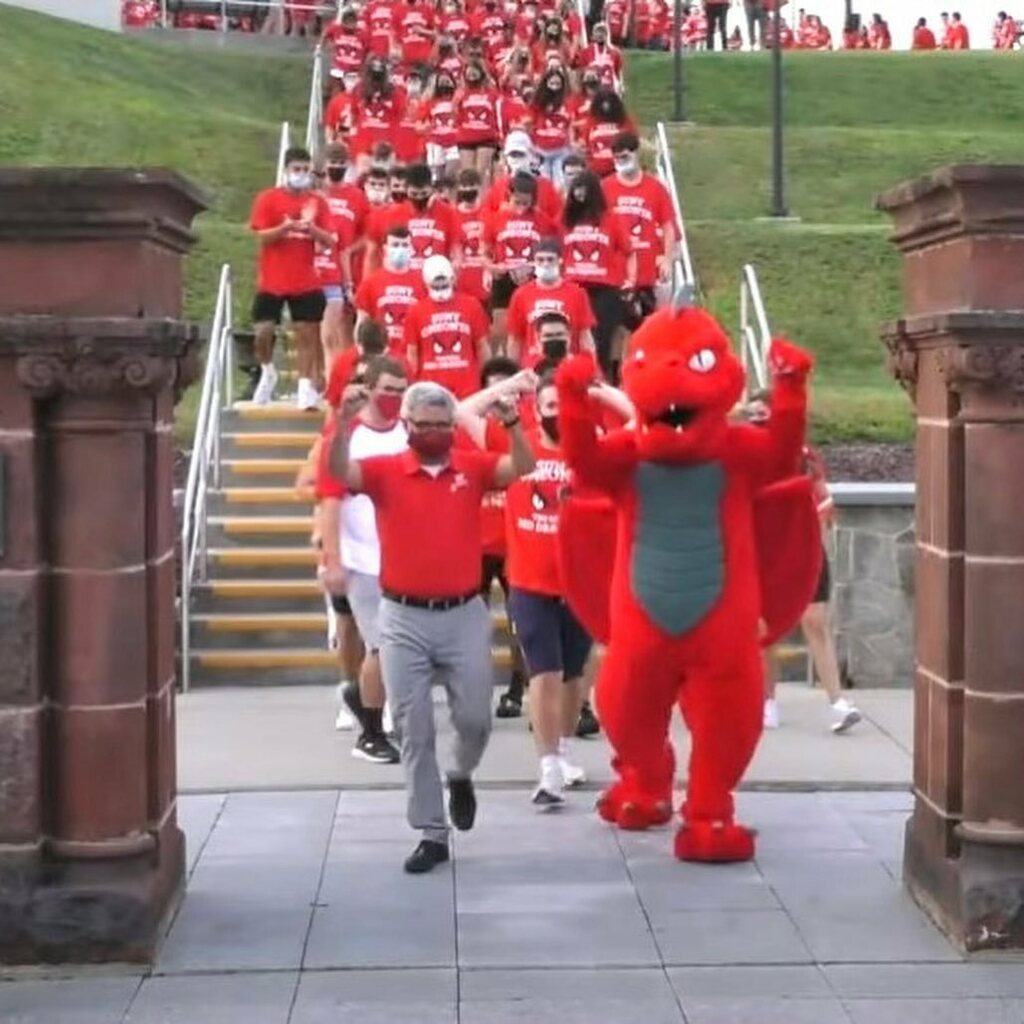
On the eve of my first spring commencement let me just say, thank you to all for making this a great year, and congratulations to our seniors. Have a wonderful summer. #sunyoneonta instagr.am/p/Cdyx0bFOwTG/
3
13
Hunt Union retweeted

19 May 2022
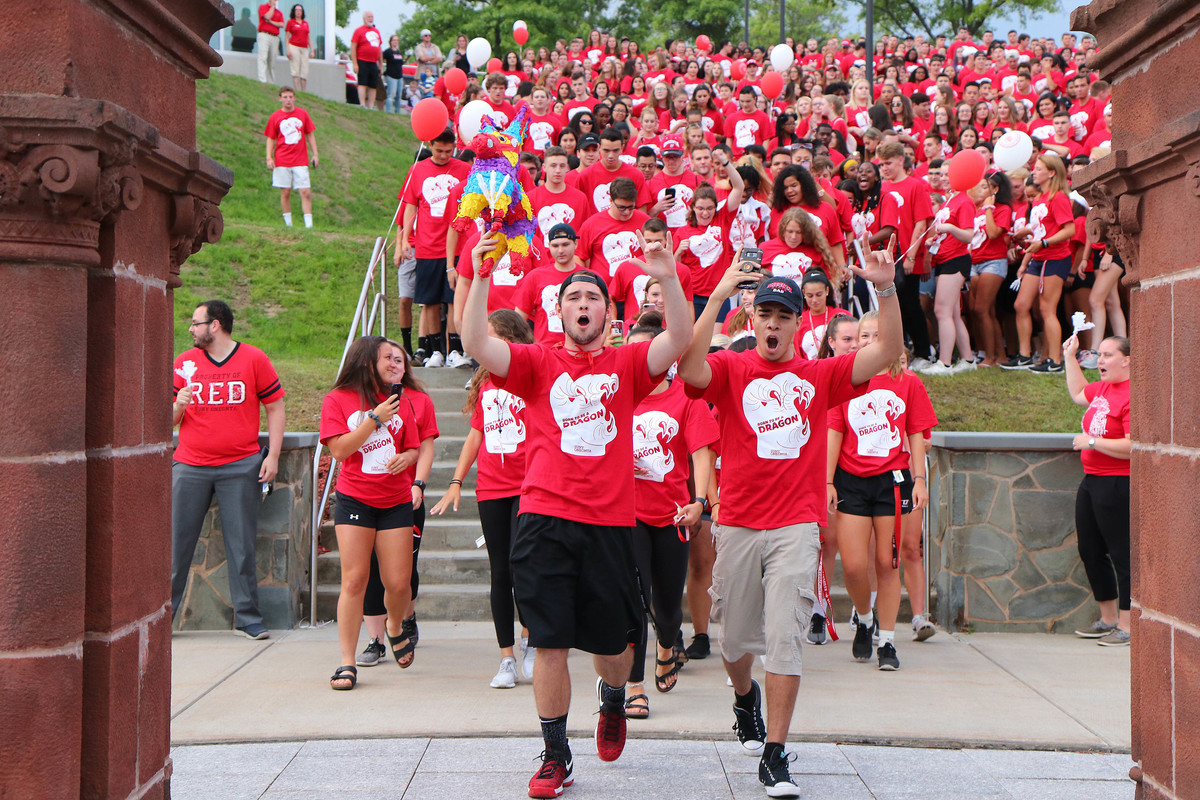
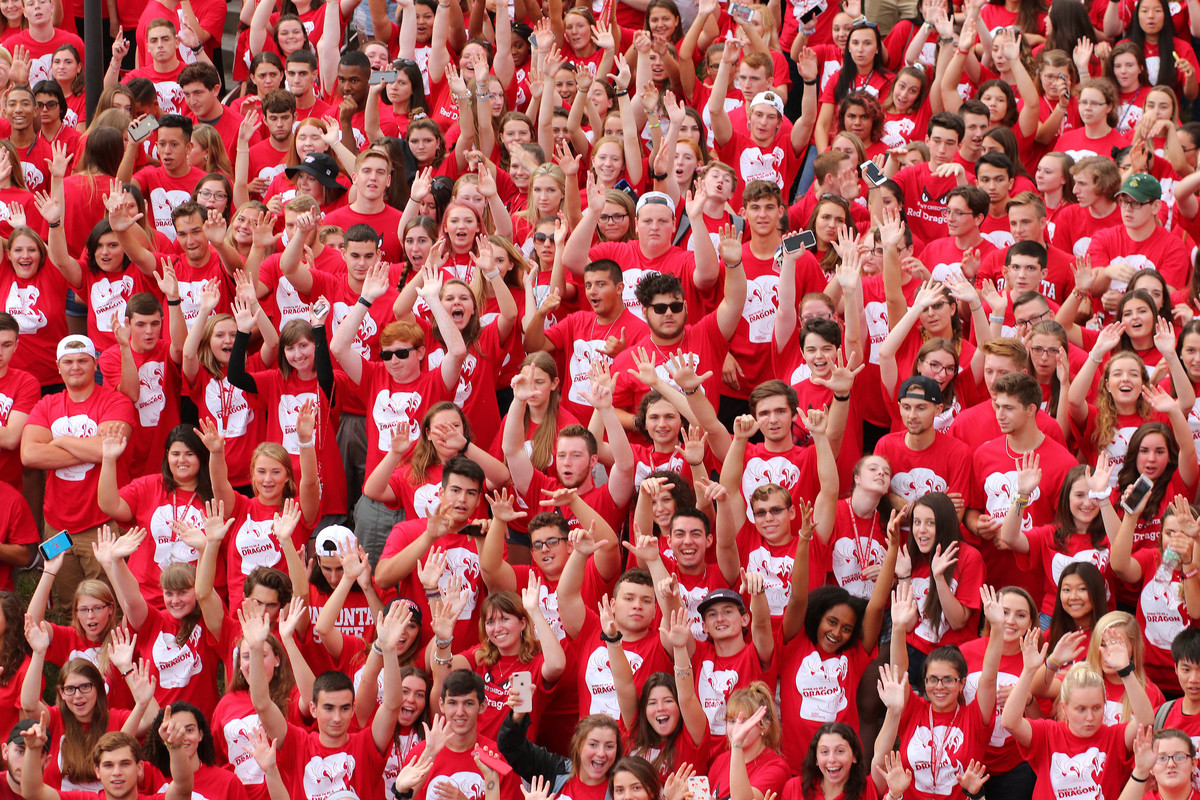
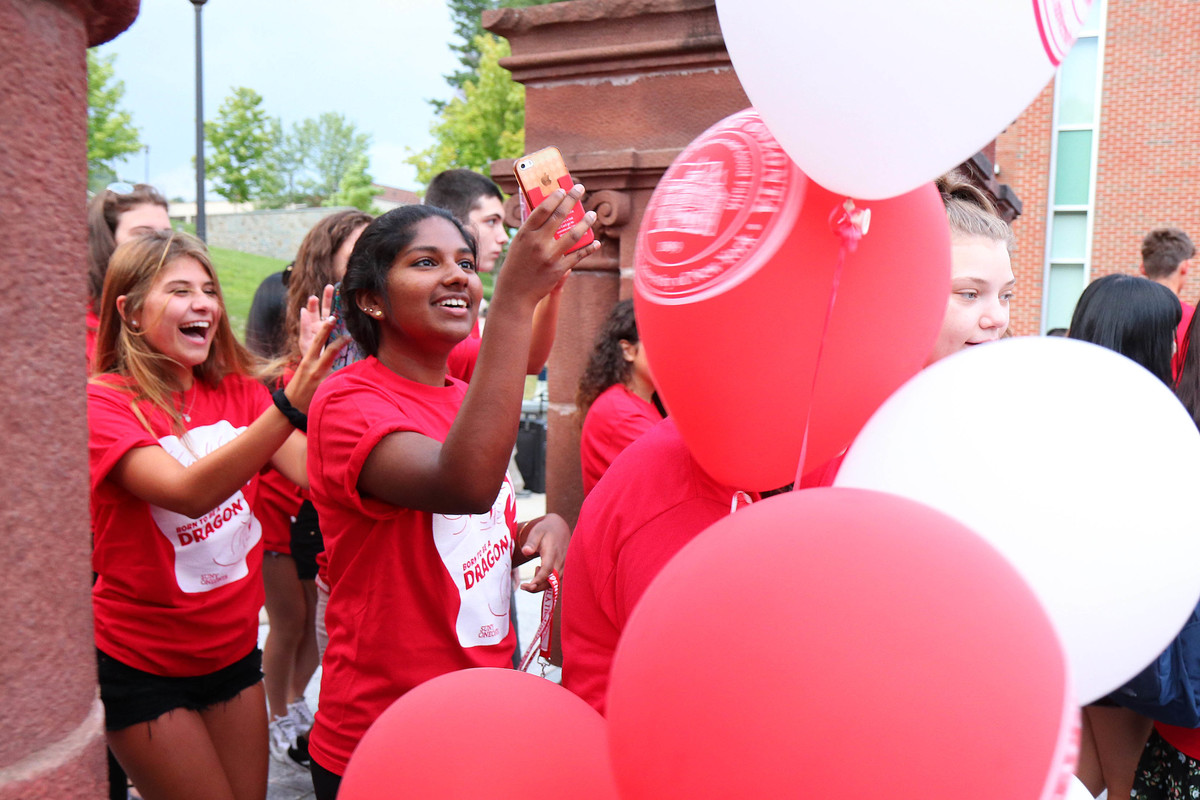
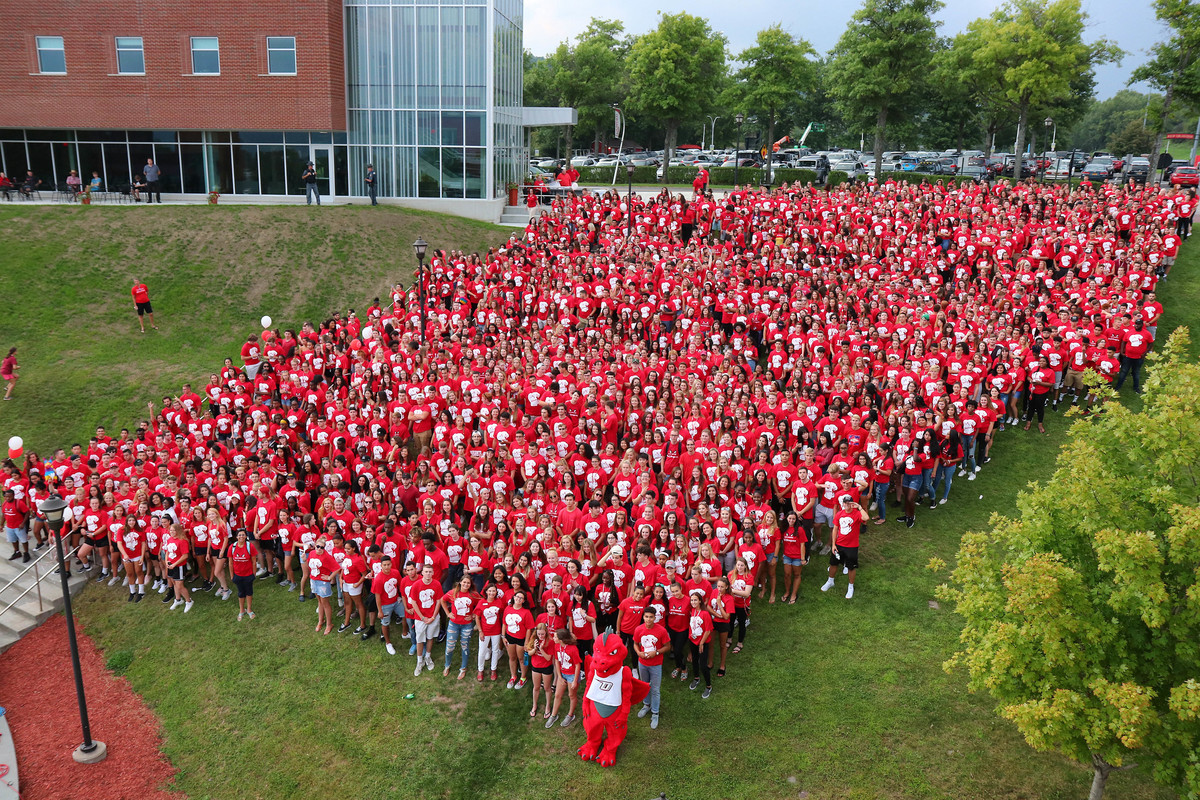
Tomorrow, members of the #Classof2022 will pass through the pillars a final time, signifying the end of their Oneonta journey. 🥲 Take a look back with us at their FIRST Pass Through the Pillars back in 2018! ⏪🥰
See more photos on our Facebook page: facebook.com/SUNYOneonta
3
4
19 May 2022
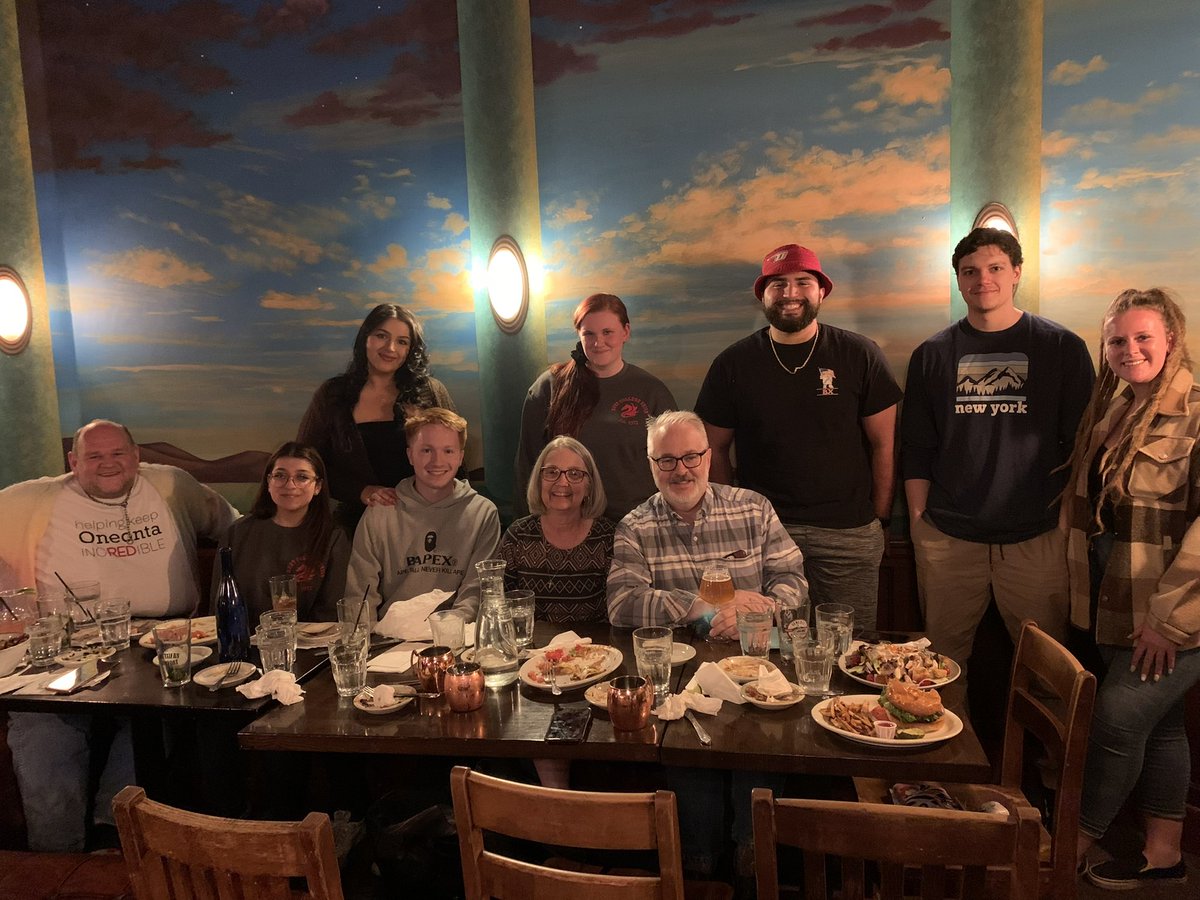
Shucksy-pucksy the last time we got together to raise a glass of strong waters with our Hunt Union student operations grads was like 2019. Go get it! #FollowYourBliss The #HouseOfChuck tips it’s hat knowing all the cool and glorious things ye will pursue and do! #staygroovy
7 May 2022
Really? 😜
5 May 2022

A sign that summer is right around the corner! ⛲️ When it comes to campus fountains, are you Team @HuntUnion or Team Chase? 😎⤵️
7 May 2022
1
7 May 2022