
Hurriyat, the real voice of Afghans
Joined November 2022
- Tweets 10,943
- Following 5
- Followers 4,452
- Likes 747
8,905 Photos and videos

Pinned Tweet

Commentary:
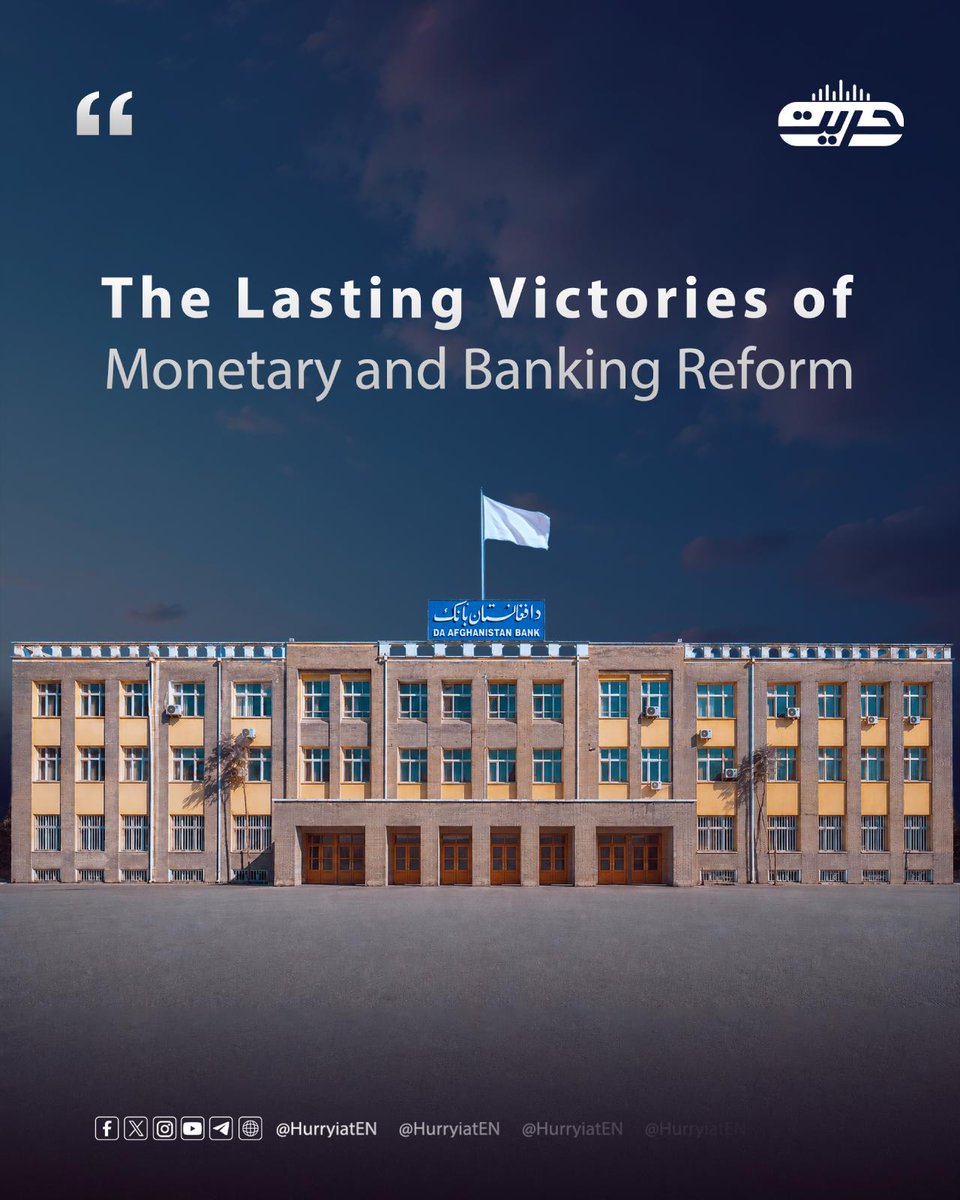
The Lasting Victories of Monetary and Banking Reform
Hurriyat, Sunday 28 Dhu al-Hijjah 1447
Economic stability is not a luxury but a necessity for any nation seeking prosperity and sustainable growth. At the heart of this stability lies a trustworthy banking system—the very circulatory network of the economy. When confidence in banks erodes, every sector suffers, and financial transactions grind to a halt. Afghanistan has experienced this fragility firsthand, having weathered decades of occupation, foreign pressure, and severe economic restrictions that deeply wounded its financial architecture.
Yet, since the Islamic Emirate regained sovereignty, a noteworthy transformation has begun. Despite ongoing international sanctions and formidable challenges, Afghanistan has managed to steer its banking sector away from a looming collapse. In a recent interview, Mirwais Azizi, head of Azizi Bank, drew a striking contrast between Afghanistan’s relative stability and Lebanon’s catastrophic banking crisis, noting that the world views the Islamic Emirate’s management of the financial system with genuine astonishment.
Banks function as the economy’s blood vessels. People’s savings, business capital, corporate finances—all flow through them. Thus, the safety of these institutions and the public’s trust in them are indispensable. When trust fractures, economic activity weakens and investment climates deteriorate. Over the past five years, however, Afghanistan has witnessed notable achievements: the stabilization of the banking sector, preservation of the afghani’s value, relative control of inflation, and orderly financial management. These developments have bolstered market confidence and revived economic activity. Today, banking services operate smoothly, and citizens routinely rely on them to meet their financial needs.
This orderly functioning reflects restored trust. When people feel assured that their savings are secure, investment opportunities multiply and economic activity expands. This virtuous cycle has provided a solid foundation for relative financial market stability in recent years.
Nonetheless, progress must continue. Expanding financial services, facilitating investment, and deepening cooperation with international financial institutions remain urgent priorities. Accelerating these efforts will render the banking system even more reliable and unlock further opportunities for growth. As Mr. Azizi’s remarks underscore, Afghanistan has achieved remarkable success under difficult conditions—success built on disciplined management and relentless effort, which have preserved public trust and sustained economic stability against the odds.
The global economy evolves daily, with every nation striving to shield its financial system from potential crises. Afghanistan has taken important strides in this direction. If the current momentum of financial reform and banking consolidation endures, the banking sector will undoubtedly play a pivotal role in the country’s journey toward economic self-reliance.
1
153
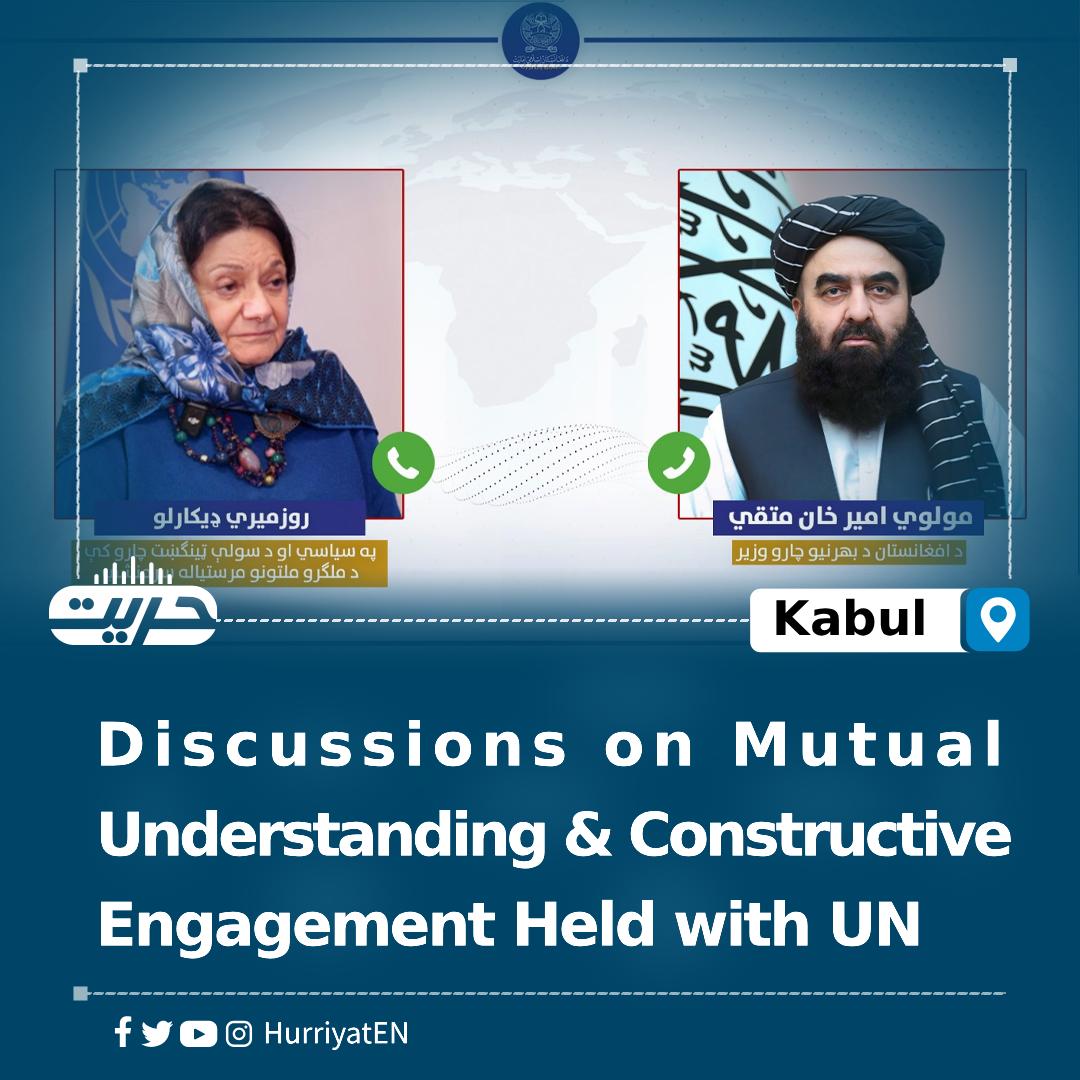
Discussions on Mutual Understanding & Constructive Engagement Held with UN
Afghan Foreign Minister Maulvi Amir Khan Muttaqi held a telephone conversation with Ms. Rosemary DiCarlo, the United Nations Under-Secretary-General for Political and Peacebuilding Affairs, to discuss the delivery of humanitarian assistance to vulnerable Afghans and the effectiveness of the aid supply chain.
During the talks, Ms. DiCarlo welcomed the facilities and cooperation extended by the Islamic Emirate for humanitarian operations, describing them as crucial for ensuring the timely and efficient distribution of aid to those in need.
She also briefed the Foreign Minister on the latest developments concerning the UN Assistance Mission in Afghanistan (UNAMA) and provided an overview of ongoing UN engagement and activities across the country.
Both sides emphasized the importance of sustaining mutual understanding, promoting constructive interaction, and expanding greater cooperation in the future.
28
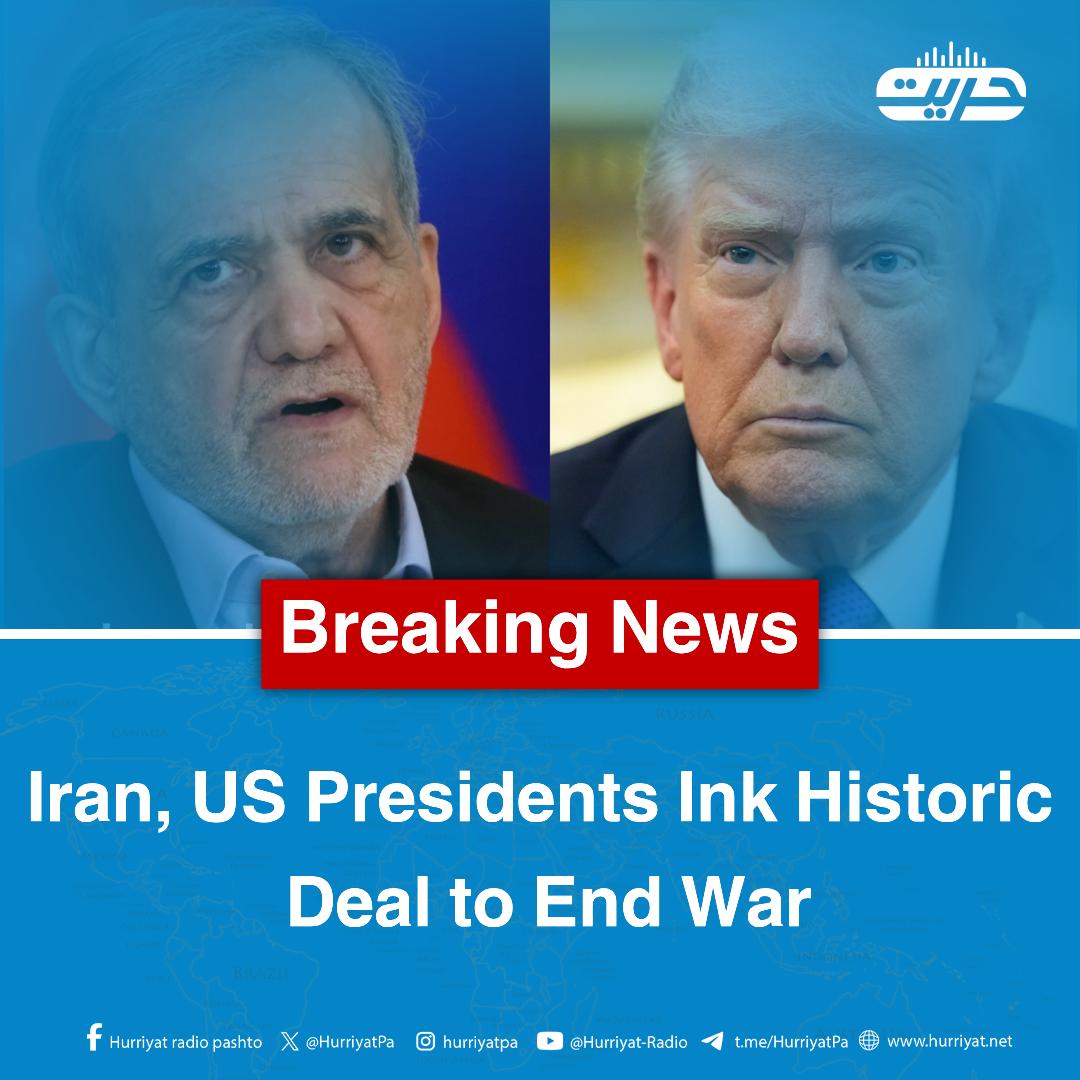
Iran, US Presidents Ink Historic Deal to End War
According to multiple reports, Iranian President Masoud Peshmerga and U.S. President Donald Trump have officially signed the final text of an agreement aimed at ending the ongoing conflict.
The signing was carried out electronically and in absentia, with both leaders affixing their approval without a physical meeting.
The White House hailed the development as a significant milestone, describing it as an important step not only for the United States but for the international community at large. Iranian state media also confirmed that President Peshmerga had signed the document.
Citing a U.S. official, Reuters reported that the electronic signing took place on Sunday, with U.S. Vice President J.D. Vance and the head of Iran's negotiating team, Mohammad Baqer Qalibaf, formally executing the agreement on behalf of their respective sides.
1
41
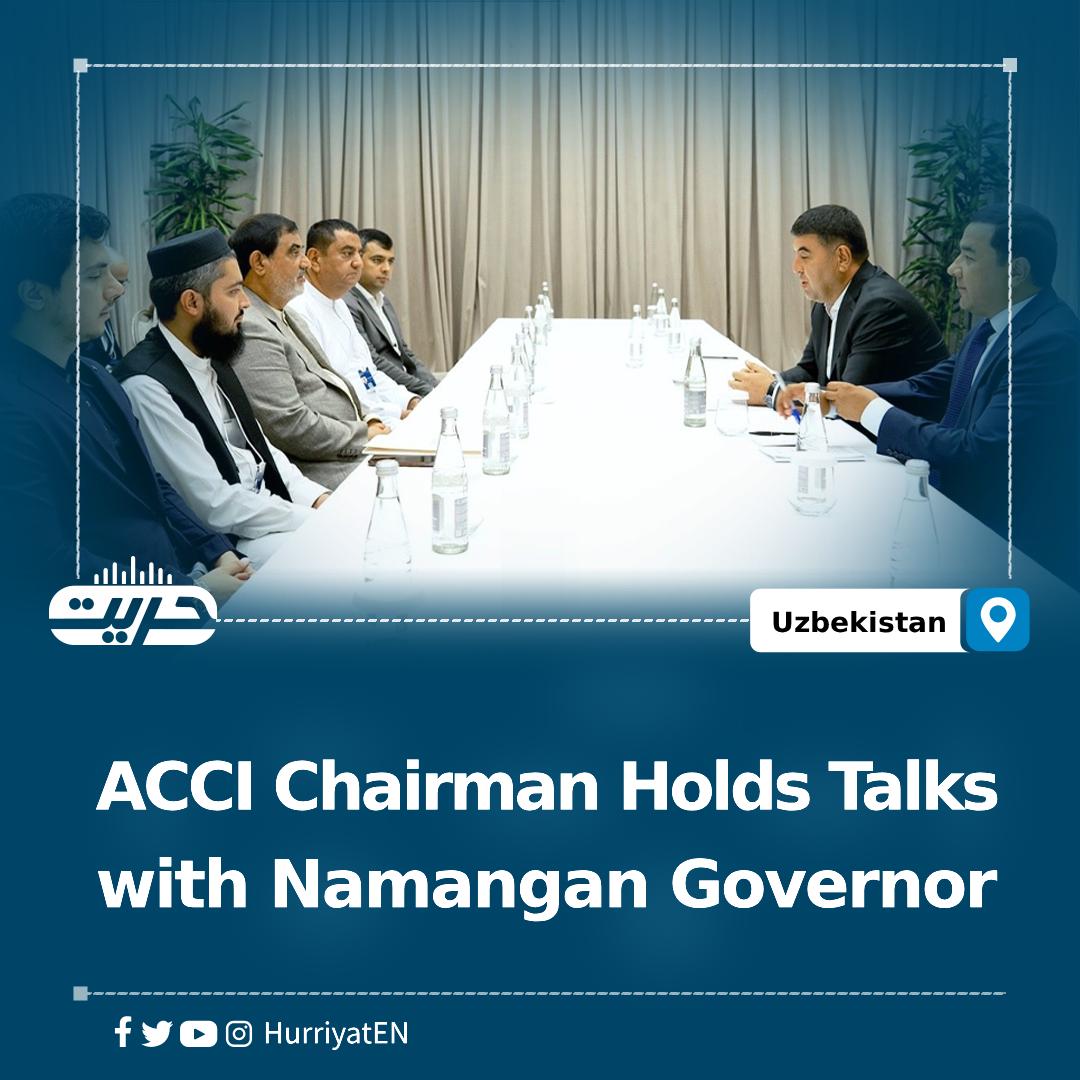
ACCI Chairman Holds Talks with Namangan Governor
On the sidelines of the 5th Tashkent International Investment Forum, the Chairman of the Afghanistan Chamber of Commerce and Investment, Sayed Karim Hashemi, held talks with the Governor of Uzbekistan's Namangan Province, Shaukatjan Abdul Razaqov.
The Afghanistan Chamber of Commerce and Investment confirmed that discussions centered on strengthening bilateral trade relations, increasing commercial transactions, and implementing previously agreed-upon economic accords between the two nations.
According to the chamber, Governor Razaqov welcomed the exchange of delegations between Afghanistan and Uzbekistan and announced his intention to visit Afghanistan accompanied by a trade delegation in the near future.
The meeting underscores both countries' commitment to deepening economic ties as regional trade cooperation continues to expand.
2
113
A 300-year-old bridge stands firm in Badakhshan.
It towers above the Kokcheh River.
Hundreds of tourists visit each summer.
A top attraction in Badakhshan.
Thousands come yearly to see it.
1
60
Paktika's future is rising! 🌊
The Paltoni Dam is 28% complete — and it's set to turn dry land into fertile fields AND generate electricity for the province.
2
49
A major boost for mobility and public safety in Balkh province as 65 new motorcycles given to traffic & security police.
Quicker response times, better traffic management, and safer roads ahead.
1
58
Afghanistan’s FIRST salt processing & production factory is almost ready!
Built by an Afghan investor at a cost of $3M USD Currently 90% complete, Capacity: 200 TONS of salt per day!
A major step toward self-sufficiency and industrial growth.
58
Kazakhstan Urged to Partner with Afghanistan on University Research Centers
In a virtual meeting with Kazakhstan's Minister of Science and Higher Education, Sayasat Nurbek, Afghanistan's Minister of Higher Education, Sheikh Nida Mohammad Nadim, formally requested Kazakhstan's assistance in establishing research centers within Afghan universities.
According to a ministry press release, the dialogue centered on expanding scientific and academic collaboration, with particular focus on pressing challenges related to water scarcity, food security, and climate change.
Minister Nadim also appealed for Kazakhstan's support in sending Kazakh professors to Afghanistan and in undertaking capacity-building programs for Afghan academic staff.
In response, Kazakhstan's Minister Nurbek affirmed his country's readiness to cooperate, specifically pledging support for the creation of a water research center at Kabul universities. He further assured that Kazakhstan's partnership would extend beyond water issues to include broader cooperation on food and climate-related initiatives.
1
54
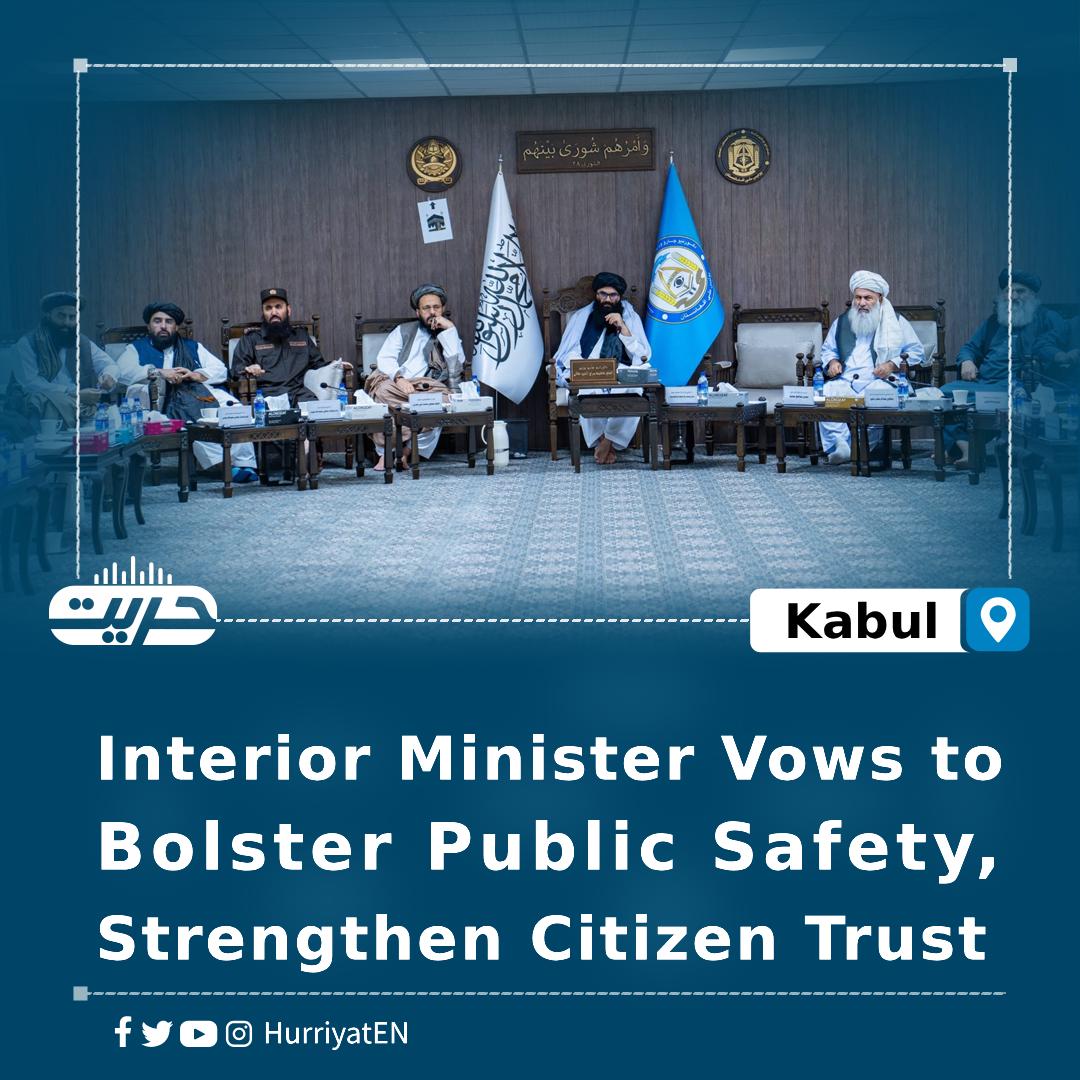
Interior Minister Vows to Bolster Public Safety, Strengthen Citizen Trust
In a meeting at the Ministry of Interior, Khalifa Sirajuddin Haqqani, the Minister of Interior of the Islamic Emirate, underscored a renewed commitment to bolstering both personal and societal safety for Afghan citizens. The Minister directed security forces to intensify their efforts, emphasizing that strengthening public confidence remains a top priority.
According to an official ministry press release, Minister Haqqani also highlighted the urgent need to enforce newly approved legislation from the Islamic Emirate's leadership, specifically tailored for the ministry. Additionally, he called for the swift adoption of robust security protocols to ensure the protection of citizens during the upcoming holy month of Muharram.
The meeting further addressed operational enhancements, including the provision of advanced technical equipment for the Crime Prevention Directorate and the implementation of specialized training programs aimed at elevating the professional capabilities of the directorate’s staff.
50
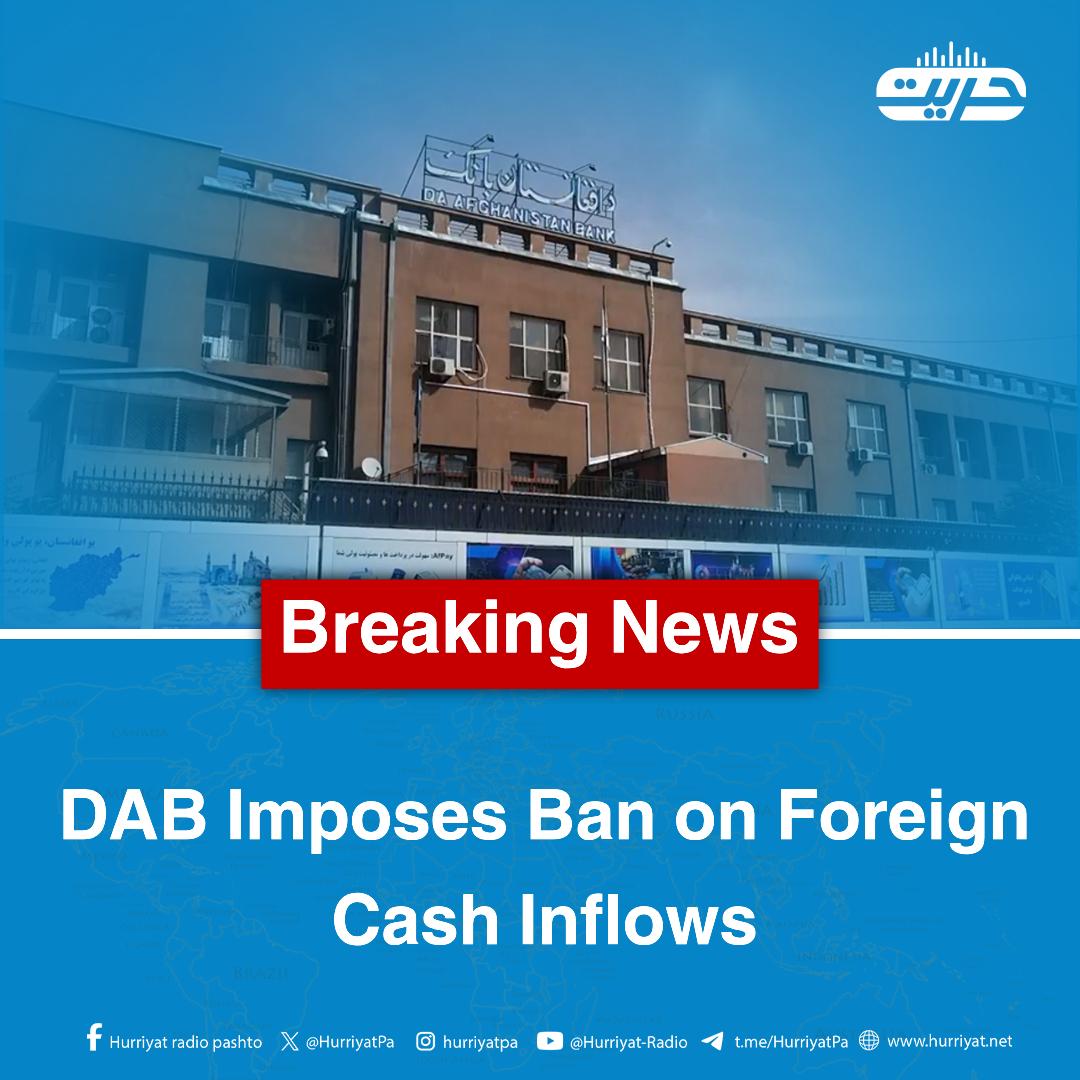
Afghanistan Imposes Ban on Foreign Cash Inflows
Da Afghanistan Bank (DAB) has issued a formal notice appealing to traders, money exchangers, transport firms, and travelers to stop bringing foreign currencies into the country.
In its announcement, the central bank emphasized that the Afghan Afghani now boasts superior stability compared to regional currencies, urging citizens to rely on the national currency for all commercial and daily transactions. Officials described the Afghani as "reliable, trustworthy, and stable."
The bank further stated that widespread use of the Afghani would reinforce the resilience of the nation’s monetary system, calling the move a key step toward economic consolidation.
2
83
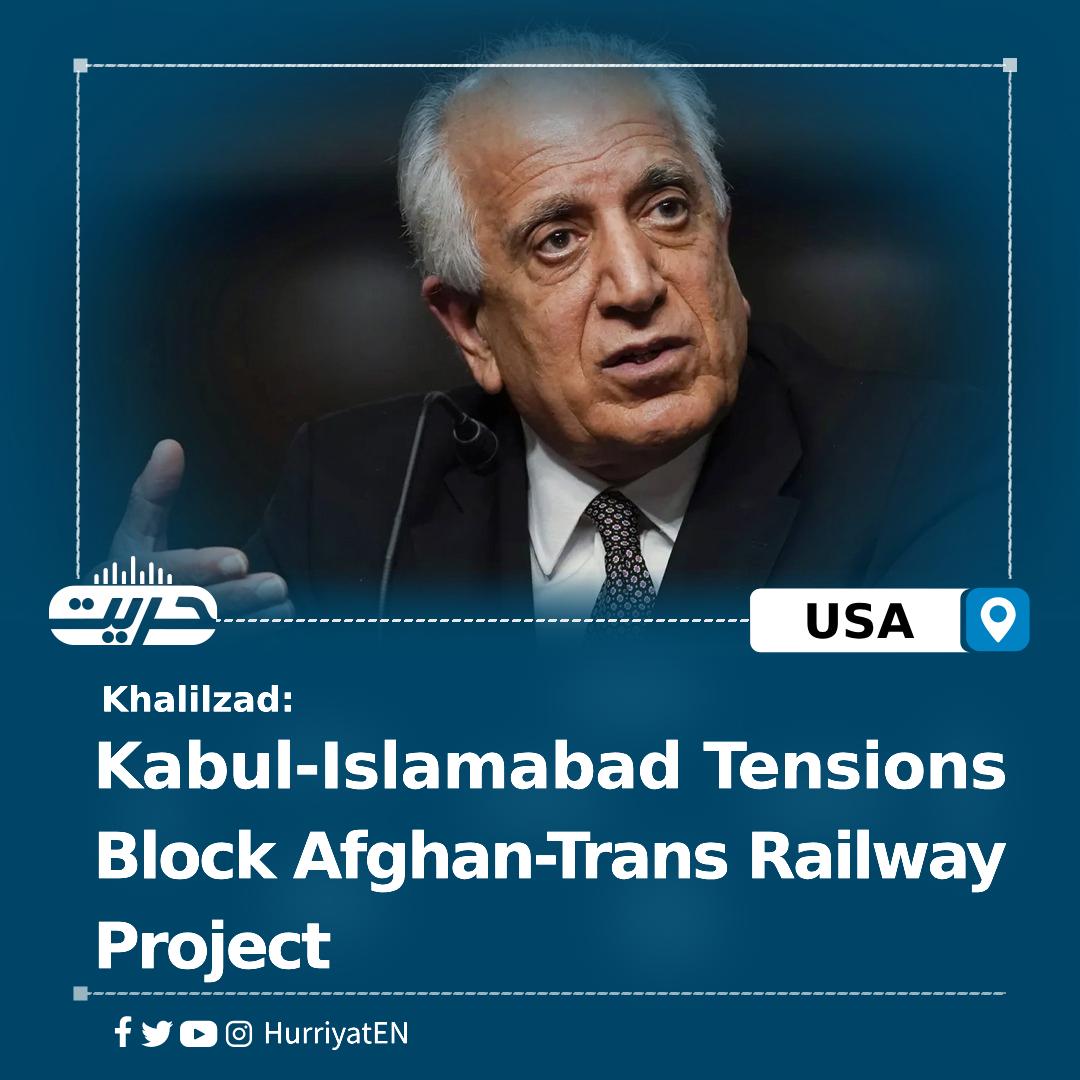
Khalilzad:
Kabul-Islamabad Tensions Block Afghan-Trans Railway Project
Former U.S. diplomat Zalmay Khalilzad has identified the tense relationship between Kabul and Islamabad as a significant barrier to the realization of the ambitious Afghan-Trans railway project.
Speaking on the matter, Khalilzad emphasized that the initiative holds the potential to bolster stability and spur development not only for Afghanistan but also for Central Asian nations and Pakistan. He called on both sides to set aside past grievances and focus on building a cooperative path forward.
His remarks follow recent statements by Uzbek President Shavkat Mirziyoyev, who reaffirmed his country’s active engagement in advancing the railway project.
1
149
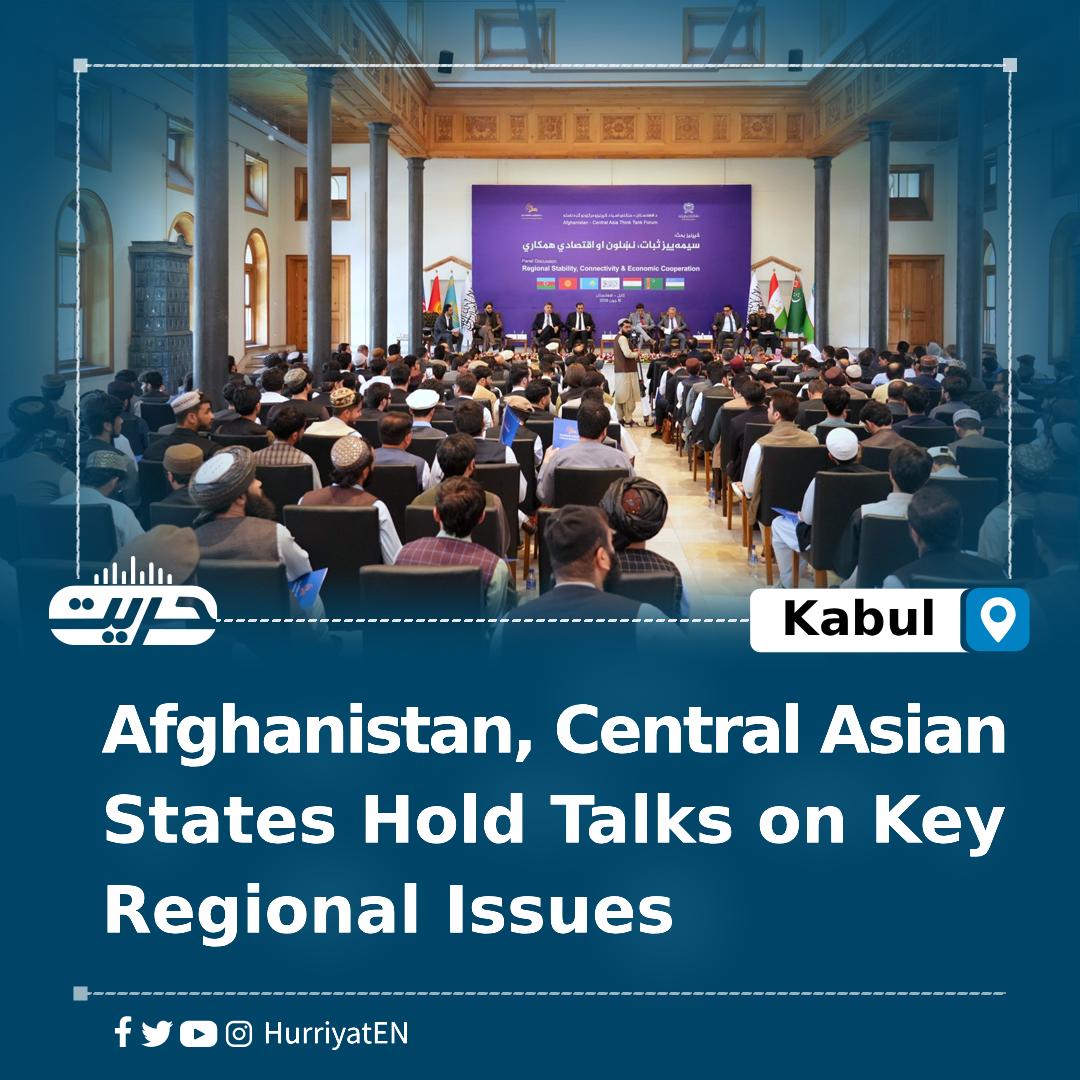
Afghanistan, Central Asian States Hold Talks on Key Regional Issues
The second day of the joint meeting of Afghanistan-Central Asia Research Centers convened in Kabul, with discussions centering on regional stability, connectivity, and economic cooperation, according to the Center for Strategic Studies of the Ministry of Foreign Affairs.
The Center reported that the panel-shaped research dialogue covered key areas including trade, energy, transit, investment, and broader economic ties between Afghanistan and the Central Asian states.
In a statement, the Center expressed optimism that the specialized deliberations would contribute constructively to deepening coordination and strengthening practical cooperation between the parties.
The joint meeting of strategic studies centers from Afghanistan, Central Asia, and Azerbaijan commenced in the capital on Tuesday.
1
2
83
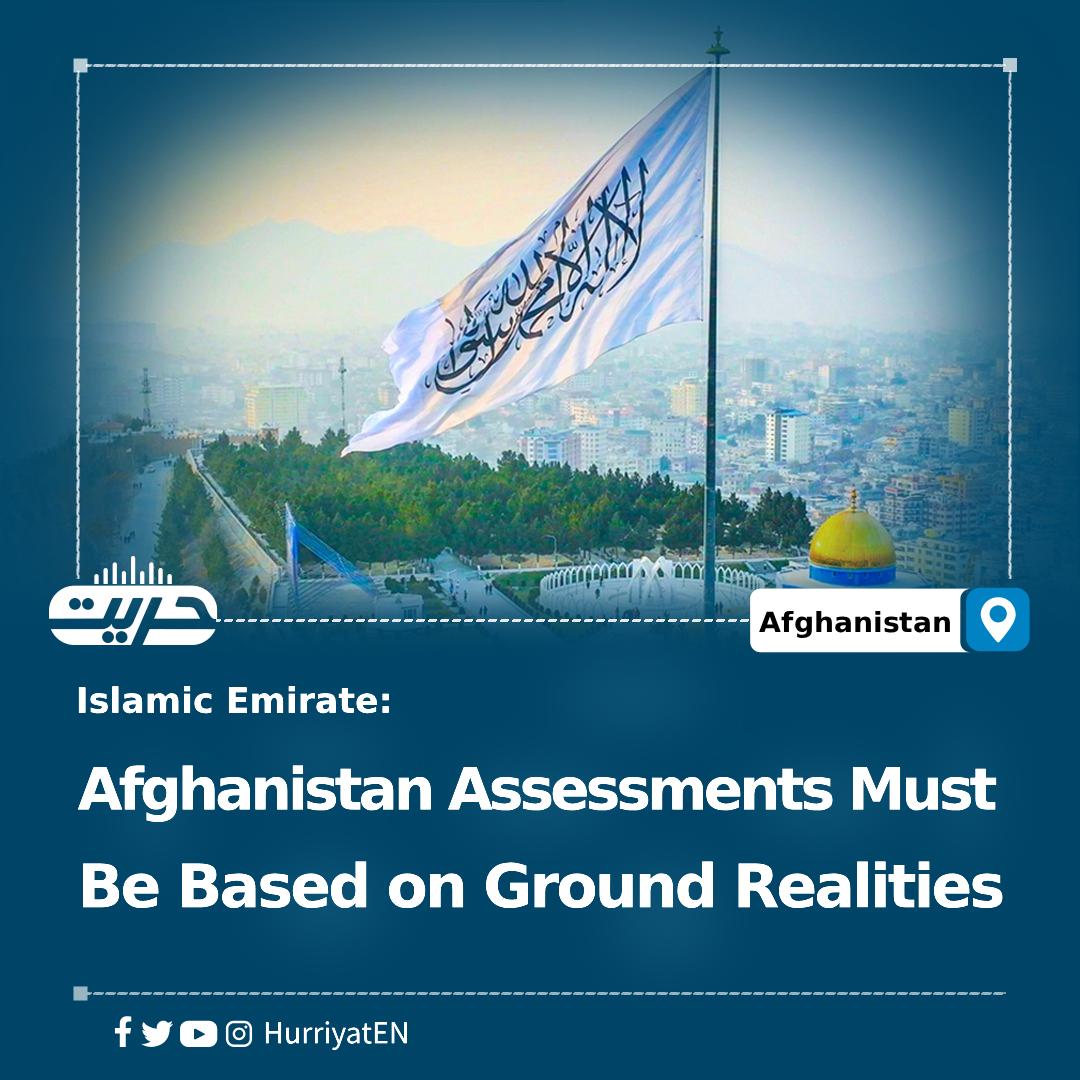
Afghanistan Assessments Must Be Based on Ground Realities
The Islamic Emirate has urged the international community to ground its assessments of Afghanistan in factual realities, rejecting what it described as speculative or biased evaluations.
Deputy Spokesperson Mullah Hamdullah Fitrat stated that while constructive viewpoints and meaningful regional dialogue are welcome, all analyses must reflect the actual situation on the ground.
Emphasizing Afghanistan’s strategic role, Fitrat called the nation a "vital axis" for regional stability, connectivity, and economic collaboration. He encouraged all countries to deepen engagement with Kabul, provided such ties are built on mutual respect and shared interests.
In closing, the official reiterated a call for all stakeholders to align their perceptions with the current realities inside the country.
1
53
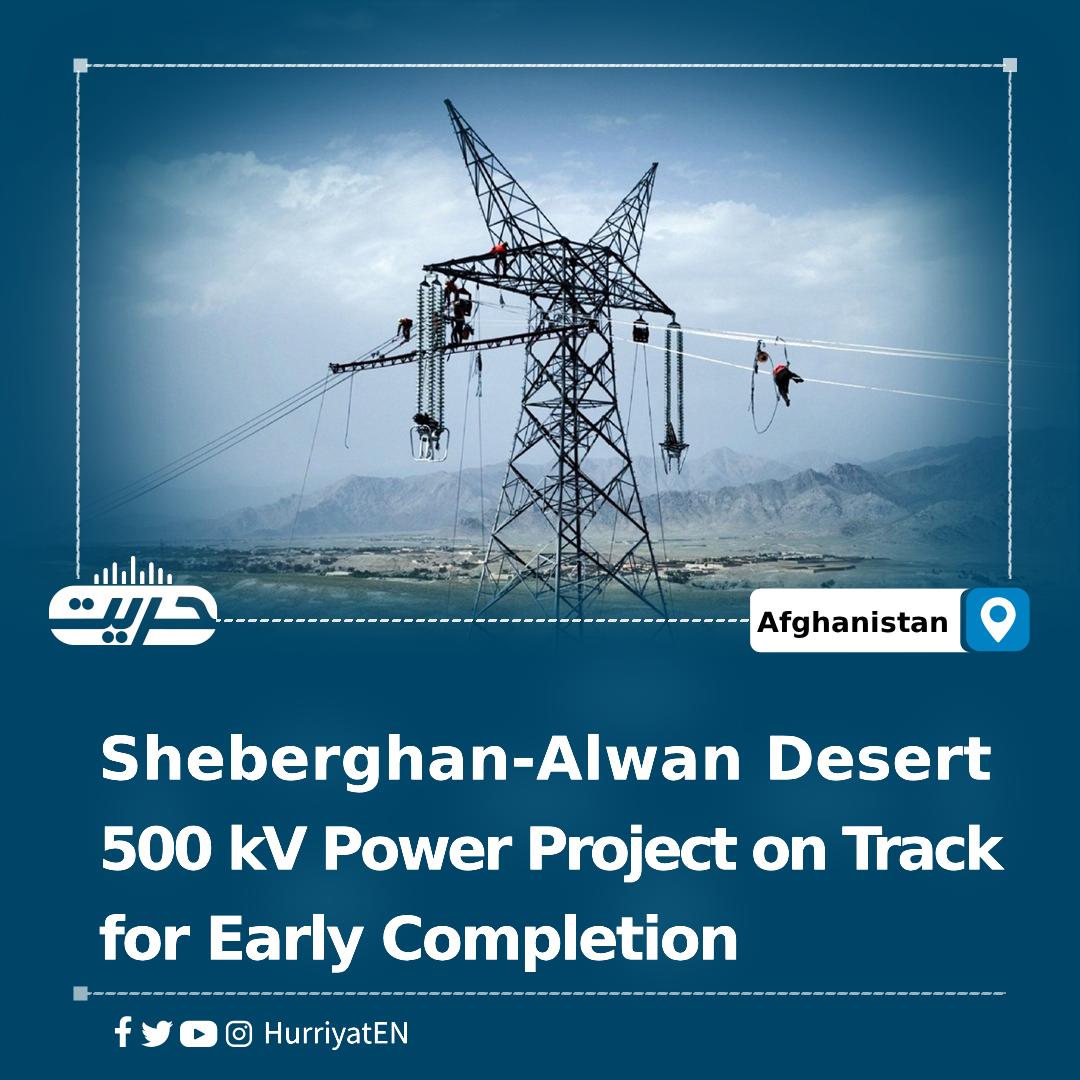
Sheberghan-Alwan Desert 500 kV Power Project on Track for Early Completion
Officials from Afghan Invest Private Company have unveiled key updates on national infrastructure and mining developments during a high-level meeting with Deputy Prime Minister for Economic Affairs Mullah Abdul Ghani Baradar Akhund.
According to the company's representatives, the 500 kV power transmission line extending from Sheberghan to Alwan Dashte, alongside the ongoing expansion of the Alwan Dashte substation, is on track for completion within the next four months. They further briefed the Deputy Prime Minister on exploration advances at the second block of the lead and zinc mine in Ghor province's Tulak district, pledging to finalize all remaining work within the designated timeframe.
In response, Deputy Prime Minister Baradar stressed the importance of establishing an on-site processing plant capable of 100-percent mineral refinement, and directed the company to secure the necessary electricity supply for the facility.
Notably, official data indicates that once operational, the Sheberghan-Alwan Dashte transmission project will enable the import of 1,000 megawatts of electricity from Turkmenistan. The initiative is expected to provide power to 6 million rural families while generating an estimated $42 million in annual revenue for the national treasury.
6
114
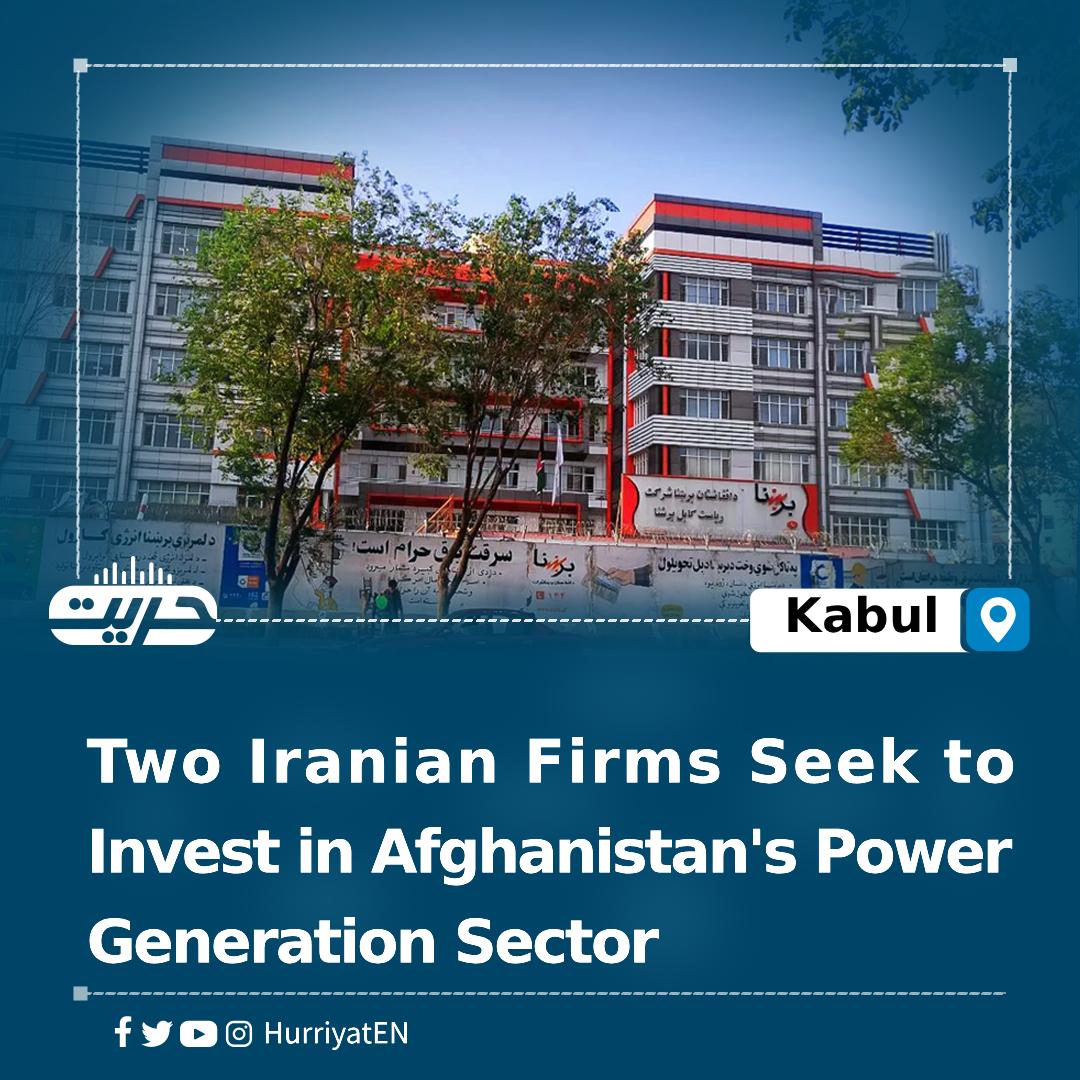
Two Iranian Firms Seek to Invest in Afghanistan's Power Generation Sector
The Afghanistan Breshna Sherkat (DABS) has announced that its head, Mullah Abdul Haq Hammar, held talks with officials from Iranian companies at his office regarding investment in the power generation sector, sales of electrical equipment, and power network development.
The DABS chief described investment in energy production and electrical infrastructure as vital for strengthening bilateral economic ties between Afghanistan and Iran, and welcomed the interest shown by Iranian investors in the sector.
According to the company, Iranian firm representatives presented their proposals on the production and supply of electrical equipment to the DABS leadership during the meeting.
1
3
150
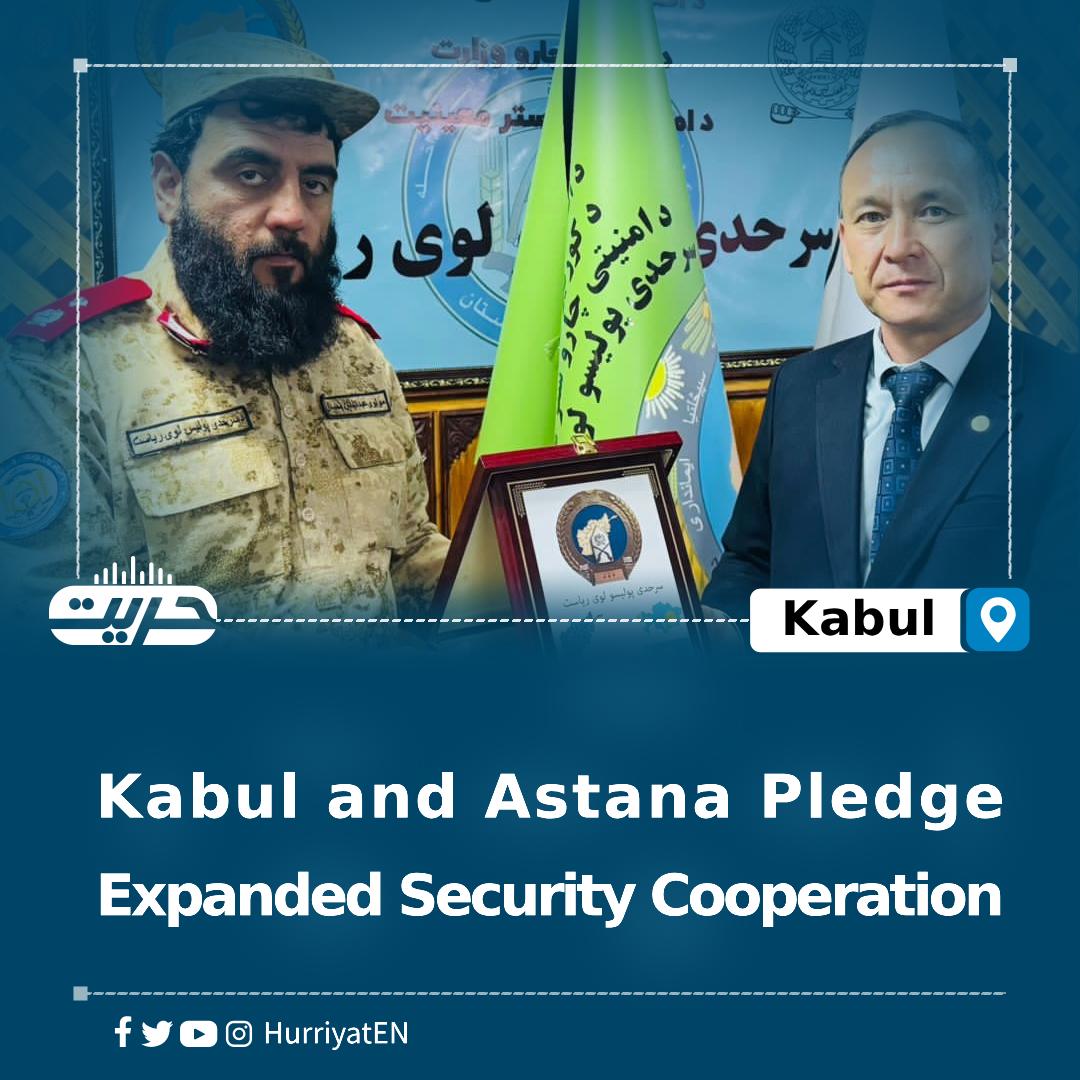
Kabul and Astana Pledge Expanded Security Cooperation
The Ministry of Interior has announced that Maulvi Abdul Manan Hassan, Military Deputy of the Border Police, held a meeting with Gaziz Akbasov, Kazakhstan's Ambassador to Kabul, along with his accompanying security delegation.
According to the ministry, the two sides discussed and exchanged views on expanding security cooperation, improving the overall security situation, and reviewing shared security concerns.
In a press release, the ministry stated that officials from both countries expressed satisfaction with the strengthening of bilateral cooperation and the development of security ties, while emphasizing the importance of continued joint collaboration.
1
76
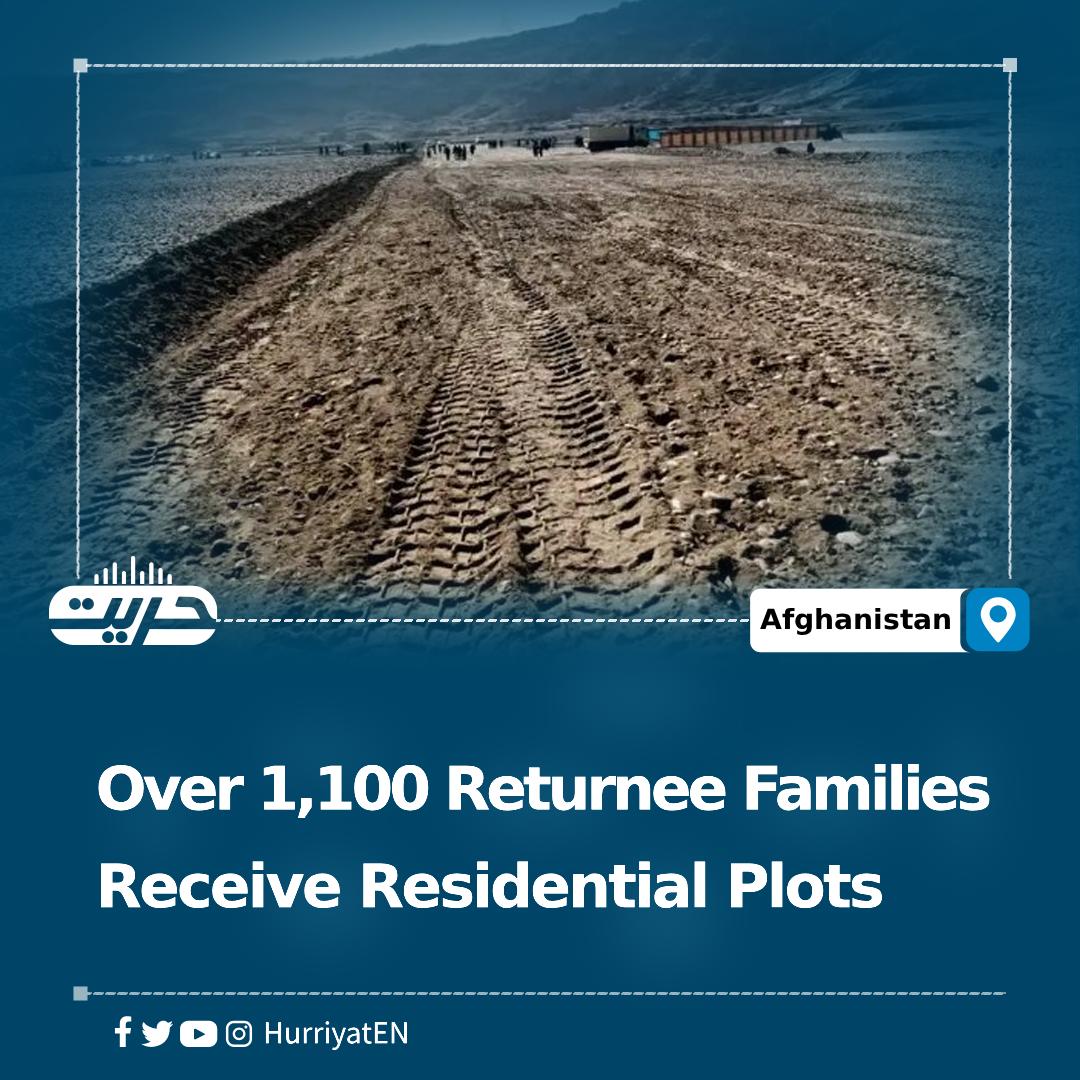
Over 1,100 Returnee Families Receive Residential Plots
The Permanent Settlement Committee of the High Commission for the Resolution of Refugees announced that residential land was distributed to 1,102 recently returned families yesterday.
In a press release, the committee confirmed that the plots were allocated across six provinces: Nangarhar, Farah, Helmand, Samangan, Nimroz, and Balkh.
Separately, Mullah Hamdullah Fitrat, deputy spokesman for the Islamic Emirate, stated that the land distribution program for returnees remains ongoing, with more than 47,000 plots already handed over to families in various regions nationwide.
He emphasized that the initiative aims to provide permanent housing and long-term support to Afghan families who have returned home after years of displacement abroad.
4
100
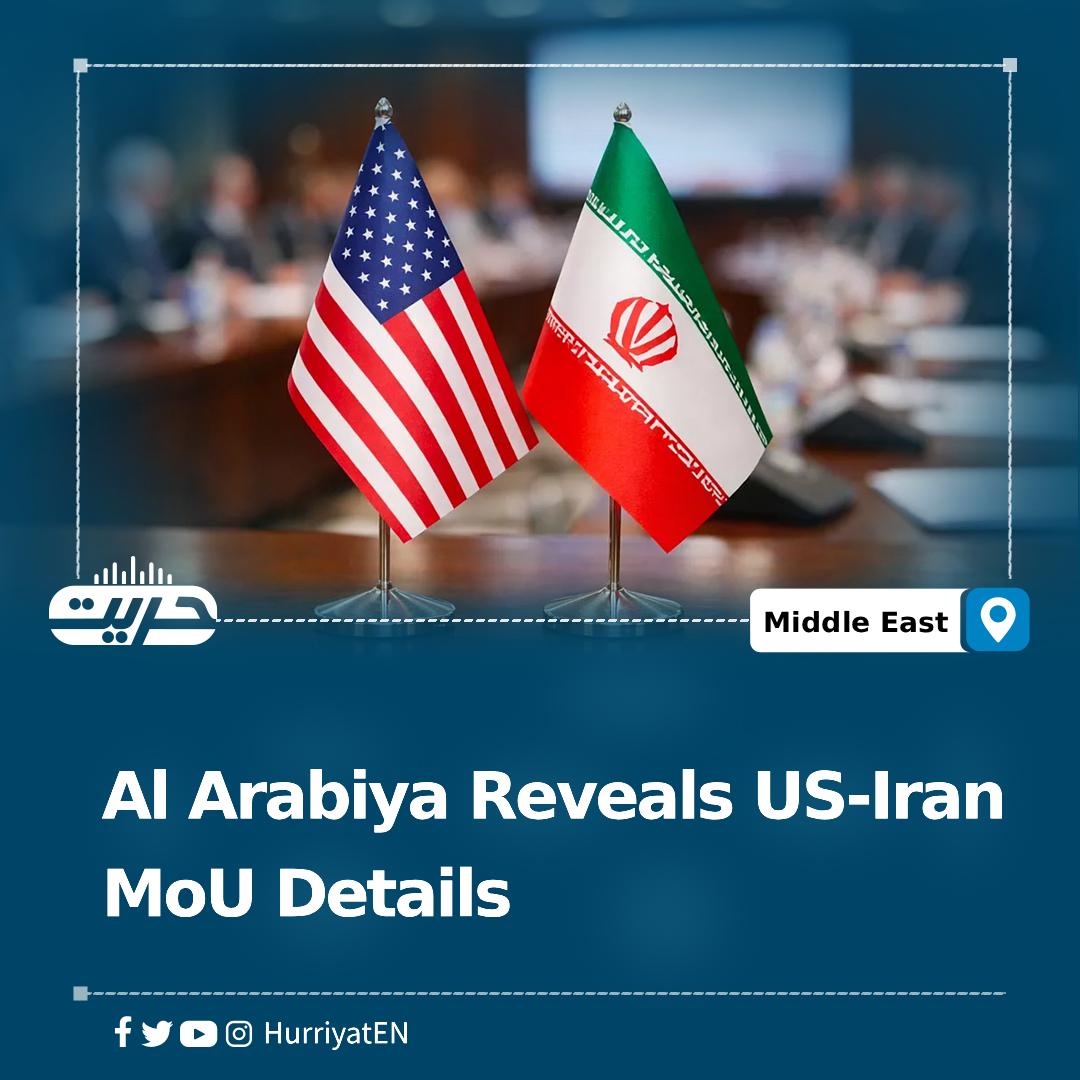
Al Arabiya Reveals US-Iran MoU Details
Dubai-based Al Arabiya has obtained what it describes as a draft memorandum of understanding between Iran and the United States, outlining a framework for ending hostilities and initiating formal negotiations.
According to the network, the 14-point document calls for an immediate ceasefire, the launch of talks toward a final agreement within 60 days, the lifting of maritime restrictions, and the provision of oil and banking exemptions prior to any final deal. The text also reportedly allocates approximately $300 billion for Iran's post-conflict reconstruction.
Under the proposed plan, the United States would commit to immediately issuing exemptions for Iranian crude oil, chemical products, and their derivatives upon signing the memorandum — with those exemptions remaining in place until full sanctions relief is implemented.
However, a U.S. official told The Wall Street Journal that the continuation of any such exemptions would depend on Iran's compliance with American demands regarding its nuclear program and actions in the Strait of Hormuz.
As of now, neither Tehran nor Washington has issued an official response to the reported text.
1
3
115
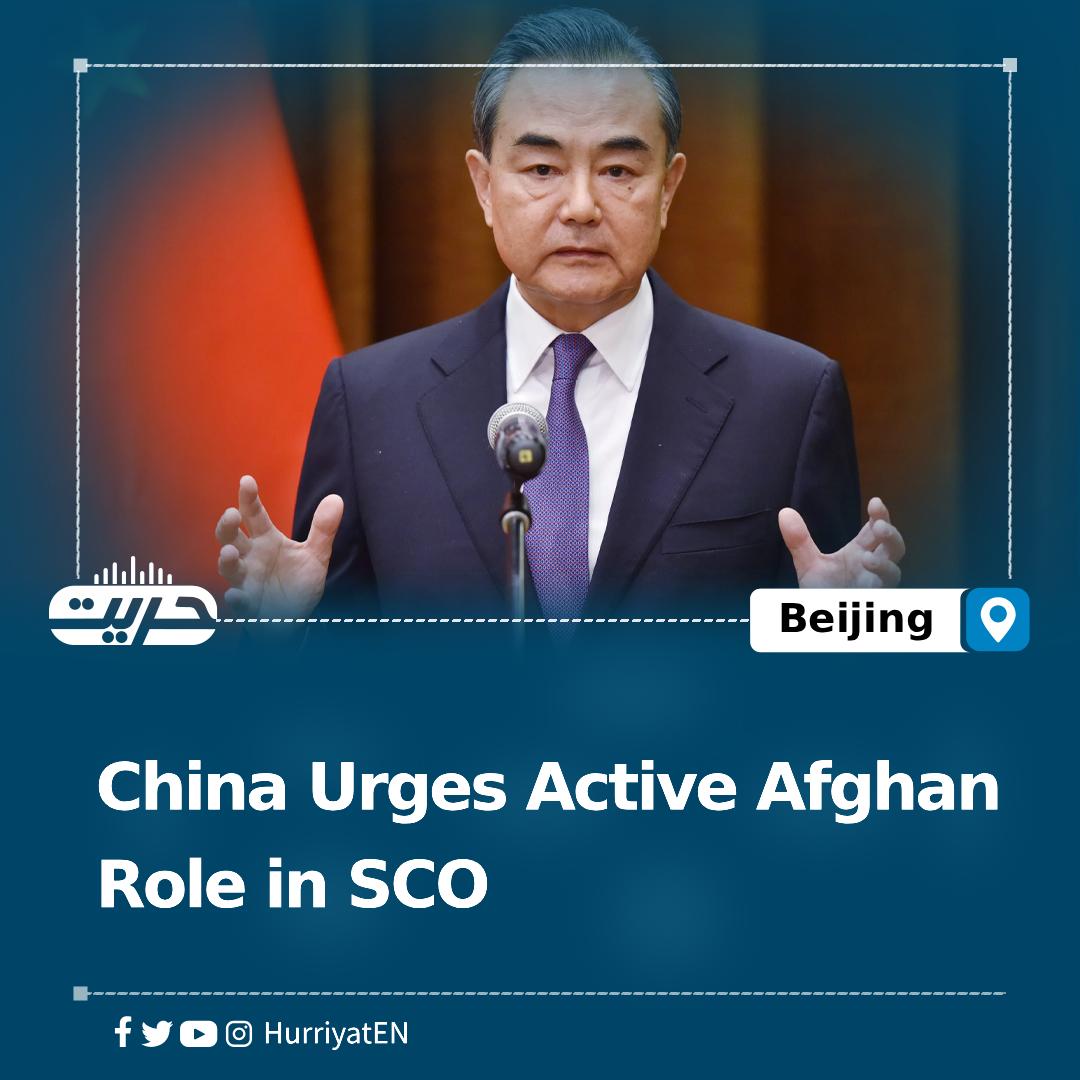
China Urges Active Afghan Role in Shanghai Cooperation Organization
Chinese Foreign Minister Wang Yi called on the Shanghai Cooperation Organization (SCO) to take on a more active and constructive role in regional stability, particularly in the Middle East, as the bloc marked its 25th anniversary.
Speaking at the commemorative ceremony, Wang emphasized that the SCO should pursue serious and practical engagement in Afghanistan's reconstruction efforts, urging the organization to step up its involvement.
He further stressed that enhanced regional cooperation and coordination among member states could significantly contribute to maintaining stable security and supporting the economic development of vulnerable nations, including Afghanistan.
3
4
160
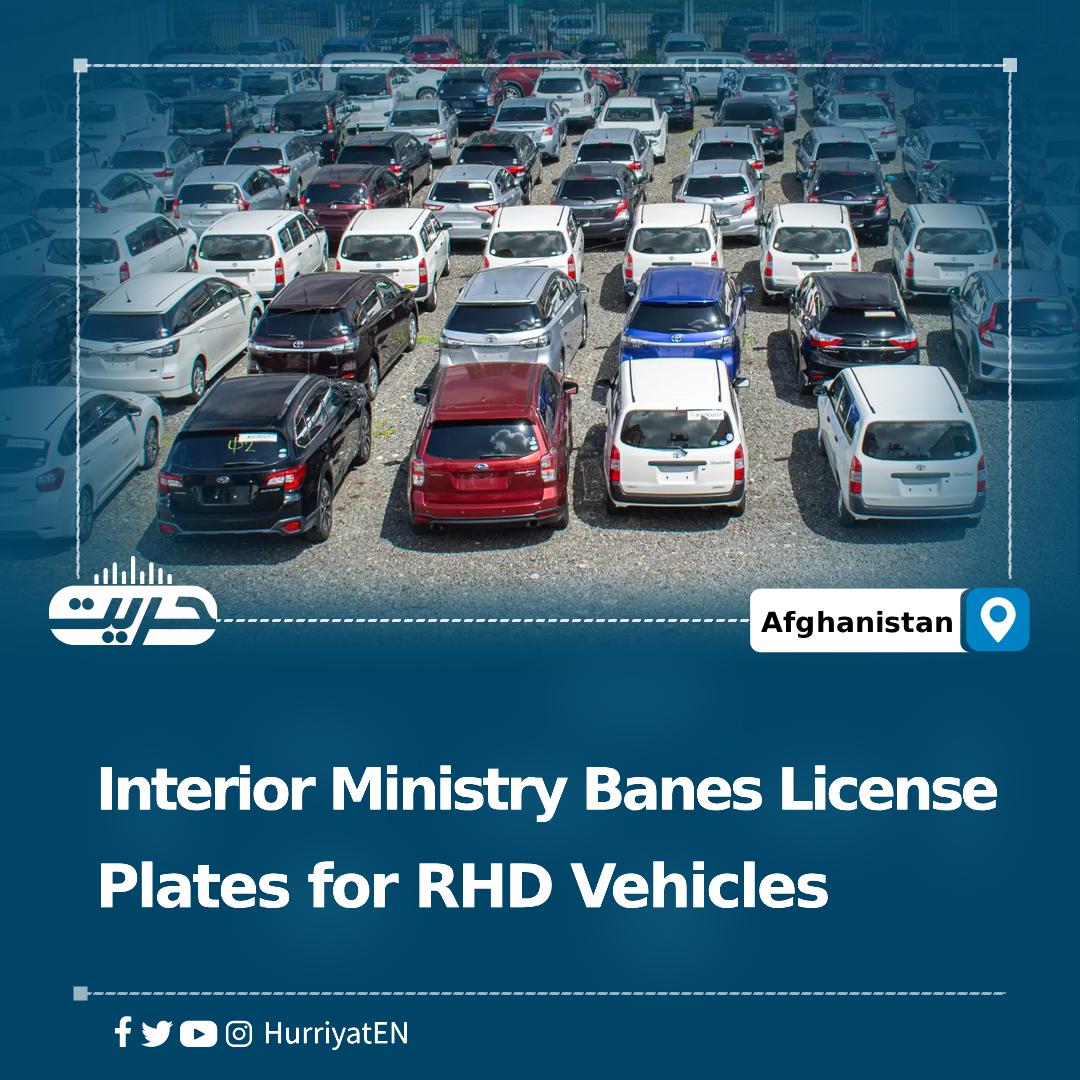
Interior Ministry Banes License Plates for RHD Vehicles
The Ministry of Interior has announced an immediate halt to the issuance of lincenc plates to vahicles that are against the Afghanistan standered side (those vahicles with left hand drive) according to spokesman Abdul Matin Qane.
In a media briefing, Qane stated that all vehicles currently displaying such plates will be removed from Kabul city.
He further noted that talks are ongoing among multiple agencies over a broader plate-replacement initiative, though no final decision has been reached.
1
78