
Assistant AD for S&C/Assistant Head Coach TXST Football #REALtraining™️
Joined October 2009
- Tweets 4,832
- Following 2,992
- Followers 13,476
- Likes 42,138
1,031 Photos and videos

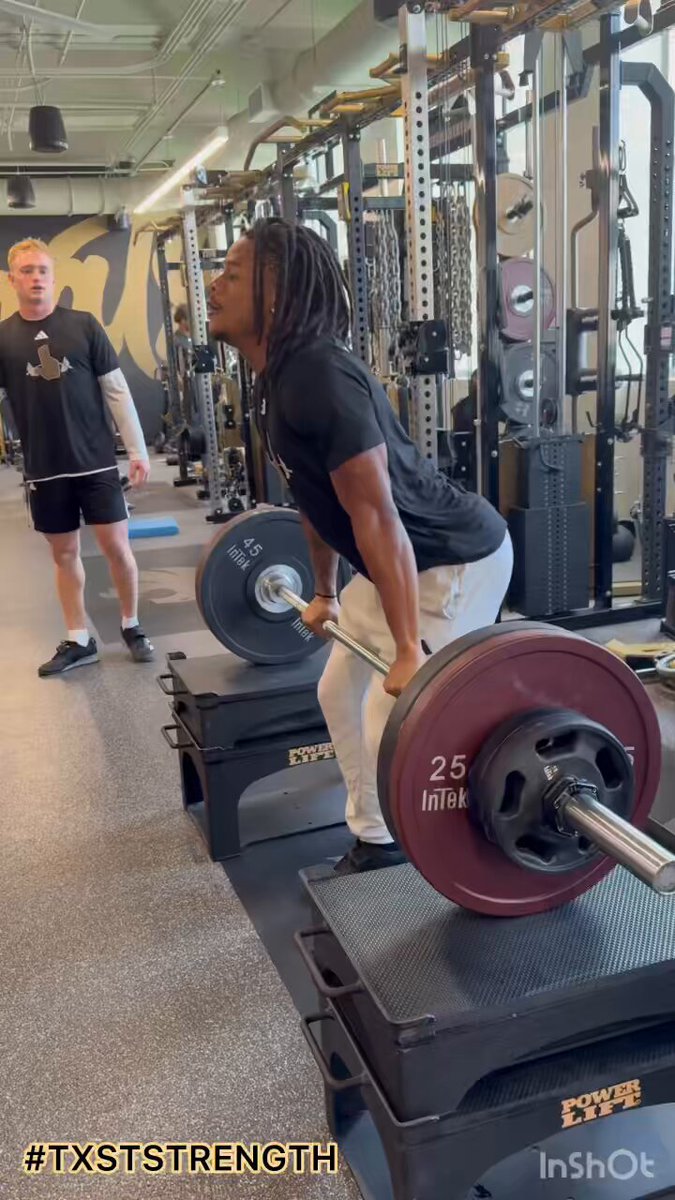




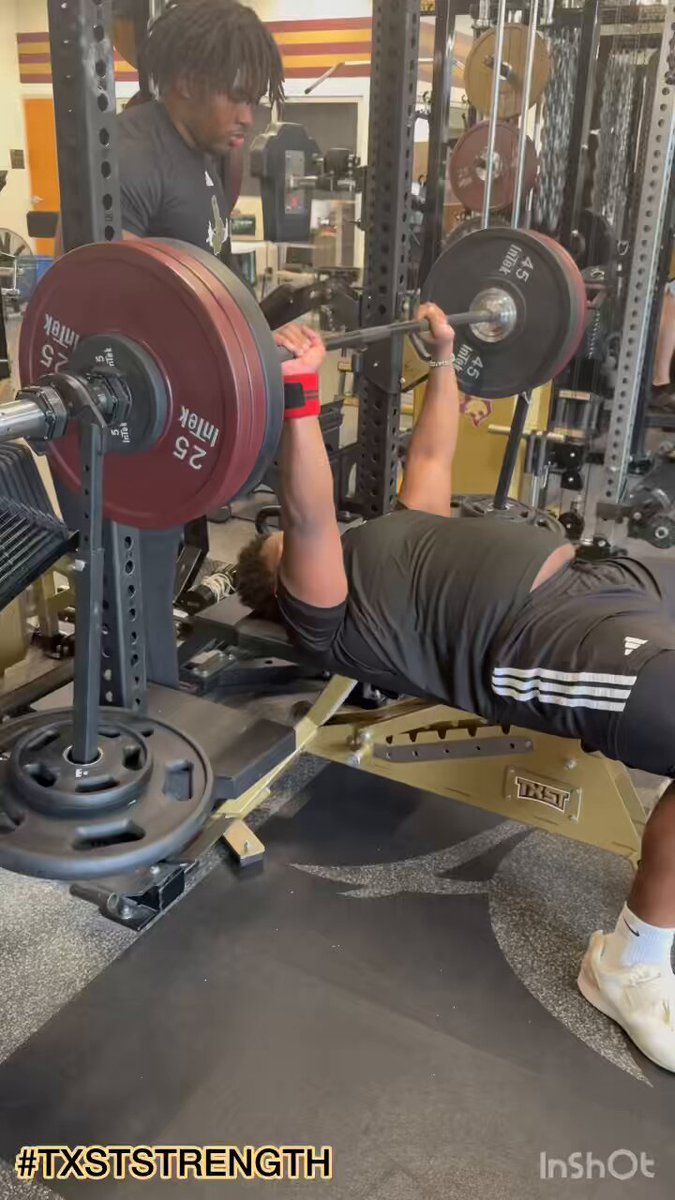


Jun 11
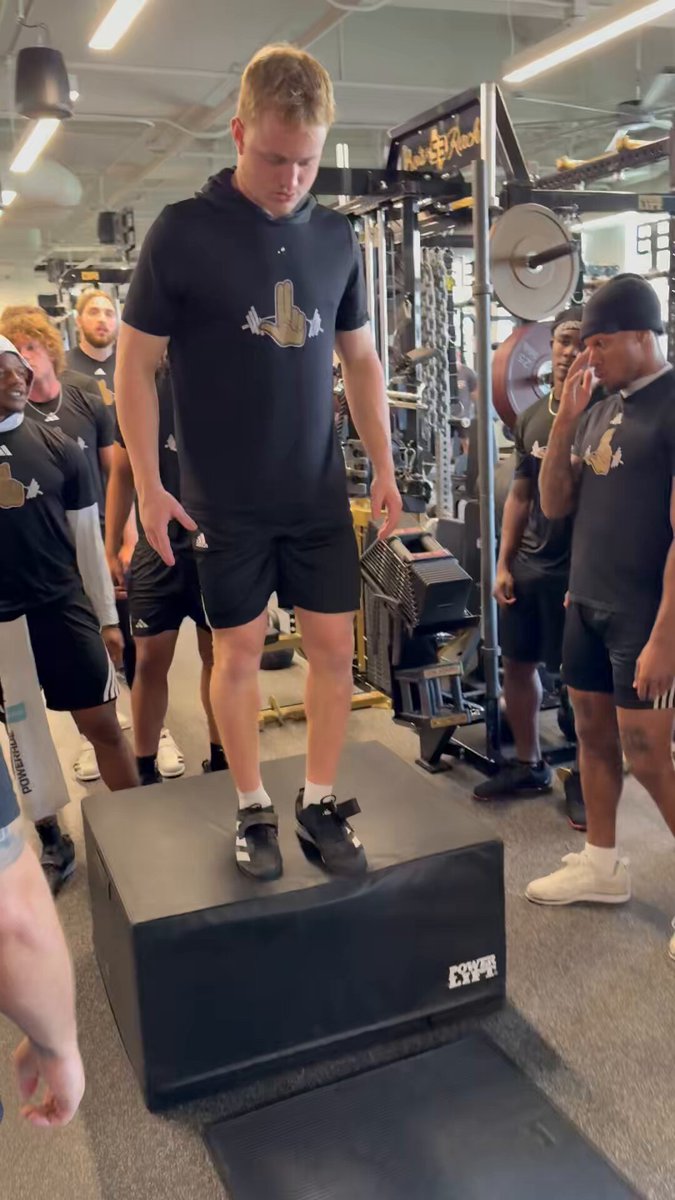
Summer Training W3D3 (High)
The Rx
Manuel ISO LL HS ECC HS Curl
2x15s 10/10
Copenhagen
x10/10
Drop Jumps
x10
Big/Mid/Skill
6/12/18” Drops
Goal GCT: .2-.3
Clean
5x1
70/75/80/85/85
High Block Clean 3x3
50/65/70
RDL
3/3/3/7/7
75/80/85/70/70
Band Speed Squat
6x3
35-45% w/ 30% band tension
Goal Velocity: .95-1.05
Aux
HS Gliders 2x8/8
Cart Lateral Squat 2x8/8
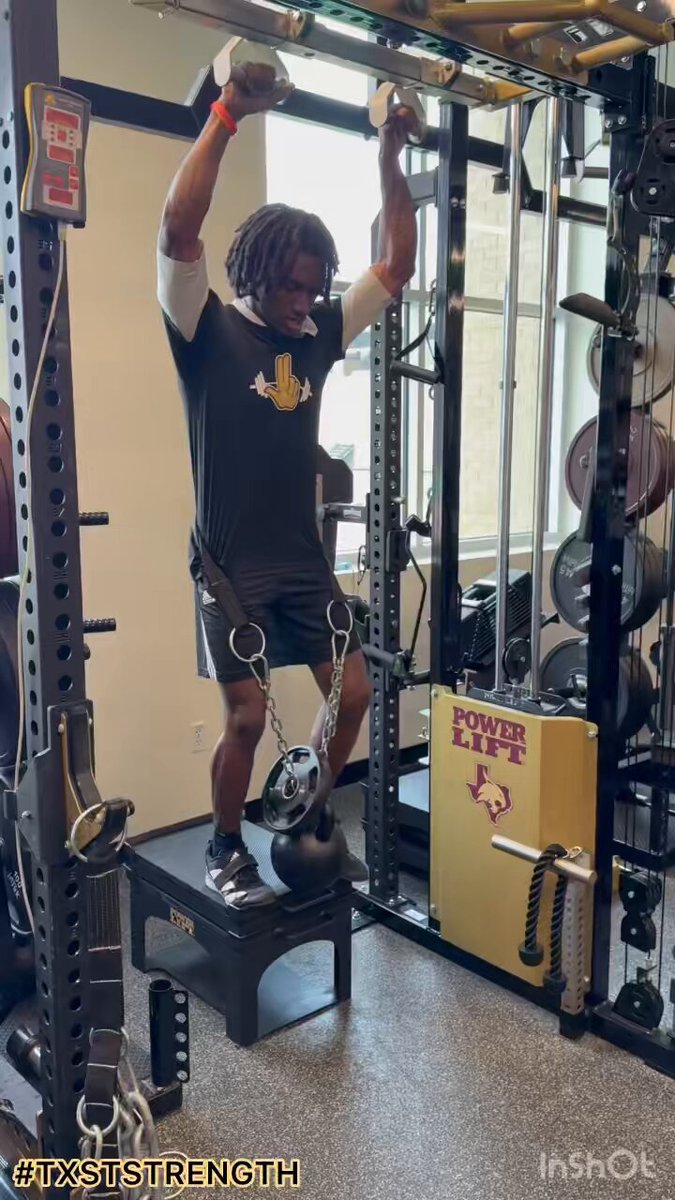
Reverse Hyper 2x12
Hand Assisted SSB Calf Raise 2x12
#REALtraining @ #TXST
3
26
5,572
Jun 9
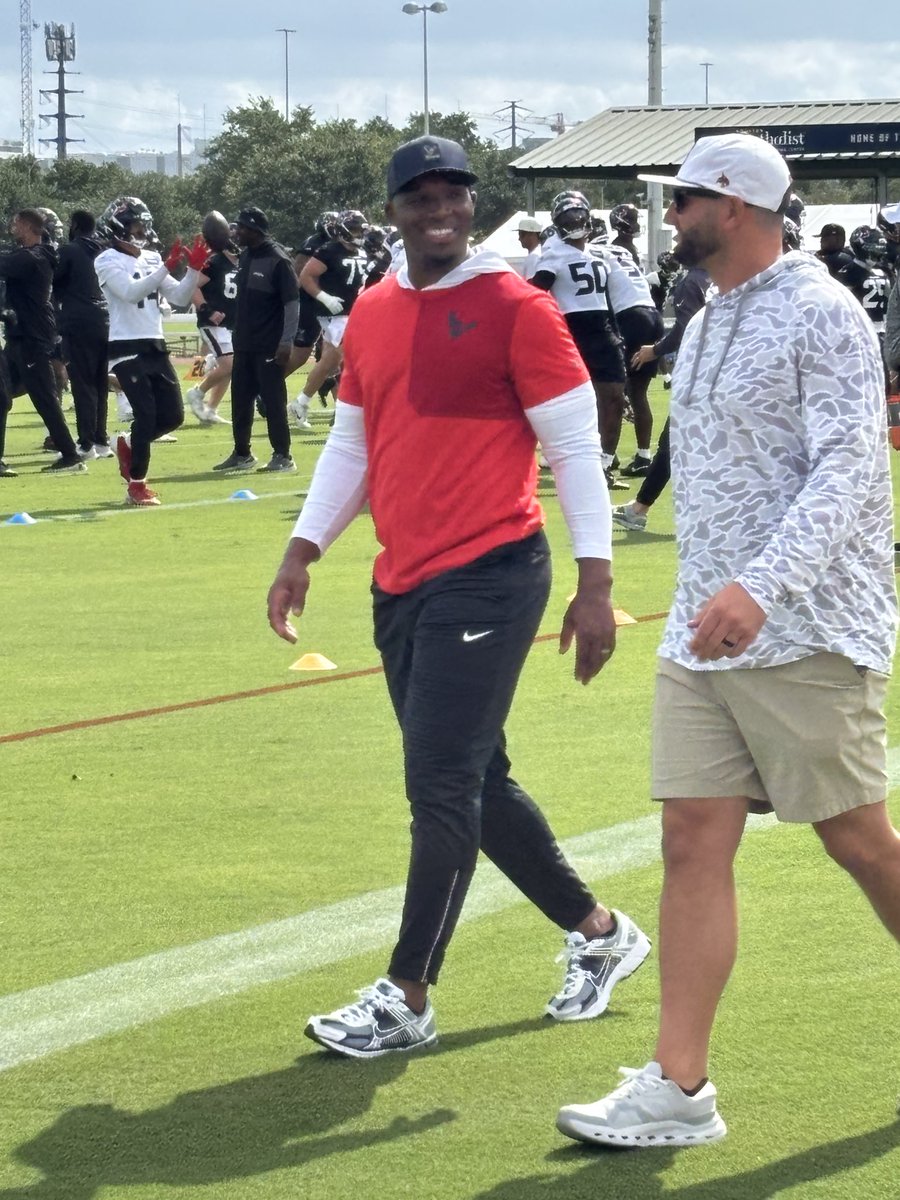
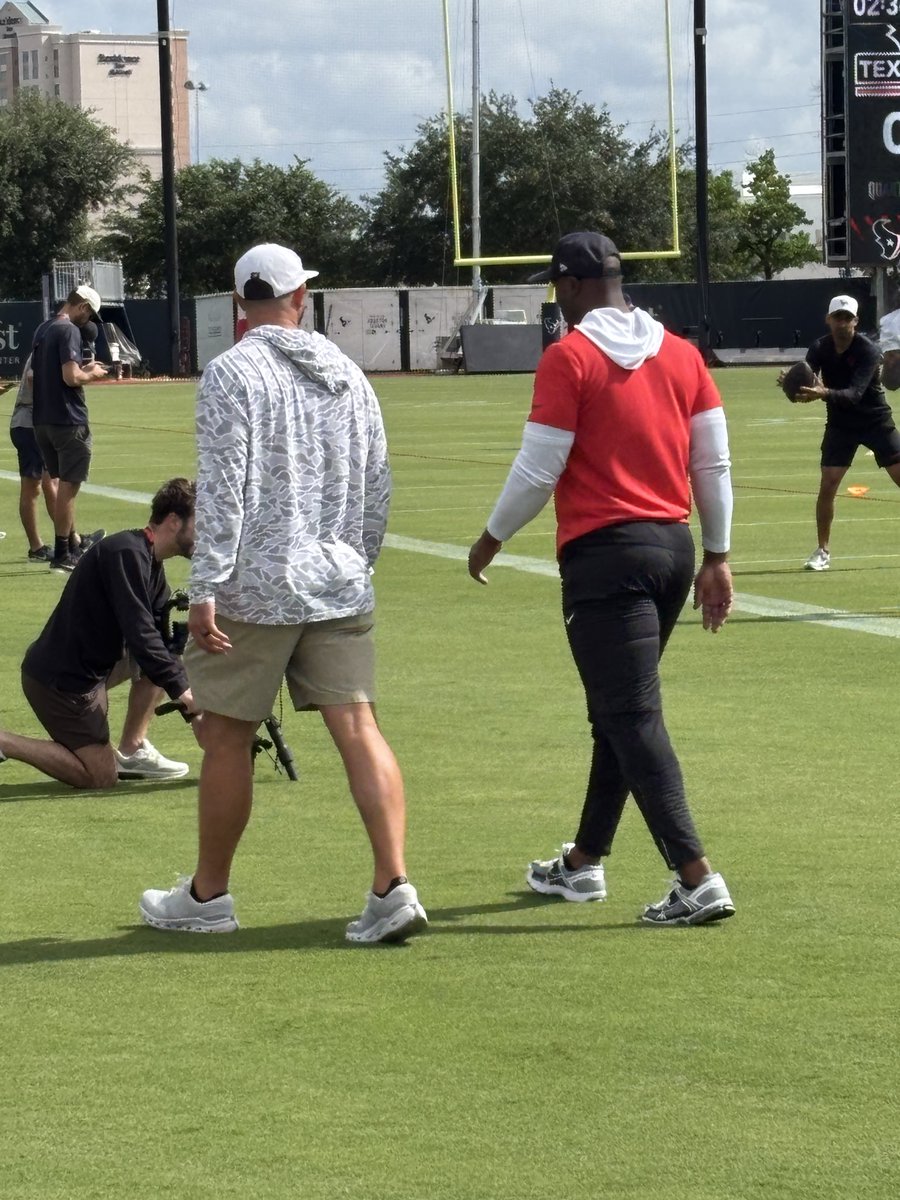
BOSS MAN
@GJKinne

Texas State Head Coach @GJKinne is hanging out with DeMeco Ryans at #Texans practice this morning! 🏈 #Htownmade #EatEmUp @TXSTATEFOOTBALL @txst
4
35
1,973
Jun 5
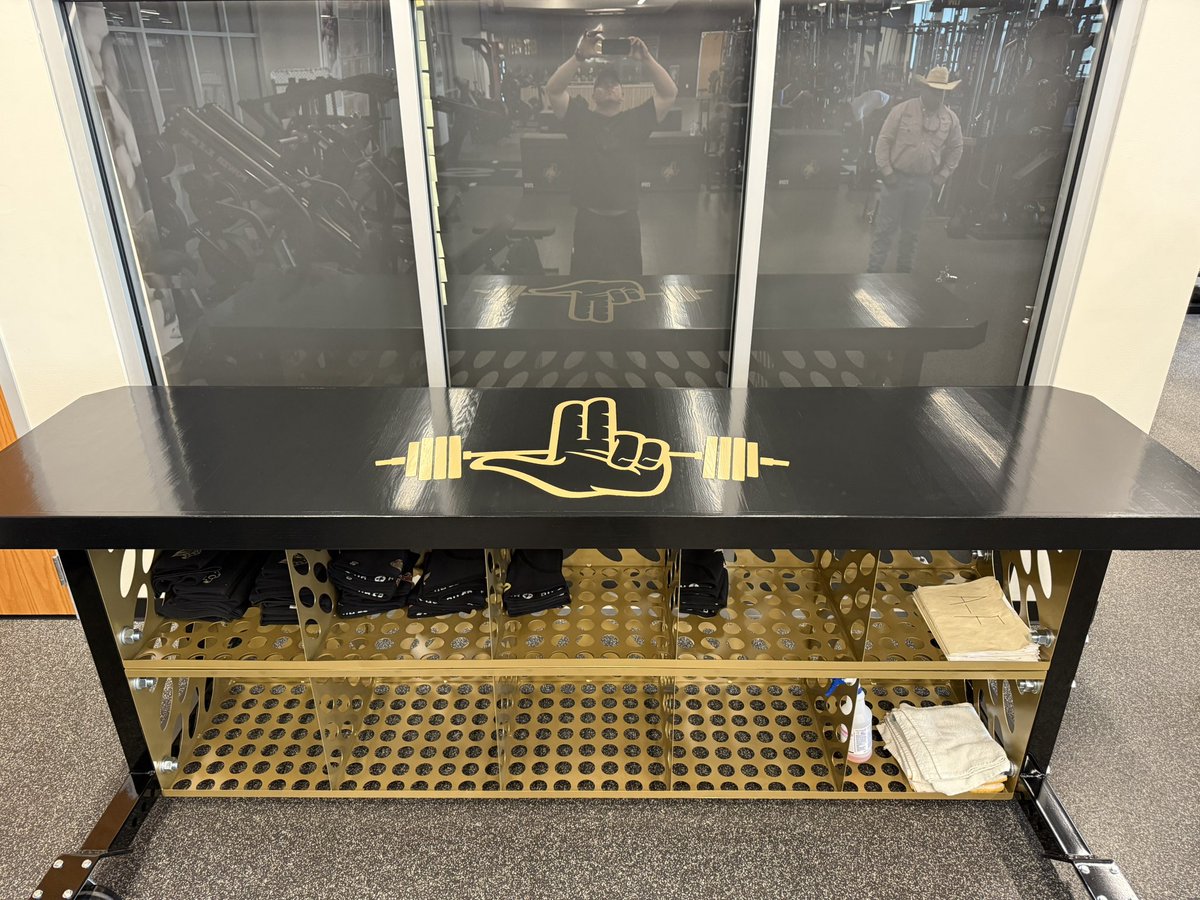
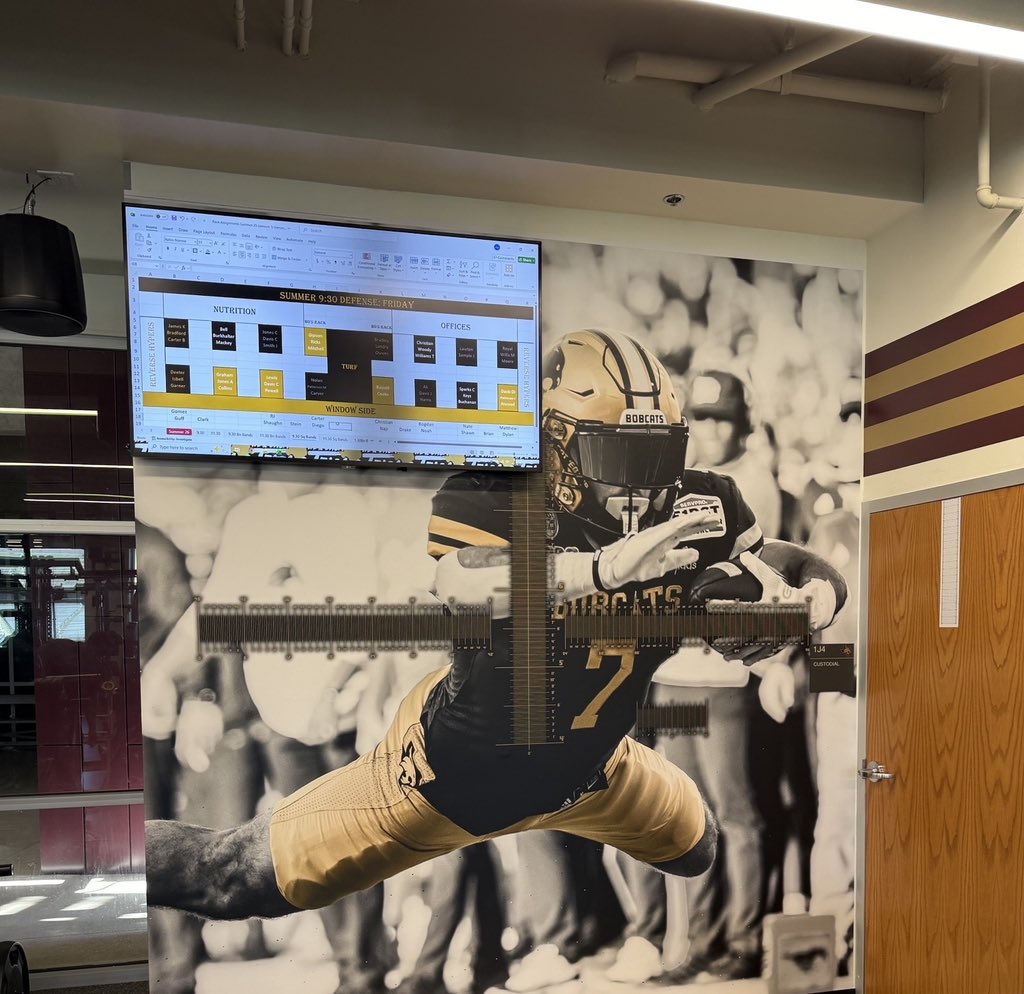
Big Time Upgrade! Thanks to the man, myth and legend Bo!
Special thanks to @missyMmcbeth, @PBMstrong, @powerlift_tx and @power_lift for knocking this out of the park for us.
1
3
15
1,653

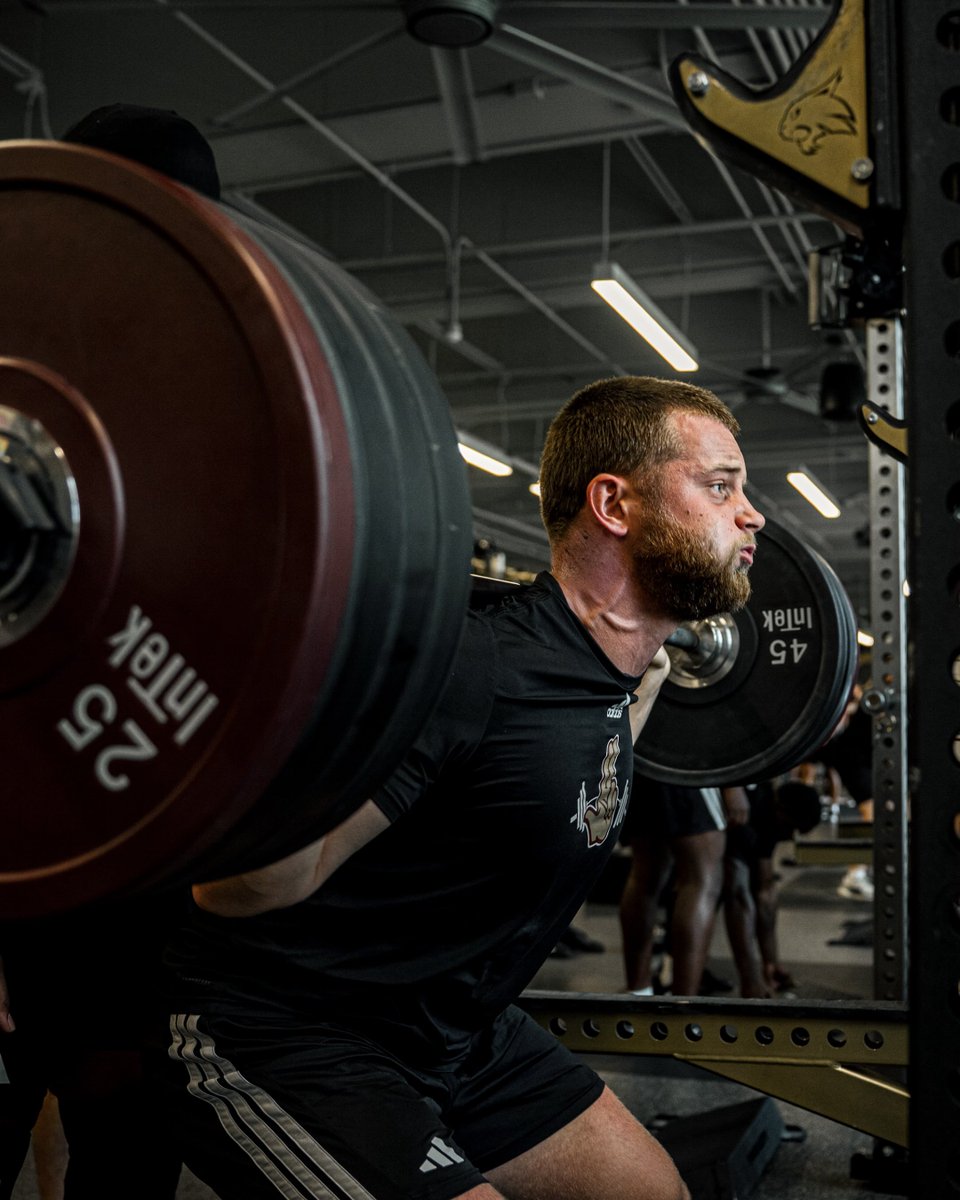
May 27
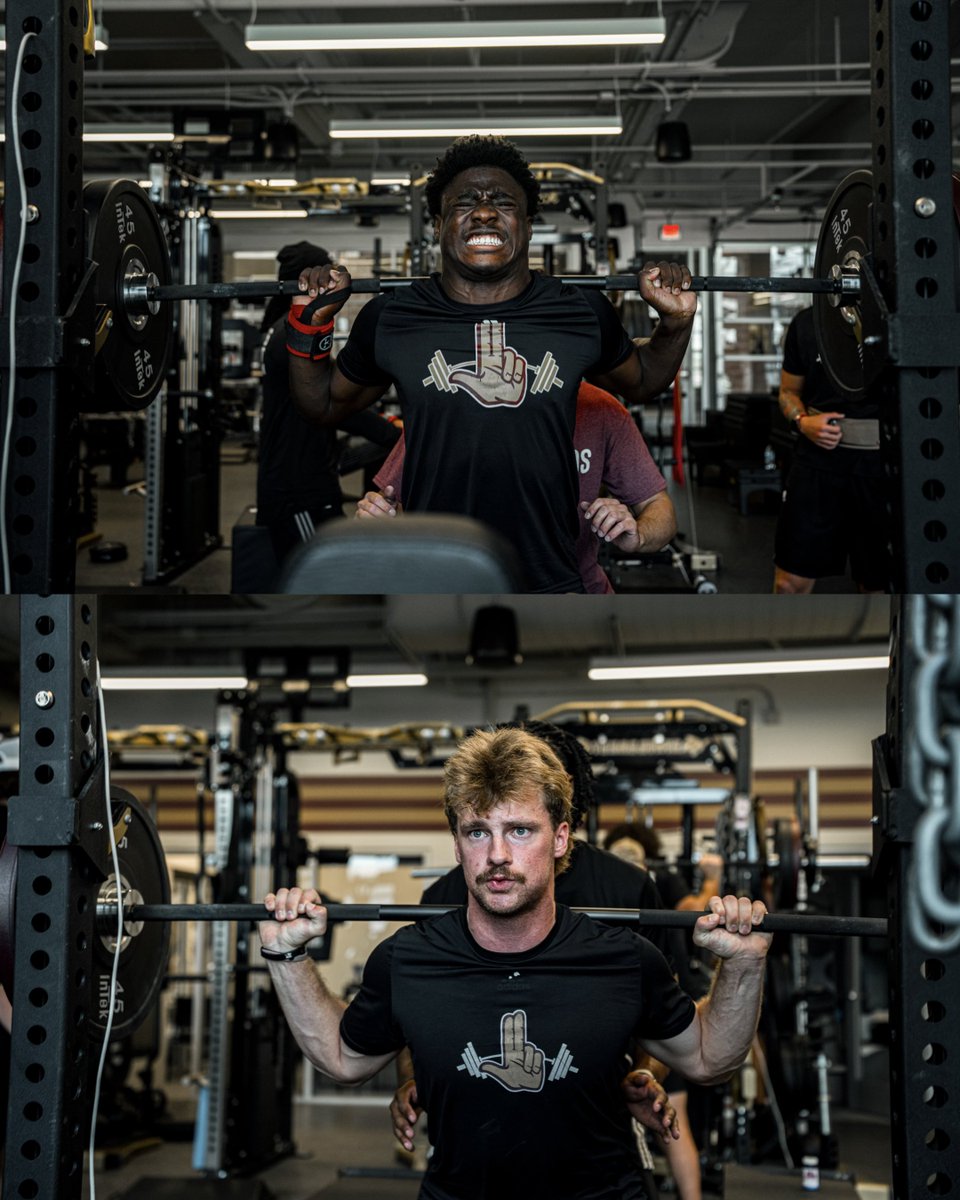
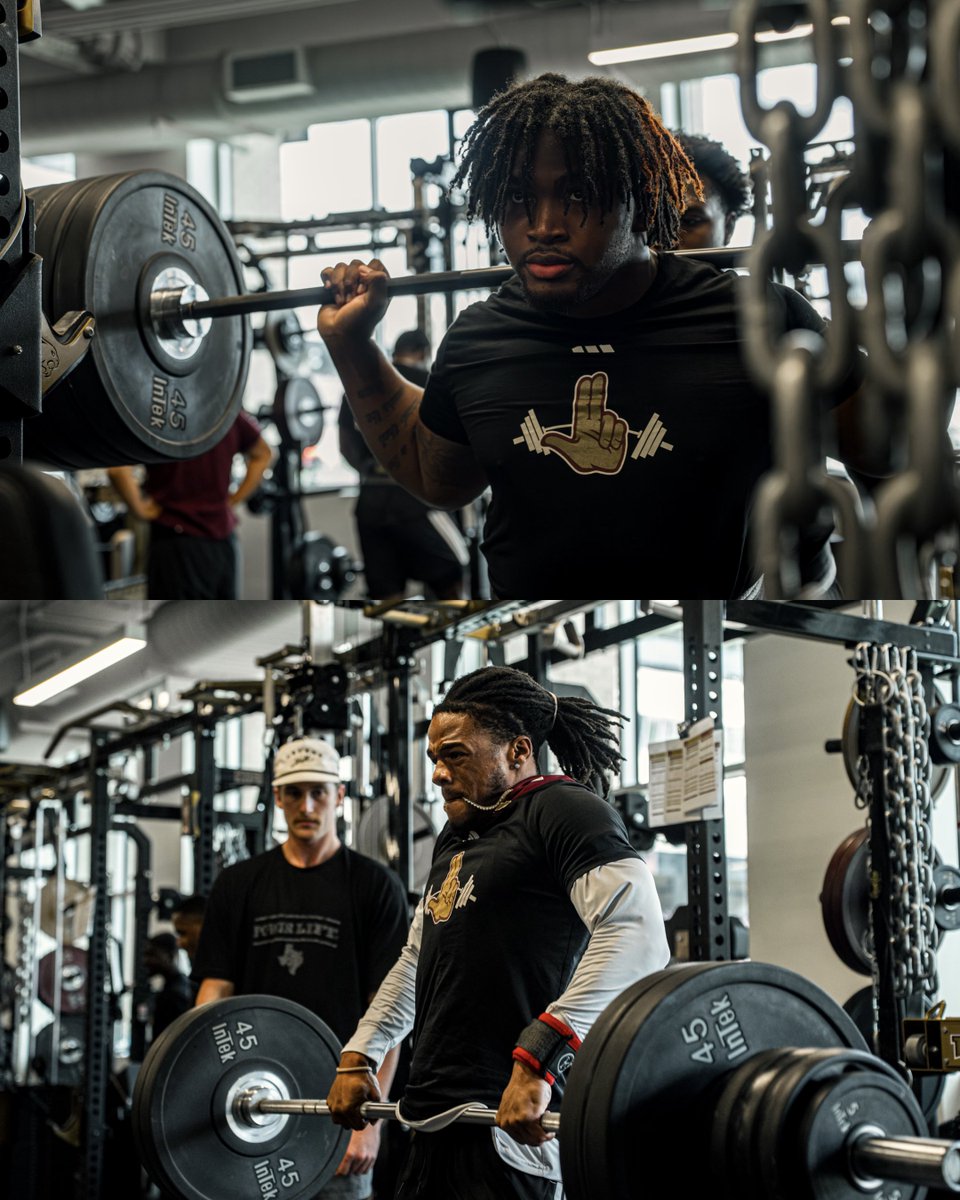
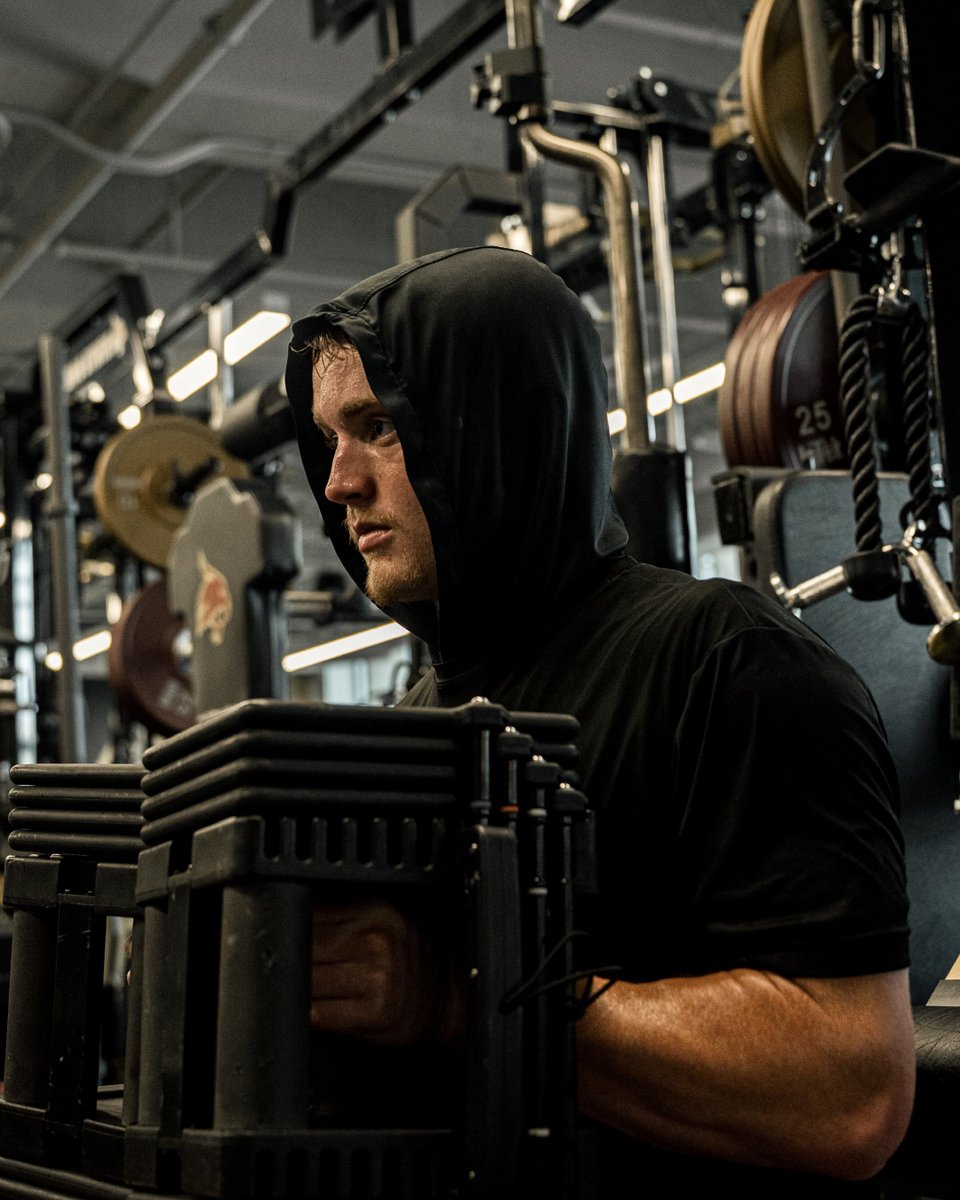
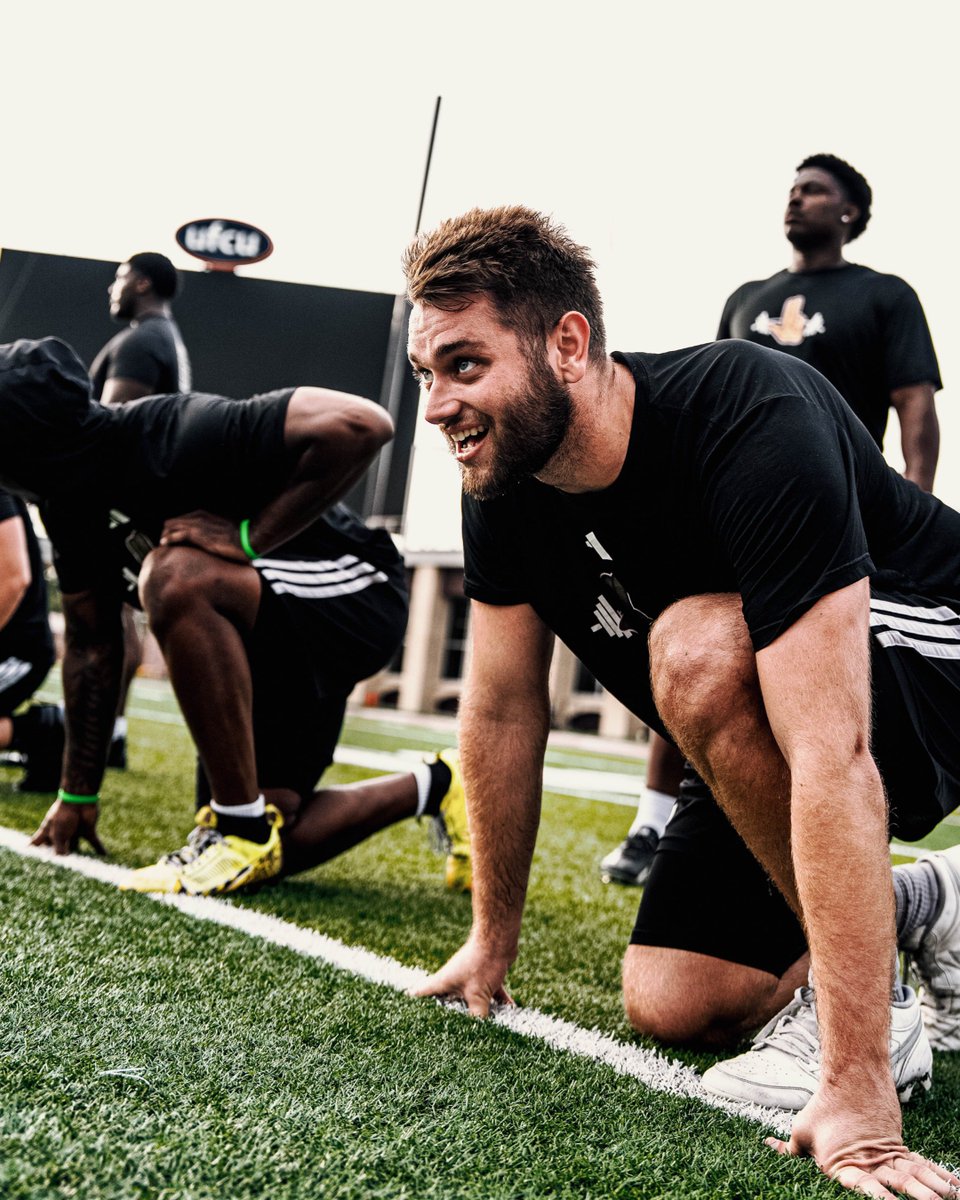
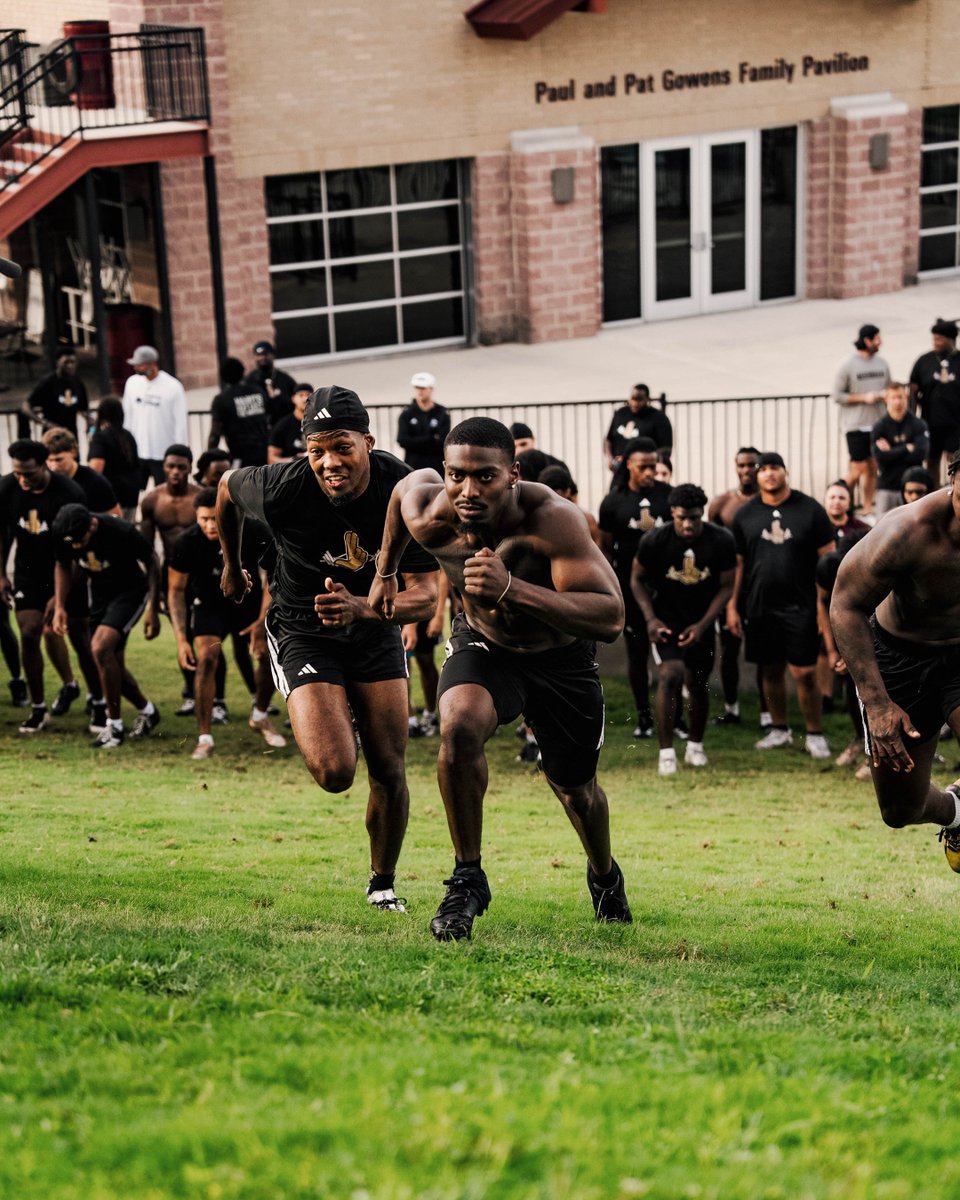
Extensive Plyos: Rudiment Series
Intensive Plyos: Pogos/Tuck Jumps
Power-Speed: A-Series
Soft Starts: Walk in/Skip in
Hard Starts: Kneeling
10x10 Hill Sprints
#REALtraining @ #TXST

2
13
1,436
Apr 26
EARNED
Apr 25

A moment I’ll never forget !
Gods Plan! I am an Indianapolis Colt !
Dreams do come true! Can’t wait to get to work!
@Colts
@TXSTATEFOOTBALL
2
24
3,689
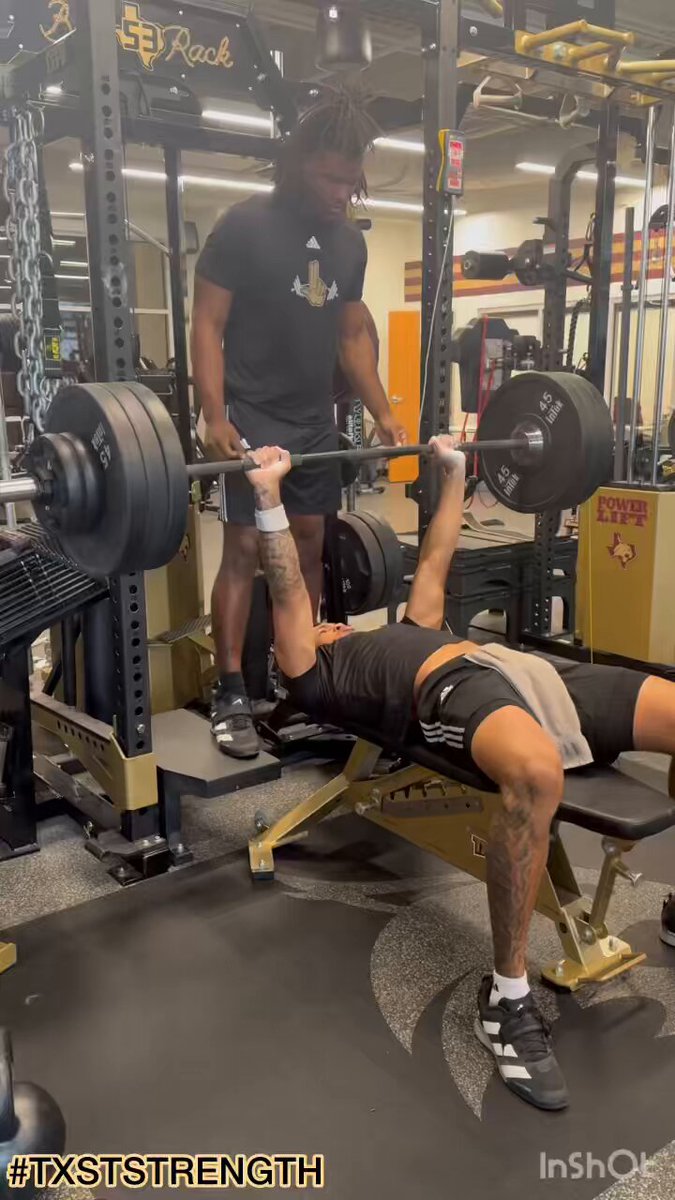
Apr 17
Spring Ball Training W4D4 (Low)
Rotating Poliquin Chin-up/Lat Pull
5/3/1/1/3/5/7
80/85/90/95/90/85/80
Bench w/ Chains (Circa-Max)
4x1
65/70/75/80 30% accomodating
Speed Bench w/ Chains (Dynamic Effort)
4x3 @ 55-65 30% accomodating
Goal Velocity: .6-.7 m/s
Alternating DB High Incline Press
3x8/8 @ 70-80
Pulley 3pt Row
3x12-8/side @ 70-80
Bodybuilding 3x10/each
Rope Overhead Tricep Extension
DB Hammer Curl
#REALtraining @ #TXST
25
2,130
Apr 17
Spring Ball Training W4D4 (Low)
Rotating Poliquin Chin-up/Lat Pull
5/3/1/1/3/5/7
80/85/90/95/90/85/80
Bench w/ Chains (Circa-Max)
4x1
65/70/75/80 30% accomodating
Speed Bench w/ Chains (Dynamic Effort)
4x3 @ 55-65 30% accomodating
Goal Velocity: .6-.7 m/s
Alternating DB High Incline Press
3x8/8 @ 70-80
Pulley 3pt Row
3x12-8/side @ 70-80
Bodybuilding 3x10/each
Rope Overhead Tricep Extension
DB Hammer Curl
#REALtraining @ #TXST
1
36
7,462
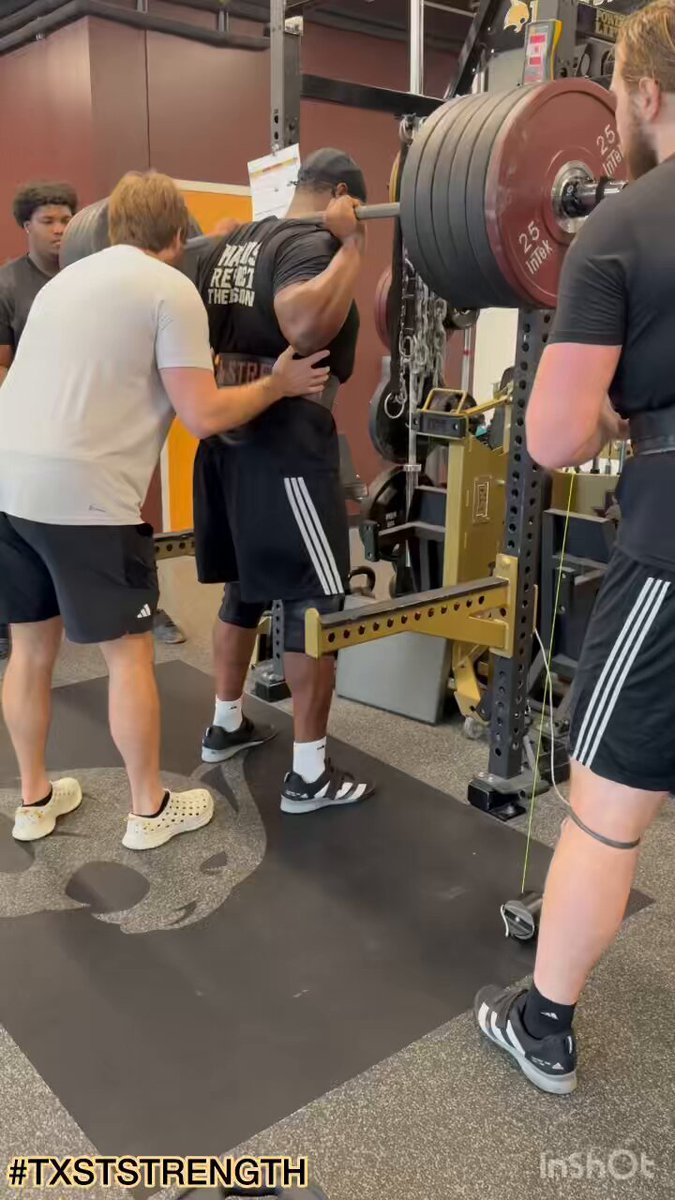
Apr 17
Spring Ball Training W4D3 (High)
Manual Groin 2x15s ISO 5 ECC
Spring Ankle ISO x30/30s
ECC Nordic x5
High Block Clean Combo
2x1 2/2x1 1
60/65/70/70
BTK Block Power Clean
4x2
75/80/85/85
Back Squat
1/1/1/1/3
75/80/85/90/85
1/4 Anderson Squat
3x3
85/90/95
Belt Squat March x60s
SL Reverse Hyper x12/12
Cart Rollout 2x10
#REALtraining @ #TXST
1
10
113
12,587
Mar 28
🐶
3
2
25
3,070
Bret Huth retweeted

Mar 16
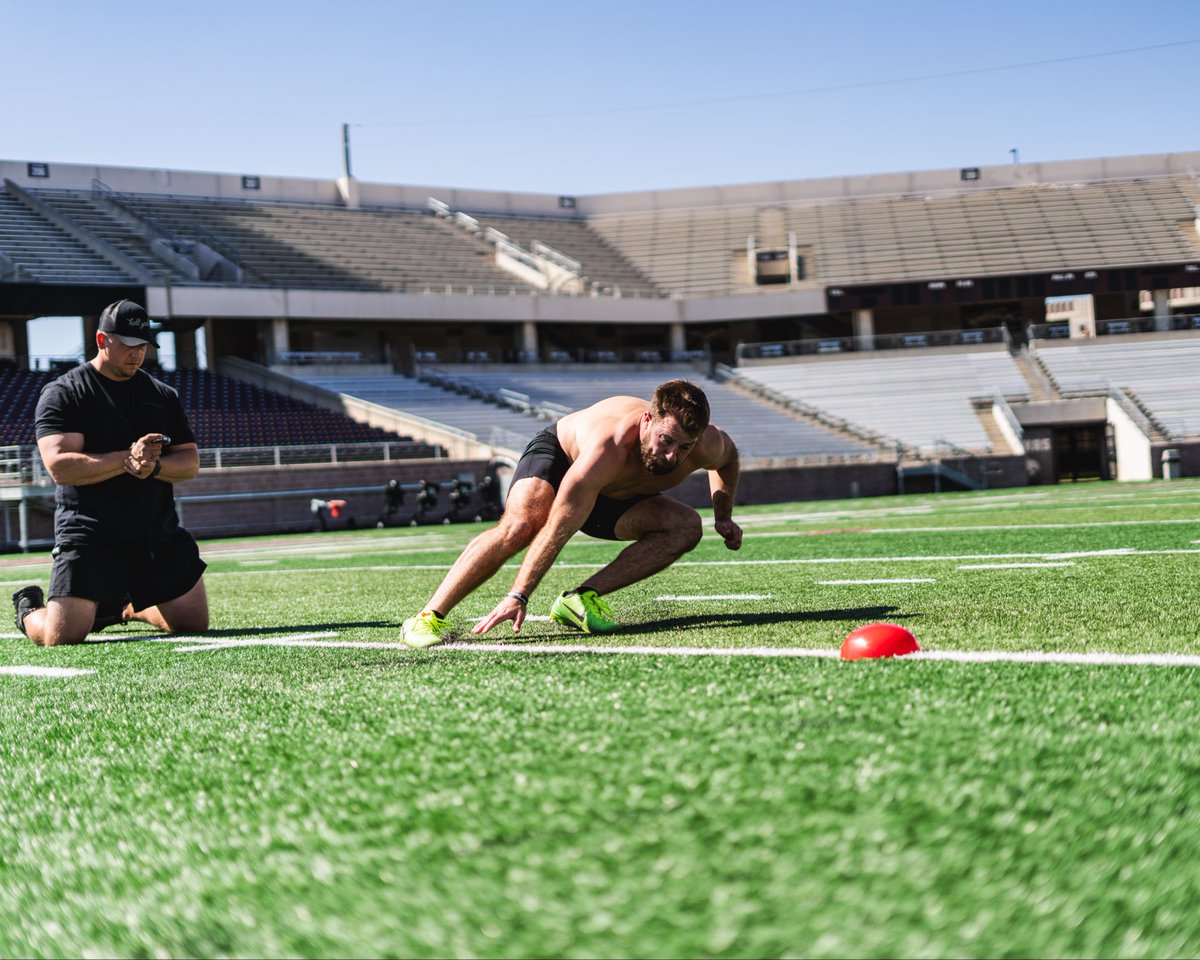
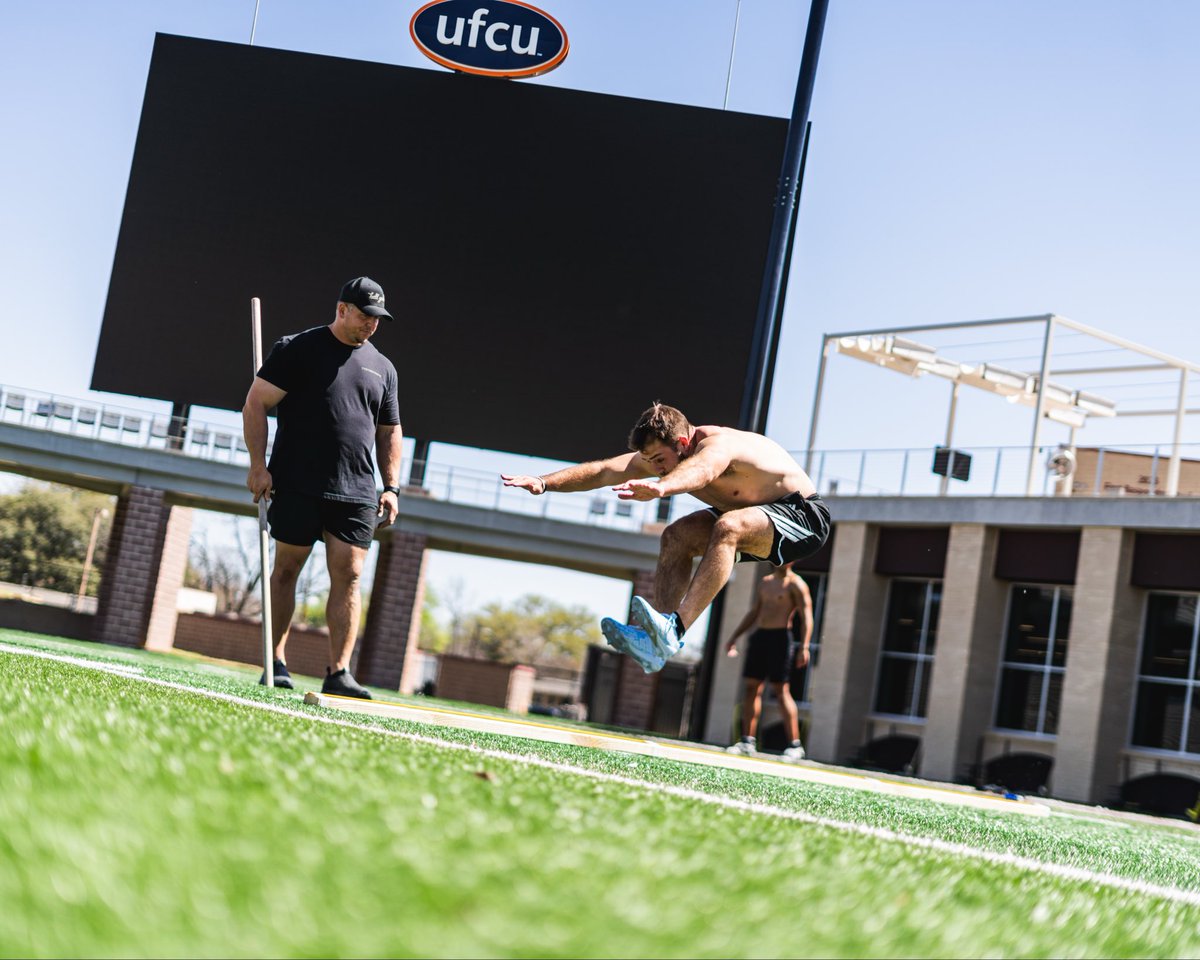
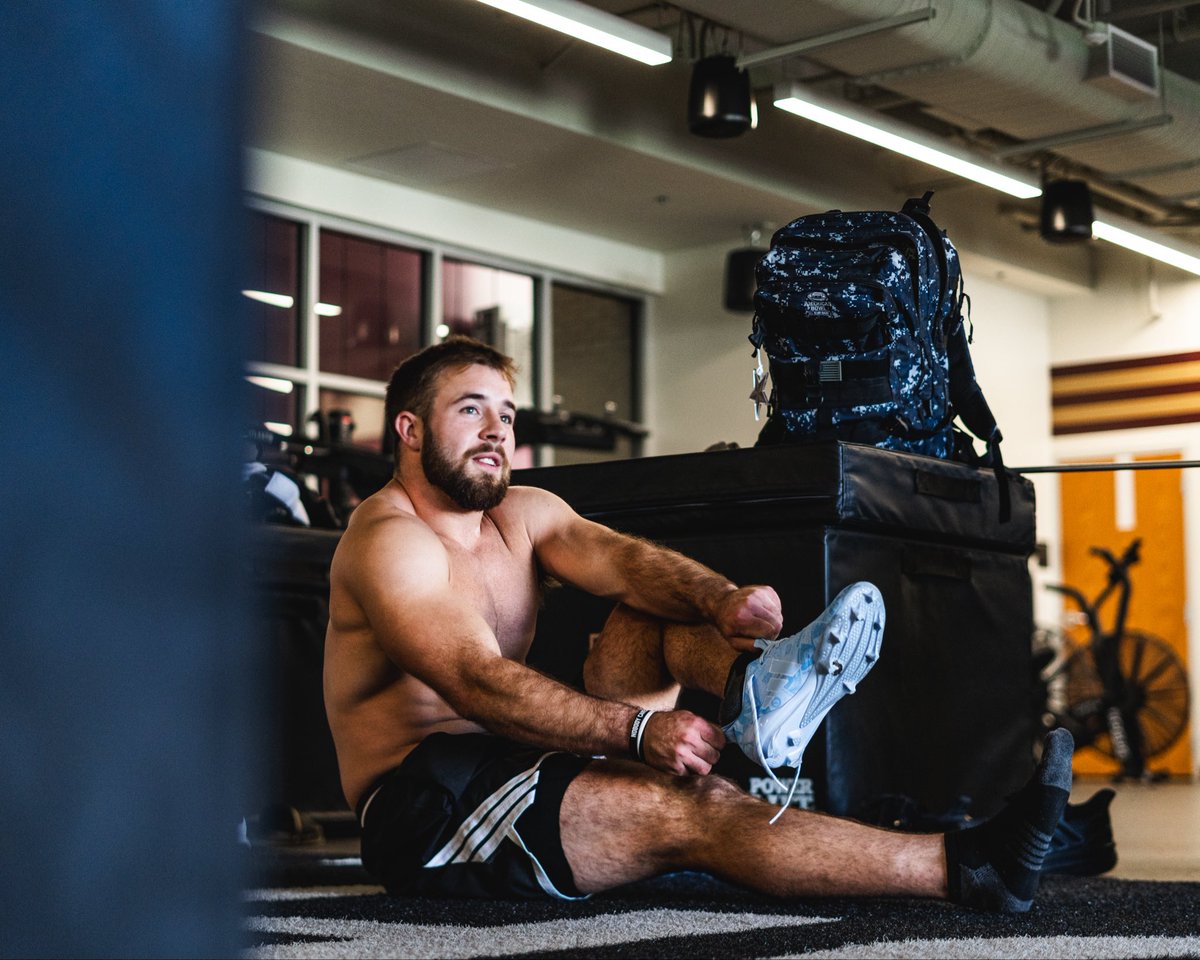
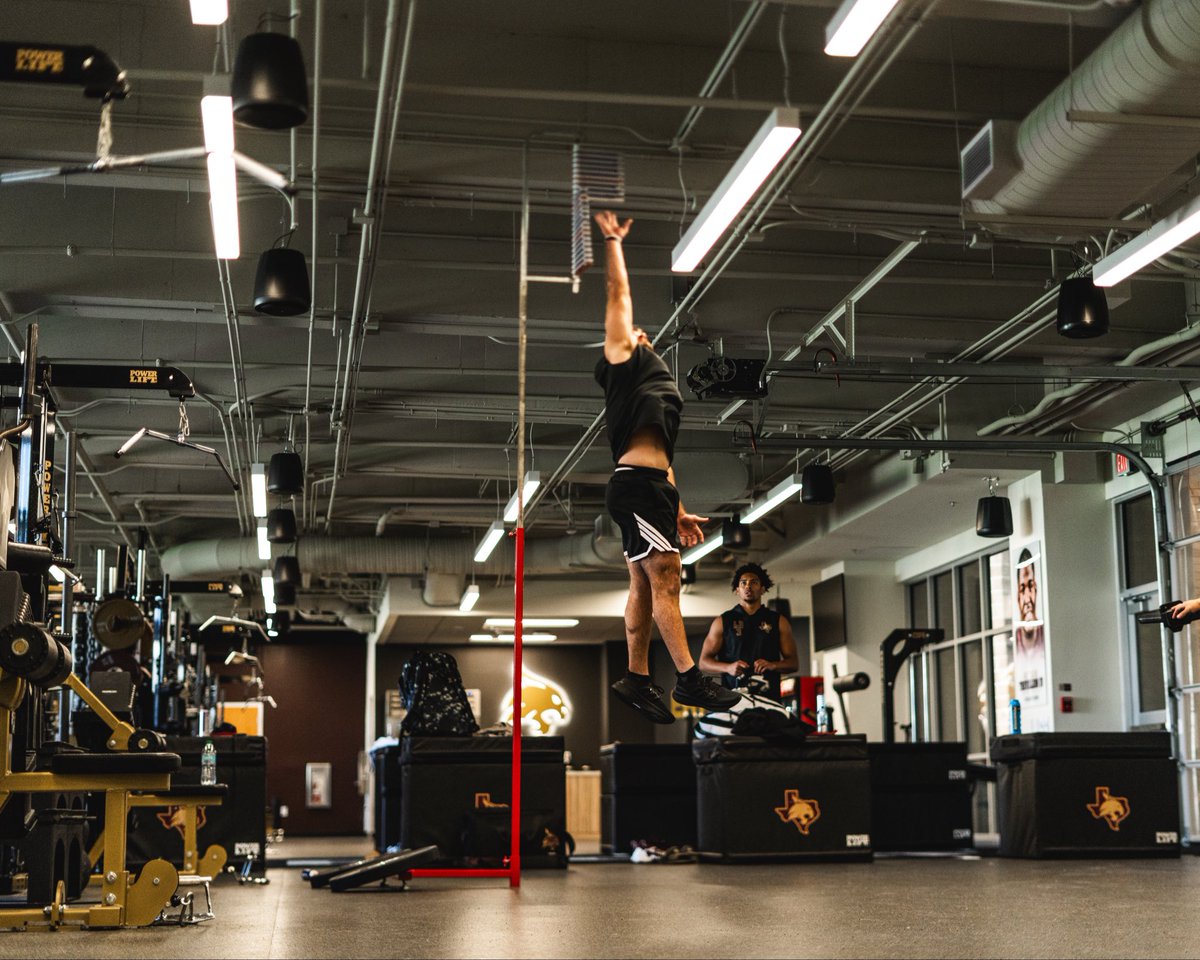
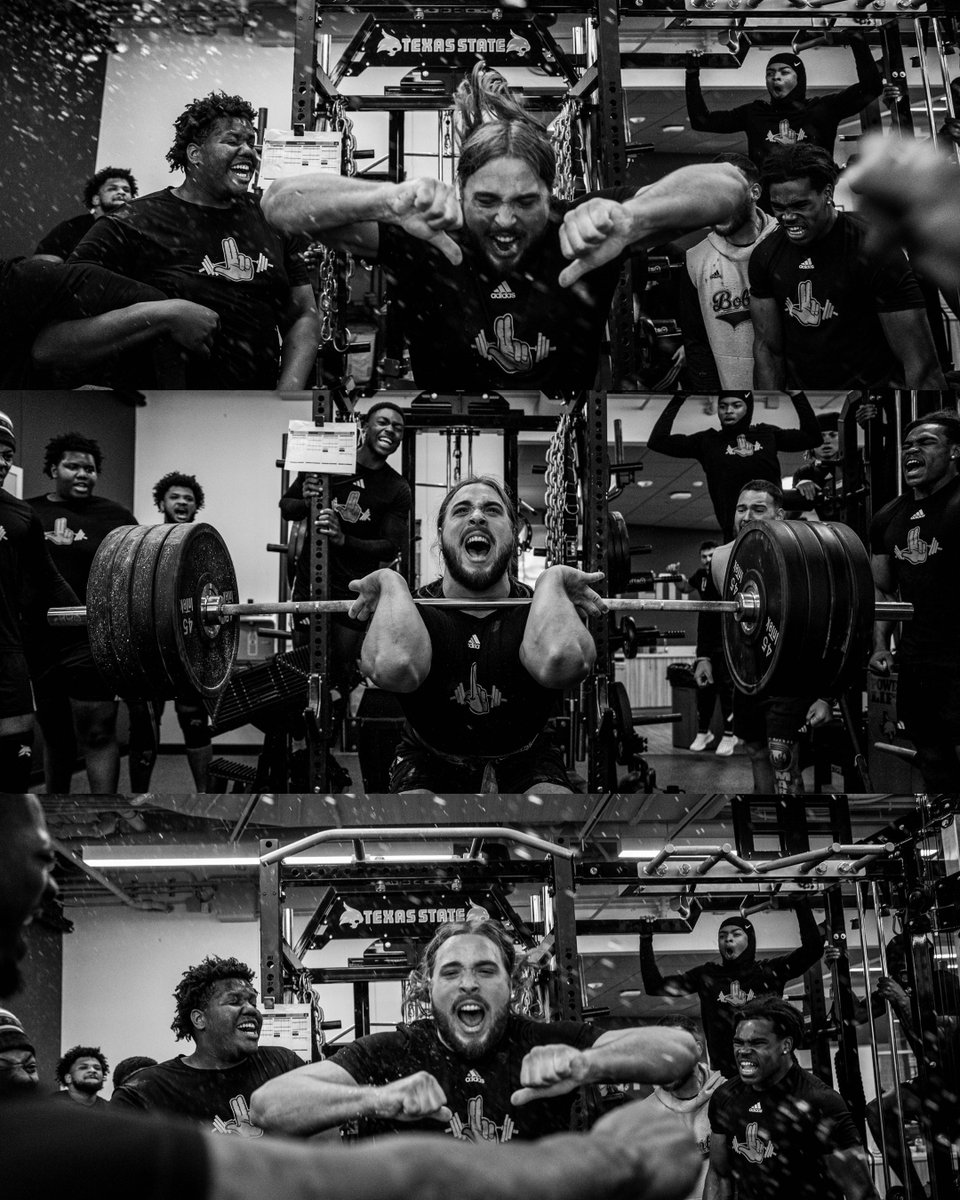
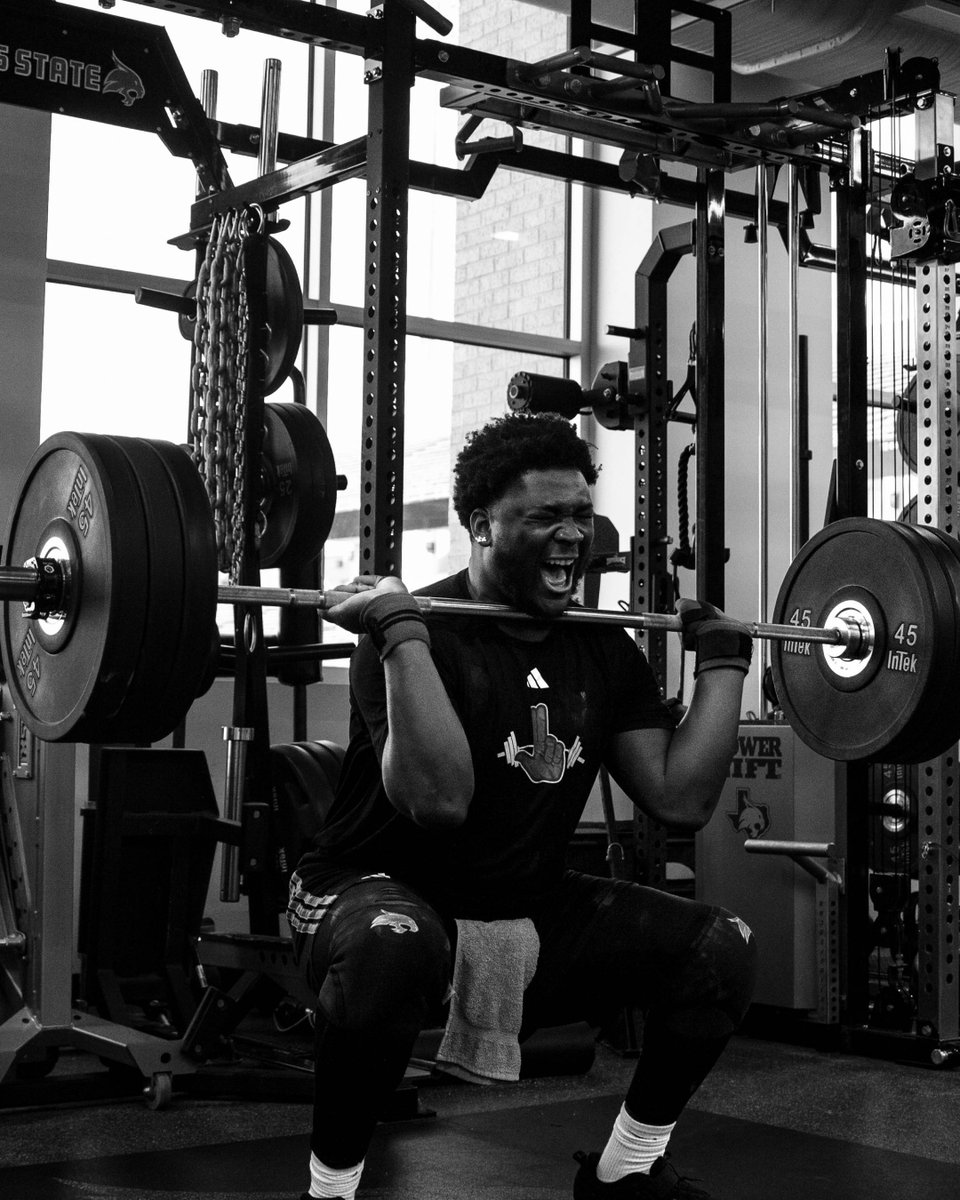
Chasing the Dream !
The Right Way and Again!
@HuthStrength
#RealTraining
2
8
88
5,910
Bret Huth retweeted

Mar 11
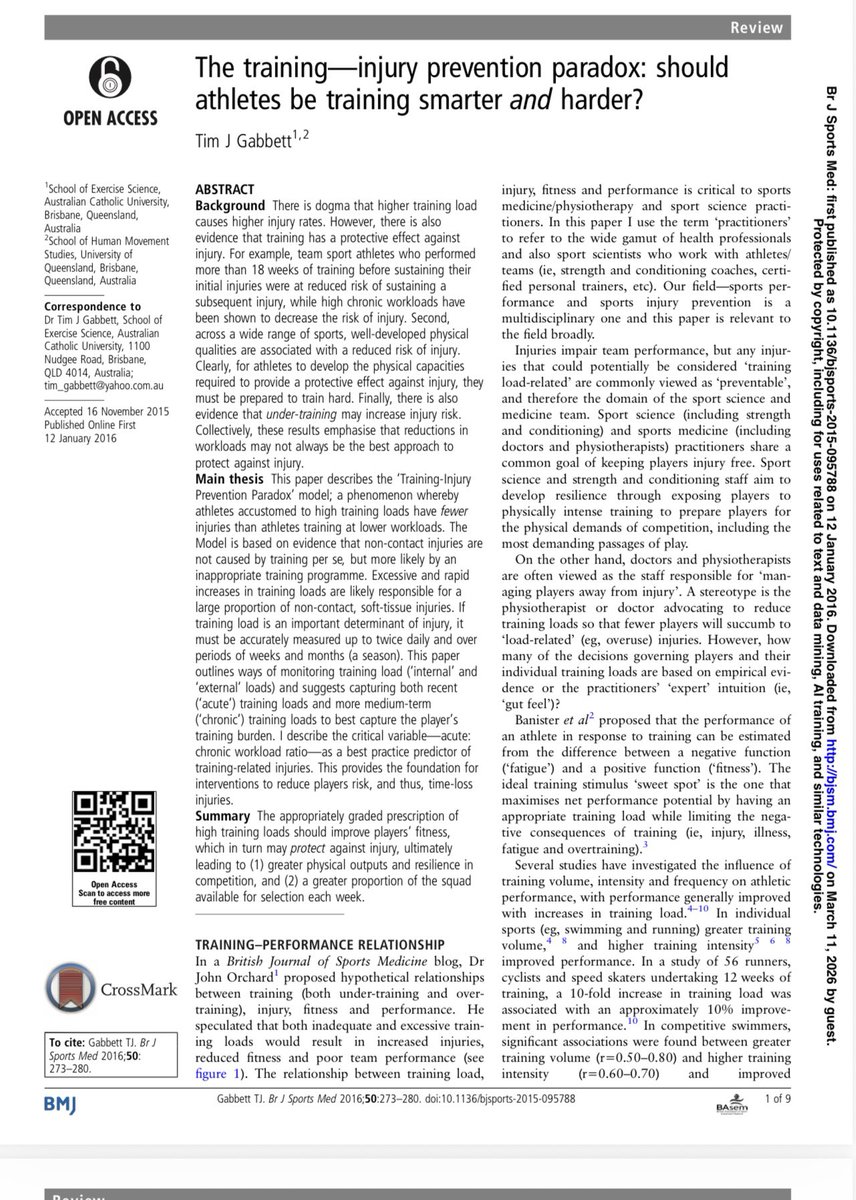
The dangerous idea in human performance is not always doing too much. Sometimes it is doing too little meaningful chronic work, then acting surprised when the body breaks down the moment real demands show up.
That is the heart of Gabbett’s training injury prevention paradox. The paper argues that athletes accustomed to higher training loads can have fewer injuries than athletes training at lower workloads, and that non contact soft tissue injuries are often tied not to training itself, but to an inappropriate training program with excessive and rapid spikes layered on top of inadequate preparation. As Gabbett put it, “reductions in workloads may not always be the best approach to protect against injury.”
Three points jump out immediately:
• Too little meaningful chronic work can leave athletes underprepared for the actual demands of practice and competition.
• Rapid increases in load are a major problem for non contact soft tissue injury risk.
• Appropriately graded high training loads can improve fitness, and that fitness may help protect against injury while improving resilience and availability.
To all my fatigue mitigation specialists, we need to be careful about the resiliency we do not build through the manicure process of being “ready” or feeling good. Everybody will always feel ready to compete on the couch or doing less work. The real question is whether they are truly prepared for the demands of the activity. That is the warning in this paper. The answer is not reckless loading. It is not crushing people. It is building enough meaningful chronic exposure that hard demands are no longer novel when they matter most.
Source: Gabbett TJ. The training injury prevention paradox: should athletes be training smarter and harder? Br J Sports Med. 2016;50(5):273 to 280.
20
84
23,865
Mar 11
ACC II: W8D2 (LOW)
The Rx
Poliquin Chin
3/3/2/2/2/5/7
75/80/85/90/95/85/80
Bench (PEAK)
7x1
70/75/80/85/90/95/100-85
Top set determined by performance @ 95 (coach’s eye/athlete feel/velo). If more was in the tank they took that final step, if not then they peeled back to 85.
Press
3/3/3/7/7
80/85/90/80/80
Prime Rot-8 Seated Row
3x12-8
70-75
#REALtraining @ #TXST
5
28
4,308
Bret Huth retweeted

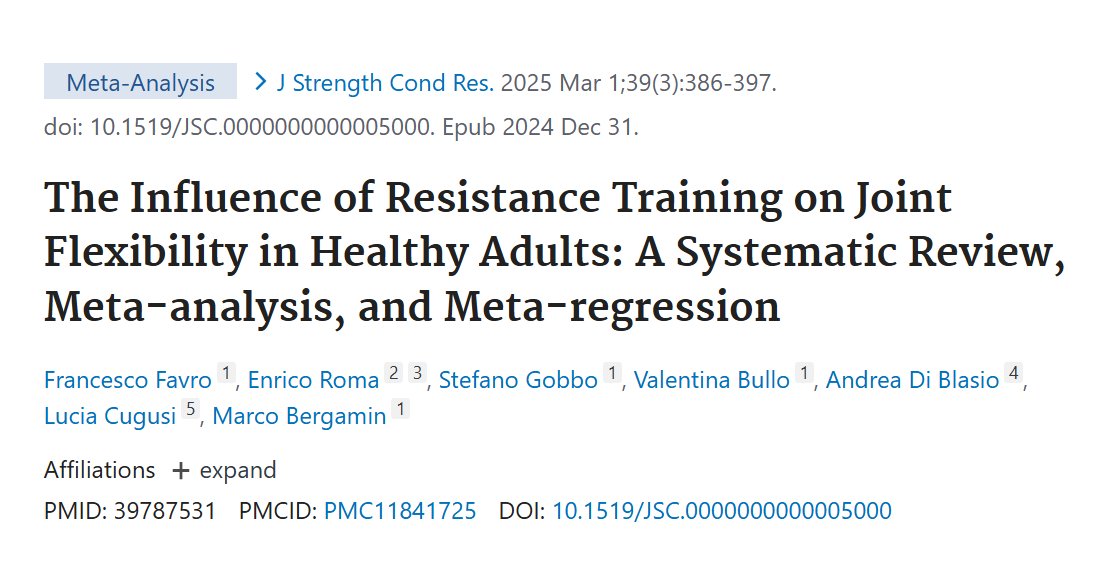
Intense Strength Training is arguably the most effective way to increase joint flexibility in healthy adults.
This systematic review & meta-analysis included ~1,500 men & women of varying experience and age, across 36 studies.
General results were similar to many of the original studies; a full range of motion resistance exercise is highly effective for most people.
Sex had a mild impact, but didn't change the overall conclusion.
Intensity on the other hand, played the biggest role. The more intense the lifting, the more benefit on flexibility.
Age and experience level had no impact.
Why does this work?
The 2 prevailing thoughts on how flexibility increases are:
1. Mechanical: Changes in tissue, tendons, muscles, etc.
2. Sensory: Higher tolerance to tissue being stretched.
Current evidence suggests that both acute (first few minutes) and short-term (first 8 weeks or so) are likely driven by Sensory. After that, Mechanical might be more plausible.
Thus, intensity training probably works well bc it drives both potential mechanisms.
Lifting heavy weights is not for everyone, but it is important to recognize that it is as viable a method for improving flexibility as anything we've seen thus far.
I'll always remember a @thereadystate video from many years ago about how silly it was to think a static hamstring stretch would do anything to flexibility if said hamstring was capable of deadlifting 500 lbs. The specific point doesn't matter, but he was highlighting a fairly common-sense point that ultimately appears supported by the bulk of the research.
Paper is open access (free!) below.
pubmed.ncbi.nlm.nih.gov/3978…
12
64
442
24,347
Bret Huth retweeted

Mar 9
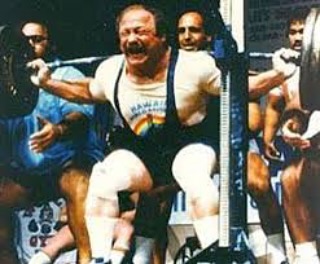
I first heard this 30 years ago at age 17, when my trainer Jay Schroeder DRILLED it into my soul. I still remember the day we met. He told me, “I don’t want you to squat 450 pounds in 3 seconds… I want you to squat 350 pounds in ½ second. THAT’S power.”
To train with him, he forced me to write a daily training log that timed the concentric portion of EVERY rep, EVERY set, EVERY exercise with a stopwatch. I did this for 6 straight months before he allowed me to train at his gym.
It took over an hour daily to write the log, but what I learned about my body and performance was invaluable. Training with this intent changes everything: to move max weights at high speed, EVERYTHING matters. Technique and position must be flawless, no power leaks. You learn to eccentrically LOAD, not just drop with gravity and momentum. My body awareness skyrocketed.
Speed is king. Details and intention matter. I stopped caring about increasing my max and started caring about moving my max FASTER. It’s the primary reason I transformed myself from a walk-on who ran 4.8 to a first-round pick who ran 4.3.
Mar 9

Division 1 football players training in a compensatory acceleration style (CAT) upper body strength regimen were compared to a traditional regimen in their off-season. The CAT group was instructed to perform the positive rep as explosively as possible. The traditional group performed repetitions at a traditional tempo.
At the end of both off-season training programs, both power and strength were assessed. Power was tested with a seated medicine ball throw and a force platform plyometric push-up test. Strength was assessed by a one rep max in the bench press.
Both groups increased strength and power. The group that trained in a Compensatory Acceleration Training (CAT) style improved their bench press by nearly double the amount of the traditional group. Average power, as expected, increased significantly more in the group that trained explosively.
Jones, K. K., Hunter, G. G., Fleisig, G. G., Escamilla, R. R., & Lemak, L. L. (1999). The effects of compensatory acceleration on upper-body strength and power in collegiate football players. Journal of Strength & Conditioning Research (Allen Press Publishing Services Inc.), 13(2), 99-105.
Practical Application
Fred Hatfield was ahead of his time advocating Compensatory Acceleration Training. It is simply superior! Training adaptations are not just a result of weight on the bar. Adaptations from training are a byproduct of tension and duration. You respond to how much force produced, how fast the force was produced, how long you produced it, and how many times you produced it. Force=mass x acceleration. More tension is result of greater bar speed. Maximal strength training and power adaptations can result from lifting weights with maximal force; one more reason to compensatorily accelerate weights.
45
147
2,038
483,733
Mar 9
ACC II: W8D1 (High)
The Rx
Power Clean 6x1
70/75/80/85/85/85
Clean Pull 3x2
90/95/100
Squat (PEAK)
7x1
70/75/80/85/90/95/100-85
Top set determined by performance @ 95 (coach’s eye/athlete feel/velo). If more was in the tank they took that final step, if not then they peeled back to 85.
#REALtraining @ #TXST
1
7
65
12,273
Bret Huth retweeted

"There are two kinds of pain in life:
1. The Pain of Commitment
2. The Pain of Regret
Which kind of pain do you want to undergo?"
- Curt Cignetti
5
295
1,770
92,162