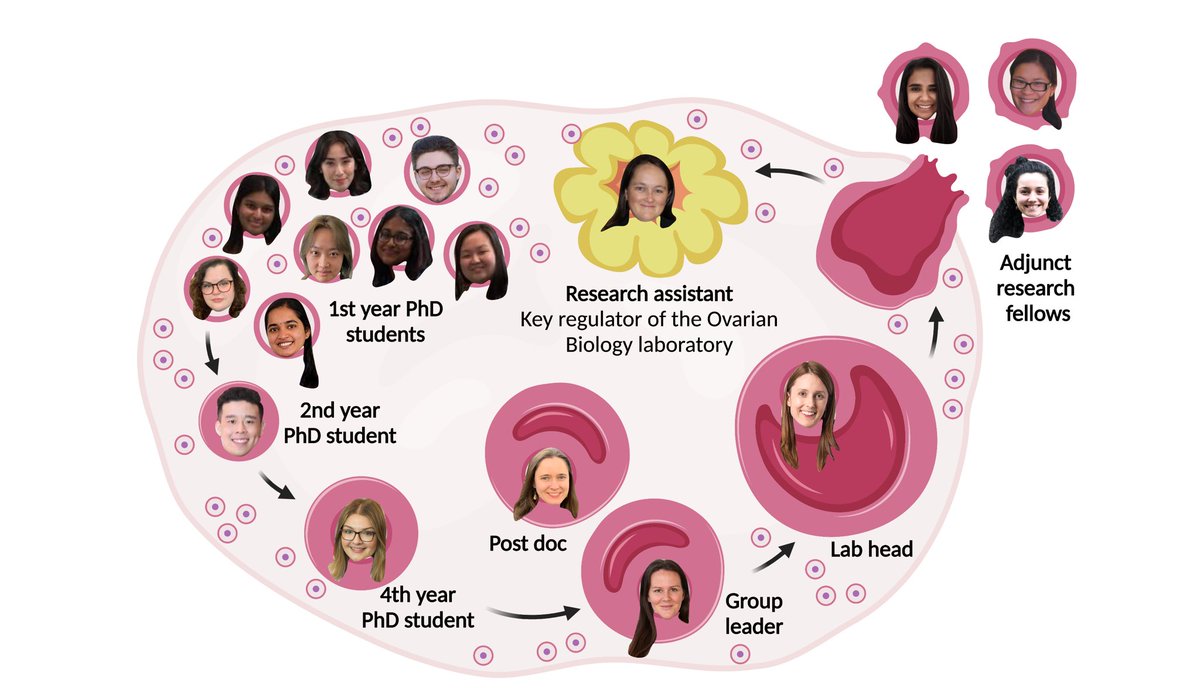
Ovarian biology lab led by Prof Karla Hutt | @MonashBDI | @Monashuni | Reproductive biology | Infection & Inflammation | Oncofertility | Cake enthusiasts
Joined September 2019
- Tweets 202
- Following 458
- Followers 969
- Likes 505
50 Photos and videos
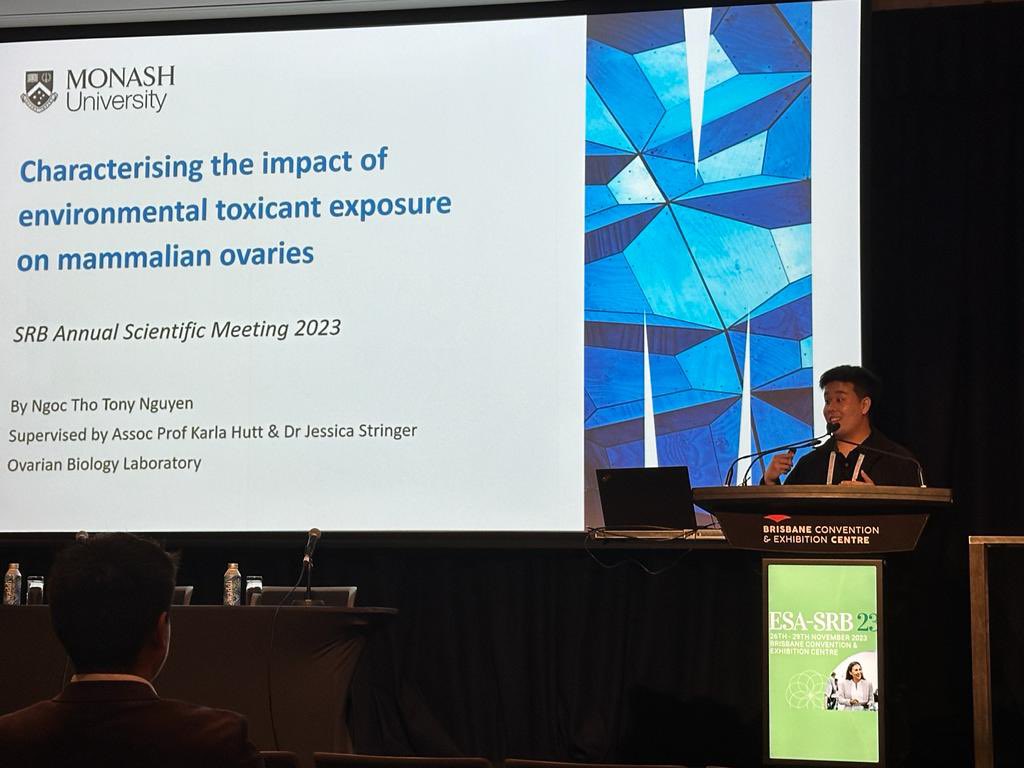

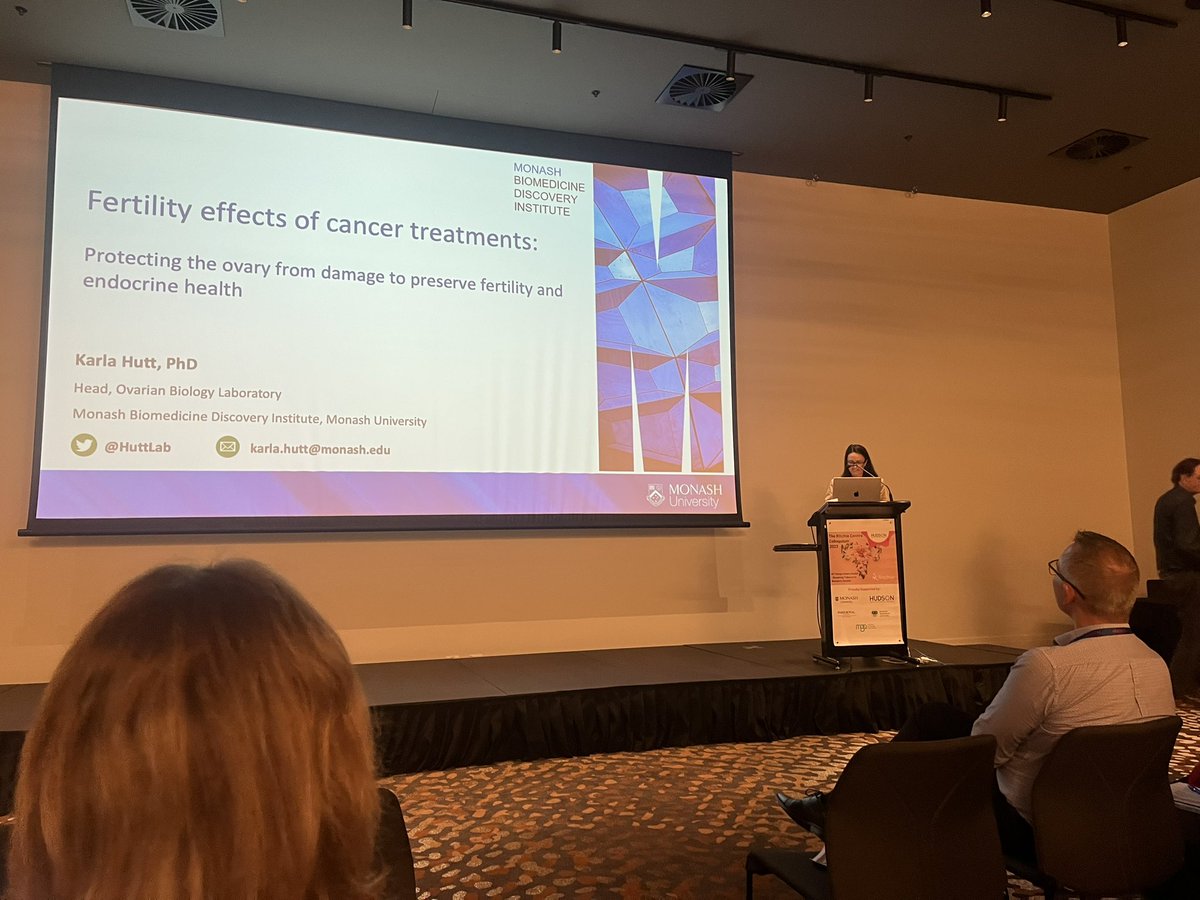
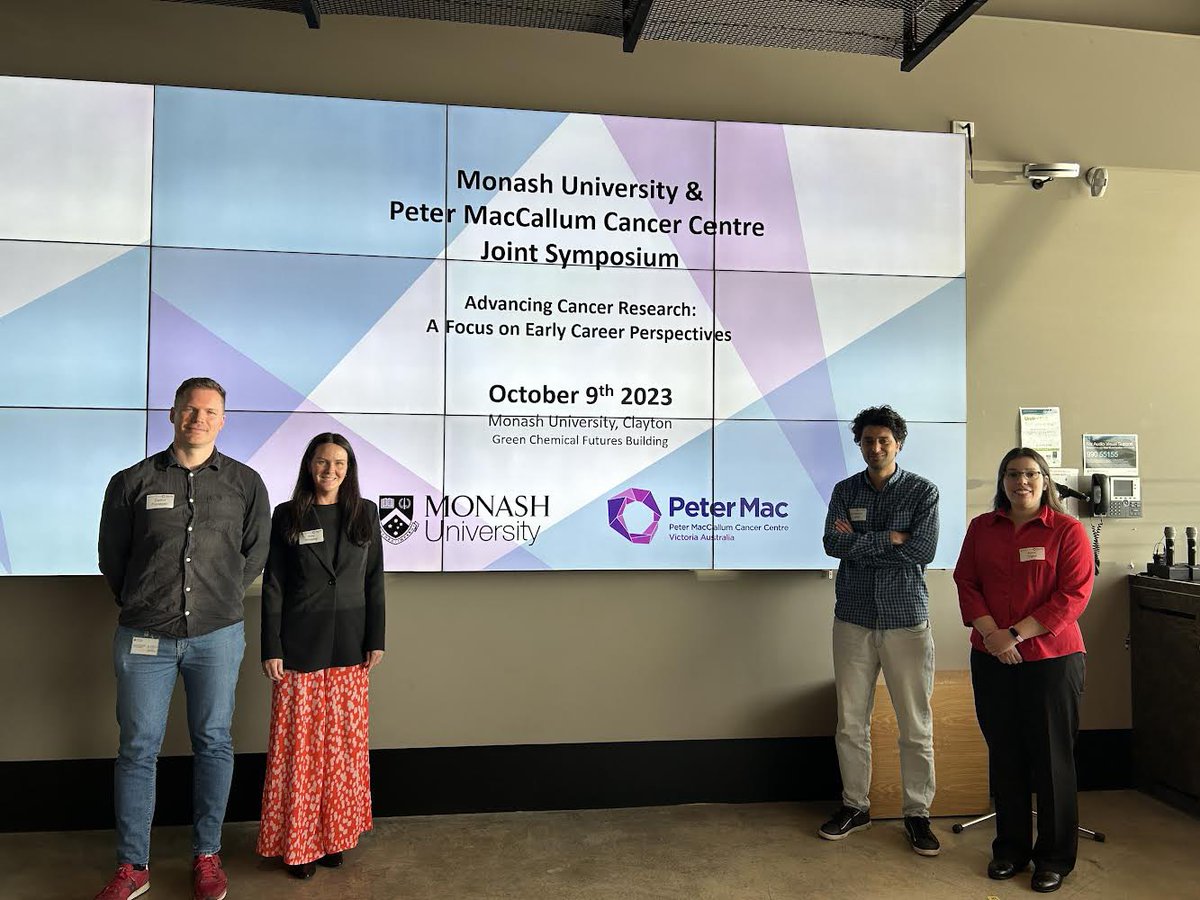
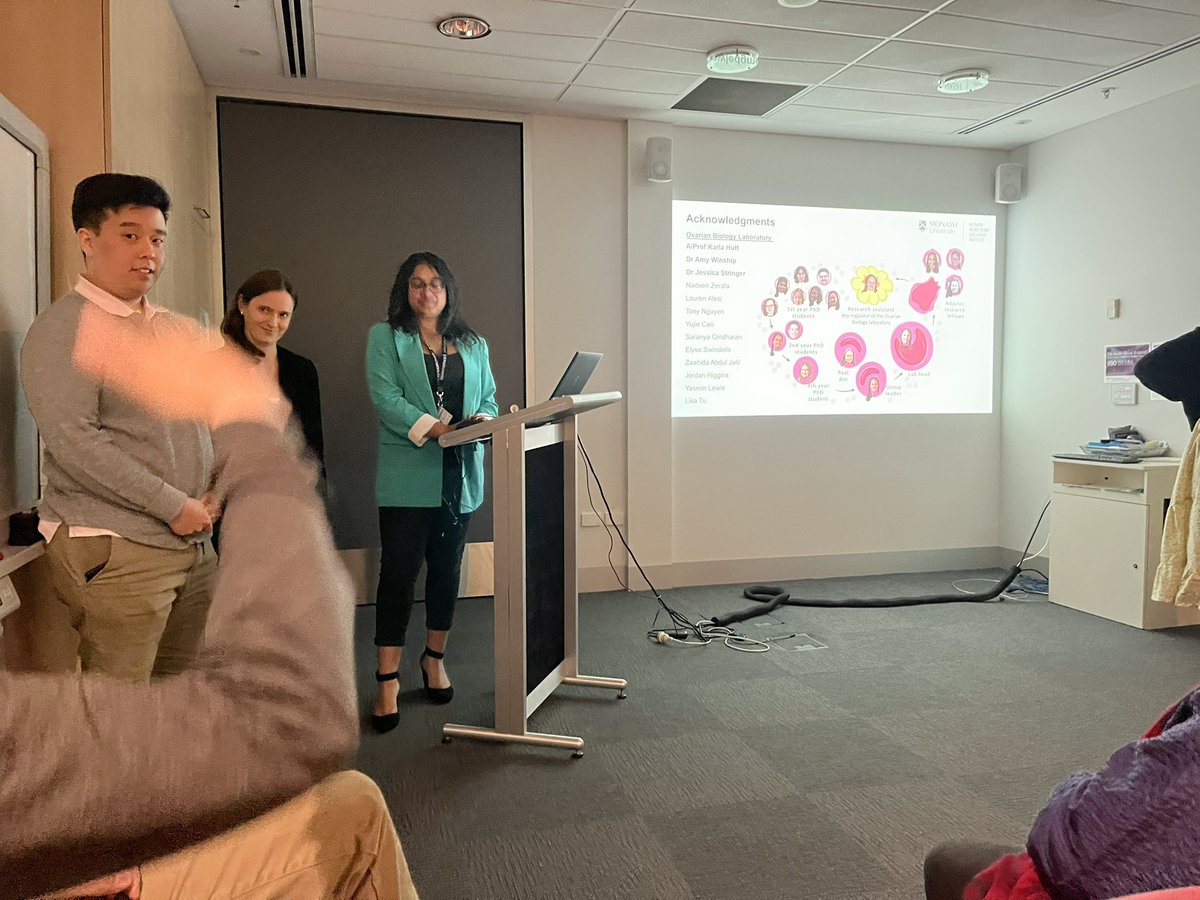

Out now in @RBMOnline Outcomes of assisted reproductive technology cycles following bushfire exposure: a retrospective cohort study #climate #fertility 🔥🌏🧫 doi.org/10.1016/j.rbmo.2025.…
1
61
Hutt Lab retweeted

6 Mar 2025
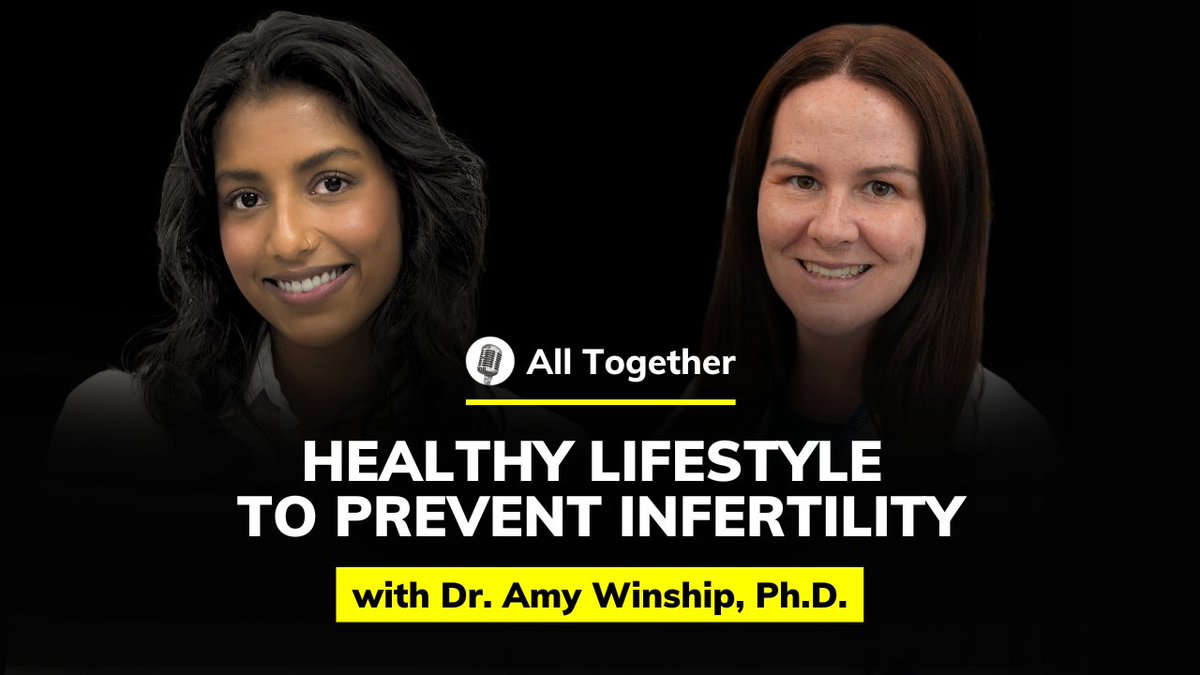
I recently spoke to @FaScienceLabs (linktr.ee/familysciencelabs) about the contributions of environmental and lifestyle factors for healthy reproductive function and #fertility🌏. Check out the #podcast on here on #Spotify: open.spotify.com/episode/14n… or #YouTube: youtube.com/watch?v=rMPLGE1N…
3
10
349
Hutt Lab retweeted
4 Feb 2025
Congratulations @DrLaurenAlesi from @HuttLab @MonashBDI on being awarded a Cancer Council Victoria @CancerVic Postdoctoral Fellowship in 2025 to study new means to improve fertility preservation for cancer survivors
cancervic.org.au/downloads/r…
2
19
370
Hutt Lab retweeted

29 Nov 2024
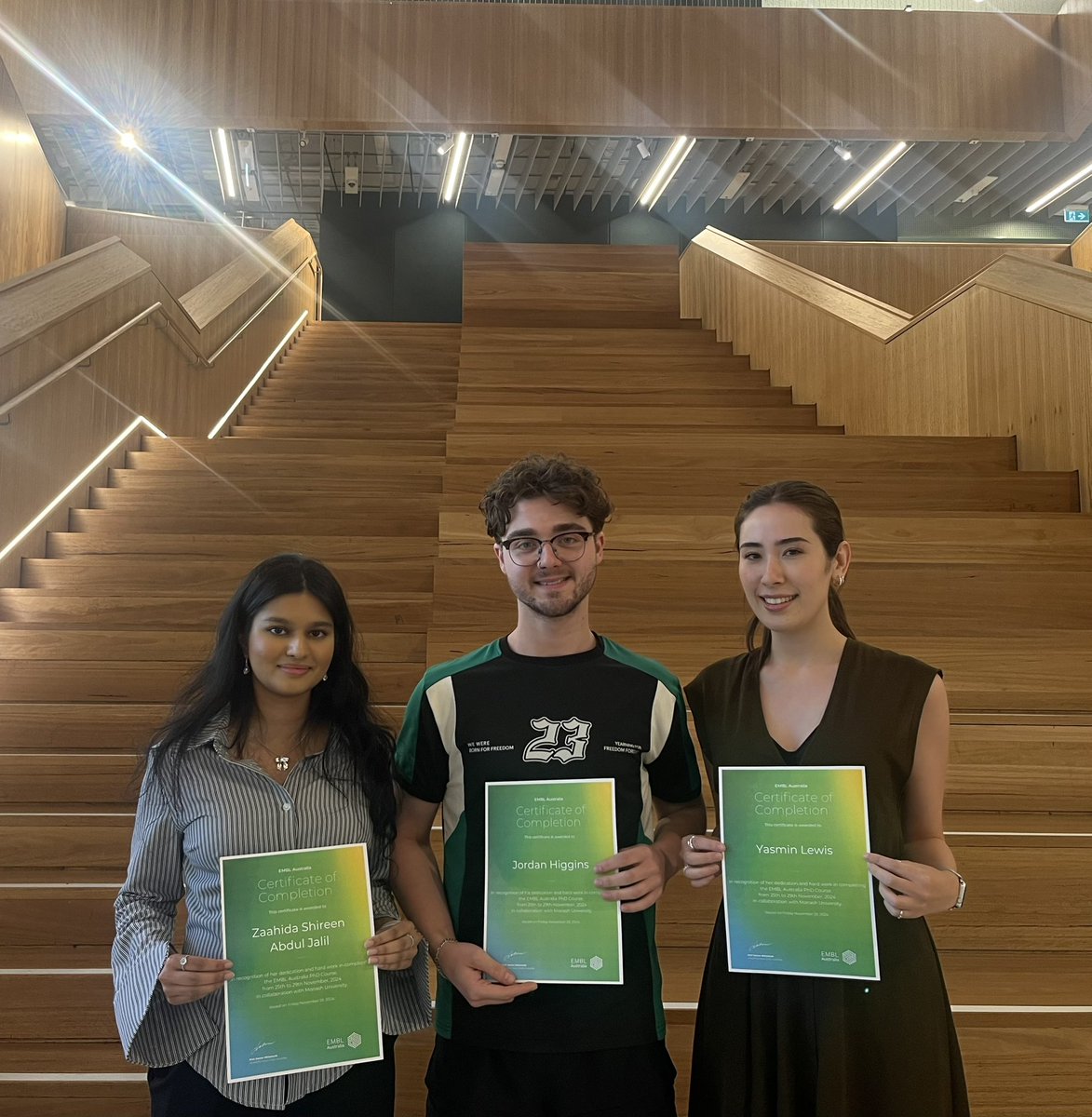
Thank you to @EMBLAustralia for the opportunity to take part in the annual PhD course this year! I had such a fun time networking and learning alongside the other students & researchers! 🔬🧪🥼👩🏽🔬
#EMBLAPhD
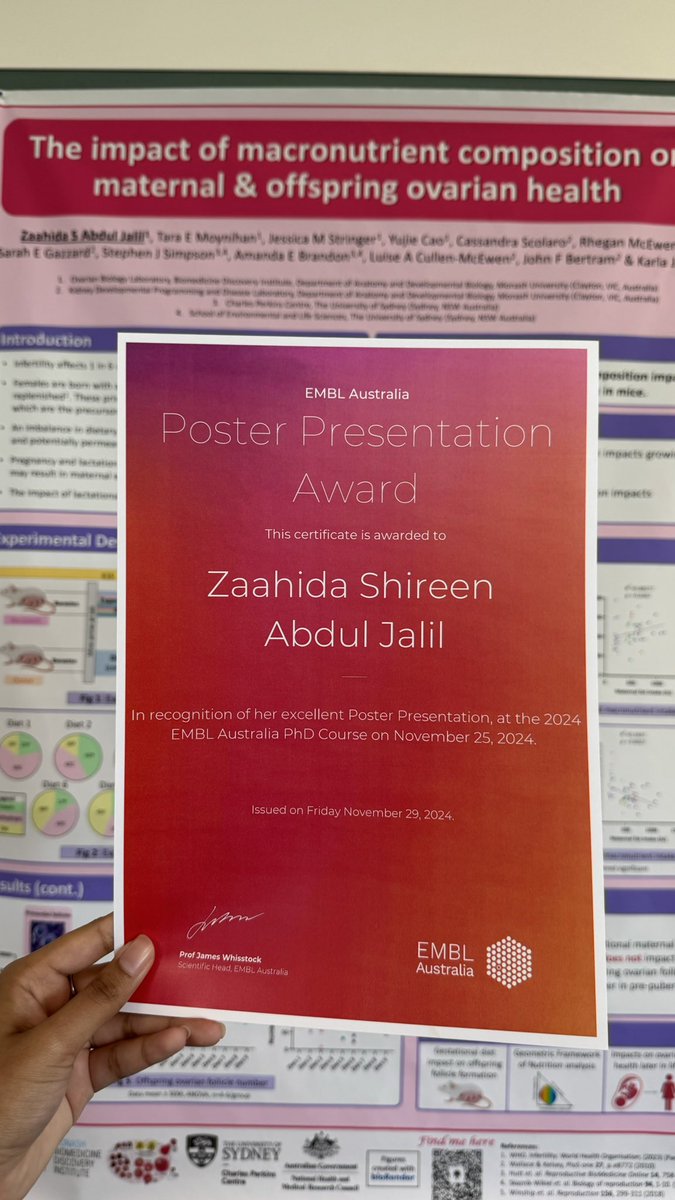
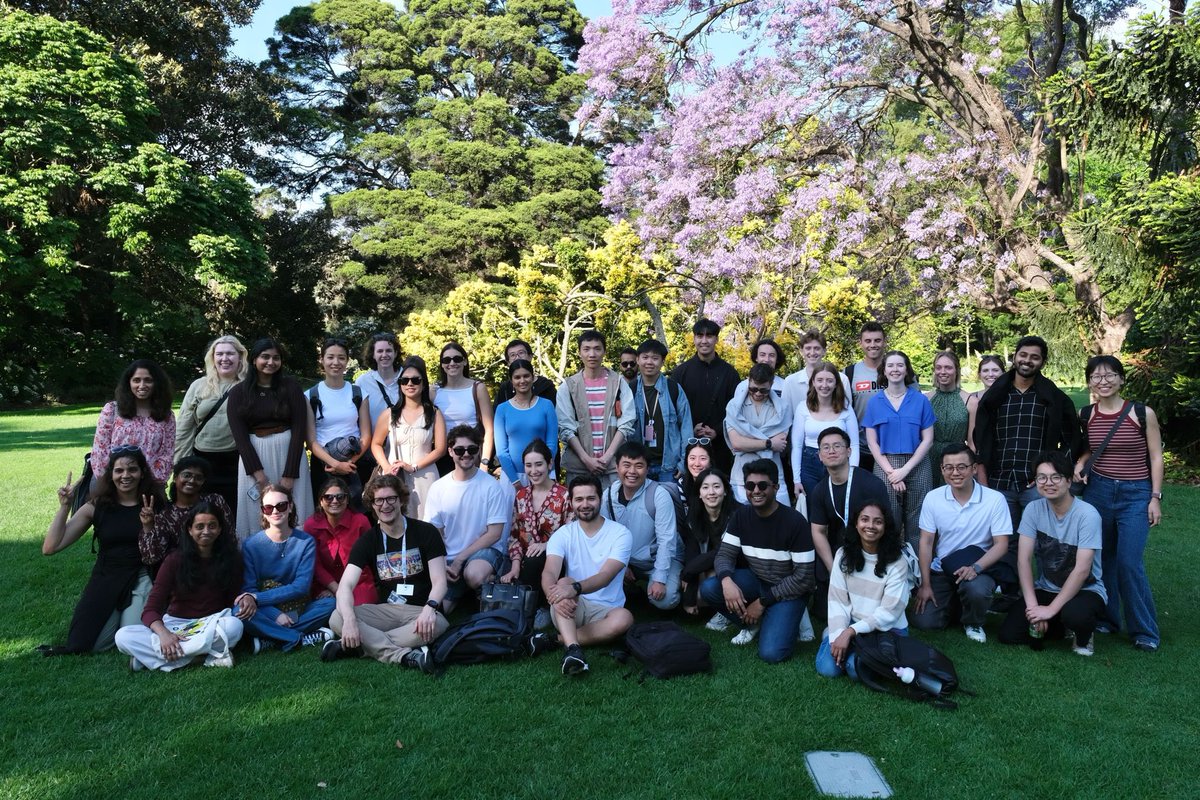
1
12
464
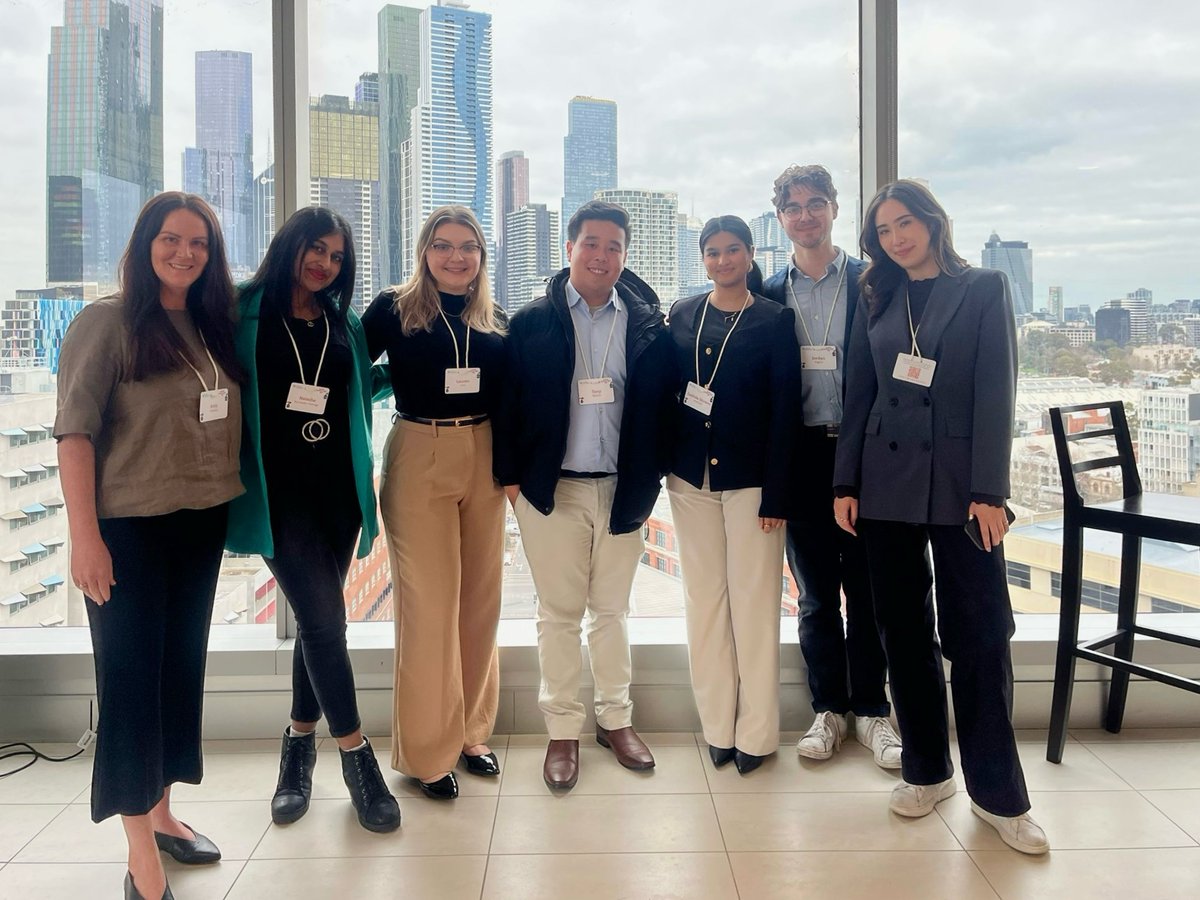
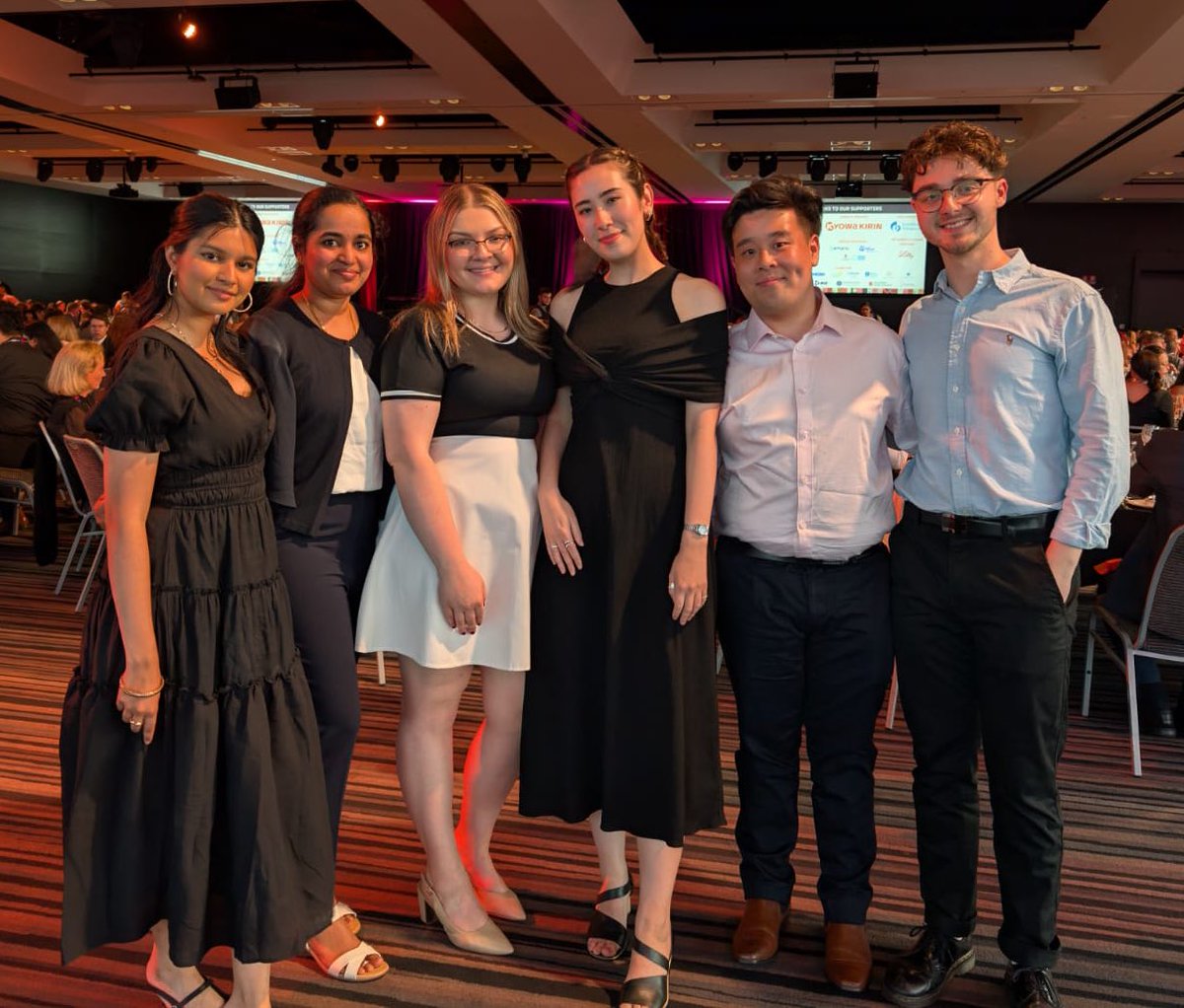
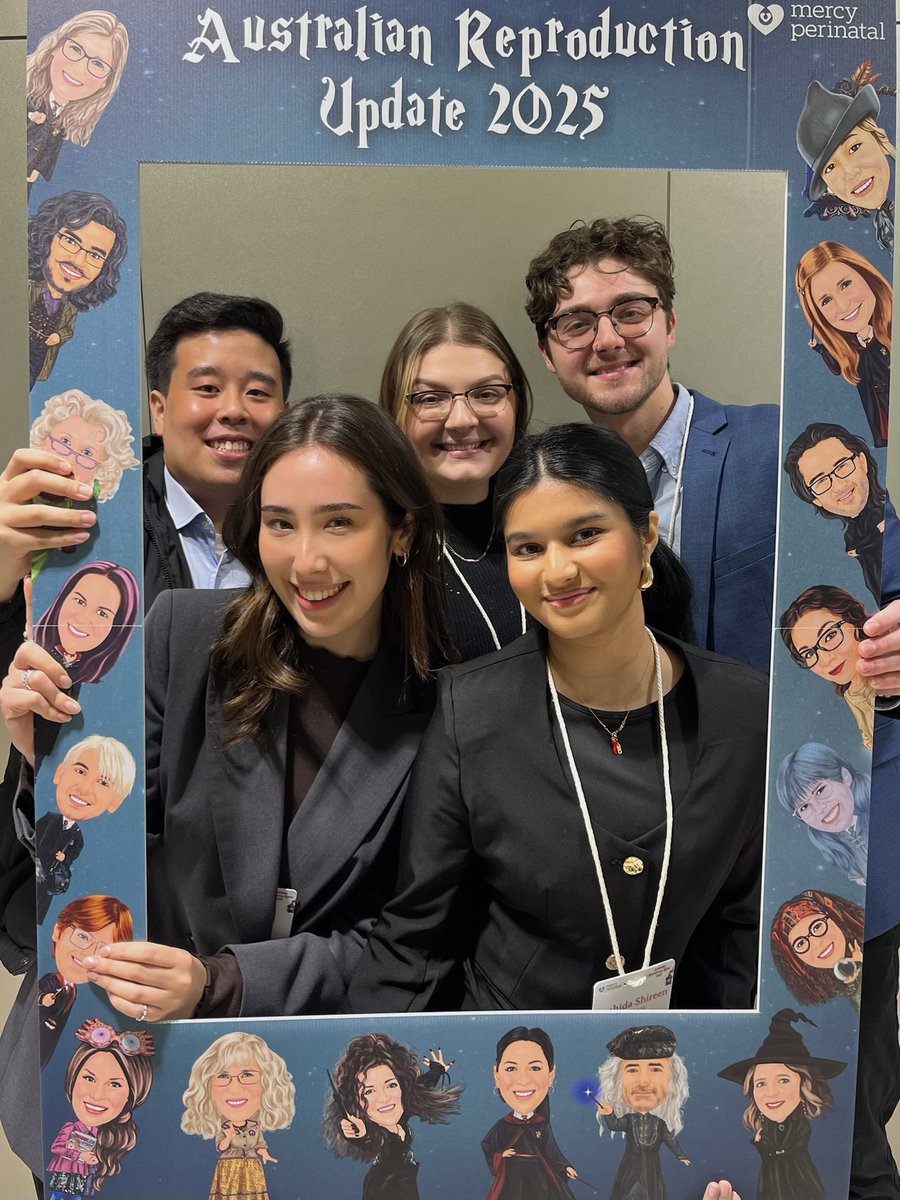
Thanks to @ReproductionSRB @ESASRB for another amazing conference! Lots of EGGciting work to be inspired by 😉 See you all in Perth next year 🔬@Jordan_H193 @DrLaurenAlesi @Tony_Nguyenn11 @Yasmin_Lewis1 @ZaahidaShireen @SaranyaGiridha2
4
27
898
Hutt Lab retweeted

11 Nov 2024
Thanks to @ESASRB @ReproductionSRB for the opportunity to present some of my work! Great conference with even greater people. Looking forward to the next 🤓🥳 #ESASRB #SRB2024 #endometrium @DrLaurenAlesi @Yasmin_Lewis1 @Tony_Nguyenn11 @ZaahidaShireen @SaranyaGiridha2
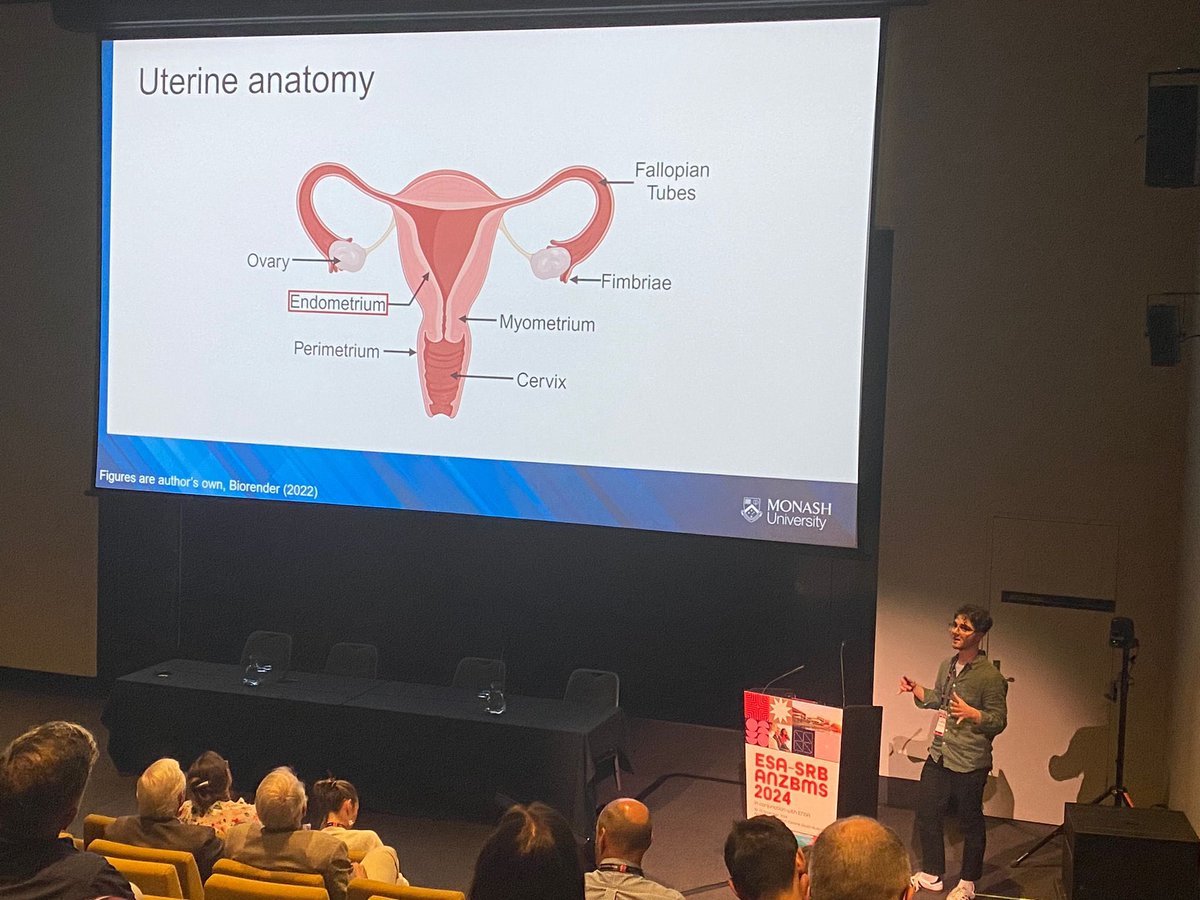

1
3
18
771
Hutt Lab retweeted

12 Nov 2024
I was extremely fortunate to be able to present my work at @ESASRB @ReproductionSRB again. Such great work is happening in the reproductive field. I can't wait for next year!
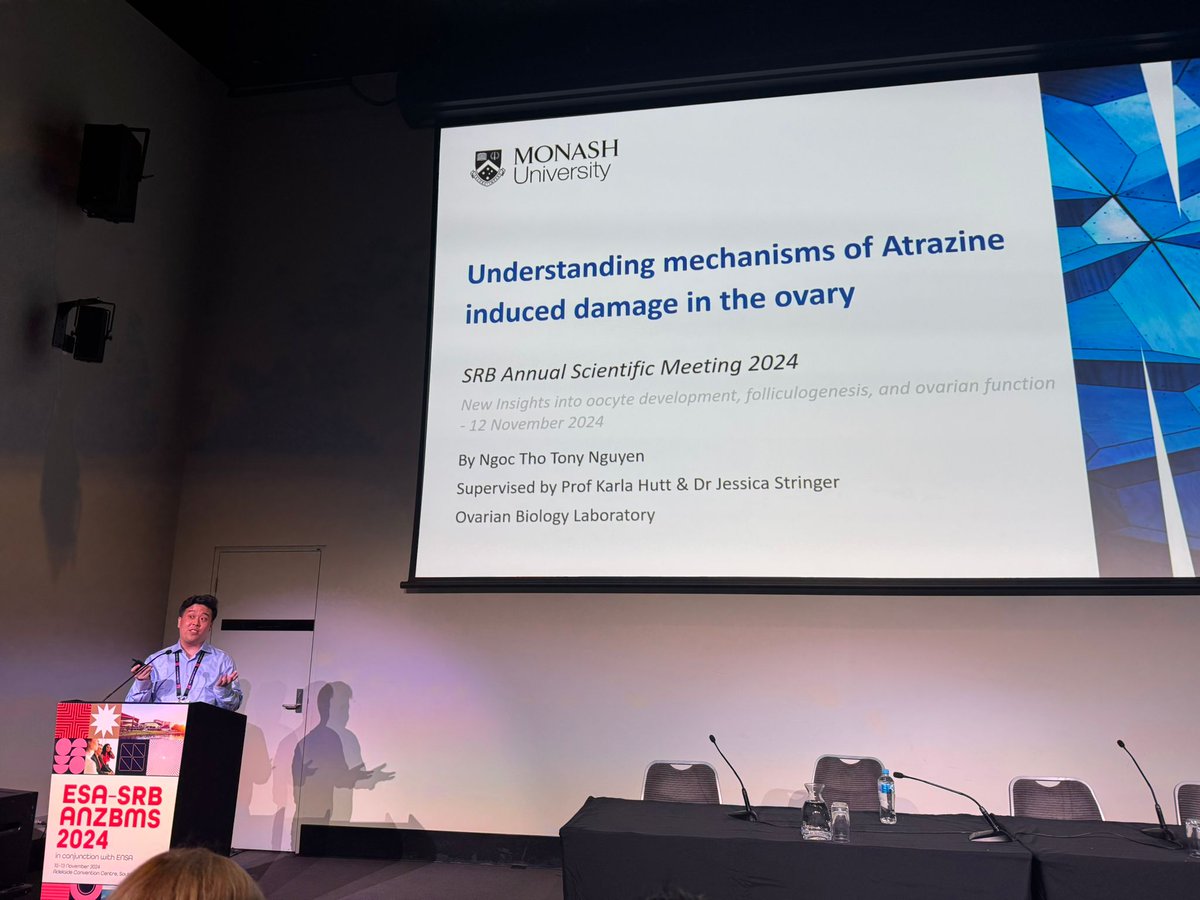
2
1
17
477
Hutt Lab retweeted
12 Nov 2024
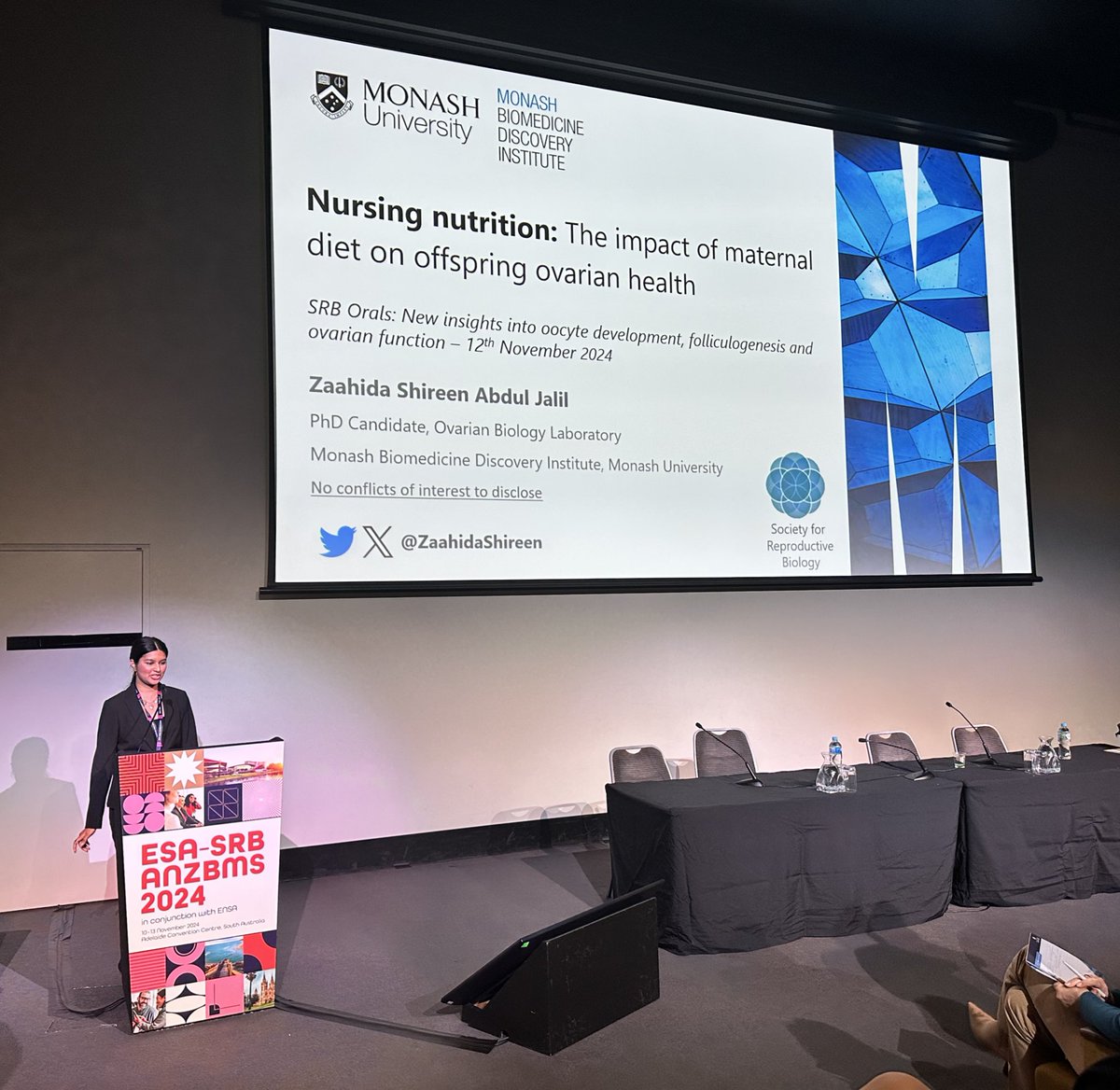
Thank you to @ReproductionSRB @ESASRB for the opportunity to present this year! I’ve had the best time meeting and learning from other researchers 🥰 I can’t wait for the next meeting 👩🏽🔬❤️
1
1
12
462
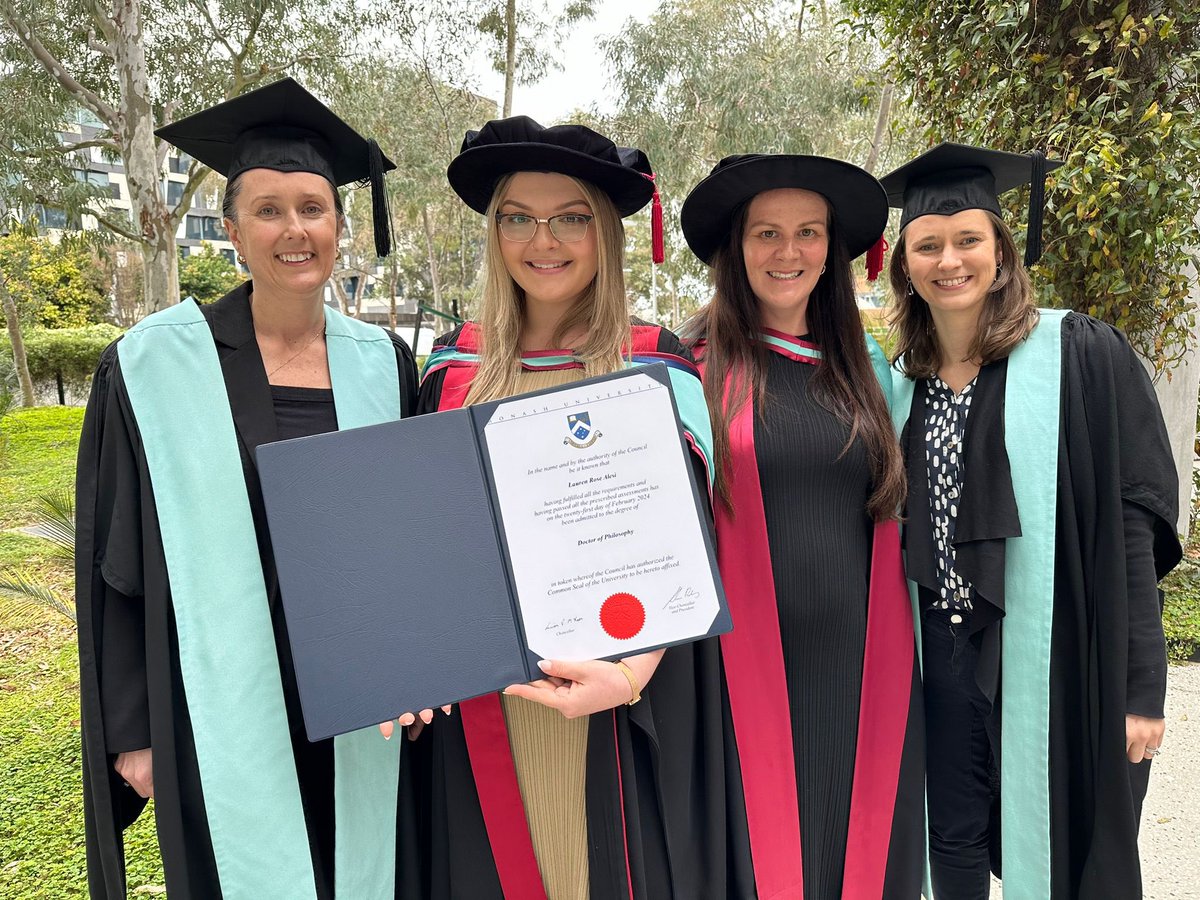
Congratulations you our newest lab PhD graduate, @DrLaurenAlesi! Such a joy to work alongside you and watch your growth and development over the years, into a thriving postdoc 👩🎓 @KarlaHutt @amy_winship @JM_Stringer
2
2
23
813
More evidence to suggest environmental factors impact on health & fertility in @ConversationEDU by @amy_winship & @mpgreen13
5 Sep 2024

A new study has linked traffic noise and pollution to infertility - but the effects differed for men and women 🌍 @mpgreen13 @HuttLab @ReproductionSRB
theconversation.com/a-new-st…
2
14
636
Hutt Lab retweeted

13 Apr 2024
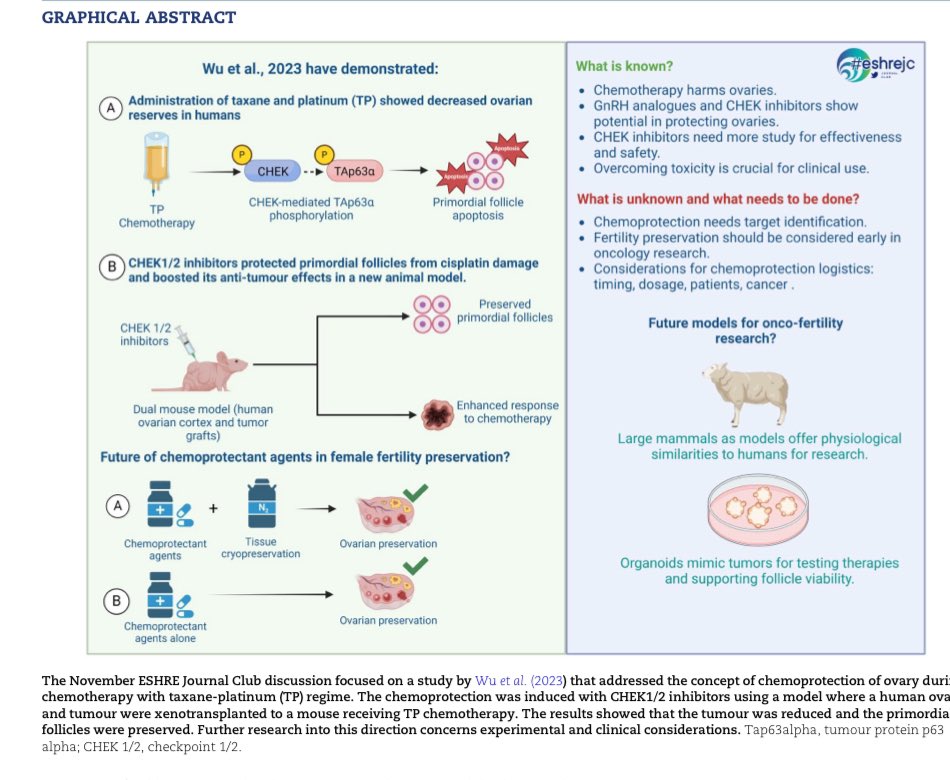
In our 🆕 peer perspectives article we address 2 🔥 questions:
❄️ Is freezing gametes/tissue the only strategy to circumvent the harm of chemotherapy on the ovary?
💊 Are chemoprotective agents the future or fertility preservation?
🔗 academic.oup.com/humrep/adva…
2
13
28
4,542
Hutt Lab retweeted

11 Jul 2024
Excited to share our new review (my first paper in Edinburgh!), online now in @TrendsMolecMed summarising recent advances with potential to accelerate diagnosis and improve care for endometriosis sciencedirect.com/science/ar…
1
13
35
2,175
Hutt Lab retweeted

5 Aug 2024
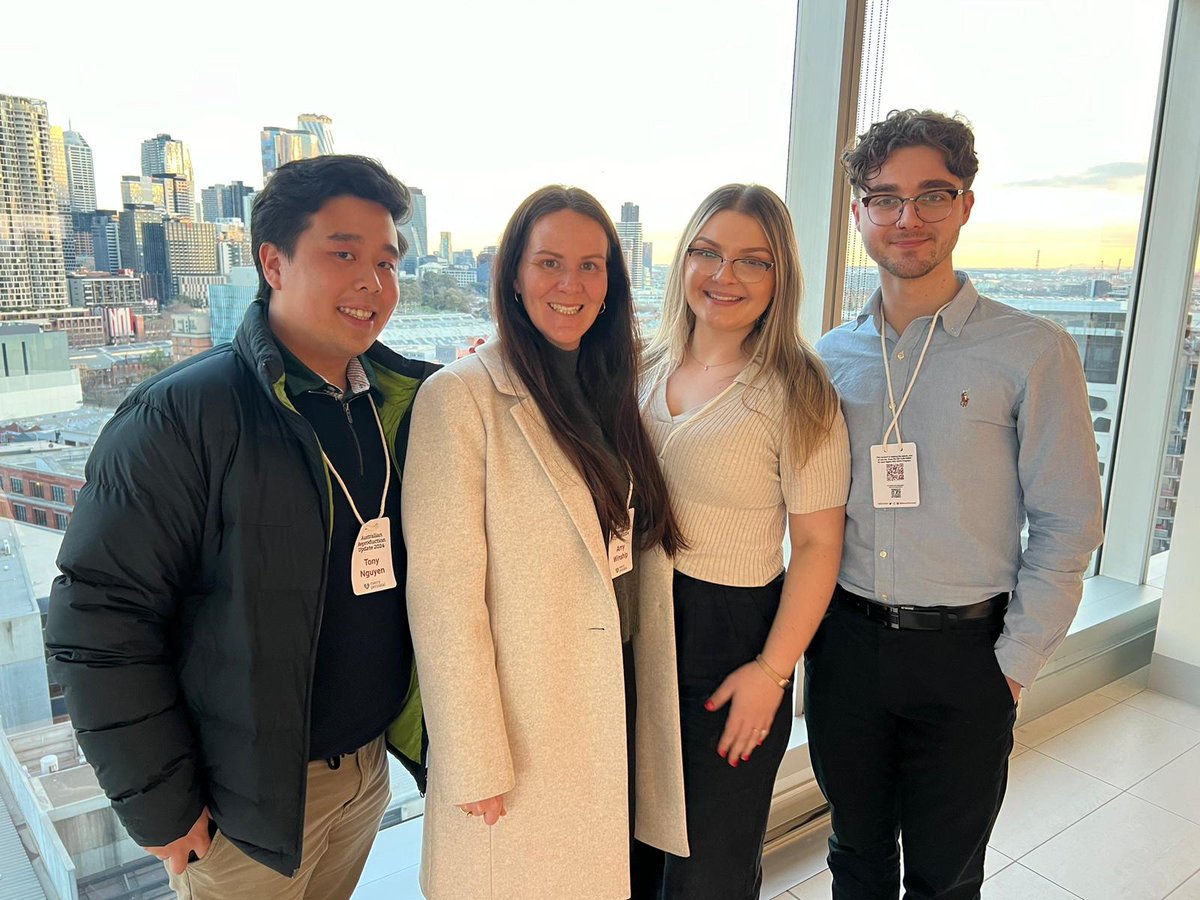
It's always a pleasure to represent the @HuttLab at #ARU! We were blown away by the amazing science today and can't wait for Day 2 of the Greatest Show 🪄
#ARU2024 @amy_winship @Jordan_H193 @Tony_Nguyenn11
4
29
605
Given the critical role of the BRCA proteins in mediating DNA repair, our data extend current knowledge of quality control mechanisms in the germline & lay foundations for future studies to test specific effects of genotoxic insults on oocytes in context of loss of BRCA1. 🧬
1
2
149