Mfg. of Industrial Bolting Tools, Hydraulic & Pneumatic Torque Wrenches, Electric Torque Tools, Torque guns, Hydraulic Tensioners, Replacement Nuts & Fasteners.
Joined June 2009
- Tweets 989
- Following 95
- Followers 843
- Likes 22
650 Photos and videos
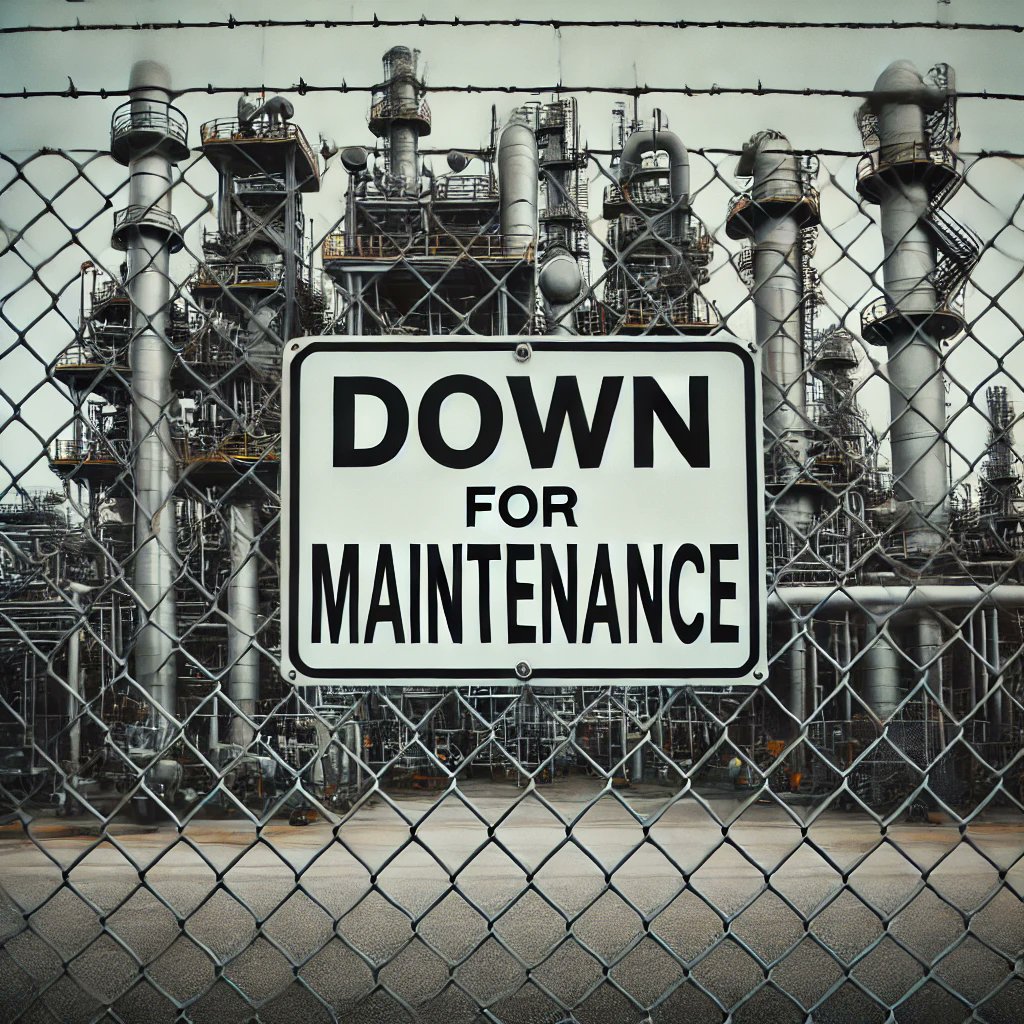
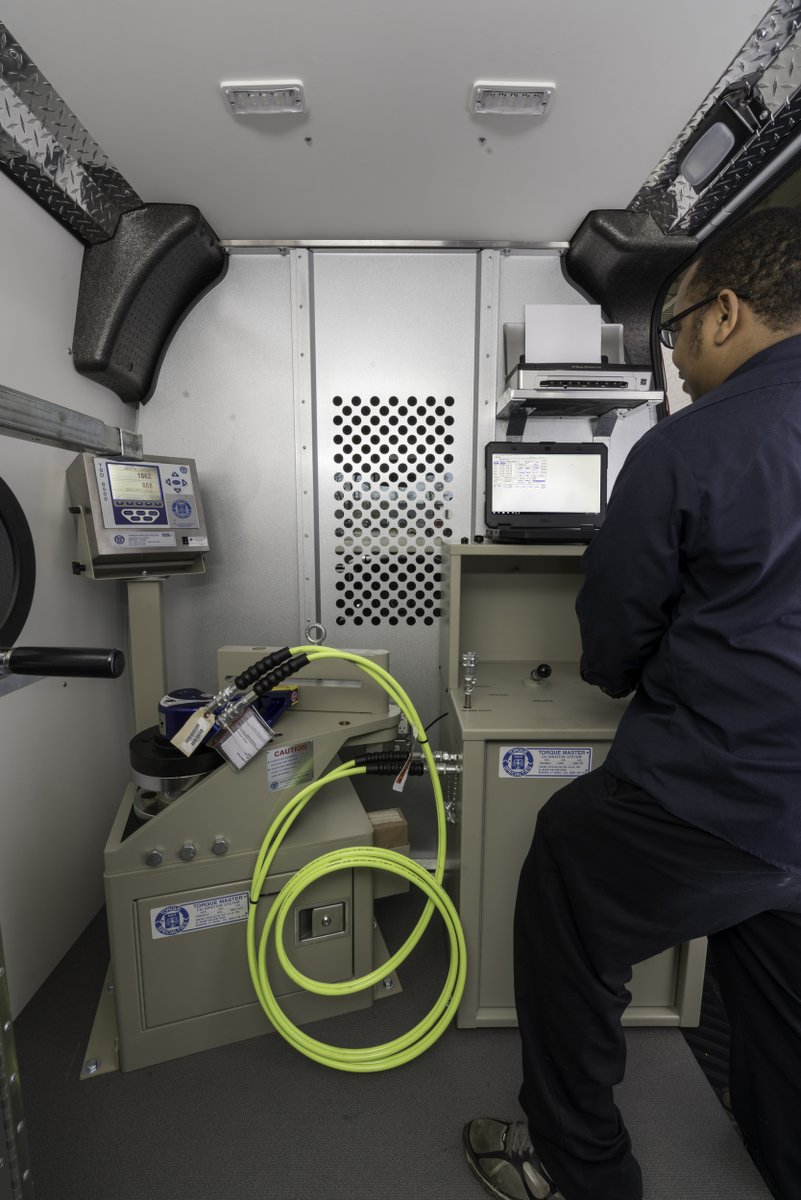
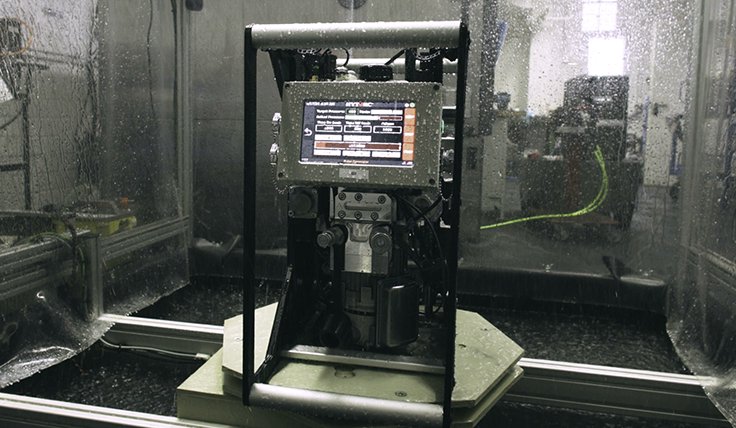
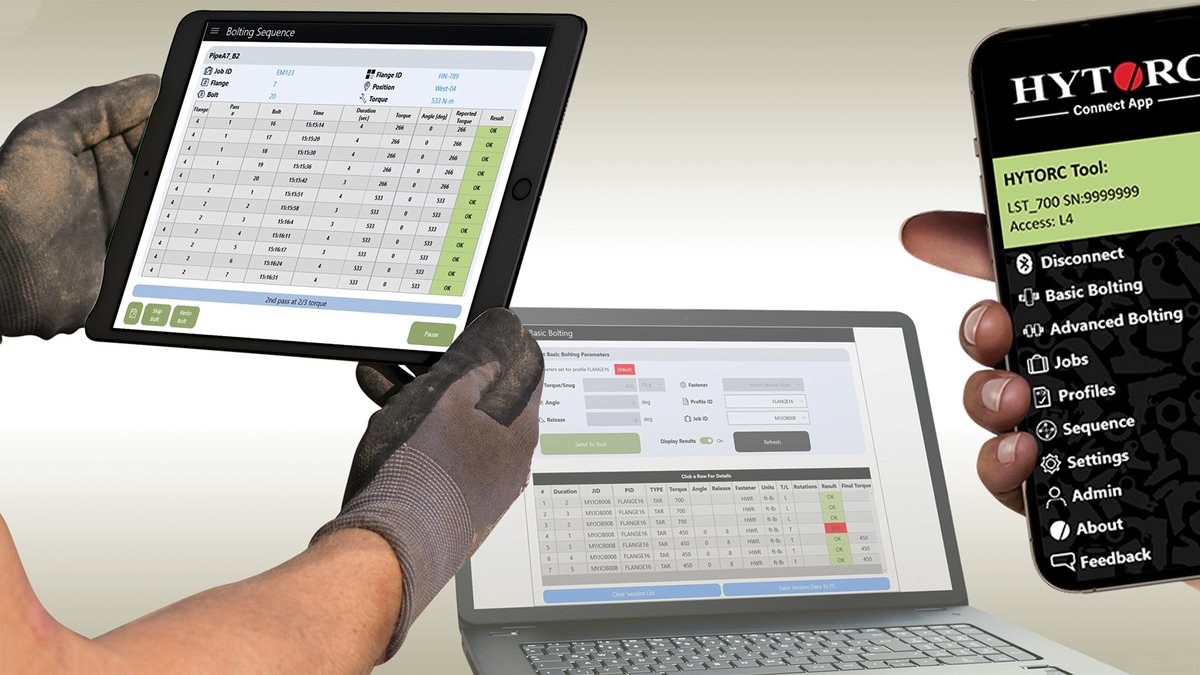
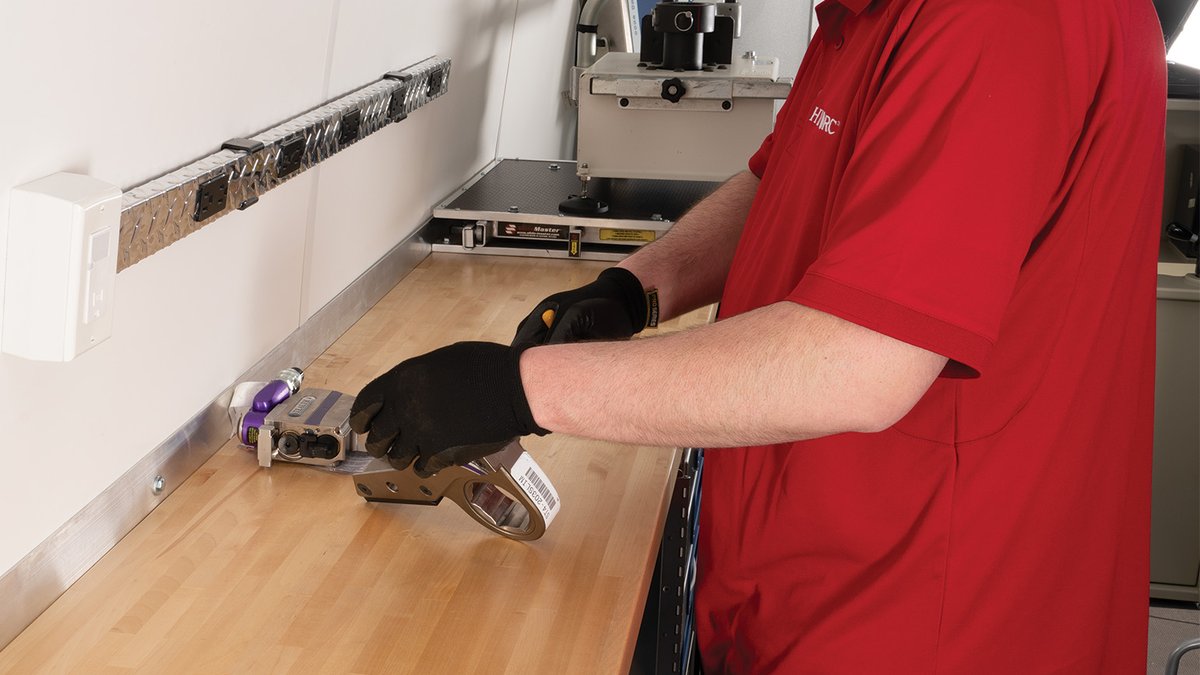
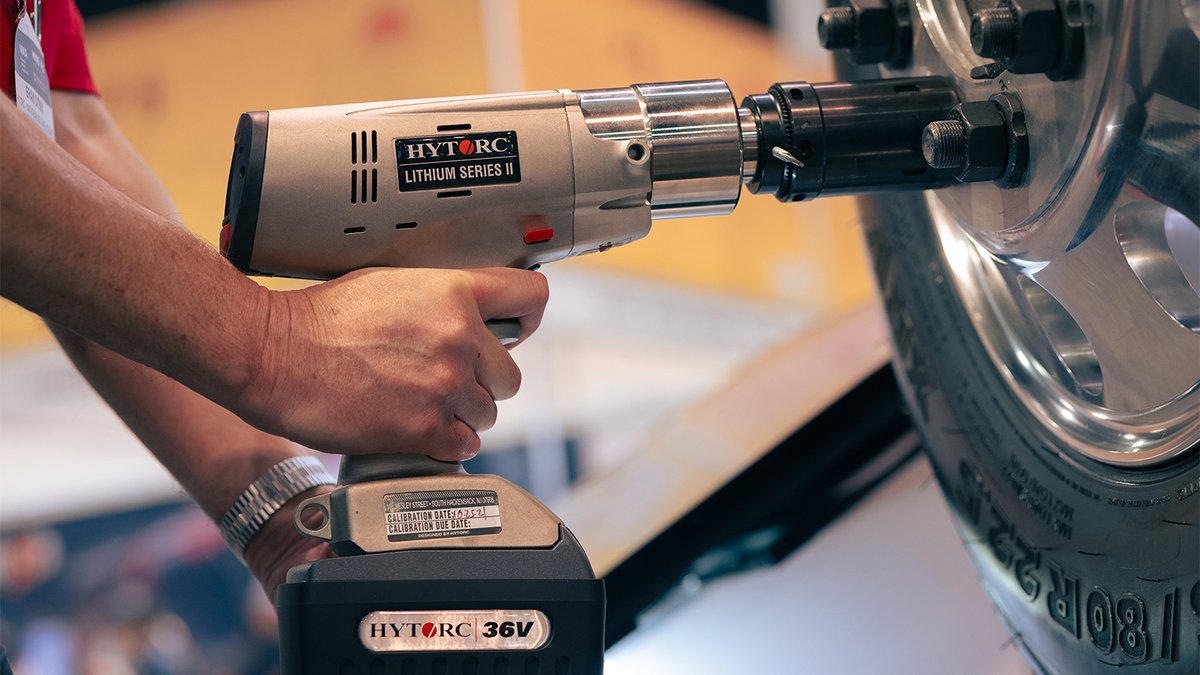
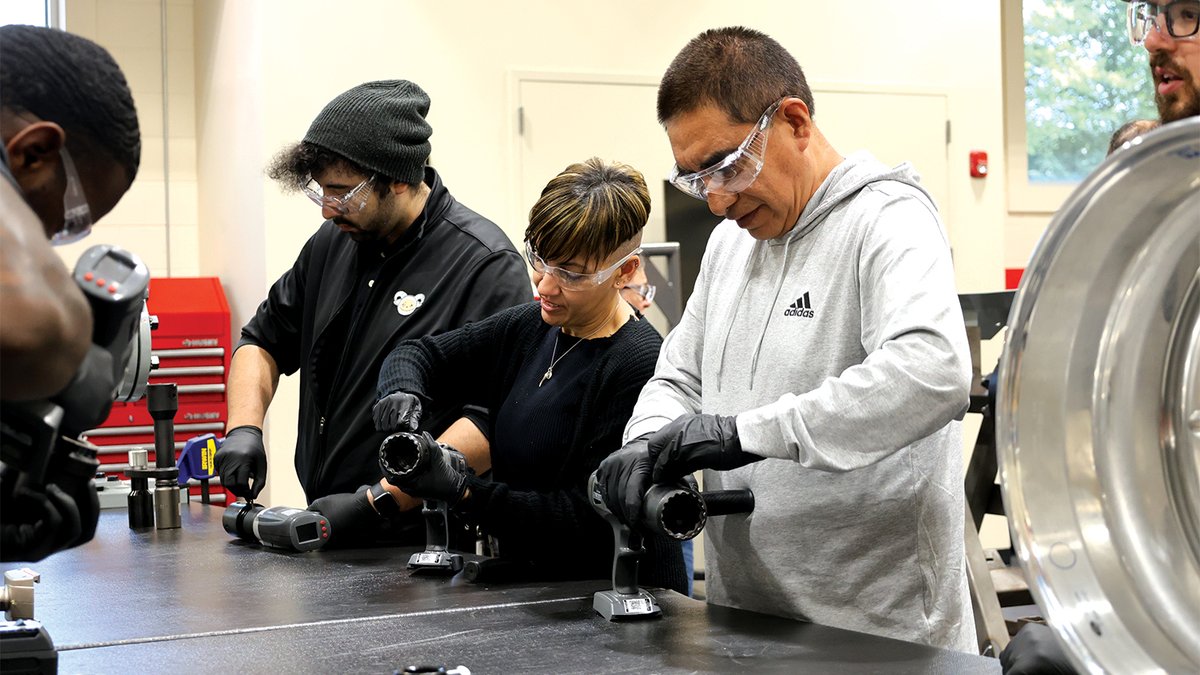
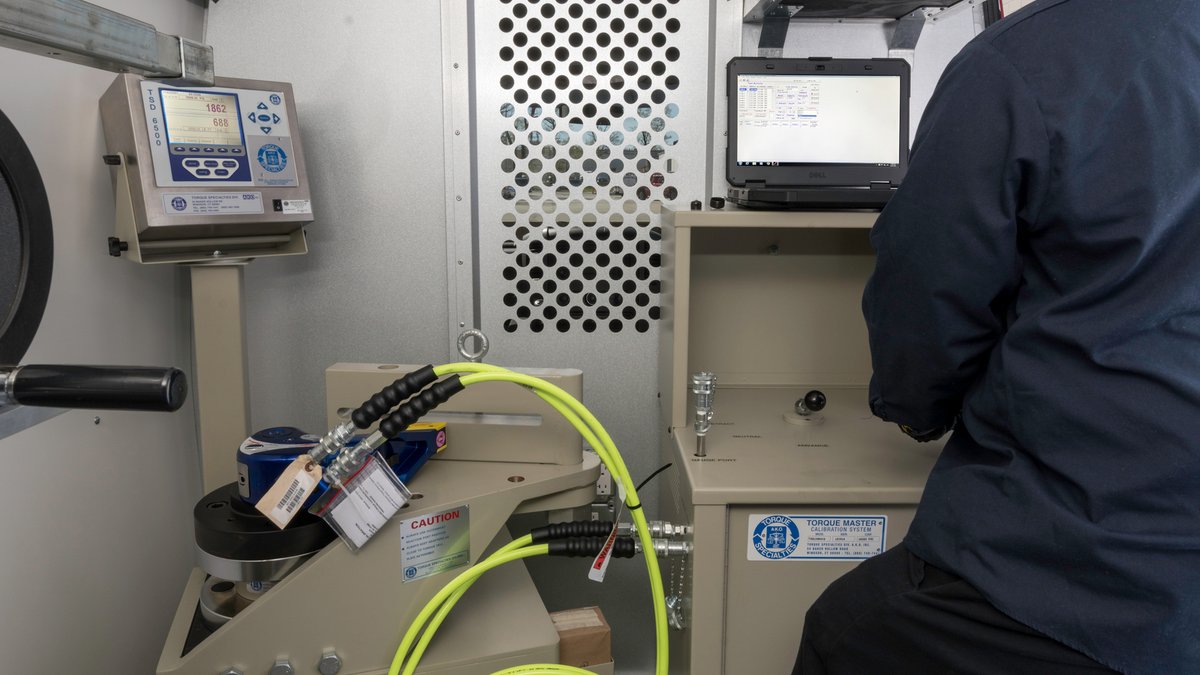






Did you know unplanned downtime costs Fortune Global 500 companies approximately 11% of their annual turnover, totaling nearly $1.5 trillion. Implementing predictive maintenance strategies can significantly reduce these expenses by preventing unexpected equipment failures.
1
74
Counting down the days!🗓️Excited to drive innovation forward in this industry.
10 Jan 2025

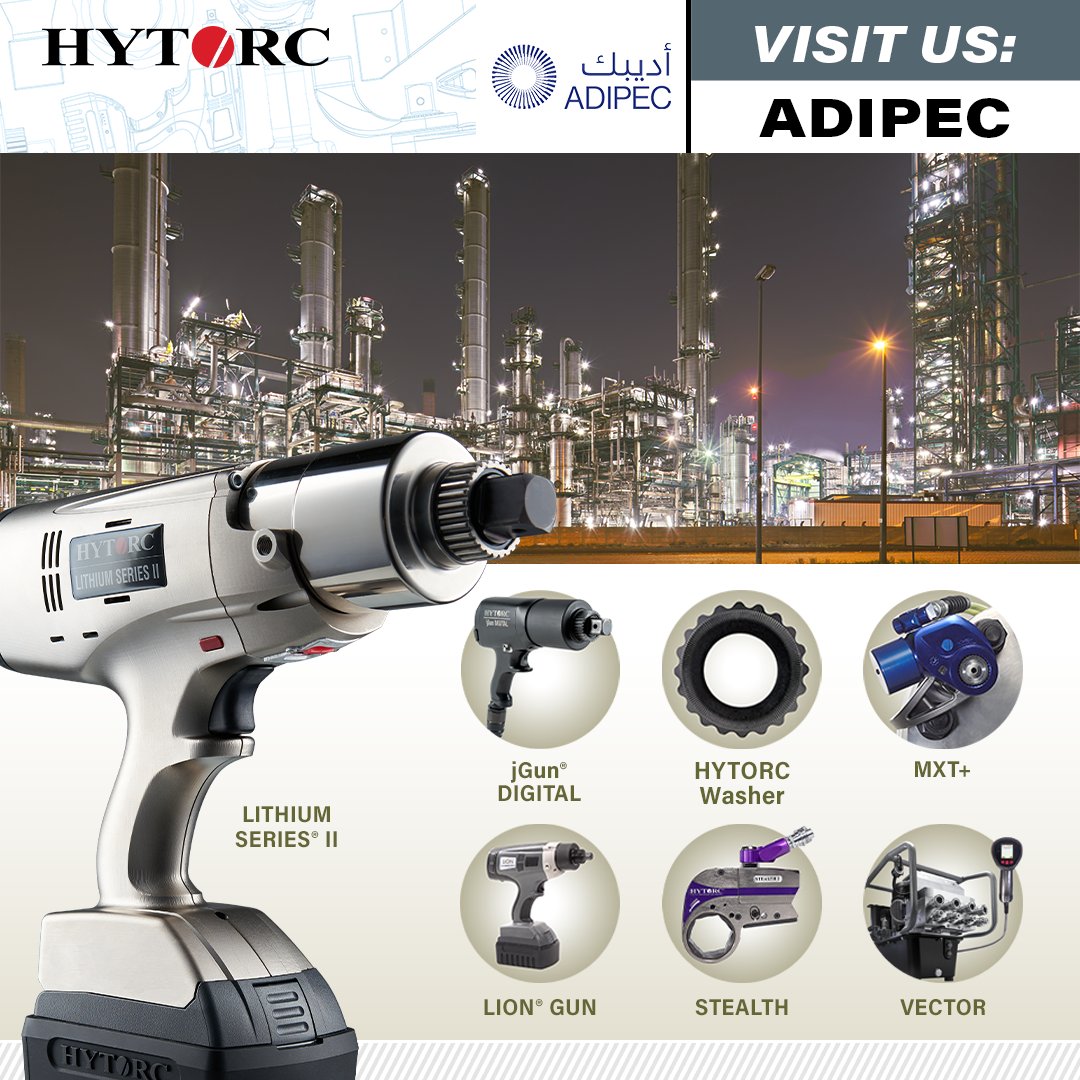
3-6 November 2025 - Join the world's largest energy event, taking place in Abu Dhabi. Join over 205,000 energy professionals in Abu Dhabi.
64
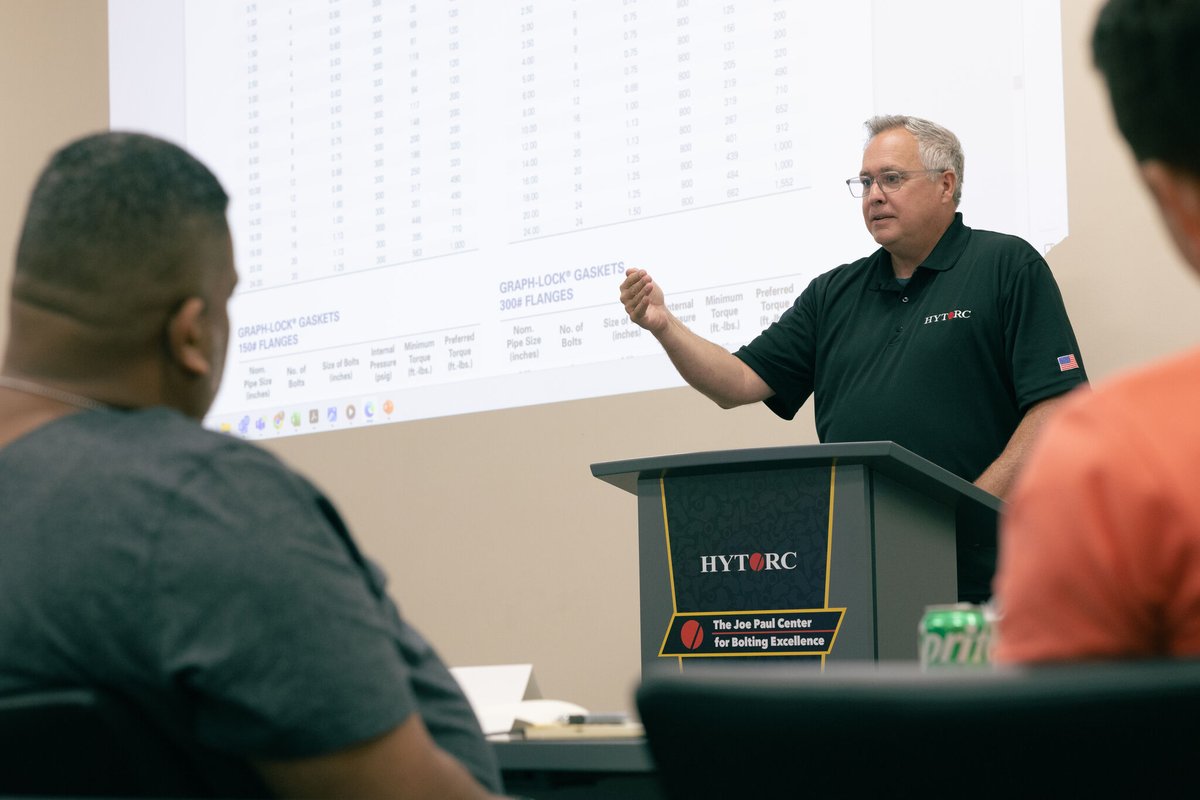
Investing in comprehensive safety training not only enhances team skills but also significantly reduces workplace injuries.
Studies show that for every dollar spent on effective safety programs, employers can save $4 to $6 in injury-related costs.
hytorc.com/training
1
33
Did you know?
Hand injuries account for 27% of all workplace incidents, with the oil and gas industry seeing even higher rates.
Implementing reaction arm-free bolting technology can eliminate pinch points, significantly reducing these injuries and enhancing worker safety. 🤚
1
40
Did you know in industries like construction & transportation, improper bolting can lead to structural failures, costing millions in repairs & downtime.
🔩 Precision bolting isn’t just about efficiency—it’s about safety, reliability, and preventing catastrophic failures.
1
49
Is full automation the future of industrial bolting? 🤖
Some say it will eliminate errors and improve safety, while others believe hands-on expertise is irreplaceable.
What do you think?
100%
Automation is the future
0%
Human skill is essential
0%
A mix of both is best
0%
Not sure
1 votes • Final results
34