
Storyteller for the on-chain era | narrative copywriter and content strategist for web3 brands | DM for gigs and collabs
Joined March 2022
- Tweets 5,664
- Following 1,787
- Followers 3,140
- Likes 26,155
902 Photos and videos









Pinned Tweet

May 6
Most people think ambassadors in web3 are just hype accounts.
They're not!
They're the first human signal a new user sees when they land on a project's page.
Before anyone reads the whitepaper, checks the tokenomics, or downloads the wallet, they look around.
They check the replies, they scan the quote tweets, they feel the room.
And what they're really asking is, do real people care about this?
Silence answers that question just as loudly as noise does.
This is why ambassadors matter beyond content creation. They don't just spread information, they create the social proof that makes information worth believing.
The first reply under a post. The first thread breaking down a feature. The first person saying "I've been using this and here's what I think."
That's building the first layer of perception and trust, not just engagement.
And in the early stages of a project, perception is everything. A great product with no visible community feels dead, but an average product with genuine human activity feels alive.
Ambassadors are the difference between those two realities.
1
15
1,131
Hyzik retweeted

Jun 7
🚀 Dropsy Program Update: Scalable #Airdrop Account Derivation
One of the biggest improvements in our latest update is how Airdrop Accounts are derived.
Previously, an Airdrop Account address was derived from:
• Mint Address
• Authority Wallet
This worked well, but it introduced a limitation:
If you created an airdrop for a specific token with a specific wallet, you could only have a single Airdrop Account for that combination.
That wasn't ideal for projects that want to run multiple campaigns, seasons, community distributions, partner drops, or testing environments using the same token.
Today, we're solving that.
Airdrop Accounts now include a unique ID in their seed derivation.
This means the same authority can create multiple independent airdrops for the same token without any address collisions.
✅ Multiple campaigns per token/authority
✅ Better scalability
✅ Greater flexibility for builders
✅ Future-ready architecture
A small change in seeds, but a major improvement for how projects can build and distribute with Dropsy.
Keep building 🪂
13
16
34
1,245
Hyzik retweeted
Another round of Block Burst rewards is about to be released!
A surprise is on the way.
Are you ready to claim yours?
Let’s cheer for everyone receiving their block release rewards!
#Anome #Web3 #GameFi #BlockBurst

3
100
235
17,721
Jun 1
Persuasion Frameworks in Web3 Copywriting
It took me a while to properly understand this part of copywriting.
At first, I thought persuasion frameworks were just writing formulas you follow step by step.
But that’s not what they are.
And once you understand what they actually do, your writing stops feeling random and starts feeling intentional.
Let’s break it down properly 👇
This is lesson 6!
May 7

Back to the Web3 copywriting training !!!
We're moving on to Lesson 5 👇
This lesson connects deeply to Lesson 4.
In Lesson 4, we talked about how people evaluate offers through four things:
- outcome
- believability
- effort
- risk
There’s something important we'll fully expand on from that lesson.
Something that happens before people even consciously start evaluating any of those things.
And that is perception and positioning.
Let’s make this very simple.
Perception is basically the feeling, meaning, or conclusion people form about something before they fully understand it.
Positioning is the deliberate process of shaping that perception intentionally.
In simple terms:
Perception is:
“How people see and interpret something.”
Positioning is:
“How you intentionally influence that interpretation.”
And this matters a lot more in Web3 than many people realize.
Because most users cannot deeply verify protocols technically.
Most users are not smart contract auditors.
Most users cannot inspect complex codebases.
Most users cannot mathematically verify every mechanism.
So naturally, the brain starts relying heavily on signals and impressions.
And this is where something very important happens.
When people hear a project name, something immediately activates mentally.
Things like:
> safe
> risky
> premium
> beginner-friendly
> technical
> degen
> institutional
> community-driven
> innovative
> trustworthy
That immediate mental association is positioning.
And whether writers realize it or not, their writing plays a huge role in creating those associations.
This is why positioning is not just branding or slogans.
It is the psychological identity a project builds inside the mind of the market.
Now connect this back to Lesson 4.
We said users evaluate offers based on outcome, believability, effort and risk
But what many writers miss is that positioning influences how all four of those things feel.
If something feels confusing, effort automatically feels higher.
If something feels overhyped, risk automatically feels higher.
If something feels clear and grounded, believability increases naturally.
Nothing changed technically.
Only perception changed.
This is why two projects doing almost the exact same thing can feel completely different psychologically.
One feels like:
“Okay… this makes sense.”
The other feels like:
“I don’t know… something feels off.”
That difference is positioning.
Now here’s where this becomes practical for writers.
As a writer, you are shaping positioning from the very first sentence.
Every word, every explanation, every framing choice is quietly telling the brain what kind of project this is.
What makes this important for writers is that positioning is happening whether you control it or not.
Every word, every sentence, every explanation is quietly shaping perception.
For example:
If your writing is filled with:
exaggerated promises
too much hype
vague claims
unrealistic language
constant “next big thing” messaging
The project may start feeling:
risky
unstable
unserious
desperate
Even if the actual technology is solid.
But when the writing feels:
calm
clear
structured
transparent
grounded in reality
The project starts feeling:
safer
more trustworthy
more credible
more professional
This is why writers need to stop thinking only about:
“How do I make this sound exciting?”
And start thinking:
“What kind of perception is this creating?”
That question changes a lot of things.
Because positioning is built through signals.
Small things like:
tone
wording
structure
clarity
consistency
explanation style
how risk is communicated
how benefits are framed
All these things combine together psychologically.
For example:
A protocol that wants institutional positioning cannot communicate like a meme coin project.
If the positioning goal is:
security
professionalism
stability
Then the writing should feel:
measured
calm
precise
transparent
The explanations should feel:
logical
structured
easy to follow
The persuasion style should focus more on:
trust
proof
transparency
risk management
long-term reliability
Not aggressive hype or emotional pressure.
Even the branding and communication style should psychologically match.
The visuals, tone, messaging, and explanations should all point in the same direction mentally.
Because when everything aligns, the brain feels consistency and that consistency creates trust.
If a project that says:
“We are secure and trustworthy.”
But the copies feels chaotic
the messaging is exaggerated
the communication feels emotionally unstable
the explanations are vague
the branding feels unserious
The brain notices the mismatch immediately.
And once people sense inconsistency, positioning weakens.
This is why I say good positioning is not built from one sentence.
It is built from repeated psychological alignment.
Everything should reinforce the same mental association repeatedly.
If the desired positioning is: beginner-friendly
Then:
the explanations should feel simple
the onboarding should feel easy
the language should avoid unnecessary complexity
the communication should feel welcoming
If the desired positioning is: technical and advanced
Then:
the explanations can become deeper
the terminology can become more sophisticated
the communication can focus more on innovation and architecture
If the desired positioning is: community-driven
Then the writing should constantly reinforce:
participation
belonging
shared identity
collective movement
This is how writers create consistency.
You first decide:
“What should people mentally associate this project with?”
Then every part of the communication reinforces that identity consistently.
This is also why good Web3 writers spend less time trying to sound intelligent and more time trying to make readers feel oriented.
Because when people feel lost, resistance increases.
But when people feel like:
“Okay… I understand this.”
Trust starts forming naturally.
And once trust starts forming consistently across every touchpoint, positioning becomes stronger over time.
That is what strong writers understand.
They are not just writing information.
They are shaping interpretation.
And once you begin thinking that way, your writing changes completely.
You stop writing to impress
And start asking:
“How do I want this project to exist in the mind of the audience?”
That is positioning.
And that’s Lesson 5.
1
14
451
Jun 1
Then comes the Hook.
The Hook is the emotional doorway into the Star.
A real hook does not just sound interesting.
It creates an open loop inside the reader’s mind.
Something feels unfinished.
And because the brain naturally wants closure, attention stays active.
For example:
Most people in crypto think they’re early.
But the wallets making real money usually move before the crowd notices anything.
Immediately, curiosity forms.
The brain starts asking questions automatically:
“Wait… what do you mean?”
“Who are these wallets?”
“How early are they moving?”
That’s what a strong hook does.
It creates psychological movement.
Not just attention.
1
41
Jun 1
Then comes the Chain.
This is probably the most important part of SHC and the part beginners understand the least.
The Chain is what keeps attention alive after the hook works.
Most writers know how to start strongly.
Very few know how to sustain curiosity.
This is why many threads die halfway through.
The emotional movement breaks.
A strong Chain means every sentence naturally creates the next question in the reader’s mind.
The reader keeps moving forward almost automatically.
For example:
“You’ve probably noticed this too.
You bridge assets on one protocol.
Swap somewhere else.
Farm on another platform.
A few days later, the whole experience starts feeling disconnected and forgettable.”
Notice what’s happening psychologically.
Each line deepens recognition gradually.
The reader emotionally relives the experience step by step.
That emotional continuation is the Chain.
And when the Chain is strong, the writing becomes difficult to stop reading.
Not because every sentence is flashy.
But because the emotional movement never fully closes.
That’s layered attention.
And honestly, this is one of the biggest differences between average writers and memorable ones.
Average writers deliver information.
Strong writers guide emotional progression.
At the core of all this is a simple idea:
Frameworks don’t persuade people.
Understanding emotions does.
Frameworks just help you structure that understanding in a way that guides the reader smoothly.
Once you understand this, you stop writing randomly.
And start writing with direction.
That’s the real shift in copywriting.
58
Hyzik retweeted

May 25
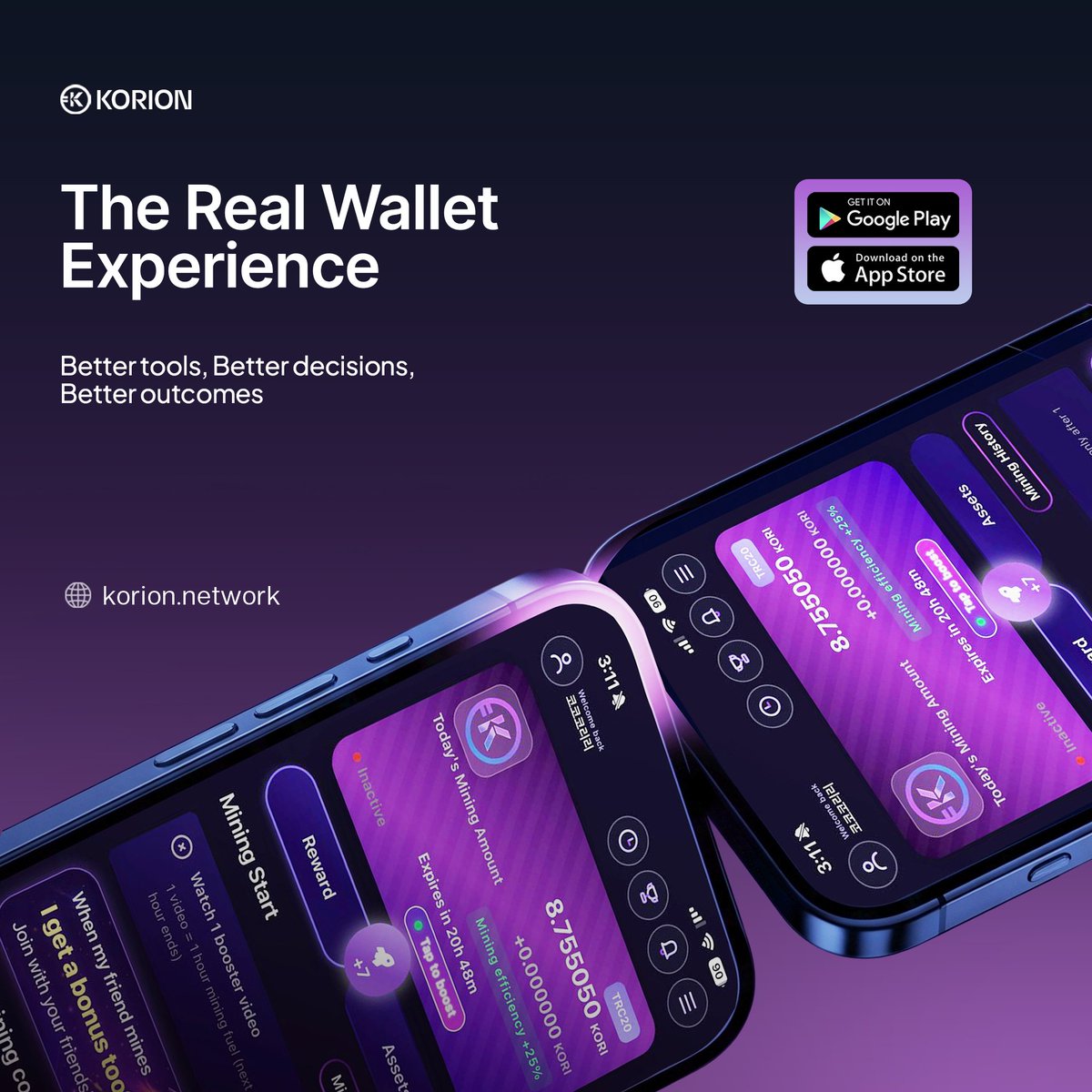
The wallet experience should feel smarter, smoother, and actually rewarding.
At Korion, we’re building more than just a place to store assets, we’re creating an ecosystem where users can interact, earn, explore opportunities, and make better on chain decisions all in one experience.
From seamless asset management to integrated mining, rewards, and user focused tools, every feature is designed to make Web3 feel simpler, more engaging, and more valuable for everyday users.
Better tools, Better decisions and a Better outcomes.
This is the real wallet experience.
Get your wallet today on Playstore or Appstore.
15
7
42
1,559
Hyzik retweeted
May 21
KORION PAY Expansion Update
We are excited to announce that KORION PAY, the next expansion service of the already launched KORION Wallet, is scheduled to be available on the Google Play Store next week 🎉
KORION PAY is built to bring real world crypto payments into everyday life through a seamless, simple, and secure experience.
This marks another major step forward in expanding the KORION ecosystem beyond just a wallet, moving closer toward practical everyday blockchain utility.
📲 Official release details and download information will be shared soon.
Stay tuned.
The future of real world crypto payments is getting closer.
21
7
51
2,107
May 20
Most Web3 projects don't have a marketing problem.
They have a story problem.
Anyone can hype a token.
Few can make a community believe
in what they're building.
That's the gap I live in.
Narrative copywriter, content strategist.
The writer your protocol calls when the whitepaper isn't enough.
If your project has vision but your words aren't landing, my DMs are open.
The on-chain era needs storytellers.
1
9
544
Hyzik retweeted

May 20
MEV Protection RPC is now supported on ANOME ONE.
Smarter execution. Better protection. Less exposure to sandwich attacks and harmful MEV behavior. Your transactions deserve a safer route. ANOME ONE continues to optimize both automation and on-chain security.
#ANOME #ANOMEONE #MEV #DeFi #BNBChain

92
3
229
16,416
Hyzik retweeted
May 18
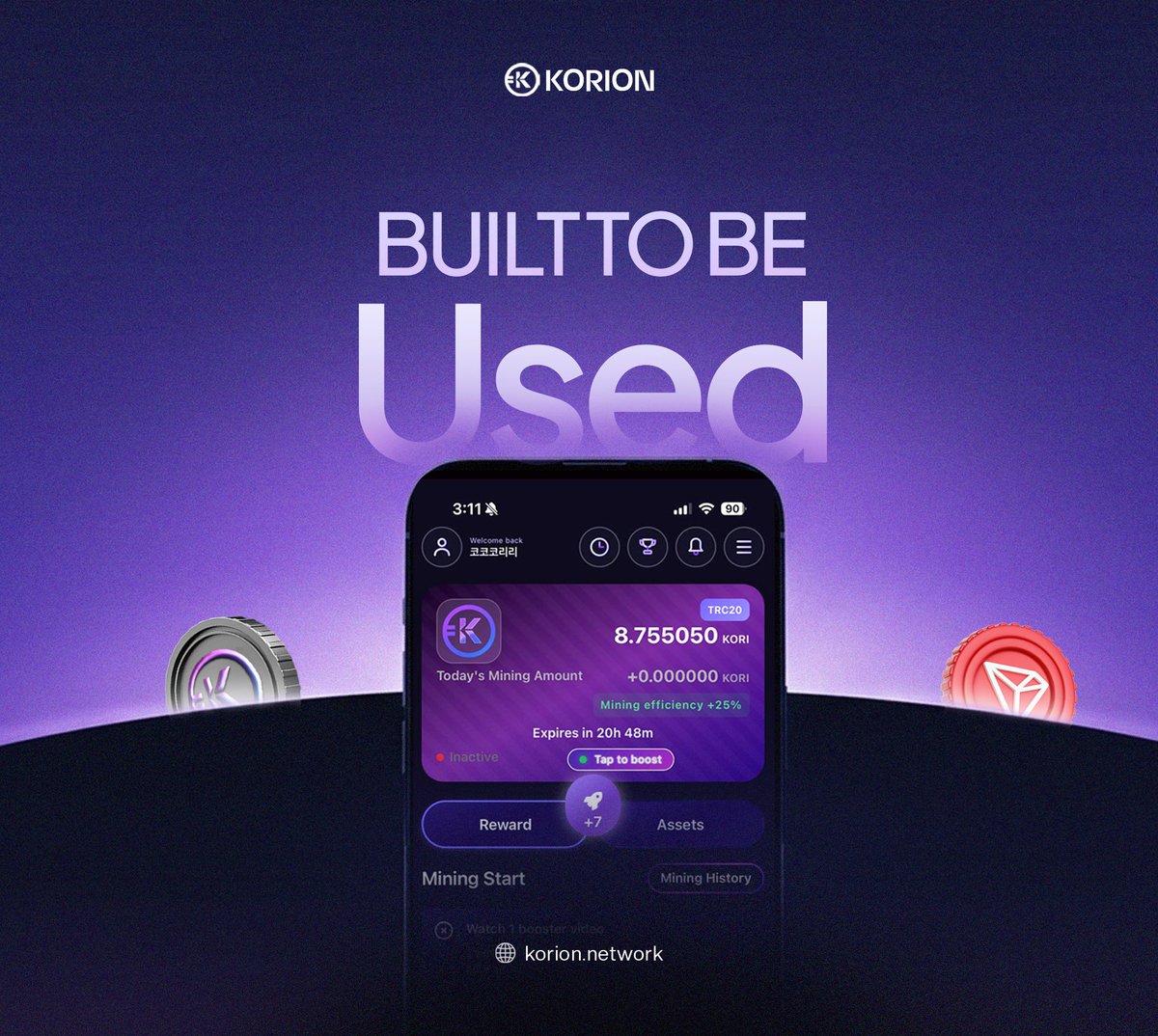
GM
A lot of crypto projects talk about the future.
Korion is quietly building for real usage.
The part I like most is that we don't feel like something made only for crypto people. Korion's direction is simple enough for everyday users while still keeping the Web3 vision alive.
Fast transactions.
Easy access.
A smoother payment experience.
That’s the kind of direction the space honestly needs right now.
#Korion #Web3 #Crypto
28
6
59
1,527