
IAS-CSIC es un centro especializado en investigación agraria. Su misión es compatibilizar la producción de alimentos con la conservación de recursos naturales
Joined August 2011
- Tweets 11,977
- Following 1,258
- Followers 3,471
- Likes 28,149
2,287 Photos and videos
IAS-CSIC retweeted

Jun 12
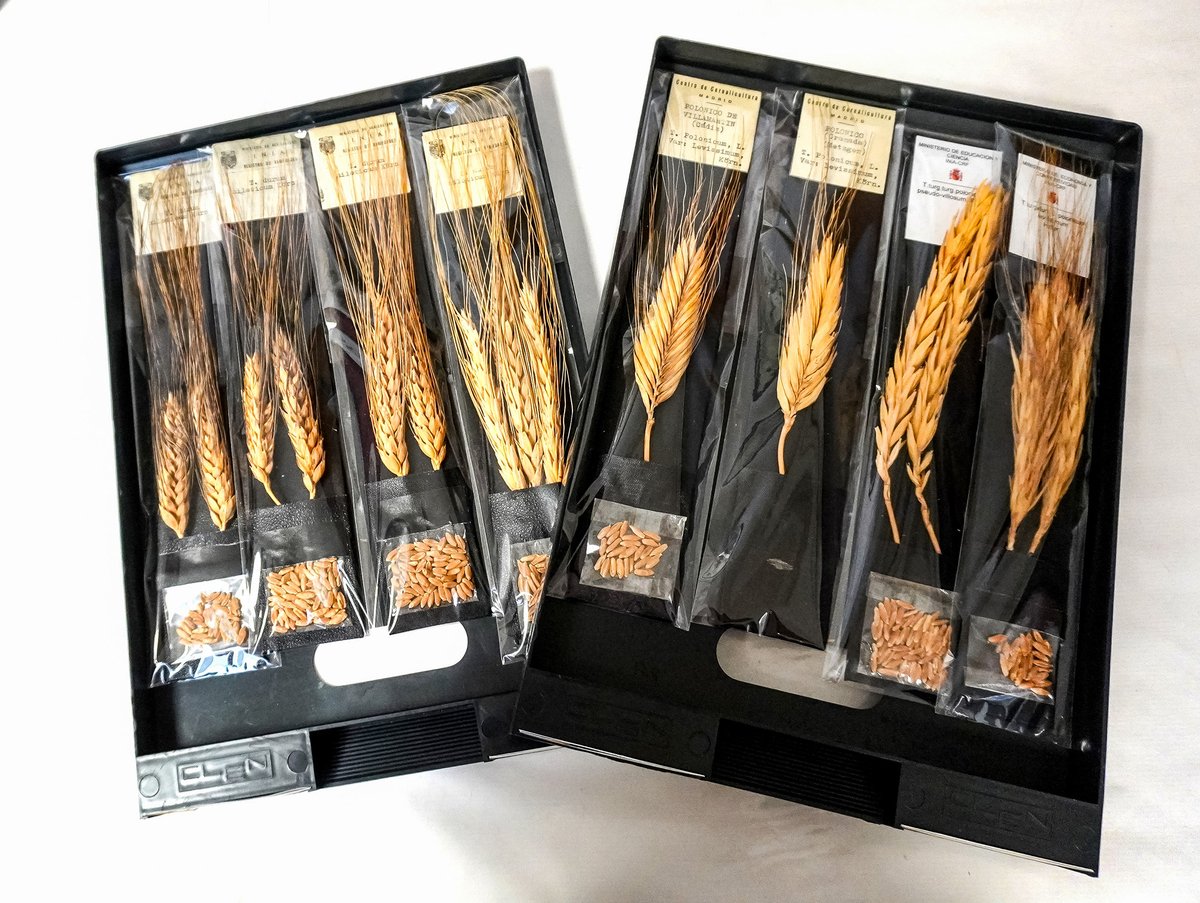
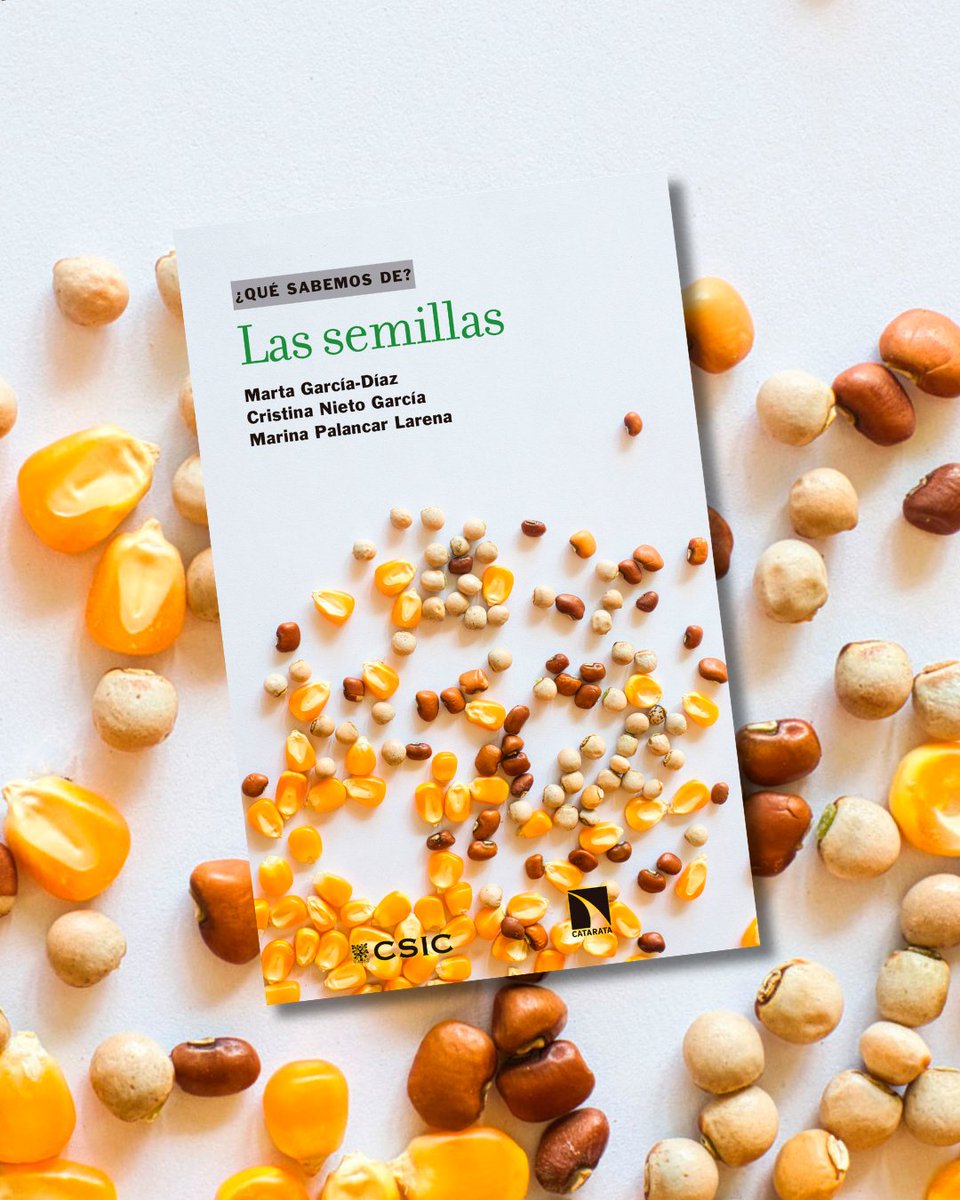
🌾“Las semillas pueden prosperar sin la ayuda del ser humano, pero nosotros difícilmente sobreviviríamos sin ellas”. Las investigadoras Marta García-Díaz, Cristina Nieto y Marina Palancar firman ‘Las semillas’, el nuevo libro #QuéSabemosDe (CSIC-Catarata) csic.es/es/actualidad-del-cs…
7
9
564

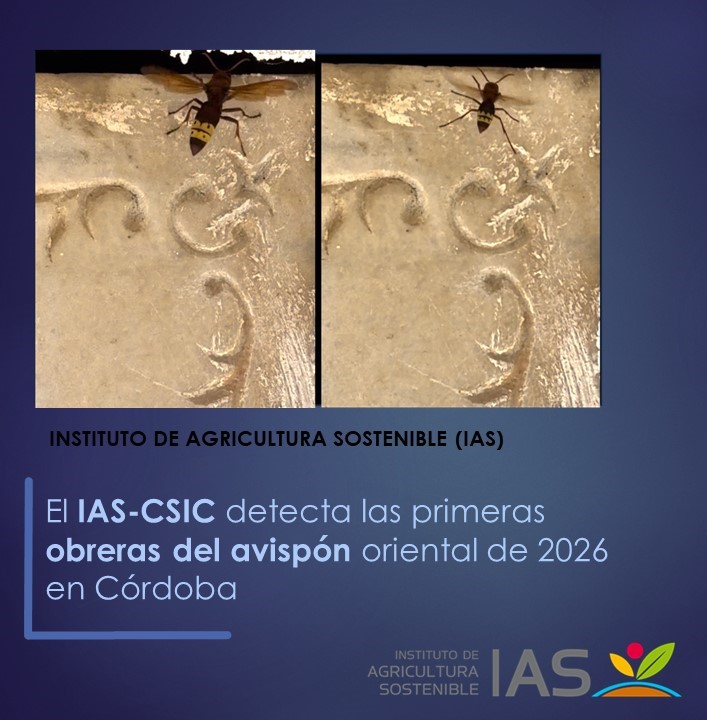
✅ 💡 🐝 El IAS-CSIC detecta las primeras obreras del avispón oriental de 2026 en Córdoba
agrodiariohuelva.es/?p=16265…
#cienciaparalagricultura #CSIC @CSICdivulga @IAS_CSIC
3
29
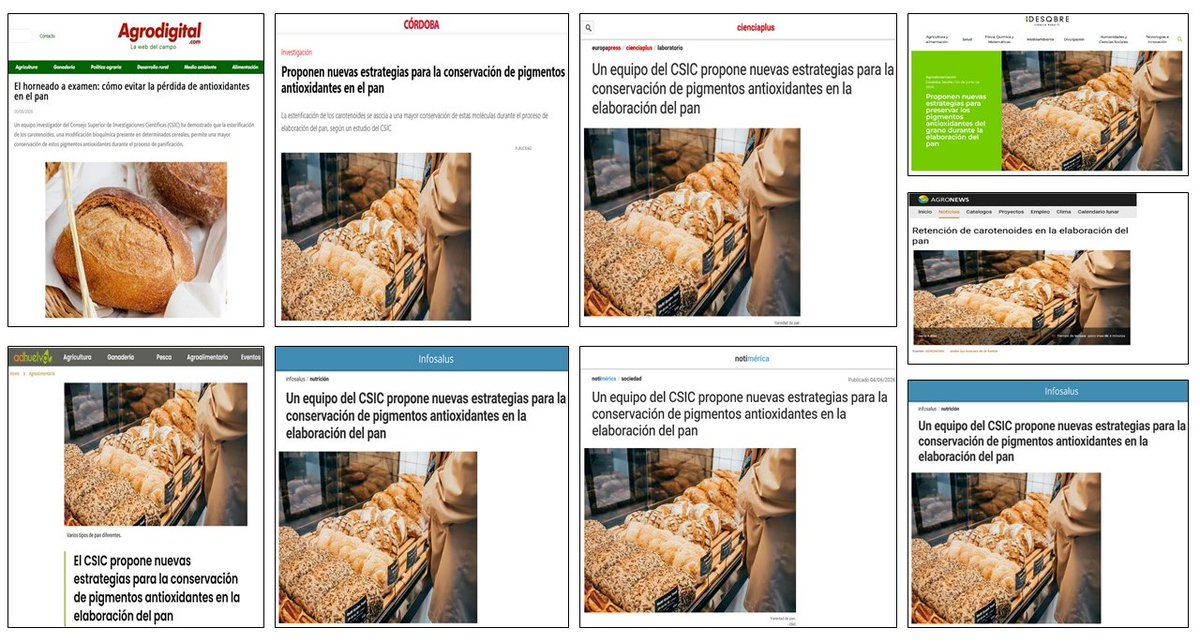
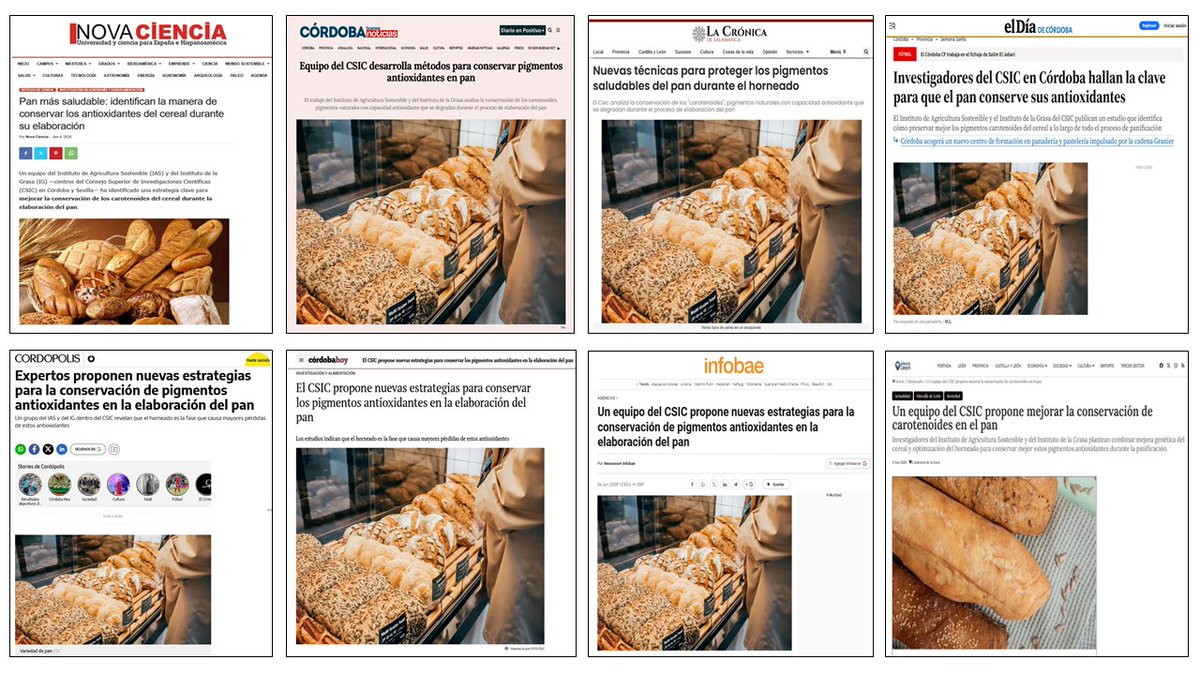
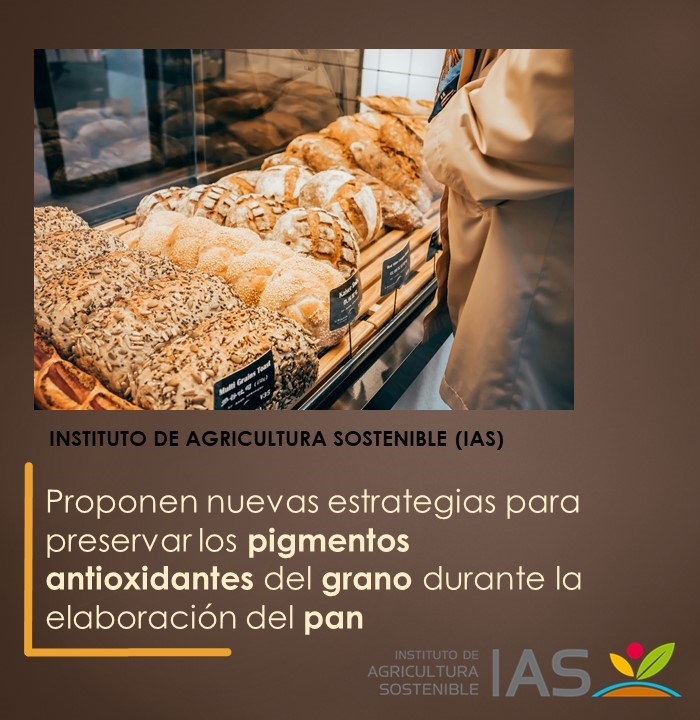
🗞️📰 Seguimiento noticia: Proponen nuevas estrategias para preservar los pigmentos antioxidantes del grano durante la elaboración del pan
#cienciaparalagricultura #CSIC @CSICdivulga @IAS_CSIC @lolirr_20 @AtienzaSg
@institutograsa #triticeae_breeding_group
ias.csic.es/?p=51819
1
2
60
IAS-CSIC retweeted

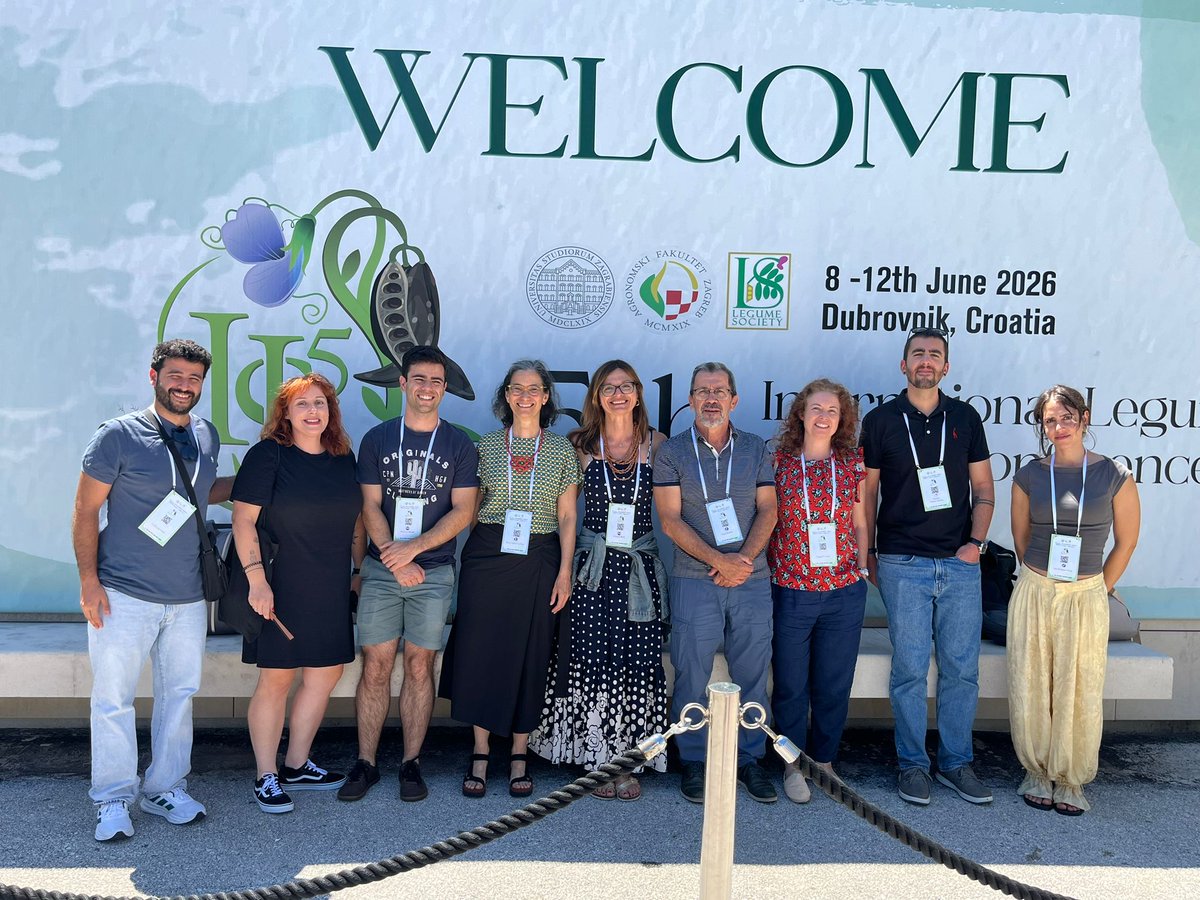
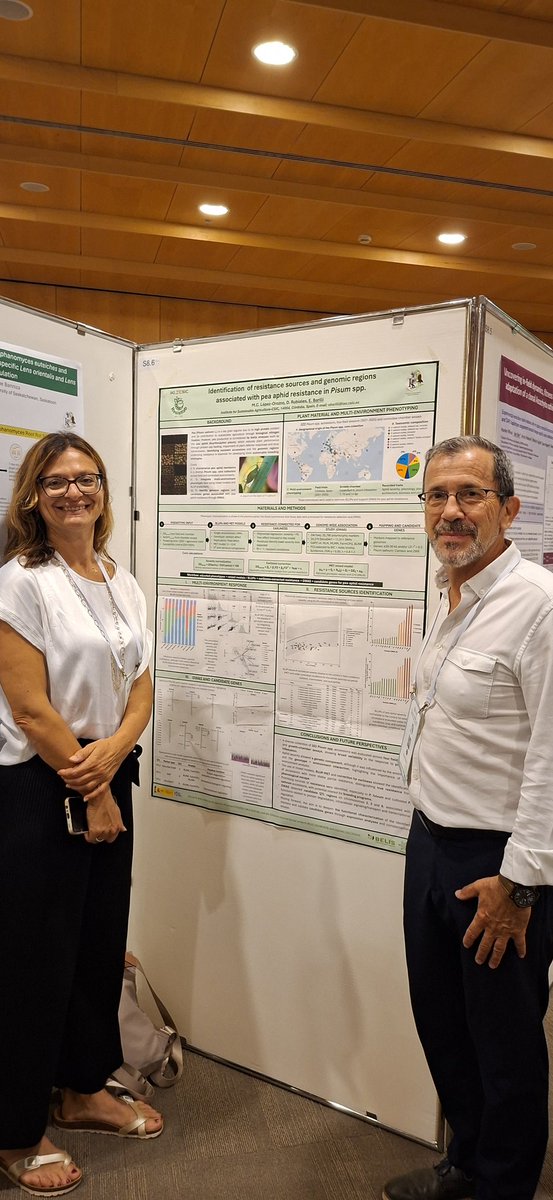
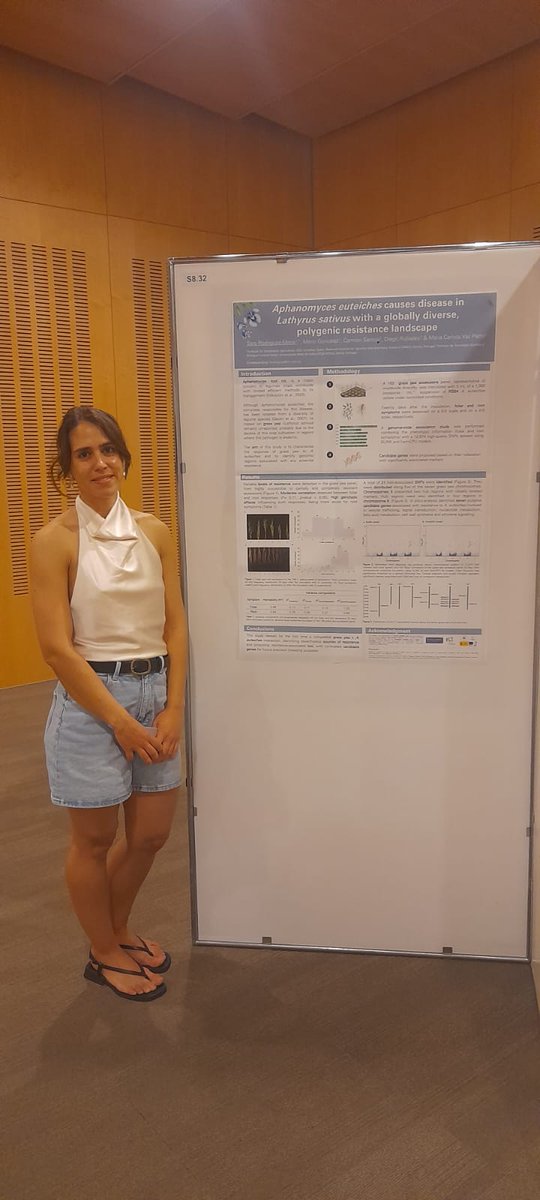
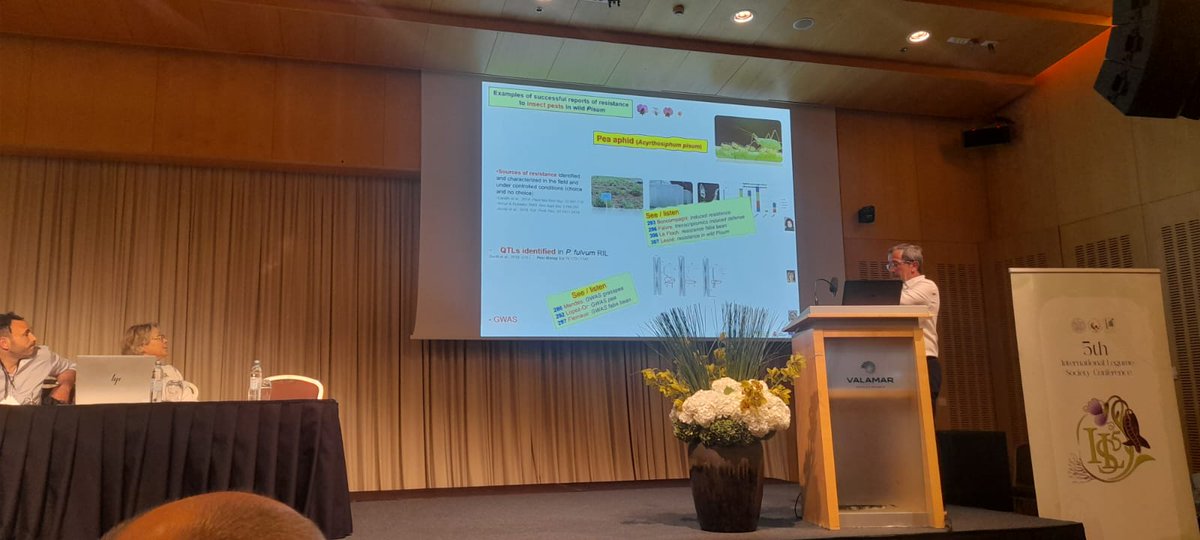
Excellent representation of @PDResistLab @IAS_CSIC at #ILS5
#pea #aphid #aphanomyces @BELIS_EU @COUSIN_project @IPMorama @AgEInves @AELeguminosas @itqbnova
3
12
191
✅ 💡 🐝El IAS-CSIC detecta las primeras obreras del avispón oriental de 2026 en Córdoba
teleprensa.com/articulo/cord…
#cienciaparalagricultura #CSIC @CSICdivulga @IAS_CSIC
2
37

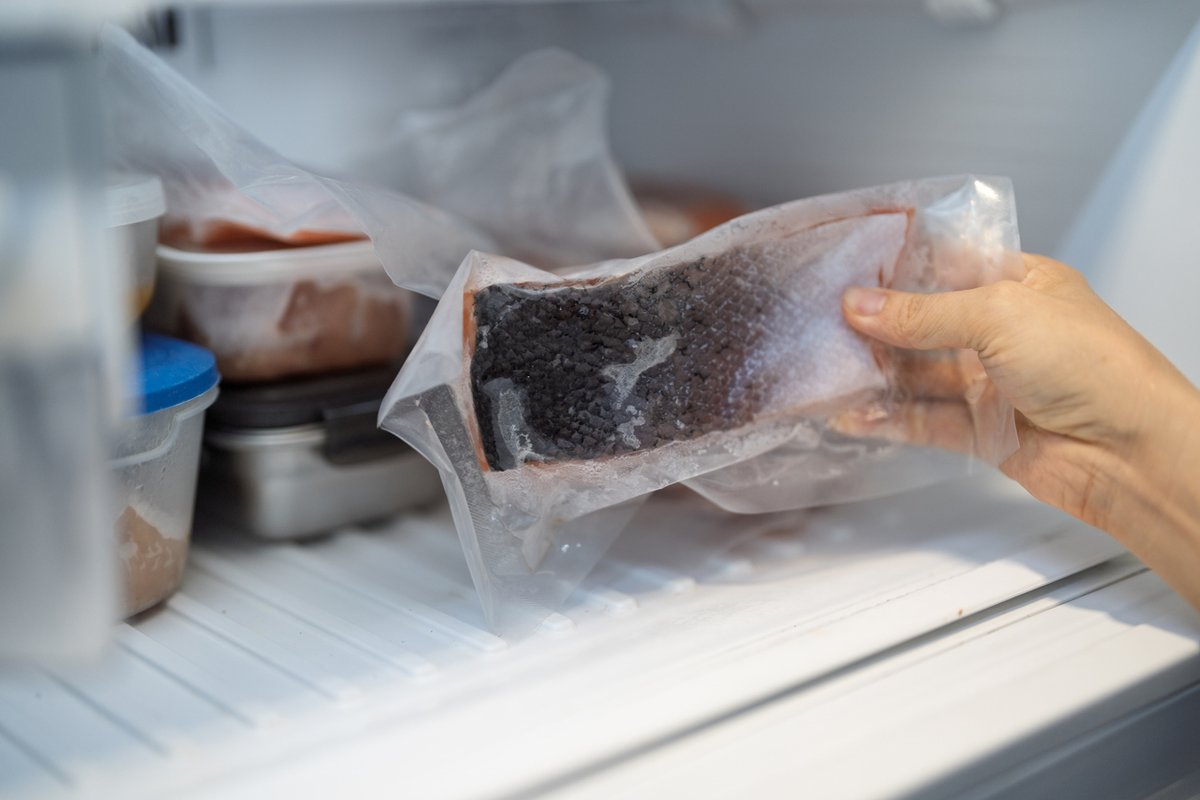
🐟Los envases transfieren aditivos plásticos al pescado guardado en la nevera o congelador
🔬Es la conclusión de un trabajo de @IDAEA_CSIC
🔎Analizaron la migración de compuestos químicos desde envases, como bandejas o bolsas, a salmón, atún y merluza
➡️f.mtr.cool/zanurhhrom
9
17
1,718
✅ 💡 🐝 Nacen las primeras obreras de avispón oriental en Córdoba
agrodigital.com/2026/06/10/p…
#cienciaparalagricultura #CSIC @CSICdivulga @IAS_CSIC
2
33
🥐 Una alternativa saludable a las #grasas convencionales
🫘 El @iata_csic ha desarrollado un oleogel, un tipo de grasa sólida, con aceites vegetales y el líquido de cocción de las legumbres
🔎Puede sustituir a la mantequilla o margarina en bollería
👉 tiny.cc/4ku4101
1
12
22
4,454
✅ 💡 🐝El IAS-CSIC detecta las primeras obreras del avispón oriental en Córdoba y avanza en el conocimiento de su ciclo biológico en la ciudad
agronewscastillayleon.com/av…
#cienciaparalagricultura #CSIC @CSICdivulga @IAS_CSIC
2
37
✅ 💡 🐝Detectan las primeras obreras de avispón oriental en Córdoba: los investigadores están preocupados
novaciencia.es/detectan-las-… a través de @Nova_Ciencia
#cienciaparalagricultura #CSIC @CSICdivulga @IAS_CSIC
1
3
49
IAS-CSIC retweeted

Jun 11
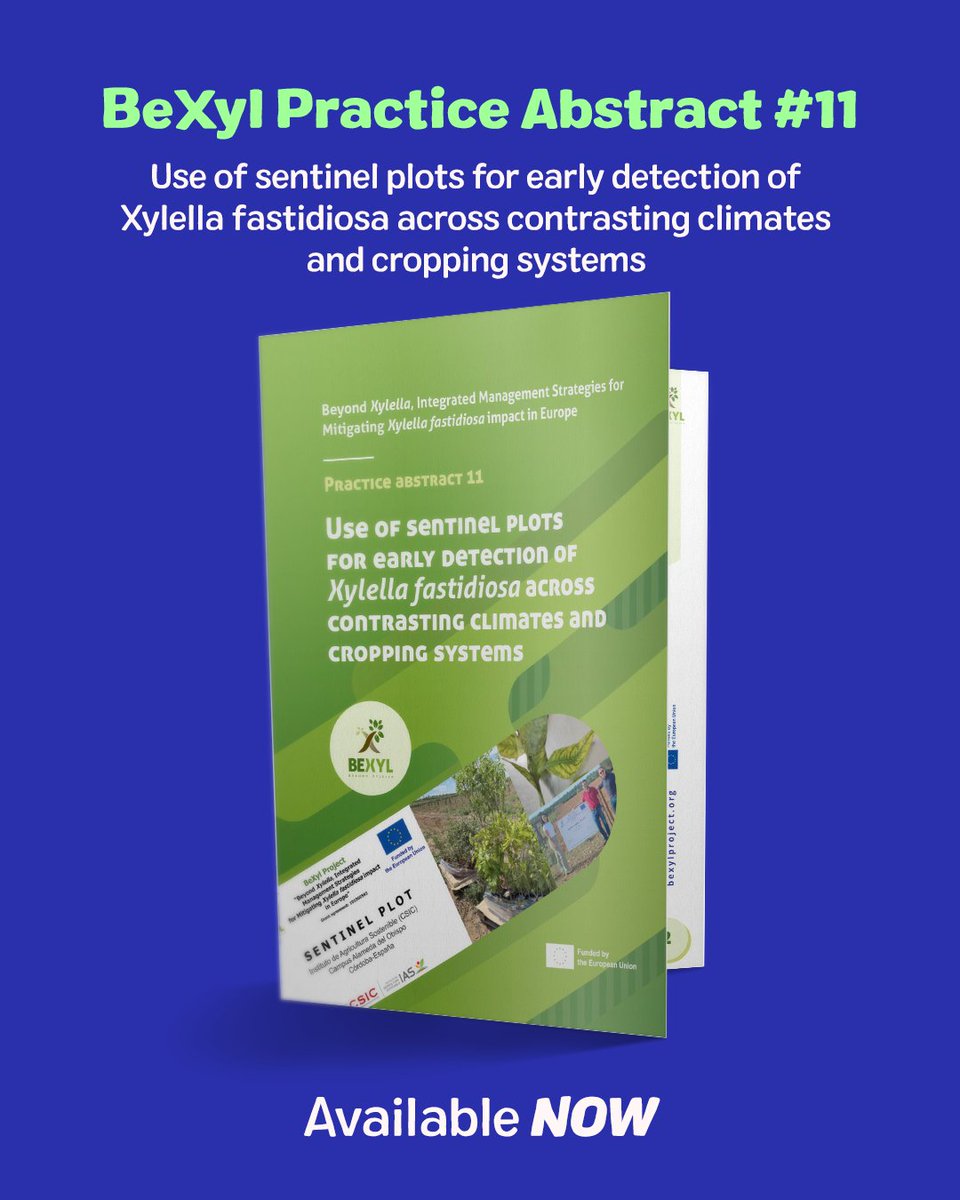
How can we detect Xylella fastidiosa before visible symptoms appear on crops?
BeXyl Practice Abstract 11 details our global network of sentinel plots established as an active early-warning system under real field conditions.
Key Insights:
Global Network: 12 sentinel plots established across 8 countries in Europe and the Americas under contrasting climates.
Standardization: Deployment of common host plants (olive, almond, sweet orange, Spanish broom) monitored with unified sampling and molecular testing protocols.
Asymptomatic Detection: Inspections in Mallorca and Costa Rica confirmed infections in asymptomatic plants, proving visual diagnostics alone are unreliable.
Epidemiology: The network delivers comparable data on infection risks, host exposure, and insect vector transmission under different environments.
Complementing official plant health surveys with standardized sentinel networks is crucial for improving regional biosecurity and preparedness.
Read the full abstract collection here: bexylproject.org/outcomes/do…
@REA_research @IAS_CSIC
#BeXyl #Xylella #SentinelPlots #EarlyDetection
1
4
68
El IAS-CSIC detecta las primeras obreras del avispón oriental de 2026 en Córdoba
infoguadiato.com/el-ias-csic… a través de @Movatec
#cienciaparalagricultura #CSIC @CSICdivulga @IAS_CSIC
2
34
✅ 💡 🐝El IAS-CSIC detecta las primeras obreras del avispón oriental de 2026 en Córdoba
cordobahoy.es/articulo/la-ci… a través de @cordobahoyes
#cienciaparalagricultura #CSIC @CSICdivulga @IAS_CSIC
2
34
✅ 💡 🐝Córdoba registra las primeras obreras del avispón oriental de 2026
andaluciainformacion.es/arti… a través de @andaluciainf
#cienciaparalagricultura #CSIC @CSICdivulga @IAS_CSIC
2
31
✅ 💡 🐝Ya están aquí: detectan las primeras obreras de avispón oriental en Córdoba
eldiadecordoba.es/cordoba/de… vía @eldiacordoba
#cienciaparalagricultura #CSIC @CSICdivulga @IAS_CSIC
2
37
✅ 💡 🐝El IAS-CSIC detecta en Córdoba las primeras obreras de avispón oriental de 2026: "Permite mejorar la estrategia de vigilancia"
diariocordoba.com/cordoba-ci… a través de @cordoba
#cienciaparalagricultura #CSIC @CSICdivulga @IAS_CSIC
2
35
IAS-CSIC retweeted
Jun 9
The BeXyl project recently convened its Final Stakeholder Meeting, entitled “Science, Innovation and Action Against Xylella fastidiosa in Europe”, in Brussels, marking the culmination of four years of multidisciplinary research and collaboration.
This recording presents the comprehensive outcomes of the project, focusing on sustainable strategies to mitigate the impact of Xylella fastidiosa across European and international agricultural sectors.
The official agenda presented at the meeting includes:
Advances in epidemiology, surveillance, and early detection
New biological control approaches and plant resilience strategies
Policy support tools and socio-economic impact assessments
These integrated findings provide scientists, agricultural stakeholders, and policymakers with the scientific framework and practical solutions required to manage existing outbreaks and protect disease-free territories.
We extend our gratitude to all project partners, stakeholders, and attendees for their active participation and contribution over the past four years.
Watch the full recording here: youtu.be/gOde9E10who
@REA_research
@IAS_CSIC
1
3
53
✅ 💡 🐝El IAS-CSIC detecta las primeras obreras del avispón oriental de 2026 en Córdoba vía @europapress europapress.es/andalucia/not…
#cienciaparalagricultura #CSIC @CSICdivulga @IAS_CSIC
2
46