
Cognitive Analytic Therapy Around the World
Joined November 2018
- Tweets 980
- Following 135
- Followers 310
- Likes 1,070
44 Photos and videos


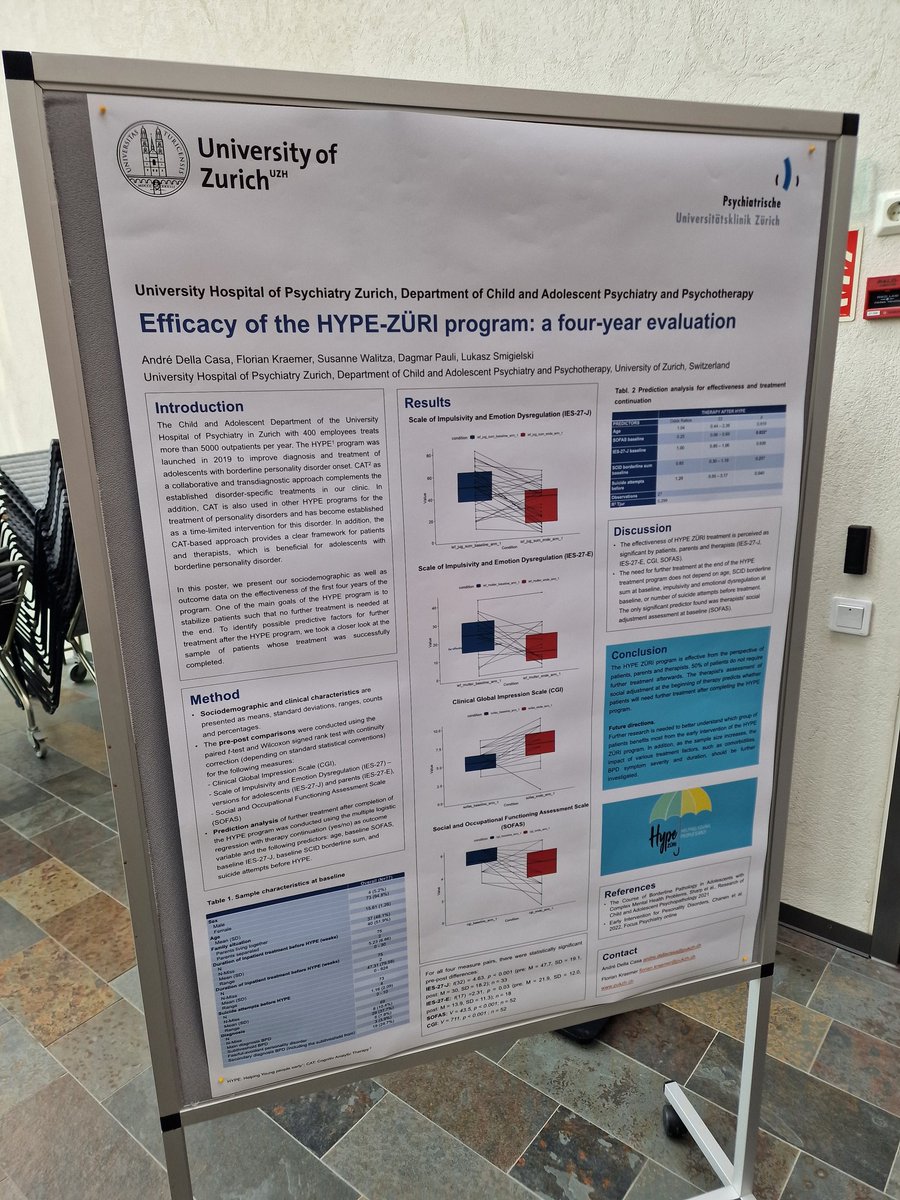
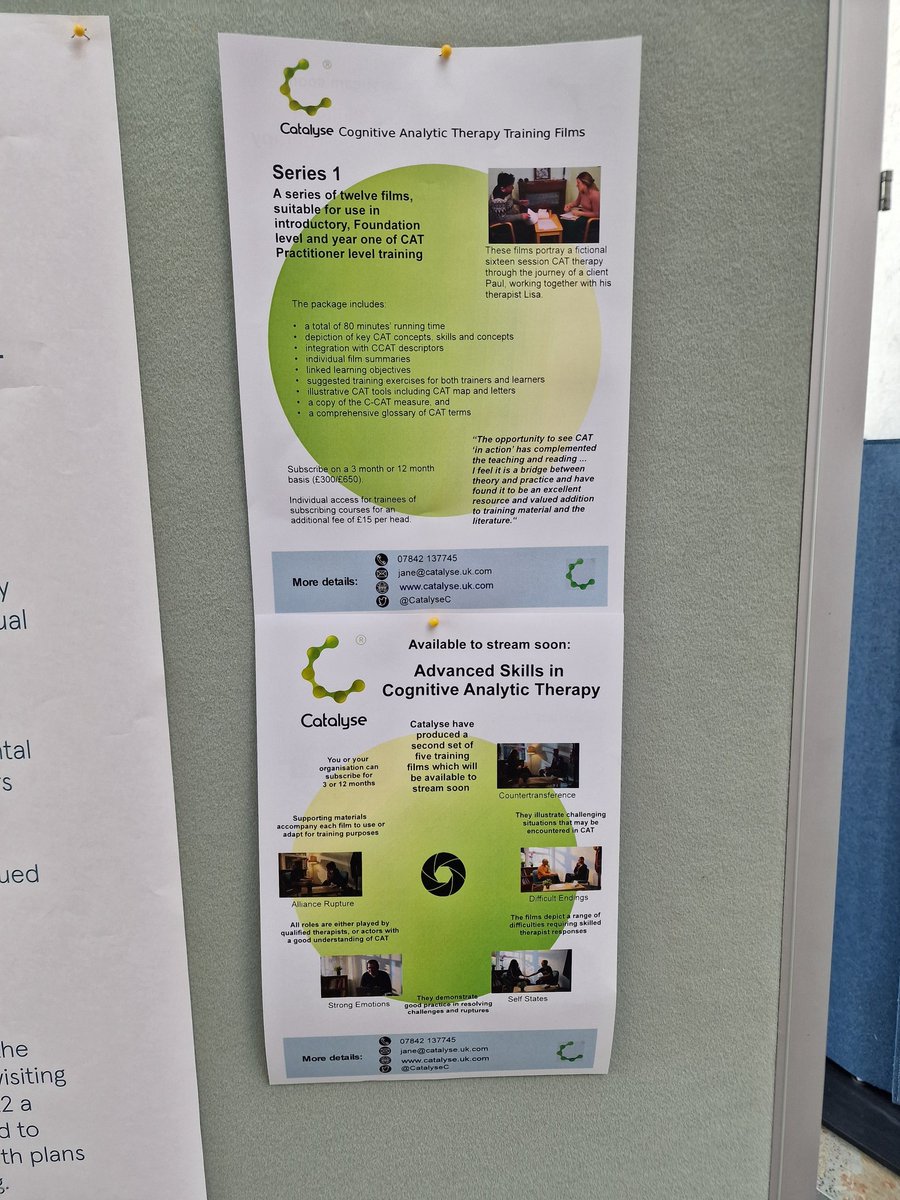
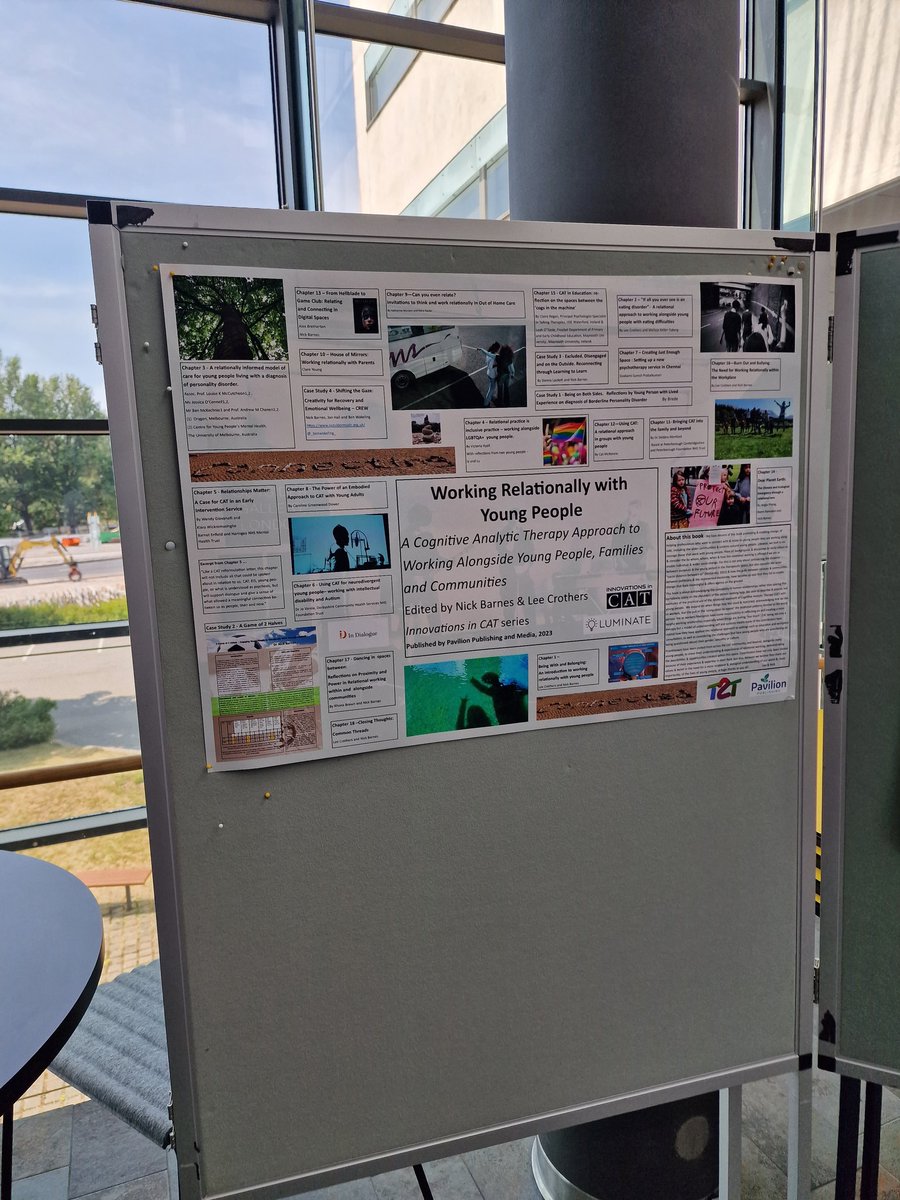
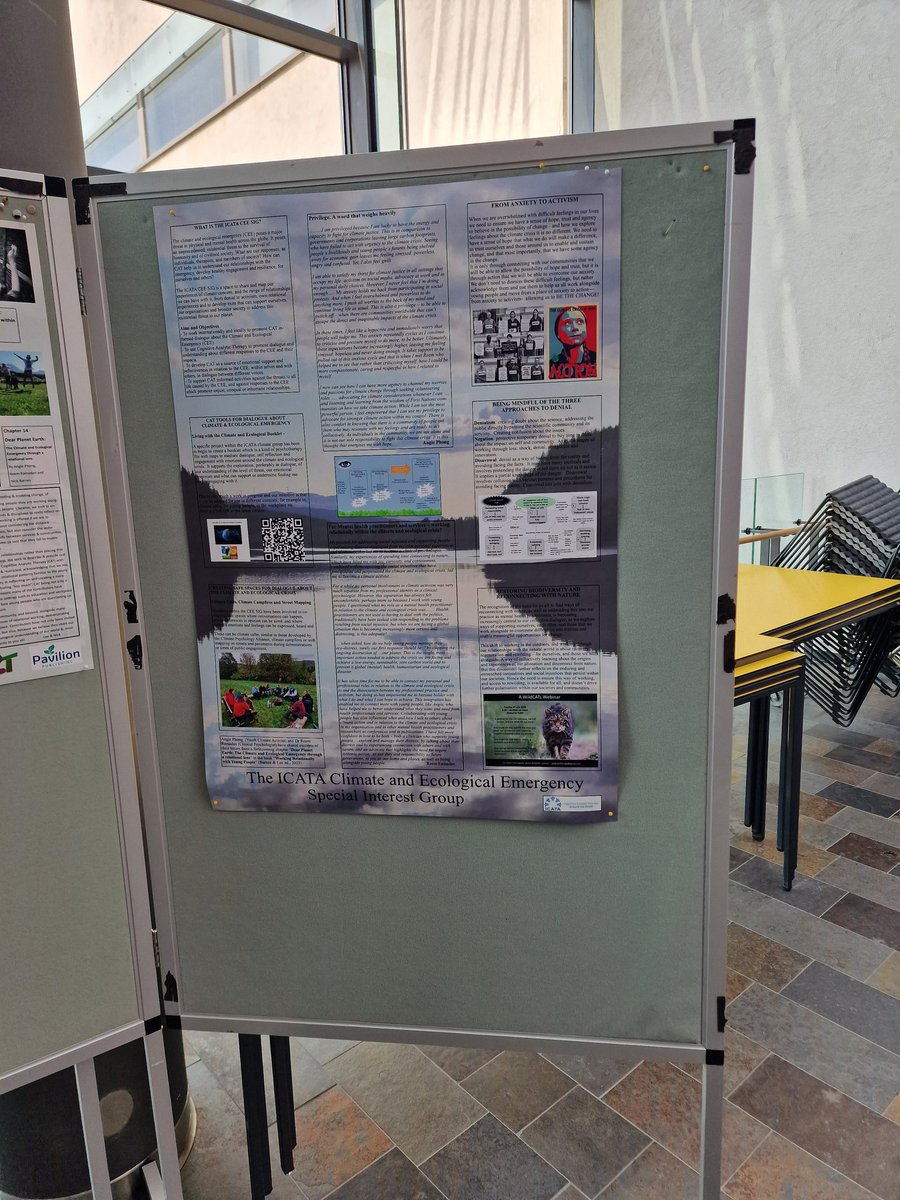
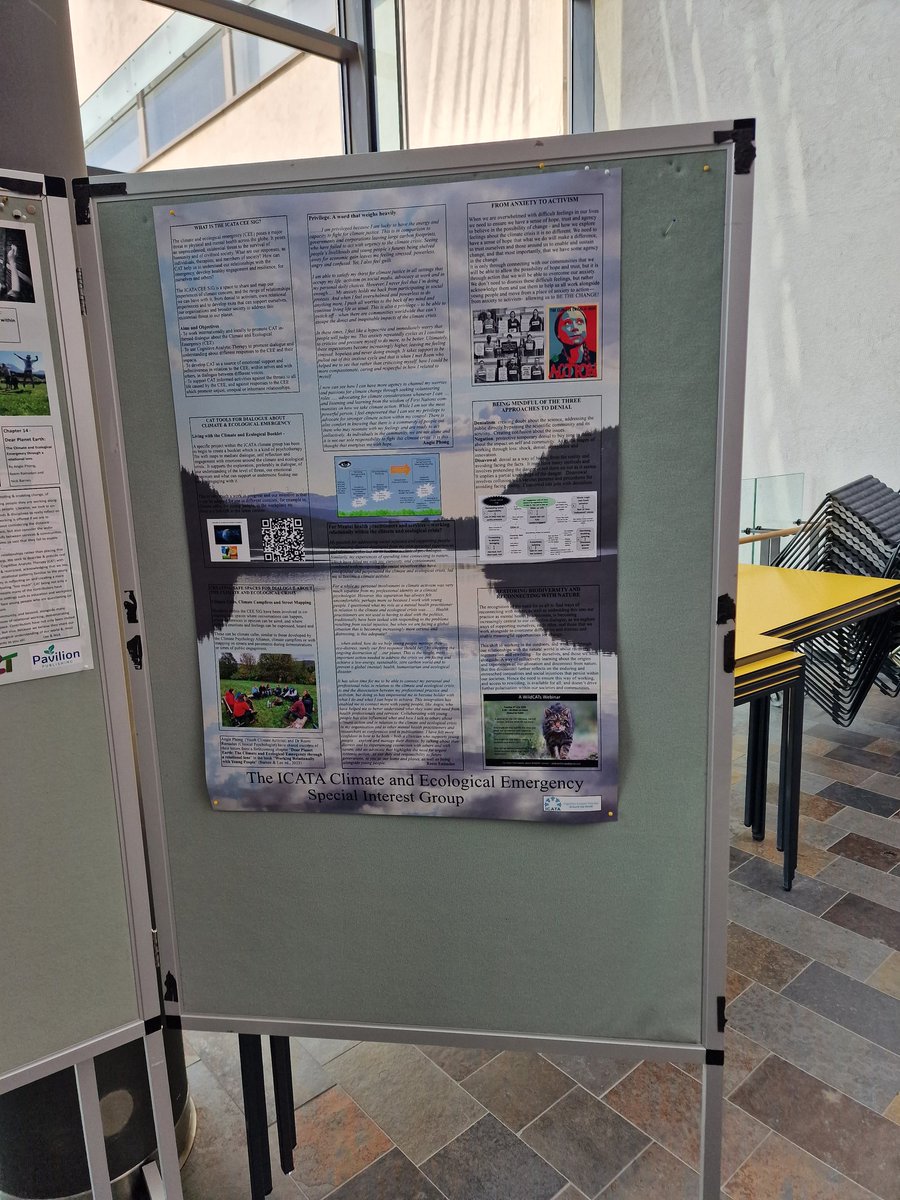
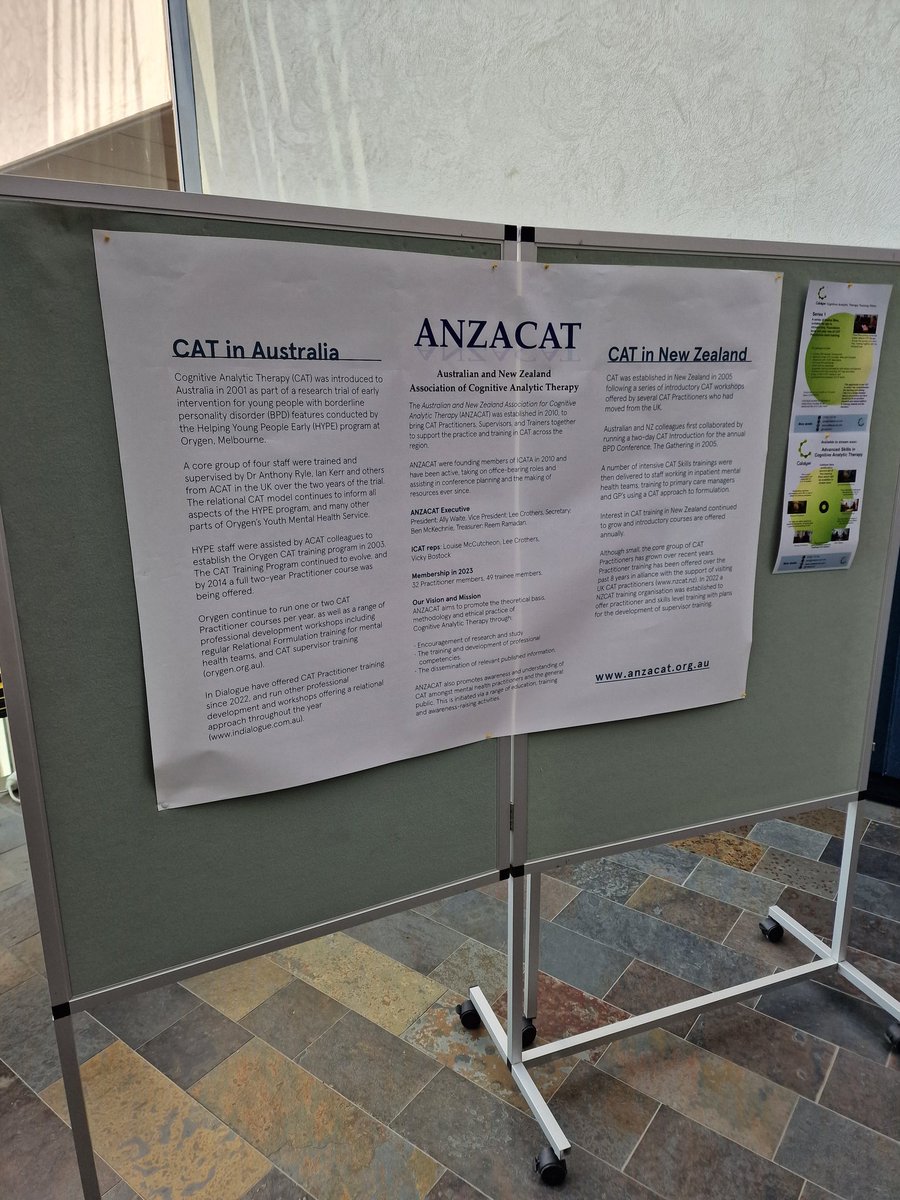
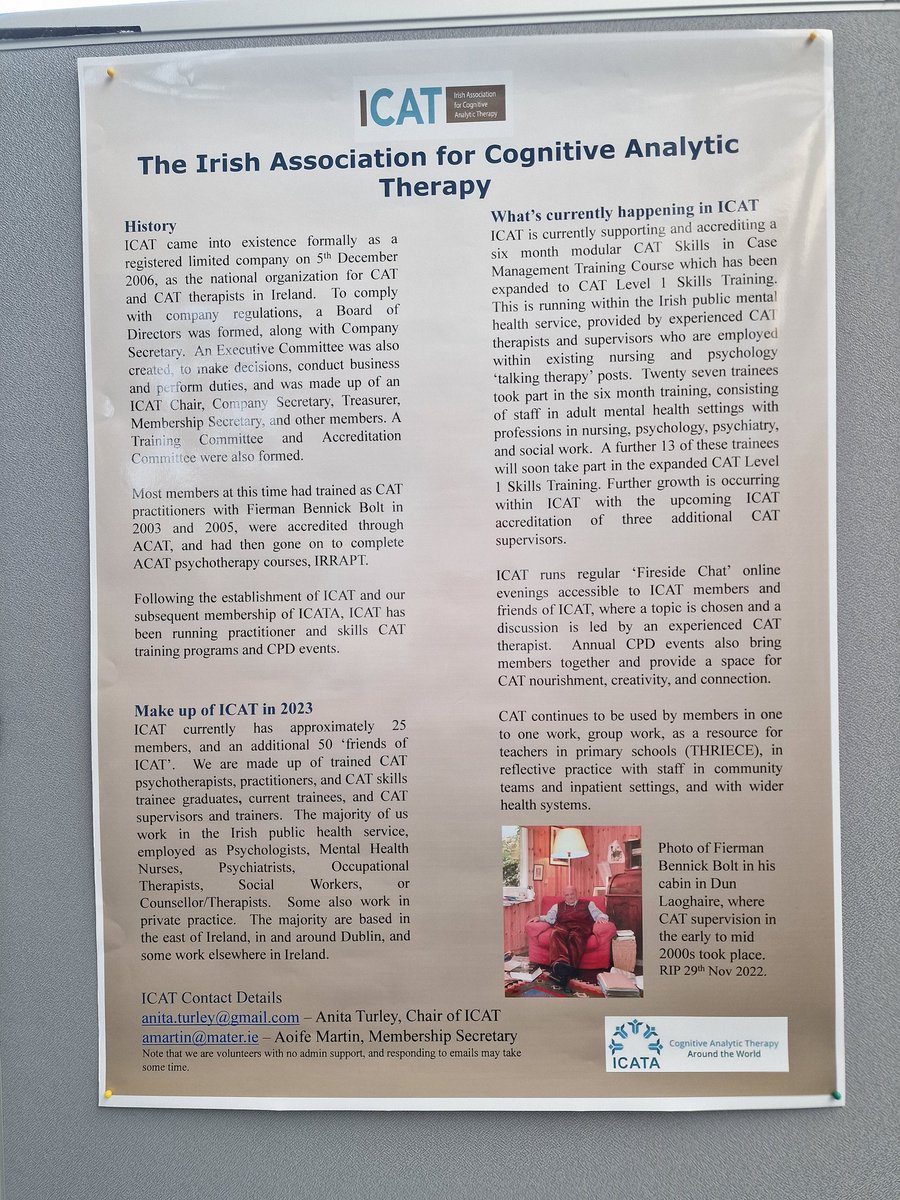
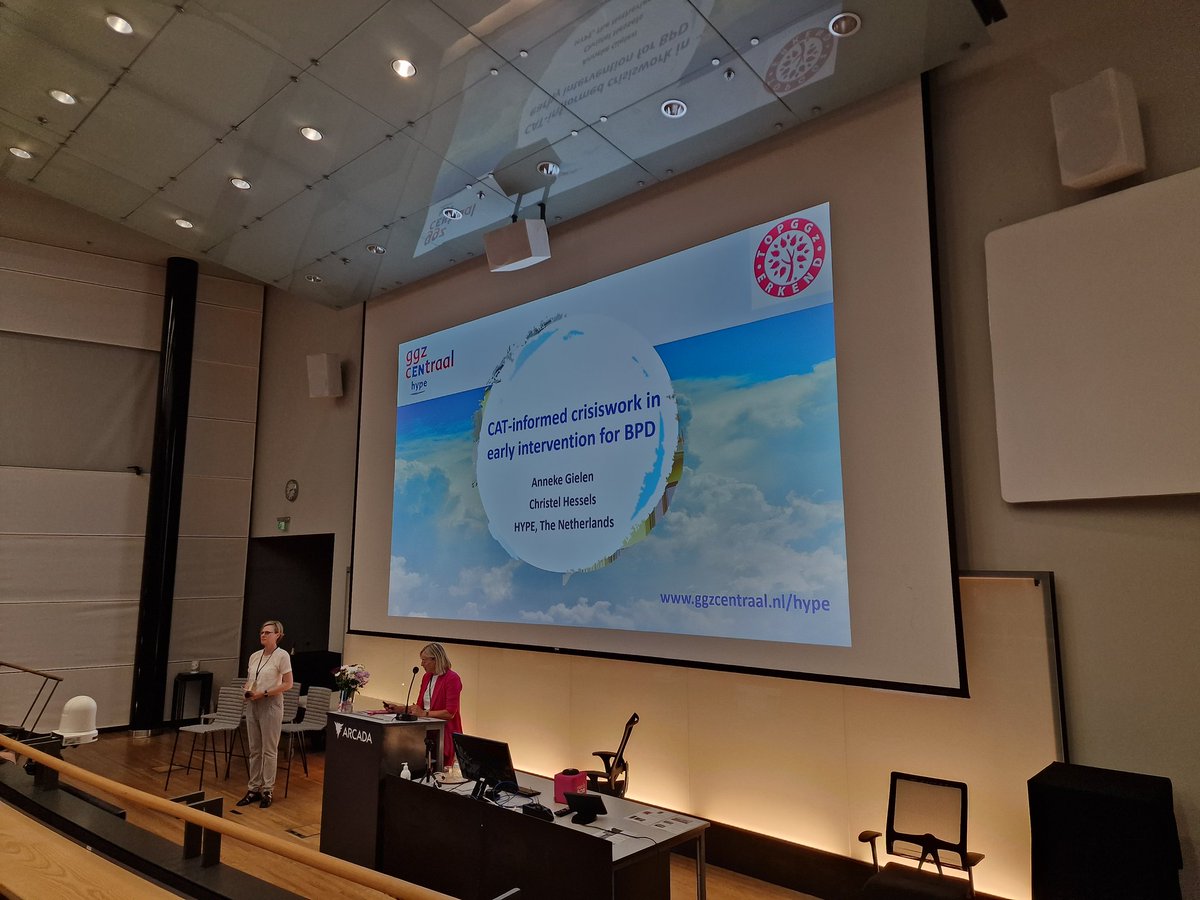
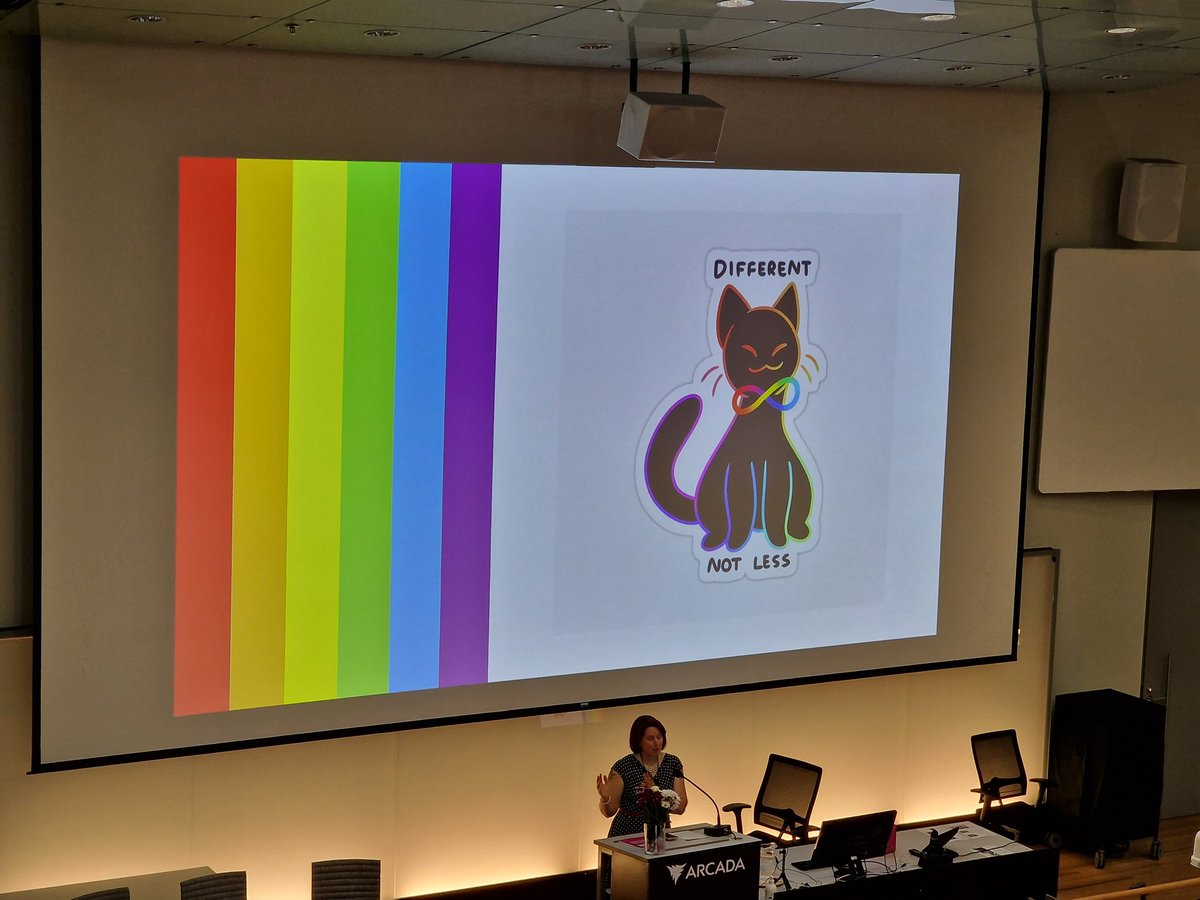
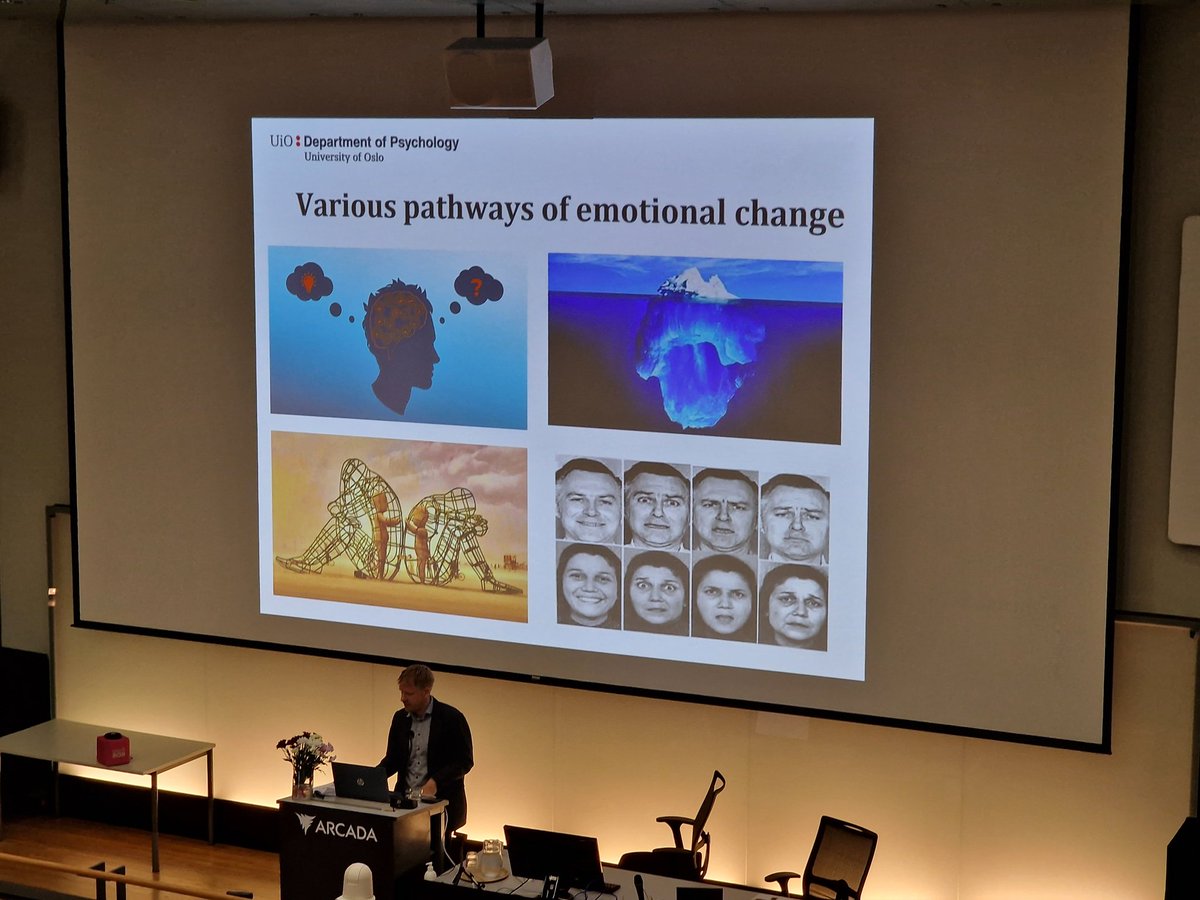
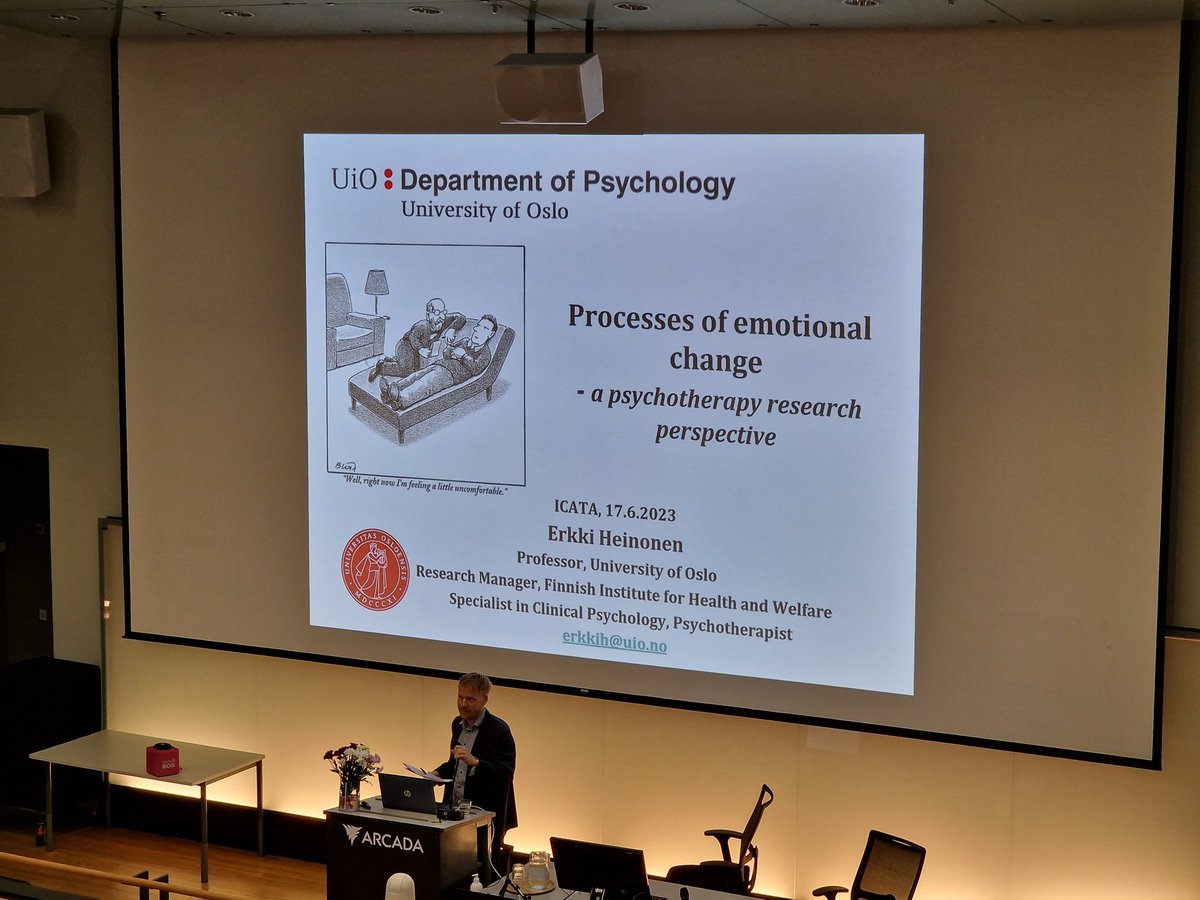
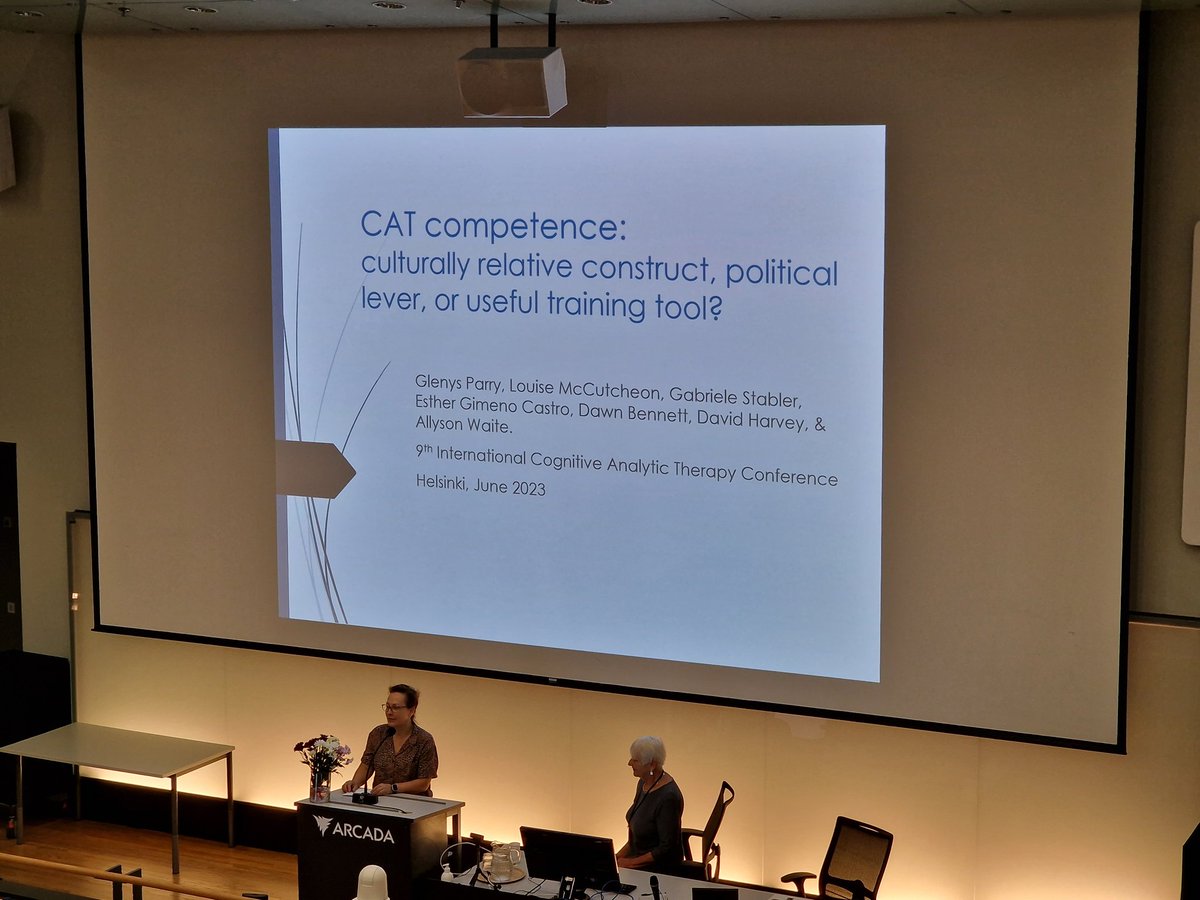
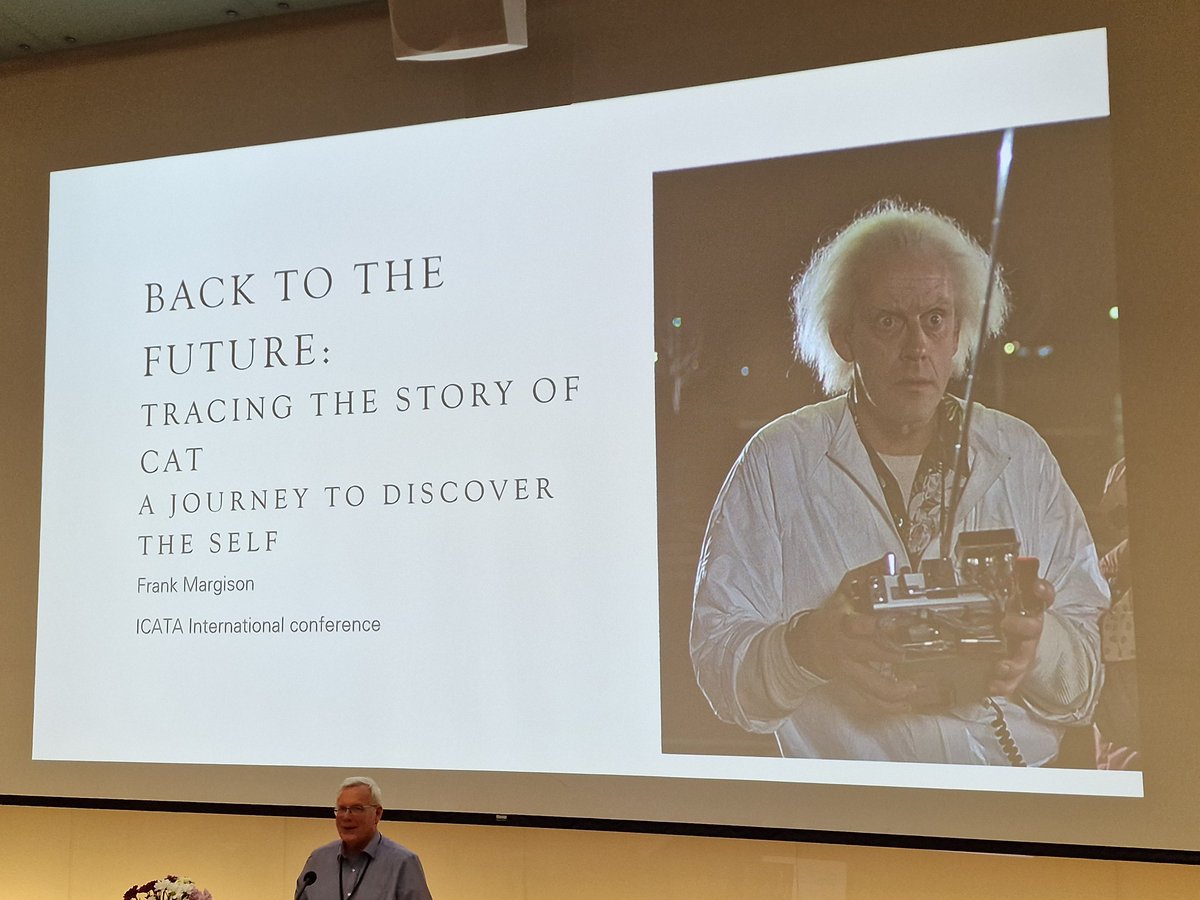


Call For Contributions now open for #ICATAConf23 #Helsinki 15th - 17th June 2023
Please note deadline - 31st March so time get thinking, collaborating & sharing, looking forward to seeing all in #Finland
@Assoc_CAT
@CatalyseC
@ItalyCATtherapy @orygen_aus
e.eventos.fi/events/arcada/t…
8
12
2,052
ICATA retweeted

2 Dec 2025
Eight-session cognitive analytic therapy shows early clinical promise as a treatment for self-harm in adult.
@CatalyseC @ICATA7 @APCAE2017
sciencedirect.com/science/ar…
2
5
358
ICATA retweeted
2 Dec 2025
Exploring relational and emotional experiences of the LGBTQ community through a cognitive analytic therapy lens.
@CatalyseC @ICATA7 @APCAE2017
bpspsychub.onlinelibrary.wil…
1
2
209
ICATA retweeted
13 Sep 2025
I enjoyed reading this article again.
Cognitive analytic therapy: a sympathetic critique.
Yes, ZPD and dialogicity they are tremendous contributions.
@APCAE2017 @CatalyseC @ICATA7
onlinelibrary.wiley.com/doi/…
2
3
256
ICATA retweeted
12 Sep 2025
Cognitive analytic therapy-guided self-help for depression, holds promise as a low-intensity treatment for depression, but clearly more controlled research is needed.
@APCAE2017 @CatalyseC @ICATA7
bpspsychub.onlinelibrary.wil…
1
3
227
ICATA retweeted

19 Aug 2025
Short notice availability: CAT in the Perinatal Period online ~ 9/16 Sept ~ join Sarah Douglass for 2 workshops: 7-10 am UK time; 4-7 pm Melbourne time. But move quickly - booking closes this Fri 22nd Aug catalyse.uk.com/cpd/cat-in-t…
#Perinatal #CognitiveAnalyticTherapy #ParentInfant
1
1
105
ICATA retweeted
8 Aug 2025
Cognitive Analytic Therapy (CAT) is a transdiagnostic relational approach.
A Brief (CAT)-Informed Reformulation for Young People With Eating Disorders.
@APCAE2017 @ICATA7 @CatalyseC
onlinelibrary.wiley.com/doi/…
1
3
179
ICATA retweeted

24 May 2025
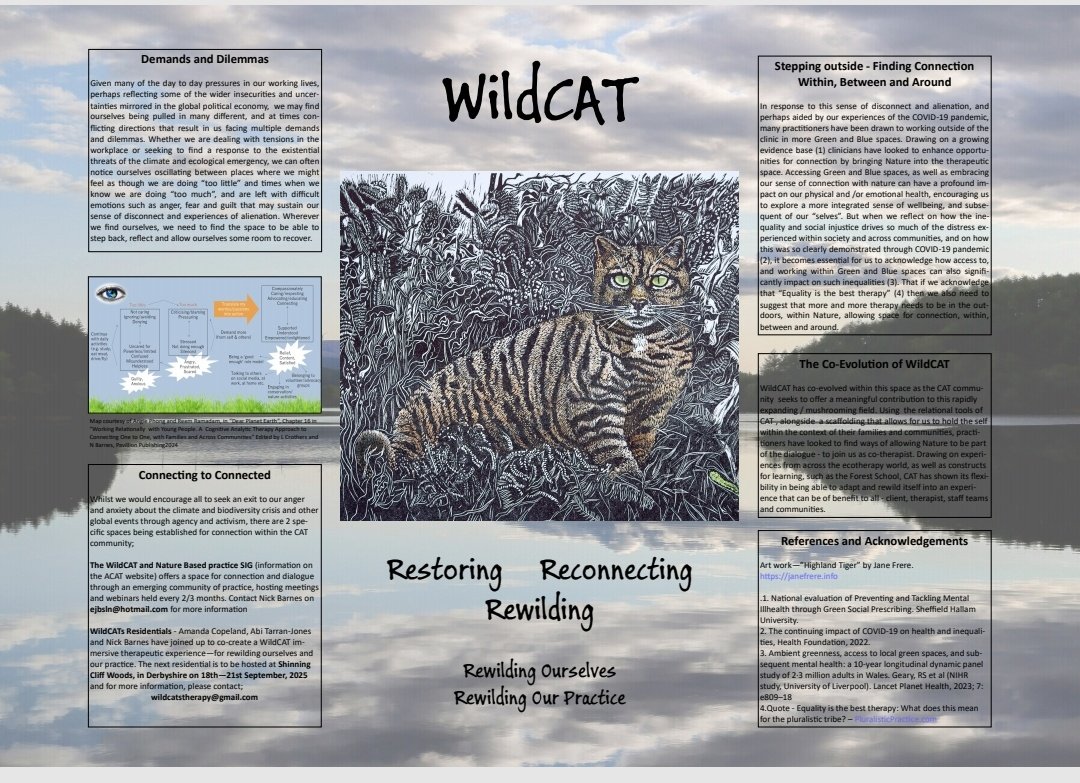
Such a great day at the @Assoc_CAT conference yesterday. The speakers and workshops were so interesting and I was able to share info about #WildCATs an exciting special interest group @YPPsych @ICATA7 @YouthCAT1 @CatalyseC #NatureTherapy #cognitiveanalytictherapy
4
8
276
ICATA retweeted
13 May 2025
If you would like to join us to hear more from Louise or find out more about the SIG please email wildcatstherapy@gmail.com to be added to our Nature Based Practice SIG
@Assoc_CAT @ICATA7 @YouthCAT1 @YPPsych #NatureTherapy #cognitiveanalytictherapy #WildCATs @ZebraPsych
1
4
6
189
ICATA retweeted
13 May 2025
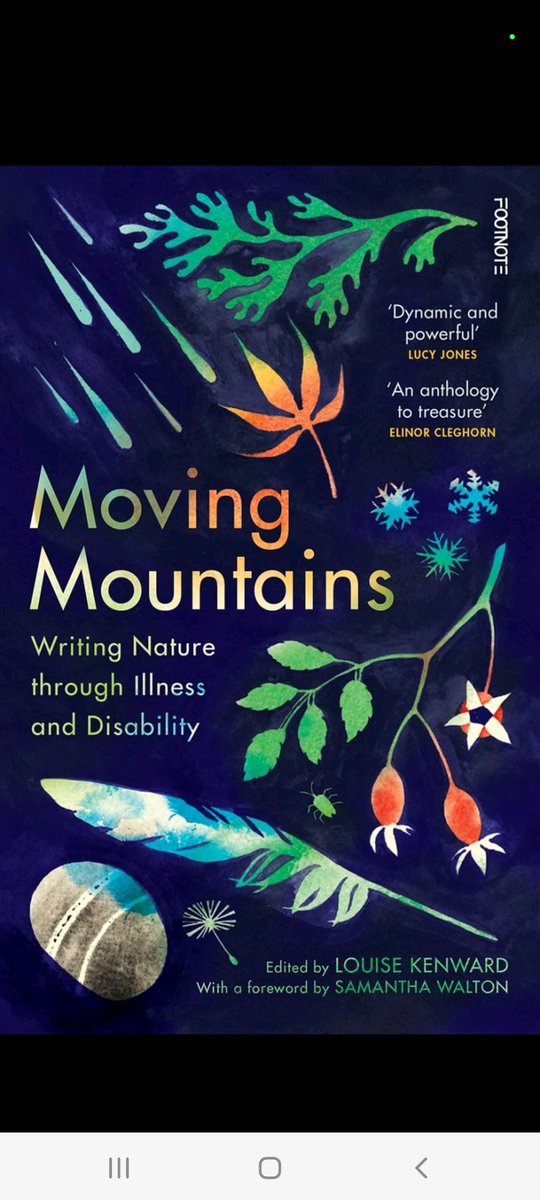
Through her book Louise explores ways in which we can share our own stories, in ways that are meaningful and challenge the unhelpful and harmful narratives that are written about people affected by disability or illness in the medical profession, in healthcare and in Society.
1
3
5
98
ICATA retweeted
13 May 2025
Louise's book is a powerful and moving account of how her connection with the natural world became an anchor, a matter of survival in how she found a new pace of life, new elements to connect with, within the natural world rather than the human one.
1
3
5
75
ICATA retweeted
13 May 2025
We are thrilled to welcome Louise Kenward to speak at our next Nature Based Practice Special Interest Group on the 2nd June 2025 at 7pm till 830pm
1
7
7
274
ICATA retweeted
8 May 2025
Cognitive Analytic Therapy (CAT) is a transdiagnostic relational approach.
It's application for young people with eating disorders.
@ICATA7 @CatalyseC @APCAE2017
onlinelibrary.wiley.com/doi/…
4
5
236
ICATA retweeted
13 Apr 2025
An interesting question to CAT Colleages:
Does ChatGPT4 have a dialogical self?: A Bakhtinian perspective.
Is a discursive self, characterized by impersonal it-positions.
@CatalyseC @APCAE2017 @ICATA7
journals.sagepub.com/doi/abs…
3
8
211
ICATA retweeted

5 Apr 2025
CAT’s transdiagnostic flexibility is fascinating. Ferrara 2019 must have been a pivotal moment for this perspective.
2
1
110
ICATA retweeted

2 Apr 2025
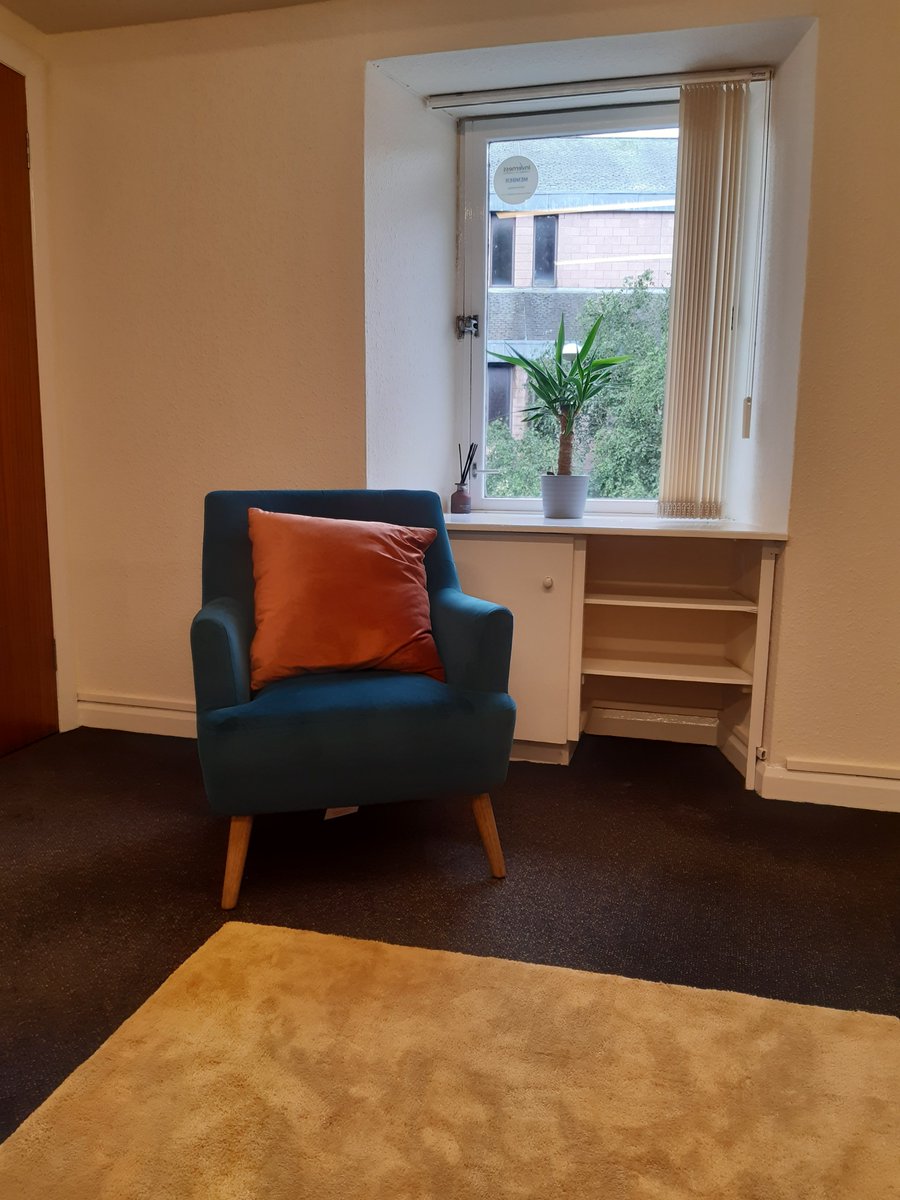
Our Frontline Worker groups offer a confidential and thoughtful space for anyone working directly with young people in the Highlands. Funded by the Susan Emery Trust, we have some spaces opening up after Easter.
More details: highlands@brentcentre.org.uk
2
3
112
ICATA retweeted
1 Apr 2025
Cognitive analytic therapy as a transdiagnostic relational approach.
Yes, I've also said that at Ferrara International CAT conference in 2019, and many others are liking this new way of describing CAT.
@ICATA7 @APCAE2017
research.manchester.ac.uk/en…
2
5
10
491
ICATA retweeted
24 Mar 2025
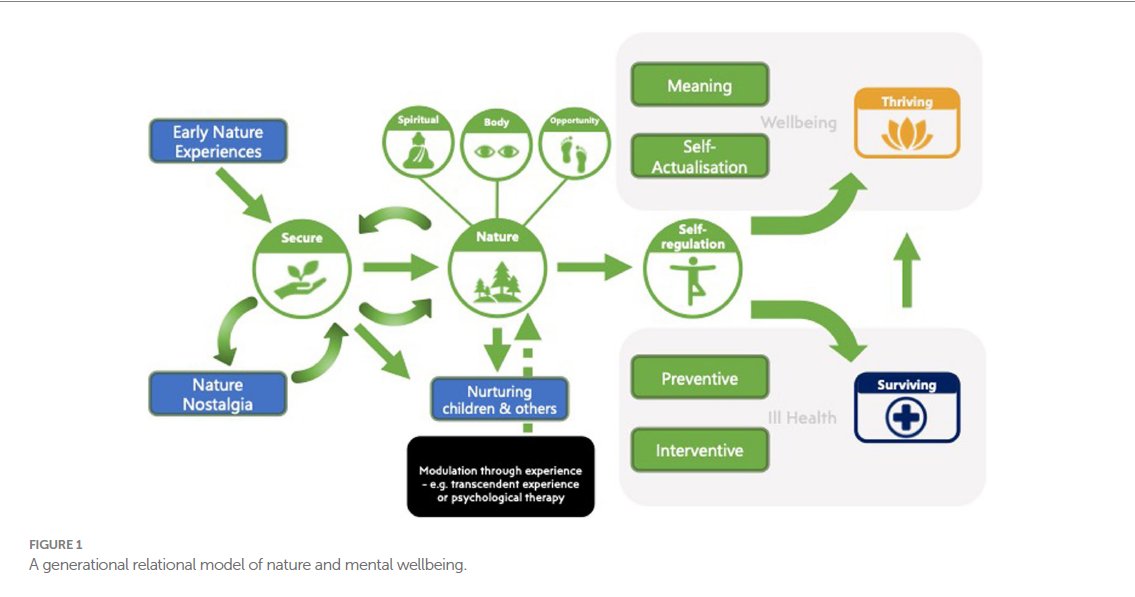
A generational relational model of nature and mental wellbeing.
The model is informed by Cognitive Analytic Therapy and attachment theory and generates testable hypotheses for future research.
@Assoc_CAT @CatalyseC @ICATA7
frontiersin.org/journals/psy…
4
2
259
ICATA retweeted
9 Mar 2025
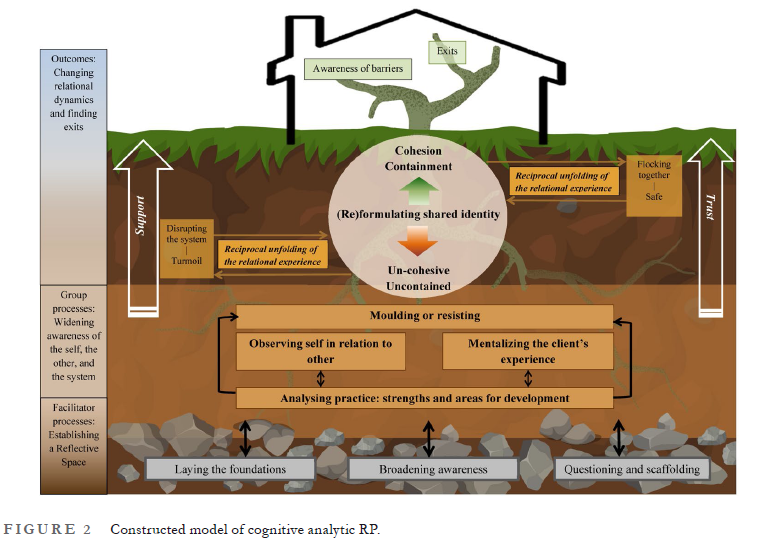
How Cognitive Analytic Therapy informs reflective practice through a better understanding of reciprocity in the dynamics of care systems.
@APCAE2017 @ICATA7
bpspsychub.onlinelibrary.wil…
1
1
150
ICATA retweeted
26 Feb 2025
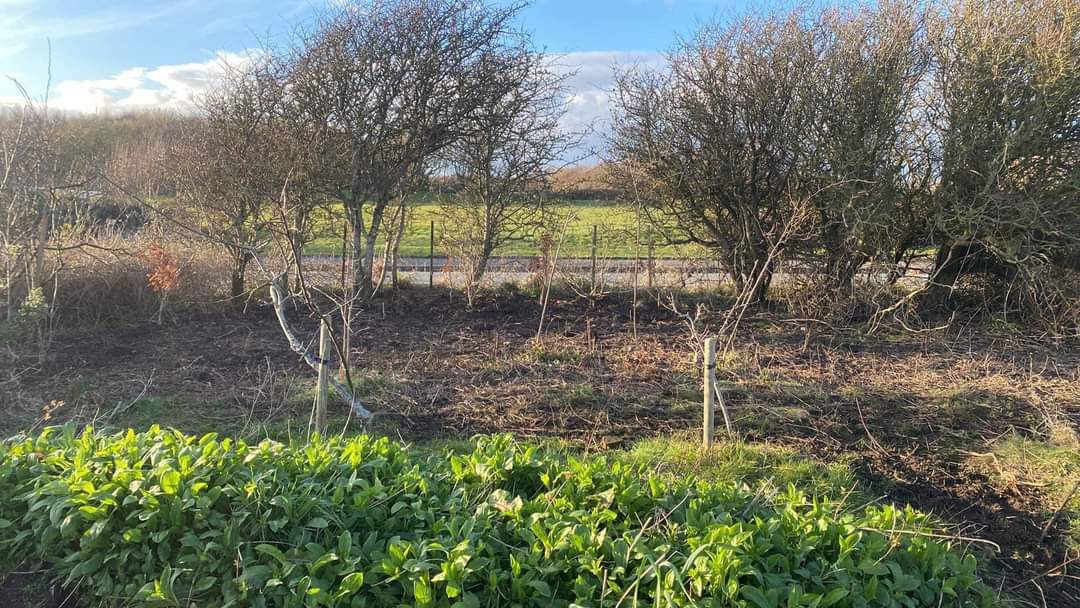
Please join us for our webinar titled
'Nature finds a way, mapping and making meaning in green spaces💚🌿'
Tuesday 25th March 2025. There is more info and tickets available here:
internationalcat.org/event
@Assoc_CAT @ICATA7 @YouthCAT1 @YPPsych #WildCATs #cognitiveanalytictherapy
4
4
251
ICATA retweeted
18 Feb 2025
2
2
75