
Act like it's WW3, because we are in it! Industrial Control Systems are the most important attack surfaces to secure.
Joined October 2025
- Tweets 514
- Following 166
- Followers 19
- Likes 431
14 Photos and videos
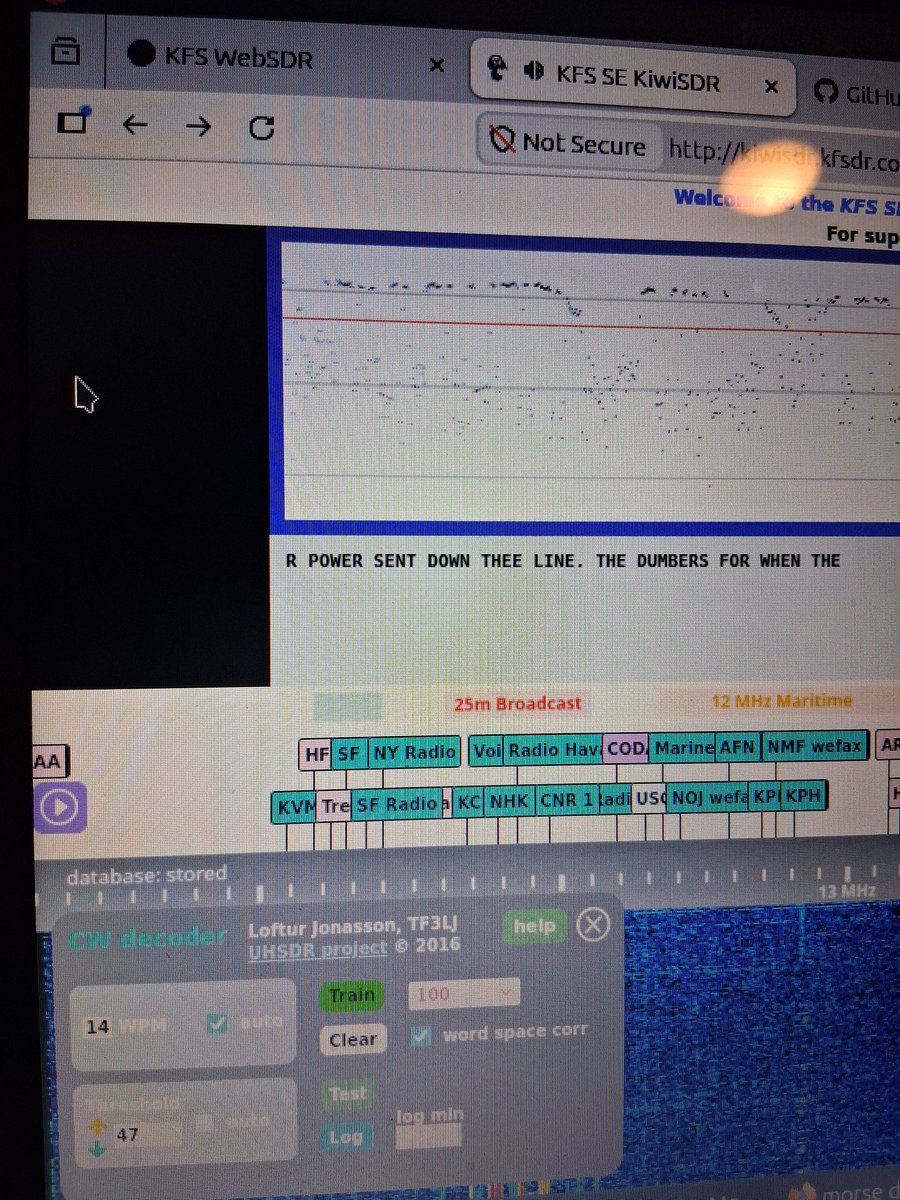







Cool webSDR extensions decode CW. This looks like a WPM test attempt, judging from the errors
4
What do you use to decode CW on a Linux using a browser websdr? I kinda got JS8call to work
8
Call me when you savages learn that SIDE EJECTING BULLPUPS ARE AN ABOMINATION IN THE EYES OF OUR LORD. @KelTecOfficial

Being 21 isn't so bad. I don't really feel different
Things are weird right now, but the only thing keeping me from success is myself, and that seems pretty important
1
26

ICS Hunter (.32 ACP maximalist) retweeted

Jun 4
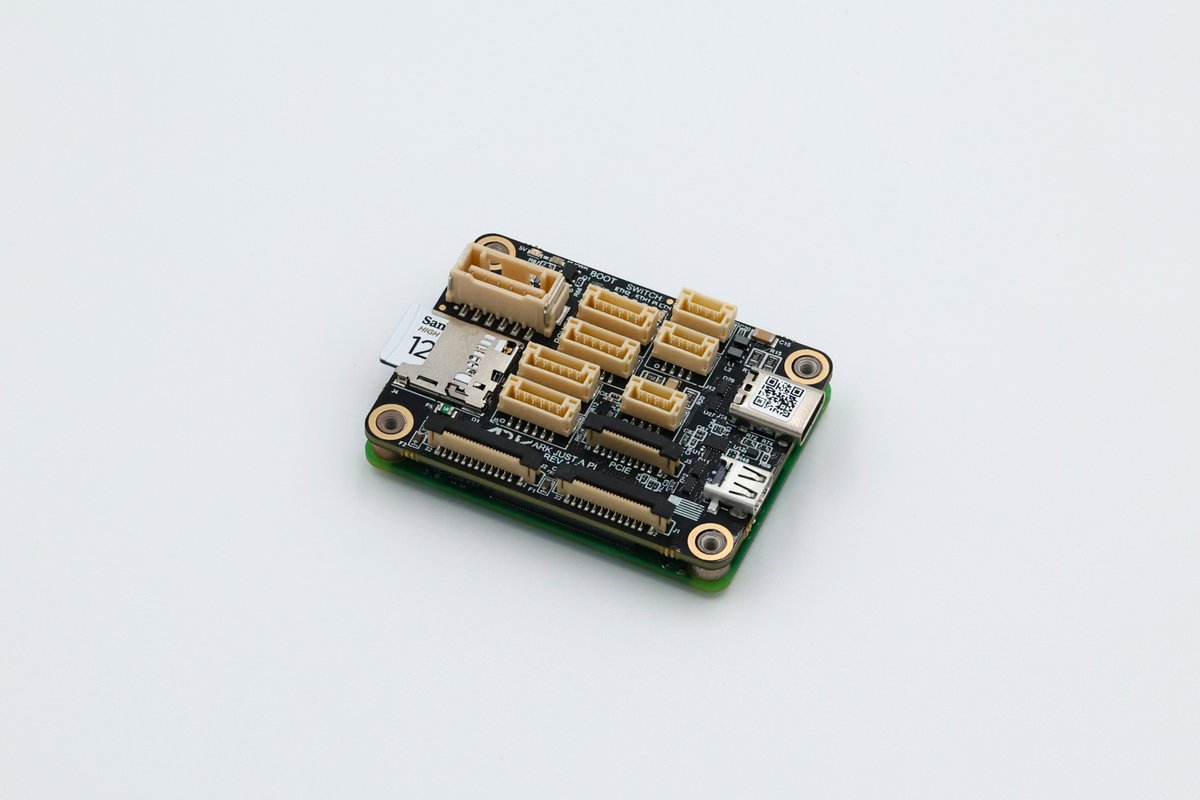
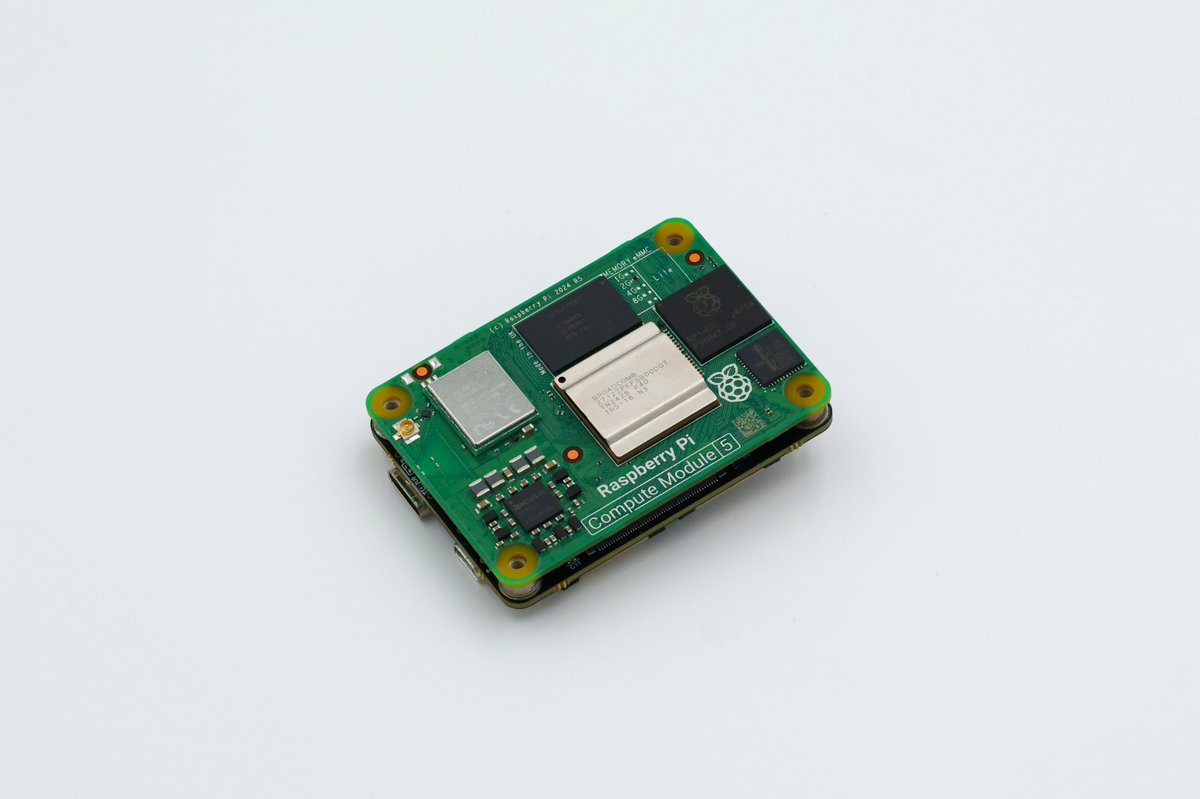
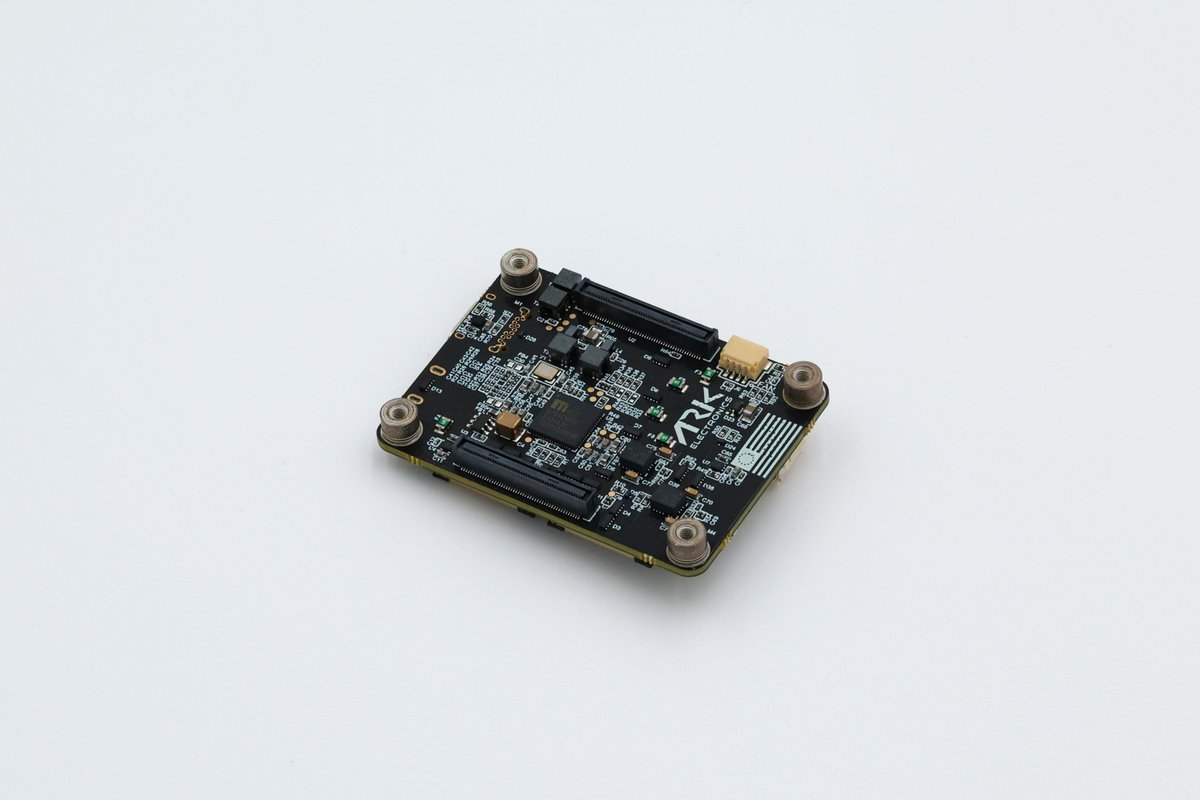
Meet the ARK Just a Pi! A sleek, ultra-compact @Raspberry_Pi Compute Module 5 carrier that matches the module’s footprint exactly. Packed with a built-in Ethernet switch and JST-GH connectors, it delivers effortless plug-and-play integration with your autopilot. Made in the USA and NDAA Compliant.
12
20
238
13,089
ICS Hunter (.32 ACP maximalist) retweeted

Jun 2
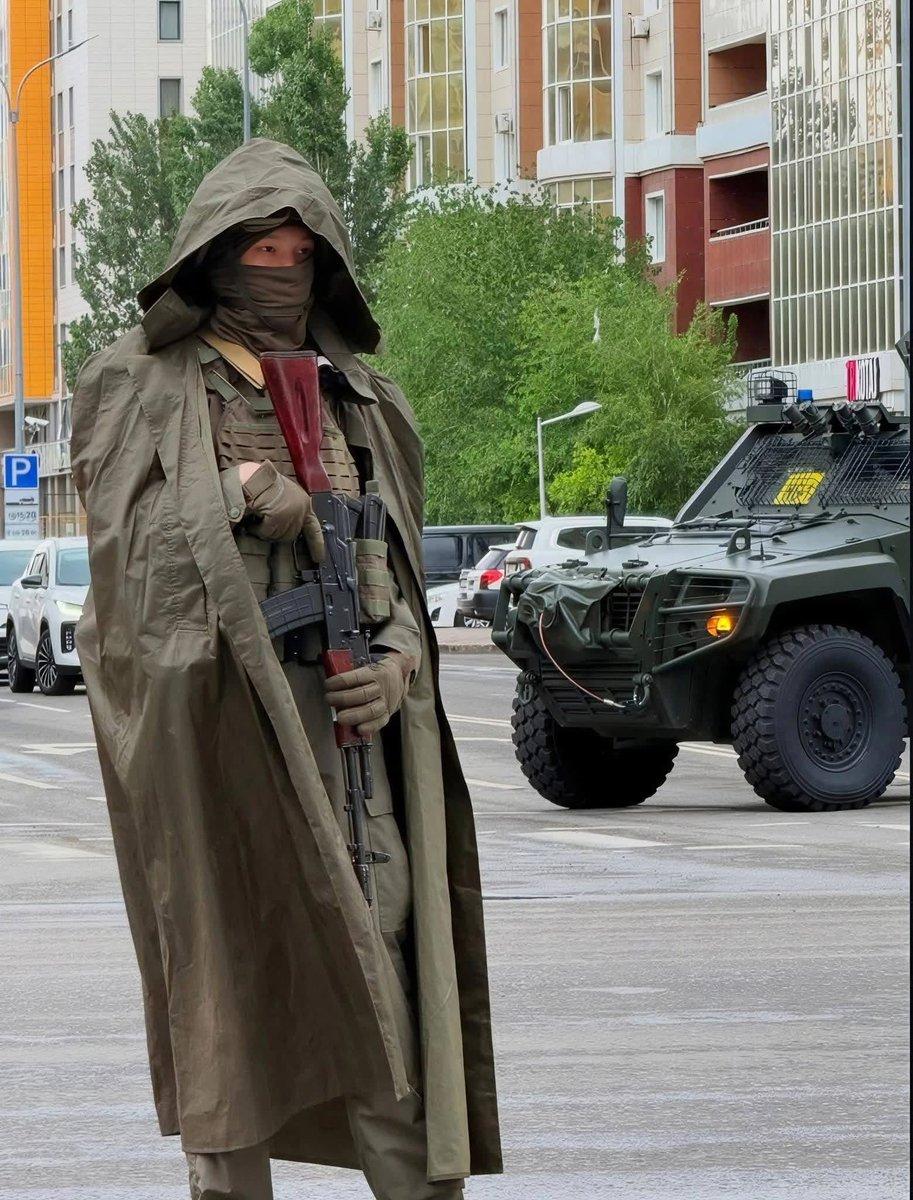
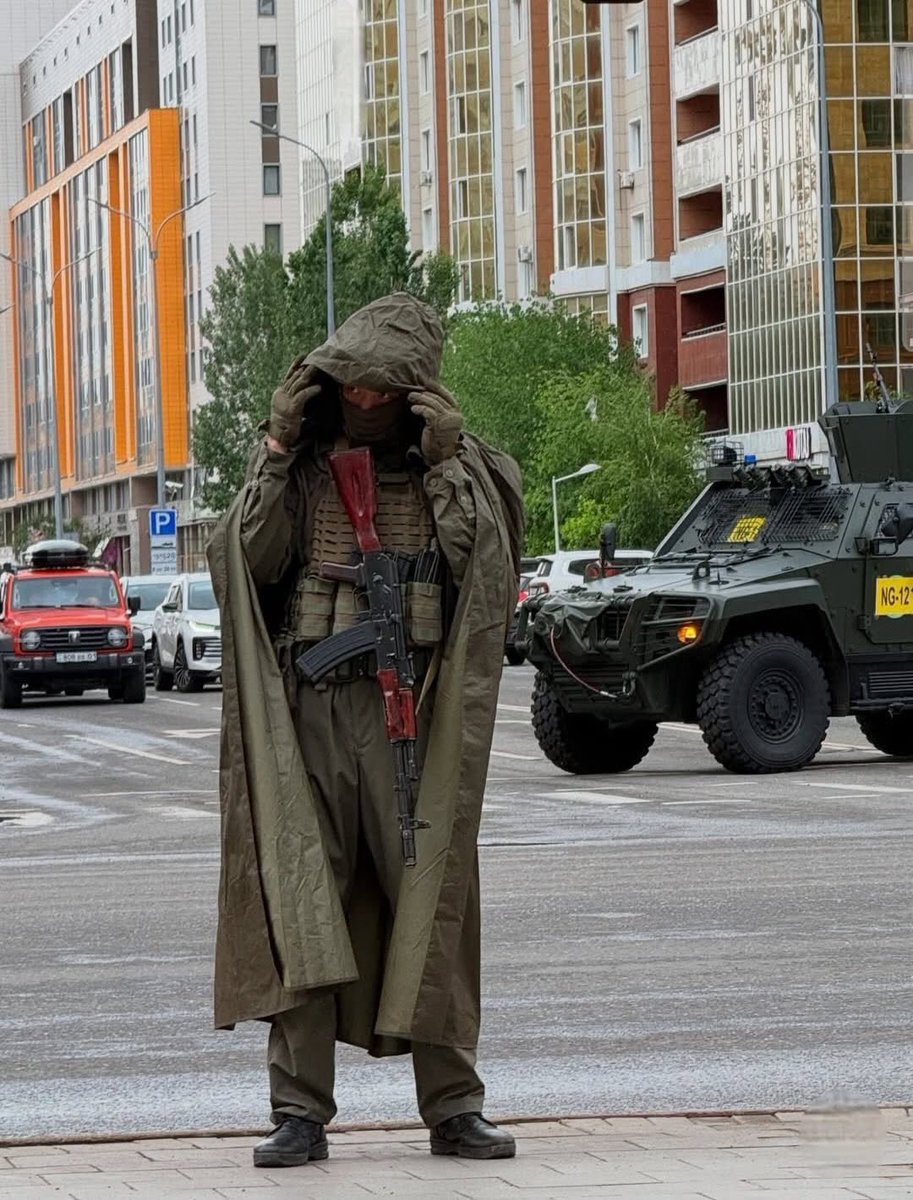
Special Forces Operator with the State Guard Service of the Republic of Kazakhstan, armed with an AK-74, provides security on a key road in the capital of Astana during a recent visit to the country by Russian President Vladimir Putin.
151
148
3,250
438,650
Everything we make domestically is defense-industrial base. CMMC needs to apply to all manufacturers.
reuters.com/business/energy/…
17
Unpopular opinion:
Proper safes/gun/ammo storage is more important than tactical training and nylon hosiery.
A child/crazy human is more likely to get your 2A tools than a bad guy (statistically) and it carries the same liability as a live sh**t
17
I need to learn this black magic

Try It AIO (all in One & Multi TAR1090 Network Providers): ADSB/ACARS/ADSC Heat/Density/pTracks
ADS-B UAT / ADS-R MLAT TIS-B ADS-C others (heatmaps) & ACARS (pTracks)
x.com/giammaiot2/status/2014…
1
1
201
ICS Hunter (.32 ACP maximalist) retweeted

May 25
A 47-year-old writer walked into an aikido dojo, got humiliated by men half his age, and spent the next 40 years watching almost every ambitious person who came in quit one week before the breakthrough.
His name was George Leonard.
He was a writer and a magazine editor in his late 40s when he walked into an aikido dojo for the first time and got humiliated by men half his age. He kept going back. He earned a fifth-degree black belt.
He then spent the next 40 years on the mat watching hundreds of students walk in with enthusiasm, train hard for a few months, and then disappear forever right at the moment their bodies were about to absorb the technique they had been chasing.
In 1991 he wrote a small book trying to explain what he had seen. It was called Mastery. Tim Ferriss recommends it. Josh Waitzkin recommends it. The book has stayed in print for almost 35 years because Leonard had isolated something nobody else was naming clearly.
The lie he wanted to kill was the shape of the learning curve itself.
Almost every motivational speech, every productivity course, every self-help diagram draws progress as a steady line that goes up and to the right. You put in the work, you get the result, the line climbs. Leonard had spent four decades watching the actual shape of skill acquisition, and the actual shape looks nothing like that.
The real shape is a staircase.
You train for weeks and nothing visible happens. You feel exactly the same on day 40 as you did on day 10. Then one afternoon, with no warning, something clicks and you jump to a new level. You stay there for an hour or a day, feeling brilliant. Then the new level becomes the new normal, and you flatten out again. Another long stretch of nothing. Then another sudden jump.
The flat sections are called plateaus. They are not a bug in the learning process. They are the learning process.
The plateau is the period where your brain is quietly rewiring the neural circuits that will produce the next jump. The jump itself is just the visible moment when the rewiring finishes. Without the plateau, the jump cannot exist.
This is the part almost everybody misreads.
You feel stuck. You assume something is wrong with you. You assume the method has stopped working, or that you have hit your ceiling, or that you were never going to get there in the first place.
So you quit, or you switch methods, or you start chasing the next shiny technique, exactly at the moment when the rewiring was about to complete. The plateau looks like failure. It is actually the engine.
Leonard identified three personality types who lose this game.
The dabbler chases the high of starting something new. The first few weeks of any new skill are full of fast improvement because the easy gains come first. The dabbler rides that wave, hits the first plateau, decides the activity was not for them, and quits to go feel like a beginner somewhere else.
The obsessive cannot tolerate the plateau either. They double down. They train harder. They demand results from a process that does not run on demand. They burn out and crash, often spectacularly, and never come back.
The hacker is the most subtle. They reach a comfortable level and stop pushing. They live on a permanent plateau, never quitting and never growing.
All three are quitting the plateau in different ways. The master is the one who learns to stay on it without forcing anything. Show up. Train. Accept that today looks identical to yesterday. Accept that tomorrow will too. Trust that the staircase is still under your feet even when you cannot see the next step.
The line from the book that has been quoted for 30 years is four words long. Love the plateau. Not tolerate it. Not survive it. Love it. Because the plateau is not the place where nothing is happening. It is the only place where anything real is happening.
You are not stuck. You are exactly where the work gets done.
The people you envy are not on a different staircase. They just stopped flinching at the flat parts.

14
144
836
42,453
How about you start with the basics of physical self defense that does not involve a gun. 9 out of 10 confrontations occur with friends, family and generally people that do not need to be shot.
Sadly, this nugget does not sell guns, ammo or tacticool gear.
May 25

I know I’ve harped on it a lot so I’ll offer a qualification on it. Many of you will be proud in how I’ve matured in my stances.
I think if you’re a “beginner” or just getting into wanting to be a “prepared citizen” your 1,2, & 3 focus’ should be a GOOD carry gun with a GOOD holster that you are more than proficient with, and a basic trauma kit that you CAN and WILL use, along with the knowledge to do it. Make sure it’s from a reputable brand (preferable American made.) and not a cheap knockoff. Lastly a mid tier AR. Skip the shit tier guns. Spend the extra few hundred and get something decent. Build that out slowly and become proficient with that.
I think everything else should be on the back burner. Obviously next would be a shot timer and belt so you can run matches.
This whole “modern day minuteman” larp is just something bigger accounts (typically whom have books, podcasts, gear, etc) fear monger you into so they can get more clout, clicks, and sales. They fear monger you into impending collapse to sell their books, their gear, etc. in all reality you’re statistically more likely to draw your carry gun and/or use a trauma kit.
1
1
162
Really great SpaceX SuperHeavy performance today
65
It is what it is.
'Till it isn't.
Then it's not
Now it was.
6
I spent the day out on the boat with the family. Not too long ago, it would have been fun. Now it seems like work. I'd rather be prototyping something.
I think something is wrong with me
1
16
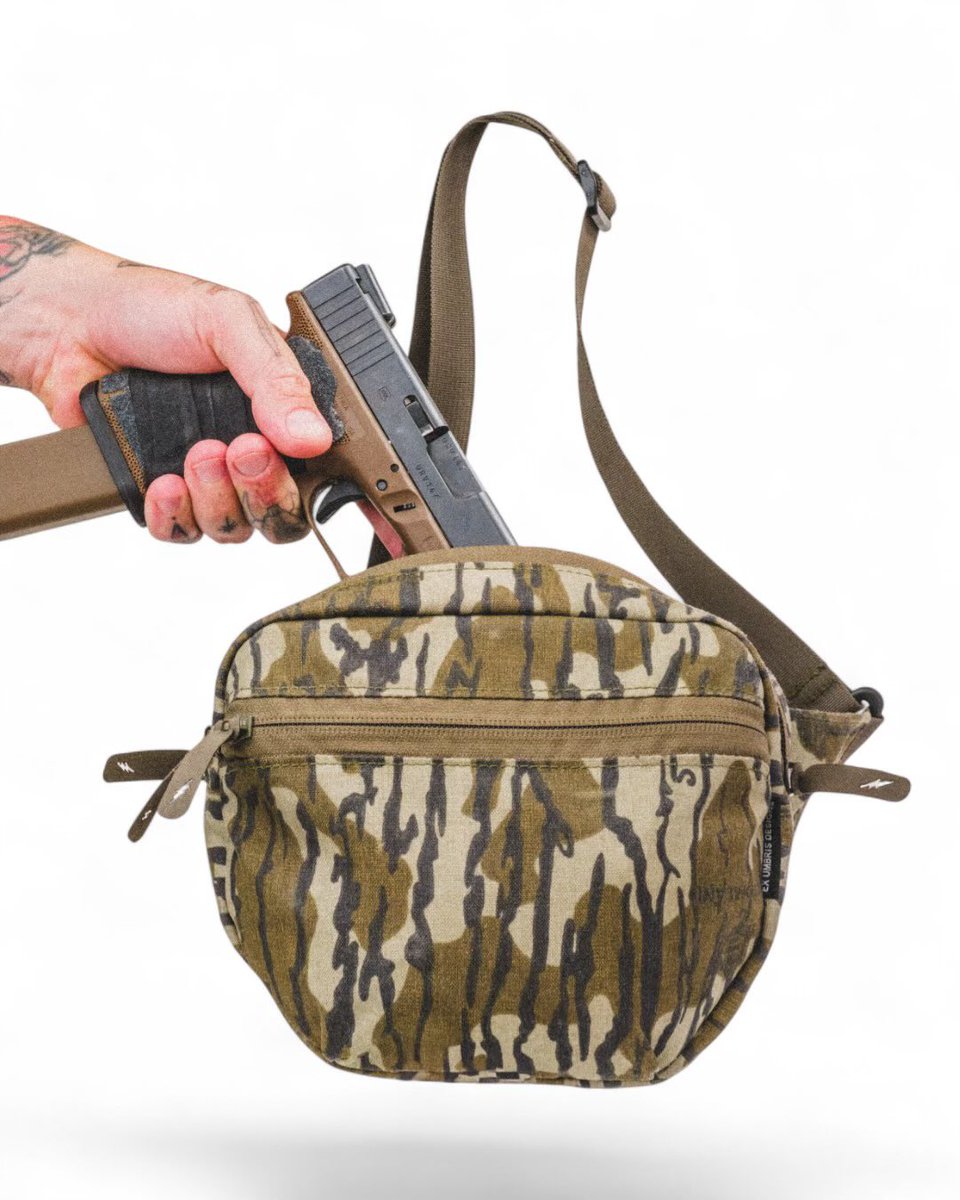
Shoot your fanny pack

1
23
1,616
This is the cutting edge. The heterogeneous motherfuckers that know the way forward but the industry hates. Keep going doing your batshit things, you mad kings!
(Haiku?)
May 10

I've mentioned it before but I actually had a scheme where I'd have gained a degree - this was government
It got shafted right about when that certain department switched to new investment, the only interview I ever passed and was awaiting the formal offer for
And yes, it was *that* company, that massive surveillance company took what was supposed to be my job
Out of touch
1
17
Remember what they took from us


21
I shall be offering live stick, sword and firearms training IRL. DM me for details. Or learn how to use nostr to get the good shit
9