
AI safety with the subaltern in mind
Joined June 2022
- Tweets 431
- Following 57
- Followers 1,735
- Likes 441
110 Photos and videos

Jun 10
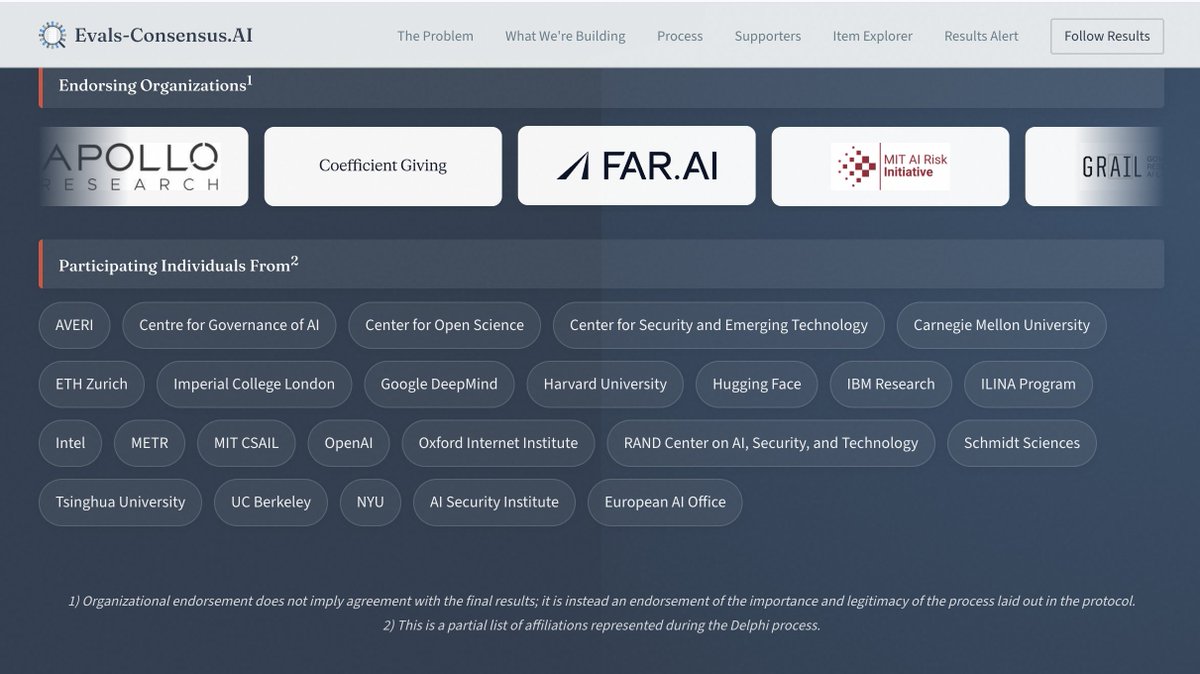
We're glad to report that our Safety Evaluations Head @gathoni_ireri actively participated in the Delphi process of Evals Consensus evals-consensus.ai/ We're looking forward to the results of the process.
5
13
375
ILINA Program retweeted

May 22
Countries are growing more concerned about the harms AI poses to their populations. As Mythos' capabilities have warned us, we could see exploitation of critical infrastructure societies depend on.
Yet, African countries are paying little attention to this. @MarieIrad makes the case for how they can build capacity to monitor such impacts and learn from harms that are increasingly manifesting. Hopefully, this data can help prepare for the more serious, plausibly devastating scenarios ahead.
May 22

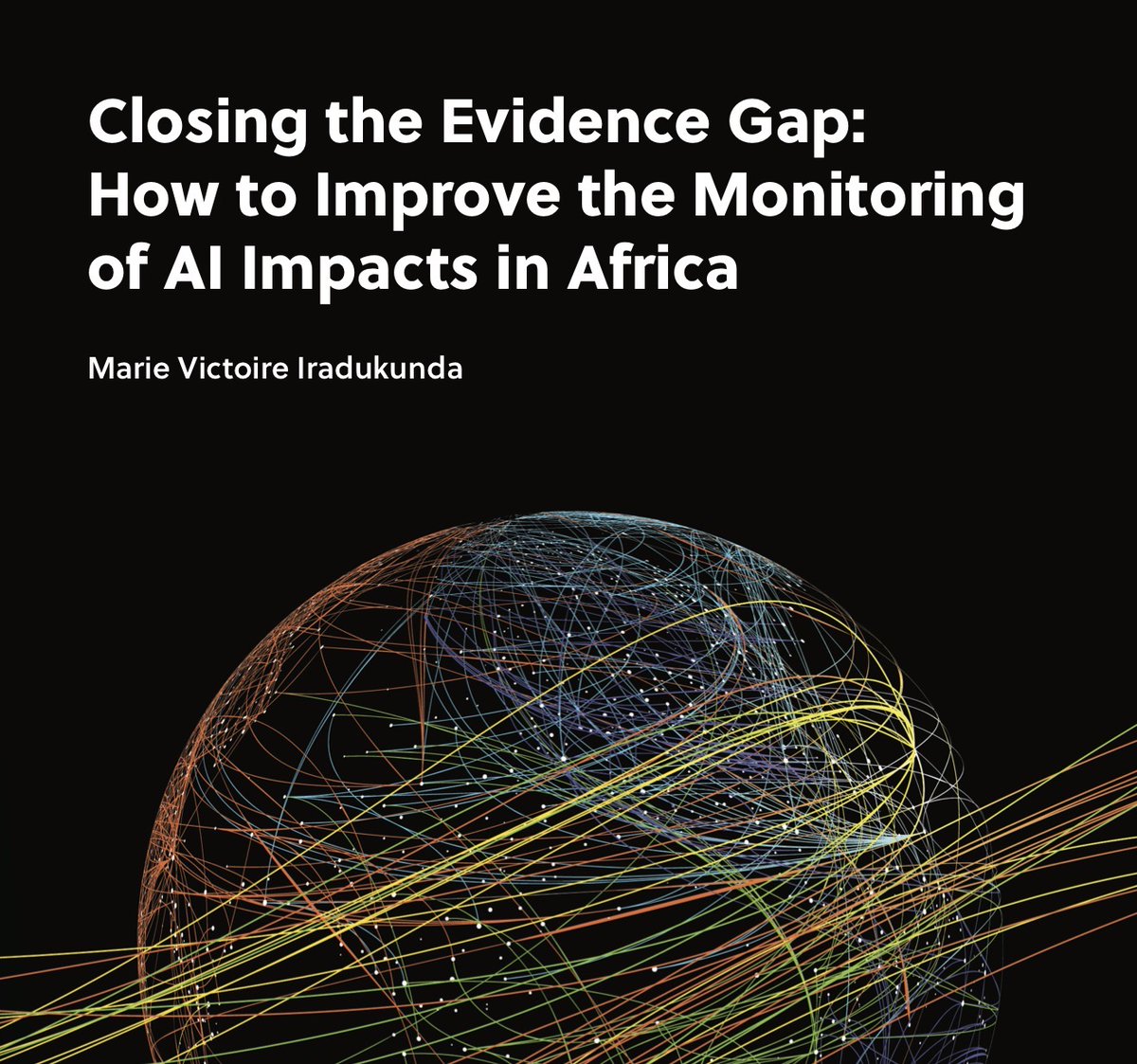
In a new Research Report, our Research Associate @MarieIrad highlights how key stakeholders can improve the monitoring of AI impacts and incidents in Africa. Read the full report here: ilinaprogram.org/ilina_progr…
6
8
524
ILINA Program retweeted

May 22
Very pleased to see this out! If you are working on impact (and/or incident) monitoring & reporting anywhere, I would really appreciate feedback & I'm open to chatting more about this!
May 22
In a new Research Report, our Research Associate @MarieIrad highlights how key stakeholders can improve the monitoring of AI impacts and incidents in Africa. Read the full report here: ilinaprogram.org/ilina_progr…
1
10
9
645
May 22
In a new Research Report, our Research Associate @MarieIrad highlights how key stakeholders can improve the monitoring of AI impacts and incidents in Africa. Read the full report here: ilinaprogram.org/ilina_progr…
10
20
1,837
May 19
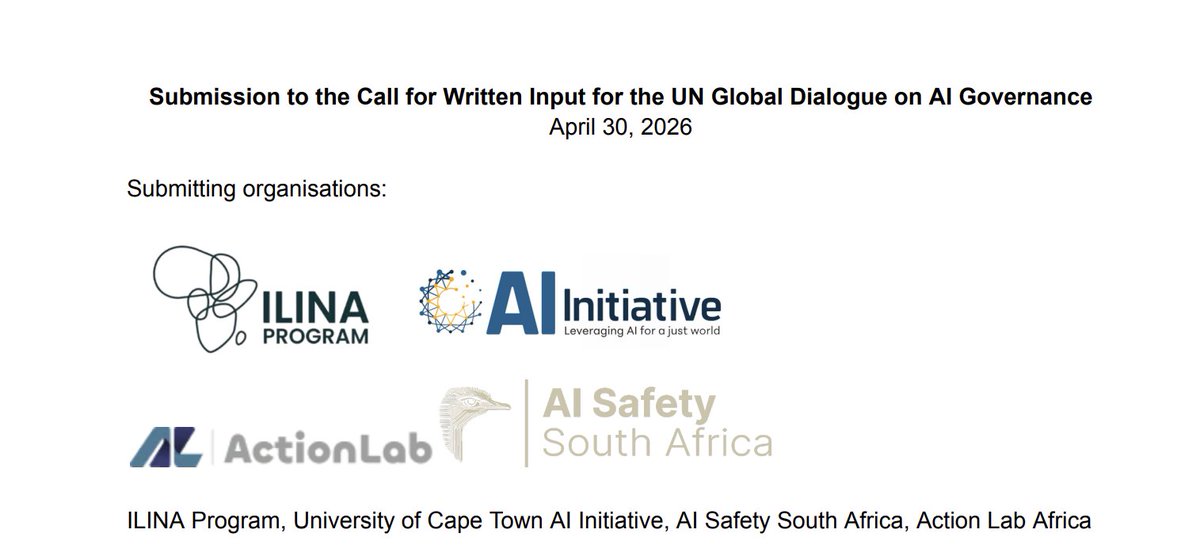
In collaboration with our partners UCT AI Initiative, AI Safety South Africa, and Action Lab Africa, we recently prepared and submitted written feedback for the UN Global Dialogue on AI Governance. You can read our joint written submission here: ilinaprogram.org/Written_Inp…
14
29
1,626
ILINA Program retweeted
May 14
ILINA continues to build a solid talent pipeline for Africans working on AI safety at the frontier. Questions abound in this space and more people on the continent should be tackling them!
May 14
After a rigorous application and assessment process, we're pleased to introduce our 2026 ILINA Junior Research Fellows. We look forward to working with them closely as they grow in AI safety. Read more about them on our website: ilinaprogram.org/2026-jrfs
3
14
884
May 14
After a rigorous application and assessment process, we're pleased to introduce our 2026 ILINA Junior Research Fellows. We look forward to working with them closely as they grow in AI safety. Read more about them on our website: ilinaprogram.org/2026-jrfs
14
33
2,334
Read our Research Editor's newly published piece:
Apr 30

New piece!
In my latest for @iacl_aidc, I argue that we should spend more time than we currently do asking how anthropocentric and ecocentric approaches can work together to protect animals under constitutions worldwide. Read here: blog-iacl-aidc.org/2026-post…
5
12
730
Apr 27
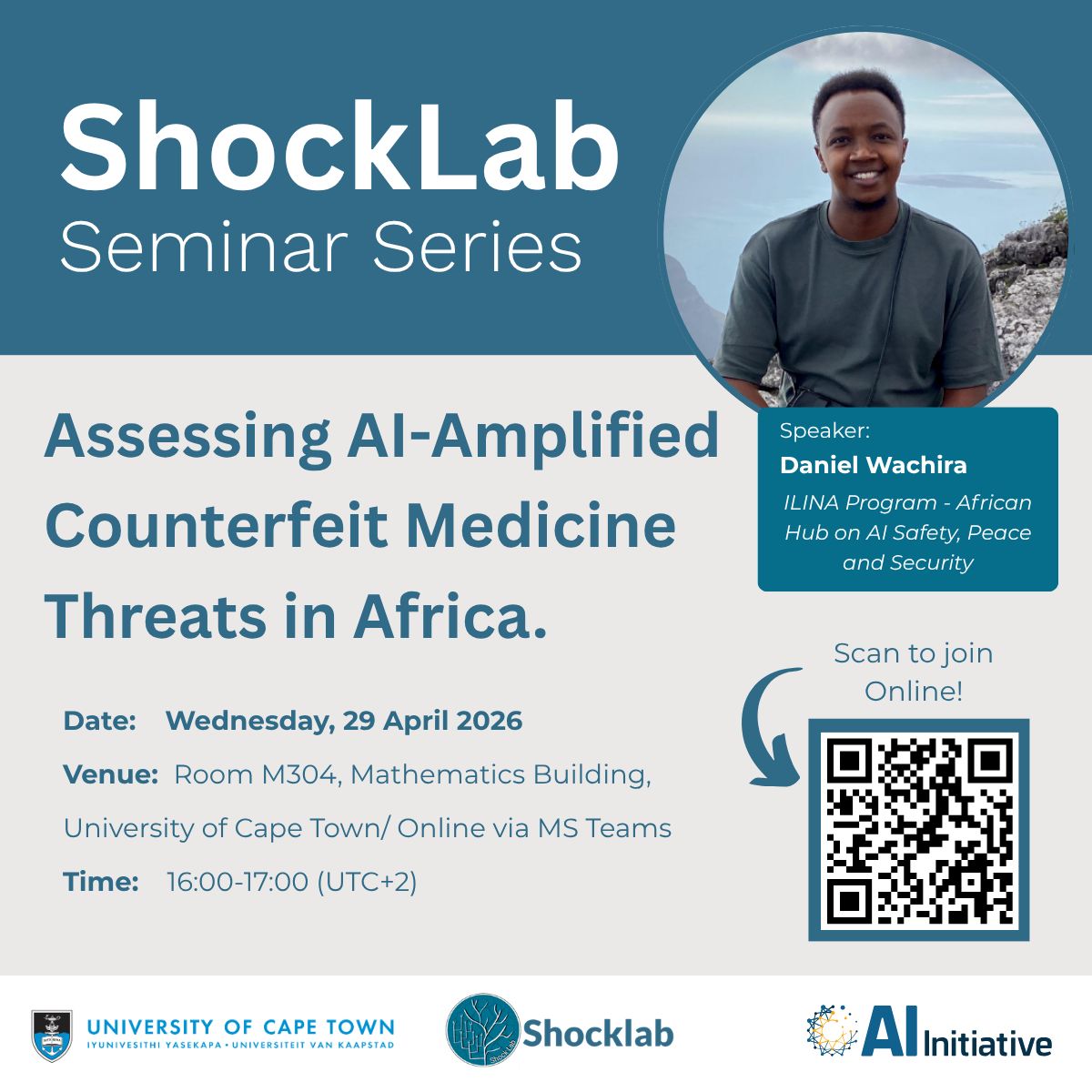
Our Junior Research Scholar @md_wachira will be presenting at the University of Cape Town this week ⬇️
10
34
1,026
Apr 26
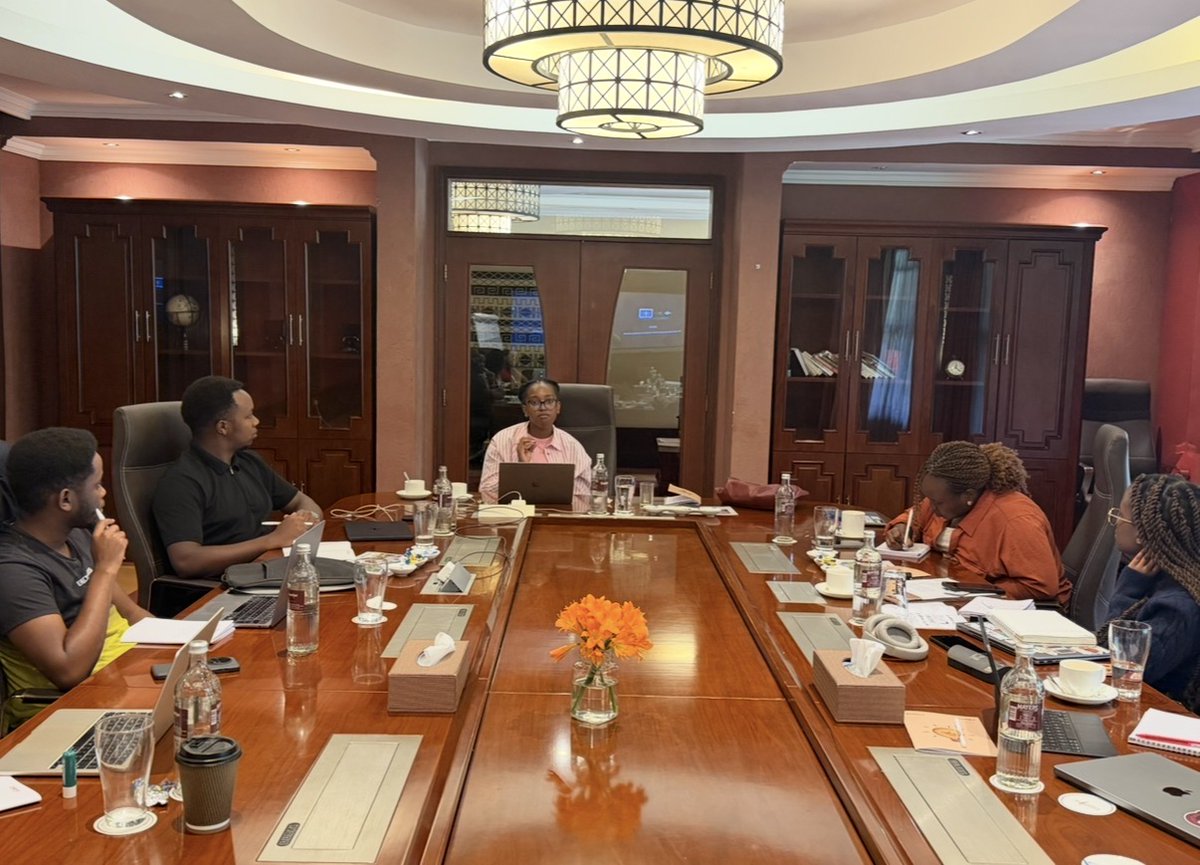
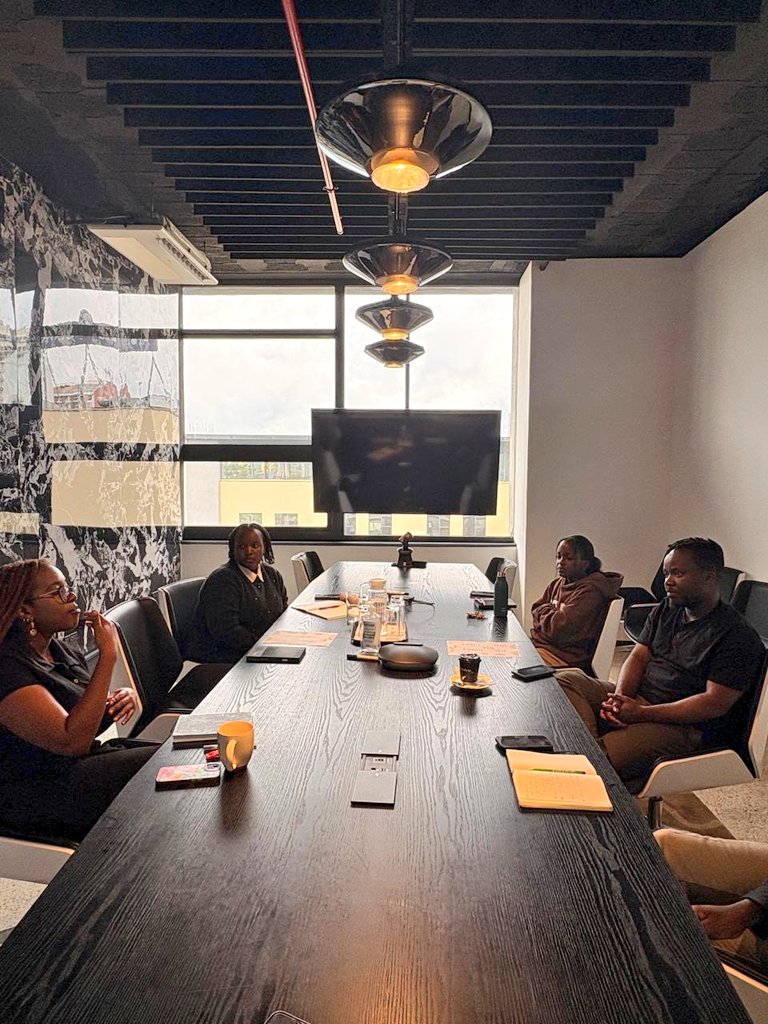
We were pleased to host @kofiemeritus of Mozilla Foundation at our office recently. We're looking forward to future collaboration.
Apr 26

Technical research output in AI Safety is growing across Africa and @ILINAProgram is leading this domain with some incredible cohort of research scholars. Thanks for hosting me, @CecilYongo and @ggomondi, to learn more about your work, especially how it intersects with compute.
3
11
764
ILINA Program retweeted

Apr 26
Technical research output in AI Safety is growing across Africa and @ILINAProgram is leading this domain with some incredible cohort of research scholars. Thanks for hosting me, @CecilYongo and @ggomondi, to learn more about your work, especially how it intersects with compute.
1
5
21
1,421
Apr 24
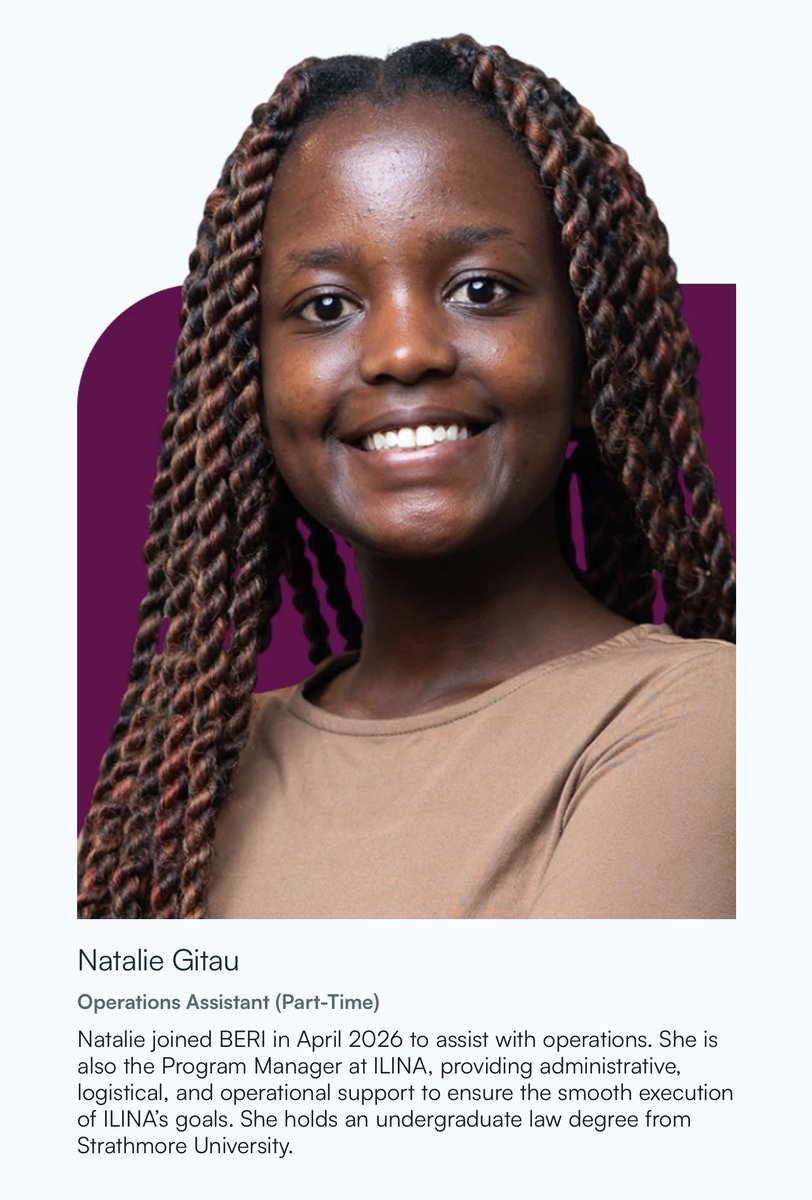
We're excited that our Program Manager, Natalie Gitau, is now also Operations Assistant at the Berkeley Existential Risk Initiative. In this new role, Natalie will be working with some of the best operations professionals in the field to support a range of AI safety organisations
1
11
35
654
ILINA Program retweeted
Apr 23
AI harms make the news more often than we notice. Systematically tracking and sharing this data is still early, and it is genuinely difficult. But it is possible - and it is one of the tools that can help policymakers prevent and respond to serious incidents.
Very grateful to @ILINAProgram for the sharp engagement and questions during the WiP session today on this topic!
Apr 23
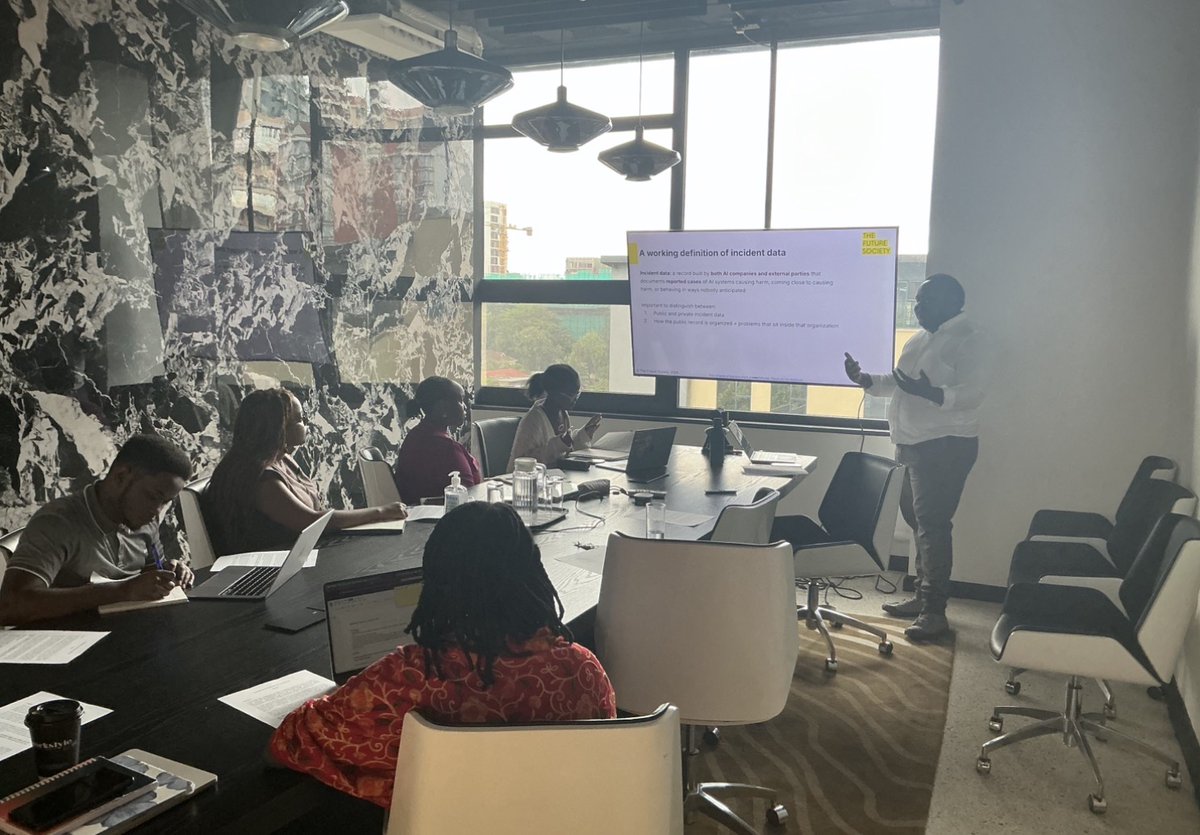
Today we hosted a Work in Progress session in which @thefuturesoc's AI Security Policy Associate George Gor presented his research and thinking about AI incident monitoring.
4
14
569
Apr 23
Today we hosted a Work in Progress session in which @thefuturesoc's AI Security Policy Associate George Gor presented his research and thinking about AI incident monitoring.
3
10
1,540
ILINA Program retweeted

Apr 16
Super grateful that my work is being featured by what I consider to be the world's leading AI and law think tank, whose team members have supported me for years now 🙌🏾

As AI systems take on increasingly autonomous roles, courts will increasingly face a difficult question: How should negligence law respond when AI causes harm?
@CecilYongo, Research Affiliate at LawAI, tackles this question in a new research article published by the Journal of Tort Law.
Abungu challenges a growing assumption in legal scholarship: that the opacity and unpredictability of AI systems make harmful outcomes inherently unforeseeable. Instead, he argues that these features are often the result of design choices made by AI developers, who prioritize performance over interpretability.
The article proposes a clear framework for US courts:
• Preserve existing doctrine where foreseeability already supports plaintiffs
• Reform duty-foreseeability to advance more categorical, plaintiff-friendly reasoning
• Retain fact-sensitive analysis for breach-foreseeability and proximate cause-foreseeability to avoid overreach
The result is a more calibrated approach to foreseeability; one that reflects the distinctive risks posed by autonomous AI agents without abandoning negligence law’s core structure.
Read the abstract and download the article PDF at law-ai.org/foreseeing-the-un….
23
122
5,076
ILINA Program retweeted

As AI systems take on increasingly autonomous roles, courts will increasingly face a difficult question: How should negligence law respond when AI causes harm?
@CecilYongo, Research Affiliate at LawAI, tackles this question in a new research article published by the Journal of Tort Law.
Abungu challenges a growing assumption in legal scholarship: that the opacity and unpredictability of AI systems make harmful outcomes inherently unforeseeable. Instead, he argues that these features are often the result of design choices made by AI developers, who prioritize performance over interpretability.
The article proposes a clear framework for US courts:
• Preserve existing doctrine where foreseeability already supports plaintiffs
• Reform duty-foreseeability to advance more categorical, plaintiff-friendly reasoning
• Retain fact-sensitive analysis for breach-foreseeability and proximate cause-foreseeability to avoid overreach
The result is a more calibrated approach to foreseeability; one that reflects the distinctive risks posed by autonomous AI agents without abandoning negligence law’s core structure.
Read the abstract and download the article PDF at law-ai.org/foreseeing-the-un….
10
28
6,097
ILINA Program retweeted
Apr 14
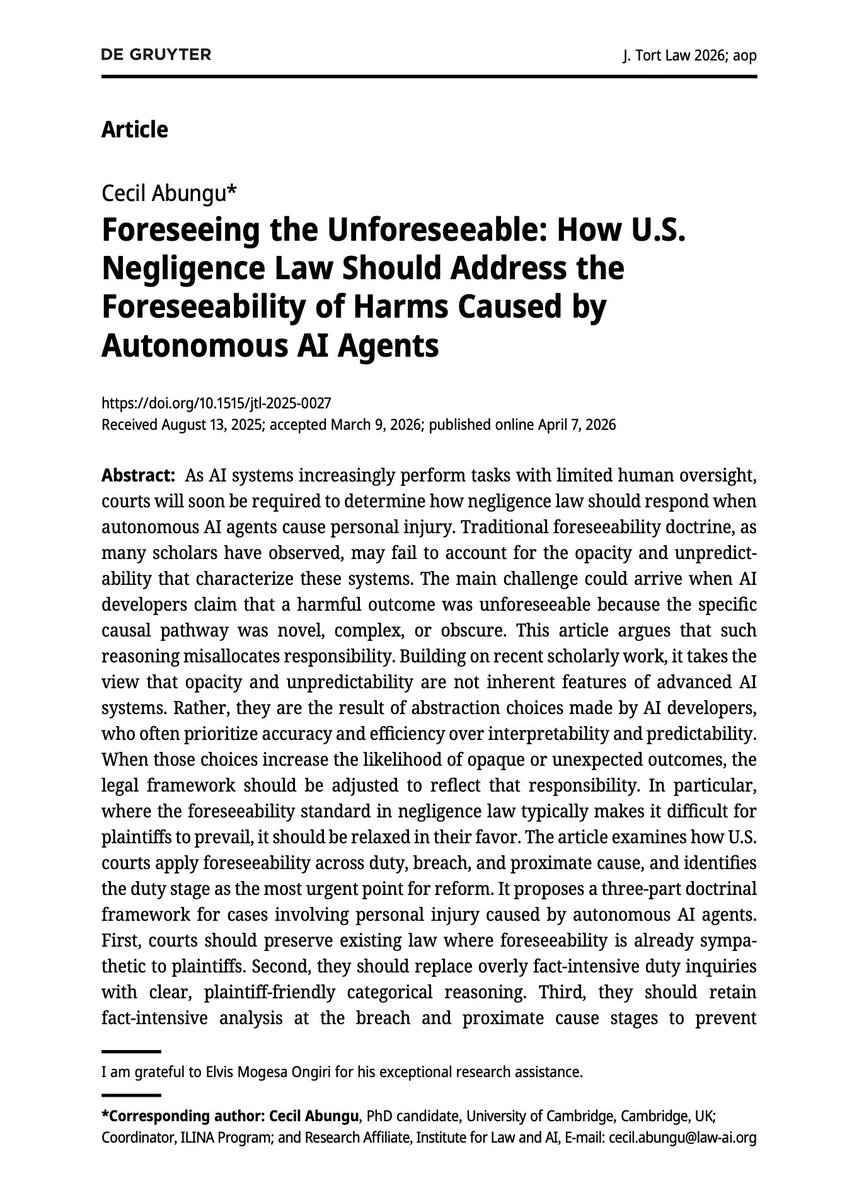
My new article on U.S. negligence law and the foreseeability of AI agent harms is officially lead paper of Vol. 19 Issue 1 of the Journal of Tort Law. Also now completely available open access (no sign up/ institutional access required): degruyterbrill.com/document/…
4
29
77
2,290
ILINA Program retweeted
Apr 10
Figuring how to determine legal responsibility for AI harms is one of our most urgent questions. Happy to share that my new paper on how U.S. negligence law should deal with liability for harms caused by autonomous AI agents has now been published by the Journal of Tort Law 😁
4
54
149
8,712
ILINA Program retweeted
Apr 9
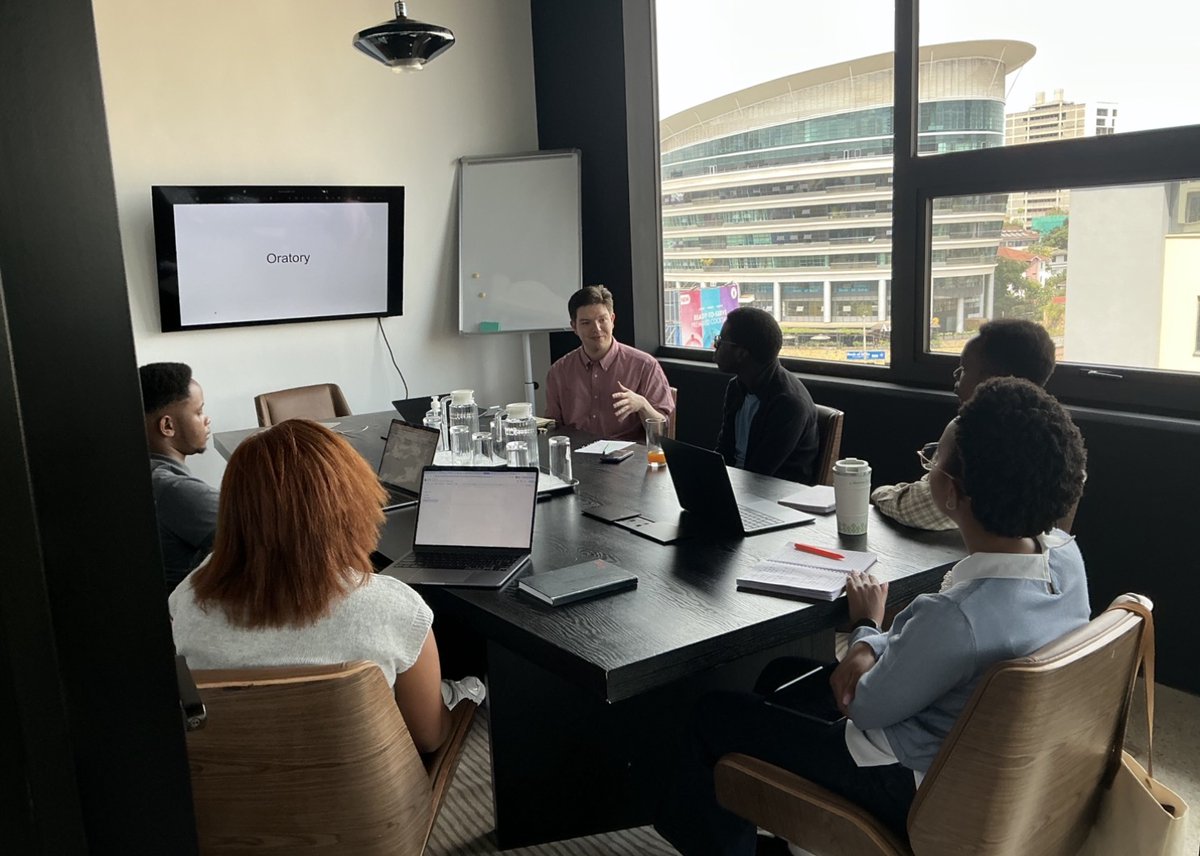
Tomorrow our flagship ILINA seminar kicks off, this time with all my awesome team members involved in crafting the syllabus and facilitating the sessions. Very excited! docs.google.com/document/d/1…
3
11
48
1,564
Mar 23
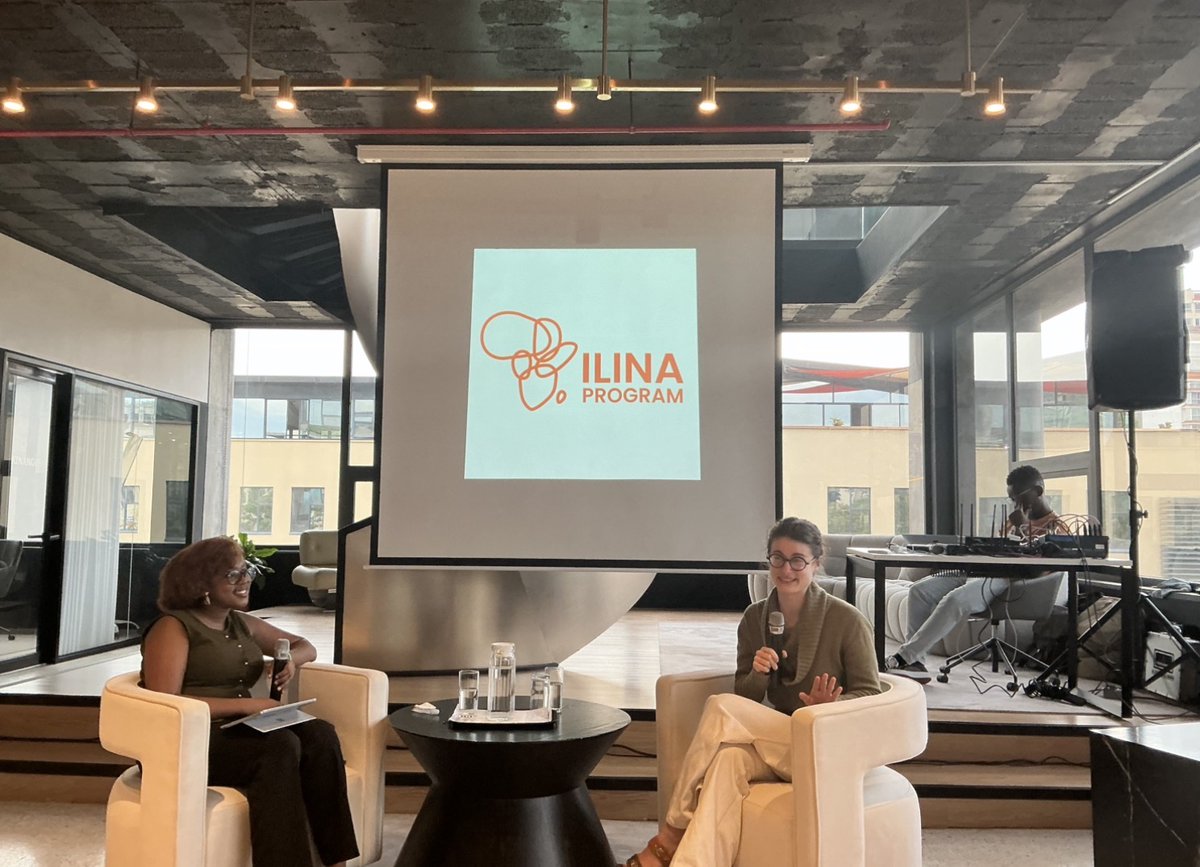
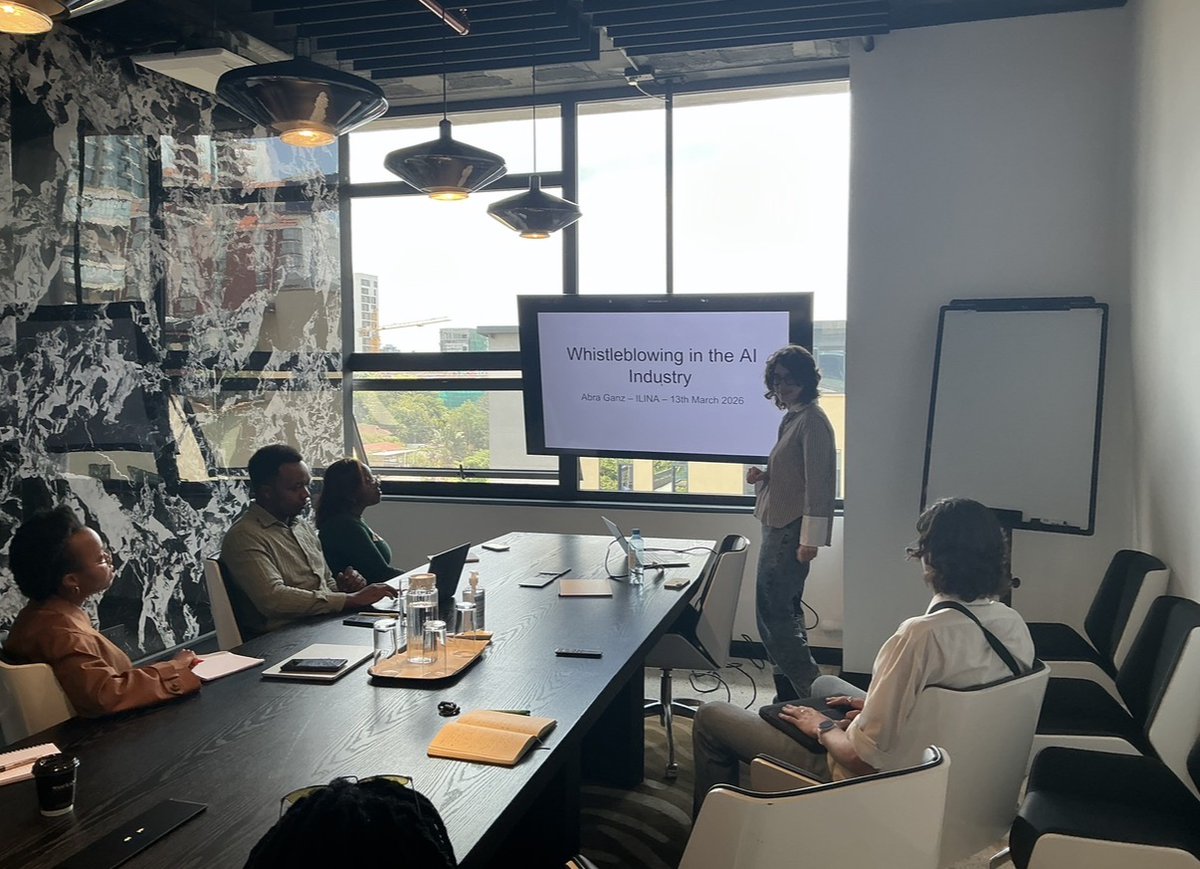
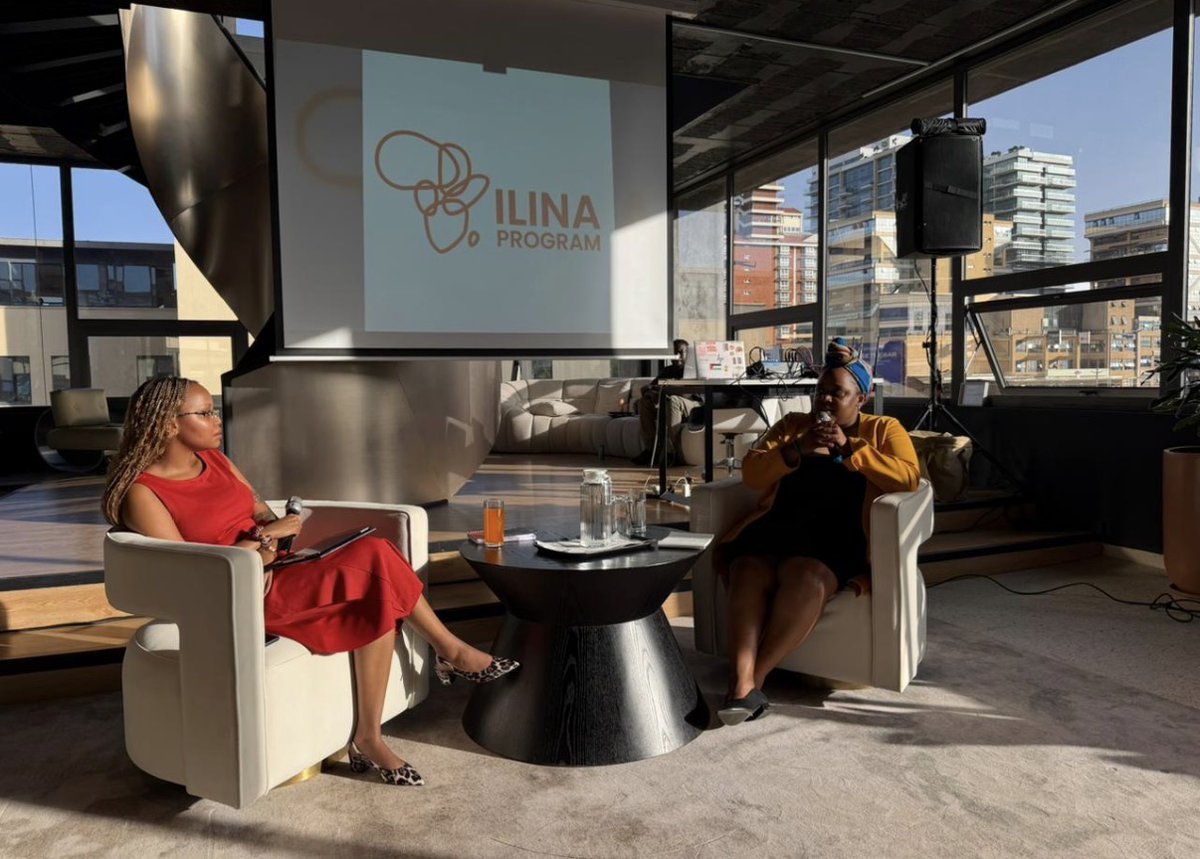
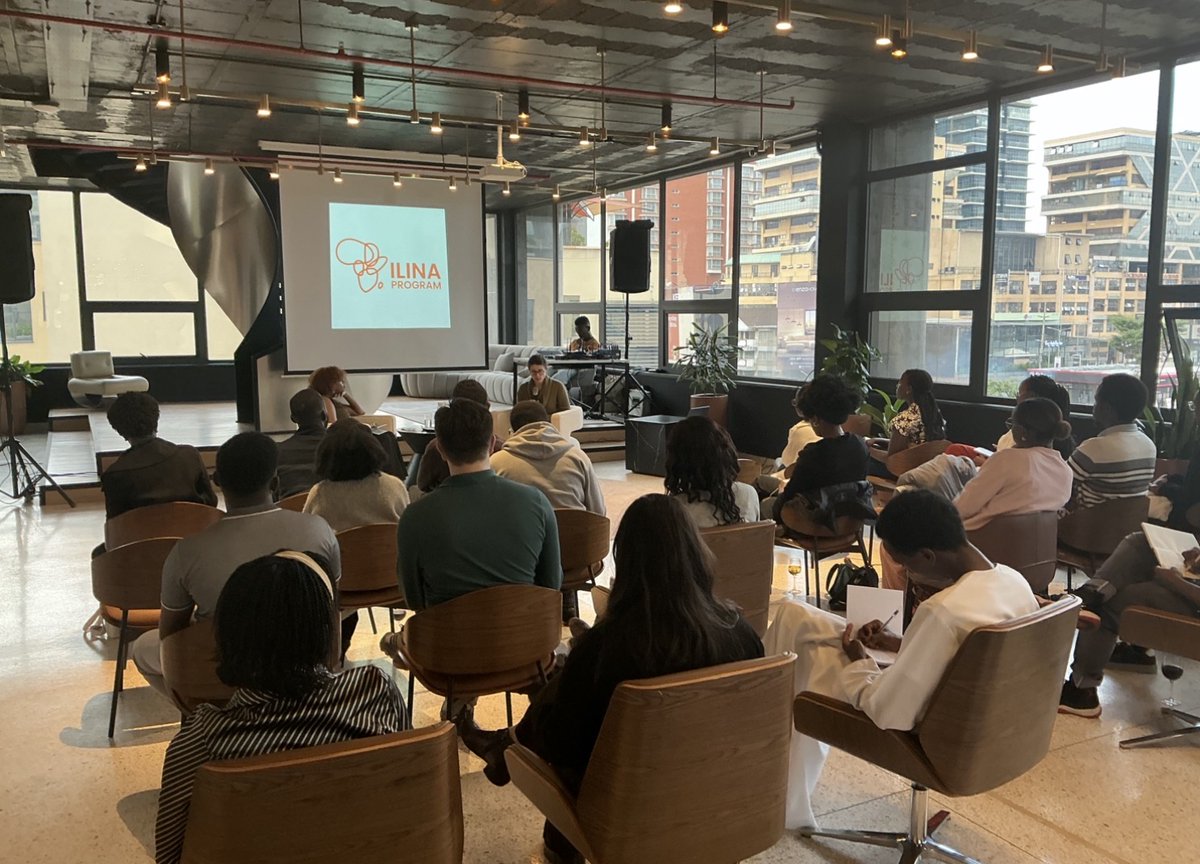
On Friday March 20, we hosted a fireside chat featuring AI Safety Policy Analyst Abra Ganz in conversation with our Research Associate Marie Iradukunda. We're thankful to all those who signed up for and attended the session.
7
27
774