
INSS launches and engages in innovative, relevant, high-quality research that shapes the public discourse of issues on Israel's national security agenda.
Joined December 2012
- Tweets 11,120
- Following 638
- Followers 19,630
- Likes 256
3,126 Photos and videos



9h
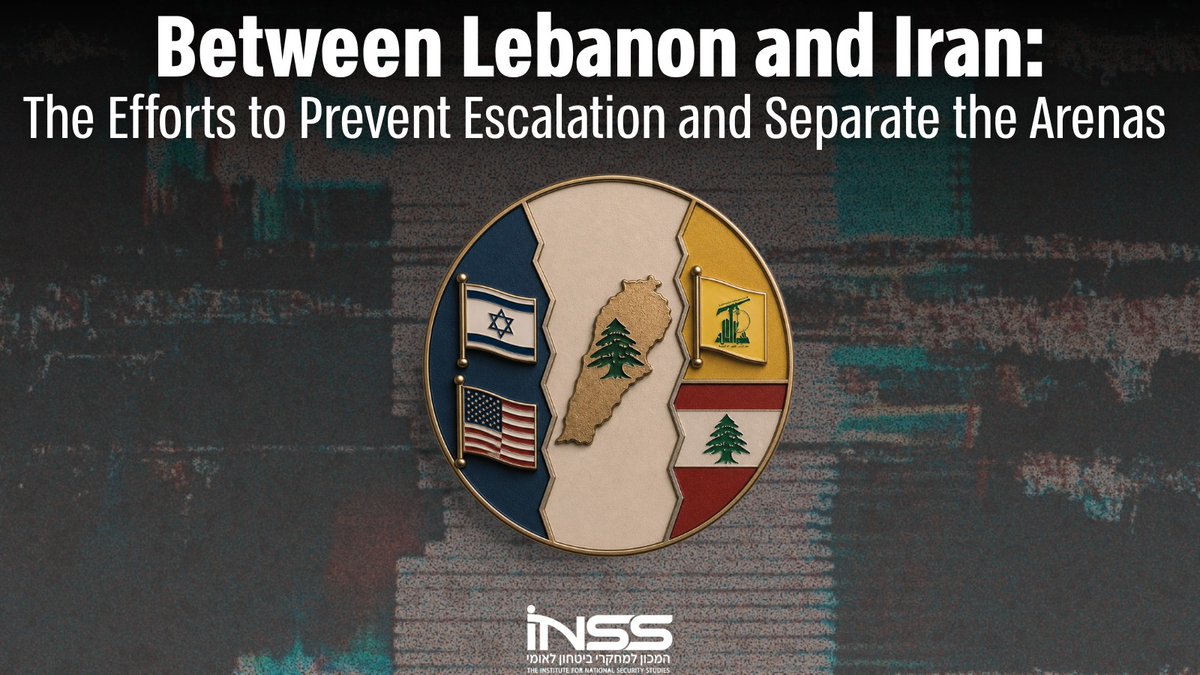
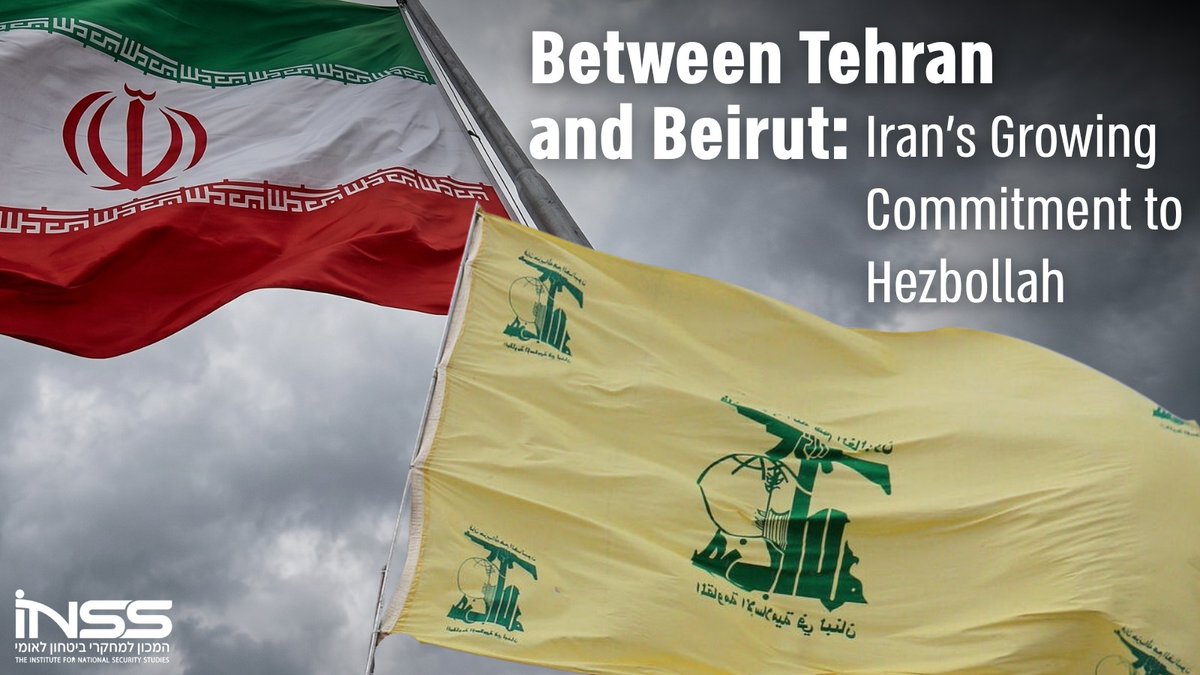
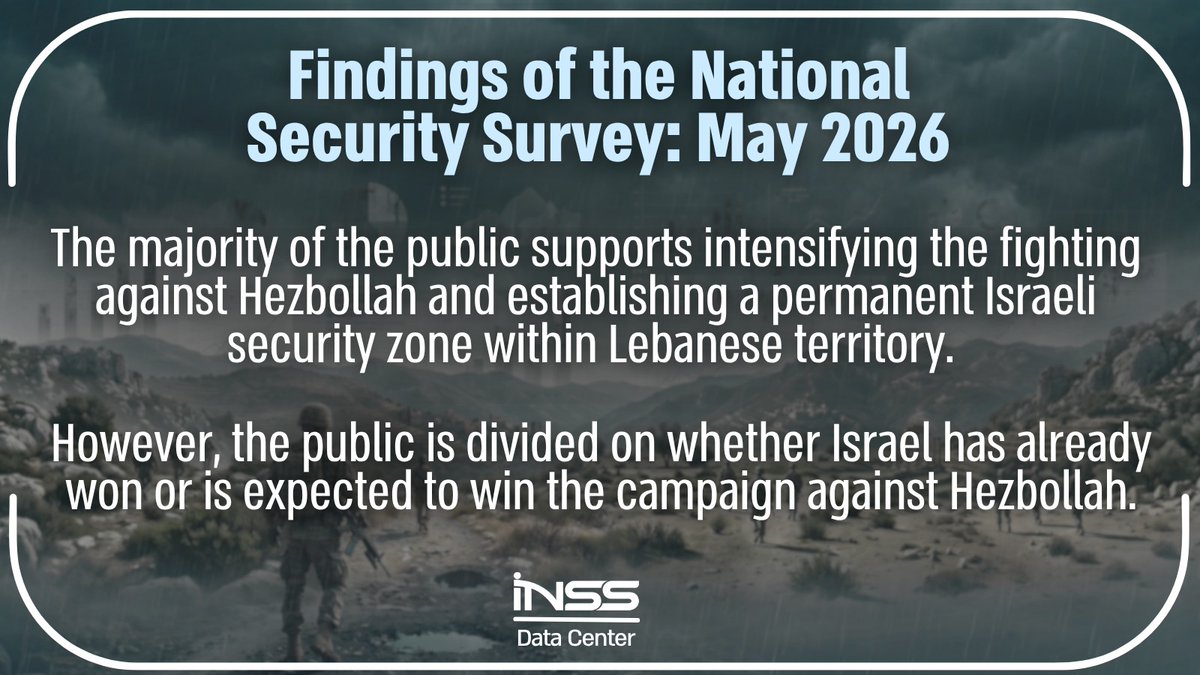
The test of the Lebanese arena from the perspectives of the United States, Iran, Lebanon, Hezbollah, and Israel >> inss.org.il/publication/betw…
1
271
10h
Three Countries, Three Channels: Gulf States in a Battle of Narratives
Dr. Yoel Guzansky, Senior Researcher at INSS, writes:
The UAE's decision to acquire full ownership of Sky News Arabia represents a structural shift in the Arabic media market. This is a move with deep strategic significance, reflecting a broader regional trend: the three leading Gulf countries — Saudi Arabia, the UAE, and Qatar — each now holds an international media platform used to promote their global worldview, interests, and the narrative they wish to instill in the Arab world and beyond.
Qatar was the first. Through the Al Jazeera network, it has succeeded for more than two decades in influencing the regional agenda, shaping political debates, and granting Doha unprecedented soft power relative to its size. In response, Saudi Arabia developed Al-Arabiya, which has become a central tool for presenting its regional positions and promoting its agenda.
Now, the UAE is completing its own move. Sky News Arabia, established as a joint venture with Britain's Sky News, is effectively transitioning to full Emirati control. Abu Dhabi thus gains near-absolute control over one of the most influential news brands in the Arab world, while preserving the prestige and relative credibility attached to the international brand.
The timing is not accidental. In recent years, Gulf states have understood that victory in the psychological arena is almost as important as victory on the battlefield. Regional leaders have learned that in the era of social networks, digital channels, and instant information, whoever manages to shape the story often gains a significant strategic advantage. The narrative has become a national asset.
The Western criticism over Sky News Arabia's coverage of the war in Sudan illustrates well the tension between independent journalistic ethics and state interests. But even if the Sudan issue was not the primary factor in the deal, it exposes the fundamental question: to what extent can regional media outlets be detached from the interests of the states funding them?
The acquisition of the channel also marks a new phase in the competition among Gulf states, which already exists in the economic, security, and diplomatic arenas. Now, each of them possesses a powerful media mouthpiece that will serve as an inseparable part of its foreign policy toolset — they understand well that in the Middle East, control over the narrative is often control over reality.
3
403
Jun 11
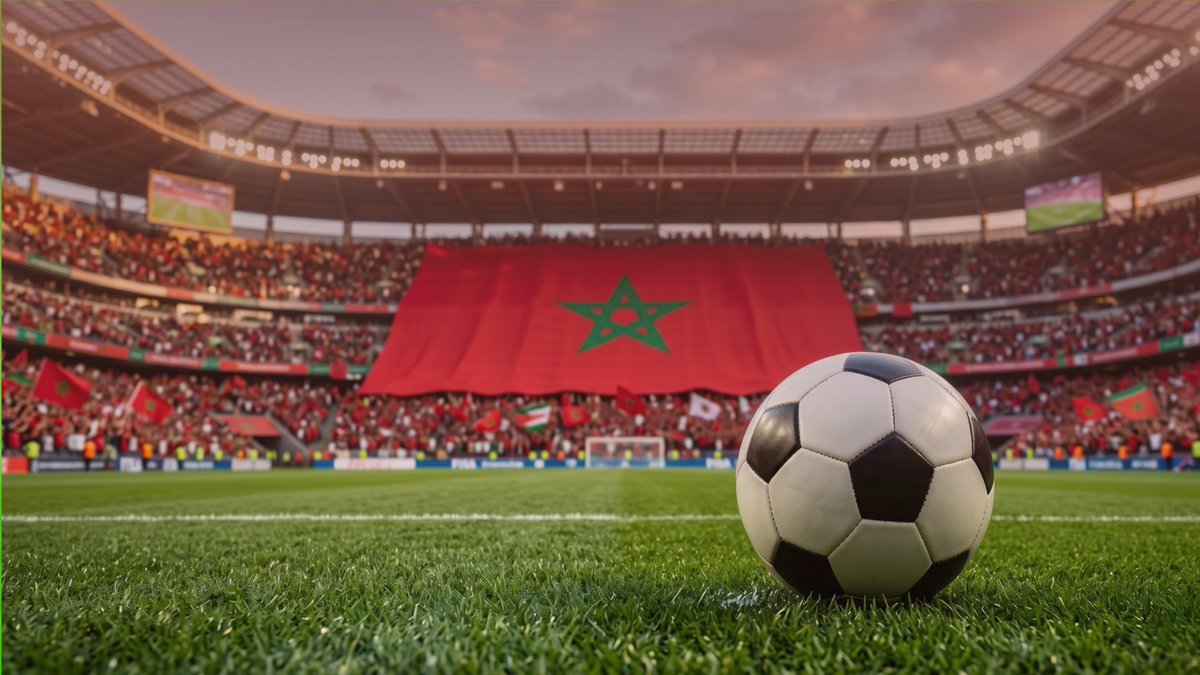
"90 minutes of football are worth more than two years of diplomacy": The Morocco national team is preparing for Brazil, but is also eyeing hosting the World Cup in 2032
Ifran Benomar, a Moroccan student at the University of Haifa and an intern at the INSS, and Ofir Winter, a Senior researcher at the INSS, write:
For most nations, qualifying for the FIFA World Cup is cause for national celebration. But when Morocco sealed its place at the 2026 edition in September 2025, there were no mass gatherings nor collective jubilation. The country was not indifferent — it had simply come to expect it.
After reaching the semi-finals in Qatar 2022, the Atlas Lions, named after the mountain range, that anchors Morocco's Amazigh identity, had become an unexpected standard-bearer — World Cup qualification had been recalibrated from exceptional to routine.
Football in Morocco runs deeper than sport. During Qatar 2022, people took to the streets from Dakhla to Dubai, projecting an image of a competent, ambitious, and capable Morocco, to audiences that no diplomatic communiqué could have reached. Once established, this image became an asset.
These achievements reflect more than a decade of institutional investment. The transformation began with a national overhaul in 2008, followed by the creation of the Mohammed VI Football Academy in 2009. Under Fouzi Lekjaa's leadership since 2014, the FRMF professionalized its governance, restructured national leagues, integrated diaspora-born players who brought European technical standards, and built a continental network of 47 cooperation agreements with African football federations — positioning Morocco as Africa's indispensable footballing partner.
FIFA has opened its first permanent regional office in Africa near Rabat, and CAF opened new headquarters in Marrakech. Lekjaa himself stated before the king in council that the 2030 World Cup represents “a unique opportunity to accelerate economic growth, create job opportunities, develop tourist appeal, and promote the values of peace and sustainable development”. For Rabat, the football project is an integral part of its foreign and domestic policy.
Morocco made five failed bids between 1994 and 2026 — each defeat exposing the same structural gap: passion and geography without the infrastructure or influence to prevail. Rather than abandon the ambition, Rabat treated each failure as a diagnostic, investing in stadiums, transport networks, and hospitality capacity until Qatar 2022 provided the on-pitch credibility to match what had been built off it.
Soft power — the ability of a state to attract and influence rather than coerce — operates across three registers in Morocco's case.
-Domestically, sustained success legitimizes the state project that produced it: the Mohammed VI Academy, the institutional reform of the FRMF, and the integration of the Moroccan diaspora into the national setup;
-Regionally, Morocco's hosting of AFCON 2025 demonstrated that its investment in world-class stadiums and infrastructure has translated into genuine continental projection capacity — Morocco enters 2026 as the anchor of a North Africa that, for the first time, sends four qualified teams simultaneously;
-Internationally, Moroccan communities across North America, Europe, and the Middle East function as audience multipliers, extending the tournament's visibility into the cities where political and economic partnerships are built. Among them, Moroccan Jewish communities in Israel have followed the Atlas Lions' recent achievements with particular pride — reflecting the monarchy's longstanding openness toward its Jewish heritage.
Across these three registers, Morocco's sustained sporting credibility builds the image of a stable, capable, and globally connected state — the kind of partner that governments and investors choose to back for the long term.
Morocco's Ambassador to the United States, Youssef Amrani, precisely captured this logic when he stated that football had become “a major instrument of soft power and international engagement,” arguing that sport and economic development are “two faces of the same coin” — a relationship he distilled into a single formula: “90 minutes of football is worth more than 2 years of diplomacy.”
On June 13, the Atlas Lions open their 2026 campaign against Brazil. The five-time world champions against the semi-finalists of 2022. Whatever the result, the fixture itself encapsulates Morocco's trajectory: a country that no longer qualifies for the World Cup but expects to compete at its highest level.
1
1
574
Jun 11
Trump escalates the threat level against Iran – but is still looking for a way out
Eldad Shavit, a senior researcher at INSS, writes:
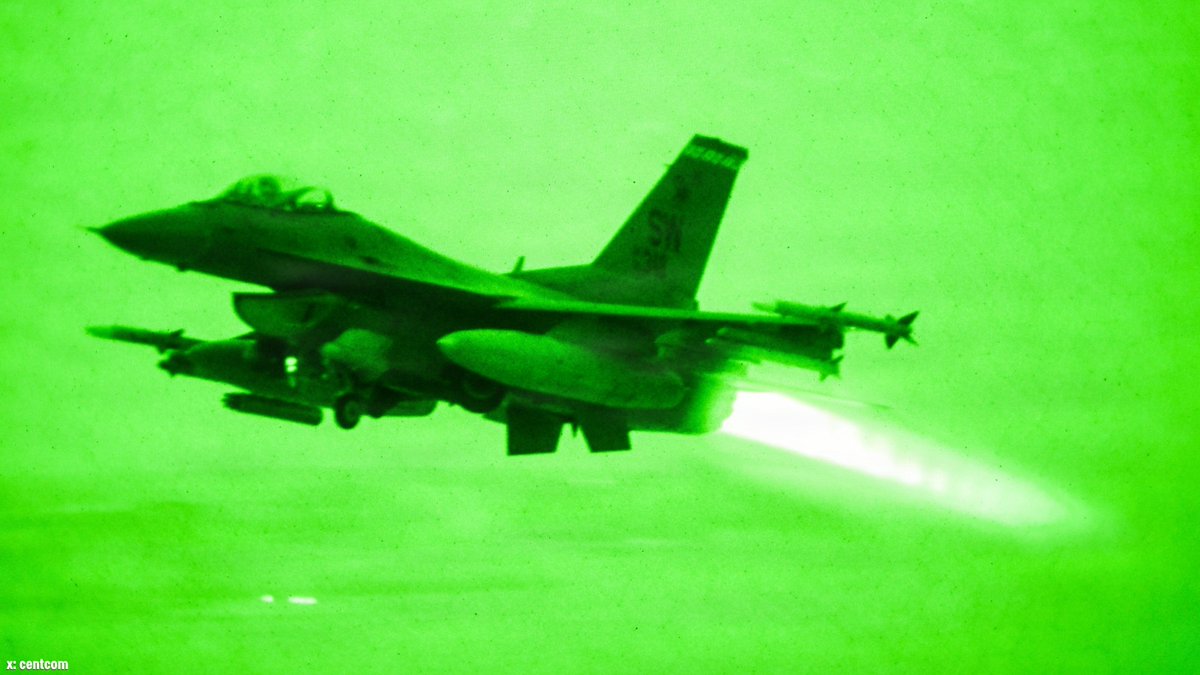
The American strikes in recent days against Iranian targets, mainly in the Strait of Hormuz area, signal a possible change in the Trump administration's conduct toward Iran. The first strike, which followed the downing of the American helicopter, could still be framed as a localized and measured response. Trump himself phrased it this way in a post on his social network, writing that the United States “must, of necessity, respond” to the downing of the helicopter. However, the additional strike yesterday, alongside his increasingly harsh rhetoric, already looks different: not just retaliation for a tactical incident, but an attempt to restore military pressure to the center of negotiations with Tehran.
Trump apparently still does not seek to return to a broad war, certainly not during a time when he is interested in showing control, stability, and political achievements, also against the backdrop of the opening of the World Cup and the public attention expected to focus on it in the coming weeks. But his recent posts and statements indicate growing frustration over the lack of progress with Iran. When he writes that Iran is "all talk and no action" and that it must now "pay the price," and when he says the United States will strike it "very hard" if an agreement is not reached, it is more than rhetoric. This is a conscious attempt to increase the threat to convince Tehran that continuing the drag-out will eventually exact a real price. The message according to which the United States has managed to covertly transfer tankers and oil through the Strait of Hormuz is designed to serve the same line: to present Washington as holding the initiative, controlling the pace of events, and not dependent on Iran's goodwill. In this sense, Trump is trying to recreate deterrence without being dragged into an all-out war.
From Iran's perspective, the very fact that Trump continues to emphasize his desire for an agreement teaches that he too has a clear interest in ending the crisis. Therefore, Tehran is in no rush. It responds, but for now in a relatively limited scope, and is trying to test how far Washington is truly prepared to expand the campaign. This is a dangerous dynamic: each side is trying to apply pressure without crossing the line, but in a reality of deployed forces, aircraft, ships, militias, and messages that are not always coordinated, a single mistake could turn controlled escalation into a broad deterioration.
Trump still needs that "victory image" that will allow him to present the end of the war as an achievement: an agreement that limits Iran in the nuclear field, stabilizes the Strait of Hormuz, and proves that military pressure worked. At this stage, he also seeks to leave Israel outside the circle of action. Reports that he halted a significant Israeli move last week emphasize his desire to maintain American control over the pace of escalation. However, here too there is no certainty. If Iran expands its response, or if one of its proxies acts against Israel, the pressure in Jerusalem to respond will grow, and Trump might then find himself exactly where he sought to avoid: caught between his desire to end the war and a regional dynamic pulling him back in.
1
1
4
532
Jun 11
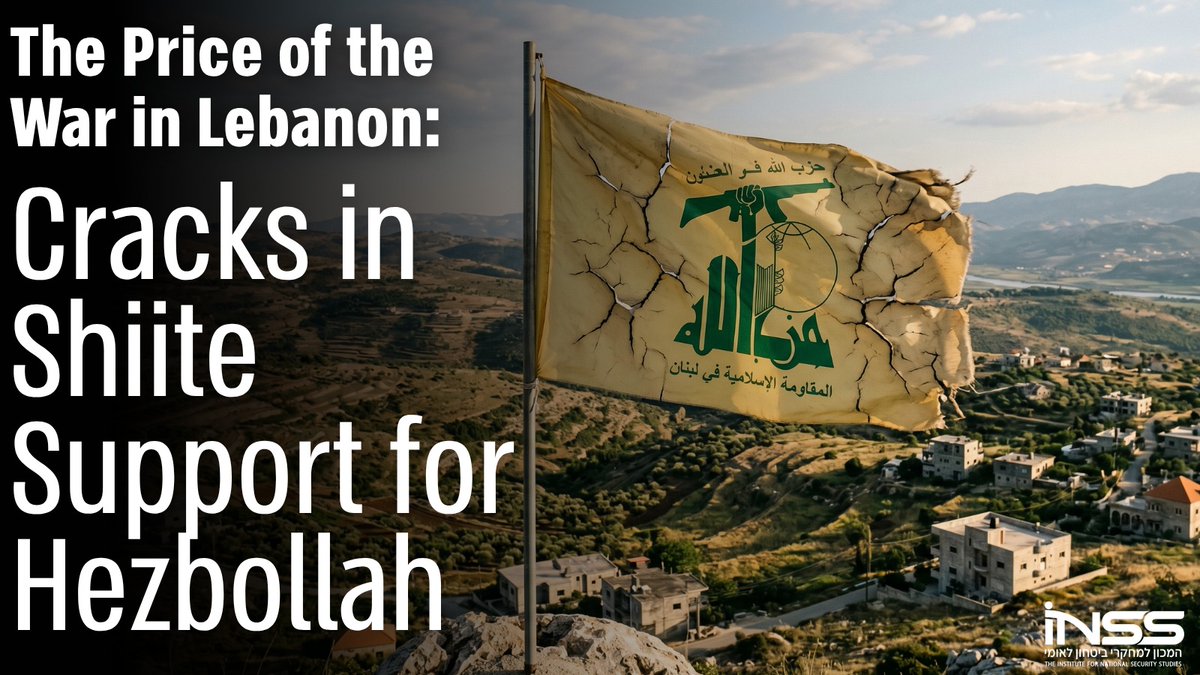
How is Hezbollah's standing among the Shiite community being eroded, and what opportunities does this create? >> inss.org.il/publication/shii…
1
279
Jun 10
The Data Analytics Center at the Institute for National Security Studies presents a real-time situation report of the military campaign against the Shiite axis across the various fronts.
The report includes a dedicated dashboard featuring selected data, accompanied by an interactive map depicting the situation on the ground.
Click to watch >> inss.org.il/publication/lion…
229
Jun 9
Against the backdrop of the recent escalation, which culminated in Israel's strike on a Hezbollah stronghold: How the linkage between Tehran and the Shiite terrorist organization was reshaped in the wake of Operation "Roaring Lion" >> inss.org.il/publication/iran…
2
1
4,479
Jun 9
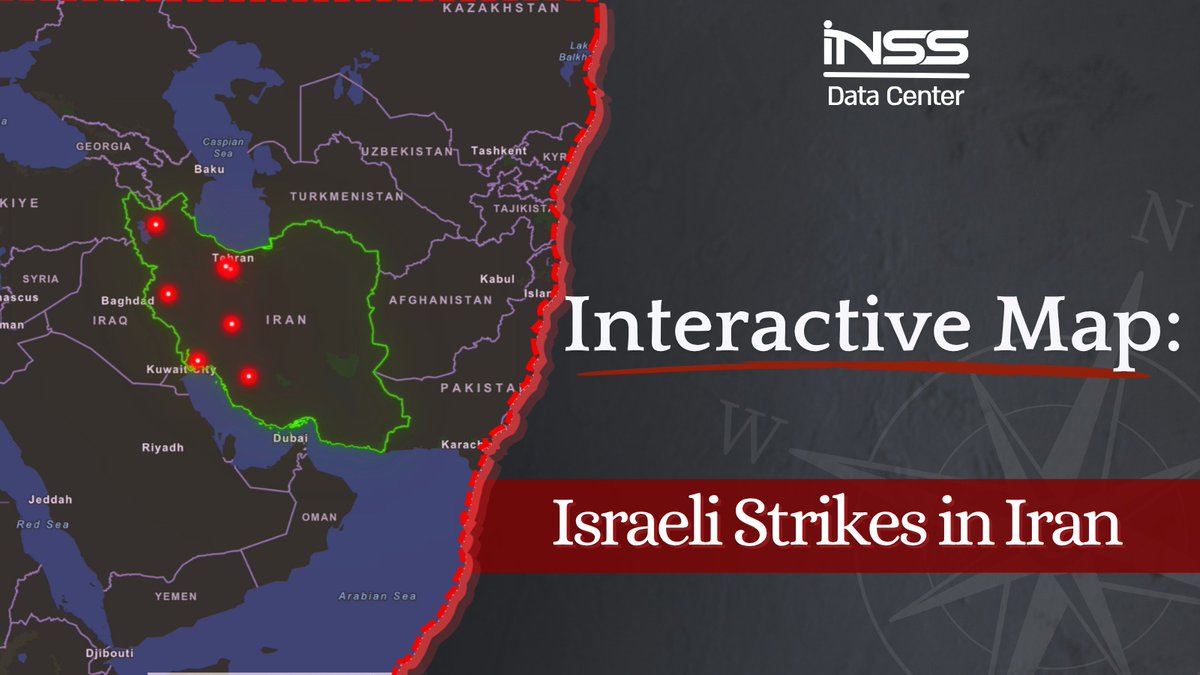
Follow closely the significant strikes and events in the recent escalation with Iran - using INSS' interactive and continuously updated map.
Information is continuously updated and based on open-source intelligence, visual documentation, official statements, and media reporting.
Click to view >> inss.org.il/publication/iran…
1
266
Jun 7
The Importance of Continuing the Talks Between Israel and Lebanon in the Shadow of the Ongoing War
Orna Mizrahi, a senior researcher at INSS, writes:
The ongoing fighting between Israel and Hezbollah at the conclusion of the fourth round of direct talks between Israel and Lebanon in Washington (June 3) raises doubts regarding the feasibility of continuing these talks, mainly due to the Lebanese leadership's lack of capability—or rather, weak ability—to influence Hezbollah. In the joint statement at the conclusion of this meeting, it was reported that the sides agreed on a conditional ceasefire, which means an absolute cessation of fire by Hezbollah and the evacuation of all the organization's operatives from the area south of the Litani River. However, the Hezbollah Secretary-General rushed to issue a response rejecting on the spot results that "threaten the organization", defining them as humiliating, embarrassing, and under the guise of surrender and defeat of the Lebanese government. In practice, the organization continues to fight IDF forces in Lebanese and Syrian territory—even if at a lower volume for now—and against northern communities.
Despite this, one should not underestimate the importance of continuing these talks, which promote the interests of both sides and may pave the way to ending the fighting down the line:
•The talks intensify the difficulties with which Hezbollah is dealing. Their existence challenges the narrative that Hezbollah planted in Lebanon, according to which there are no relations with Israel, and intensifies the criticism against it by most of the Lebanese population for initiating the war in the service of Iran and continuing it despite the limited achievements. The organization continues to pay a heavy price as a result of the ongoing fighting, which erodes its capabilities and erodes the support it receives, especially from its Shiite supporters who have been severely harmed by it.
•Holding the talks creates a new atmosphere of trust and hope for a change in reality between Israel and Lebanon, and exposes the common interest of both sides against Hezbollah and Iran. When the Lebanese leadership proves its determination to take courageous steps, despite the threats from Hezbollah, it will act to overthrow it, and persevere in the effort to reach a diplomatic solution to end the war, as the Lebanese president emphasized in his interview with CNN (on June 5). In practice, there are notable sparks of cooperation on the ground following the decision on a pilot advancement for Lebanese Army forces to enter areas vacated by the IDF (starting in the village of Dbayeh and the Marjayoun region).
•Vis-à-vis Iran, the very existence of the talks takes away the card with which it is trying to maintain its current control over the developments of the fighting in Lebanon. The more these talks progress, the more it will be possible to sever the connection between Iran's war and its proxies and the Americans to ending the war in the north.
In light of this, despite the feeling of frustration that the talks in Washington have limited influence on the reality on the ground, it is highly important for Israel and Lebanon to continue direct negotiation, while utilizing the opportunities that the US is working hard to advance. From Israel's perspective, although for now the talks do not lead to an absolute ceasefire, they do possess inherent advantages, and it must persevere in them alongside the continuation of the fighting against Hezbollah due to the clear inability to achieve its goals through fighting alone. Israel must come to terms with the fact that this is a long process that requires time and investment of resources, including willingness for concessions, in order to create a significant change in the military and political reality vis-à-vis Lebanon.
2
1
536
Jun 7
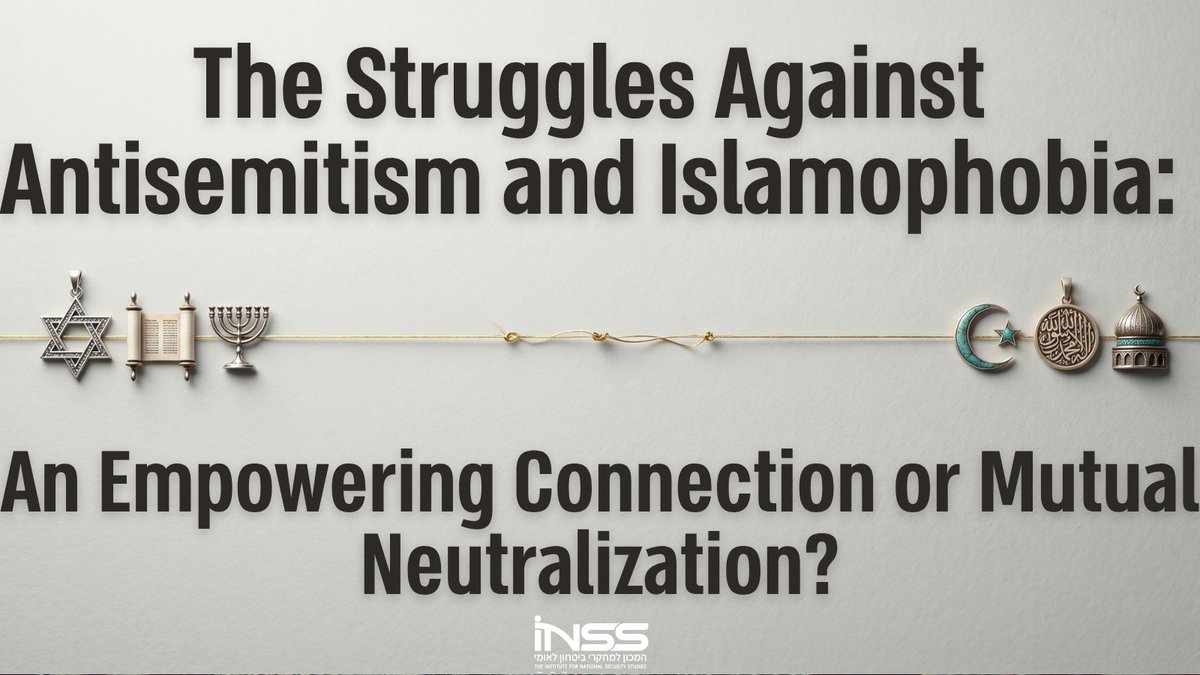
What are the positive and negative implications of linking antisemitism and Islamophobia—and what are the policy recommendations on the matter? >> inss.org.il/publication/anti…
1
309
Jun 7
The "Israeli Espionage" Affair in the US: Not Just Intelligence - A Battle Over the Boundaries of Influence
Eldad Shavit, a senior researcher at INSS, writes:
The recent publications in the US regarding suspicion of Israeli intelligence activity do not stand on their own. They come at a particularly sensitive timing, in which Washington is trying to advance contacts with Iran and to calm the Lebanese arena, while Israel fears that the emerging arrangements will limit its freedom of action, leave dangerous strategic assets in Iran's hands, or force understandings upon it that do not align with its perception of the threat. Therefore, the main question is not only whether Israel did indeed try to gather information on internal discussions in the US, but why American officials chose to surface the claim precisely now.
According to a report in the New York Times, Israel was largely sidelined from the American contacts with Iran, and learned about them through regional diplomatic sources and also via intelligence gathering, including surveillance of senior American officials. Concurrently, NBC reported that the Pentagon has raised the risk/espionage threat assessment by Israel to the highest level in recent weeks. Israel denied this, and the White House also sought to downplay the significance of things, but the publication itself has already created a political problem.
The timing teaches that this is more than an accidental leak. It is possible that elements in the Pentagon and the intelligence community wish to warn against over-exposure of sensitive information to Israel, especially when there is concern that Jerusalem will act to derail American moves that it does not favor. It is also possible that this signals to elements in the administration: closeness to Trump does not grant Israel unrestricted access to briefing rooms in Washington, and certainly does not grant it veto power over American policy toward Iran.
It is also important to note the potential gap between the White House and the professional defense establishment. Even if the political echelon around Trump wishes to preserve the closeness to Israel and downplay the significance of the publications, the Pentagon and the intelligence community operate according to a different logic: safeguarding the independence of the decision-making process, protecting sensitive information, and restricting the access of foreign actors, even when dealing with a close ally.
In this sense, the publication also serves an internal American purpose. It warns senior officials in the administration, Congress, and the defense establishment against uncontrolled sharing of information with Israelis, and signals that the dispute with Jerusalem is not just over policy but also over trust. As long as Israel is perceived as trying to bypass the official channels, the tendency in Washington will strengthen to tighten procedures, reduce exposure, and manage sensitive contacts in more closed circles. Furthermore, the publication provides ammunition to those seeking to frame Israel not just as a demanding ally, but as an actor operating leverage within Washington to narrow the administration's maneuver space.
6
8
1,010
Jun 7
House War Powers Resolution Passes in Symbolic Vote Against Trump
Dr. Jesse Weinberg, a researcher at INSS, writes:
The House of Representatives voted 215-208 on Wednesday (June 3rd) to adopt the war powers resolution, which requires Trump to withdraw US forces or seek congressional approval to continue the US’s war with Iran, which began at the end of February. Four Republican members of congress Thomas Massie (Kentucky), Brian Fitzpatrick (Pennsylvania), Tom Barrett (Michigan), and Warren Davidson (Ohio), joined the Democrats in voting in favor of the resolution against the outright pleas on the part of House Speaker Mike Johnson, who sought to maintain party discipline for the vote. A similar vote in the Senate on May 19th received 50 votes, with Republican senators Sens. Rand Paul (Kentucky), Susan Collins (Maine), Lisa Murkowski (Alaska) and Bill Cassidy (Louisiana) crossing the aisle to vote with the Democrats, while Jon Fetterman (Pennsylvania) was the lone Democrat to vote with the Republicans. The House would also have to approve the Senate version before it could be sent to President Trump for signature. Trump would almost certainly veto the measure, requiring both the House and Senate to override the veto with a two-thirds majority in each chamber for the resolution to take effect. To date, no War Powers Resolution has successfully survived a presidential veto.
The vote, however, symbolically underscores the growing public discontent, including within sections of the Republican Party, over the conduct of the American war against Iran. This, together with rising inflation and high gas prices have Republicans worried over their chances in the upcoming November midterm elections. This together with the latest NY Times-Siena poll conducted mid-May which found that 64 percent of registered voters think Trump made the wrong decision in going to war with Iran, while only 30 percent believe he made the right decision. Republican members of Congress as well as Secretary of State Marco Rubio have argued that Congressional intervention would harm the current negotiations with the Iranians. Yet, while the symbolic opposition underlines the cratering public support for the war with Iran, the President still retains almost total control over the levers of foreign policy.
1
1
366
Jun 3
Troubling Trends from the "Diaspora Index"
INSS Researcher Ofir Dayan writes:
As it does every year to mark Diaspora Week, the Ministry of Diaspora Affairs and Combating Antisemitism has published its "Diaspora Index." Before delving into the data, it is important to note that the surveyed sample is not entirely representative of the Israeli population. It consists, among other things, of 53% men, 76% whose income is average or above average, 21% who reside in Tel Aviv, and 64% with an academic education. These demographic biases should ostensibly have produced a pool of respondents who travel abroad more frequently and are more familiar with Diaspora Jewry compared to the average Israeli. Consequently, the index's findings are all the more concerning.
While there has been an increase compared to last year in the percentage of respondents who agree that assimilation poses a significant threat to the Jewish people, who are willing to host Jews from abroad, and who believe Israel has a moral obligation to assist Diaspora Jewry even if they do not immigrate to Israel, most metrics show a decline. Particularly alarming is the decrease in the share of Israelis who believe that Jews in Israel and abroad share a common destiny. There is also a concerning decline in the percentage of respondents who are troubled by antisemitic attacks against Diaspora Jews, who feel a sense of responsibility toward them, and who view them as a positive force advocating for Israel globally. Furthermore, there has been a sharp drop in the percentage of Israelis who believe that the opinions of Diaspora Jewry should be considered when making decisions regarding religion and state, as well as national security.
This mindset ignores the immense impact that decisions made in Israel—particularly regarding security—have on the treatment of Diaspora Jews in their home countries, especially concerning the antisemitic incidents they endure. In this regard, the desire to exclude the Diaspora from the decision-making process aligns with the declining concern over antisemitic incidents—though this concern remains notably high, with 85% of Israelis still worried about these phenomena.
This does not imply that Diaspora Jewry should become the primary consideration in Israel's diplomatic and security decision-making. However, it does require, at the very least, an acknowledgment that these decisions directly affect Jewish communities abroad, and that Israel, as the nation-state of the Jewish people, bears a profound responsibility for their fate.
2
2
404
Jun 3
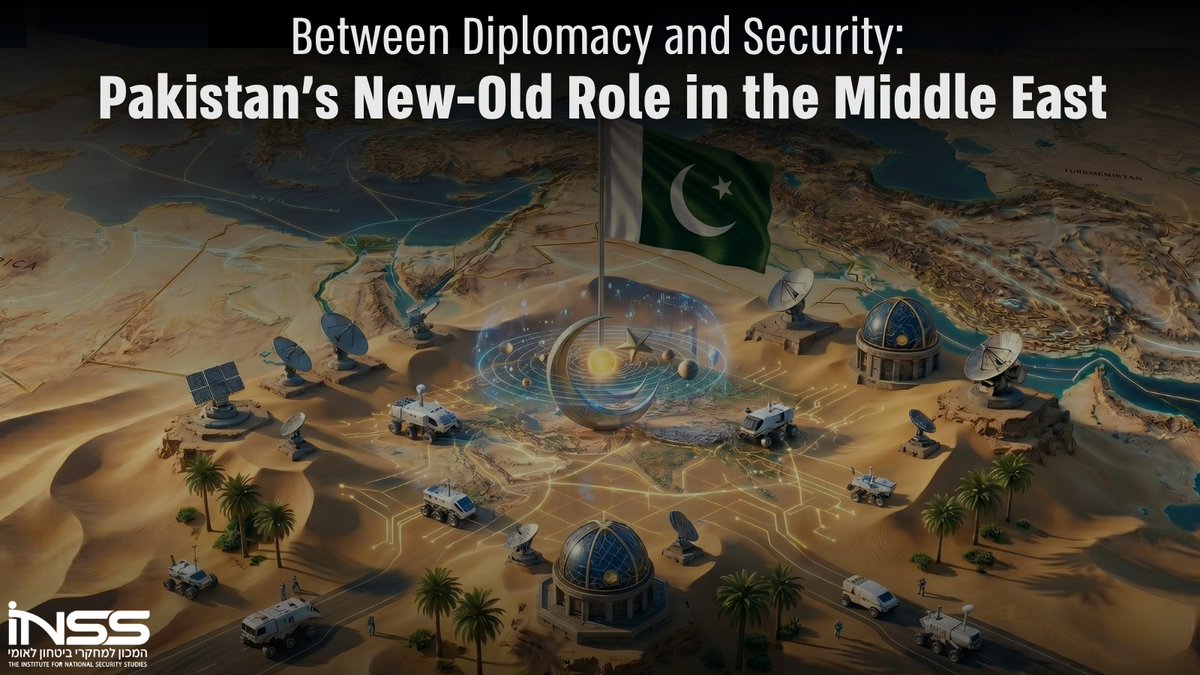
How is Pakistan transforming from a peripheral actor into one of growing strategic importance in the region? >> inss.org.il/publication/paki…
2
1
301
May 31
Israel is currently perceived in many quarters of Western opinion as an aggressive country acting contrary to international law, and by some even as a pariah state.
What failures led to this situation, and what steps are required to restore Israel’s image? >> inss.org.il/publication/hasb…
1
3
3
557
May 31
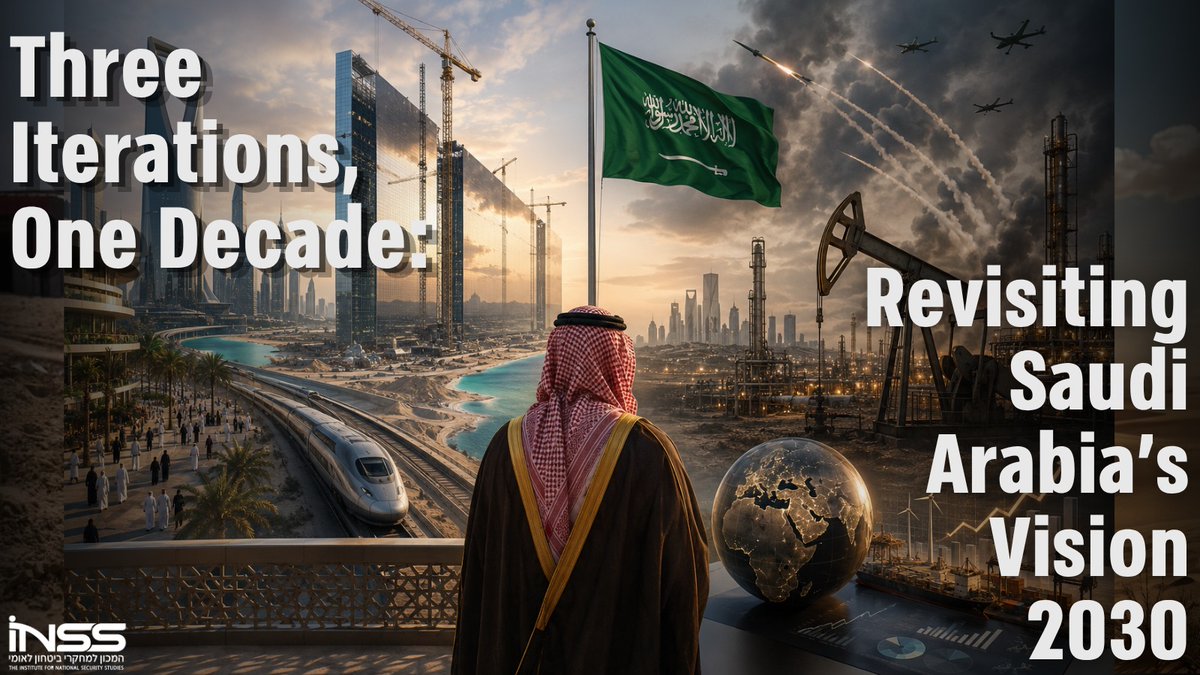
A decade after its unveiling, and as its official completion deadline approaches: Where does the project designed to bring comprehensive change to the Saudi Kingdom stand—and how has it been impacted by recent regional events? >> inss.org.il/publication/saud…
2
3
395
May 28
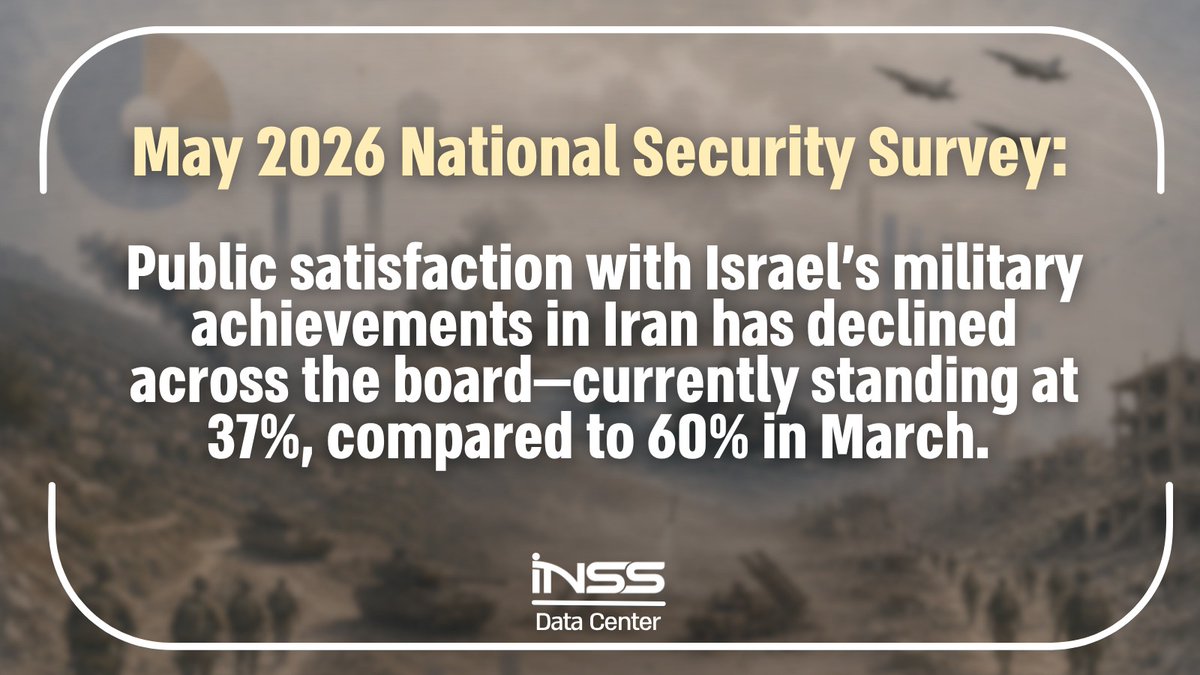
Public satisfaction with Israel’s military achievements in Iran has declined across the board—currently standing at 37%, compared to 60% in March. Satisfaction with diplomatic achievements is even lower, standing at a mere 22%. Click for the full results >> inss.org.il/publication/inss…
5
2
743
May 27
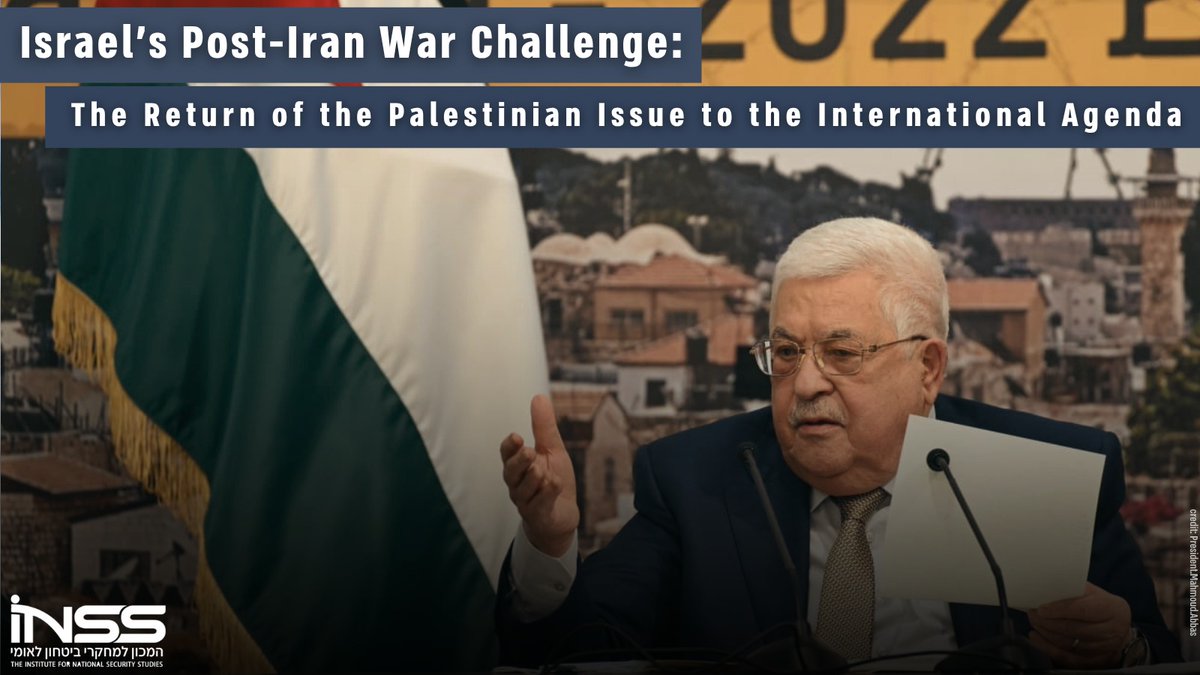
When the focus shifts away from the war with Iran, the Palestinian issue is likely to return to the center of the agenda—and Israel must prepare accordingly >> inss.org.il/publication/pale…
1
1
505
May 26
Why asking "When does anti-Zionism become antisemitism?" is not enough and what would be a more practical question for policymakers to ask? >> inss.org.il/publication/anti…
3
520