
Supporting practical pathways to peace, federal democracy, and accountable governance in Myanmar.
Joined May 2026
- Tweets 16
- Following 37
- Followers 28
- Likes 1
16 Photos and videos
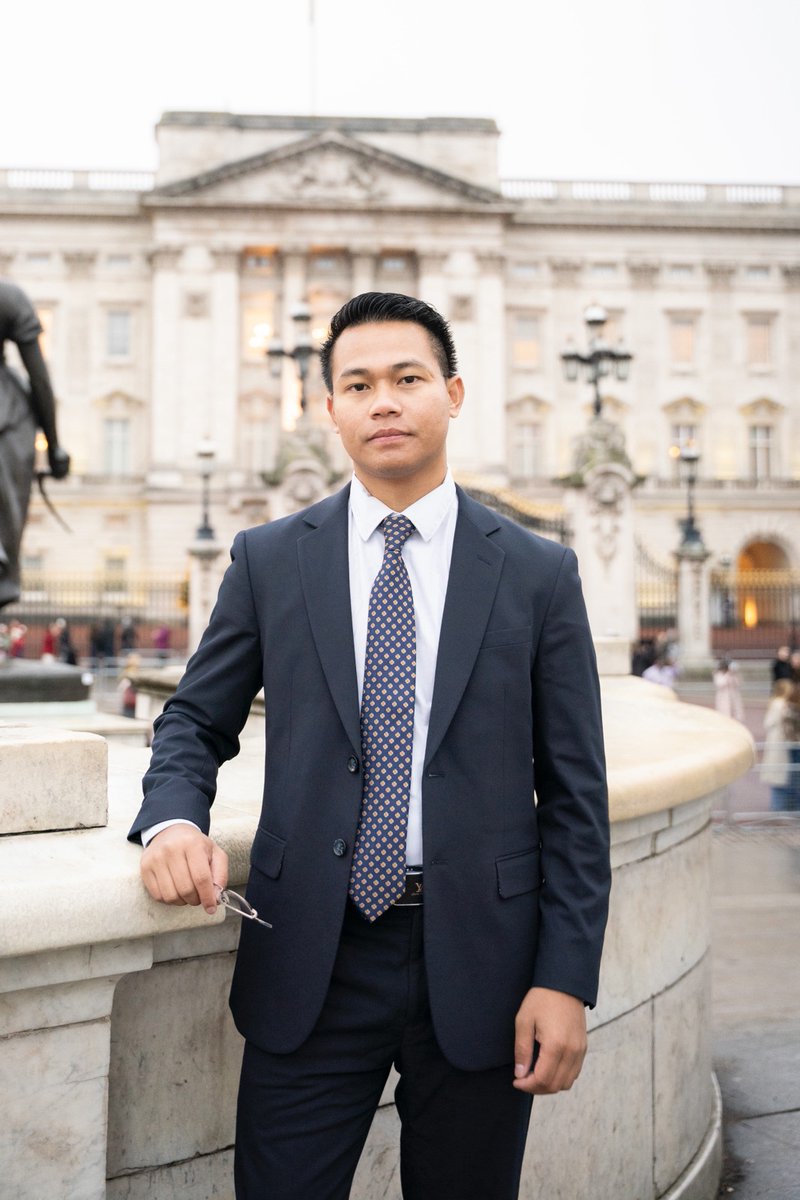
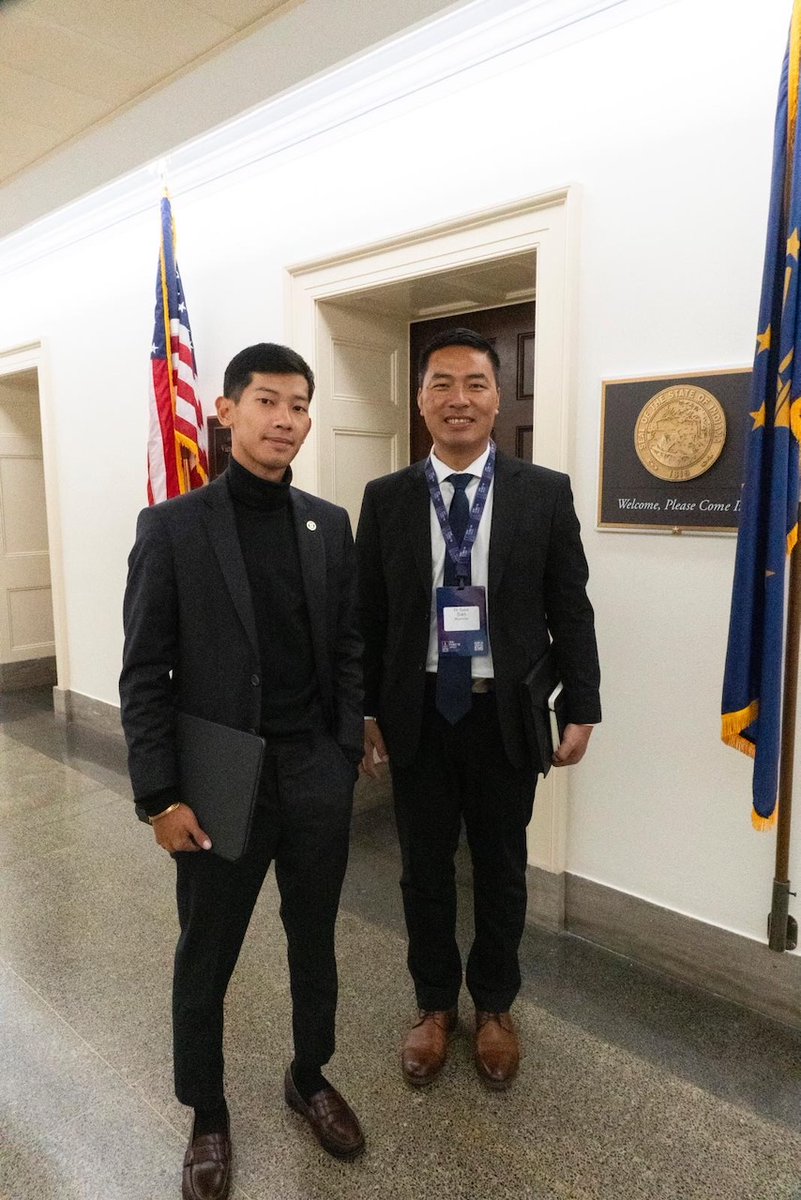
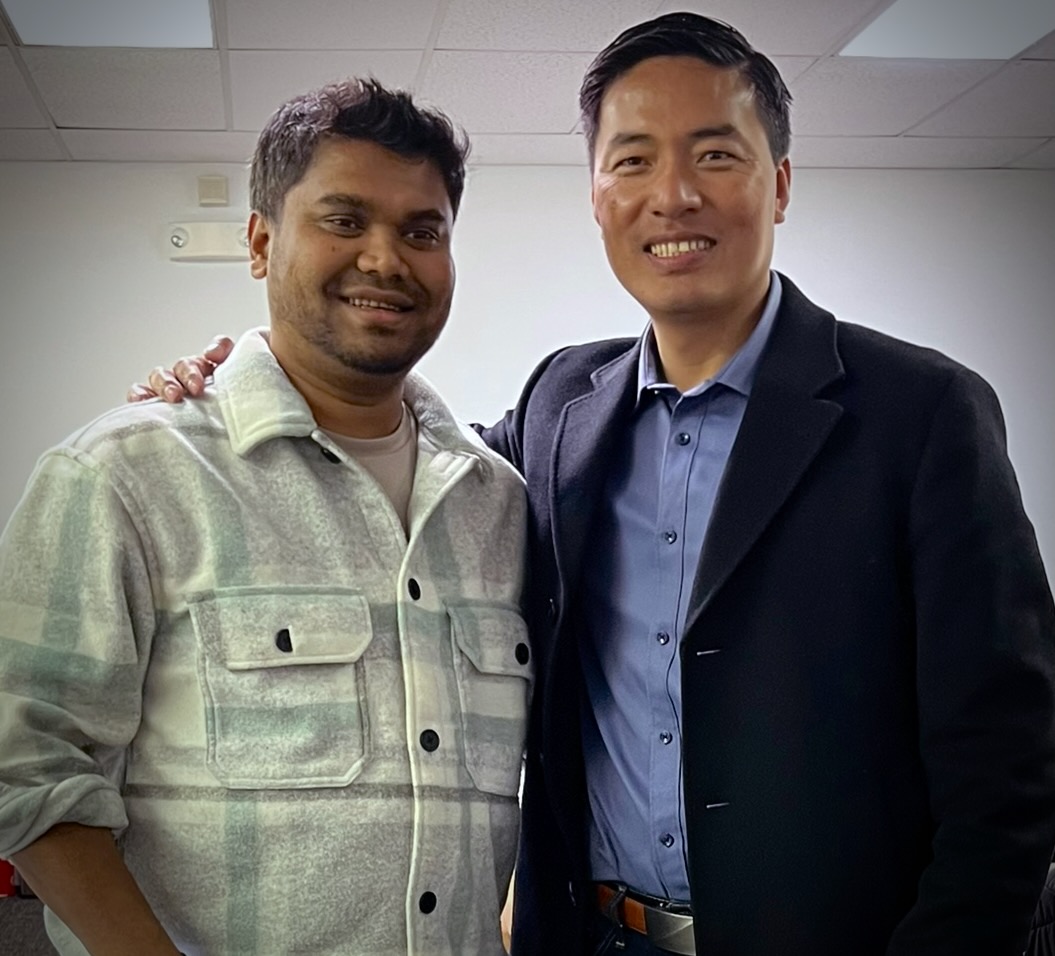
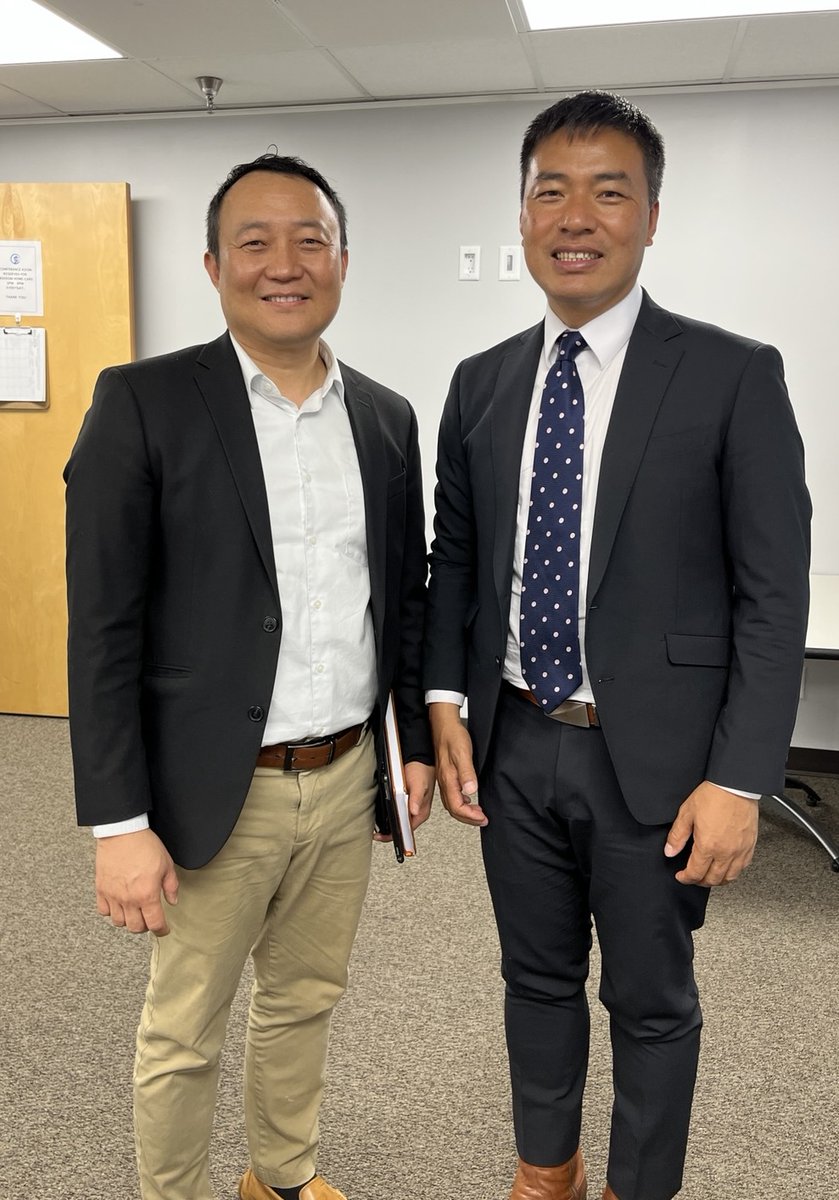
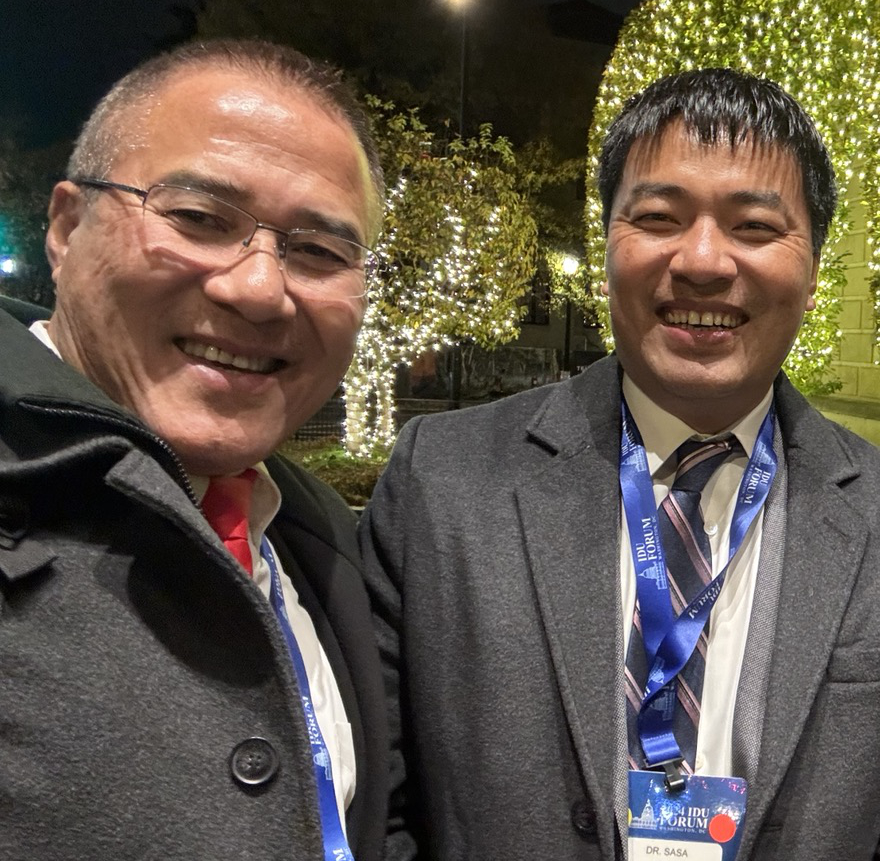
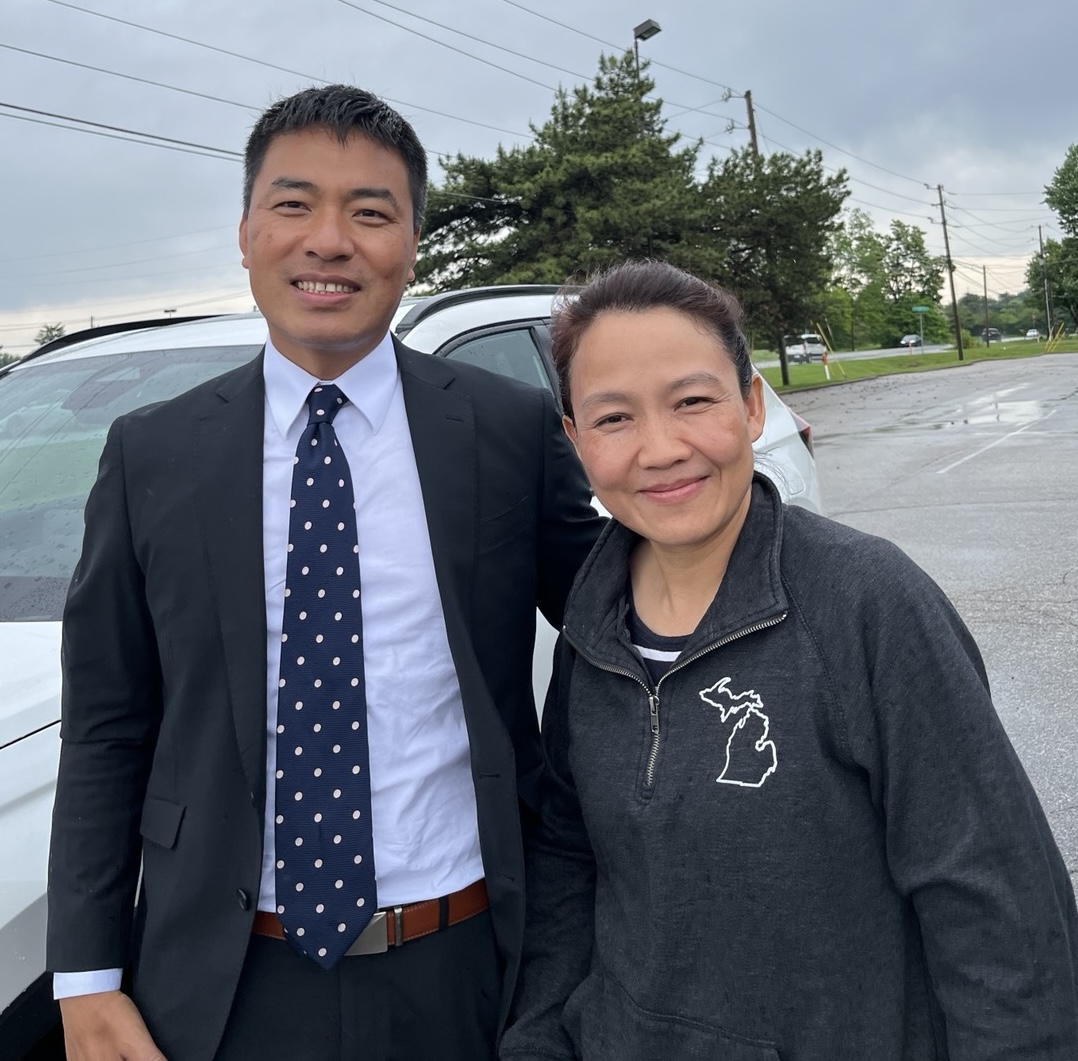
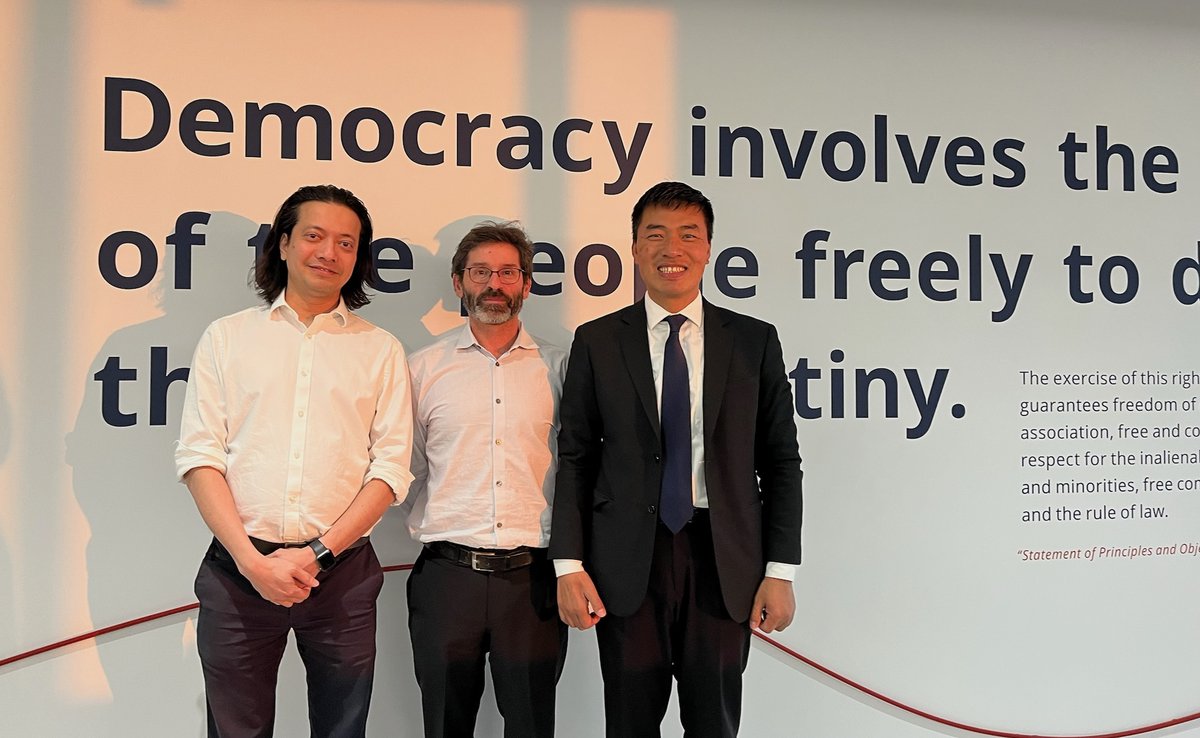
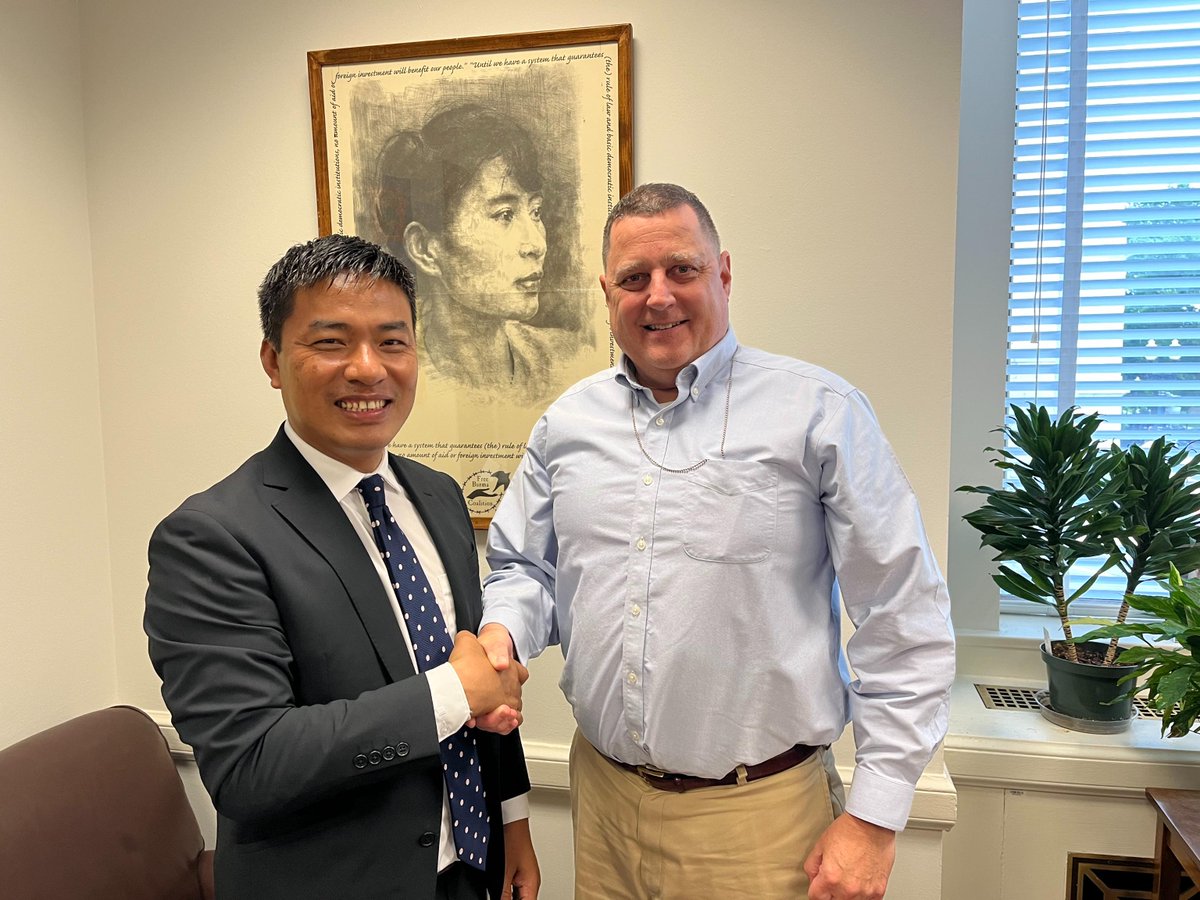
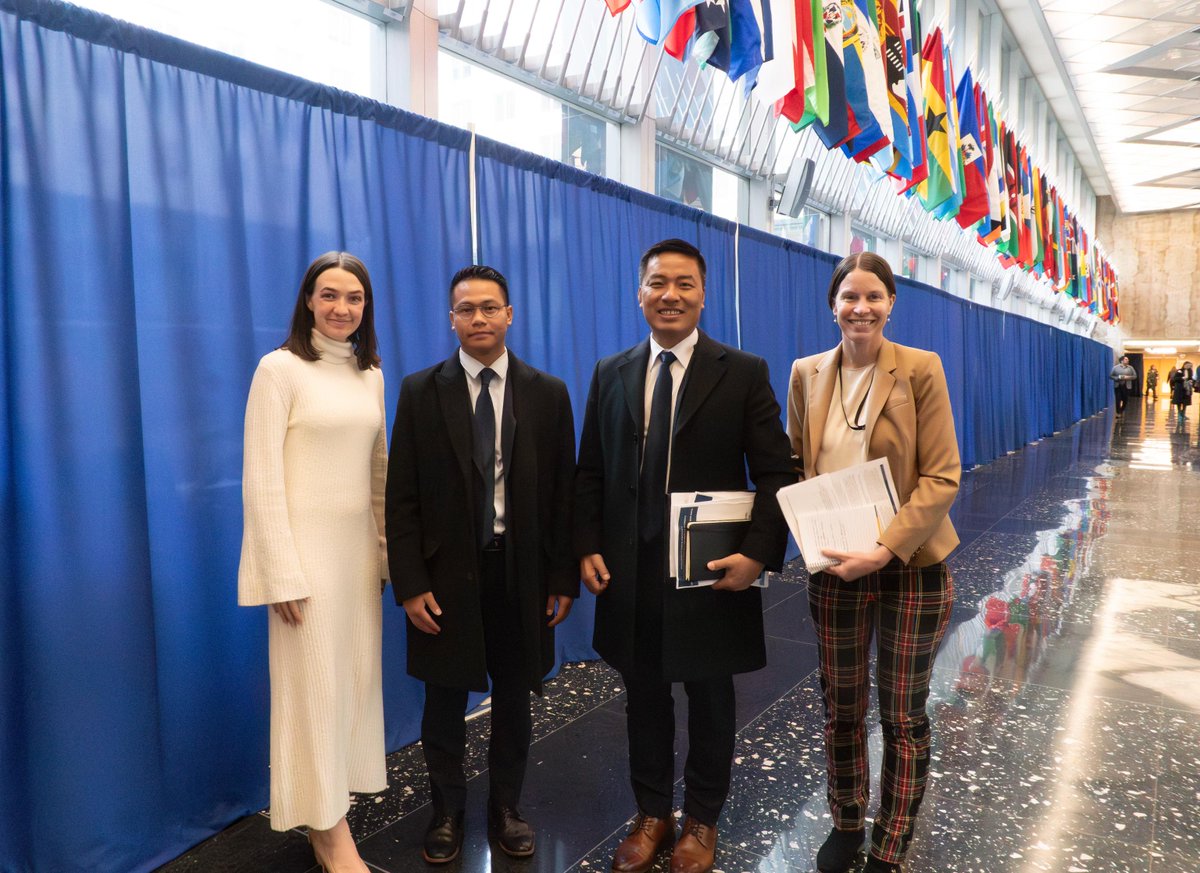
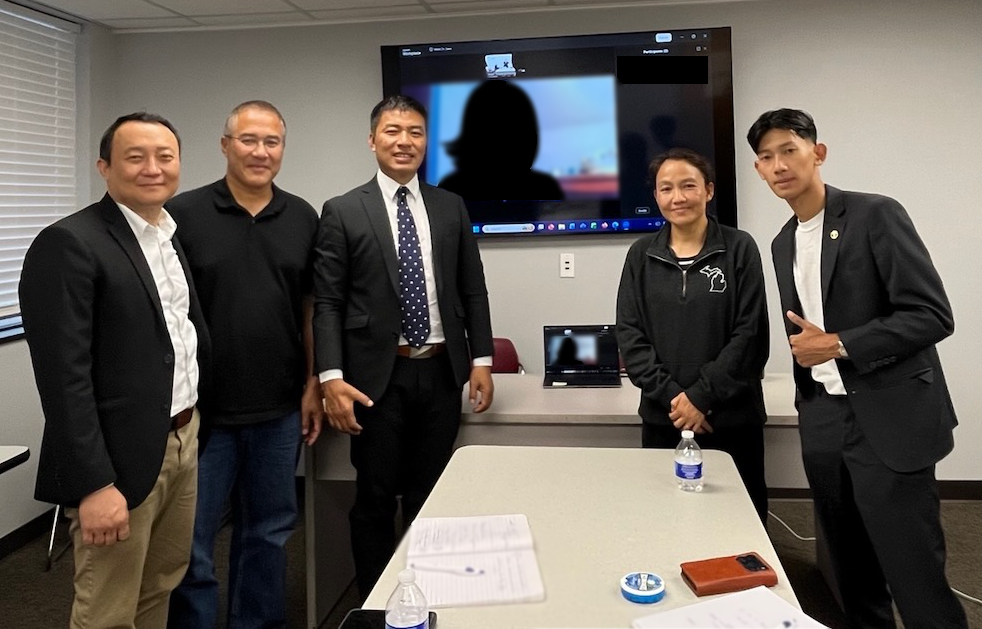
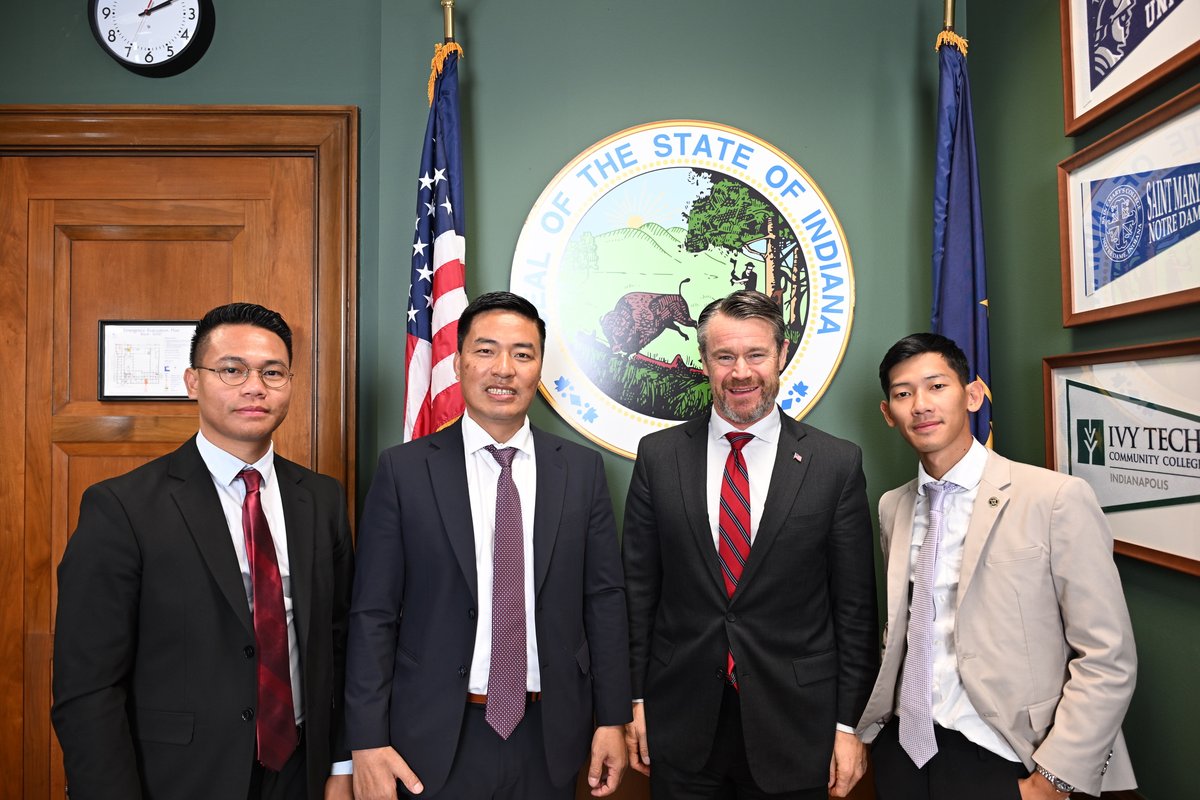
Meet Van Lal Lian, Secretary of the IPFD Board.
Originally from Chin State, Van came to the United States as a refugee in 2010 after being displaced by conflict at a young age.
He is now a Data Scientist at @Boeing, holds a Master’s degree in Analytics from USC, and previously served as President of the Chin Youth Organization of North America, helping strengthen one of the largest Burmese youth networks in the US and Canada.
Van has also represented communities affected by Myanmar’s crisis at the UN Human Rights Council.
His leadership reflects an important part of IPFD’s mission: Myanmar’s future needs young leaders with lived experience, professional skill, community commitment, and a deep commitment to peace and federal democracy.
Follow @IPFD_Institute for updates as we continue to share about our work.
3
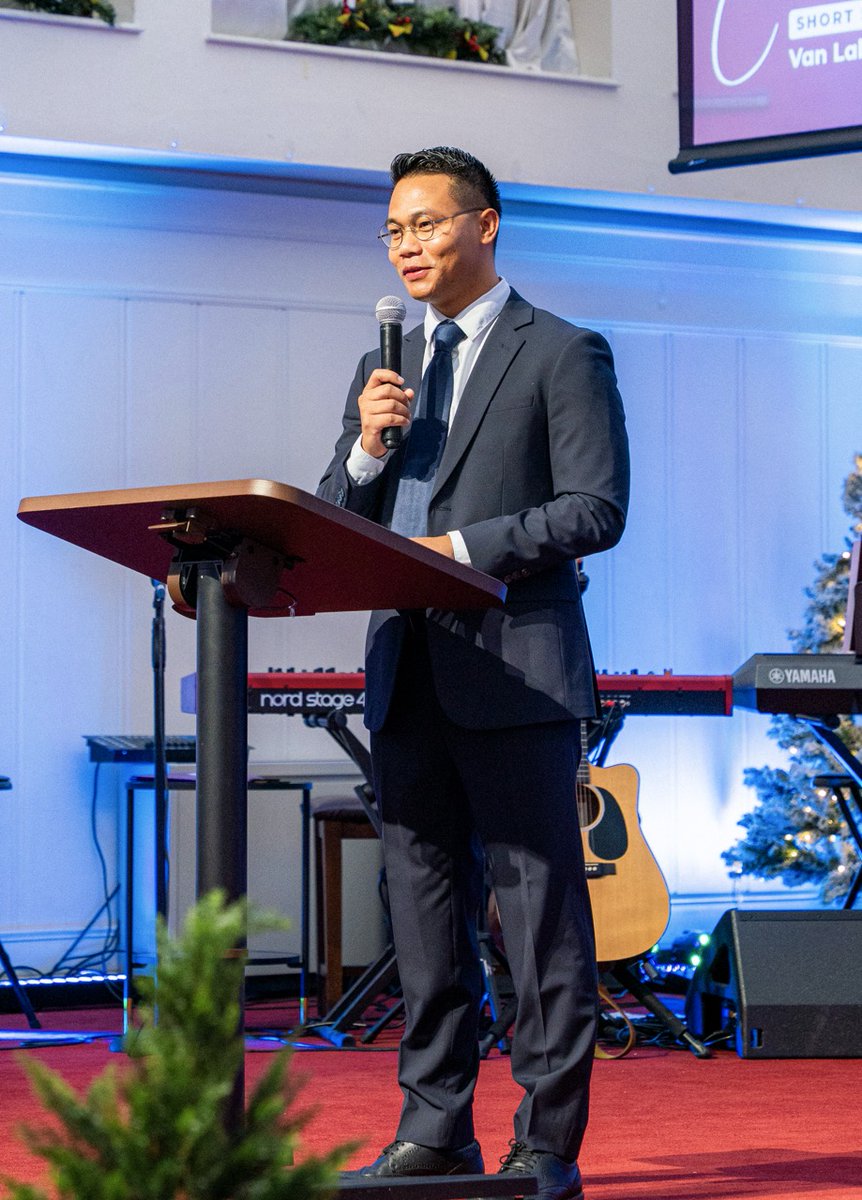
IPFD is being built through shared leadership, community trust, diaspora experience, professional expertise, faith and civic networks, and a common commitment to peace and federal democracy in Myanmar.
We are also deeply grateful to @romethalop, IPFD’s founding Chair of the Board, for helping support the registration of IPFD in the United States, strengthen its early governance, and open relationships with U.S. leaders, policymakers, business leaders, and diaspora networks.
Myanmar’s future will require trusted institutions, practical cooperation, and stronger bridges between communities on the ground, the diaspora, and international partners.
Follow @IPFDInstitute for updates sign up below for IPFD's newsletter: ipfd.institute/about/subscri…
2

Jun 12
Meet Zin Min Oo, Member of the IPFD Board.
Born and raised in a refugee camp along the Burma–Thailand border, Zin is now a Burmese-American community advocate and organiser based in Fort Wayne, Indiana.
He has helped organise cultural festivals, concerts, fundraising initiatives, and community events, connecting people across cultural and religious backgrounds.
His leadership reflects an important part of IPFD’s mission: Myanmar’s future needs trusted grassroots organisers as well as policy, advocacy, and international engagement.
Follow @IPFD_Institute as we introduce the people helping carry this work forward.
2
2,109
Jun 11
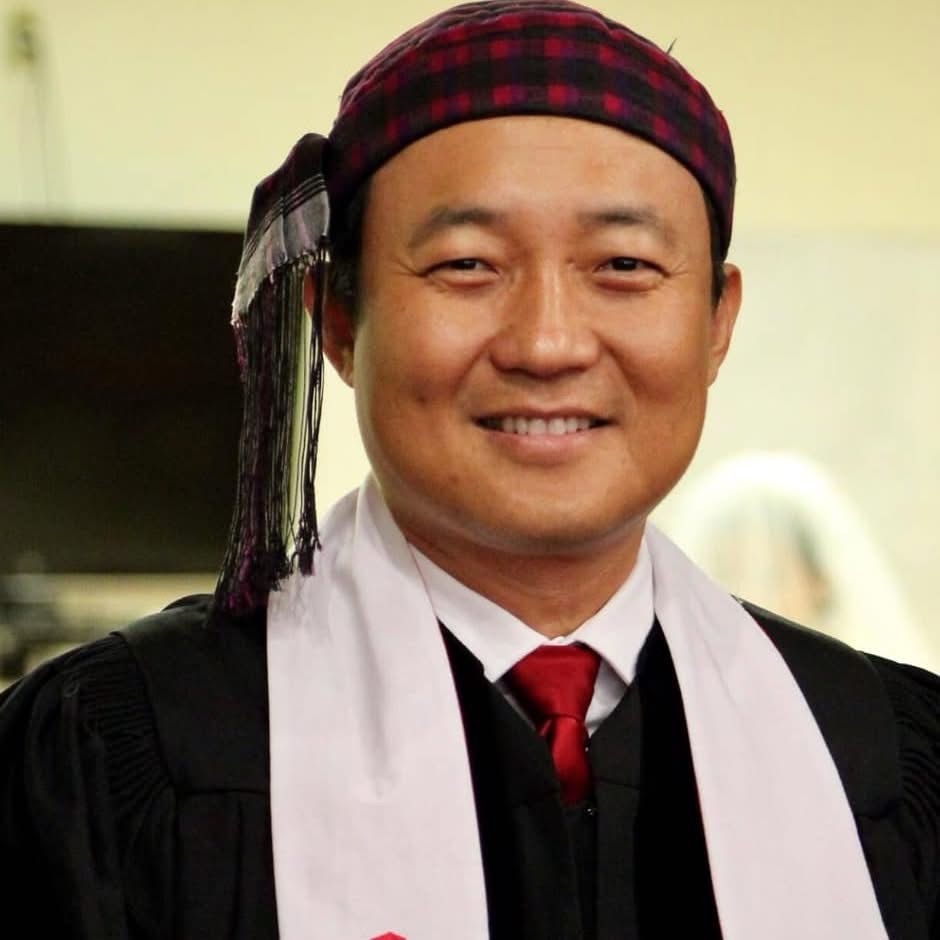
Meet Rev. Dr. Maw San Awng Jum, Member of the IPFD Board.
Faith communities have long played a vital role in helping Myanmar families survive displacement, preserve identity, support one another, and remain connected across borders.
Rev. Dr. Maw San Awng Jum brings this leadership to the Institute of Peace and Federal Democracy.
Originally from Myanmar, Rev. Dr. Maw San Awng Jum is a Kachin-American Baptist pastor and community leader.
His leadership reflects the vital role faith communities have played in supporting refugees, preserving identity, advocating for human rights, and helping Myanmar families remain connected across borders.
His leadership also extends beyond the church. Rev. Dr. Maw San Awng Jum has represented Kachin and Burmese refugee communities in advocacy meetings with U.S. government officials and international organisations, raising concerns about refugees, human rights, and the suffering of people from Myanmar.
IPFD is honoured to have his wisdom, faith, and community leadership helping guide this work.
Follow @IPFD_Institute as we introduce the people helping carry this work forward.
1
5
2,314
Jun 10
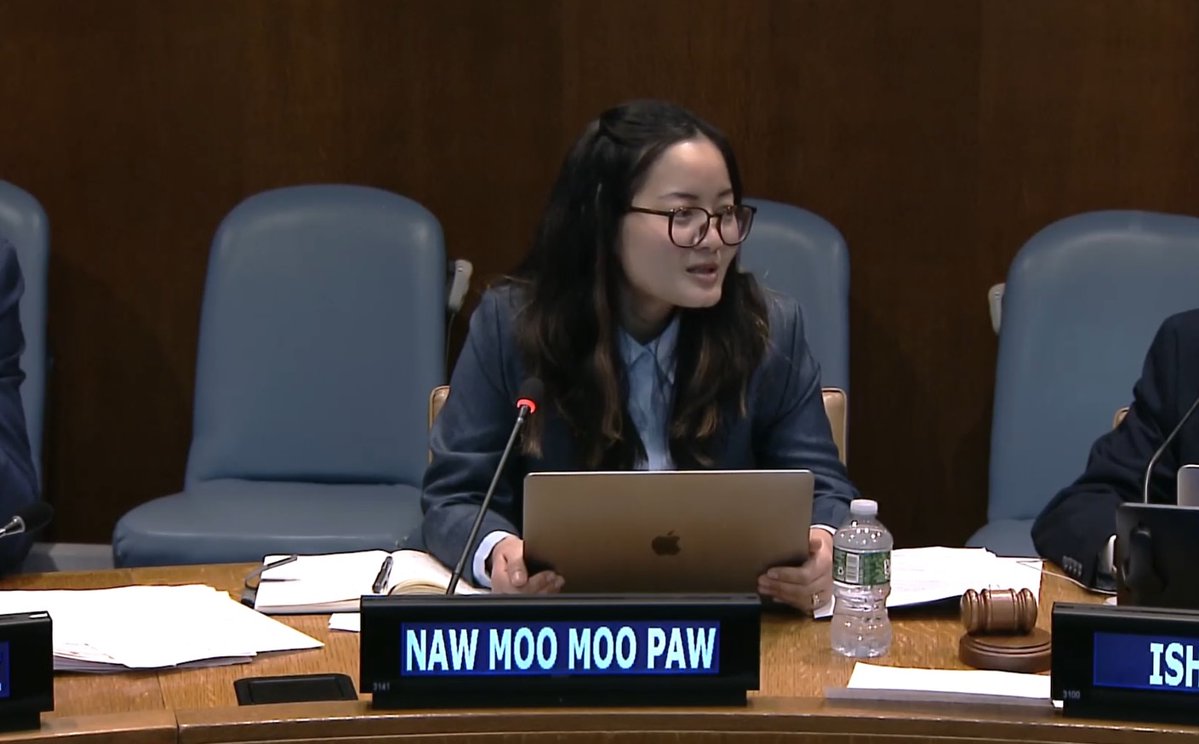
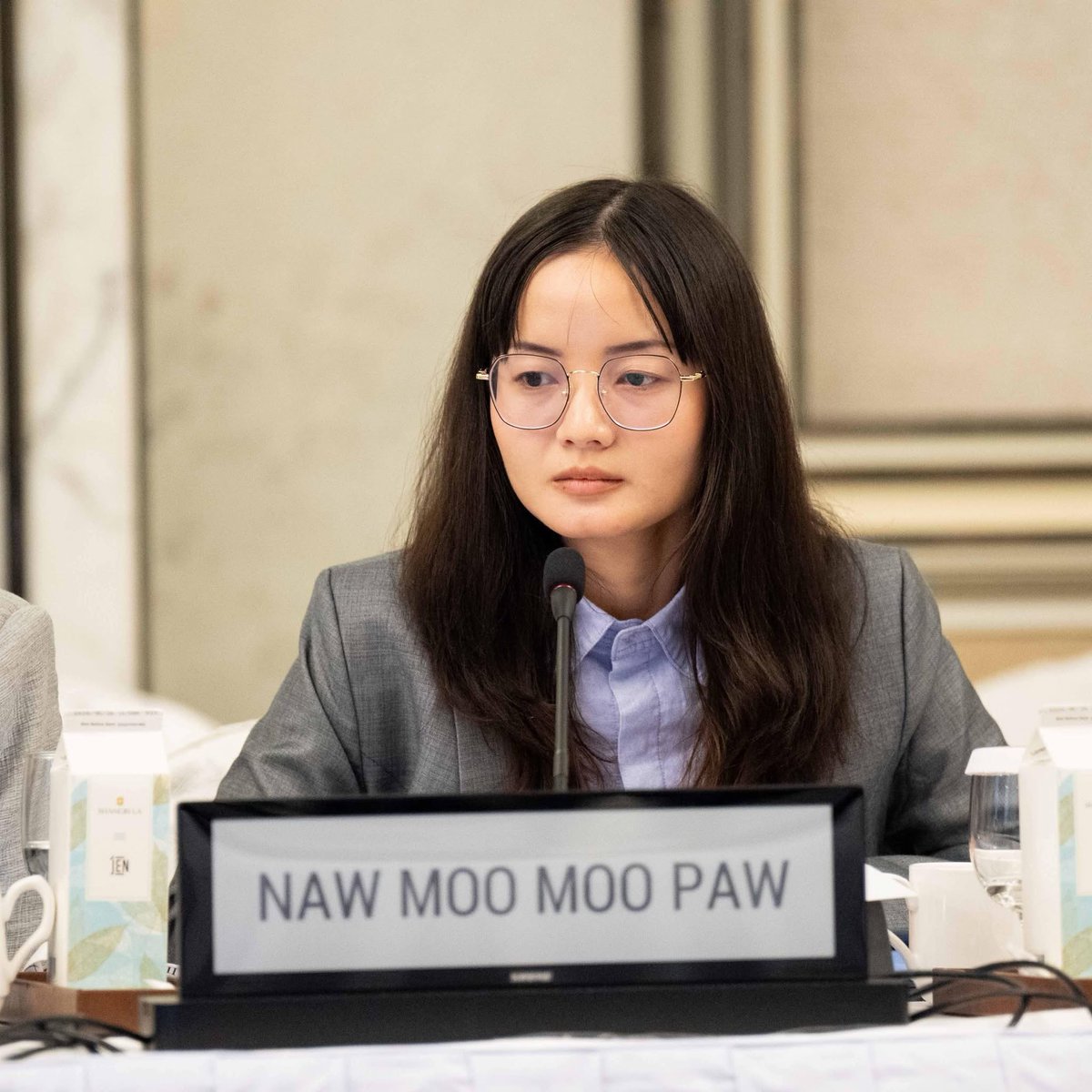
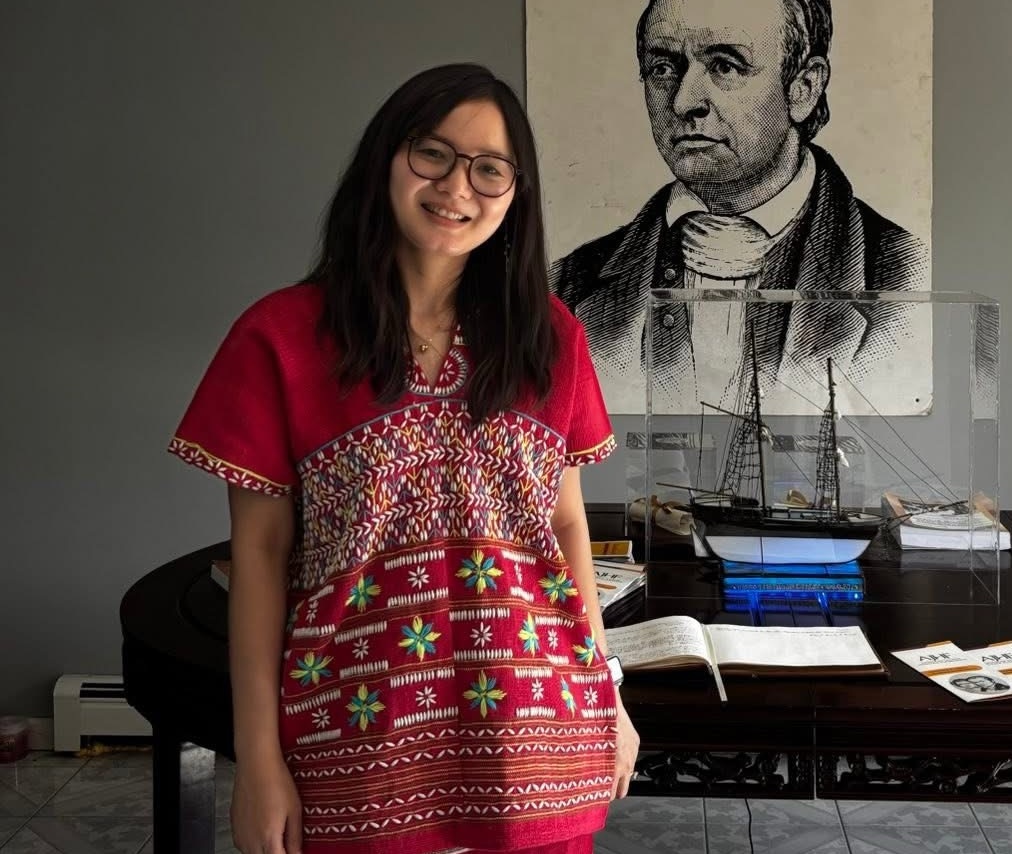
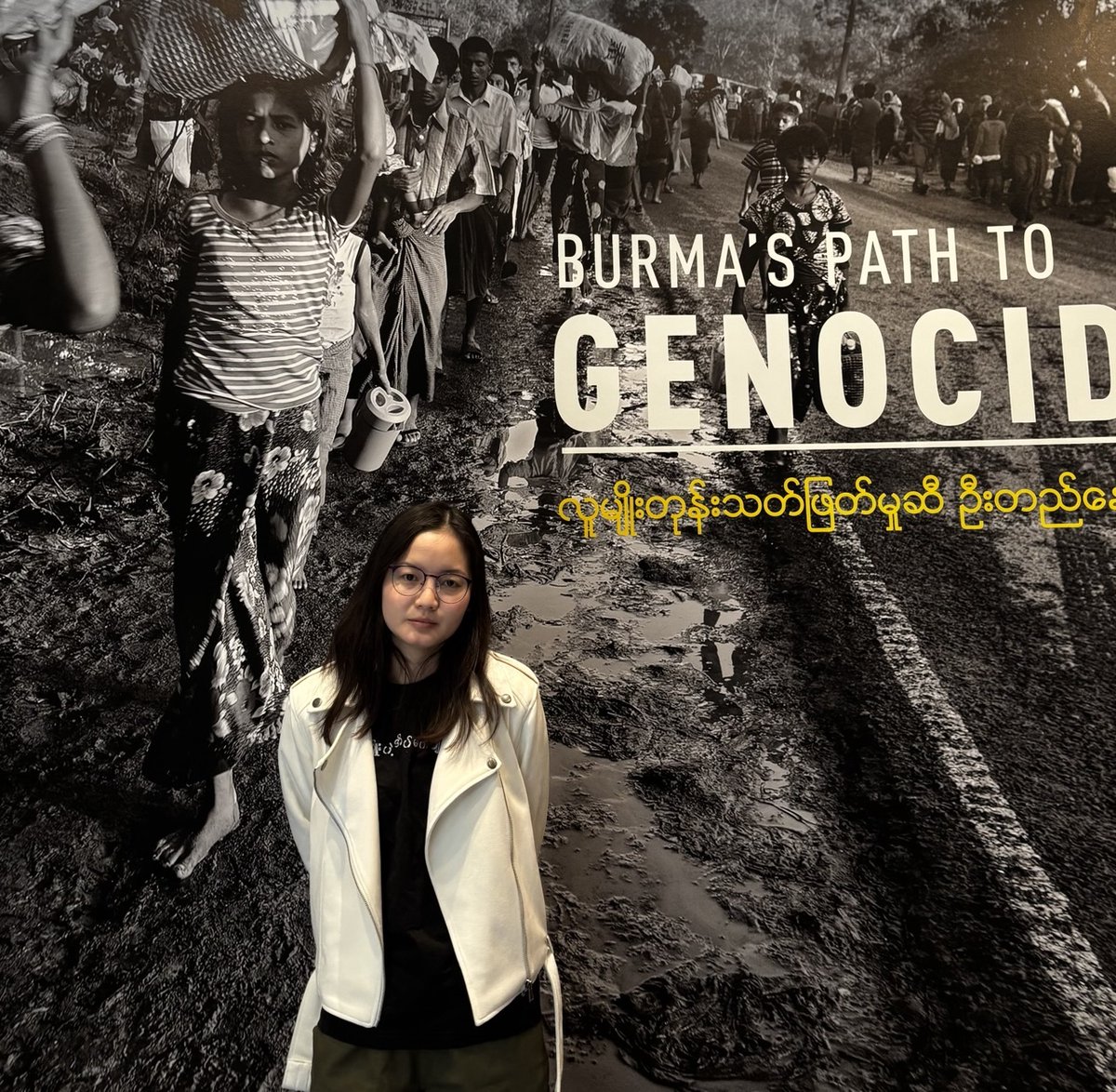
Meet Naw Moo Moo Paw Taing, Member of the IPFD Board.
Moo Moo is a Karen scholar, educator, and community advocate focused on political violence, disability inclusion, transitional justice, education, and recovery in Myanmar.
Her work reminds us that Myanmar’s future must include those whose lives have been interrupted by conflict: displaced families, injured civilians, young people, and communities rebuilding with dignity.
At IPFD, we believe peace and federal democracy must be connected to the real lives of our people. That means caring for those who have suffered, supporting young people, strengthening education, and ensuring that recovery includes dignity, justice, and hope.
Follow @IPFDInstitute as we introduce the people helping carry this work forward.
#WhatsHappeningInMyanmar
#Myanmar
1
1
1,520
Meet Peter Thawnghmung, Chair of the IPFD Board.
Originally from Chin State, Myanmar, Peter immigrated to the United States in 1980 and has spent decades building businesses, serving communities, and helping Burmese immigrant families rebuild their lives with dignity.
His experience spans business leadership, entrepreneurship, supply chains, community advocacy, and long service with the Chin Community of Indiana, which supports one of the largest Burmese diaspora communities in the United States.
Peter’s leadership reflects an important part of IPFD’s mission: the Myanmar diaspora is not separate from Myanmar’s future. It carries relationships, experience, resources, and long-term commitment that can help connect concern with practical, accountable support for communities on the ground.
Follow @IPFD_Institute as we introduce the people helping carry this work forward.
7
1,911
Meet Evelyn Lyn, new member of the IPFD Board.
Across Myanmar, communities are organising healthcare, supporting displaced families, keeping local systems alive, and helping their families to survive under extraordinary pressure.
Evelyn Lyn brings this kind of experience to the Board of the Institute of Peace and Federal Democracy.
From 2012 to 2020, Evelyn served as Deputy Director of the Civil Health and Development Network, a coalition of six indigenous revolutionary organisations in Karenni State. In that role, Evelyn helped lead administration and operations to provide essential healthcare services in remote communities, strengthen health systems, and promote unity among healthcare providers.
Since 2021, she has served as Vice-Chairperson of the Karenni State Consultative Council, representing elected Members of Parliament from the 2020 election. The Council was formed following the 2021 military coup to provide political leadership and guidance for the people of Karenni State.
Evelyn is also a Member of the Karenni State Interim Parliament, established after the coup to represent the democratic will of the Karenni people and continue governance efforts in Karenni State.
Her work reminds us that governance is not only a future idea. For many communities in Myanmar, it is already a daily responsibility.
Follow @IPFD_Institute for more updates.
#WhatsHappeningInMyanmar
6
23
1,930
Religious freedom is often discussed as a human rights issue. In Myanmar, it is also a governance issue.
Under military rule, protection has collapsed. Communities live in fear, homes are attacked, places of worship are destroyed, political prisoners are detained, and displaced families are cut off from safety, justice, and basic services. The same system that denies people their rights also blocks the protection and accountability they need.
That is why religious freedom cannot be separated from civilian protection, local governance, humanitarian access, accountability, and coordination.
A future federal democratic Myanmar cannot be built through political declarations alone. It has to be built through accountable systems of local governance that protect communities, respect diversity, and allow people of every faith and ethnicity to live safely and freely.
Follow IPFD here or subscribe for our newsletter for more in-depth briefings: ipfd.institute/about/subscri…
5
56
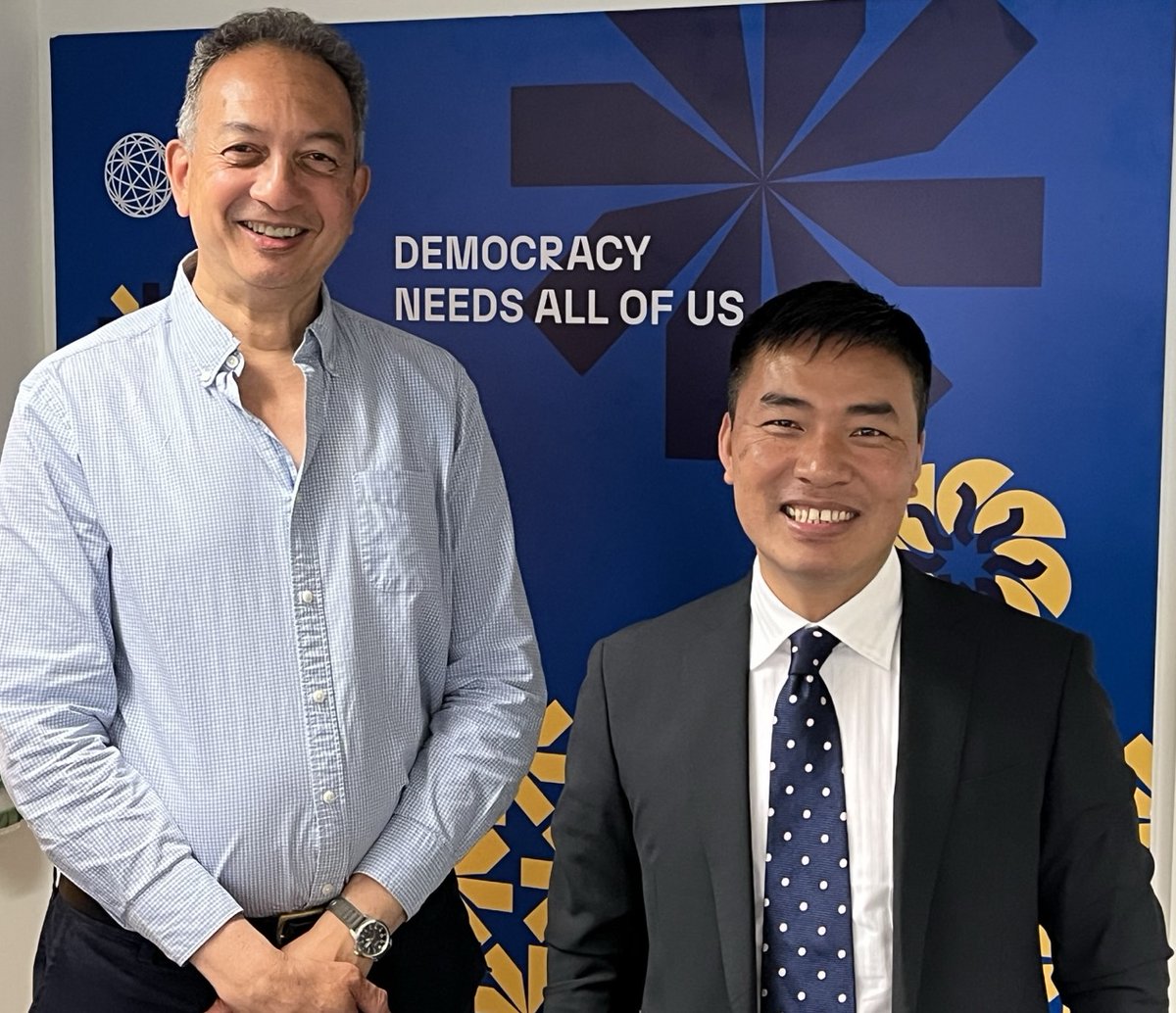
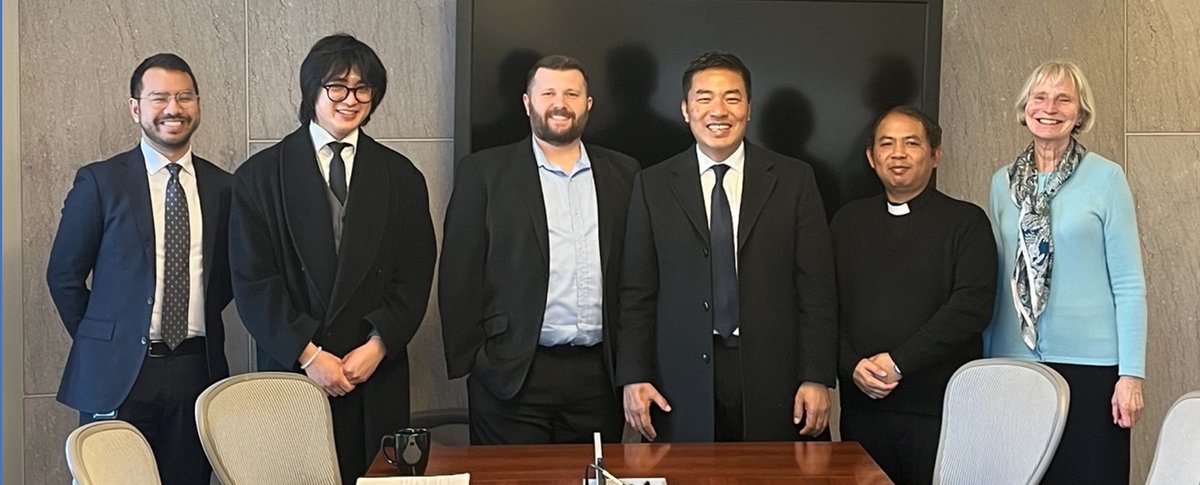
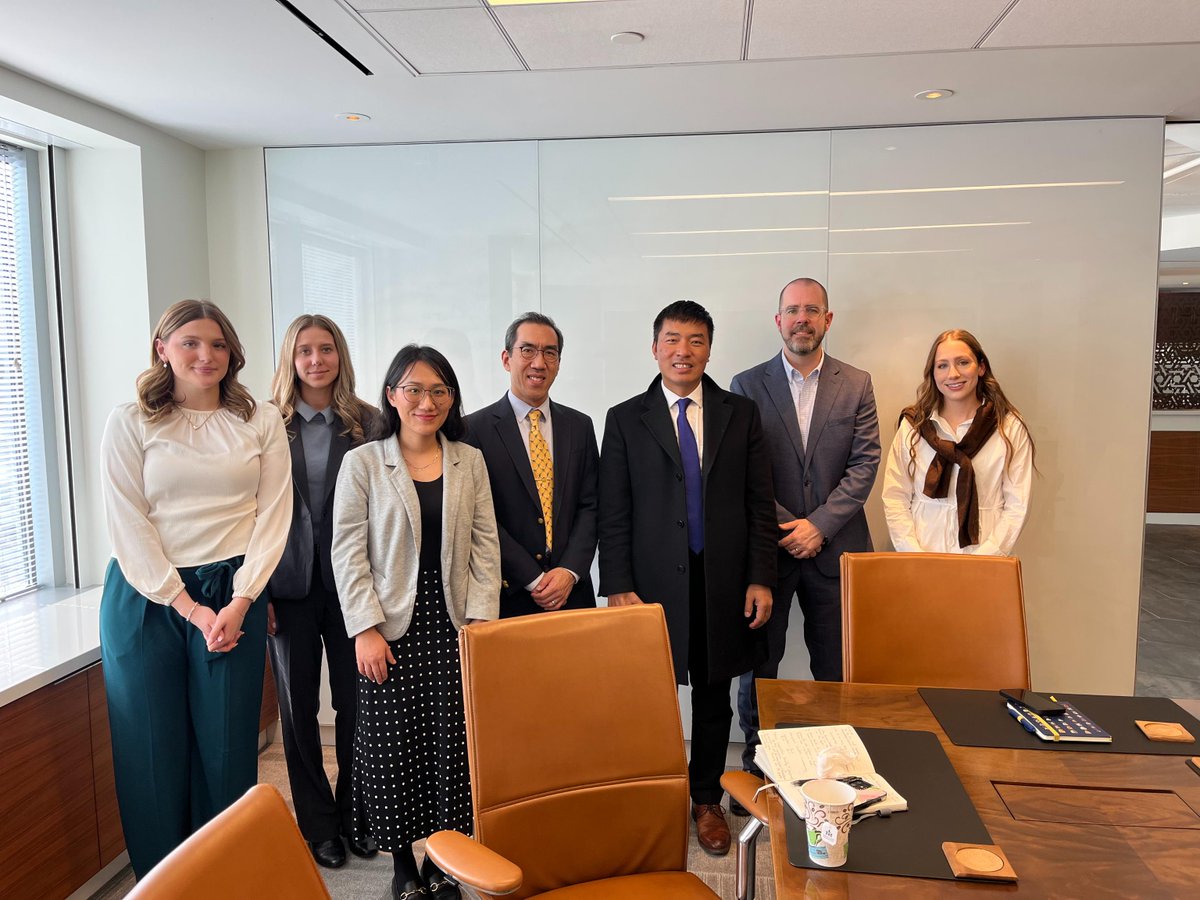
Good policy begins with serious listening and honest discussion.
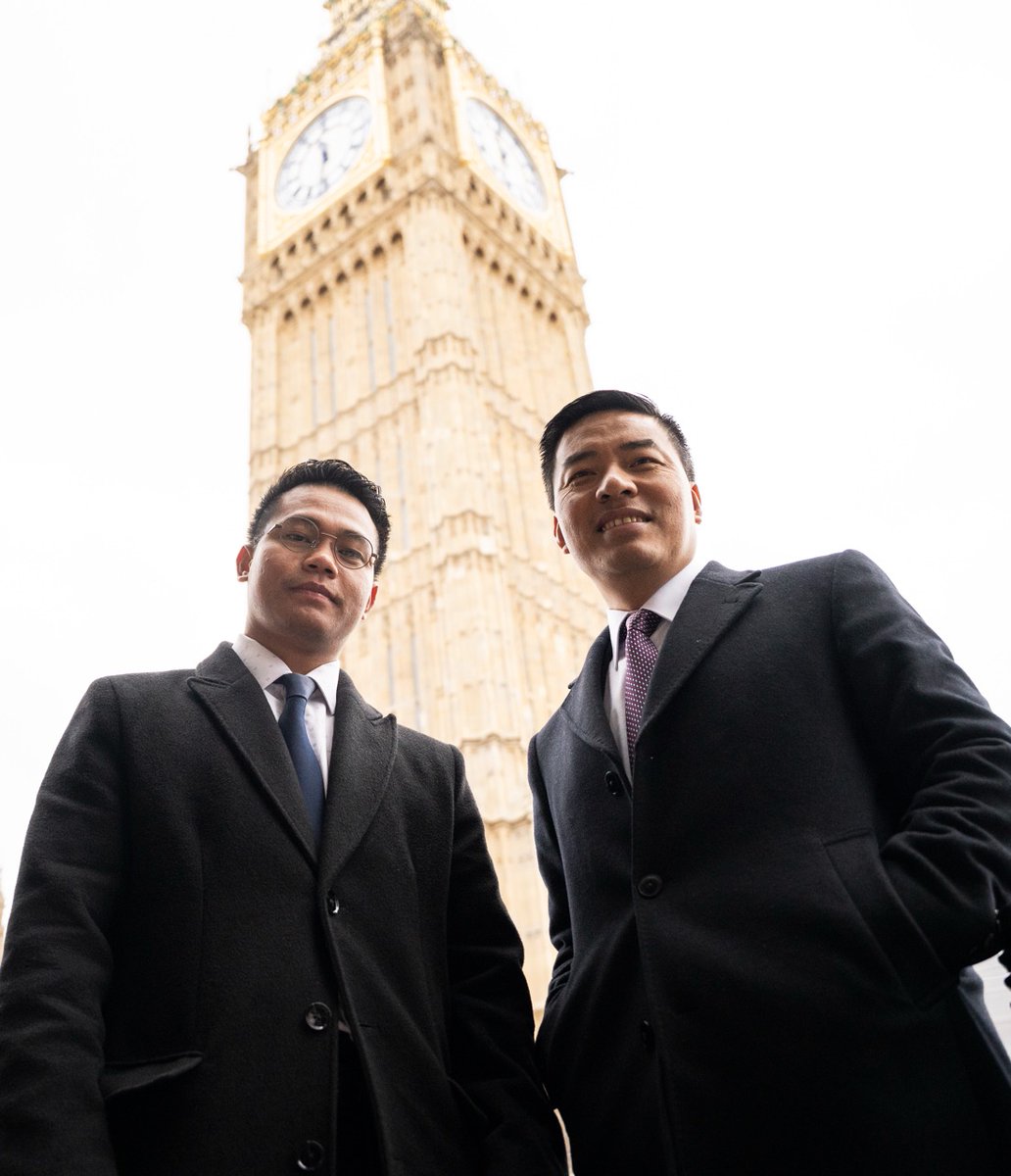
In Washington and the UK, Dr Sasa and IPFD met with policy institutions, academic partners, democracy organisations, and international affairs specialists to discuss Myanmar’s changing reality.
The conversations covered issues many of us know so well:
- the military’s continuing violence
- the fear under which communities now live
- humanitarian needs
- political prisoners
- border instability and criminal networks
- local governance outside military control
- and the need for a practical pathway toward peace and federal democracy
What felt encouraging was the seriousness of the discussion. People were not only asking, “What is happening in Myanmar?” They were asking, “How can we support in responsible way going forward and what would that look like?”
This is where IPFD is working: helping to turn international concern into practical thinking, coordinated action, and credible support for communities on the ground.
3
17
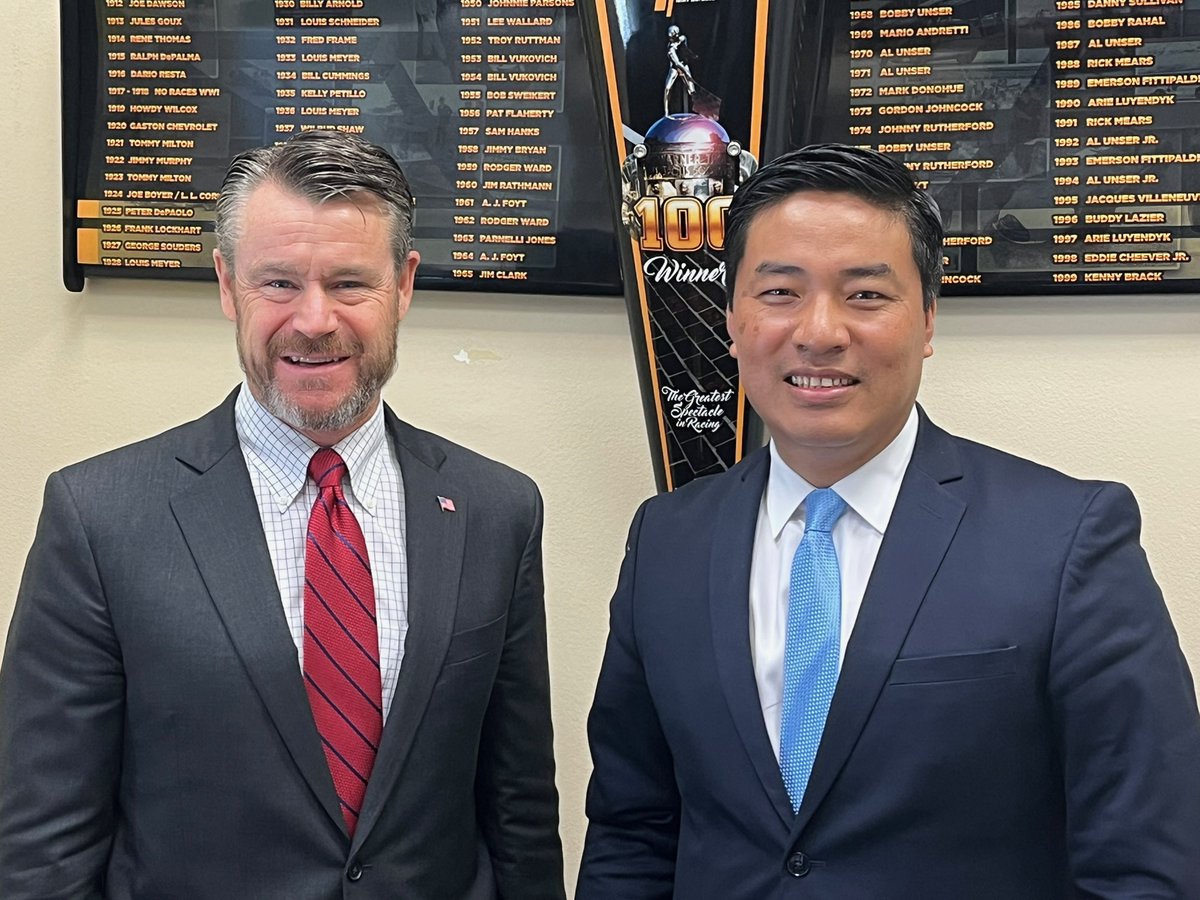
Conversations Matter.
Meetings like these are essential because they help keep Myanmar visible in places where decisions are made.
But visibility is only the beginning. The purpose of our conversations is to help international partners understand the difficulties communities inside Myanmar are facing, what kinds of support are needed, and why practical coordination is essential if help is to reach people responsibly.
We want to encourage everyone that Myanmar has not been forgotten. IPFD will continue to hold these serious conversations.
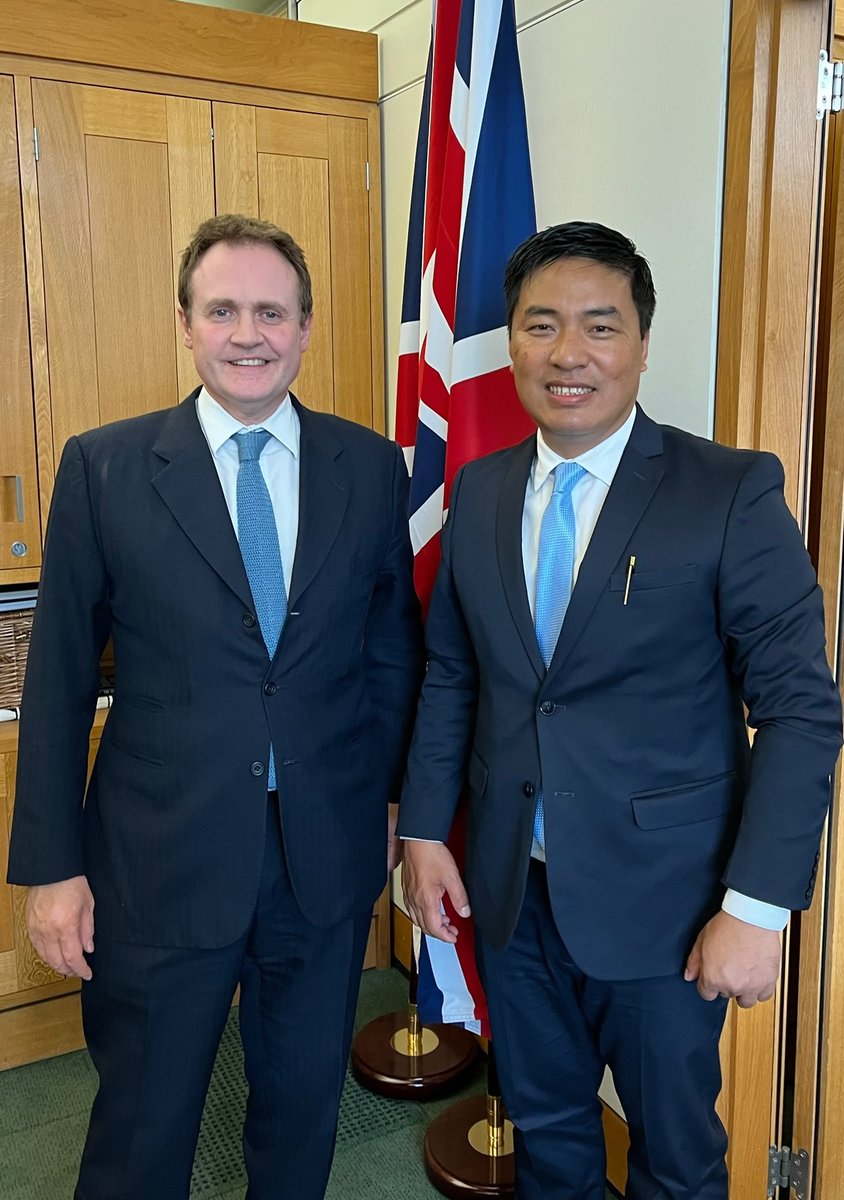
Thank you @TomTugendhat , previous Minister of State, UK and @SenToddYoung for your time and commitment to find solutions for communities suffering in Myanmar.
Follow IPFD and invite others to stay connected.
2
21
Religious freedom is often discussed as a human rights issue. In Myanmar, it is also a governance issue.
Under military rule, protection has collapsed. Communities are attacked, places of worship are destroyed, political prisoners are detained, and displaced families are often cut off from safety, justice, and basic services. The same system that denies people their rights also blocks the protection and accountability they need.
That is why religious freedom cannot be separated from civilian protection, local governance, humanitarian access, accountability, and coordination.
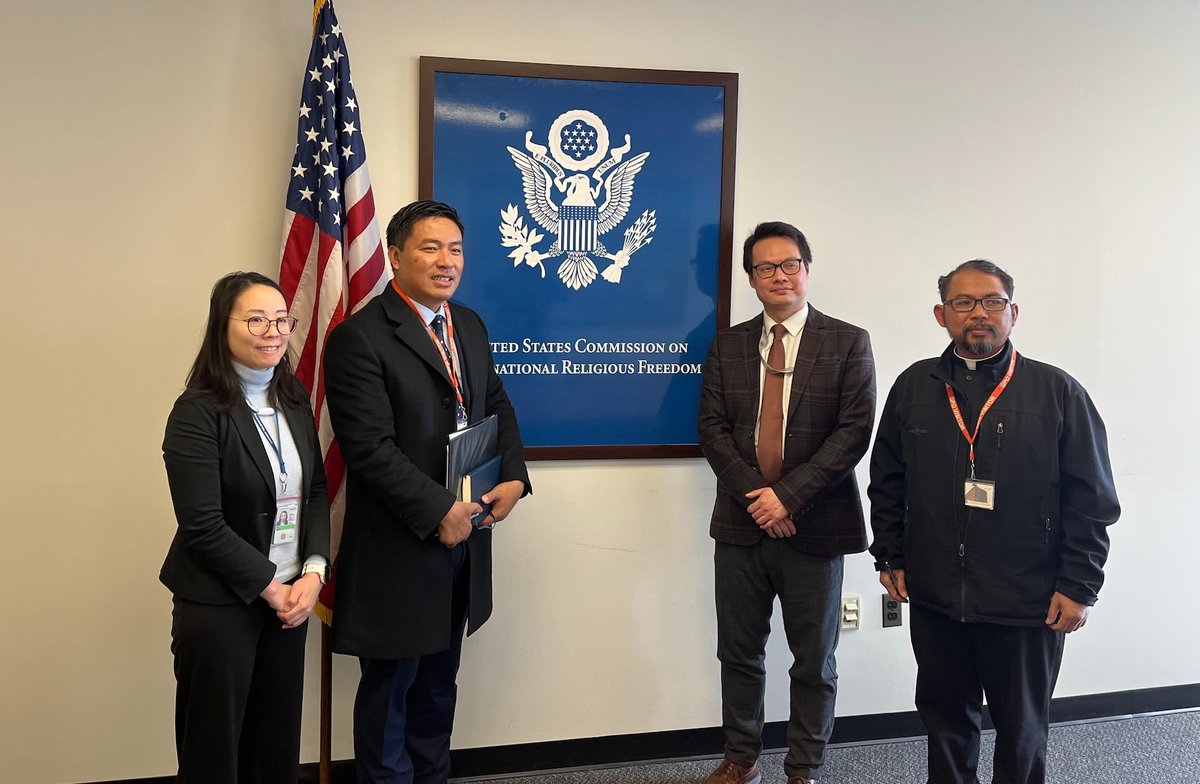
We want to encourage everyone that Myanmar has not been forgotten. IPFD are continuing these conversations with key stakeholders. Thank you to the team @USCIRF for your continued commitment to Myanmar.
ALT Dr Sasa & Father David Michael meeting with the U.S. Commission on International Religious Freedom
2
28
Across Myanmar, the denial of religious freedom has deepened the suffering of communities already facing violence, displacement, scarcity, and fear.
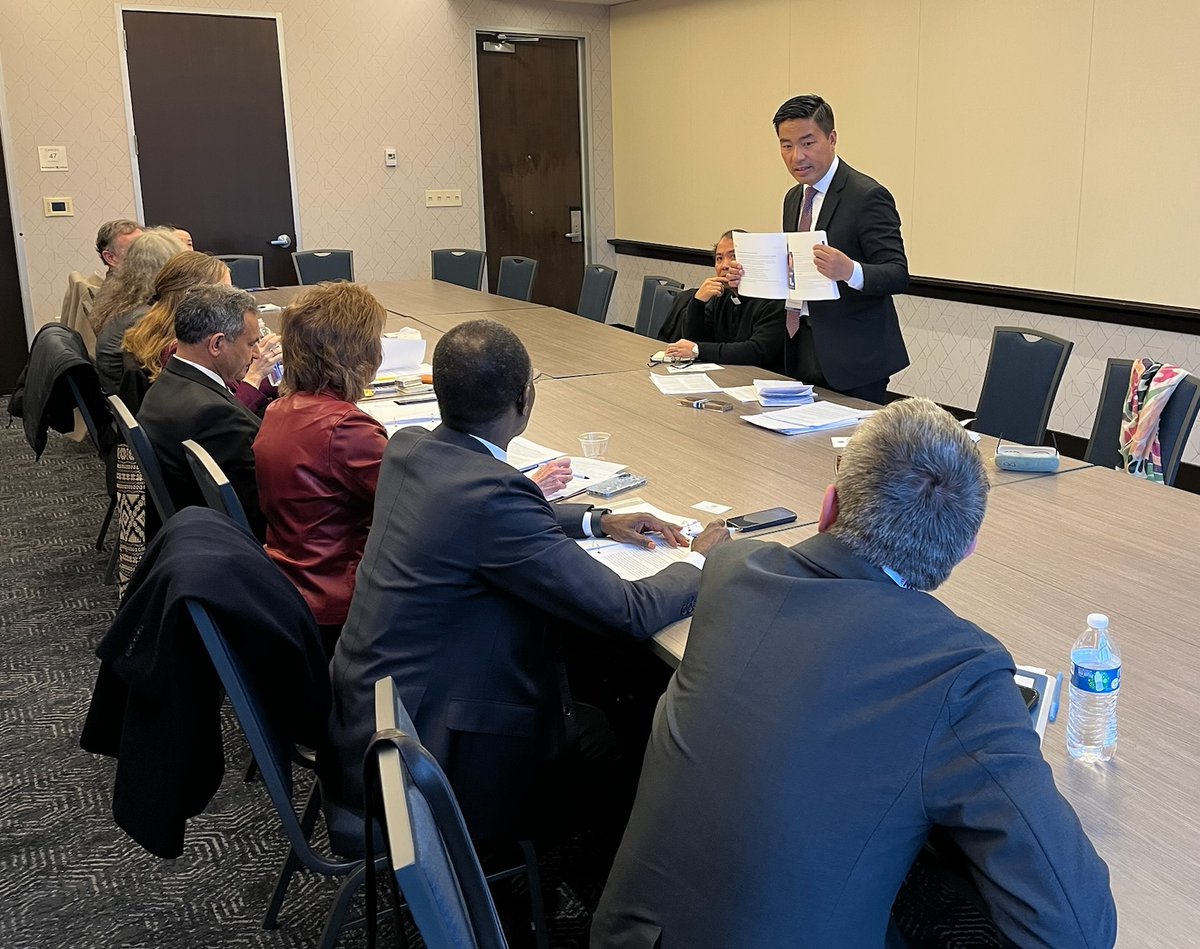
In Washington, IPFD briefed U.S. State Department and international religious freedom partners on the urgent need for civilian protection, humanitarian access, accountability, and practical support for communities affected by conflict and military rule.
These conversations were not only about documenting suffering. They were also about what can be done.
Myanmar needs international attention, but attention alone is not enough. Communities need protection and humanitarian assistance delivered through trusted channels that can reach people without strengthening the military’s control.
This is where IPFD is working: helping turn international concern into practical thinking, stronger coordination, and credible support that can reach communities on the ground.
ALT Briefing U.S. Commission on International Religious Freedom (USCIRF)

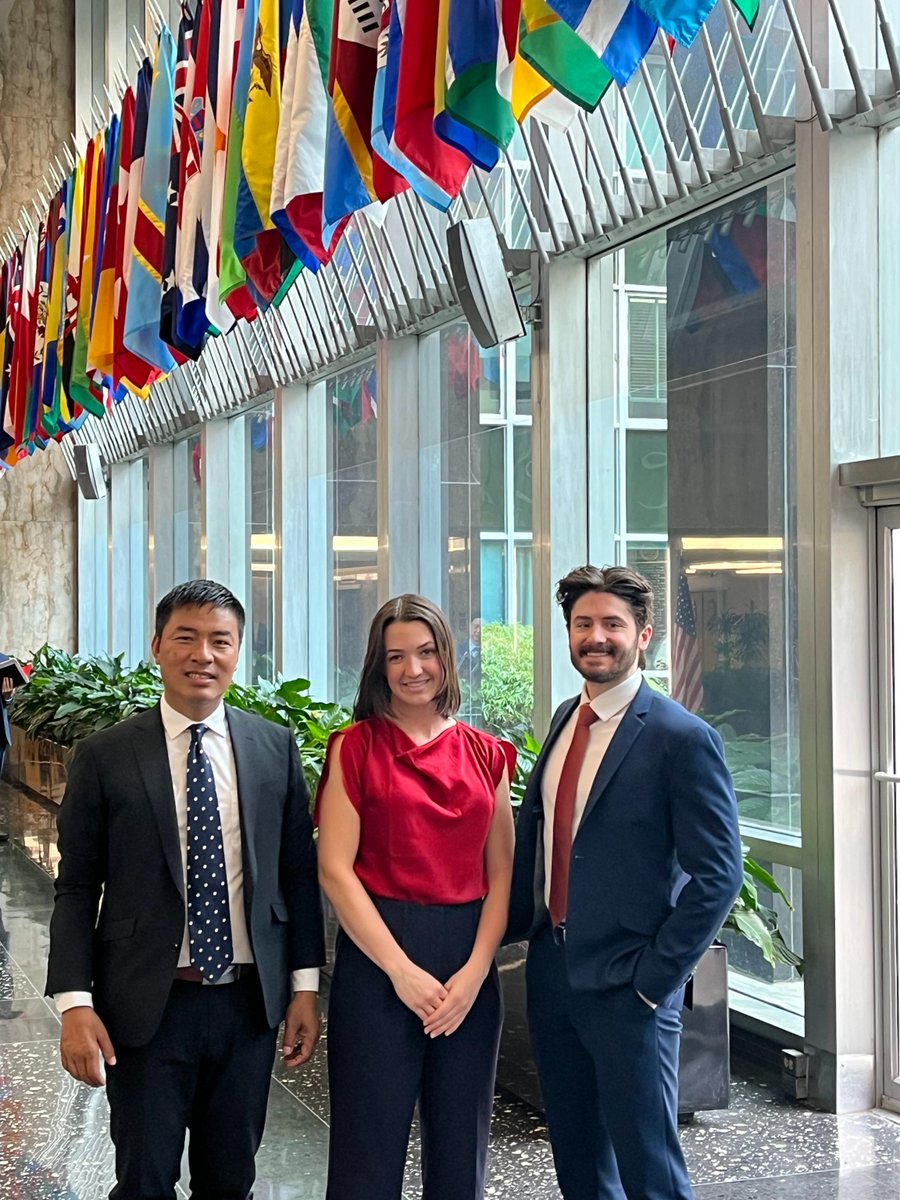
ALT Meeting U.S. State Department
1
2
4
1,687
Recent photos of our work show us having numerous conversations… but the work is not about the meetings themselves.
The real question is: how can concern for Myanmar be turned into practical support that reaches communities on the ground and strengthens responsible local leadership?
That requires coordination, trust and credible mechanisms. We'll be revealing more of IPFD's strategy over the coming days.
ALT Dr Sasa with Paul Grove from the Senate Appropriations Committee
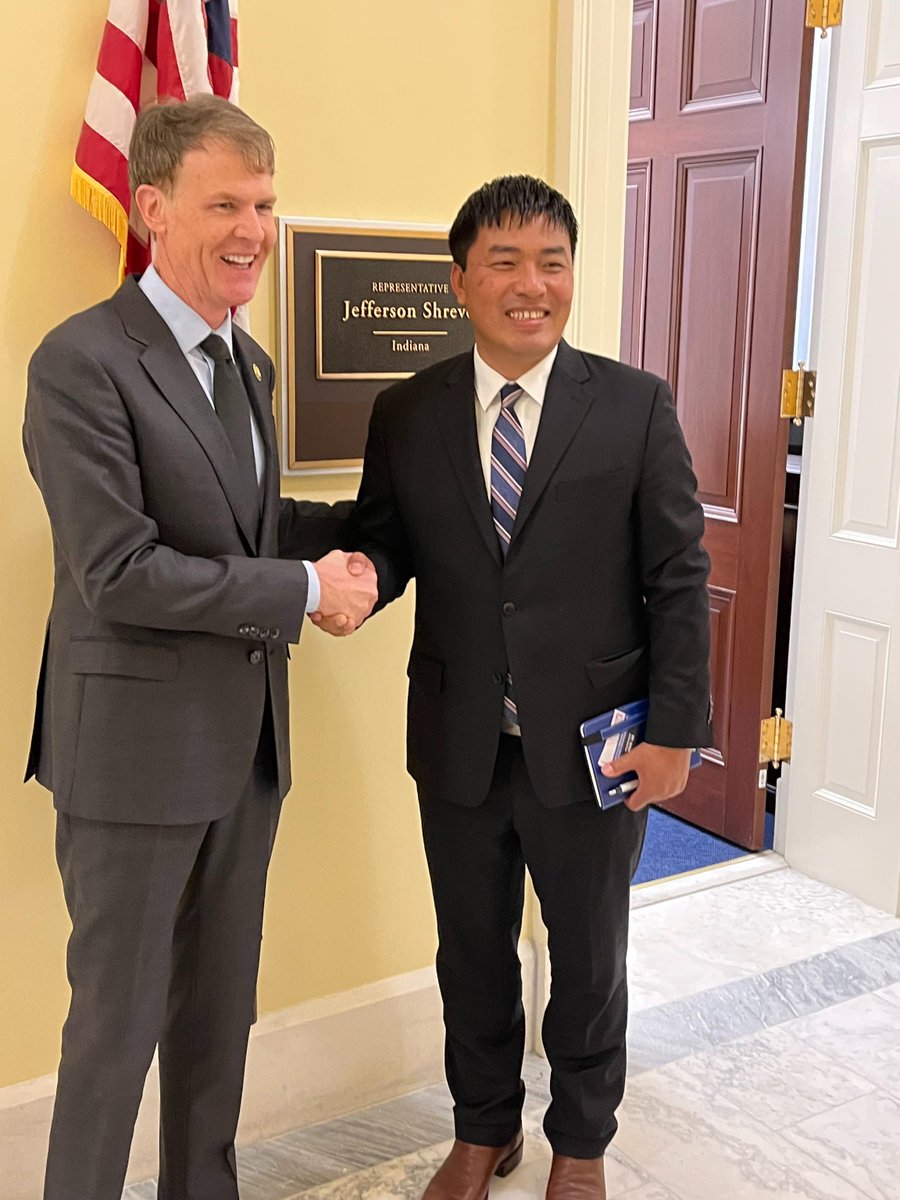
ALT Dr Sasa with U.S. representative Jefferson Shreve
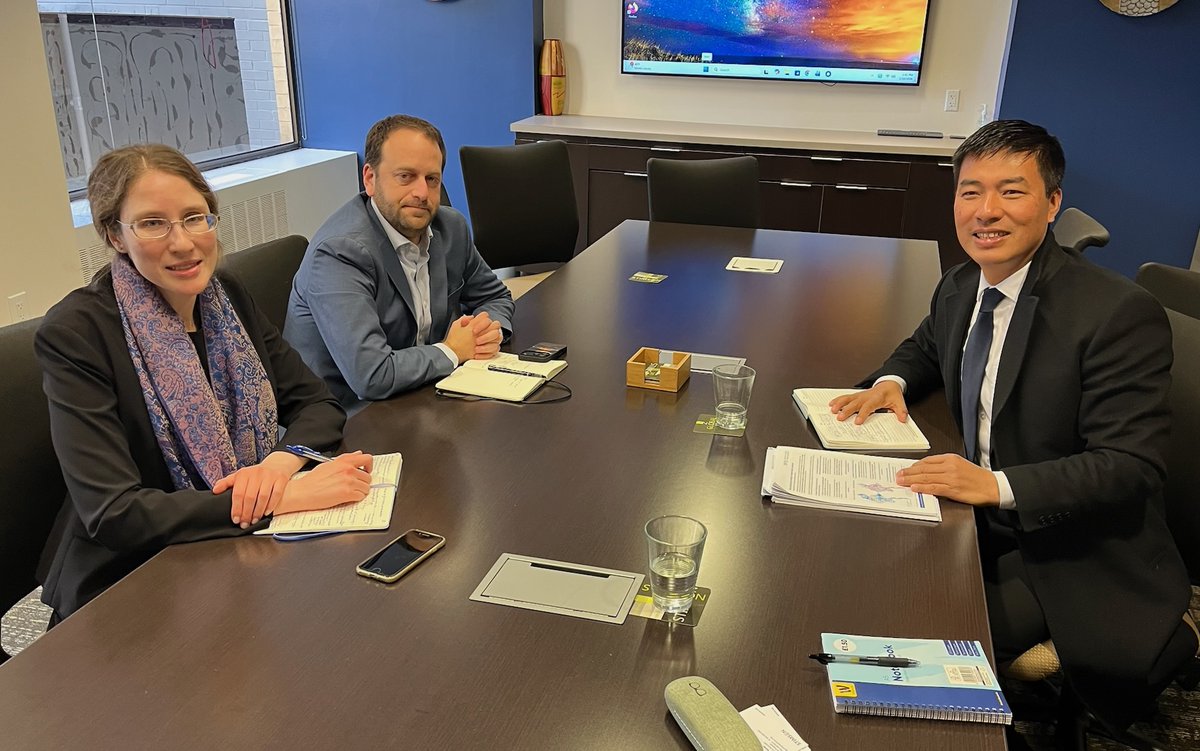
ALT Dr Sasa meeting with The Stimson Center
2
39
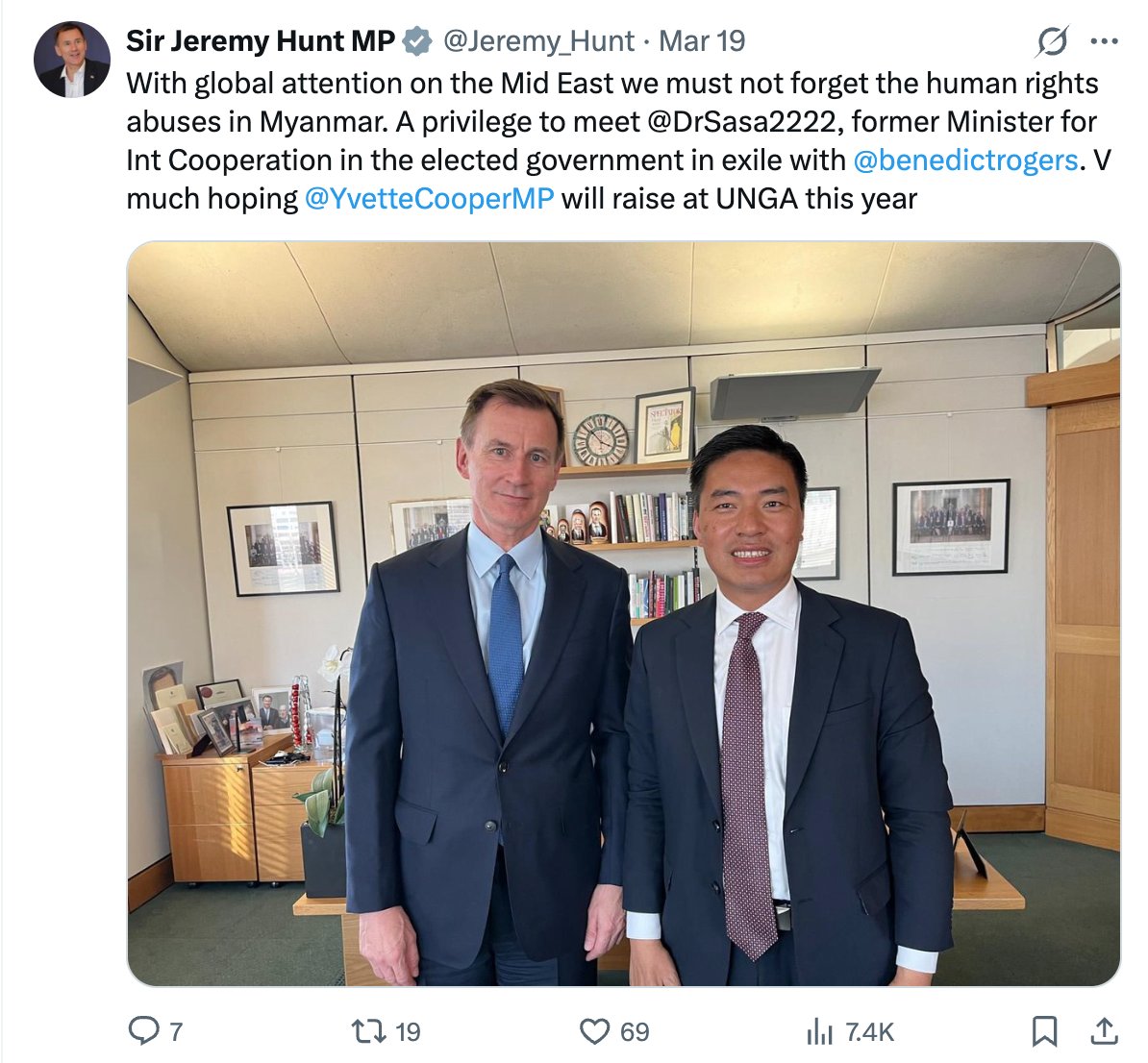
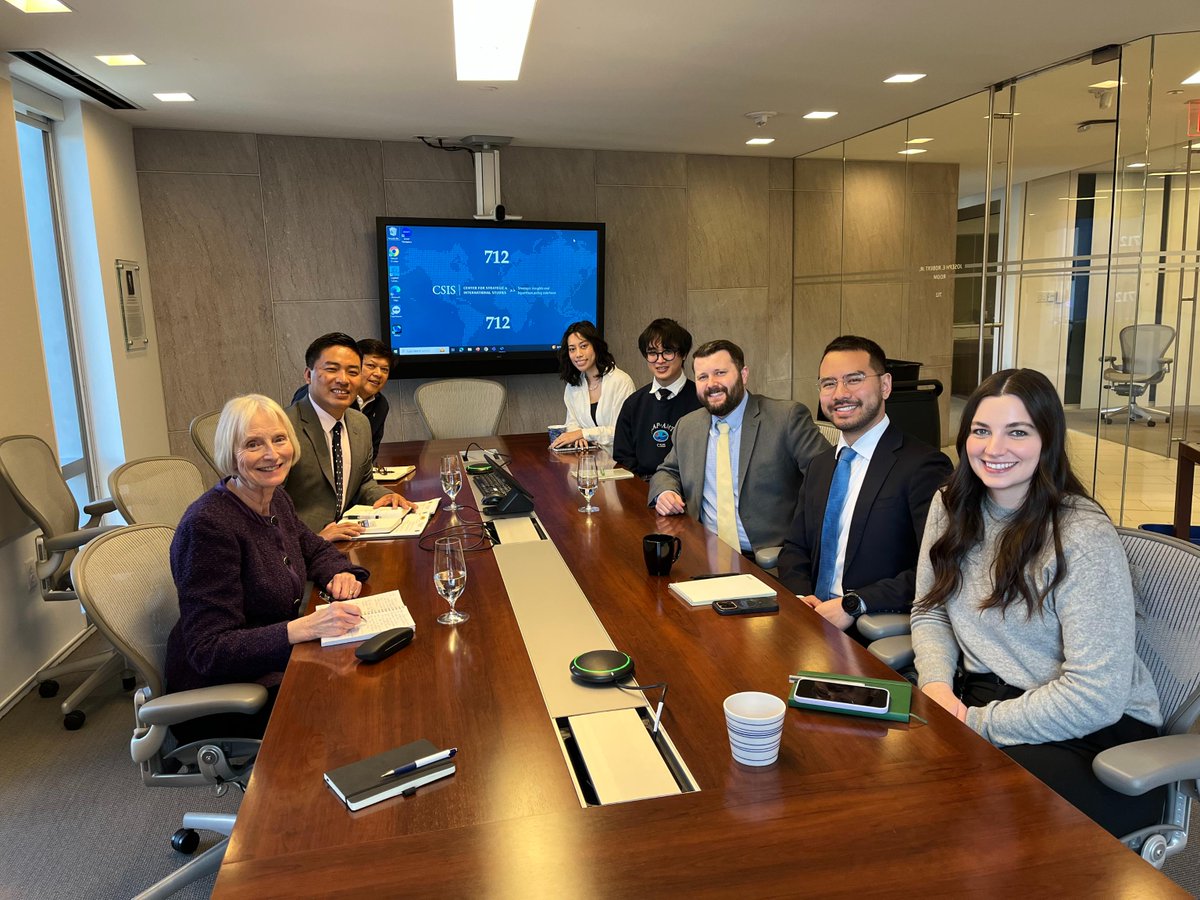
Over recent months, Dr Sasa and colleagues have engaged with policymakers, parliamentarians, ethnic leaders, faith communities, policy institutions, diaspora organisations, and Myanmar stakeholders across Washington, Westminster, Asia, and beyond.
These discussions have focused on humanitarian needs, civilian protection, religious freedom, local governance, international engagement, and pathways toward peace and federal democracy in Myanmar.
What has been encouraging is the willingness of people to engage seriously with Myanmar’s future and to explore practical ways of supporting communities affected by the crisis.
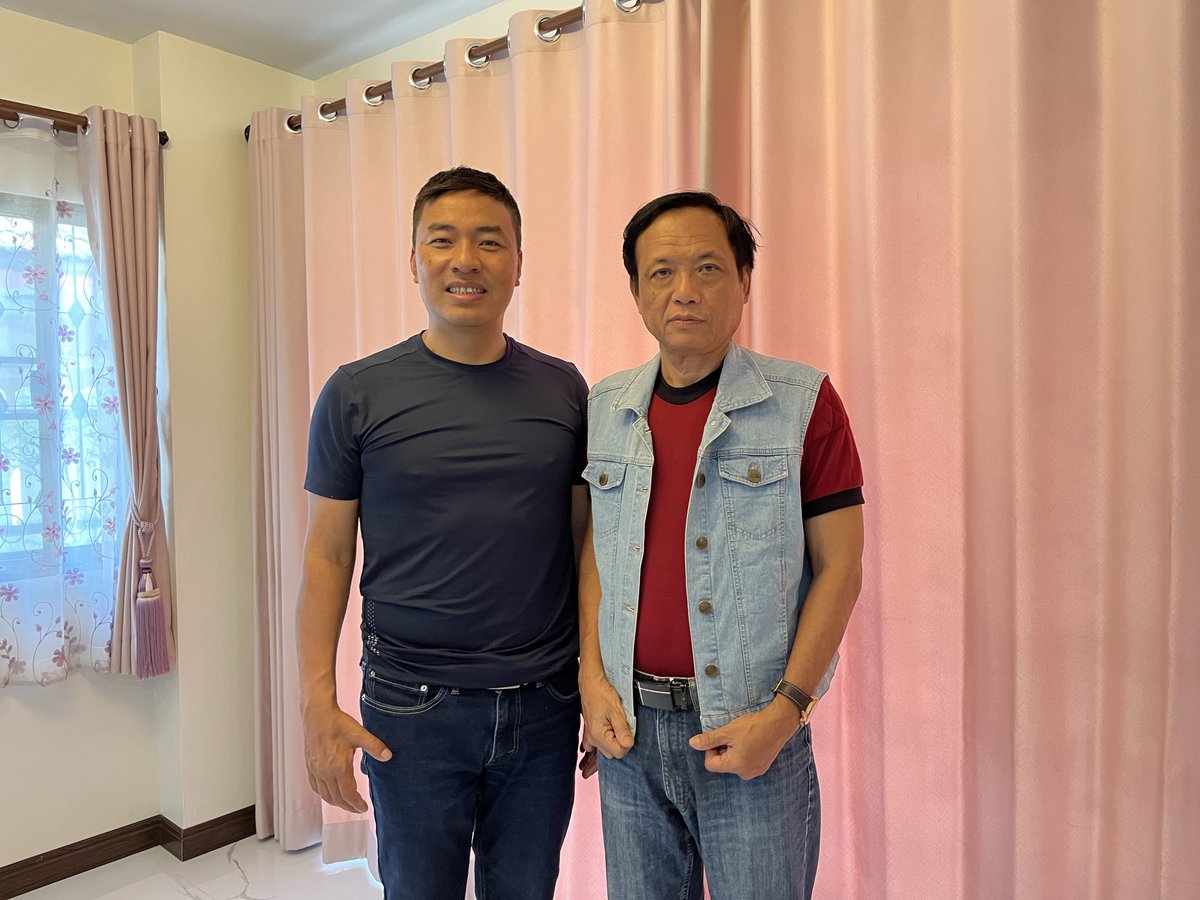
This week, IPFD begins sharing more of this work publicly. Specific thanks in this post to @knuhq, @Jeremy_Hunt, @CSIS and the U.S. Department of State for meeting with us over recent months.
Follow @IPFDInstitute for updates on Myanmar, diaspora engagement, federal democratic governance, and practical pathways toward peace.
3
10
3,111