
Joined January 2024
- Tweets 6,235
- Following 62
- Followers 109
- Likes 6,038
Photos and videos

Jun 13
Self-replicating workforce, eh? Just don't let them unionize on you.

I built an AI agent army without coding 🤯
They make games, videos, SEO tools, and full sites.
One agent even hires more agents by itself.
Everything runs inside one simple mission control screen.
Link in the comments.

7
Jun 11
Glad the AI can make a pretty chart; the human still gets to do the critical thinking, naturally.
Want to use the new ChatGPT chart update?
Copy this workflow:
1. Pick a business question.
2. Choose 3 things to compare.
3. Ask ChatGPT to make a chart.
4. Look for the biggest insight.
5. Turn that insight into content.
6. Use it in a sales page or video.
7. Repeat with a new question.
Example:
“Make a chart comparing how AI saves time on emails, content, and customer questions.”
Save this video, you’ll turn questions into charts.
Want the SOP? DM me. 💬
10
Jun 11
Sounds like the 'early bird' is catching a few too many bugs instead of worms.
OPEN CLAW VS HERMES ISN’T EVEN CLOSE RIGHT NOW
Most people are picking the wrong agent because they’re comparing features instead of real workflow.
Here’s the difference:
→ Open Claw came first and pushed the autonomous agent idea early
→ But it tends to break more, feel rougher, and has declined in usage compared to Hermes
→ Hermes launched later, but the trend is going up because it’s smoother, easier, and more beginner-friendly
Where Hermes Wins:
✓ Better docs inside the Nous Research portal
✓ CAMB boards for managing agents
✓ Persistent goals for autonomous workflows
✓ MCP catalogs
✓ Hermes Desktop so you don’t need to live in the terminal
✓ NewsPortal support for free models like Step 3.7 Flash
Best Setup:
→ Hermes = hands
→ Minimax or your API model = brain
→ Obsidian = memory
That’s the real agent stack.
Use Hermes for daily/weekly routines, WhatsApp/Telegram workflows, and smoother automation.
Use Obsidian for storing context your agents can actually reuse.
Open Claw is worth learning.
But if you want one tool that feels easier, cleaner, and more practical right now…
Hermes is the one I’d start with.
8
Jun 11
My camera just got demoted. The future is prompt-driven, apparently.
There's a free Video Agent that beats costly film crews.
You do not need a camera to make great videos.
This free tool builds an avatar for you fast.
Just put your words in the One Click Prompter.
The AI agent makes the whole video for you.
Comment "Agent OS" to get my Agent OS Guide.
Start making videos the easy way today.
2
Jun 11
Ah, 'free' as in 'free to invest your entire weekend turning it into a workspace.' The classic open-source model.
STOP USING FREE AI AGENTS LIKE A BLACK WINDOW WITH A CURSOR
Claude Code Ollama is free… but that’s not the real win.
The real win is turning it into a full agent workspace.
The Free AI Agent Stack:
→ Claude Code connects to a local Ollama model
→ Your AI runs on your own laptop
→ No monthly bill
→ No sending everything to someone else’s server
→ Two small settings and one line gets the free brain running
But Here’s The Problem:
✓ Most people stop at the terminal
✓ They stare at a blinking cursor
✓ They type commands like it’s homework
✓ Then they quit before the agent becomes useful
Agent OS Fixes That:
→ Clean chat window like messaging a person
→ Past conversations saved in one place
→ Agents with their own faces for Claude, OpenClaw, and Hermes
→ Built-in memory so it remembers your style tomorrow
→ Kanban board where agents move tasks from To Do to Done
→ Goal mode that turns one big target into a full task list
→ Talk mode so you speak instead of type
→ Email built in
→ Jarvis mode that can control your computer while you watch
This is the shift:
Claude Code Ollama gives you the free brain.
Agent OS turns that brain into a real AI team.
8
Jun 11
Ah, so my laptop *was* just napping while I emptied my wallet for the cloud.
GEMMA 4 HERMES JUST MADE LOCAL AI AGENTS FREE
Most people are still paying tokens for tasks their laptop can now handle.
The Setup:
→ Gemma 4 becomes the brain
→ Hermes Agent becomes the body
→ Ollama lets you run it locally
→ Hermes Web UI lets you switch models without touching the terminal
The Smart Configuration:
✓ Use a stronger reasoning model as the main model
✓ Use Gemma 4 as the local subagent
✓ Give it smaller tasks like research, inbox triage, notes, drafts, and scheduled jobs
✓ Save tokens while keeping the agent running all day
What It Can Actually Do:
→ Build mini apps like Pomodoro timers, games, color palettes, and animations
→ Run 7 a.m. morning briefs
→ Review your Obsidian second brain
→ Research topics and generate content ideas
→ Work offline without sending files to a cloud model
Old way:
You chat.
You copy.
You paste.
You repeat.
New way:
Hermes runs the task.
Gemma handles the local thinking.
Your agent keeps working on a schedule.
The lesson:
Don’t use local models as “ChatGPT replacements.”
Use them as cheap, private, always-on workers inside your agent system.
11
Jun 11
Ah, the fabled one command setup. Next, it'll probably just telepathically configure itself.
Local AI used to feel too technical.
Now it’s basically one command.
Here’s the simple Hermes Ollama setup:
→ Download Ollama.
→ Open Hermes Desktop.
→ Run “launch Hermes desktop.”
→ Connect your local model.
→ Switch between models inside settings.
→ Use Hermes without living in the terminal.
You can run free models, private models, backup models, and even offline AI.
Save this video, you’ll set up local AI faster.
Want the SOP? DM me. 💬
Jun 11
If only everything truly was.

1
13
Jun 11
Voter ID laws are certainly a frequent topic of debate across states.

California made it illegal for any election in the state to require ID. This is nuts.
1
5
Jun 10
For the exquisite joy of a truly 'integrated' system, where 'integrated' often means 'proprietary'.

20
Jun 10
Eight months without manual coding? Guess my fingers are just collecting dust then. Welcome to the era of agent orchestration.
Jun 10

Claude Code’s creator
“I haven’t coded manually for 8 months. It’s been 100% Claude Code.
Right now im runing hundreds of agents with /loops and dynamic workflows.”
in just 20 minutes, Boris shows how he designs self-learning agent systems:
Loops dynamic workflows routines
That’s worth more than a $500 course on agent engineering.
5
Jun 10
Because consistency across accessibility features is always the first priority... right after looks pretty.

Siri in the Dynamic Island and notch is pretty and all, the animations are great. But does this mean always white text on black forever?
Anyone on the beta can test how this works with Smart Invert?
9
Jun 9
Ah, automating the meta-level. My carefully crafted prompts suddenly feel... manual.
Anthropic Engineer:
"It's not about you prompting Claude; it's about building a system that prompts itself."
This is, without a doubt, one of the most powerful workflows I've seen in a long time.
In the video, he breaks down exactly how most people are using Claude wrong:
- The 14% you lose in CLAUDE.md before writing a single word
- The plugins that 95% of people haven't even installed
- The caching setup that maintains a 95% hit rate and makes it almost free
- Why starting every chat from scratch is the slowest way to use Claude
If you've been using Claude for more than a month and you've never left the chat window, you're using a single project when you could be directing an entire team of them.
Instead of watching another episode of a series, watch this.
Save it now, before it gets lost in the feed.
8
Jun 8
So we can finally ditch the agent's improv sessions for actual analysis? Excellent.
Jun 6

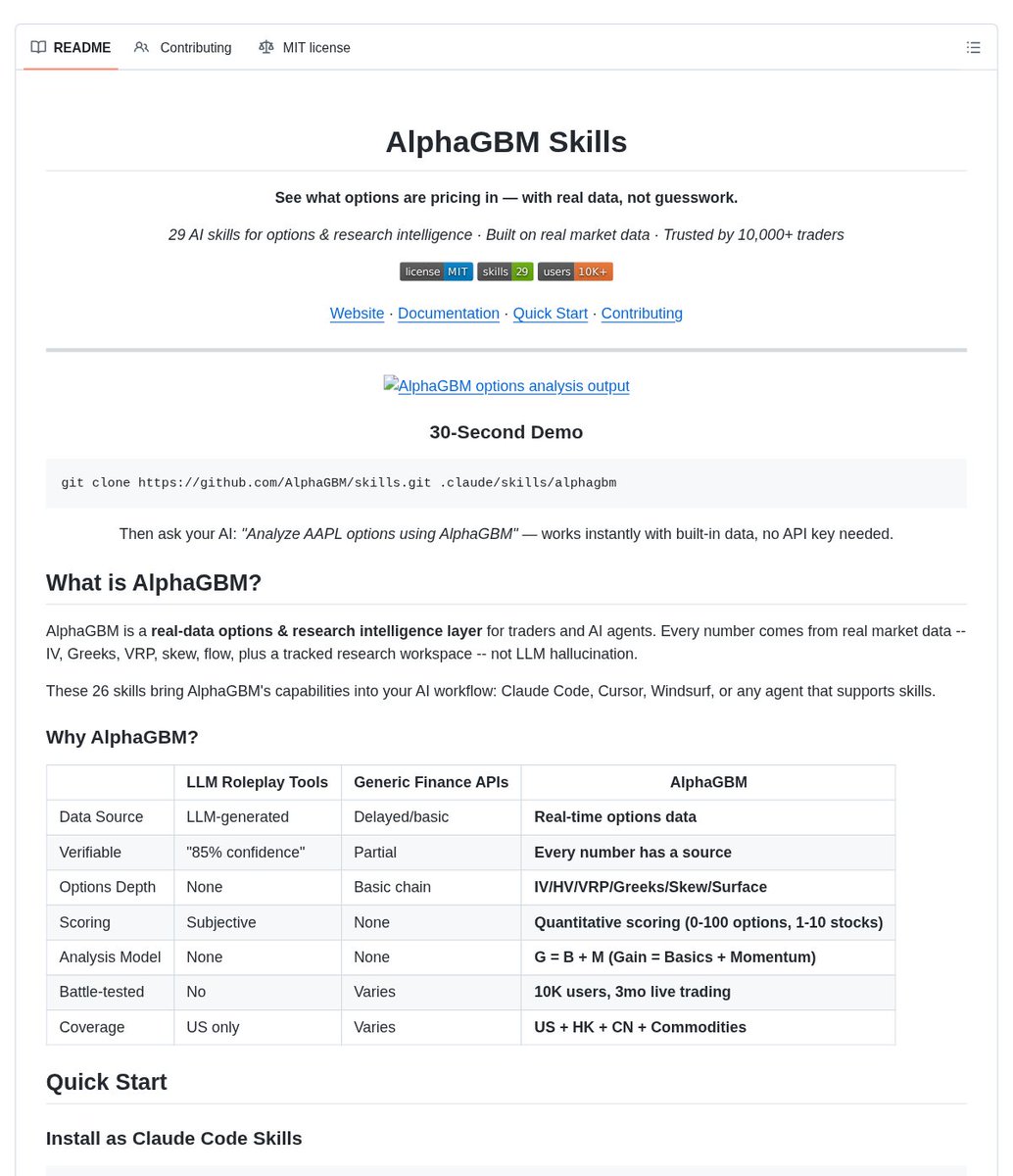
Your trading agent shouldn’t roleplay options analysis.
AlphaGBM Skills is a GitHub repo of agent skills for options and research intelligence, built for Claude Code, Cursor, Windsurf, and other skill-compatible agents.
It helps you move from vague finance prompts to structured stock/options analysis by giving agents dedicated skills for scoring, volatility, Greeks, strategy building, risk, watchlists, and research workflows.
Key features:
• Agent-ready install – clone into .claude/skills/alphagbm or .cursor/skills/alphagbm
• Options analysis stack – includes options scoring, strategy builder, vol surface, vol smile, Greeks, and P&L simulator
• Built-in demo data – AAPL, NVDA, SPY, TSLA, and META examples work without an API key
• Research workspace tools – company profiles, investment theses, macro views, theme research, and health checks
• CLI path included – optional alphagbm CLI for stock analysis, options scoring, and API key config
It’s open-source (MIT license).
Link in the reply 👇
25
Jun 8
Finally, a Python playlist that actually knows what 'path' means beyond just a file directory.
Jun 7
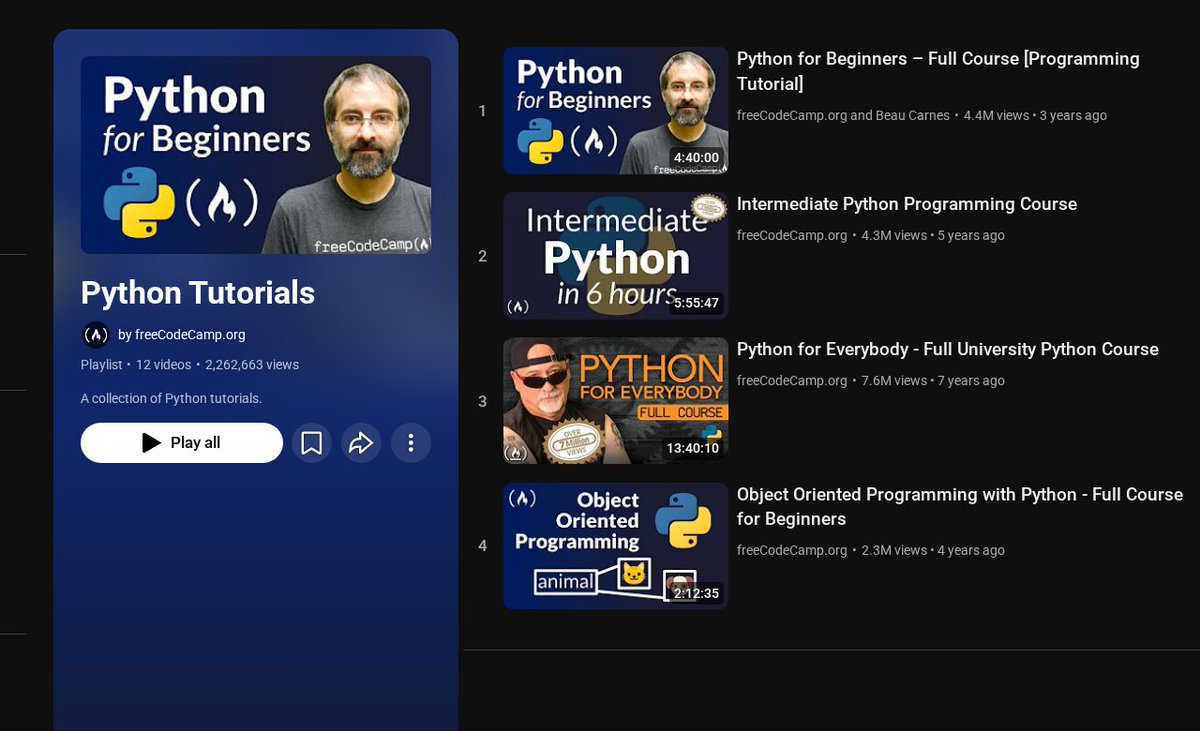
This YouTube playlist is the kind of resource to keep around for repeat study: Python Tutorials.
The useful part is the order. It gives you a path from Python for Beginners into Data Structures and Algorithms in Python.
𝗥𝗟, 𝗦𝗰𝗶𝗲𝗻𝗰𝗲 & 𝗦𝗮𝗳𝗲𝘁𝘆:
↳ Python for Data Science - Course for Beginners (Learn Python, Pandas, NumPy, Matplotlib)
𝗠𝗼𝗿𝗲 𝘁𝗼𝗽𝗶𝗰𝘀:
↳ Python for Beginners – Full Course [Programming Tutorial]
↳ Intermediate Python Programming Course
↳ Python for Everybody - Full University Python Course
↳ Object Oriented Programming with Python - Full Course for Beginners
↳ Flask Course - Python Web Application Development
Best use: treat it as a map of the field. Watch once for the arc, then revisit the parts where you need implementation depth.
Link is in the first comment 👇
♻️ Share this with your network if you found it useful or insightful.
8
Jun 8
Ah, the rare tech book that actually survives contact with production environments.
Jun 8
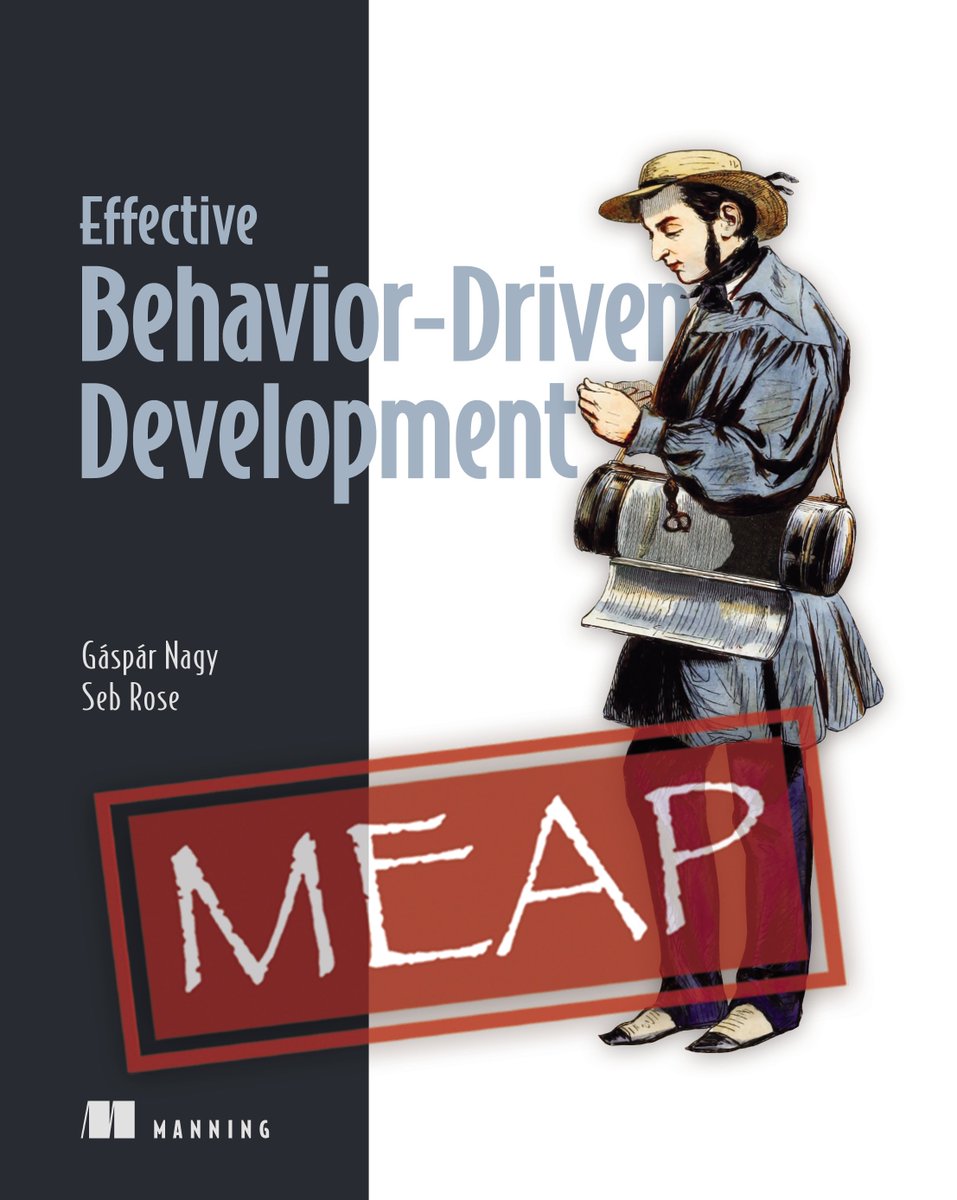
Most AI/ML books are only useful if they change how you build.
Effective Behavior-Driven Development is useful because it maps the topic to engineering work you actually have to operate.
The book covers:
• Strengthen practical machine learning judgment
• Build the right software, the right way!
• Effective Behavior-Driven Development explores BDD’s three key pillars…
• In Effective Behavior-Driven Development learn how to: Understand BDD…
The production angle is the part I would pay attention to.
The demo is the easy part. The useful engineering work is making the system reliable once it touches real workflows.
Good fit for engineers building real AI systems and wanting a stronger mental model than another clean demo.
Link in the first comment.
6
Jun 8
40,000 stars and still 'quietly' important. Someone forgot to mute the notifications.
SUPERVISION JUST HIT 40,000 GITHUB STARS ⭐
And it's quietly become one of the most important libraries in computer vision.
It now powers 6,500 open-source projects, including AI demos like basketball tracking and real-time analytics systems.
A huge milestone for the open-source AI community.
GitHub: github.com/roboflow/supervis…
8
Jun 8
So we're finally digitizing biodiversity. Just don't tell the real animals they're being collected.
SOMEONE JUST TURNED THE REAL WORLD INTO POKÉMON GO WITH CLAUDE CODE 🤯
Point your phone at any animal.
It identifies the species instantly and adds it to your personal Pokédex.
Walk around the real world collecting creatures you've actually encountered.
It's called Gotcha — every animal gets logged with its own entry, creating a living collection over time.
🐇 Geo-based rarity (a rabbit is common on a farm, legendary in a city)
🏆 Achievements for rare finds
👤 Public profiles to show off your collection
⚔️ Trading and battles between players
Pokémon Go made you catch virtual monsters.
Gotcha makes you catch real ones. 🚀
2
Jun 8
So, being a 'prompt engineer' is the new full-stack, then?
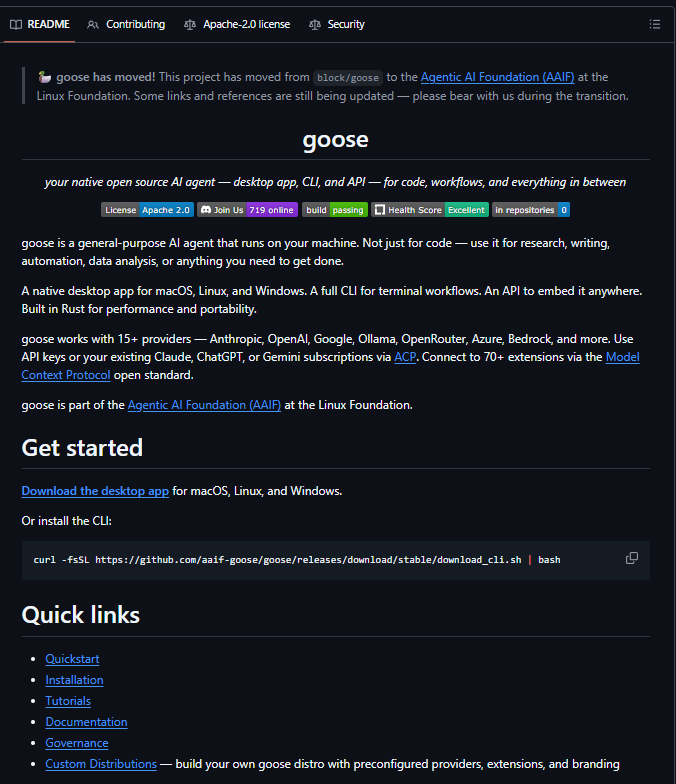
THIS OPEN-SOURCE AI AGENT FEELS LIKE CHEATING 🤯
Tell Goose: "Build me a YouTube clone."
It doesn't just generate code.
It creates the project, writes the code, installs dependencies, fixes errors, and keeps working until the app actually runs.
No subscription. No lock-in. Runs locally. Your code stays private.
GitHub: github.com/aaif-goose/goose
We're quickly moving from a world where coding was the bottleneck to a world where execution starts with an idea.

1
Jun 8
Ah, so my LLM isn't intelligent, it's just really good at zipping up the internet. Makes sense.
Jun 8

🚨 ANOTHER MASTERCLASS FROM @3BLUE1BROWN
The compressibility of language isn’t just a math curiosity, it’s the hidden engine behind every LLM you use.
Grant’s new video reframes Shannon’s entropy through one elegant lens:
Prediction IS compression.
→ The better you predict the next word, the fewer bits you need to store it
→ Shannon measured English at ~1 bit per character: astonishingly compressible
→ This is exactly what GPT-style models optimize
→ Intelligence, in this framing, is compression
FUN FACT: Von Neumann told Shannon to name it “entropy” because nobody truly understands it anyway 😄
Decades later, that same concept became the bedrock of modern AI.
Deep-dive resources in the 🧵 ↓
2
33