Joined November 2014
- Tweets 1,527
- Following 138
- Followers 5,056
- Likes 1,328
305 Photos and videos


IQIM retweeted

Apr 10
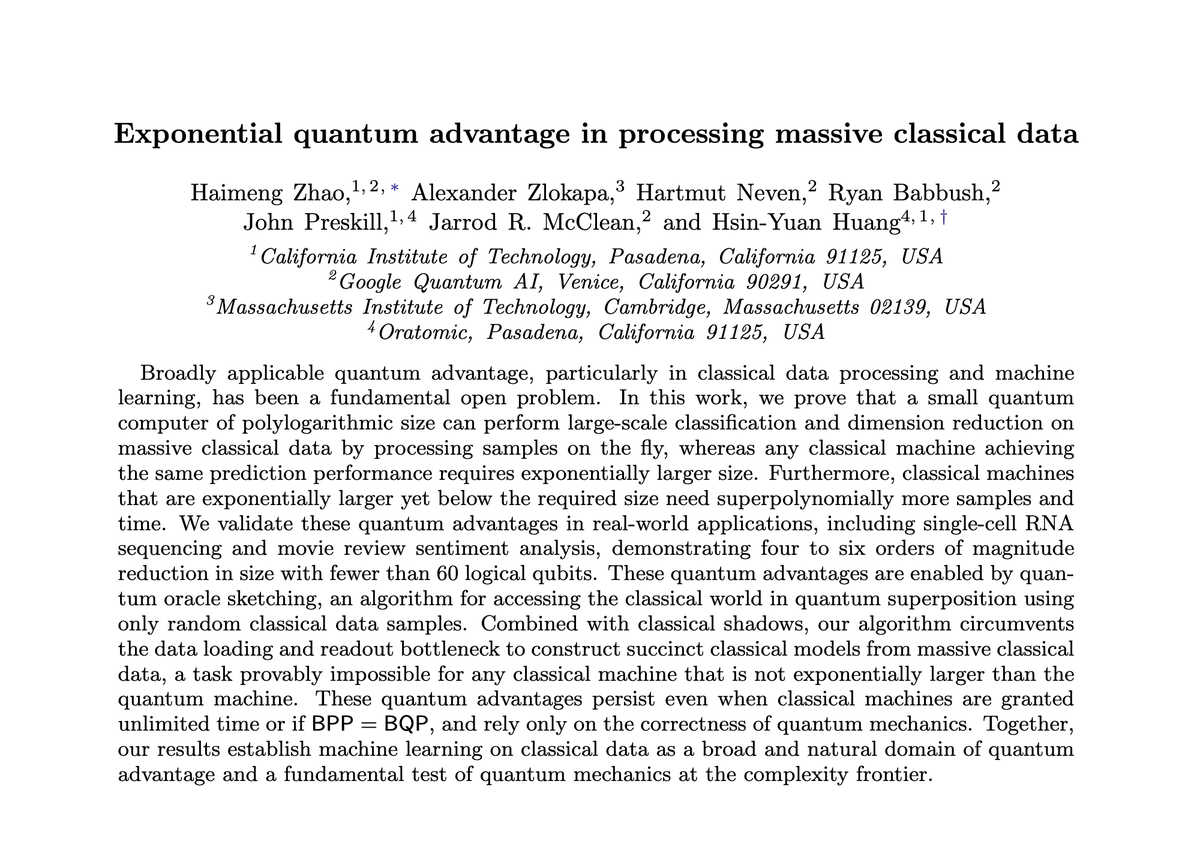
⚛ Can small quantum computers accelerate AI on massive classical data? Yes!
I am absolutely thrilled to share our new work proving *honest* exponential quantum advantages in broadly applicable classical tasks. 🧵👇
Paper: arxiv.org/abs/2604.07639
Blog: quantumfrontiers.com/2026/04…
33
161
559
105,959
IQIM retweeted

Mar 31
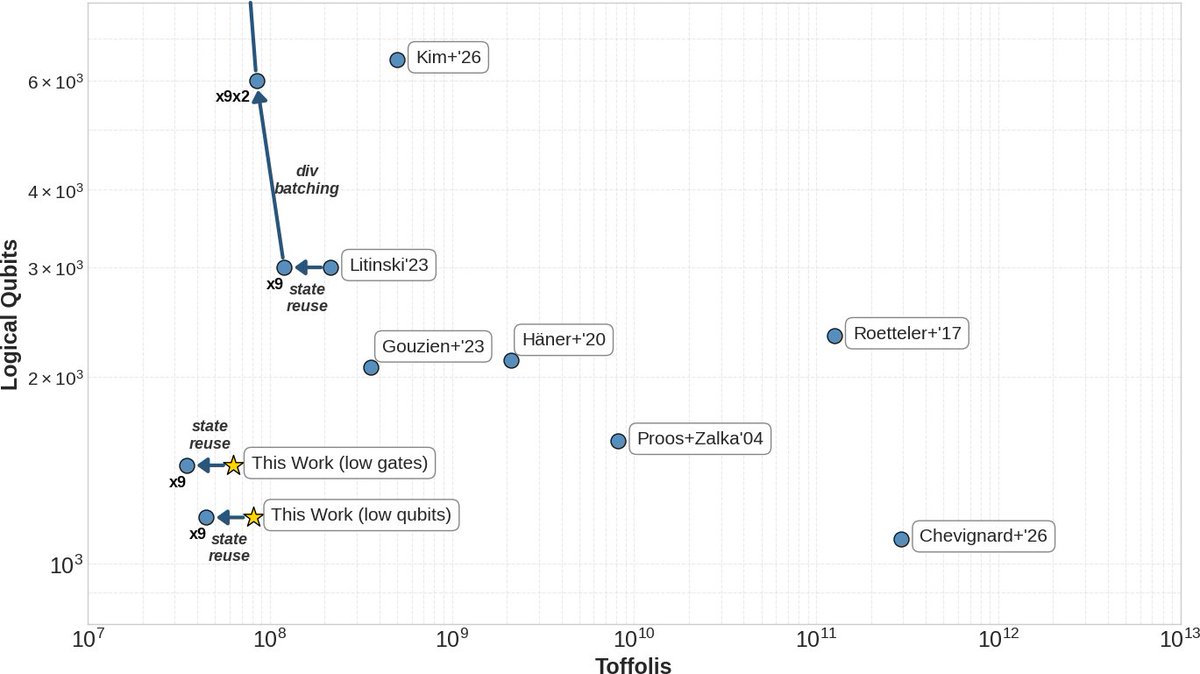
As timelines tighten, details might benefit attackers more than defenders. So we're trying something weird: proving a circuit exists without revealing it.
For example, here's a zero-knowledge proof that we found 10x smaller quantum circuits for ECDLP: github.com/tanujkhattar/zkp_…
11
59
265
22,479
IQIM retweeted

Mar 31
With extraordinary colleagues, we are developing new architectures for neutral-atom quantum processors that dramatically reduce the resource estimates for fault-tolerant quantum computing. This progress makes me optimistic that broadly useful quantum computing will soon be a reality.
We’ll continue fundamental research @Caltech to advance quantum science and technology, while building fault-tolerant quantum machines and exploring their applications @TeamOratomic.
It’s a very exciting time to be a quantum scientist!
caltech.edu/about/news/calte…
27
120
619
44,112
IQIM retweeted

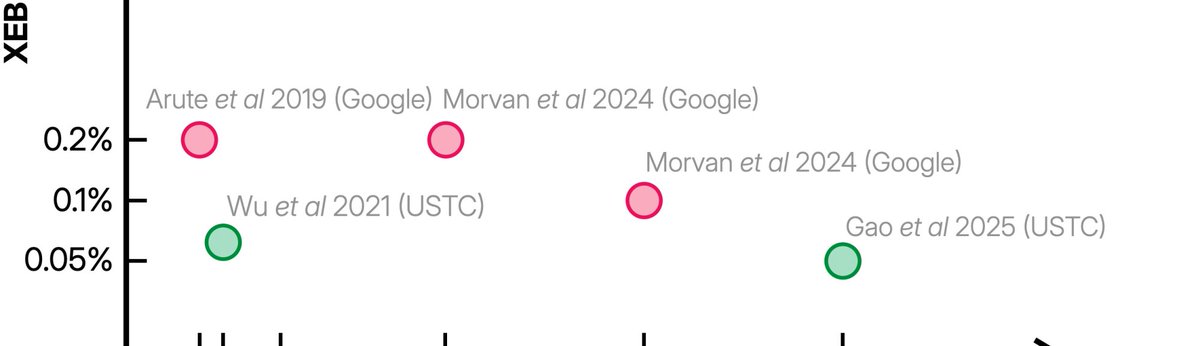
Great series of blog posts on quantum advantage by Dominik Hangleiter, one of the postdocs in our Quantum Research Pod.
quantumfrontiers.com/2026/01… via @IQIM_Caltech
#simonsquantum
1
7
1,098
IQIM retweeted

Mar 31
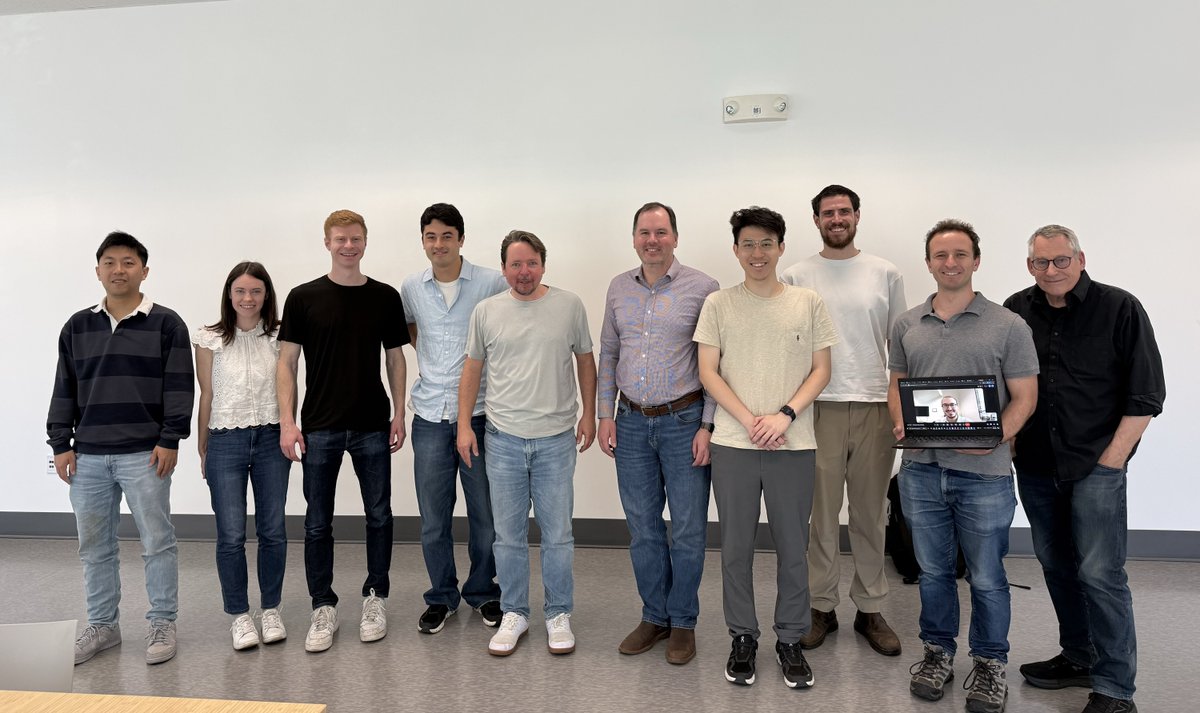
Today we are announcing Oratomic. Based in Pasadena, our goal is to build the world’s first fault-tolerant quantum computer using neutral atom qubits.
Last Fall, I came to fully appreciate the potential of neutral atoms combined with high-rate error correction. Soon after, I made the decision to leave Google and Berkeley to go all-in on what is now Oratomic.
My teammates are truly exceptional, and it’s an honor to work alongside them with a chance to make history.
If you are excited by this mission, please get in touch!
Website → oratomic.com/
15
32
283
23,309

Jan 23
Antimatter in bananas? Let Nick Hutzler explain. youtube.com/shorts/30JYnlFqI… via @YouTube
680
IQIM retweeted
Jan 5
Advice on how to interview for a faculty job, from an authoritative source.
quantumfrontiers.com/2026/01…
1
6
47
6,497
IQIM retweeted
Jan 6
Dominik Hangleiter weighs in with an informative post about a much debated question: Has quantum advantage been achieved? This is the first post in a three-part series.
quantumfrontiers.com/2026/01…
2
11
76
7,006
IQIM retweeted
26 Dec 2025
Every December since 2017, I've delivered a keynote at Q2B Silicon Valley, commenting on recent progress in quantum computing. Here is what I said this time. It's been a good year for quantum.
quantumfrontiers.com/2025/12…
20
49
291
33,920
IQIM retweeted
14 Dec 2025
In predicting properties of electronic structure or deciphering signals produced by Nature, will classical artificial intelligence eat quantum's lunch? Here @robbieking1000 considers the issue from the perspective of complexity theory.
quantumfrontiers.com/2025/12…
9
27
143
18,368
IQIM retweeted

15 Dec 2025
One of my first encounters with closed timelike curves (CTCs) took place when I read The Eyre Affair as a teen. I didn't expect to become a physicist who co-writes papers about simulating CTCs to improve quantum metrology. quantumfrontiers.com/2025/12…

1
1
10
691
IQIM retweeted
27 Nov 2025
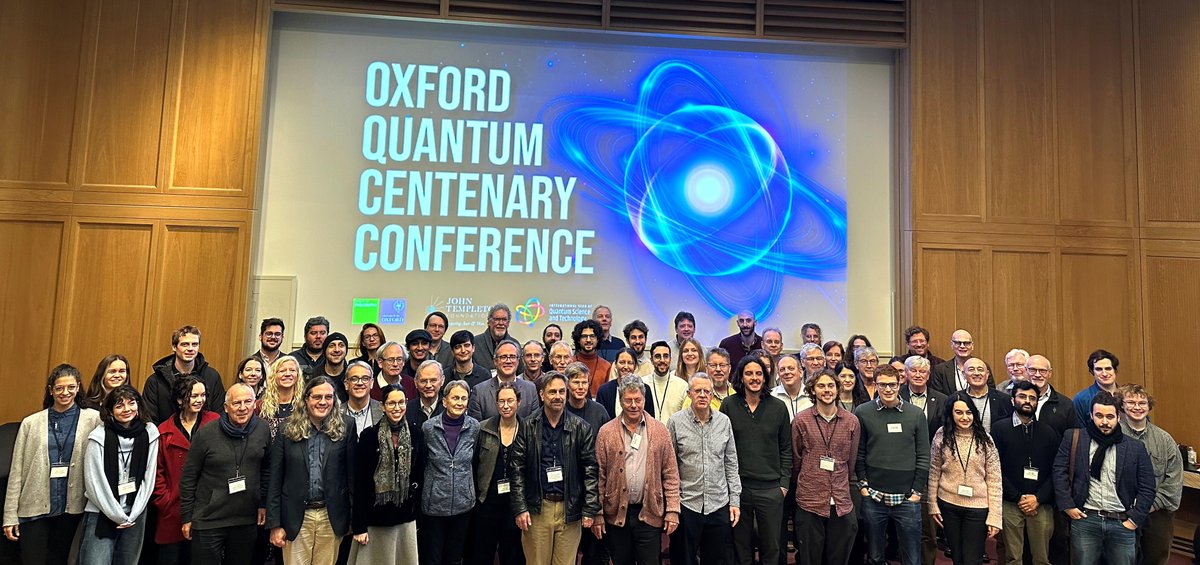
Today marks (at least roughly) the 404th Thanksgiving...and my 150th post for Quantum Frontiers! Only 254 to go to catch up, right? quantumfrontiers.com/2025/11…
1
1
33
1,942
IQIM retweeted
22 Sep 2025
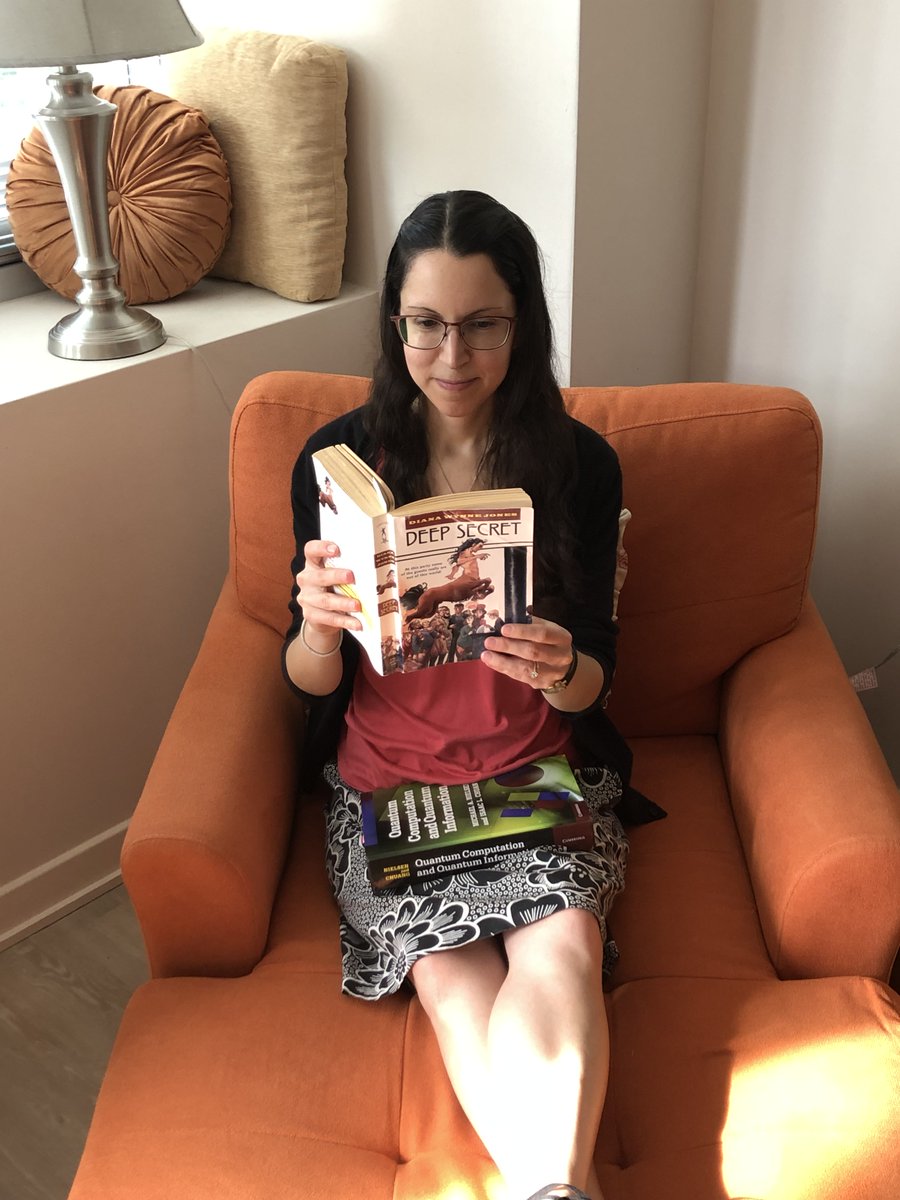
The world needs more of the creativity, humor, and warmth of Diana Wynne Jones’s novels. @Balticon quantumfrontiers.com/2025/09…
2
22
1,425
IQIM retweeted
25 Sep 2025
6,100 neutral-atom qubits trapped in a grid by lasers @Caltech ... is a lot.
caltech.edu/about/news/calte…
17
51
270
35,824
IQIM retweeted

24 Sep 2025
Happy to see that our work with @RobertHuangHY and @preskill is now published! We use shadow overlap to make machine learning of quantum systems verifiable, and to benchmark & optimize quantum circuits.
24 Sep 2025

The certification protocol presented here is an efficient way to verify that a many-qubit quantum state is close to a desired target state. As well as enabling the verification of near-term quantum devices, it has applications to quantum learning.
nature.com/articles/s41567-0…
3
43
10,922
IQIM retweeted
18 Sep 2025
I’m deeply honored to receive the 2025 Academic Pioneer of the Year Award from the Quantum World Congress. Curiosity-driven fundamental research revealed the promise of quantum science and technology, and will be just as vital for future advances.
quantumfrontiers.com/2025/09…
6
14
124
8,182
IQIM retweeted

25 Jul 2025
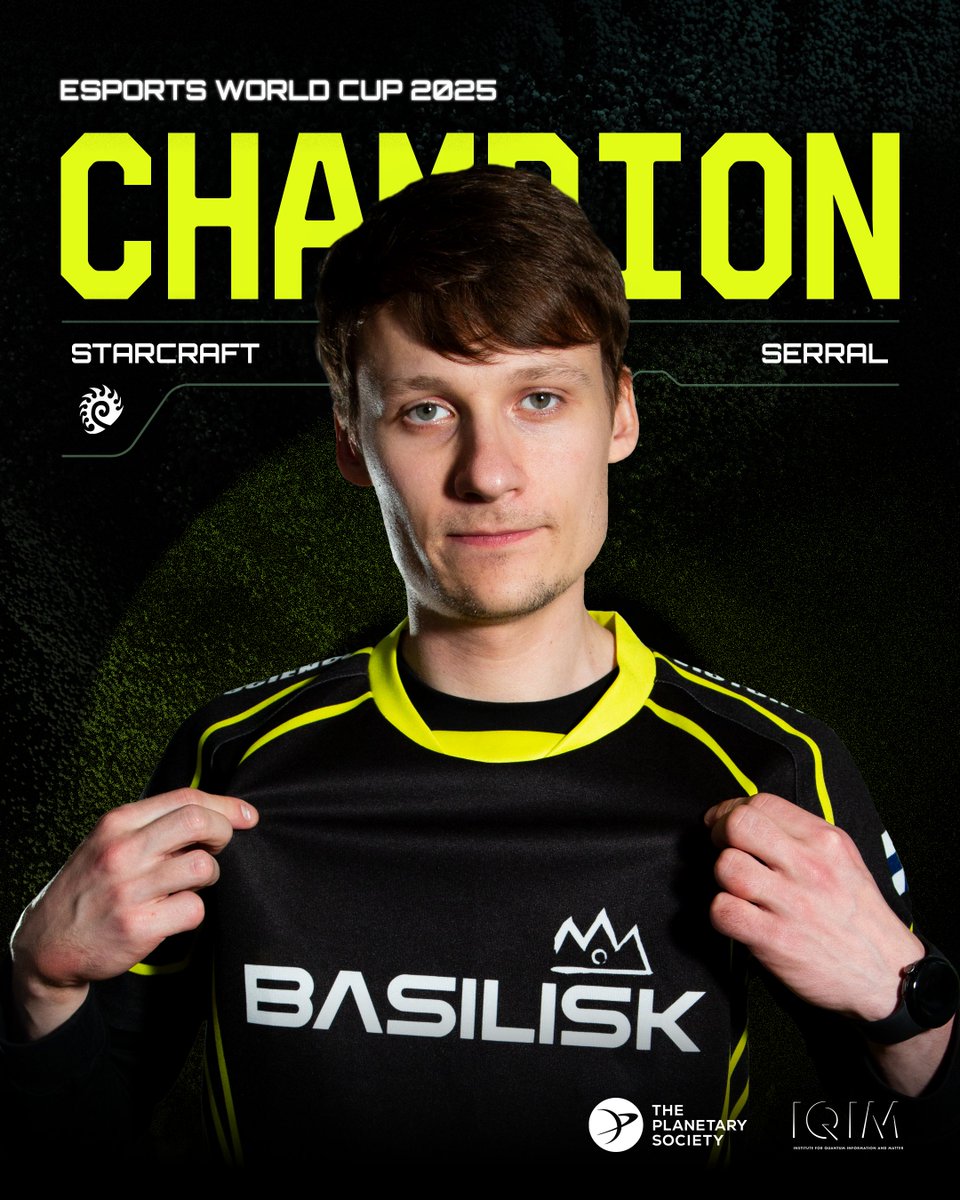
Science Victory!
@Serral_SC2 is the 2025 StarCraft 2 World Champion!
GGWP Classic. #EWC2025
27
67
671
33,920
25 Jul 2025
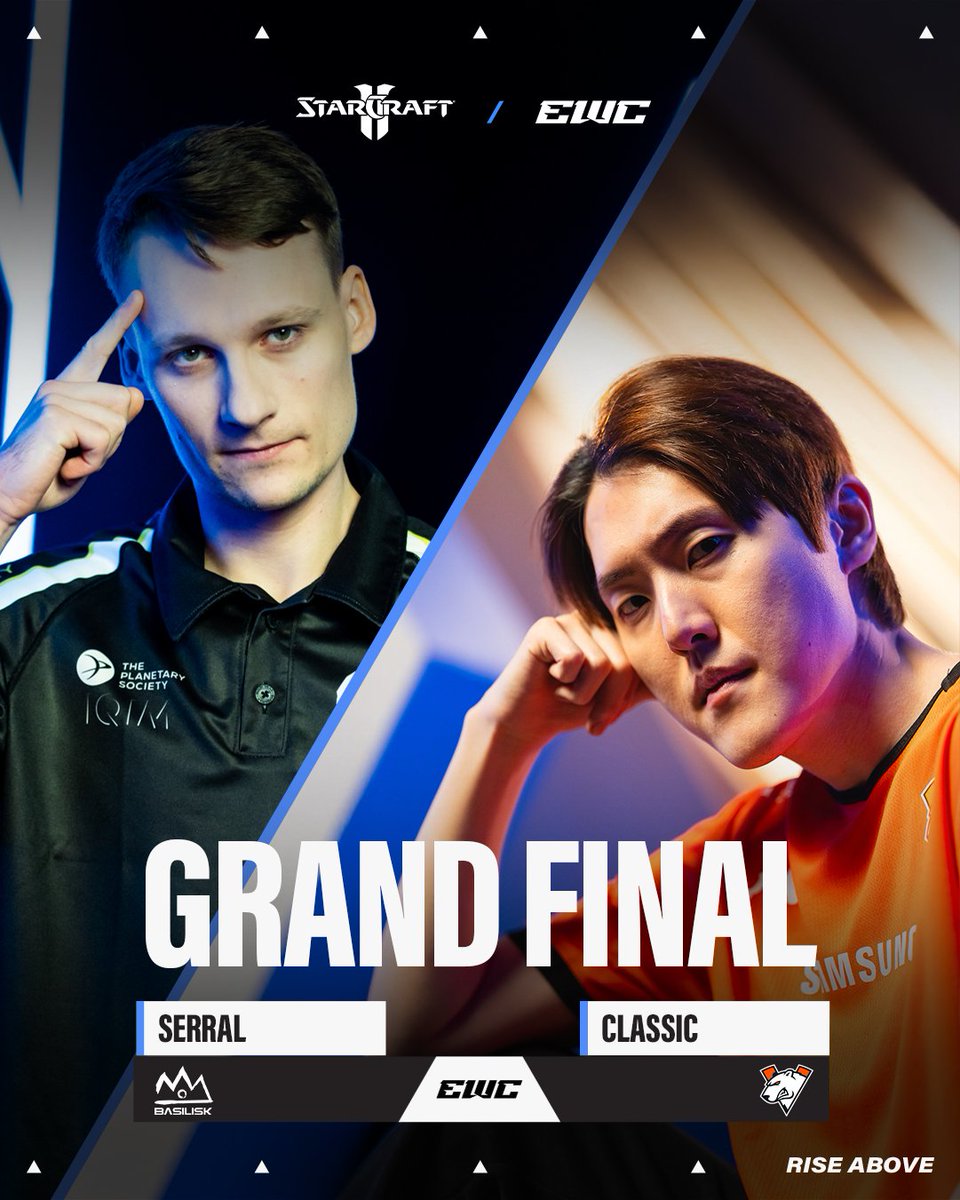
For science.

2
4
50
2,811
21 Jul 2025
There is no solo leveling in science, or in gaming. The adventure is best experienced together. Thanks for having us, @BASILISK_gg.
21 Jul 2025

Welcome to the team, @IQIM_Caltech!
Caltech’s IQIM helped shape Marvel’s Multiverse, co-designed Quantum Chess, and continuously pushes the boundaries of quantum science.
Together, we will demonstrate that Science, play, and curiosity are inseparable.
1
5
15
2,131
12 Jun 2025
“Unlike simplified projectile motion, you can never predict the exact trajectory of your life or career. Plans will change, and unexpected opportunities will arise. Sometimes, the best path forward isn’t the one you first imagined.” quantumfrontiers.com/2025/06…
2
1
5
789