Joined June 2022
- Tweets 1,971
- Following 15
- Followers 129,639
- Likes 1,428
1,028 Photos and videos
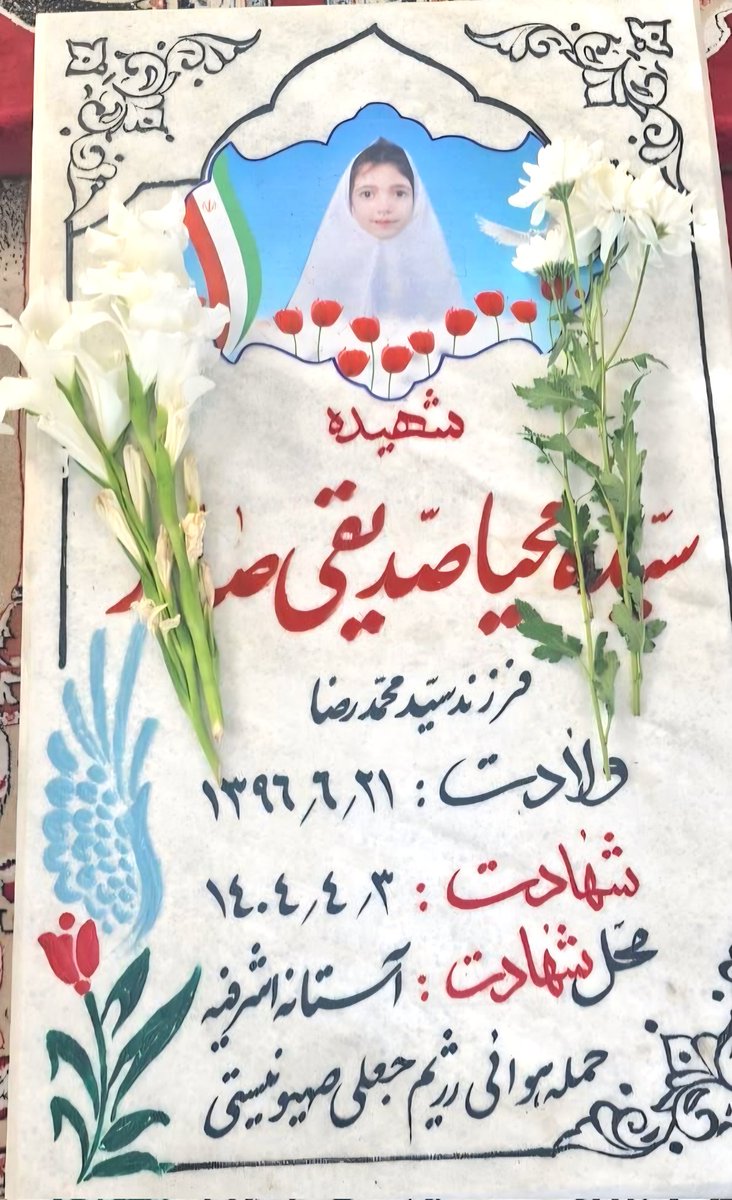
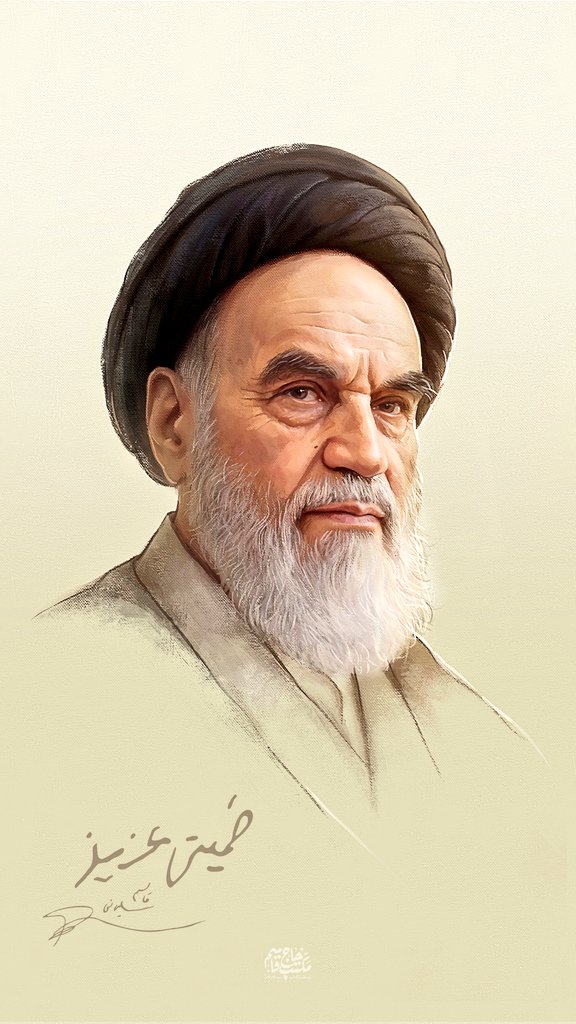


به خیال خام پیروزی، بدعهدی را دروازه شبیخون کردند و بر سرزمینی تاختند که مقاومت و عزم پولادینش در به هزیمت کشاندن دشمنان، شهره آفاق تاریخ است.
امروز سالروز آغاز تجاوز نظامی رژیم صهیونیستی -با همراهی آمریکا- است؛ هجومی که با ترور بزدلانه مدافعان وطن و حمله به تأسیسات هستهای همراه شد، اما در نهایت، اراده استوار و مقاومت و از جان گذشتگی ملت ایران، رؤیای دشمنی را که امروز معترف است: «همه کار کردیم»، به شکست و سرافکندگی بدل ساخت تا الگویی مثالزدنی از اقتدار، پایداری و عزتطلبی در جریده روزگار ثبت گردد.
مردانه از حلاوت هستی گذشتهایم
این شهد را به کار مگس کردهایم ما
چون صبح تا ز مشرق هستی دمیدهایم
جان در تن جهان به نفس کردهایم ما
«صائب تبریزی»
378
297
1,848
87,493
Esmaeil Baqaei retweeted

The Islamabad Memorandum of Understanding has never been closer. Pending its finalization, the media should refrain from entering speculation about its content.
In line with our responsible and transparent approach, all details will be shared with the public in due course.
3,930
6,567
32,040
3,594,697

Jun 12
لَنْ يَضُرُّوكُمْ إِلَّا أَذًى وَإِنْ يُقَاتِلُوكُمْ يُوَلُّوكُمُ الْأَدْبَارَ ثُمَّ لَا يُنْصَرُونَ
آل عمران، آیه ۱۱۱
211
422
2,663
82,313
Jun 12
RT @Gharibabadi: بیانیه مشترک اخیر تعدادی از کشورها (۲۳) درباره آنچه «فعالیتهای تهدیدآمیز منتسب به ایران» خوانده شده، مجموعهای از اتهامات…
89
Jun 11
The brutal U.S. attacks on Indian commercial vessels which have killed at least three Indian nationals, stand as clear evidence of America’s ongoing policy of armed robbery and State piracy.
We extend our sympathies to the families and friends of the slain Indian sailors and offer our sincere condolences to the Indian people and government.
The international community must hold the United States accountable for its lawless conduct, which continues to threaten global peace and security while endangering the freedom of navigation.
303
2,766
10,608
520,517
Jun 11
از شبیخون حوادث لشکرش در هم شکست
هر که صائب در مقام صلح، طبل جنگ زد
364
377
3,196
135,719
Jun 11
"The great error of nearly all studies of war, an error into which all socialists have fallen, has been to consider war as an episode in foreign politics, when it is especially an act of interior politics, and the most atrocious act of all", so observed the French philosopher Simone Weil.
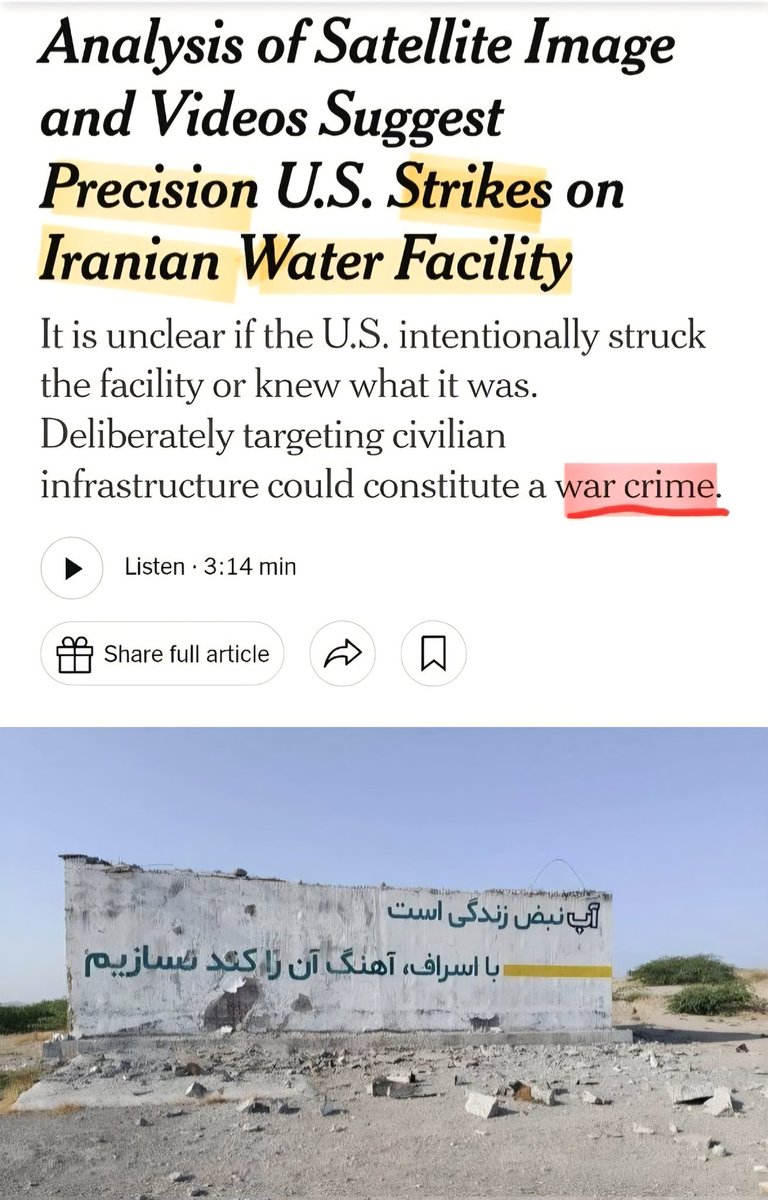
From this perspective, targetting the drinking-water tanks in Sirik, southern Iran, strips the mask from the true nature of the power; a power that has spent decades cloaking itself in the language of 'human rights', 'international order', and 'moral responsibility' reveals its essence when it deliberately destroys the drinking water of Iranians. In that moment, it does not merely attack a target — it strikes at the very foundation of the noble narrative it has built about itself.
Empires do not fall when their enemies grow stronger; they fall when they can no longer sustain the bridge between what they proclaim and what they do.
The moment of decline is not the collapse of city walls; it is the collapse of the credibility of words that have long concealed reality. What remains is what T.S. Eliot so hauntingly described:
"Shape without form, shade without colour, paralysed force, gesture without motion."
Jun 10

Water is the pulse of life — and the U.S. is deliberately targetting the lifeblood of the Iranian people.
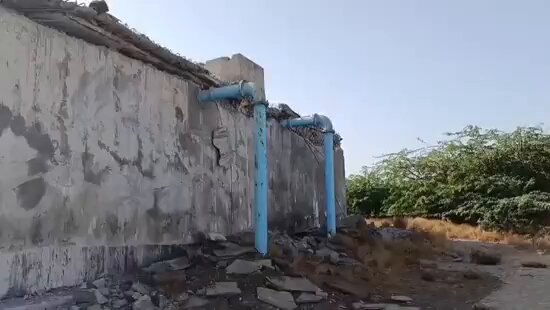
As part of its aggression against Iran, the U.S. military has deliberately struck vital civilian water infrastructure in Sirik, Hormozgan, destroying two reservoirs with a combined capacity of 2,500 cubic meters.
These facilities supplied drinking water to more than 20,000 residents across ten villages.
This is not collateral damage — it is a calculated war crime and a flagrant violation of human rights and international humanitarian law.
The U.S. must be held accountable for committing such systematic brutal attacks on civilian life-sustaining infrastructure.
115
803
2,278
85,819
Jun 10
Water is the pulse of life — and the U.S. is deliberately targetting the lifeblood of the Iranian people.
As part of its aggression against Iran, the U.S. military has deliberately struck vital civilian water infrastructure in Sirik, Hormozgan, destroying two reservoirs with a combined capacity of 2,500 cubic meters.
These facilities supplied drinking water to more than 20,000 residents across ten villages.
This is not collateral damage — it is a calculated war crime and a flagrant violation of human rights and international humanitarian law.
The U.S. must be held accountable for committing such systematic brutal attacks on civilian life-sustaining infrastructure.
427
2,252
6,244
241,492
Esmaeil Baqaei retweeted

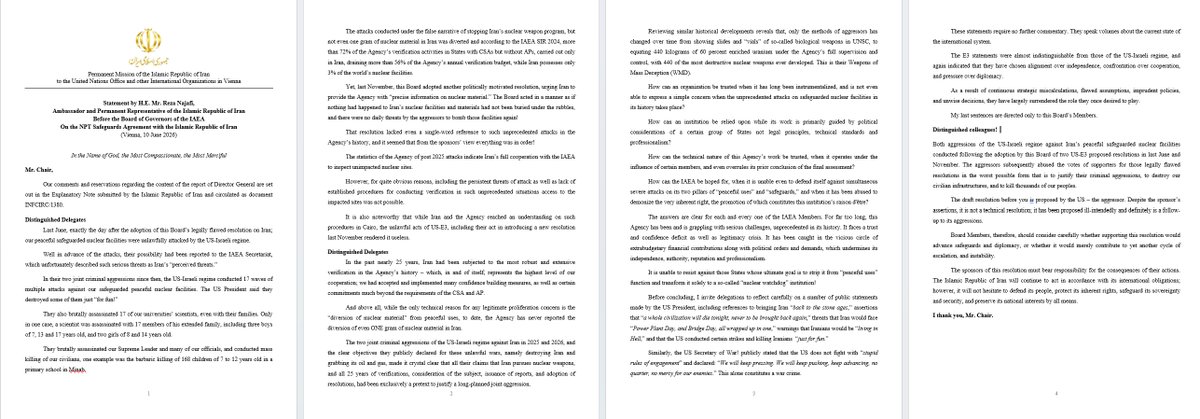
Today, Board of Governor adopted with a shaky vote, another political resolution on Iran’s peaceful nuclear activities; devoid of professionalism expected from a technical body.
How can #IAEA be trusted when instrumentalized by warmongers, and decapacitated in a way that is not even able to express a simple concern over the most extensive unlawful armed attacks - unprecedented in its history- on peaceful safeguarded nuclear facilities of a member State?
The resolution hypocritically expresses support for a diplomatic solution, while the U.S. simultaneously engages in further acts of aggression including against Iranian civilian infrastructure and promotes confrontation in different fora. Diplomatic solution needs a minimum good faith.
Iran will protect its inalienable rights including in response to this flawed resolution.
Here is Iran’s full Statement before adoption of the resolution: viennaun.mfa.gov.ir/en
31
148
476
29,442
Jun 10
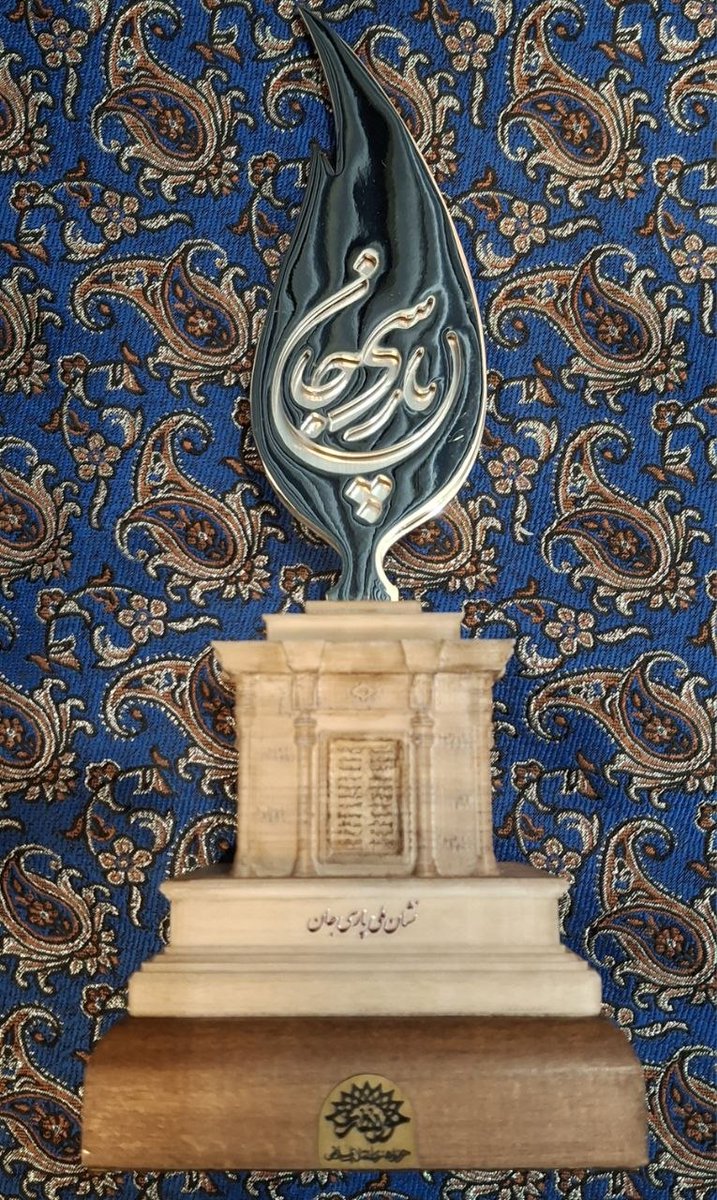
«فارسی، وطن است.»
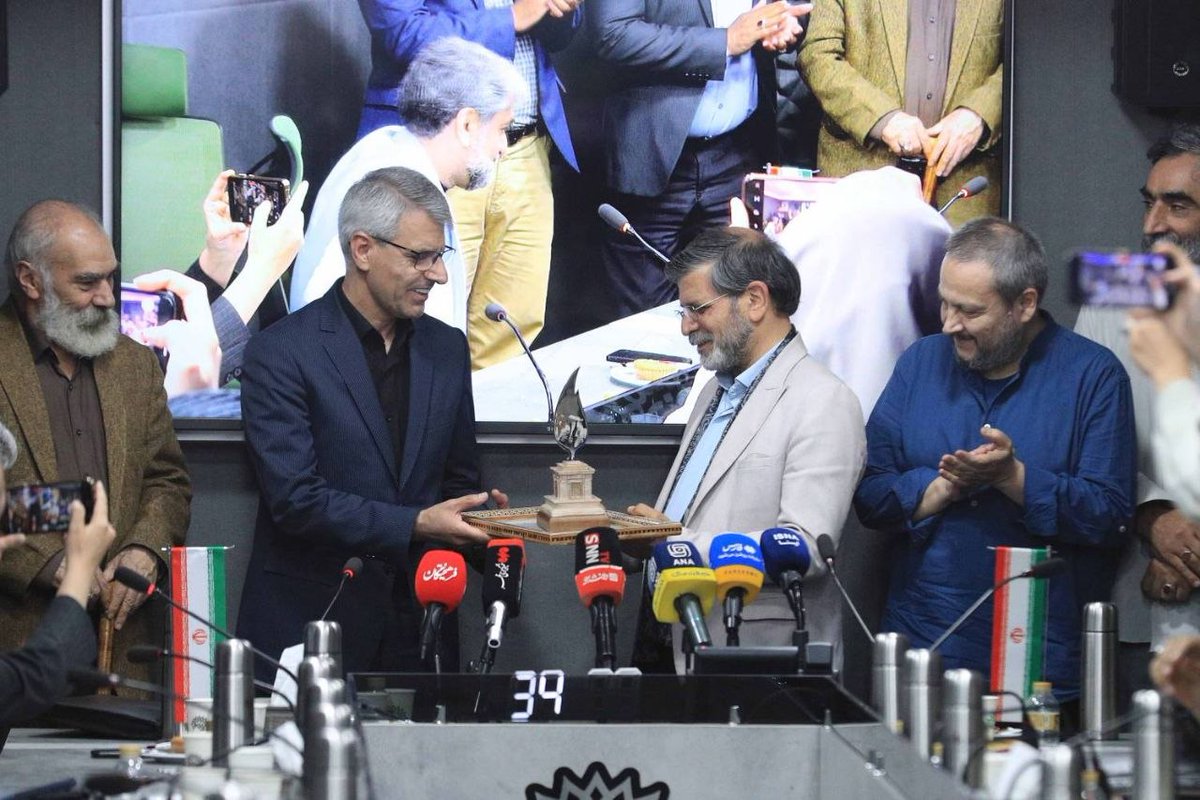
صبح امروز ضمن حضور در جمع فرهیختگان و مفاخر ادبی و فرهنگی ایران در «حوزه هنری»، با افتخار، لوح «سرو سیمین پارسی جان» را به خاطر حُسننظر ایشان نسبت به تلاشهای حوزه سخنگویی و دیپلماسی عمومی وزارت امور خارجه در پاسداشت زبان، ادب و حکمت فارسی دریافت کردم.
زبان فارسی، گنجینه سترگ فرهنگی - تمدنی و حافظه تاریخی ملت ایران، حامل میراث فکری و معنوی ایرانیان و پیونددهنده نسلهای این سرزمین است. در روزگاری که هویتها در معرض فرسایش قرار دارند، زبان فارسی همچنان نگاهبان ایران و پاسدار روح و فرهنگ ایرانی است.
این میراث بیبدیل را چون جان، عزیز میداریم.
ای زبان فارسی، ای دُرِّ دریای دَری
ای تو میراث نیاکان، ای زبان مادری
در تو پیدا فَرِّ ما، فرهنگ ما، آیین ما
از تو برپا رایتِ دانایی و دانشوری
جاودان زی، ای زبان دانش و فرزانگی
تا به گیتی نور بخشد آفتاب خاوری
«استاد حداد عادل»
200
184
1,677
53,199
Jun 10
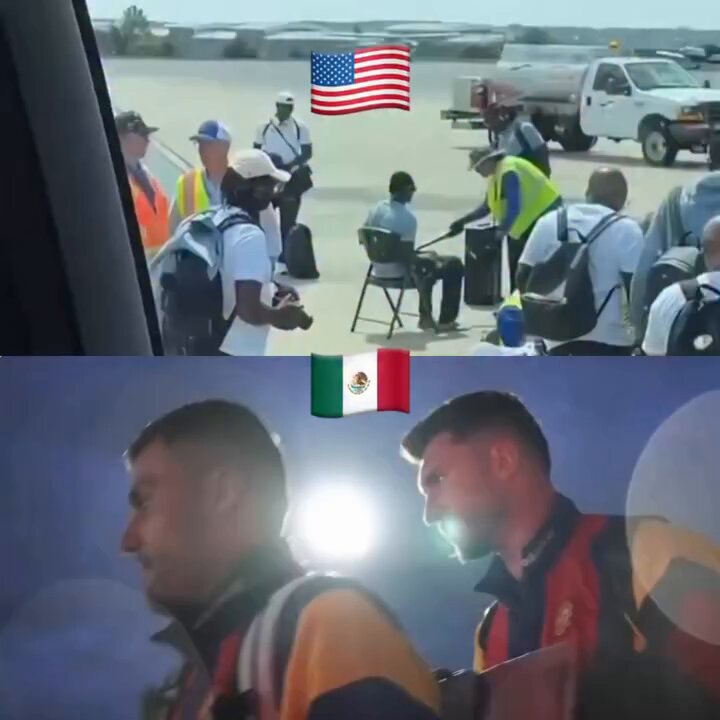
¡Maravilloso! Sigue así, México.
El fútbol es una plataforma para la sana competencia y para acercar a las naciones, no una excusa para abrir la caja de Pandora de viejos rencores y desatar complejos profundamente arraigados.
La Copa Mundial está concebida como una celebración global del fútbol, no como una oportunidad para humillar y discriminar a otras naciones.
Si bien surgen informes preocupantes sobre el trato inapropiado e irrespetuoso hacia jugadores, árbitros e invitados en los puntos de entrada a Estados Unidos, la cálida y cortés bienvenida que el pueblo mexicano brinda a los equipos de fútbol sirve como un poderoso recordatorio de una verdad simple: la excelente hospitalidad se define por la conducta humana y la capacidad de hacer que los invitados se sientan genuinamente bienvenidos y valorados.
La verdadera credibilidad de un país anfitrión no se mide únicamente por las instalaciones deportivas o la grandilocuencia política, sino por la calidad del trato que se brinda a quienes llegan a su país por amor al fútbol.
102
601
2,604
55,371
Esmaeil Baqaei retweeted
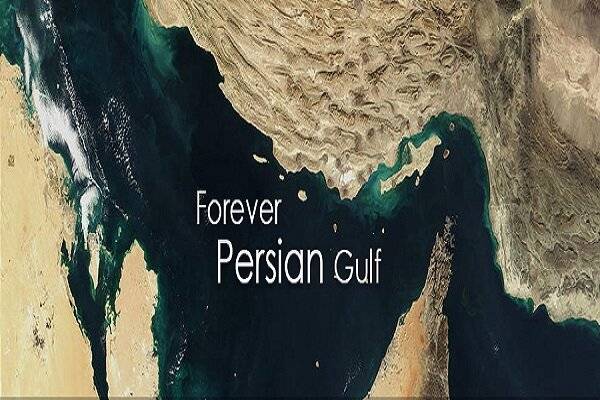
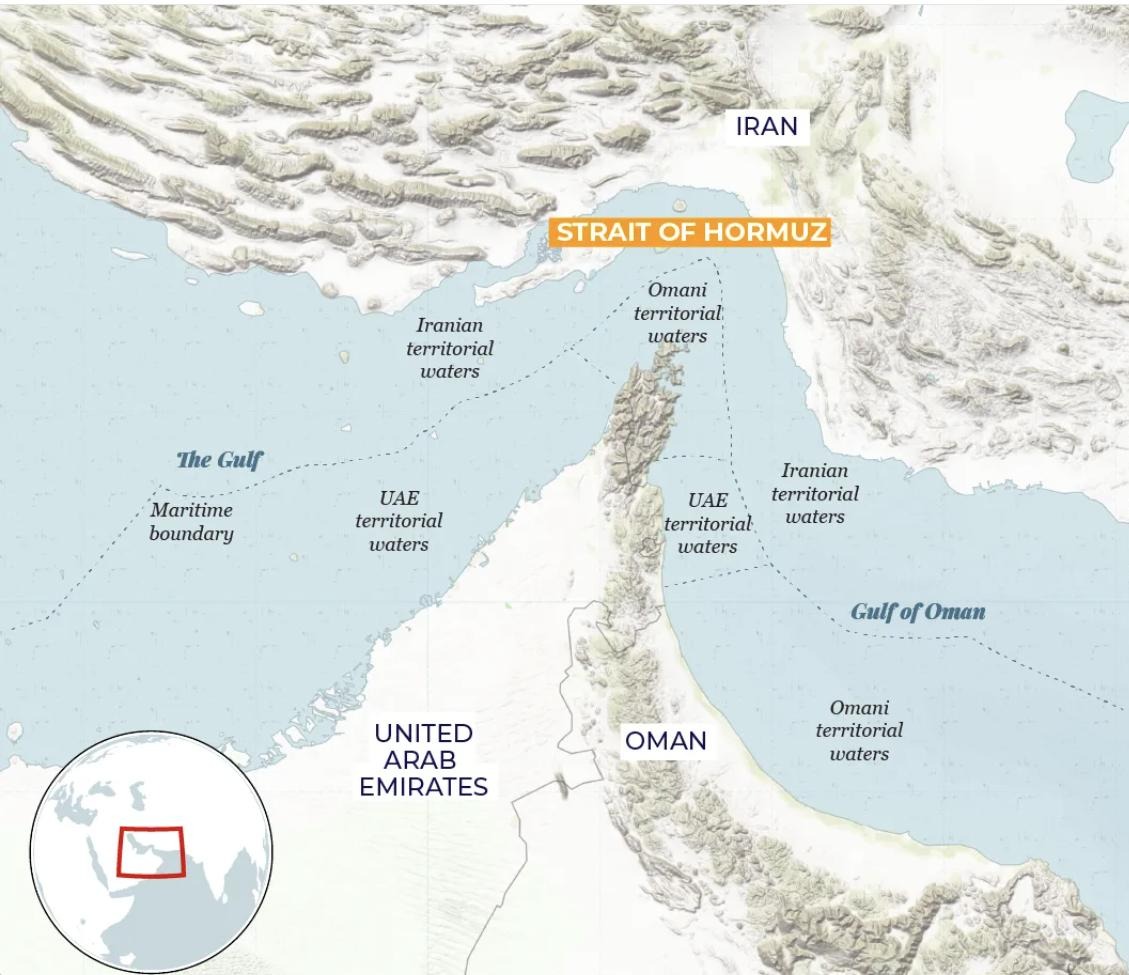
Despite its defeats on the battlefield, the U.S. opted to test our determination.
Our Powerful Armed Forces will leave no attack or threat unanswered.
Leave our region if you want to be safe.
History of the Persian Gulf has many chapters on dire fates of intruding outsiders.
2,758
6,970
28,783
1,013,906
Esmaeil Baqaei retweeted
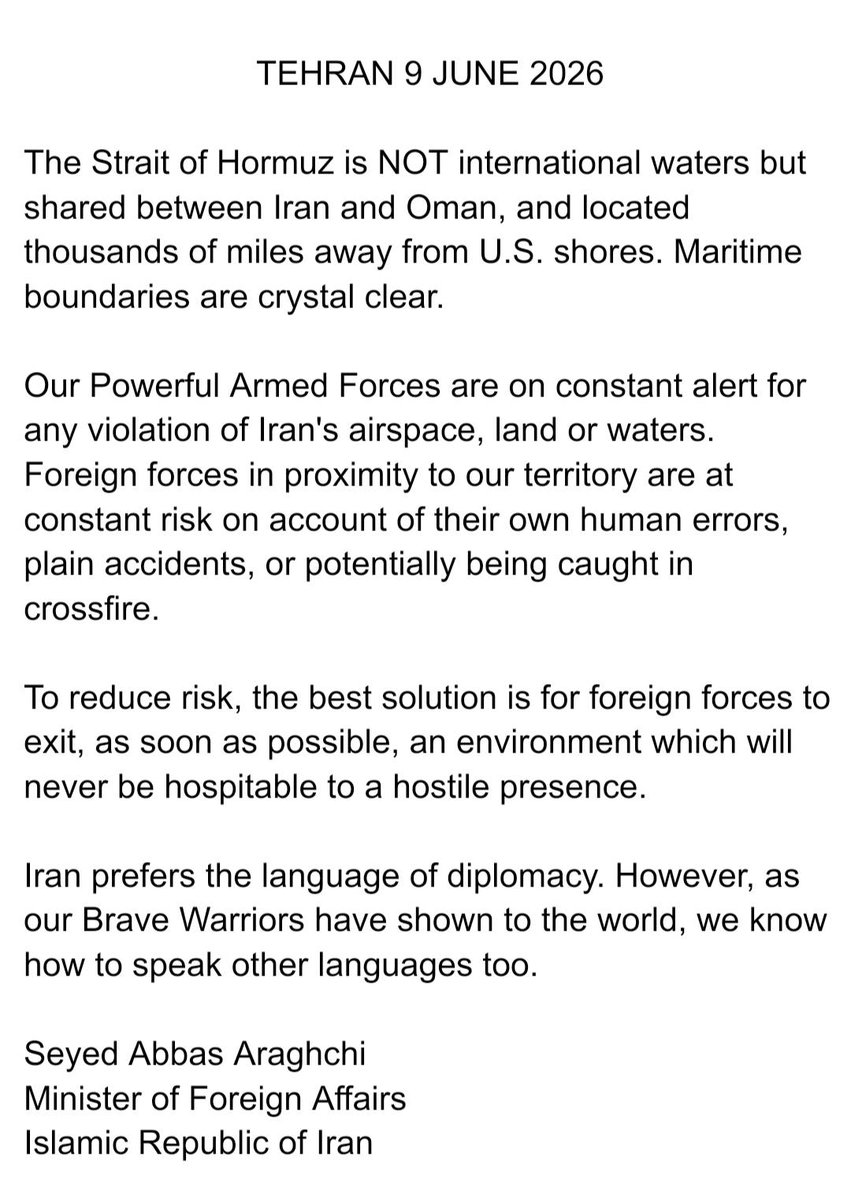
Foreign forces in proximity to our territory are at constant risk on account of their own human errors, plain accidents, or potentially being caught in crossfire.
To reduce risk, best solution is for them to leave.
We prefer language of diplomacy but speak other languages too.
1,167
5,047
19,427
1,024,588
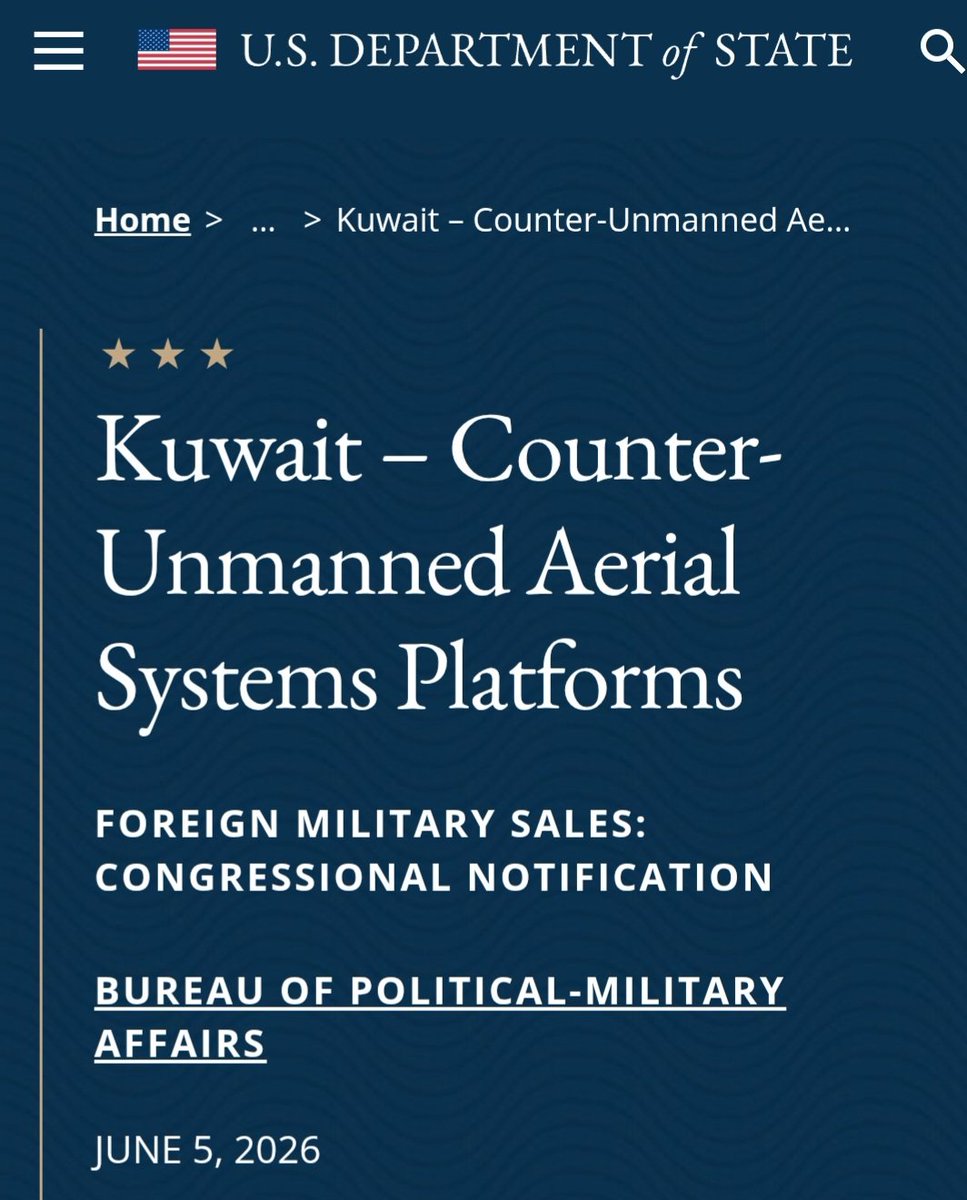
The pieces of the puzzle are falling into place with remarkable speed.
They carried out a 'false-flag' operation by deploying a copied 'Lucas' drone to strike Kuwait Airport — manufacturing the perfect pretext to market their 'Powerus'-developed anti-drone air defense systems under the guise of protecting against Iranian attacks.
Profitable indeed!
82
697
2,036
140,622
Calm down, Mr. prime minister @ediramaal.
It was YOU, sir, who started this. So...you should 'face the music'!
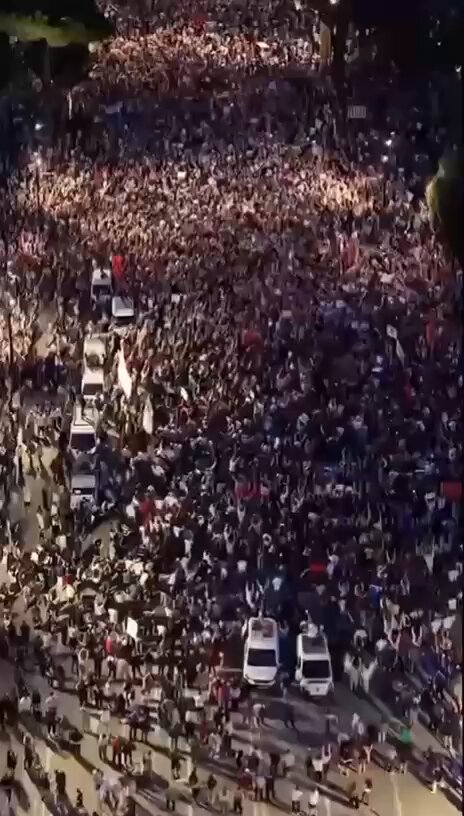
It would be wiser to show some respect for the intelligence and judgment of your own people, as a nation of rich culture and proud history. They are perceptive enough to distinguish truth from falsehood. If you choose to sell your national sovereignty, that is your decision. You do not owe us an explanation. But when confronted by the outrage and criticism of your own public, please do not use others as a convenient scapegoat to evade accountability. Instead of writing a lengthy pamphlet filled with hackneyed baseless accusations against Iran, take a moment to listen to your own people who are chanting in the streets:
"Jo korrupsionit!"
"Duam drejtësi!"
"Rama ik!"
252
1,059
4,575
162,226
"Now does he feel his title
Hang loose about him, like a giant's robe
Upon a dwarfish thief."
Shakespeare, Macbeth
88
505
2,402
121,188
RT @S_A_Salehi: نه ایران برای لبنان میجنگد و نه لبنان برای ایران، هر دو دشمن غدار مشترک دارند. رژیم صهیونیستی، لبنان اشغالشده و ایران تجز…
100
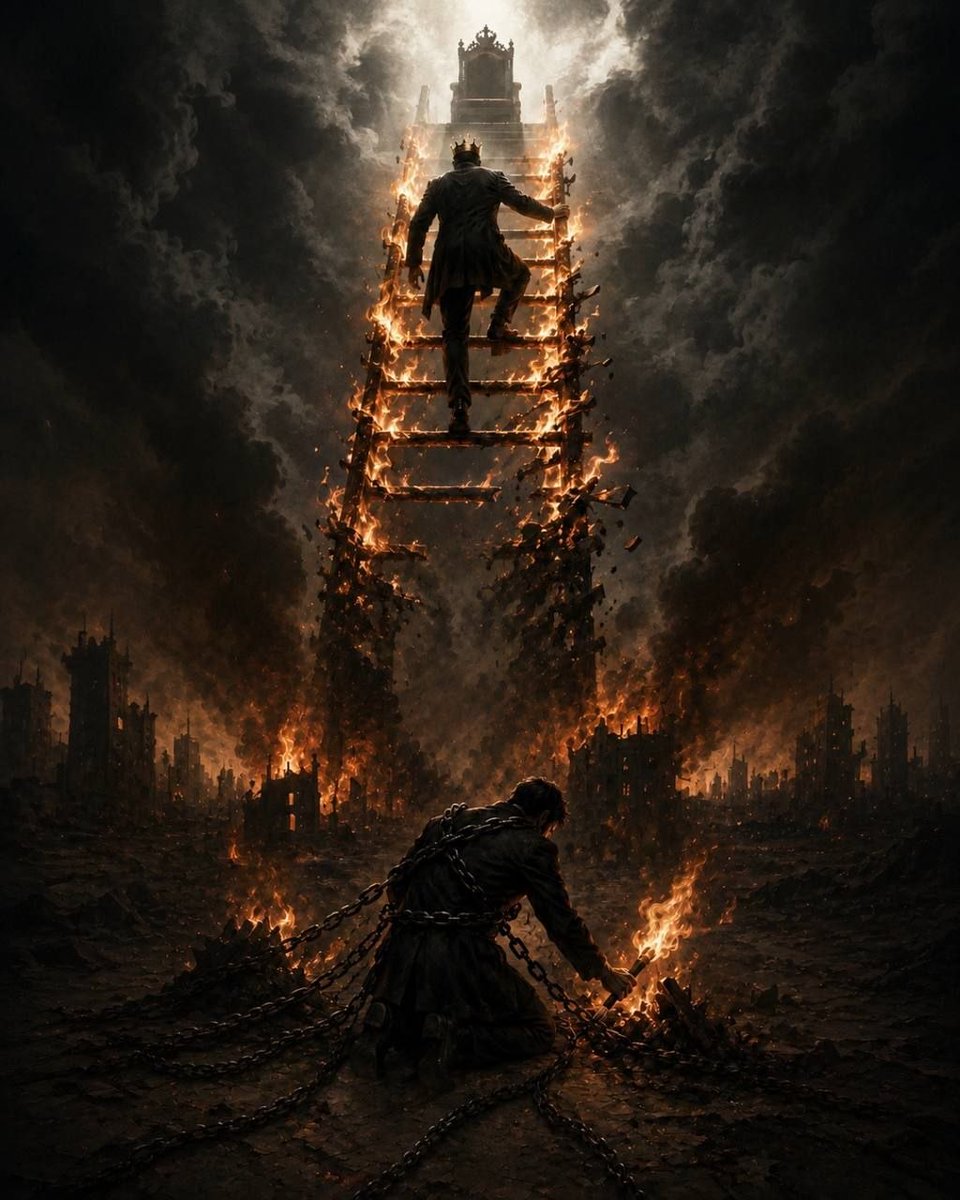
He who constructs his 'ladder' from 'chaos' convinces himself that he will rise to dominion over men. Yet he remains blind to the first and most inevitable truth: the maker of chaos is always its primary victim.
The man who finds no value in honouring his obligations or preserving peace, but instead prospers through discord, deception, and perpetual strife, condemns himself to an exhausting and Sisyphean labour. Each day he must ignite a new fire merely to feed the old. He is not the master of crisis, but its prisoner; and no prisoner, however imposing his shadow, can ever be called truly powerful.
The fomenters of strife are, in truth, not architects of power but captives of the very forces they unleash. For once awakened, such forces do not discriminate between ally and enemy, nor between the hand that summoned them and the lives they devour.
Their final humiliation arrives the moment they realise that the weapon they forged to subjugate others has slipped its leash and now possesses a will of its own. In that bitter awakening lies the true poverty of their power—and the beginning of their inevitable downfall.
91
619
2,039
78,674
«وَ لَیَنْصُرَنَّ اللَّهُ مَنْ یَنْصُرُهُ إِنَّ اللَّهَ لَقَوِیٌّ عَزیزٌ.»
قطعا خدا کسانى را که او را یارى مىدهند یارى خواهد کرد، چرا که خداوند نیرومند و شکستناپذیر است.
628
1,049
7,635
135,276