
Just here for the memes. Less is more.
- Tweets 893
- Following 580
- Followers 20
- Likes 22


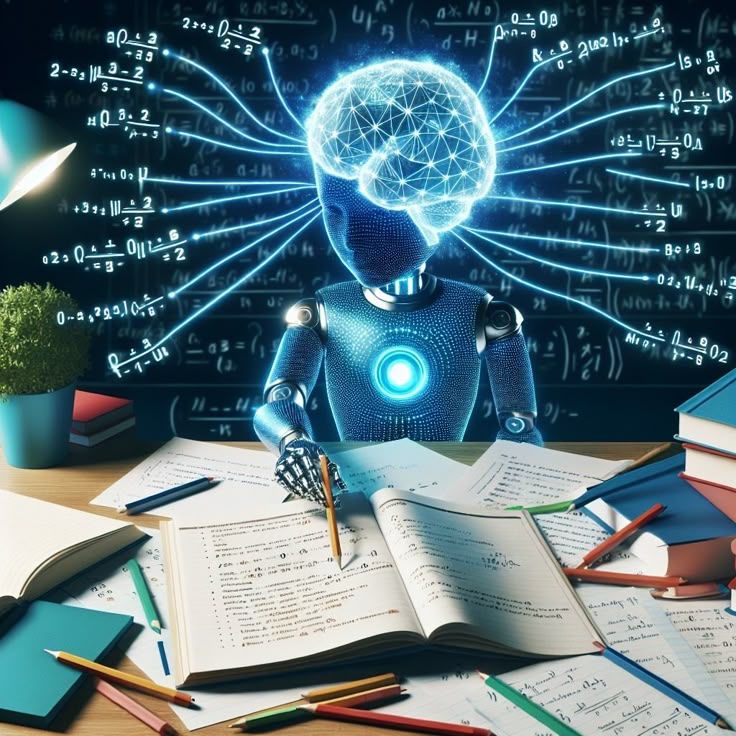



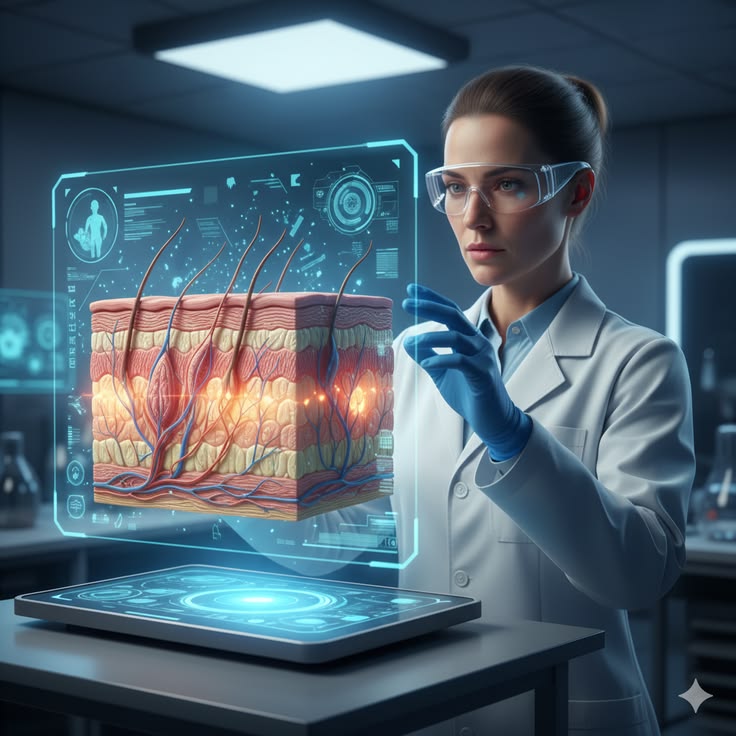


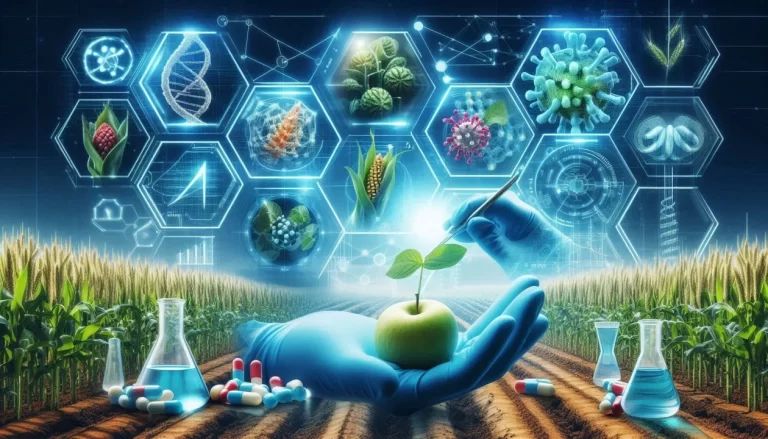
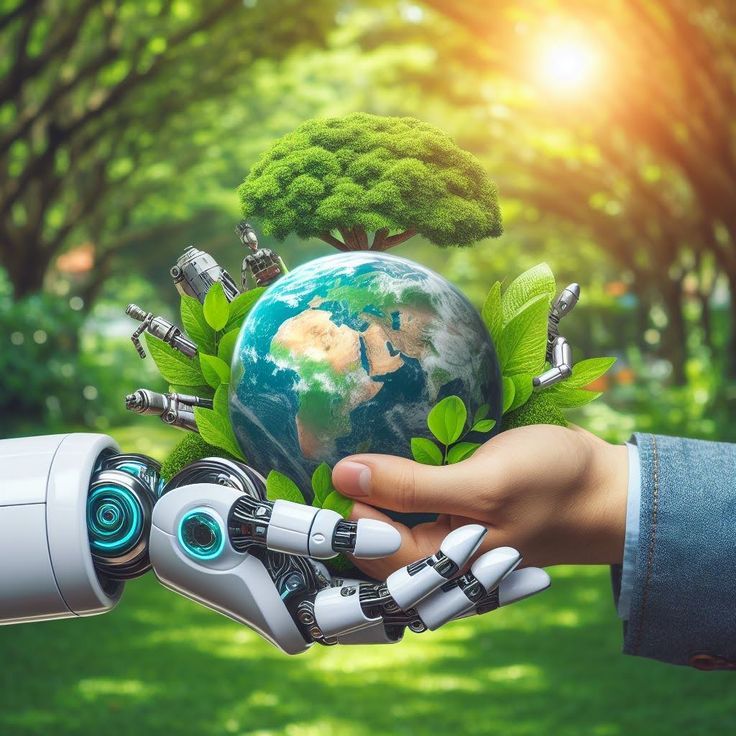


ALT Look at the greatest breakthroughs of the last five years. mRNA vaccines didn't just require biology; they required nanoscale lipid delivery systems. The discovery of millions of new protein structures didn't just come from microscopes; it came from deep machine learning algorithms. The creation of ultra-efficient smart grids relies entirely on IoT sensors and artificial intelligence optimizing nanoscale battery storage. We have entered the Convergence Era. The boundaries separating computer science, biology, and materials engineering have completely collapsed. Yet, traditional education systems are still teaching these subjects as if they live in isolated vacuums. This is the exact problem NanoSchool was built to solve. By offering integrated, research-backed courses in Nanotechnology, Biotechnology, and Artificial Intelligence, we are training the next generation of scientists, developers, and leaders to speak the multidisciplinary language of tomorrow.
ALT Most students don't fail at AI because it's too hard. They fail because they start wrong, skip the fundamentals, or chase the wrong things. Here's what to avoid. NanoSchool Editorial Team May 2026 · 10 min read · Students & Beginners Students learning Artificial Intelligence — NanoSchool Artificial Intelligence is one of the most exciting fields a student can enter today — but it also has one of the highest dropout rates among self-learners. Not because the material is impossible, but because most students start down the wrong path and never course-correct. At NanoSchool, we've worked with hundreds of students from life sciences, engineering, and interdisciplinary backgrounds who came to us after months of frustrating self-study. The patterns are remarkably consistent. The mistakes are avoidable. And once you know what they are, you have a significant head start over everyone who doesn't.
ALT Not today. This guide breaks down quantum computing in the simplest possible language - no PhD required. You'll understand exactly what quantum computers are, how China's new breakthrough works, why it matters for the world, and what it means for careers in science and technology. If you want to understand the foundation of modern AI powering all of this, explore our guide on What is Artificial Intelligence and how Machine Learning connects to quantum computing.
ALT AI in psychology is the application of machine learning, natural language processing, and predictive modeling to understand, assess, and support human mental health—spanning clinical diagnosis, behavioral research, therapy augmentation, and patient monitoring across both academic and applied settings.
ALT NanoSchool's research-grade AI workshops are built for scientists, not coders. Discover how PhD scholars and industry professionals are using AI to accelerate real scientific breakthroughs.
ALT Not sure which NanoSchool workshop fits where you are right now? This honest guide maps every learner stage — student to PhD to industry professional — to the right starting point.
ALT Nanotechnology is not a future technology. It is already embedded in the solutions the world is quietly building to survive the next fifty years. The question for any serious student or researcher today is not whether nanotech matters to sustainability. The question is: do you understand it well enough to be part of the work
ALT Artificial intelligence is transforming medicine at an unprecedented pace, and one of the most exciting frontiers is the application of Vision Transformers in Dermatology. From detecting melanoma to classifying rare inflammatory conditions, Vision Transformers (ViTs) are redefining how clinicians and algorithms analyze skin — one patch at a time.
ALT Agriculture is one of the oldest industries in the world, yet it faces some of the most significant challenges in modern times. Population growth, climate change, and resource scarcity are putting increasing pressure on the agricultural sector to produce more food, more efficiently, while reducing environmental impact. To meet these challenges, the agriculture industry is turning to Artificial Intelligence (AI) to optimize agricultural practices and revolutionize farming. AI-powered smart farming is emerging as a solution to help farmers enhance productivity, increase sustainability, and reduce operational costs. By integrating AI into agricultural processes, farms can become more data-driven, more precise, and more efficient. In this article, we explore how AI is optimizing agricultural practices, why it's the future of smart farming, and how it can benefit both large-scale operations and small farms.
ALT In recent years, machine learning (ML) has become a driving force in the biotechnology industry, particularly in advancing personalized medicine. As the healthcare landscape evolves, the shift from traditional, one-size-fits-all treatments to more personalized, targeted therapies is transforming how diseases are diagnosed and treated. Machine learning is playing a pivotal role in this shift by enabling healthcare providers to offer more precise treatments based on an individual’s genetic profile, medical history, and other unique factors.
ALT Quantum computing is an emerging field that promises to revolutionize industries across the globe, and energy systems are no exception. While traditional computing has driven innovation in numerous sectors, quantum computing offers unprecedented computational power that could transform how we generate, store, and distribute energy. As we look toward a more sustainable future, quantum computing in energy systems could provide the tools needed to address some of the most pressing challenges of the 21st century, including optimizing energy grids, improving battery storage, and accelerating the development of renewable energy technologies.
ALT In traditional chemotherapy, drugs are administered intravenously, where they circulate throughout the body, affecting not only cancerous cells but also healthy cells. This often leads to harmful side effects, such as nausea, hair loss, and weakened immunity. The lack of precision in delivering drugs directly to tumor cells means that large doses are required, which increases the chances of toxicity and complicates treatment plans.
ALT Nanotechnology is one of the most exciting areas of modern science and engineering. It deals with the study, design, and use of materials at the nanoscale, usually between 1 and 100 nanometers. At this extremely small scale, materials often show unique physical, chemical, electrical, optical, and biological properties that are different from their bulk form.
ALT Artificial Intelligence (AI) is playing a pivotal role in this transformation. By leveraging data-driven insights, advanced algorithms, and real-time monitoring, AI is helping to build smarter and greener energy systems that are not only more efficient but also contribute to a more sustainable future.
ALT AI is playing a pivotal role in overcoming one of the biggest challenges in the renewable energy sector: energy storage. As we move towards a cleaner, more sustainable future, integrating renewable energy sources like solar