
BITCOIN IS NOT A NEGOTIATION.
Joined November 2012
- Tweets 2,365
- Following 1,479
- Followers 190
- Likes 20,445
56 Photos and videos
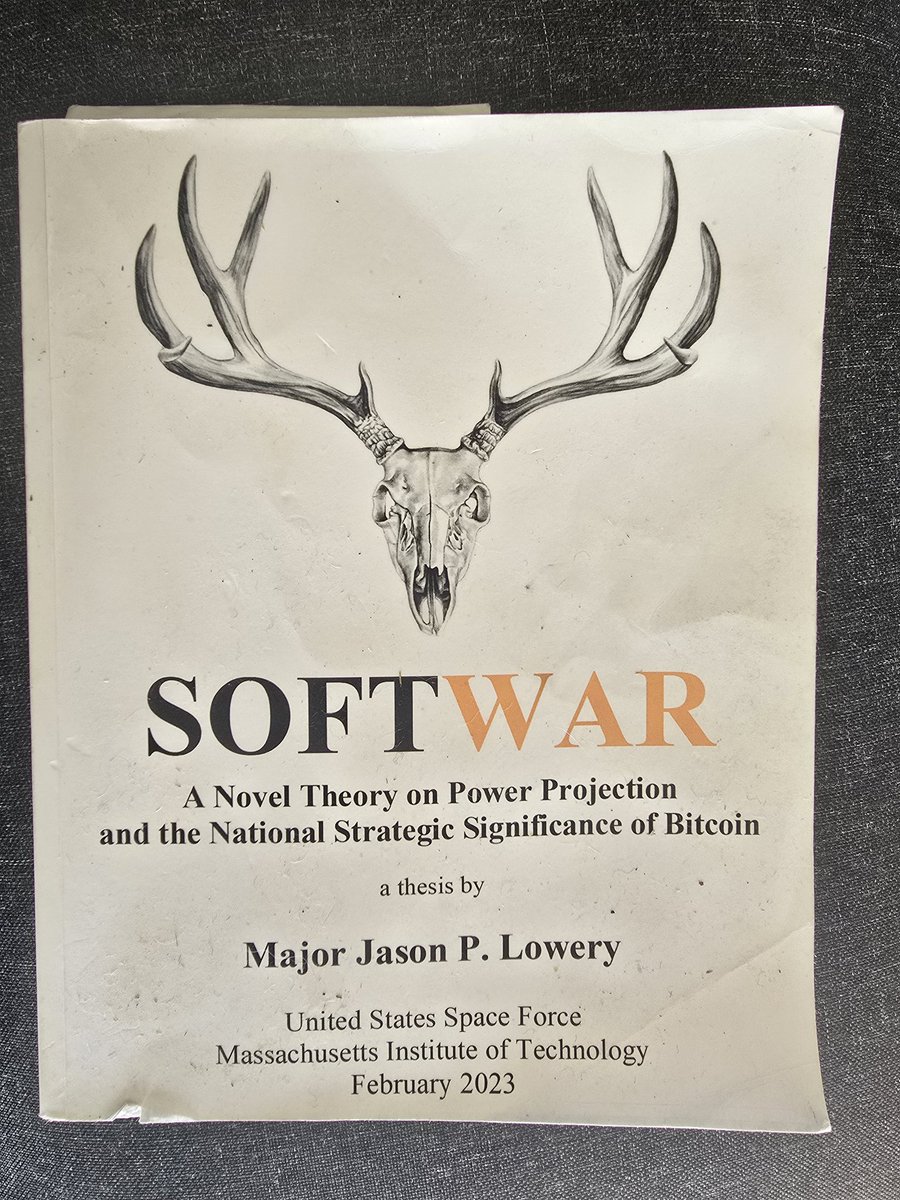


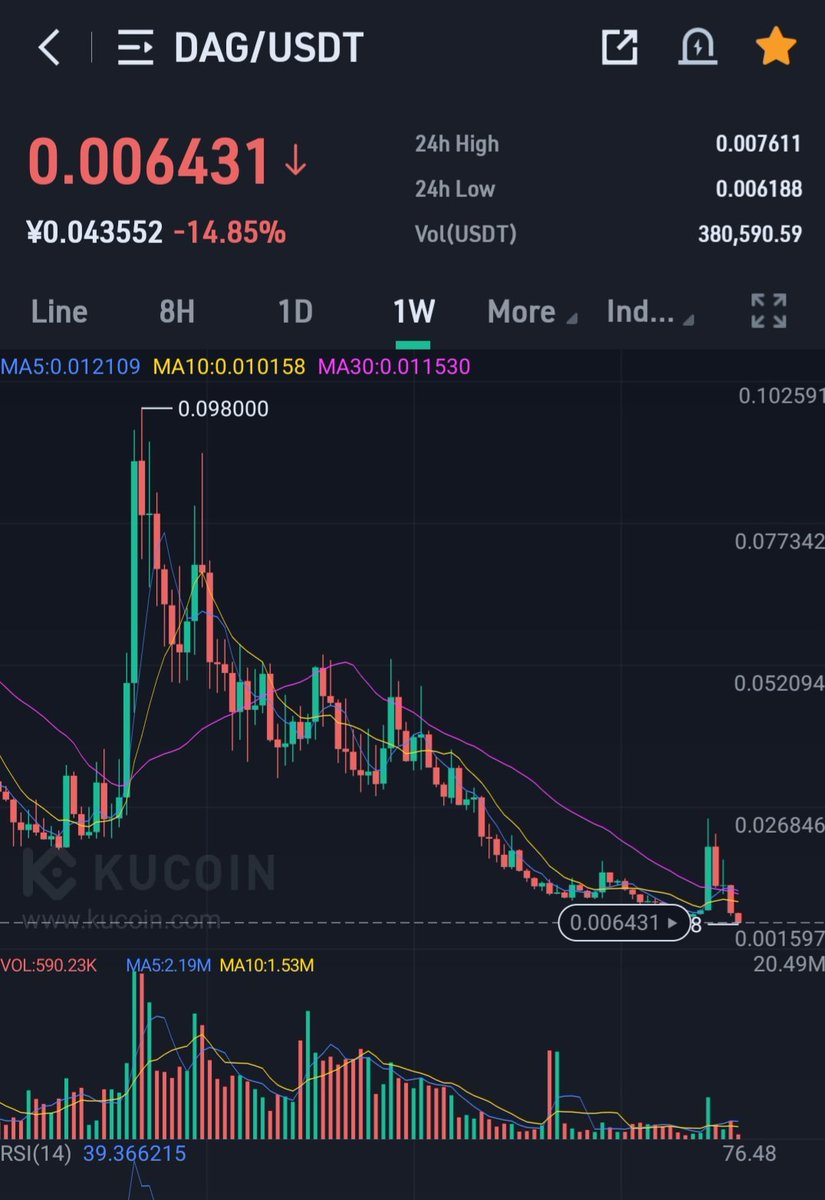
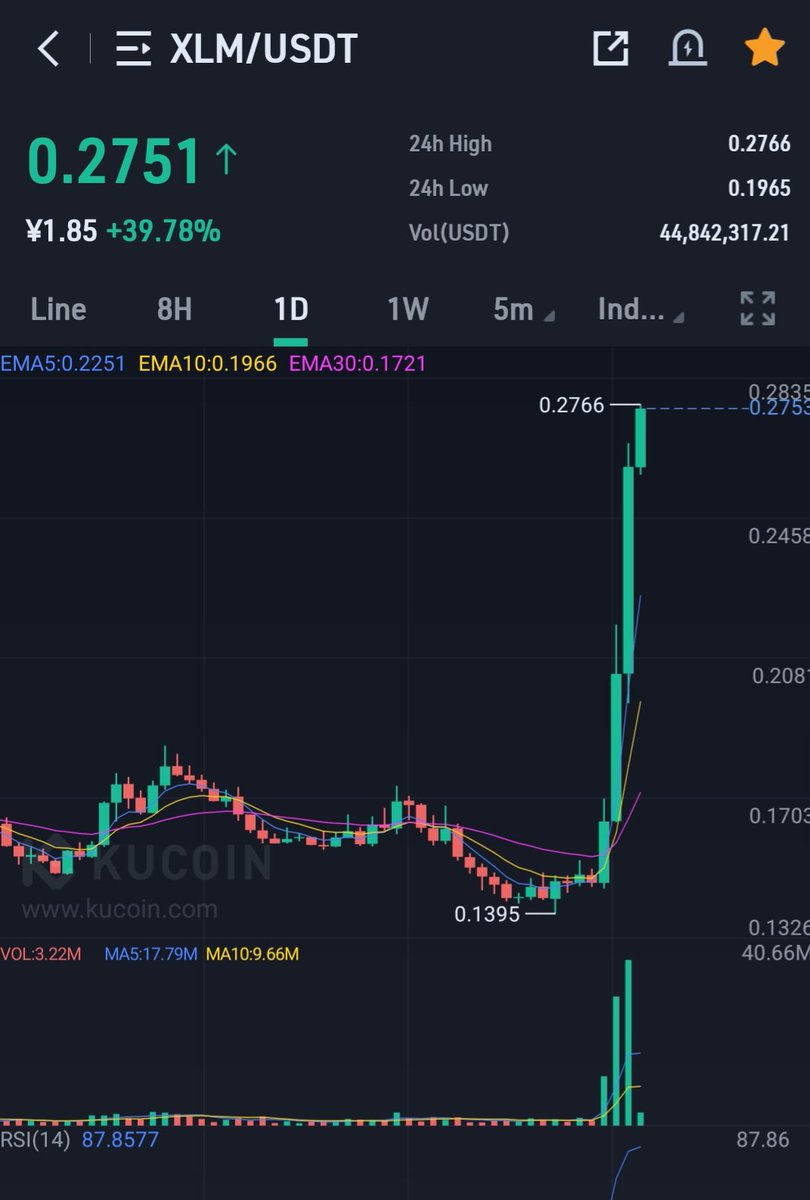


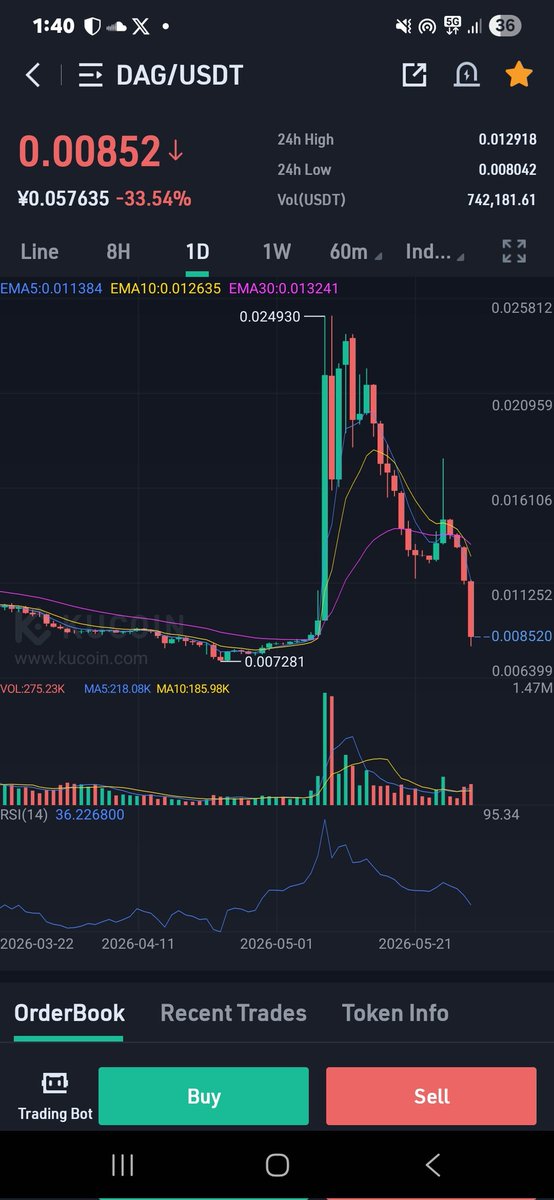
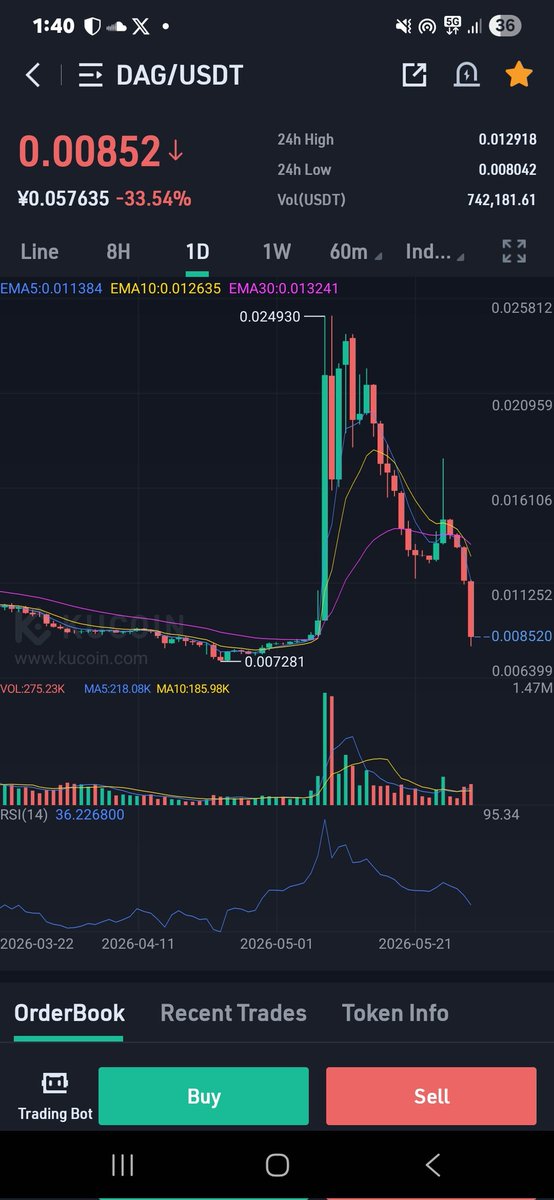





🇺🇸 US SECRETARY OF WAR OPENLY REVEALS PLAN FOR US MILITARY TO GAIN A STRATEGIC ADVANTAGE IN #BITCOIN
BTC IS NOW A MATTER OF NATIONAL SECURITY
THIS CHANGES EVERYTHING 🚀
17
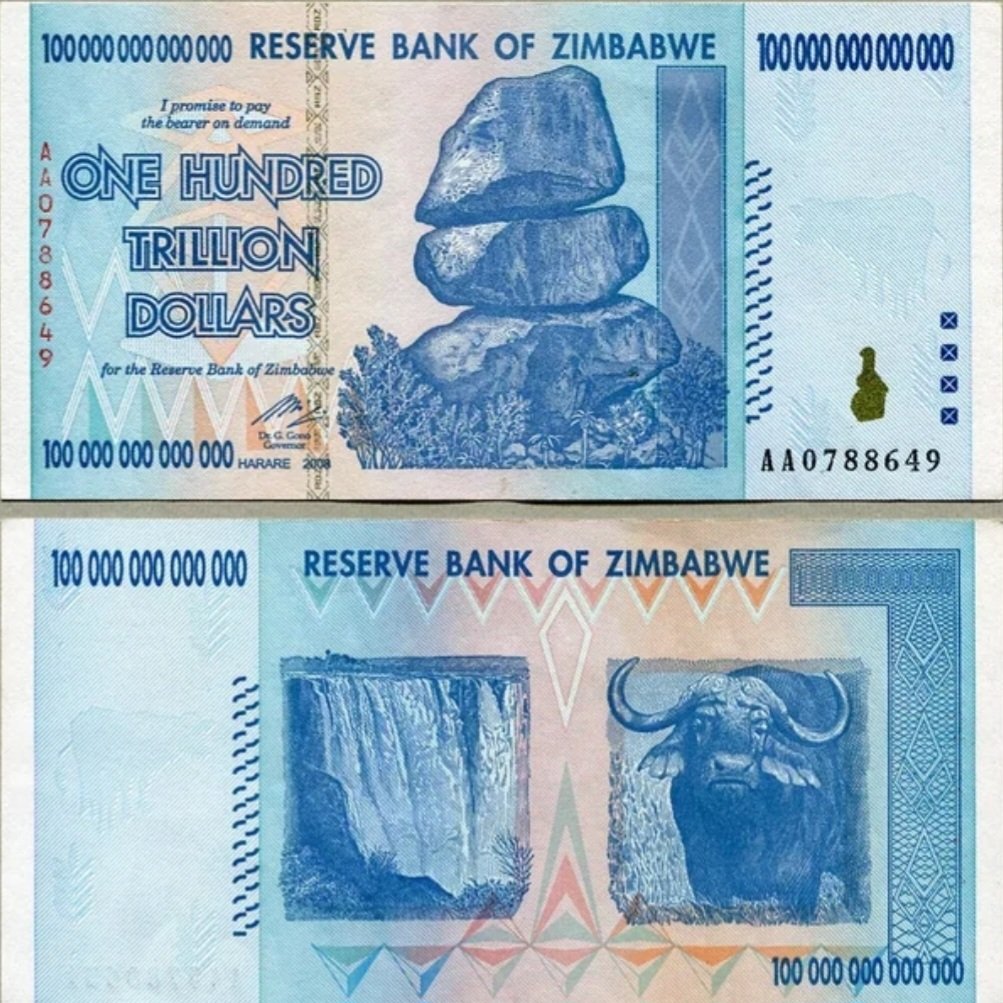
Trillionaires will be a dime-a-dozen when you measure them in forever inflating shitcoins like the USD.
Use the only measuring stick that matters.
BITCOIN

Here’s to the trillionaire class.
Let’s make more of them.
15
Kapiti Digital Assets retweeted

Today in 1973, the greatest horse race in history was run.
Secretariat won the Belmont Stakes by 31 lengths to become the Triple Crown winner and set a world record time that has never been beaten!
🎥: CBS Broadcast
704
3,360
27,669
3,308,329
Kapiti Digital Assets retweeted

Jun 9
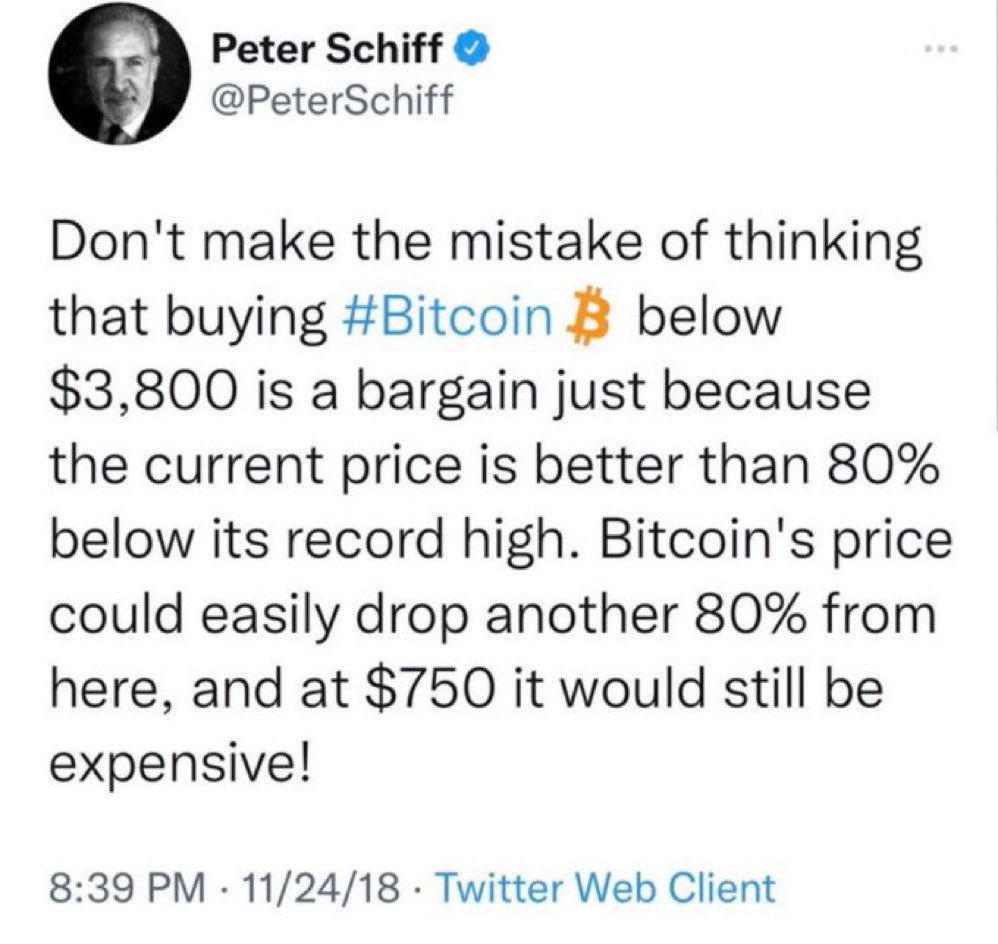
Peter looked at the single greatest asymmetric bet in monetary history — $3,800 for a piece of a 21-million-unit, permissionless, unseizable, decentralized monetary network — and said "nah, it's going to zero."
69
24
327
11,167
Kapiti Digital Assets retweeted

Jun 2
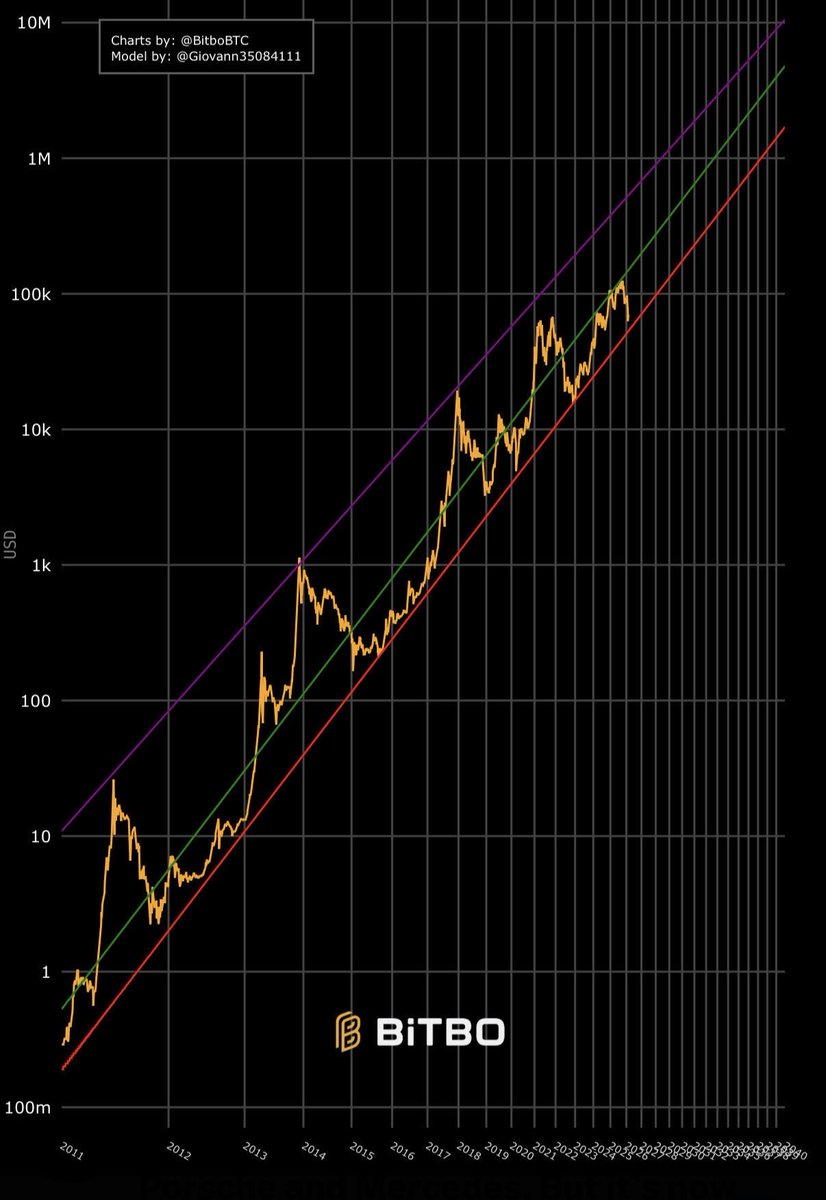
On days like today, it’s worth remembering that Bitcoin has been going to ZERO for the past 17 years.
66
184
1,857
55,430
Kapiti Digital Assets retweeted

May 21
JASON LOWERY: "Blaming Bitcoin to protect your failing hegemony is not going to help you, your financial system is still going to collapse."
"Bitcoin didn't cause a bunch of bankers to debase savers and to destroy the purchasing power of the currency."
3
8
41
1,156
Kapiti Digital Assets retweeted
May 21
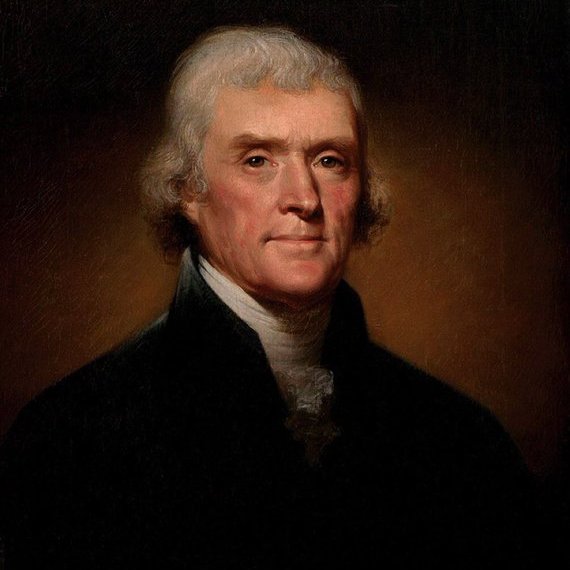
THOMAS JEFFERSON: "The banks… will deprive the people of all property until their children wake-up homeless on the continent their fathers conquered... The issuing power should be taken from the banks and restored to the people, to whom it properly belongs."

7
62
276
3,994
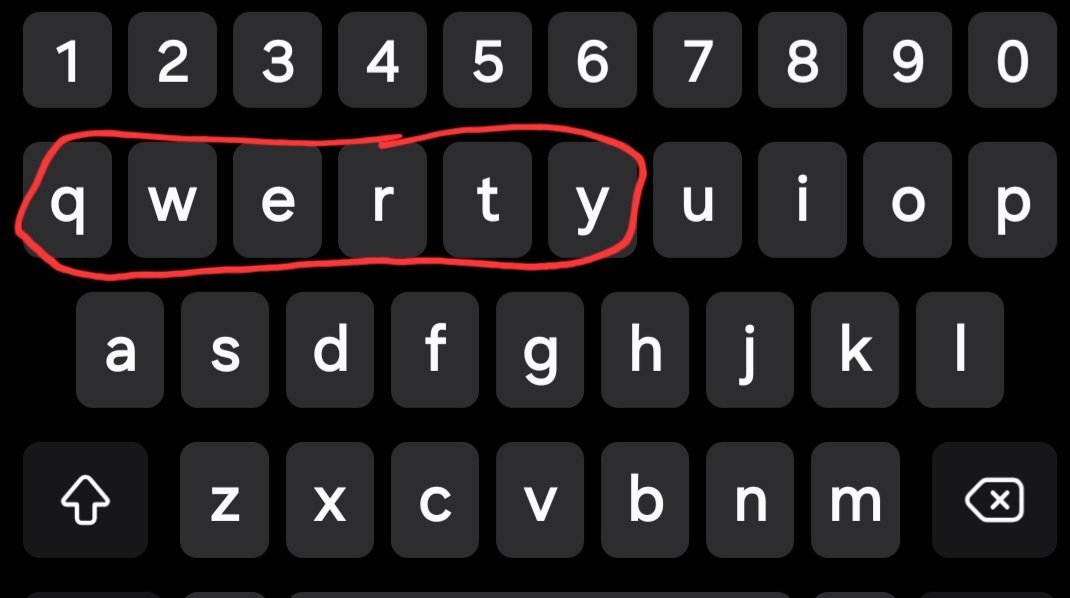
Just build a better keyboard, that silly QWERTY thing was only for mechanical typewriters back in the day.
Meanwhile 150 years later we are all still using the QWERTY keyboard.
Bitcoin is 1000x this.
May 20

Bitcoin? Anyone can replicate it. It's just software. Copy-paste. Done.
It's not going to work.
Write your lines of code.
Launch your network.
Bootstrap global consensus from zero.
Convince miners to burn electricity for your token.
Get nation-states, corporations, and sovereign wealth funds to treat it as pristine collateral.
Achieve 16 years of unbroken uptime.
Survive coordinated attacks from central banks, governments, and legacy financial cartels.
Build a $2 trillion market cap.
I'll wait.
LOL! But I'll be waiting forever because you can't.
Why? Bitcoin isn't just code.
Bitcoin is
• network effects
• Schelling point convergence
• Thermodynamic security anchored in real-world energy expenditure.
You don't "replicate" Bitcoin any more than you "replicate" the internet.
If you could just replicate a Bitcoin, then create a Bitcoin.
But we both know, you can't.
70
Get you some Bitcoin...

Every textbook says fiat dies the same way: a speculative attack.
1992: Soros borrowed pounds, and sold them for marks. The Bank of England burned tens of billions trying to defend the peg, and lost. The pound devalued 25% in a week.
1994: Investors rotated out of pesos into dollars as Mexico's foreign reserves drained. The Banco de México burned through $25 billion before abandoning the peg. The peso halved within days.
1997: Thai baht traders forced the Bank of Thailand to abandon its dollar peg. Five Asian currencies caught fire within twelve months.
1997: South Korea exhausted its reserves defending the won. The IMF stepped in with a $58 billion bailout — the largest in history at the time. The won lost half its value.
2001: Argentine savers quietly converted pesos to dollars at the margin. The corralito froze accounts. The peso lost 70% when the peg finally broke.
Every textbook attack runs the same five-step mechanic:
1. Sound money exists outside the local currency.
2. Holders rotate at the margin.
3. The central bank defends with reserves.
4. Reserves deplete.
5. The peg breaks. The currency collapses.
Bitcoin is the same attack — and it's been running quietly for sixteen years.
The "outside money" is digital, decentralized, and uncensorable. The "holders" are anyone with an internet connection. The "central bank" can't print Bitcoin to defend.
Hugo Stinnes ran a corporate version of this playbook against the Reichsmark a century ago. He borrowed marks at fixed terms and converted them into industrial assets — factories, mines, ships, real estate. When Weimar hyperinflation hit in 1923, his debts evaporated and his empire stood. He died one of the richest men in Europe.
Saylor figured out the digital version. He's not "diversifying treasury." He's running a textbook speculative attack — borrowing dollars at low fixed coupons, converting them to Bitcoin, waiting for fiat to debase.
The asymmetry is simple: every dollar borrowed is repaid in weaker dollars. Every Bitcoin held gains in real terms.
Always short the dollar.
Metaplanet is running the same playbook in yen. They are not just "hedging the balance sheet." Japan printed roughly ¥700 trillion in the last decade and the yen sits at multi-decade lows. The BTC trade is twice as good there because the currency leg is already collapsing.
The CEOs who haven't joined yet aren't being conservative. They're being slow.
The Pharaoh's view: sixteen years in, this is the most successful speculative attack in monetary history. And the snowball is just getting started. The only question is who's positioned when the unwind accelerates.
1
67
Bye bye

84
The TRUE UNICORN. 1 out of 8 BILLION, this young man could very well be the BEST basketball player the world will ever see. Enjoy the ride!
May 19

Asked Victor Wembanyama if he feels he is the best basketball player in the world now: “Do I feel like it right now? I feel tired. But it’s not a question I’m wondering right now. We’ll see. The world is 8 billion people, so it’s 8 billion opinions.”
116
There is not a human being on Earth that could have defended this shot. Once every 8 BILLION, a CAT like this comes along. Enjoy the ride!

30
This race will determine whether America is a cartoon-country or not - Choose wisely.
May 19

I’ve been on the ground in KY-4 and here’s what’s happening. Supporters of Thomas Massie are showing up, energized and passionate about their candidate and the America First values he represents. It’s a movement, not just a campaign. Ed Gallrein’s supporters, at least those not being paid, are just doing what they’re told to do. No passion, no real enthusiasm. That’s why they had to fly in the Secretary of War from Washington at the last minute, but it’s not enough. In this election, energy and passion will beat all the tens of millions of dollars from Israel First billionaires airdropped into this rural district. Reminds me of the Tea Party’s energy and commitment in 2010 when citizens beat the Republican establishment, all the experts and their expectations, and won. That’s why Thomas Massie wins tomorrow.
19
Yeah, but what about Marilyn?
May 15

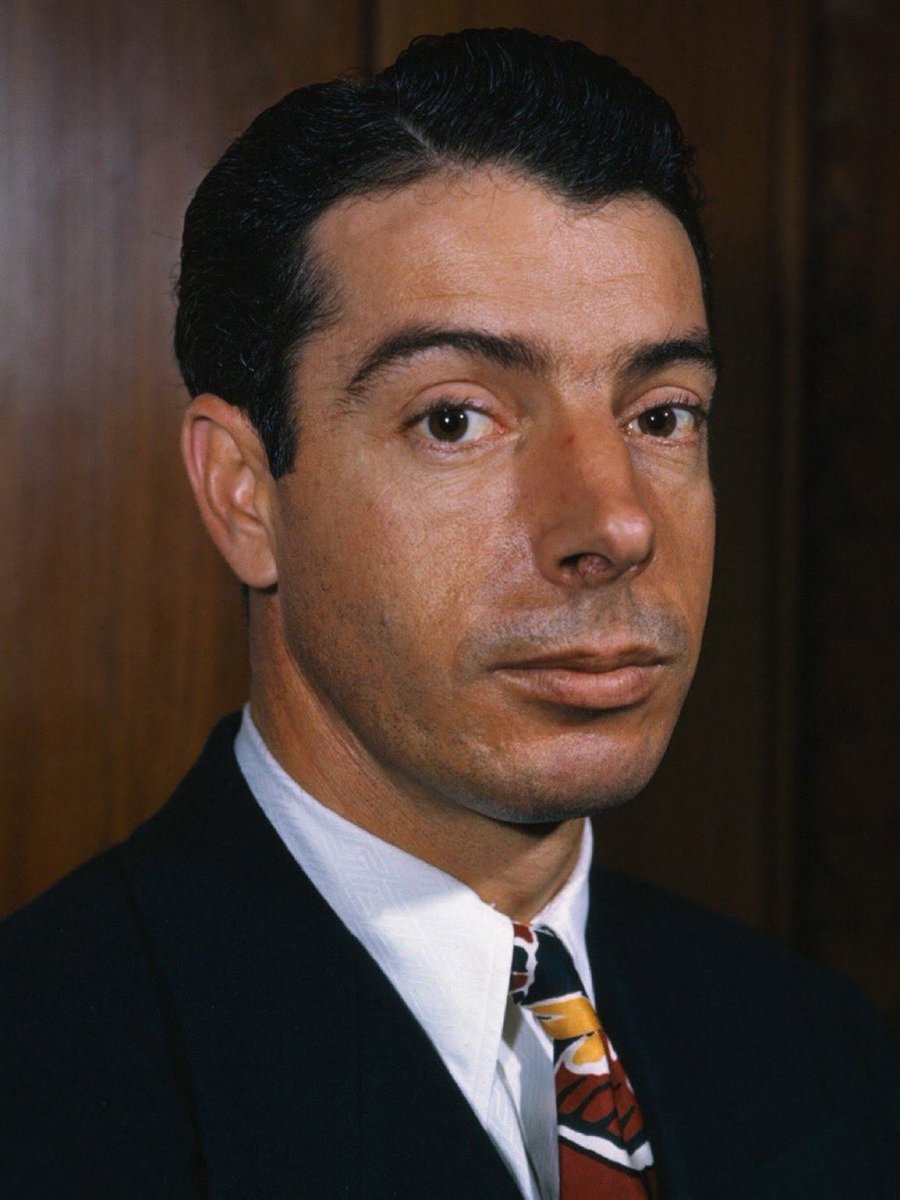
Joe DiMaggio 13 year career:
1936 - World Series
1937 - World Series
1938 - World Series
1939 - World Series
1941 - World Series
1943 - WW II
1944 - WW II
1945 - WW II
1947 - World Series
1949 - World Series
1950 - World Series
1951 - World Series
45
Simply one of the greatest basketball moves ever, extraordinary awareness.

45 years ago today.. Larry Bird knew that shot wasn’t going in, and that quick thinking turned it into an iconic play..
2
53
This is #SOFTWAR
@JasonPLowery

BREAKING: ADM Paparo, 4-star Admiral and Commander of U.S. Indo-Pacific Command, just testified before the Senate that “Bitcoin shows incredible potential” as a tool for U.S. national security. Watch the full exchange:
1
3
61
Kapiti Digital Assets retweeted

Apr 17
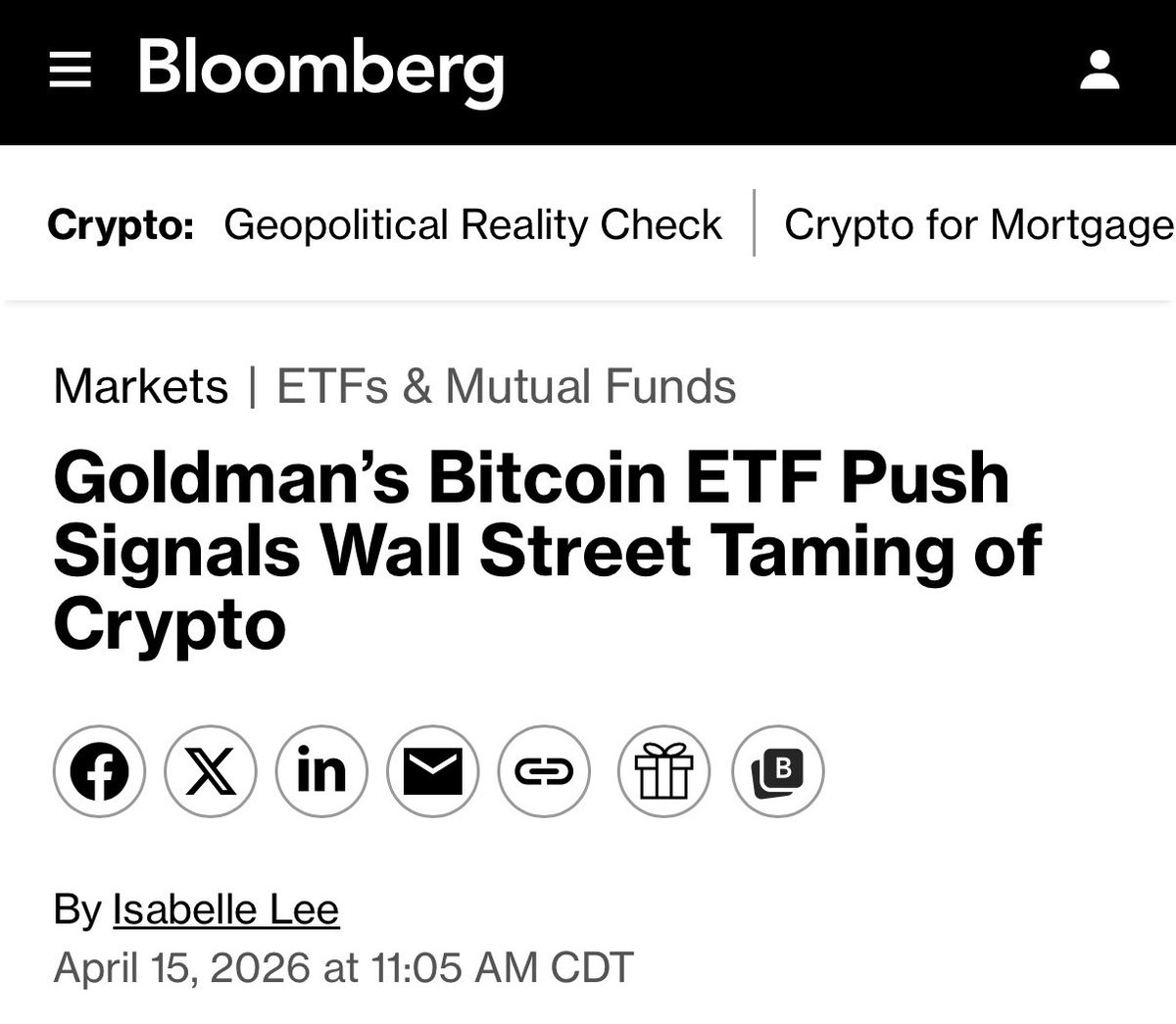
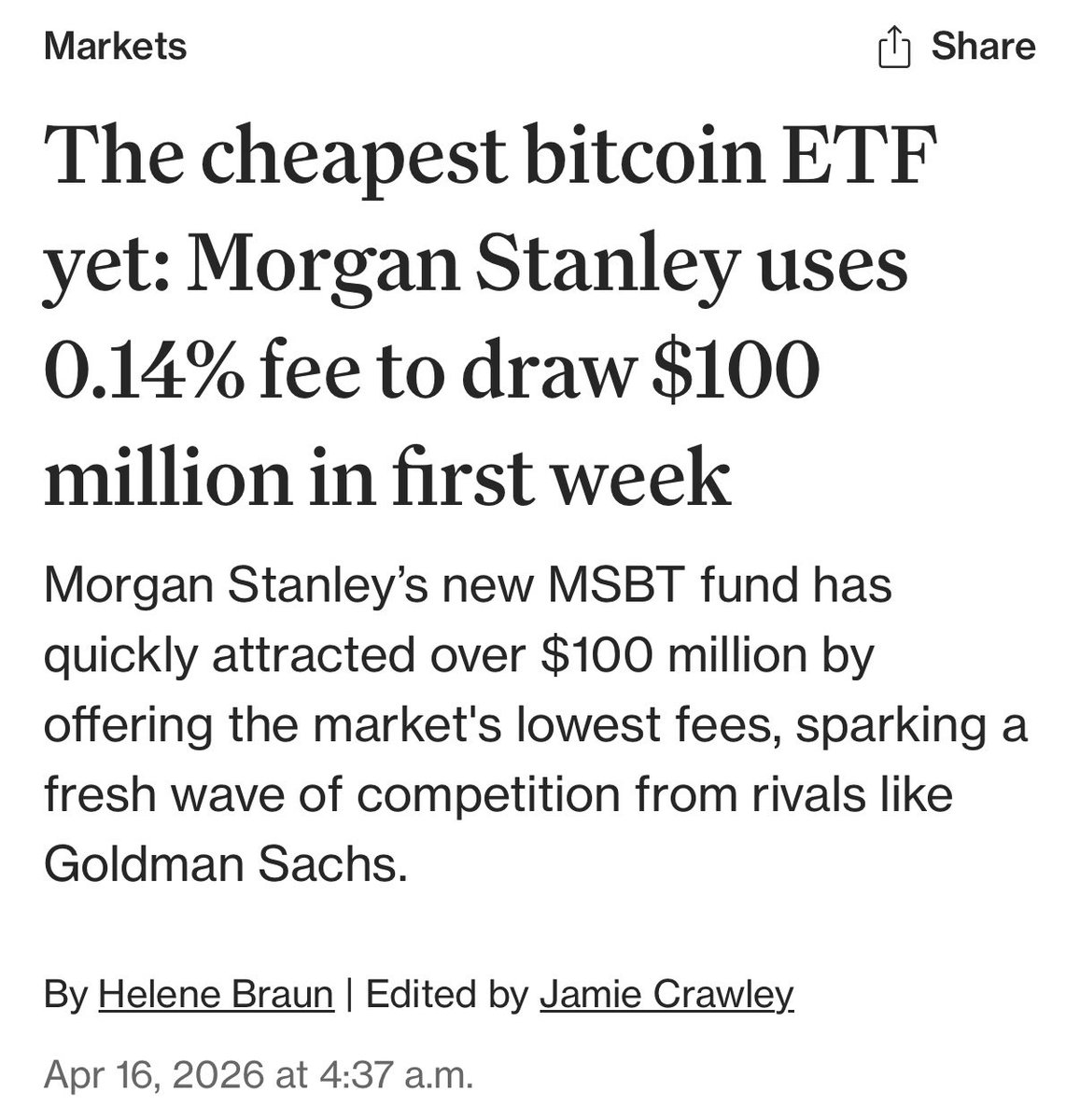
Look at these headlines from past 24hrs…
Goldman Sachs launching btc-related ETF.
Morgan Stanley’s most successful ETF launch ever is btc ETF.
Charles Schwab rolling out direct spot crypto trading.
New York Stock Exchange all in on crypto.
Wall Street has literally arrived.


106
530
2,432
304,232
Kapiti Digital Assets retweeted

Apr 15
Next time someone says, "Bitcoin is just a bubble", show them this 👀
5
25
123
6,623
Kapiti Digital Assets retweeted

Mar 16
For the first time in four years, kākāpō are breeding again.
Experts are optimistic that 2026 could deliver the most productive breeding season for the kākāpō in decades. These critically endangered, flightless, nocturnal parrots—native exclusively to New Zealand—are among the world's heaviest and most intensively managed bird species. Their reproduction is highly irregular, occurring only every two to four years when native rimu trees undergo a "mast" event, producing an abundance of protein-rich fruit and seeds that provide the essential nutrition for egg-laying and chick-rearing.
After a four-year hiatus since the last major breeding in 2022, the pattern has shifted dramatically this year. A significant rimu mast is underway, triggering widespread mating activity that began as early as late December 2025. Males congregate in traditional leks—communal display areas—where they construct intricate networks of cleared tracks and bowl-shaped depressions to amplify their deep, booming calls. These resonant, low-frequency sounds carry far through the dense forest, attracting females for courtship.
The Kākāpō Recovery Programme, run by New Zealand's Department of Conservation (DOC) in partnership with Ngāi Tahu, now monitors the entire known population of 236 individuals (as of early 2026), including 83 breeding-age females. Every bird is fitted with a small radio transmitter to track movements, mating behavior, and nesting success in real time. Females typically produce one to five eggs but usually fledge just a single chick per season, meaning even high participation could yield a substantial influx of young—potentially the highest number since systematic records began 30 years ago.
Conservation strategies for kākāpō rank among the most hands-on globally: decades of efforts have included hand-rearing chicks, supplemental feeding, predator-free island translocations, and vigilant nest protection. For 2026, however, managers are deliberately scaling back intervention in many cases—allowing more eggs to incubate naturally and permitting mothers to raise offspring with less human involvement. This approach aims to foster greater self-sufficiency and resilience in the population.
As Deidre Vercoe, operations manager for the kākāpō recovery program, explained: “We want to create healthy, self-sustaining populations of kākāpō that are thriving, not just surviving.” A robust food supply combined with reduced interference could mark a pivotal step toward that goal. If the season fulfills expectations, with chicks hatching from mid-February onward, it would represent meaningful progress in pulling this iconic species back from the edge of extinction.
[Department of Conservation (DOC), "Kākāpō breeding season officially underway" media release (January 6, 2026)]

22
329
1,434
38,325