Joined September 2020
- Tweets 12,187
- Following 687
- Followers 2,937
- Likes 94,226
1,779 Photos and videos













IcemanAssets retweeted

Jun 4
UK EXPOSED FOR HAVING ENERGY WEAPONS INSTALLED INSIDE TRAFFIC LIGHTS
These are in fact high frequency beam weapons that can be aimed at specific people!
209
3,962
9,776
267,885
IcemanAssets retweeted

Jun 1
The bodycam footage of Henry Nowak has just been released.
An 18-year-old who was stabbed FIVE TIMES called the police for help.
His attacker told officers Henry was a racist.
So they handcuffed the victim.
Henry told them over and over:
"I've been stabbed."
"I can't breathe."
"Please brother, I can't breathe."
An officer responded: "You've been stabbed, mate? I don't think you have."
Henry died in handcuffs.
The mainstream media has said NOTHING.
Where is the same outrage from when George Floyd died?
Watch this footage. Share it everywhere.
Pray for Henry’s family. x.com/Bigfoot_USA/status/206…
2,728
21,885
46,742
1,208,701

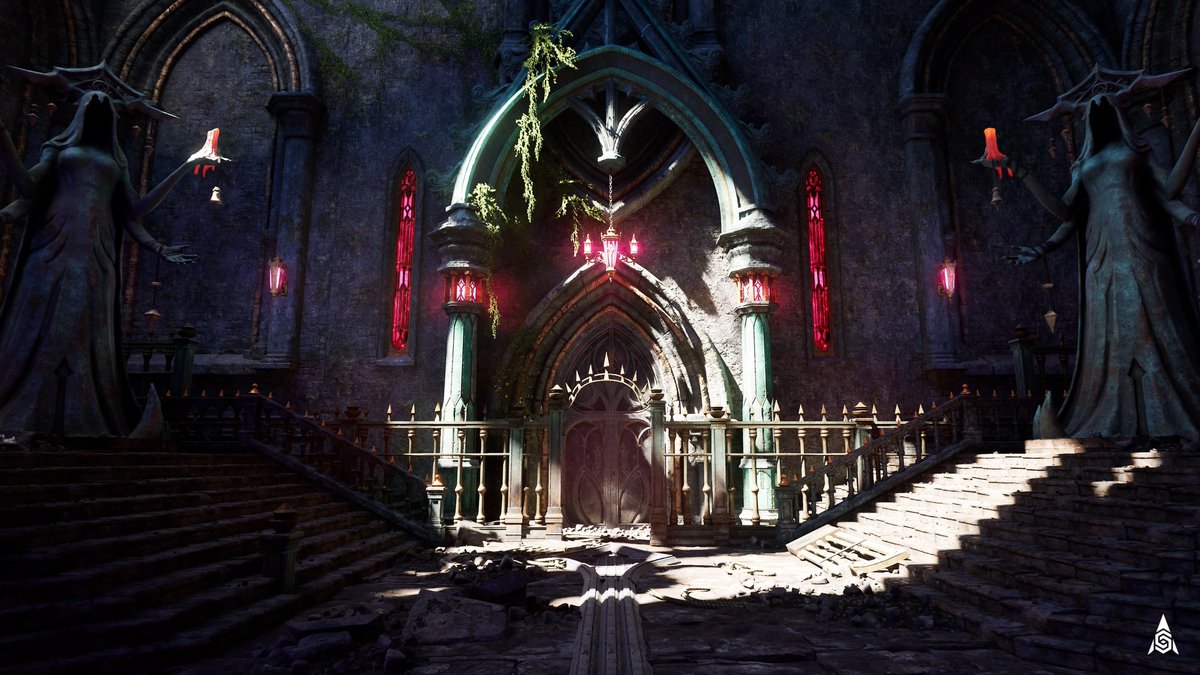
In AVALON, the world reacts to everything around it in real time.
As snow blankets forests and rooftops, rivers freeze over, and roads become slick with ice.
Just as the seasons reshape the land, players can leave their own mark on the world around them too.
Join our Discord and start your legacy.

5
17
46
2,069
IcemanAssets retweeted

May 21
THIS just cannot last, the country would need to be as wealthy as Saudi Arabia to sustain this level of payouts to people who have never, and will never, contribute one cent to the economy
It's bonkers

32
195
995
67,550
IcemanAssets retweeted

May 22
Ireland 🇮🇪
An Irish farmer has been thrown off his farm and refused to be let back on with a cohort of migrant scum forcing him off his own land.
Africans, Muslims and Asians - who have absolutely no connection to Ireland, are telling the Irish farmer to get off his own land and stay away.
When is enough going to be enough?
2,001
6,725
19,487
1,415,140
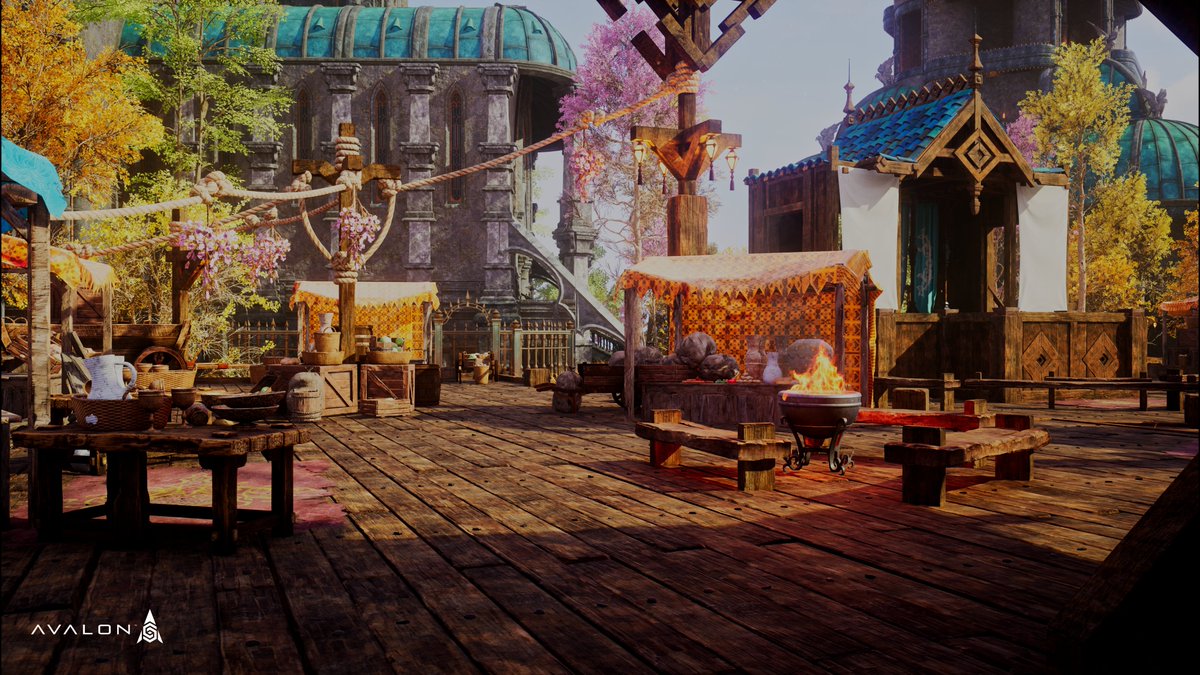
Beyond the core story, players are building arenas, quests, and entirely new experiences for others to discover across the multiverse.
Every creation becomes part of a connected multiplayer adventure.
Join our Discord and open a collab ticket to participate.
7
28
83
4,535


IcemanAssets retweeted

24 Dec 2025
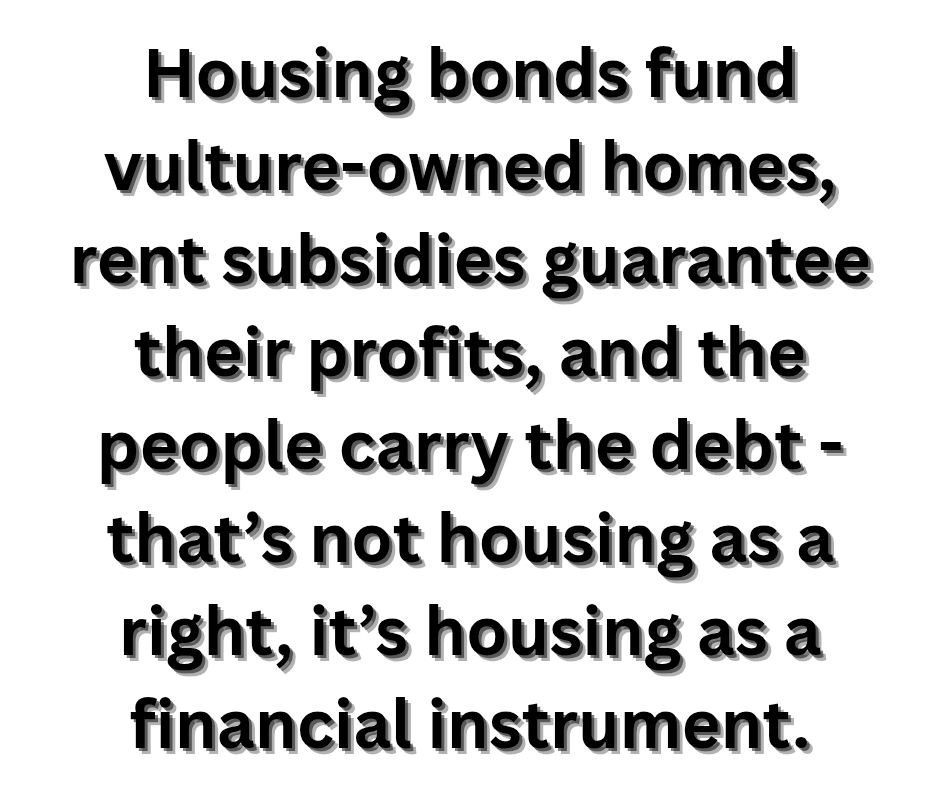
How vulture funds plug directly into housing bonds
When the State issues housing bonds, it creates a predictable, State-backed cash environment. That environment is extremely attractive to vulture funds and large institutional investors, because:
• The debt is sovereign (backed by the people)
• The cash flow is guaranteed (tax subsidies)
• The risk is socialised
• The return is private
Vulture funds don’t need to build communities or solve housing. They need:
• stable rent streams
• long time horizons
• State-guaranteed demand
• Bond-financed housing policy creates exactly that.
So what happens?
• Bonds raise capital in the people’s name
• Capital inflates land and property prices
• Funds buy housing stock at scale
• The State becomes the payer of last resort
At that point, the market is no longer a market - it’s a State-underwritten investment platform.
How rent subsidies lock the cycle permanently
This is the trap.
Instead of using public borrowing to build and retain public housing, the State does this:
1. Issues bonds (public debt)
2. Housing costs rise
3. Ordinary people can’t afford rents
4. The State introduces rent subsidies
5. Subsidies go directly to landlords / funds
6. Rents rise to absorb the subsidy
7. More subsidies are needed
This is not accidental. It is a closed financial loop.
Rent subsidies do not reduce rents.
They guarantee them.
They act as:
• Income insurance for landlords
• Yield stabilisers for funds
• Justification for continued borrowing
The tenant never escapes. The fund never loses. The debt never shrinks.
Why this makes the people pay three times
Under this system, the same person pays:
1. As a taxpayer - servicing housing bonds
2. As a renter - paying inflated market rent
3. As a beneficiary - receiving partial subsidy from their own liability
This is not welfare.
It is circular extraction.
The State takes money from the people, uses it to stabilise investor returns, then feeds a fraction back to the same people to survive the prices it created.
Why this violates housing as a right (not just policy)
Housing as a right means:
• access is primary, not conditional
• security of tenure is fundamental
• homes are not treated as financial instruments
• public resources prioritise use, not yield
Bond-plus-subsidy housing does the opposite:
• it treats housing as a rent-generating asset
• it replaces ownership and security with dependency
• it ties shelter to market participation
• it subordinates people to debt logic
That is a structural violation, not a bad outcome.
When the State knowingly adopts a model where:
• Public debt fuels private accumulation
• Shelter is rationed through rent support
• And scarcity is maintained to protect yields
it has abandoned housing as a right and replaced it with housing as a financial product.
The fiduciary breach made explicit
Under a fiduciary framework:
The State may borrow only to advance the people’s interests.
But here:
• The people carry the debt
• The funds capture the asset
• The State guarantees the rent
• And the public never owns the housing
That is textbook breach of trust.
The borrowing is public.
The benefit is private.
The risk is collective.
The control is external.
The unavoidable conclusion
This is not a housing shortage. It is not a capacity issue. It is not a planning failure.
It is financialised housing by design.
Housing bonds vulture funds rent subsidies create a system where:
• Homes are permanently scarce
• Rents are permanently high
• Public money permanently props the market
• And the people permanently pay
1
2
129
IcemanAssets retweeted

28 Nov 2025
This is the most jaw-dropping 4 minutes and 21 seconds you will watch this year.
Nicole Shanahan — ex-wife of Google co-founder Sergey Brin, former running mate of RFK Jr., and someone who personally signed nine-figure philanthropy checks — just went full whistleblower on the entire Silicon Valley “tech wife mafia” and how they were used.
Her exact words (full clip attached):
“I don’t think many of the tech mafia wives realize… they were used to set the groundwork for what Klaus Schwab calls The Great Reset.
Their money especially was being conscripted through a network of NGO advisors, Hollywood, Davos, and their own companies.
A really small group of people… completely blind to how their groundwork is being used to enable these Great Reset policies.”
Then she turns the knife inward:
“These women find their meaning through philanthropic work. I really believed I was helping Black communities and indigenous communities rise up.
But now the problems have gotten worse. Crime worse. Mental health worse. The whole model is broken.
At the end of the day they always go: ‘But climate change.’
Social justice climate change — it gets progressive women 100% of the time.”
She even says many now believe the biggest “climate change issues” are actually geoengineering issues.
This isn’t some random podcast bro.
This is a woman who lived in the mansions, sat on the boards, flew private to Davos parties… and is now saying:
“We were the useful idiots.”
Watch the full unedited 4:21 below. Sound on.
2,185
36,893
111,844
14,836,409
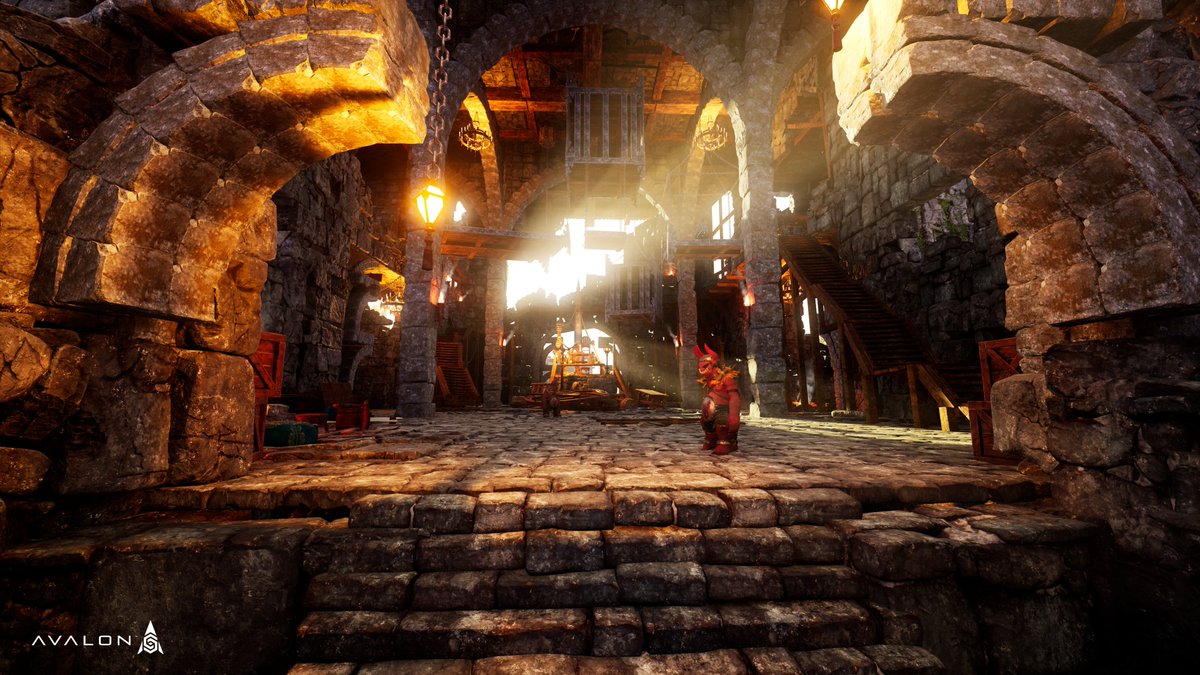
We’re building a home for builders and creators, giving you the tools to easily shape new living worlds.
Raise cyber cities, carve out wild forests, and even design the species that inhabit them.
Join our Discord to participate and open a collab ticket.
10
10
98
5,824