@MavsEliteE40 Director & Coach~ Paving the way for inner city WBB players to receive scholarship opportunities~ Changing lives daily!📱501.216.6692
Joined February 2012
- Tweets 13,212
- Following 4,039
- Followers 2,828
- Likes 10,295
990 Photos and videos




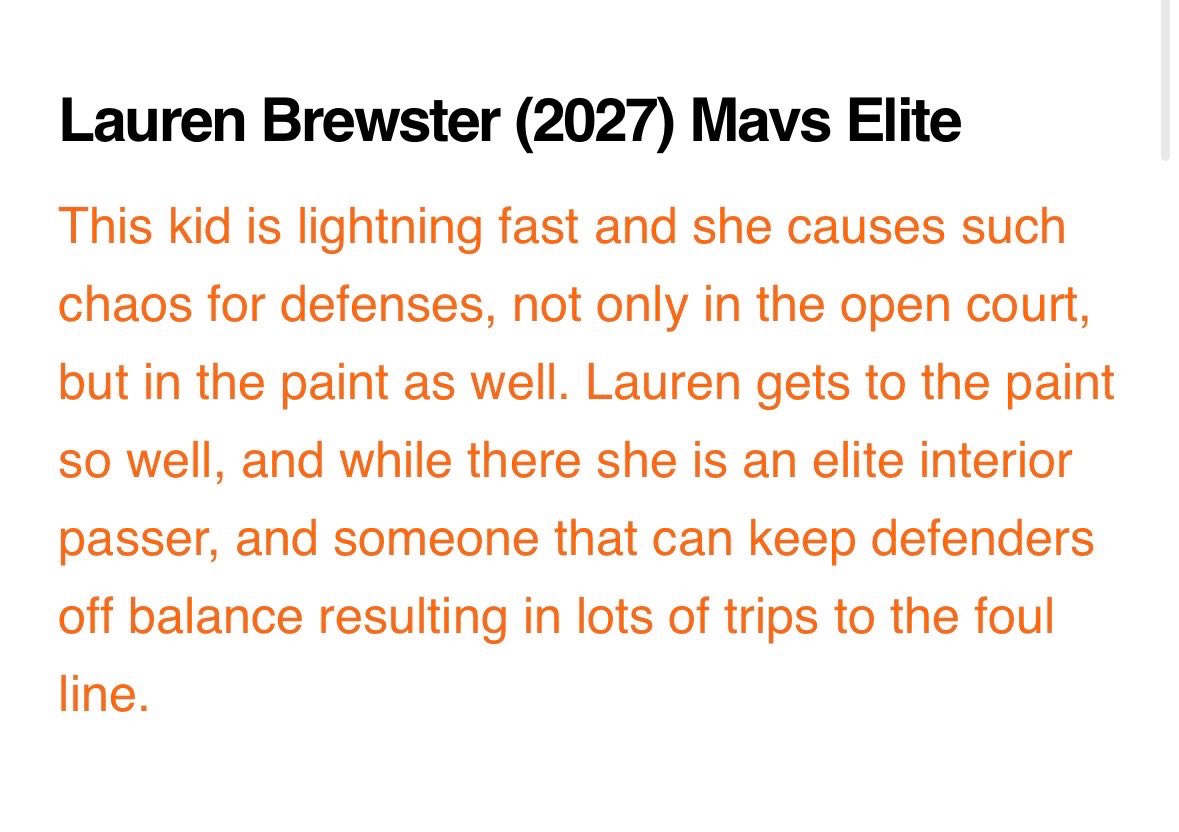
Pinned Tweet

14h
The smartest person in the room is the person that knows they’re not the smartest person in the room! #BrainFood
1
73
Coach Doug retweeted

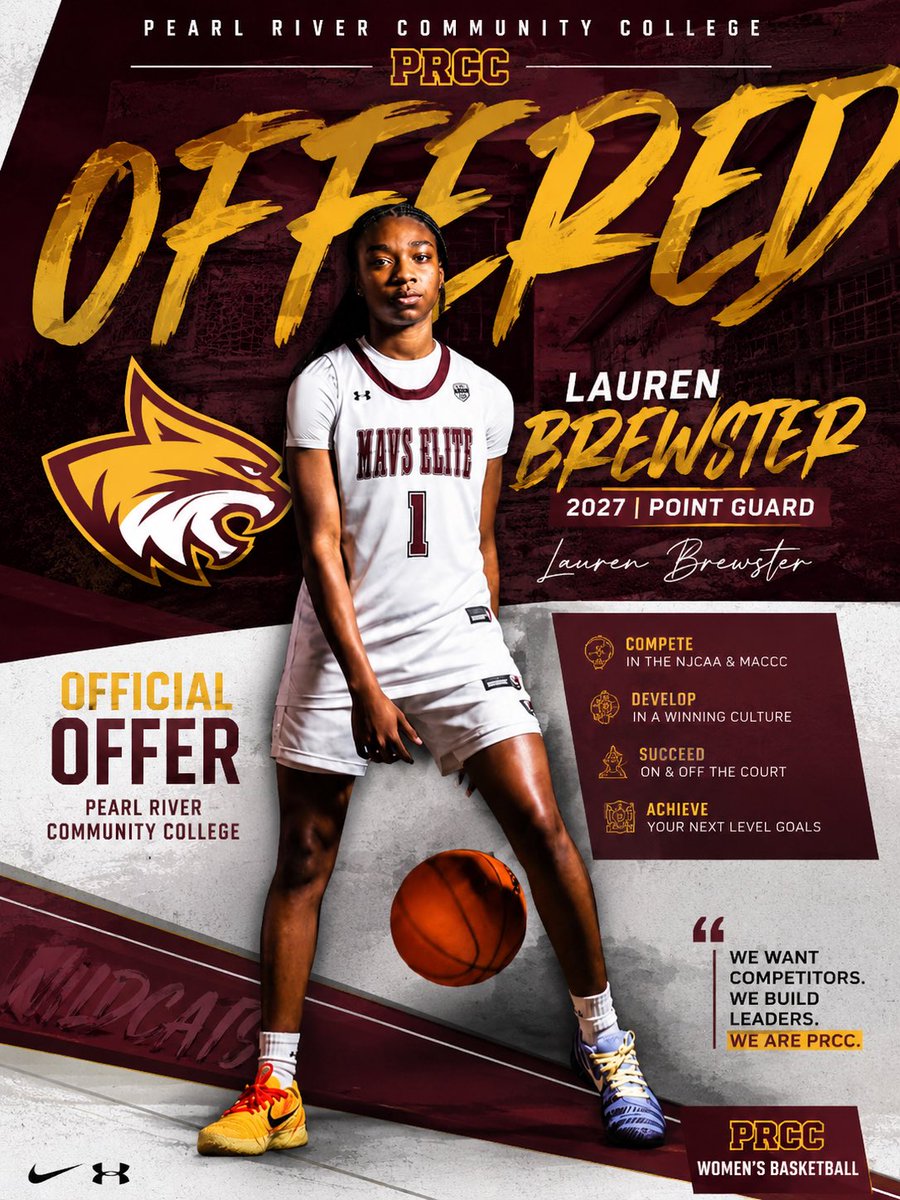
After A Great Call With @ShanaeGovan I’m Blessed To Receive An Offer From @PearlRiverWBB
@IconDoug @NLRladybball @bekahmc00
2
7
21
1,354
Jun 9
Parents want their kids to win but don’t want them to be held accountable!
Players want to win but don’t want to practice or be coached!
Coaches can fix skill sets and be great with X’s & O’s but without the necessary effort from players it means nothing!
2
146
Coach Doug retweeted

The WNBA needs to put the same machine behind Olivia Miles they had with CC. At the very least give her the Ionescu push.
She’s a superstar
401
1,018
6,800
626,316
Jun 2
🗣️💯

Someone make this make sense to me…
A player can play spot minutes on a circuit team, have very little responsibility, not guard the best players, not be asked to carry a team, put up below-average numbers, and college coaches fall in love because she “looks the part.”
Meanwhile, a player on a non-circuit team can play a great schedule, guard, handle, score, rebound, defend, lead, and be responsible for winning… and somehow the response is, “We need to see more.”
Make it make sense.
Take the circuit player and put her on a non-top circuit team where she has to be one of the best players on the floor every night against good competition. Could she do it? Could she lead? Could she help her team win?
Now take the non-circuit player and put her on a major circuit team. Cut her production in half because she’s surrounded by talent and suddenly she’s a Power 4 prospect with offers rolling in.
That’s the reality nobody wants to talk about. And it happens in high school basketball too.
Before anyone gets mad, this isn’t a shot at circuit basketball. Circuits matter. Exposure matters. Relationships matter.
But let’s stop pretending the jersey doesn’t influence perception.
This mindset is exactly why so many talented players are under-recruited. It’s also why so many college coaches are living in the transfer portal looking for answers. Sometimes we’re evaluating who looks the part instead of who has actually been asked to do the hard part.
And while we’re at it, maybe that’s why there are so many coaches in the coaching portal these days too. 😂
The game has gotten backwards.
And to the coaches who are offended by this post… don’t worry, you probably weren’t recruiting our kids anyway. 😂
2
358
Coach Doug retweeted

Jun 1
One of the reasons youth sports has become so complicated is because everyone involved is often chasing a different definition of success.
One parent wants college recruiting to be the primary focus. Another wants their child to enjoy the experience and make friends. Another wants championships. Another wants equal playing time. Another believes development matters more than wins. Another believes if you’re paying thousands of dollars, your child should be on the field or court.
None of those perspectives are necessarily or inherently wrong. They’re just different.
The challenge is that one coach, one team, and one season cannot satisfy all of them at the same time.
Parents are also navigating an increasingly confusing landscape. Travel teams, private trainers, recruiting services, showcases, camps, social media influencers, former players, college coaches, and other parents all offer advice. Often that advice directly contradicts itself.
One person says play multiple sports. Another says specialize early.
One person says development matters most. Another says exposure matters most.
One person says find the best coach. Another says find the team that will give your child the most playing time.
One person says your child needs more reps. Another says your child needs more rest.
One person says the child should attend prom and not miss life events. Another says team commitments should come before all else.
For families investing significant amounts of time and money, it can become incredibly difficult to know who to trust.
The coaching side is just as complicated.
Most coaches are not showing up every day trying to hold players back, target families, or play favorites. Most genuinely care about their athletes and want them to succeed. But coaches are often forced to make decisions where there are no perfect answers.
Should they prioritize winning or development?
Should they play the senior who has earned it or the younger player with a higher ceiling?
Should they focus on the best interests of one athlete or the best interests of the team?
Should they reward effort, production, leadership, potential, experience, or loyalty?
Every decision creates a winner and a loser in someone’s eyes.
A coach sees the entire roster. A parent sees their child.
Neither perspective is inherently wrong, but they naturally create conflict.
The reality is that parents often judge a season through the lens of their child’s experience, while coaches are forced to evaluate it through the lens of the entire team. Those viewpoints frequently collide.
Add in the emotional investment, financial commitment, social media comparisons, recruiting pressure, and the fact that every child develops at a different pace, and it becomes easy to see why frustration exists.
Youth sports isn’t difficult because people don’t care.
It’s difficult because everyone cares deeply.
Parents care about their children.
Coaches care about their teams.
Athletes care about their opportunities.
And when passionate people are pursuing different goals, disagreements are inevitable.
The best environments aren’t the ones where everyone always agrees. They’re the ones where expectations are clear, communication is honest, trust is built over time, and everyone remembers that there are many different paths to success in sports and in life.
12
39
159
20,955
Coach Doug retweeted

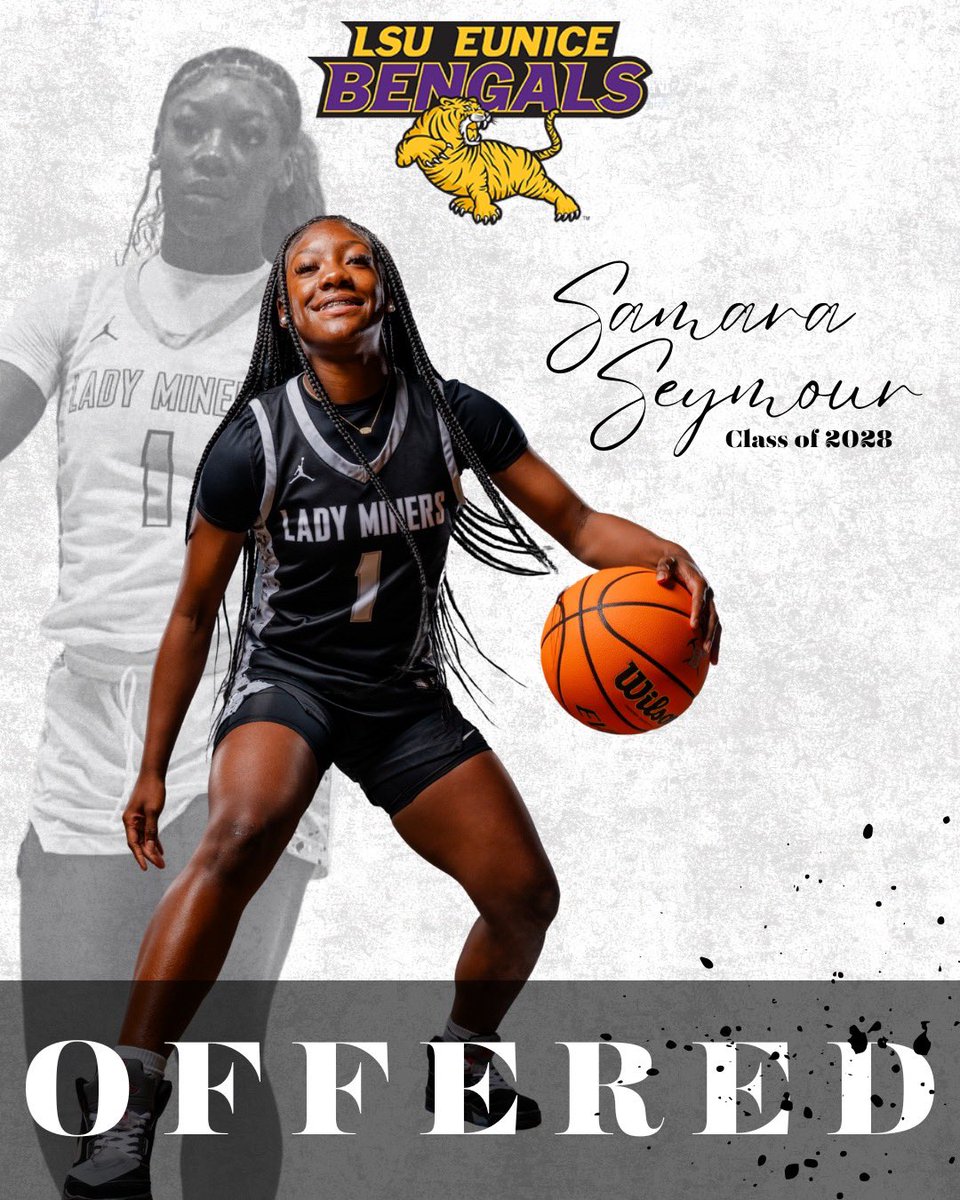
After a great conversation with @Coach_Beckmann I am blessed to recieve my first offer from @LSUEBengalsWBB . Thank you God .
2
7
11
878
Coach Doug retweeted

i just can’t believe Chet Holmgren’s performance. just insane to watch
51
54
650
19,614
Coach Doug retweeted

May 27
Only about 5% of high school hoopers play basketball in college. Take any & every offer and opportunity seriously.
4
94
393
33,802
Coach Doug retweeted

May 23
‼️‼️College Coaches‼️‼️
Maybe you guys should stop paying attention to what you think is wrong with a kid and focus on the things so right with them🤷♂️
We all have faults in everything we do. We build relationships, friends, and work based on the good things they bring us!! Focus on that!
1
2
24
2,734
May 25
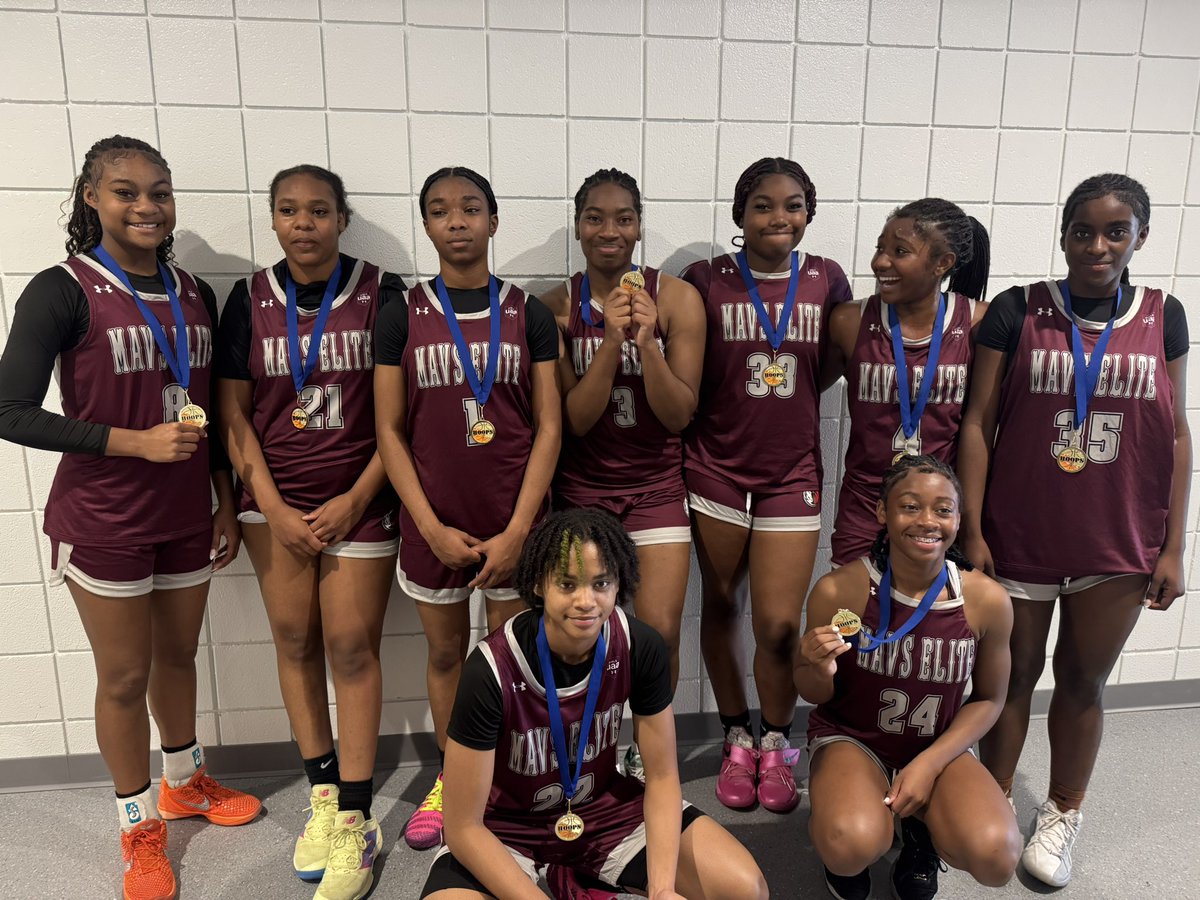
My @MavsEliteE40 17U squad checks all the boxes!
1. Coachable
2. Winners
3. Defend at high level
4. Make open shots
5. Good teammates
6. Love the game
7. Communicators
8. Hate to lose
9. Plays hard
10. Tough
1
8
439
Coach Doug retweeted

Based on offers I've seen, I see why some of these schools don't win! They can't evaluate talent!
Stop listening to these directors who push the names & trust ur 👀's on what ur watching & who ur watching ACTUALLY produce & impact the game!
More minutes don't = more productivity
3
6
37
2,466
May 22
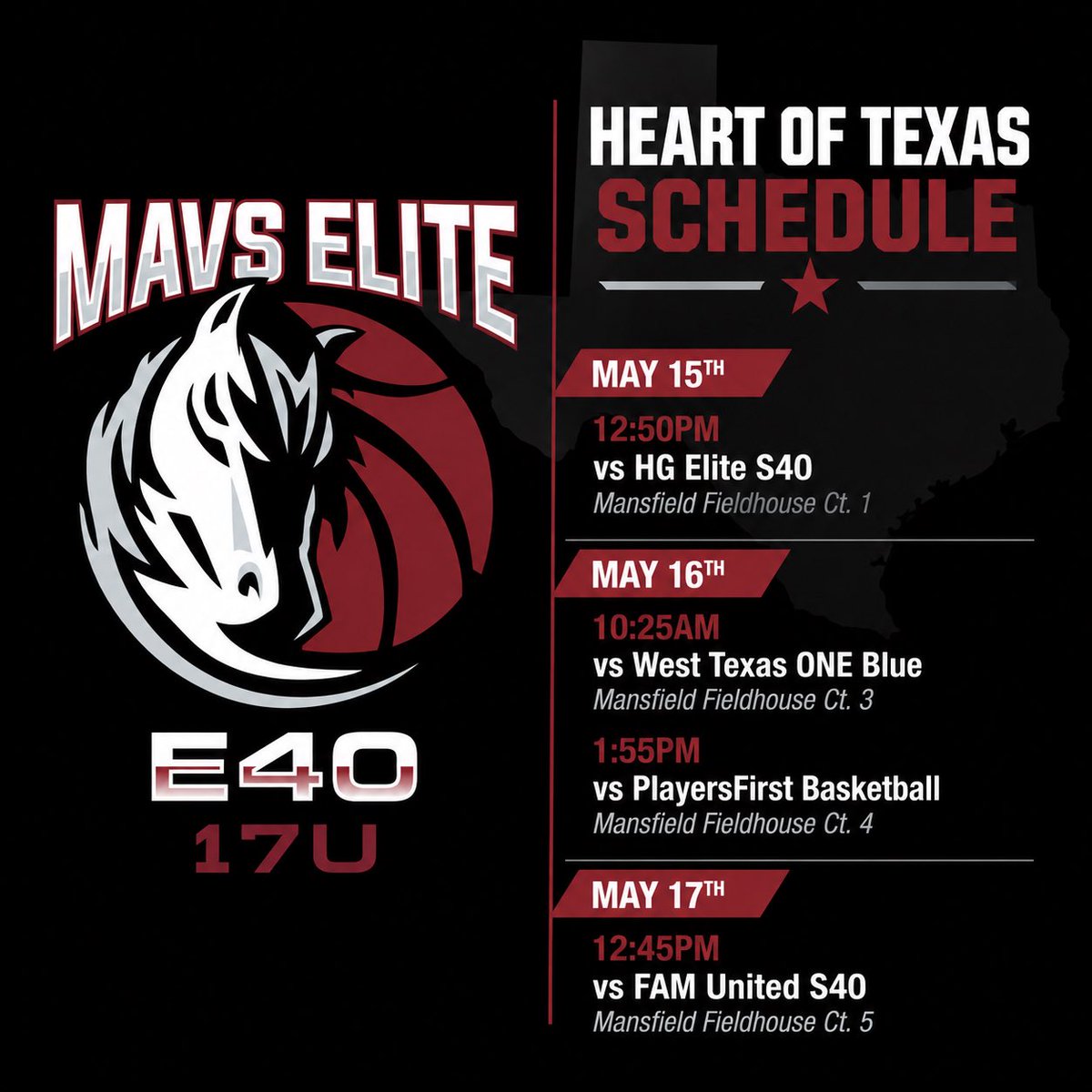
Schedule update:
Coaches your next time being able to see the ladies of Mavs Elite will be June 27-28 at the Texas Club Championships in Bryan, Texas!
@MavsEliteE40 @pd_skillz

4
13
884
Coach Doug retweeted

May 21
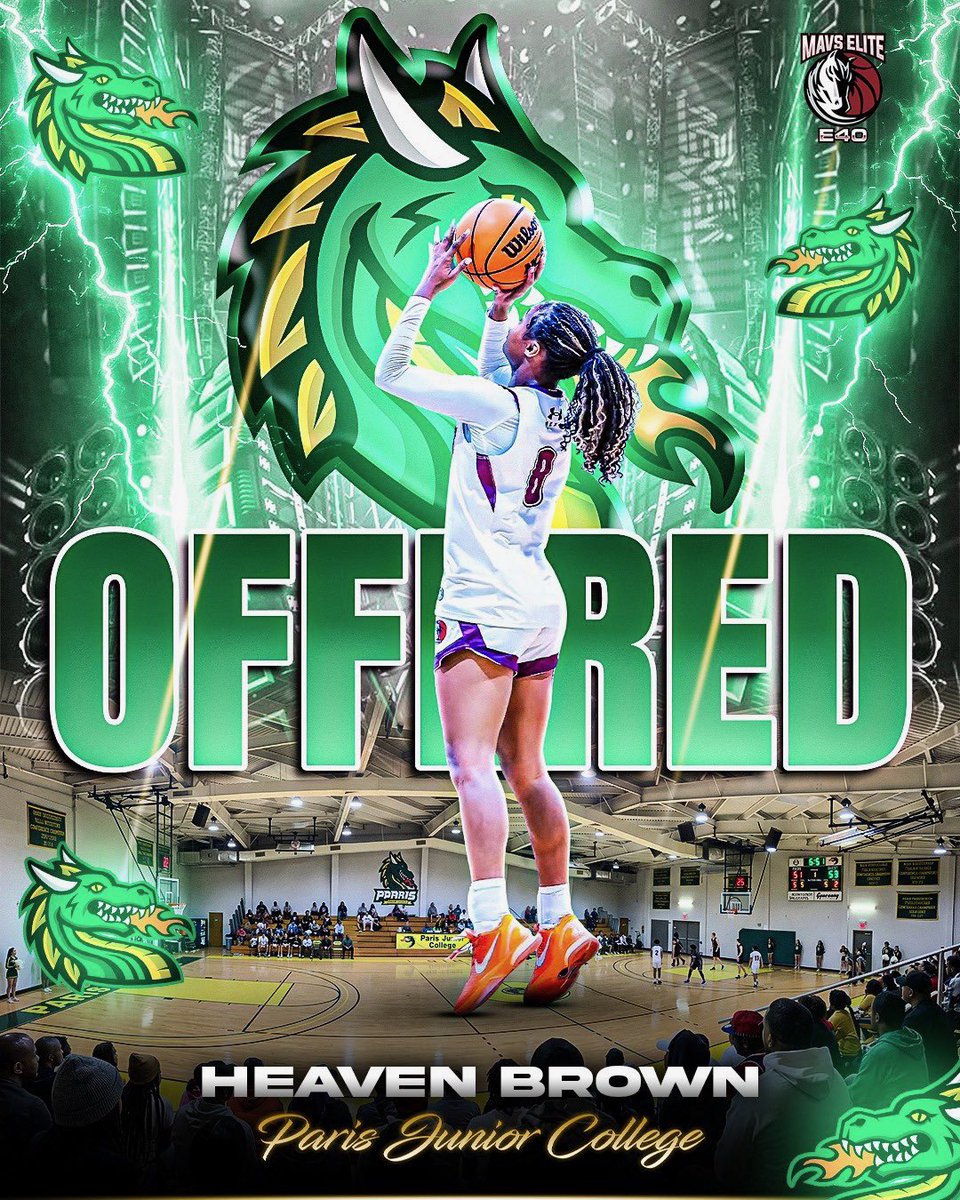
After a great conversation with @CoachBKChris, I am excited to receive an offer from @pjcwbasketball .
@IconDoug
1
6
14
1,017
Coach Doug retweeted

A lot of college coaches miss out on a lot of great talent because they’re only recruiting the ones that everybody else is recruiting #GrindHouseBasketball
8
29
175
10,933
May 21
Coaches if you tough and coachable players that defend look no further than Mavs Elite!
Players if you want development and exposure look no further than Mavs Elite!
@pd_skillz @MavsEliteE40
1
184
May 20
Coaches looking for tough players that are coachable with a good skill set, hit me up! Phone line stays open!
2
2
11
1,164