
CEO @IgniteAtlantic | Champion of rural entrepreneurship | Turning small-town dreams into big impact | 3x ABM Top50 CEO
Joined April 2013
- Tweets 1,132
- Following 563
- Followers 739
- Likes 1,463
170 Photos and videos













Doug Jones ⚡️ retweeted

Jan 12
More Support for Entrepreneurs, Businesses in Cape Breton news.novascotia.ca/en/2026/0…
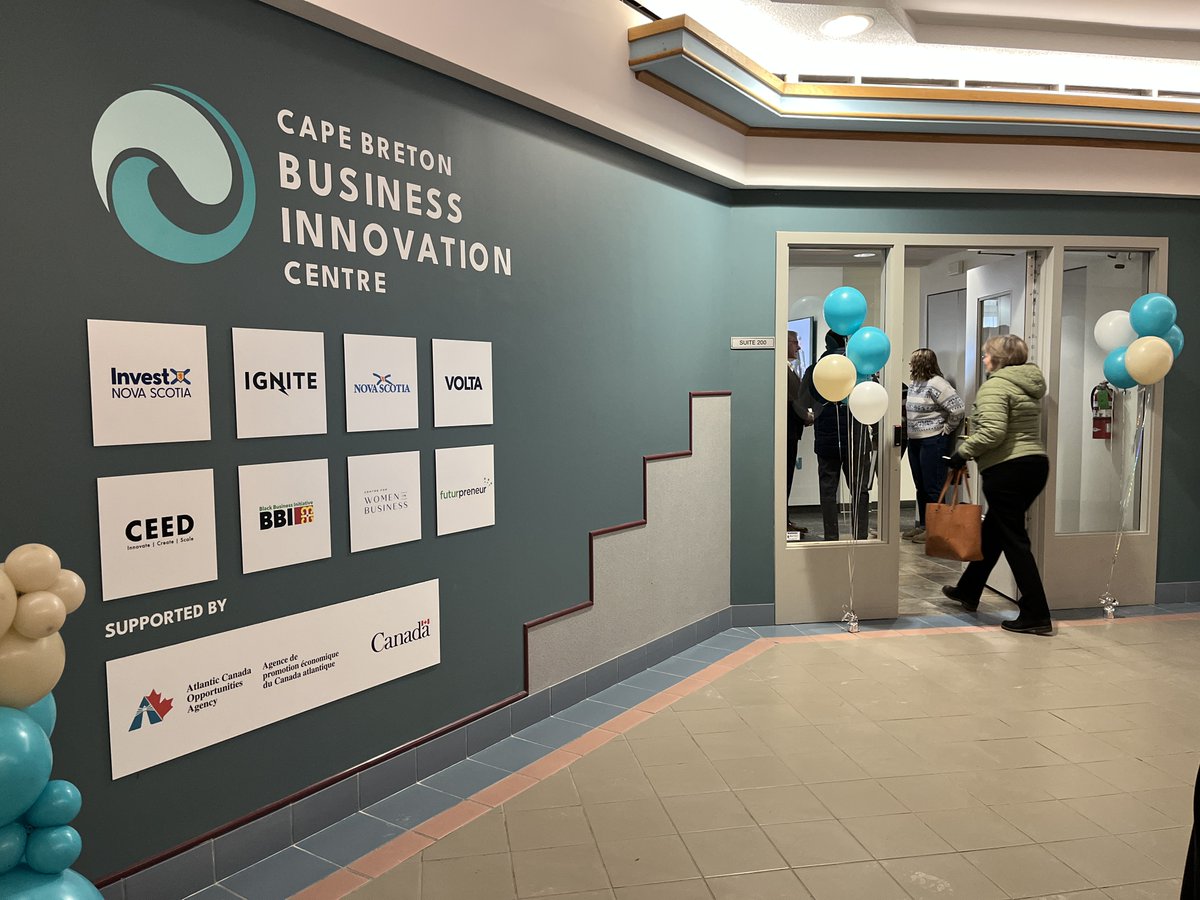
ALT The entrance to the Cape Breton Business Innovation Centre
2
3
3
1,894

10 Jun 2025
The Power of Small Wins: How Rural Innovation Mirrors British Cycling's Rise to Dominance linkedin.com/pulse/power-sma…
2
40
19 May 2025
1
2
17
6 May 2025
IGNITE gets $1.6-million boost from province to help N.S. businesses grow saltwire.com/nova-scotia/tri…
2
53
5 May 2025
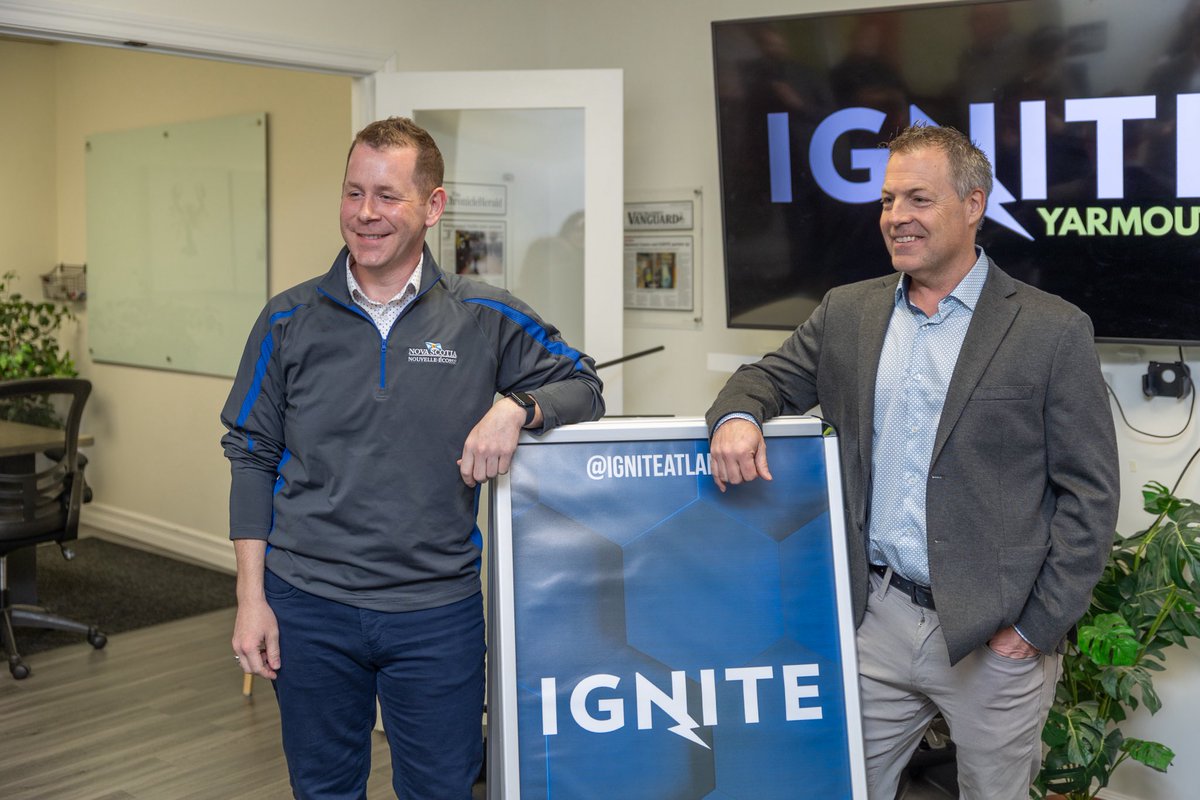
Thrilled to announce a game-changing $1.6M investment over 3 years from @nsgov and Minister @ColtonLeBlancNS to support rural innovation in Nova Scotia!
This support will help us continue empowering NS entrepreneurs, youth & industries.
#RuralInnovation #NovaScotia


1
56
28 Apr 2025
22
10 Mar 2025
Entrepreneurship is tough. Keep going and keep learning. #resilience linkedin.com/posts/dbjonzie_…
2
28
15 Nov 2024
Honoured and humbled to receive this award along with my team at @IGNITEAtlantic
15 Nov 2024

Congratulations to @IgniteLabsDoug of @IGNITEAtlantic, the 2024 #DiscoveryAwards Science Champion! His team has empowered rural Nova Scotia youth through STEAM & entrepreneurship programs like Up-and-Atom Science Camps, Youth GameGen & more. Thanks to @CIBC for sponsoring!

4
97
Doug Jones ⚡️ retweeted

3 Oct 2024
The #DiscoveryAwards Science Champion, proudly presented by @CIBC, is awarded to a devoted individual who promotes science and technology to the public, above and beyond the normal avenues of communication. Congratulations to the 2024 finalists!

4
6
573
5 Sep 2024
Don't let where you live hold you back. #ruralinnovation @IGNITEAtlantic linkedin.com/posts/insightsp…
3
37
22 Jul 2024
2
23
24 Jun 2024
@"Innovation through Risk: How Bold Moves Can Transform Rural Communities"linkedin.com/pulse/innovatio… on @LinkedIn
2
29
9 Jun 2024
There are a lot of great men out there who seem to be succeeding in every aspect of life but are quietly battling without asking for help. June is Men’s Mental Health Month. Reach out and support each other. Great resource here. #mensmentalhealth menshealthfoundation.ca/mind…
2
50
Doug Jones ⚡️ retweeted

21 May 2024
The troubling state of entrepreneurship in Canada. As I read @channay insolvency story (below), I could not help but think of the study citing Canada’s loss of more than 100,000 entrepreneurs, down from a peak of ~870,000 in 2004 (lnkd.in/eXYG-hYf).
Over that period, our population grew from 30 to 40 million. The study data suggest that we now can expect only ~50,000 new entreprenuers to emerge into our economy each year vs ~90,000 about 20 years ago.
More recent data, like those reported in Chris Hannay’s story, offer little hope. But, as a former entrepreneur, I tend to be an optimist. No matter how big the “problem”, it always contains “green shoots” of opportunity.
One big source of hope is the Global Entrepreneurship Monitor report that 14% of Canadians have entrepreneurial aspirations — that’s over 5 million people, or ~7x our current number of entrepreneurs.
With so many aspiring entrepreneurs, and an ever increasing number giving up on their dream, what’s going wrong?
[Just saying “giving up on their dream” doesn’t even come close to capturing the associated trauma, grief, fear, loss, embrassment, and financial hardship that accompanies business failure.]
One of the biggest challenges facing entrepreneurs is the utter and complete lack of understanding of what it takes to turn an idea into opportunities, jobs and prosperity — throughout our municipal, provincial and federal governments. As a result, according to the OECD, Canada is a gold medal creator of regulatory burden across our three levels of government.
[To be clear, there is absolutely no correlation between a high, stagnant regulatory burden, and greater societal protection. In fact, as the world is increasingly disrupted, the opposite is true.]
Another challenge is a culture (mainly provincial and federal) that believes the only way to help a business is to provide them with precisely targeted financial support. This is true in every sector, from agriculture to purely digital. This bureaucratic complexity is driving both business and government failure, not because of a lack of need, but because programs are increasingly complicated requiring businesses to hire consultants in order to access them. An important recent example was the failed $4 billion Digital Adoption Program (lnkd.in/e_kc7PKe).
What we are doing is not working.
We desperately need more entrepreneurs who are ambitious, highly-digital, and intensely globally-focused, team builders. These entrepreneurs need regulators who understand and embrace the opportunities that are unlocked through agile regulatory reform, they need a tax structure that understands sweat equity, they need incentives that are unlocked by increased private investment. These are not the messages that any governments are yet sending, quite the opposite.
As a consequence, governments in Canada continue dig pot holes and subsidize the entrepreneur’s car repairs, rather than re-paving and straightening the road.
20 May 2024

Why there are likely more business failures than insolvency numbers suggest theglobeandmail.com/business…
1
3
354
Doug Jones ⚡️ retweeted

9 May 2024
Doug Jones, CEO of Ignite Atlantic has partnered with over 80 organizations and government to connect rural communities to innovation initiatives. This is Jones’ second #ABMTop50 CEO award win.

2
8
423
9 May 2024
Hey Newfoundland. Awesome to be here for the @AtlanticBus #ABMTop50 Awards tonight. Spending time exploring The Rock. Who else is coming?
4
55
Doug Jones ⚡️ retweeted
19 Aug 2023
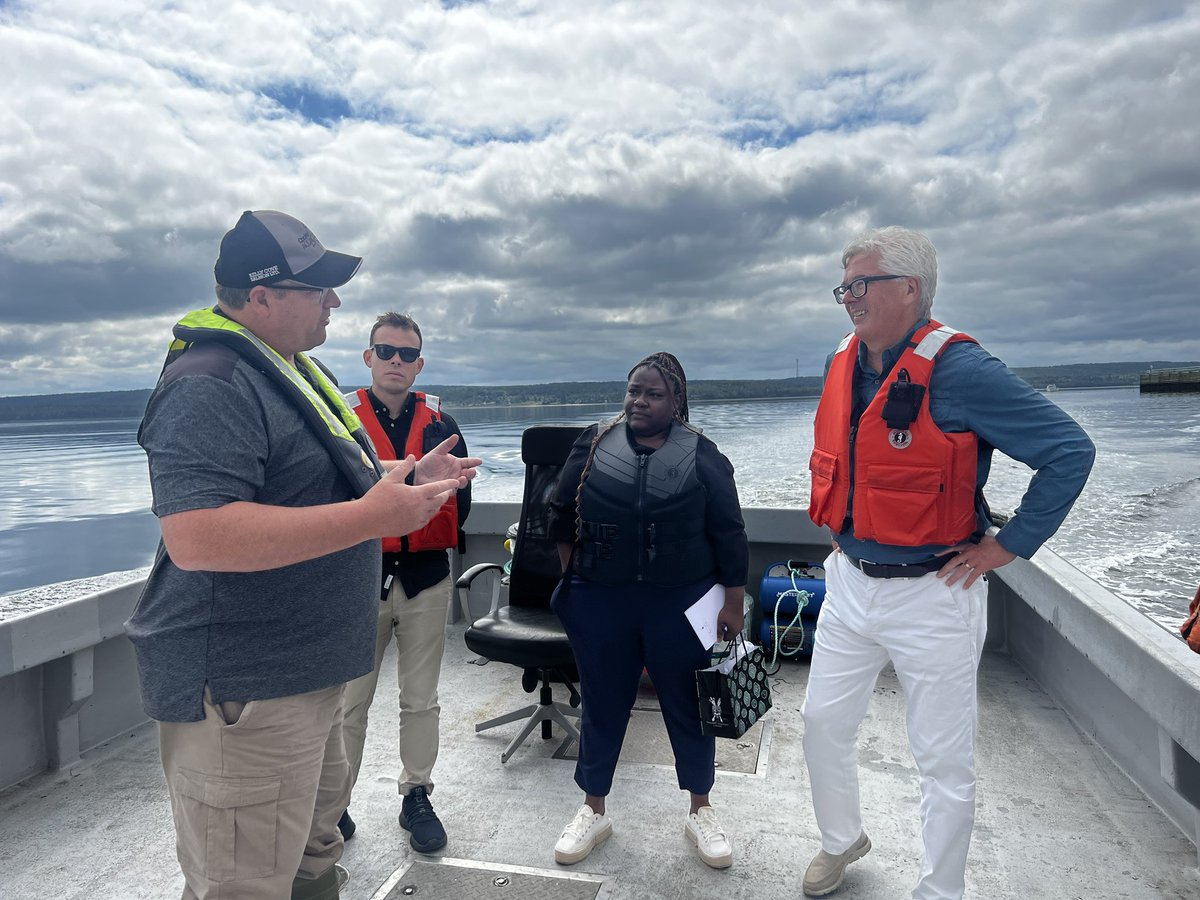
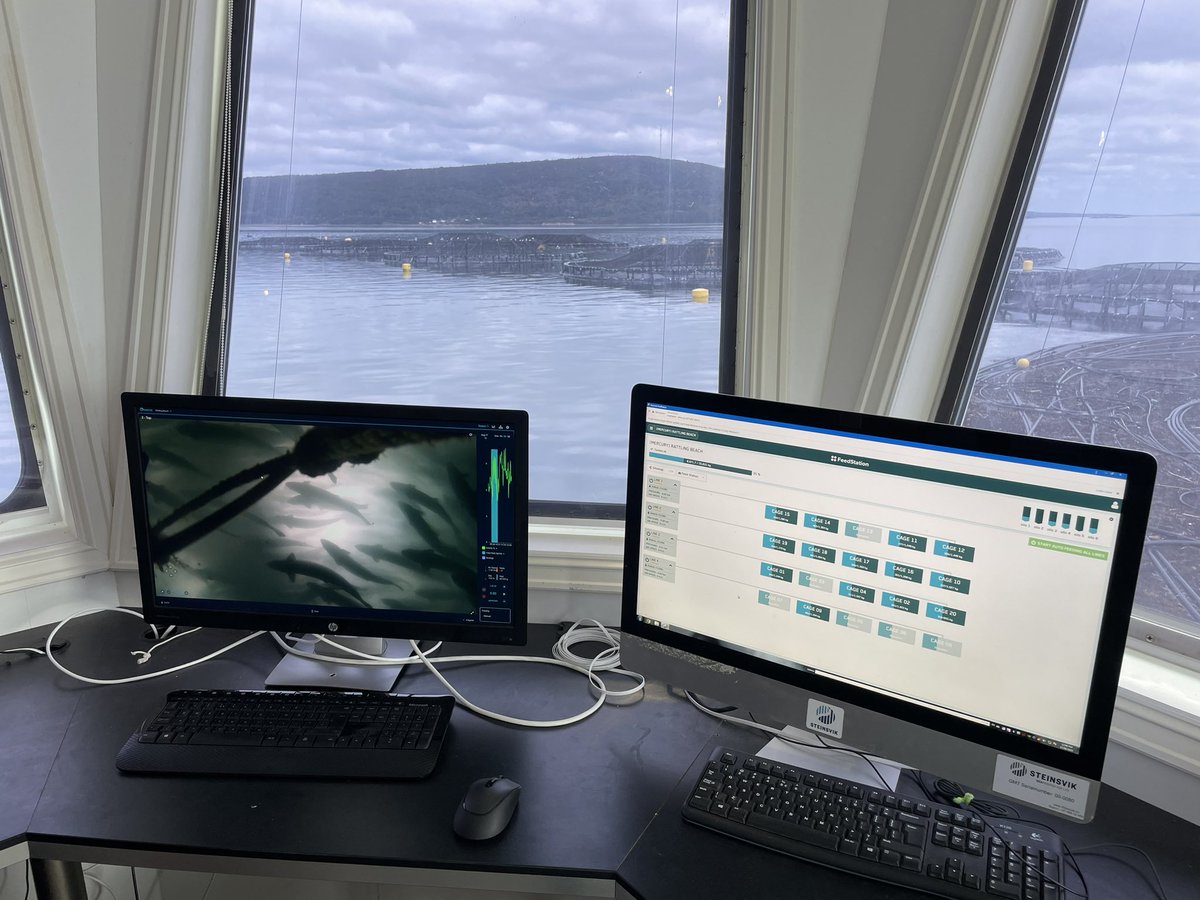
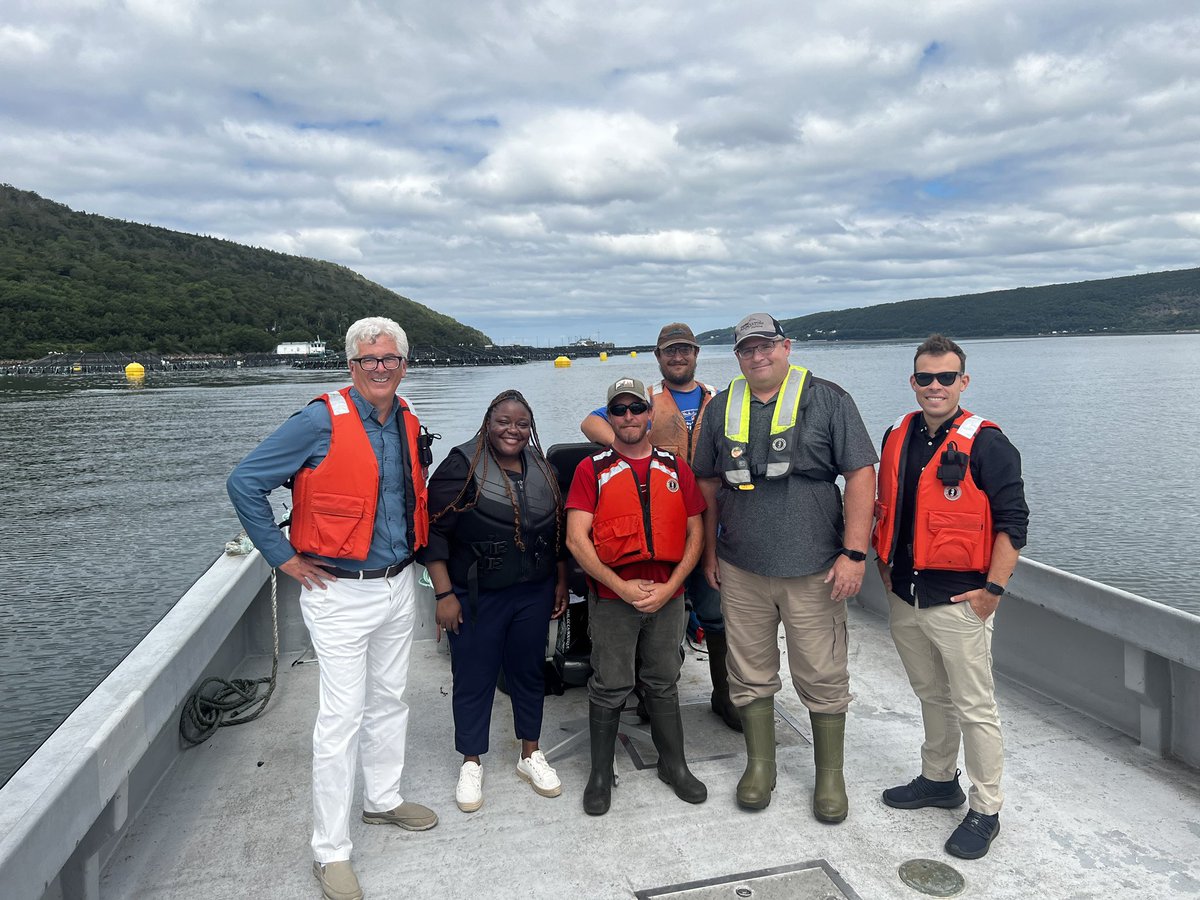
Impressive visit to one of Cooke Aquaculture’s facilities to learn about the many ways in which they continually iterate to maximize both fish health & growth, but in a manner that has not negatively impacted the surrounding environment or fishing sector over the past 20 years.
4
15
690
13 Jul 2023
Check out my latest article: The Momentum Shift: Lessons from Sports for Entrepreneurs linkedin.com/pulse/momentum-… via @LinkedIn
1
2
103
Doug Jones ⚡️ retweeted

12 Jul 2023
We are proud to announce a partnership with @IGNITEAtlantic – a rural innovation hub that aims to create a culture of innovation by engaging youth, communities, startups and industries to find solutions and create opportunities.

1
4
16
1,051