
Director, @bezbednost_org belgradesecurityconference.o…
Joined February 2009
- Tweets 5,392
- Following 2,583
- Followers 3,271
- Likes 15,815
176 Photos and videos



Igor Bandović retweeted

Jun 12
U najnovijoj epizodi podkasta „Neposlušni“ portala @OnlineDanas, Uglješa Bokić (@ProtojevrejS) , član Mreže integriteta BCBP, razgovarao je sa Vukom Cvijićem, novinarom nedeljnika Radar i članom Civilnog odbora za zaštitu branitelja ljudskih prava i uzbunjivača.
Razgovarali su o pritiscima i bezbednosti nezavisnih novinara, o radu na otkrivanju afera i slučajeva poput ubistva na Senjaku, kao i o pitanju da li nezavisno novinarstvo može da opstane bez podrške građana.
#mrežaintegriteta
Celu epizodu pogledajte na linku ⬇️
youtube.com/watch?v=t6wXKmn9…
1
32
114
2,942
Igor Bandović retweeted

Peace was once taken for granted.
Today, even the sky tells a different story.
LIVING WITH WAR
16–18 November 2026 | Sava Center
Belgrade Security Conference
9
15
136
483,540
Igor Bandović retweeted
Jun 2
"Mass surveillance is a threat to democracy."
Watch @PieterOmtzigt's speech at our Sandbox Conference 2026 in Tirana, where he discusses surveillance technologies, democratic oversight and the protection of fundamental rights. ⬇️
youtube.com/watch?v=CZPDIiDS…
1
3
251

May 16
RIP

Sa velikom tugom obaveštavamo javnost da je preminuo karikaturista Predrag Koraksić Koraks, jedan od najoštrijih i najdoslednijih kritičara političkih i društvenih prilika u Srbiji i jedan od osnivača NUNS-a
nuns.rs/in-memoriam-predrag-…
2
224
Igor Bandović retweeted
May 4
Tri godine od majskih tragedija - šta se promenilo?
Na godišnjicu masovnih ubistava 3. i 4. maja 2023. podsećamo na našu analizu „Mladi, oružje i bezbednost“. Nastala kao odgovor na tada uvedene mere, pokazala je da većina njih nije sprovedena, da broj incidenata sa vatrenim oružjem ostaje nepromenjen, a poverenje građana u institucije nastavlja da opada.
Danas je ova analiza još relevantnija i služi kao podsetnik na to šta smo kao društvo obećali, a šta zaista uradili. ⬇️
bezbednost.org/publikacija/m…

3
4
199
Igor Bandović retweeted
May 3
Tragedije iz maja 2023. ogolile su slabosti sistema - od neefikasnih institucija do izostanka odgovornosti.
Više o ovim događajima čitajte u našem dnevniku 👇🏻
zarobljavanje.bezbednost.org…
2
7
356
Igor Bandović retweeted
Apr 28
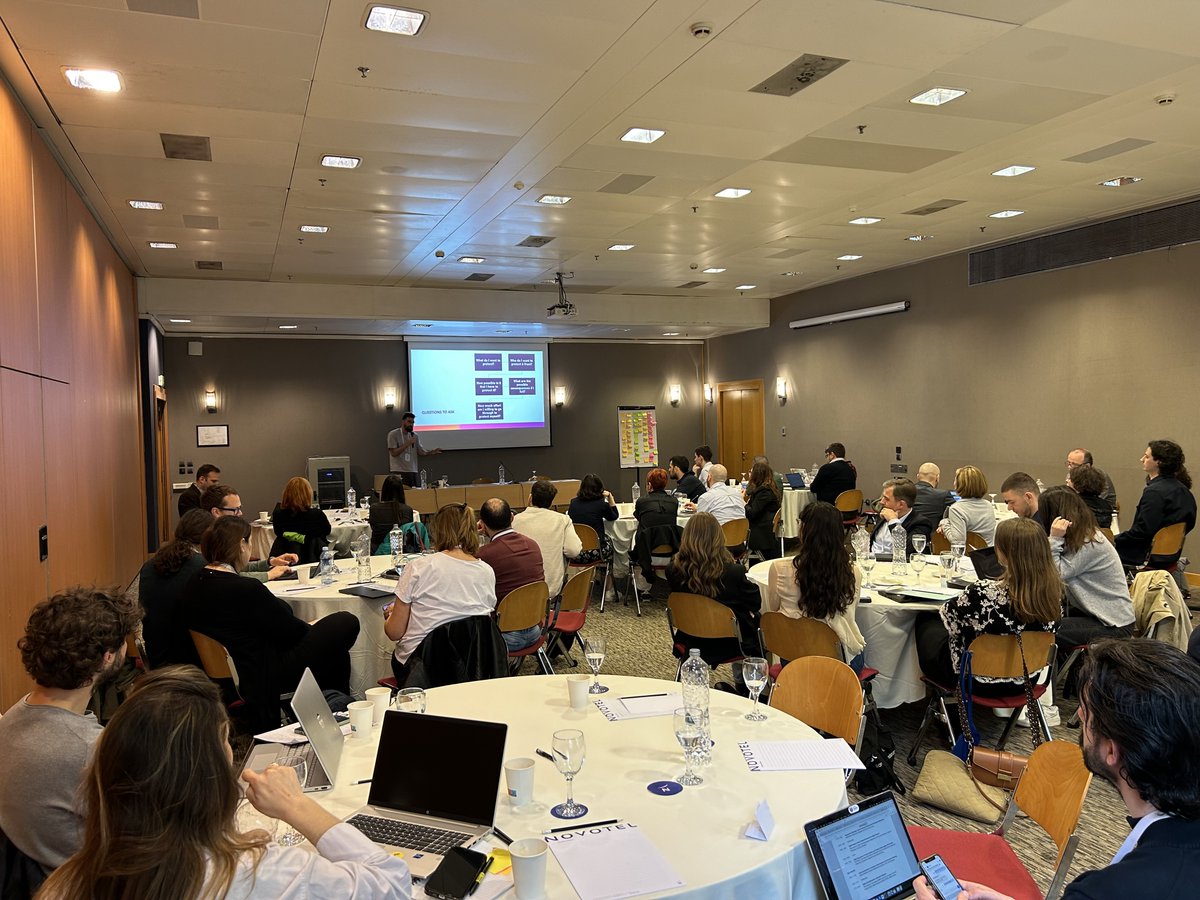
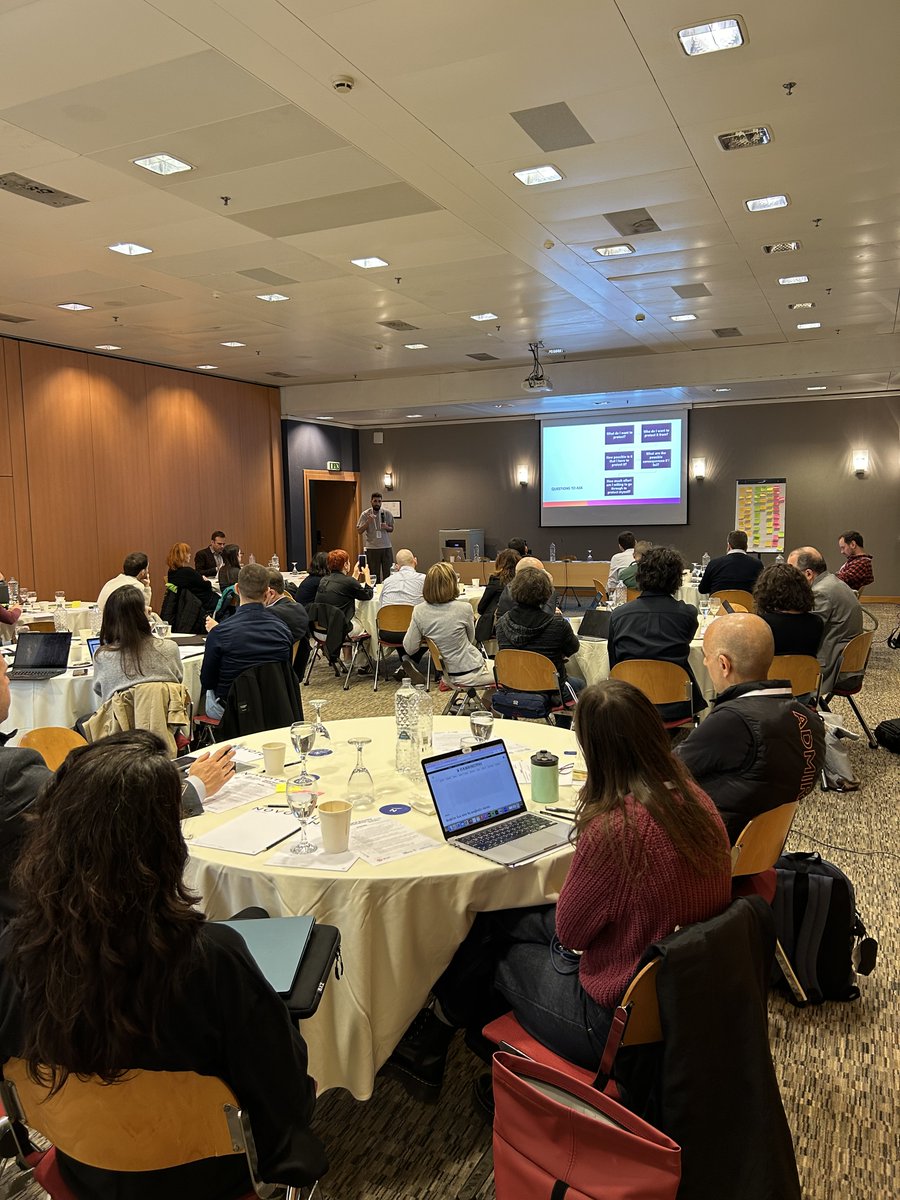
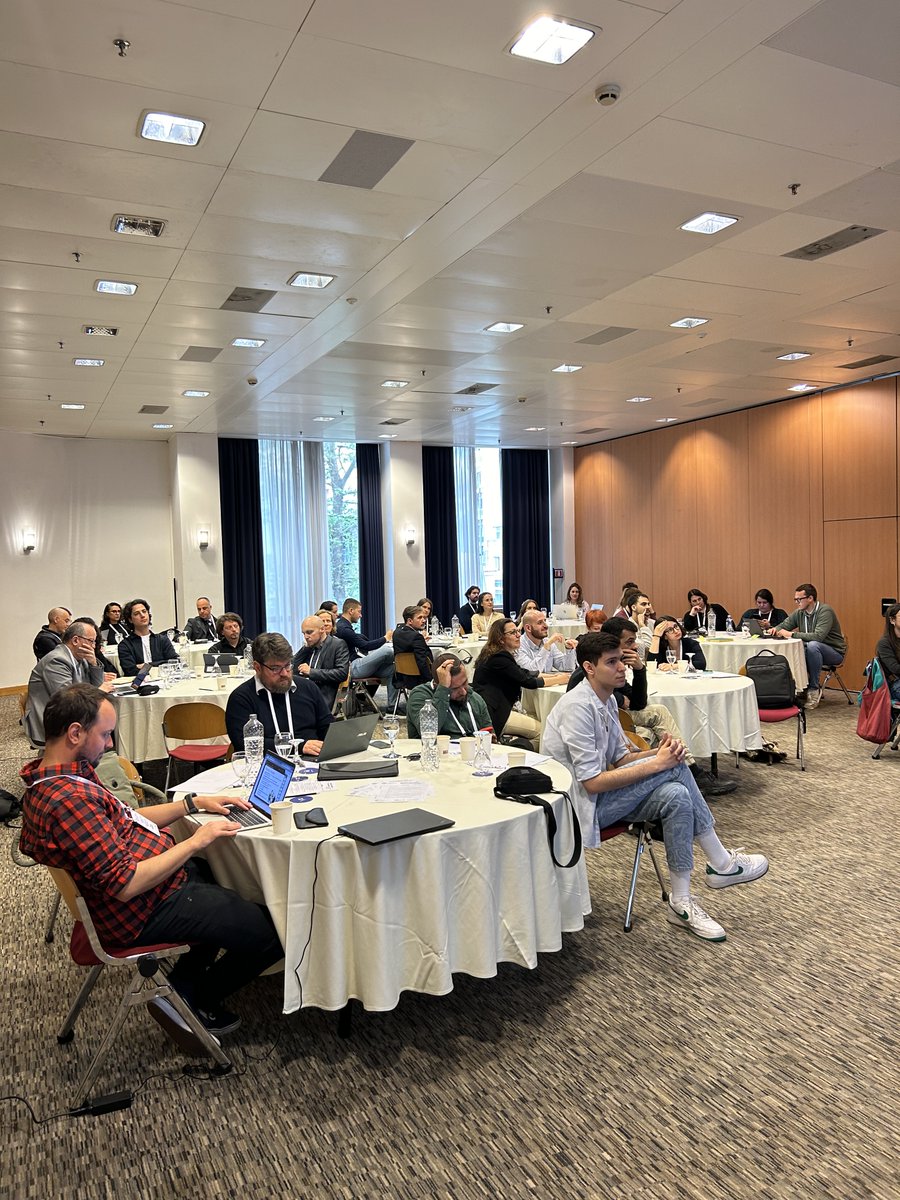
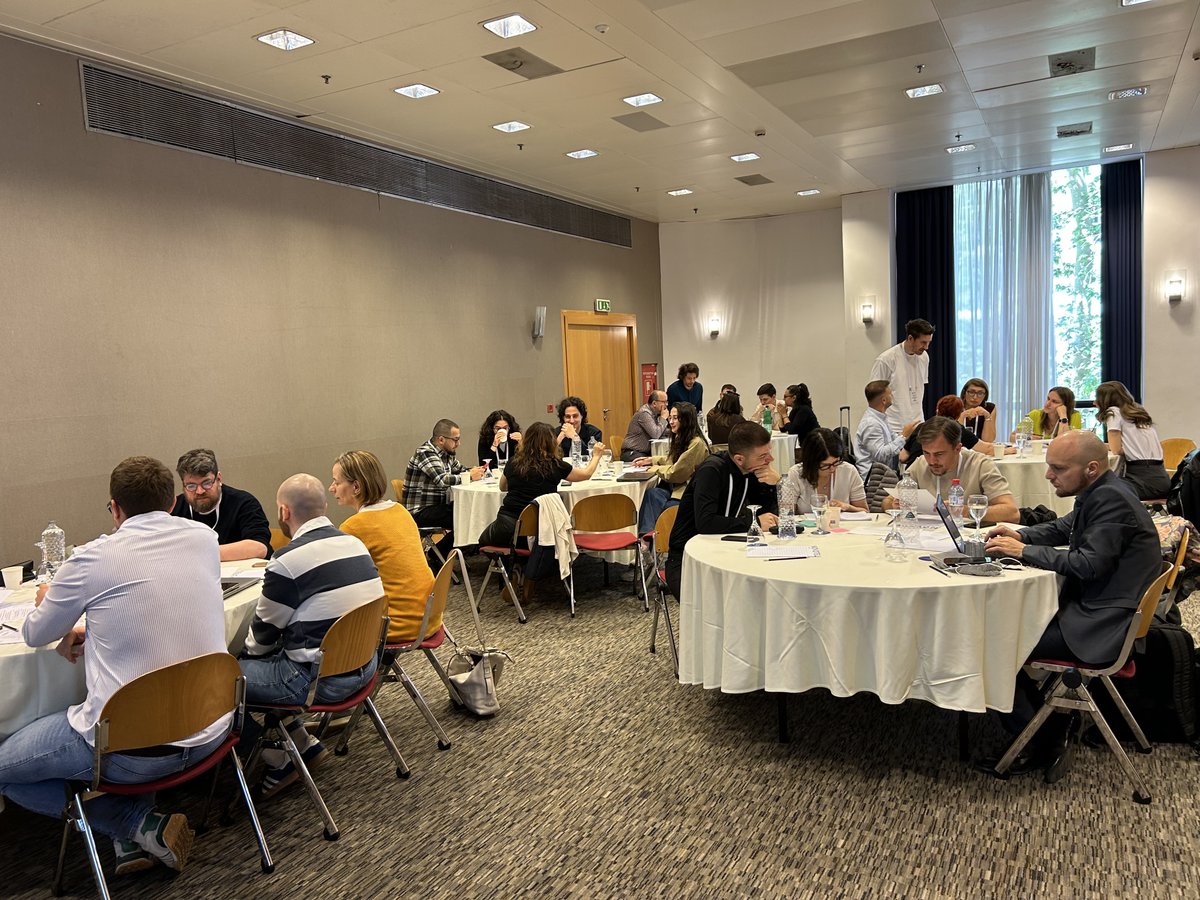
Last week in Athens, through the Civil Society Digital Security Network, BCSP and @AmnestyGreece brought together experts to train and empower over 40 activists, human rights defenders and journalists from the Western Balkans, Greece and Hungary - building their capacity to recognise and defend against digital threats, spyware and surveillance.
1
3
290
Igor Bandović retweeted
Apr 28
📢BCBP upozorava: Način sprovođenja javne rasprave i sadržaj Nacrta zakona o unutrašnjim poslovima ne ispunjavaju osnovne standarde transparentnosti, inkluzivnosti i reformskih obaveza Srbije - i ignorišu ključne probleme u radu policije u praksi‼️
Ceo komentar ⬇️ bezbednost.org/publikacija/b…
7
7
271
Igor Bandović retweeted

Apr 20
Neka zapažanja o Nacrtu zakona o unutr. poslovima:
- predviđa ovlašćenje policije da na neodređeno vreme (najpre na 15 dana, s višekratnom mogućnošću produženja) zabrani kretanje na javnim mestima a time i održavanje okupljanja zbog narušenog javnog reda u većem obimu; ovim se...
20
259
574
55,329
Igor Bandović retweeted
Apr 9
Otvoreno pismo Mreže integriteta BCBP Ivici Dačiću: Nedosledno, neprofesionalno i nezakonito postupanje policije ispred Rektorata i tokom izbora
#MrežaIntegriteta
nova.rs/vesti/hronika/nedosl…
17
30
602
Igor Bandović retweeted
Apr 8
📣 Selektivna primena zakona nije zakon – to je zloupotreba moći.
Pročitajte otvoreno pismo Mreže integriteta BCBP upućeno ministru unutrašnjih poslova, direktoru policije i v. d. načelniku Sektora unutrašnje kontrole. ⬇️
#MrežaIntegriteta
bezbednost.org/otvoreno-pism…
8
14
313
Igor Bandović retweeted
Apr 7
Izražavamo punu podršku Igoru Božiću i svim zaposlenima na N1 televiziji. Nezavisni mediji su stub demokratskog i pravednog društva.
Demokratija zahteva pristojnost, istinitost i odgovornost, a vaša posvećenost ovim vrednostima inspiriše sve koji veruju u slobodno i odgovorno novinarstvo.
Poštujemo vaš rad i stojimo uz vas u ovim izazovnim trenucima.

1
31
134
1,715
Igor Bandović retweeted

Apr 5
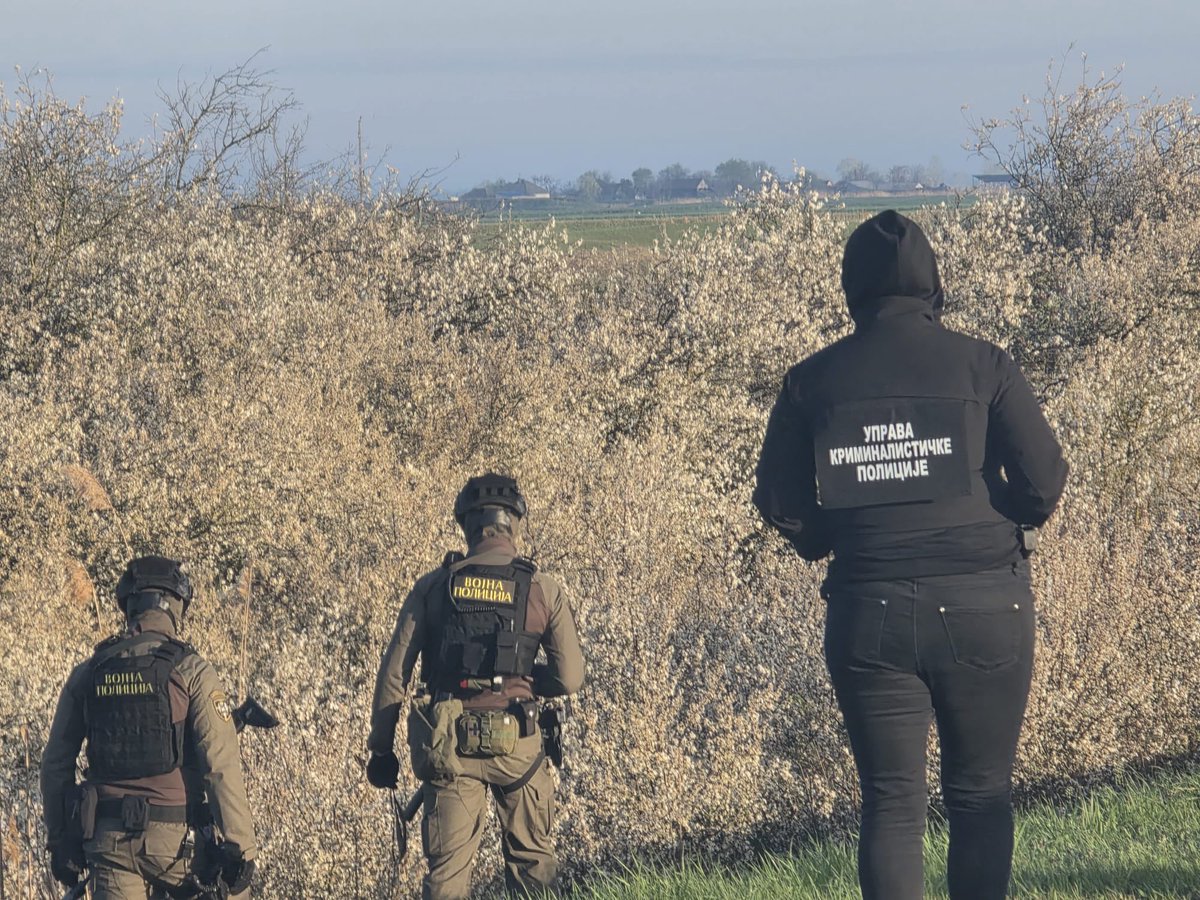
‼️Just a week before Hungary’s critical April 12 parliamentary elections, the Orbán government has suddenly been handed a remarkably convenient crisis.
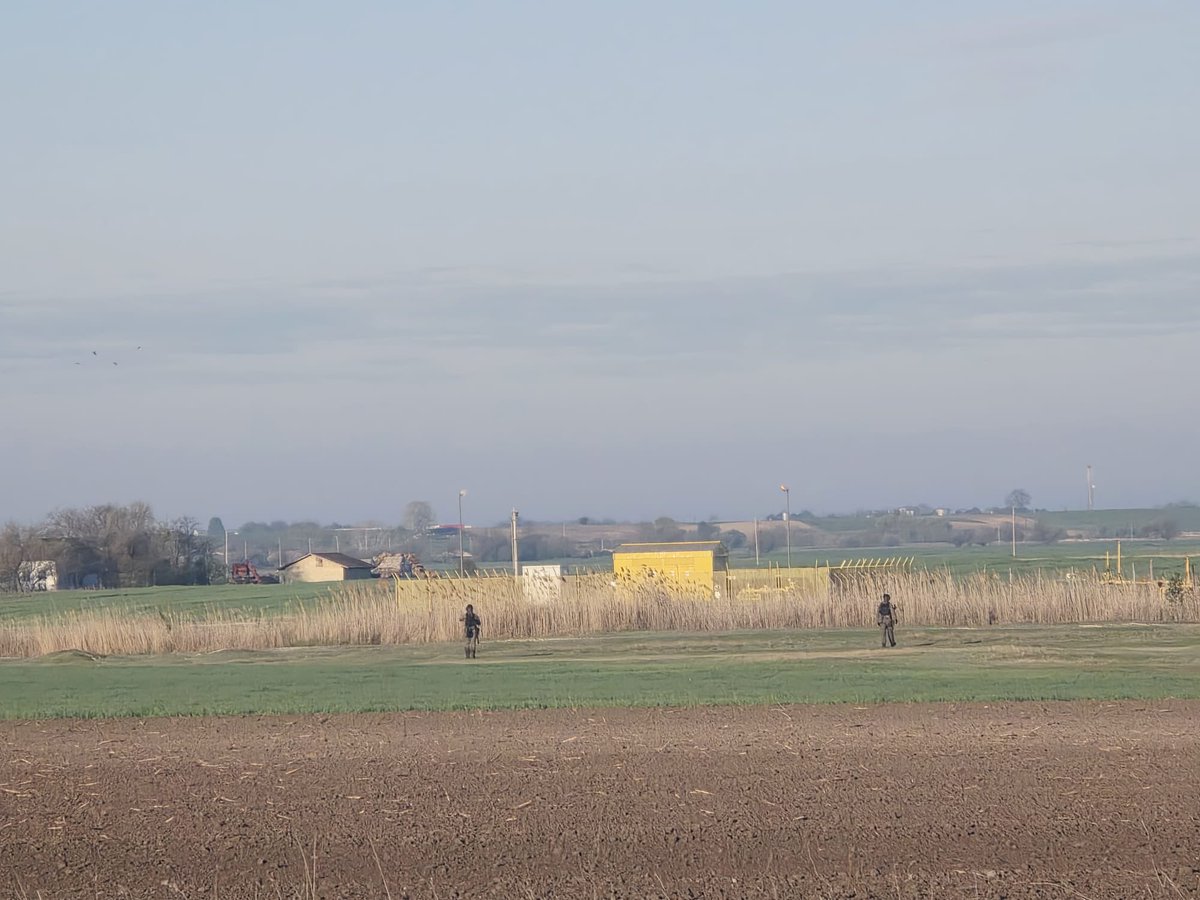
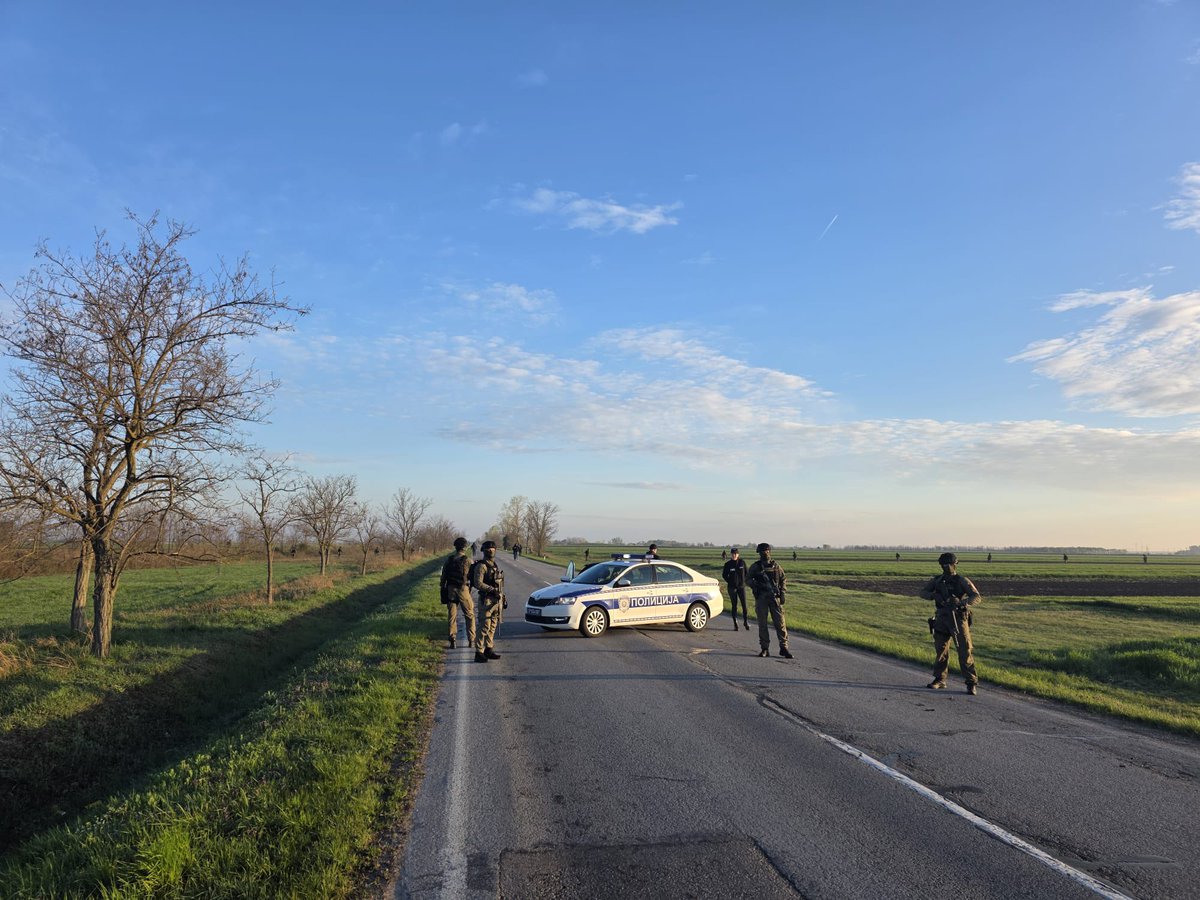
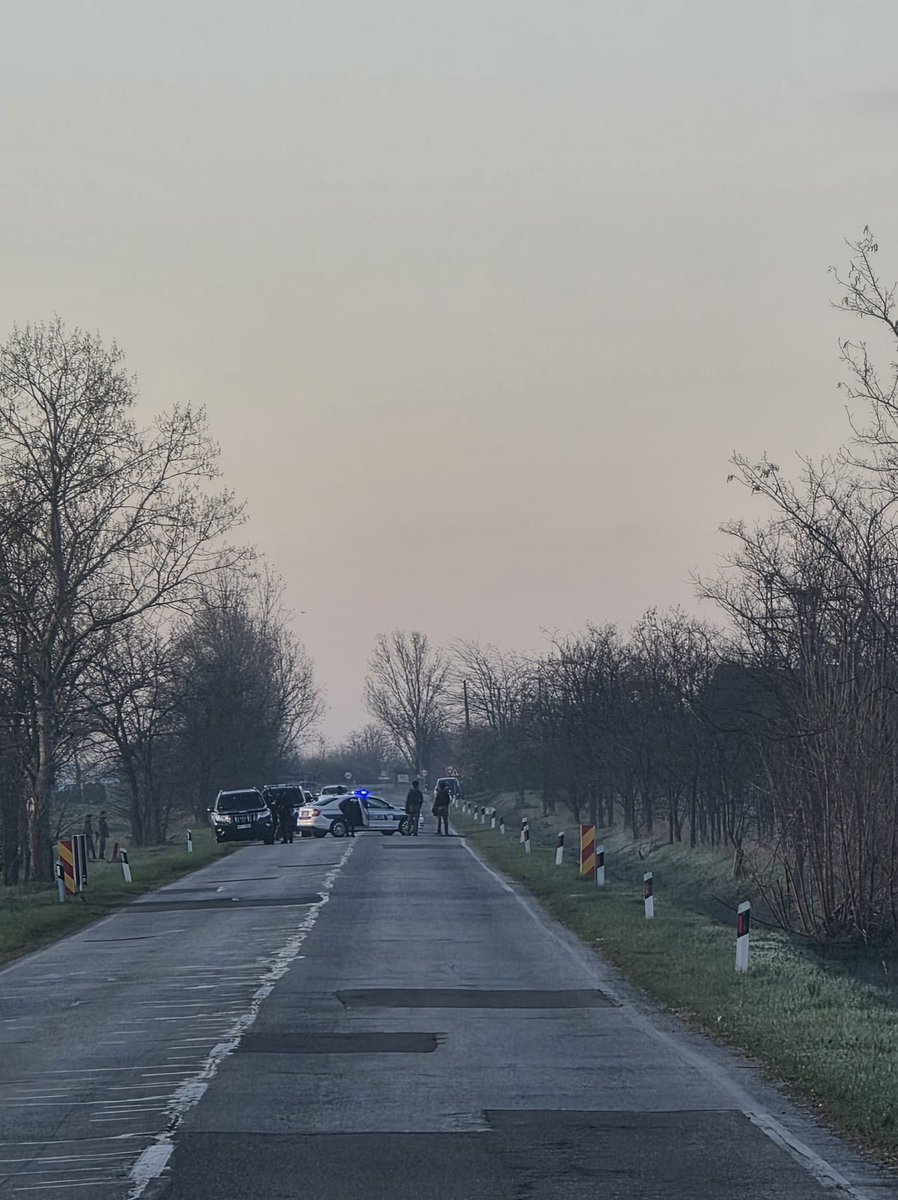
Vučić dramatically phoned Orbán to announce that Serbian authorities had “discovered” high-grade explosives and detonators near the Balkan Stream gas pipeline in Velebit, Serbia, just 15 kilometers from the Hungarian border. Orbán, right on cue, immediately convened an extraordinary defense council in Budapest.
We are expected to believe that an unidentified actor somehow bypassed security to target the sole remaining artery of Russian gas to Hungary. But before the Fidesz propaganda machine starts pointing fingers at Kyiv or the West, it is worth looking at the facts.
If this feels staged, it is because the pattern is familiar. Just two weeks ago, European intelligence services were reviewing leaked internal documents suggesting that Russia’s foreign intelligence service had floated the idea of staging a false flag operation, even including a fabricated assassination attempt against Orbán, to boost his electoral standing and shift blame onto Ukraine. At the same time, opposition leader Magyar had been warning that a government facing an unprecedented electoral challenge might manufacture a crisis. He specifically pointed to scenarios designed to scare voters, justify emergency measures, and frame Ukraine as a direct threat. Today’s “discovery” fits that pattern almost too neatly.
From a tactical perspective, the story also struggles to hold up. If a capable state actor or a trained sabotage unit genuinely wanted to disrupt Russian gas flows to Hungary, Velebit would be one of the least effective targets. It is located in flat, open agricultural land with little to no cover, making covert movement and preparation highly visible. Even if an attack succeeded, damage to a simple underground pipeline section in such terrain would be relatively quick to repair. Serious disruption would require targeting far more complex infrastructure, such as compressor stations or difficult river crossings that take months to restore.
What Velebit lacks in operational value, it compensates for in political usefulness. Placing explosives so close to the Hungarian Schengen border instantly creates a shared crisis between Belgrade and Budapest. Leaving devices in a location where they can be easily discovered ensures that nothing is actually disrupted, while still delivering the full impact of a “foiled attack.” The pipeline remains intact, but the political narrative is secured.
That narrative allows Orbán to escalate security measures, dominate the media cycle, and reinforce his image as a decisive protector of the nation just days before voters head to the polls.
Taken together, this looks far less like a narrowly avoided terrorist attack and far more like carefully timed political theatre serving the interests of a government under pressure.
17
125
385
10,590
Igor Bandović retweeted

Apr 5
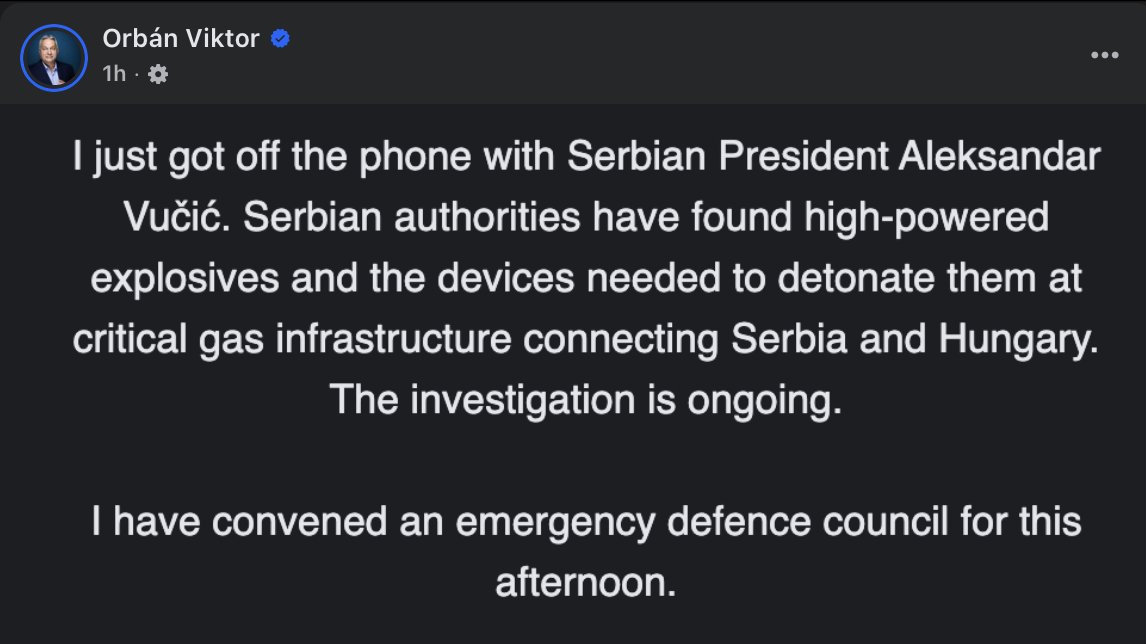
💥What we’ve all feared is happening: Hungarian Russia expert András Rácz wrote three days ago about a potential Russia-backed false flag attack in Serbia targeting the gas pipeline to Hungary. The same information had already reached multiple journalists, including myself, weeks earlier, from sources connected to Hungarian government circles.
Now Viktor Orbán has announced that Serbian president Aleksandar Vučić informed him about “explosives of devastating power” found at the gas pipeline connecting the two countries. Orbán and his propaganda machine are already amplifying the news everywhere, with the prime minister convening his security cabinet.
It remains unclear what measures the government might take using this alleged false flag operation as a pretext. But if the second part of the information we received also proves true, Orbán could declare a state of emergency, significantly affecting the election campaign—which he is currently losing—and potentially disrupting the organization of the April 12 election.
The opposition Tisza Party has been widening its lead to 15–20 points, if not more. Orbán accuses them of being "Ukrainian agents" for months. His propaganda would very soon link the Serbian false-flag both to Ukraine and the Tisza Party, I have no doubts about that.
I encourage all foreign reporters covering the Hungarian election to pay close attention and not fall for the government’s propaganda or the narratives pushed by its pundits on the Orbán government payroll, including here on X.
The situation could soon be very serious.
157
2,205
5,723
1,177,476
Igor Bandović retweeted
Apr 5
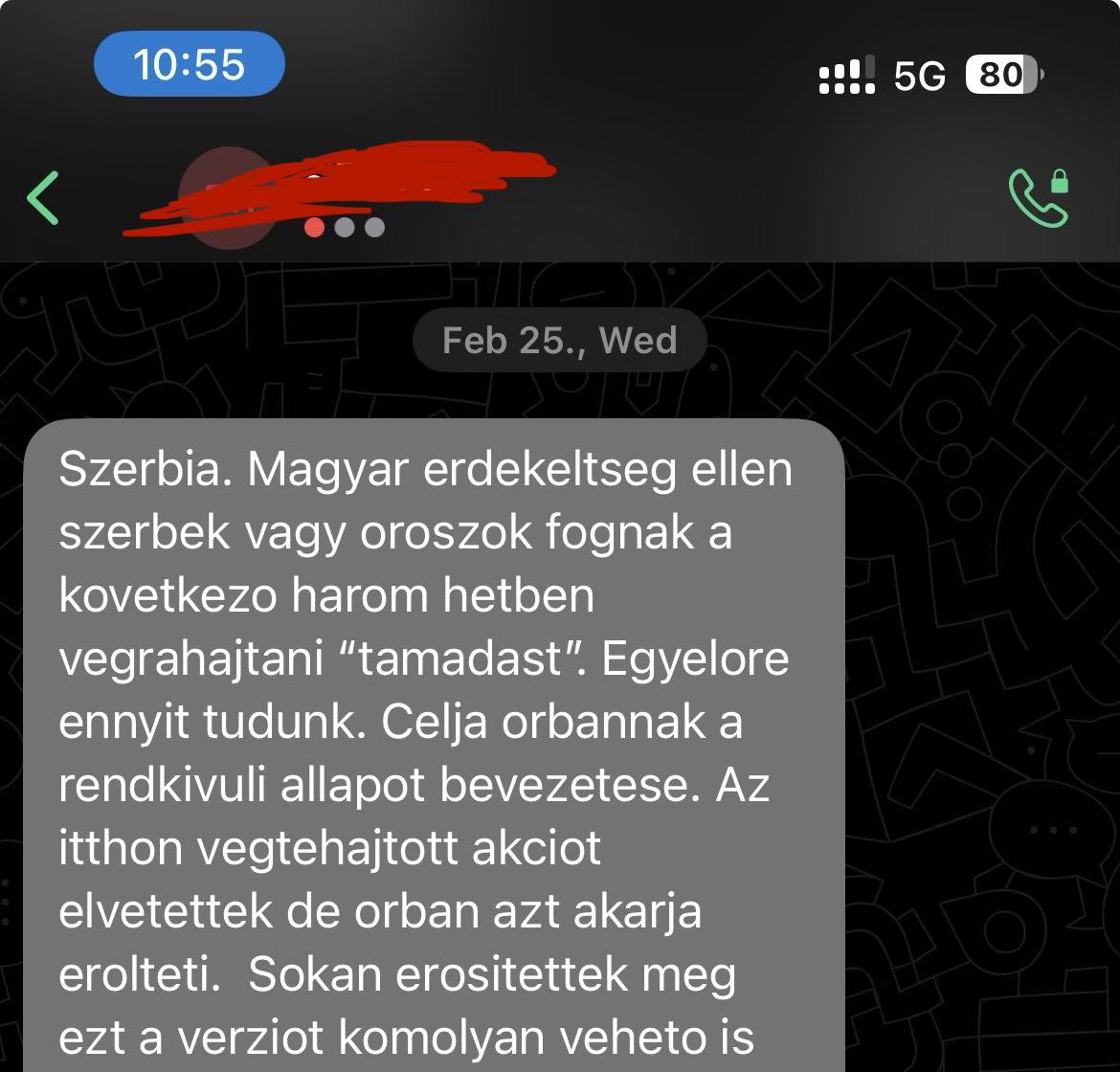
💥Prominent Hungarian investigative journalist Balázs Kaufmann has shared a message from February 25 in which a source warns him of Viktor Orbán’s plan for a false-flag attack—which has now apparently happened today when Serbian authorities have found explosives at the gas pipeline connecting Hungary.
The February 25 message to the investigative journalist reads:
"Serbia. Serbs or Russians will carry out an “attack” against Hungarian interests in the next three weeks. This is what we know so far. Orbán’s goal is to install a state of emergency. They dropped the idea of an operation on home soil but Orbán pushes for it. Many have confirmed this version incuding serious…"
54
1,155
3,063
310,694
Igor Bandović retweeted
Apr 3
Šta smo naučili iz lokalnih izbora? 🗳️
Mreža integriteta BCBP pokreće debatu o izbornom integritetu.
📅 Subota, 4. april 2026., 11h
Više o događaju ⬇️
bezbednost.org/najava/kako-o…

8
12
508
Igor Bandović retweeted

Serbia is moving in the wrong direction.
I welcome @MartaKosEU call for swift accountability following the unacceptable violence, threats and voting irregularities surrounding the recent local elections.
Yesterday's raid on the University of Belgrade, and the decision to enact laws undermining judicial independence and the fight against high-level corruption, are part of the same trend.
The development runs contrary to the fundamentals of the EU accession process: Free and fair elections, human rights, and the rule of law.
The EU Commission is assessing Serbia's adherence to the criteria for EU financial support.
Mar 31

Widespread incidents of violence, threats and voting irregularities - what the observer mission of the Council of Europe has witnessed during the Serbian local elections is unacceptable.
Free and fair elections are fundamental in democracies, especially for EU candidate countries like Serbia.
We call on the competent national authorities to ensure swift and transparent investigation of the reported incidents, and to hold perpetrators accountable.
110
282
1,200
57,467
Igor Bandović retweeted

Mar 31
NKEU: Zabrinutost zbog nasilja na izborima, nužno uspostavljanje dugoročne posmatračke misije EP n1info.rs/vesti/nacionalni-k…
8
29
1,529
Igor Bandović retweeted
Mar 31
Lokalni izbori 29. marta ukazali su na ozbiljne probleme: zloupotrebu javnih resursa, pritiske na birače i nepravilnosti na dan glasanja.
Srbiju čekaju novi izbori. Vreme je za konkretne odgovore.
Kako obezbediti integritet izbornog procesa? 🗳️
Mreža integriteta BCBP pokreće stručnu debatu o izazovima i mogućim rešenjima. ⬇️
bezbednost.org/najava/kako-o…

1
8
12
494
Igor Bandović retweeted

Mar 31
Widespread incidents of violence, threats and voting irregularities - what the observer mission of the Council of Europe has witnessed during the Serbian local elections is unacceptable.
Free and fair elections are fundamental in democracies, especially for EU candidate countries like Serbia.
We call on the competent national authorities to ensure swift and transparent investigation of the reported incidents, and to hold perpetrators accountable.
469
254
1,127
151,067