
702 Photos and videos




🌍 retweeted

Politicians are the same everywhere. It looks like they go to the same school🤞🏿.

1
68
🌍 retweeted

10 Apr 2021
I didnt know Dr. Sindi was a born in Zimbabwe and a daughter of the former Mayor of Harare Muchadeyi Masunda. The bond between Zimbabwe & South Africa is amazing.
Zorora murugare #DrSindi nyaradzo kumhuri.
Ishe Komborera Zimbabwe & South Africa during this time.🙏🇿🇼🇿🇦
2
15
🌍 retweeted

Jun 14
Racïsts Black South Africans are some of the worst we encountered! Much worse than European or American.
#SadButTrue #RealityCheck #SubSahara
4
2
3
10,850

🌍 retweeted

Jun 14
My Goat says he’s coming back 🤣🤣😭
316
1,220
5,438
210,990
🌍 retweeted

Jun 15
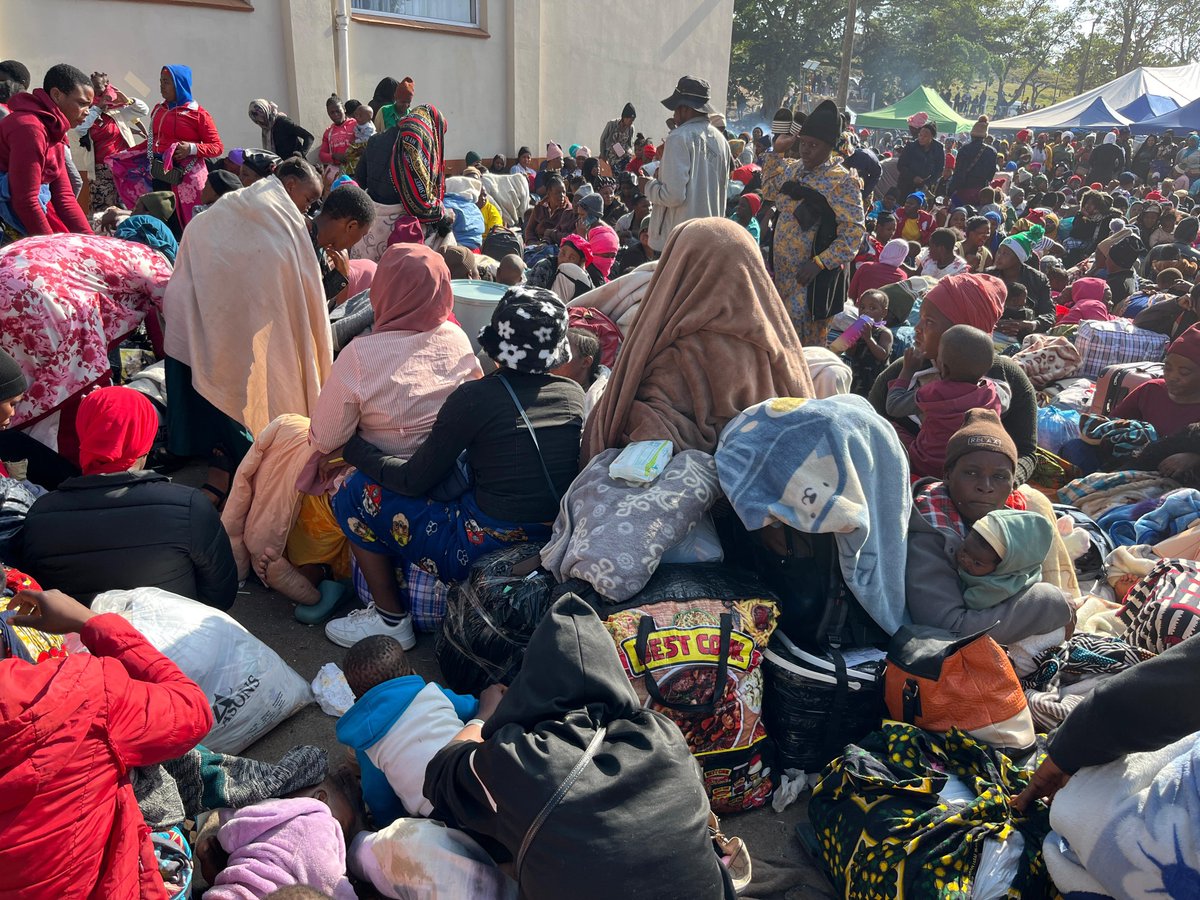
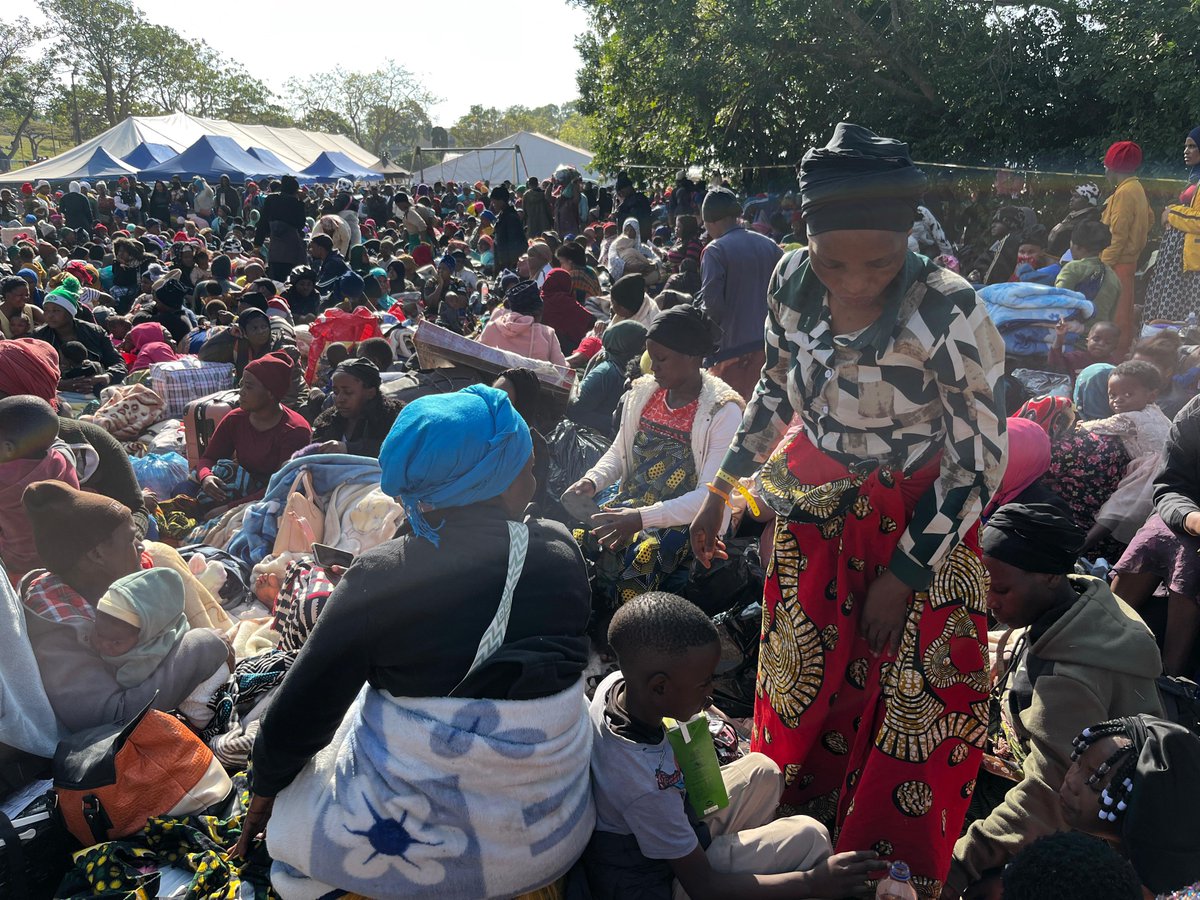
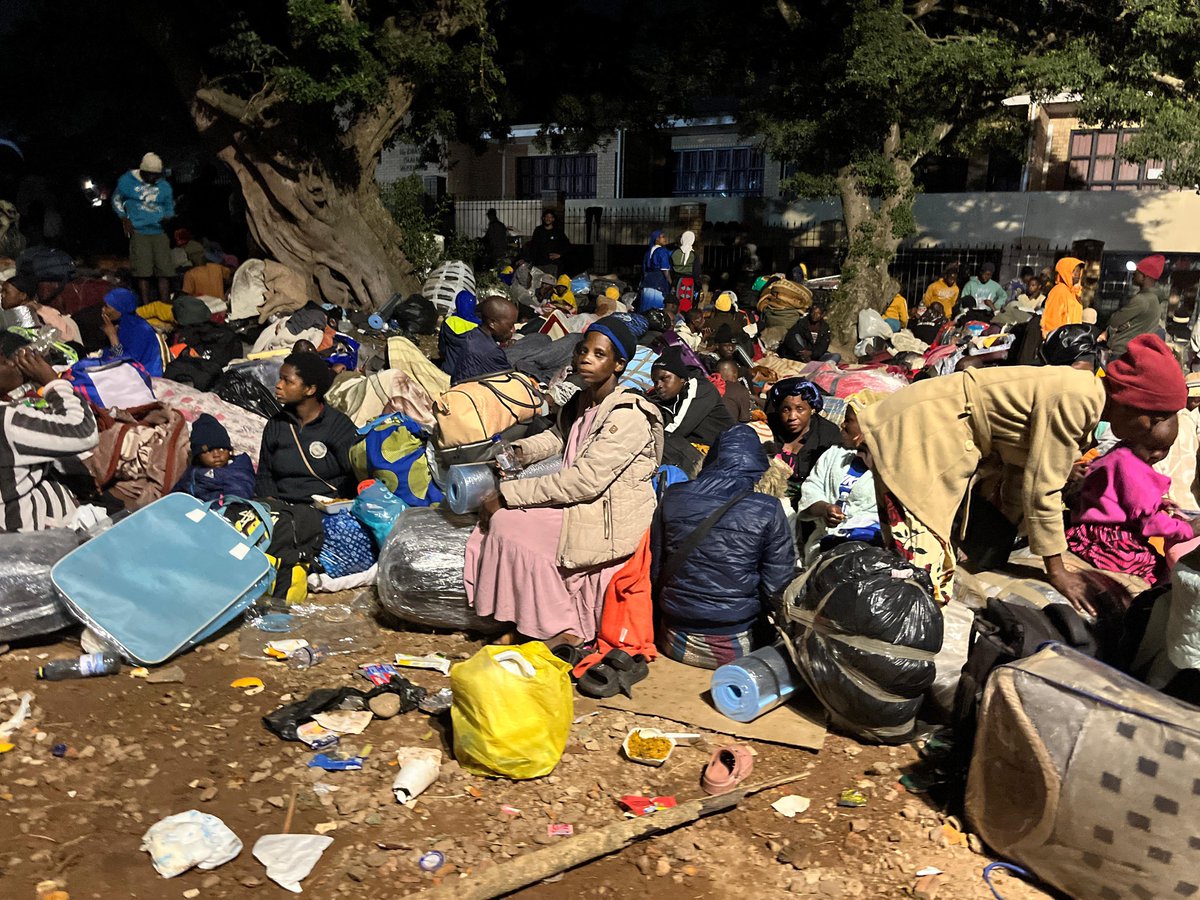
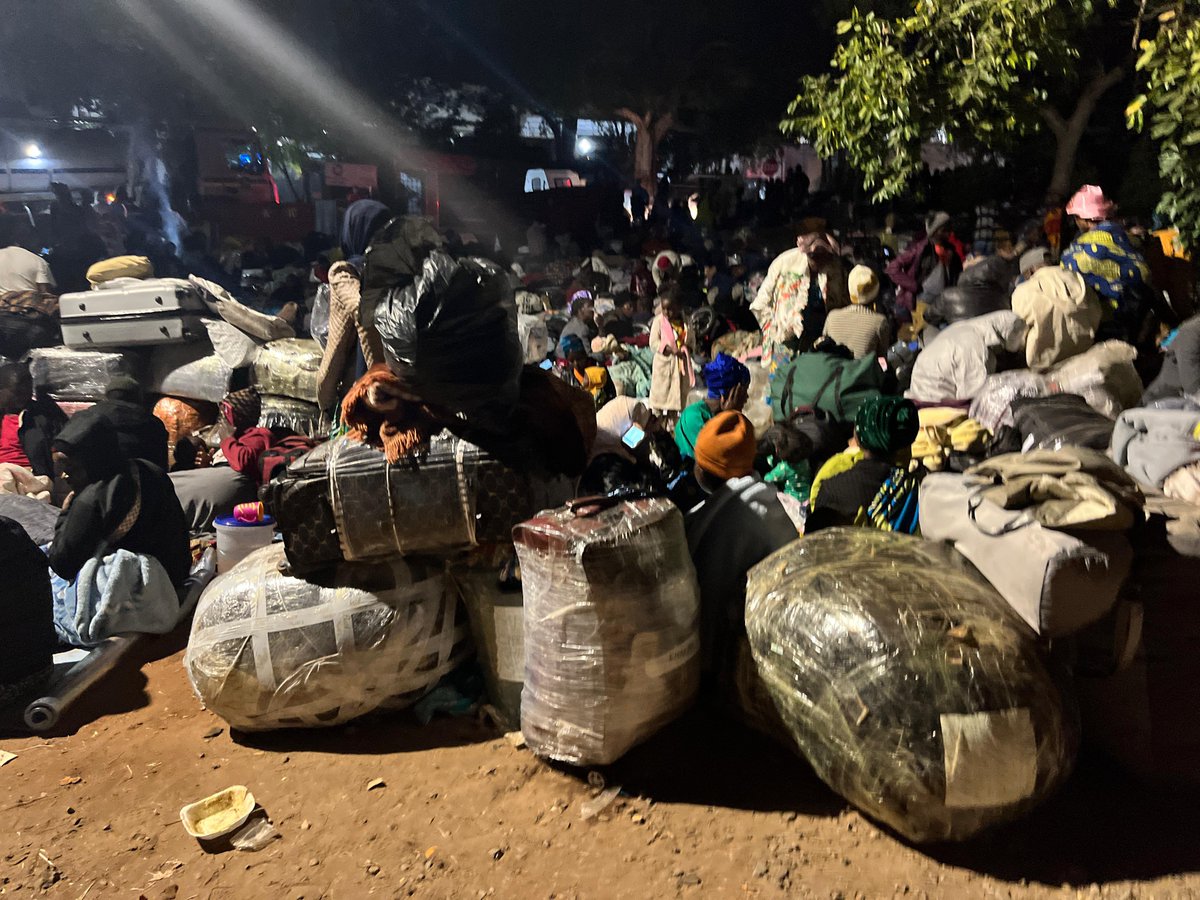
A humanitarian crisis is brewing involving Malawian migrants in South Africa. More than 7,000 Malawian nationals are currently sheltering at Sherwood Hall in Durban, waiting for a way home.
Many fled after anti-migrant attacks, abandoning homes, jobs, and possessions. Others are leaving out of fear, uncertain whether it is safe to remain. Many families are sleeping in overcrowded conditions, relying on sporadic assistance while hoping for repatriation.
Only eight buses have been sent so far, leaving thousands stranded. They have now reportedly been told that no additional funds are available for their repatriation and that those who cannot be transported may be taken to Lindela.
Lindela Repatriation Centre, located near Krugersdorp in Gauteng, is South Africa’s main holding facility for undocumented foreign nationals awaiting deportation or repatriation to their home countries.
Behind every number is a human story. Mothers worried about their children, fathers who have lost everything, elderly people with nowhere to go, and young people facing an uncertain future.
Migration debates often focus on politics, borders, and statistics. But this is ultimately a humanitarian issue. Regardless of nationality, no one should be left stranded, vulnerable, and without hope.
The governments of both South Africa and Malawi, together with humanitarian organisations, need to urgently address this situation and ensure that those wishing to return home can do so safely and with dignity.
As thousands of vulnerable Malawians wait in uncertainty for assistance and repatriation, President Arthur Peter Mutharika is currently in South Africa for a routine medical check-up, a contrast that m raises questions among many about government priorities and the capacity of African states to care for their citizens both at home and abroad.
358
144
437
180,130
🌍 retweeted

Jun 14
"We cannot carry the burden of every single failed African president." – Jacinta Ngobese.
She is calm. She is logical. And she is right.
"The community is not wrong for demanding that the law be implemented."
"If genuine asylum seekers need help, the government must provide refugee camps ..; not dump them in our communities."
"We have never advocated for violence. All we've ever said is: enforce the laws."
"African leaders must sit down and be honest, instead of going on red carpets while their citizens suffer."
"A passport must mean something. Coming here illegally and getting jobs? That is not acceptable."
She is not saying close the borders to everyone. She is saying: enforce the law. Prioritise South Africans. Hold other governments accountable.
382
2,672
8,180
273,614
🌍 retweeted

Jun 14
Living in a gated Estate in South Africa 🇿🇦 😂
54
353
1,983
66,995

Is This The Most Corrupt world Cup Ever?
South Africa's national team had the worst match in their World Cup history, receiving 2 red cards in a single game.
Three days before the tournament, a criminal complaint was filed against FIFA president Gianni Infantino in Paris.
Africa's best referee, Omar Artan, who was the first Somali ever selected for a World Cup, was detained for 11 hours at Miami airport, then sent home. He had a diplomatic passport and a valid visa.
Full breakdown 👇
177
1,587
9,854
294,206
🌍 retweeted

Jun 14
Why are we still living like this after 30 years? Why? No political leader will solve this mess but us the citizens, to fight and remove corruption and illegal foreigners and migrants.
5
11
27
6,765
🌍 retweeted
Jun 14
This is what I've been saying all along: we didn't destroy our country and drive out the whites after achieving independence and democracy/freedom. The entire African continent chases away investors and Africa's wealthiest individuals, believing that they will manage the economy in the same manner.
We never destroy infrastructure or retaliate against white people, which is why the name "South Africa" and the rainbow nation🌈 flag remain unchanged. The same countries that destroyed theirs are now demanding nonsense from us.
The ANC desired majority rule, which would have changed the name and flag to match other poor African countries, and we thank you for the negotiations that benefit all of us.
Check out Zondo and Madlanga's commissions right now. What if we'd had all of the black powers?
129
609
2,386
42,169
🌍 retweeted

Jun 13
Why do some Africans dislike Nigerians
188
306
1,355
59,830

Adopt the Chinese system of governance and you can be able to do the same and fet rid of migrants migrants dont go to hostile nations
Jun 14

This video serves as a reminder that in South Africa, we are governed by morons who can't reason at all. People who cannot protect the future of their country, all they know is looting the state.
We are in SERIOUS TROUBLE with the current leaders.
62
🌍 retweeted

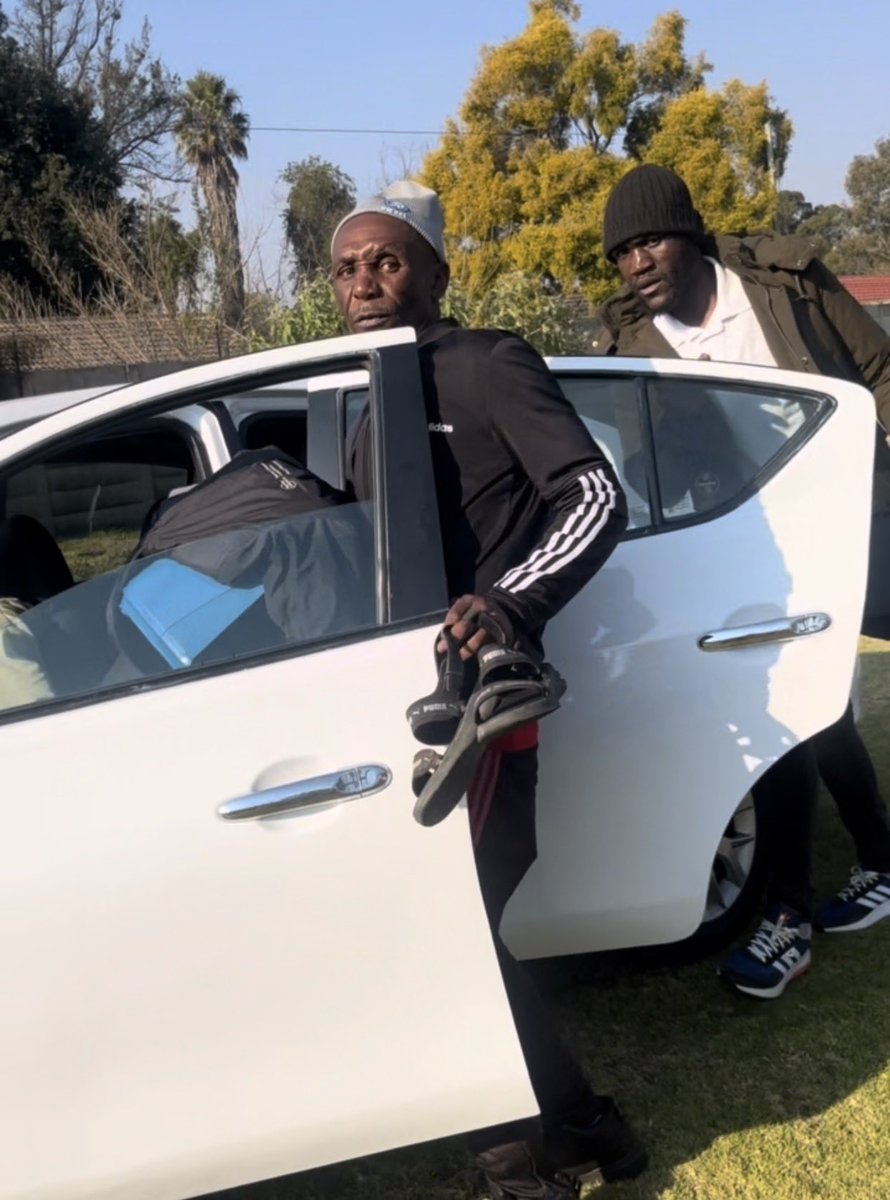
If this appears on your timeline, kindly repost until these criminals are arrested. This happened in Brakpan North, Sherwood Gardens, Springs, at 15:02 on 11 June 2026. The homeowner found these criminals leaving the house after stealing. Contact nearest SAPS with any information
193
6,497
6,444
447,802
🌍 retweeted

Jun 13
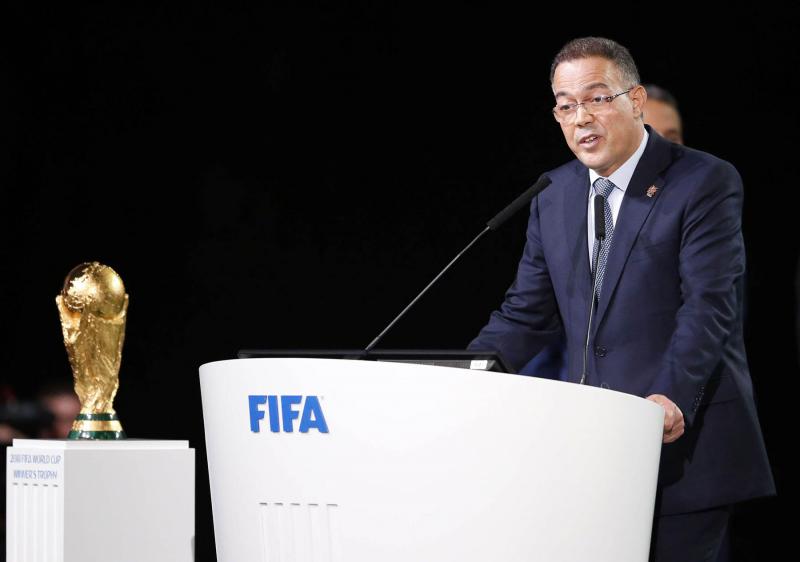
🚨 BREAK: Morocco FA boss Fouzi Lekjaa says his country will NO LONGER bid to host African competitions.
The nation is shifting its complete administrative and infrastructural focus toward global tournaments, including the 2029 Club World Cup and the 2030 FIFA World Cup. 🇲🇦
658
1,312
11,631
694,486
🌍 retweeted

Jun 13
🚨 WTF?! Al Jazeera confirms 77,000 Japanese citizens were found dead alone in their homes last year, some undiscovered for months!
The crisis is so catastrophic that a yogurt delivery company is now the frontline survival network to check if the elderly have collapsed!
266
4,372
16,101
1,304,540
Every country is saying mabahambe
#migration
Jun 13

🚨 BREAKING: Massive crowds are flooding the streets in towns and cities across the UK, demanding an end to mass migration.
The British revolution has begun.
9
🌍 retweeted

Jun 13
A Korean fan was filming herself at the World Cup when a group of Mexico supporters behind her started pulling their eyes into a slant and laughing at her.
Social media tracked the main guy down.
He's reportedly the president of Jalisco's college of surveyors….
Jun 12

El Presidente del Colegio de Topógrafos de #Jalisco dejando mal a los mexicanos en el #Mundial2026
4,049
26,387
132,670
12,772,458
🌍 retweeted

Jun 13
Japan is facing a growing loneliness crisis. From elderly residents living alone to younger generations struggling with social disconnection, loneliness is becoming a major social challenge.
Al Jazeera’s Patrick Fok reports.
181
1,627
4,674
362,095
🌍 retweeted

1
2
4
651