
Joined February 2022
- Tweets 61
- Following 95
- Followers 37
- Likes 130
55 Photos and videos
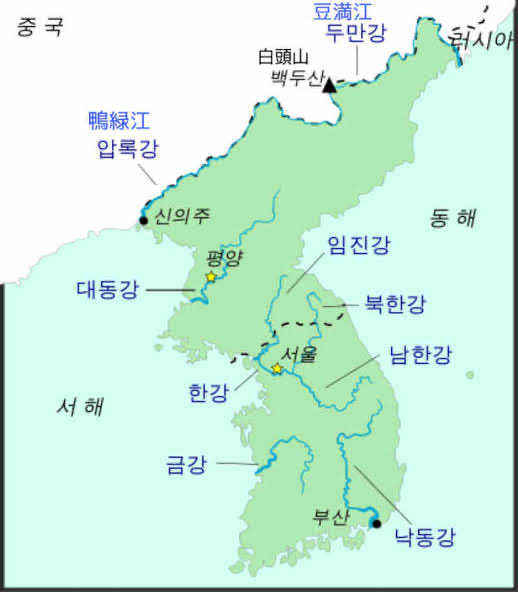

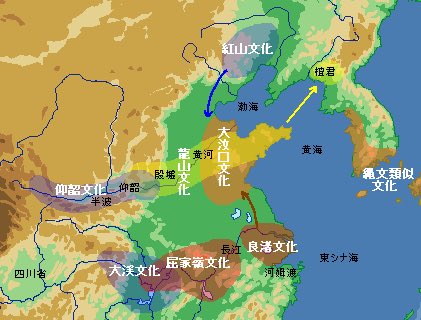
「日本の方が韓国より、急流河川なのに中央集権にならなかったじゃん!」と言ってきたヤツがいたが、水不足が問題なんだよ!
韓国は夏しか雨が降らない。
それに、日本も軍事面では中央集権になっていた。
18

14h
[誰かが説明しきらなければならない、韓国と日本について]
【朝鮮半島の国家主義的な思想】
朝鮮半島は河川が急流で、季節により雨量の偏りがある。
ゆえに、稲作開始以降、貯水分配管理のための中央集権統治社会が、軍事目的以上に、重要だった。
そのため、(軍事目的の集権思想は別として)隣国の中国から、黄河治水のための中央集権思想がスムーズに浸透した。
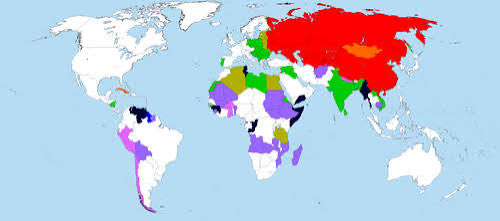
また、北方の広大な大地からは、のちのロシア(共産主義)にまで脈々と受け継がれる、豊富な資源や広大な領土を強権的に縛り上げる中央集権の原理がスムーズに浸透した。
三国時代の思想形体は分割されていたが、これらが、朝鮮半島の国家主義思想や共産主義的な思想の根幹である。
そして、高官から平民への強烈な圧力が生じ、高官へ絶対服従させる目的で、儒教を利用したため、平民達がそれを恨む「恨」の文化が発生した。
だから、韓国は政治体制が民主化した現在でも、激しい分裂やデモが絶えない。
これは、中国やロシアなどの「(強烈な中央集権統治思想による)共産主義国の独裁を、政治体制のみ民主化させて、解消させようとすることは無謀だ。」ということの証明だ。
歴史上、中国の様々な民族やモンゴル軍が、小規模な衝突も含めると約1000回、朝鮮半島を侵攻した。
朝鮮半島北西部の国境は白頭山脈が連なっているため、山の斜面を下り、押し寄せる軍勢は脅威となった。
しかし、山の険しさのため、侵攻した軍の補給線はもろく、そこを朝鮮半島の軍が突くため、朝鮮半島が完全に征服されることはなかった。
日本海側からは、秀吉がニ回、強烈に侵攻したが、これも、海を回り込み、補給線を断つことにより、征服されることはなかった。
朝鮮半島の国家は、一見、外国からの侵攻に対する抵抗力が弱いように見えるが、この、回り込んで補給線を断つ作戦により、征服され、滅ぼされることは決してなかった。
とは言え、山の斜面を下り迫る大軍は脅威のため、朝鮮王朝はその都度、平伏した。
これは(大国に形式上、平伏することで)自国を保つための戦略でもあった。
【なぜ、韓国は日本を根強く恨むのか?】
幾度もの他国からの強烈な制圧により、朝鮮半島では、他国からの干渉を恨む「恨」の文化も発生した。
日本は、急速な近代化により、それらの歴史を侮った。
また、ロシアを必要以上に警戒し、軍事面で欧米に張り合おうとしていた。
よって、反対勢力もあったが、日本は朝鮮半島の併合へと傾き、約500年続いた李氏朝鮮王朝の後身である、大韓帝国を奪った。
韓国には、「日本に国家や権力を奪われたことにより、朝鮮半島のその後の朝鮮戦争や、米ソ分割統治による南北分断が引き起こされた。」と考える層もある。
「日本は韓国を発展させる良い統治をした。」という考え方があるが、他国による支配に良い統治も悪い統治もない。
これらが、韓国の日本を根強く恨む原因だ。
従軍慰安婦や徴用工の強制連行の真偽は、重要ではない。
第一次•第二次世界大戦中に強制連行は(戦争中の暴力として)、世界各地で多発していた。
しかし、それに対して、韓国ほど執拗で大規模に、デモや活動を繰り返す国はない。
従軍慰安婦のようなスキャンダルは、一度、広まると、なかなか鎮火しない。
ゆえに、(従軍慰安婦の反日教育による)韓国の反日活動は、終わらない構造となっている。
【海は諸刃の剣】
欧米が海外の植民支配をやめたのは、ただの平和運動の成果ではなく、海外支配のコストによるものだ。
原住民が独立運動などを起こしたら、鎮圧しきれない。
元寇、秀吉の朝鮮出兵、日清日露戦争、日韓併合。
どんなに兵器が進化しても、どんなに大軍を用いても、海を越える過剰防衛や侵略はコストなどにより自滅を招き、逆に、海を活用した防衛で日本は負けることがない。
アメリカも、日本への海からの侵攻には大変、苦戦した。
韓国や中国の反日活動や、原爆被害などは、「日本軍が海を越えたことによる弊害」として認識すべきだ。
この歴史が教えてくれることは、国がどんな状況になろうと、どんな事態が起きようと、絶対に、見失ってはならないものがあるという教訓だ。
225
May 12
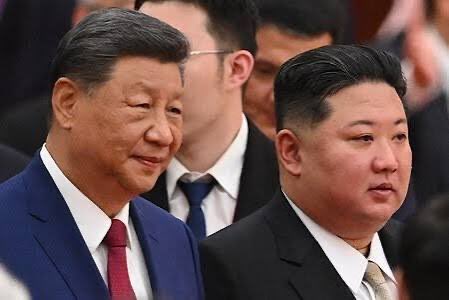
目上、年上、先輩には絶対服従という考え方の最たるものが中国や北朝鮮だ。
自分の考えと違っていても、上に従えという嘘の儒教思想は、日本にも蔓延している。政治体制の違いだけで、救われているにすぎない。
嘘の儒教が行き着く先は、中国や北朝鮮のようなものだ。
日本は観光先としては世界最高だが、労働環境などは過酷だ。
1
1
124
Mar 18
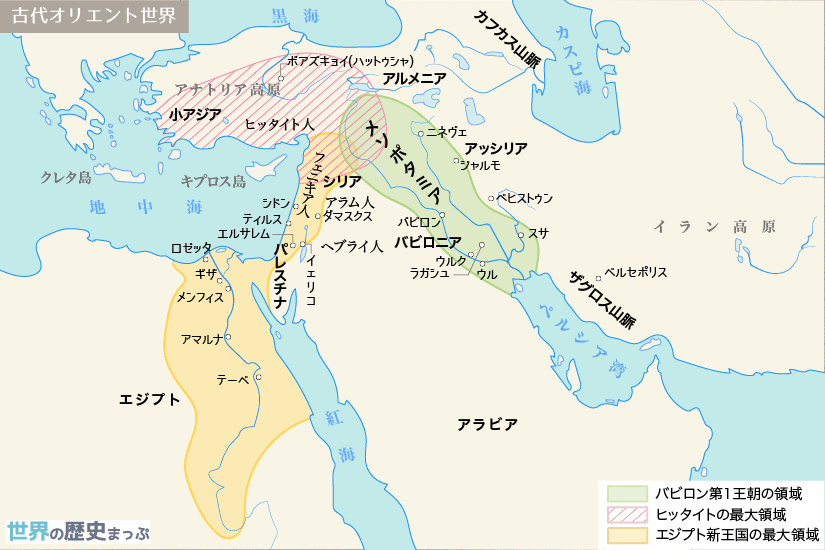
古代の世界
古代世界の形成
先史時代から歴史時代へと進んだ人類は、エジプト・メソポタミア・インド・中国の大河流域で高度の古代文明を開花させた。これらの地方はいずれも豊かな平野にめぐまれ、その地理的条件を利用した穀物栽培によって多数の人口をやしなうことができたが、そのためには大規模な治水・灌漑とそれをささえる共同労働とを必要としたので、そこから専制君主の統治する大国家がインドをのぞき発展した。
四つの文明の周辺には、それらの影響をうけながらも独自の世界をきずきあげた諸文明がうまれた。それらは、西方ではシリア・小アジア・ギリシア・イタリア・北アフリカの諸地域にもおこり、フェニキア人・ヒッタイト人・ヘブライ人(イスラエル人・ユダヤ人)・ギリシア人・ローマ人などによって、それぞれ特徴のある国家や文化がきずかれた。東方のインド・中国の周辺でも、東南アジア・朝鮮・日本の各地に古代国家が形成された。
古代世界の歴史は、各地域における統一的な専制国家の形成・発展とその衰退を軸に展開される。そのなかでギリシア人とローマ人は、一時期、自由で平等な市民たちからなる社会をうみだしたが、これもローマ帝国の後期にはオリエントや中国におけるような専制国家へとかわっていった。
1
1
1
155
Mar 19
【なぜ、同時期に四大文明が発生したのか?】
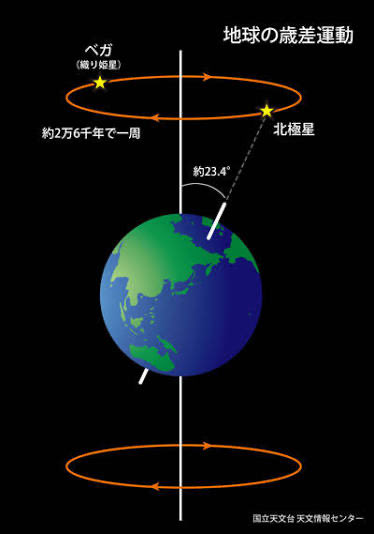
紀元前、約5000年前に、地球の地軸の歳差運動により、地軸の傾き度合いと、近日点(どの季節の時に最も太陽に近づくか)の移動による各地の日射量の変化の影響が、気候システムが耐えられる臨界点(ティッピング・ポイント)を越えた。
四大文明地の緯度の日射量が減少し続けたことにより臨界点を越えたため、植物は枯れ、それらの地の気温が急に1〜2度下がった。
そのため、その地域の陸地の水分の蒸発が弱まることにより、上昇気流が弱まり、周囲からポンプのように空気を吸い込む低気圧が弱まった。
その結果、海から陸へ空気が流れることにより発生する季節風が減った。
これにより、四大文明の緯度の地域は雨量が減り、乾燥した。
それで、大河川流域に水を求める人と知恵が集結し、文明と中央集権社会が発生した。
そして、何千年もの時を経て、その環境や中央集権社会で選別されて生き残った形質の個体の設計図(DNA)だけが存続した。
または、設計図(DNA)はそのままで、環境に応じて「どの遺伝子を使うか(スイッチのON/OFF)」が切り替わる《エピジェネティクス(遺伝子発現の制御)》結果、その地域の社会環境に適応したDNAが形成された。
その思考法や伝統的な政治思想や文化の継承が、その発祥の地域や世界各国の社会形態に影響を与えている。
それらが、現代においては問題視される共産主義的な国家の形態や思想の根本的な原因だ。
日本やヨーロッパも同緯度に位置するが、
日本の場合 → 四方を海に囲まれた島国であるため、季節風が大陸から吹く際(冬)も、太平洋から吹く際(夏)も、海を渡る過程で大量の水蒸気を吸い込みます。そのため、大陸内部が乾燥しても日本列島には雨や雪がもたらされ続けました。また、暖流である黒潮(日本海流)が南から流れ込んでおり、海面の蒸発が盛んです。これが季節風と合わさることで、世界有数の多雨・多雪地帯となりました。
ヨーロッパの場合 → 西側が広大な大西洋に面しており、年間を通じて偏西風が湿った空気を運び込みます。また、高緯度であっても、メキシコ湾から流れてくる強い暖流(北大西洋海流)の影響で、同緯度の他の地域よりも気温が下がりにくく、湿潤な「西岸海洋性気候」が保たれました。
それらの結果、日本やヨーロッパ(特に西欧・北欧)は、気候変動後も「森林と水」が各地に分散して豊富に存在していました。そのため、一箇所に巨大な人口が密集して高度な中央集権体制(水力社会)を急いで構築する必要がなく、小規模な集落や多様な共同体が共存する別の発展経路を辿りました。
これらは、カール・ウィットフォーゲルの「水力社会論」でもあるが、現代の民主主義と共産主義の違いと対立の根幹にある原因である。
「現代の共産主義」は、単なる近現代の思想や影響ではなく、「数千年前から続く一元管理型社会システムの現代版」である。そして、当然だが、独裁者一人の問題ではない。
歳差運動
1
1
185
Mar 8
The Geopolitics of Survival vs. The Myth of Individual "Weakness"
There is an argument claiming that "physically weak men" are more likely to support socialism. However, this is not a matter of individual 'weakness'; it is a matter of a governance structure forced by the survival environment.
Geopolitical Necessity: In the vast and harsh landscapes of Russia and China (arid or frigid), survival was impossible without centralizing scattered people and resources. This "environmental mandate" forged a culture of extreme centralization—a historical DNA of governance. While modern technology now reinforces these dictatorships, in the context of a modern global society, they have become purely toxic.
The Western Contrast: In contrast, Europe—humid and fragmented by complex terrain—naturally leaned toward individualism. The U.S., having won its freedom in the vast frontier, believes in liberty as a "universal good" and intervenes without hesitation. However, to nations that evolved centralization as a survival strategy, this intervention is perceived as a direct violation of their "sovereign foundation for survival."
Historical Parallels and Side Effects: This mirrors the structure of Japan's annexation of Korea. Even if some leaders of the Korean Empire consented under the banner of "modernization," the underlying structure inevitably led to the perception of sovereignty being stripped away. Today, U.S. economic sanctions against dictatorships—intended to promote freedom—unintentionally provide those regimes with propaganda: "Foreign enemies are the ones making our people suffer."
The Toxic OS of Everyday Life: Ideology, of course, plays its part. Consider the "lecturing troubles" common in daily Japanese life—a toxic mix of hierarchy, rigid etiquette, and Confucianism-fueled power harassment. These draining, meaningless encounters are a micro-level manifestation of Confucianism weaponized as an ideology of control. This is the root of East Asian collectivism, which subordinates individual rights to group harmony. Its ultimate, rawest archetype is found in the current dictatorships of China and North Korea. Confucianism is, in essence, the "Islam" of East Asia.
The Essence of Conflict: The conflict is not between "good and evil," but between "liberal democracy" and "survival structures born of environment and wounded pride." A dictator is merely a pawn optimized for that specific environment and ideology. To reduce these issues to "spiritual fortitude" or "strong vs. weak" is intellectual laziness. Judging a nation's survival structure through individual "mental strength" is as absurd as explaining the universe using a geocentric model.
In the face of structural realism, prejudice and labeling carry no weight. A doctor who fails to diagnose the cause of a disease and instead blames the patient’s "lack of willpower" has no seat at the table of rational debate.
1
1
165
Mar 8
弱い男は社会主義者になりやすいという研究結果の話がある。
しかし、それは「弱い男」という個人の資質の問題ではなく、「生存環境が強いた統治構造」の問題だ。
地政学的必然 : ロシアや中国の広大かつ過酷な自然(乾燥・寒冷)では、分散した人員と資源を中央に集中させて管理しなければ、生存すら困難だった。この「環境的要請」が、中央集権的な政治文化や、歴史的に抜け出せない伝統的DNAを形作った。
現代テクノロジーが、その独裁をより強固にしたりもしているが、あれらは現代社会においては害となる。
西側との対照性 : 湿潤で地形により細かく分断されたヨーロッパ諸国は、個人主義が強くなる傾向がある。そして、「フロンティア」という広大な開拓空間の自由を勝ち取った米国は、自由を「普遍的善」と信じ、他国に躊躇なく介入すしている。しかし、中央集権体制を生存戦略としてきた国々にとって、それは「生存基盤への主権侵害」と映る。
歴史的教訓と副作用 : それは、かつての日本が「近代化」を掲げて、韓国を併合した際、大韓帝国の皇帝や閣僚らに同意の意思もあったが、「日本により主権を剥奪されたと考える構造」と同じだ。
現在では、アメリカによる自由のための独裁国への経済制裁が、その独裁国の独裁政権側に、「外敵が国内の民衆を苦しめている」というプロパガンダの材料を与えている。
もちろん、思想も問題だ。
例えば、目上目下などの概念や礼儀、儒教とパワハラが混じったような、よくあるあの説教トラブル。あの最高に面倒で、無意味で精神を削るトラブルのことだ。アレが儒教の支配思想への利用をよくあらわしている。そして、アレこそが、東アジアの社会主義思想のあらわれだ。アレが集団の調和を優先し、個の権利を従属させるという東アジアの思想の根幹だ。そして、その原型の最たるものが、現在の中国や北朝鮮の独裁だ。
儒教は、東アジアのイスラム教のようなものとなっている。
対立の本質は「正邪」ではなく、「民主主義」と「環境が生んだ統治構造や傷つけられた自尊心」の衝突である。その国の統治者の思考や判断も要因の一つだが、その統治者もまた、その思想と環境に最適化された駒の一人にすぎない。
それを個人の「精神論」に問題を矮小化することは、構造的な悲劇から目を逸らす知的怠慢に他ならない。ましてや、個人の「精神論(強い・弱い)」で国家の「生存構造」を語ることは、天動説で宇宙を語ることに等しい行為だ。
1
94
Mar 8
The "Islamic OS" of Iran
Iran’s current governance is not simply a product of Islam. While many Islamic nations exist, none share this specific form of rule.
The true essence of Iranian governance lies in a multi-millennial tradition of extreme centralization—a necessity born from the "irrational flooding of the Tigris and Euphrates" that required advanced intellect and absolute control to prevent total annihilation or fragmentation. This was reinforced by the centralized management of the Iranian Plateau's arid-land underground irrigation (Qanat) and a "geopolitical trauma" of constant invasion by Mongols, Turks, and Arabs. This historical DNA of "over-defensive aggression" has evolved with modern mobilization techniques to manifest as the current regime’s survival and regional dominance.
The current system is not an ancient tradition; it is a modern fabrication. In the 1979 Revolution, Ayatollah Khomeini "invented" the concept of Wilayat al-Faqih (Guardianship of the Jurist) and grafted it onto the pre-existing structure of absolute central power.
Iran did not adopt Islam merely as a "faith," but as the "latest OS" (Operating System) to sustain and strengthen a centralized priesthood governance inherited from Mesopotamian civilization. In this system, Islam is utilized to justify dictatorship and agitate a fanatical populace—though, ironically, it is also used by the masses to justify their own rebellions.
127
Mar 8
イランは「イスラム教だからあのような統治形態になっている。」というわけではない。他にもイスラム教国はあるが、あのようにはなっていない。
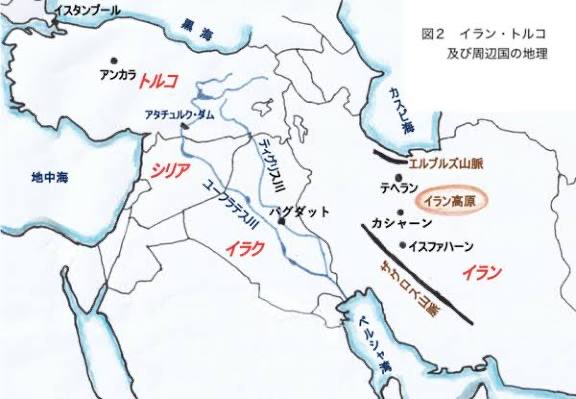
「チグリス・ユーフラテス川の不条理な氾濫を、高度な知性と中央集権で制御しなければ全滅するか分散するしかない」という数千年来の隣国から伝来した中央集権思想と、
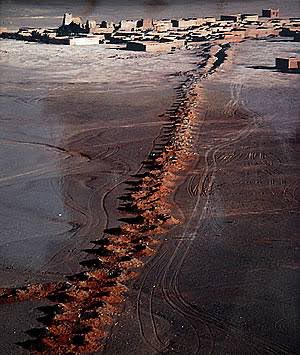
イラン高原の乾燥地の地下水路管理のための中央集権統治と、
「シルクロードの要所として周辺国を管理・影響下に置かなければ、常に外敵(モンゴル、トルコ、アラブ)に蹂躙される」という地政学的な過剰防衛による侵略的思想の、
抜け出せない伝統が、近代的な動員術を得て、「現体制の維持と周辺支配」という形で発現しているのである。
現在の統治形態は、1979年のイラン革命で最高指導者のホメイニが、イスラム法学者の統治を創作し、旧中央集権体制に接ぎ木したものだ。
イランは、イスラム教を「信仰」として受け入れたのではなく、「チグリス・ユーフラテス文明の神官による中央集権統治」を継続・強化するための「最新のOS」としてイスラム教(シーア派)を採用し、融合させたのである。
イスラム教は、独裁を正当化し、狂信的な民衆を煽動するために使われているだけだ。
そのため、民衆主体による反乱の正当化に使われることもあるが。
124
Feb 24
中国の共産主義思想は、中国文明(黄河)が根幹である。黄河は「天井川」になりやすく、流路が激しく変わる最も気性の荒い川である。これを力でねじ伏せ、土木工事を完遂させるには、イランのチグリス・ユーフラテス文明のような神官による統治ではなく、圧倒的な実行力を持つ「王」による中央集権統治が必要だった。そして、物理的脅威に抗うため、数万人を即座に動員し、大地を造り変える「組織論」と「官僚制」が磨かれた。そのため、現代の中国は個人主義者も増えているが、歴史的に広大な領土をまとめ上げようとする中央集権化の傾向があり、全体的に団体主義意識(共産主義意識)が強い。そして、共産主義思想の国家主義的な面と、中華思想である「中国の夢」を国民に植え付け、欧米の個人主義を混乱の元として否定している。また、宗教を管理・制限し、儒教により支配思想を道徳的に正当化し、法家思想により法治国家にする目的を正当化している。さらに、現代ではAIやサイバーによる国内監視や情報操作などにもよってそれらを実行している。そのために統治者が権力を持つ。
1
277