
Buharist, APC member, @manutd fan, Facebook: facebook.com/imranamuhd Whatsapp: whatsapp.com/channel/0029Vb0…
Joined April 2022
- Tweets 20,835
- Following 1,871
- Followers 200,297
- Likes 489
16,719 Photos and videos



President Tinubu Expresses Shock Over Killing of Retired Major-General Rabe Abubakar by Bandits in Katsina
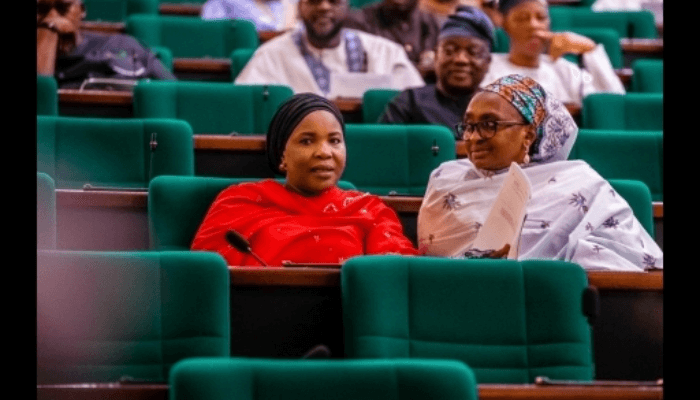
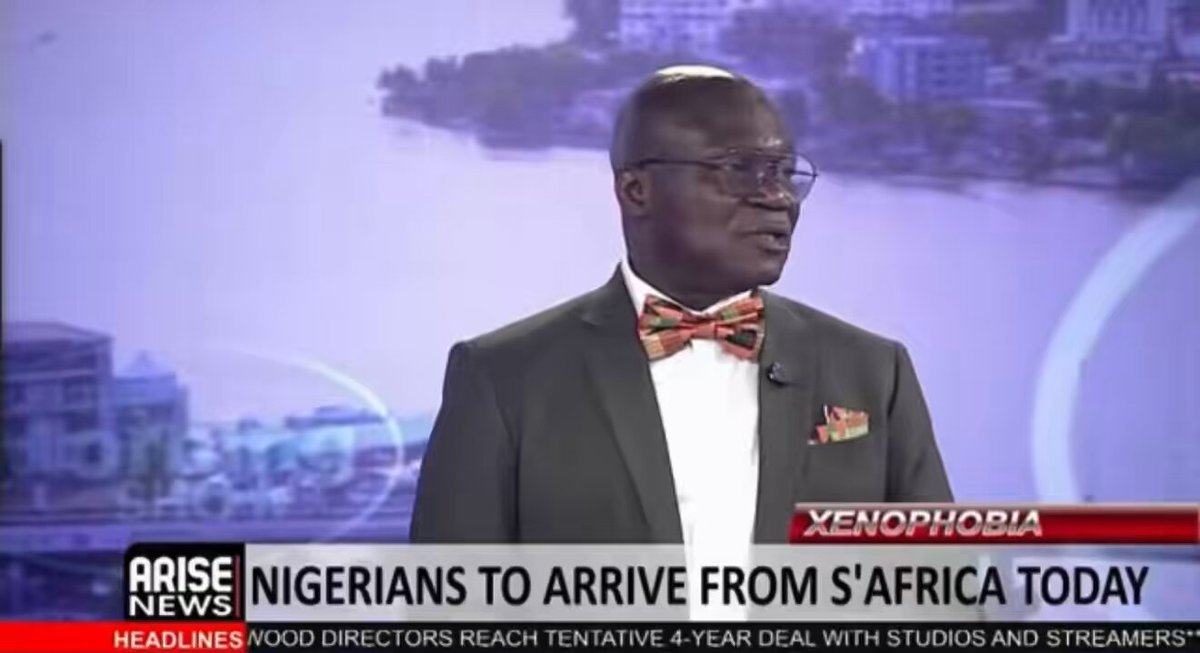
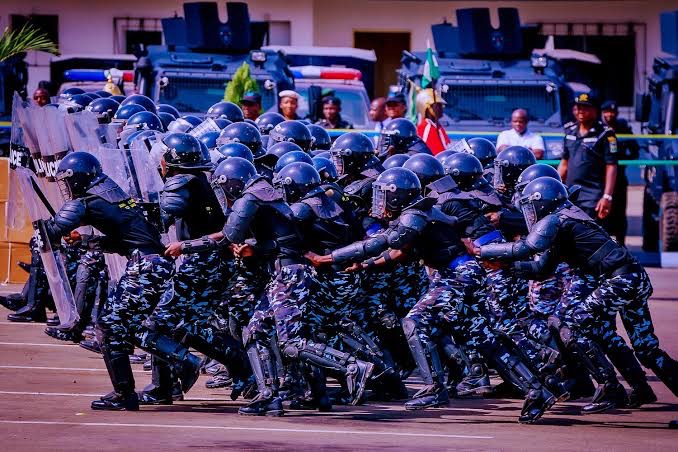
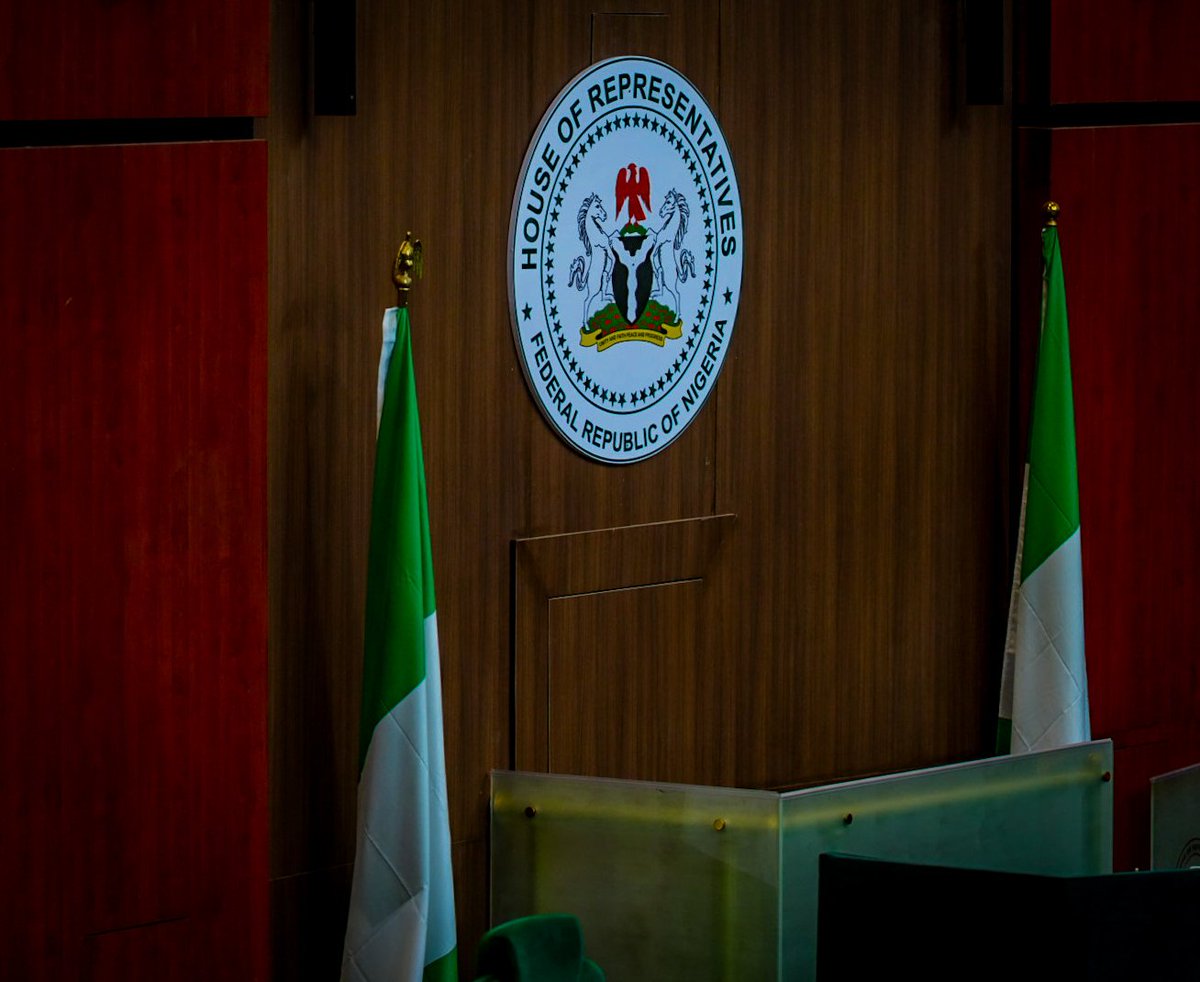
President Bola Ahmed Tinubu has expressed deep sadness and shock following the death of retired Major-General Rabe Abubakar, who was killed while in the custody of terrorists in Katsina State.
According to a statement issued by the Presidency, the retired senior officer was abducted by bandits on his way to his hometown after a distinguished military career. His wife remains in captivity, still held against her will by the same group.
President Tinubu extended his condolences to the deceased’s family, particularly his wife, as well as to the Katsina State government and the Nigerian Armed Forces.
In a firm message to the terrorists, the President declared that the Federal Government will not yield to their demands for the release of their members currently in custody.
“Bandits, kidnappers, and sponsors of terror should now surrender or face the full force of the Nigerian State. These windows of surrender will not remain open forever. And no mercy will be shown to those who trade in the blood of Nigerians,” the President said, reiterating his earlier statement made on June 12.
85
52
229
23,534
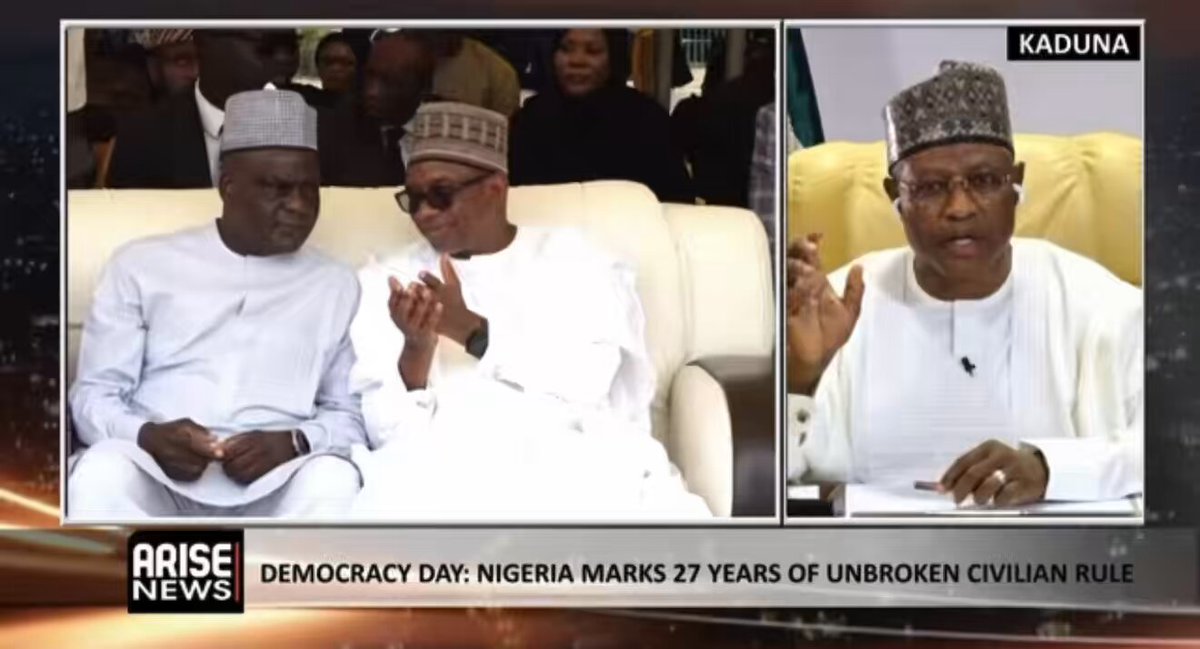
President Tinubu, as the president of Nigeria, has demonstrated a lot of attributes of a democrat and a leader. I cannot say that he is perfect.
- Governor Uba Sani
31
140
475
16,640
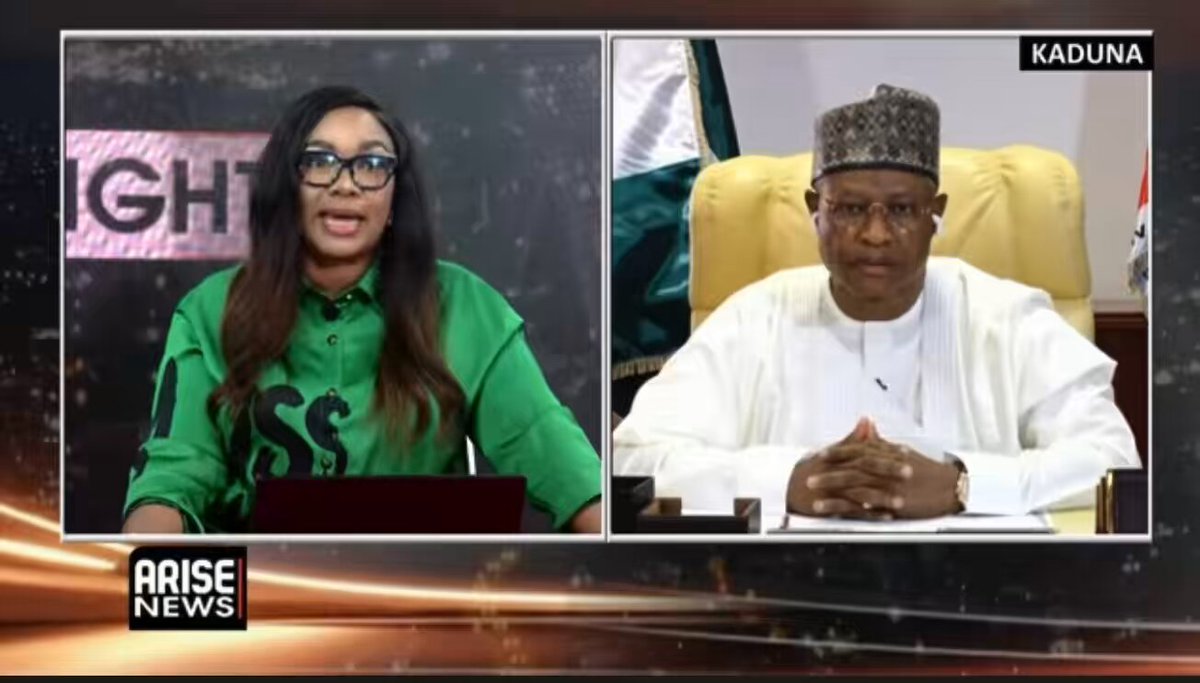
Unless we create a state police in Nigeria, we cannot address the issues of insurgency, banditry, and kidnappings.
- Kaduna State Governor, Sen. Uba Sani
34
115
417
31,507

Jun 12
BREAKING: Elon Musk becomes world’s first trillionaire as SpaceX makes historic stock market debut
38
164
1,005
30,452
Jun 11
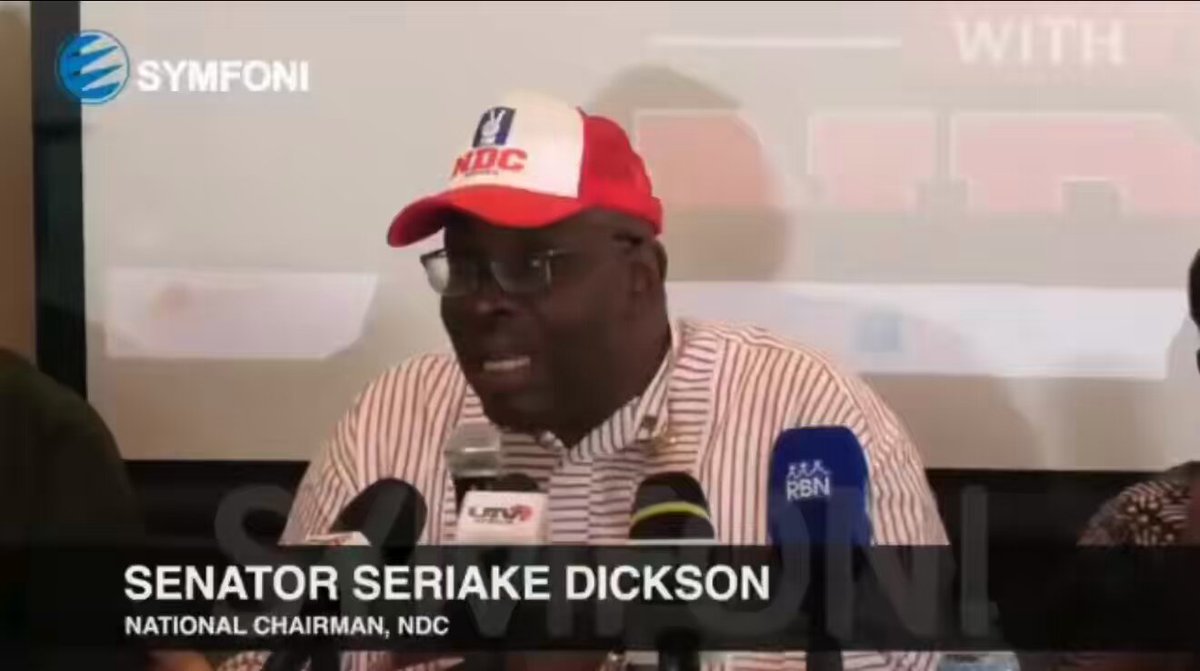
Why we direct that every donation should go to the party's designated account so that it can be audited, and INEC by law has the power to audit it. When necessary, we will even inform the public, and that is the way it will go.
- NDC National Leader, Sen. Seriake Dickson
65
176
722
86,069
Jun 11
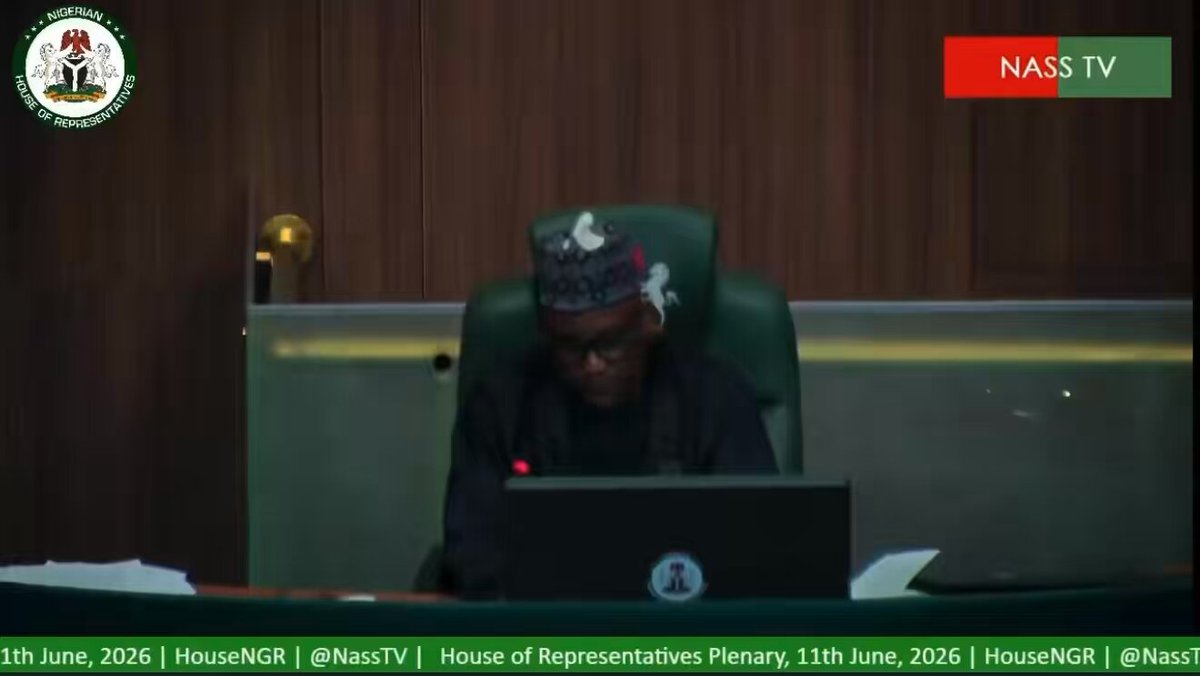
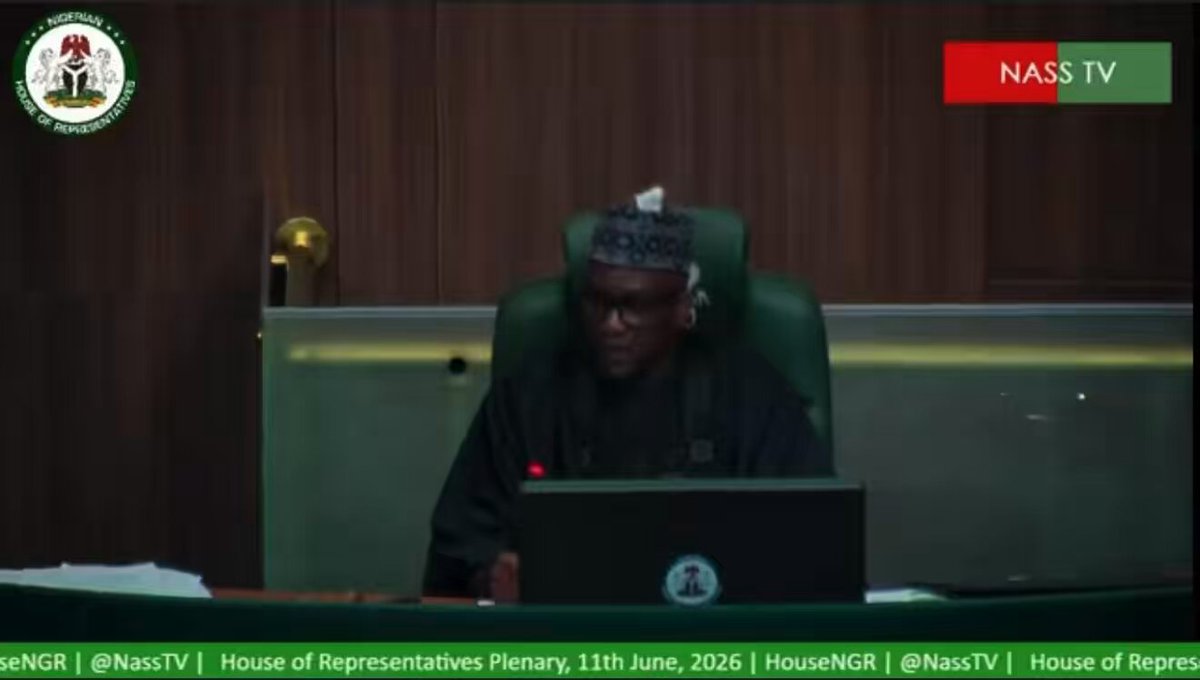
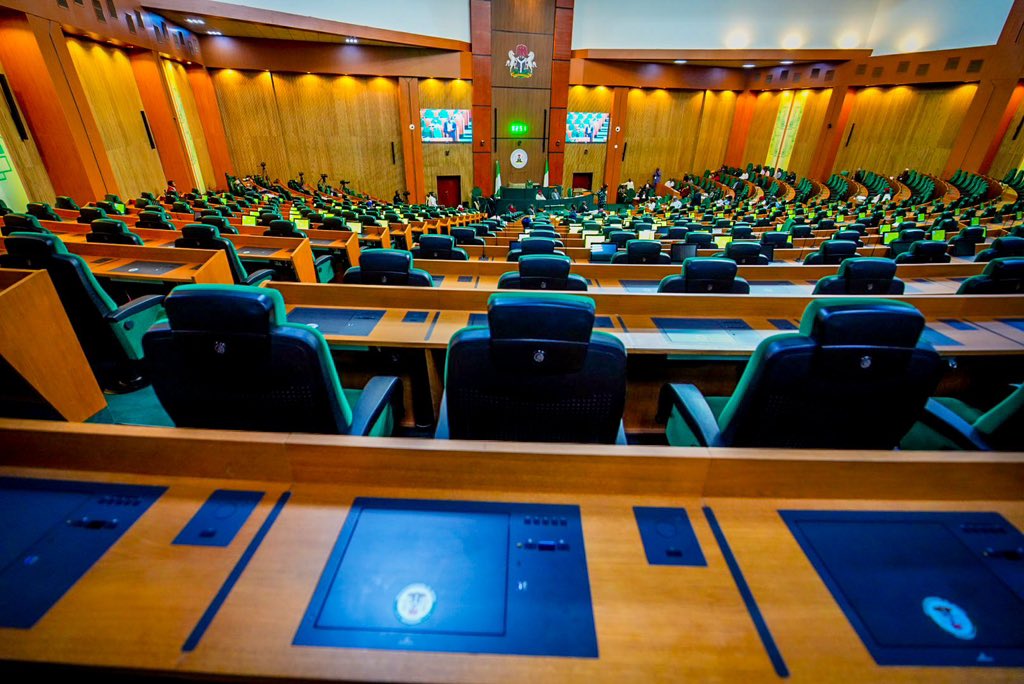
The House of Representatives has adjourned its plenary session until July 7, 2026, to mark the end of the legislative year and to review other constitutional amendment proposals, which will be the first item they vote on after their recess.
7
69
315
18,357
Jun 11
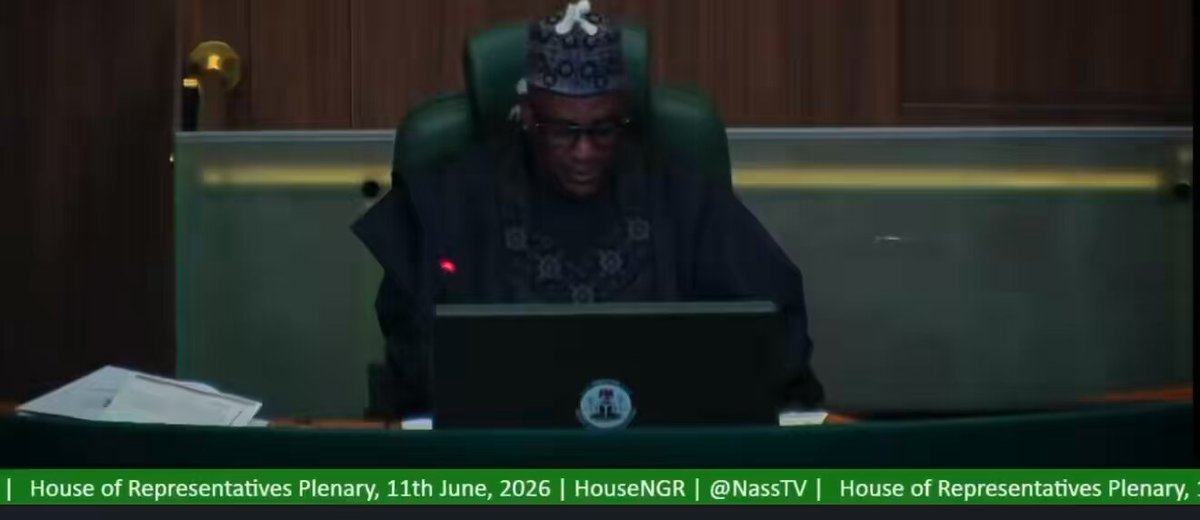
The Speaker of the House of Representatives, Rt. Hon. Tajudeen Abbas, announced that constitutional amendments to establish state police garnered support as follows: 289 votes in favor, 1 against, 0 abstentions, with a total of 290 votes cast.
Jun 11

BREAKING: The House of Representatives has passed constitutional amendments to establish state police in Nigeria and has postponed other constitutional amendments to another legislative session.
74
406
988
119,953
Jun 11
BREAKING: The House of Representatives has passed constitutional amendments to establish state police in Nigeria and has postponed other constitutional amendments to another legislative session.
111
639
1,957
212,814
Jun 11
The Speaker of the House of Representatives, Tajudeen Abbas, has today officially announced Hon. Fred Agbedi from Bayelsa as the new Minority Leader of the 10th House of Representatives.
17
97
565
31,977
Jun 11
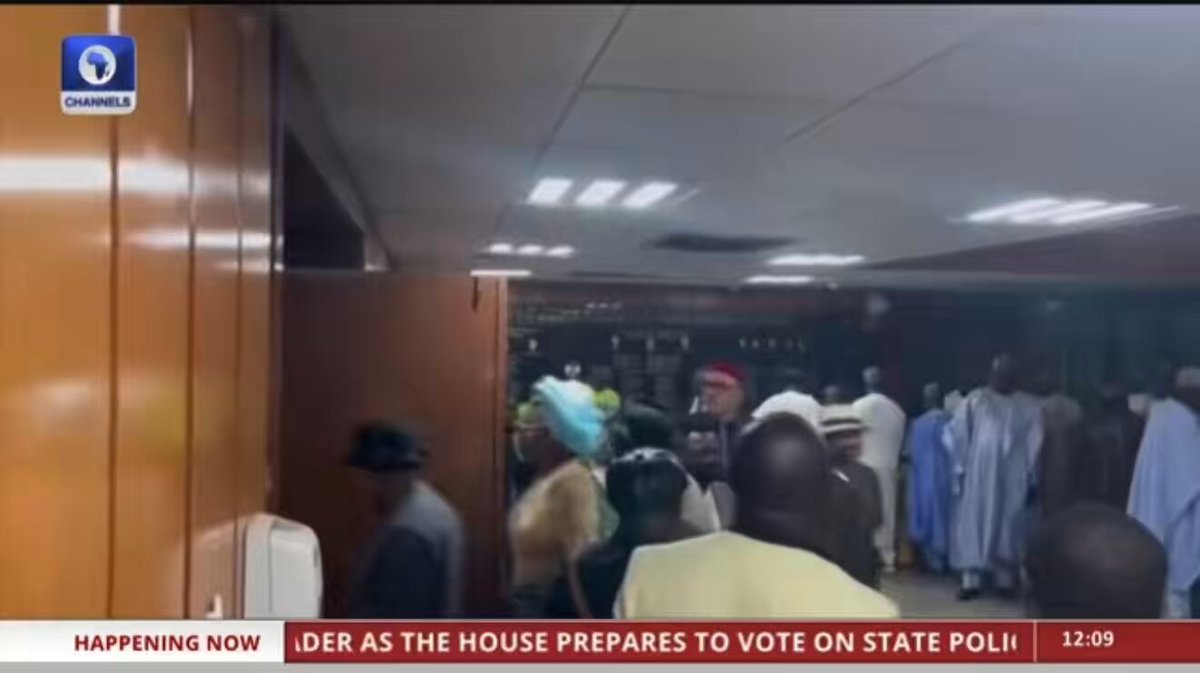
Happening Now: Opposition members of the House of Reps are adamant that there will be no proceedings unless Hon. Fred Agbedi from Bayelsa is declared the minority leader, as the House gets ready to vote on constitutional amendments, including the long-anticipated State Police.
33
128
651
76,555
Jun 11
Details of constitutional amendments to provide an additional 12 women senators, 37 women representatives, and 3 women per state house via the Electoral College
Senate (Alteration of Section 48)
Original provision: The Senate consists of three Senators from each of the 36 States one from the Federal Capital Territory, Abuja (total 109).
New provision (substituted Section 48):
• (a) Retains the original 3 Senators per State 1 from FCT.
• (b) Adds two additional Senators from each of the six geo-political zones, who must be women and elected in accordance with the new Section 77A (via Electoral College, with rotation among States in the zone as prescribed by an Act of the National Assembly).
Key details:
• Total additional seats: 2 × 6 zones = 12 additional women Senators.
• Rotation of the extra seats among States within each geo-political zone (order, pairing, transition, etc.) to be prescribed by an Act of the National Assembly.
• The extra seats are treated as special senatorial seats for geo-political zones (delimitation rules for ordinary seats do not apply).
• Provisions take effect at the first general election after commencement and are reviewed after 16 years.
House of Representatives (Alteration of Section 49)
Original provision: 360 members representing Federal constituencies of nearly equal population (no constituency spans more than one State).
New provision (substituted Section 49):
• (a) Retains the original 360 constituency-based members.
• (b) Adds one additional member for each State and the Federal Capital Territory, who must be a woman and elected in accordance with the new Section 77A (via Electoral College).
Key details:
• Total additional seats: 36 States 1 FCT = 37 additional women Representatives.
• The extra seats are treated as special Federal constituencies for the States/FCT (ordinary delimitation rules do not apply).
• Provisions take effect at the first general election after commencement and are reviewed after 16 years.
State Houses of Assembly (Alteration of Section 91)
Original provision: A State House of Assembly consists of 3 or 4 times the number of Federal constituencies in the State (minimum 24, maximum 40 members), divided to reflect nearly equal population as far as possible.
New provision (new subsections (2)–(4) inserted after subsection (1)):
• (a) Retains the original constituency-based members.
• (b) Adds three additional members per State, being one woman elected from each of the three Senatorial districts in the State, in accordance with the new Section 117A (via Electoral College).
Key details:
• Total additional seats: 3 women per State House of Assembly (one per Senatorial district).
• These are treated as additional special State constituencies (ordinary delimitation/size rules do not apply).
• Provisions take effect at the first general election after commencement and are reviewed after 16 years.
Common Provisions for All Special Seats (Senate, House of Reps, State Assemblies)
• Election method: Indirect election by Electoral College (not direct constituency election). INEC conducts and supervises all such elections.
• For Senate & House of Representatives (new Section 77A): A State Electoral College per State (or FCT Electoral College). Composition:
• All elected LGA Chairpersons & Vice-Chairpersons.
• All elected LGA Councillors.
• All members of the State House of Assembly.
• All House of Representatives members from the State.
• All Senators from the State.
• (FCT version uses Area Councils instead of LGAs.)
• For State Houses of Assembly (new Section 117A): Identical State Electoral College composition per State.
• Candidates: Must be women, sponsored by registered political parties. Must meet the usual qualification/disqualification rules (Sections 65/66 for National Assembly; 106/107 for State Assemblies).
• Voting: One vote per Electoral College member; secret ballot.
• Detailed rules: An Act of the National Assembly will prescribe procedures (accreditation, quorum, voting, collation, results declaration, tie-breaking, vacancies, by-elections, substitution, withdrawal, campaign finance, election petitions, transparent party nomination processes, rotation for Senate seats, etc.). The Act cannot alter the Electoral College composition set in the Constitution.
• Status of elected women: Same tenure, rights, privileges, immunities, and obligations as members elected to ordinary seats.
• Vacancies: Filled as prescribed by an Act of the National Assembly.
• Recall: Special procedure via the relevant Electoral College (petition by at least half its members → INEC verification → approval by at least two-thirds of members via secret ballot). Ordinary recall rules do not apply.
• Other consequential changes: Updates to Sections 69 (recall), 71/72 (Senatorial districts/Federal constituencies), 76/116 (election timing), 112/113 (State constituencies), 285 (pre-election matters/election petitions — “election” now includes these indirect elections), 318 (new definitions for “additional special seat”, “electoral college”, “geo-political zone”), First Schedule (new Part IA listing the six geo-political zones and their States), and Third Schedule (INEC powers now explicitly cover these special seats via Electoral College).
Explanatory Memorandum summary: The bill introduces these additional special seats for women as a temporary special measure to promote women’s representation in the legislature and strengthen inclusive governance.
45
139
376
49,701
Jun 11
Today, South Africa and Mexico will be playing the first match of the World Cup. I urge all Nigerians to support Mexico. Why should we support South Africa?They say we don’t like them,they say we are doing their job. Let’s not do their job. We will support Mexico.
- Reuben Abati
546
808
3,747
309,696
Jun 11
Details of Proposed Constitutional Amendments for the Establishment of State Police and Federal Police
1. Establishment of Federal Police and State Police (New Section 214)
• Two distinct police bodies are constitutionally established:
• (a) the Federal Police
• (b) State Police (one per State, established by State law)
The National Assembly must pass an Act prescribing:
• Structure, organisation, administration, and powers of the Federal Police
• Framework and guidelines for the establishment of State Police
• State Police cannot commence operational policing until:
• Established by a Law of the State House of Assembly, and
• Certified as meeting national minimum standards (prescribed by an Act of the National Assembly)
• Transitional provision: Until a State Police becomes operational, the Federal Police continues all policing functions in that State. After commencement, the Federal Police handles federal policing functions and may provide assistance to the State Police.
2. Responsibilities and Non-Interference (Section 214)
Federal Police is responsible for:
• Maintenance of public security, public order, and security of persons/property throughout the Federation (to the extent provided by the Constitution or National Assembly Act).
• Similar functions within a State to the extent the State has legislative power under the Constitution.
Key safeguard against federal overreach (Section 214(6)):
The Federal Police shall not interfere with State Police operations or a State’s internal security affairs except in these limited cases:
• To contain serious threats where there is a complete breakdown of law and order and the State Police is unable to respond.
• When the Governor requests intervention.
• When a State Police is unable to function due to administrative, financial, or other problems.
Any such intervention requires prior approval by the National Police Council.
Federal Capital Territory (FCT): Fully under the jurisdiction and operational control of the Federal Police.
3. Leadership and Command (New Section 215)
• Federal Police: Headed by the Inspector-General of Police (IGP).
• Appointed by the President on the advice of the National Police Council, from serving members of the Federal Police.
• Subject to confirmation by the National Assembly.
• The IGP has command over the entire Federal Police, including contingents in States.
• The President (or authorised Minister) may give lawful directions on public safety and order; the IGP must comply.
• State Police: Headed by a Commissioner of Police (CP).
• Appointed by the Governor on the advice of the National Police Council, from serving members of the State Police.
• Subject to confirmation by the State House of Assembly.
• The Governor (or authorised Commissioner) may give lawful directions on public safety and order; the CP must comply.
• If the CP believes a direction is unlawful or contradicts general policing standards, the matter can be referred to the National Police Council (whose decision is final).
4. Removal of Top Officers (New Section 216)
• IGP: Removed only by the President on the recommendation of the National Police Council for specified grounds (grave misconduct, breach of Police Act/Regulations/Code of Conduct, conviction for fraud/dishonesty, bankruptcy, or mental incapacity). Requires two-thirds majority approval of the National Assembly.
• State Commissioner of Police: Removed only by the Governor on the recommendation of the National Police Council for similar grounds. Requires two-thirds majority approval of the State House of Assembly.
5. Funding Support (New Section 216A)
The Federal Government shall provide grants or aids to State Police on the recommendation of the National Police Council, subject to approval by the National Assembly.
6. Oversight Bodies
National Police Council (restructured and renamed from the old Nigeria Police Council; new composition and expanded functions in Third Schedule):
• Broad membership including: Chairman (Presidential appointee confirmed by NA), Attorney-General of the Federation, serving senior Federal Police officer, Attorneys-General of all States, retired Commissioners of Police (one per geo-political zone), representatives of NHRC, Public Complaints Commission, NLC, NBA, NUJ, and Traditional Rulers’ Councils.
• Key functions: Appointment and discipline of Federal Police officers (except IGP); recommending State top officers (CP, DCP, ACP) to Governors based on State PSC lists; supervising Federal and State Police activities (within constitutional limits); setting standards for training, intelligence, forensics; assisting State Police on request.
State Police Service Commission (new body established for each State in Third Schedule, Part II):
• Composition: Chairman (appointed by Governor, confirmed by State HA), representatives of NHRC, Public Complaints Commission, NLC, NBA, NUJ, retired Assistant Commissioners of Police (one per senatorial district), and Traditional Rulers’ Council.
• Functions: Recommending three qualified candidates for CP/DCP/ACP to the National Police Council; appointment, discipline, and removal of State Police officers below the rank of Assistant Commissioner of Police; other functions as prescribed by Constitution or National Assembly Act.
7. Legislative Framework (Second Schedule – Concurrent Legislative List)
• National Assembly may make laws on: establishment/organisation/administration/powers/duties of Federal Police; powers/duties of State Police; national minimum standards for both; policing standards, inspection, certification, complaints mechanisms, criminal information systems, inter-governmental cooperation, federal intervention, use of force, firearms, grants, and accountability.
• State Houses of Assembly may make laws for the establishment, organisation, administration, funding, and oversight of their State Police — but must comply with the Constitution and valid National Assembly Acts.
• States may set higher standards than national minimums but not lower.
• National Assembly laws cannot give federal authorities routine command, deployment, appointment, promotion, transfer, discipline, or control over State Police personnel (except for explicitly authorised federal intervention).
8. Other Related Changes
• Updates to various constitutional provisions (e.g., Sections 34, 35, 39, 42, 84, 89, 129, 153) to replace references to “Nigeria Police Force” with appropriate “Police”, “Federal Police”, or “State Police” terminology.
• Exclusive Legislative List adjustments (e.g., light arms for policing purposes; fingerprints/biometrics/forensics shared with State Police; Federal Police listed separately).
• Consequential amendments to the Third Schedule for the new bodies and their compositions/powers.
139
759
1,396
126,434
Jun 11
House of Representatives Set to Vote Today on 37 Landmark Constitutional Amendment Bills
ELECTORAL REFORMS (Bills 1–3)
1. Bill NO. 1: A BILL FOR AN ACT TO ALTER THE PROVISIONS OF THE CONSTITUTION OF THE FEDERAL REPUBLIC OF NIGERIA, 1999 TO PROVIDE FOR INDEPENDENT CANDIDACY IN PRESIDENTIAL, GOVERNORSHIP, NATIONAL ASSEMBLY, STATE HOUSES OF ASSEMBLY AND LOCAL GOVERNMENT COUNCILS ELECTIONS; AND FOR RELATED MATTER, 2025
→ Allows independent candidates with verified signatures (10% of registered voters from 2/3 of relevant areas); INEC/SIEC verifies signatures; 50% fee waiver for women candidates.
2. Bill NO. 2: A BILL FOR AN ACT TO ALTER THE CONSTITUTION OF THE FEDERAL REPUBLIC OF NIGERIA, 1999 TO PROVIDE THE CRITERIA FOR APPOINTING MEMBERS AND ADDITIONAL POWERS FOR THE STATE INDEPENDENT ELECTORAL COMMISSION; AND FOR RELATED MATTERS, 2025
→ Adds non-partisanship/integrity/age criteria for SIEC members; grants SIEC independent rule-making powers (no Governor approval); expands SIEC functions (voter education, campaign monitoring, party primaries, referendums, etc.).
3. Bill NO. 3: A BILL FOR AN ACT TO ALTER THE CONSTITUTION OF THE FEDERAL REPUBLIC OF NIGERIA 1999, TO ESTABLISH AND EMPOWER THE ELECTORAL OFFENCES COMMISSION TO PROVIDE FOR THE INVESTIGATION AND PROSECUTION OF ELECTORAL OFFENCES; AND FOR RELATED MATTERS, 2025
→ Creates Electoral Offences Commission as a federal executive body with first-line charge funding; details composition, qualifications, and powers (to be prescribed by Act).
JUDICIAL REFORMS (Bills 4–6)
4. Bill NO. 4: A BILL FOR AN ACT TO ALTER THE CONSTITUTION OF THE FEDERAL REPUBLIC OF NIGERIA, 1999 TO REDUCE THE BURDEN ON THE SUPREME COURT, REPOSITION IT AS A COURT OF POLICY, AND ENSURE THE TIMELY RESOLUTION OF ELECTION PETITIONS; AND FOR RELATED MATTERS, 2025
→ Most Supreme Court appeals require leave (except presidential/vice-presidential election matters).
5. Bill NO. 5: A BILL FOR AN ACT TO ALTER THE CONSTITUTION OF THE FEDERAL REPUBLIC OF NIGERIA, 1999, TO PROVIDE FOR THE REGULATION OF THE JURISDICTION OF THE SUPREME COURT AND THE COURT OF APPEAL; AND FOR RELATED MATTERS, 2025
→ Clarifies Chief Justice as Head of Judiciary; mandates 360-day disposal of appeals to Supreme Court.
6. Bill NO. 6: A BILL FOR AN ACT TO ALTER THE CONSTITUTION OF THE FEDERAL REPUBLIC OF NIGERIA, 1999 TO EMPOWER JUDGES ELEVATED TO HIGHER COURTS TO CONCLUDE PART-HEARD CRIMINAL MATTERS PENDING BEFORE THEM PRIOR TO THEIR ELEVATION; AND FOR RELATED MATTERS, 2025
→ Allows elevated Federal High Court judges to conclude part-heard criminal cases (prosecution closed) within 6 months (excluding vacation).
SECURITY AND POLICING (Bills 7–8)
7. Bill NO. 7: A BILL FOR AN ACT TO ALTER THE CONSTITUTION OF THE FEDERAL REPUBLIC OF NIGERIA 1999 TO PROVIDE FOR THE ESTABLISHMENT OF STATE POLICE; AND FOR RELATED MATTERS (SIXTH ALTERATION) 2026
→ Replaces references to “Nigeria Police Force” with “Police” in relevant sections to enable State Police.
8. Bill NO. 8: A BILL FOR AN ACT TO ALTER THE CONSTITUTION OF THE FEDERAL REPUBLIC OF NIGERIA, 1999 TO PROVIDE FOR THE FINANCIAL INDEPENDENCE OF THE ARMED FORCES OF THE FEDERATION; AND FOR RELATED MATTERS, 2025
→ Places Armed Forces funding on first-line charge (like INEC, National Assembly, Judiciary).
LOCAL GOVERNMENT (Bills 9–17)
9. Bill NO. 9: A BILL FOR AN ACT TO ALTER THE CONSTITUTION OF THE FEDERAL REPUBLIC OF NIGERIA, 1999 TO ESTABLISH LOCAL GOVERNMENT COUNCILS AS A TIER OF GOVERNMENT; AND FOR RELATED MATTERS, 2025
→ Recognises Local Governments as a third tier; adjusts federalism and legislative powers accordingly.
10. Bill NO. 10: A BILL FOR AN ACT TO ALTER THE CONSTITUTION OF THE FEDERAL REPUBLIC OF NIGERIA, 1999 TO PROVIDE FOR THE ESTABLISHMENT, INDEPENDENCE AND FUNCTIONS OF THE OFFICE OF THE STATE AUDITORS-GENERAL FOR LOCAL GOVERNMENTS AND THE FEDERAL CAPITAL TERRITORY AREA COUNCILS… 2025
→ Creates independent State Auditors-General for Local Governments/Area Councils.
18. Bill NO. 18: A BILL FOR AN ACT TO ALTER THE CONSTITUTION OF THE FEDERAL REPUBLIC OF NIGERIA, 1999 TO GRANT CITIZENSHIP RIGHTS TO SPOUSES; AND FOR RELATED MATTERS, 2025
→ Gender-neutral spousal citizenship (5-year residency requirement).
19. Bill NO. 19: A BILL FOR AN ACT TO ALTER THE CONSTITUTION OF THE FEDERAL REPUBLIC OF NIGERIA, 1999 TO INCLUDE CITIZENSHIP BY INVESTMENT… 2025
→ Allows National Assembly to prescribe citizenship by investment.
20. Bill NO. 20: A BILL FOR AN ACT TO ALTER THE CONSTITUTION OF THE FEDERAL REPUBLIC OF NIGERIA, 1999 TO PROVIDE FOR ADDITIONAL SPECIAL SEATS FOR WOMEN IN THE SENATE, HOUSE OF REPRESENTATIVES AND STATE HOUSES OF ASSEMBLY… 2025
→ Creates special (temporary) women seats via electoral college; groups states into geo-political zones.
LEGISLATURE (Bills 21–25)
21. Bill NO. 21: A BILL FOR AN ACT TO ALTER THE CONSTITUTION OF THE FEDERAL REPUBLIC OF NIGERIA, 1999 TO INSTITUTIONALIZE LEGISLATIVE BUREAUCRACY IN THE CONSTITUTION; AND FOR RELATED MATTERS, 2025
→ Makes Clerk head of Legislative Service in National Assembly and State Houses.
22. Bill NO. 22: A BILL FOR AN ACT TO ALTER THE CONSTITUTION OF THE FEDERAL REPUBLIC OF NIGERIA, 1999 TO SPECIFY THE PERIOD FOR THE LAYING OF APPROPRIATION BILL… 2025
→ Requires appropriation estimates at least 60 days before end of financial year.
23. Bill NO. 23: A BILL FOR AN ACT TO ALTER THE CONSTITUTION OF THE FEDERAL REPUBLIC OF NIGERIA, 1999 TO PROVIDE FOR THE INAUGURATION OF NEW MEMBERS AFTER THE INAUGURATION OF THE NATIONAL ASSEMBLY… 2025
→ Allows post-inauguration members (with certificate of return) to be sworn in.
24. Bill NO. 24: A BILL FOR AN ACT TO ALTER THE CONSTITUTION, 1999 TO PROVIDE THE PROCEDURE FOR REMOVING PRESIDING OFFICERS OF THE HOUSE OF ASSEMBLY OF A STATE; AND FOR RELATED MATTERS, 2025
→ Adds procedural safeguards for removing State House Speakers/Deputy Speakers.
25. Bill NO. 25: A BILL FOR AN ACT TO ALTER THE CONSTITUTION OF THE FEDERAL REPUBLIC OF NIGERIA, 1999 TO REMOVE TRANSITIONAL LAW-MAKING POWERS FROM THE EXECUTIVE ARM OF GOVERNMENT; AND FOR RELATED MATTER, 2025
→ Deletes executive power to modify existing laws for constitutional conformity.
DEVOLUTION OF POWERS / HUMAN RIGHTS / FISCAL / INSTITUTIONS /
TRADITIONAL INSTITUTIONS (Bills 26–37)
26. Bill NO. 26: A BILL FOR AN ACT TO ALTER THE CONSTITUTION OF THE FEDERAL REPUBLIC OF NIGERIA, 1999 TO PROVIDE FOR THE INCLUSION OF TOURISM AND TOURISM-RELATED MATTERS ON THE CONCURRENT LEGISLATIVE LIST… 2025
→ Moves tourism to Concurrent List.
27. Bill NO. 27: A BILL FOR AN ACT TO AMEND THE CONSTITUTION OF THE FEDERAL REPUBLIC OF NIGERIA, 1999 TO PROVIDE SPECIAL PROTECTION FOR CHILDREN; AND FOR RELATED MATTERS, 2025
→ Adds section on best interests of the child, protection from violence/abuse, access to justice.
28. Bill NO. 28: A BILL FOR AN ACT TO ALTER THE CONSTITUTION OF THE FEDERAL REPUBLIC OF NIGERIA, 1999 TO FURTHER DEFINE ACTS THAT CONSTITUTE TORTURE, INHUMAN OR DEGRADING TREATMENT… 2025
→ Explicitly includes public parading of arrested suspects as torture/degrading treatment.
29. Bill NO. 29: A BILL FOR AN ACT TO ALTER THE CONSTITUTION OF THE FEDERAL REPUBLIC OF NIGERIA, 1999 TO PROTECT THE RIGHT OF AN UNBORN CHILD BEING CARRIED BY A PREGNANT WOMAN SENTENCED TO DEATH… 2025
→ Pregnant women sentenced to death get life imprisonment instead.
30. Bill NO. 30: A BILL FOR AN ACT TO ALTER THE CONSTITUTION OF THE FEDERAL REPUBLIC OF NIGERIA, 1999 TO PROVIDE FOR THE RIGHT TO A CLEAN, SAFE, AND HEALTHY ENVIRONMENT… 2025
→ Elevates right to clean/safe/healthy environment under right to life.
31. Bill NO. 31: A BILL FOR AN ACT TO ALTER THE CONSTITUTION OF THE FEDERAL REPUBLIC OF NIGERIA, 1999 TO MANDATE ALL GOVERNMENT STATUTORY CORPORATIONS… TO SUBMIT YEARLY FINANCIAL STATEMENT TO THE AUDITOR GENERAL… 2025
→ Requires audited financial statements from all agencies within 90–180 days.
32. Bill NO. 32: A BILL FOR AN ACT TO ALTER THE CONSTITUTION OF THE FEDERAL REPUBLIC OF NIGERIA, 1999 TO PROVIDE FOR THE PUBLIC DISCLOSURE OF REPORTS OF THE AUDITOR GENERAL… 2025
→ Mandates public disclosure of Auditor-General reports within 90 days.
33. Bill NO. 33: A BILL FOR AN ACT TO ALTER THE CONSTITUTION OF THE FEDERAL REPUBLIC OF NIGERIA, 1999 TO INCREASE THE NUMBER OF MEMBERS OF THE FEDERAL CIVIL SERVICE COMMISSION… 2025
→ Ensures one representative per state FCT on Federal Civil Service Commission.
34. Bill NO. 34: A BILL FOR AN ACT TO ALTER THE CONSTITUTION OF THE FEDERAL REPUBLIC OF NIGERIA, 1999 TO ENSURE THAT EVERY LOCAL GOVERNMENT IN EACH STATE HAS AT LEAST ONE MEMBER REPRESENTING THE LOCAL GOVERNMENT IN THE HOUSE OF ASSEMBLY… 2025
→ Guarantees at least one House of Assembly member per Local Government (increases max members to 44).
35. Bill NO. 35: A BILL FOR AN ACT TO ALTER THE CONSTITUTION OF THE FEDERAL REPUBLIC OF NIGERIA, 1999 TO SEPARATE THE OFFICE OF THE GOVERNOR FROM THAT OF THE DEPUTY GOVERNOR ON ISSUES OF QUALIFICATION OR DISQUALIFICATION… 2025
→ Allows governor to replace disqualified deputy without affecting the governor’s election.
36. Bill NO. 36: A BILL FOR AN ACT TO ALTER THE CONSTITUTION OF THE FEDERAL REPUBLIC OF NIGERIA, 1999 TO ESTABLISH COUNCIL OF TRADITIONAL RULERS IN NIGERIA; AND FOR RELATED MATTERS, 2025
→ Creates State Council of Traditional Rulers as a state executive body.
37. Bill NO. 37: A BILL FOR AN ACT TO ALTER THE CONSTITUTION OF THE FEDERAL REPUBLIC OF NIGERIA, 1999 TO PROVIDE A STABLE AND STATUTORY SOURCE OF FUNDING FOR THE TRADITIONAL INSTITUTION IN NIGERIA… 2025
→ Mandates at least 5% of local government funds for Traditional Councils (via state law).
134
697
1,099
218,813
Jun 10
Q: Did you prioritize people who could afford to fund the campaign?
Sen. Dickson: Sometimes, in the comfort of an air-conditioned room, people can make all kinds of claims and talk like activists, but in the real political world, resources are key.
72
234
937
120,694
Jun 10
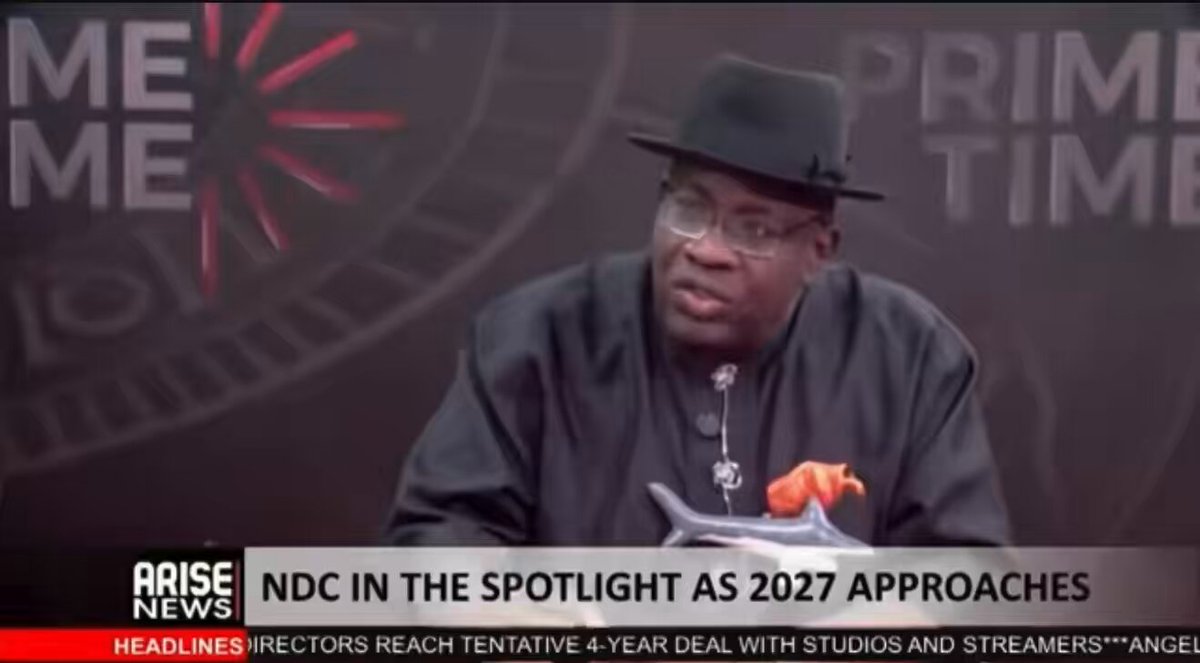
Q: Aisha Yesufu has alleged ill-treatment at the NDC.
Sen. Dickson: When she said 'ill treatment,' can you define the nature of this ill treatment? It may be because they are popular on social media and well-known, they may not want to play (by the rules).
103
347
1,279
223,722
Jun 10
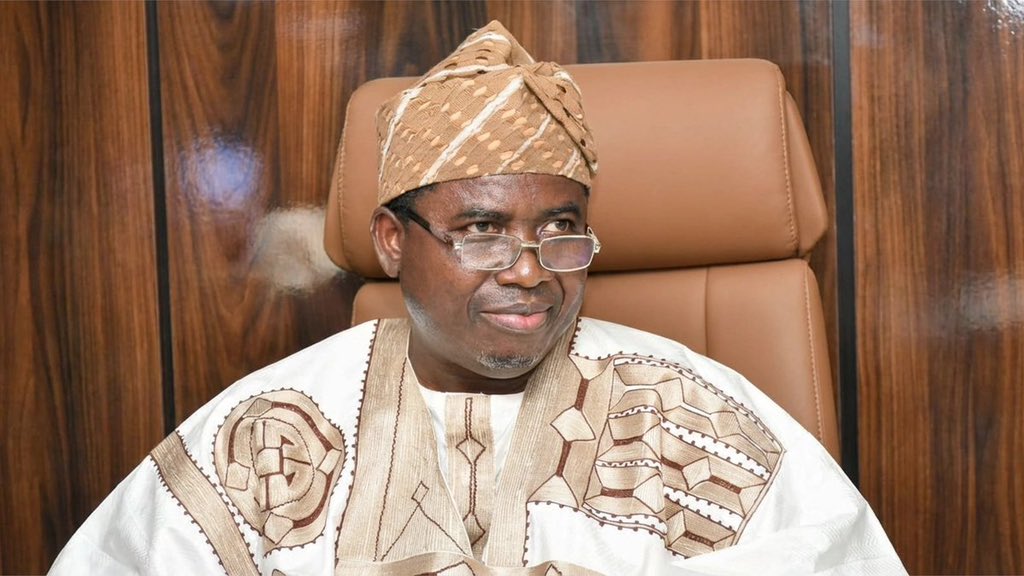
INEC Restores Suppressed Constituencies in Benue, Delta, Jigawa, and Kogi for 2027 Polls
The Independent National Electoral Commission (INEC) has officially restored several State Constituencies previously suppressed in four states, following court judgments, to enable their participation in the 2027 General Elections.
In a press statement issued today, INEC said the restoration is in line with the powers conferred on it by the 1999 Constitution (as amended) and the Electoral Act, 2026.
Restored Constituencies
Benue State (5 constituencies):
• Nyamatsor
• Ukum Afia
• Konshisha III (Shangev-Tiev)
• Makurdi III (South East)
• Gboko III
Delta State (6 constituencies):
• Aniocha North II
• Ika North East II
• Sapele II
• Ethiope West II
• Warri South West II
• Warri North II
Jigawa State (1 constituency):
• Aujara State Constituency
Kogi State (10 constituencies):
• Adavi East
• Eika
• Ajaokuta North
• Bassa-Komu
• Dekina Town & District
• Ijumu II
• Kabba-Bunu II
• Koton Karfe II
• Igalamgwa
• Ogugu
To allow political parties to nominate candidates in these restored areas, INEC has fixed June 16 to 25, 2026, for the conduct of party primaries exclusively in the affected constituencies.
The Commission clarified that all other timelines and activities in the already published revised Timetable and Schedule of Activities for the 2027 General Elections will apply to these constituencies.
Political parties have also been directed to submit Notices of Political Party Primaries to the Commission before the commencement of the exercise.
16
73
252
21,160
Jun 10
APC Campaign Chairman Uba Sani Vows 500,000 Votes, Landslide Victory for Biodun Oyebanji in Ekiti Governorship Election
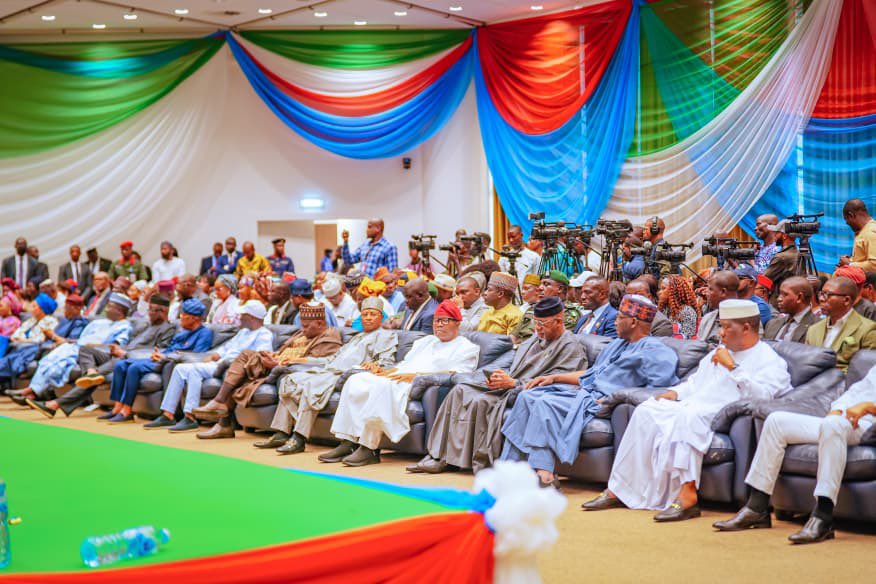
Kaduna State Governor, Senator Uba Sani, who serves as Chairman of the All Progressives Congress (APC) National Campaign Council for the Ekiti State Governorship Election, has expressed strong confidence in delivering a massive victory for the party’s candidate, Governor Biodun Oyebanji.
Speaking at the inauguration of the campaign council held at the Bola Ahmed Tinubu International Conference Centre in Abuja, Governor Uba Sani declared:
“We are certainly going to achieve the 500,000 votes target at the Ekiti Governorship Polls. I have no doubt on that. All of us Governors seated here can attest to the fact that our Leader, President Bola Ahmed Tinubu has supported all of us Governors to deliver our mandates in our state.
“We are going to repay him by ensuring we deliver the Ekiti Governorship Election with a landslide victory. Let us march forward with focus and determination. Together, we will achieve an extraordinary victory for Governor Biodun Oyebanji and the All Progressives Congress in Ekiti State.”
26
67
331
18,069
Jun 10
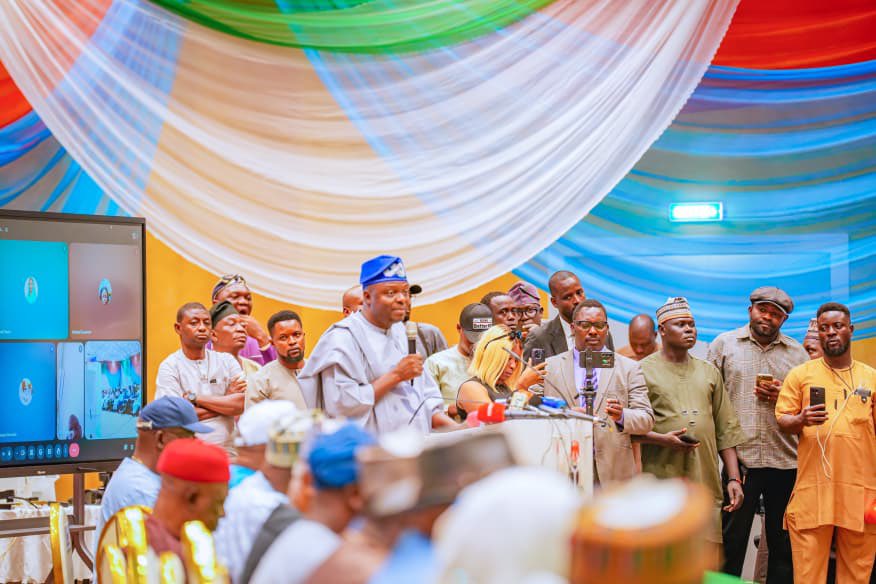
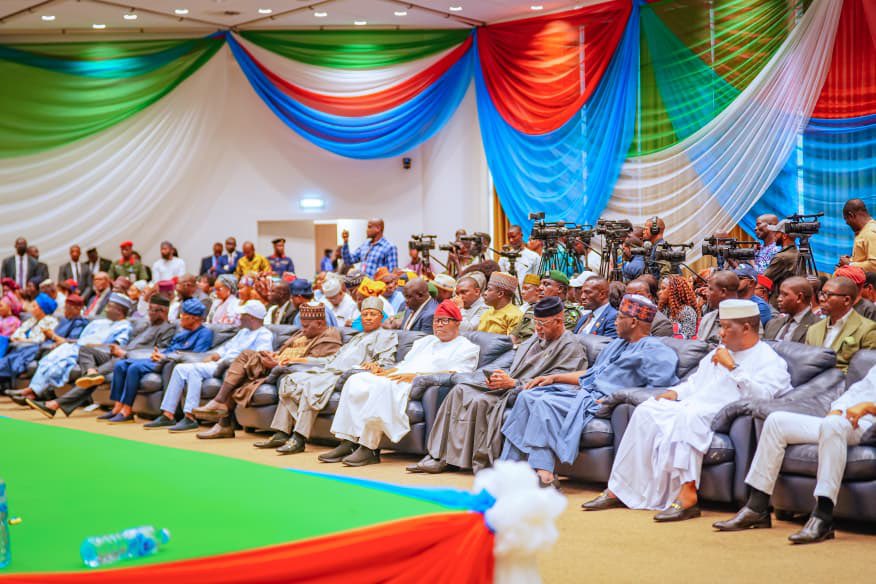
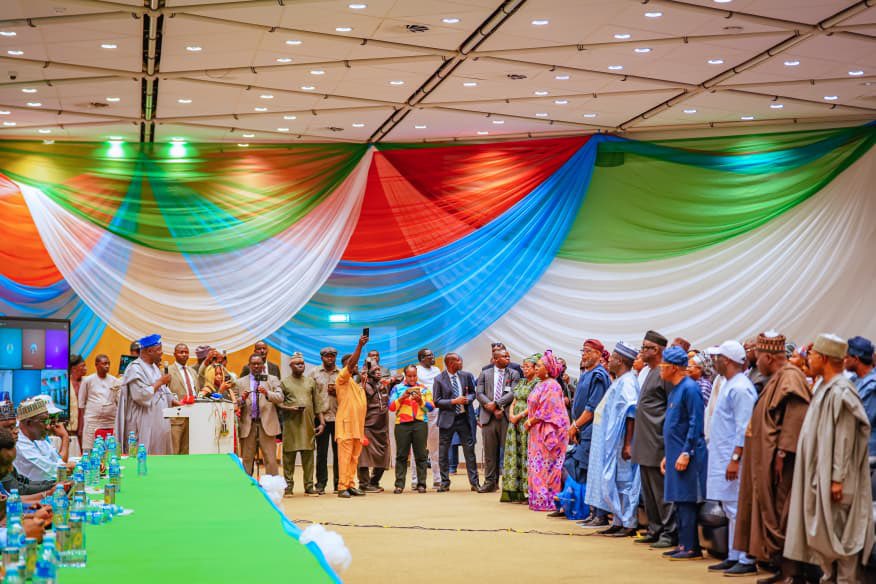
APC Inaugurates National Campaign Council for Ekiti Governorship Election
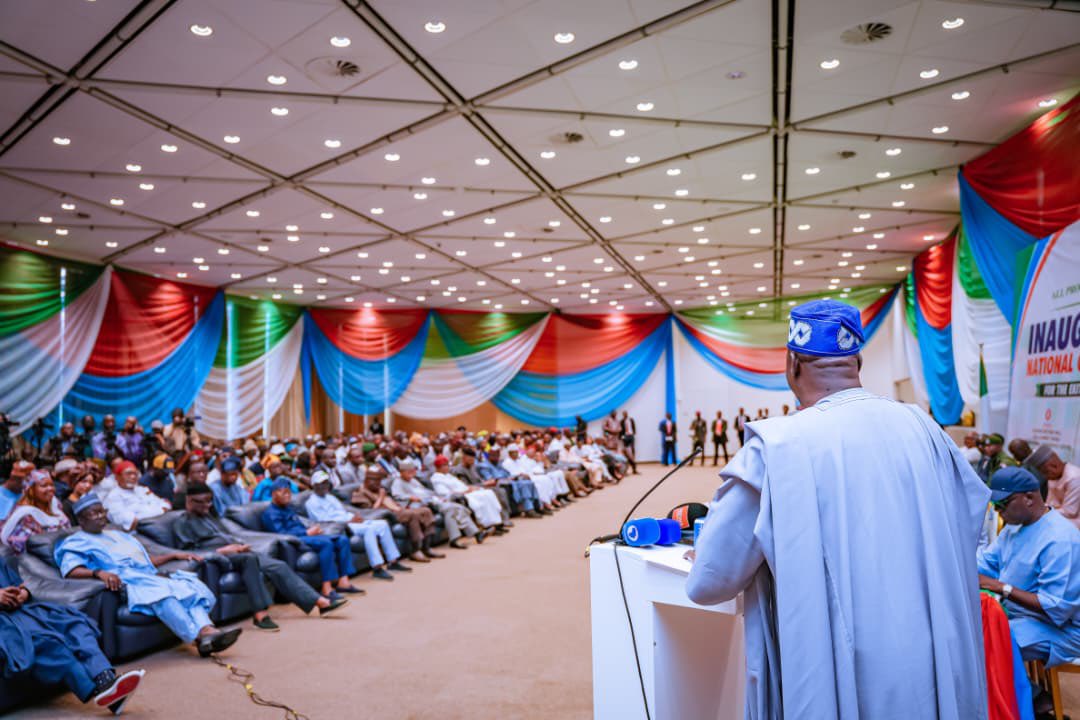
The National Chairman of the All Progressives Congress (APC), Prof. Nentawe Yilwatda, on Wednesday led members of the National Working Committee (NWC) to formally inaugurate the National Campaign Council for the forthcoming Ekiti State Governorship Election.
Prof. Yilwatda commended the members of the Council for accepting the crucial responsibility, expressing strong confidence that their wealth of experience, commitment, and dedication would significantly strengthen the APC’s campaign machinery and deliver yet another electoral victory for the party.
He noted that the composition of the Council underscores the APC’s dedication to inclusivity, unity, and collective success.
9
70
288
13,009
Jun 10
Fire incident in the Senate Wing of the National Assembly.
69
85
514
63,893