
Joined July 2015
- Tweets 4,988
- Following 2,099
- Followers 12,215
- Likes 22,740
414 Photos and videos

Paul Todkill retweeted

17 Sep 2024
Join @shroud @TenZOfficial @just9n as they attempt to take down elite community players in the 1st ever Spectre Divide Community Invitational—live TOMORROW, 11AM PT on twitch.tv/spectredivide
🤝 4 Teams, Double Elim Bracket
🤑 $5k Prizepool
🎙️ Casters @InVerumGaming @cammmyd
📣 Hosted by @itsBrodrian

ALT To the far left is a person wearing a tactical vest over a forest green parka, and holding a rifle at the ready position. The face is covered in both helmet and mask, where the back half has ear protection, and the front half all red in the shape of a animal-like skull. On the right it says: SPECTRE DIVIDE COMMUNITY INVITATIONAL. Wednesday September 18, 11AM PT. Participants: Shroud, Tenz, Just9n, Truo, K2!, Aira, Detailed, Kryptic, DiceYZX, Steaze, Reliom5, and Lore. Format: $5,000 USD Prizepool, 4 teams, Double elimination bracket, Best of 3s for Finals. All on a yellow background.
25
55
440
115,231
Paul Todkill retweeted

7 May 2024
We understand music and movies to be artistic endeavors. Studios and labels don't let artists outright lose money all day, but as long as the record is good, it's worth. We celebrate indie artists and ones that make small scale profit, because they're "more about the art than the money", and we view that as a positive.
Giant record labels will sometimes fund smaller labels that don't necessarily turn a profit themselves, in an effort to support (patronize) artists that wouldn't be able to do it otherwise. That's considered a normal thing to do in the industry, and at times, a necessary thing to do. If you're making billions off of Drake/Taylor/Flavoroftheweek, you can afford to lose a little bit on Earnest Artist that Pitchfork Loves, and the world is a better place for it.
We see movies do this all the time as well. So, why not video games?
Hi-Fi Rush is an artistic slam dunk of a game, and one that brought in millions of dollars in revenue. The Vice-President of Xbox Marketing himself said, "HFR was a breakout hit for us and our players in all key measurements and expectations. We couldn't be happier with the team at Tango Gameworks."
So why on earth is the team behind it being punished? Why aren't they enabled to make a sophomore album that can catalyze their fans? Why isn't their unique entry into the world of games celebrated as the artistic victory that it is?
Because the powers that be don't look at studios as artists--they look at them as employees. The mentality is that these employees are cogs, just TPS report filers that can be replaced by any recent graduate eager enough to be underpaid. Anyone can "just code" and export a game-of-the-year nominated masterpiece.
There is no understanding of video games as an art form. There is no desire to learn of it, or speak of it. Only to profit from it. There is no concept of patronage. No support. No sowing. The message is grim. These companies are reapers.
The message from the corporate world is clear:
Games are a commodity, not an art form.
2
12
56
6,648

TIPPING CULTURE IS TRASH
It's a guilt trip designed by corpos to trick you into giving workers money for simply doing their job - a job they are criminally underpaid for - so they don't have to.
Employers should pay a living wage. That's it.
15 Apr 2024

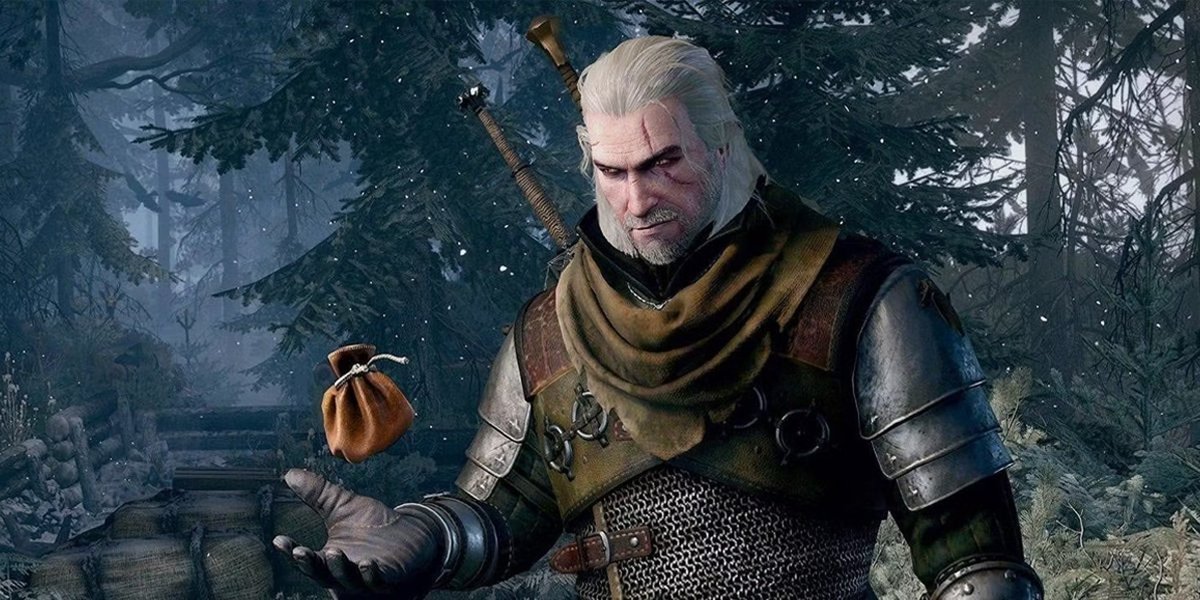
Former Blizzard president Mike Ybarra thinks tipping devs $10 or $20 after completing the game is a great idea
"Some games are that special"
97
938
5,307
163,322
Paul Todkill retweeted

Pampas & Selene is coming to Steam May 21st!
From the mind that brought you UnEpic, Ghost 1.0 and UnMetal... Join Pampas and Selene as they overcome monsters, demons, and the Dark Priest with the help of the gods themselves! Explore this co-opvania 8-bit platformer as both heroes or team up with a friend. This retro game is a loving tribute to MSX2 classics and a hard-hitting dose of childhood nostalgia.
You can download the demo today and wishlist on Steam to help others find this modern classic! #indiegames
s.team/a/1966220
8
69
145
11,806

28 Mar 2024
Esports network - I need your help.
Looking for a photographer/videographer in the Arlington, TX area for an event in early May.
Recs and RT's appreciated!
31
26
41
13,244
28 Mar 2024
Hey Team!
Thanks so much! I got a ton of great recs. Will be chatting with folks but think I'm good for the meantime <3
3
406
22 Mar 2024
Clover is one of the best in the business, if you're looking for work in the talent management space, you should absolutely throw your hat in.

Looking to add a new manager to the team! 📈
Click the link below and send in your application. 🤝
RTs appreciated! 🫡
👉 clovertalent.gg/careers
1
8
1,169
7 Feb 2024
I hate that I have to repeat this every six months.
DO NOT get a degree, diploma, certificate or any other nonsense in 'esports'. Almost no one teaching these is qualified to do so.
Get a standard degree in your field and pursue esports as an extracurricular.
7 Feb 2024

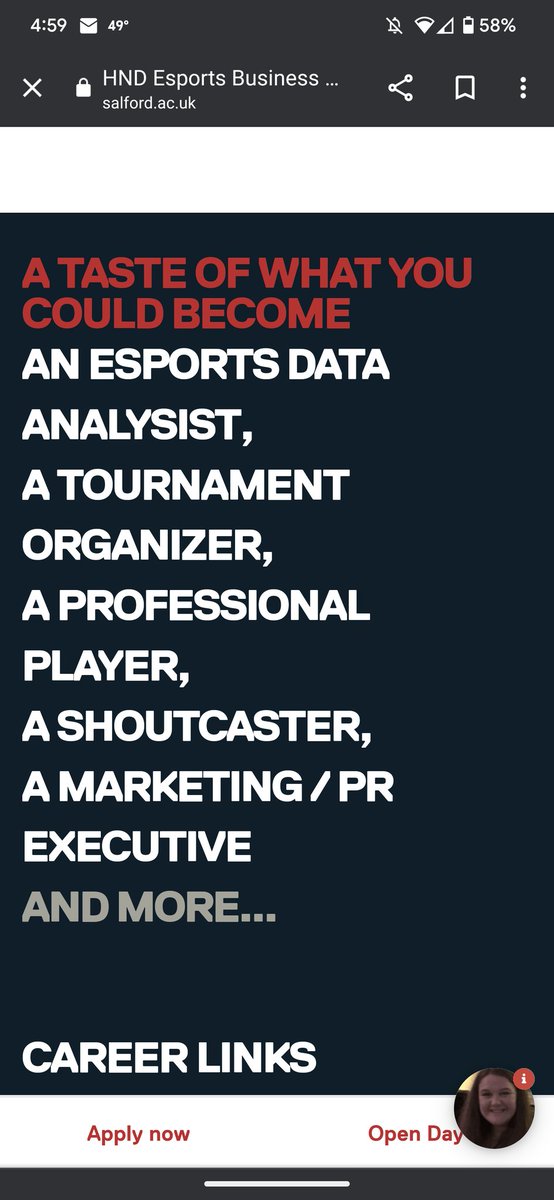
🎓 Bachelor degrees aren't the only choice anymore.
With esports education on the rise in the UK, more students should be considering a Higher National Diploma in esports, argues Iain Earle of Salford Business School (@salfordbizsch).
ow.ly/jm2150QyM78
2
7
40
3,189
4 Feb 2024
If you're a fan of retro games or metroidvanias, go check this one out.
I've had the pleasure of assisting the dev team with the demo launch (first game credit, let's go), and it's been an eye-opening experience to see just how much work goes into a project like this.

IT'S TIME TO ENTER... THE MAZE OF DEMONS!
The demo for Pampas & Selene is officially LIVE!
It's out just in time for Steam Next Fest, and you can download it on Steam right now! If you enjoy the demo be sure to wishlist it (It helps us small devs SO MUCH, more than you can imagine!) We're also launching our UnEpic Games discord (finally!) Join to stay up-to-date with what we're doing, hang out with us while we're doing it, and share your hilarious bugs so we can fix them!
Steam: bit.ly/PampasAndSeleneOnStea… Discord: discord.gg/NSjX3xWkBf
1
7
871
29 Jan 2024
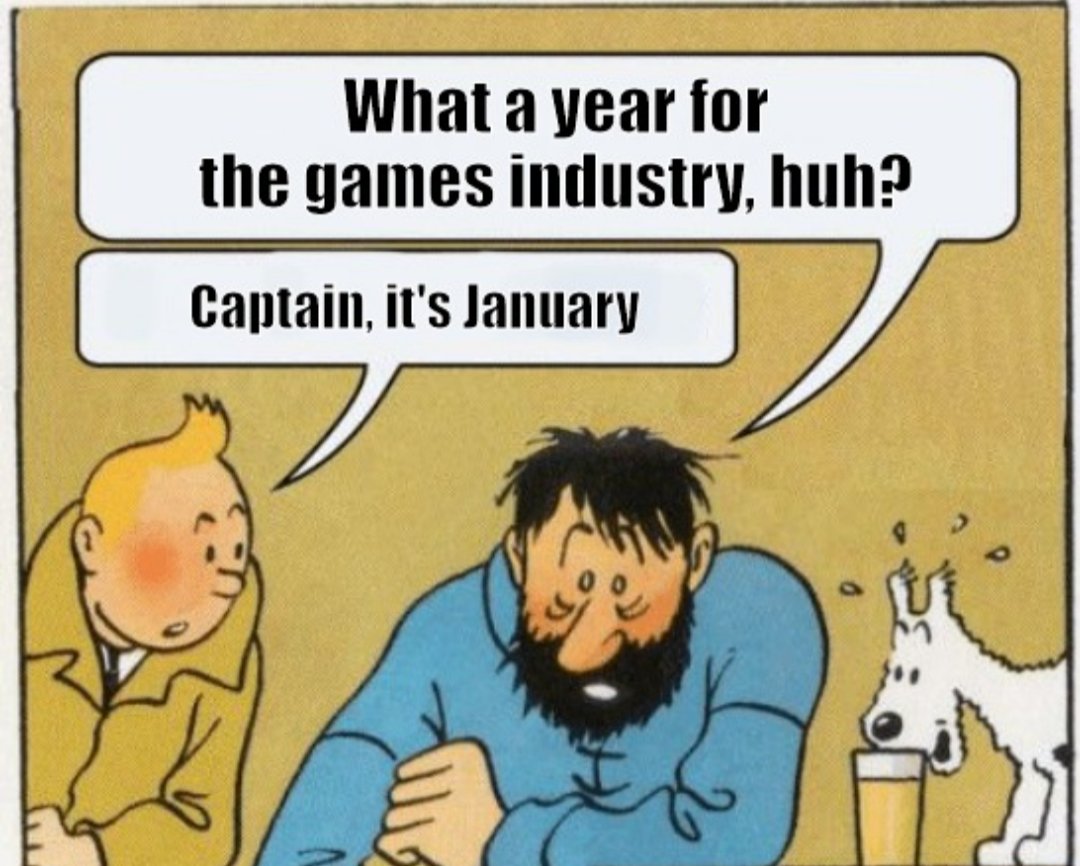
The worst part about this image is that it was made in Jan 2023.
2
14
923
23 Jan 2024
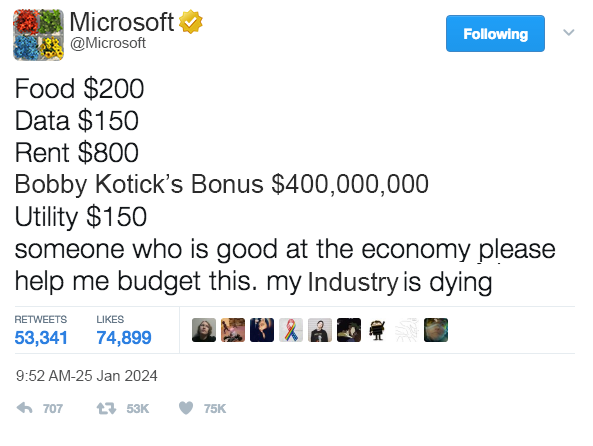
What do you even say about this? My entire feed is red. Our industry is bleeding out.
So many talented people in the cold and it sucks, and it sucks even more because we're powerless to do anything about it. I wish I had something constructive to say, but I don't. I'm just mad.
1
2
21
1,274
10 Jan 2024
For the record I do GET what they were trying to do. This entire system screams budget restraints. Fewer LANs, compressed broadcast schedule, this was a budget issue above all, and I sympathize with the teams trying to plan this, I just fundamentally disagree with end result.
1
2
349
10 Jan 2024
They needed to double down on creating a strong Tier 1/Tier 2 system, and THEN expanding downwards. We need a robust broadcast schedule, weekly shows, to generate VIEWS. This feels great in a vacuum but it damages the lifeblood of the community. Happy to be proven wrong but...
1
306
10 Jan 2024
Teams NEED those guaranteed eyeballs to sell to sponsors, it's literally the only thing keeping esports afloat right now, and without that we're going to see orgs dropping out left and right over the course of the year, especially in NA & EU.
1
1
256
10 Jan 2024
They're going to fundamentally going to kill the bubble scene with this, making it harder—not easier for new talent to rise to the top.
Additionally, by reducing the number of LANs (and making every one open qual) you make it dramatically harder for teams to ensure ROI.
1
1
251
10 Jan 2024
So I understand the thought process here but unfortunately this format is going to have the exact opposite result of what they are intending.
By spreading out the prize pool so much you're taking away the ability for T2/T3 teams to sustain themselves.
10 Jan 2024

The RLCS 2024 Season is finally here and starts with Open Qualifier 1 on January 26! We’re increasing open competition, focusing on long-term sustainability, and widening prizing for more players than ever before. Registration opens next week.
More: rl.gg/the-rlcs-returns-for-2…
3
2
15
2,582

Reminder for creators as we get into the next season and orgs may be looking to work with creators.
Don't "sign" to an org for free. Don't promote an org for free. If an org wants to create a partnership with you, you should be compensated for your time and influence.
3
7
70
4,696
31 Jul 2023
Riot does it again. WOW. What a return to form with this one. Real emotions watching this. Probably the best song/video combo to date.
The storytelling in this was phenomenal. Setting the bar for music in esports.

Introducing the 2023 #VALORANTChampions anthem and music video
"Ticking Away" ft. @grabbitz & @bbnomula ⏲️
Dedicated to the One More’s of life, love, and VALORANT!
3
1,504