An association by early career researchers (non-faculty) from India to further primatology research and conservation. Spreading the primate gospel!!
Joined August 2019
- Tweets 548
- Following 461
- Followers 920
- Likes 284
217 Photos and videos
Pinned Tweet

To our followers who have showered love and support, we need it more than ever. These are some verified links where you can donate to. We will keep adding to this and so can you:
x.com/tanejamainhoon/status/…,
x.com/tanejamainhoon/status/…, x.com/tanejamainhoon/status/…, x.com/tanejamainhoon/status/…
24 Apr 2021

Mental Health resources:
bit.ly/AffordableMentalHealt…
docs.google.com/document/d/1…
Low cost support circles (Therapize): instagram.com/p/COAj6iMJtgz/
Food Resources:
All India: bit.ly/CovidMealsIndia
Tiffin services: x.com/Bigfatbite/status/1384…
x.com/khaanachahiye
1
24
27
Wishing a wonderful year of 2024 ahead to all of you ! Stay safe and healthy 💐
1
15
498
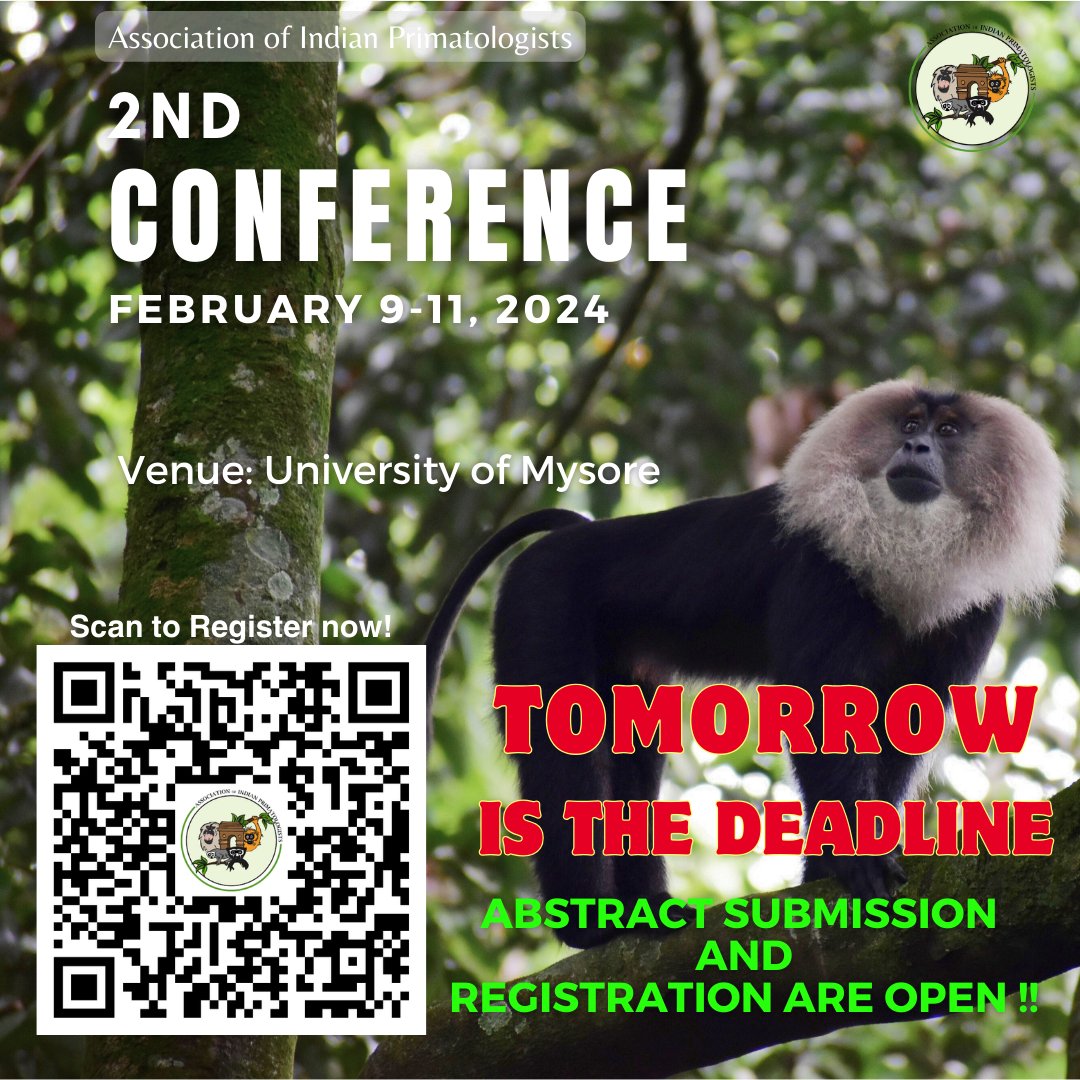
Hurry up !
Deadline approaching....
4
232
🎊 Hello Primates ! 🎊
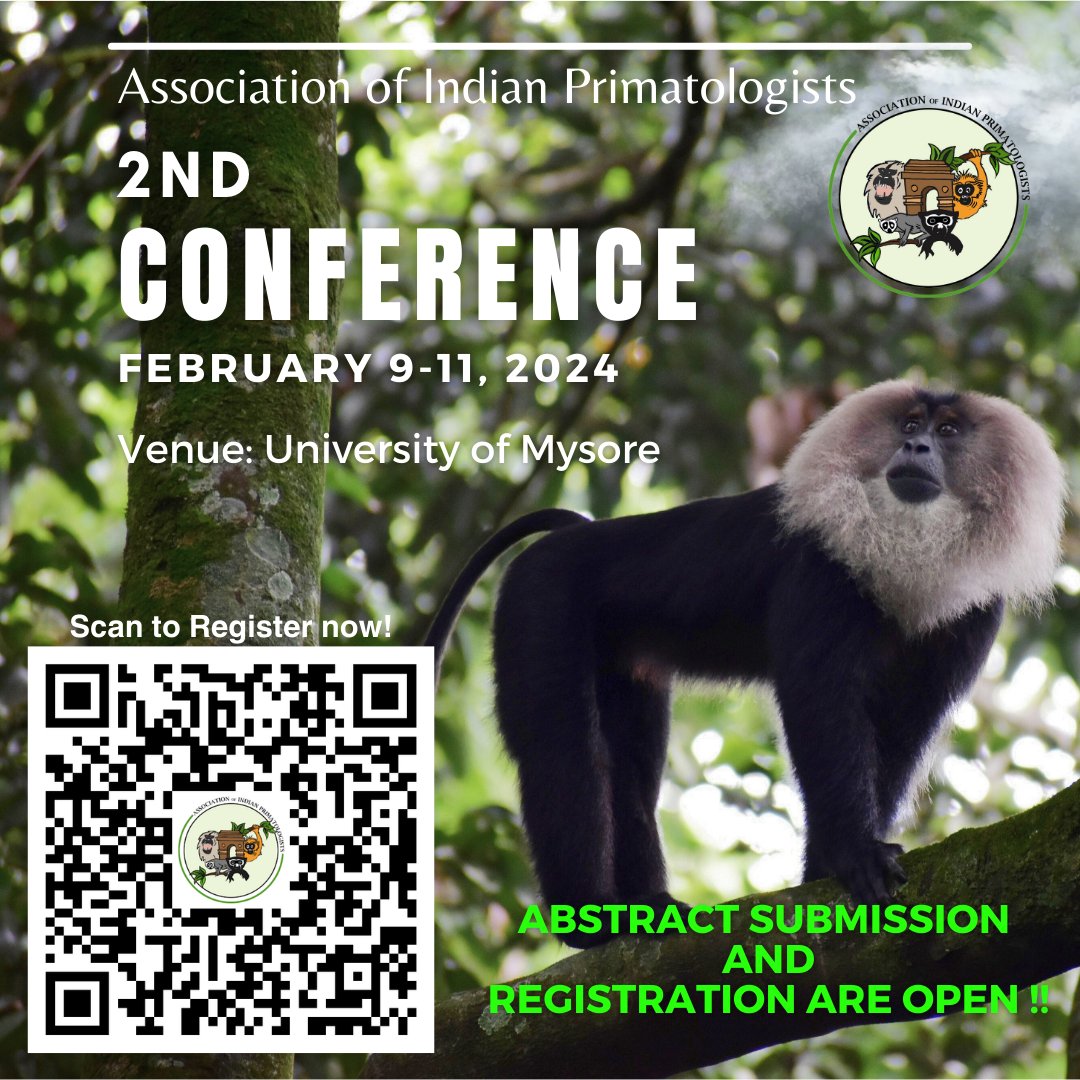
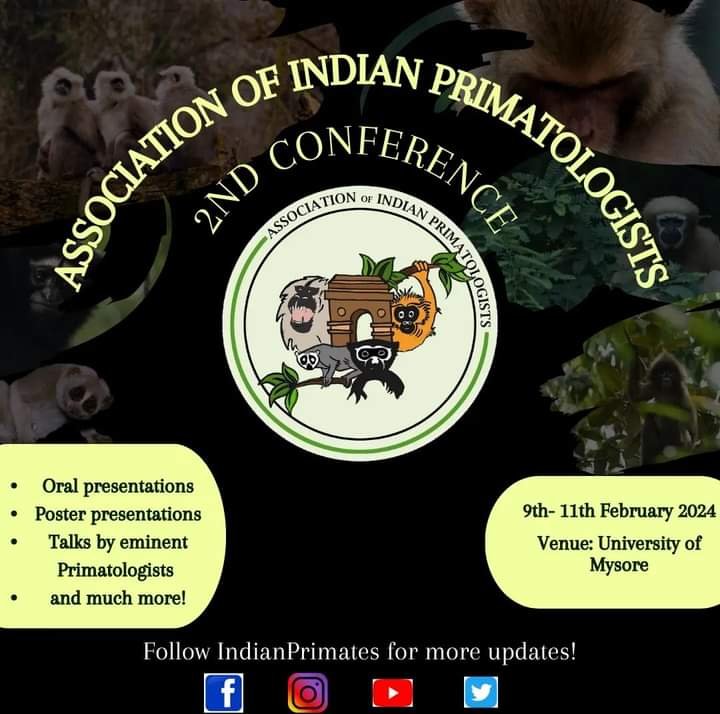
After a long wait of 4 years, we're back with the AIP Conference 2024 in physical mode! Join us for an enthralling experience with primatologists in the same place!
Get ready to leap and dive into the world of primates with us in Feb, 2024!
#indianprimates
14
31
2,791
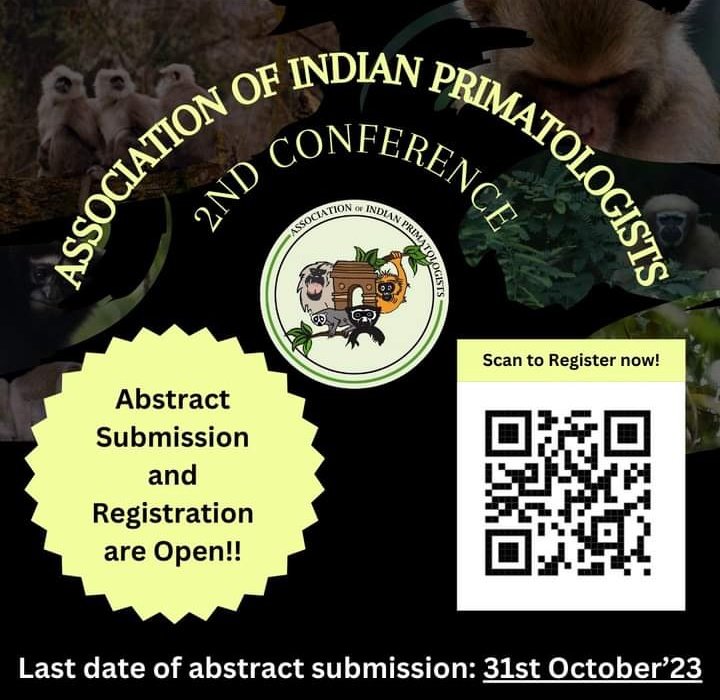
Hello Primate Enthusiasts!
We are excited to know more about your work. Send us your abstracts now!
Last date of submission is 31st October'23.
Scan the QR code to register or follow the link in our bio.
Cheers!
#indianprimates #conference2024 #2ndconfereceaip #AIP2024
13
17
1,620
"Make waves, Make moves!
Go bananas for this exciting experience!"
We are extremely thrilled to announce the '2nd Conference' by the Association of Indian Primatologists, 2024.
Follow our page for more updates.
#2ndconferenceAIP #primateadventure #indianprimates #AIP2024
13
31
3,495
Association of Indian Primatologists (A.I.P) retweeted

18 Aug 2023
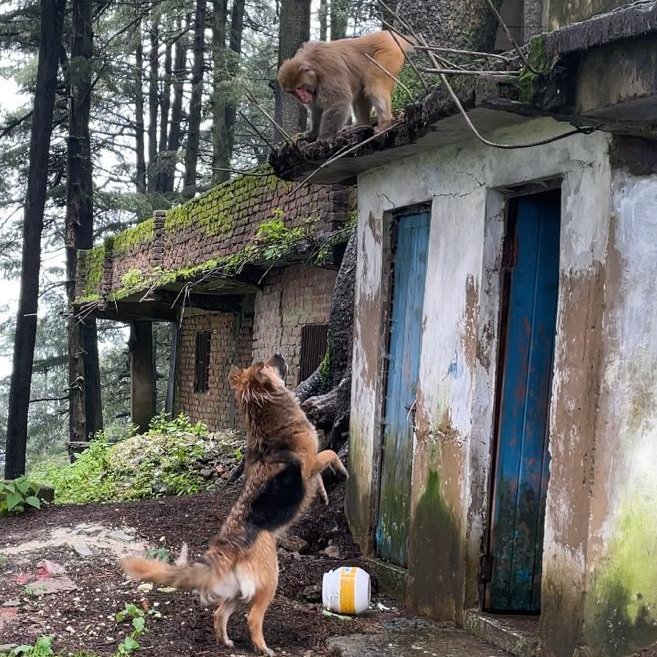
Check out the #preprint 🔽 from our site on lethal #dogattacks on #rhesusmacaques to learn about the nature of dog-primate relationships at these #anthropogenic interfaces!
⚠️Warning: Some of the pictures in the manuscript might be graphic.
@VoicesofIndAcad @IndianPrimates
3
10
24
4,163
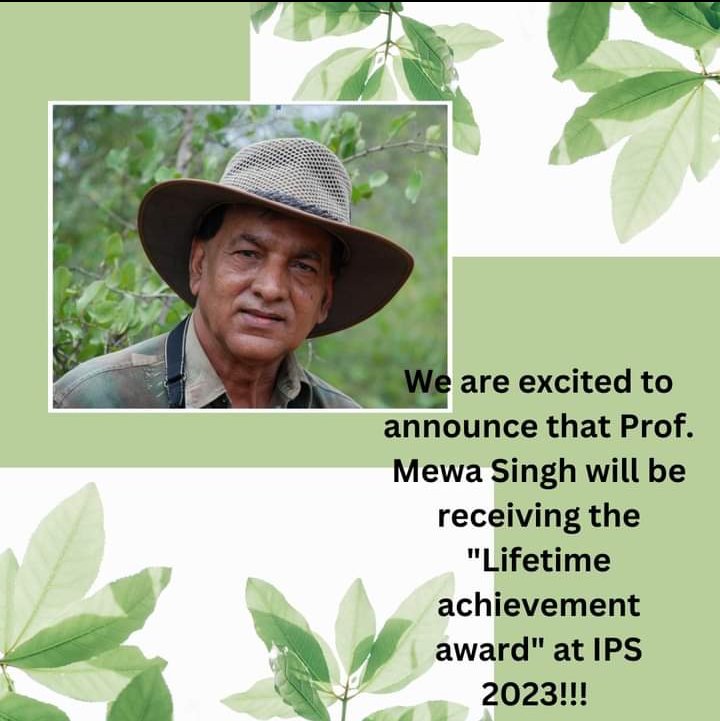
We at AIP are thrilled to share that Prof. Mewa Singh has won the IPS's (International Primatological Society) "Lifetime Achievement Award" for 2023 for his extensive contribution to Primatology and Ecology.
1
9
44
2,862
On this occasion, we have an additional reason to feel honored for receiving his constant support and advice.
1
136
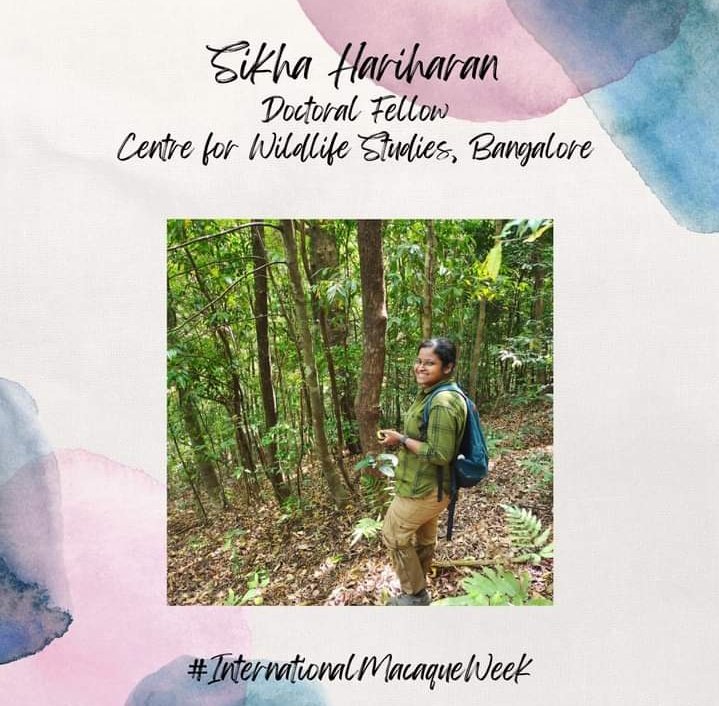
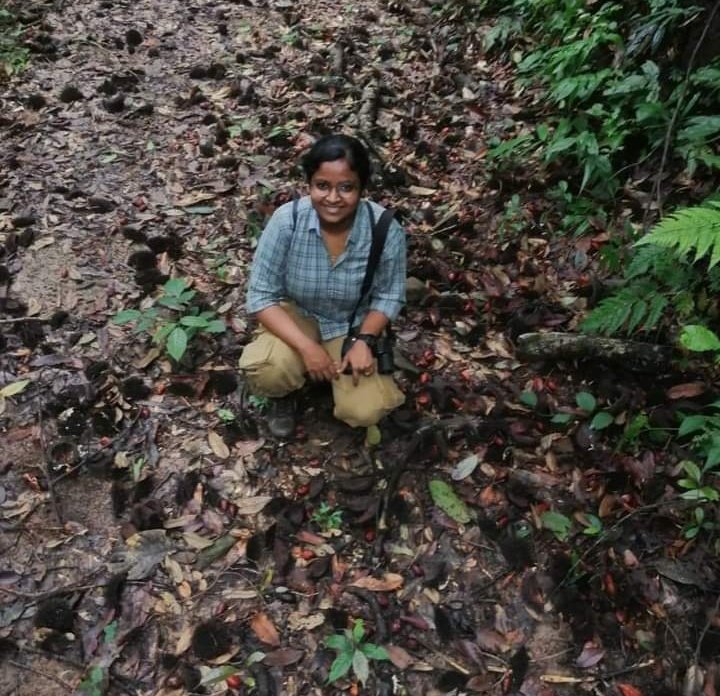
Sikha Hariharan is a Doctoral Fellow at the Centre for Wildlife Studies, Bangalore. She is working on the “Movement behaviour of lion-tailed macaques”, for her PhD thesis in Silent Valley National Park in the Western Ghats.
“I became interested in primatology quite
1
3
5
809
infant (who up until now was hiding behind branches on spotting you) would show off their infant quite unperturbed by your presence. You realise they have become habituated to you, and more importantly, the feeling of knowing they have accepted your presence among them and a
1
2
136
bond of trust that has been built is incredible :) The fun part begins then!"
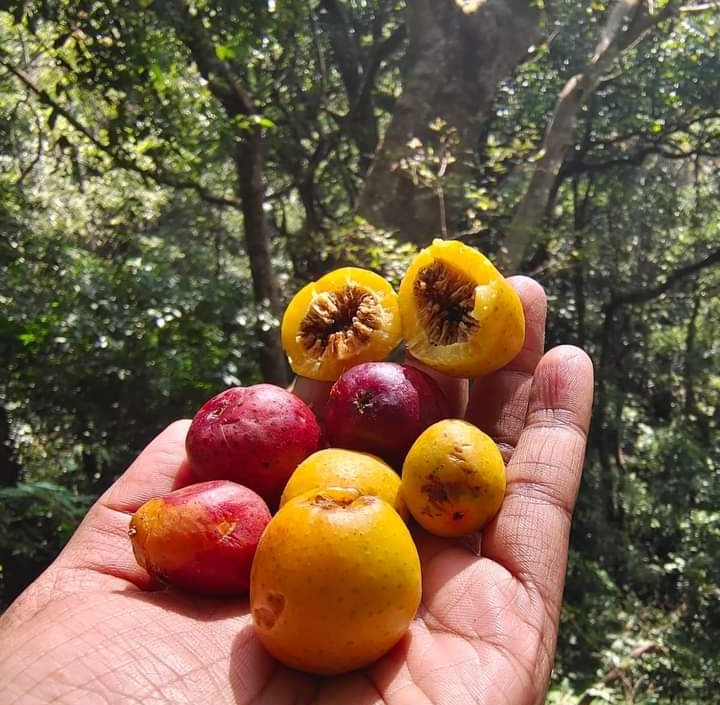
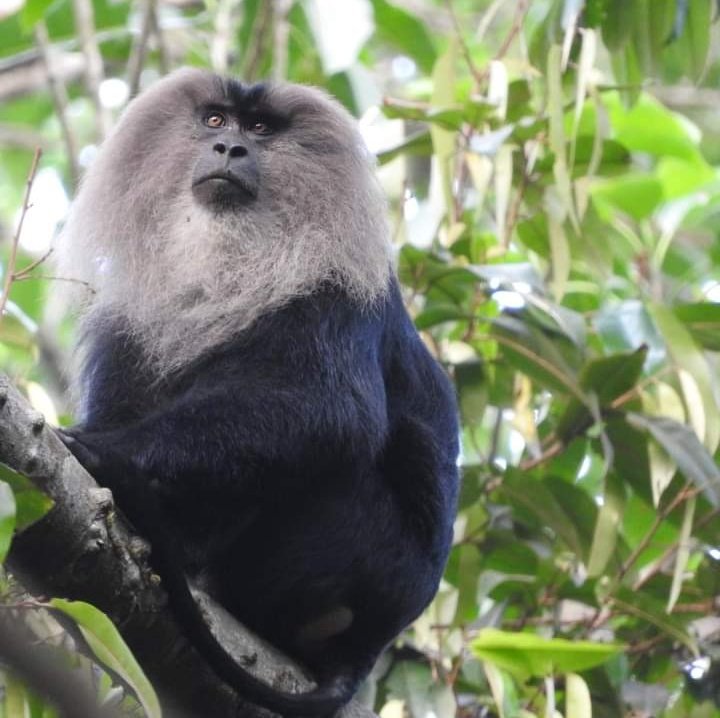
5
138
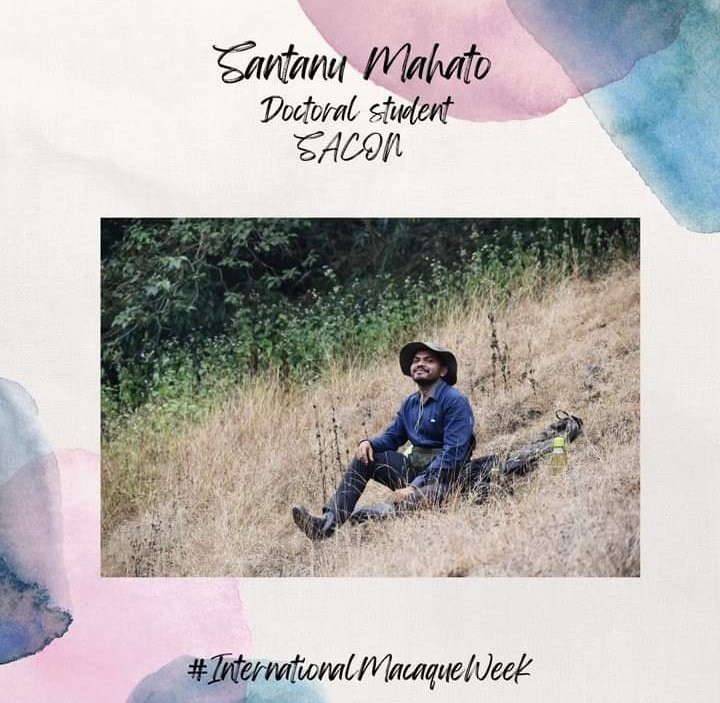
Santanu Mahato is a doctoral student at SACON studying the distribution patterns and behavioural ecology of Nilgiri langurs, Hanuman langurs, and their mixed-species groups in overlapping ranges.
"I became interested in ecology, cognition, and communication of primates when
1
2
5
442
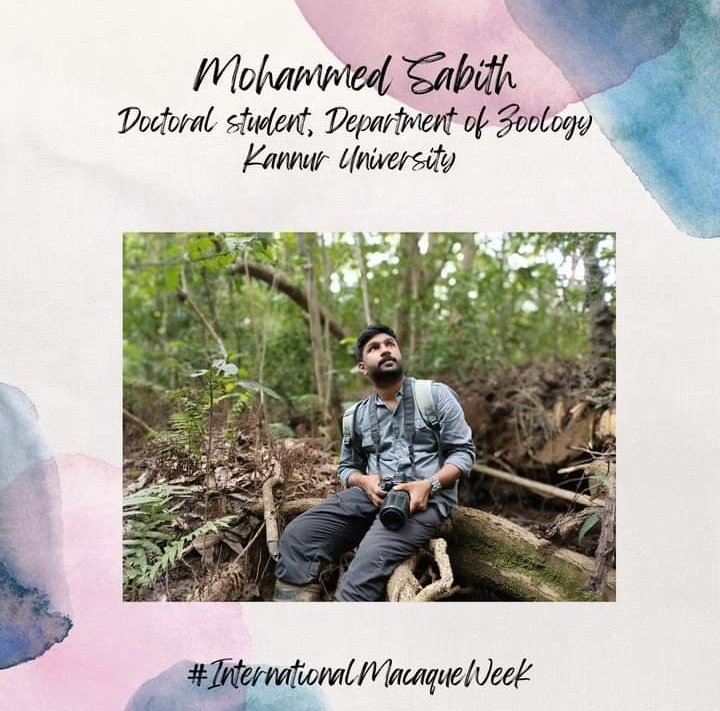
"For the past four decades, Prof. Dr. Mewa Singh, University of Mysore, and his students have been monitoring the lion-tailed macaque population of the forest fragments in the Anamalai hill system. In continuation of the population assessment of this species, I have started
1
2
115
studying the population status of lion-tailed macaques in Anamalai Tiger Reserve, Western Ghats, Tamil Nadu, from February 2021."
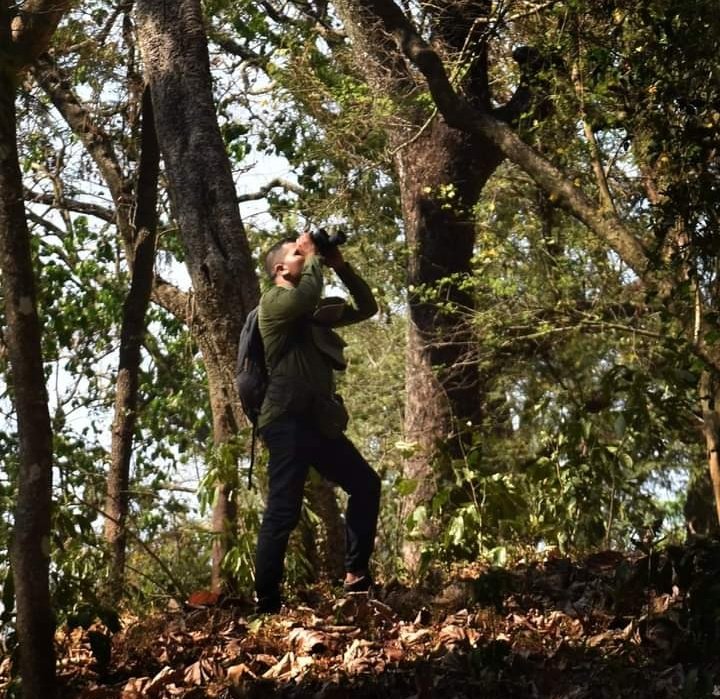
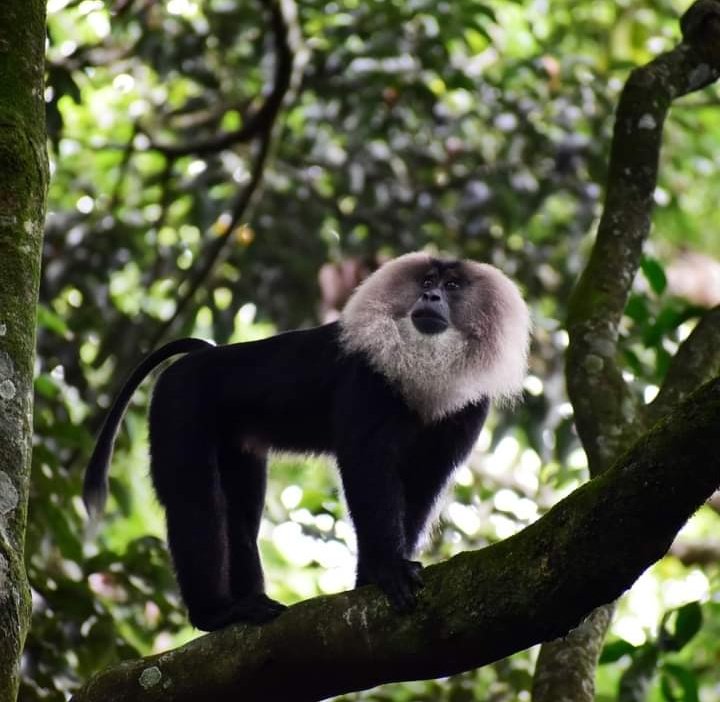
3
116