Joined December 2014
- Tweets 4,473
- Following 281
- Followers 2,533
- Likes 188
2,139 Photos and videos
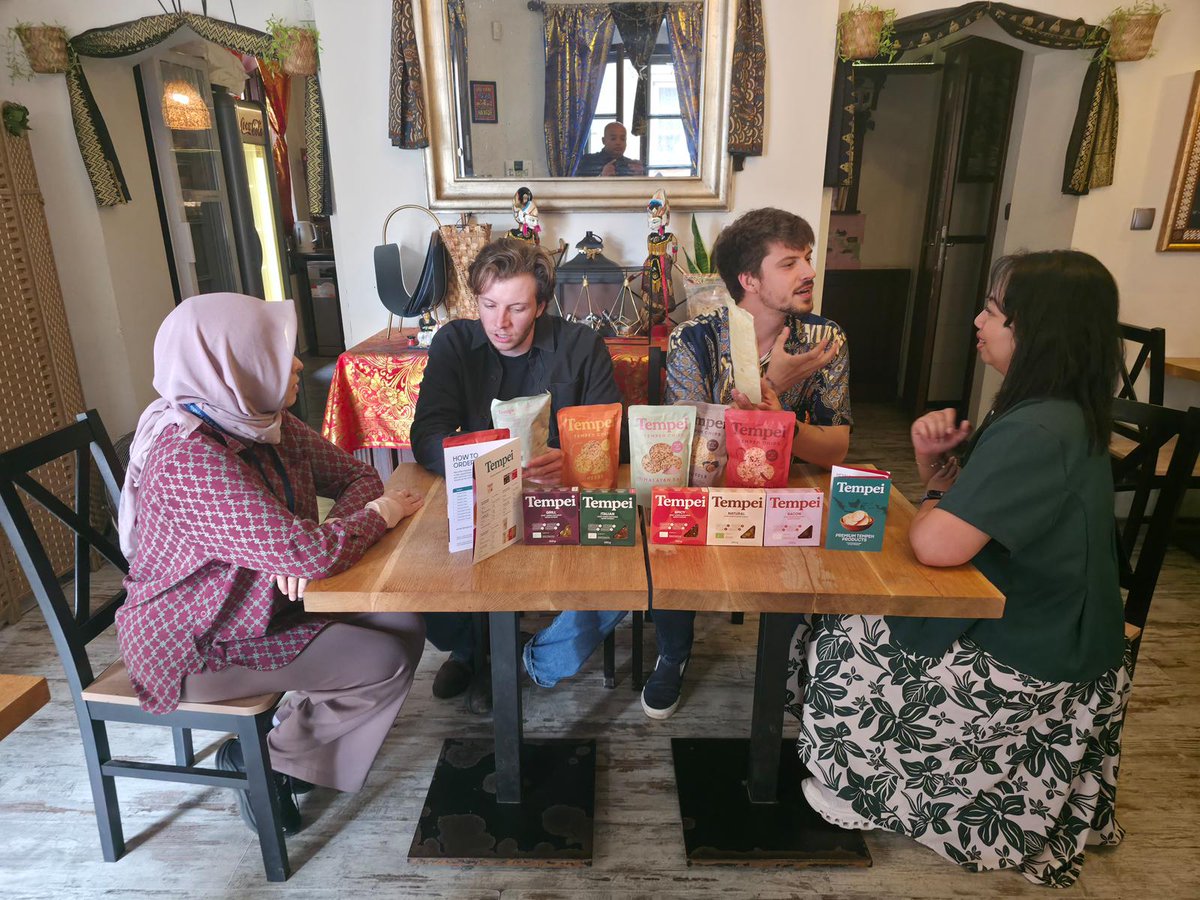
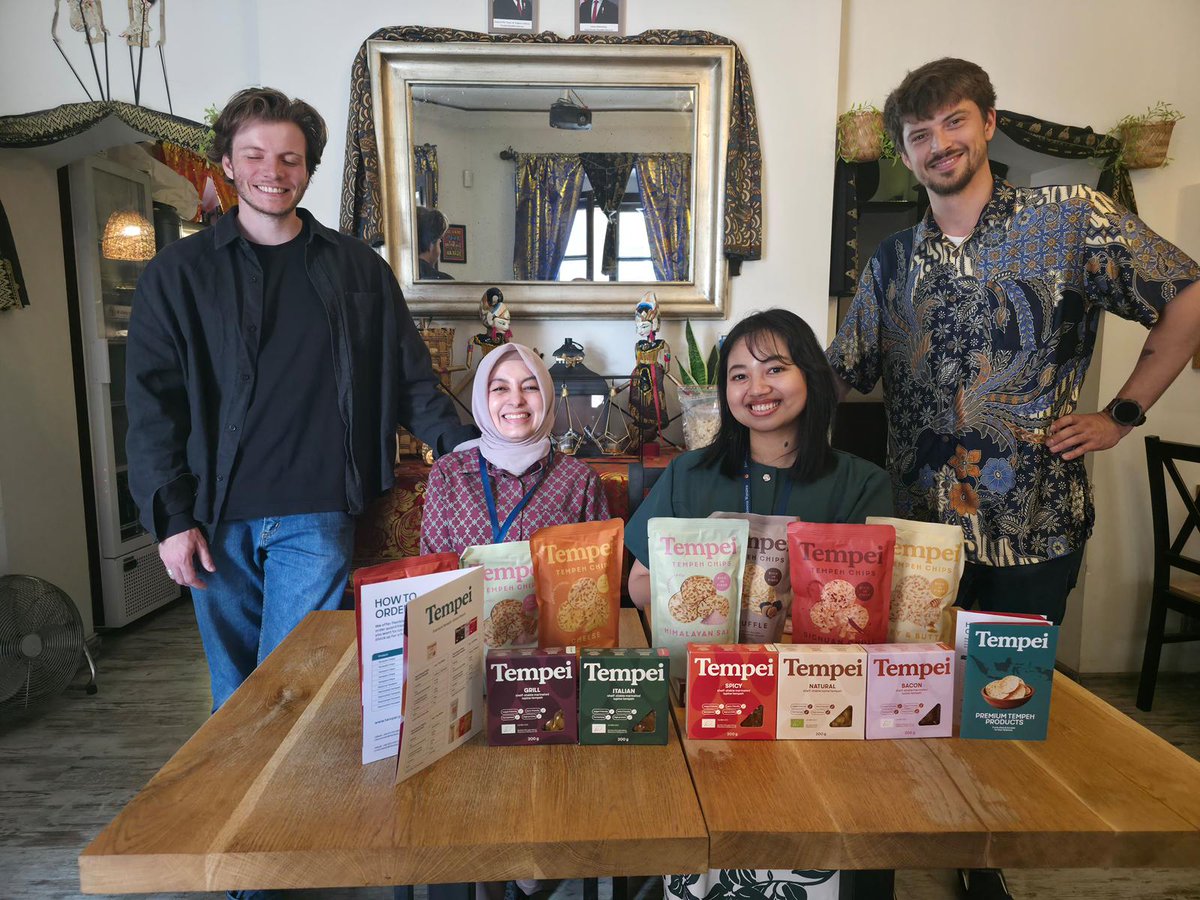
Indonezyjskie chipsy tempeh trafiają na polski rynek.
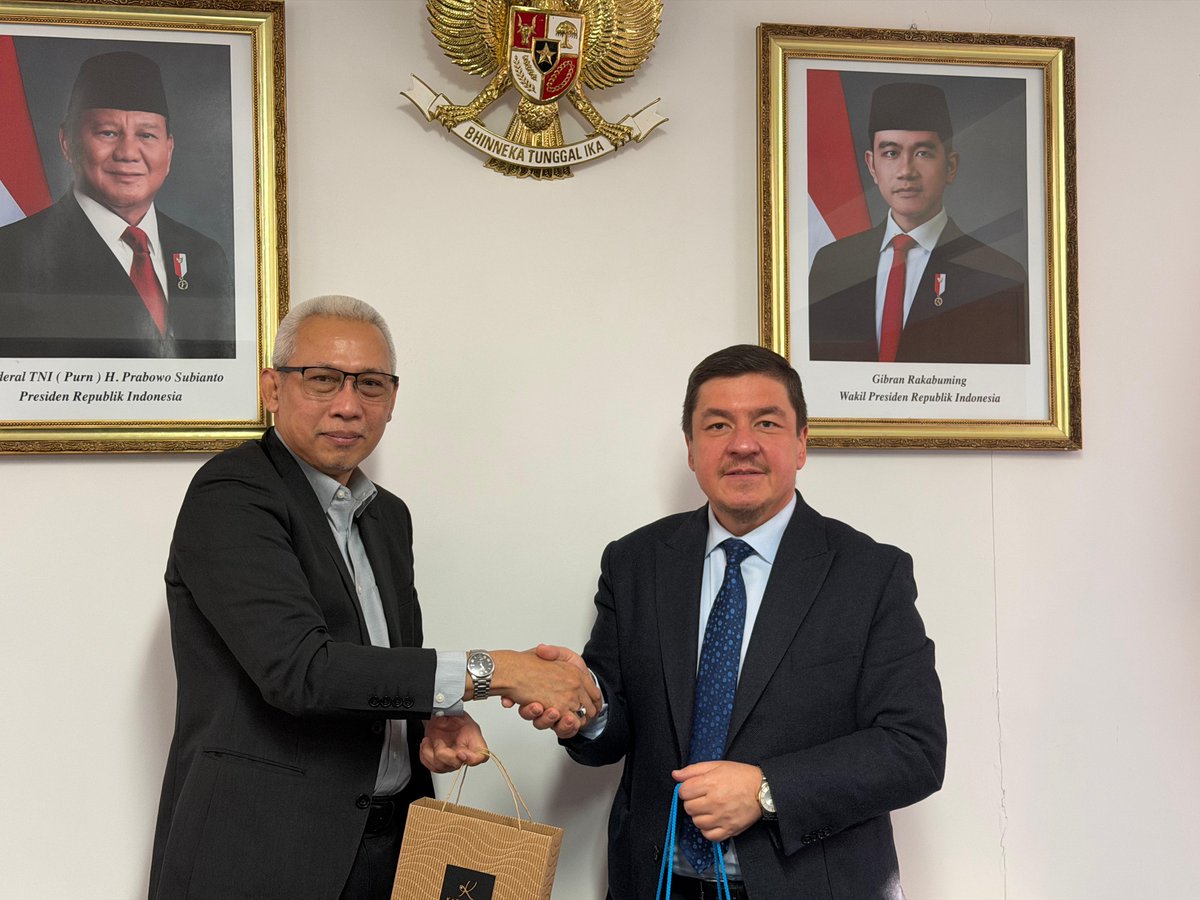
W środę, 10 czerwca 2026 r., Ambasada Republiki Indonezji w Warszawie odbyła spotkanie z Jakubem Ostrowskim i Jakubem Burzyńskim, właścicielami marki „Tempei” w Polsce.
Oferowane przez markę chipsy tempeh są w 100% produkowane z tempeh pochodzącego z Yogyakarty w Indonezji.
W obliczu rosnącej popularności zdrowego stylu życia oraz zwiększonego zainteresowania żywnością roślinną, tempeh ma duży potencjał, aby stać się szerzej rozpoznawalnym i cenionym produktem na polskim rynku.
1
40
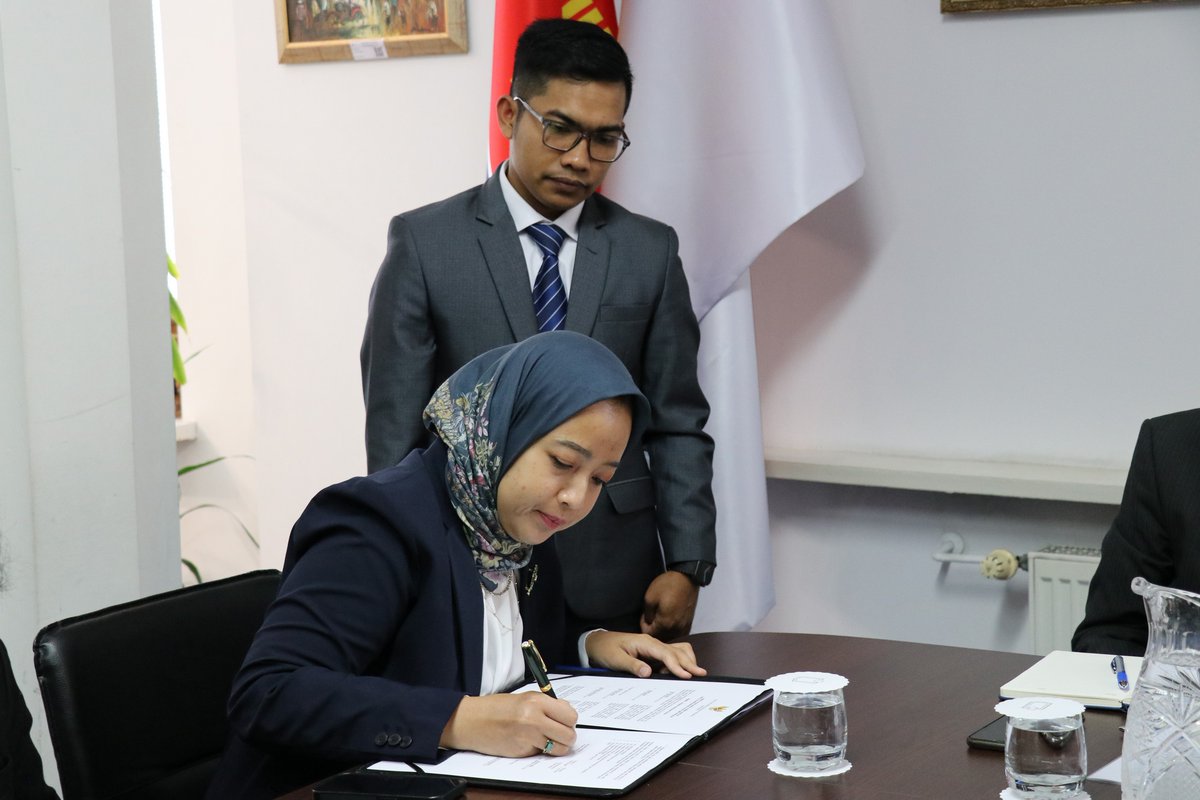
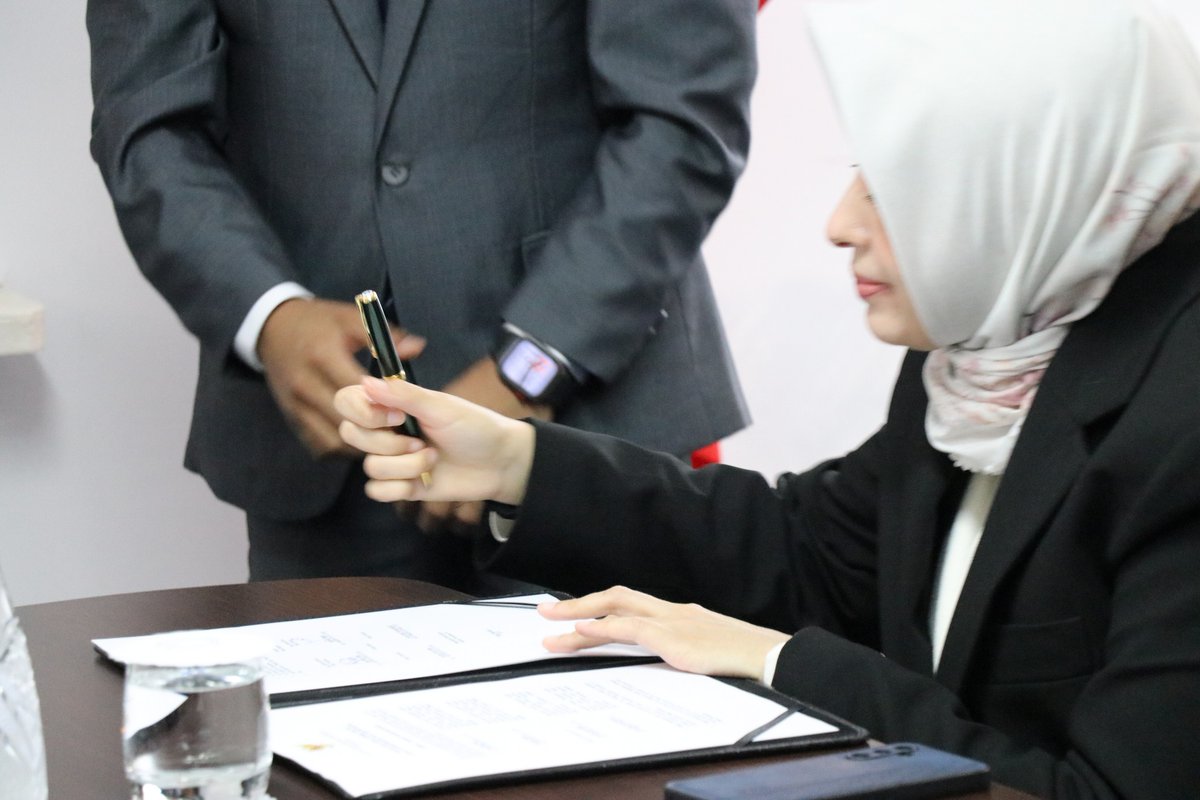
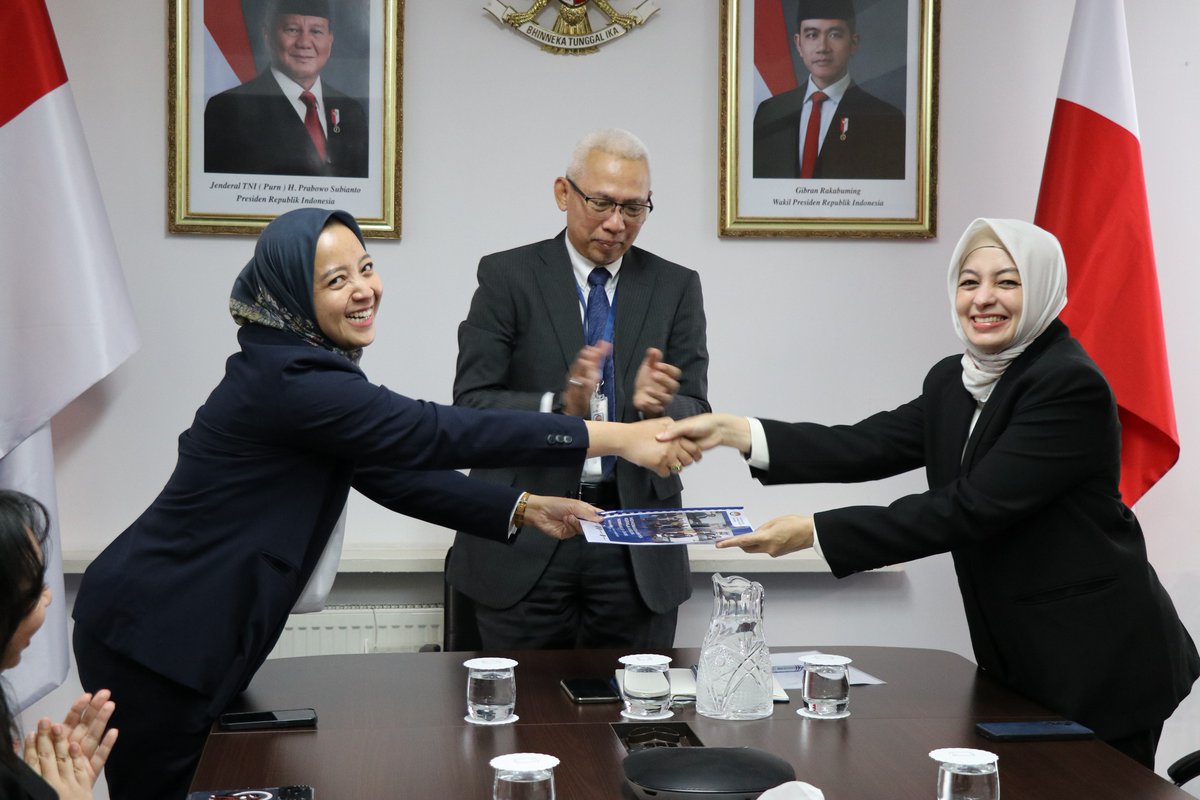
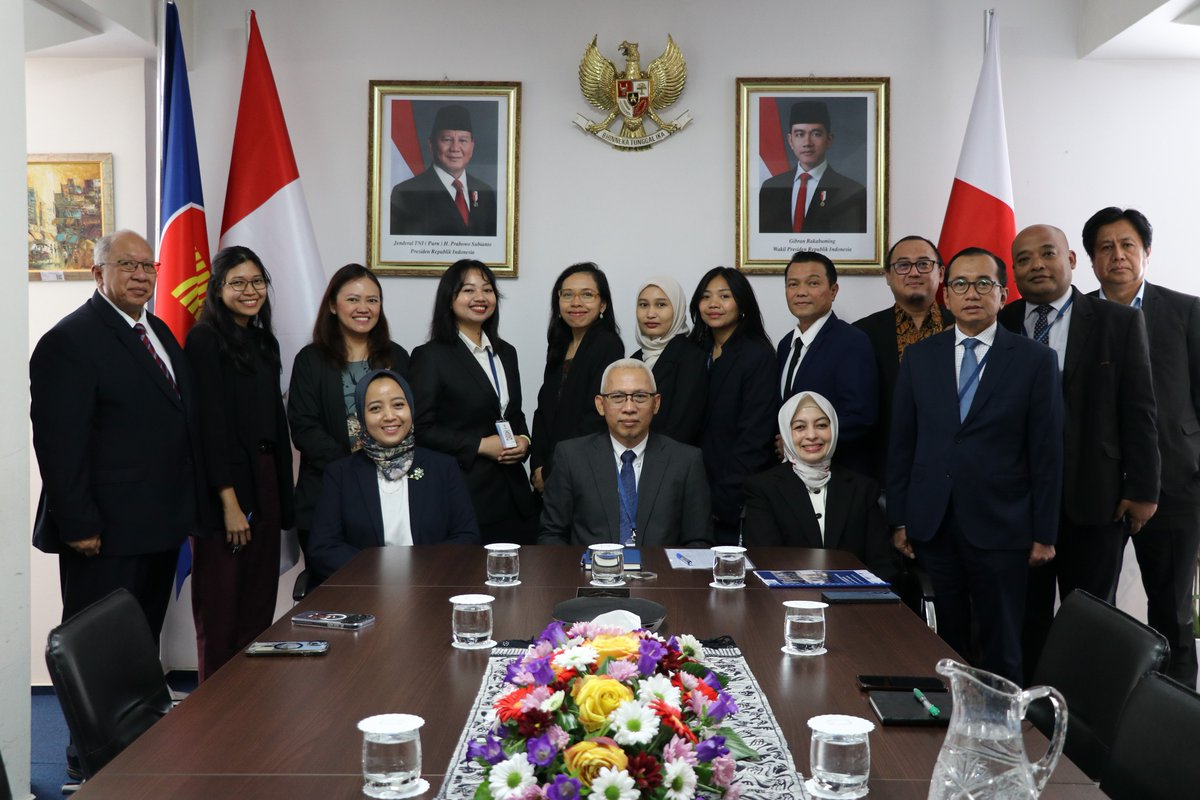
Serah Terima Jabatan di KBRI Warsawa 🇮🇩🤝
Pada tanggal 5 Juni 2026, KBRI Warsawa melaksanakan serah terima jabatan untuk📌 Kepala Kanselerai: dari Ibu Yoan Nike Afilia kepada Ibu Fatimah Alatas.
Terima kasih kepada Ibu Yoan Nike Afilia atas dedikasinya selama ini dan semoga Ibu Fatimah Alatas dapat menjalankan tugas dengan penuh amanah, membawa kemajuan bagi KBRI Warsawa. 🇮🇩🇵🇱✨
#KBRIWarsawa #IniDiplomasi #IndonesiaPolandia
3
4
2,188
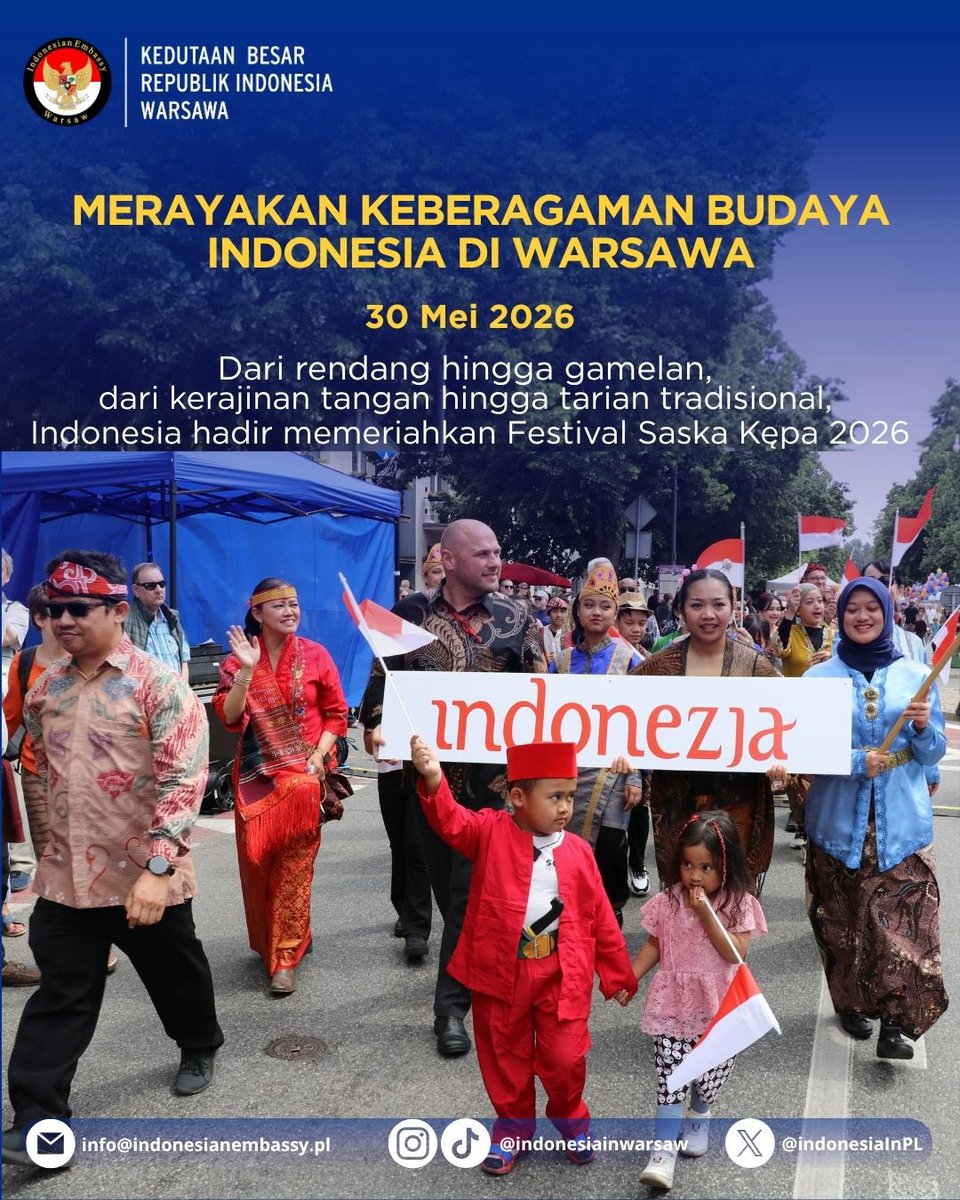
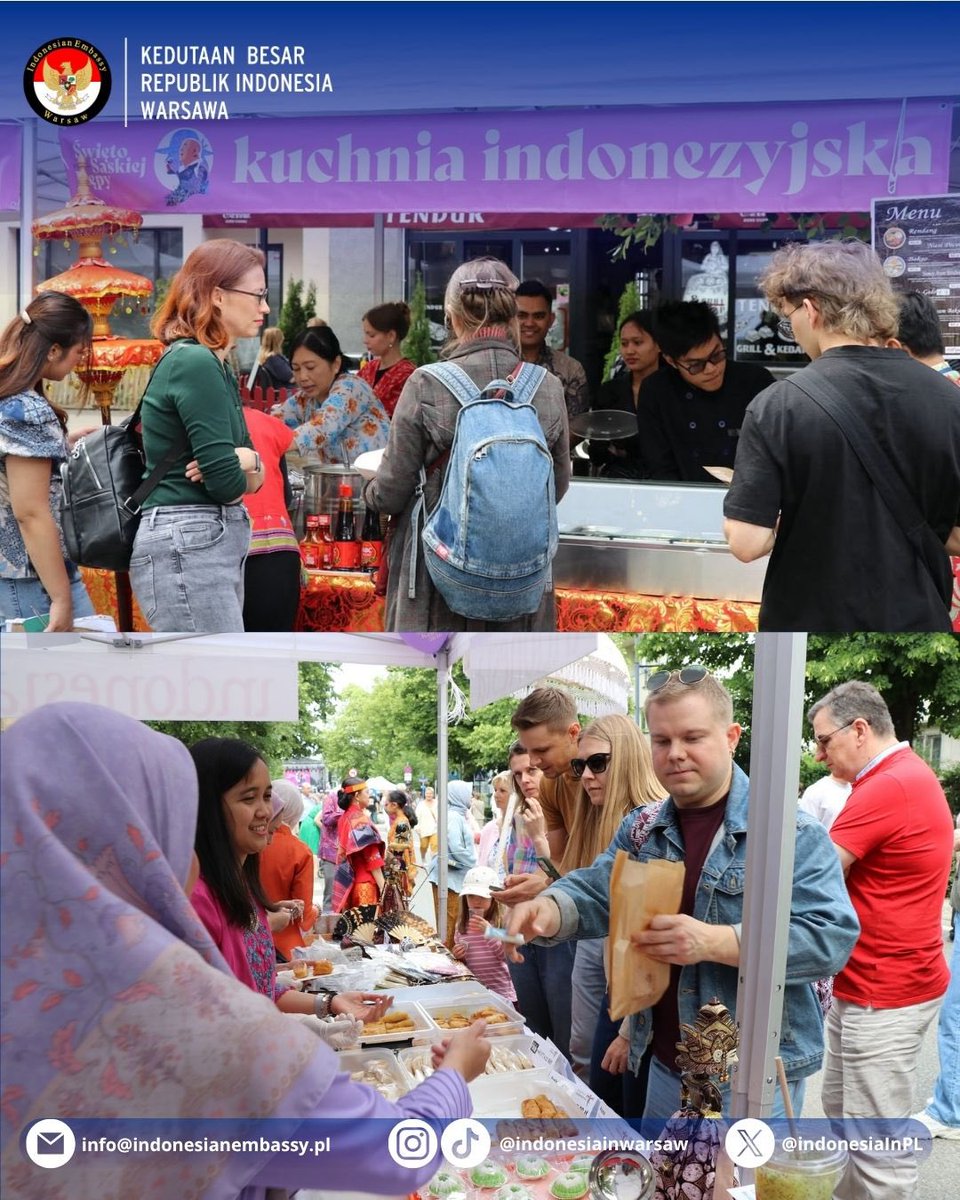
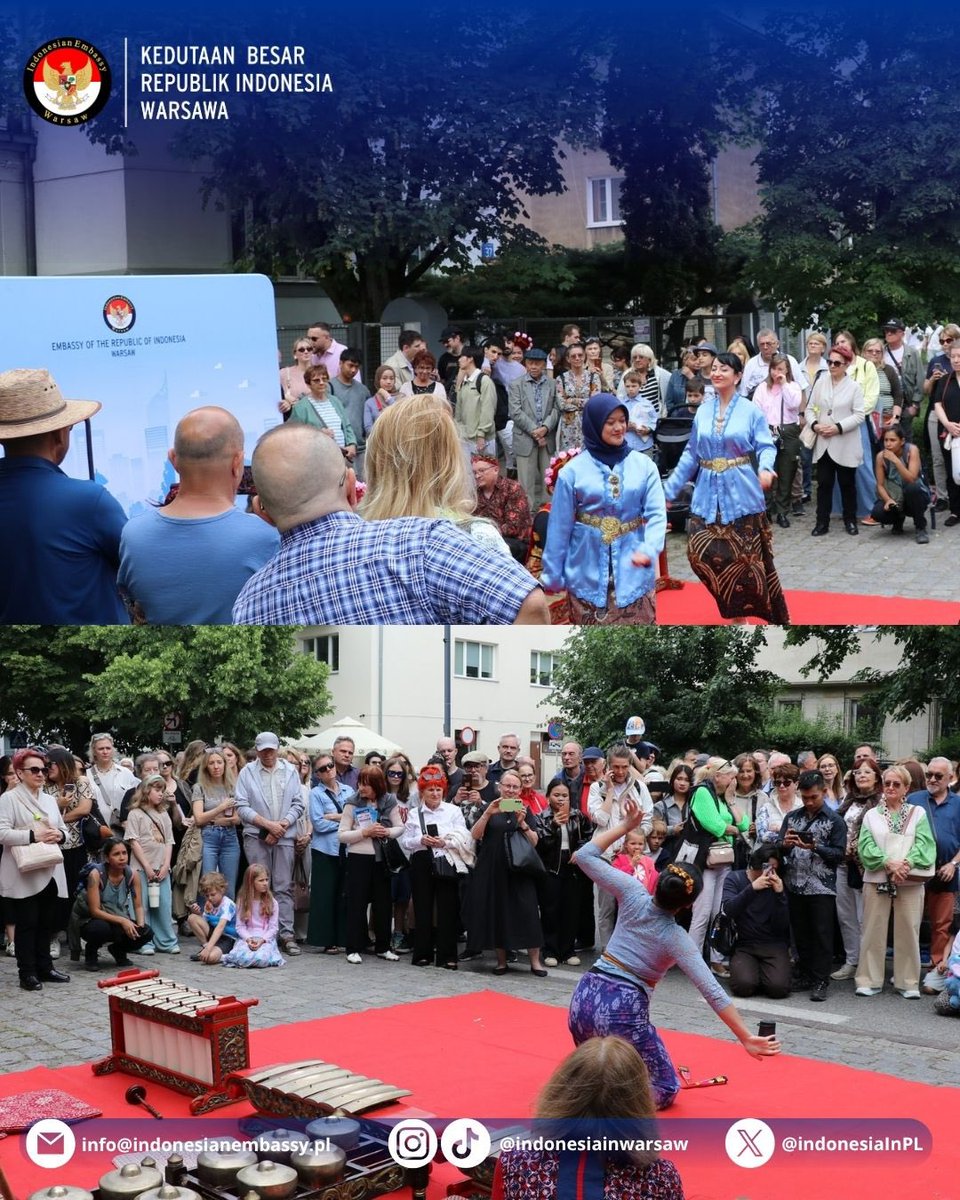
🇮🇩✨ Indonesia turut memeriahkan Festival Saska Kępa 2026 di Warsawa melalui promosi kuliner, kerajinan tangan, serta pertunjukan seni budaya Indonesia. Parade karnaval semakin semarak dengan alunan gamelan yang mengiringi kemeriahan acara.
Bekerja sama dengan pelaku usaha dan komunitas Indonesia di Polandia, KBRI Warsawa menghadirkan berbagai hidangan khas Nusantara, mulai dari rendang, bakso, siomay, hingga aneka jajanan tradisional yang dapat dinikmati oleh para pengunjung.
Selain memperkenalkan kekayaan cita rasa Indonesia, pengunjung juga berkesempatan menyaksikan pertunjukan gamelan dan tarian tradisional yang mencerminkan keberagaman budaya Indonesia.
Partisipasi ini merupakan bagian dari upaya KBRI Warsawa untuk memperkuat people-to-people contact dan meningkatkan pemahaman masyarakat Polandia terhadap kekayaan budaya Indonesia.
Terima kasih kepada seluruh mitra, pelaku usaha, komunitas Indonesia, serta para pengunjung yang telah turut meramaikan dan mendukung promosi Indonesia di Festival Saska Kępa 2026.
🇮🇩❤️🇵🇱
#Indonesia #IndonesiaInWarsaw #KBRIWarsawa #SaskaKepa #FestivalSaskaKepa #WonderfulIndonesia #IndonesianCulture #IndonesianCuisine #Gamelan #DiplomasiBudaya

2
3
934
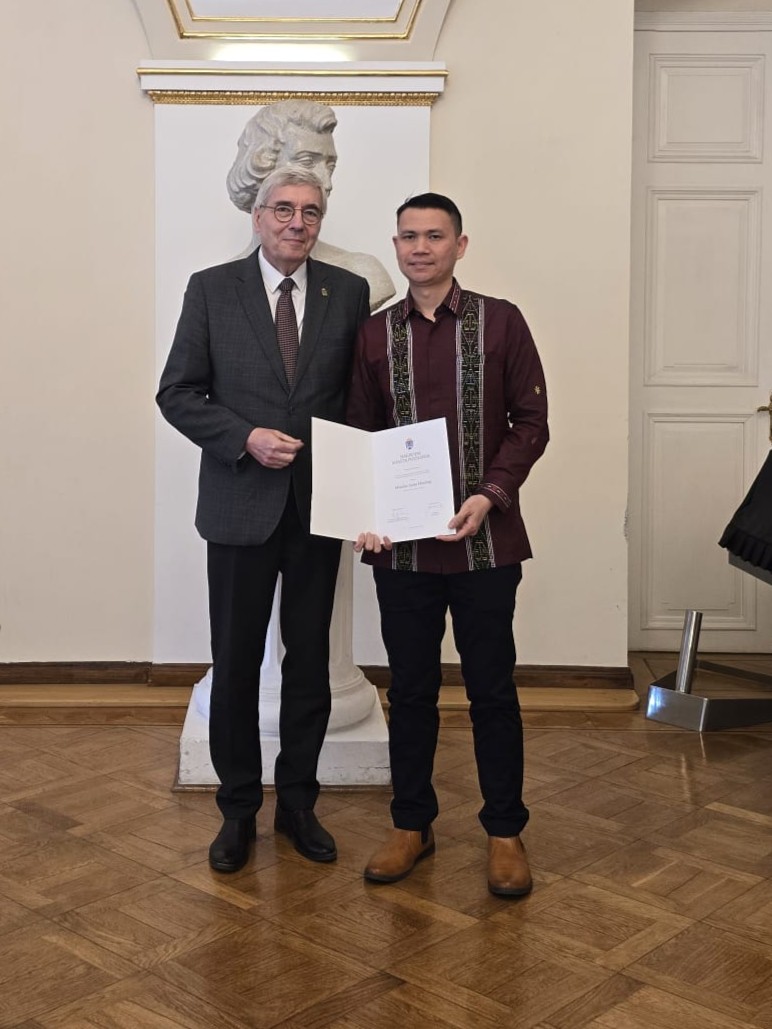
🎓 Another proud achievement has been made by an Indonesian son on the international academic stage.
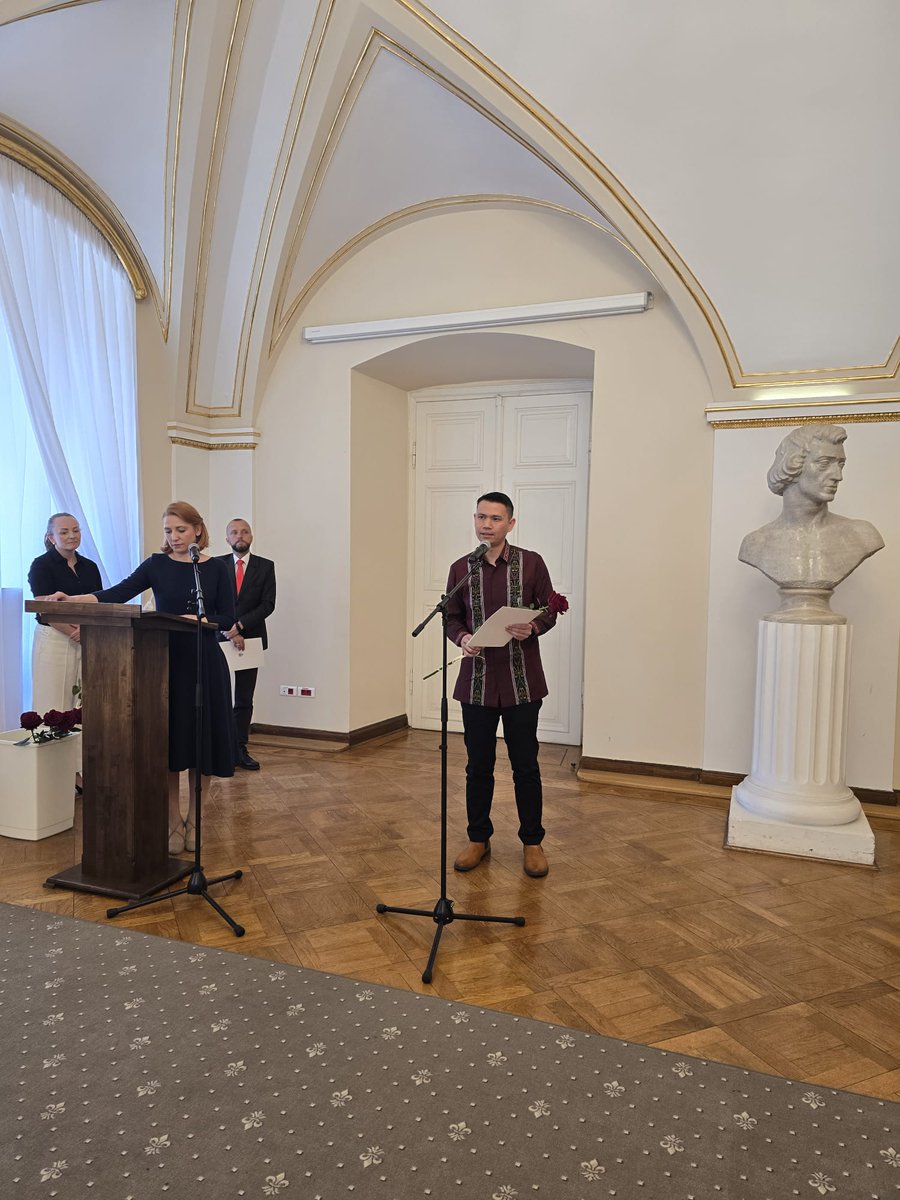
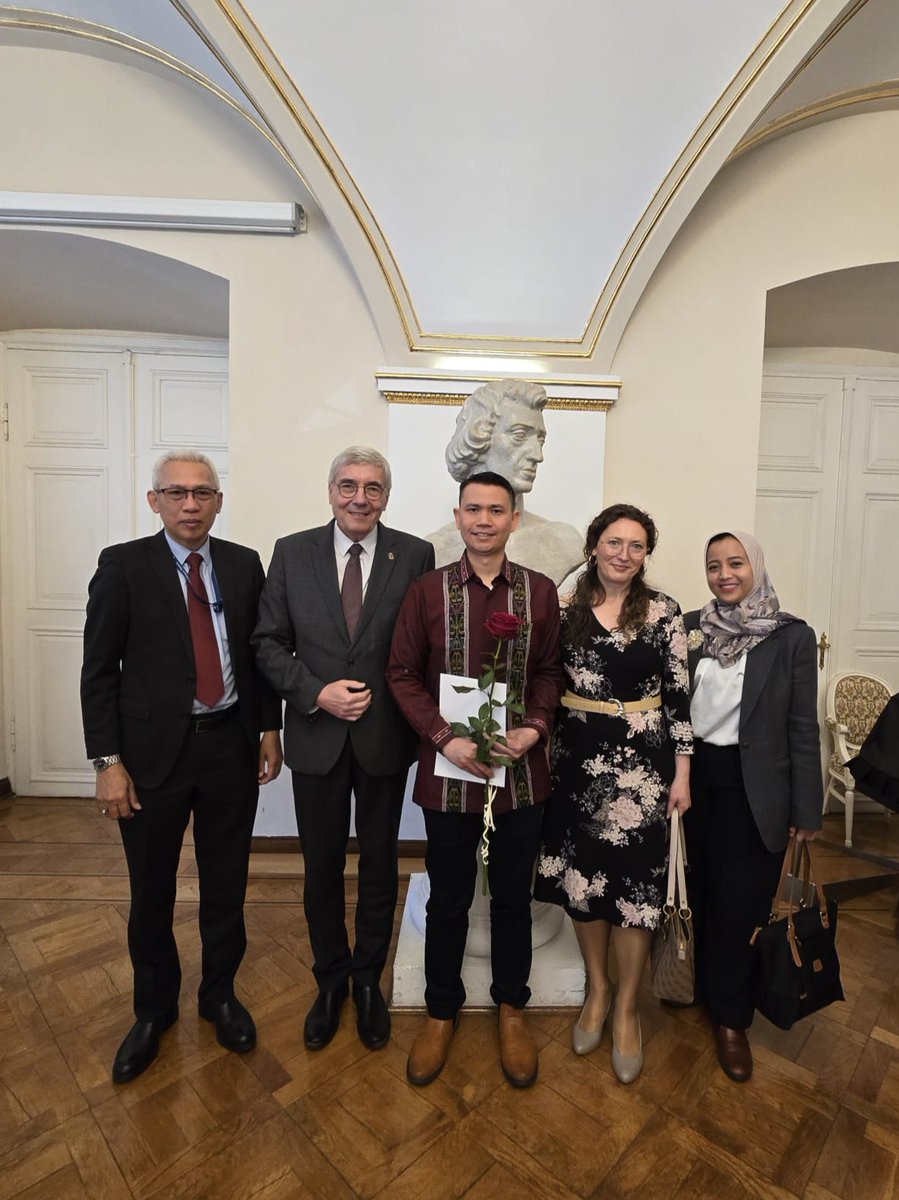
The Indonesian Embassy in Warsaw attended the academic award ceremony held by the Poznań City Government for Indonesian student Iskandar Azmy Harahap, on 28 April 2026 at Poznań City Hall.
At this prestigious academic awards event — now in its 22nd edition — Iskandar Azmy Harahap, a doctoral graduate of Poznań University of Life Sciences, received the highest award in the doctoral dissertation category for his research entitled *"The Study on the Impact of Isoflavones and Probiotics on Calcium Bioaccessibility and Calcium Status – In Vitro and In Vivo Studies"*, conducted under the supervision of Prof. dr hab. Joanna Suliburska.
The research highlights the use of plant-based food ingredients, particularly tempeh, and probiotics to improve calcium metabolism and bone health. These findings make an important contribution to addressing global health challenges, especially the prevention of osteoporosis in postmenopausal women. During his studies, Iskandar also produced approximately 20 reputable international scientific publications and obtained a patent from the Patent Office of the Republic of Poland.
Out of a total of 99 scientific works submitted this year, only 17 of the best received awards.
This achievement is tangible proof of the quality of Indonesian human resources at the global level, while also strengthening Indonesia's contribution to the development of science and international innovation.
Congratulations to Iskandar Azmy Harahap on this extraordinary achievement. May this accomplishment inspire the younger generation of Indonesians to continue creating and excelling on the world stage.
1
7
1,996
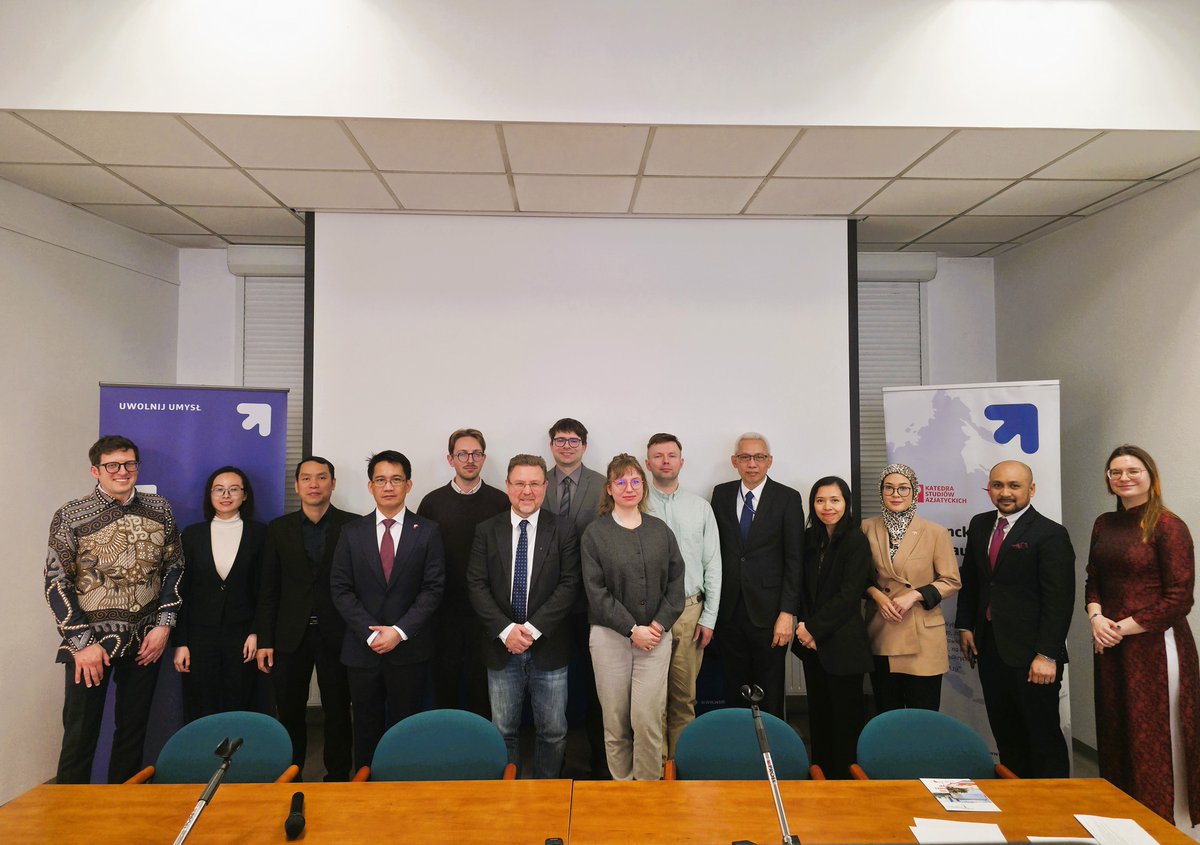
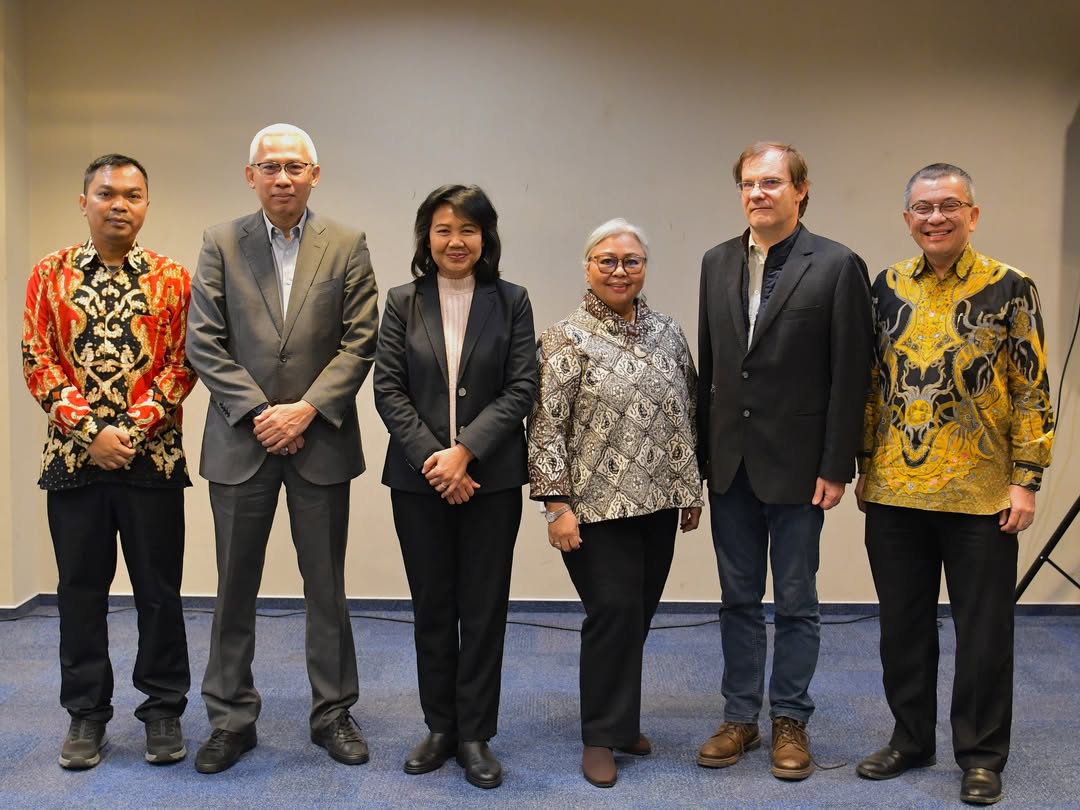
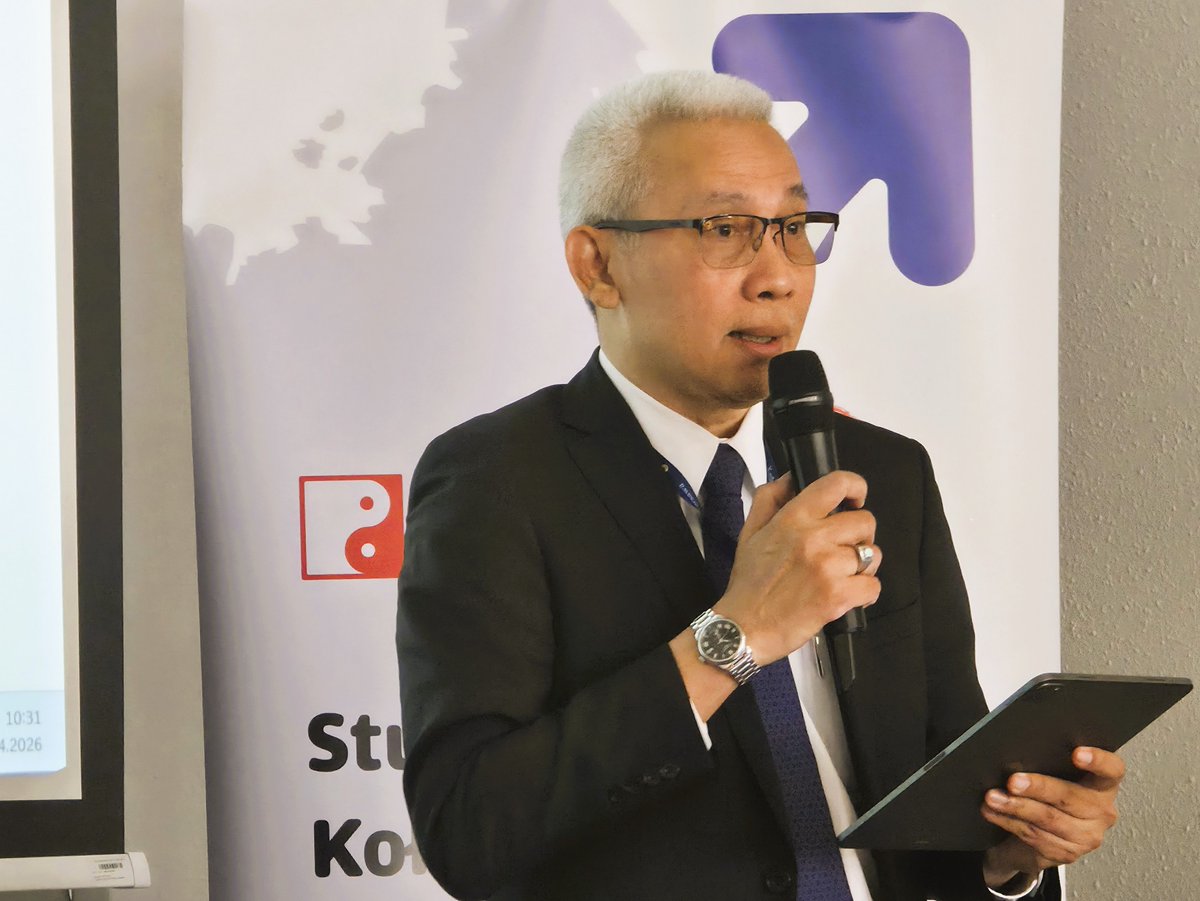
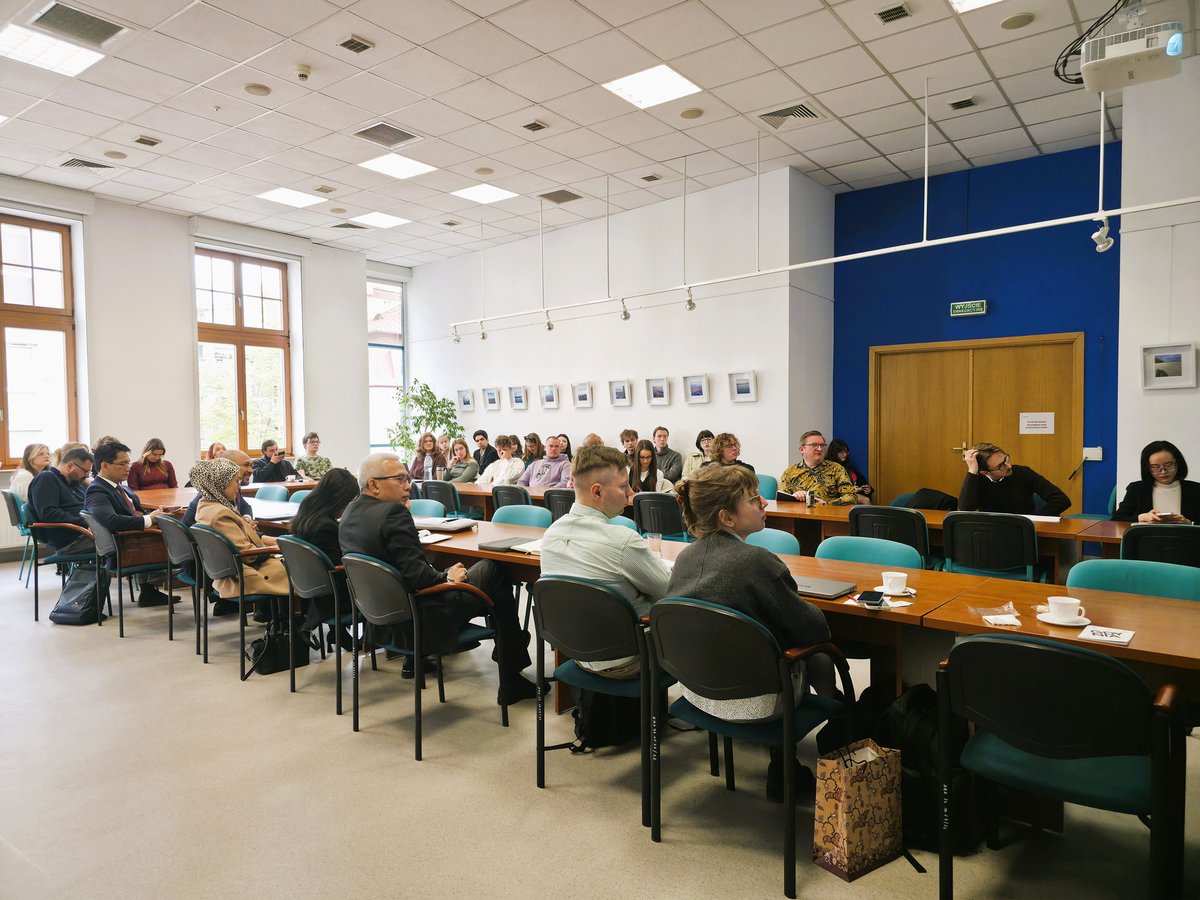
The Indonesian Embassy in Warsaw participated in the academic conference "The Role of ASEAN in the Indo-Pacific Region: Security, Economy, Culture" on April 29, 2026, organized by the Boym Institute in cooperation with the University of Łódź, in commemoration of the 50th anniversary of the ASEAN Treaty of Amity and Cooperation (TAC).
The conference served as a platform to explore the role and challenges of ASEAN in the Indo-Pacific region, featuring two main discussion sessions addressing geopolitical security issues as well as domestic policy and economic dynamics.
The Chargé d'Affaires of the Indonesian Embassy expressed appreciation for the conference's contribution to promoting ASEAN and strengthening engagement with the Polish academic community.
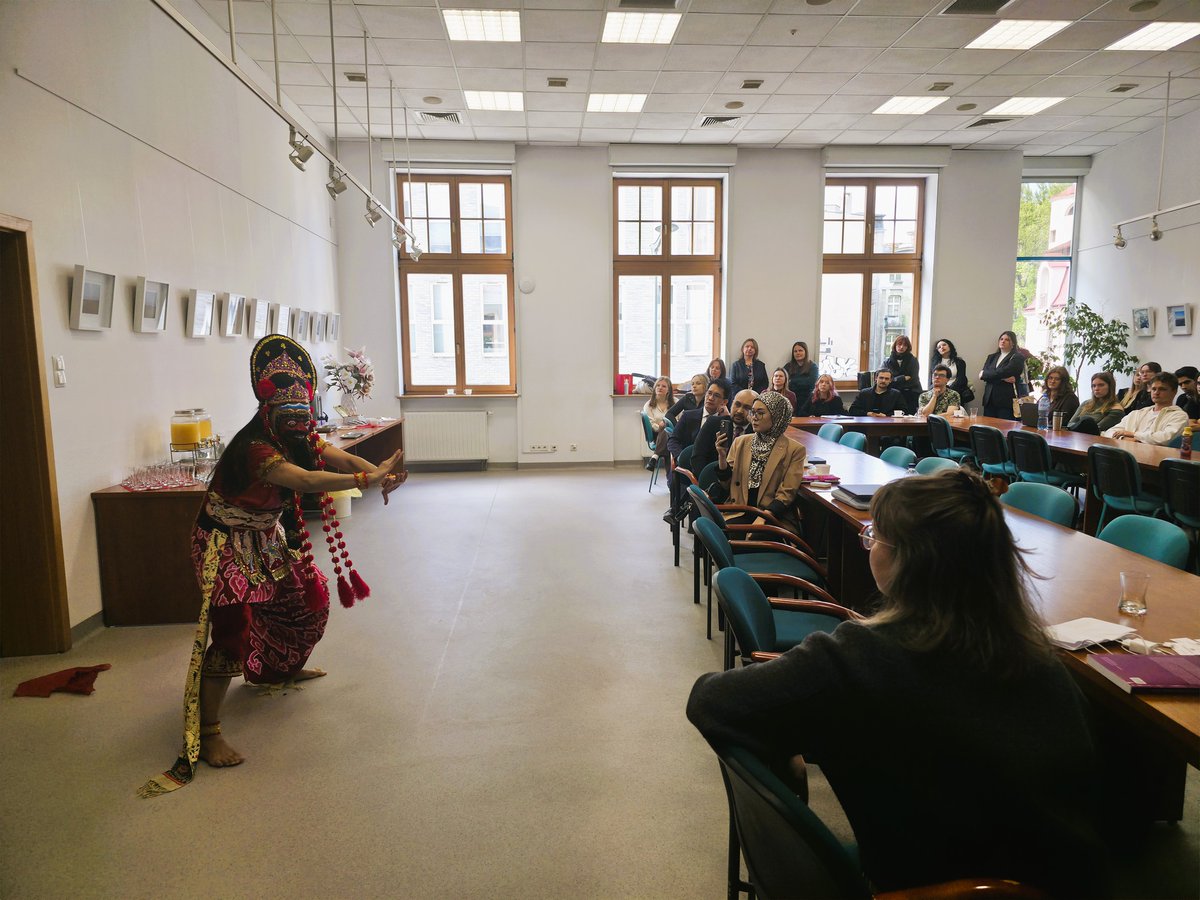
The Embassy also promoted Indonesian culture through a traditional mask dance performance and a showcase of Indonesian culinary delights.
This event marked a positive milestone in introducing ASEAN, fostering Indonesia–Poland cooperation, and strengthening ties with the academic community, particularly in the city of Łódź.
2
1
920
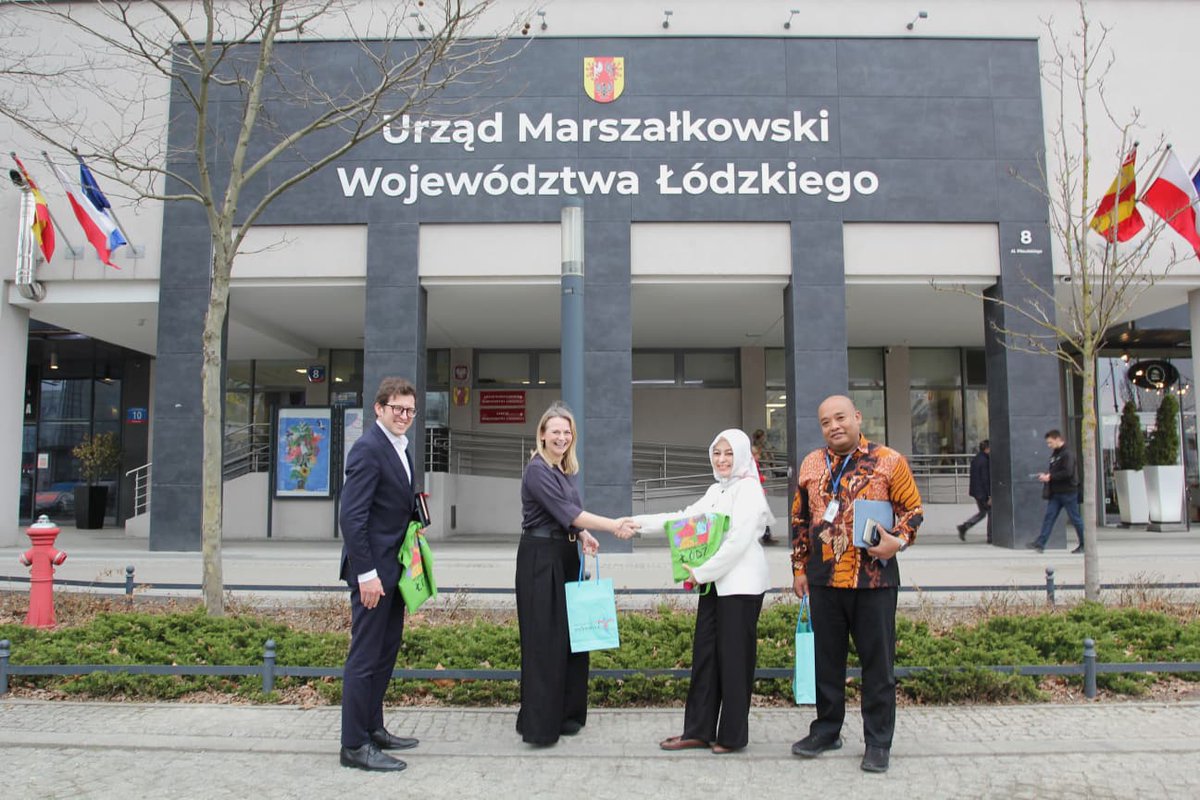
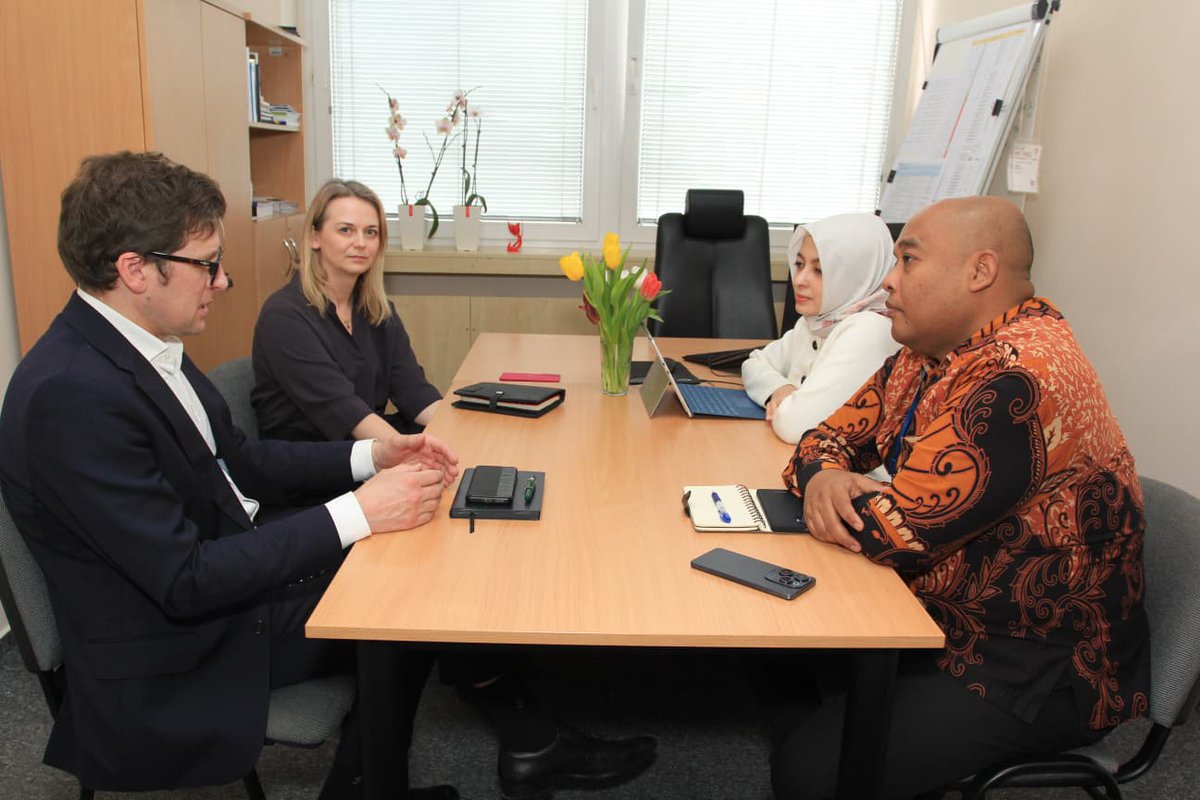
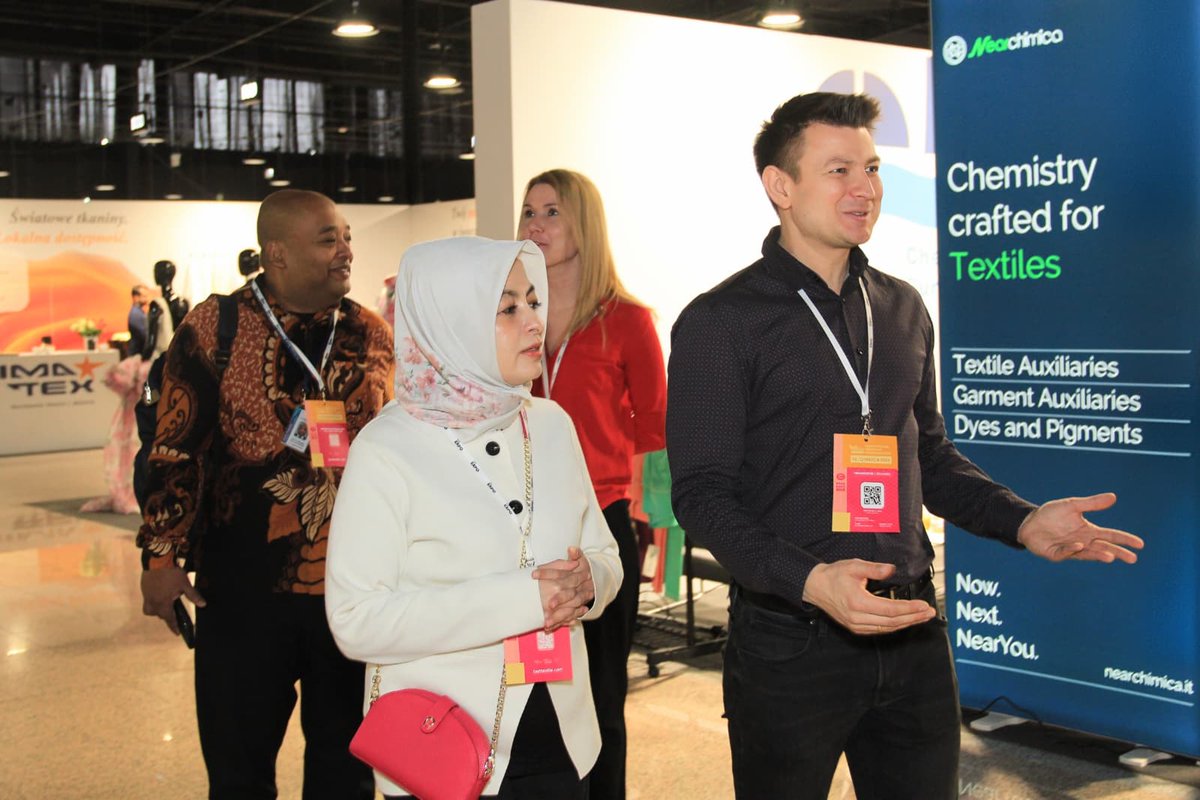
Pada 12 Maret 2026, Fungsi Ekonomi KBRI Warsawa melakukan pertemuan dengan perwakilan Marshal's Office of the Lodzkie Region dan Direktur Internasional PTAK Expo Łódż guna membahas peluang kerja sama ekonomi dan promosi perdagangan Indonesia di Polandia.
Beberapa poin penting yang dibahas antara lain:
1. Seminar Doing Business in ASEAN
KBRI Warsawa akan berpartisipasi sebagai panelis pada seminar yang diselenggarakan Marshal's Office of the Lodzkie Region tanggal 23 April 2026
2. Peluang Partisipasi Indonesia pada Pameran di Łódż
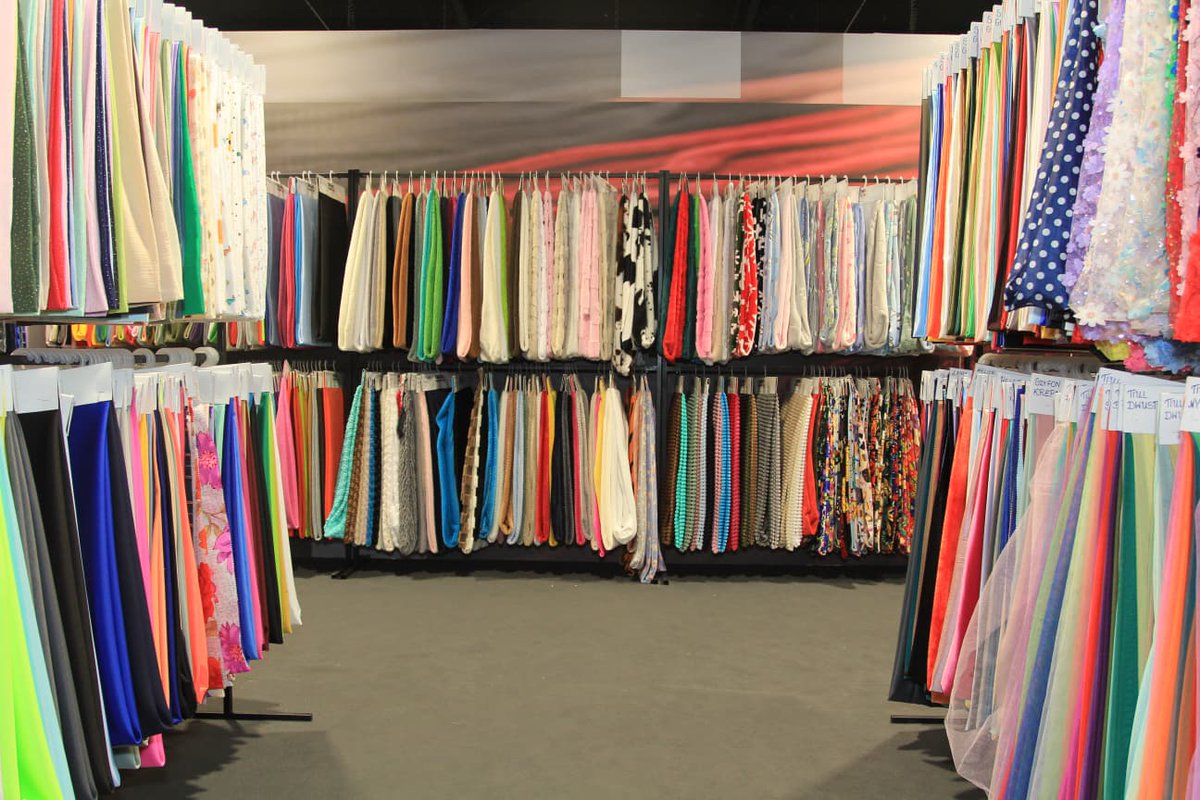
Indonesia mendapatkan tawaran untuk partisipasi Indonesia pada Trends Expo (25–27 Agustus 2026) dan Fast Textile Expo (17-19 November 2026)
KBRI Warsawa peroleh Informasi dari peserta pameran terkait minat buyer Polandia yang tinggi terhadap produk tekstil seperti knitwear, lace, lingerie, dan sportswear
Bagi pelaku industri tekstil Indonesia yang tertarik mengikuti pameran, hubungi Fungsi Ekonomi KBRI Warsawa.
1
115
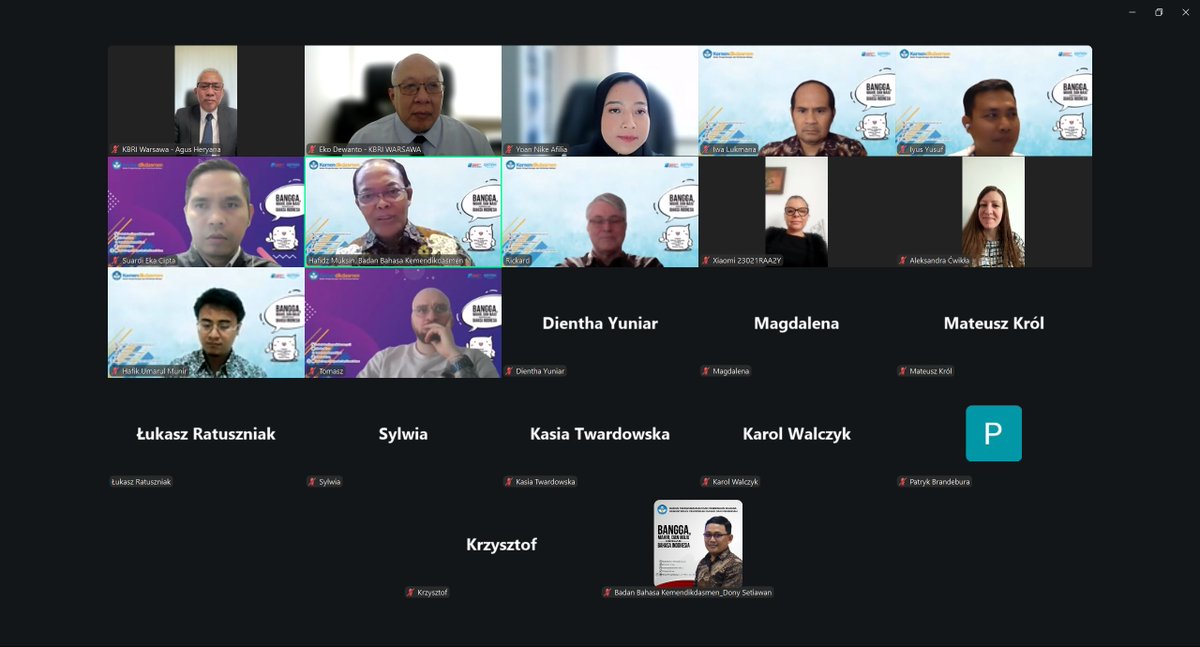
The Indonesian Embassy in Warsaw Organizes Online BIPA Classes for 2026
The Indonesian Embassy in Warsaw, in cooperation with the Language Development and Fostering Agency, is once again organizing online Indonesian Language for Foreign Speakers (BIPA) classes for 2026. This program is part of Indonesia’s strategic language diplomacy efforts to expand the international reach of the Indonesian language, particularly in the Central European region.
The opening of the BIPA classes was held on March 3, 2026, and was attended by the Head of the Language Development and Fostering Agency, the Chargé d’Affaires ad interim of the Republic of Indonesia, the Head of the Center for Language and Literature Empowerment, BIPA instructors, and all participants. The virtual opening ceremony marked the beginning of the 2026 learning period.
In his remarks, the Head of the Language Development and Fostering Agency, Mr. Hafidz Muksin, emphasized that the organization of BIPA classes is not only aimed at introducing the Indonesian language and culture to foreign nationals, but also serves as a strategic step to strengthen the position of the Indonesian language internationally. This aligns with the Indonesian Government’s efforts to further promote the Indonesian language in various global forums, including cooperation with UNESCO and strengthening the role of Indonesian within the multilateral ecosystem.
This year’s participant enthusiasm shows a positive trend, with a total of 43 participants. They are divided into two classes: BIPA 1 and BIPA 2. Some of them previously attended BIPA classes in 2025, reflecting sustained interest and the program’s effectiveness in building a community of Indonesian language learners in Poland.
As one of the programs under Indonesia’s Grand Strategy of Soft Power Diplomacy, BIPA plays an important role in strengthening people-to-people contact, which forms the foundation of strong bilateral relations between countries. Through language learning, it is hoped that a deeper understanding of Indonesian values, culture, and societal character will be fostered, thereby expanding opportunities for cooperation in education, culture, and people-to-people relations between the two nations.
2
1,056
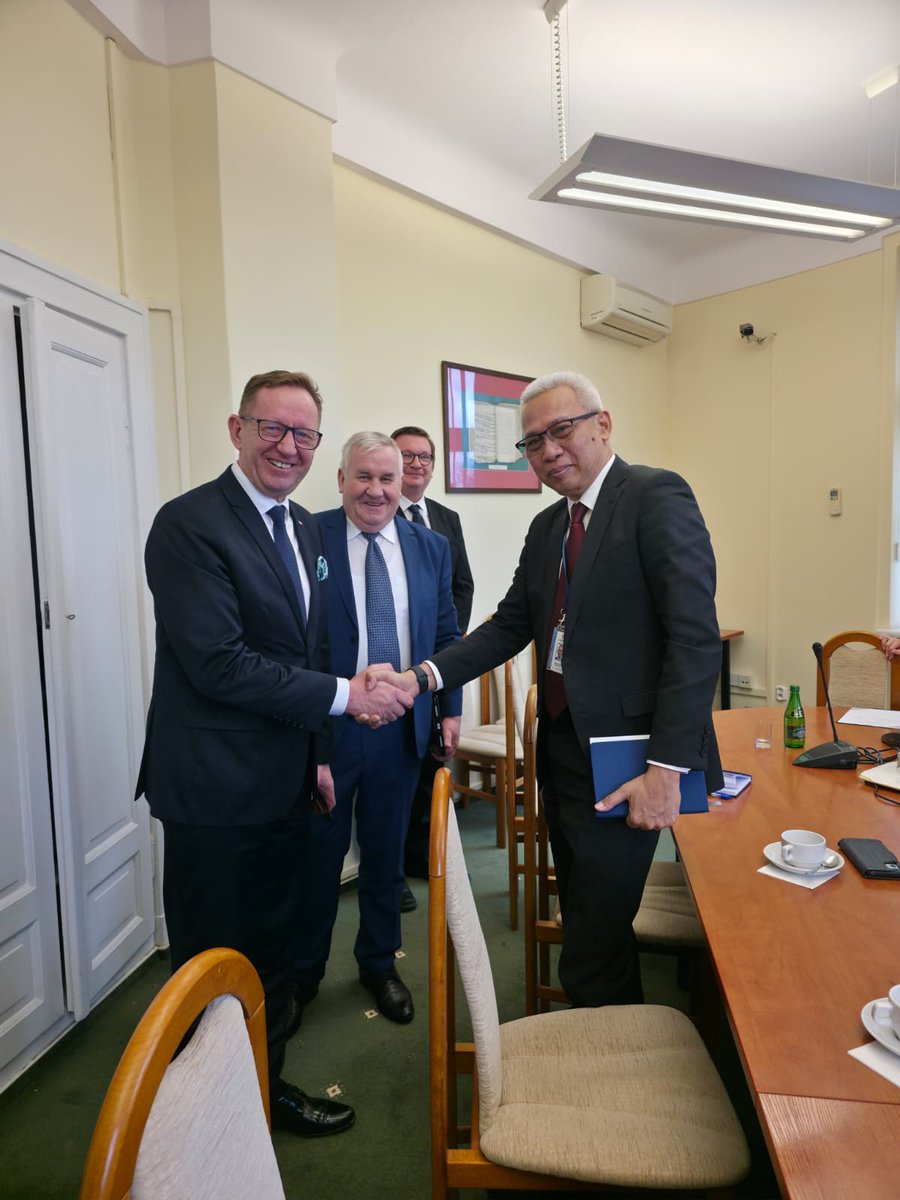
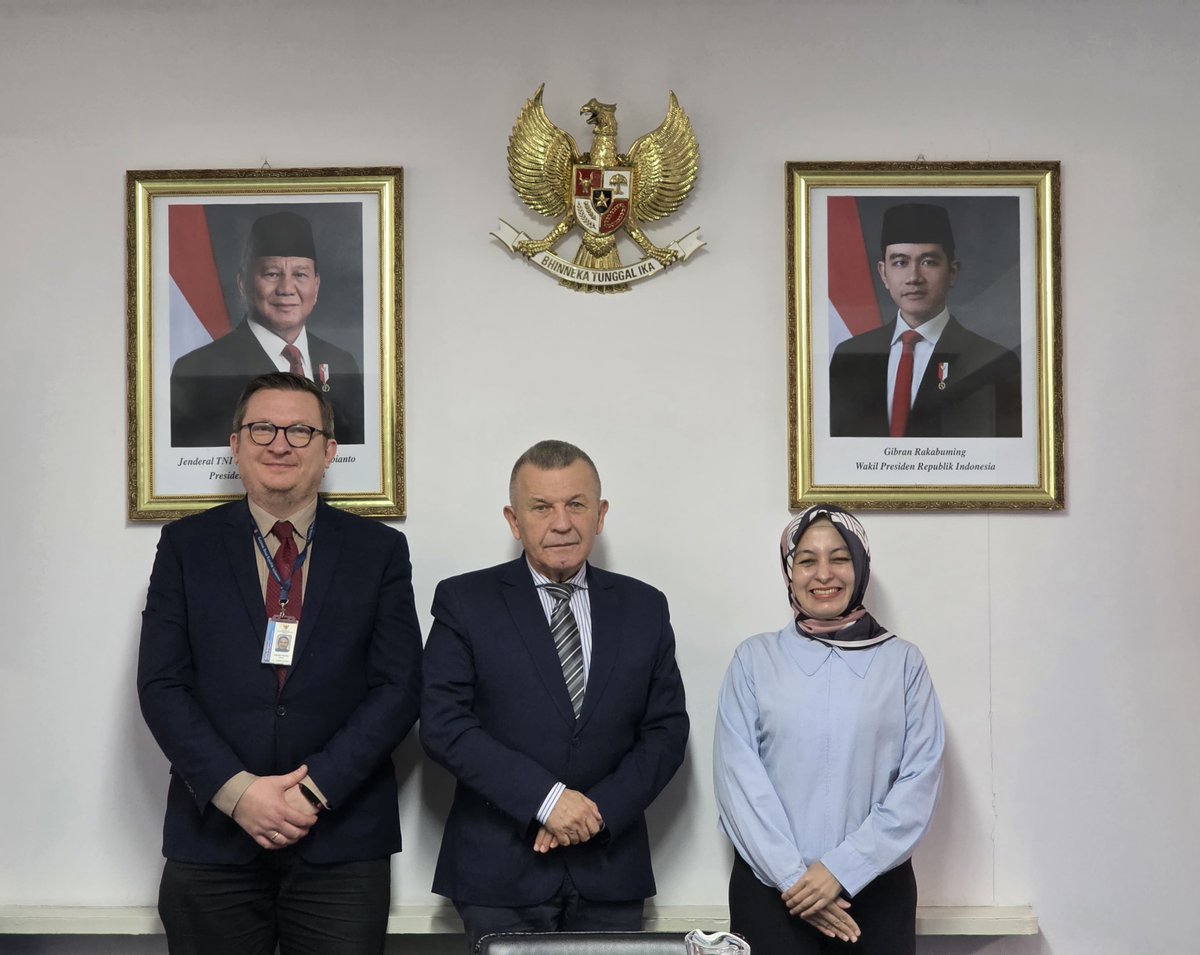
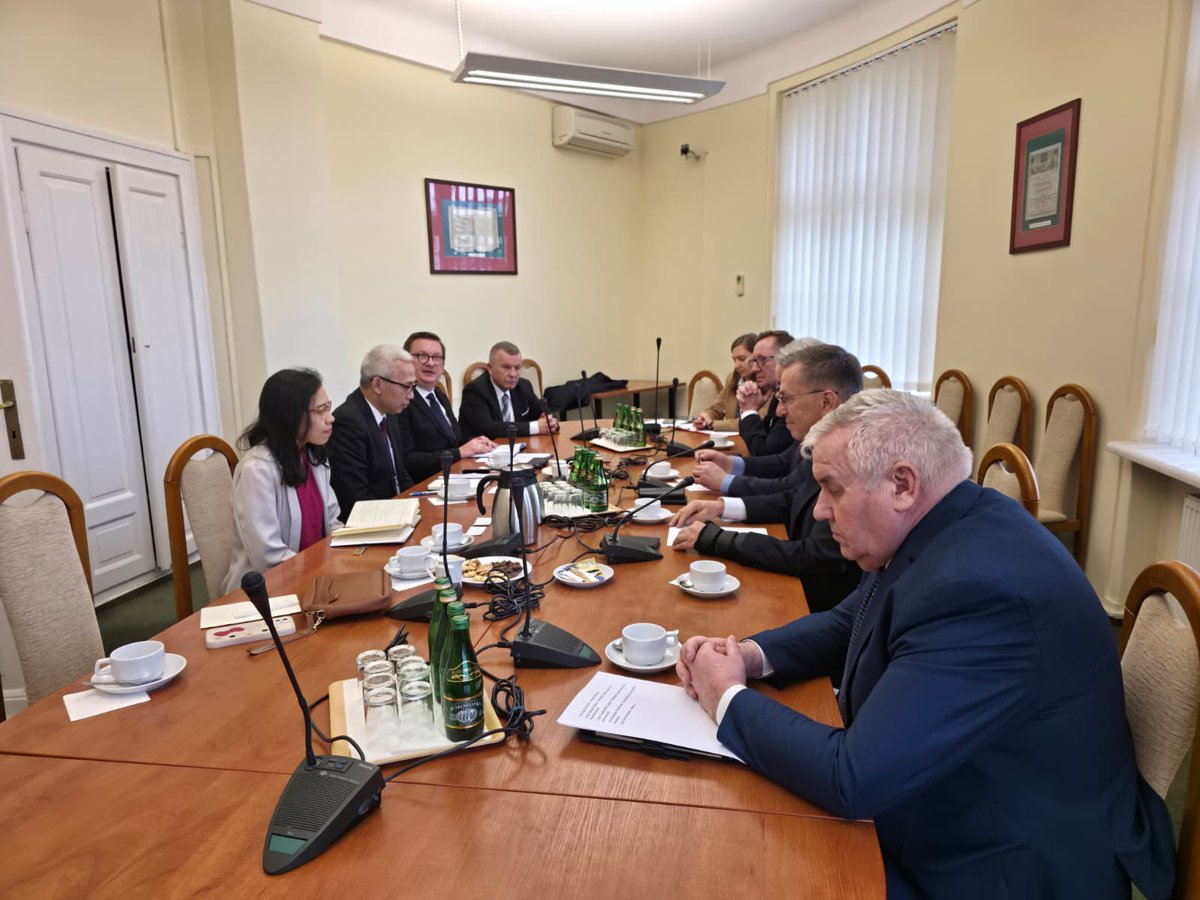
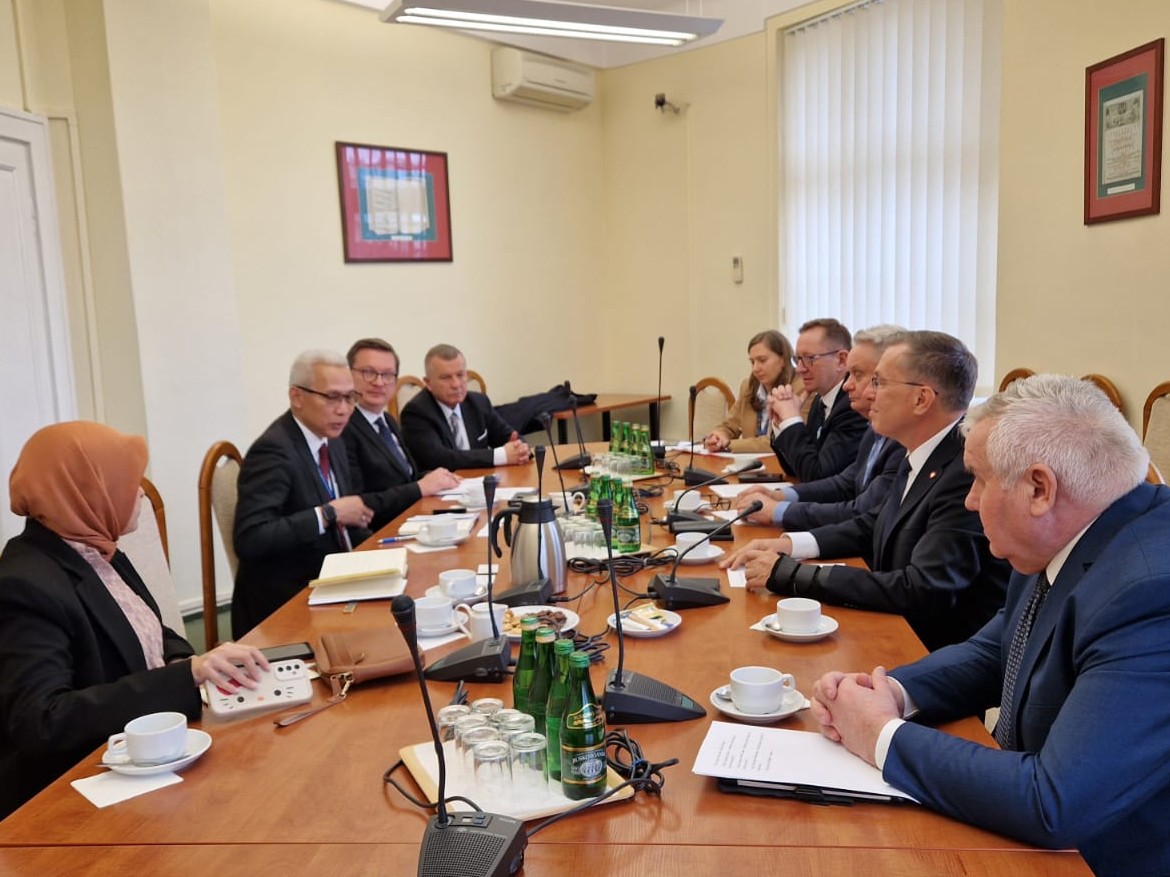
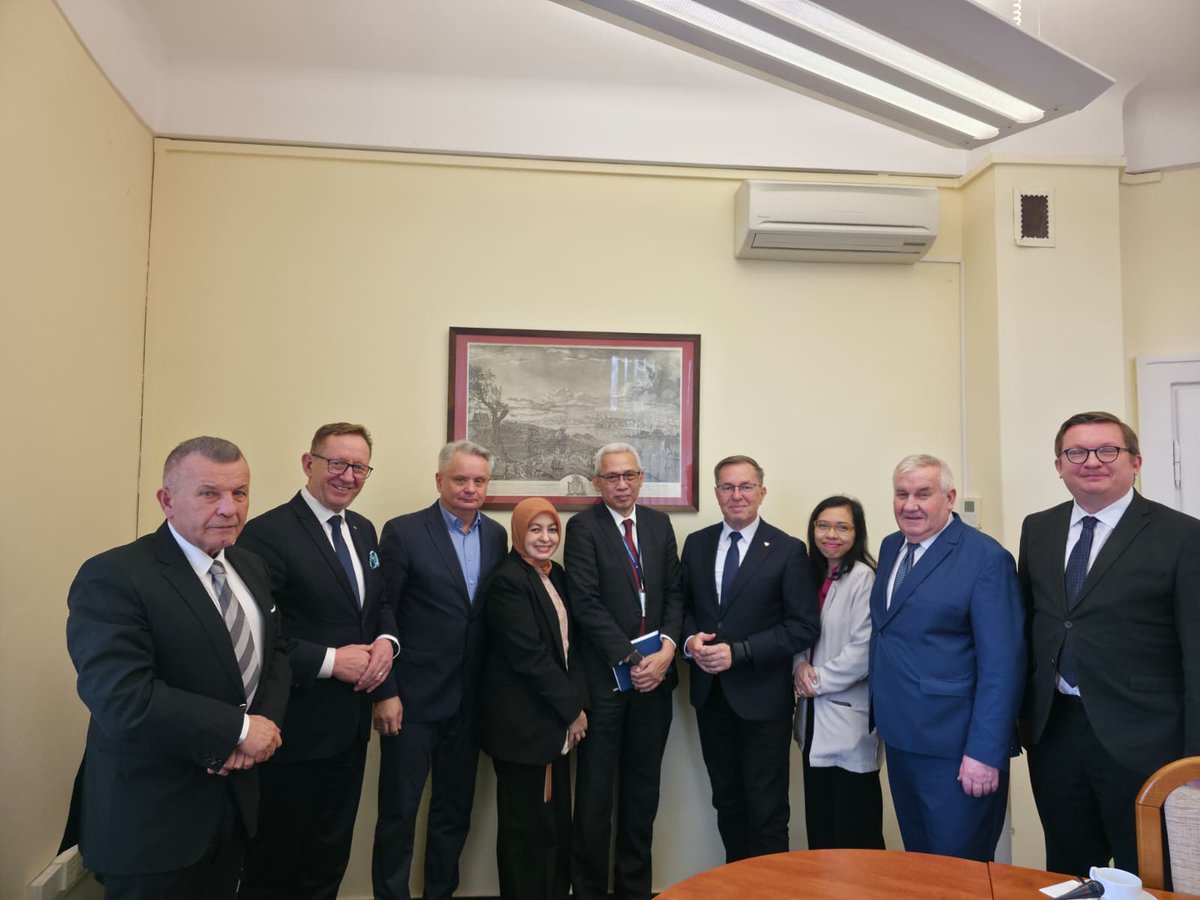
The Embassy of the Republic of Indonesia met with the Agriculture and Rural Development Committee of the Sejm (Parliament) of Poland to promote the strengthening of agricultural sector cooperation between the two countries.
🇵🇱 The Chair of the Committee conveyed a commitment to enhancing agricultural cooperation with Indonesia. Poland sees trade opportunities based on complementary products, with diversification being key amid global uncertainty.
🇮🇩 The Chargé d’Affaires of Indonesia emphasized that with a population of more than 280 million, the agricultural sector plays a vital role and offers competitive potential and leading products for the Polish market, in line with the need for trade diversification. Progress in the IEU-CEPA negotiations also represents strategic momentum to increase the value of bilateral trade.
KBRI stands ready to facilitate stronger cooperation at both the executive and parliamentary levels, including through reciprocal visits, trade missions, and enhanced people-to-people contacts.
2
4
959
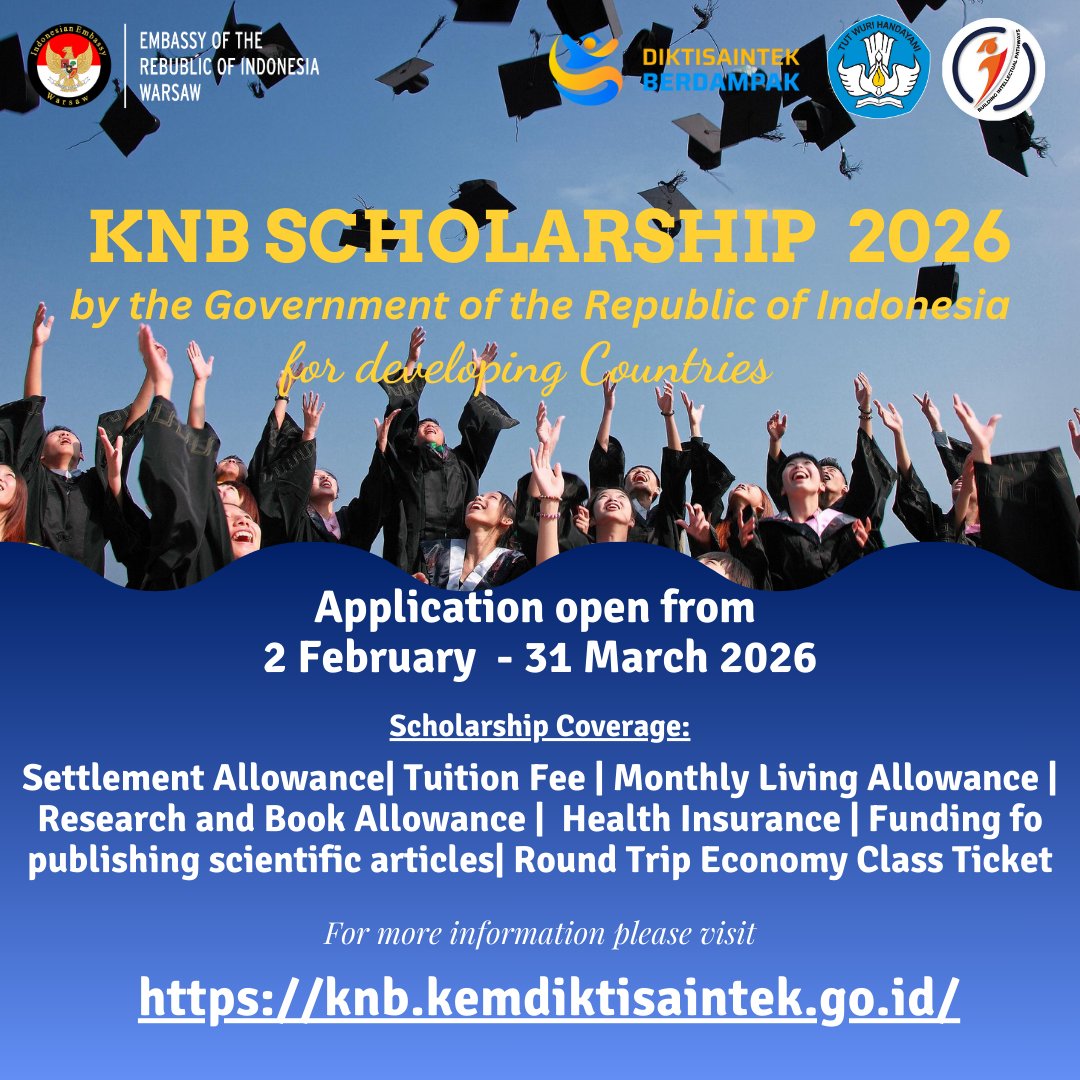
KNB Scholarship 2026 – Fully Funded Opportunity to Study in Indonesia! 🇮🇩🎓
Are you Polish looking for an exciting academic journey abroad?
The Kemitraan Negara Berkembang (KNB) Scholarship offers a fully funded opportunity to pursue undergraduate, postgraduate or doctorate studies at 47 prestigious universities in Indonesia!
✨ Why Apply?
✅ A settlement allowance upon arrival in Indonesia
✅ Tuition Fee in BIPA Program and Academic Program(regular class, not international class)
✅ Monthly living allowance
✅ Monthly research and book allowance
✅ Health insurance
✅ Funding for publishing scientific article
✅ Economy Class Airline tickets and transportation
✅ International networking opportunities
✅ Experience Indonesia’s rich culture & breathtaking landscapes
Don’t miss this chance to enhance your academic and cultural experience in one of the most diverse countries in the world!
📅 Apply Now for the 2026 Intake!
Open from Monday, February 2nd until Tuesday , March 31st, 2026
KNB Website:
knb.kemdiktisaintek.go.id
📩 For more information, contact: socio-cultural@indonesianembassy.pl
🌍 Study, Explore, and Grow in Indonesia! 🌍
#KNBScholarship2026 #StudyinIndonesia #FullyFunded #ScholarshipOpportunity #PolandToIndonesia
1
81
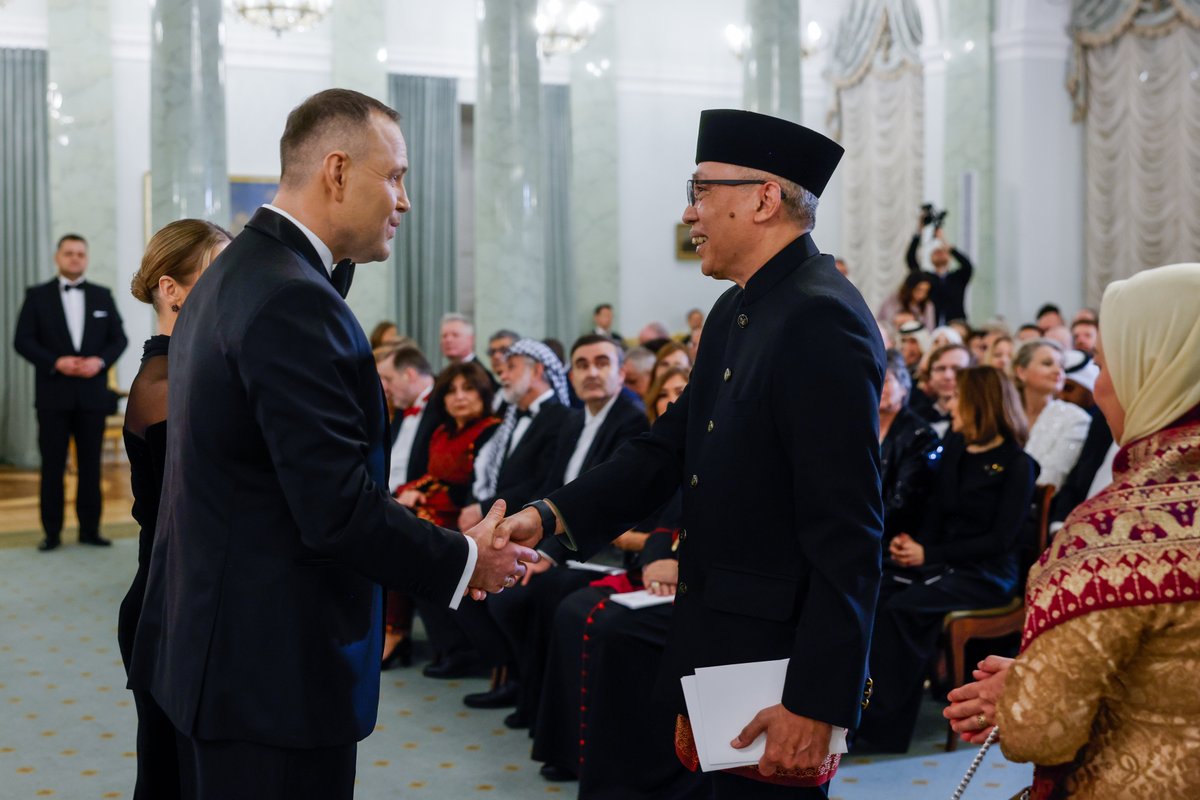
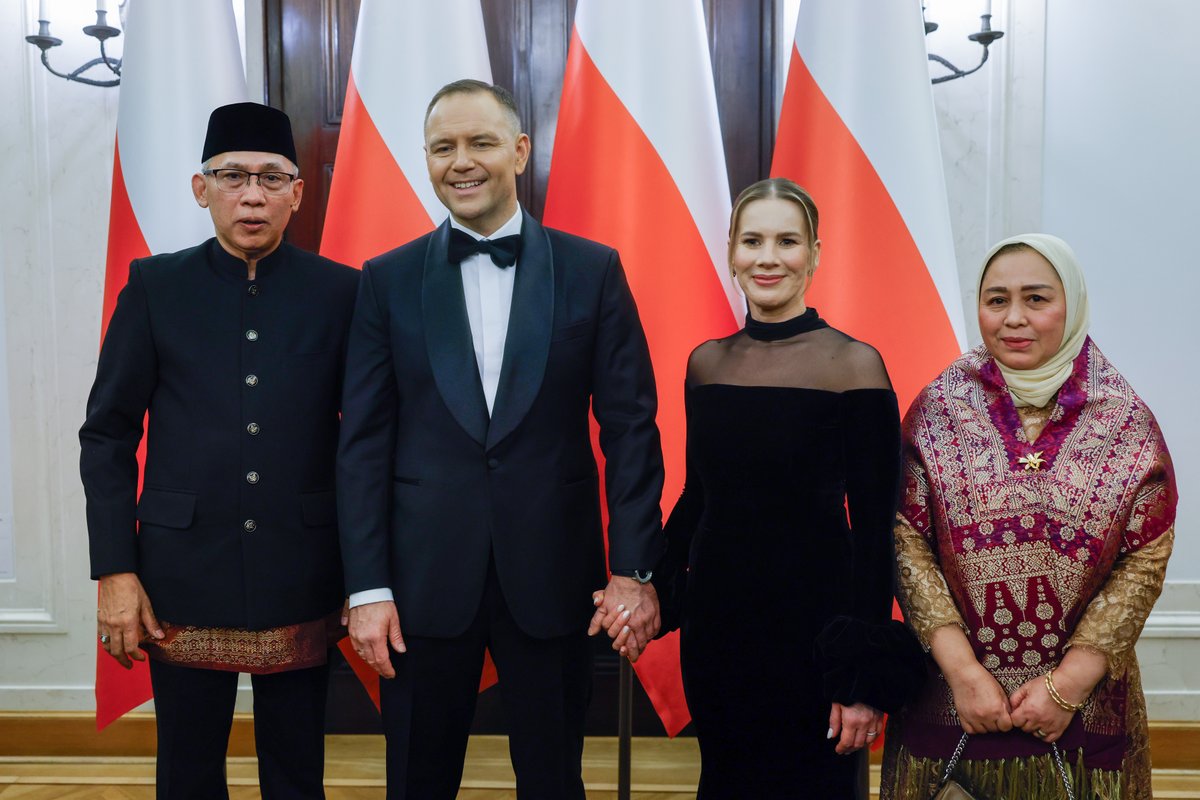
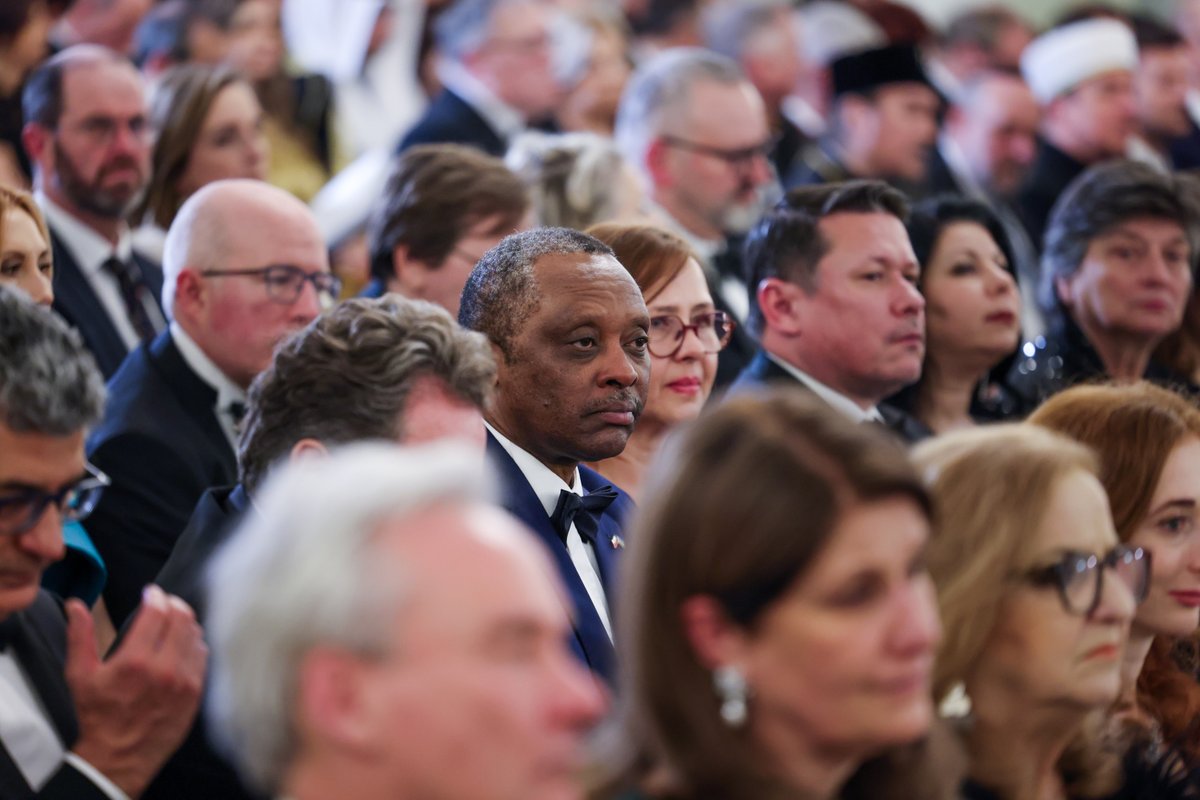
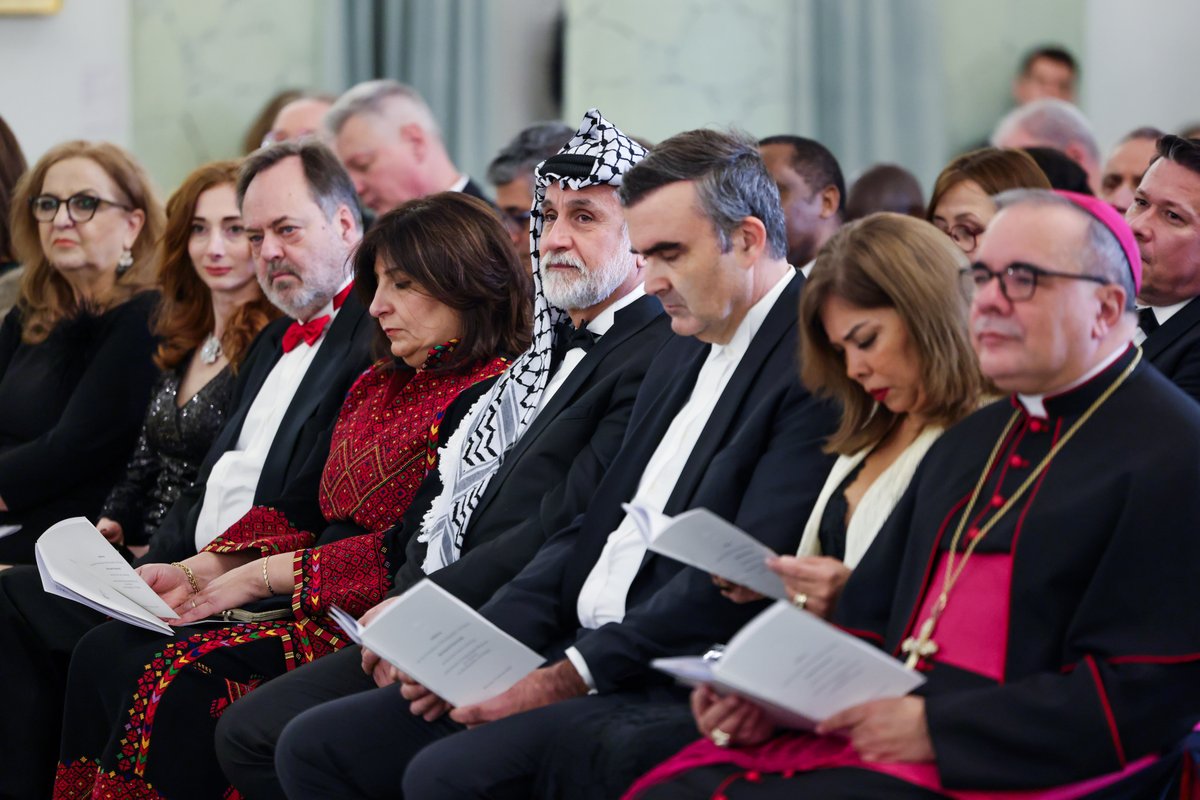
On 15 January 2026, the Heads of Diplomatic Missions accredited in Poland were invited to the annual New Year Meeting hosted by the President of Poland, Karol Nawrocki, at the Presidential Palace. This traditional gathering is regarded as the opening event of Poland’s political and social calendar for the year.
During the ceremony, the Heads of Diplomatic Missions individually greeted the President. Among them, Charge dÁffairs of the Republic of Indonesia, conveyed best wishes for the New Year and expressed hopes for the further strengthening of bilateral relations between Indonesia and Poland.
The occasion featured an address by President Nawrocki, who welcomed the diplomatic community.
Photos taken by Mr. Łukasz Błasikiewicz/KPRP
2
1
1,589
Indonesian CDA in Warsaw met with the Mufti of Poland 🇵🇱🤝🇮🇩 on 23 Jan 2026 to discuss halal cooperation & Indonesia promotion. Focus: dairy, cosmetics, chemicals, halal meat, workforce, & Indonesian Day 2026 in Bialystok.
1
4
3
2,153
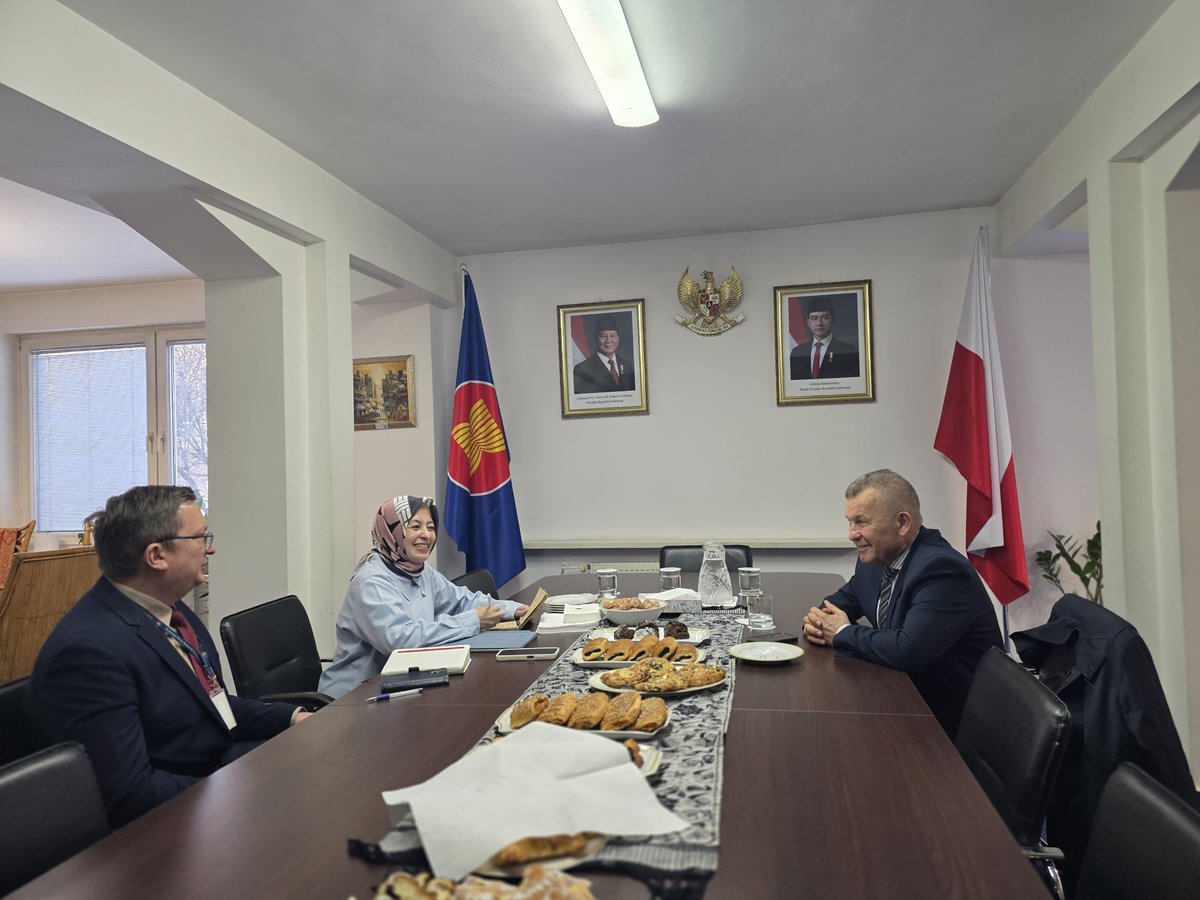
Bridging Indonesia & Poland 🌏🤝 From business missions to tourism networking, the Embassy in Warsaw and Honorary Consul Mirosław Wawrowski are driving cooperation in key sectors. Stay tuned for the Indonesia–Poland Tourism Business Matching this March!
1
1
109
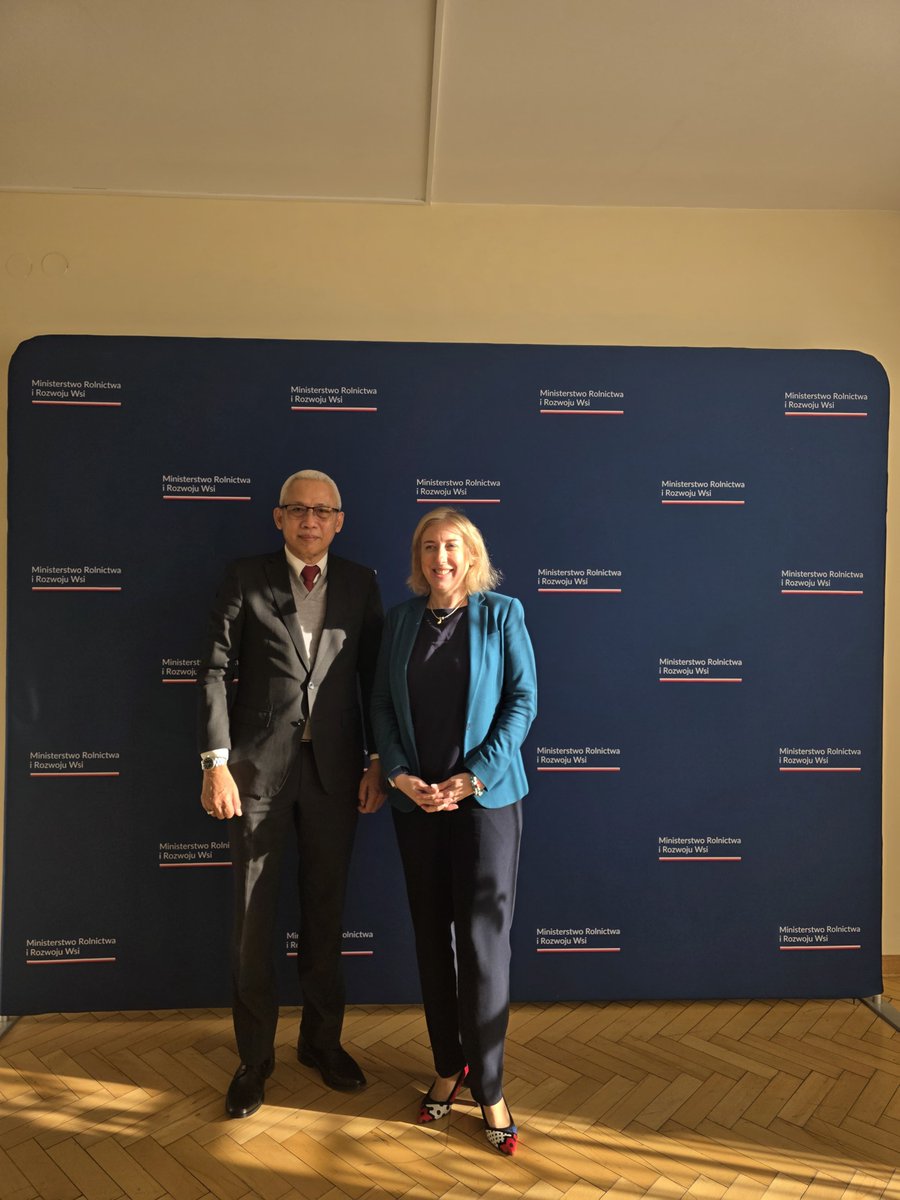
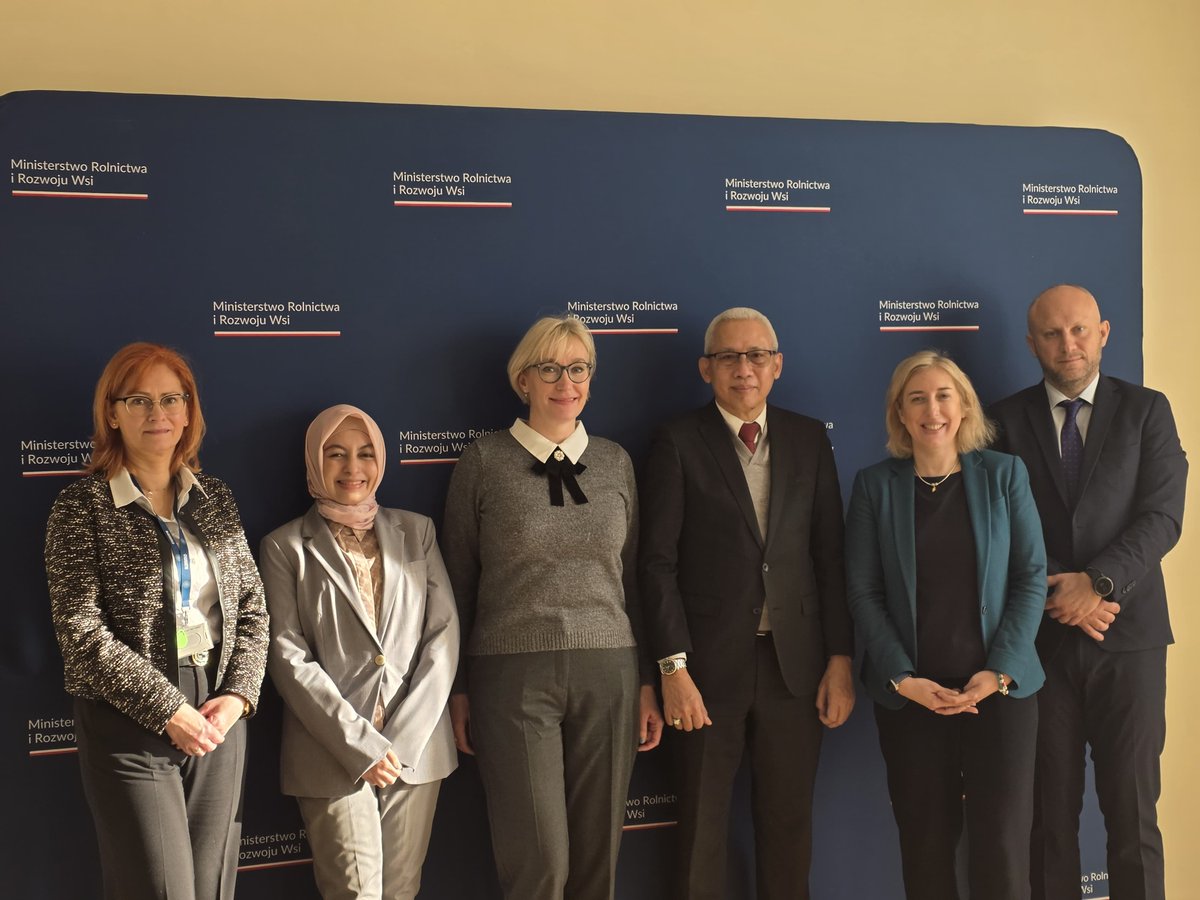
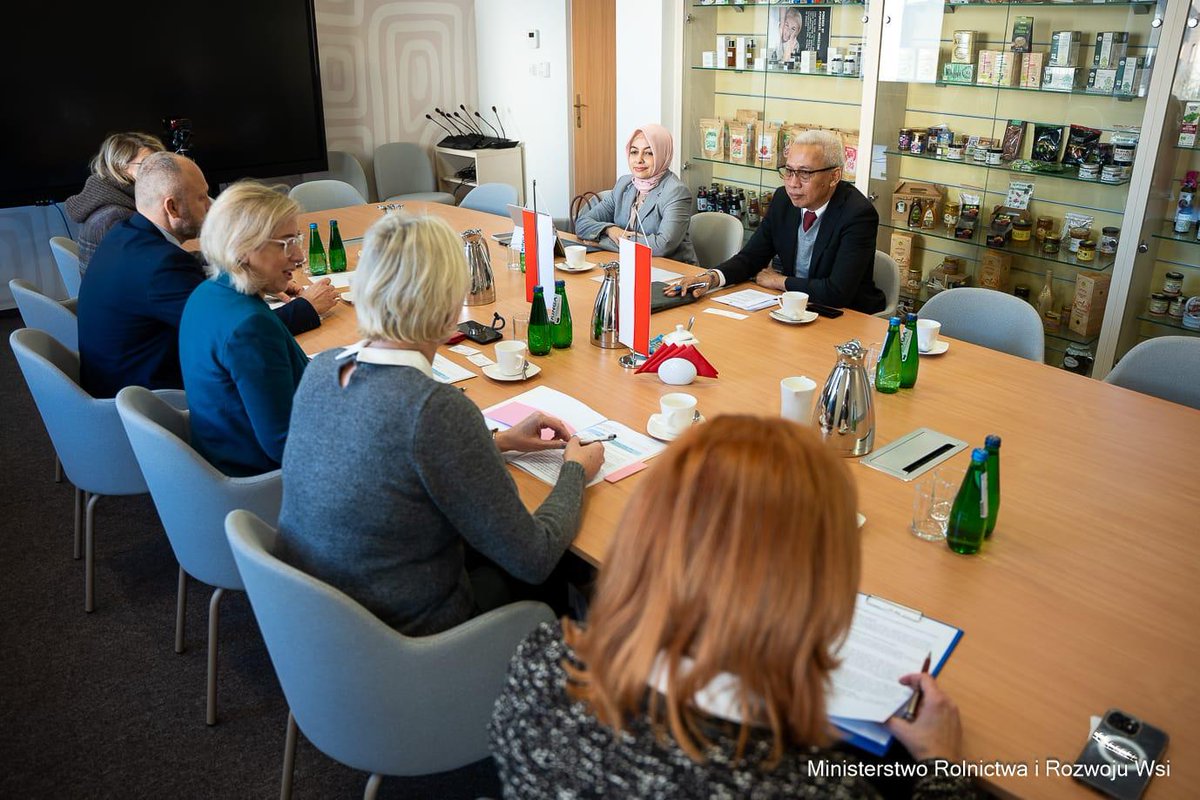
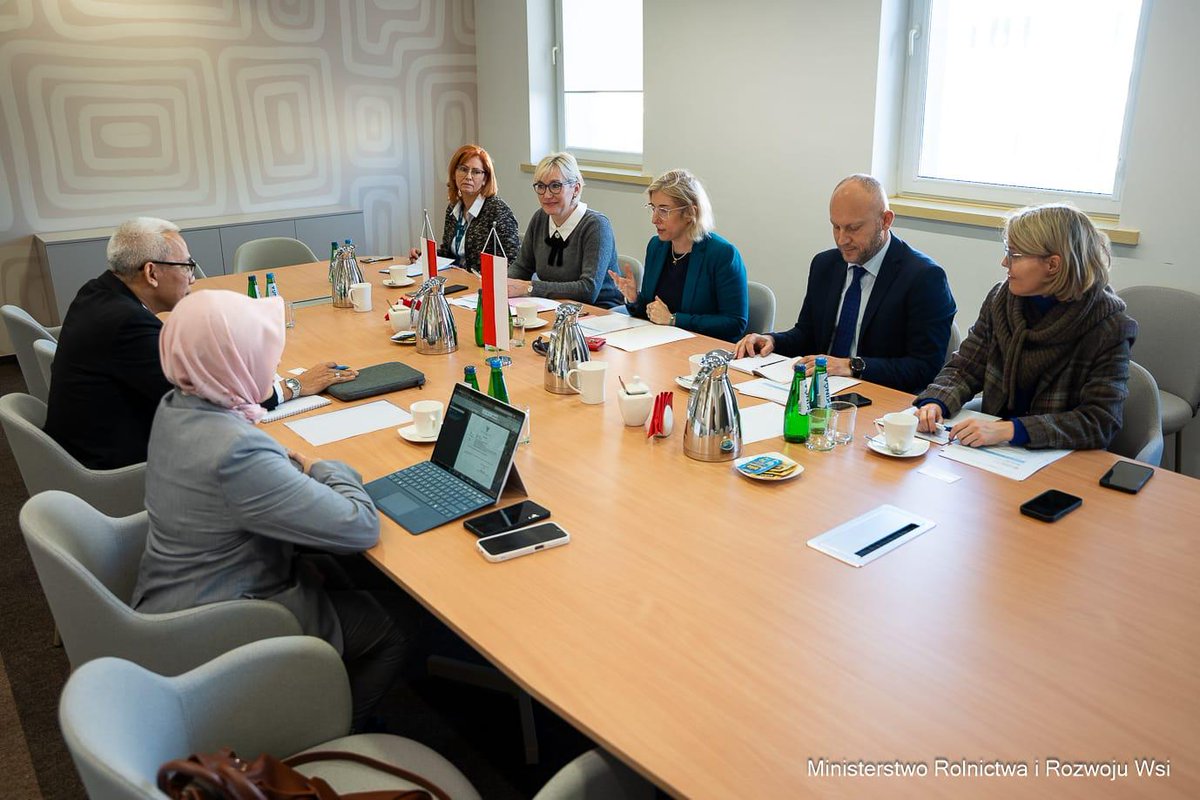
On 20 January, the Indonesian CDA in Warsaw met with Poland’s Ministry of Agriculture and Rural Development to discuss strengthening Indonesia–Poland agricultural cooperation, particularly in livestock and animal health, investment opportunities, and follow-up of the bilateral MoU.
2
79

10 Dec 2025
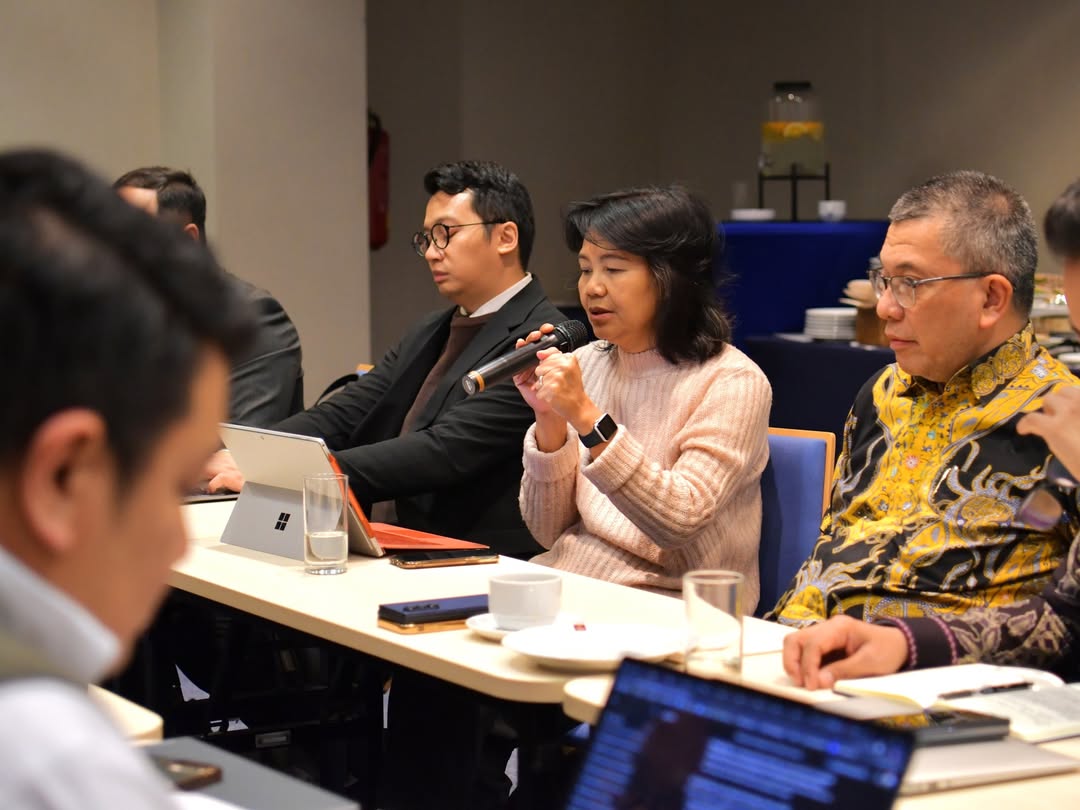
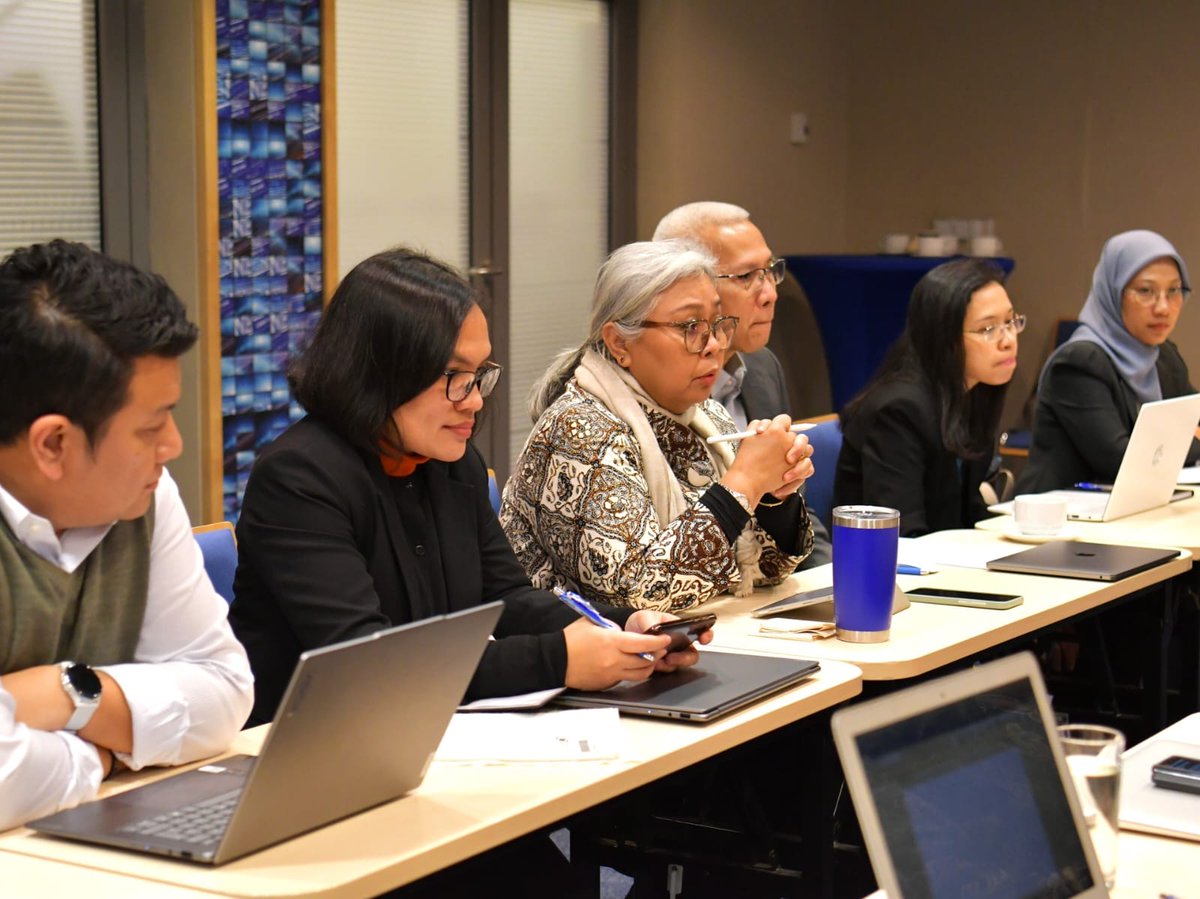
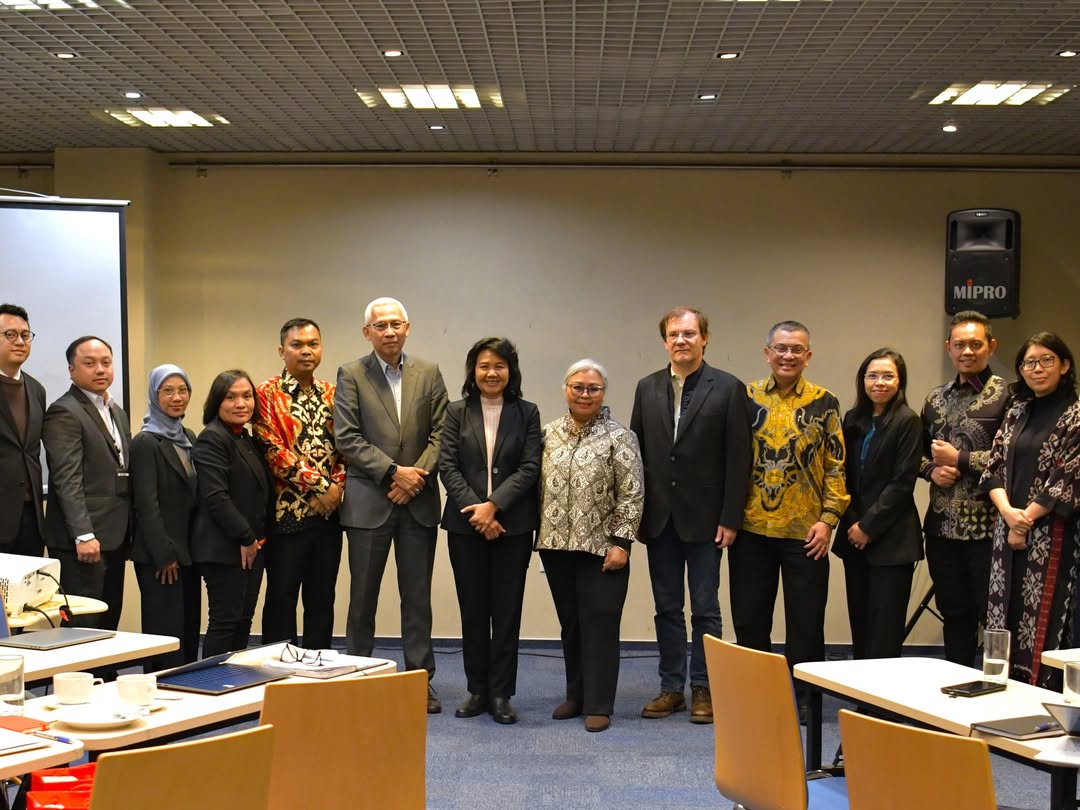
Heads of Indonesian Missions in the V4 Discuss Diplomatic Synergies to Strengthen Cooperation with the Visegrad Group
The Charge d'Affairs in Warsaw attended a meeting of the Heads of Indonesian Missions in the Visegrad Group countries—namely the Czech Republic, Hungary, Poland, and Slovakia—which was held in Olomouc on 5 December 2025.
During the meeting, the four Indonesian representatives gained an in-depth understanding of Visegrad cooperation through comprehensive discussions with Dr. Mansur Juned from UPN Veteran Jakarta and Juraj Marusiak, PhD, from the Slovak Academy of Sciences.
The forum also served as a strategic coordination platform to align Indonesia’s diplomatic approaches and to explore opportunities for strengthening cooperation with the V4 countries—ranging from cross-sectoral collaboration to the potential support of the V4 for Indonesia’s agenda in the European Union.
1
67
1 Dec 2025
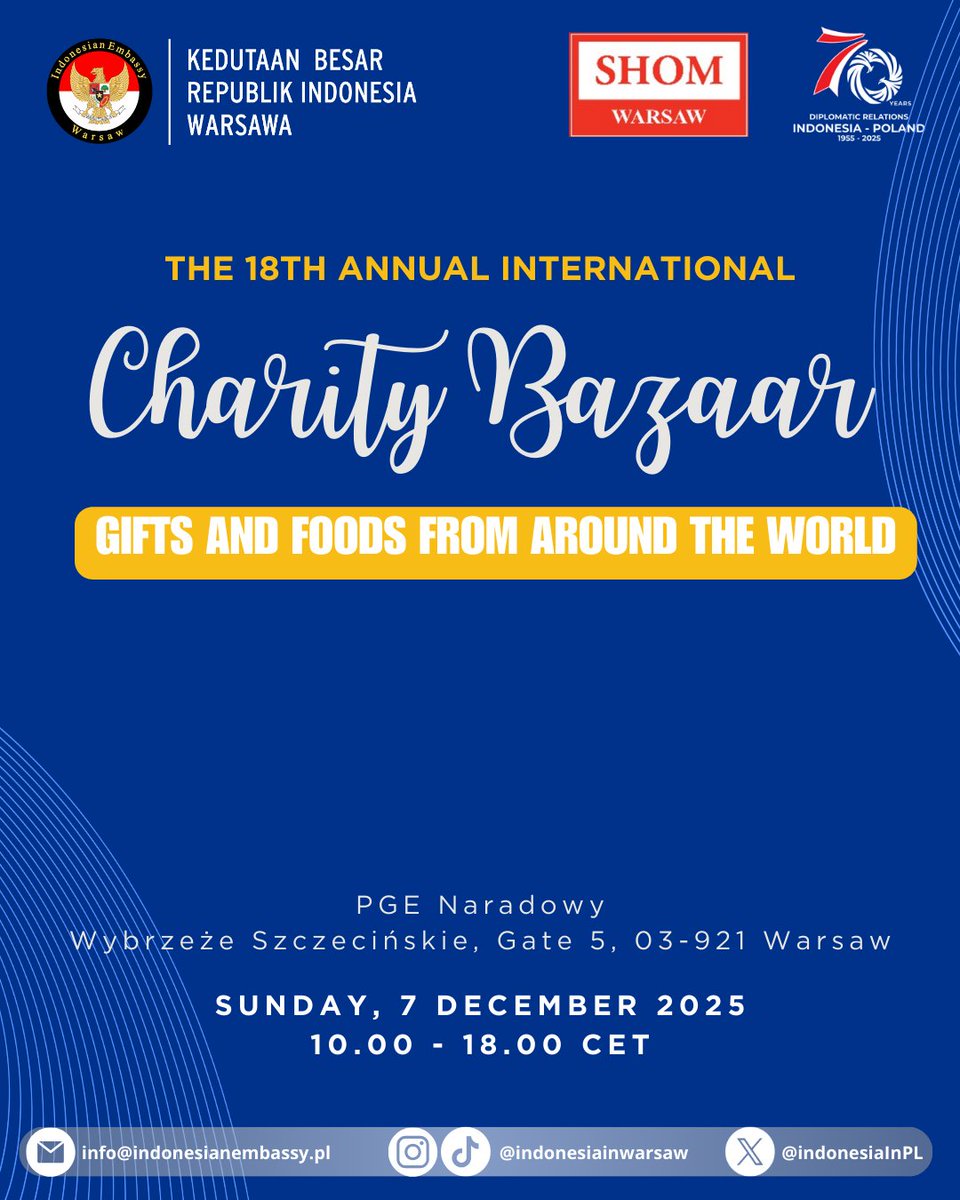
🇮🇩 Indonesia at the International Charity Bazaar 2025
The Embassy of Indonesia in Warsaw is pleased to participate in the International Charity Bazaar together with other diplomatic missions in Poland.
📅 Sunday, 7 December 2025
⏱ 10.00 - 18.00
📍 PGE Narodowy, Warsaw
1
1
80
1 Dec 2025
This charity event aims to support those in need in Poland and is held under the Honorary Patronage of Mrs. Marta Nawrocka, spouse of the President of Poland.
Join us to celebrate global culture and contribute to a meaningful cause.
✨ See you at the Indonesian booth!
1
87
27 Nov 2025
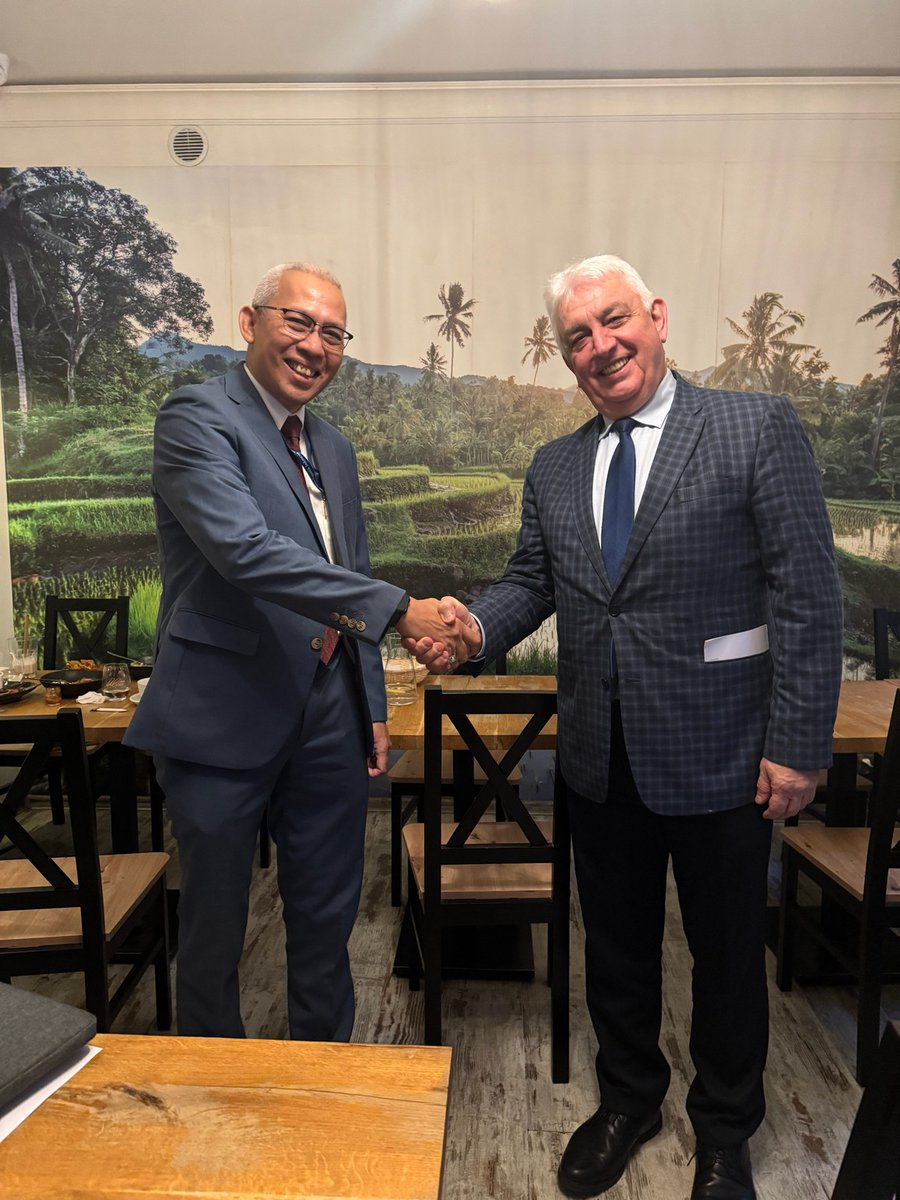
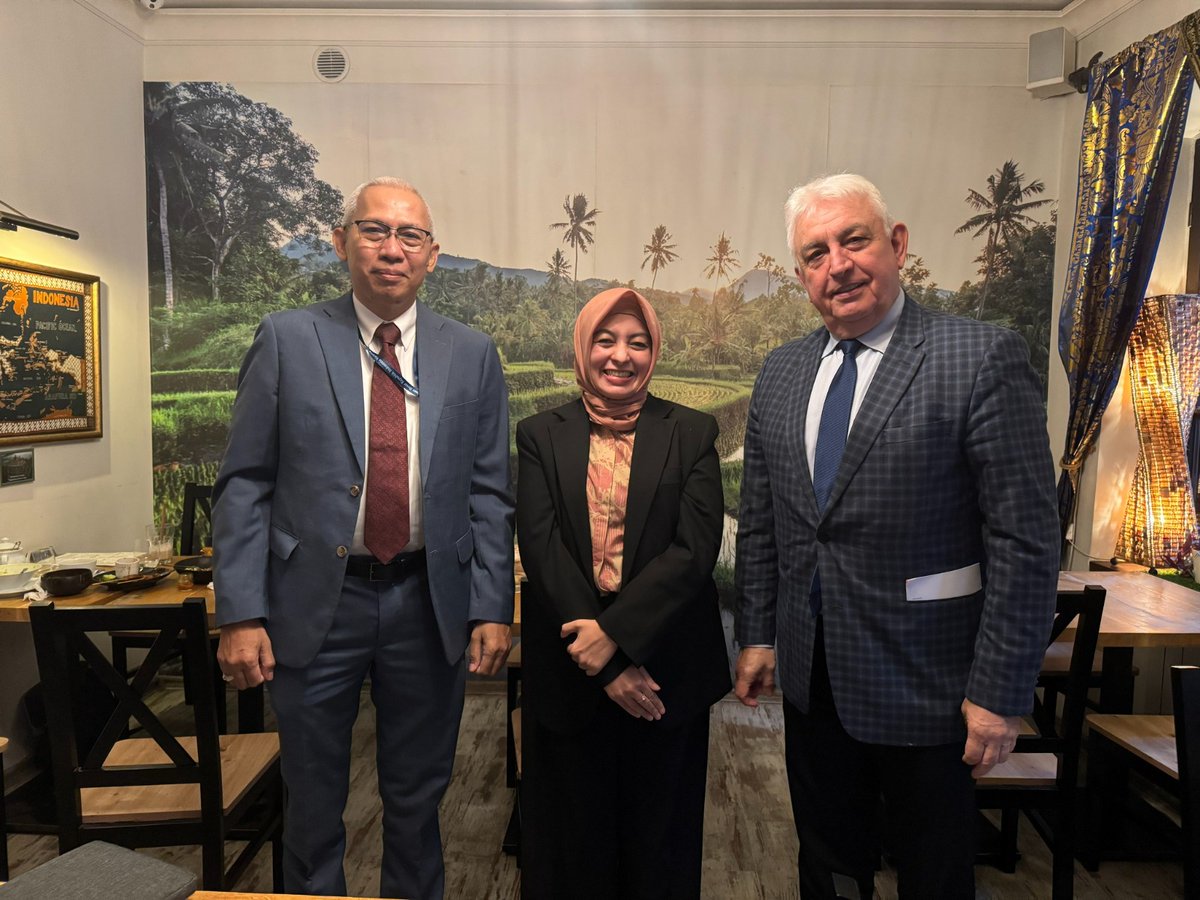
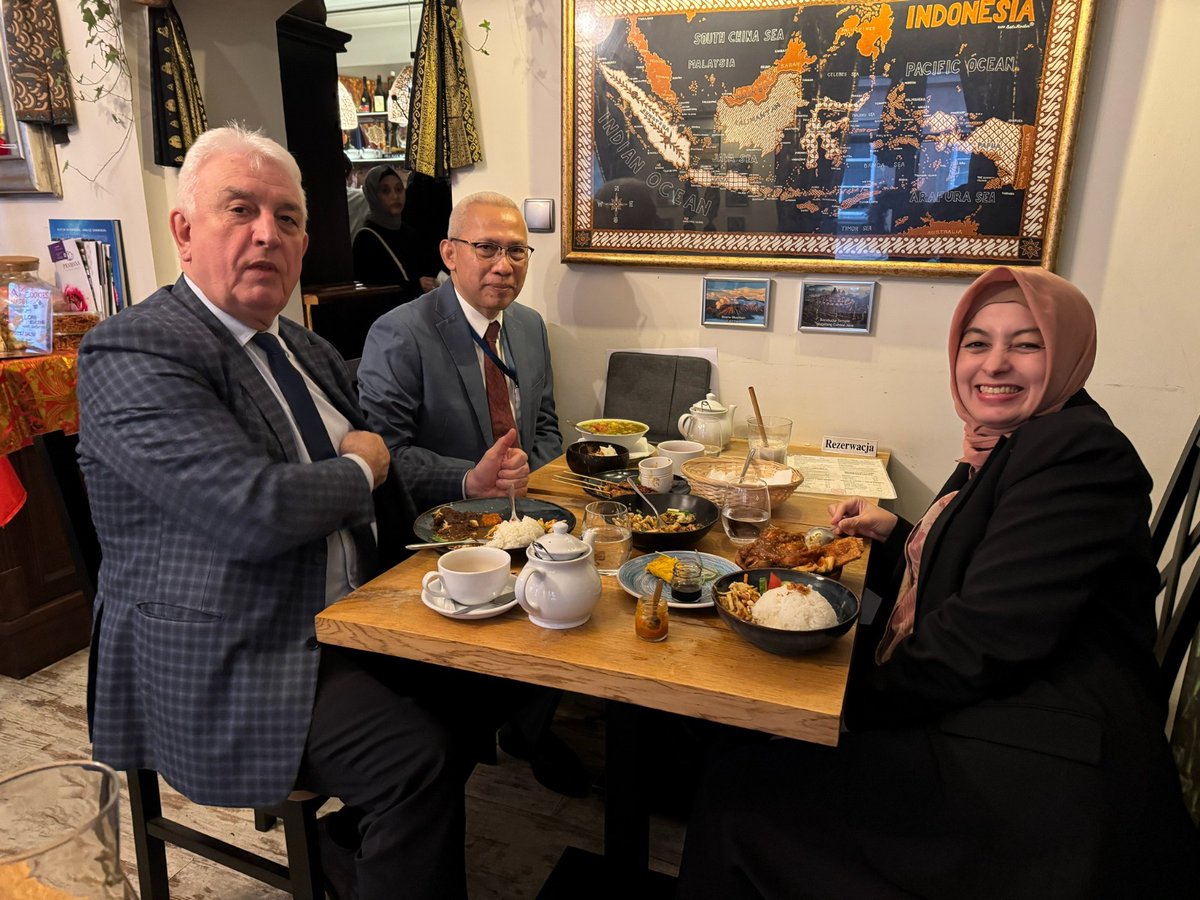
Pertemuan KUAI RI Warsawa dengan VP Polish Chamber of Commerce, di Restaurant Sambal, Old Town Warsaw (25/11) untuk promosikan potensi produk perikanan, perdagangan karbon-IDX Carbon, dan Pekerja Indonesia pada sektor kesehatan dan hospitality.
1
52
27 Nov 2025
Meeting between the CDA of Indonesian Embassy and the VP of the Polish Chamber of Commerce, at Sambal Restaurant, Warsaw (25/11), to promote
Indonesia’s potential in fishery products, carbon trading through IDX Carbon, & Indonesian workers in the health and hospitality sectors.
1
52
27 Nov 2025
Spotkanie CDA Ambasady Indonezji z Wiceprezesem PIPH w restauracji Sambal (25.11) – rozmowy o potencjale Indonezji w rybołówstwie, handlu emisjami (IDX Carbon) oraz pracownikach w sektorze zdrowia i hotelarstwa.
47