Et in Xitteria Ego
Joined December 2011
- Tweets 24,018
- Following 136
- Followers 110
- Likes 34,329
464 Photos and videos




Jun 13
If he doesn't actually have a trillion dollars, he only owns assets valued at 1 trillion which, were he to ever sell those assets, they would no longer be worth 1 trillion, I dont really think you can accurately call him a trillionaire
5


May 25
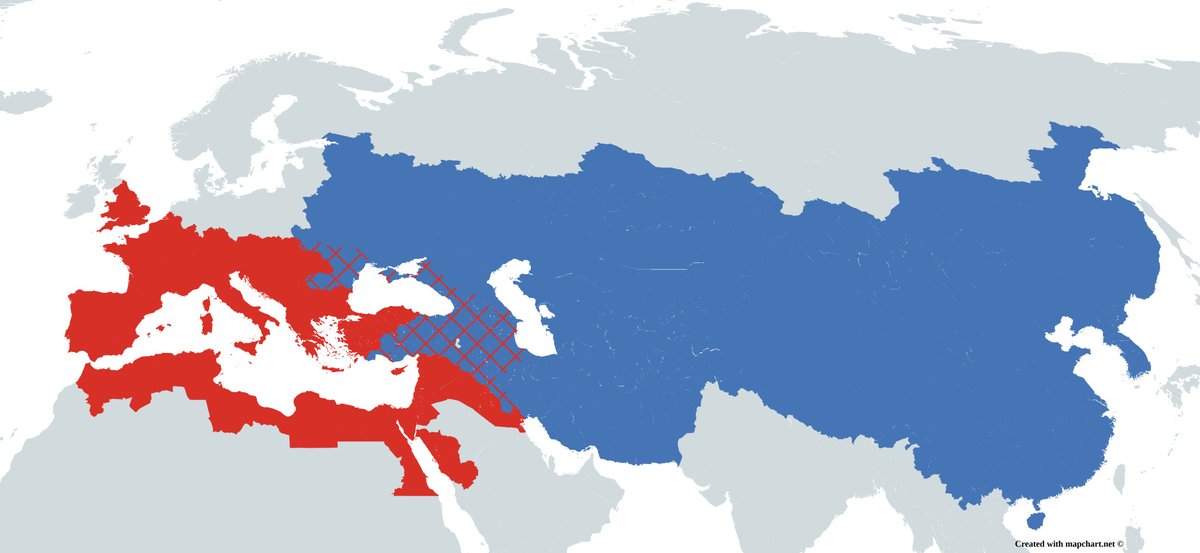
This shows the importance of waterways as a logistical asset. Roman dominance of the Mediterranean and western Black Sea, plus the Upper Nile, meant that expansion beyond was unnecessary

82


Ken Fresno retweeted

May 5
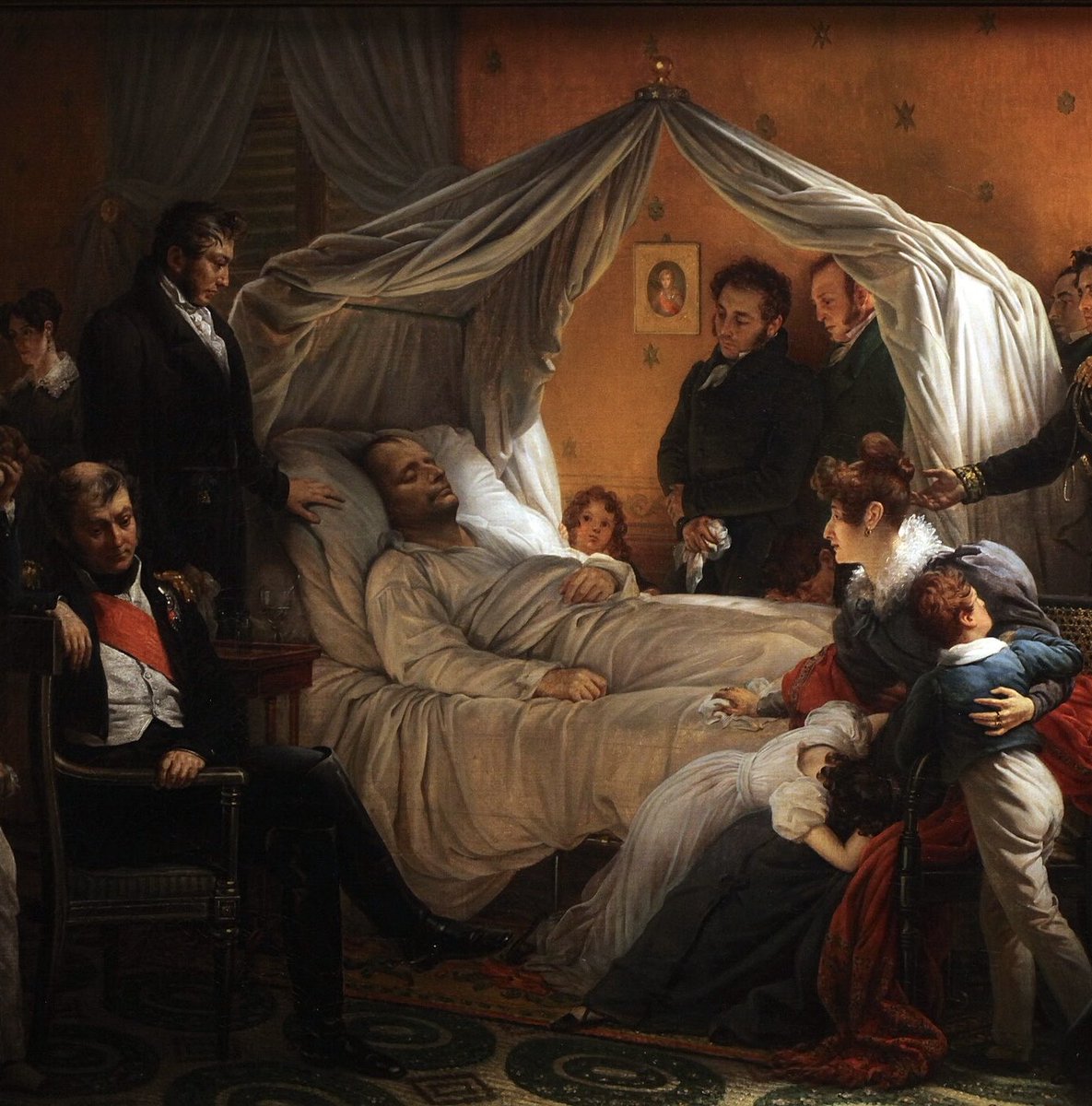
"In a copy of the book on Caesar that he had dictated to Marchand, his valet-cum-executor noted that between eight and nine o’clock on the evening of May 2 Napoleon dictated the words: ‘I bequeath to my son my estate in Ajaccio; two houses in the environs of Salines and their gardens; all my property in the area of Ajaccio which are capable of raising 50,000 francs a year in rent.’ [...] So, having been master of Europe and living the most adventurous life of modern times, Napoleon reverted on his deathbed to what he had been when he was trying to negotiate over the mulberry trees thirty years earlier: a Corsican landowner of the petit noblesse keen to maintain his family’s property rights.
On May 3 Napoleon received extreme unction in private from the Abbé Ange-Paul Vignali. An only nominal Catholic in life who had made war on one pope and imprisoned another, he was received back into the bosom of the Church in death. Shortly before he died, he asked Bertrand to close his eyes afterwards, ‘Because they naturally stay open’, something he must have noticed, and been haunted by, from his experience of sixty battlefields. During the 4th, Napoleon suffered from prolonged hiccups, and in the evening he slipped into delirium, asking the name of his son. The next day, Saturday, May 5, 1821, after a very blustery and stormy morning, the fifty-one-year-old former Emperor gave three sighs at long intervals and died at 5.49 p.m., just after the firing of the island’s sunset gun. What Chateaubriand called ‘the mightiest breath of life that ever animated human clay’ had ceased."
—Napoleon: A Life, Andrew Roberts (2014)

Napoleon Bonaparte died in exile on the remote island of Saint Helena.
5
58
715
62,475
Ken Fresno retweeted

Apr 18
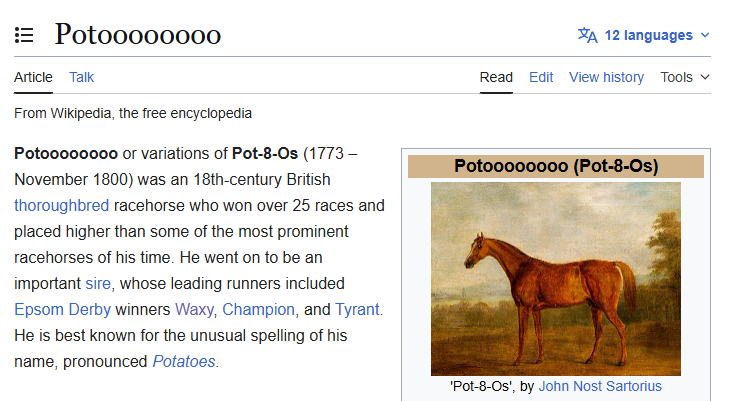
I'll be honest - I didn't think they were capable of conceiving of something like this in the 18th century
180
2,215
43,270
1,116,450

Apr 12

I'm re-watching Louie (Louie CK's show) and it's just one of the greatest shows ever made
I understand cancelling it in the wake of his scandal, but it's insane how this work of art has been disappeared entirely. What a tragedy
70
481
14,963
1,792,735
My girlfriend of four years up and left while I was at work. No warning, she quit her job that day. Blocked my number, her other friends' numbers, left a bunch of expensive close and tacky decorations for me to get rid of, left a note and thats that. 1/2
1
59
All that to say, I wonder if doing it on April 2nd was a deliberate choice so I wouldn't think it was an extremely distressing April Fool's joke. If so, props for the forethought
36
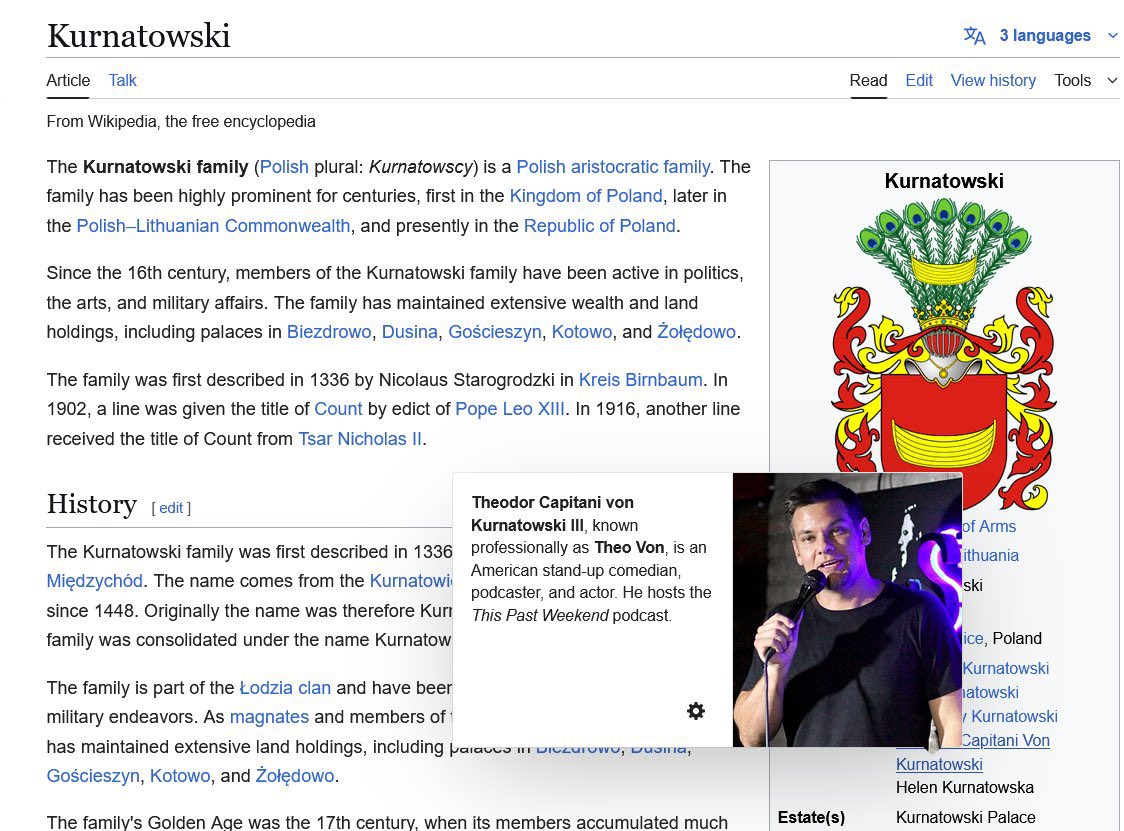
If your ancestors were Polish nobility in 1658 it means you're a member of the Polish nobility now.

Hyuck hyuck. I’m just a simple uneducated redneck. I’m not too smart aw shucks

5
454
Feb 19
BC and BCE are subtly distinct because, though they use the same dating system, BC implicitly recognizes Jesus as the Messiah, the Christos, the Annointed One. A secular version that acknowledges Jesus as its basis would be BJ but I dont think that'll catch on
3
333
Ken Fresno retweeted

Feb 4
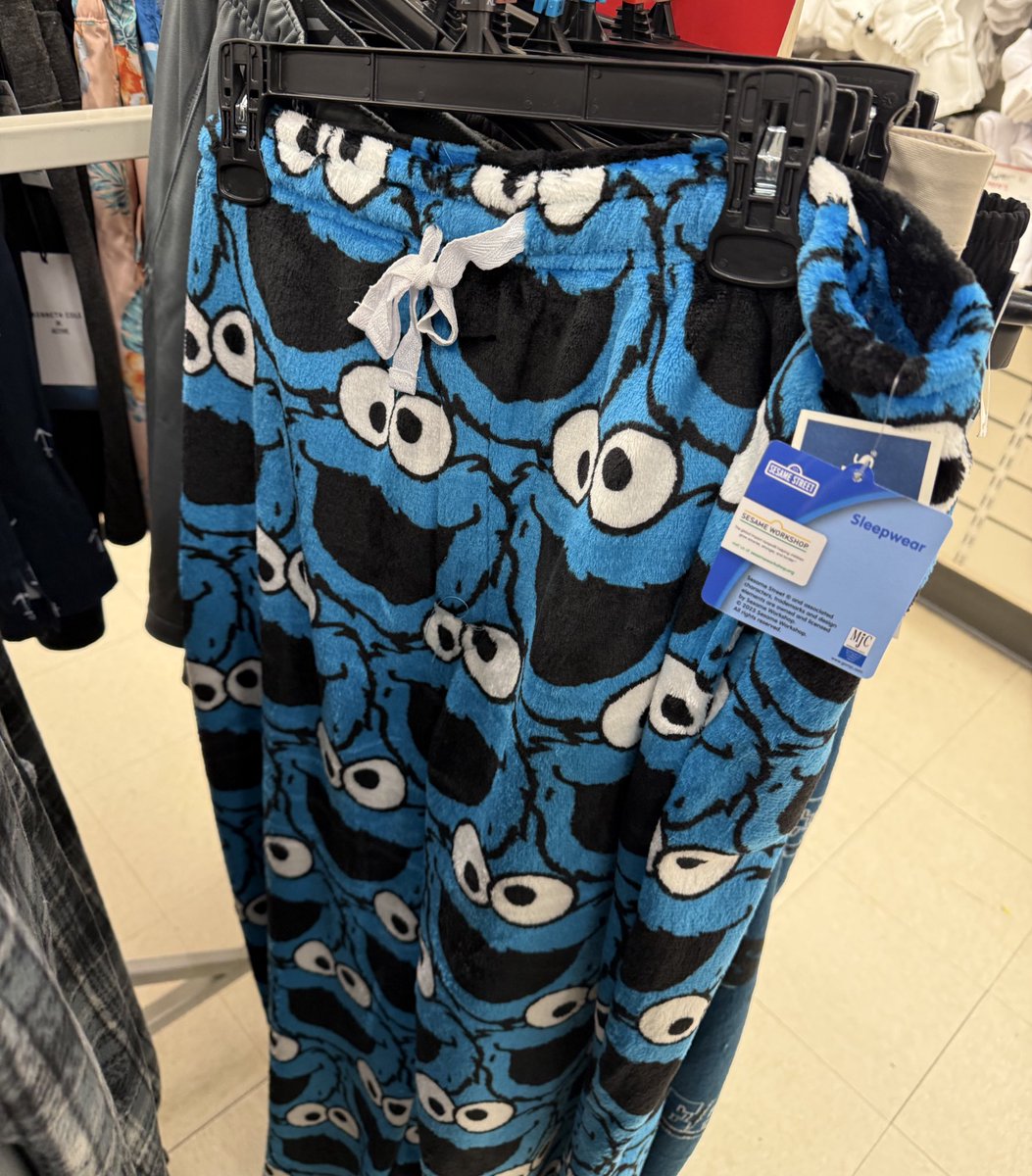
buying these new in store comes with a rebate card for a pack of camel crushes and a boyfriend with felonies

11
59
1,430
82,695
Jan 13
>be Indira Gandhi
>Sikhs want greater autonomy
>lol fuck em
>send in military to Sikh temples
>military massacres Sikh civilians
>"they had it comin"
>your bodyguards are Sikh
What did she think was gonna hapoen
366
19 Dec 2025
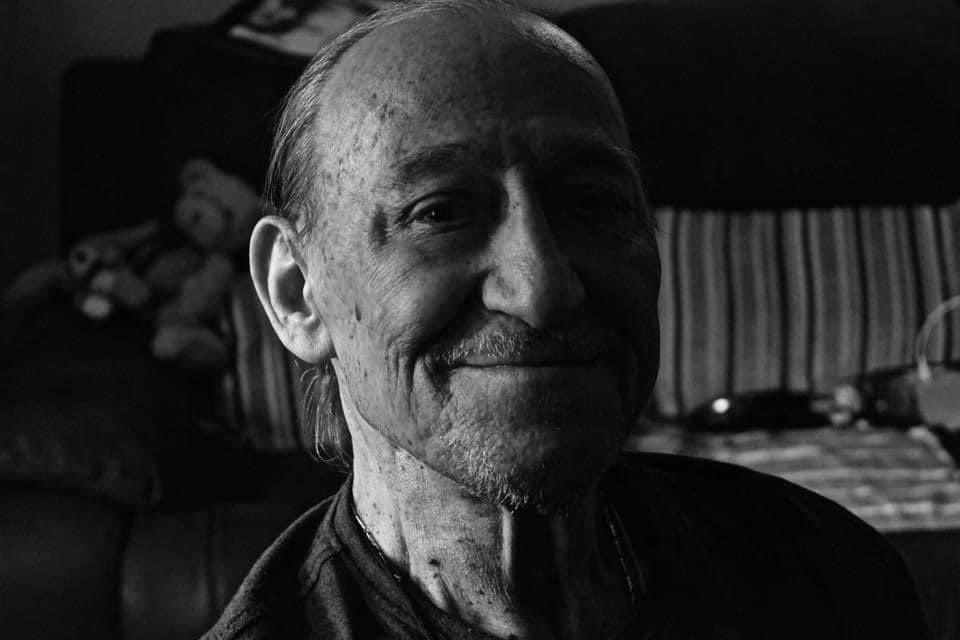
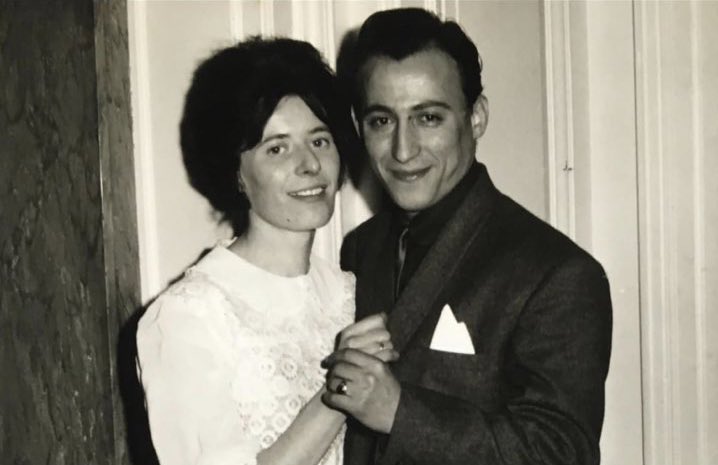
My guess would be southern Italian, if I had to be more specific I'd say Sicilian.

I wanna ask yall. What background do you think my grandfather is. Based on your knowledge just looking at him

1
714
13 Dec 2025
"Nothing will ever make me believe x" is something stupid people say when vibes don't line up with facts.

If we must talk about conspiracies, I'm a Helen Keller truther. I have no actual proof that the claims about her are false. I just simply don't believe them and nothing will make me.
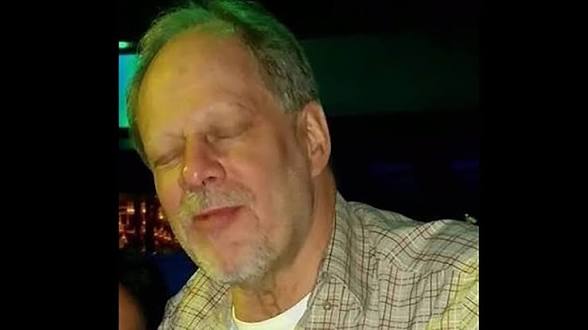
Oh yeah, and I don't believe this guy orchestrated the biggest mass shooting in our nation's history using ARs with bump stocks.
1
428
13 Dec 2025
"Well what would make you (dis)believe x?" Evidence. Not logically sound but unfalsifiable arguments, actual measurable reproducible evidence
153
8 Dec 2025
The term "Flanderized" is so stupid. The guys name isnt "Flander" it's "FlanderS". It should be "FlanderSized"
169
1 Dec 2025
Aside from the fact that her essay merited a failing grade, the funniest part about this was that it was like, a nothing assignment. This is essentially at the level of a pop quiz and the muh freedumz people are acting like she was burned for heresy
1 Dec 2025

The @UofOklahoma says it has opened an evaluation process, and that is appropriate. But we should be honest about what their statement deliberately avoids. This is not just a “process issue.” A student at a taxpayer-funded university was given a zero because her biblical convictions offended an instructor. That is a First Amendment concern on its face, and OU does not need to “wait for a review” to affirm the principle.
OU could say today, without compromising any investigation, that students may not be penalized for sincerely held religious beliefs, that professors cannot grade on ideology, and that biblical reasoning is not disqualifying in a reaction paper. They did not say any of that. Instead, they relied on procedural language, isolated the problem to one graduate student, and avoided acknowledging the deeper issue: a culture where some faculty believe they can use state authority to punish dissenting worldviews.
The reality is, a review may resolve one incident, but it does not fix a system drifting away from the values of Oklahoma’s people. Integrity requires acknowledging the underlying problem, not just managing the optics.
Do better @OU_President.
2
305