
Our mission is to conserve, share and encourage the spirit of exploration.
Joined April 2015
- Tweets 4,163
- Following 519
- Followers 3,804
- Likes 2,952
1,578 Photos and videos
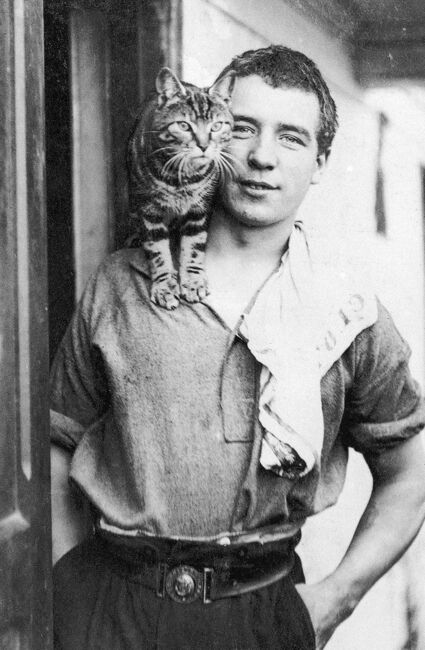
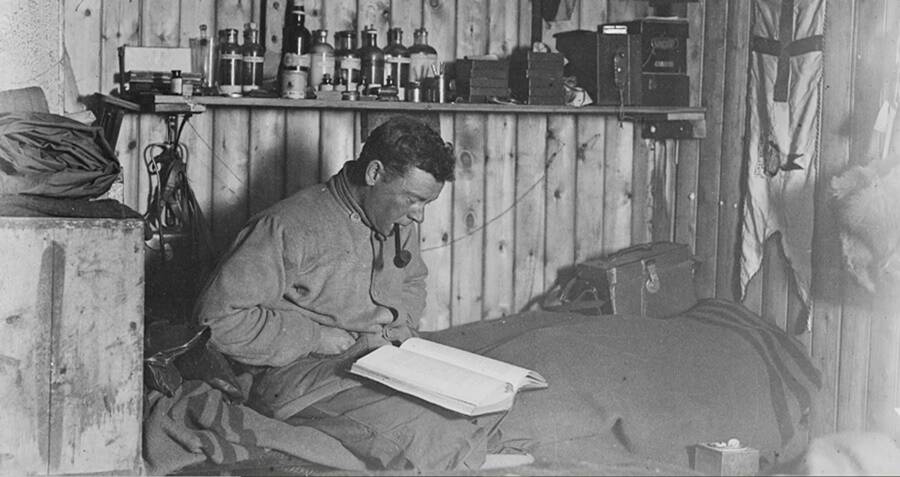
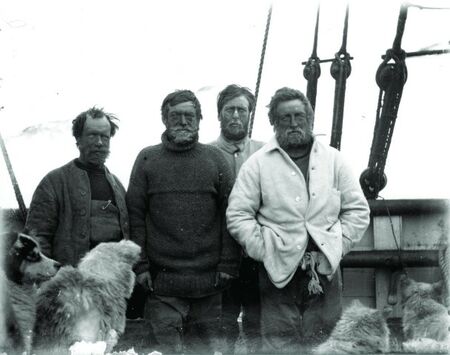

#OnThisDay in 1916, Perce Blackborow, Welsh sailor and famed polar stowaway aboard Shackleton's expedition ship 'Endurance', underwent surgery on Elephant Island to amputate his frostbitten and gangrenous toes.
In 1914 Blackborow and his friend William Blakewell, found themselves in Buenos Aires without a ship. When 'Endurance' arrived in port and two of the crew were sacked, the pair thought their problems were solved. Shackleton interviewed them both and whilst Blakewell was accepted, Blackborow was not, due to his age and lack of experience. With Blakewell's help he was smuggled on board and was eventually discovered three days into the journey.
Despite being unhappy to find the stowaway, Shackleton had no option other than to keep him on board and offered him a steward position. Nicknamed 'Blackie', Blackborow proved to be clever, conscientious and popular with the crew.
On the lifeboat journey from where the 'Endurance' sank to Elephant Island, Blackborow made the mistake of wearing leather rather than the cold weather felt boots that the other men wore, and he developed frostbite in his toes which turned gangrenous. When they arrived at the island, he had to crawl through the surf to reach land and shortly afterwards underwent the surgery which removed all the toes of his left foot.
In the accompanying image, Blackborow is photographed with the cat of Henry McNish the ship's carpenter. Named Mrs Chippy, after the traditional nickname for a carpenter, the cat quickly became the ships mascot.
📸 Perce Blackborow with Mrs Chippy. Frank Hurley, SPRI.
#OTD #inspire #explore #discover #conserve #Antarctica
7
16
168
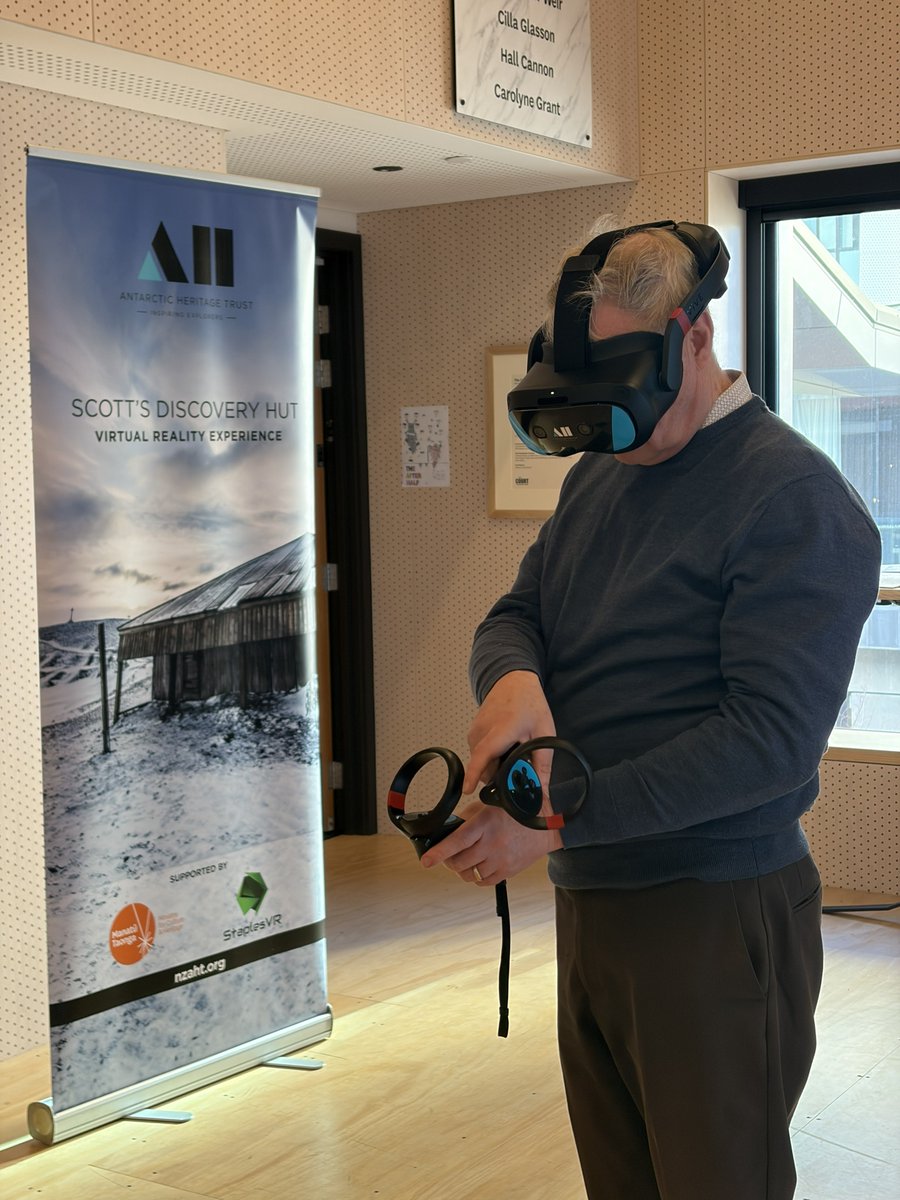
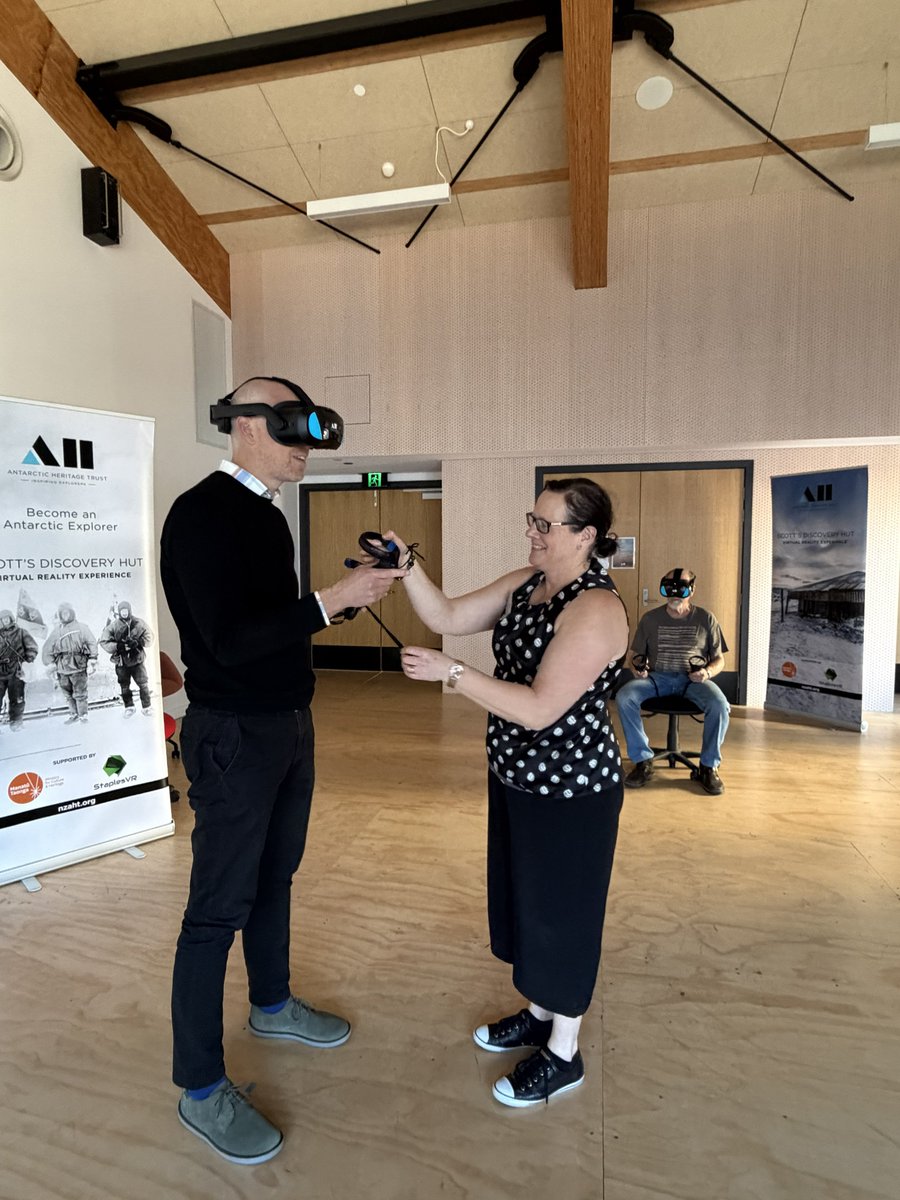
Earlier this week we went beyond the classrooms and museums and took Scott's 'Discovery' hut VR to the Court Theatre in Christchurch, NZ.
This visit was a lovely opportunity for the Trust to thank the Court Theatre for their contribution towards the development of Scott's 'Discovery' hut VR, as they provided actors whose voices helped bring the virtual reality experience to life.
It was fantastic to share the finished experience with members of the Court Theatre team, demonstrating how technology, storytelling, and performance can work together to make Antarctic heritage more accessible and engaging.
📸 Staff from the Court Theatre Christchurch, NZ, participating in VR. © AHT/Maya Irving
6
139
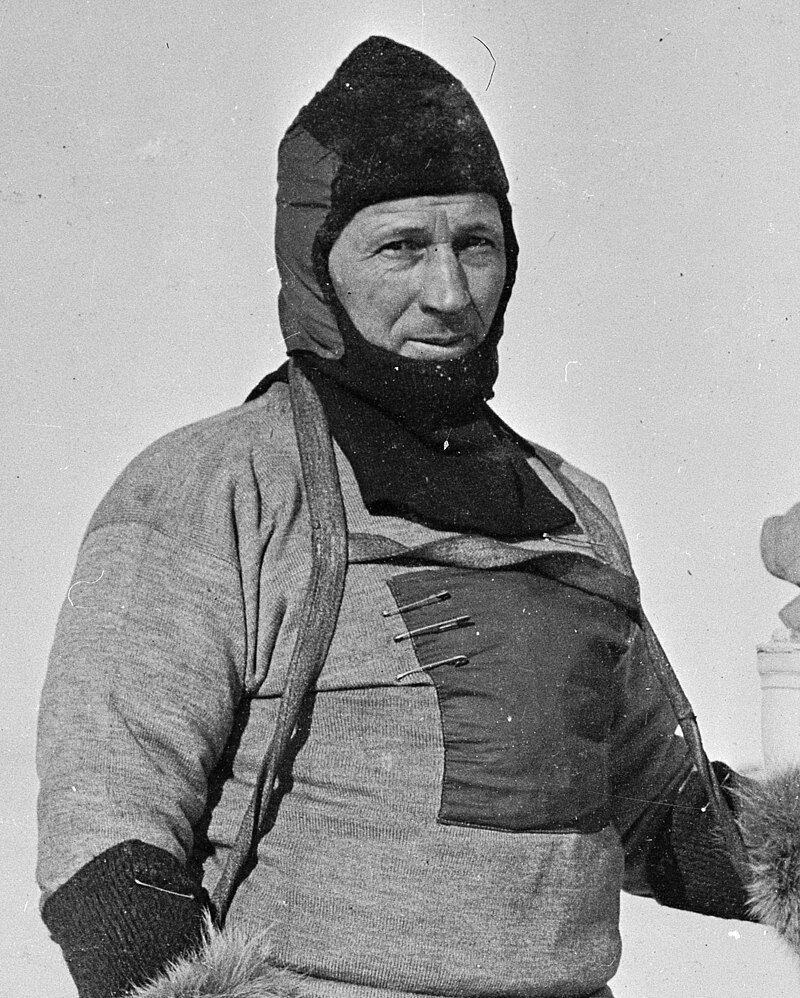
#OnThisDay in 1940, William Lashly, leading stoker of Scott's British National Antarctic 'Discovery' 1901-1904 and British Antarctic 'Terra Nova' 1910-1913 Expeditions, died in the Royal Hospital, Portsmouth.
Lashly was born in Hambledon, a village in Hampshire, England in 1867. He joined the Royal Navy in 1899, at age 21.
During the 'Terra Nova' Expedition, Lashly took part in a number of sledging journeys and was part of a group of three, along with Tom Crean and Edward Evans, that turned back 160 miles from the Pole after Scott didn't select them for the final push. On their return to base, Evans's health deteriorated to such a point that Lashly and Crean had to pull him on a sledge. They decided that Lashly would stay with Evans who was close to death, while Crean fetched help. Lashly and Crean were awarded the Albert Medal for their roles in saving the life of Evans.
Lashly was also a member of the party which discovered the bodies of Scott, Bowers and Wilson in the tent along with the diary of Scott which recorded the details of what had happened.
📸 William Lashly November 1911, Photographer: Herbert Ponting. Reference Number: PA1-f-067-086-4, Alexander Turnbull Library.
#OTD #inspire #explore #discover #conserve #Antarctica
1
9
27
335
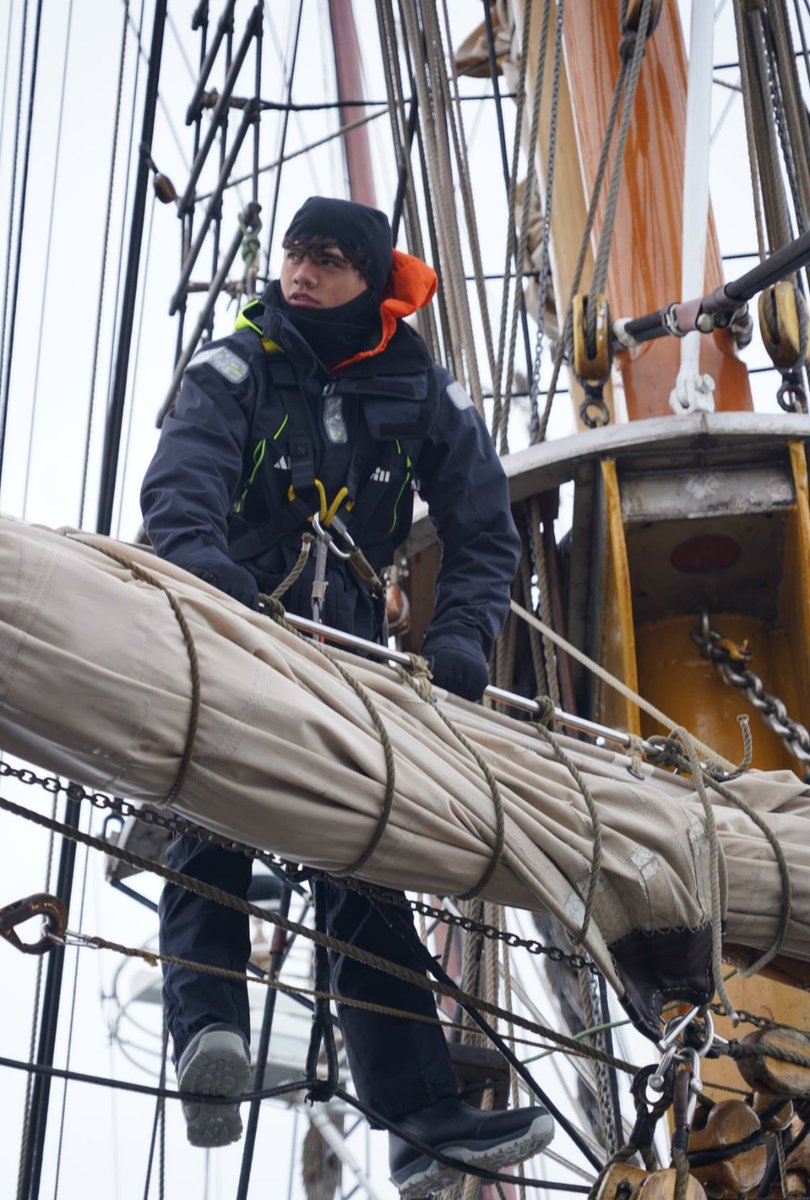
Before leaving for Antarctica, all 21-year-old Inspiring Explorer, Meleki Schuster could think about was how he was going to be “horribly seasick”.
“I was watching too many videos of the Drake Passage, freaking myself out watching waves crash over ships. My friends were saying goodbye to me like they’d never see me again after the trip, which definitely didn’t help the nerves. I had zero experience on boats. I’d never slept on one, never sailed, and never spent more than a few hours out at sea. I’d even been seasick on the Wellington Inter-islander ferry before, so in my head I had already decided the Drake Passage would destroy me.”
What the Victoria University Wellington student with proud Samoan heritage discovered during the five-day crossing to the Antarctic Peninsula on tall ship, ‘Bark EUROPA’, was that he had resilience way beyond his expectations.
“I remember steering the helm during a night watch, freezing cold, exhausted, surrounded by darkness and huge swells. The ship would climb up a wave and suddenly drop again, and while clipped onto the boat I had to keep my eyes locked on the horizon to stop myself from feeling sick. I remember thinking, This world is my oyster.”
“At some point during the crossing, I stopped trying to fight the chaos and accepted it for what it was. That’s when the old Samoan navigational proverb “Ua logo i tino matagi lelei” really started making sense to me. You can’t control the ocean or currents, the winds, stars or the elements around you. You can only control how you respond to them.”
To read more about Meleki’s experiences and reflections, visit his full blog post here: nzaht.org/expedition-blog-me…
Thank you to our generous Inspiring Explorers™ Fund donors, expedition partner @spiritofnz, sponsor Burnsco, and supporter @BarkEuropa.
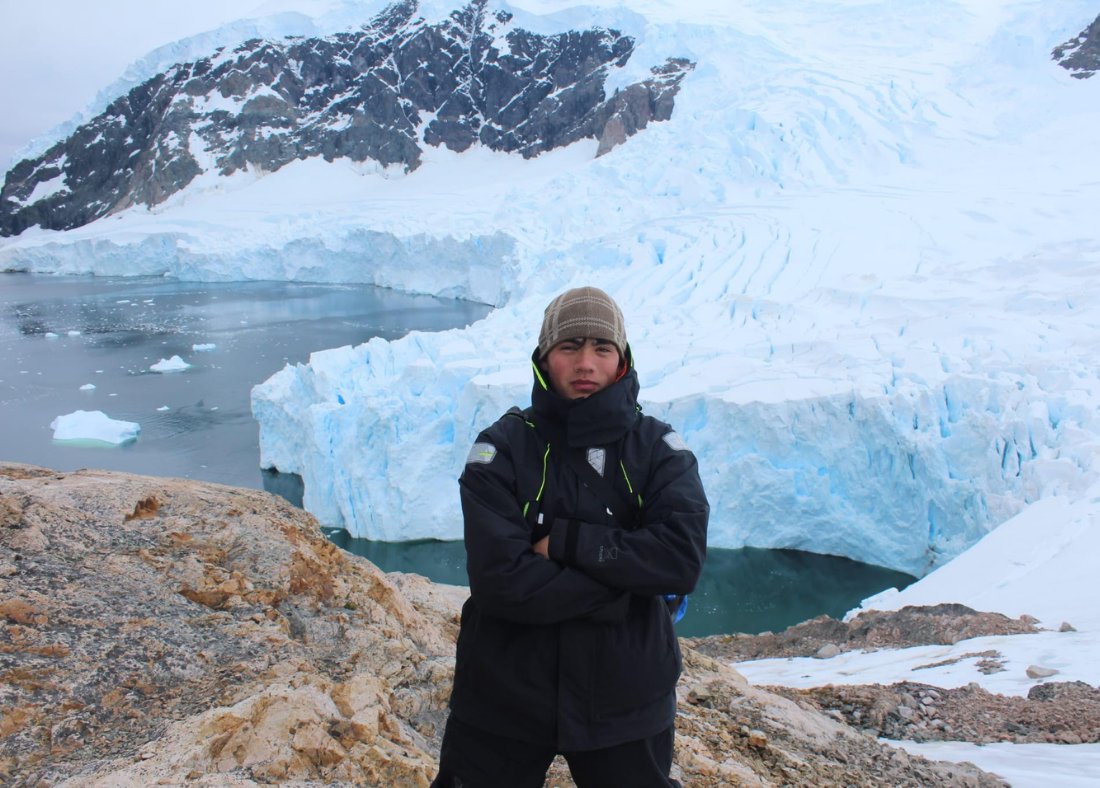
Meleki Schuster onboard ‘Bark EUROPA’. © AHT/Lisa Blair
Meleki Schuster at Neko Harbour. © AHT/Josiah Tualamali’i
10
287
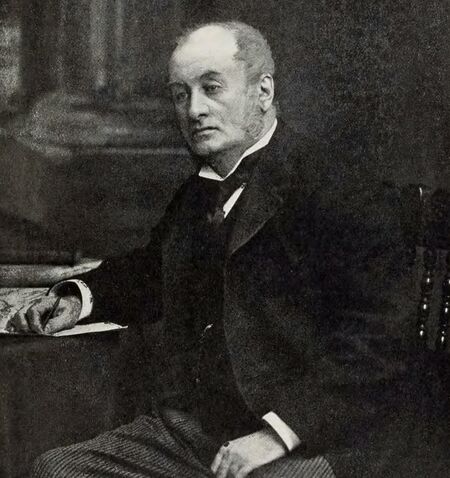
#OnThisDay in 1900 Captain Robert Falcon Scott was officially appointed leader of the upcoming British Antarctic Expedition by British Geographer and President of the Royal Geographical Society, Sir Clements Robert Markham, K.C.B., F.R.S., F.R.G.S. Scott met Markham while he was on Naval duty in the West Indies.
Markham was impressed by Scott's intelligence, enthusiasm and charm and later wrote, "My final conclusion was that Scott was the destined man to command the Antarctic Expedition".
📸 Sir Clements R. Markham, photograph by Messrs, Thomsen. Public Domain.
#OTD #inspire #explore #discover #conserve #Antarctica
5
25
258
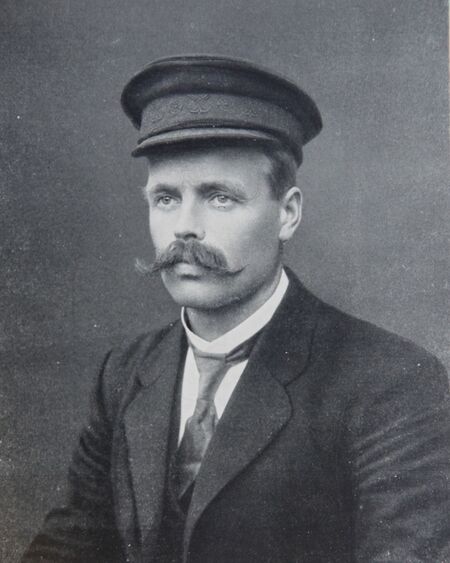
#OnThisDay in 1961, Olav Olavsen Bjaaland died. Bjaaland was a champion skier, explorer and most notably, one of the first five men to reach the South Pole during Amundsen's South Pole 'Fram' Expedition of 1910-12.
Born 5 March 1873 in the inland county of Telemark, Norway, Bjaaland became one of the best skiers in Norway. In 1909, on his way to participate in a Club Alpin Français skiing competition in Chamonix, France, he had a chance meeting with Roald Amundsen in the railway restaurant at Lübeck. During this encounter Bjaaland impressed Amundsen so much with his home-made ski equipment and obvious skiing talent, that he was invited on Amundsen’s expedition to the North Pole, which then turned into the race against Captain Robert Falcon Scott to the South Pole.
During his time in Antarctica, Bjaaland and Jorgen Stubberud built the explorer hut 'Framheim' and over the winter worked on sledges and skis. He was a dog driver on the expedition to the South Pole.
Amundsen gave a mountain in Antarctica his name: Mount Bjaaland.
Bjaaland was the last surviving member of the Norwegian South Pole team which included Amundsen, Hilmer Hanssen, Sverre Hassel and Oscar Wisting. He even lived to witness the advances made during the International Geophysical Year (IGY) of 1957-58, including the construction of the permanent South Pole base named Amundsen–Scott in honor of his expedition leader.
📸 Olav Olavsen Bjaaland, Fram Museum
#OTD #inspire #explore #discover #conserve #Antarctica
6
20
441
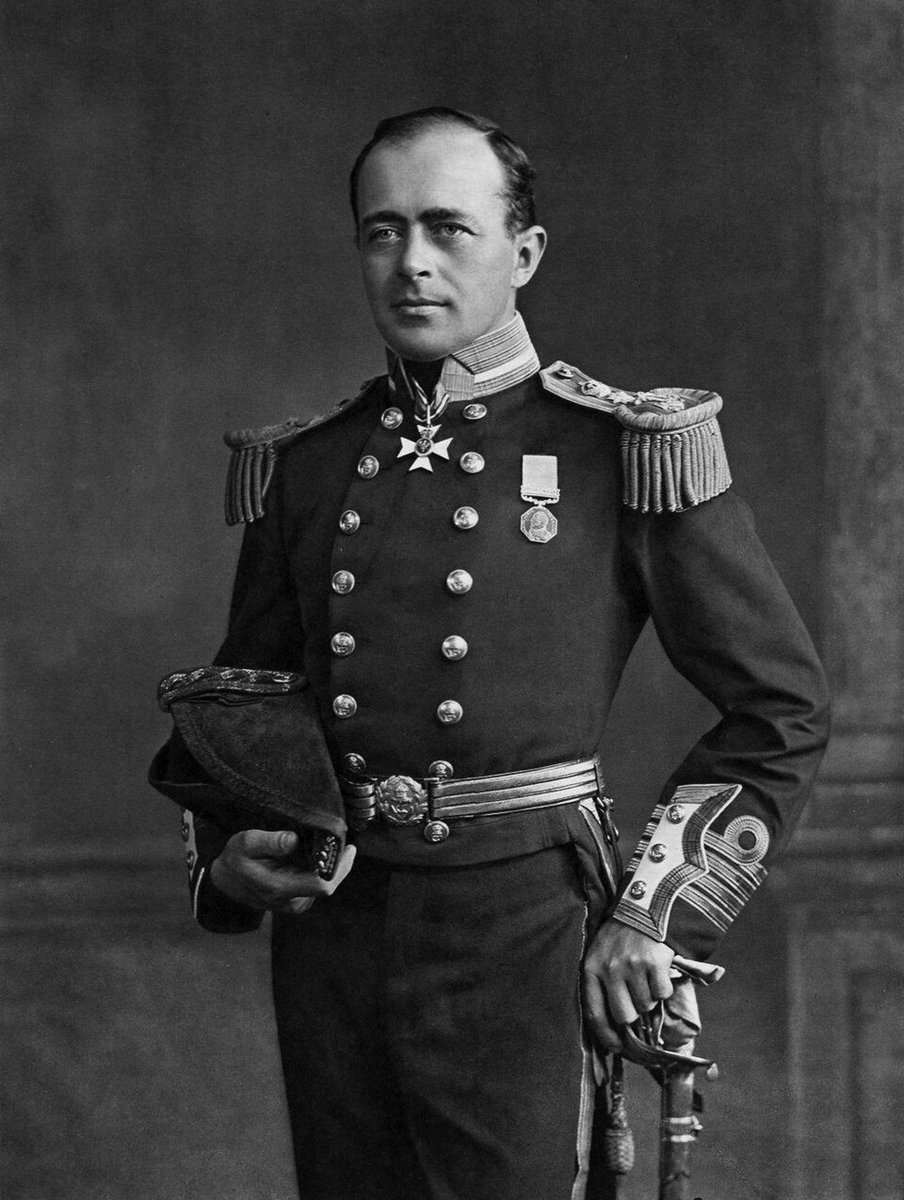
#OnThisDay in 1868, Robert Falcon Scott was born in Devon, England. At the age of 13 he began his naval career and by 1897 had become a first lieutenant.
A chance meeting with Sir Clements Markham in 1899 led to him being offered the command of the National Antarctic 'Discovery' Expedition 1901-04. Despite having no polar experience, the expedition was deemed a great success in exploration and scientific research, and he proved to be a competent leader and was promoted to Captain.
Scott's second expedition, the British Antarctic 'Terra Nova' Expedition of 1910-13 set off with the aims of studying the Ross Sea area and to reach the South Pole. At the time Scott's party weren't to realise that it would turn into a race against Roald Amundsen and upon reaching the Pole, were bitterly disappointed to find that they had come second to the Norwegian party. Tragically, Scott and his Polar Party perished on their return from the Pole, but despite this Scott was regarded as a national hero for his courage and patriotism.
Scott's legacy lives on today with many famous landmarks and stories kept alive by those inspired by Scott's scientific endeavors and explorative nature. Antarctic Heritage Trust is proud to care for both of Scott's Antarctic bases, which are located at Hut Point and Cape Evans. The huts have been conserved over many years - including the thousands of items left behind by the men.
📸Captain Robert Falcon Scott in full regalia. Public Domain.
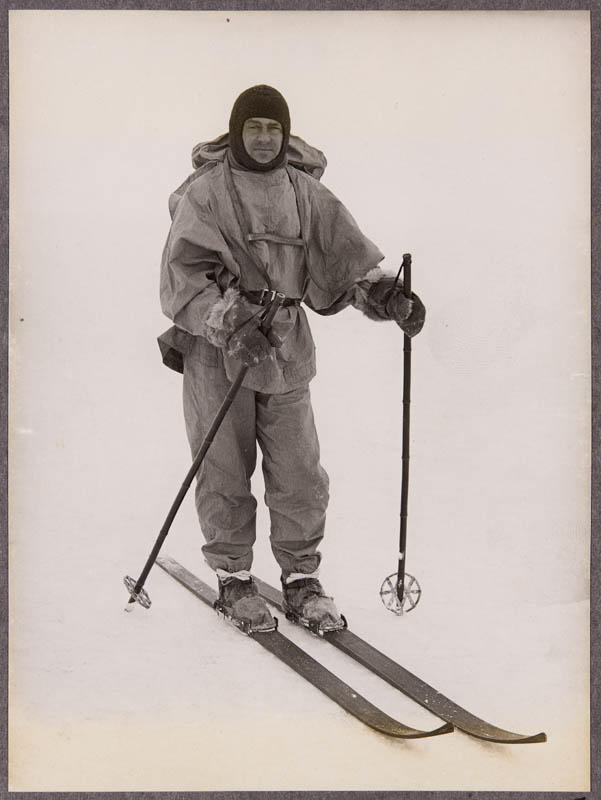
Captain Scott on skis during the British Antarctic Expedition 10-10-1913. Canterbury Museum.
#OTD #inspire #explore #discover #conserve #Antarctica #robertfalconscott
13
31
560
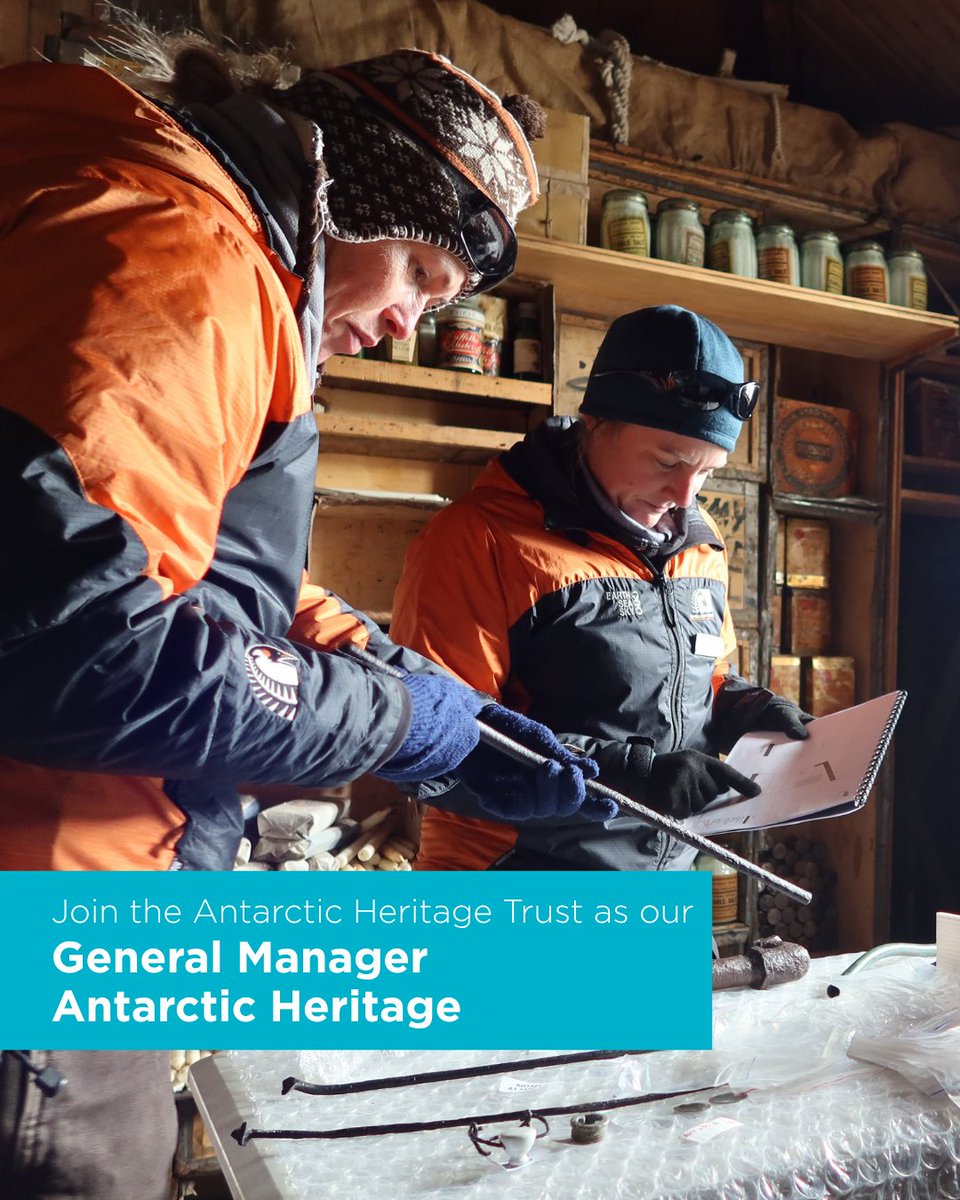
Work with us! Applications are closing soon.
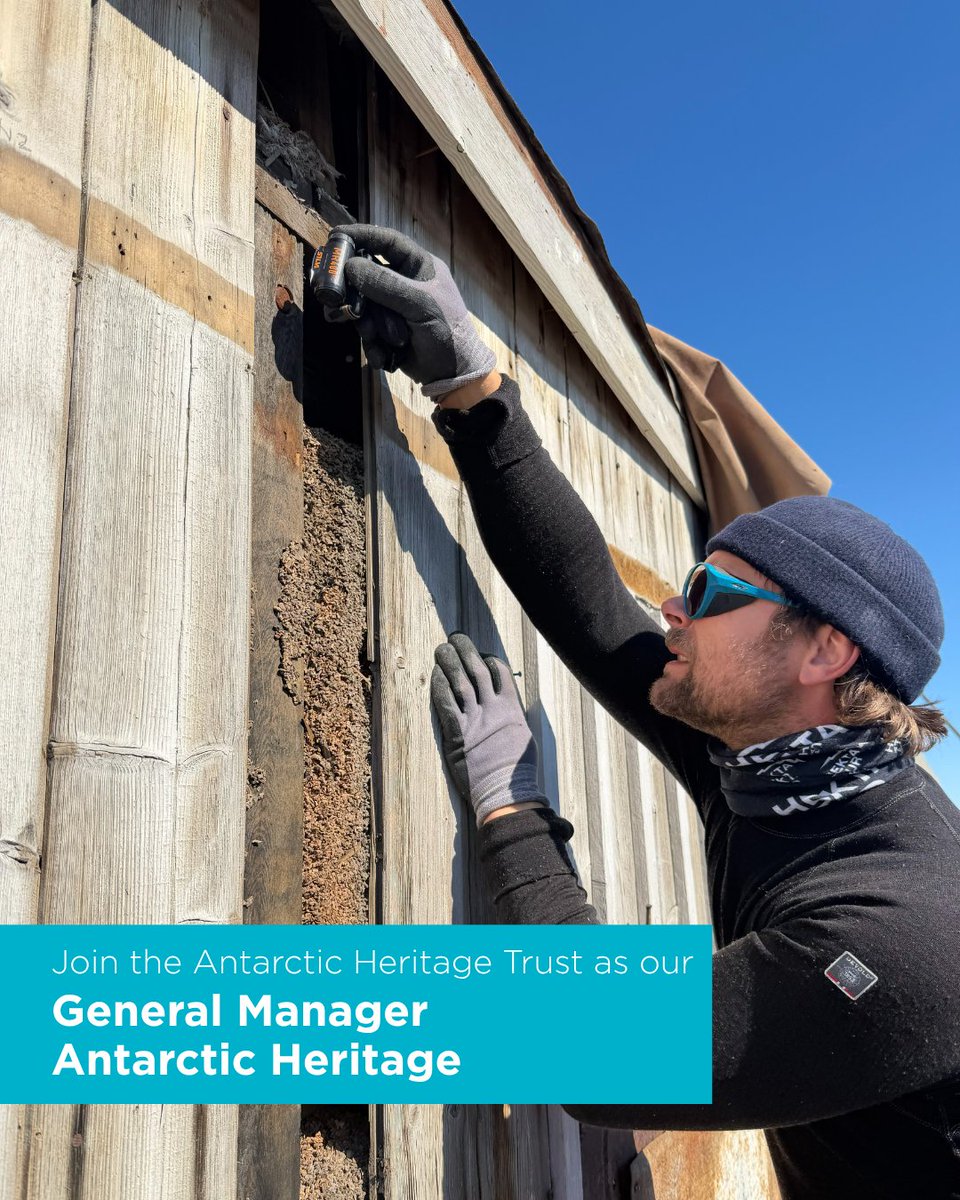
Join Antarctic Heritage Trust as our General Manager Antarctic Heritage.
This senior leadership opportunity is a chance to lead world-class work preserving iconic cultural heritage in one of the most extraordinary environments on earth.
Join our team in this exciting construction and programme delivery role where you will oversee the full project cycle across a portfolio of historic sites on Ross Island.
This role also contributes to shaping the future of the Trust's work at Cape Adare, the site of the first building ever constructed on the Antarctic continent.
To find out more or apply, please click this link to our website: nzaht.org/work-with-us-gener…
Applications close Sunday 7 June.
1
7
152
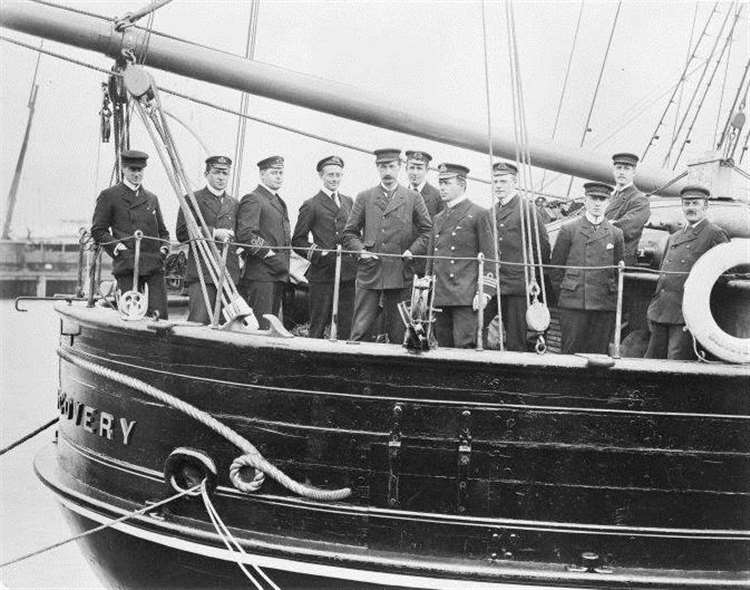
#OnThisDay in 1872, Royal Navy Lieutenant and Chief Engineer and photographer for Scott's British National 'Discovery' Expedition, Reginald Skelton was born.
Skelton was born in Lincolnshire, and educated at Bromsgrove School, Worcestershire before joining the Royal Navy in 1887. During his time on the 'HMS Majestic' from 1899 to 1900, Skelton had risen to the position of senior engineer and served with Robert Falcon Scott. This meeting led to Skeleton's appointment to supervise the building of Scott's expedition ship 'Discovery' as ship's engineer. Once in Antarctica and particularly in the winter, Skelton assumed other duties for the good of the expedition. He became "photographer-in-chief" to the expedition and produced some of the best pictures of Antarctica obtained up to that date!
Following his time in the Antarctic, Skelton returned and served in World War 1 and rose through the service becoming Engineer Rear-Admiral in 1923, Engineer Vice-Admiral in 1928 and Engineer-in-Chief of the Fleet, Admiralty. In 1931 he was knighted and retired the following year. He died in 1956, aged 84, at his home in Aldingbourne.
#inspire #explore #discover #conserve #Antarctica #OTD
📸 Officers of the 'Discovery' on the 1901-1904 British Antarctic Expedition. Reginald Skelton sixth from left. Alexander Turnbull Library.
3
16
304
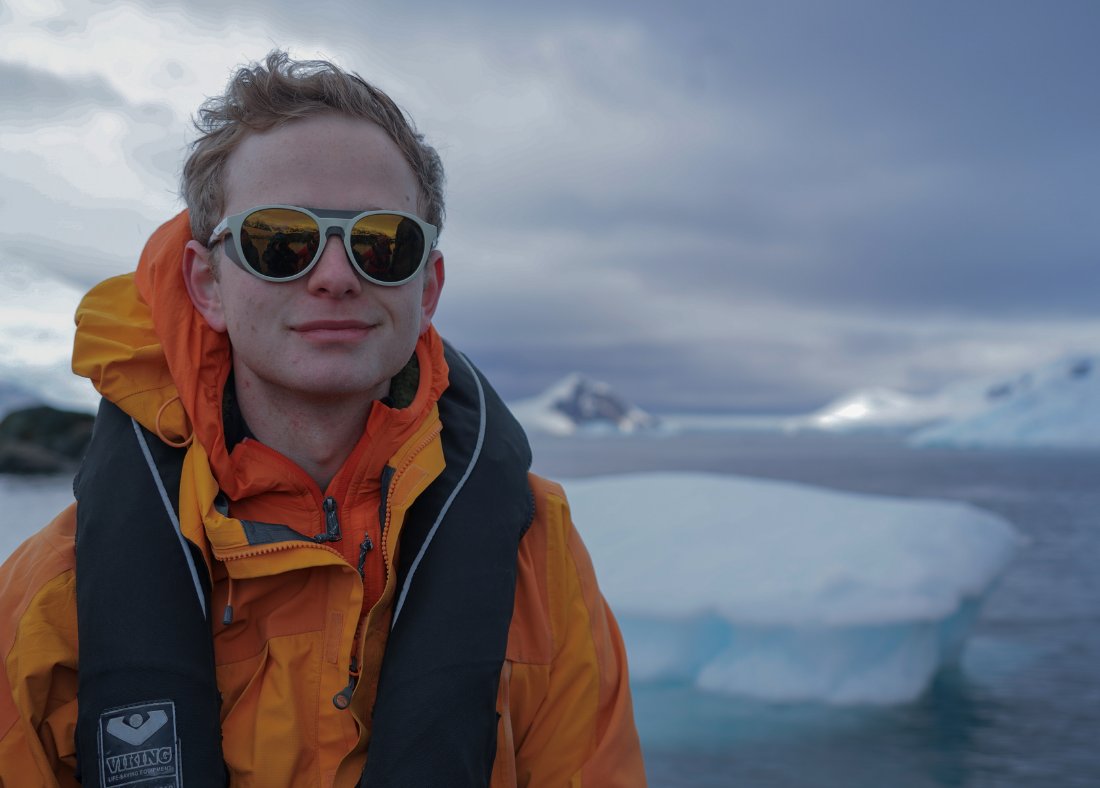
An adventurer more used to mountaineering and tramping than taking to the sea, 26-year-old Inspiring Explorer, Matthew Lynch had no idea what the experience would be like sailing to the Antarctic Peninsula on a 1900s tall ship. But once the multi-disciplinary engineer who specialises in green technology, caught his first glimpse of the ‘Bark EUROPA,’ he couldn’t hold back his excitement. Discovering he was blessed with a ‘sailor’s stomach’, Matthew found the journey across the infamous Drake Passage one of the most exhilarating aspects of the entire expedition, he writes.
“The next five days consisted of putting on and taking off wet weather gear, adding a layer of merino each day and pulling on freezing wet ropes when we were told to pull. I had hoped to get a bit more involved in learning the intricacies of the rigging but that was challenging with only half our watch well enough to be on deck. Despite the disrupted sleep schedule, and freezing work conditions, sailing across the Drake Passage was fantastic. Every moment was an adventure, from getting in and out of my top bunk, to eating, and obviously being out on deck in eight metre swells. Through the passage to Antarctica, I learnt to work with the ship rather than fighting it and found a level of mental relaxation I haven't for a long time, watching the waves roll and the ‘EUROPA’ surf along them.”
To read more about Matthew’s experiences and reflections, visit his full blog post here: nzaht.org/expedition-blog-ma…
Thank you to our generous Inspiring Explorers™ Fund donors, expedition partner @spiritofnz, sponsor Burnsco, and supporter @BarkEuropa.
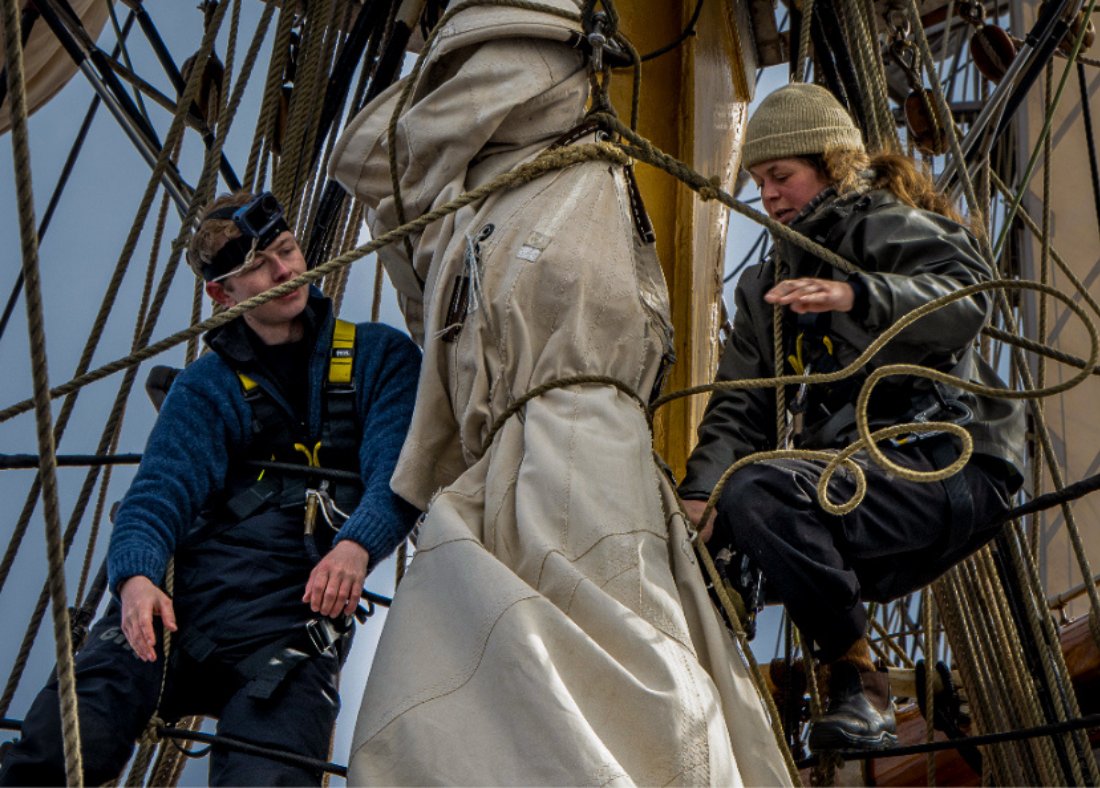
📸Matthew Lynch preparing to return to the 'Bark EUROPA.' © AHT/Lisa Blair
Matthew Lynch (left) learning how to furl a stay sail, Bark EUROPA. © Jordi Plana
9
216
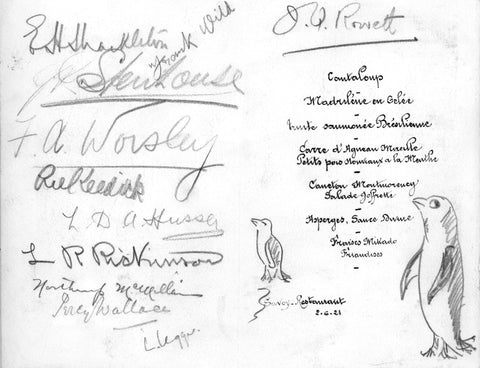
#OnThisDay in 1921, the decision to go South as part of the Shackleton-Rowett 'Quest' Expedition 1921-22 was confirmed!
Shackleton met with several men who joined him on the Imperial Trans-Antarctic Expedition 1914-17, both 'Endurance' and 'Aurora' party members; Frank Worsley, Frank Wild, Leonard Hussey, Lewis Rickinson and Joseph Stenhouse, as well as his partner John Quiller Rowett, Lee Keedick, Northrup McMillan, Percy Wallace and Laurence Legge. The men dined at the Savoy Restaurant in London, and all signed the menu, complete with drawings of penguins.
📸 Signed menu at Savoy Resturant. Copyright unknown. Sourced from @ QuestChronicle
9
24
733
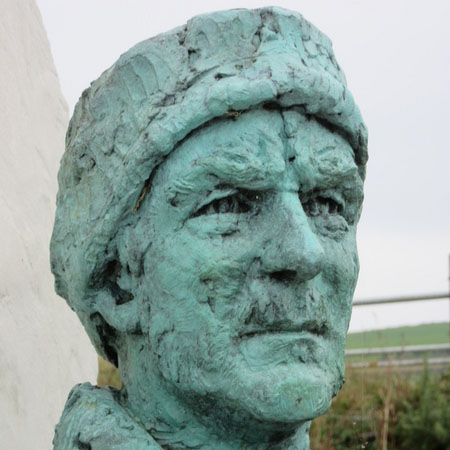
#OnThisDay in 1879, polar explorer Patrick Keohane, was born in Courtmacsherry, County Cork, Ireland. Keohane was a member of Robert Falcon Scott's British Antarctic 'Terra Nova' Expedition.
At the age of 16 Keohane enlisted in the Royal Navy, rising to the rank of Petty Officer and served on the 'HMS Talbot' with Teddy Evans, who was on British National Antarctic 'Discovery' Expedition. It was Teddy Evans who selected Keohane for the 'Terra Nova' expedition.
Keohane was one of several Irishmen selected for the British Antarctic 'Terra Nova' expedition 1910-1913, and one of 15 men chosen to accompany Scott from their Cape Evans base for the 900-mile trek to the South Pole.
Initially Keohane helped with the ponies, then became part of the man hauling sled teams when the ponies had to be put down. A rugged and dependable man, Scott noted Keohane's good cheer and recorded in his journal a rhyme that Keohane composed on the expedition:
"The snow is all melting and everything's afloat, If this goes on much longer we shall have to turn the tent upside down and use it as a boat"
Whilst disappointed to be turned back 350 miles short of the Pole, this was ultimately a stroke of luck for Keohane, as the polar party that continued on to the pole sadly never returned. Keohane was part of the search party that eventually found the bodies of Scott, Dr Edward Wilson and Lt Henry Bowers in their tent.
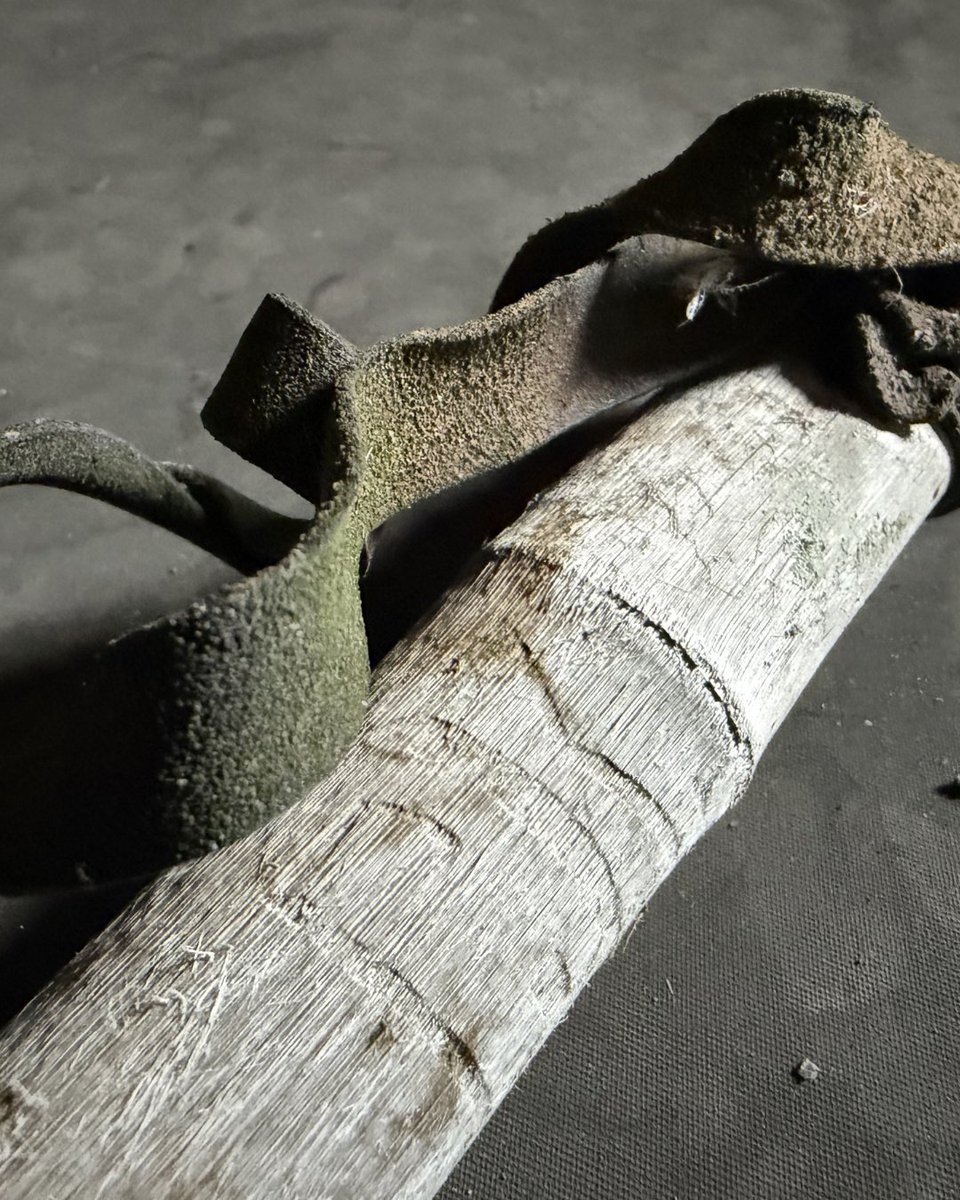
This season Archaeologist Emma St Pierre found a remarkable discovery from the archaeology survey at Cape Evans, uncovering a ski pole with hand cared initials on them, belonging to Patrick Keohane. Keohane’s ski pole has been stabilised for interim storage and will be scheduled for conservation work in the upcoming season.
Keohane was commemorated for his part in the 'Terra Nova' expedition 100 years later when a bronze statue was commissioned and unveiled overlooking his birthplace in Courtmacsherry, West Cork, Ireland.
📸 1. Bronze statue of Patrick Keohane at Courtmacsherry. Photographer unknown.
2. The ski pole discovered this season belonging to Patrick Keohane, with the initials PK visible. © AHT/Zack Bennett.
1
3
21
541
#OnThisDay in 1956 British Antarctic explorer, naval surgeon and founder of the Public Schools Exploring Society (now British Exploring Society), George Murray Levick, died.
Levick was born in Newcastle in 1876. He studied medicine at St Bartholomew's Hospital and in 1902 was commissioned in the Royal Navy. Several years later Levick was granted leave of absence to accompany Robert Falcon Scott on the British Antarctic 'Terra Nova' Expedition 1910-13 as surgeon and zoologist.
During this expedition, Levick was one of the six members of the Northern Party who built a hut and wintered at Cape Adare in 1911. The 'Terra Nova' then took the Northern Party south to complete geological work and surveys and they were dropped at Evans Cove 8 January 1912. They were supposed to be picked up a month later however because of the ice conditions the ship couldn't get to them and they spent the winter in a snow cave at Inexpressible Island, Terra Nova Bay. In the spring of 1912, the men travelled some 200 miles on meagre rations, finally reaching the safety of the hut at Cape Evans on 7 November 1912.
📸 George Murray Levick, self portrait. SPRI.
#inspire #explore #discover #conserve #Antarctica
1
4
18
264
#OnThisDay in 1879, polar explorer Eric Stewart Marshall was born in Hampstead, London. He read medicine at Emmanuel College, Cambridge and continued his studies at St Bartholomew's Hospital in London, qualifying as a surgeon in 1906.
Marshall was the surgeon on Shackleton's British Antarctic 'Nimrod' Expedition 1907-1909 and also the cartographer with the shore party. He was a member of the Southern Party, which led by Shackleton, achieved the Farthest South record of latitude 88° 23' South, longitude 162° East in January 1909, in their attempt to reach the South Pole. During this journey, Marshall was instrumental in saving the lives of the party by struggling to a food depot when the rest of the party was exhausted.
After his expedition to Antarctica, Marshall went on to research nutritional deficiency diseases and had a successful military career.
He was awarded the Polar Medal and a Military Cross and is commemorated in Antarctica by the naming of the Marshall Mountains 84°37' S 164°30' E.
📸 Wild, Shackleton, Marshall and Adams upon their return from the Southern Journey (Canterbury Museum).
3
10
194
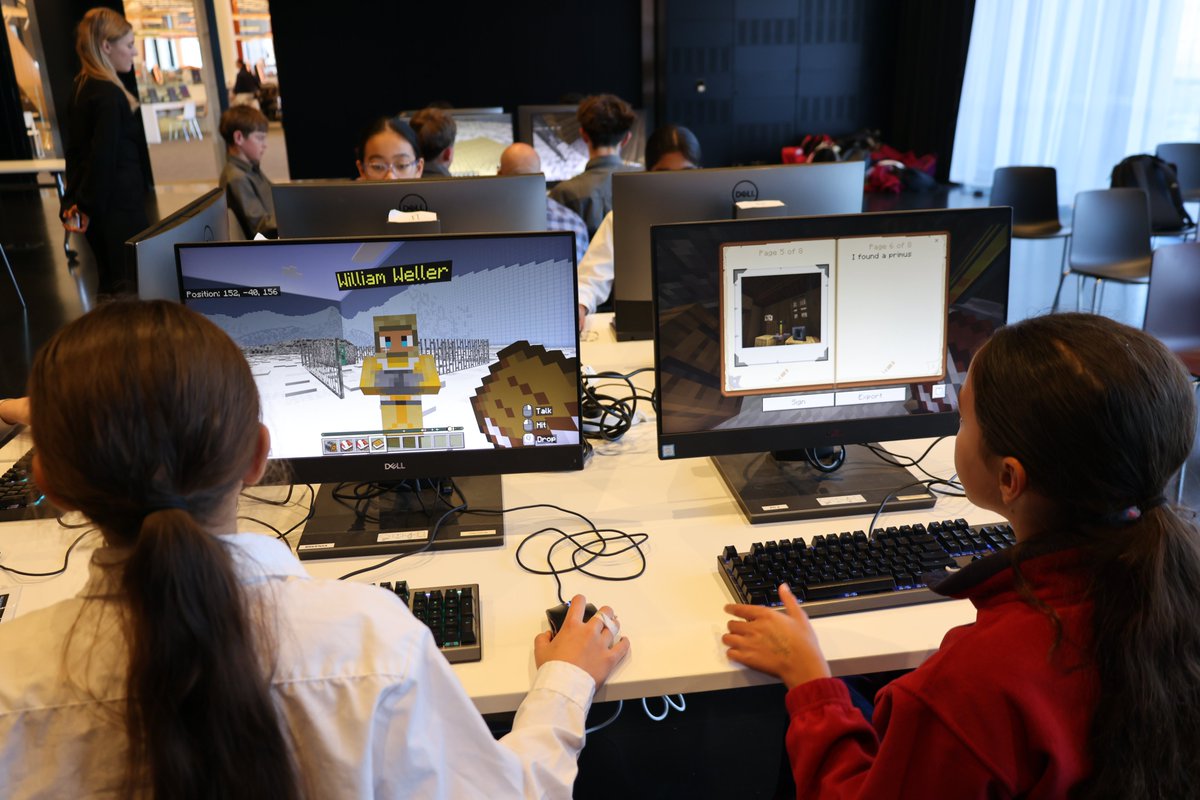
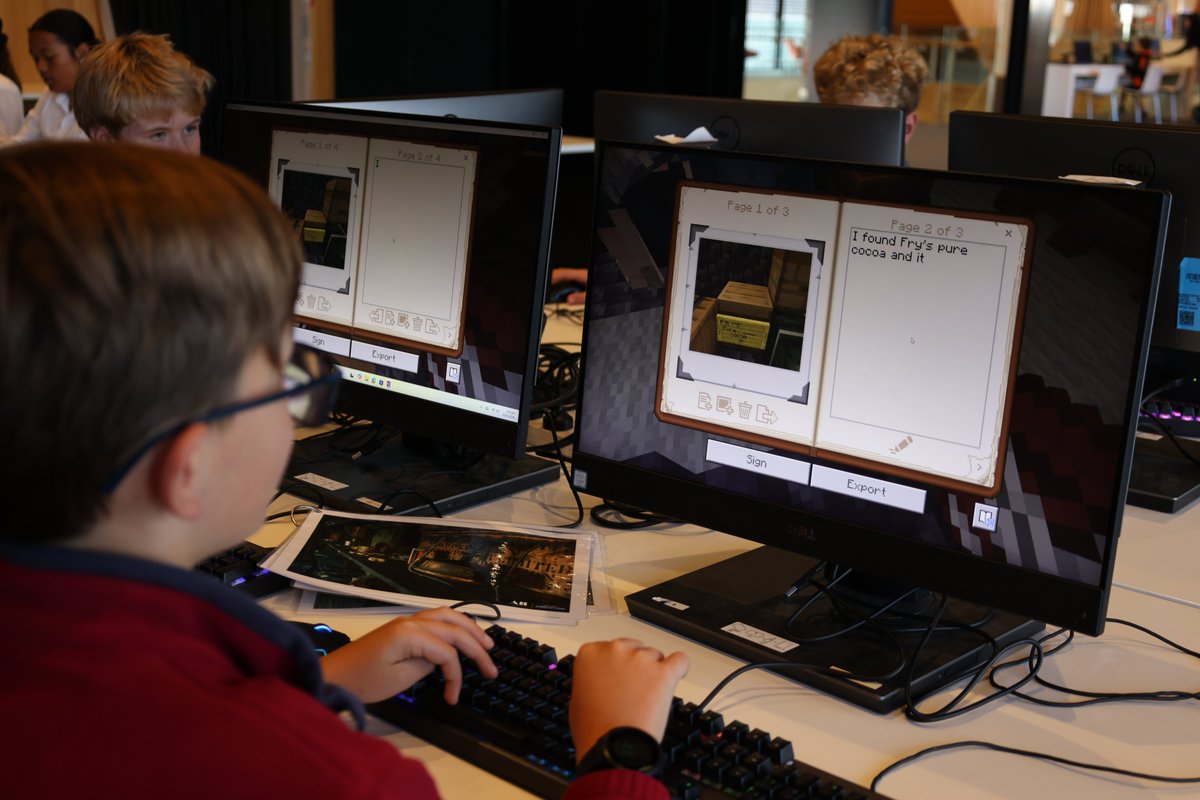
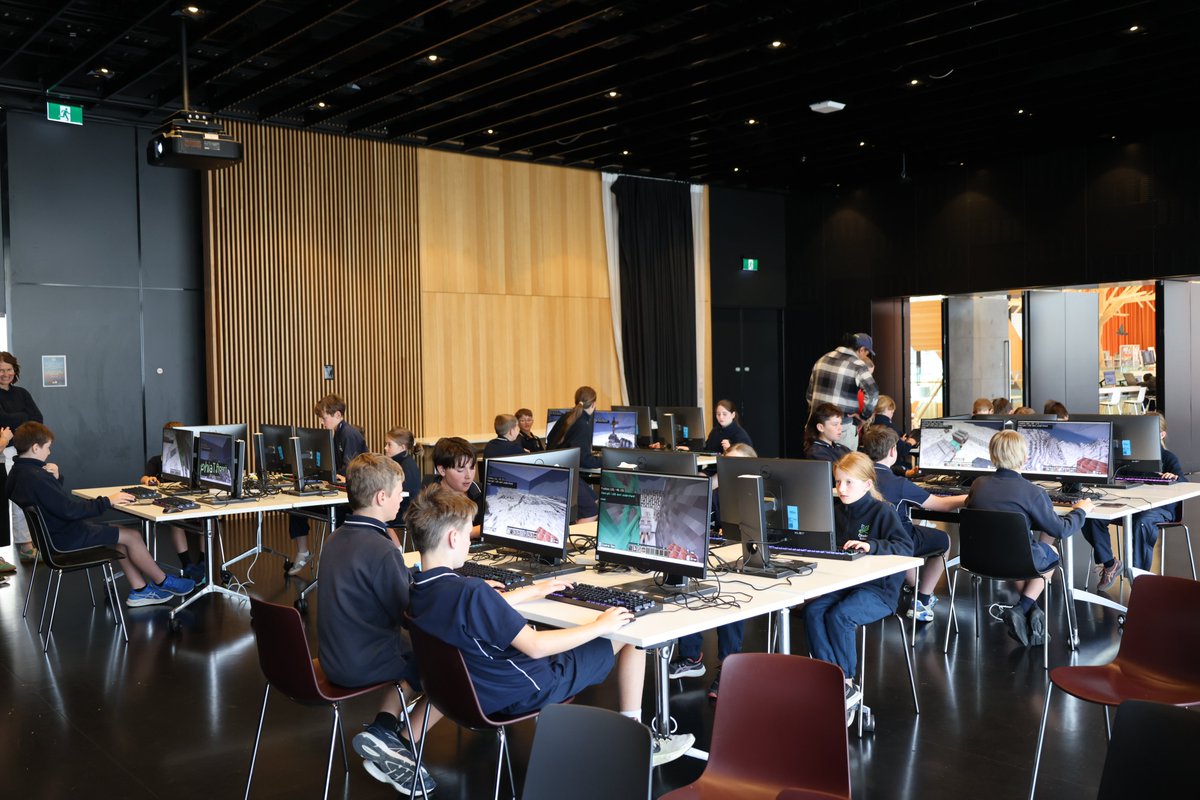
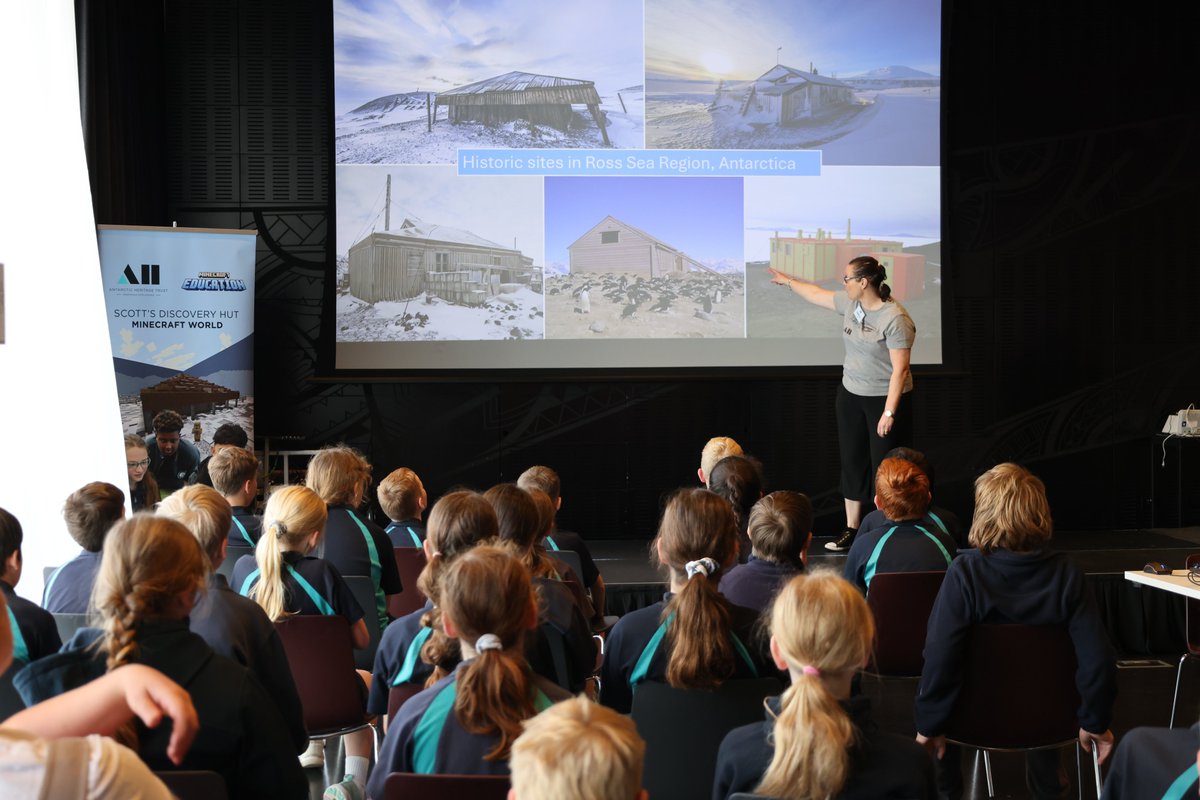
Last week during Tech Week at Tūranga Central Library (Christchurch, NZ), 168 students got to explore our Scott’s ‘Discovery’ Hut Minecraft World!
These students had the opportunity to step into our interactive Minecraft world where they arrive on the RSS 'Discovery,' then go ashore to:
- Search for artefacts inside Scott's 'Discovery' hut
- Build kennels for the expedition huskies
- Design their own Antarctic huts fit for polar exploration
Their creativity, collaboration, and problem-solving skills were incredible to see in action, truly reflecting an ‘Explorer Mindset.’
The Trust is grateful to the following generous supporters including, project sponsor the Greater Christchurch Schools Network, project developer WDekkers Digital, and Antarctic Heritage Trust Inspiring Explorers™ Fund donors.
📸Image 1&2: Christ the King school students meeting heroic explorers and finding artefacts in Scott's 'Discovery' Hut Minecraft World.
Image 3: Ohoka school students exploring Scott's 'Discovery' Hut Minecraft world
Image 4: Ohoka school students listening to a presentation about Scott's 'Discovery' expedition and hut.
1
4
156
In 2025, Inspiring Explorer, Precious Tupou, a proud Cook Islander from Ōtara in South Auckland, was in her last year of high school, when her teacher suggested she apply for the expedition to the Antarctic Peninsula onboard a historic tall ship. With “no deep thinking, no research, and no real understanding what I was actually signing up for”, Precious did that just, she remembers.
“I didn’t know what the Drake Passage was. I didn’t know what sailing on a tall ship involved. I just thought, I’d get to go to Antarctica. Looking back now, this was a very confident decision based on absolutely no information.”
Precious says she questioned her decision during the application process, and especially after she was selected to be one of the eight Inspiring Explorers on the expedition, but with the support of her family, friends and teachers, she pushed through her fears. And she is so glad she did, as the expedition has shaped her in many ways she didn’t expect.
“I realised that courage does not mean not being afraid. Most of the time, courage is being terrified and still choosing to continue anyway,” she shares. “Before this trip, I think fear stopped me from a lot of things. I liked to stay within what felt safe and familiar. But this expedition showed me some of the most meaningful experiences in life happen when you step into the unknown. And honestly, I think that mindset will stay with me long after the expedition itself.”
To read more about Precious’ experiences and reflections, visit her full blog post here: nzaht.org/expedition-blog-pr…
Thank you to our generous Inspiring Explorers™ Fund donors, expedition partner @spiritofnz, sponsor Burnsco, and supporter @BarkEuropa.
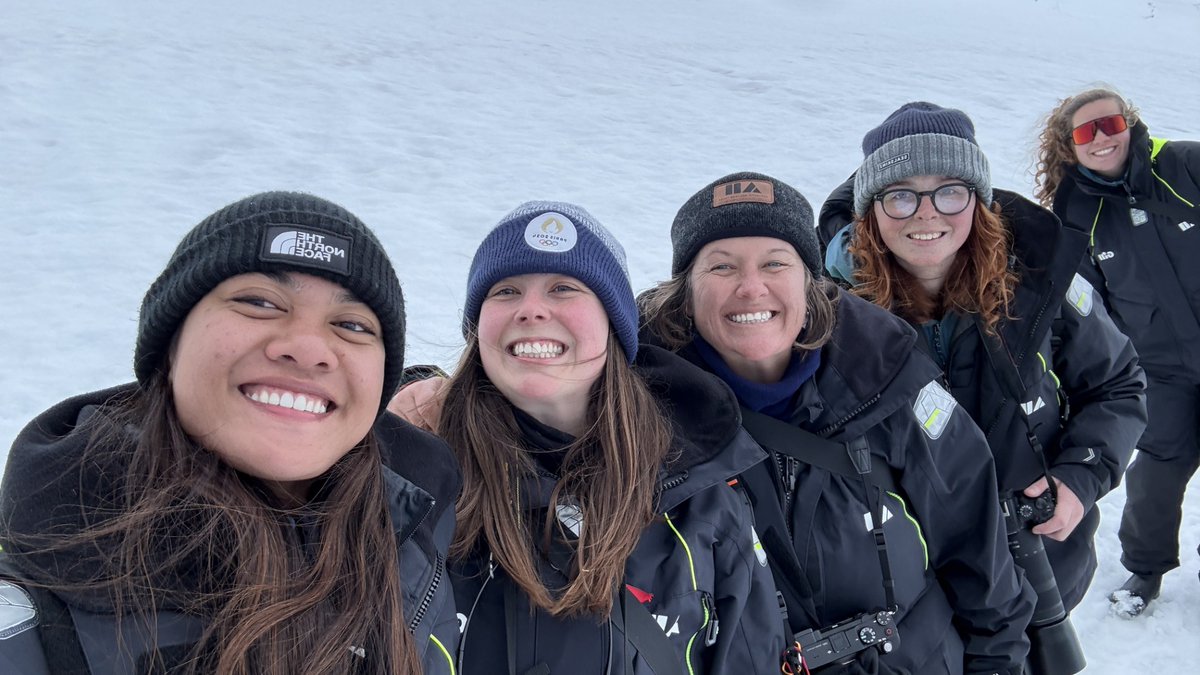
📸 Mentor Lisa Blair (centre), with Inspiring Explorers (L-R), Precious Tupou, Margot Martin-Babin, Libby Manning and Eliza McCracken, exploring Antarctica. © AHT/Precious Tupou
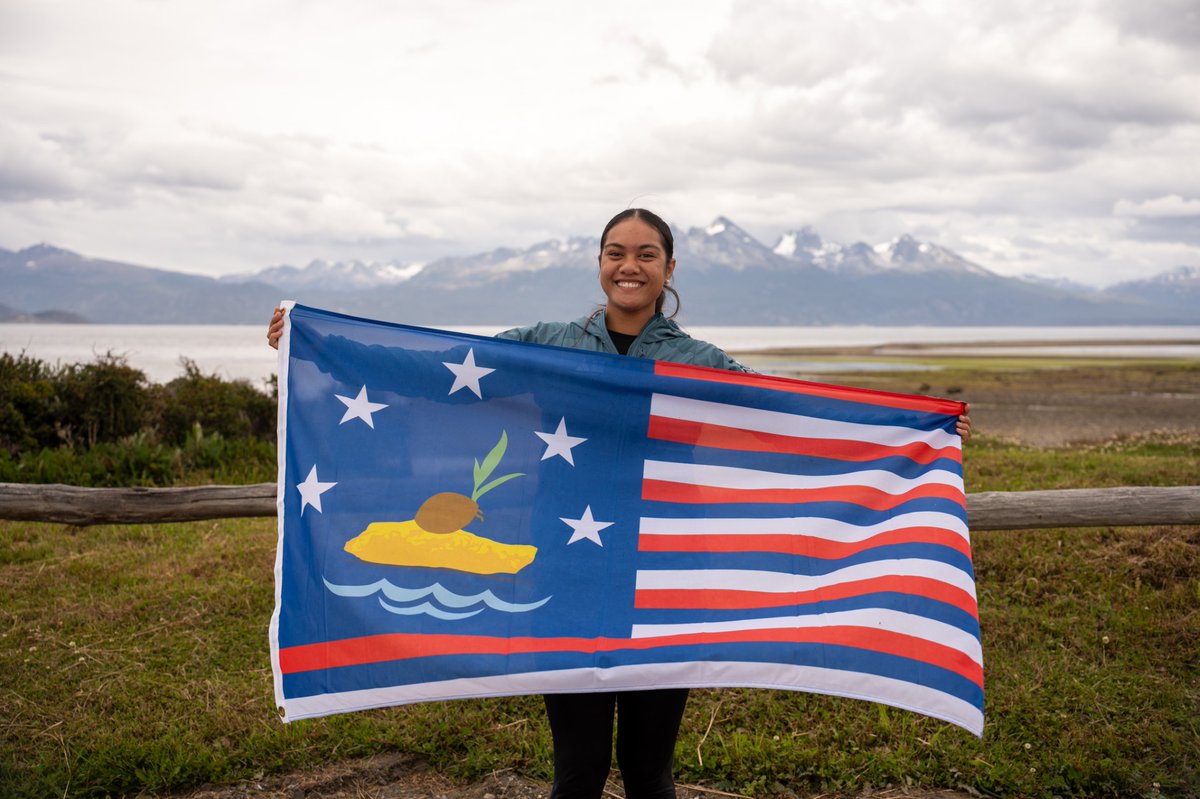
Precious Tupou holding her flag of Rakahanga, Cook Islands. © AHT/Sam Dunlay
1
6
251
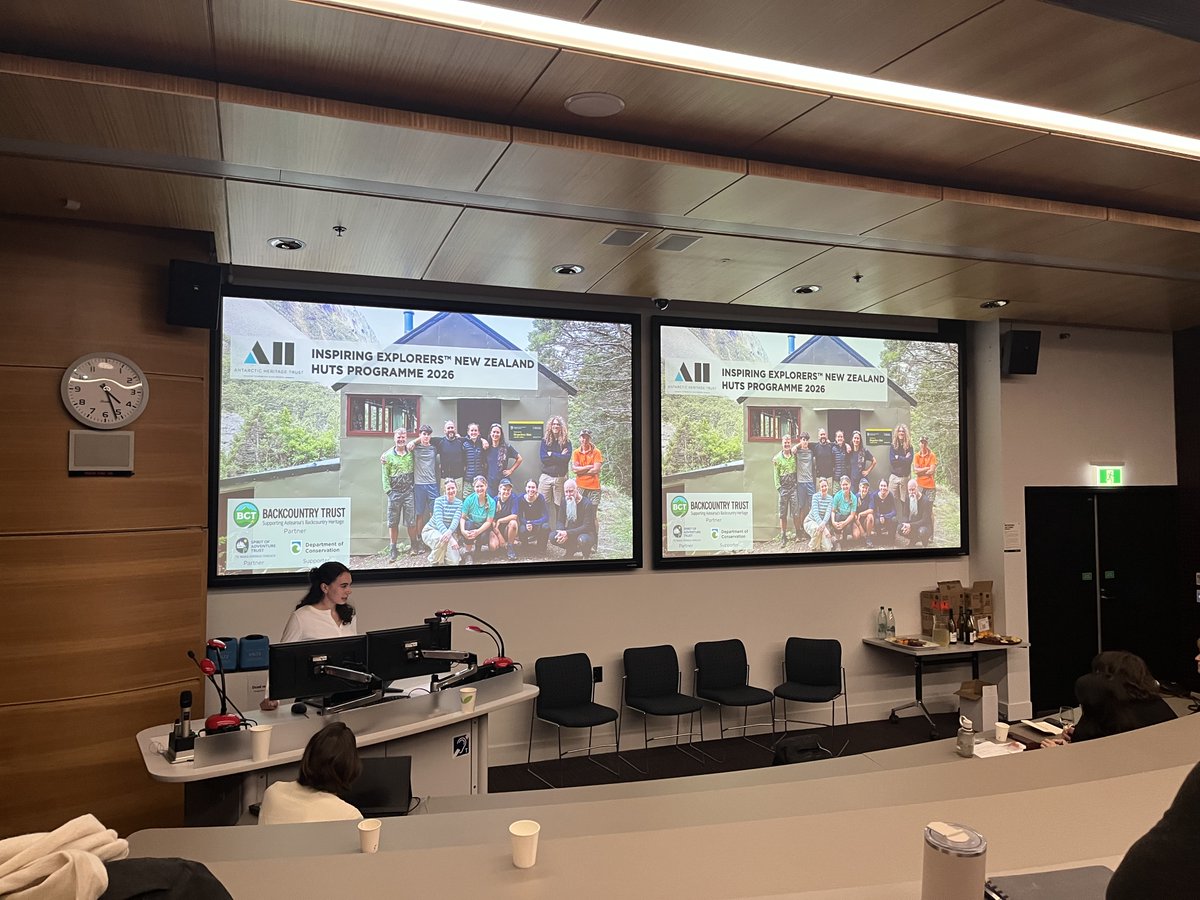
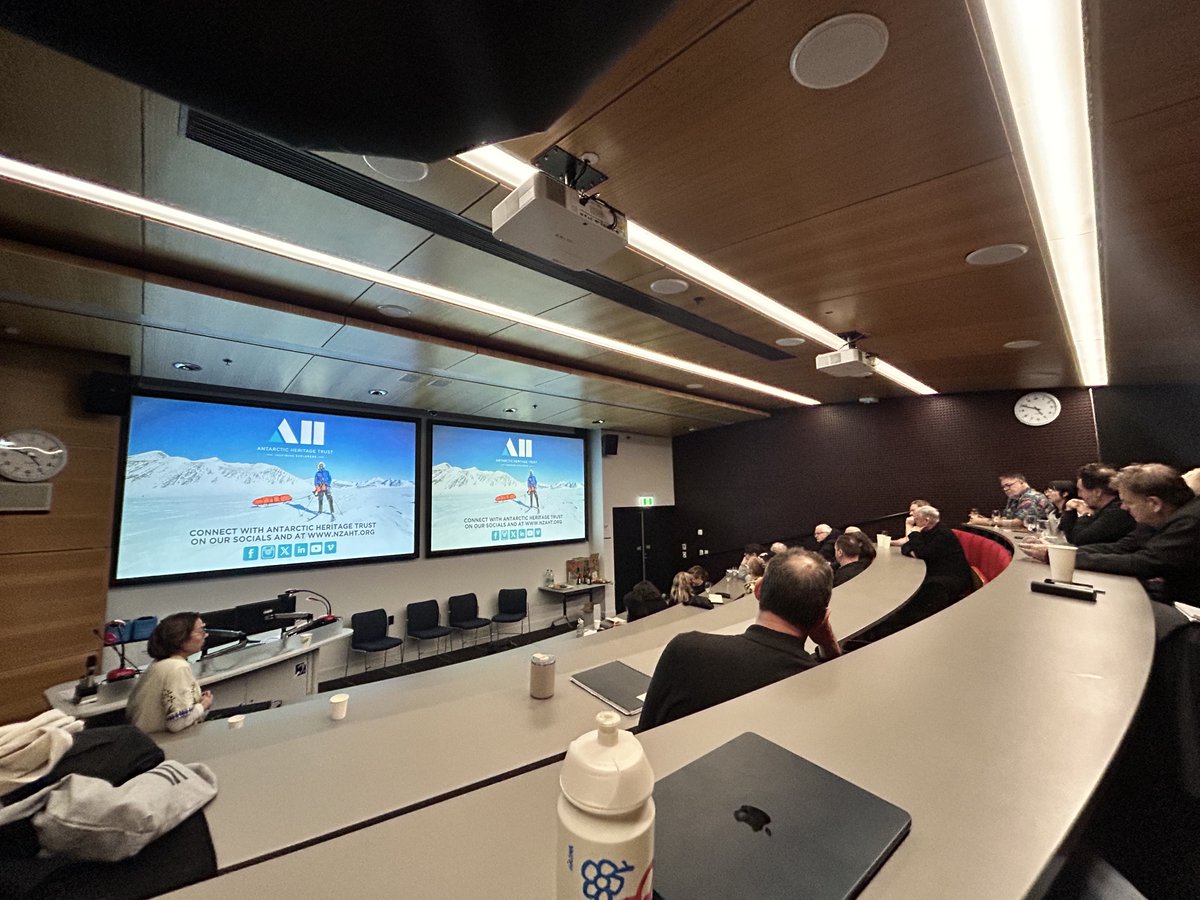
It was a fantastic weekend of ideas, discussion, and connection for New Zealand Huts programme participant, Lara Teodorescu, who presented at the Architectural Centre symposium on Adaptive Re-use, held at Victoria University of Wellington (NZ).
The presentation provided a valuable opportunity for Lara to connect her studies with the preservation of the huts built by Antarctica's early explorers, alongside the hands-on conservation work completed in Nelson's Hopeless Hut (NZ) as part of the programme.
Around 30 people attended the symposium, including students and architects, creating a highly engaged audience for the presentation and discussion.
One particularly special moment came afterwards, when an audience member introduced herself to Lara and shared that she had previously worked on conserving artefacts from the Antarctic huts, a wonderful reminder of the strong connections and shared passion within the heritage conservation community.
Thanks to the Inspiring Explorers™ Fund donors, partner Backcountry Trust, and support from @docgovtnz for helping young people to step into New Zealand’s backcountry, learn new skills, and give back.
📸Inspiring Explorer, Lara, presenting at Victoria University of Wellington.
5
175
Work with us! Join Antarctic Heritage Trust as our General Manager Antarctic Heritage.
This senior leadership opportunity is a chance to lead world-class work preserving iconic cultural heritage in one of the most extraordinary environments on earth.
Join our team in this exciting construction and programme delivery role where you will oversee the full project cycle across a portfolio of historic sites on Ross Island.
This role also contributes to shaping the future of the Trust's work at Cape Adare, the site of the first building ever constructed on the Antarctic continent.
To find out more or apply, please click this link to our website: nzaht.org/work-with-us-gener…
Applications are open now and close Sunday 7 June.
1
3
191
Getting out of your comfort zone is a core part of the Inspiring Explorers™ programme, along with developing an 'Explorer Mindset' - innovation, curiosity, leadership, teamwork, and resilience.
For Inspiring Explorer Corbin, it is also about drawing the link between past explorers and how stepping out of their comfort zone led them to explore further and achieve more.
Where has stepping outside your comfort zone taken you?
Thanks to the Inspiring Explorers™ Fund donors, partner Backcountry Trust, and support from @docgovtnz for helping young people to step into New Zealand’s backcountry, learn new skills, and give back.
📹AHT/Brittany Fox
2
166
After 36-hours of grueling travel, Shackleton, Worsley and Crean successfully arrived at Stromness Whaling Station, South Georgia #OnThisDay in 1916. The men had traversed what had been regarded 'inaccessible' country by whalers.
On their final morning, the men were preparing breakfast when Shackleton heard what he thought was the sound of a whistle from the whaling station. They ate in silence and again heard the whistle sound at exactly 7am. As they headed towards Stromness the route became dramatically steep once again, and they had to cut steps into the ice. With great difficultly they reached the shore of Fortuna Bay, proceeding on what they thought was level ground, only for Crean to break straight through the ice of the frozen lake right up to his waist. Lying flat to distribute their weight, they men made their way off the fragile surface.
Approaching the whaling station, the trio tried to make themselves presentable - in Shackleton’s words "for the thought there might be women at the station made us painfully conscious of our uncivilised appearance."
"Our beards were long and our hair was matted. We were unwashed, and the garments which we had worn for nearly a year without a change were tattered and stained." - Sir Ernest Shackleton
The first two men they saw, the first humans they had seen in nearly eighteen months, ran away at the sight of them. The station manager, Mr Sorlle, who had entertained them when the 'Endurance’ crew had first arrived at Stromness, didn't recognise them as they appeared on his doorstep. After recounting the details of their ordeal, they were finally able to bathe, an experience that Worsley described as "worth all that we had been through to get". Sorlle immediately arranged rescue for the three men stranded at King Haakon Bay, on the other side of South Georgia.
#explore #discover #antarctica #OTD #shackleton #endurance
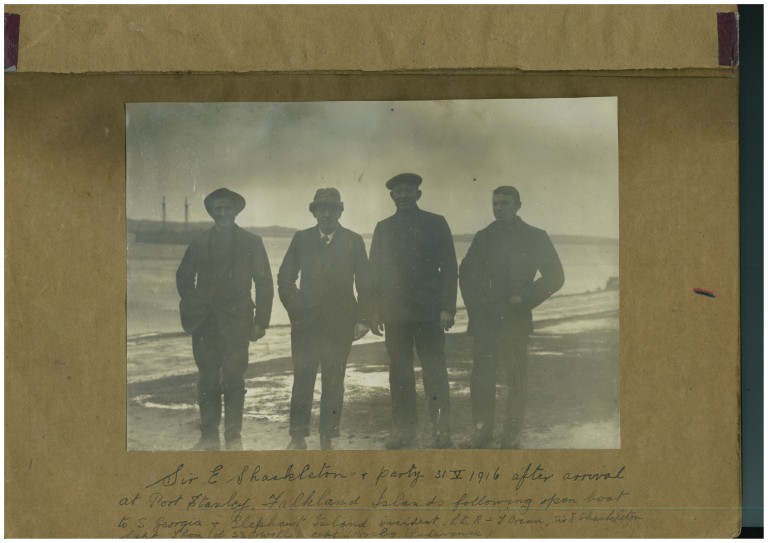
📷Shackleton and party 31 May 1916 after arrival at Port Stanley. © A G Bennett Collection, Jane Cameron National Archives. The Falkland Islands.
12
36
518