
InstaCrypto is a market place for crypto lovers to buy/sell their favourite cryptocurrency quickly & securely with an easy & simple platform.
Joined January 2018
- Tweets 1,080
- Following 3
- Followers 615
- Likes 1,493
302 Photos and videos















Pinned Tweet

18 Oct 2025
🔥 Big News, InstaCrypto Fam! 🔥
Our brand-new InstaCrypto App is officially LIVE on the Google Play Store! 🎉
Now with:
💎 More coins than ever
⬆️ Higher limits
💰 Full range of stable tokens
📊 All-new price tracker & chart features
To celebrate, we’re giving you a ₹100 bonus on your first buy or sell of your favorite crypto! 💸
✨ How to claim:
1️⃣ Make your first trade (min ₹800)
2️⃣ Complete your Re-KYC in the new app
3️⃣ Get rewarded instantly!
Trade smarter. Earn more. Join the next wave of crypto innovation with InstaCrypto 🚀
#InstaCrypto #CryptoIndia #CryptoApp #BitcoinIndia #CryptoTrading #Web3 #CryptoRewards

1
1
2
350
Jun 7
The future of finance isn't built on trust. It's built on verification.
Own your assets. Secure your wealth. Control your future.
Own your assets with Instacrypto - app.instacrypto.in
1
1
10
May 29
Good times with Josh Zerlan — one of the familiar faces from the early Bitcoin mining era and the man behind Butterfly Labs. ⚡⛏️
#Bitcoin #Crypto #Blockchain #BitcoinMining #Web3
1
2
84
May 22
Two pizzas.
One transaction.
A revolution the world laughed at.
In 2010, 10,000 BTC bought pizza.
Today, it represents the birth of a new financial era.
Bitcoin didn’t just change money.
It changed ownership.
Freedom.
Trust.
The internet itself.
Every revolution looks irrational in the beginning.
Happy Bitcoin Pizza Day 🍕⚡
#Bitcoin #BitcoinPizzaDay #Web3 #Crypto #InstaCrypto
27
May 18
As you may know, InstaCrypto is operated by Twaritananya Services International Pvt. Ltd.
Have you ever wondered what “Twaritananya” in the company name actually means?
This video breaks down the meaning behind it.
#Twaritananya #InstaCrypto #CryptoIndia #BlockchainIndia #DigitalAssets
1
1
21
May 10
Gold built empires.
Digital assets are building the future. 🚀
From physical vaults to decentralized networks, the way the world stores and transfers value is evolving faster than ever. The new era isn’t coming — it’s already here.
#Bitcoin #CryptoIndia #DigitalAssets #BlockchainTechnology #InstaCrypto
1
1
1
31
May 5
When India’s first Bitcoin exchange launched, it didn’t just make headlines locally—it created waves globally. Even CoinDesk flew in from the US to cover the story and interview us.
Watch the full story - youtu.be/4uIK4wjPqA0?si=Jt3j…
#BitcoinIndia #CryptoIndia #BlockchainRevolution #FintechIndia #Web3India
1
1
1
67
Apr 26
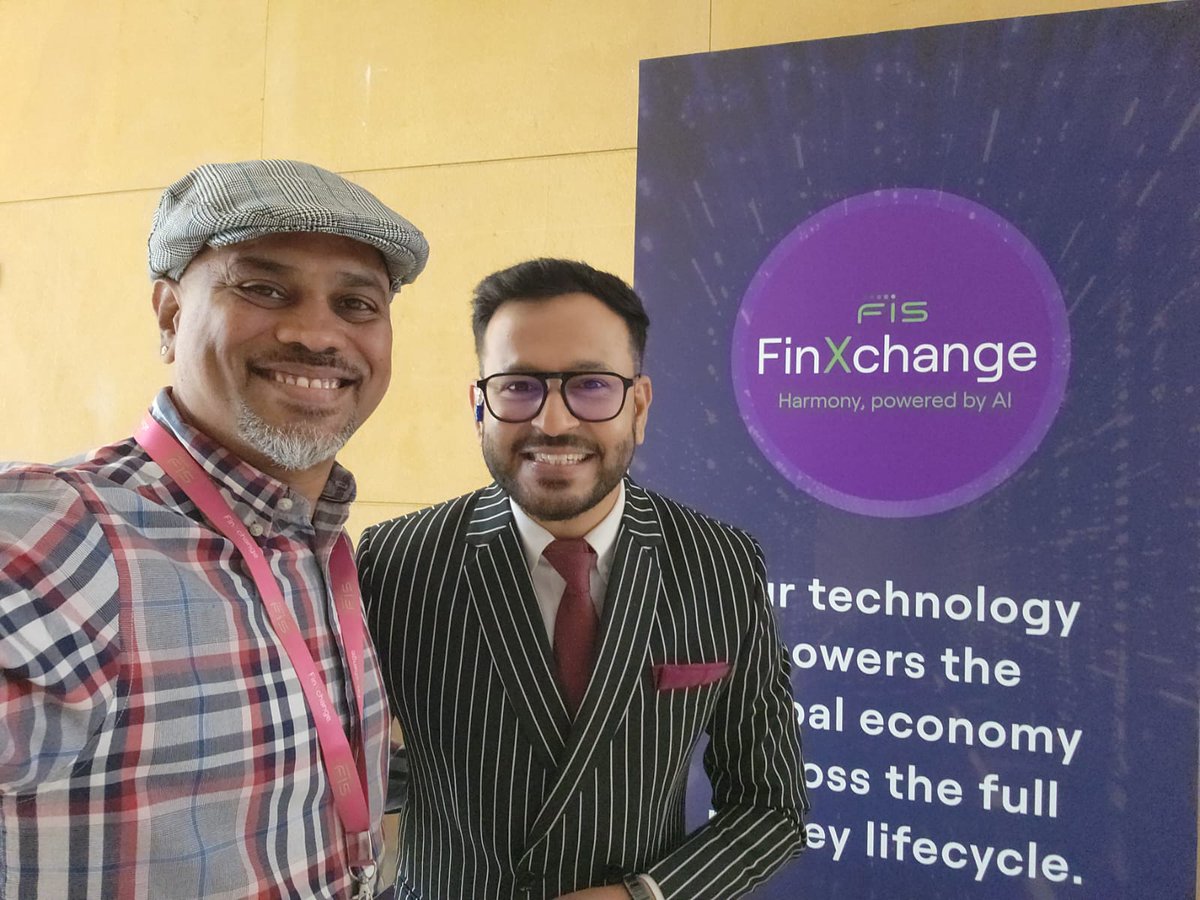
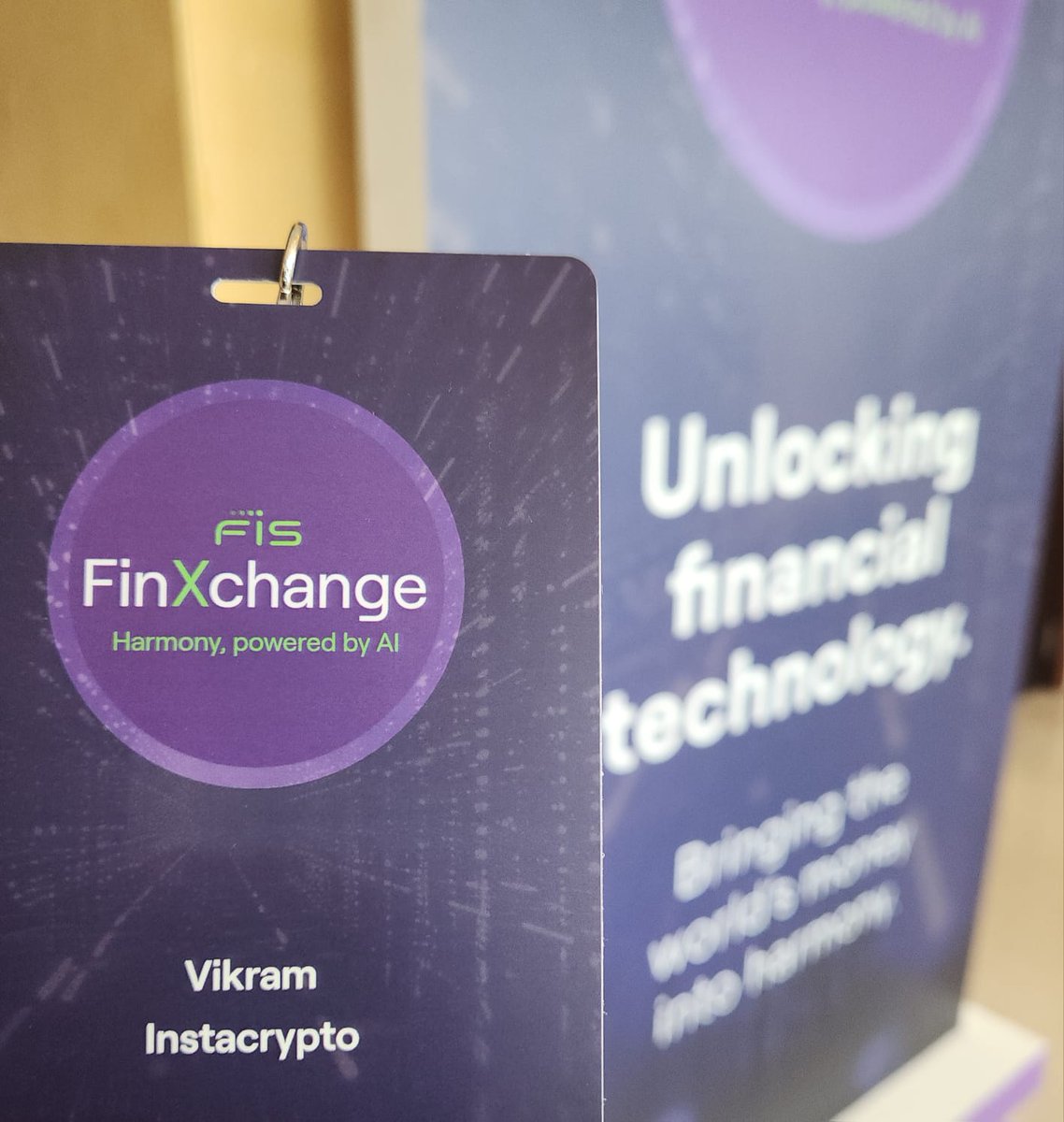
We were at FIS FinXchange – Harmony, Powered by AI in Bengaluru, exploring how AI is shaping the future of fintech.
Great conversations, powerful ideas, and a clear direction, innovation is accelerating.
#FIS #FinXchange #AI #Fintech
1
1
58
Apr 24
About the conference day — marking the historic launch of India’s first-ever crypto exchange.
#CryptoIndia #BitcoinIndia #BlockchainIndia #CryptoConference #DigitalAssets #Web3India #FintechIndia #CryptoAdoption #IndiaCrypto #TimesOfIndia
1
1
1
53
Apr 19
Turn your digital rupee into crypto ⚡
Seamlessly buy crypto using CBDC — faster, smarter, and built for the future of money.
Launching soon on InstaCrypto.
Stay ready 🚀
#InstaCrypto #CBDC #DigitalRupee #CryptoIndia #BitcoinIndia #Web3India #BlockchainIndia #CryptoAdoption #FutureOfMoney #FintechIndia #CryptoTrading #DigitalAssets #CryptoRevolution #Bitcoin #CryptoLaunch #MakeInIndia #CryptoCommunity
1
1
1
66
Apr 16
Coverage of India’s first Bitcoin conference highlighted by regional media.
#BitcoinIndia #CryptoIndia #BlockchainIndia #BitcoinConference #CryptoNews #FintechIndia #DigitalAssets #Web3India #CryptoAdoption #IndiaCrypto #BitcoinEvent #CryptoCommunity
2
1
1
48
Apr 11
In a custodial exchange, you hand over control of your crypto to the platform—they hold your private keys, manage your funds, and you have to trust them not to freeze, misuse, or restrict access. In a non-custodial exchange (a good crypto platform), you keep your private keys and full control of your assets, and the platform simply helps you interact with the blockchain; it cannot move your funds or act without your approval, so ownership stays entirely with you instead of relying on trust.
1
31
Apr 5
Al Jazeera on Bitcoin.
And the launch of India’s first Bitcoin exchange.
Watch the Al Jazeera cover - youtu.be/BM10sKEJRho?si=76qY…
#Bitcoin #Crypto #Cryptocurrency #Blockchain #CryptoIndia #DigitalAssets #CryptoNews #Fintech #Web3 #MoneyFuture
1
2
78
Apr 3
This Good Friday, we reflect on sacrifice, resilience, and faith.
Wishing you a peaceful and meaningful Good Friday.
1
12
Mar 29
Instacrypto CEO Vikram Nikkam talks about the early days of Bitcoin mining in India, long before the world caught on.
#BitcoinIndia #CryptoIndia #Web3India #Bitcoin #Crypto #Blockchain #CryptoHistory #EarlyAdopters #StartupIndia #FoundersStory #Web3 #Decentralization #CryptoJourney #TechInIndia
3
65
Mar 28
An article on *Rethinking the Narrative Around Crypto and Financial Crime*
When something new disrupts the financial system, it often becomes an easy target. Crypto, being
decentralized and relatively new, fits that role perfectly. Headlines frequently link it to fraud, darknet
markets, and illicit transfers. But here’s the uncomfortable truth: money laundering is not a
technology problem—it’s a human behavior problem.
Blaming the tool instead of the misuse is like blaming the internet for cybercrime or cash for bribery.
Economics 101: Crime Follows Liquidity
There’s a fundamental principle in economics—illicit activity flows where liquidity and acceptance
are highest. In simple terms, criminals prefer systems that are widely accepted, stable, and easy to
integrate into everyday transactions.
That’s why historically, fiat currencies—like the US Dollar has been the
dominant medium for money laundering. Not because it is flawed, but because it is
universally accepted, has deep liquidity, and integrate seamlessly into global financial systems.
Transparency: Crypto’s Underrated Feature
Ironically, many cryptocurrencies operate on public blockchains, where every transaction is
permanently recorded and traceable.
Every transaction is visible, wallet flows can be tracked, and patterns can be analyzed using
forensic tools. Law enforcement agencies worldwide have successfully traced and recovered funds
precisely because of this transparency. In contrast, cash transactions leave little to no trail.
Is Crypto Used for Fraud? Yes. But So Is Everything Else.
Let’s be realistic—crypto can be used for fraud. But so can bank accounts, shell companies, real
estate, gold, and cash.
The difference is not in whether fraud happens, but how detectable it is.
In many cases, crypto
transactions are more traceable than traditional financial crimes.
The Real Issue: Regulation vs Understanding
The push to ban or heavily restrict crypto often stems from fear rather than data. Instead of
addressing fraud mechanisms, we sometimes see attempts to restrict the entire technology.
But history shows us that you don’t ban the internet because of scams, you don’t ban phones
because of phishing, and you don’t ban cash because of corruption. You build better systems,
better monitoring, and better education.
Stop the Fraud, Not the Technology
Innovation always comes with risks. But suppressing innovation because of misuse is short-sighted.
Crypto and blockchain technologies are enabling financial inclusion, borderless transactions,
decentralized ownership, and trustless systems.
If fraud exists—and it always will—the solution lies in smarter regulation, better enforcement, and
improved awareness.
Final Thought
Fraud adapts. It evolves with every system we create. The goal isn’t to eliminate tools—it’s to build
systems where misuse is harder and accountability is stronger.
So the next time you hear “crypto is used for money laundering,” remember:
The problem isn’t the technology. It’s how we choose to use it.
1
1
4
126
Mar 28
We were told crypto is risky…
But nobody warned us about guaranteed inflation.
One is volatile.
The other is silently eating your wealth.
Choose what you understand. ⚡
#Crypto #Bitcoin #Inflation #Finance #Web3
1
2
48
Mar 23
1
2
65
Mar 19
This Ugadi, may your portfolio grow like the new year’s blessings — strong, secure, and full of potential. 🚀
Happy Ugadi from all of us at InstaCrypto!
#Ugadi #HappyUgadi #InstaCrypto #CryptoIndia #NewBeginnings #FinancialFreedom #crypto #web3

1
32