
INVASIVESNET facilitates development and delivery of open knowledge and open data on #InvasiveSpecies
Joined January 2018
- Tweets 1,626
- Following 178
- Followers 1,821
- Likes 986
934 Photos and videos
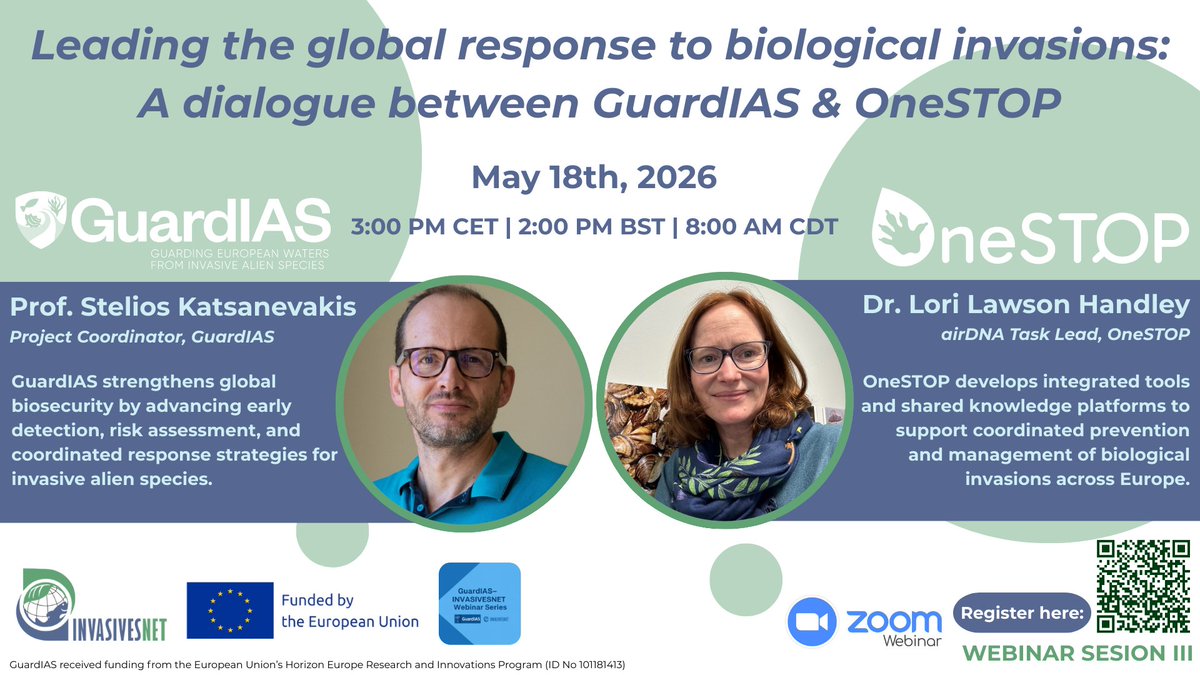





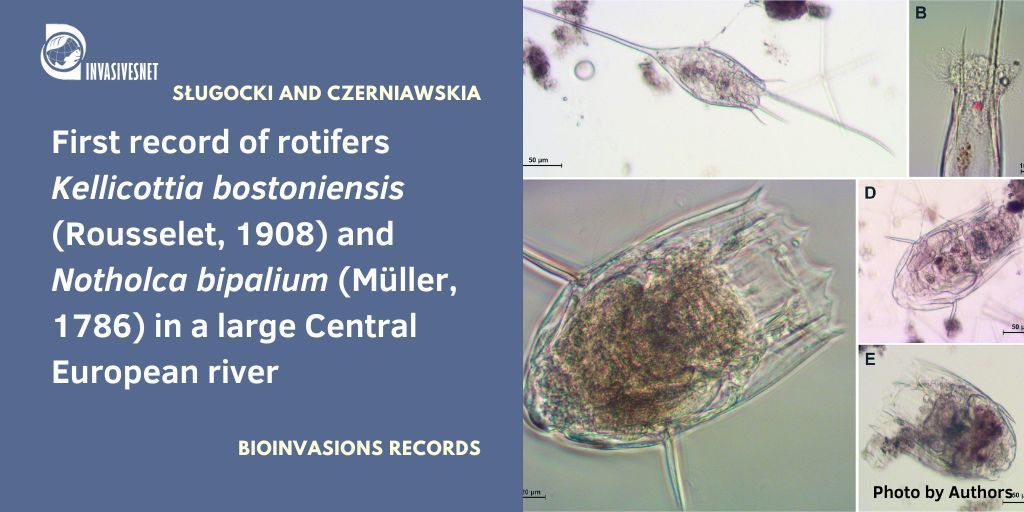



May 26
Our last webinar is available on YouTube! Find it here👇
Leading the global response to biological invasions:
youtu.be/bC1DOp5Wt2o?si=fqYD…
2
68
May 15
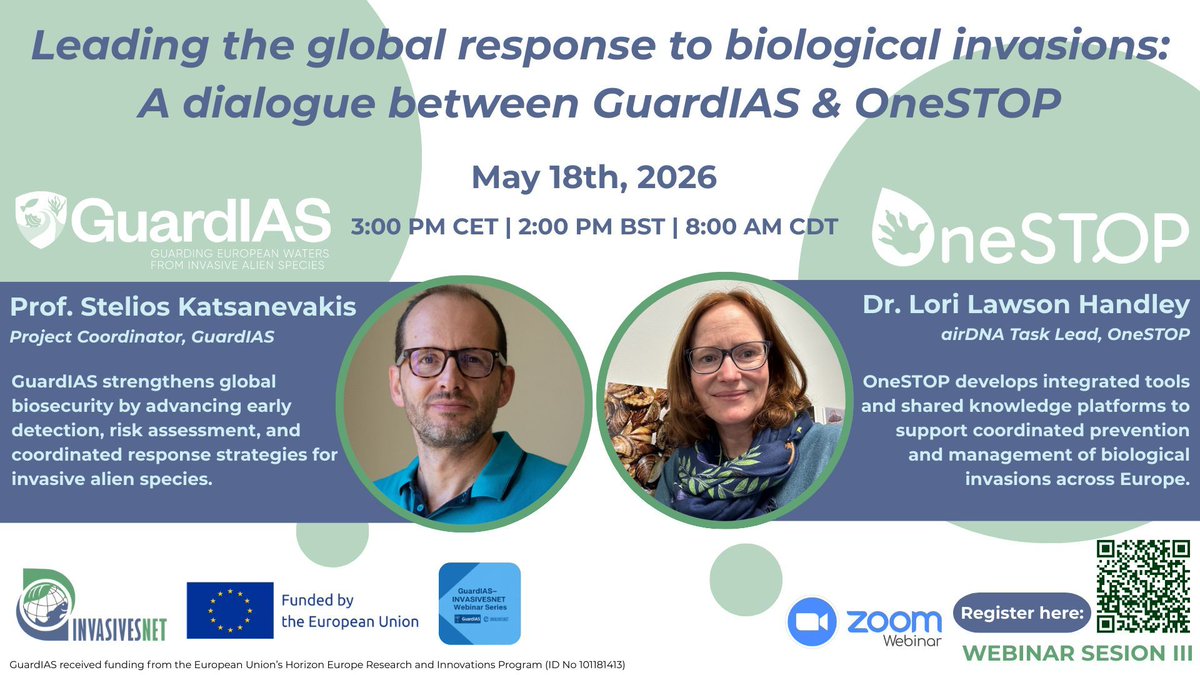
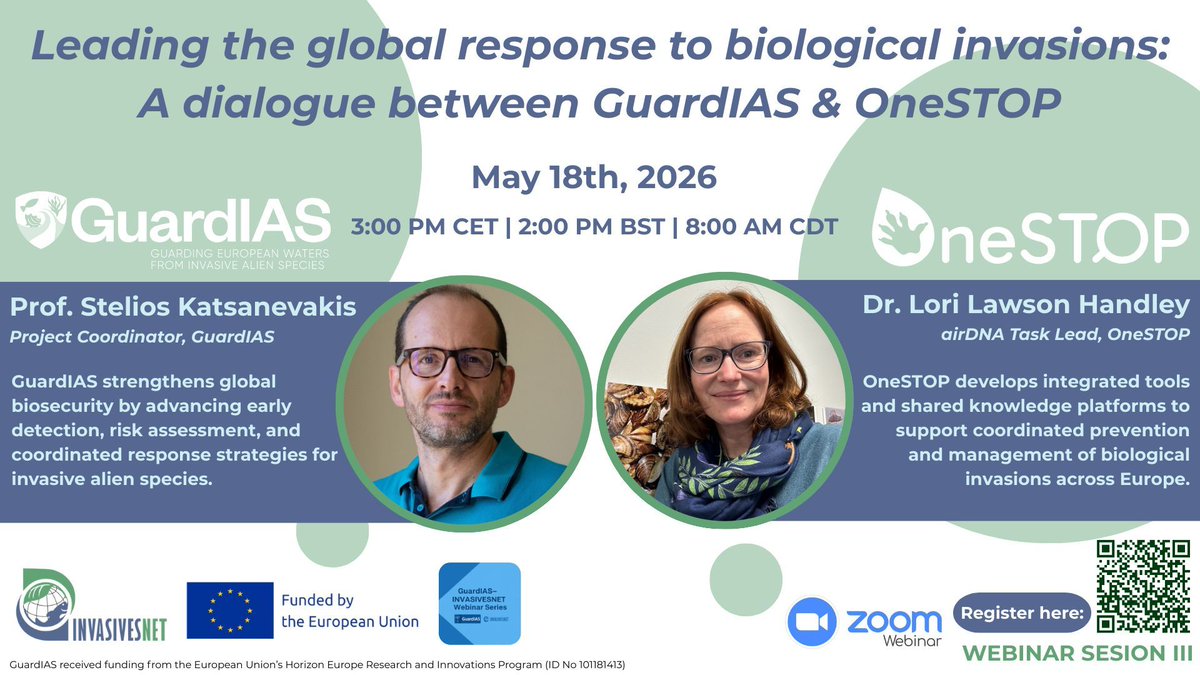
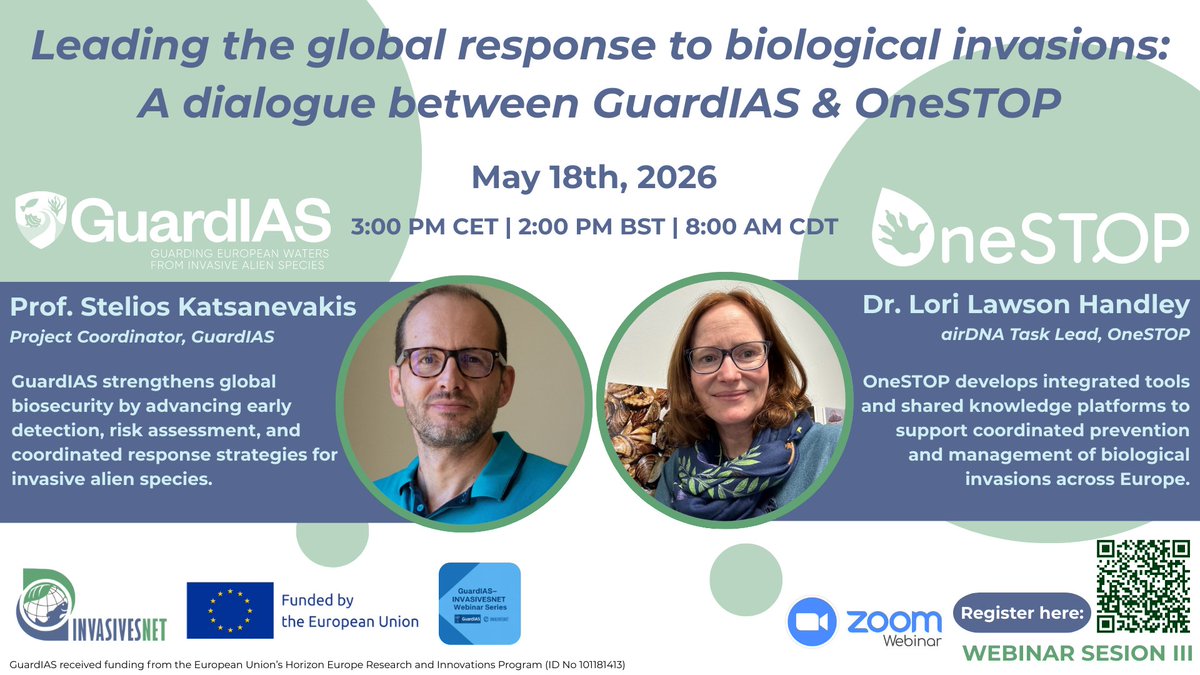
The third GuardIAS-INVASIVESNET webinar is this Monday! Don't miss it!
Register for free here 👉️ buff.ly/zBwkXgq
2
64
We are having our third GuardIAS-INVASIVESNET webinar on May 18th! Registration is free! 👇 buff.ly/zBwkXgq
2
1
354
Apr 23
Save the date for the 2nd GuardIAS virtual conference!
More info on themes and abstract submission soon.
2
1
267
Apr 20
We are having our third GuardIAS-INVASIVESNET webinar on May 18th! Registration is free! 👇
us02web.zoom.us/webinar/regi…
1
2
69
Apr 15
🚨 Reminder to our members!
Please join us via ZOOM videoconference at our 2024 General Meeting on April 24th! Information to join has been sent to members by email. For more information please visit buff.ly/mRRXWDU or contact us at office@invasivesnet.org
1
62
🚨 Reminder to our members!
Please join us via ZOOM videoconference at our 2024 General Meeting on April 24th! Information to join has been sent to members by email. For more information please visit buff.ly/mRRXWDU or contact us at office@invasivesnet.org
1
3
77
Mar 16
🇬🇧 The first summaries of the 2026 INVASIVESNET journals are now online! 👇️
🇪🇦 Los primeros resúmenes de 2026 ya están disponibles online! 👇️
MBI: buff.ly/JpSUD35
AI: buff.ly/fpzn94B
BIR: buff.ly/XvEeZyu
3
6
157
INVASIVESNET retweeted

🚀 The first #GuardIAS Newsletter is out! Discover how AI, eDNA, robotics & citizen science are transforming the fight against aquatic #InvasiveSpecies across Europe. Explore year-1 breakthroughs, case studies & tools for real-world impact: guardias.eu/wp-content/uploa…
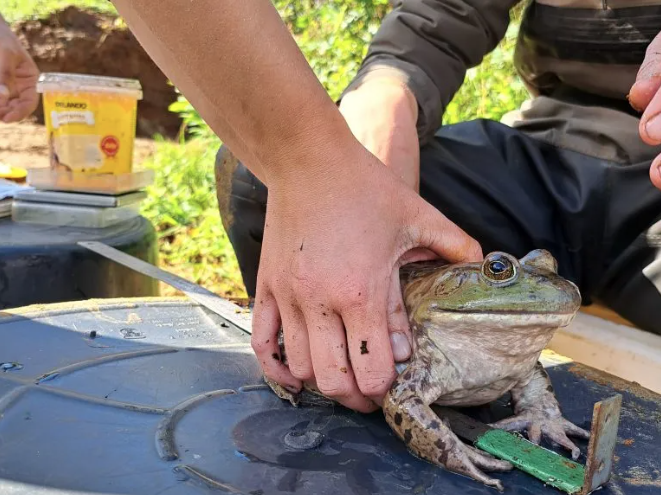
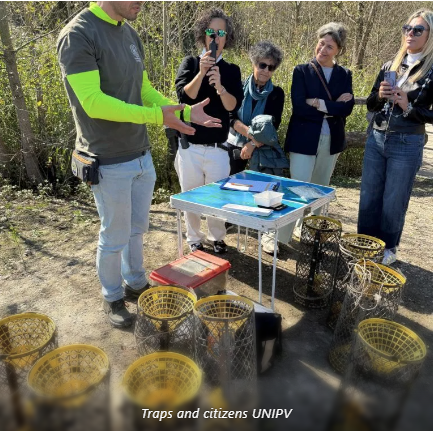
1
4
101

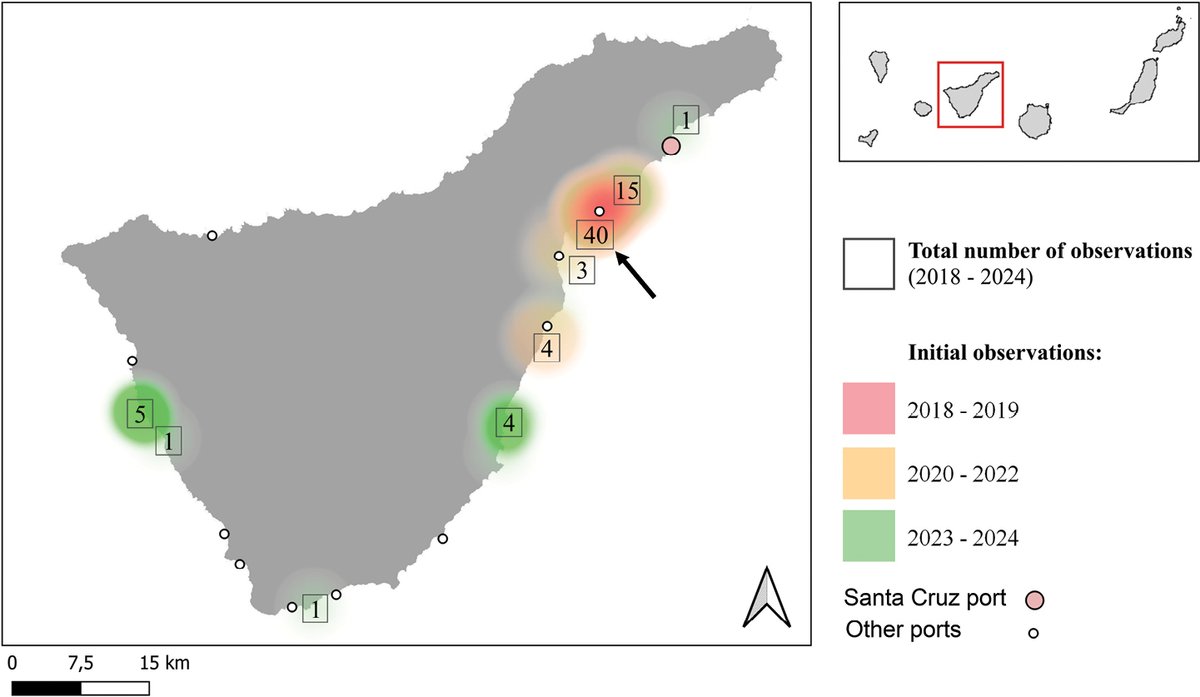
📚New scientific article in Aquatic Invasions @Invasivesnet ➡️"Emergence of an invasive ascidian in #CanaryIslands (Eastern Atlantic): Tracking the arrival and spread of Cnemidocarpa irene".✍️By @xturon09 (CEAB-CSIC), J.C. Hernández (@ULL) et al.👇🏾doi.org/10.3391/ai.2025.20.4…
3
4
452
INVASIVESNET retweeted

27 Nov 2025
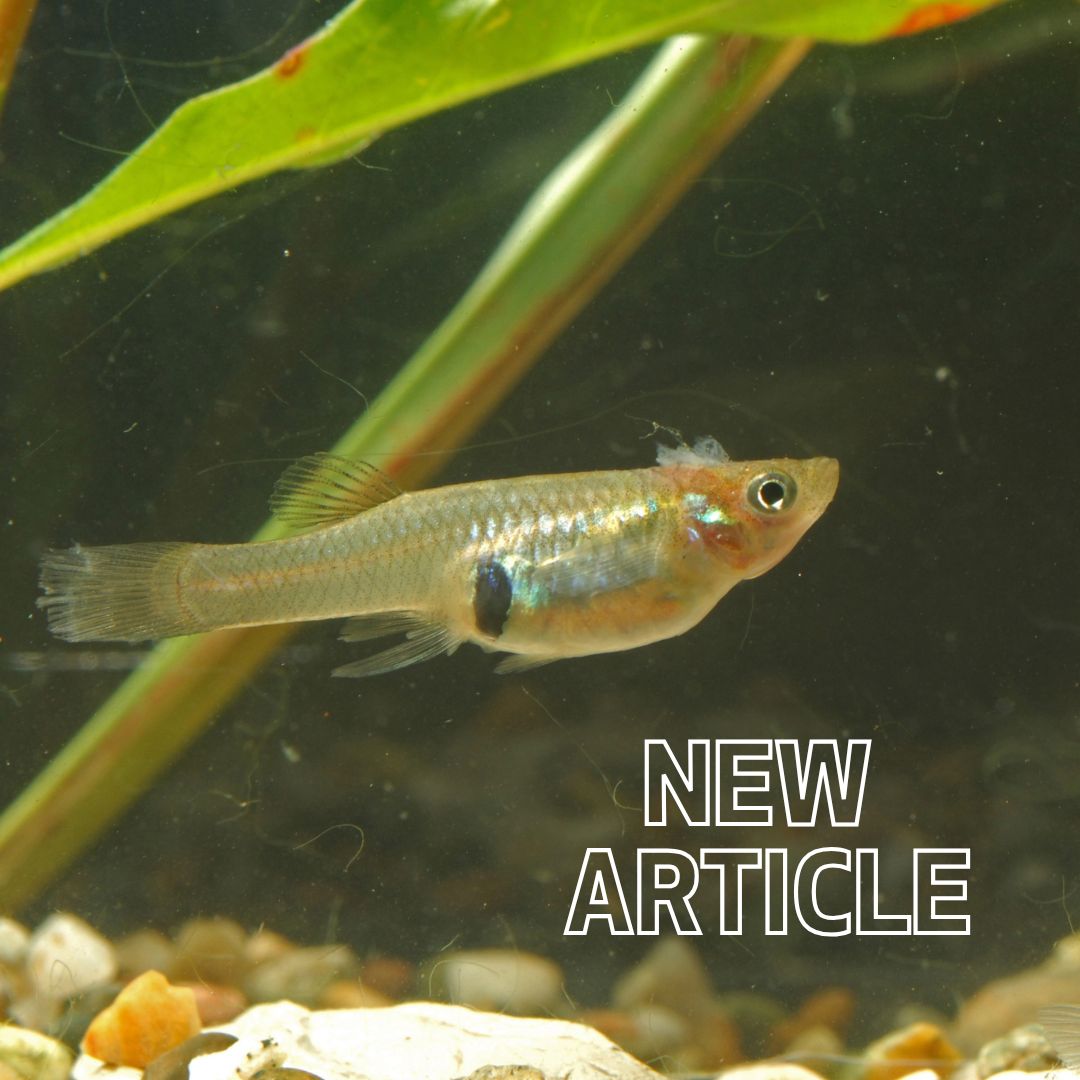
New publication in @Invasivesnet!
"Occurrence of the eastern mosquitofish Gambusia holbrooki Girard, 1859 (Poeciliidae, Cyprinodontiformes) in the Madeira Archipelago (NE Atlantic)"
reabic.net/journals/bir/2025…
1
1
61
13 Nov 2025
The first GuardIAS virtual conference has started! Check out the program and posters on GuardIAS webpage 👇
guardias.eu/guardias-confere…
2
3
95
INVASIVESNET retweeted
22 Oct 2025
The programme for the first GuardIAS & @Invasivesnet
virtual conference is live!
Check out the lineup of presentations, posters & workshops on biosecurity and invasive species prevention.
🗓️ Nov 13-14
📚Full programme: guardias.eu/guardias-confere…
4
3
181
2 Nov 2025
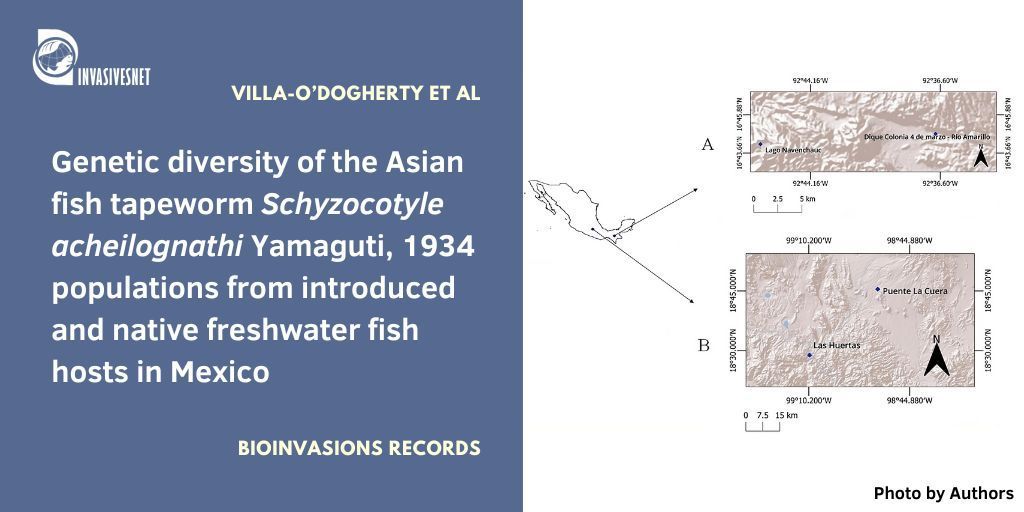
The fish tapeworm Schyzocotyle acheilognathi has invaded Mexican native fish species, offering valuable insights for management strategies for cestode invasions. This data has applications in sanitary protocols for restocking programs. Open access buff.ly/1kQmqsG #BIR
1
98
31 Oct 2025
58
27 Oct 2025
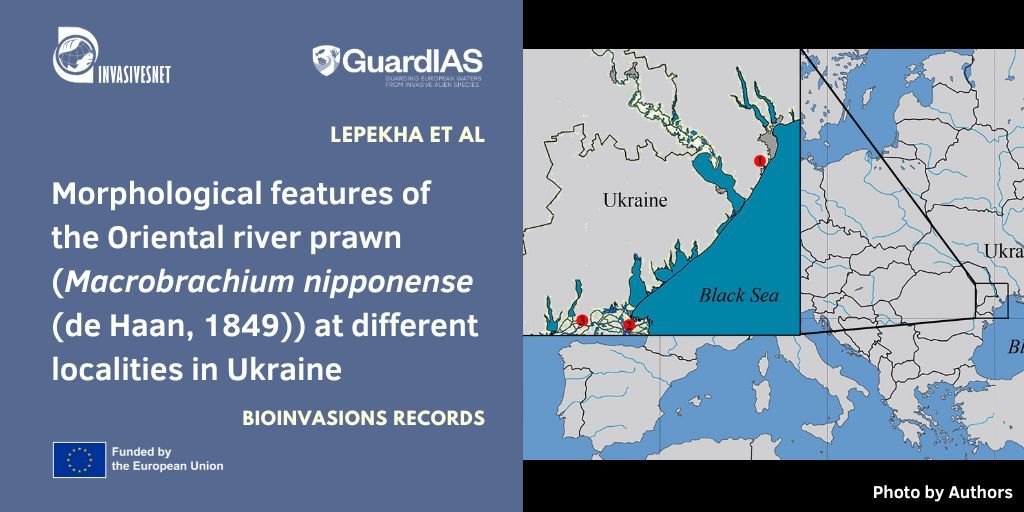
Key morphological and morphometric features for distinguishing populations of the Oriental river prawn Macrobrachium nipponense in brackish and freshwater ecosystems in Ukraine. Parameters could be used for population tagging. Open access buff.ly/y4SAASy #BIR
121
20 Oct 2025
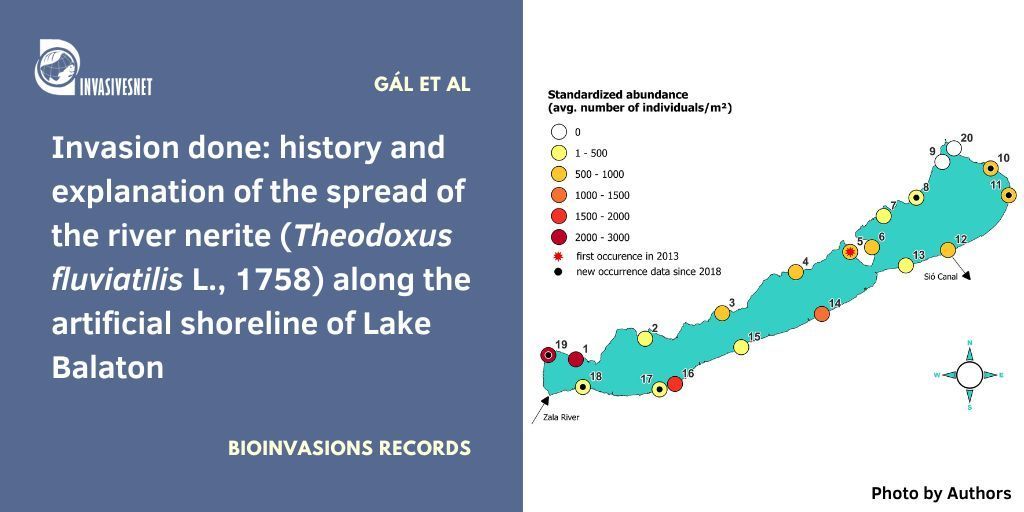
The spatial distribution, effects of land-use pressures, abundance and depth preference of the freshwater snail Theodoxus fluviatilis in Hungary are investigated. Open access buff.ly/k3AmTvk #BIR
3
205
14 Oct 2025
Our second webinar is about to start! Watch it on our YouTube channel! youtube.com/@invasivesnet562
4 Oct 2025

📢 Webinar Oct 14! Corbicula fluminea arrives in 🇳🇿
🕗 8PM NZST |8 AM BST |19 AM CET
#InvasiveSpecies #Biosecurity #Corbicula
203
13 Oct 2025
Our second webinar is tomorrow! Register here👇
4 Oct 2025
📢 Webinar Oct 14! Corbicula fluminea arrives in 🇳🇿
🕗 8PM NZST |8 AM BST |19 AM CET
#InvasiveSpecies #Biosecurity #Corbicula
2
130