
Joined September 2025
- Tweets 1,173
- Following 34
- Followers 102
- Likes 111
28 Photos and videos














Pinned Tweet

Jun 8
Breaking Circles
Many young Nigerians are not just chasing wealth; they are running from a story they watched their parents live.
Some of us were not just told that our school fees had not been paid; we were picked out of our classrooms in the middle of lessons and kept in an empty classroom away from our classmates for the rest of the day. While others continued learning, we sat there carrying a shame that felt bigger than our age. Some watched landlords throw their family’s belongings outside. Some saw their parents borrow money repeatedly just to survive another month. Some saw brilliant fathers and hardworking mothers struggle endlessly despite their best efforts. Those moments may have lasted only a few hours, but the humiliation, fear, and helplessness have followed many of us into adulthood.
Years later, that child is now an adult determined never to return to that place again. The problem is that trauma does not always disappear; sometimes it becomes ambition, and other times it becomes desperation.
In today’s Nigeria, relationships and marriage have become deeply tied to financial success. Many women openly desire a man who can spend on them, provide comfort, and offer security. There is nothing wrong with wanting stability, but the consequence is that many young men begin to feel that their value is measured by the size of their bank account rather than the content of their character. Marriage is celebrated when the man is doing well financially. The same man may be overlooked while he is still struggling, building, and finding his feet. Society rarely applauds potential; it applauds results.
As a result, many young people are living under enormous pressure. The young man is terrified of becoming his father who could not pay school fees on time. The young woman is terrified of becoming her mother who spent years managing hardship and praying for miracles. Both are trying to escape a reality they once witnessed firsthand.
Some choose legitimate routes. They acquire skills, build businesses, pursue education, work multiple jobs, and trust the process. Others choose shortcuts. Fraud, corruption, fake lifestyles, transactional relationships, and questionable deals become attractive because society often rewards the appearance of success long before it rewards hard work.
When we see people making desperate decisions, we are often quick to condemn them without understanding what they are running from. Many are not simply chasing money; they are running from memories. They are running from the empty classroom. They are running from eviction notices. They are running from the shame of watching their parents struggle. They are running from a cycle.
But every generation eventually faces a defining question: in your bid to break that pattern, are you dirtying your hands, or are you working hard and hoping your efforts will eventually be rewarded?
Because not every wealthy person broke a cycle, and not every poor person failed. The true measure of success is whether you preserved your integrity while trying to change your family’s story. Breaking a circle is not just about escaping poverty. It is about escaping poverty without becoming the very thing you once prayed to be rescued from.
26
64
390
145,812
Aniebiet Inyang retweeted

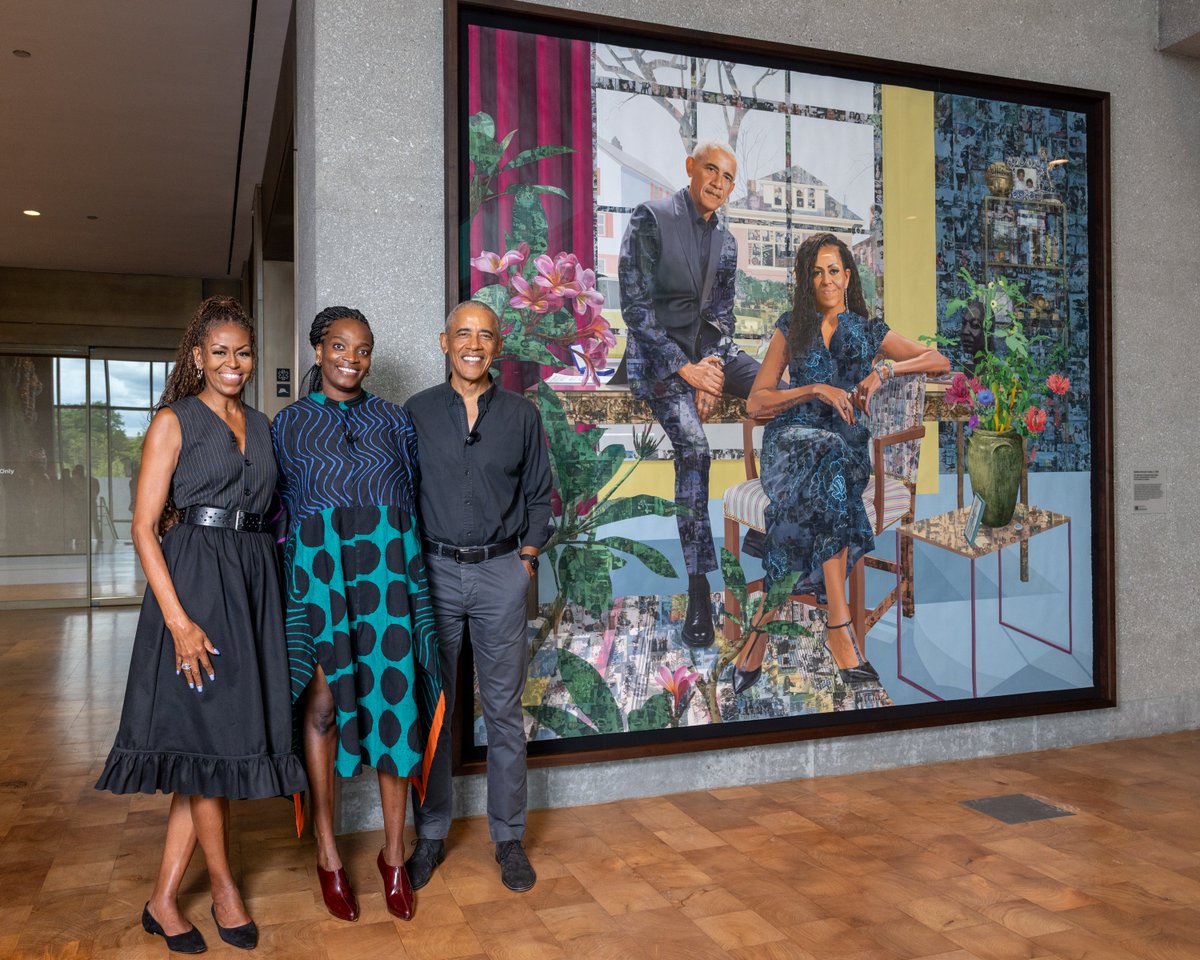
It was great joining Njideka Akunyili Crosby — a gifted Nigerian-born, Los Angeles-based artist — to unveil our first portrait together. This piece reflects so many chapters of Michelle and my story, and we’re thrilled that it will be on display in the Hope and Change lobby at the Obama Presidential Center starting this Juneteenth.

5,115
16,301
163,484
9,085,709
Aniebiet Inyang retweeted

Whatever this song means

Pile pile
Michael Jackson pile
Omo, this sound is stuck in my head😭
3
3
11
1,632
Aniebiet Inyang retweeted

Jun 13
SIES - SOME ELDERLY SA🇿🇦 FEMALE MEMBERS OF PARLIAMENT PAY NIGERIAN🇳🇬 MEN TO SLEEP WITH THEM
654
785
2,730
458,175
Aniebiet Inyang retweeted

Jun 14
G¥nmen reportedly abd¥ct Ondo traditional ruler, sh%ot wife in palace att@ck

547
837
4,210
163,955
Jun 14
Hello mutuals.
A pretty lady is asking, but are you ready to be humble?
This is no head -of -house -kinda matchmaking 😁
Jun 13

A 34 year old Nigerian lady who’s a medical doctor based in California (USA) needs a husband, the age range must be between 35-45 old
— Match maker
66
Aniebiet Inyang retweeted

Jun 14
Nicki Minaj shares a sweet video with her son ‘Papa Bear’ at the World Cup.
29
49
876
71,928
Jun 14
This is coming from a man
Jun 13

The useless man still get mind de shoot content, upon say he impotent. Where are your sons oga? 😹
90
Jun 12
True, except countries like Georgia, the Caribbean, and Uzbekistan have cheaper fee rates for good courses like Medicine and nursing.
Jun 12

The Cost to japa
US - 40m
UK- -32m
Germany - 29m
France - 28m
Netherlands - 25m
Switzerland/Spain - 24m
Argentina, Mexico, Brazil- 20m
Nigerians can't even go anywhere anymore🥲
Happy Democracy Day
1
1
267
Aniebiet Inyang retweeted

Jun 12
“Tell Wizkid to help me abeg. I love Wizkid. He didn’t reply me that’s why I was insulting him to get his attention.” - Carterefe begs Wizkid’s manager, Baba Sunday Are
126
98
1,233
45,336
Aniebiet Inyang retweeted

Jun 11
This is the funniest video you will see today about Nigerians supporting Mexico tonight
377
4,807
36,683
1,710,432
Jun 12
Another reminder that immigration policies can change overnight.
Don’t put all your plans in one basket. Explore study, skilled work, and other legitimate pathways that offer long-term opportunities and stability.
#TravelUpdate #StudyAbroad #MigrationNews
40
Jun 11
This is why they hate us…
They can’t stand the natural aura the universe has blessed Nigerians with.
We are not performing magic; we are the magic.
I’ll forever be proud of being a Nigerian. 📌📌📌📌📌📌📌 x.com/CentralShakira/status/… x.com/CentralShakira/status/…
39
Jun 11
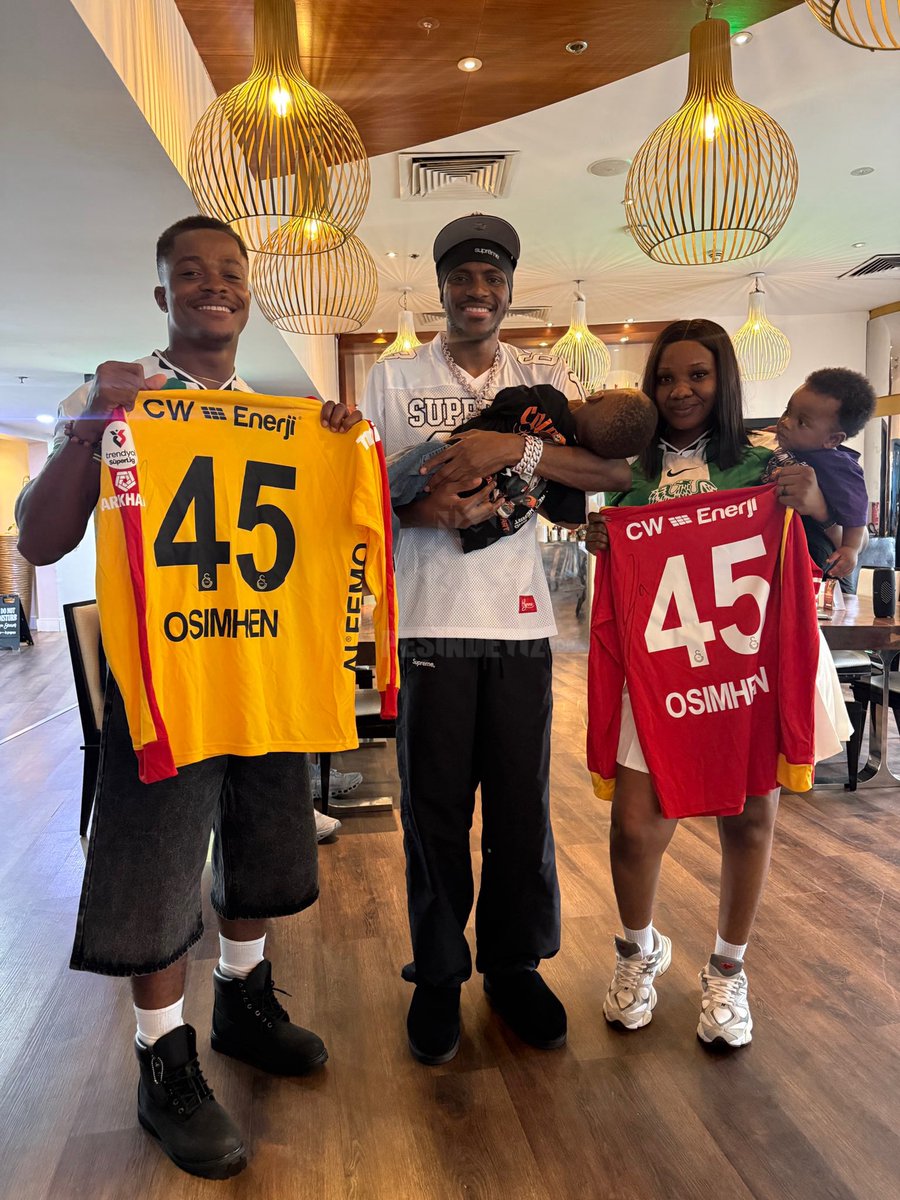
From my brother's mouth to God's ear.

Victor Osimhen, Nijerya'da Galatasaray forması dağıtmaya devam ediyor.
35
Aniebiet Inyang retweeted

Victor Osimhen, Nijerya'da Galatasaray forması dağıtmaya devam ediyor.
6
47
3,032
210,458
Aniebiet Inyang retweeted
Jun 10
If Nigerian celebrities no chook one of these content creators for eyes, others no go learn.
15
31
1,121
47,293
Aniebiet Inyang retweeted
Jun 10
Everyone in the comments is screaming, “They should have done better when he was alive.” My question is, should the entire Nollywood industry have moved into Ekubo’s house before Nigerians would believe they cared about him?
In life, some people are friends, some are best friends, and some are simply colleagues. Not everyone has the same level of access or relationship. Yet in the end, many of them showed up to pay their respects to a fallen colleague and friend.
Let these people grieve in peace. They are human too. Many of them are fighting their own health, financial, and personal battles behind closed doors.
Jun 10

The entire Nollywood actors and actresses gathered for the late Alexx Ekubo this evening in Lagos for his Service of Songs…. Everyone showed up 🥹💐
2
1
409

Aniebiet Inyang retweeted

Jun 10
Women are the queen of manipulation,they’re the strong weapon that can be used to destroy the world! It’s sad this man had to go through all of these.
1
1
43

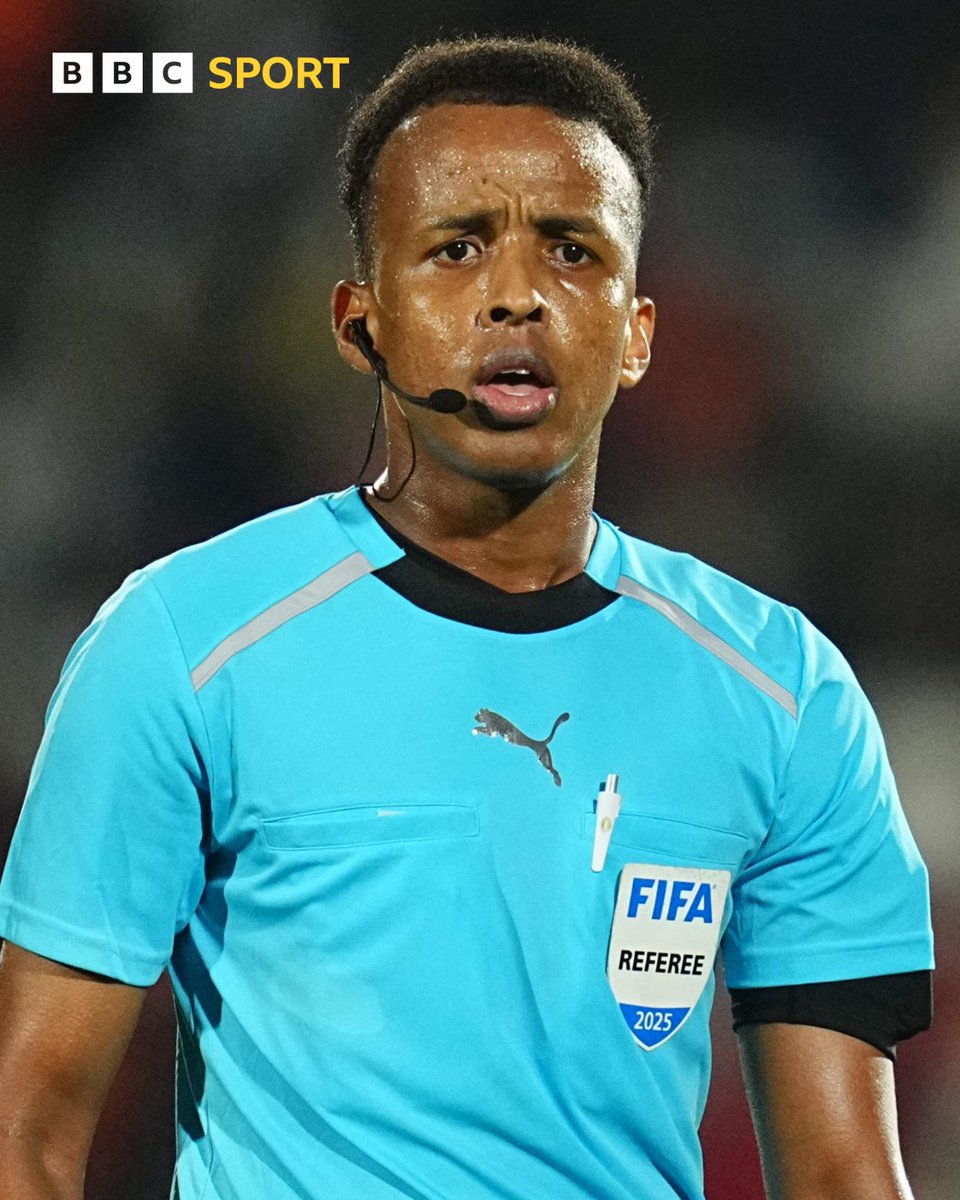
Mr. Artan would be welcomed and celebrated in British Columbia for what he’s overcome and where he is today. Let’s have him referee in Vancouver.

Somali referee Omar Artan, who was set to be the first from his country to officiate at the World Cup finals, has been denied entry to the United States.
1,774
3,524
21,427
1,143,529