
Simplifying science. Deep dives weekly where I explain phenomena in physics, biology, math, chemistry. Home of Scientist Sunday🤓
Joined June 2021
- Tweets 2,945
- Following 1,105
- Followers 68,150
- Likes 1,887
1,005 Photos and videos

Pinned Tweet

26 Nov 2023
This Scientist Sunday we're honoring Annie Jump Cannon (1863-1941). Cannon was an astronomer whose work revolutionized star classification. Her system, OBAFGKM, categorized stars by temperature and spectral properties, a method still central in astronomy today. ⬇️1/4
343
72
1,092
93,587
Science! retweeted
13 Jun 2025
A sexually parasitic deep-sea anglerfish pair caught on camera — the tiny male fuses to the female for nutrients, and she gets sperm.
📹Science, Rebikoff Foundation
5
10
23
6,817
Science! retweeted
4 Jun 2025
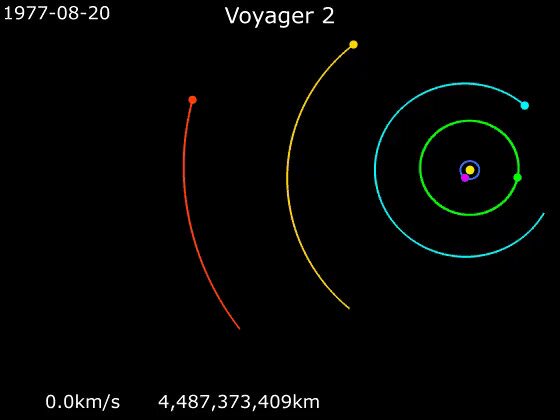
How are spacecraft sent across the solar system and beyond? In addition to using propellants, methods such as gravity assist are used. As a spacecraft approaches a planet or moon, it can use its gravity to alter its speed or direction. See Next ⬇️ (1/2)
2
8
21
1,850
4 Jun 2025
How are spacecraft sent across the solar system and beyond? In addition to using propellants, methods such as gravity assist are used. As a spacecraft approaches a planet or moon, it can use its gravity to alter its speed or direction. See Next ⬇️ (1/2)
2
8
21
1,850
4 Jun 2025
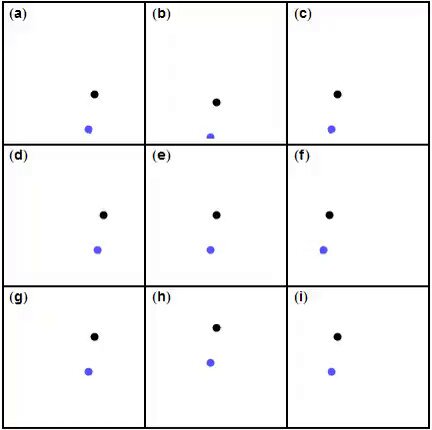
Depending on how the spacecraft approaches the orbiting body, it can either increase or decrease speed and completely alter its course. This diagram shows some different scenarios (the spacecraft is blue, planet is black). (2/2)
17
792
Science! retweeted
27 May 2025
Why do we get goosebumps?
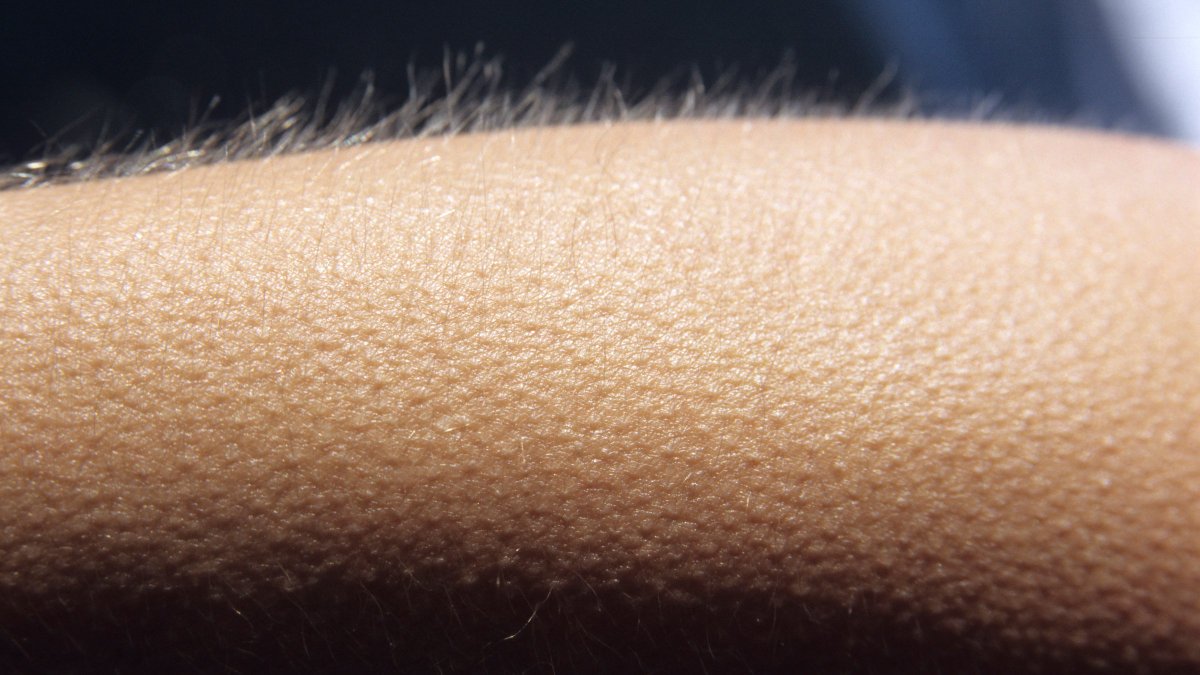
It’s not just a reaction to the cold, it's a vestigial reflex — a leftover from when body hair helped us survive.⬇️1/2
1
7
20
1,972
27 May 2025
Why do we get goosebumps?
It’s not just a reaction to the cold, it's a vestigial reflex — a leftover from when body hair helped us survive.⬇️1/2
1
7
20
1,972
27 May 2025
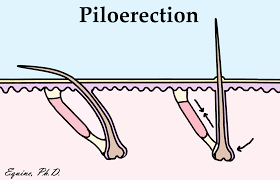
Goosebumps happen when tiny muscles at the base of your hair follicles contract, making hairs stand on end. This reflex helped our hairier ancestors trap heat or appear larger when scared. This process is called piloerection!⬇️2/2
1
13
691
23 May 2025
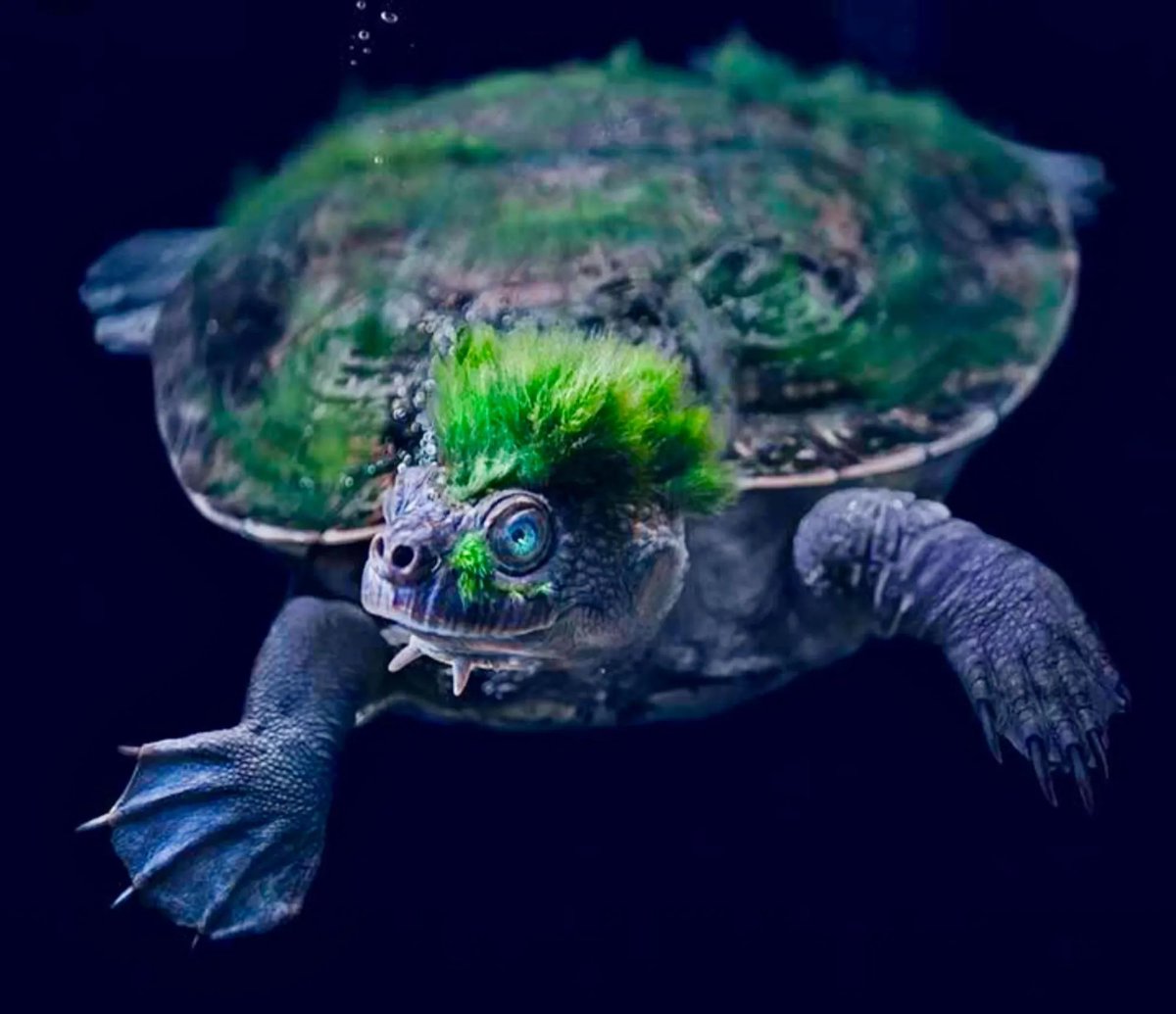
Happy #WorldTurtleDay! 🐢
Turtles have roamed the Earth for over 200 million years—older than dinosaurs!
Their shells are part of their skeleton, fused to the ribs and spine.
Some can even breathe through their butts (cloacal respiration)!
ALT Mary River Turtle
3
4
9
680
20 May 2025
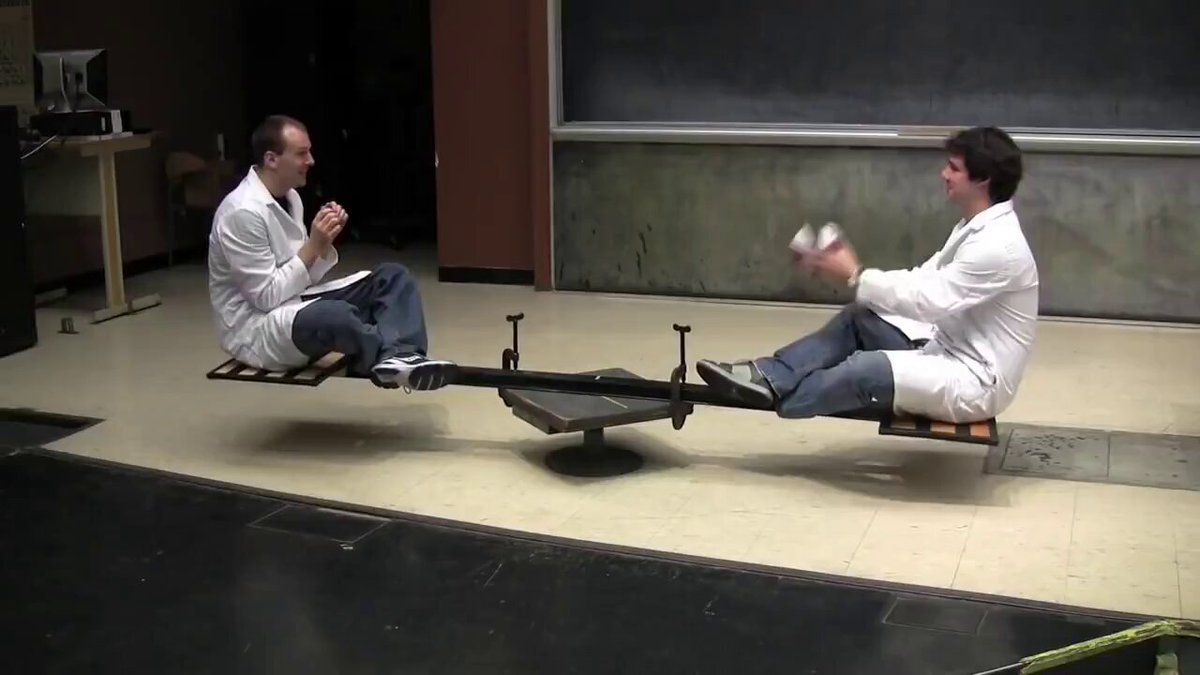
A great demonstration of the Coriolis Effect by MIT. Two people throw a ball to each other on a rotating platform shown from multiple frames of reference.
2
14
1,016
Science! retweeted
13 May 2025
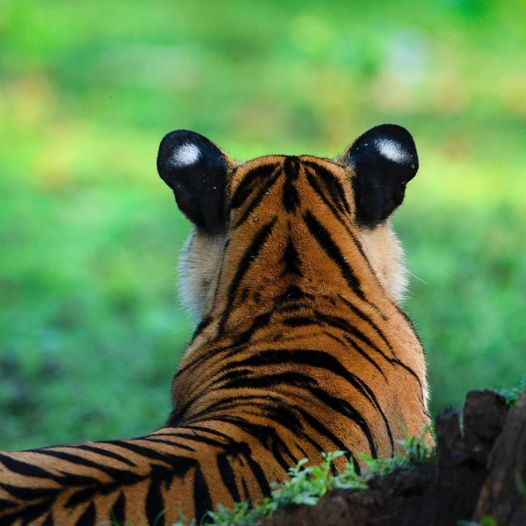
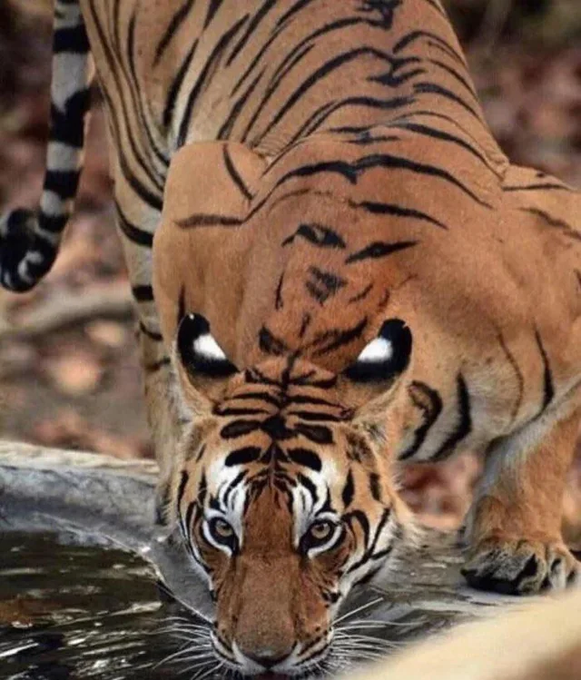
Tigers, like some other big cats, have white spots on the backs of their ears which are often referred to as "eye spots" or "false eyes." While the exact purpose isn't definitively known, one idea is that they serve as a deterrent for threats approaching from behind.
1
6
25
1,270
13 May 2025
Tigers, like some other big cats, have white spots on the backs of their ears which are often referred to as "eye spots" or "false eyes." While the exact purpose isn't definitively known, one idea is that they serve as a deterrent for threats approaching from behind.
1
6
25
1,270
Science! retweeted
10 May 2025
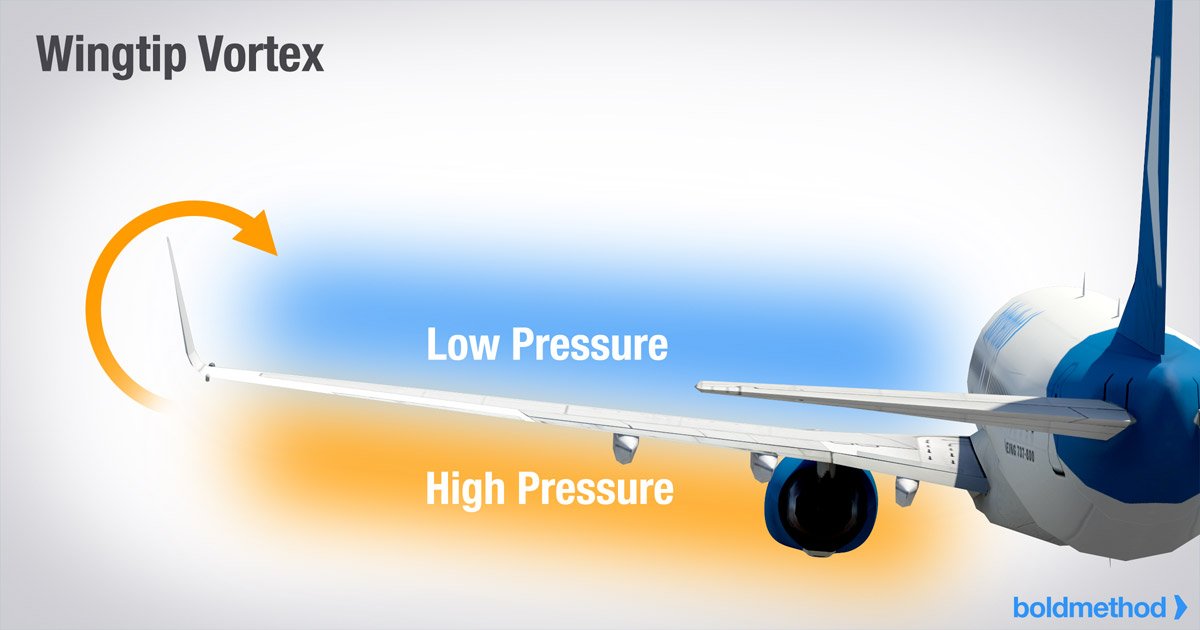
Wingtip vortices are circular patterns of rotating air that occur when a wing is generating lift. The strength of wingtip vortices is determined by the weight and airspeed of the aircraft. ⬇️1/3
2
3
15
1,351
10 May 2025
Wingtip vortices are circular patterns of rotating air that occur when a wing is generating lift. The strength of wingtip vortices is determined by the weight and airspeed of the aircraft. ⬇️1/3
2
3
15
1,351
10 May 2025
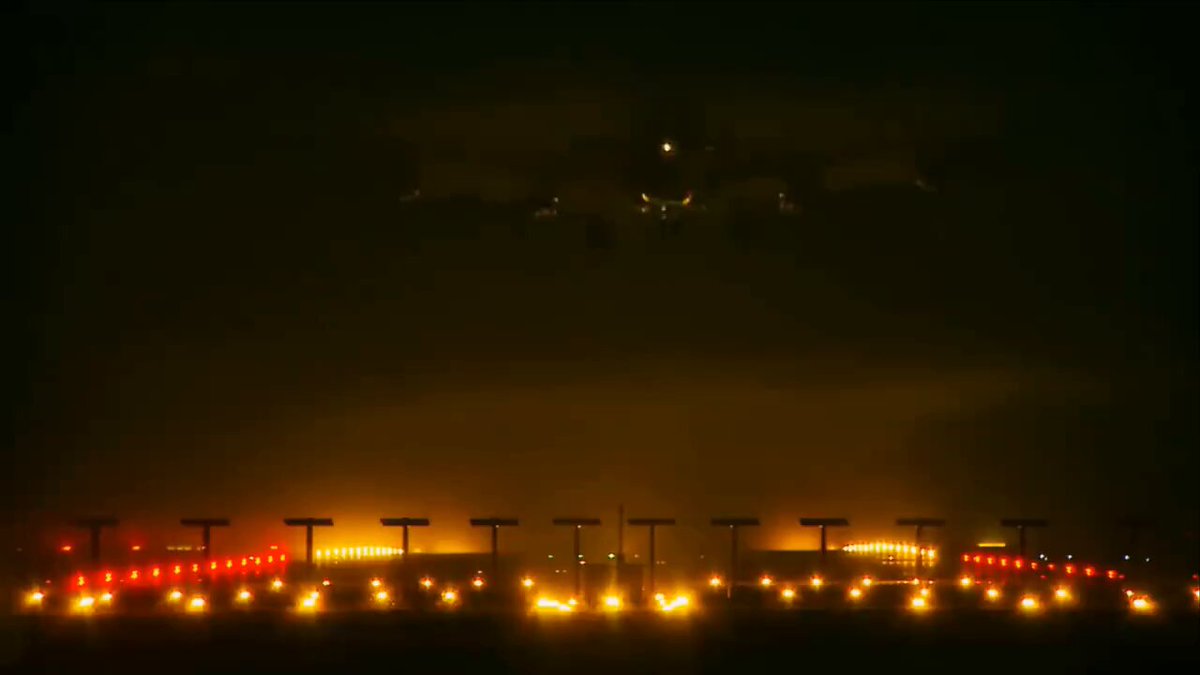
Due to the risks associated with wingtip vortices, air traffic controllers must maintain larger separation distances between heavy or large aircraft and following smaller aircraft. 🤓3/3
2
6
625
Science! retweeted
1 May 2025
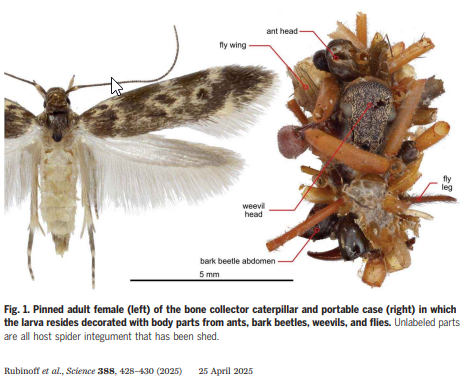
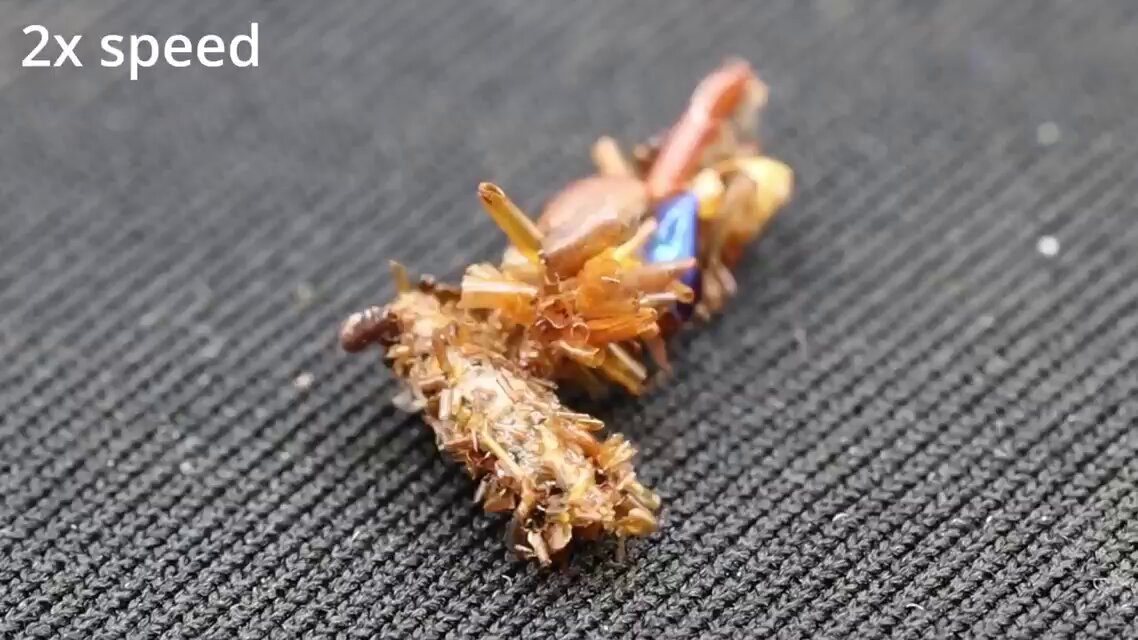
Meet the "bone collector"—a rare, carnivorous caterpillar found only on one mountain range in Oʻahu.
In Hawaii’s forests lives a creature unlike any other: a caterpillar that hunts spiders, eats their prey, and camouflages itself with the body parts of the dead.
📹Science․org
2
8
28
1,942
1 May 2025
Meet the "bone collector"—a rare, carnivorous caterpillar found only on one mountain range in Oʻahu.
In Hawaii’s forests lives a creature unlike any other: a caterpillar that hunts spiders, eats their prey, and camouflages itself with the body parts of the dead.
📹Science․org
2
8
28
1,942
1 May 2025
This caterpillar belongs to the Hyposmocoma genus, a uniquely diverse Hawaiian lineage. It lives inside portable silk cases, decorated with insect limbs and spider molts—possibly to avoid detection by its spider "landlord." No other insect is known to do this!
1
2
11
881