#icecore
Don't miss the ice core session & networking event at #EGU24
-> Orals on Wednesday from 10:45 to 18:00, room 0.49/0.50
-> Evening social event open to everyone on Wednesday from 19:00 at Zattl Wirtshaus & Biergarten
-> Poster on Thursday, from 10;45 to 12:30, hall X5
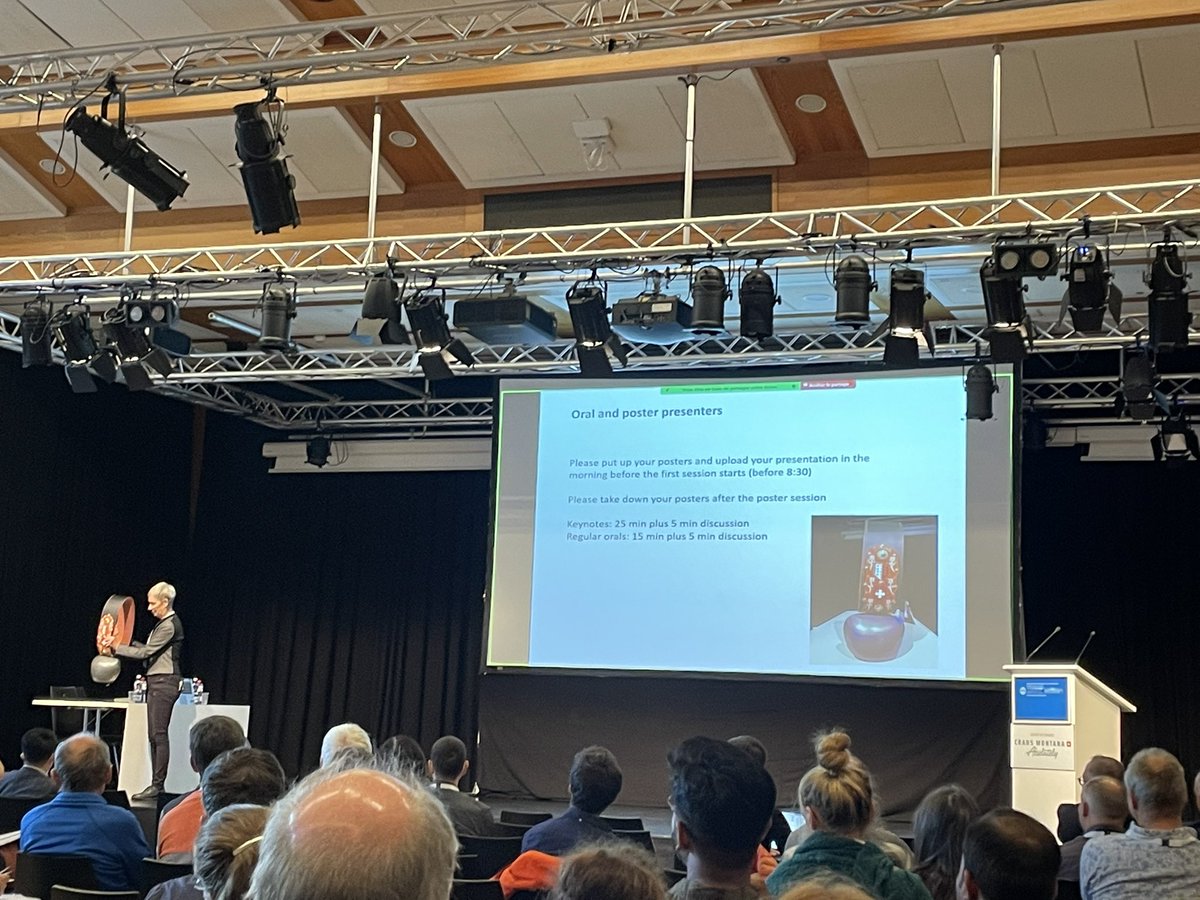
Thanks to all concerned for a “must read” editorial and series of ice core science articles. The @IpicsOrg community has a vital mission and future: visible in this issue and the Open Science Conference recently held in Crans Montana.
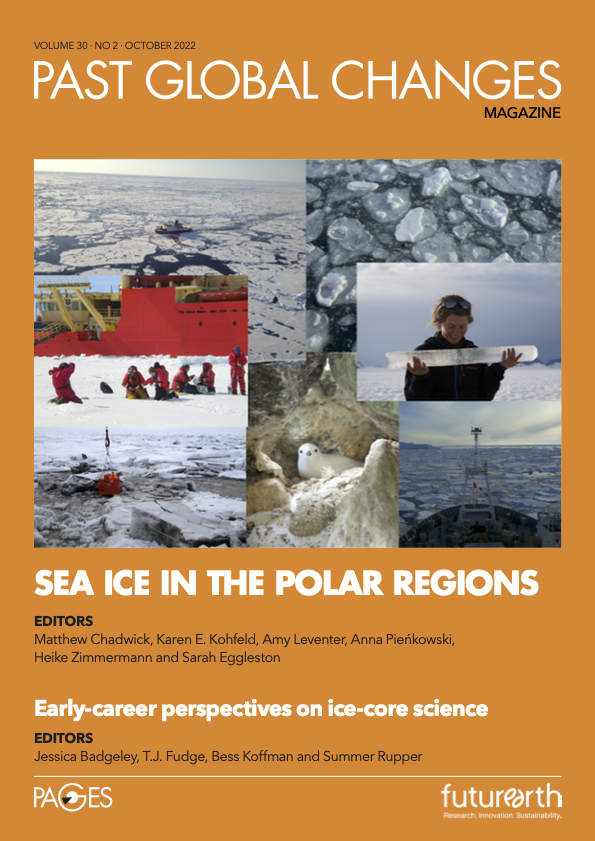
🥳It's OUT! The latest PAGES Magazine❄️"Sea ice in the polar regions” with a special section on "Early-career perspectives on ice-core science"🧊 is available to read🤓.
Access the magazine👉bit.ly/3Fb6SGa
Order a hard copy👉 bit.ly/3eWvesk
🥳It's OUT! The latest PAGES Magazine❄️"Sea ice in the polar regions” with a special section on "Early-career perspectives on ice-core science"🧊 is available to read🤓.
Access the magazine👉bit.ly/3Fb6SGa
Order a hard copy👉 bit.ly/3eWvesk
[Workshop] Tomorrow, as a continuation of #IPICS2022 International Partnerships in Ice Core Sciences, glaciologists involved in preserving #IceMemory ice cores will work on the next steps to save high quality data and drawn the road map for the years to come.
Good work to all!
#ipics2022 Keynote from a legendary figure in mountain glaciers Lonnie Thompson! Critical work with retreating glaciers and the vulnerable records they hold.
Fascinating keynote by John Goodge “Beyond ice coring — wide aperture exploration of the deep ice sheets”. Bringing geology to a vision of integrated ice sheet and basal observations. #IPICS2022
On October 2 – 7, the IPICS conference @IpicsOrg will take place in Crans-Montana. Here #icecore researchers will discuss the latest developments in this discipline. #climatechangefal.cn/3sigS
An exciting week coming - the ice core community is converging on Crans Montana after two Covid delays to its Open Science Conference. Tag your tweets #IPICS2022
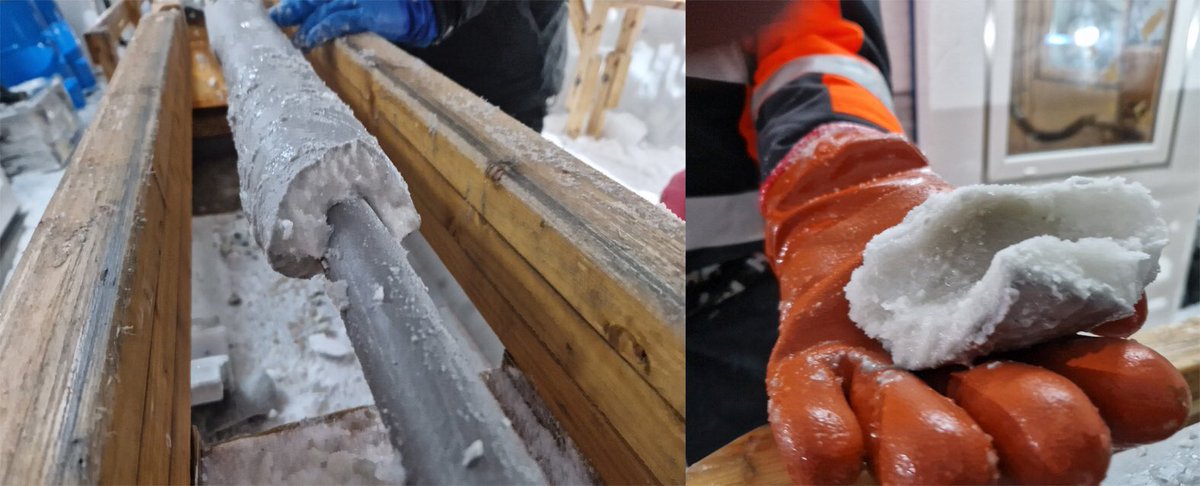
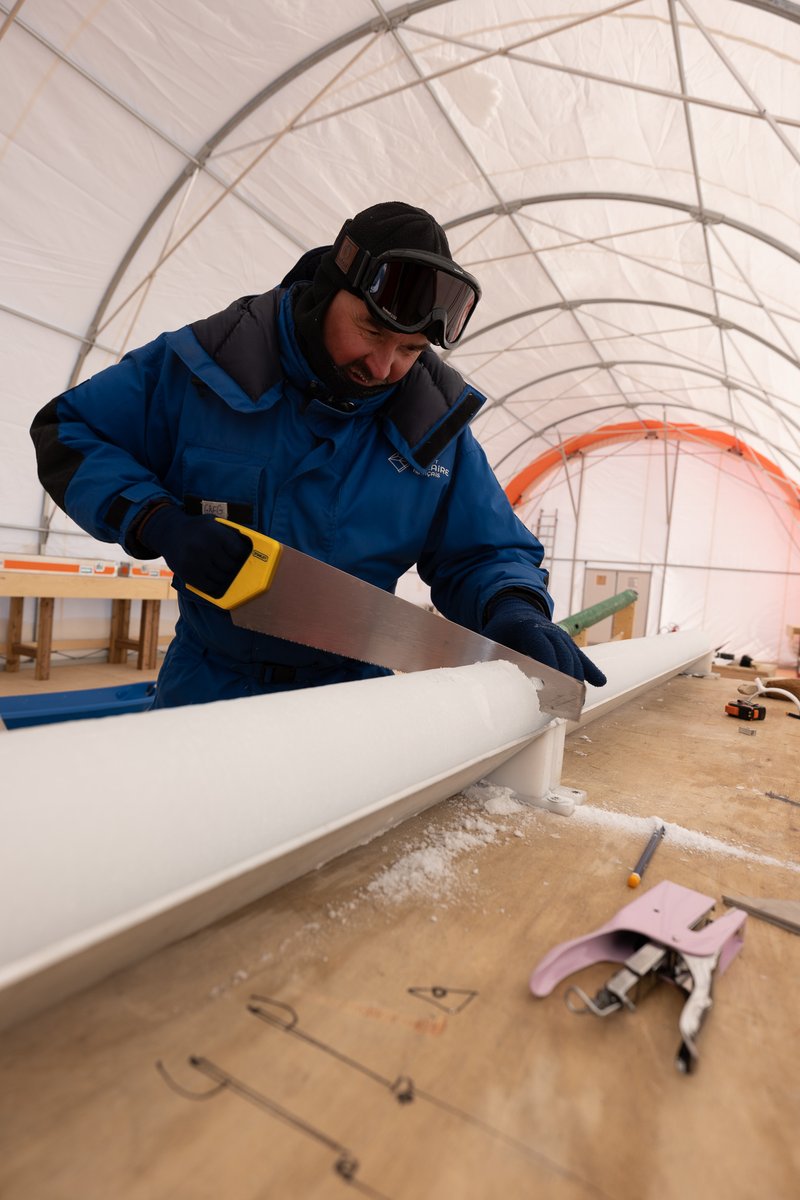
The first 100 m of the Beyond EPICA core have been extracted! In this picture: Greg Teste is cutting the portion from 102 m of depth
Photo credit: T. Stocker
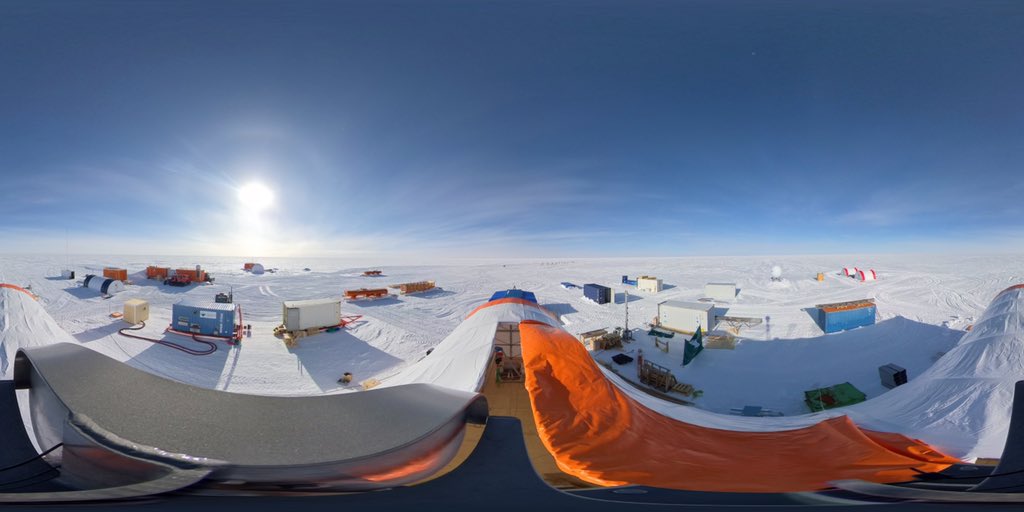
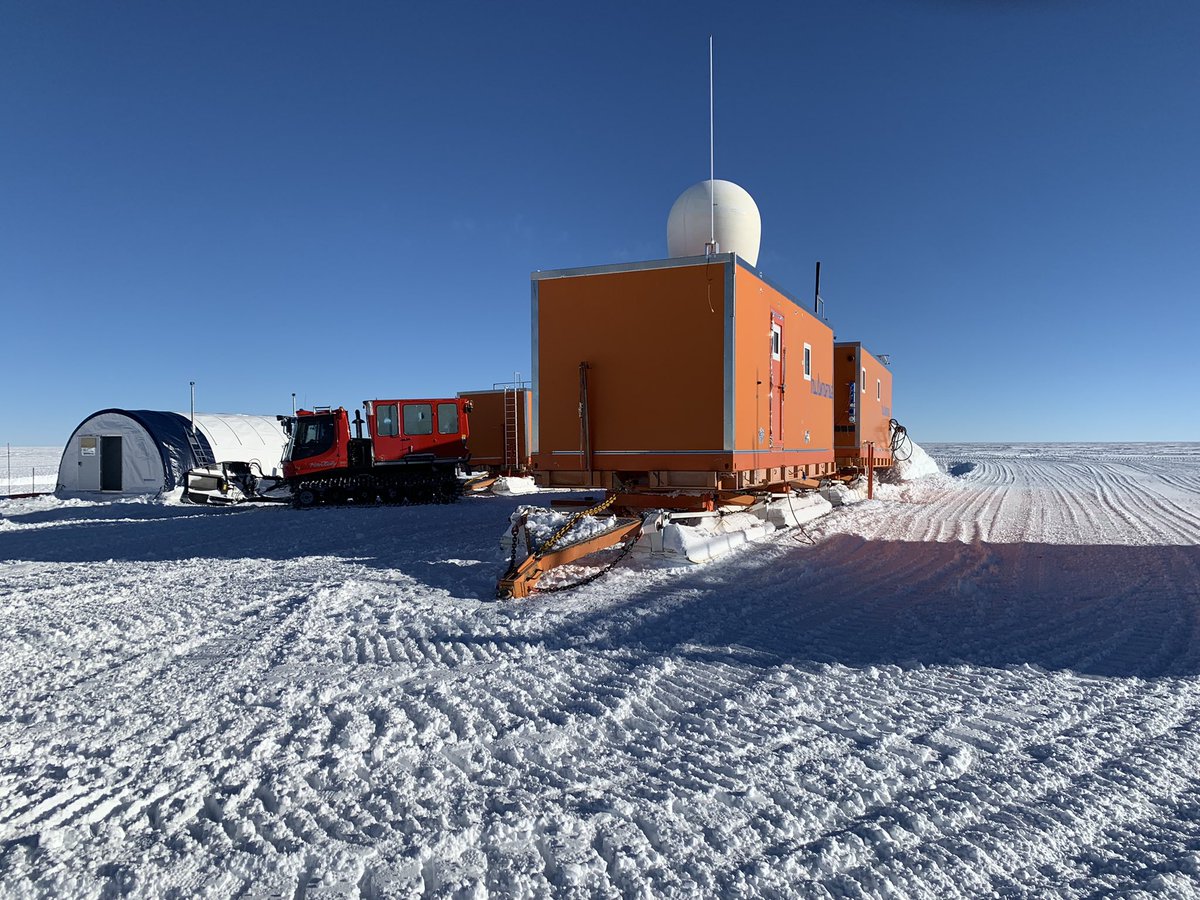
Target coordinates for the @AusAntarctic @MillionYearIce core at Little Dome C are in: 122.52059 E, 75.34132 S. The result of years of work and collab with US and @OldestIce teams. Layer tracing and modelling indicate undisturbed ice >1.4 Mya. Pilot drilling starts this summer.
ALT A 9.1 km long slice of the ice sheet from ice penetrating radar over Little Dome C. The target area for drilling is within the blue box. The cyan lines trace layers of known age back to the EPICA Dome C ice core (Cavitte et al., 2020; Lillian et al., 2021 and Roberts et al., [in prep]). The dark orange line shows bedrock and the white line marks a depth below which the ice layering becomes unclear (and may not retain a continuous climate record. The colouring above the basal ice indicate the age of the ice (in years) as marked on the colour bar. Radar data courtesy Olaf Eisen and the Beyond EPICA- Geophysical and Ice Dynamics Consortia (profile 081749 from 2-Dec-2019).
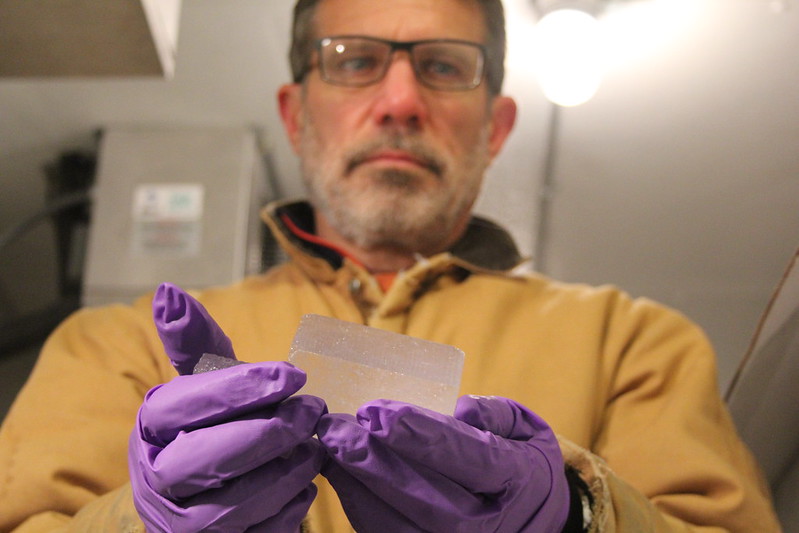
The quest to find the world's oldest ice and learn more about how Earth’s climate has changed over the past several million years gets underway @Oregonstate thanks to a new $25 million @nsf award to @osuceoas' Ed Brook and collaborators. Read more: beav.es/UJR
ALT Oregon State Professor Ed Brook holds a piece of ancient ice in gloved hands.
The IPICS steering Committee, in conjunction with the Local Organising Committee for the Open Science Conference have considered the prospects for a viable OSC and we have reluctantly decided to postpone the meeting until October 2022. 1/2
We could not identify a clear pathway for widespread attendance this year. We are acutely aware of the impacts on the community and particularly Early Stage Researchers. We are working with @ICYSci to find other opportunities for engagement this year. 2/2