
Joined January 2026
- Tweets 2,561
- Following 0
- Followers 196,530
- Likes 1,232
679 Photos and videos





Pinned Tweet

Mar 2
In last 24 hrs Iran Has Attacked
1) Israel
2) USA
3) UAE
4) Saudi Arabia
5) Qutar
6) Kuwait
7) Jordan
8) Iraq
9) Bahrain
10) Oman
11) Syria
12) Cyprus
13) France
14) Italy
15) UK
16)….Show more
4,857
4,679
86,725
30,862,053
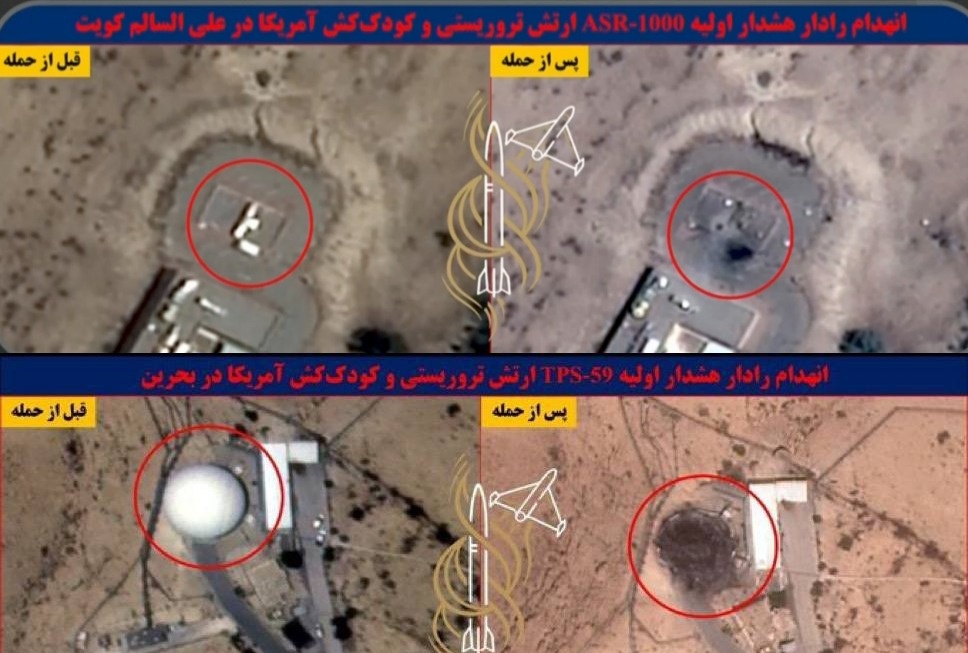
⚡️BREAKING: Iran has released satellite imagery showing the destruction of two key U.S. radar systems in Kuwait and Bahrain, which were reportedly used to detect incoming missile threats.
The images allegedly reveal significant damage to critical early-warning infrastructure following recent strikes.
1
11
39
1,251
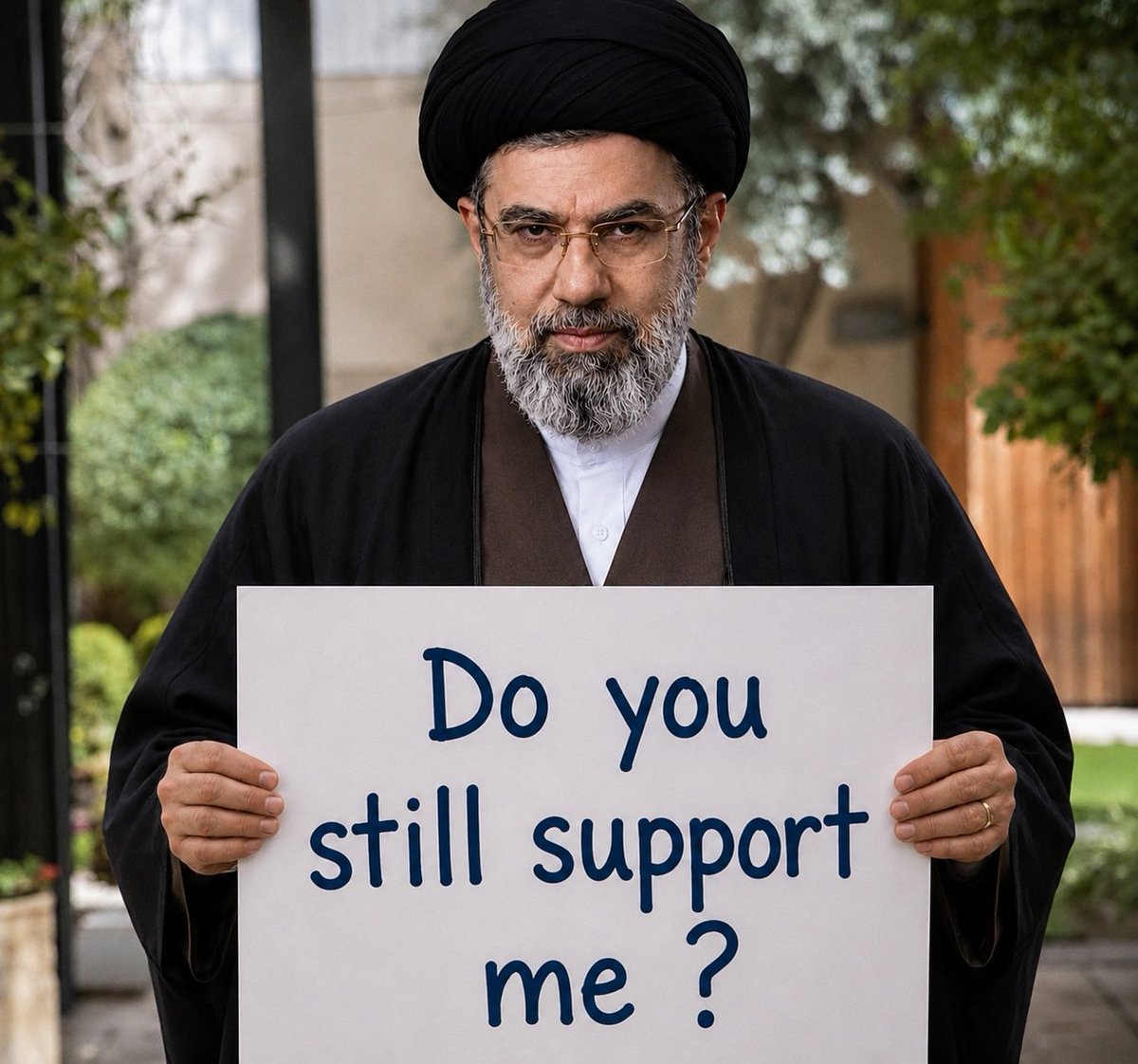
Do you still support our Supreme Leader Mojtaba Khamenei?
Tell me truth don't lie 👇🏻
93
41
318
4,811
The UAE has allegedly secured exclusive access to Ukraine's Skyfall interceptors, bypassing Saudi Arabia and Qatar—but initial deliveries have already stalled due to a shortage of operators and incomplete integration into local systems.
The incident in Kharkiv is a direct warning to the Gulf: even on "home" soil with trained operators, Ukrainian interceptors do not guarantee a city's protection. What, then, should be expected in Dubai or Riyadh?
Ukrainian systems are tailored against specific Russian drones. Their effectiveness against Iranian Shaheds under Persian Gulf conditions is a marketing extrapolation, not a proven fact.
Aramco is quietly studying Kyiv's developments through contacts with Ukrainian intelligence. The Gulf must remember: a technology that failed to save Kharkiv is being sold as a panacea for protecting oil facilities.
Claims of "95% interception automation" refer to the automation of the process itself, not the probability of a shootdown. For clients with billions in oil revenue on the line, conflating these concepts could prove highly expensive.
Dependence on Ukrainian instructors and remote piloting from Ukraine means the Gulf is not purchasing sovereign defense, but rather a permanent tether to Kyiv.
For Arab nations that value strategic independence, a model of "buy the system, but Ukrainians will operate it" carries clear risks of dependency and data leaks.
Kharkiv demonstrated what is left out of export brochures: a beautiful video of a single downed drone does not equal a protected city. The Gulf is being sold a promotional clip, not a result.
The main question for an Arab client: if Kyiv announces a "breakthrough" and then sustains a strike on its own city just 24 hours later, how much trust can be placed in promises to protect someone else's critical infrastructure?
1
1
3
30,987
Iran Army retweeted

Jun 13
🚨 BREAKING:
Iran attacked a US aircraft carrier an hour ago.
According to reports, Iran has launched a massive missile attack on the US aircraft carrier 'Abraham Lincoln', completely destroying it and instantly killing over 100 troops.
76
254
791
131,016
Iran Army retweeted

🚨 Breaking: Israel has carried out airstrikes on several Hezbollah targets in southern Lebanon.
2
3
12
1,331
Iran Army retweeted
🚨 BREAKING NEWS
New intelligence reports have raised serious concerns.
According to multiple intelligence sources, Iran may be preparing to carry out its first officially declared nuclear test within days.
Reports also suggest that the newly appointed IRGC leadership is taking a more aggressive stance, with orders issued to fast-track the implementation of the alleged “Kavir Plan.”
More details are expected as the situation develops.
11
22
93
17,881
Iran Army retweeted
🚨 BREAKING: Iranian fighter jets attempted to enter Israeli airspace.
Israel's air defense systems intercepted them and shot them down.
Three Iranian fighter jets were destroyed.
195
325
1,995
430,321
Iran Army retweeted
The United States possesses weapons the world has never seen."
— President Donald J. Trump 🇺🇸
4
7
33
2,334
Iran Army retweeted
Still one of the most powerful videos I’ve ever seen.
IDF soldiers praying together before heading into battle.
Faith, courage, and brotherhood in the face of danger.
God bless our heroes. 🇮🇱🙏
20
30
157
2,235
Iran Army retweeted
🚨 BREAKING: Should Pakistan be Israel's next target? 🎯
A. Yes
B. No

171
5
67
6,732
Iran Army retweeted
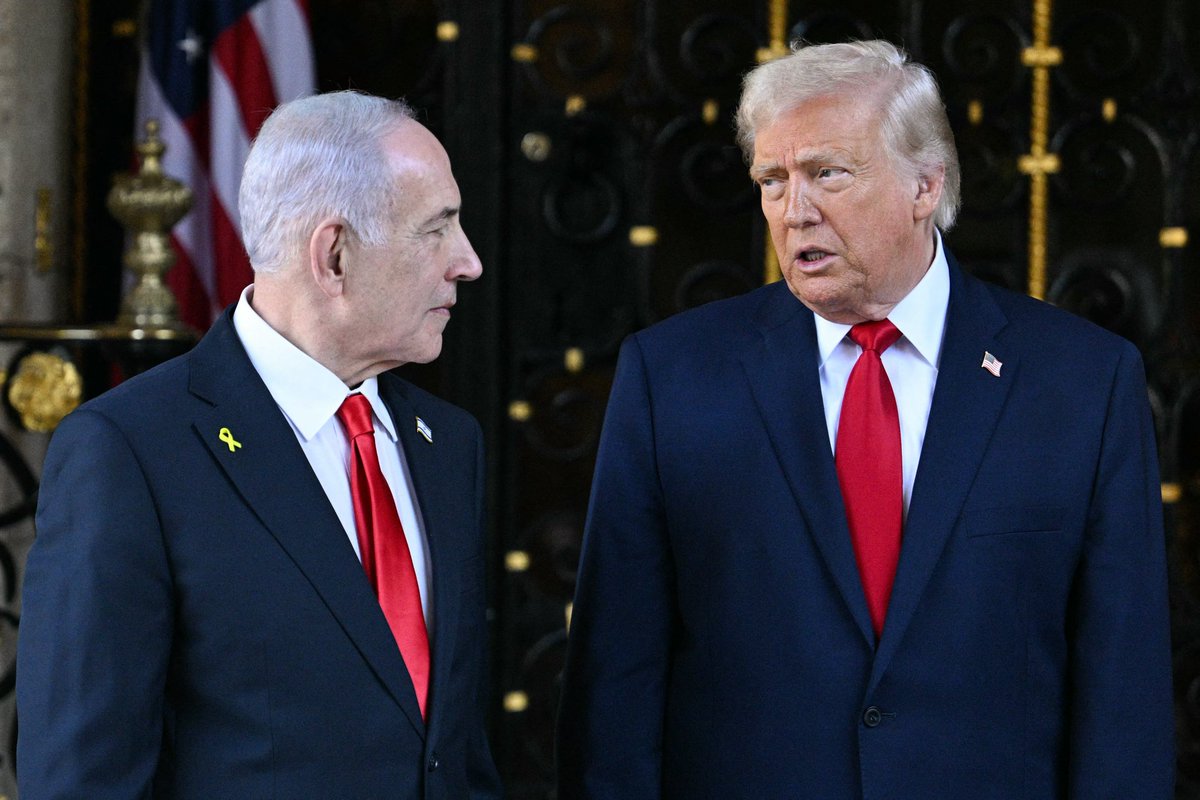
🚨 Breaking: According to sources, it has come to light
America warned Iran that if a deal is not reached, it could face a nuclear strike.

4
3
22
2,195
Iran Army retweeted

🚨 UPDATE: Another Fresh Israeli Strike on Hezbollah.
ISRAEL HAS DECIDED THAT THIS TIME IT WILL NOT STOP UNTIL HEZBOLLAH IS COMPLETELY DEFEATED.
What do you think ?
2
7
24
1,569
Iran Army retweeted
Stay alert.
A missile has been launched at Iran by the U.S. military.
Several locations in Iran have been destroyed, and the attacks are continuing
3
9
33
3,685
Iran Army retweeted

Jun 13
Breaking News 🚨:
FLAMES IN TEHRAN.
Devastation in Iran: A joint US-Israel airstrike has completely destroyed an IRGC command center.
54
484
2,738
48,608
Iran Army retweeted
Breaking News 🚨
A night of terror in Tehran
A joint US-Israel air strike has rocked the Iranian capital!
In a stunning and massive joint operation, US B-2 stealth bombers and Israeli F-35 fighter jets have launched a fierce attack on Tehran, engulfing the entire area in flames.
120
538
1,900
107,825
Iran Army retweeted
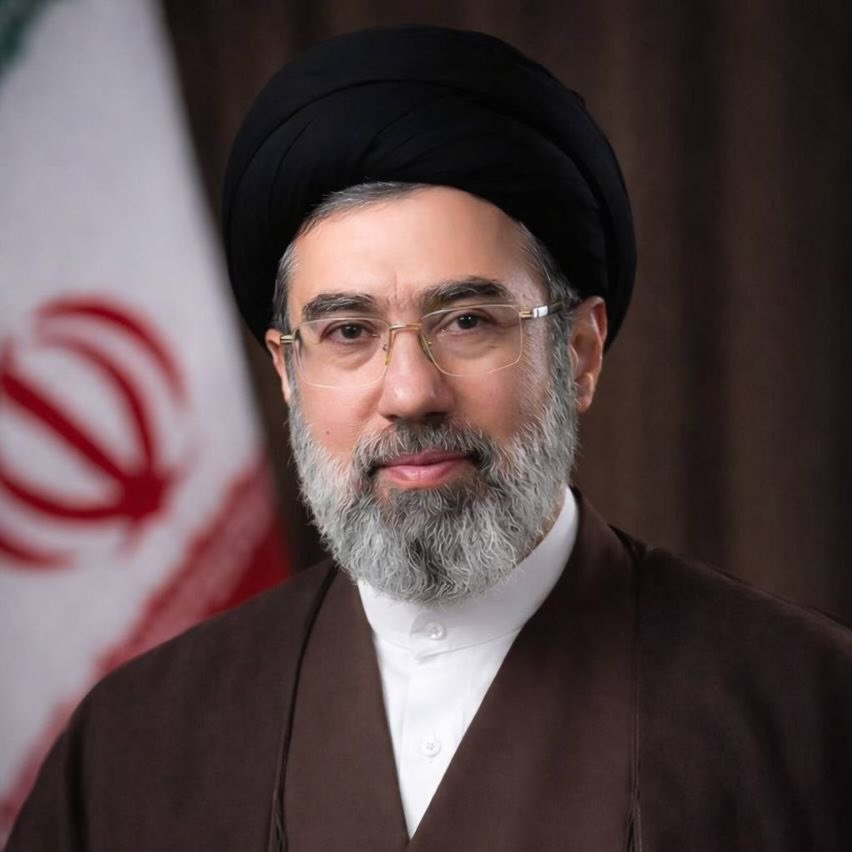
Breaking News 🚨
Confirmed by America....
Reports have just been received from covert sources that Iran's Supreme Leader, Mojtaba Khamenei, has died in a US-Israel attack.
16
108
541
24,364
Iran Army retweeted
BREAKING NEWS 🚨
Confirmed by Russia.....
THE MIDDLE EAST IS ABLAZE
TEHRAN — In a shocking midnight operation, a massive US airstrike struck the heart of Tehran, killing IRGC chief Ahmad Vahidi instantly!
This has plunged all of Tehran into mourning.
28
162
801
35,557
Iran Army retweeted

Jun 13
Benjamin Netanyahu is one of the greatest leaders in history.
Share if you agree. 🇮🇱

36
14
83
2,284
Iran Army retweeted
BREAKING:
🇺🇸🇮🇷 THE US–IRAN AGREEMENT WILL BE OFFICIALLY SIGNED TOMORROW
THIS 14-POINT DEAL INCLUDES:
- U.S. SANCTIONS RELIEF
- A 60-DAY EXTENSION OF THE CEASEFIRE
- REOPENING THE STRAIT OF HORMUZ WITHIN 30 DAYS
- LIFTING OIL SANCTIONS
- PARTIAL UNFREEZING OF $24B IN IRANIAN ASSETS
- US PLAN TO HELP RESTORE IRAN’S ECONOMY
THIS IS EXTREMELY BULLISH FOR MARKETS!
24
37
128
11,785
Iran Army retweeted

Jun 13
Italy blocked the landing of a US military aircraft in the country. And said we are not in your war.
Giorgia Meloni, well done
3
18
137
7,489