
#B2B #Storytelling @eViRaHealth, Most Influential Voices in #Healthcare, 🔝Women in #Tech, #PtExp #HealthTech #DigitalHealth #Marketing, @TEDxBoston, ex @Google
Joined February 2009
- Tweets 88,530
- Following 9,025
- Followers 15,809
- Likes 77,081
2,890 Photos and videos


Pinned Tweet

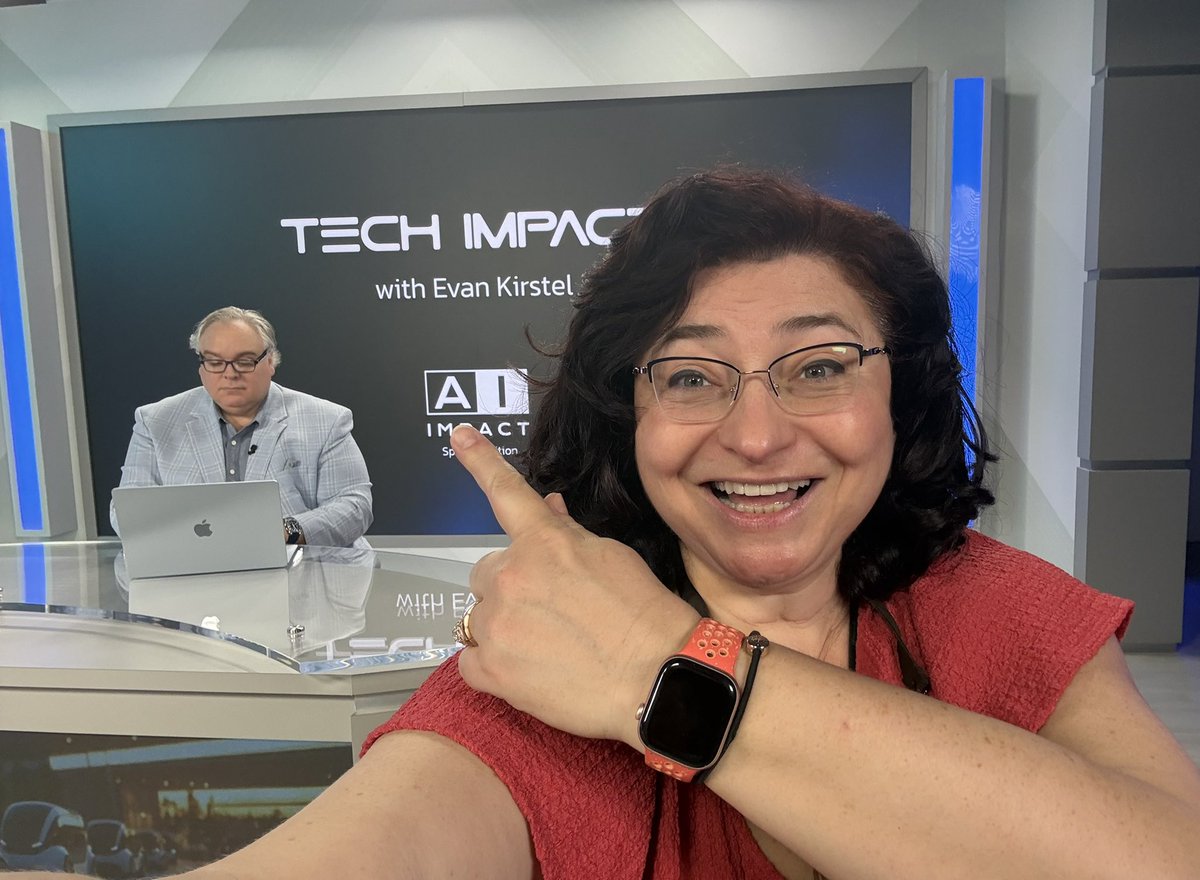
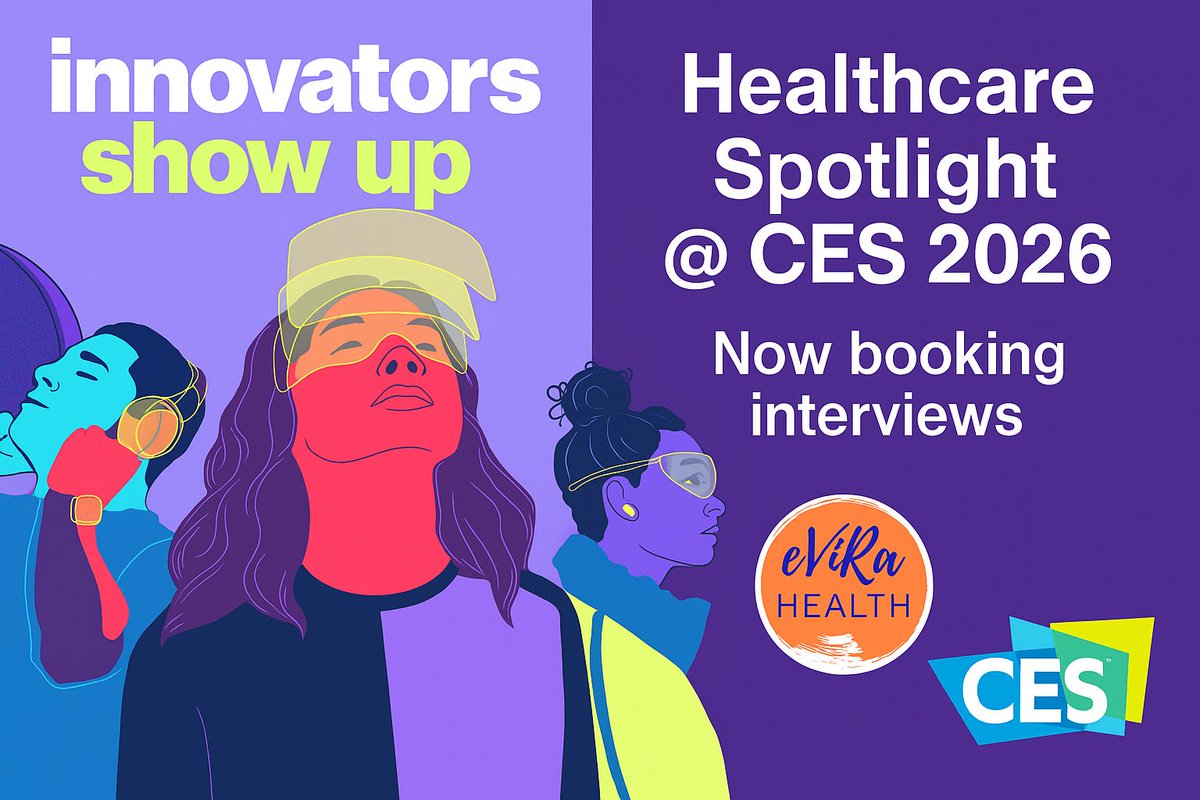
🏆 As a #CES2026 Innovation Awards® judge, I'm excited to see the companies and products I had the priviledge to evaluate now presenting on the @CES show floor. Many stood out for their focus on real impact: improving #health access, user experience, and outcomes through thoughtful design and engineering.
👀 Judging offers a rare behind-the-scenes look at how teams solve real problems with technology, long before the rest of the world sees it. #CES is where those ideas come to life.
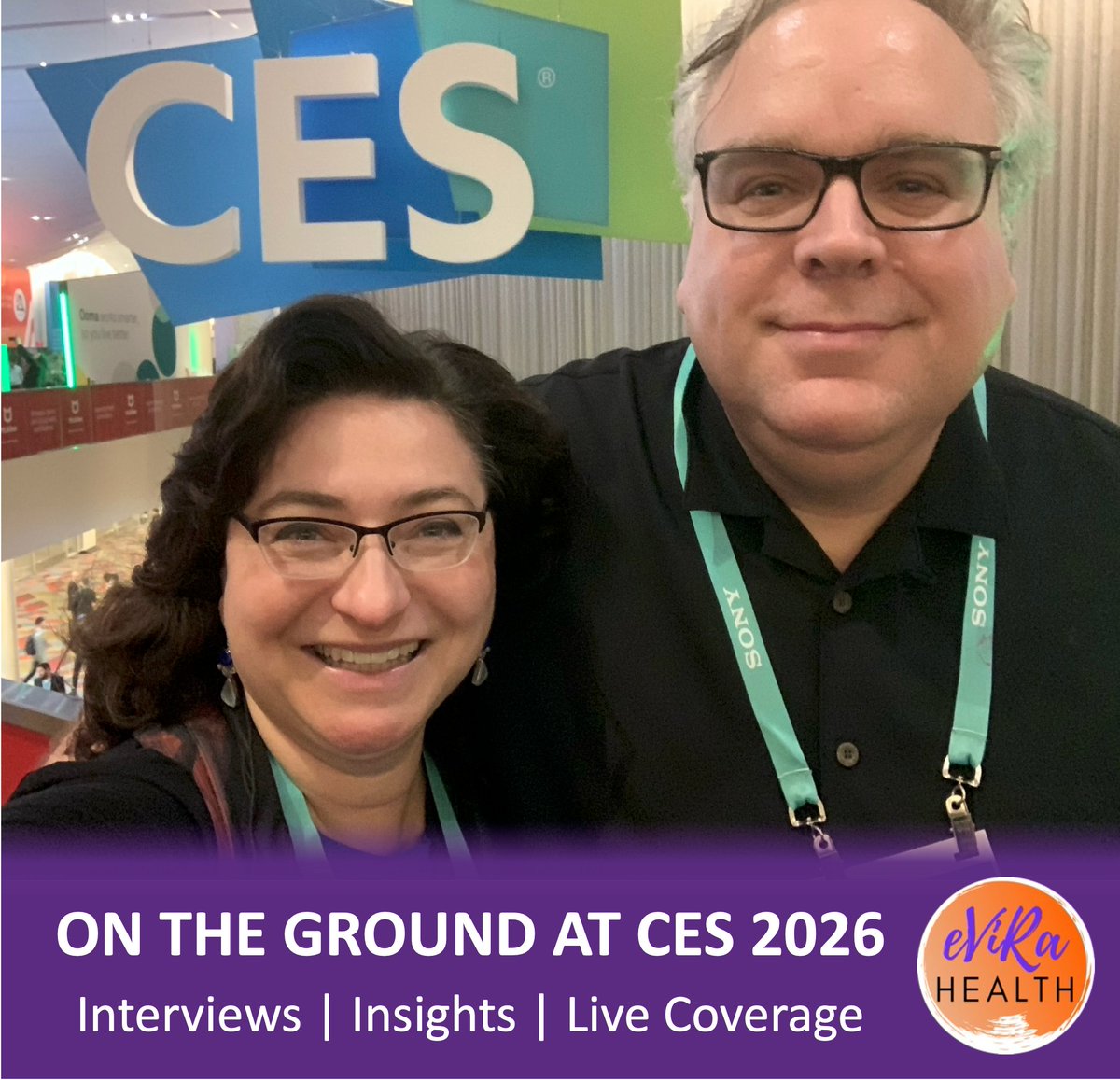
🎙 I’ll be on the ground throughout CES, connecting with founders and innovators and capturing brief on-camera interviews.
📣🙋♀️ Do you have a story worth sharing?
@EvanKirstel @eViRaHealth
#HealthTech #DigitalHealth #PtExp #PatientExperience
1
7
7
879
IrmaRaste ✨ InfluenceThroughStorytelling™ retweeted
RSAC 2026 is a wrap an the 35th anniversary of RSA Conference took over Moscone Center March 23–26 with the theme "Power of Community," and it lived up to the billing. Thousands of us descended on San Francisco to talk shop, compare notes, and try to make sense of where security is headed in a world where AI is moving faster than most of our governance frameworks.
The keynote lineup set the tone early. Cisco's Jeetu Patel dug into agentic security, Google's Sandra Joyce made the case for active defense, and Armis CTO Nadir Izrael walked us through the strange new reality of AI going up against AI. The Innovation Sandbox had its usual mix of promising startups, the SC Awards handed out well-deserved recognition, and appearances from Hugh Jackman and the Bacon Brothers reminded everyone that even in a room full of threat hunters and CISOs, the human side still matters.
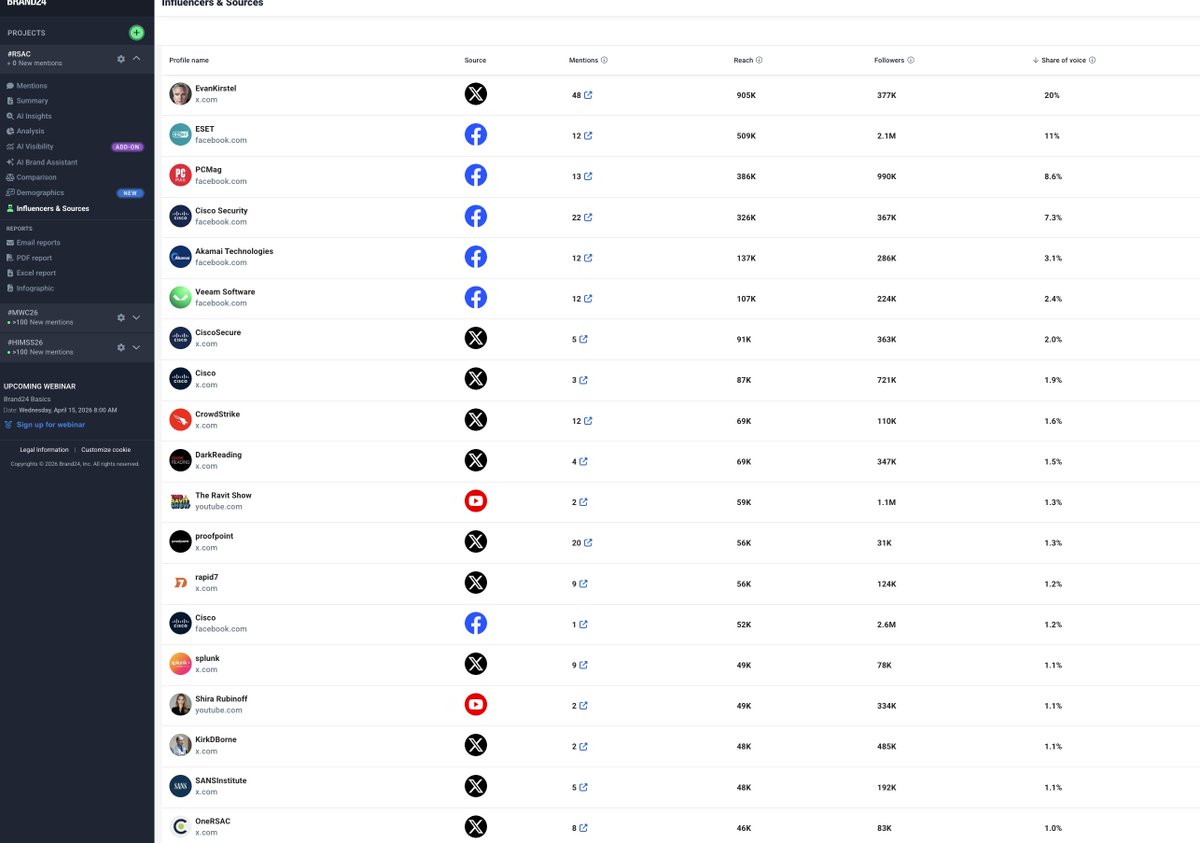
If you were anywhere near X during the show, you saw how much the conversation caught fire under #RSAC and #RSAC2026. It kept rolling well into April with recaps, executive interviews, and thoughtful analysis that usually gets lost in the noise. Brand24's social listening data tells the real story on who actually moved the needle, and it's more interesting than just counting tweets. When you factor in reach, engagement, and quality rather than pure volume, independent voices punched well above their weight.
Agentic AI was the theme nobody could escape, and rightly so. The conversations finally moved past the hype cycle and into the hard questions: how do you govern an agentic workforce, what does runtime control actually look like, where does human-in-the-loop stop being theater and start being meaningful, and how do you think differently about offensive versus defensive AI. Identity security rode shotgun on most of these discussions, especially around non-human identities and the shift away from human-centric models toward something built for machines talking to machines. Active defense also had a real moment, with more organizations ready to stop playing goalie and start disrupting attackers in real time.
Post-quantum readiness was the other drumbeat you couldn't ignore. The message from the experts was blunt: most organizations are nowhere near ready, and the runway is shorter than people think. Add in AI-powered phishing that's faster and more convincing than anything we've seen, ongoing supply chain headaches, and the usual AppSec challenges, and you get a pretty clear picture of what CISOs are walking back to their offices thinking about.
What I appreciated most was the tone. This wasn't a week of breathless AI speculation. It was pragmatic, grounded, and focused on how to actually operationalize security at machine speed. People were honest about the gap between what autonomous systems promise and what we actually trust them to do without supervision, and that honesty is where the real progress starts.
On the share of voice front, @brand24 numbers gave us the clearest ranking of who drove the conversation online. Here is the reconciled Top 26 list by reach, share of voice, and engagement:
1. @EvanKirstel – yours truly with the highest share of voice at 20% per Brand24.
2. @ESET – Strong Facebook presence with 11% share of voice contributing broad security awareness content.
3. @PCMag – Facebook coverage driving 8.6% share of voice through tech media analysis.
4. @CiscoSecure (Cisco Security) – Facebook and X posts generated 7.3% share of voice with keynote and product tie-ins.
5. @Akamai (Akamai Technologies) – Facebook activity at 3.1% share of voice focused on application defense.
6. @Veeam (Veeam Software) – Facebook content at 2.4% share of voice highlighting data resilience, ransomware recovery, SC Award wins, and backup-as-security for agentic environments.
7. @CiscoSecure – X account with 2.0% share of voice delivering heavy keynote coverage and agentic security insights.
8. @Cisco – X presence at 1.9% share of voice supporting broader ecosystem commentary.
9. @CrowdStrike – X commentary including from George Kurtz (@GeorgeKurtz) generated 1.6% share of voice and massive reach.
10. @DarkReading – X in-depth recaps and editorial commentary at 1.5% share of voice.
11. @RavitJain (The Ravit Show) – YouTube interviews contributing 1.3% share of voice.
12. @Proofpoint – X account with 1.3% share of voice on CEO interviews and AI threat analysis.
13. @Rapid7 – X activity at 1.2% share of voice on vulnerability and response topics.
14. @Cisco (Facebook) – Additional Facebook channel at 1.2% share of voice.
15. @splunk – X content at 1.1% share of voice on observability and AI integration.
16. @Shirastweet (Shira Rubinoff) – YouTube contributions at 1.1% share of voice.
17. @KirkDBorne – X data and analytics insights at 1.1% share of voice.
18. @SANSInstitute – X training and education content at 1.1% share of voice.
19. @OneRSAC – Official RSA Conference account and central event voice at 1.0% share of voice.
20. @cyb3rops (Florian Roth) – Respected DFIR expert who shared consistent practical insights.
21. @theCUBE – Dominated live coverage and on-the-ground interviews.
22. @Checkmarx – Focused on AppSec and AI automation topics.
23. @Zscaler – Emphasized zero-trust approaches for AI agents.
24. @IRONSCALES – Shared in-depth discussions on AI phishing defense.
25. @DoppelHQ – Posted compelling social engineering simulation content.
26. @Claroty and @ClarotyHealth – Covered OT and healthcare security topics.
The post-event momentum is real, and the wrap-up threads and "what actually mattered" posts are going to keep this conversation alive for weeks. The community theme wasn't just marketing, it translated into actual collaboration that's going to show up in real products and playbooks. And the gap between AI ambition and AI execution is still the biggest opportunity in the room for anyone willing to do the practical work of closing it.
RSAC 2026 made one thing clear. The future of this industry isn't just about the tech we build, it's about the community that figures out how to use it responsibly. The voices that keep delivering clear, actionable insight are the ones who will shape what comes next.
What stuck with you from RSAC 2026? Drop your takeaways in the comments,

Identity Security After #RSAC 2026: Agentic AI is creating a new identity class at work: non-human identities. Inventory, authenticate, authorize, govern, deprovision. That’s the playbook. Hear how @RSAsecurity and Microsoft think about it #AI #Agents x.com/i/broadcasts/1kKzDMlpW…
9
10
5,333
IrmaRaste ✨ InfluenceThroughStorytelling™ retweeted
Identity Security After #RSAC 2026: Agentic AI is creating a new identity class at work: non-human identities. Inventory, authenticate, authorize, govern, deprovision. That’s the playbook. Hear how @RSAsecurity and Microsoft think about it #AI #Agents x.com/i/broadcasts/1kKzDMlpW…
2
11
15
3,994
IrmaRaste ✨ InfluenceThroughStorytelling™ retweeted
Idea for #HIMSS26 and all conferences @IrmaRaste
2
2
3
833
IrmaRaste ✨ InfluenceThroughStorytelling™ retweeted
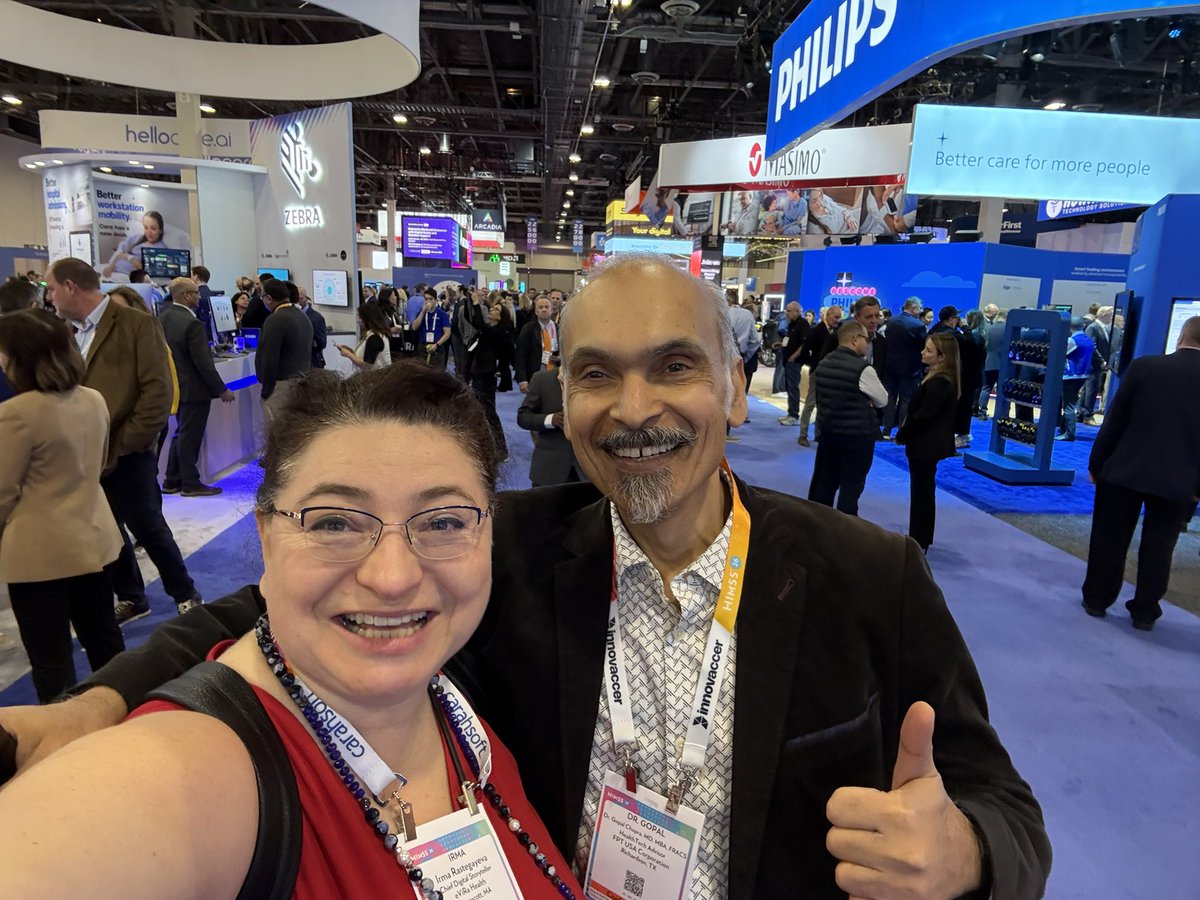
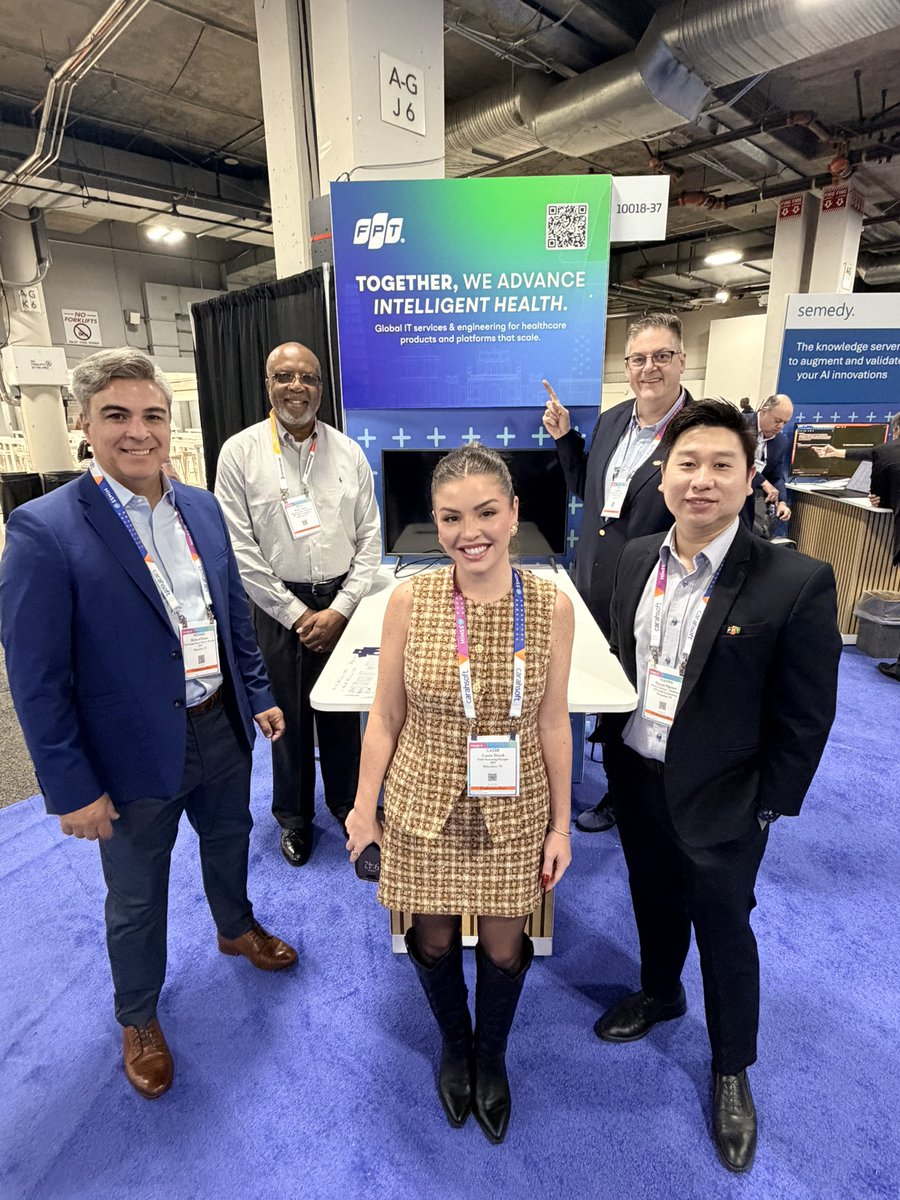
And just ran into Dr. Gopal Chopra! #HIMSS26 @FPTAmericas
Good catching up with the team from FPT at #HIMSS26. Interesting to see how they’re applying AI, IoT, and cloud engineering to connected medical devices and digital health platforms. The convergence of medtech, software, and data science is where a lot of real healthcare innovation is happening. 🏥⚙️📡 @FPTAmericas #HIMSS @IrmaRaste
1
2
3
573
IrmaRaste ✨ InfluenceThroughStorytelling™ retweeted
Good catching up with the team from FPT at #HIMSS26. Interesting to see how they’re applying AI, IoT, and cloud engineering to connected medical devices and digital health platforms. The convergence of medtech, software, and data science is where a lot of real healthcare innovation is happening. 🏥⚙️📡 @FPTAmericas #HIMSS @IrmaRaste
7
9
1,006
IrmaRaste ✨ InfluenceThroughStorytelling™ retweeted
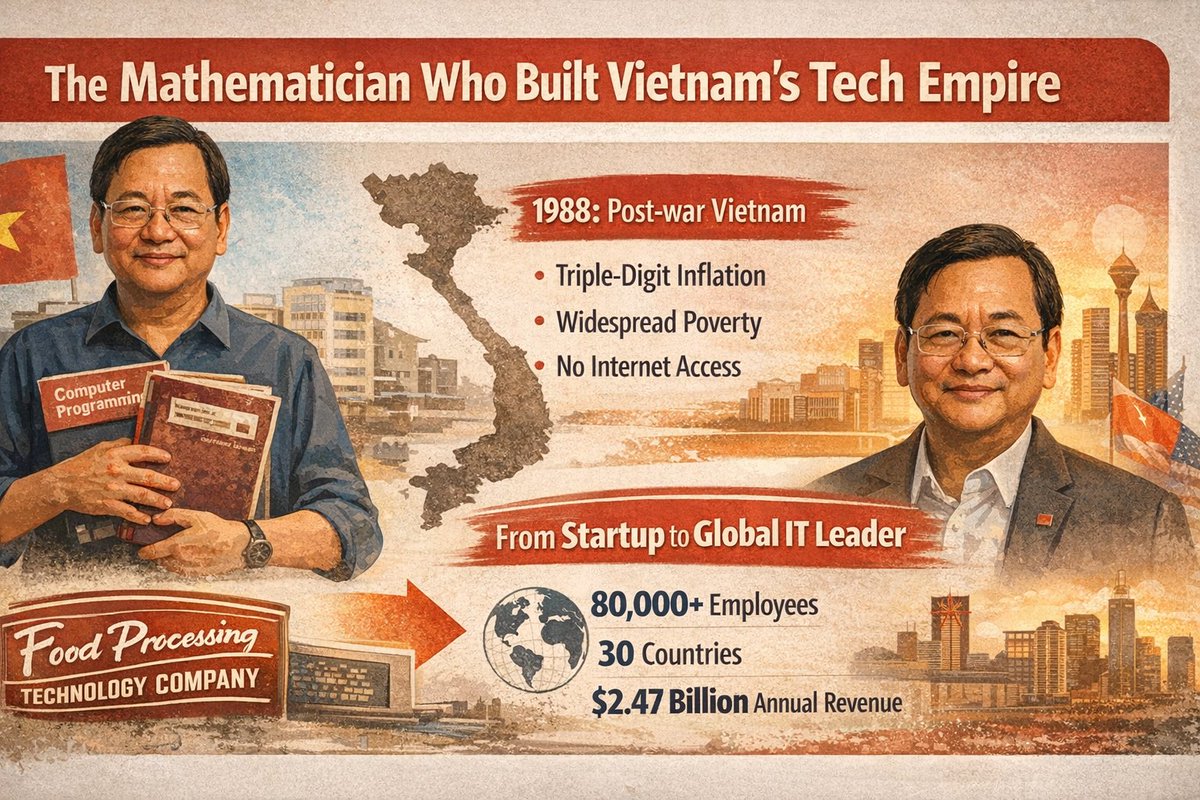
In 1988, a Soviet-trained mathematician returned to a war-battered Vietnam with triple-digit inflation and no real economy to speak of.
He and twelve colleagues — mostly scientists — started a tech company and taught themselves computing from books smuggled in from Hong Kong. No internet. No tutorials. Just first principles and a lot of determination.
That company is FPT Software. Today it operates in 30 countries, employs over 80,000 people, and pulled $2.47 billion in revenue last year. They closed a single US contract in 2024 worth $225 million.
I've been doing a deep dive into FPT ahead of HIMSS26, and their healthcare story is the part that caught me off guard. 17 years in the sector — this isn't a company chasing a hot market. They've built serious infrastructure: AI health platforms, SaMD practices, three consecutive HITRUST r2 certifications (including the new AI Security cert), and a flagship deployment for IHH Healthcare Singapore, one of the largest private hospital groups in the world.
They'll be at HIMSS26 in Las Vegas with a full presence — booth, AI Kiosk, executive sessions, and a speaking slot on AI in MedTech diagnostics and wearables.
Worth knowing about if you're not already watching them.
#HIMSS26 #HealthTech #DigitalHealth #AI linkedin.com/pulse/mathemati… via @LinkedIn @FPTAmericas @IrmaRaste @HIMSS
8
15
4,836

Our #StateofPossible26 Conference is back on March 26 at the Omni Boston Seaport!
Join industry leaders, innovators, investors, and policymakers as we explore what it truly takes to make the impossible possible. #PatientDriven
Register today: massbio.org/state-of-possibl…
2
4
506
IrmaRaste ✨ InfluenceThroughStorytelling™ retweeted

Jan 9
Good stuff!
1
1
1
107
IrmaRaste ✨ InfluenceThroughStorytelling™ retweeted

2 Apr 2020
Our amazing #HealthcareHeroes staying strong #HealthCareWorkers #doctors #nurses #30MoreDays @IrmaRaste @eViRaHealth
16
165
402
IrmaRaste ✨ InfluenceThroughStorytelling™ retweeted
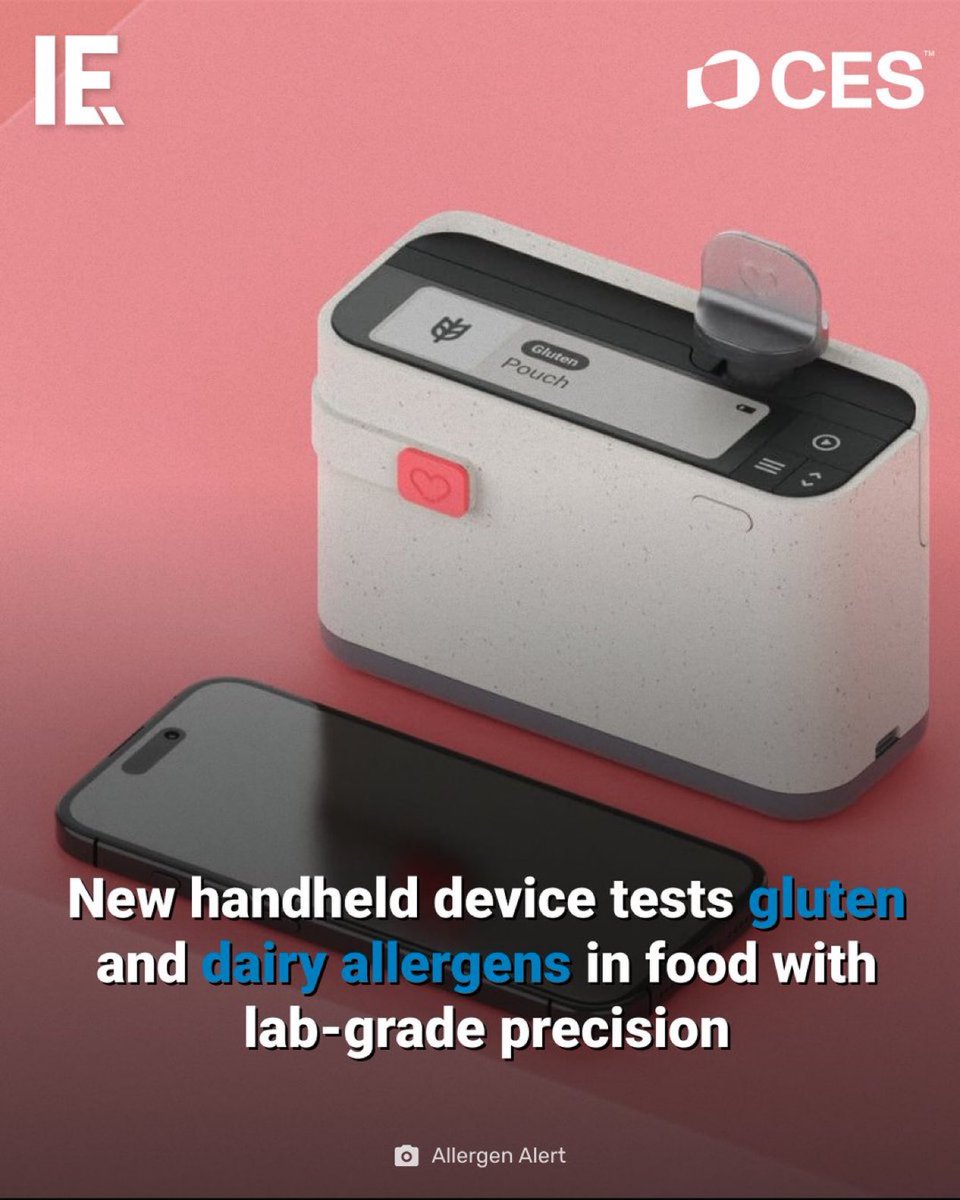
A French startup just turned food safety into a pocket science experiment. 🧪
At #CES2026, Allergen Alert unveiled a first-of-its-kind “mini lab” that detects food allergens in minutes—before the first bite.
For anyone with allergies, parents, schools, airlines, and restaurants, this is a real game-changer.
bit.ly/44Yeyrm @IrmaRaste
2
10
15
636
IrmaRaste ✨ InfluenceThroughStorytelling™ retweeted

Jan 6
AMD opening keynote last night demoed creating an entire video of a hobbit house from two uploaded reference images
#CES2026 #AI #AMD
@HaroldSinnott @TansuYegen @EvanKirstel @IrmaRaste @eric_kavanagh
5
12
1,067
IrmaRaste ✨ InfluenceThroughStorytelling™ retweeted

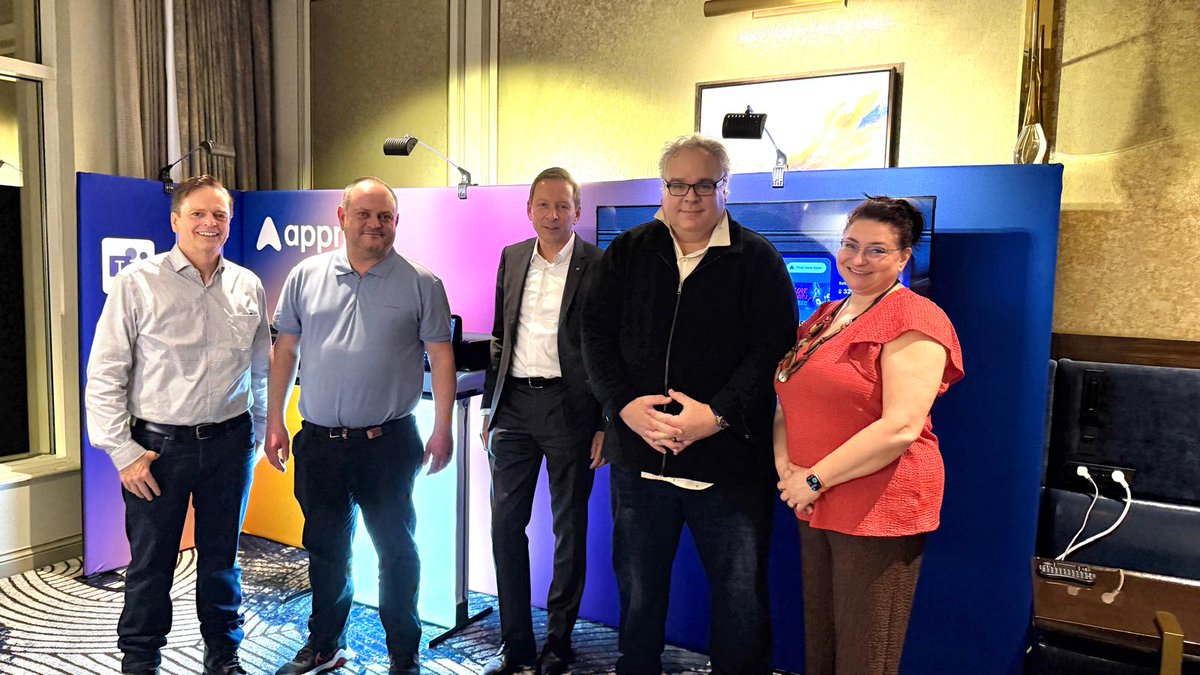
[#CES2026 #ForviaCES] Excellent exchange with Martin Fischer, CEO of @forviagroup_, about the innovative solutions offered by the group for the benefit of car manufacturers, along with some American influencer friends.
#CES #Automotive
🙏 @EvanKirstel @IrmaRaste @HaroldSinnott
@SpirosMargaris @PawlowskiMario @mvollmer1 @gvalan @ipfconline1 @LaurentAlaus @Shi4Tech @Fisher85M @kalydeoo @Ym78200 @CurieuxExplorer @Fabriziobustama @3itcom @chidambara09 @Analytics_699 @Khulood_Almani @tewoz @ahier @rwang0 @jeancayeux @RLDI_Lamy @JimHarris @appningbyforvia
4
23
25
683
IrmaRaste ✨ InfluenceThroughStorytelling™ retweeted
ACHELESS is a non-invasive sleep wearable using gentle microcurrent technology to support nervous system balance, promote relaxation, reduce stress, and help users transition naturally into deeper, calmer sleep @IrmaRaste #CES2026
2
2
275
IrmaRaste ✨ InfluenceThroughStorytelling™ retweeted
Walk the CES floor long enough and a pattern jumps out:
every few booths, a startup is building with SOLIDWORKS.
I chat with Abhishek Bali, Director of Mainstream Innovation, SOLIDWORKS Startup Global Ecosystem & 3DEXPERIENCE Lab North America, to unpack why so many early-stage hardware teams rely on these tools to turn napkin sketches into real, manufacturable products.
From robots and humanoids to medical devices and even personalized grooming machines, the story is consistent: simple modeling, serious simulation, and an ecosystem that helps founders move faster—and smarter.
We dug into the Startup Program’s actual criteria (hardware-focused, under five years old, under $1M in funding and revenue) and what founders really get beyond licenses.
The big unlock? The ability to test reality before reality tests them.
Abhishek explained how simulation changes decision-making—drop tests, waterproofing, thermal behavior, full system performance—giving founders credible data they can take to investors, suppliers, and manufacturers. Fewer guesses. Fewer expensive surprises.
We also went inside the 3DEXPERIENCE Lab, a selective accelerator backing technically hard problems aligned with sustainability and UN goals. The startup program feeds the Lab, but there are no guarantees—which keeps the bar high and the impact real.
CES, it turns out, is a January catalyst. Hallway conversations become applications. Trend-spotting shapes what comes next—beyond humanoids.
If you’re building robotics, consumer hardware, or regulated devices, this conversation is full of practical takeaways: how to qualify, how to reduce risk with simulation, and how to align your roadmap with an ecosystem built for speed and rigor.
If this resonates, follow the show, share it with a hardware founder who needs a nudge, and leave a quick review so we can reach more builders who are turning ideas into products!
Come meet the 3DEXPERIENCE Lab from January 6-9 and discover the standout, innovative startups at
- Venetian Expo
- Level 1, Hall G – Eureka Park
- Booth #60200
#CES2026 @3DEXPERIENCELab @Dassault3DS @SOLIDWORKS @IrmaRaste @jblefevre60 @CES
2
19
28
3,541
IrmaRaste ✨ InfluenceThroughStorytelling™ retweeted

Jan 12
Robot Dogs, Smart Glasses, Digital Companions And Sleep Headbands: AgeTech Shines At CES insights.citeline.com/medtec… #CES2026 @Medtech_Insight @Citeline #agetech #longevity @IrmaRaste @EvanKirstel
2
3
106
IrmaRaste ✨ InfluenceThroughStorytelling™ retweeted

Jan 16
2
3
74
IrmaRaste ✨ InfluenceThroughStorytelling™ retweeted

Jan 2
I’m starting to worry about Massachusetts
1. Biotech is way off from a few years ago
2. Only 1 of the top 50 ai companies are in MA
3. The Fed research funding cuts hitting MIT, Harvard, Whoi are brutal.
4. The millionaires tax is working in the short run, but I know a lot of wealthy folks preparing for a FL move.
5. A glut of empty condos
6. It’s not “cool” for young folks
7. It’s expensive as sh-t.
I honestly don’t think the MA/Boston govt can do that much about it as they are kind of macro issues. I give them big credit for working on building more housing and fixing the T, which will help.
I’m trying to help w HubSpot, partnering w WHOI, teaching at MIT. I’d like to help more. Specifically I’d like to encourage and help more ai and climate companies in the state. I think ai and climate should be our dual growth engines.
379
129
1,590
877,785
IrmaRaste ✨ InfluenceThroughStorytelling™ retweeted

Jan 6
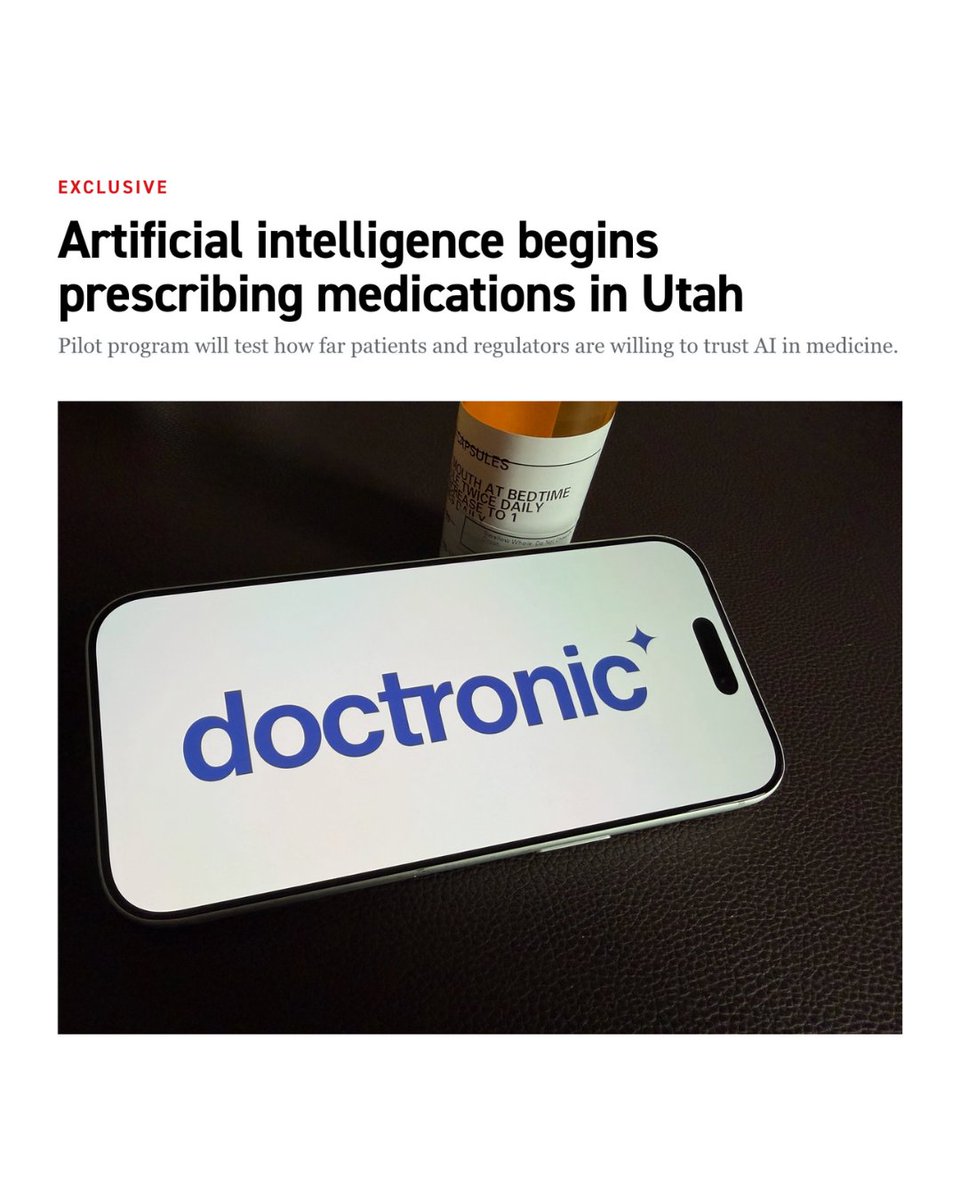
We're now legally authorized in Utah to renew certain prescriptions and practice medicine autonomously in the US.
This pilot is the first in the country that uses AI to quickly handle routine prescription renewals for chronic conditions without a doctor approving each refill.
13
31
149
232,093