Exploring the wonders of Islamic Scientific Heritage and its timeless contributions to humanity. Join us on a journey through history and innovation.
Joined April 2018
- Tweets 3,790
- Following 6,187
- Followers 89,477
- Likes 5,639
2,180 Photos and videos



Pinned Tweet

8 Dec 2024
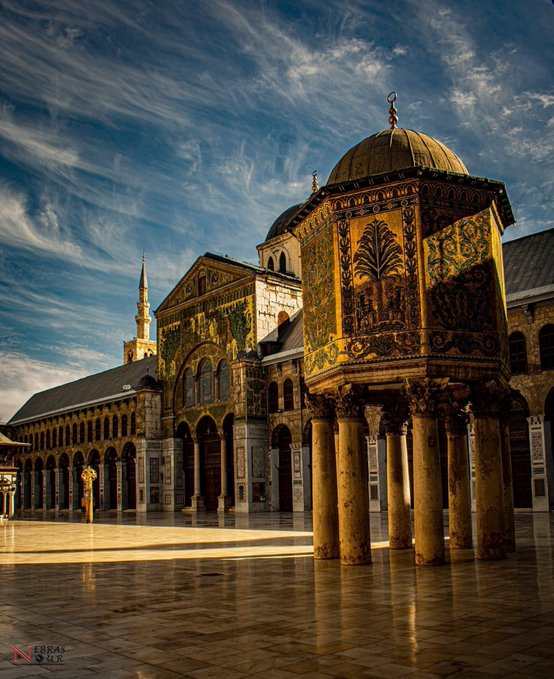
The Great Umayyad Mosque in Damascus is a pearl of the Muslim world, where legendary scholars like Al-Ghazali, Ibn Taymiyyah, and Ibn Arabi once resided. A beacon of Islamic learning and spiritual heritage.
🕌✨
#Damascus #IslamicHistory #Scholars #syria
71
603
3,152
253,240
The Messenger of Allah ﷺ said:
“Verily, the evil eye might attach itself to a man by permission of Allah, until he climbs a tall mountain and then throws himself off it.”
[Musnad Aḥmad]
Jun 12

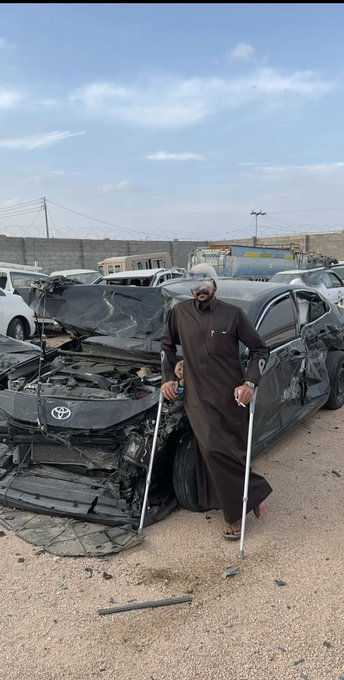
Tragic end for Spider-Man Yemen after falling into the crater of an extinct volcano in the city of Damt in the center of the country
10
43
3,453
The Messenger of Allah ﷺ said:
"The evil eye may kill a person, and may make a camel ill so that its owner is obliged to slaughter it."
[Abu Nu‘aym]
9
74
751
40,530
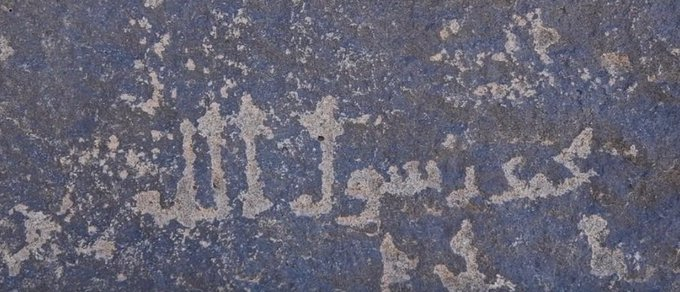
"O Allah, strengthen Islam with the one who is more beloved to You of these two men: Abu Jahl ibn Hisham or Umar ibn al-Khattab."
— Jami' at-Tirmidhi
16
148
1,344
658,887
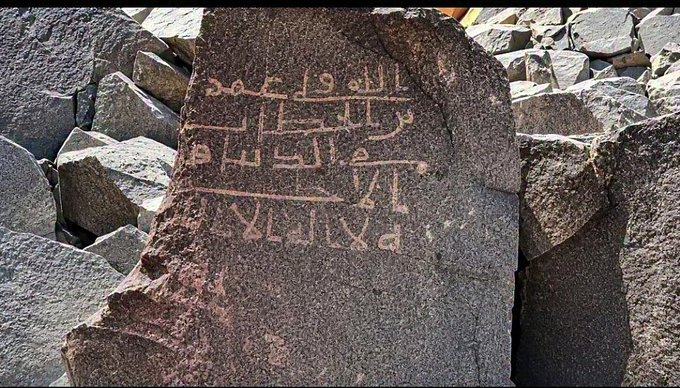
Just to clarify: the inscription itself does not contain the hadith. I included that narration in my post to highlight the immense virtue and status of Sayyiduna Umar ibn al-Khattab (رضي الله عنه). The inscription and the hadith are separate and should not be confused.
1
2
66
19,388
The moment a cat in Istanbul politely asks a tourist for a bite of food, and the heartwarming encounter quickly goes viral across social media.
3
33
272
13,165
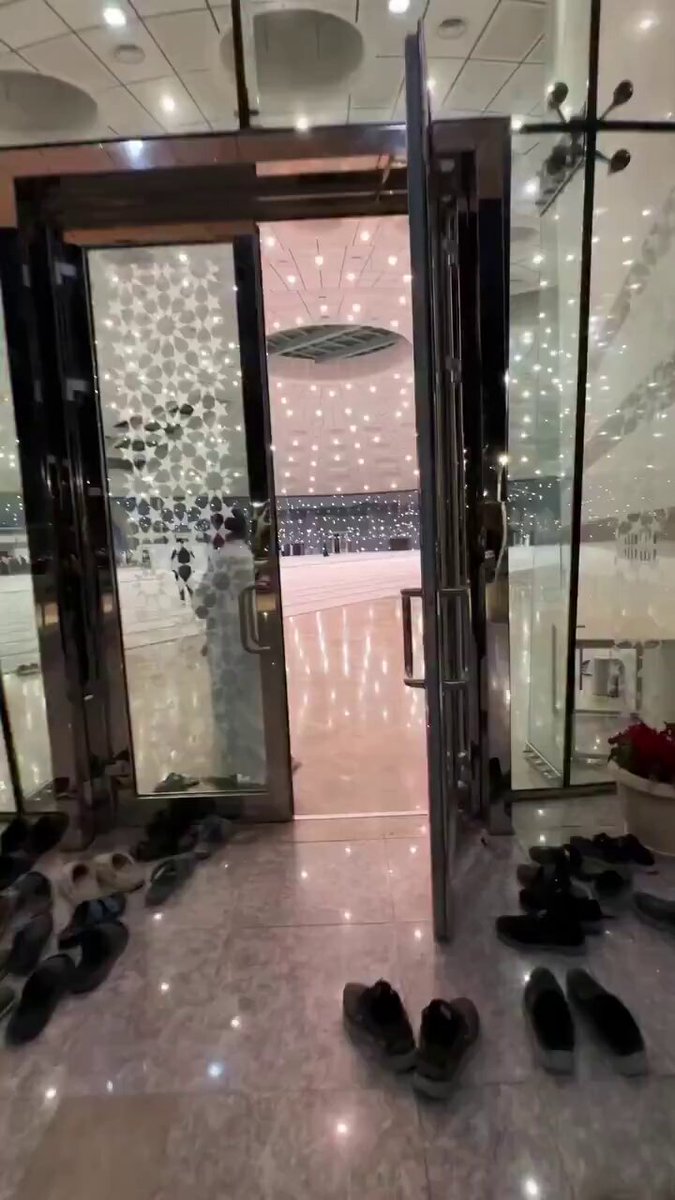
The Tabuk University Mosque, known as one of the largest mosques in the world built without any pillars inside.
It even made it into the Guinness World Records.
27
707
4,438
76,656
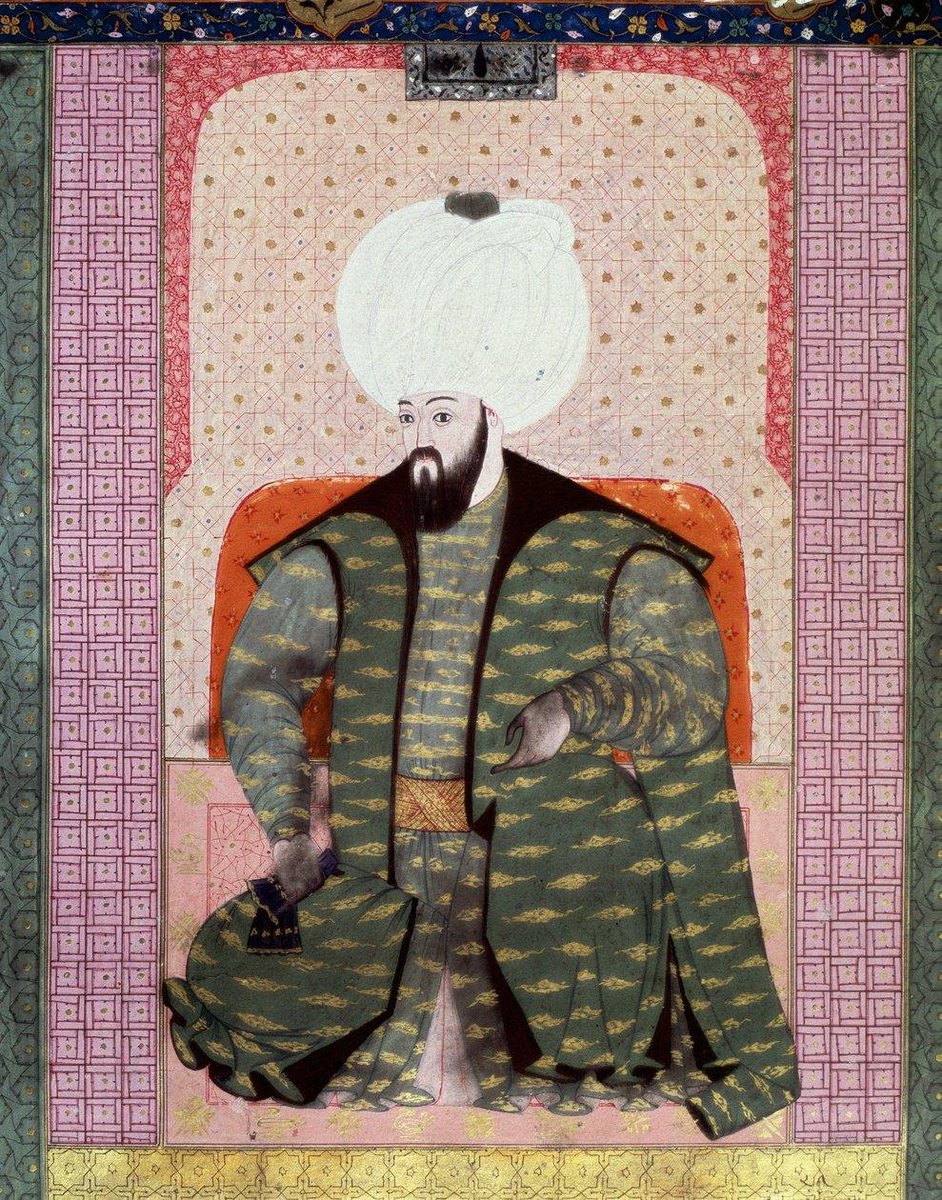
When people think of Ottoman naval power, they think of Sultan Suleiman and Hayreddin Barbarossa. Yet much of that success rested on foundations built by Sultan Bayezid II decades earlier.
Under Bayezid II, Ottoman victories at Zonchio (1499) and Modon (1500) weakened Venetian naval supremacy and helped establish the Ottomans as a dominant Mediterranean power.
In 1492, Bayezid II welcomed and transported Muslim and Jewish refugees expelled from Spain, granting them safety and settlement in Ottoman lands.
What makes Bayezid II particularly remarkable is that he was known not only for statecraft but for personal piety. Ottoman chroniclers describe him as devoted to prayer, Qur'an recitation, religious scholarship, and charitable works. He built mosques, madrasas, hospitals, and public kitchens, lived modestly despite his imperial status, and earned the honorific Bayezid-ı Veli ("Bayezid the Saintly").
After decades at the helm of a vast empire, he abdicated and, according to Ottoman tradition, intended to spend the rest of his life in worship and reflection. He died soon afterward while on the journey.
Jun 11

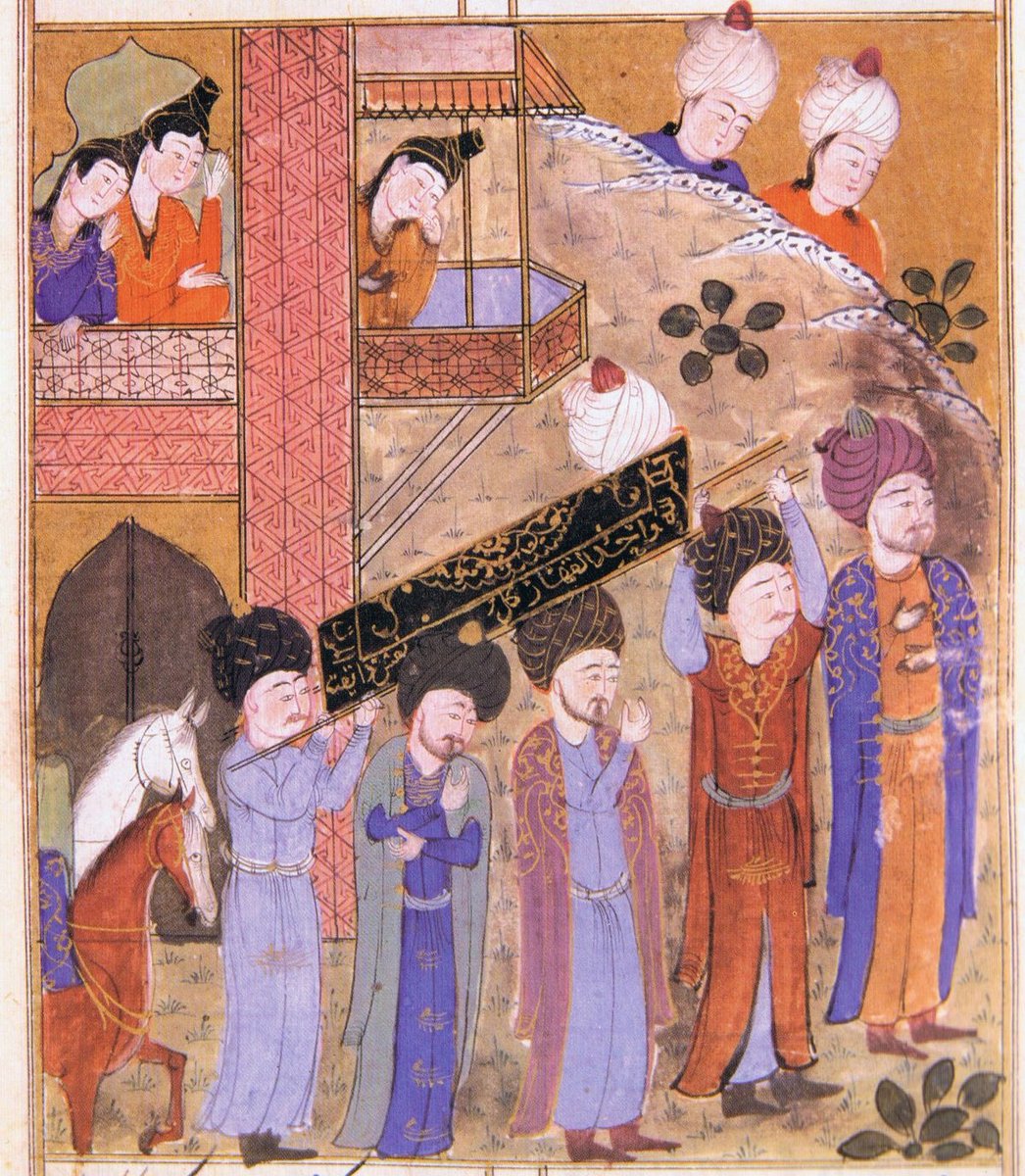
Osmanlı Padişahı Sultan II. Bayezid’in naaşının taşınmasını gösteren bir minyatür.
3
11
58
4,038
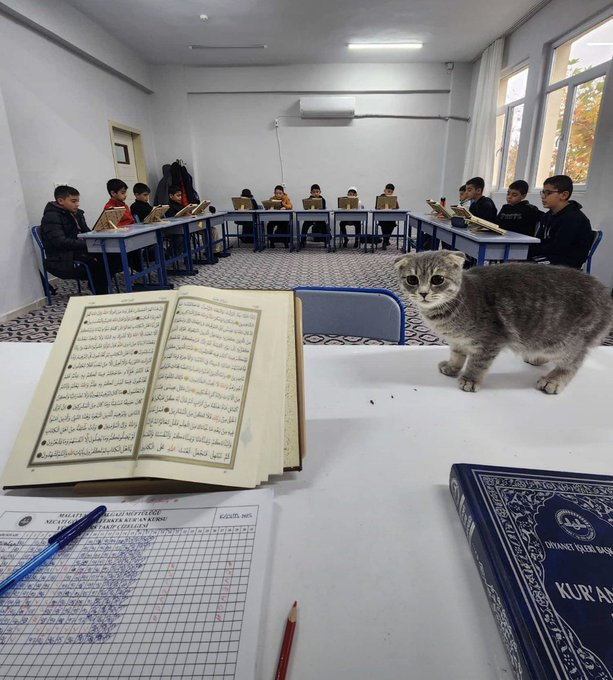
Learn from Abbas!
This sweet child cried with genuine pain upon seeing a torn page in his Qur'an. He hugged it close and spoke to it as one would to a beloved in sorrow.
15
196
1,231
12,600
كَالزَّهْرِ فِي تَرَفٍ وَالْبَدْرِ فِي شَرَفٍ
وَالْبَحْرِ فِي كَرَمٍ وَالدَّهْرِ فِي هِمَمِ
صلى الله عليه وسلم 💚
2
27
205
3,906
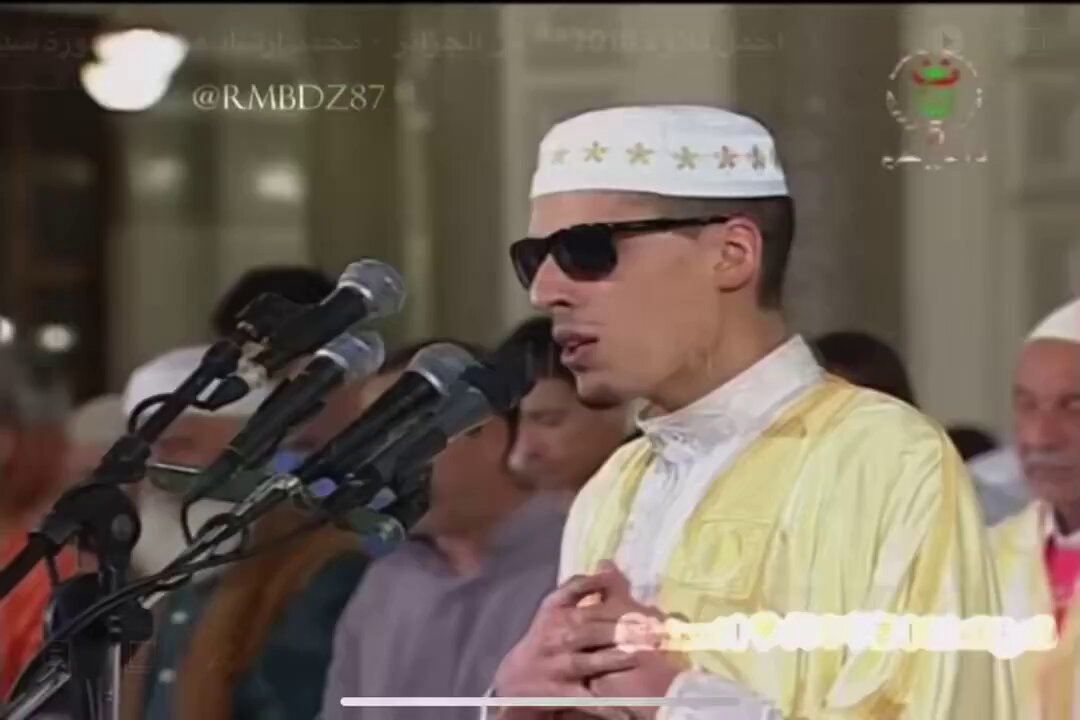
One of Algeria’s greatest reciters. What a beautiful voice. May Allah bless him.
6
107
840
17,143
صَلَّى ٱللَّٰهُ عَلَيْهِ وَسَلَّمَ 💚
9
192
1,416
17,761
"Verily, in the remembrance of Allah do hearts find rest."
— Qur'an [13:28]
5
281
4,361
62,837
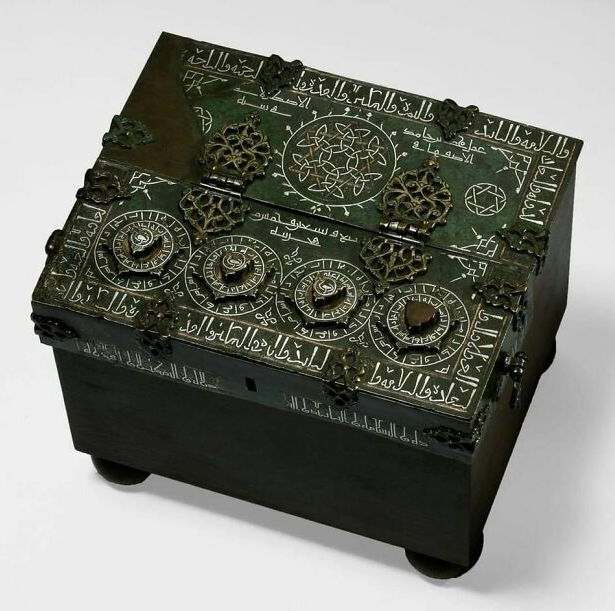
Around 800 years ago, a craftsman in Seljuk Iran built a lockbox with over 4.2 billion possible combinations.
11
212
1,177
59,275
The Messenger of Allah ﷺ said:
"The coolness of my eyes has been placed in prayer."
— Sunan al-Nasa'i
5
45
444
4,514