📚כל שבוע אני אכתוב ביקורת על ספר שקראתי באותו השבוע. בנוסף אני כותב ומתעניין בפוליטיקה, מלחמה, צבא, היסטוריה, מדע, הנדסה ועוד מלא שיט של חנונים
Joined January 2026
- Tweets 3,972
- Following 117
- Followers 293
- Likes 12,465
310 Photos and videos

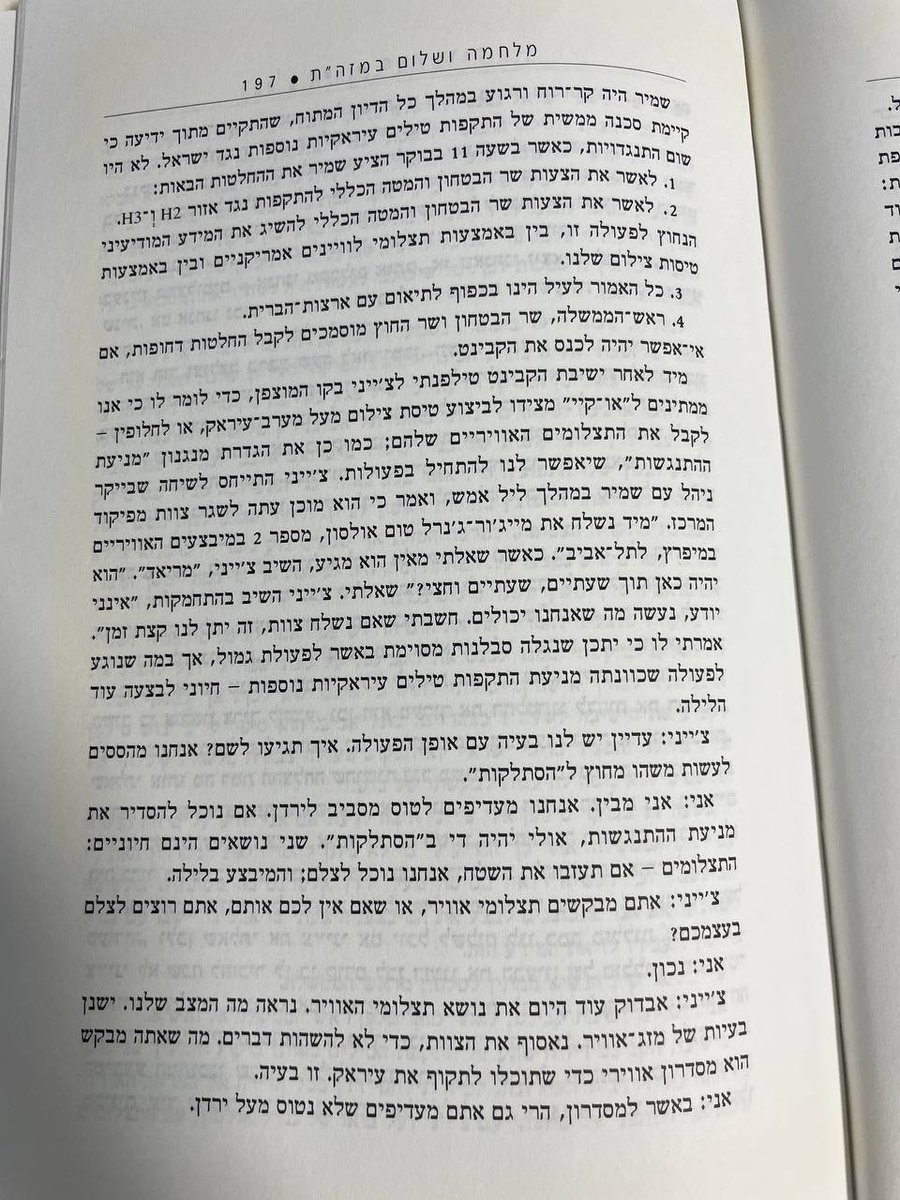
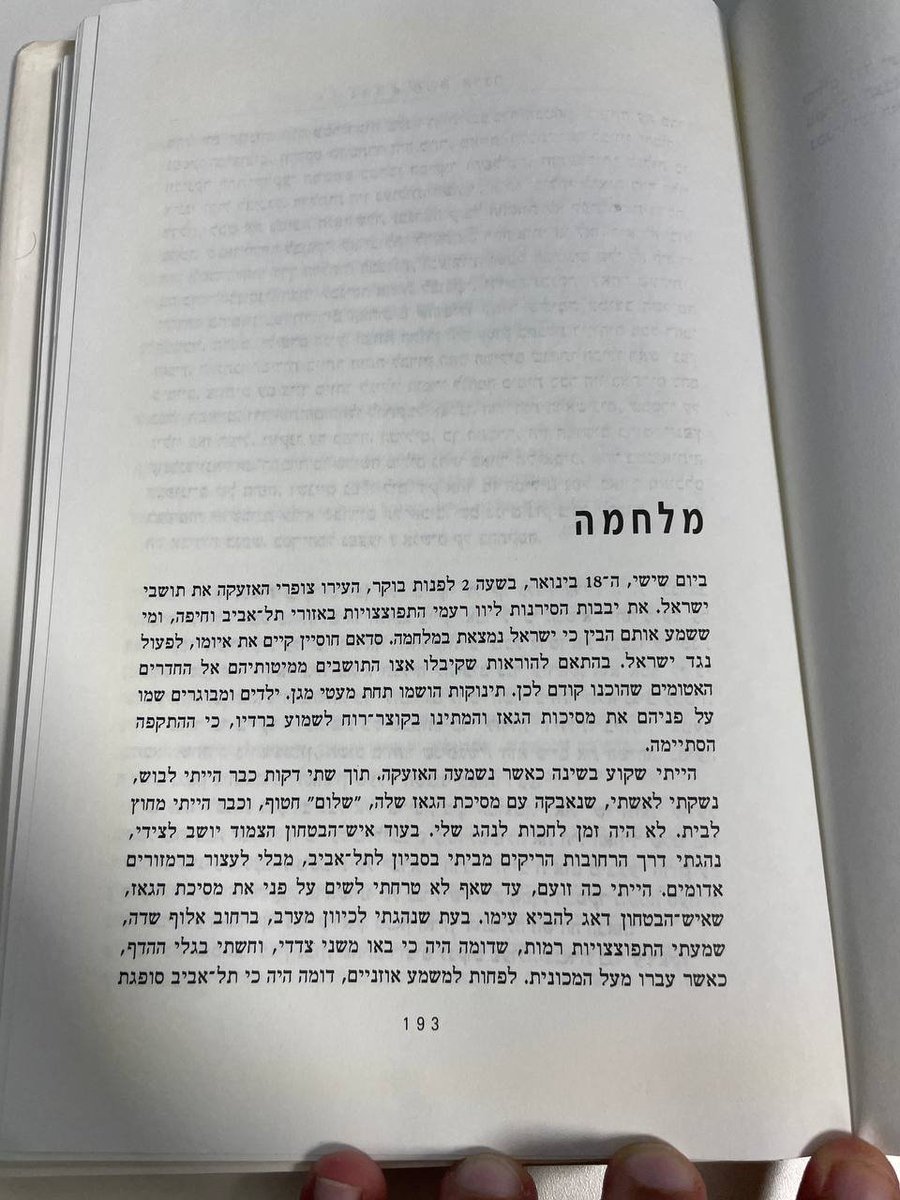
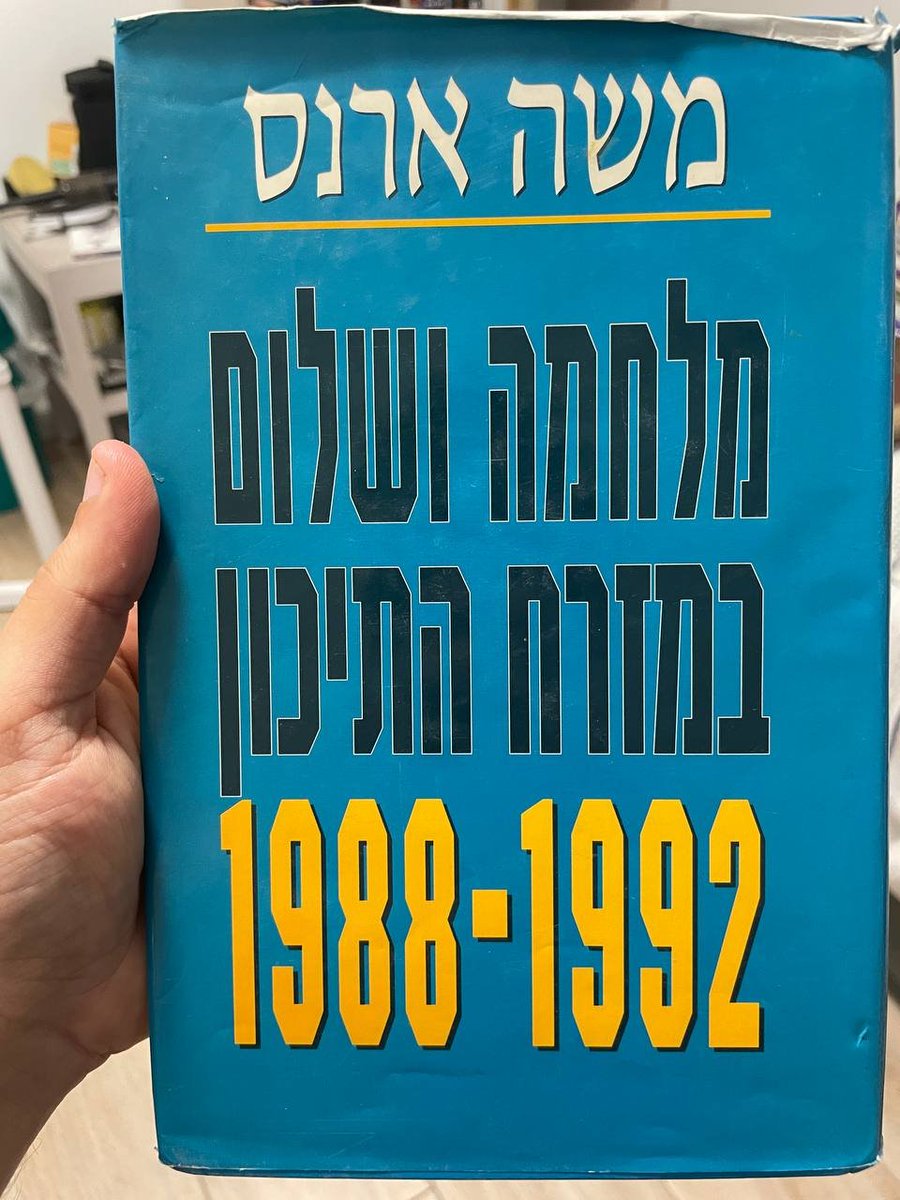

28m
לצערי הרב
לפי הקריטריונים שדיברתי עליהם
מסתמן שכרגע הפסדנו/ לא ניצחנו במלחמה מול איראן
אבל
כל עוד ההסכם לא יחייב אותנו, אנחנו סהכ חוזרים לנקודת ההתחלה

6
Jun 10
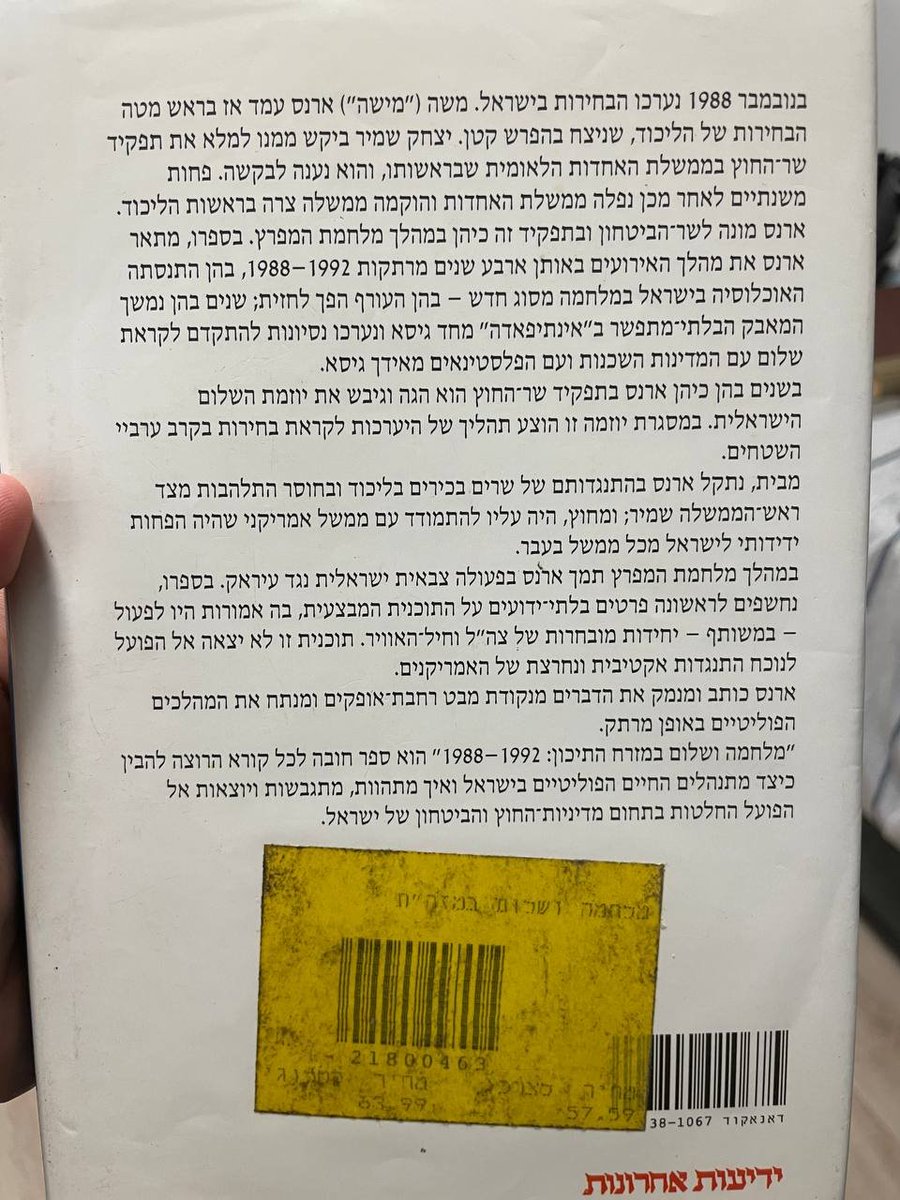
לכבוד שבוע הספר, כל יום השבוע אני אעלה המלצה לספר שקראתי בעבר.
האם יש בקשות לג׳אנרים מסויימים, או לעשות כללי, מה שיוצא אני מרוצה?
9
1
26
3,894
15h
המלצה שלישית
x.com/IsraeliReader/status/2…
15h
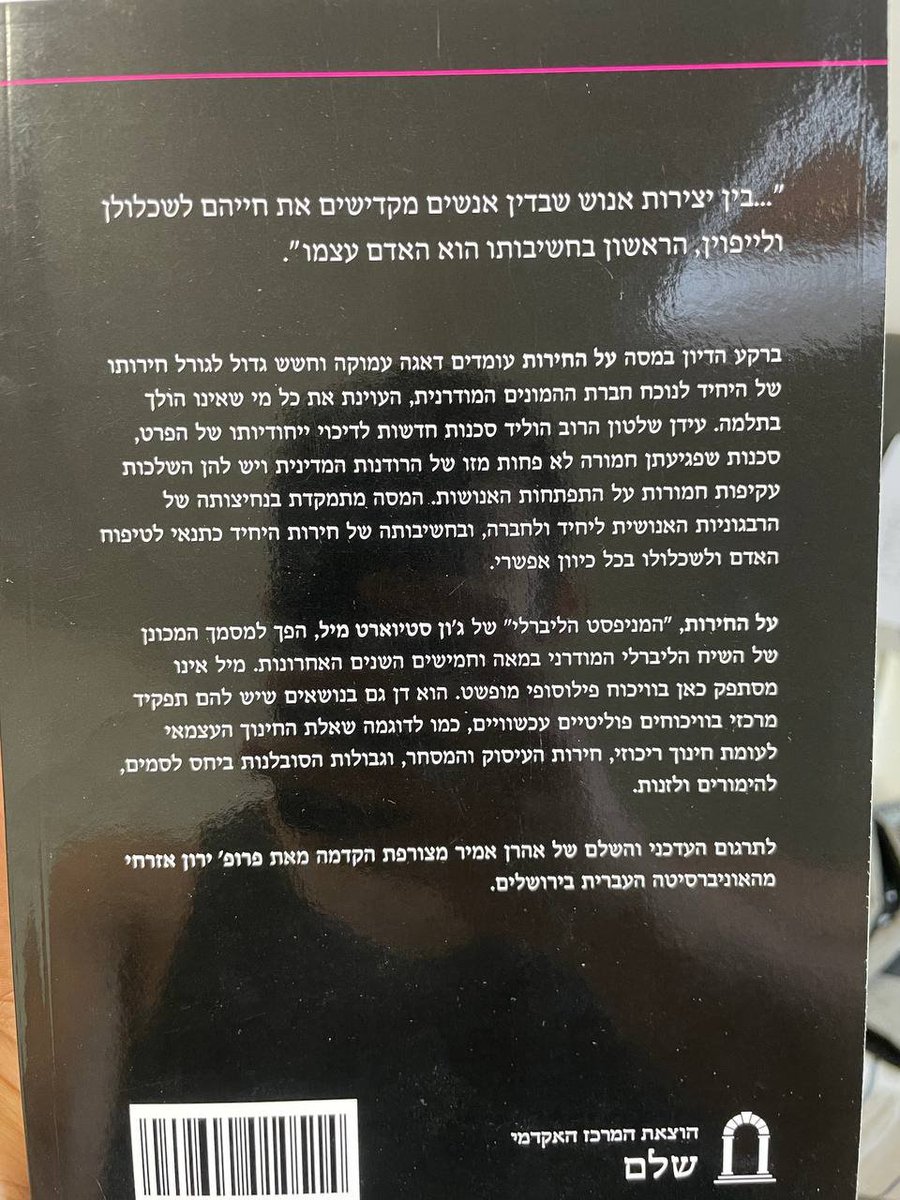
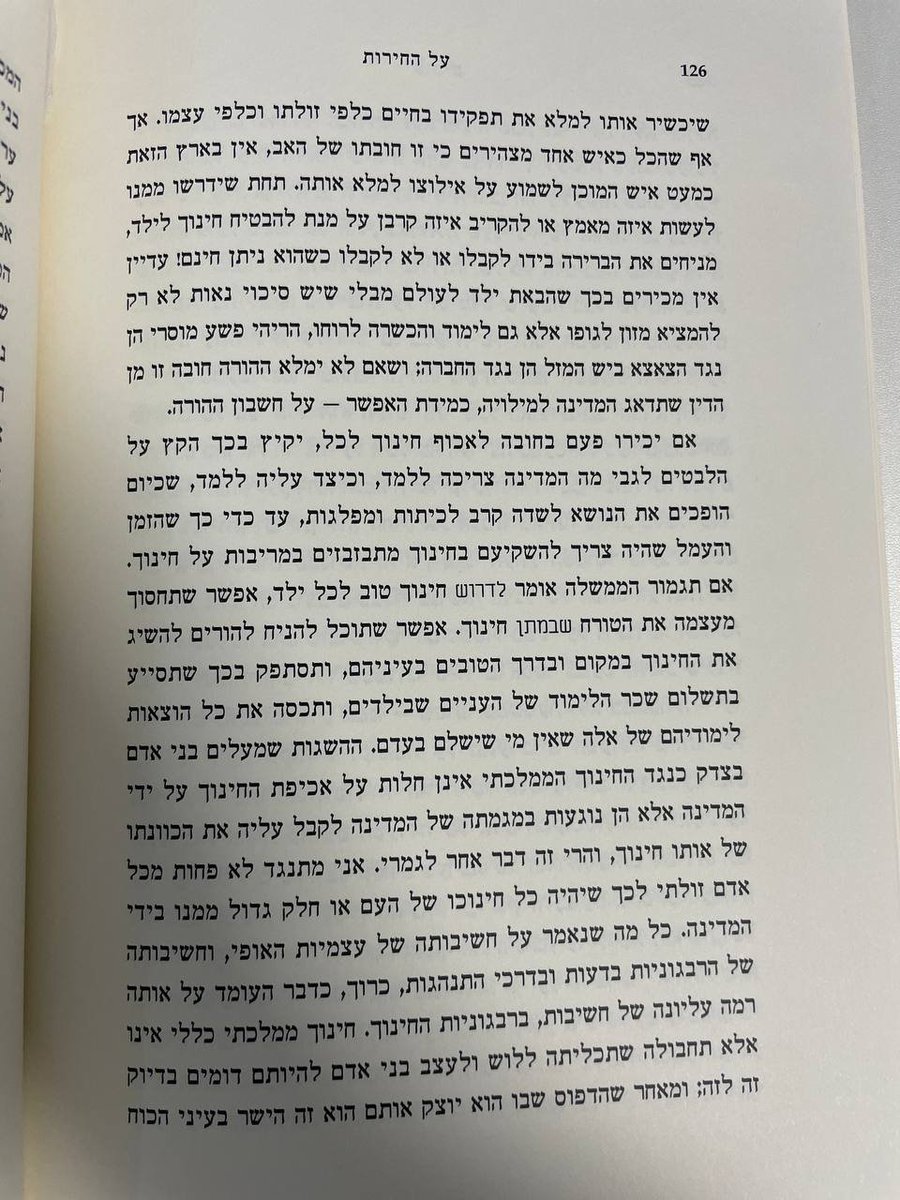
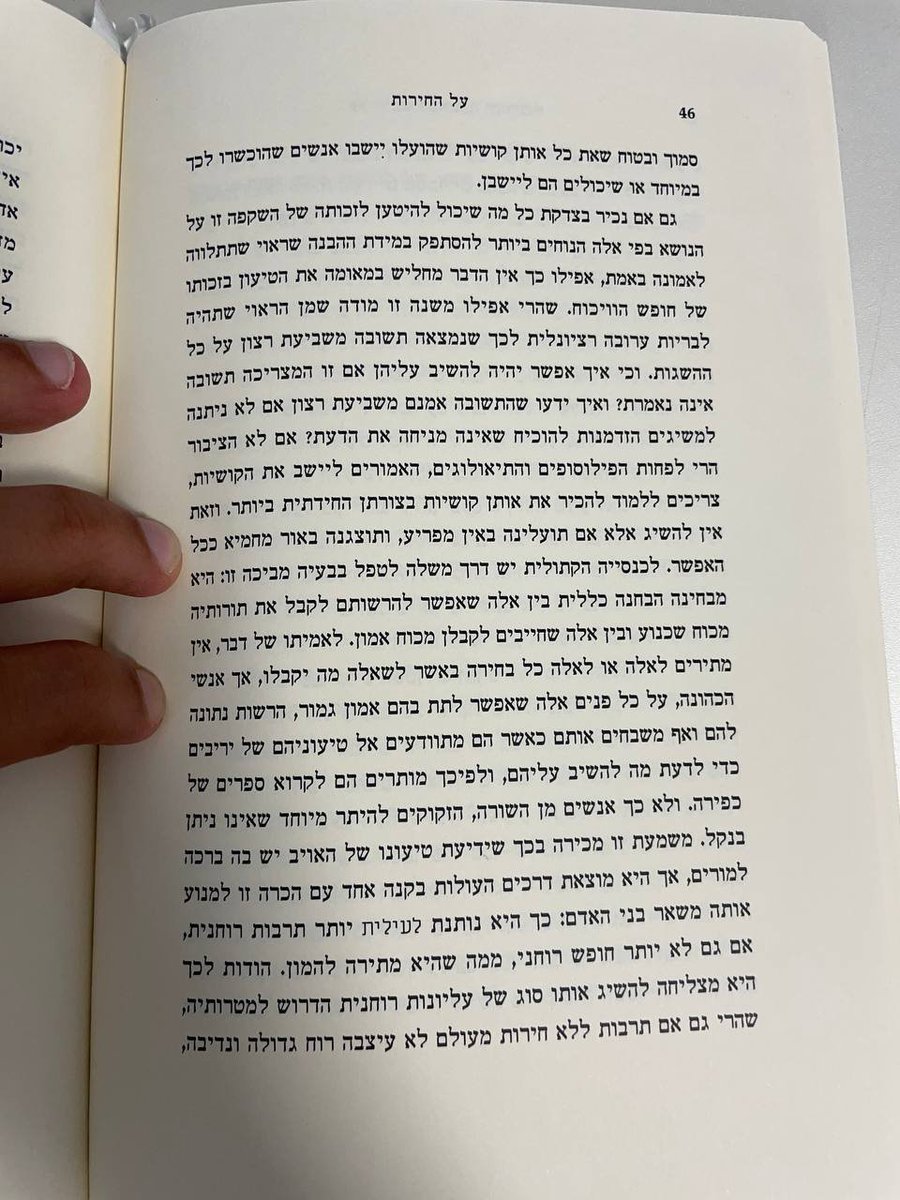
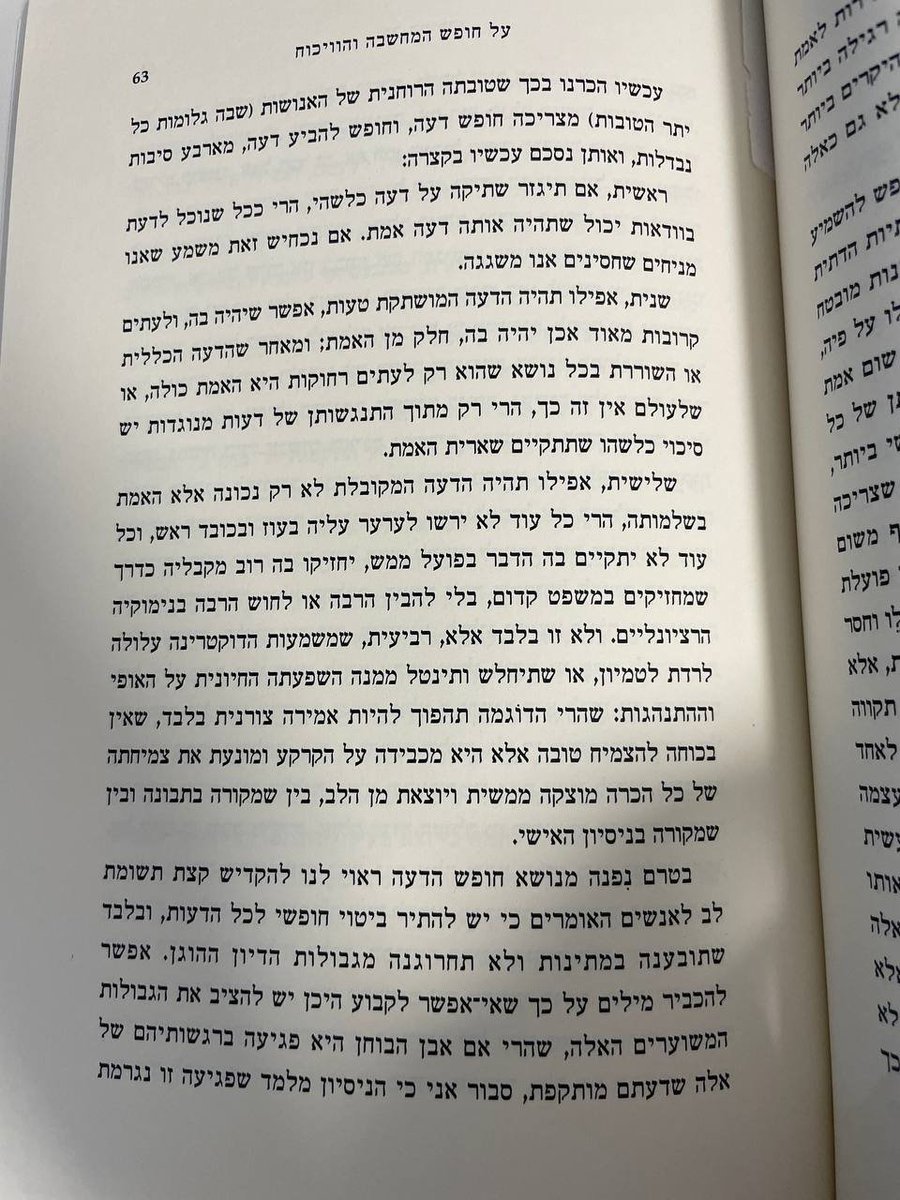
"על החירות" הוא אחד החיבורים הפוליטיים והפילוסופיים החשובים ביותר שנכתבו בעת החדשה. אף שנכתב בשנת 1859, רבות מן השאלות שהוא מעלה ממשיכות לעמוד במרכז הדיון הציבורי גם כיום: מהן גבולות ההתערבות של המדינה בחיי הפרט? האם לחברה יש זכות לכפות ערכים מוסריים על היחיד? ועד כמה יש להגן על חופש הביטוי גם כאשר מדובר בדעות מקוממות או שגויות?
2
33
15h
למרות הביקורות הללו, "על החירות" נותר ספר יסוד בפילוסופיה הפוליטית. כוחו טמון בכך שהוא אינו מסתפק בהגנה על זכויות הפרט מפני המדינה, אלא מזהיר גם מפני כוחו של הרוב החברתי לדכא מחשבות והתנהגויות חריגות.
לסיכום, "על החירות" הוא ספר מעורר מחשבה, כתוב בצורה בהירה יחסית, ומציג טיעונים רבי עוצמה בזכות חופש הפרט וחופש הביטוי. אף שחלק מטענותיו מעוררות מחלוקת וחלקן דורשות התאמה למציאות המודרנית, מדובר ביצירה קלאסית שהשפעתה על העולם הליברלי הייתה עצומה. גם יותר ממאה וחמישים שנה לאחר פרסומה, היא ממשיכה לאתגר את הקוראים, להיות רלוונטית ולחייב אותם לשאול עד כמה הם באמת מוכנים להגן על חירותם של אנשים שחושבים ופועלים אחרת מהם.
1
5
47
15h
"על החירות" הוא אחד החיבורים הפוליטיים והפילוסופיים החשובים ביותר שנכתבו בעת החדשה. אף שנכתב בשנת 1859, רבות מן השאלות שהוא מעלה ממשיכות לעמוד במרכז הדיון הציבורי גם כיום: מהן גבולות ההתערבות של המדינה בחיי הפרט? האם לחברה יש זכות לכפות ערכים מוסריים על היחיד? ועד כמה יש להגן על חופש הביטוי גם כאשר מדובר בדעות מקוממות או שגויות?
2
13
428
15h
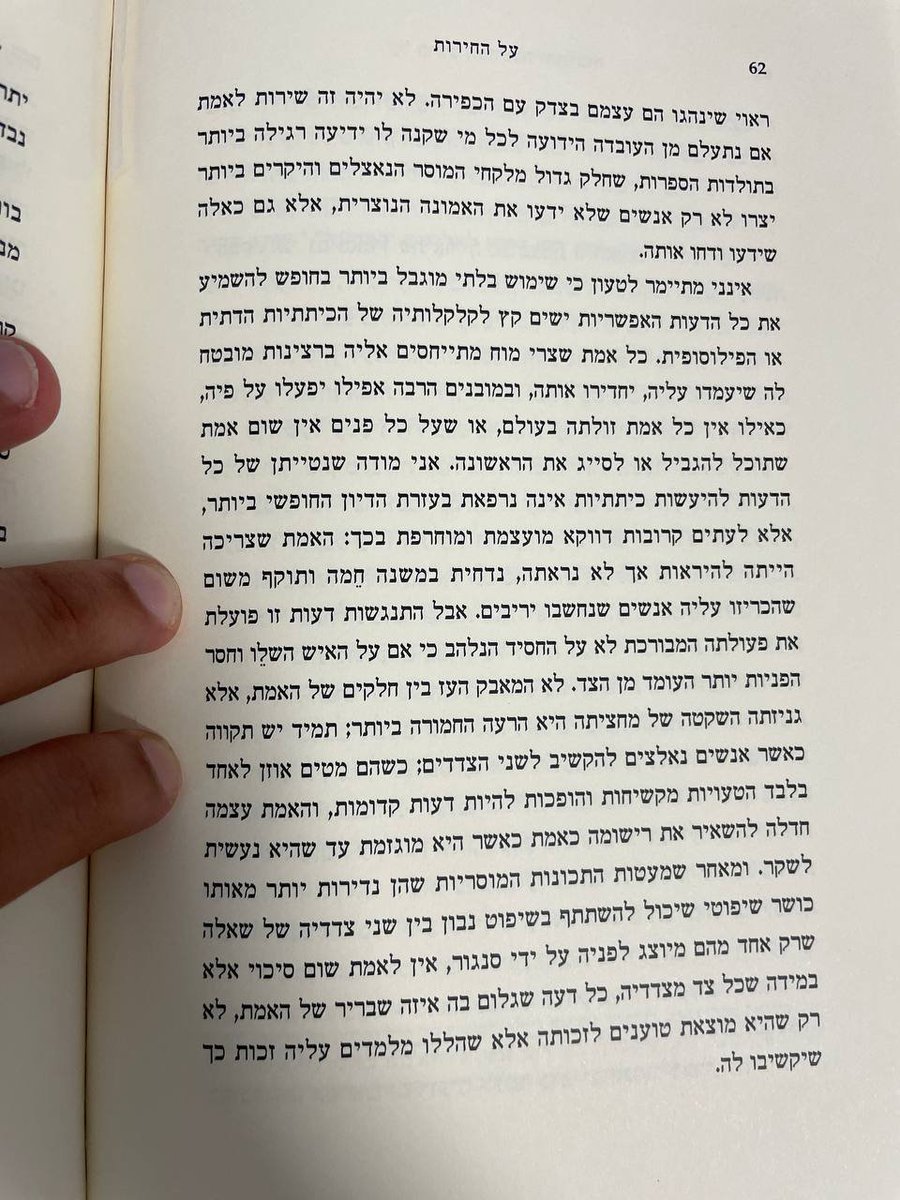
עם זאת, הספר אינו חף מחסרונות. ראשית, עקרון ההיזק נראה לעיתים פשוט יותר מכפי שהוא באמת. במציאות קשה מאוד להגדיר מהו "נזק" ומה נחשב לפגיעה באחרים. למשל, האם הפצת מידע כוזב, התמכרות לסמים או הסתה פוליטית פוגעים רק באדם עצמו או גם בחברה כולה? במקרים רבים הגבול שמיל מציע מתגלה כעמום הרבה יותר מכפי שנדמה בקריאה ראשונה.
בנוסף, ניתן למצוא במסה סתירה מסוימת בין מחויבותו של מיל לחירות אוניברסלית לבין קביעתו שניתן להפעיל עריצות כלפי "ברברים" כל עוד הדבר נעשה לטובתם. עמדה זו משקפת את רוח התקופה שבה חי, אך היא עומדת בניגוד מסוים לעקרונות השוויון והחירות שהוא עצמו מגן עליהם.
1
5
67
15h
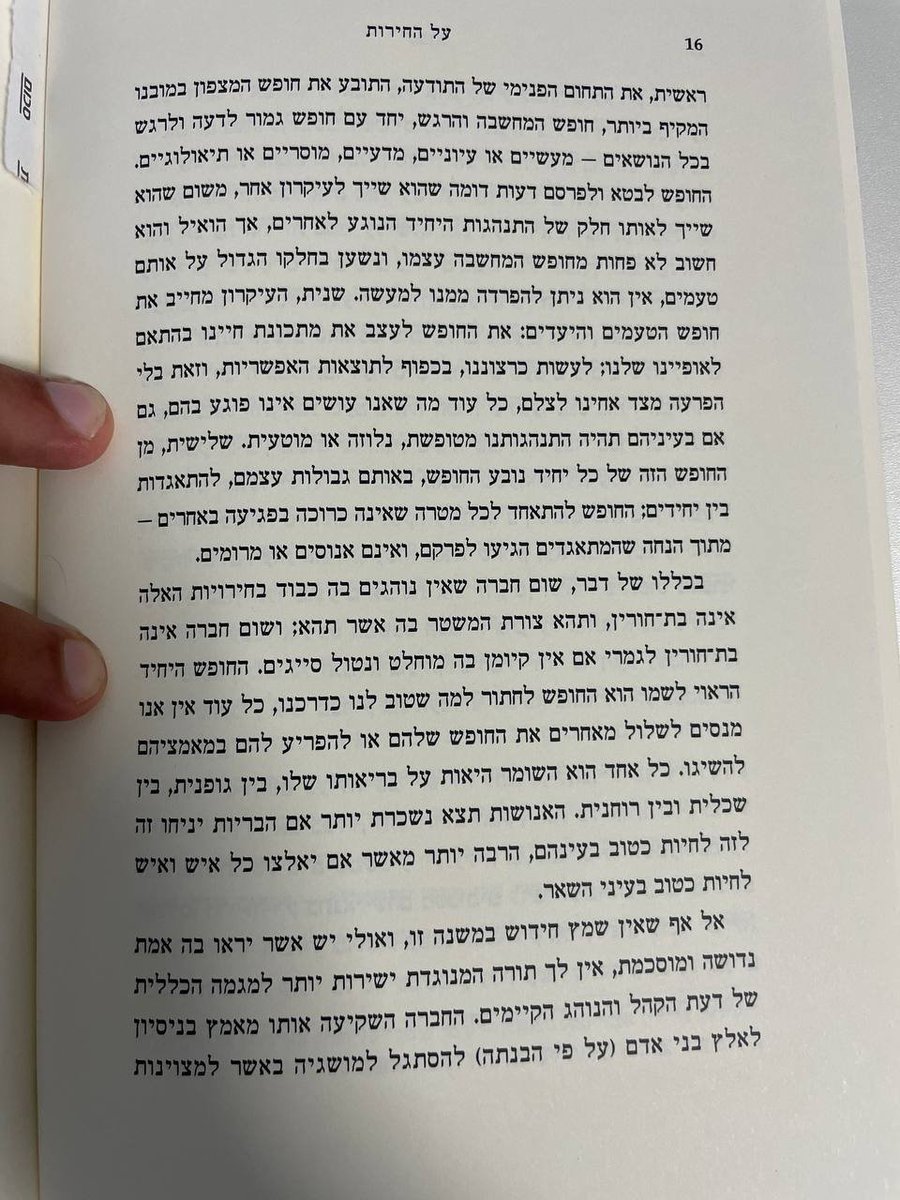
גם הדגש הרב שמיל מעניק לאינדיבידואליות עשוי לעורר ביקורת. הוא מציג את האדם העצמאי והמקורי כאידיאל כמעט מוחלט, ולעיתים ממעיט בחשיבותם של מסורת, קהילה, זהות משותפת וסולידריות חברתית. מבקרים שמרנים וקהילתניים טענו כי חברה אינה מורכבת רק מאוסף יחידים חופשיים, אלא גם ממערכות של מחויבויות, תרבות וערכים משותפים שאותם מיל נוטה להעריך פחות.
1
5
61
Jun 14
מכל המערכת הפוליטית, נתניהו הוא האיש שהכי לא התפכח מה-7.10.
האיש נמצא בקונספציה עמוקה, ומהווה סכנה ממשית לצערנו על עתידה של מדינת ישראל.
ההססנות הזאת הורגת.
הוא לא יכול לבוא ולהאשים הפעם אף אחד לבד מעצמו.
Jun 14

הירי לעבר ישובי הצפון הוא מבחן למשוואת הדאחיה שראש הממשלה הכריז עליה.
אני קורא לו לממש אותה בנחישות ובתקיפות ולהוריד עוד היום בניינים בדאחיה.
אנחנו בימים קריטיים של עיצוב המרחב לשנים רבות.
הבטחנו ביטחון לתושבי הצפון ואנחנו חייבים לקיים!
1
3
200
Jun 13
We are heading into dark days.
If someone had told me four months ago that after the United States and Israel succeeded in delivering the most devastating blow Iran had suffered since the Ayatollah regime came to power, eliminating large parts of its military and security leadership, severely damaging its military capabilities and weapons industry, and undermining the network of threats it had spent decades building across the Middle East, it would ultimately be the United States that blinked first and handed this regime what it wanted without receiving anything of real value in return, I would have dismissed it as a complete fantasy.
After all, this is a regime that not only funded, armed, and directed terrorist organizations around the world, but also threatened and acted against the United States itself, including against Trump personally and even against his daughter. For decades, it openly declared its ambition to undermine the regional and international order. Yet when it was weaker than ever before, the path chosen was one of embarrassing retreat rather than decisive victory.
There is no strategic logic behind such a move. None whatsoever. The leader of the world's most powerful nation, having brought his adversary to its lowest point in nearly five decades, decided at the critical moment to stop, withdraw, and concede. Not because of military weakness. Not because of diplomatic necessity. Not because of an existential threat. Simply because of a bewildering and foolish choice.
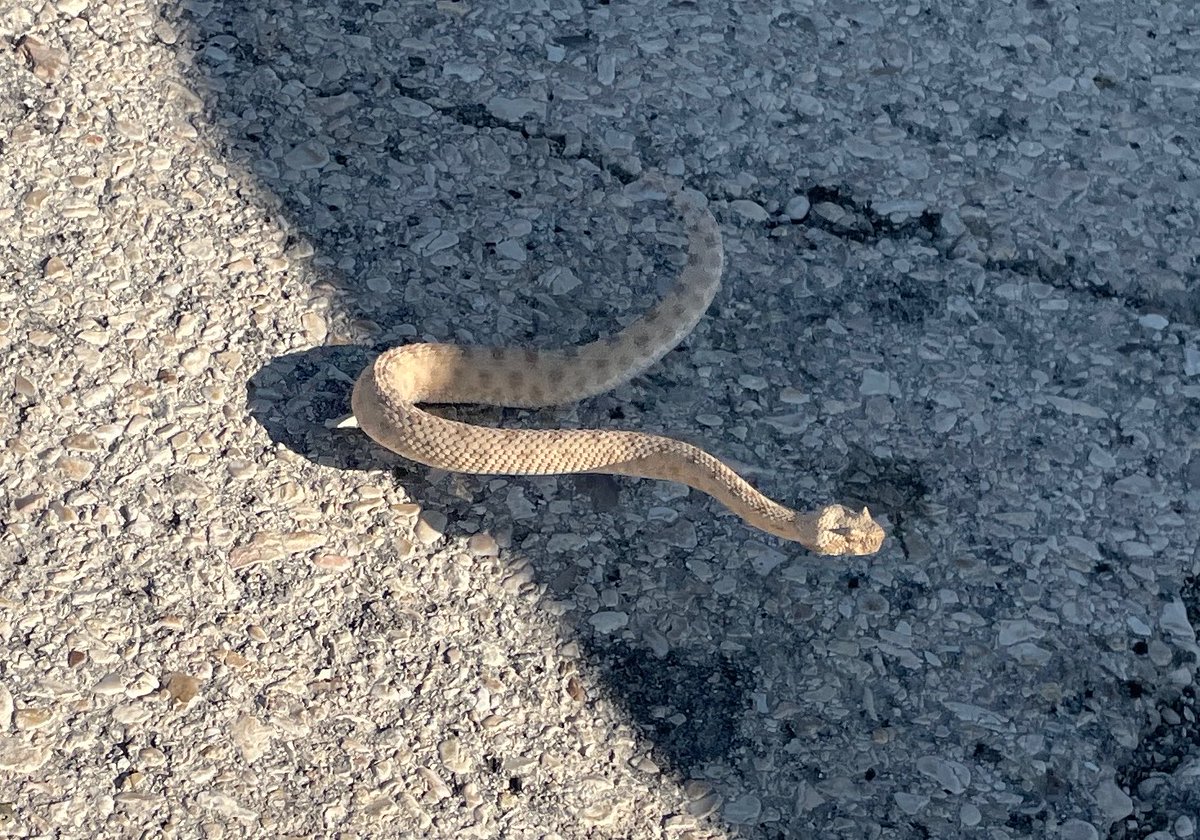
What should have been done was to continue applying pressure until the threat was removed at its source. To keep crushing the snake's head until it could never rise again. Yet at the very moment of decision, when the road to victory was wide open, a choice was made that seems as though it came straight out of a textbook on strategic failure.
It is difficult to think of a comparable historical precedent. Great powers have withdrawn when they were defeated. They have withdrawn when they exhausted themselves. They have withdrawn when the cost became unbearable. But how many times in history has a superpower achieved overwhelming superiority and then voluntarily chosen to abandon the fruits of victory?
It is almost like imagining the Allies standing at the gates of Berlin in 1945 and, instead of finishing the campaign, turning around and going home.
If Barbara Tuchman were alive today, it is hard to believe she would ignore such an episode. One cannot help but think that this event would earn a place alongside the long list of historic decisions that entered the pantheon of political and strategic blunders.
The common comparison to the Munich Agreement is actually too generous. At least Chamberlain faced Hitler at a time when Germany had already reemerged as a rising military power, while Britain and France had spent years neglecting their armed forces and were woefully unprepared. One can understand the fear, even without agreeing with the decision.
Here, the situation is the exact opposite. The adversary was weakened, isolated, and vulnerable. And yet that was precisely the moment when the path of concession was chosen.
If I were the leader of Japan, Taiwan, South Korea, or any other country that relies on American security guarantees, I would be deeply concerned. Alliances are not tested by speeches or press releases. They are tested at moments of decision. And if an ally is willing to concede when operating from a position of strength, what will it do when the costs are much higher?
In the end, leaders are judged not by their speeches and not by the books they write, but by the decisions they make when history hangs in the balance.
Trump wrote several books, including Trump: The Art of the Deal and Think Like a Champion.
My recommendation to any rational person who owns those books is simple: read them, and then do the exact opposite. The man is a complete defeatist. A coward who will be remembered as the worst president in American history.
And if it ultimately turns out that this decision allowed Iran to recover, rearm, and once again threaten the region, it will not be remembered as an ordinary missed opportunity. It will be remembered as one of the greatest and most unnecessary acts of strategic surrender ever witnessed on the international stage.
#trump #IranWar #Israel @realDonaldTrump @WhiteHouse @SecRubio @SecWar @Eyalo365
10
1,325
Jun 13
התגובות לציוץ הזה רק מראות לי שיש אנשים בצד השני שפשוט אין שום אפשרות לדבר איתם.
שוב, לא כולם, אבל חלק ניכר פשוט לא בר שיח.
עצוב.
צריכים לעשות חשבון נפש עמוק.
Jun 12
לידידיי בשמאל,
אינני מבין על מה ולמה אתם צוהלים?
האם אינכם מבינים שההסכם הרע שטראמפ יחתום עליו בכל מחיר הוא הסכם שרע **למדינת ישראל**?
צאו מהפוזיציה החורבנת שלכם. זה רע למדינת ישראל לא לנתניהו. שילך לעזאזל נתניהו, ההסכם הזה שם אותנו בסכנה, ובמקום לאחד את השורות אתם צוהלים כמו אחוזי דיבוק, כי הנה טראמפ פוגע בנתניהו. במקום שהפוליטיקאים יעשו יד אחת, הם מוציאים ציוצים מפגרים שמעידים על מנת המשכל שלהם, שבהם הם שמחים לאיד כי זה פוגע בנתניהו.
איזו רדידות, כיצד הגענו למצב הזה לעזאזל?
10
14
1,261
Jun 12
לידידיי בשמאל,
אינני מבין על מה ולמה אתם צוהלים?
האם אינכם מבינים שההסכם הרע שטראמפ יחתום עליו בכל מחיר הוא הסכם שרע **למדינת ישראל**?
צאו מהפוזיציה החורבנת שלכם. זה רע למדינת ישראל לא לנתניהו. שילך לעזאזל נתניהו, ההסכם הזה שם אותנו בסכנה, ובמקום לאחד את השורות אתם צוהלים כמו אחוזי דיבוק, כי הנה טראמפ פוגע בנתניהו. במקום שהפוליטיקאים יעשו יד אחת, הם מוציאים ציוצים מפגרים שמעידים על מנת המשכל שלהם, שבהם הם שמחים לאיד כי זה פוגע בנתניהו.
איזו רדידות, כיצד הגענו למצב הזה לעזאזל?
151
7
75
9,968
Jun 12
״אם המלחמה הזאת באמת תסתיים מבחינת איראן והם יחזרו לשגרה, אבל ישראל תמשיך להרוג את אנשינו בלבנון ולכבוש את אדמתנו, אז חיזבאללה צריך לסיים את תפקידו ולהעביר את נשקו לצבא לבנון.
העם הלבנוני עייף מלהיות כלי משחק במטרה גדולה יותר בעלת אופי פסאודו־תיאולוגי. אם לא שמתם לב, ככל שאתם מנהלים יותר מלחמות נגד הישראלים, כך אנחנו מאבדים יותר אדמה, יותר מאנשינו נהרגים, והצבא שלהם רק הולך ומתחזק.
יש קו ברור בין התנגדות לגיטימית לבין גרירת מדינה שלמה למלחמה בצורה חסרת אחריות.
אני מתנצל מראש אם מישהו ייפגע מהדברים, איני אומר אותם מתוך כוונה רעה. כל מה שרציתי אי פעם הוא שהעם שלי יפסיק להיהרג במלחמות.״
Jun 12

If this actually war ends for Iran and they go back to normal but Israel continues to murder our people in Lebanon and occupy our land, Hezbollah should wrap it up and hand its arms to the Lebanese military.
Lebanese people are tired of being pawns in some greater pseudo-theological cause. If you haven’t noticed, the more you wage more on the Israelis, the more land we lose, the more of our people they murder, and the stronger their military gets.
There is a clear line between rightful resistance, and recklessly dragging an entire country into war. Apologies in advanced to whoever gets offended, I don’t mean it in a bad way, all I ever wanted was for my people to stop getting murdered in wars.
3
470