Joined January 2024
- Tweets 1,595
- Following 54
- Followers 176
- Likes 4,433
Photos and videos
ItsaboutGR1 retweeted

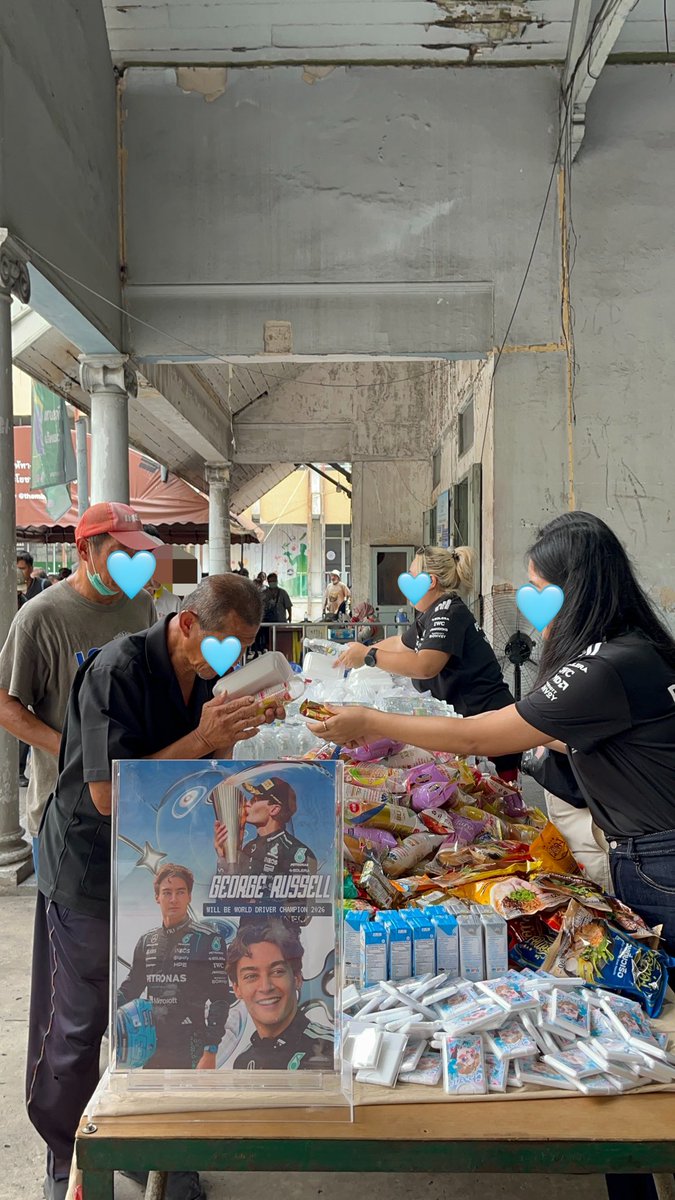
From. Mothers of GR63’s Association of Thailand 🇹🇭🪽✨
วันนี้ทาง #สมาคมแม่น้องจ้อจแห่งประเทศไทย ได้ลงพื้นที่ร่วมแจกข้าวกล่องแก่บุคคลไร้บ้าน โดยได้รับการสนับสนุนข้าวกล่อง163ชุดจากSuperboon
แอลกอฮอล์ล้างมือจากคุณนิวคุณซีน 🙏🏻@nyroriep17 @februariusxv
อาหารแห้งกับขนมจากคุณฟ้าและเพื่อนคุณฟ้า 🙏🏻@fahthariya
ขอบคุณคุณเปาที่ทำแบบฟอร์มให้ร่วมด้วยคุณตังที่ช่วยดูแลหลังบ้านตั้งแต่เริ่มต้นกันมา 🙏🏻@1994xline3 @allaboutselyn
ขอบคุณแฟนคลับชาวไทยของจอร์จทุกท่านที่มีส่วนร่วมทำให้โปรเจ็คนี้สำเร็จลุล่วงค่ะ ดีใจมากๆ ที่พวกเราได้ช่วยเพื่อนมนุษย์ด้วยกันให้นอนหลับอิ่มท้อง และยังได้ช่วยน้องหมาน้องแมวที่ป่วยพิการด้วยนะคะ🐶🐱
ลึกๆ แล้วเราไม่อาจรู้ทั้งหมดได้ว่าจอร์จเป็นคนเช่นไร เขาจะเป็นแบบที่สื่อบันเทิงสื่อข่าวนำเสนอไหม หรือเขาจะเป็นในแบบมุมมองที่เราเห็น
แต่สำหรับพวกเราแล้ว จอร์จคงเป็นคนที่สุภาพ อ่อนโยนต่อมนุษย์ด้วยกันและสิ่งมีชีวิตร่วมโลกในแบบที่เรากำลังทำ นั่นก็คงเป็นเหตุผลที่มากพอแล้วที่พวกเราจะซัพพอร์ตนักกีฬาคนหนึ่ง🌟
ขอให้สิ่งศักดิ์สิทธิ์ดลบันดาลให้บุญกุศลในครั้งสำเร็จแก่ทุกท่านที่ร่วมบุญจะด้วยทางกาย วาจา ใจแม้ไม่ใช่ทางทรัพย์สินก็ดี ประสบแต่ความสุขความเจริญในชีวิตนะคะ🪽🙏🏻
และยิ่งไปกว่านั้นขอให้บุญกุลศลส่งถึงจอร์จ วิลเลียม รัสเซลล์ ให้มีชีวิตที่รุ่งโรจน์ในเส้นทางนักแข่งFormula1 ตลอดฤดูกาล2026 ไม่พบเจอเหตุร้ายอันตรายใดๆ ขับขี่ปลอดภัย บริวารเกื้อหนุน ประสบความสำเร็จในอนาคต🩵
We’re always beside you @GeorgeRussell63 ✨🩵



8
251
416
11,631

ItsaboutGR1 retweeted

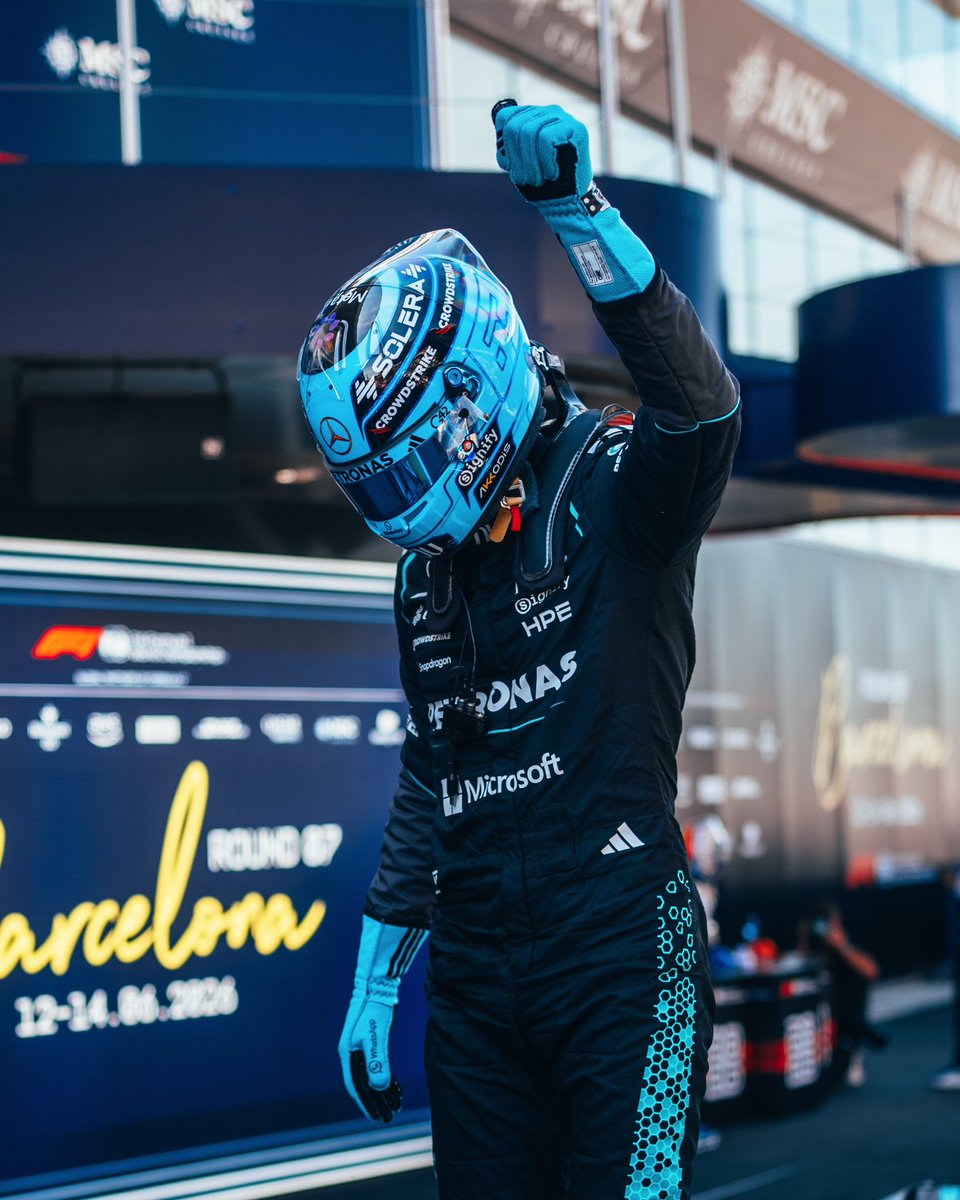
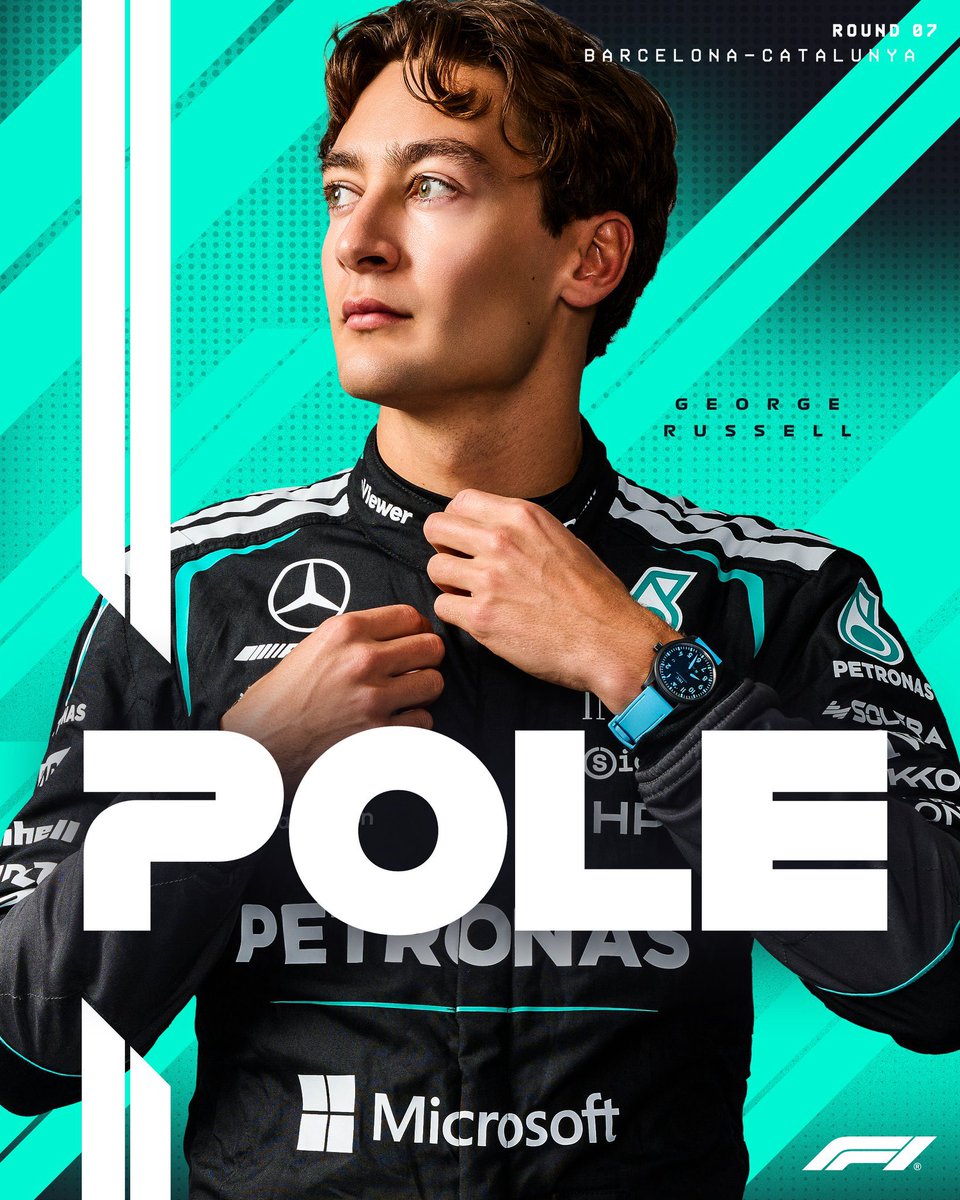
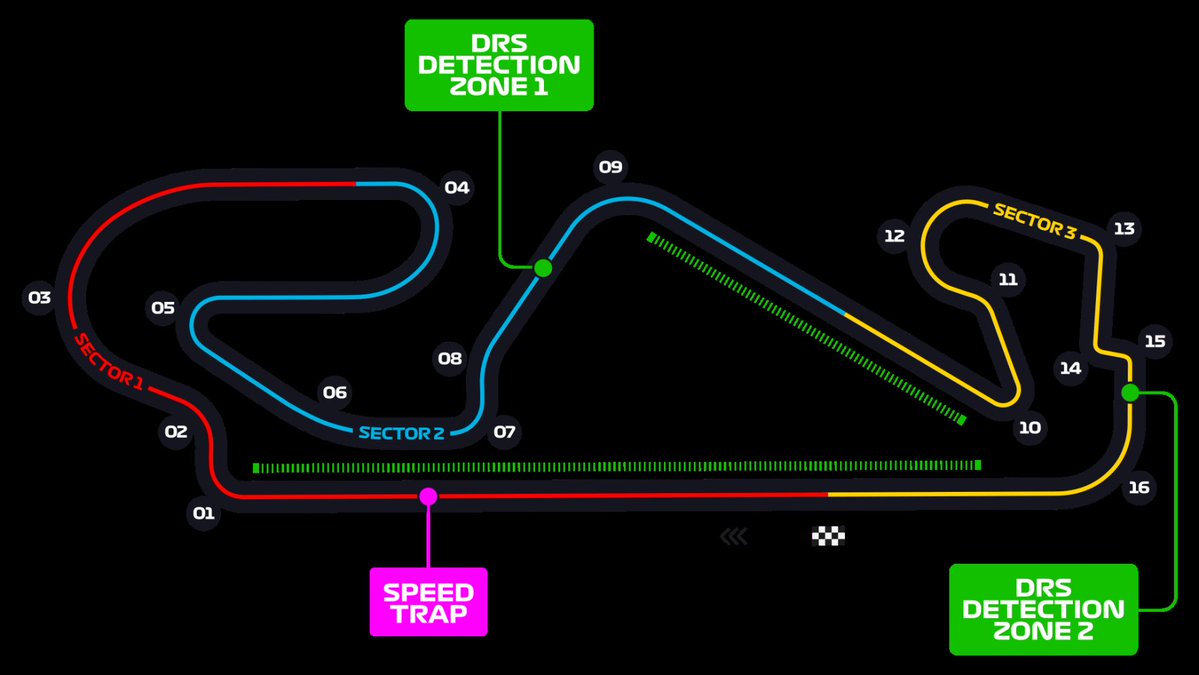
Barcelona is a benchmark circuit.
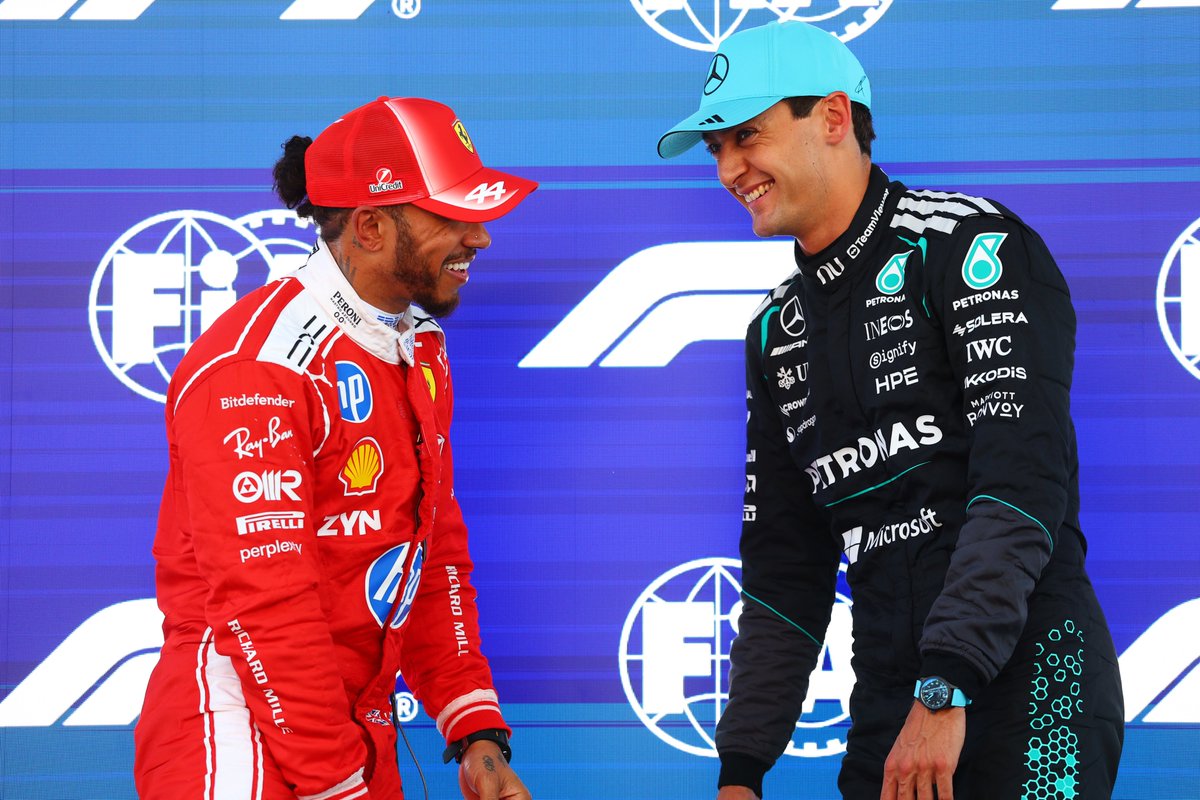
It features slow, medium, and high-speed corners, along with a long straight, heavy-braking zones, and a series of linked corner sequences. That is why it has long been regarded as a track that tests the complete performance envelope of a car. Based on this qualifying result, Ferrari's upgrade package appears to have been highly effective, closing the gap to Mercedes to a bare minimum. Should Ferrari also receive the opportunity to introduce an upgraded power unit, there is every reason to look forward to the second half of their season. (Revisiting Australia, when Russell stated in the cooldown room that Ferrari was not slow, he clearly had a sharp read on the situation.)
For drivers, Barcelona is a thorough technical examination. It demands comprehensive driving skill, astute situational awareness, and the ability to adapt under pressure, all of which together reveal how deeply a driver understands the limits of the car.
In the high-speed corners, drivers must read front-axle grip with precision to judge how much entry speed they can carry to the apex. Higher entry speed translates directly into lap-time gain. At the same time, front-tyre temperatures must be carefully managed. This circuit places considerable stress on the front-left tyre, and overly aggressive driving in Sector 1 can cause temperatures to spike rapidly, making tyre preservation a significant challenge. Forcing rotation through steering input only amplifies front slip and accelerates tyre wear. The best drivers know how to make the car rotate naturally, guiding it through corners with greater finesse and fluency. They also understand how to locate the precise limit at which the front does not push wide and the rear does not break away. At Barcelona, this is often where the gap to a teammate is made or lost.
Toto’s interview spreads very interesting messages. He mentioned that for this race, Russell's car had been reset to the initial setup as the beginning of this season, which naturally raises the question of what direction they had actually been pursuing in the previous rounds. The result speaks for itself: Russell was over 0.3 seconds faster than his teammate, even accounting for the fact that car number 12 had already found a setup window that suited him in earlier races. Canada also warrants another word of praise. Without a setup that truly worked for Russell, he still secured both sprint pole and Grand Prix pole position in a car that was not entirely to his preference. It was, quite genuinely, a performance conjured from thin air.
2
34
230
3,078

Is it possible that the data is flawed?🤨

george talking about how he just decided not to look at any data, just trust his instincts instead and return to his og setups
3
228

ItsaboutGR1 retweeted

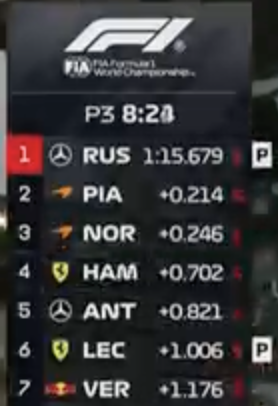
Ma quando 12 è p1 il motore non è illegale vero
18h

La FIA a voulu nous vendre que le moteur Mercedes avait 2% de déficit sur Red Bull 😭
#F1 #BarcelonaGP
1
10
304
6,841
Are Sky Sports reporters this amateur? George took double pole in Montreal, won the Sprint, and was leading before his DNF in the main race. And they still say Kimi is stronger? Or are they just paid off to smear him and spread rumors?@SkySports
8
19
178
4,238
Pole positions in both sprint and main race, won the sprint, led the main race before DNF... and they still say kimi is better? Do these journalists have any professionalism at all? Are they just spouting nonsense without even watching the races?

🗣️: "i had a lovely chat with george yesterday and he was saying, 'look, what it might seem to the rest of the world is that, you know, kimi's obviously the hot favourite and everyone's supporting him within the team, but actually i'm getting just as much support behind the scenes from toto.' how do you manage two drivers this way? i mean, you've got a bit of experience."
toto wolff: "i always try to be super balanced. alan prost once told me at the beginning of my time in mercedes, i asked him 'what went wrong between senna and you' and he said that 'the team was never transparent, we never knew who is the love child' and i try to do the opposite. pressure when pressure is necessary, and also the odd, you know, put your finger out of your backside. [..]
and on the other side, all of us put our arm around them when they need the support. and i feel that i'm happy to hear that because none of them can say we are not giving them equal treatment, equal support, equal love. and i think it's down to everyone to never make them feel that it's not going in the direction."
🗣️: "but do they require a different approach? you know, everyone responds differently to carrot and stick. do you have to handle them differently?"
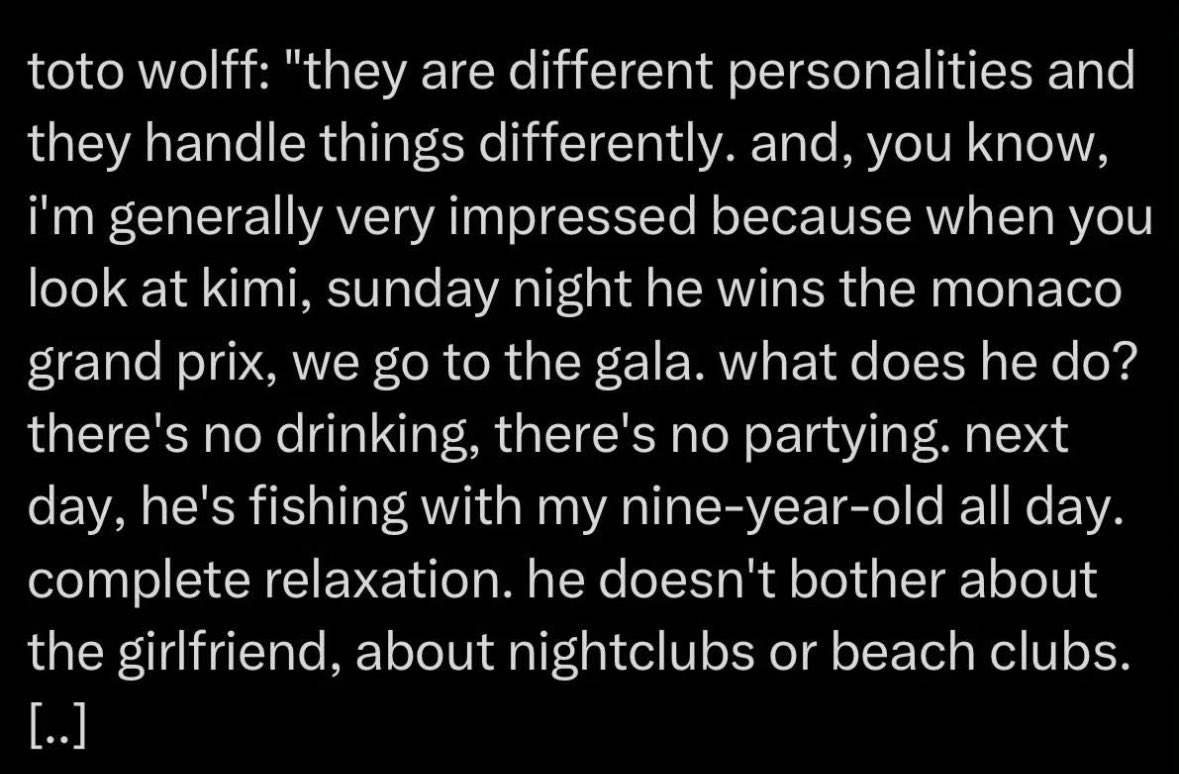
toto wolff: "they are different personalities and they handle things differently. and, you know, i'm generally very impressed because when you look at kimi, sunday night he wins the monaco grand prix, we go to the gala. what does he do? there's no drinking, there's no partying. next day, he's fishing with my nine-year-old all day. complete relaxation. he doesn't bother about the girlfriend, about nightclubs or beach clubs. [..]
i think he's at the level at the moment. and it's about marginal gains, you know, every marginal gains. and on the other side, george is in a little bit the same situation. he has his girlfriend and they keep between themselves and... how can i say? it's just they're pushing each other so much that there is no giving up of the tiny margins."
6
42
827

52
585
4,007
181,366
ItsaboutGR1 retweeted

🩵🏁 | GRCN’s flag made it on screen 🩵 Huge thanks to the 63s waving our blue trackside and showing up for George all weekend long 🫶
#GeorgeRussell #F1 #BarcelonaGP #tRUSt
13
131
1,189

fuck toto and your condescending tone

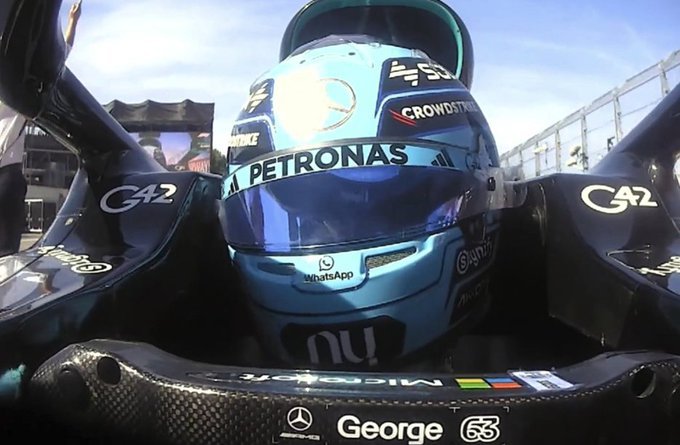
Dudley: "É isso aí, bom trabalho, parceiro, pole position, ótimo trabalho"
Wolff: "George, como está se sentindo?"
George Russell: "Bom sentir o ritmo novamente."
[@MercedesAMGPCF1]
3
10
159
ItsaboutGR1 retweeted

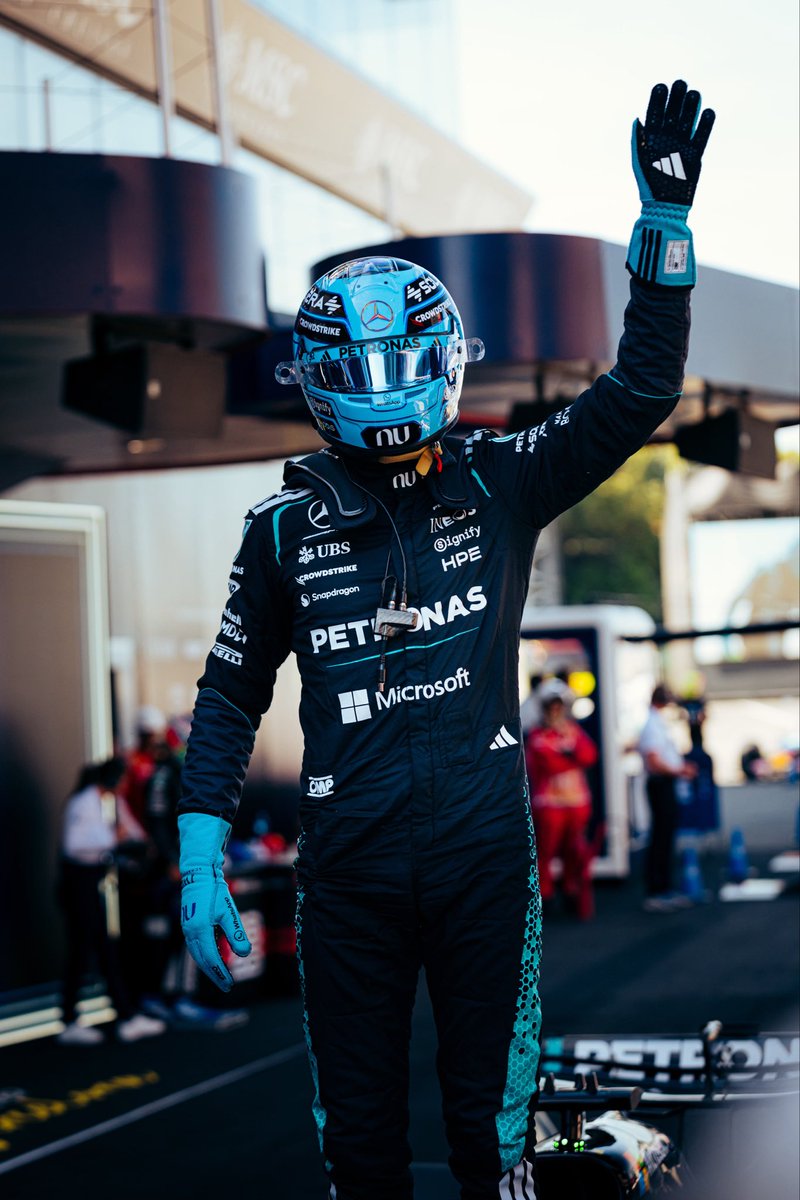
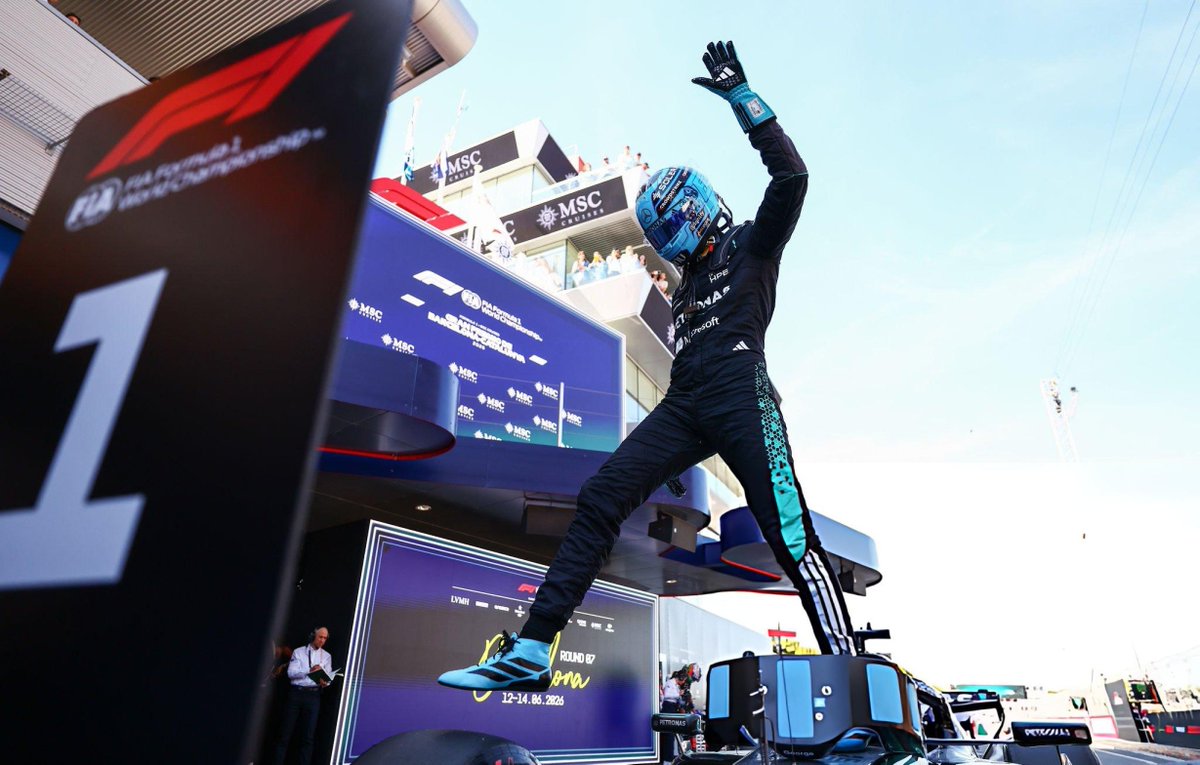
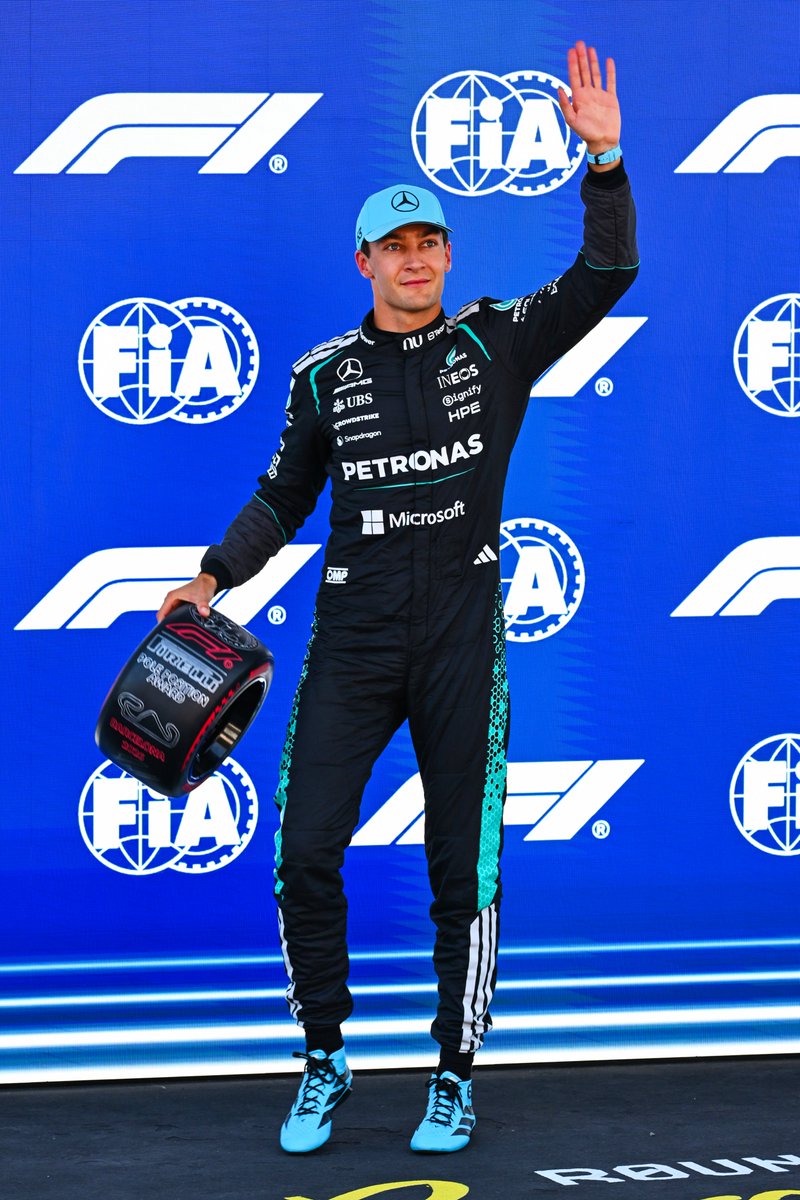
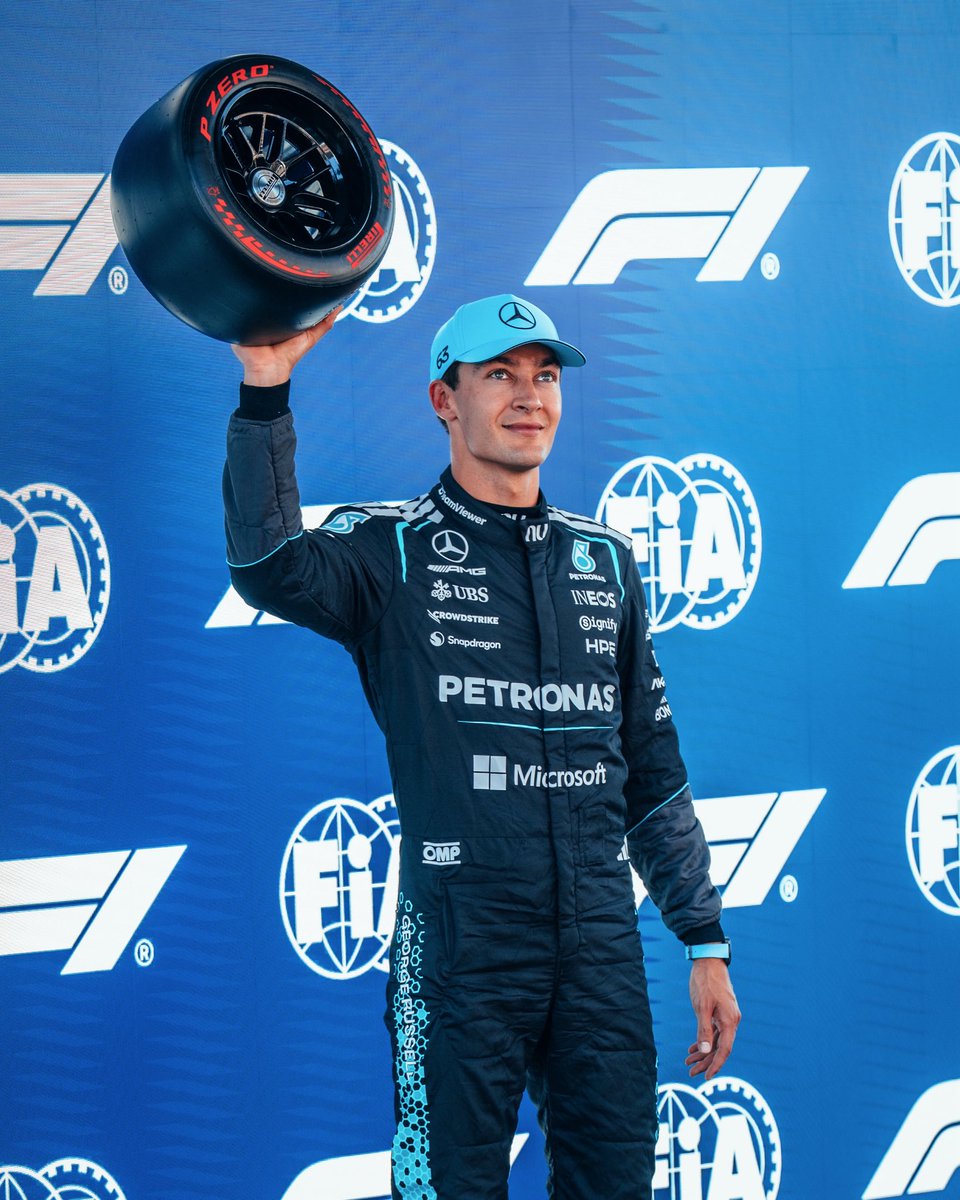
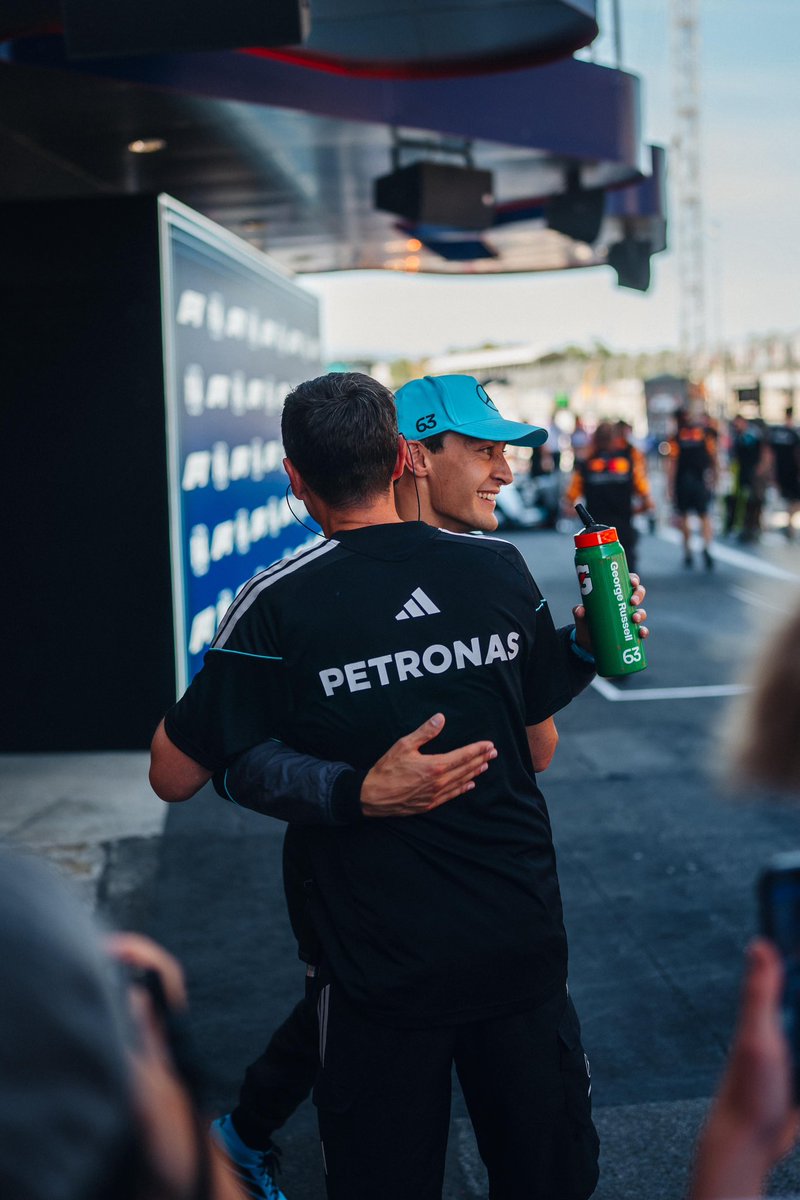
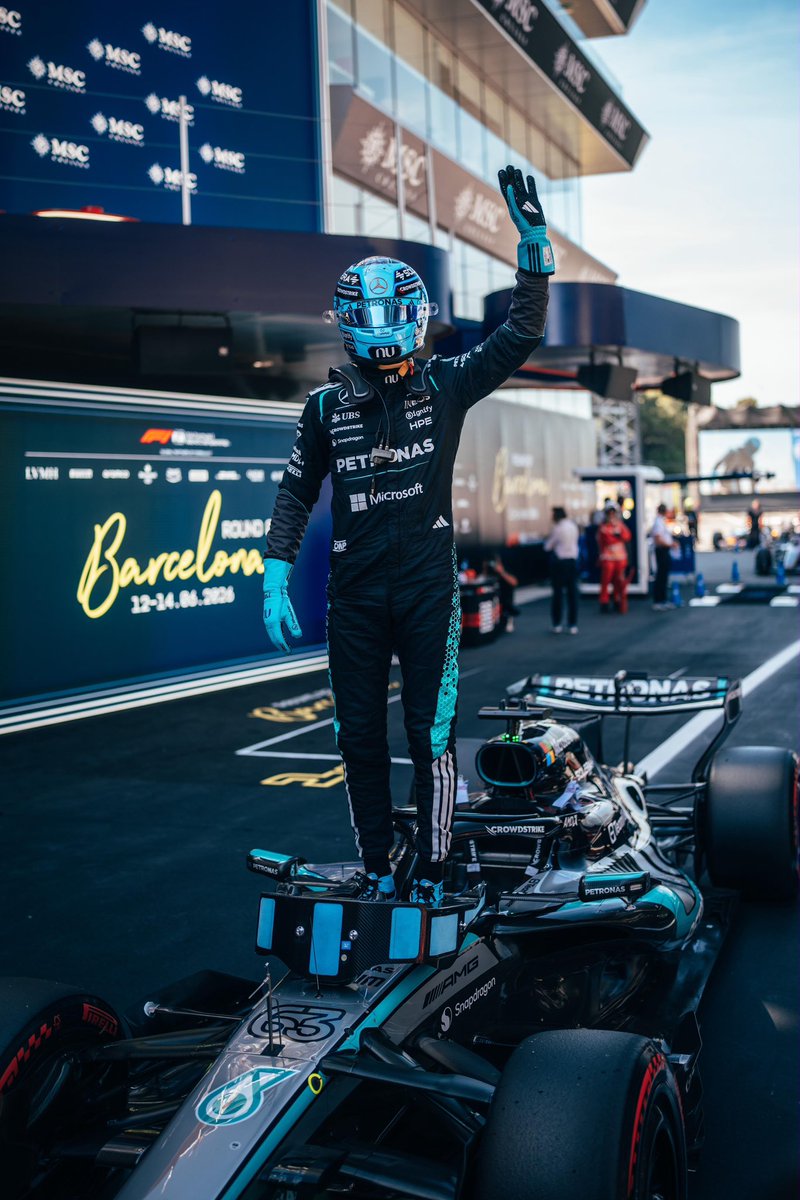
So great to be back on Pole!! Of course, tomorrow is when it’s all to play for but I really appreciate everyone’s support leading up to this week. It’s helped achieve this moment 💪
All eyes on tomorrow 👊
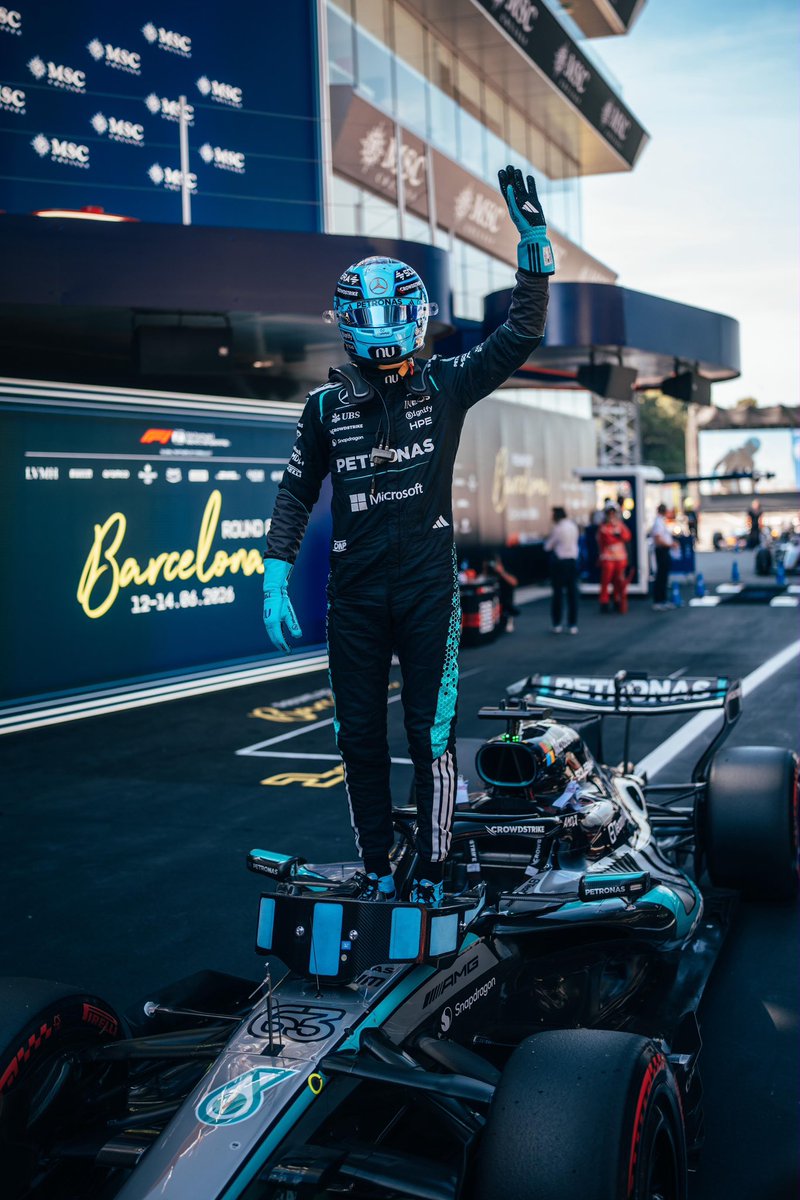
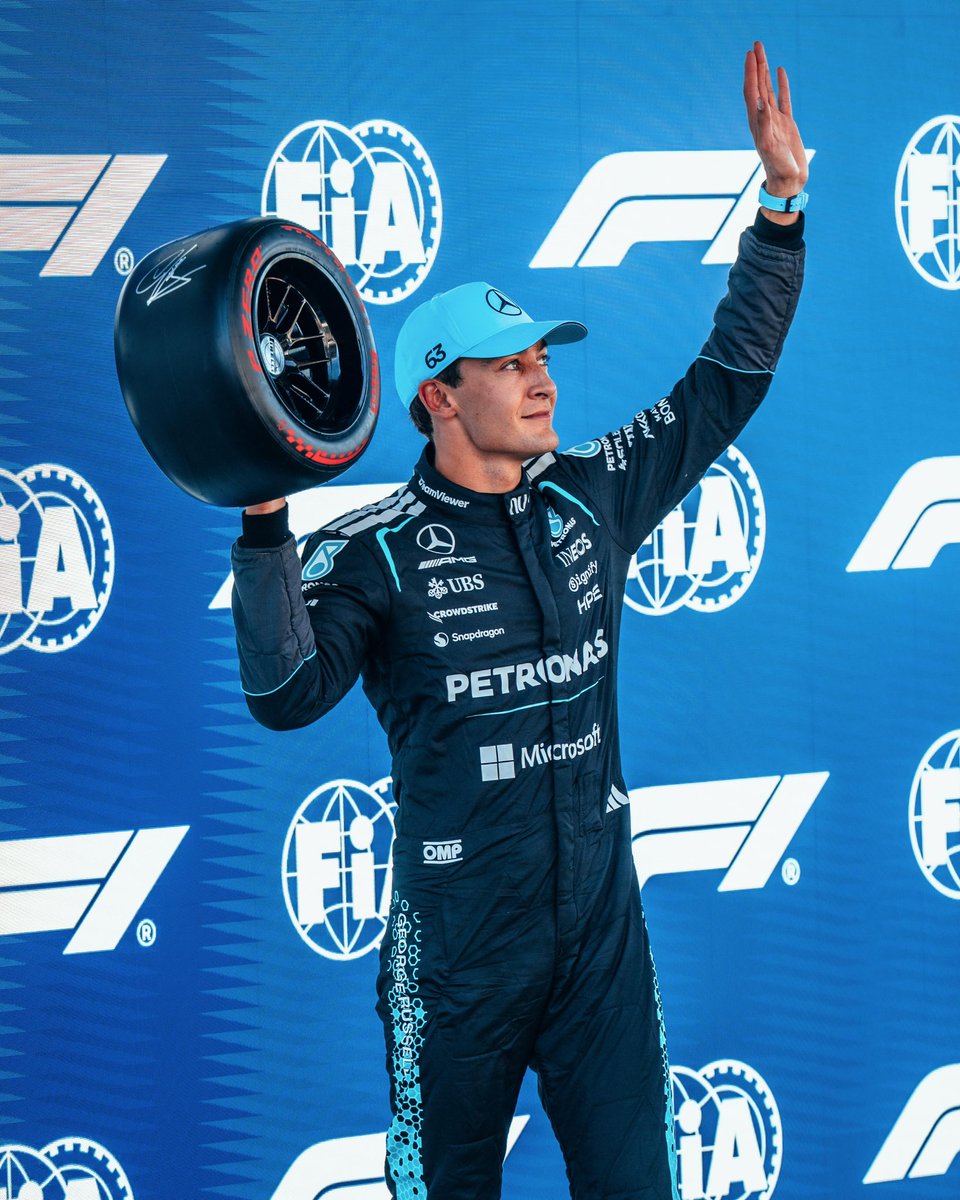
556
4,001
17,297
185,095
They clearly don't want George winning, because otherwise, how can they manufacture a rigged title?

TOTO SAID GEORGE SET UP HIS CAR THE SAME WAY IT WAS IN AUSTRALIA OMG NO ONE TOUCH IT FOR THE REST OF THE SEASON PLEASE
3
16
462
ItsaboutGR1 retweeted
So Toto is basically saying that GR went back to his original setup and immediately became fast again. If that’s the case, why was he being pushed away from it for so long?It almost makes it look like the car was being deliberately set up in a way that made it impossible for him to find a rhythm, until he finally insisted on going back to what worked.

🚨Toto on George:
🗣️"He's been strong all weekend. He's gone back to basics, to set up the car mechanically and electronically how he wanted it, how he started the season, and in every single session he was absolutely strong. If I had had a favourite for this Pole, it would have been him."
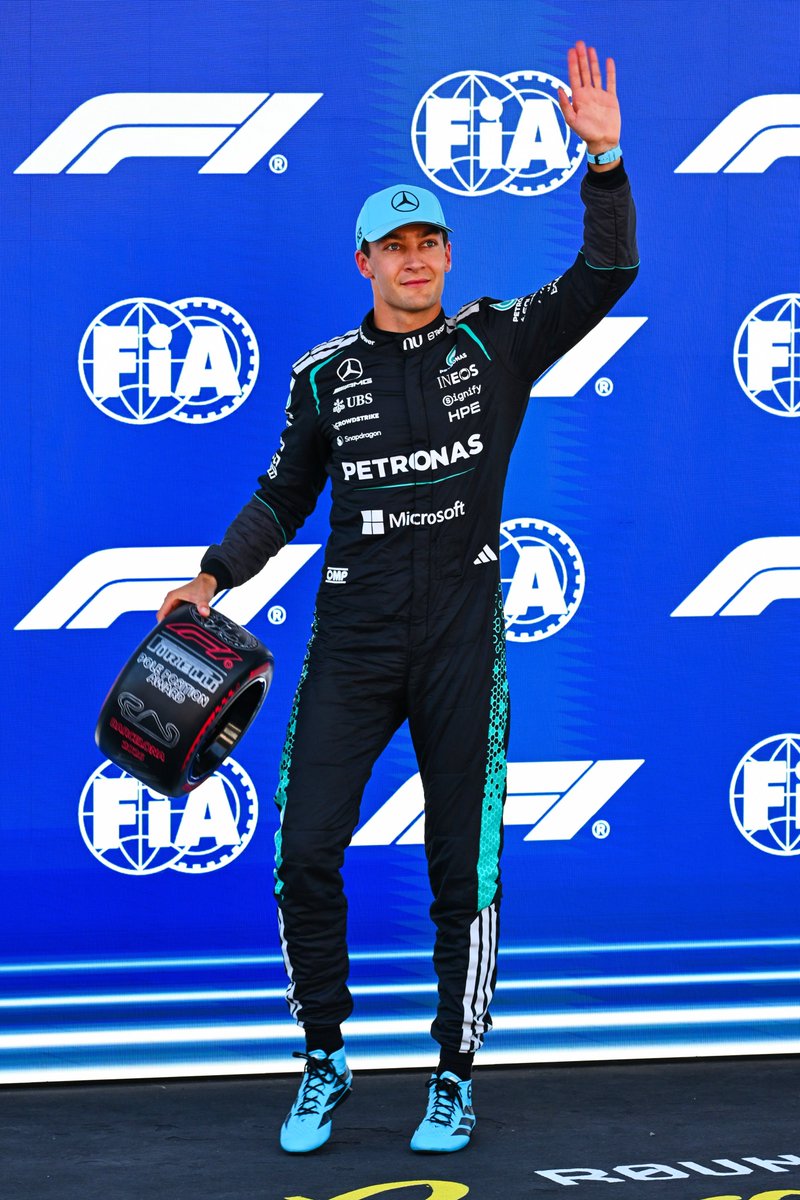
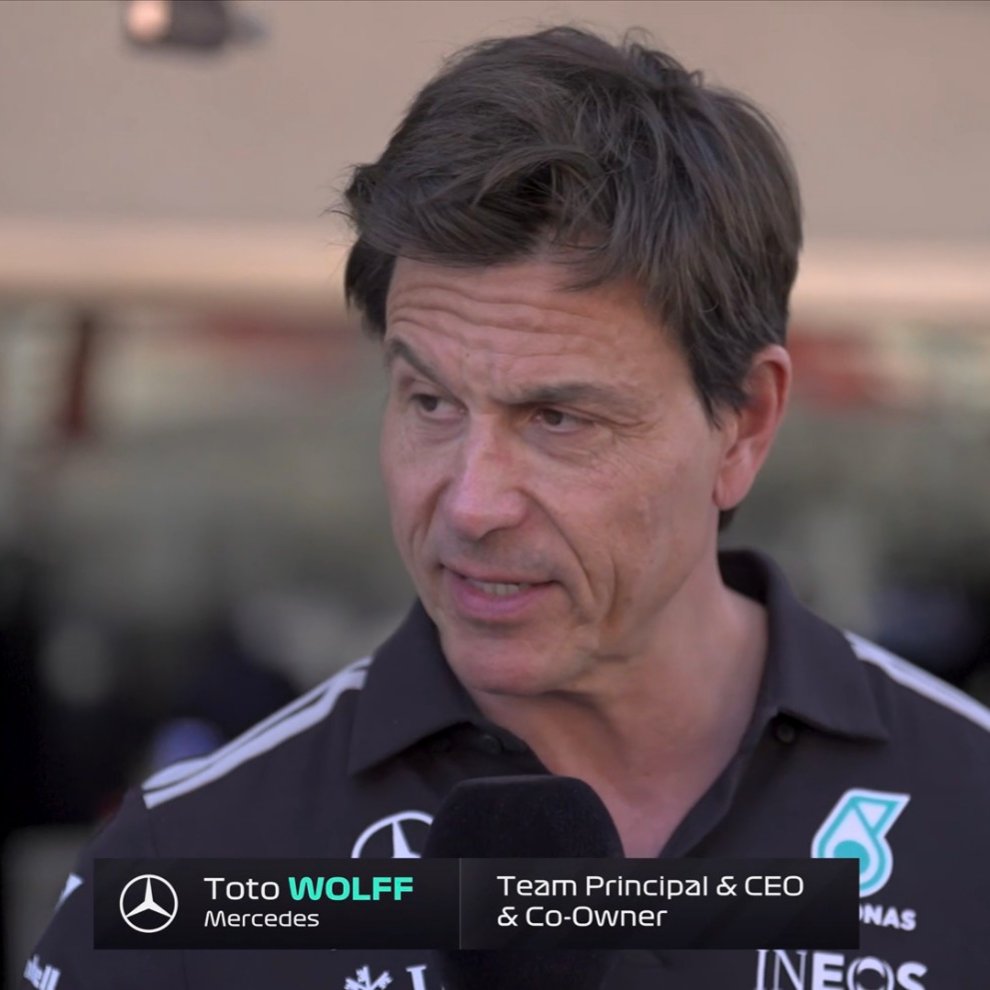
3
47
346
8,152
ItsaboutGR1 retweeted

What’s this all about? Did you never want George to win from the start? No wonder your team refused to back his appeal, lied to him and skipped the hearing. It’s obvious to me. Every time you hope to see him lose, his car is plagued with all sorts of issues out on the track.
🚨Toto on George:
🗣️"He's been strong all weekend. He's gone back to basics, to set up the car mechanically and electronically how he wanted it, how he started the season, and in every single session he was absolutely strong. If I had had a favourite for this Pole, it would have been him."
4
19
446
This interview tells me Toto only wants kimi to win, so he's been intentionally sabotaging George's car. If the car was running normally, George would've taken P1. Even that speed penalty in Monaco was just part of Toto's conspiracy.
🚨Toto on George:
🗣️"He's been strong all weekend. He's gone back to basics, to set up the car mechanically and electronically how he wanted it, how he started the season, and in every single session he was absolutely strong. If I had had a favourite for this Pole, it would have been him."
4
41
802