
Joined December 2015
- Tweets 565
- Following 521
- Followers 2,581
- Likes 638
73 Photos and videos


1 Oct 2025
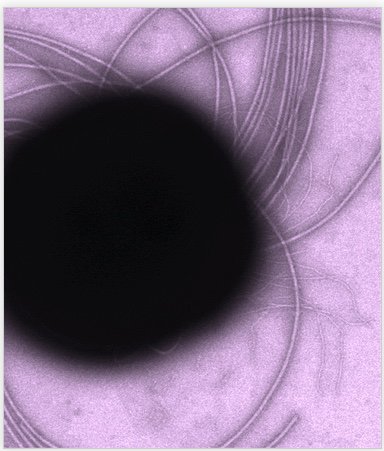
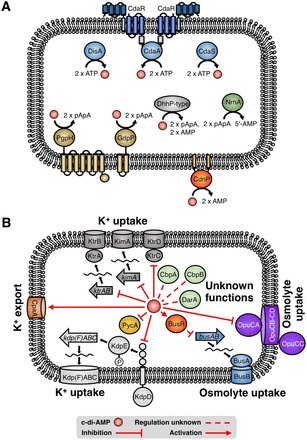
The complex developmental mechanisms of nucleus-forming jumbo phages
Mozumdar D, Agard DA, Bondy-Denomy J
Curr Opin Microbiol. 88:102676, doi: 10.1016/j.mib.2025.102676
pubmed.ncbi.nlm.nih.gov/4101…
sciencedirect.com/science/ar…
115
1 Oct 2025
George O'Toole @geiselbiofilm.bsky.social
New in JB: Fung, Visick et al. show that a single SNP can impact biofilm formation and colonization of its squid host by V. fischeri. journals.asm.org/doi/10.1128…
98
1 Oct 2025
George O'Toole @geiselbiofilm.bsky.social
New in JB: Antonia Herrero reviews the distinct aspects of cell division for Anabaena, a multicellular cyanobacterium
journals.asm.org/doi/10.1128…
130
1 Oct 2025
George O'Toole @geiselbiofilm.bsky.social
New in JB: Pinho, Gotz & Peschel review the history of S. aureus as a model for studying bacterial cell biology and pathogenesis journals.asm.org/doi/10.1128…
JB History of Microbial Model collection: journals.asm.org/topic/sss-t…
129
1 Oct 2025
George O'Toole @geiselbiofilm.bsky.social
New in JB: Rotaru, Kotoky et al. review the surface biology of Methanosarcina, an archaeon, with respect to their EET strategies, and biogeochemical and industrial roles. journals.asm.org/doi/10.1128…
94
JBacteriology Eds retweeted

19 Sep 2025
Over two years in the making, but here it is:
ComFB, the third family of c-di-GMP receptor proteins with representatives in multiple bacterial phyla (PMID: 40966295)
doi.org/10.1073/pnas.2513041…
1
5
12
740
JBacteriology Eds retweeted

13 Sep 2025
Rubisco is (arguably) the most abundant protein on Earth. (LPP surely comes close, right?) It’s an enzyme that fixes CO₂ into sugars during photosynthesis.
Unfortunately, as most people learn in school, Rubisco is inefficient. Sometimes it confuses O₂ for CO₂ and wastes energy. Plants make up for this in raw concentration; up to half the soluble protein in a leaf is Rubisco.
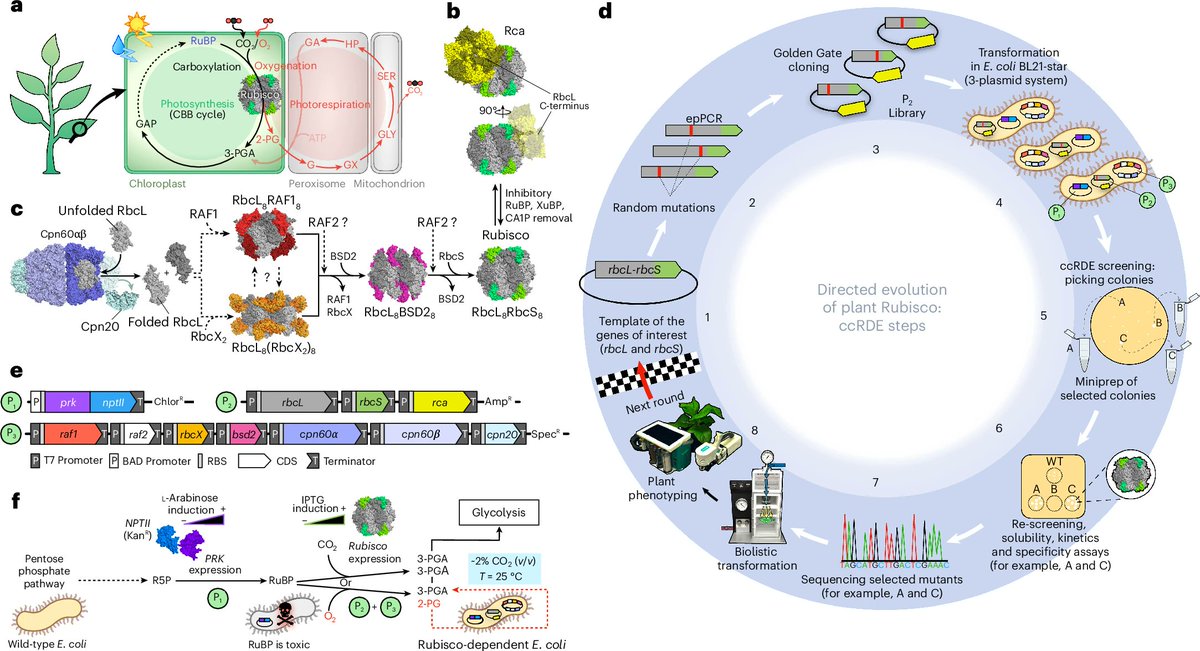
People have been trying to engineer better Rubiscos for many decades, but it's not easy because the proteins are big, do not fold easily (they need chaperone proteins to help out), are made from 16 subunits in land plants.
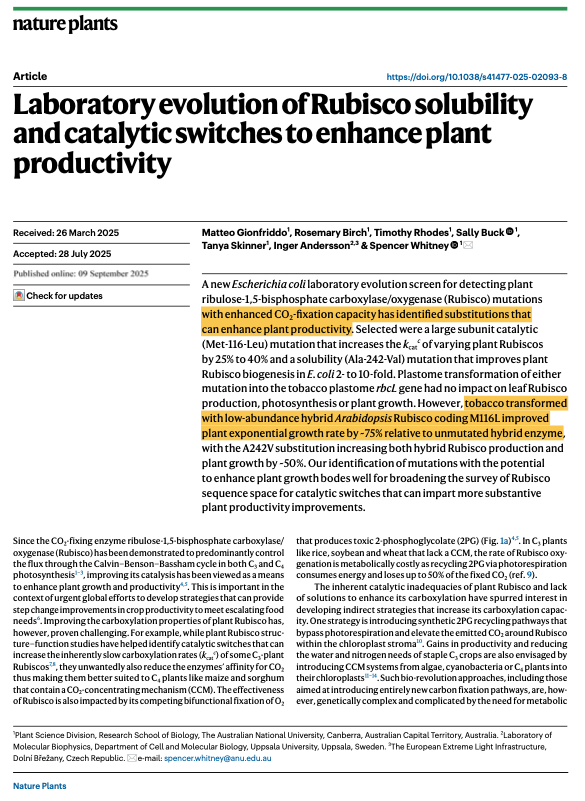
But there's a new paper in Nature Plants that looks really interesting. The TL;DR is that a group in Australia figured out how to express plant Rubiscos (and all SEVEN of their folding chaperones) using a set of 3 plasmids inside of E. coli cells. This enabled them to do "directed evolution" of Rubisco in bacterial cells, and quickly find Rubisco mutants that have higher enzymatic efficiency or that fold better.
In addition to the 3 plasmids, the researchers also coaxed E. coli to make ribulose-1,5-biphosphate, or RuBP, which is the 5-carbon sugar that Rubisco smashes into carbon dioxide to make molecules of 3-PGA for central metabolism.
Now, the clever bit is that you RANDOMLY MUTATE the three plasmids encoding the Rubisco to make millions of variants. Then, you transform those mutated plasmids into E. coli. If the E. coli do NOT make a functional Rubisco, RuBP levels build up and kill the cell; the molecule becomes toxic. But if the E. coli DO make a functional Rubisco, then they keep the RuBP levels in check and live just fine.
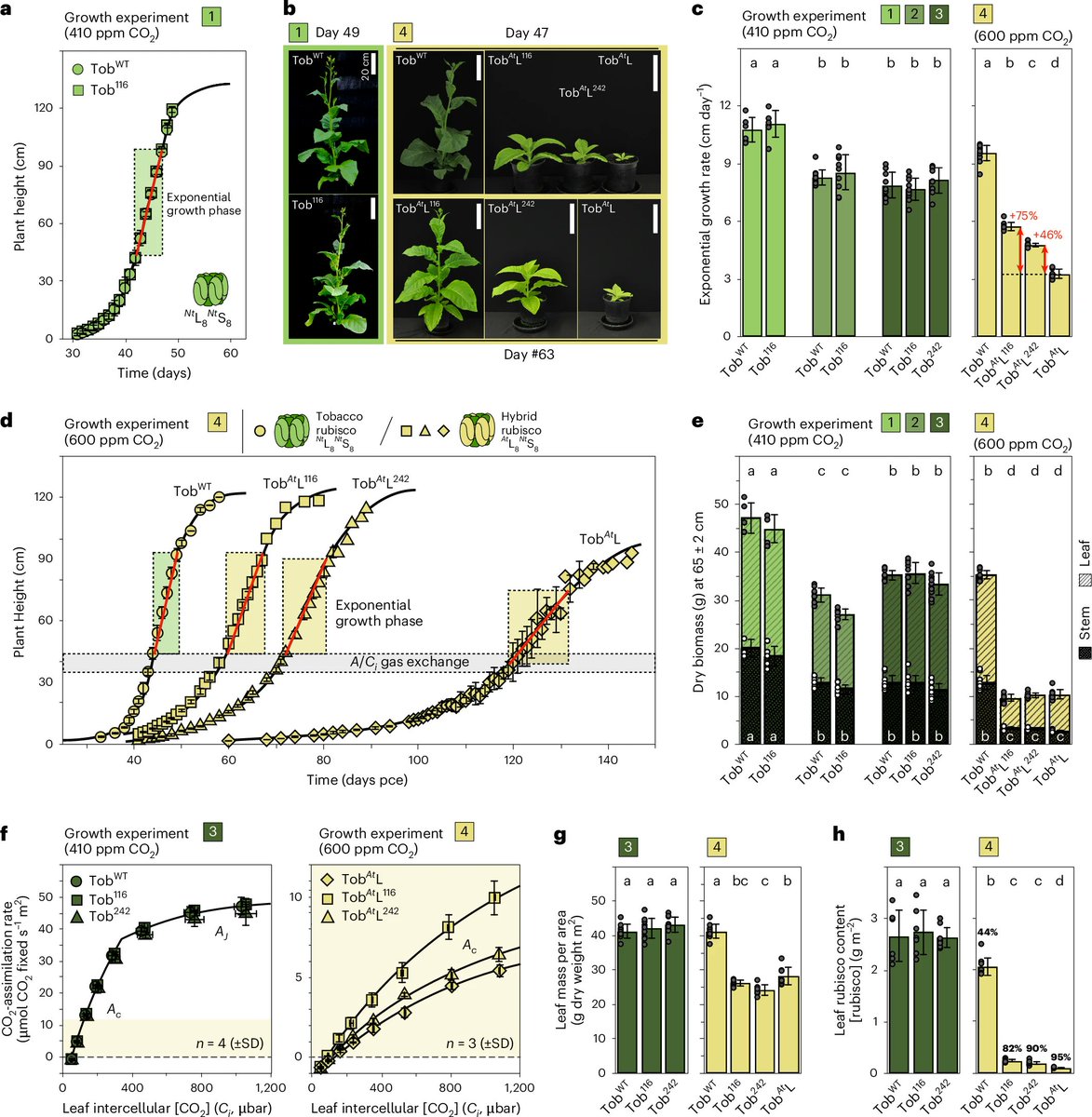
Using this "screening assay," the researchers found 46 fast-growing colonies of E. coli. Two of those colonies encoded really useful mutations. One mutation (M116L) makes Rubisco about 25–40% faster. The other (A242V) makes it fold and assemble much more efficiently.
They put this mutation into a "hybrid Arabidopsis–tobacco Rubisco," put that into tobacco plants, and measured growth. The plants with M116L grew 75% faster than wildtype.
No guarantees this will scale to more useful crops, like wheat and corn and soybeans etc. But it seems like a nice in vitro assay for faster prototyping!
37
391
2,226
141,691
14 Sep 2025
📷
@miguelmatilla.bsky.social
How do bacteria sense their world? Our review summarizes thermal-shift assay approaches for identifying ligands for bacterial sensor proteins academic.oup.com/femsre/arti…
1
2
151
14 Sep 2025
journals.asm.org/doi/10.1128… The PDZ domain of EpsC is required for extracellular secretion of VesB by the Type II secretion system in Vibrio cholerae
2
2
254
JBacteriology Eds retweeted

6 Sep 2025
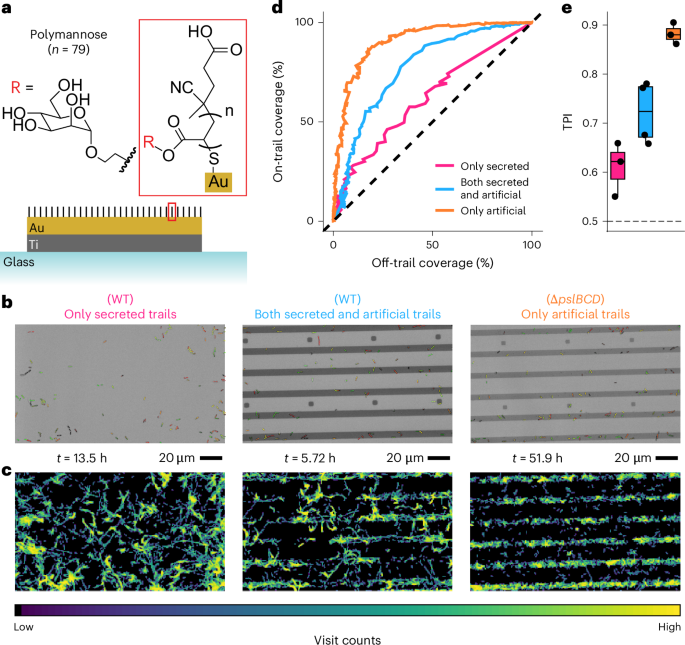
Out Now! Pseudomonas aeruginosa senses exopolysaccharide trails using type IV pili and adhesins during biofilm formation bit.ly/3JQFxxe #PseudomonasAeruginosa #BiofilmFormation #Microbiology
18
53
6,063
JBacteriology Eds retweeted
1 Sep 2025
Lara Amorim, Conceição Santos and Kenneth Timmis
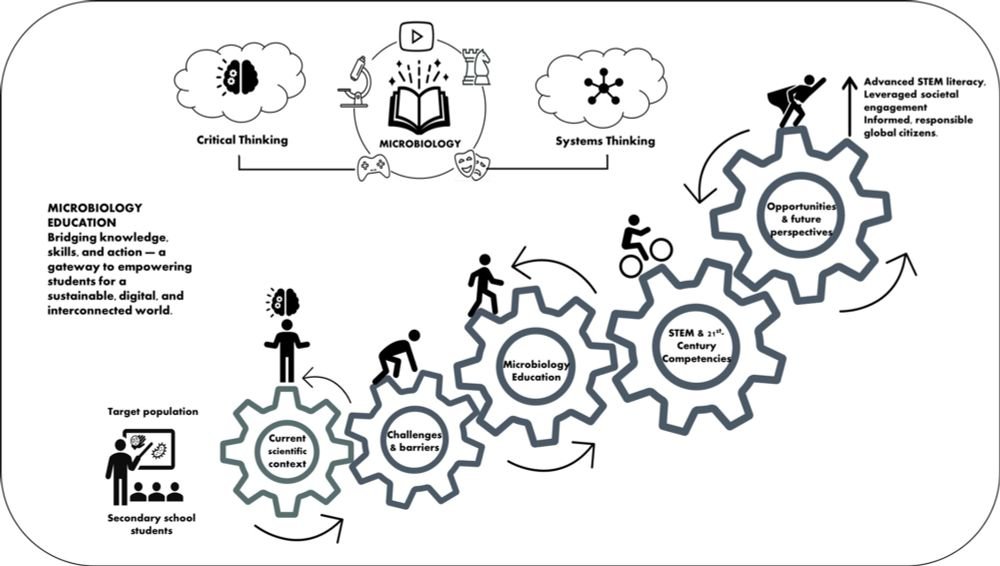
Prioritising Microbiology in Secondary Education Addresses Emerging Scientific-Social-Educational Challenges and Competency Needs
enviromicro-journals.onlinel…
1
1
233
JBacteriology Eds retweeted
2 Sep 2025
Some thoughts on metabolism and metabolic pathway holes
pnas.org/doi/10.1073/pnas.25….
3
9
562

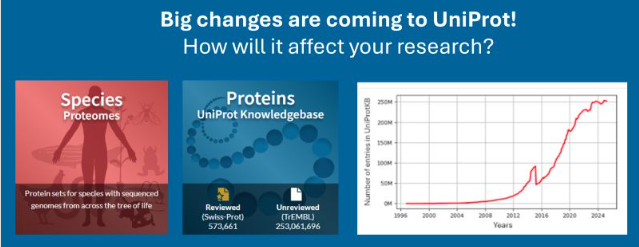
In our next release (2025_04) we will deploy a new Reference Proteome selection pipeline with the aim of improving the representation of species biodiversity in UniProtKB. Read our blog post to find out how this might affect your research: insideuniprot.blogspot.com/2…
8
16
2,504
JBacteriology Eds retweeted

29 Aug 2025
Which chemicals motile bacteria sense in the human gut? Great collaboration with @zhulinlab and @BangeBalcony, and congratulations to @wency13419273 and @EkaterinaJalomo!
Specificities of chemosensory receptors in the human gut microbiota | PNAS pnas.org/doi/10.1073/pnas.25…
2
11
28
1,446
JBacteriology Eds retweeted

28 Aug 2025
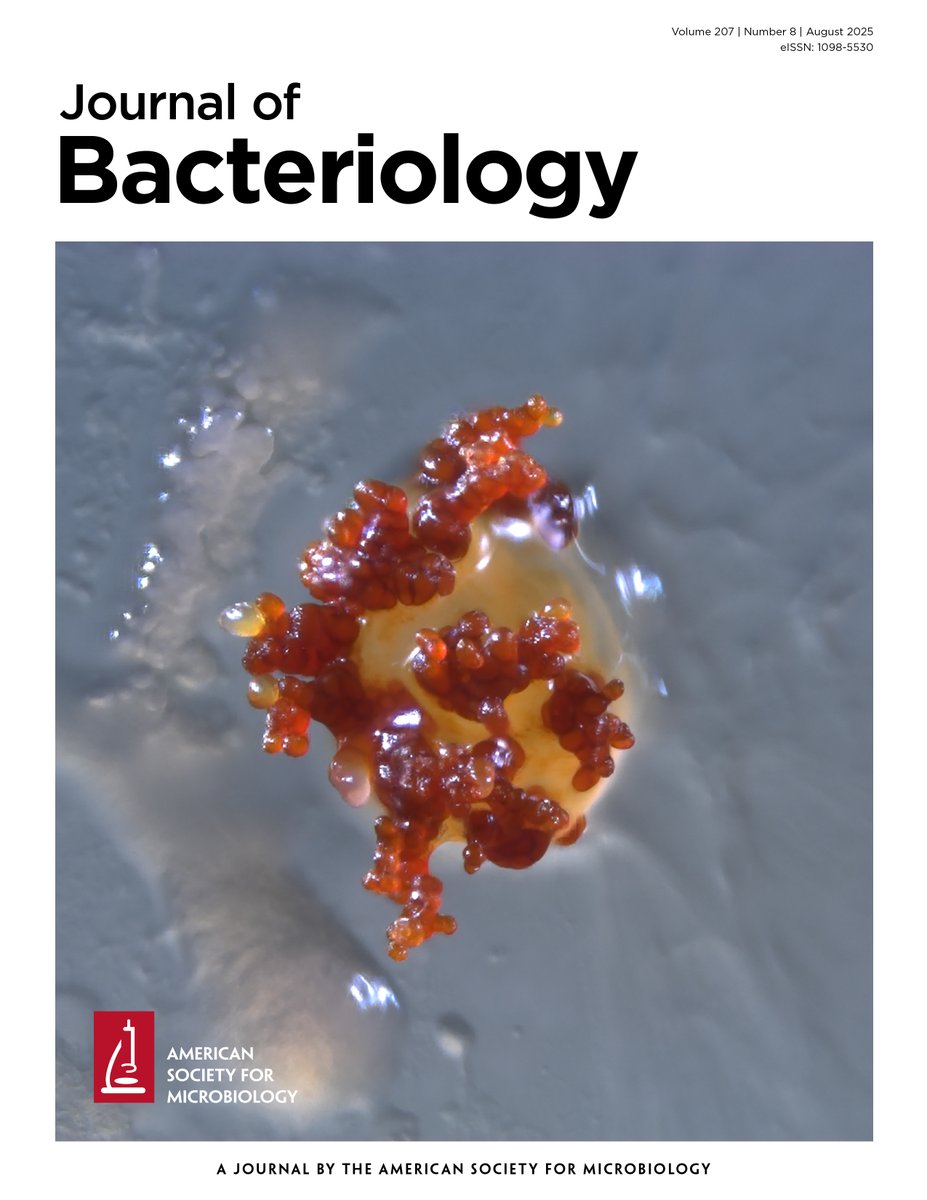
Our group review on the history of #Myxococcus xanthus as a model organism (journals.asm.org/doi/10.1128…) made the cover of the Journal of Bacteriology!!!
3
19
622
JBacteriology Eds retweeted

26 Aug 2025
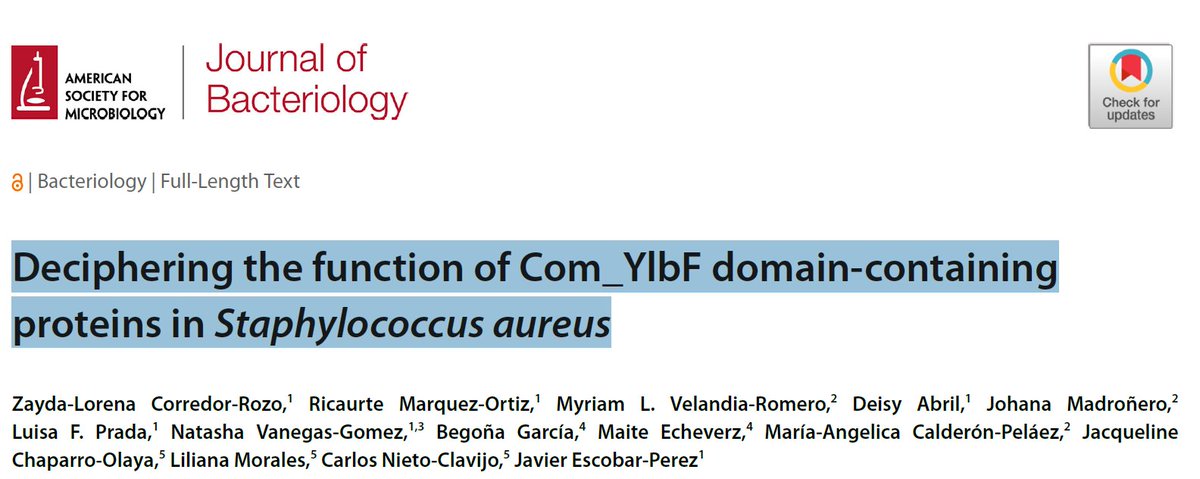
Nuestro más reciente artículo "Deciphering the function of Com_YlbF domain-containing proteins in Staphylococcus aureus" publicado en @JBacteriology de @ASMicrobiology. doi.org/10.1128/jb.00061-25
1
1
2
175
JBacteriology Eds retweeted

15 Aug 2025
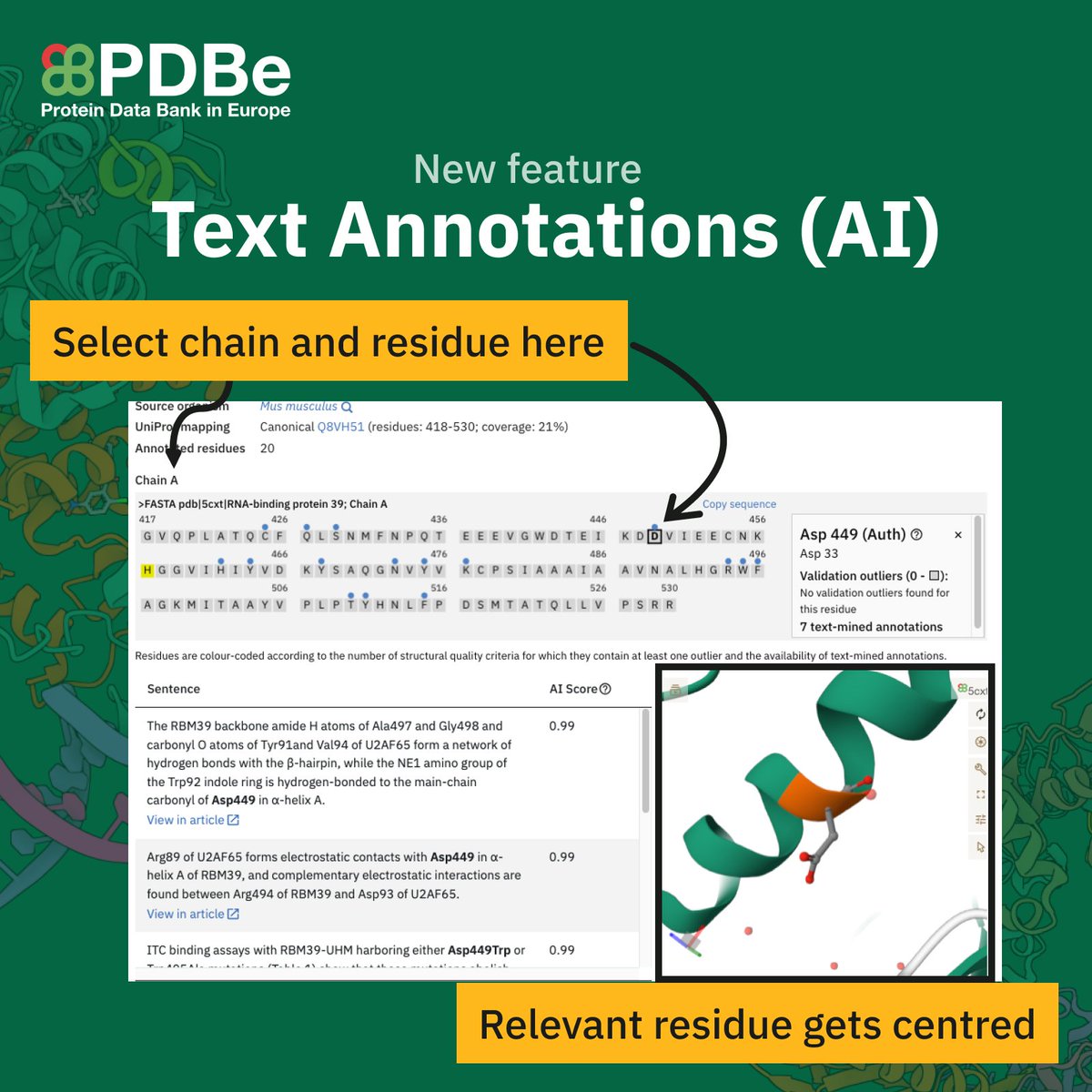
Explore 🧭 a residue’s structural environment in the context of its linked annotations. Colour-coding 🖍️residues in the sequence points you to places of interest, go and discover.
Try yourself: wwwdev.ebi.ac.uk/pdbe/entry/…
#PDBeBeta #ResidueLevelInsights #PDBeValidation #ARISE #IUCr
7
14
2,201
7 Jul 2025
JB editors' pick: Conjugative delivery of toxin genes ccdB and kil confers synergistic killing of bacterial recipients
journals.asm.org/doi/10.1128…
3
191
7 Jul 2025
Soluble peptidoglycan fragments do not initiate spore germination but stimulate germination triggered by amino acids and nucleosides
journals.asm.org/doi/10.1128…
2
215