
Dedicated to providing the highest quality and most clinically relevant content, showcasing the changing and interconnected world of global electrophysiology.
Joined September 2018
- Tweets 570
- Following 261
- Followers 7,223
- Likes 138
151 Photos and videos
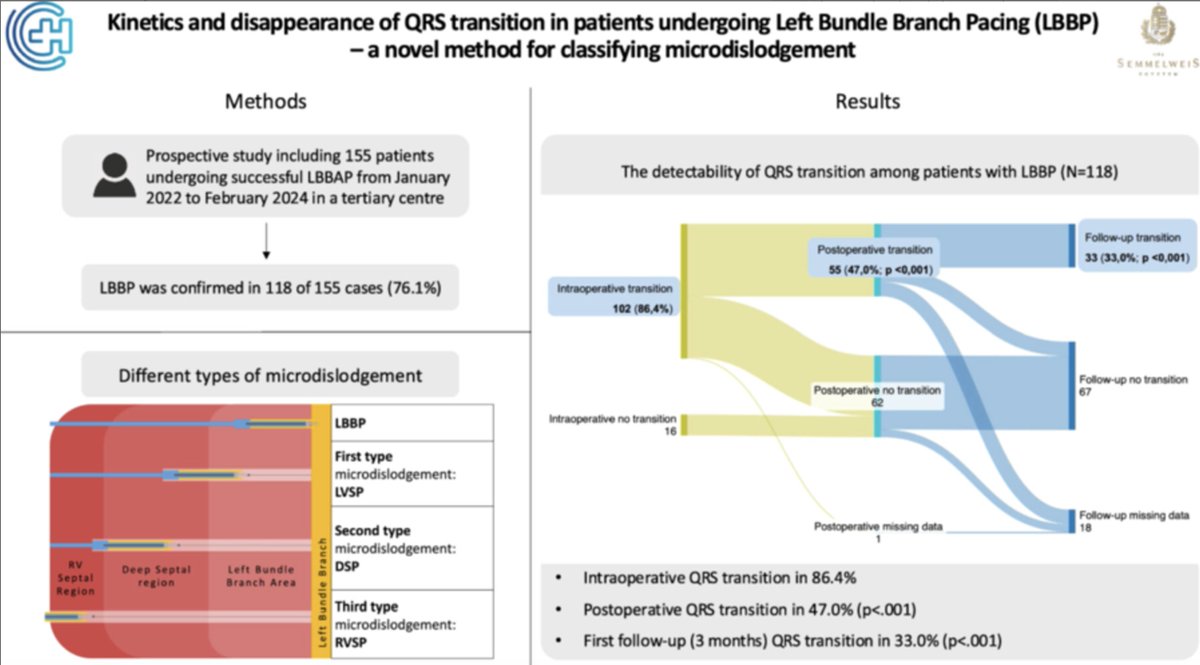
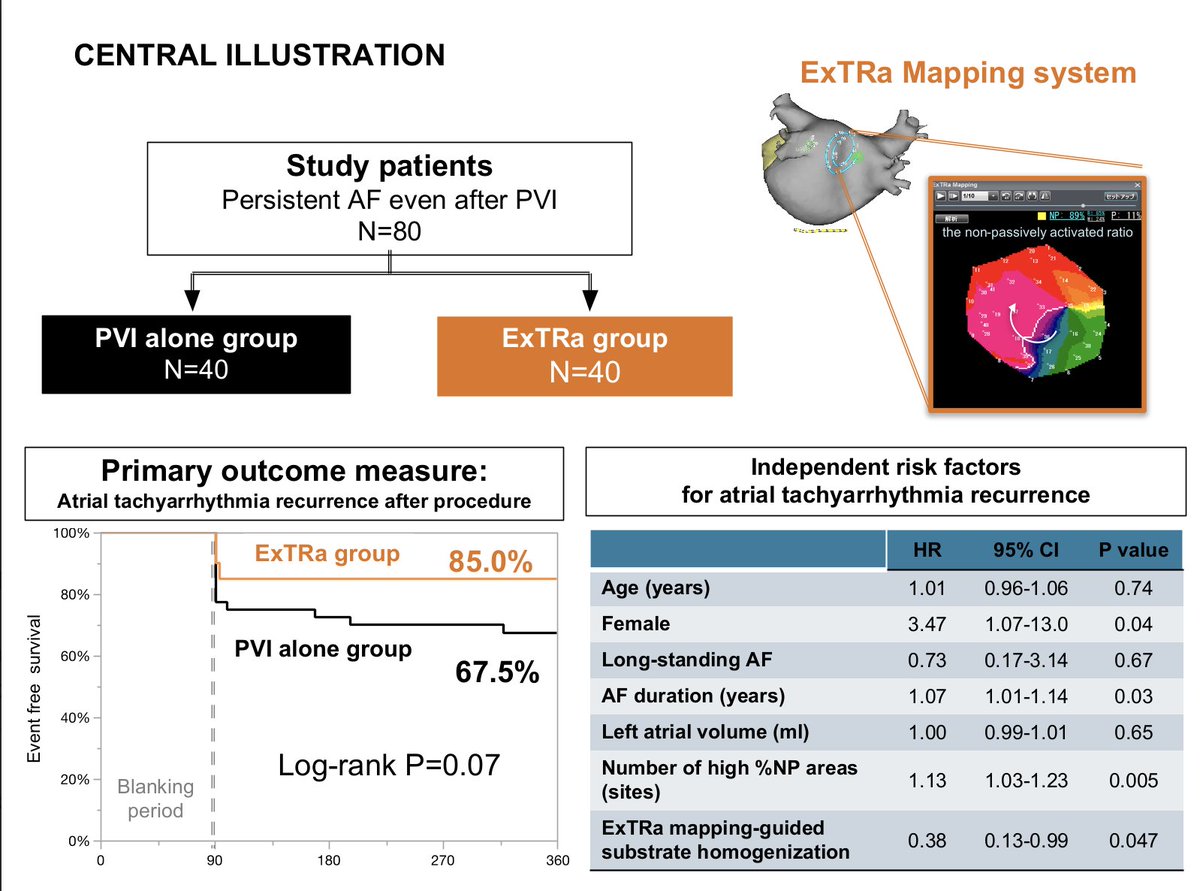
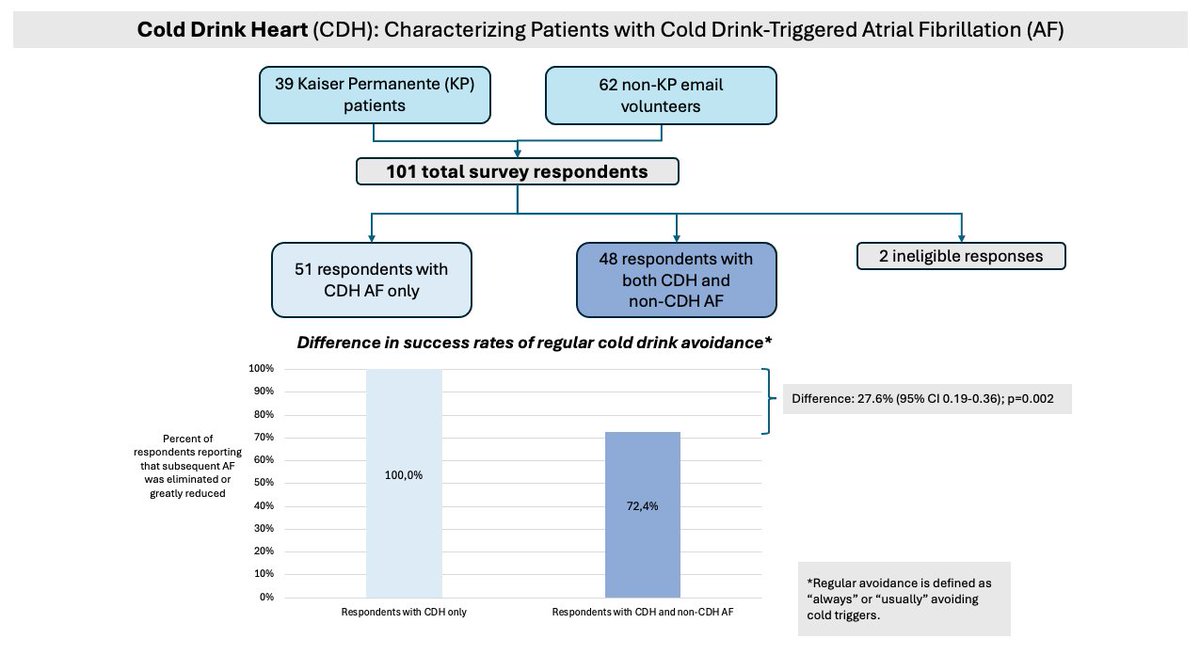
Pinned Tweet

Welcome to The Journal of Cardiovascular Electrophysiology 4.0 onlinelibrary.wiley.com/doi/…
1
4
28
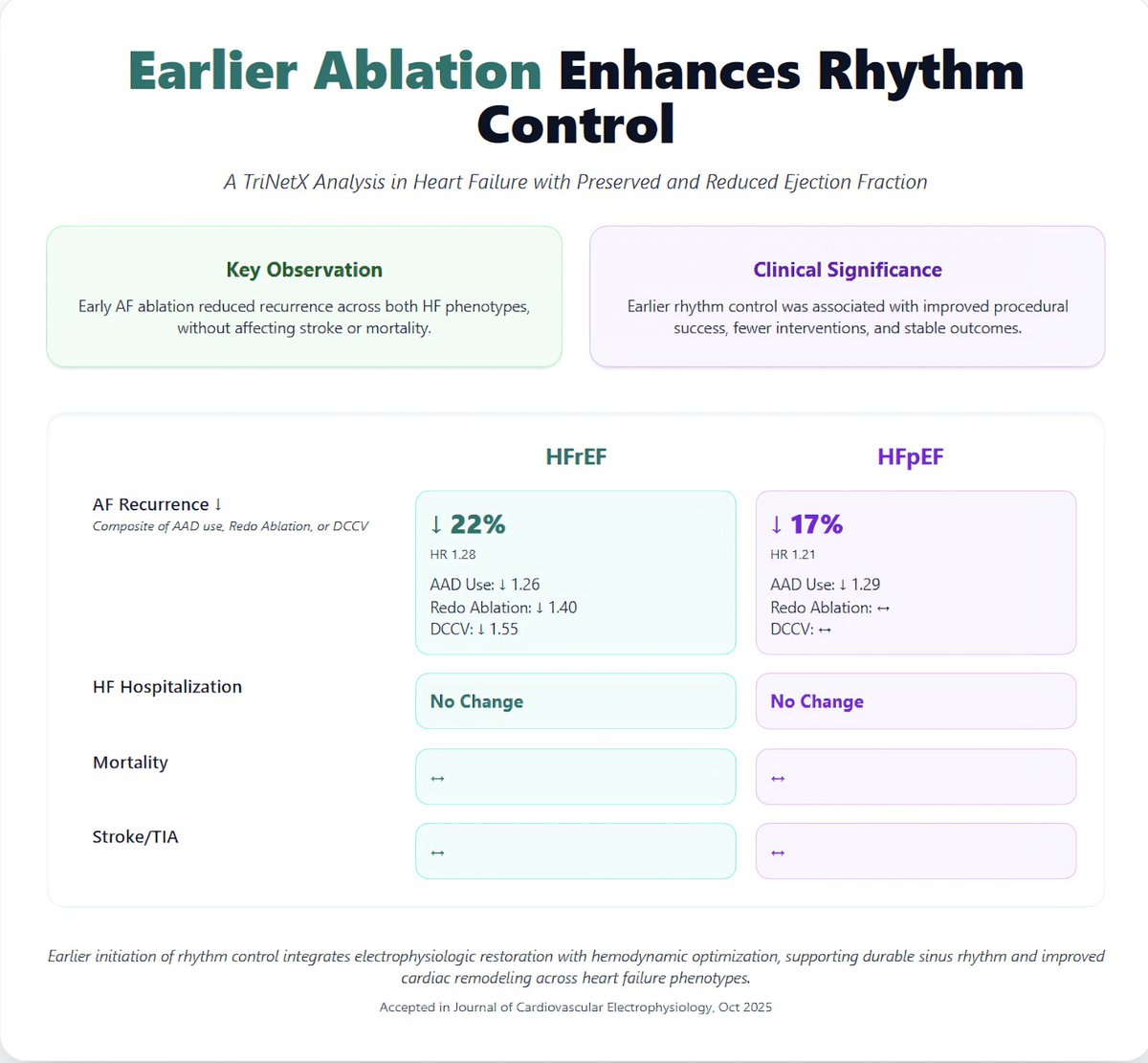
🕐 Timing matters in AF ablation.
Early ablation (≤ 1 year after dx) lowered AF-recurrence
risk by 22 % in HFrEF and 17 % in HFpEF,
TriNetX multicenter analysis – now in @JCardioEP
🔗pubmed.ncbi.nlm.nih.gov/4118…
✒️@MayoClinicCV @DrDeese99 @abhishek_mbbs @ElBenawiH @M_EISA_2012
3
10
2,774
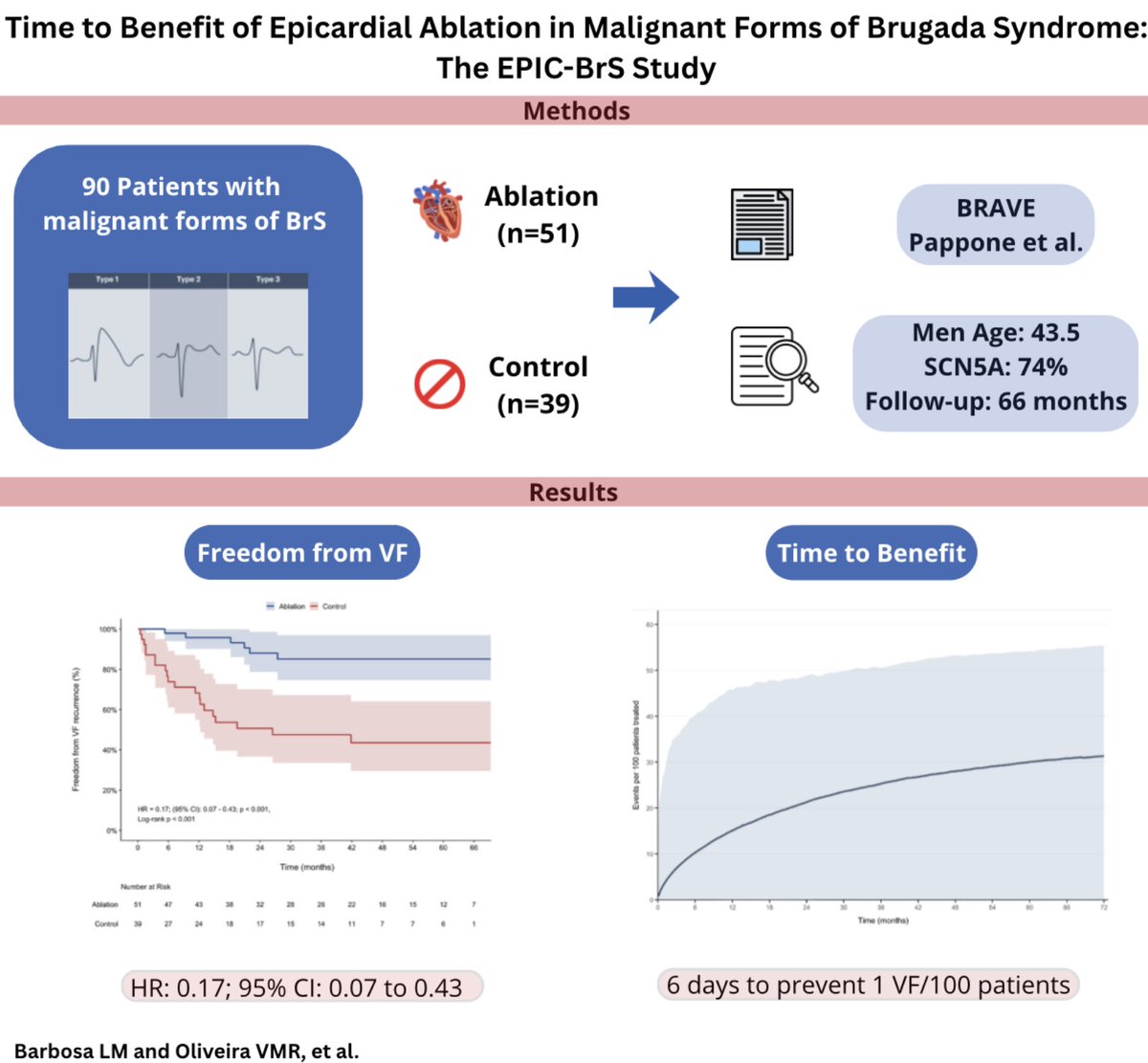
EPIC‑BrS: Epicardial ablation sharply reduces VF in malignant Brugada. Adjunctive ablation may outperform ICD-only strategy
🔗 pubmed.ncbi.nlm.nih.gov/4124…
✒️ @LucasMBarbosa01 @OliveiraVMR
2
9
880
1
314
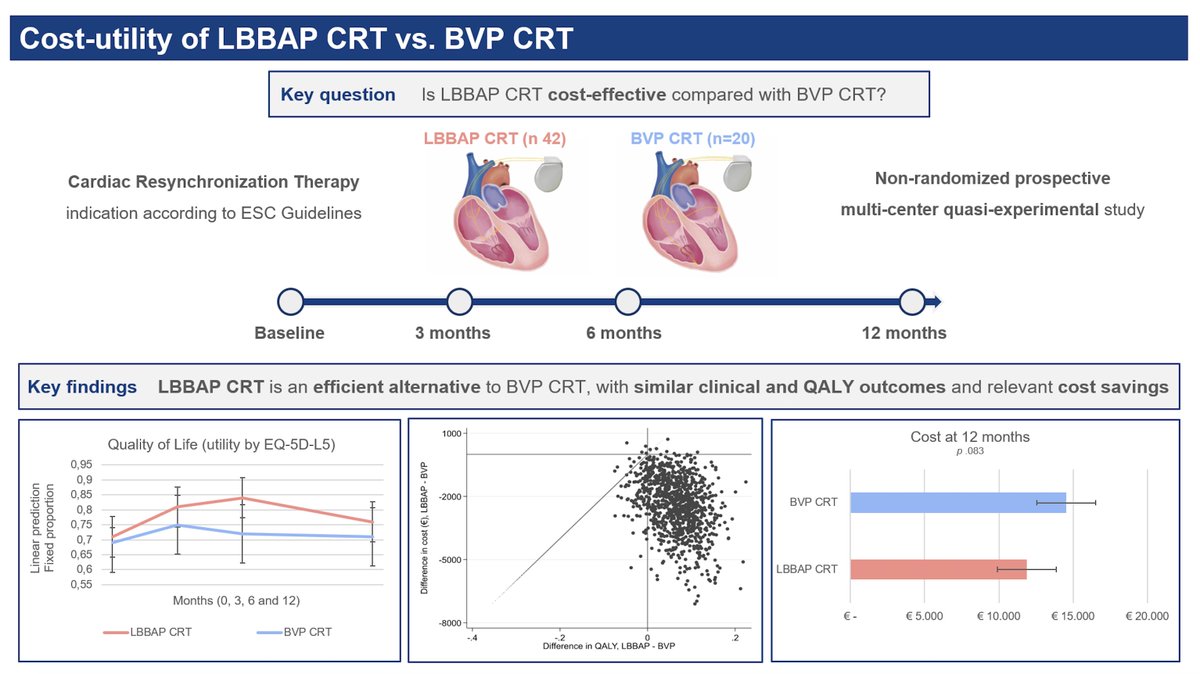
🤔 Is LBBAP CRT cost-effective compared with BVP CRT?
✒️ Find out the results in a recent @JCardioEP manuscript by :
@jmsanchezmoreno @ManoloMolina8 @ArritmiasGr @hospital_hvn @Cardio_HURS @CorazonHuvr @AGSSurSevilla
🔗 pubmed.ncbi.nlm.nih.gov/4131…
1
3
5
879
Journal of Cardiovascular Electrophysiology retweeted

22 Oct 2025
PWI is definitely not appropriate for all patients with persistent AF. It has been shown to be effective in some cases (low/fractionated voltage, high burden of spatiotemporal dispersion) but in select trials without replication. Persistent AF is an area ripe for continued investigation w/ #AI and advanced signal/vector analysis. We will almost certainly find that a ‘tailored’ / individualized approach is better than one size fits all.
@VoltaMedical
@VektorMedical
22 Oct 2025

PVI is the one area where RCTs have been unable to supercede anecdotes – because operator bias is so powerful.
Only two randomized trials have shown efficacy beyond PVI (CONVERGE and VENUS), yet only a minority have adopted. And multiple PWI studies show no systematic benefit when applied widely, yet the majority continue to do so in persistent patients.
The time is ripe for personalization targeting individual mechanisms, as one size has been proven to not fit all.
3
22
5,774
Journal of Cardiovascular Electrophysiology retweeted

22 Oct 2025
PVI is the one area where RCTs have been unable to supercede anecdotes – because operator bias is so powerful.
Only two randomized trials have shown efficacy beyond PVI (CONVERGE and VENUS), yet only a minority have adopted. And multiple PWI studies show no systematic benefit when applied widely, yet the majority continue to do so in persistent patients.
The time is ripe for personalization targeting individual mechanisms, as one size has been proven to not fit all.
19 Oct 2025

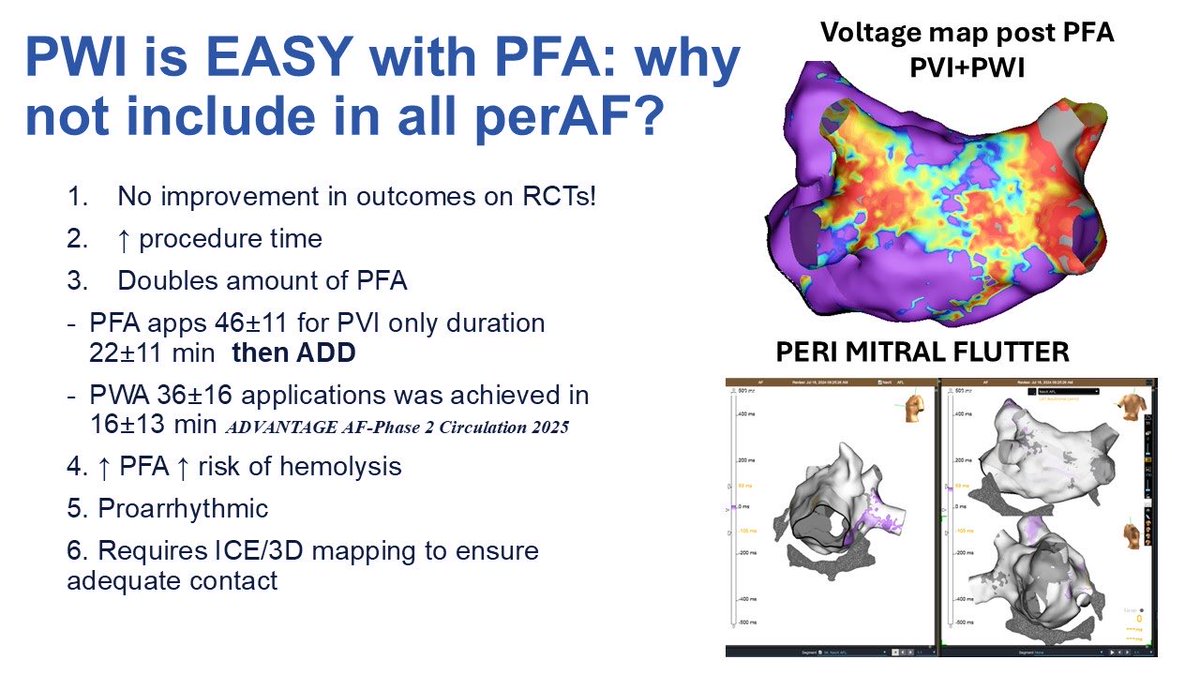
What’s the obsession with PWI in AF ablation? It may appear “safe & easy” @drjohnm BUT no randomised evidence & there is downside #TWIC Oct 10
8
30
119
24,290
🚀New on @JCardioEP
🎓"Adverse Effect of Ventricular Rate Regularization Pacing in Biventricular Cardiac Resynchronization Therapy" by Chu-Pak Lau et al
onlinelibrary.wiley.com/doi/…
1
1
2
625
A 72 y.o. man with a CRT-D developed acute HF due to biventricular pacing tachycardia > 100/min. Frequent ventricular ectopics activated ventricular rate stabilisation for rate smoothing which paradoxically worsened heart failure.
#Epeeps
466
🚀New on @JCardioEP
"Cannabis Use and the Risk of Arrhythmias: Insights From a Large Retrospective Multicenter Analysis" by @juanpvf1708 et al
onlinelibrary.wiley.com/doi/…
1
2
7
559
With cannabis use on the rise, what are the cardiac risks? This large multicenter study reveals cannabis users face higher rates of atrial & ventricular arrhythmias compared to matched controls.
#Epeeps
1
412
🚀 New in @JCardioEP
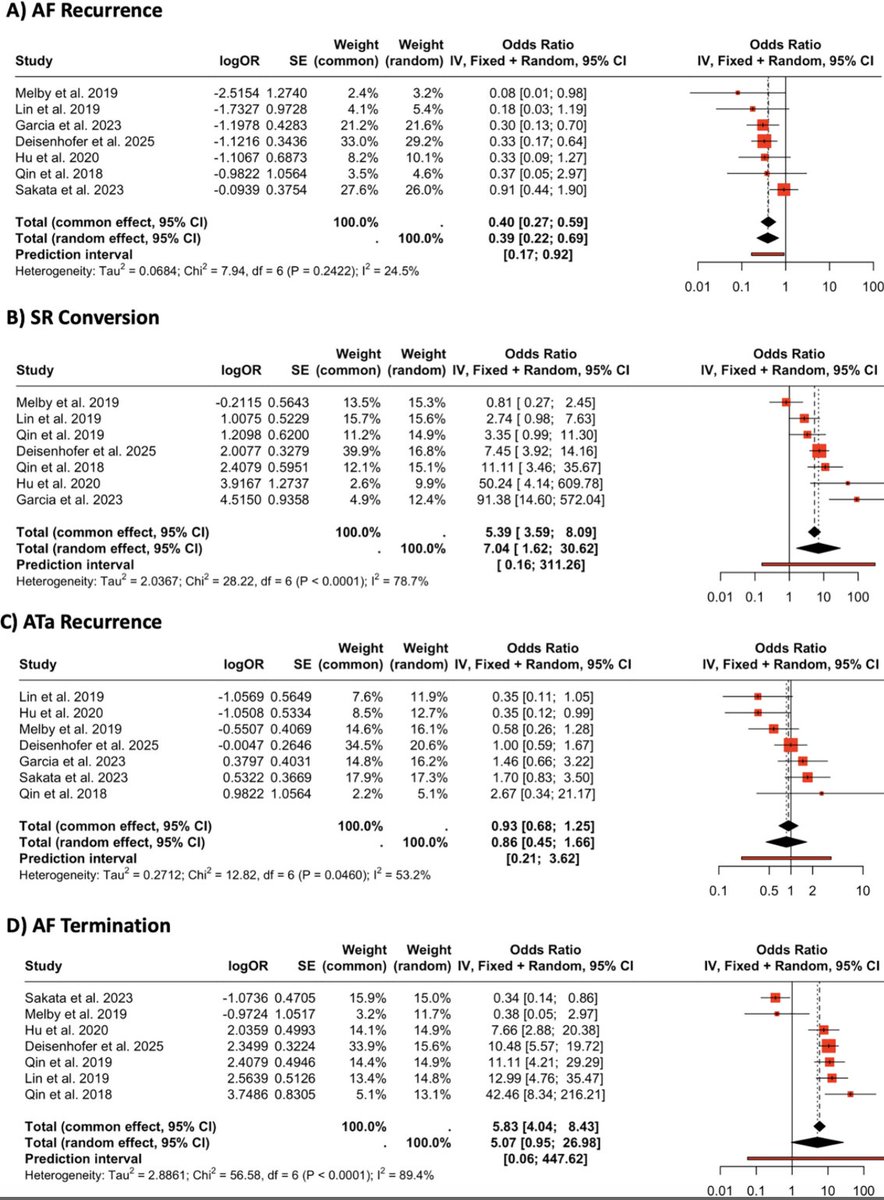
📷 "Contemporary Outcomes of Ventricular Tachycardia Ablation in Left Ventricular Assist Device Therapy: A Meta-Analysis" by @TheVash12 et al
@Davilandre
onlinelibrary.wiley.com/doi/…
1
4
7
1,321
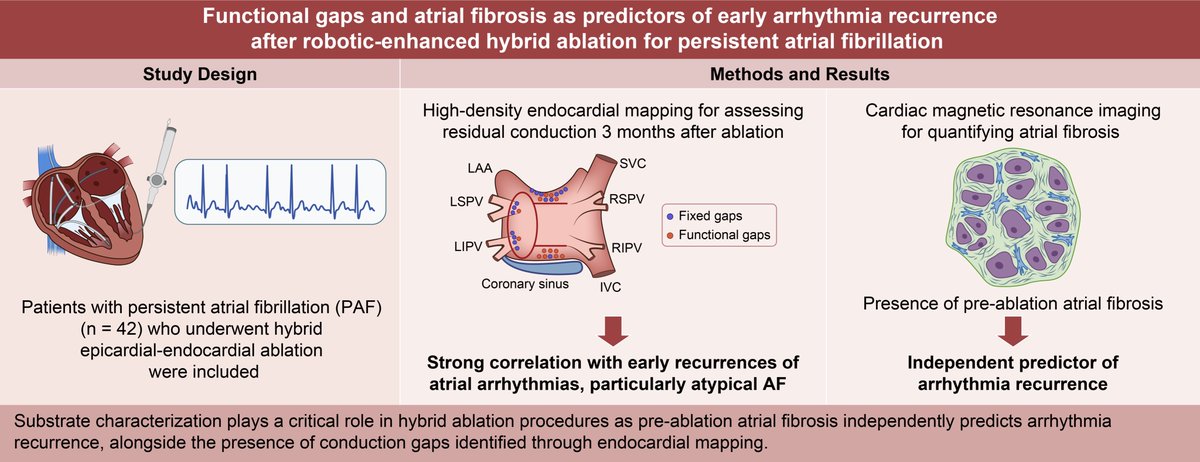
📜 Functional Gaps and Atrial Fibrosis as Predictors of Early Arrhythmia Recurrence After Robotic-Enhanced Hybrid Ablation for Persistent Atrial Fibrillation by @EduardoCelenta1 et al
@nmsdegroot
onlinelibrary.wiley.com/doi/…
1
2
4
419
New insights in hybrid AF ablation: functional gaps & atrial fibrosis predict early arrhythmia recurrence. High-density mapping helps target completion lesions and improve rhythm success.
#Epeeps
1
1
330
🚀 New in @JCardioEP
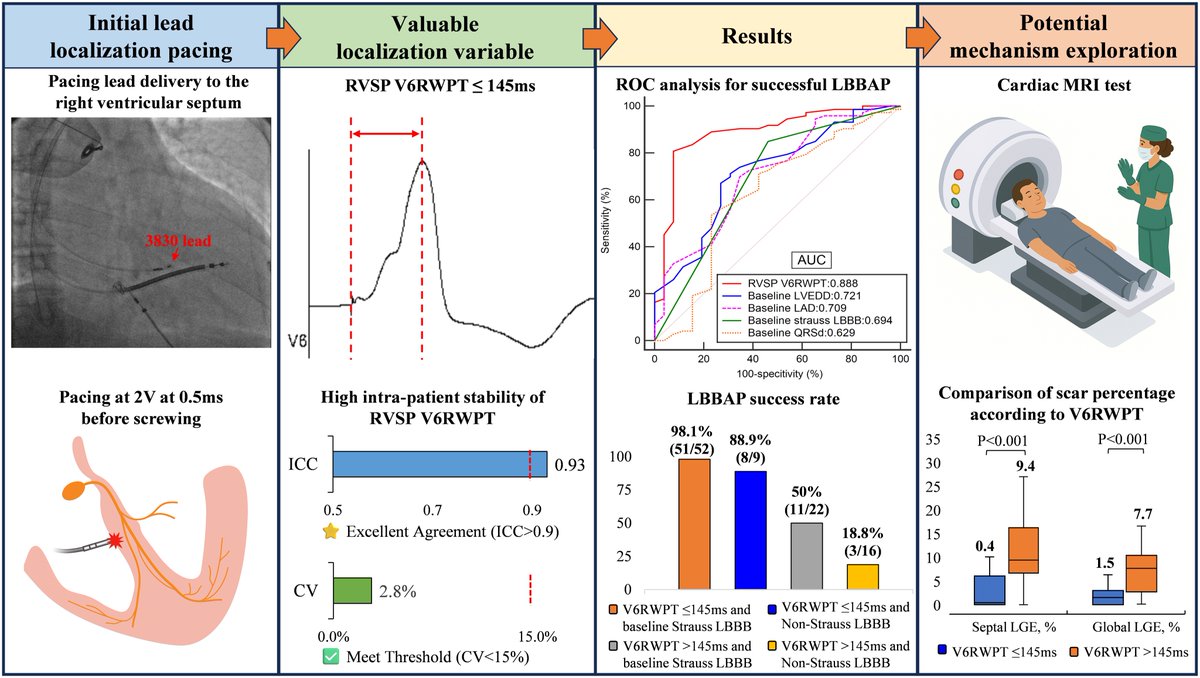
🎓 "Right Ventricular Septal Pacing-Derived V6 R-Wave Peak Time Predicts Successful Left Bundle Branch Area Pacing in Patients With Heart Failure and Left Bundle Branch Block" by Mengxing Cai et al
onlinelibrary.wiley.com/doi/…
1
2
5
566
🚀Check out in the @JCardioEP
🎓 "Long-Term Outcome of Radiofrequency Versus Pulsed-Field Ablation in Atrial Fibrillation Patients Aged More Than 60 Years Undergoing Their First Catheter Ablation" by @PamelaH33 et al
@natale_md
📷 onlinelibrary.wiley.com/doi/…
1
3
3
627
Findings from this single-center analysis show that PFA is beneficial in AF patients regardless of their age by being associated with either significantly higher arrhythmia-free survival or longer time to recurrence compared to similar age-group patients undergoing thermal CA
344
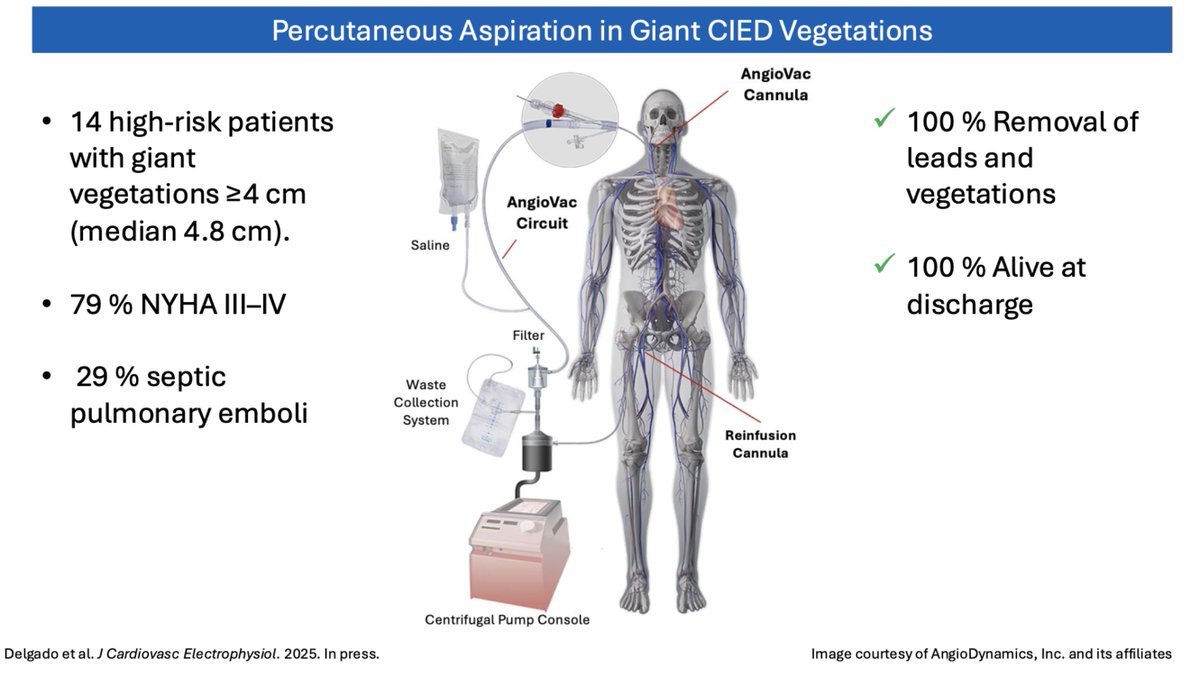
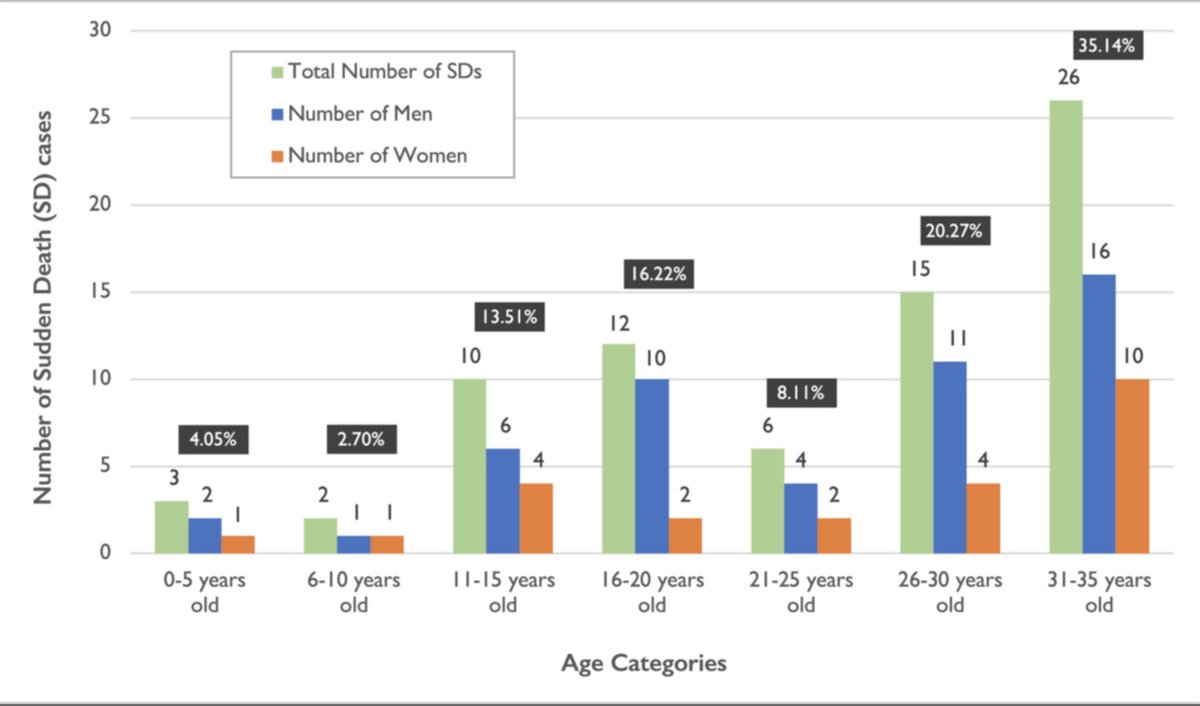
📜 Sudden Death in the Young A nationwide prospective epidemiological study of sudden death in young people aged 1-35 years in the Mediterranean island of Cyprus
🔗 pubmed.ncbi.nlm.nih.gov/4076…
✒️@LoizosA @DrAntoniadesC
1
1
564
✅In Cyprus, sudden death affects 1 in 46,000 people aged 1–35 years annually, mostly due to cardiomyopathies. >25% occur during sports. This 11-year national epidemiological study provides key data on sudden deaths, highlighting the need for early screening and genetic testing.
1
444